Mobile software testing tutorials
We test apps as if the network were a clean hallway. In reality, it is a crowded street, full of detours, temporary closures, and shifting traffic rules. Mobile users bounce between radio cells and Wi-Fi hotspots. Edge caches decide what to serve and where to route. Protocols and IP paths change under our feet.
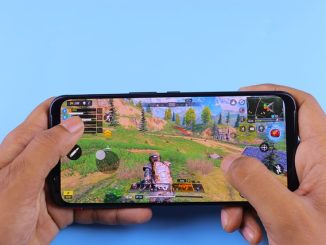
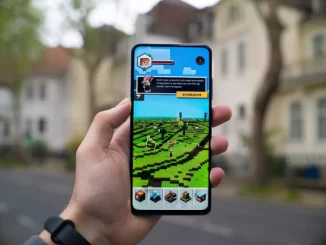
Mobile gaming just keeps growing. Everyone has a phone, and almost everyone plays something – whether it’s a quick puzzle game on their commute or some massive multiplayer battle that eats up their evening.
The shift towards mobile platforms is a strong trend currently and Android is the most widely adopted mobile OS with an estimated market share above 80% in 2014. You should naturally test all the apps developed for Android and a large number of open source testing tools and test automation frameworks have been developed to achieve this goal.
Hybrid mobile applications, combining the best of both web and native technologies, are gaining popularity for their cost-effectiveness and faster development cycles. However, testing these applications presents unique challenges, particularly with WebViews.
Random number generators (RNG) are one of the cogs in the multibillion-dollar gaming industry. Many of us will only see the fascinating result of game designs, some of which have been years in the making. If it wasn’t for cutting-edge technology and true innovators within the sector, then the development of the games wouldn’t be anywhere near as impressive as it’s been since the beginning of this century.
Gaming extends beyond attractive visuals and captivating plots. Ultimately, it hinges on the user experience, with smooth operation as a critical component achieved via testing. Lessons learned from conventional video game testing span numerous years.
People who deal with the design of any mobile system sooner or later begin to ask the same questions. What specific test automation framework should I choose for mobile tests?