Software Testing Tools: Unit Testing Tools, Functional Testing Tools, Load Testing Tools, Performance Testing Tools, Agile Testing Tools, DevOps
Test management is defined by Wikipedia a part of the software testing process that includes the planning of tests and test cases, their execution and the storage and analysis of the tests results. This is achieved also by the integration with requirements management tools, functional software testing tools like Selenium or Cucumber (with the Gerkhin language), continuous integration tools like Jenkins or TeamCity, bug tracking tools like Bugzilla or Mantis, project management tools like Trello, Redmine or JIRA.
The challenges faced by QA teams can lead to delays and missed issues in software development. But AI-powered test management tools provide a way of improving efficiency, visibility, and overall software quality.
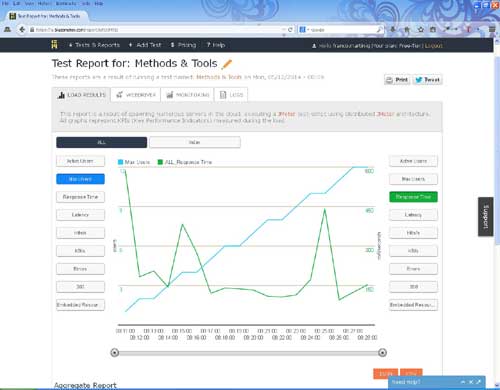
The software development trend that shifts the target platform from the desktop to web, cloud and mobile applications has fostered the development of load testing services and performance testing tools on the web. It is an obvious option to use web-based and cloud-based load testing tools for applications that can be accessed by web users. This article presents the free offers from commercial web load testing services providers.
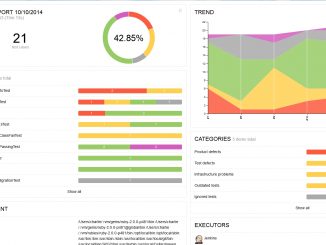
Running automated tests is a good thing for software quality assurance. Test reporting tools help you understand the results of the current test run. You could also be interested to see how your tests results evolve over time. Here are some open source tools to help you do this, as they produce meaningful tests reports and dashboard.
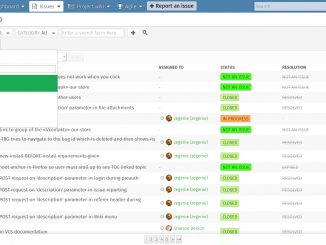
Bugs, issue, defect, there are many names to define the problems you have with software, either during the code development phase or when the application is already in production. Bug tracking tools are an integrated part of a software quality and software testing strategy and there are many open source tools available.
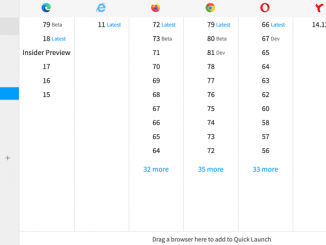
When today’s applications run on various browsers (Chrome, Firefox, Safari, Edge, etc.) on different mobile or desktop devices with specific screen settings. This is why you need to perform cross-browser testing for your automated tests. This article lists the main desktop or online cross-browser testing tools available today.
The shift towards mobile platforms is a strong trend currently and Android is the most widely adopted mobile OS with an estimated market share above 80% in 2014. You should naturally test all the apps developed for Android and a large number of open source testing tools and test automation frameworks have been developed to achieve this goal.