










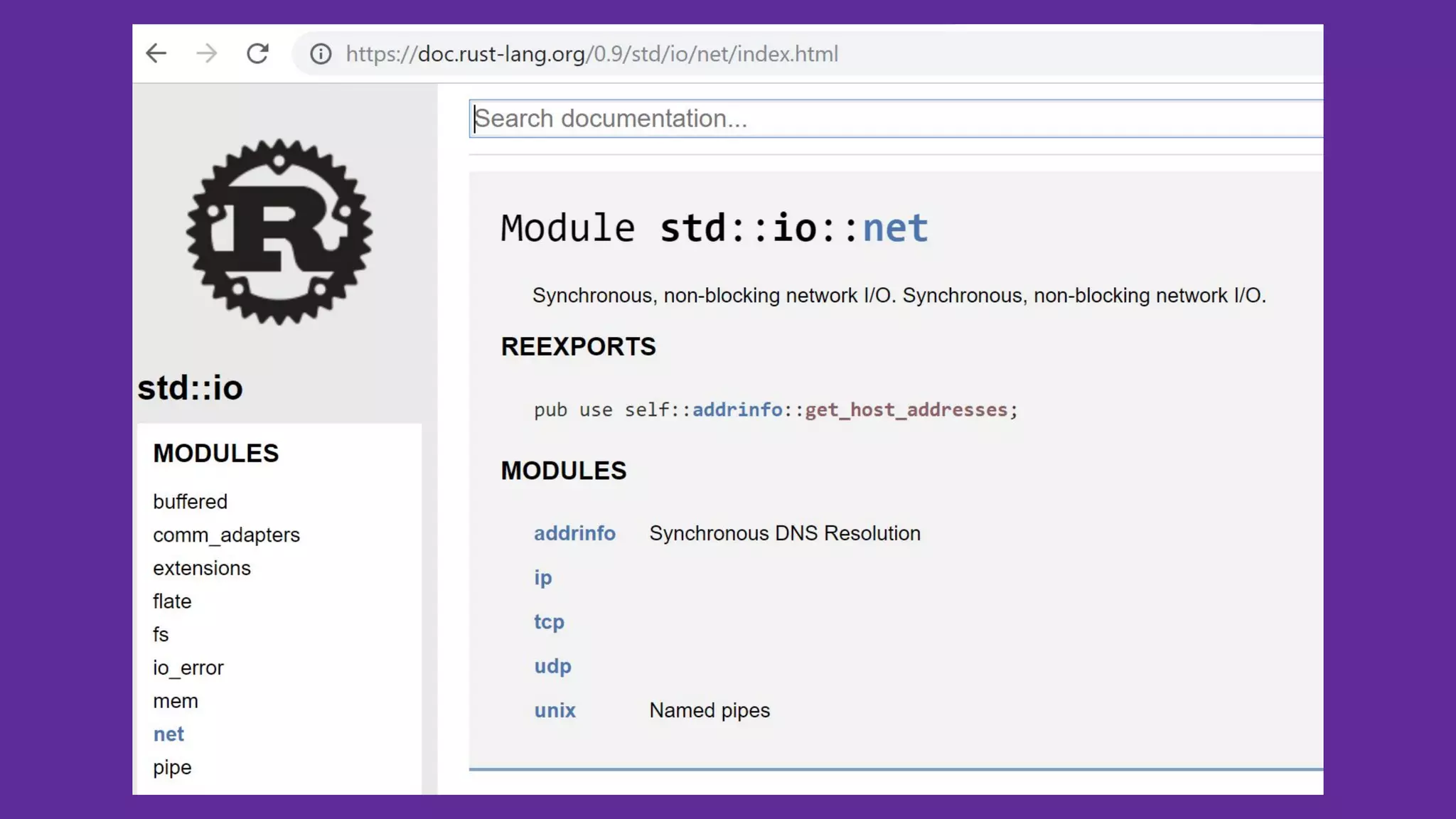
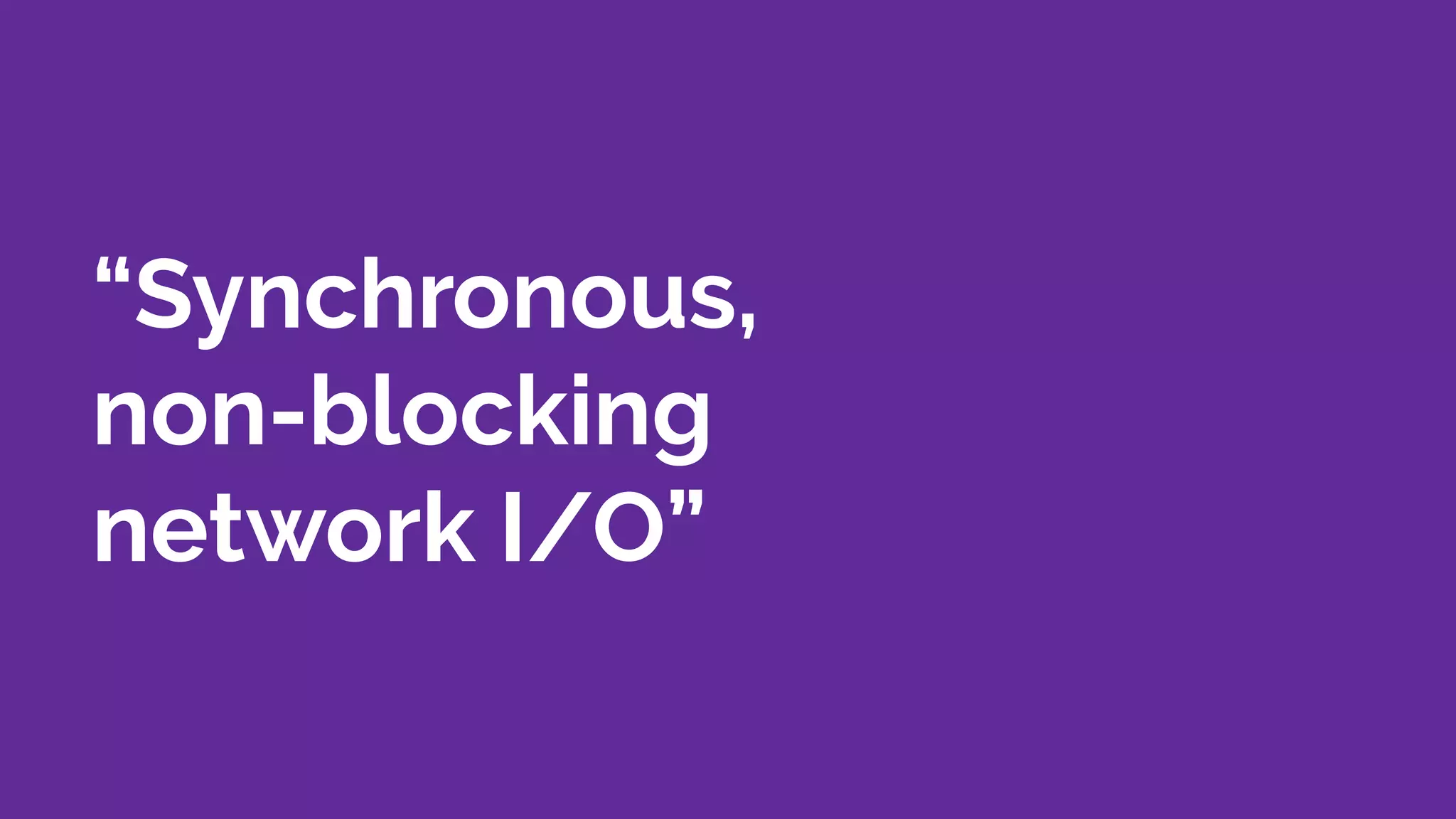
















![Rust example: synchronous
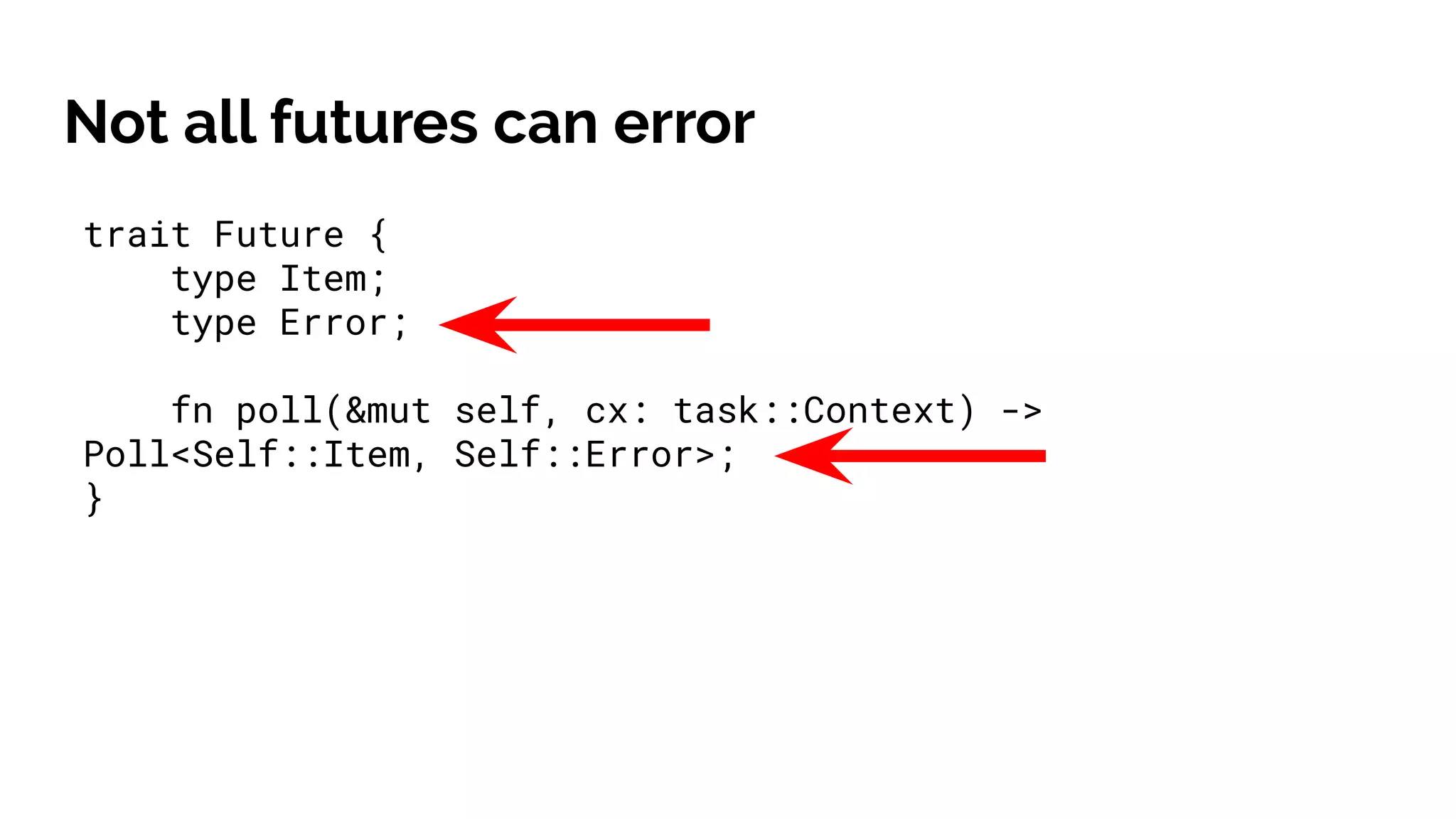
fn read(&mut self, buf: &mut [u8]) -> Result<usize, io::Error>
let mut buf = [0; 1024];
let mut cursor = 0;
while cursor < 1024 {
cursor += socket.read(&mut buf[cursor..])?;
}](https://image.slidesharecdn.com/untitled-191022074031/75/Rust-s-Journey-to-Async-await-79-2048.jpg)
![Rust example: async with Futures
fn read<T: AsMut<[u8]>>(self, buf: T) ->
impl Future<Item = (Self, T, usize), Error = (Self, T, io::Error)>
… the code is too big to fit on the slide
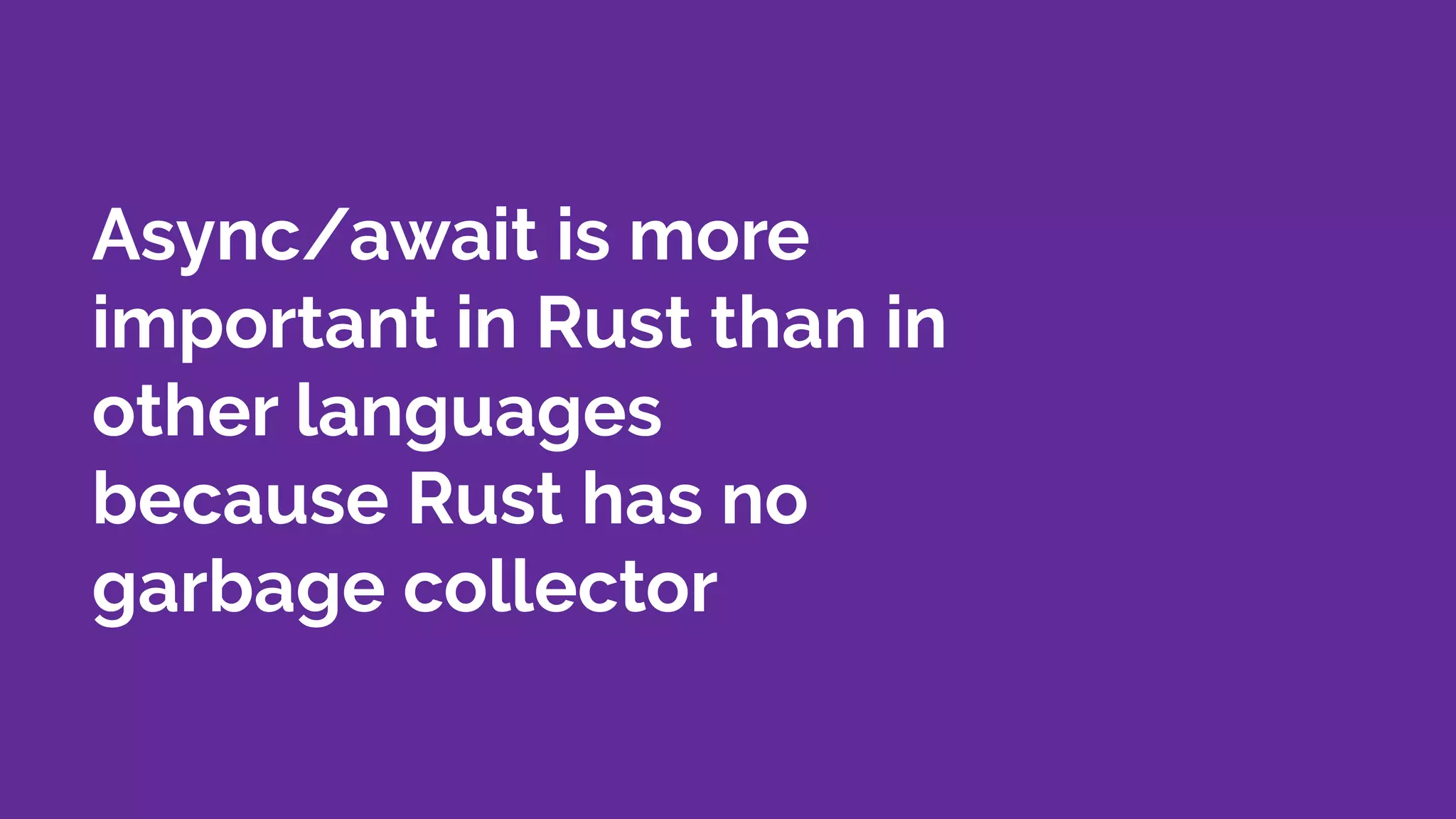
The main problem: the borrow checker doesn’t understand asynchronous
code.
The constraints on the code when it’s created and when it executes are
different.](https://image.slidesharecdn.com/untitled-191022074031/75/Rust-s-Journey-to-Async-await-80-2048.jpg)
![Rust example: async with async/await
async {
let mut buf = [0; 1024];
let mut cursor = 0;
while cursor < 1024 {
cursor += socket.read(&mut buf[cursor..]).await?;
};
buf
}
async/await can teach the borrow checker about these constraints.](https://image.slidesharecdn.com/untitled-191022074031/75/Rust-s-Journey-to-Async-await-81-2048.jpg)



![What syntax for async/await?
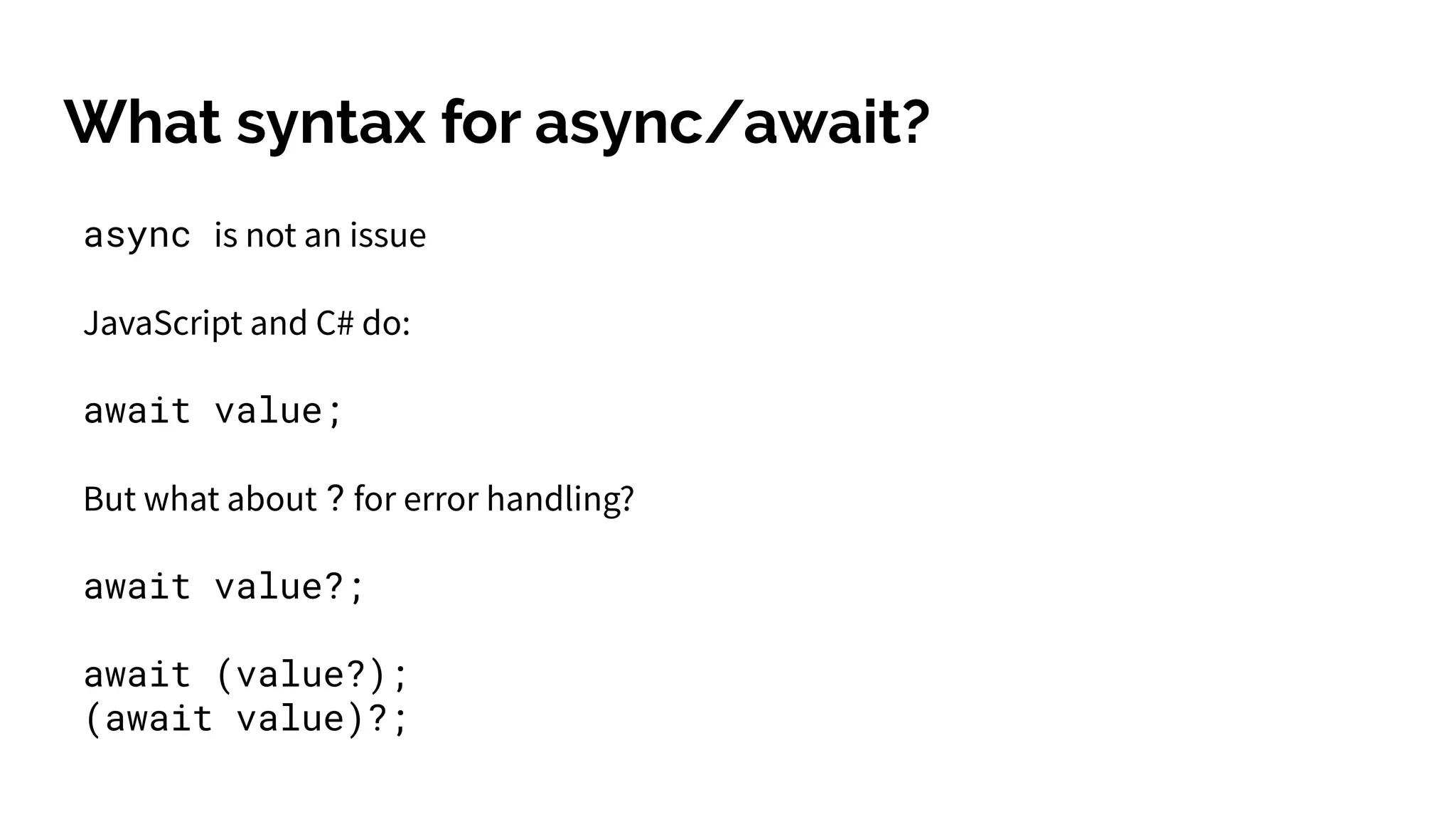
async {
let mut buf = [0; 1024];
let mut cursor = 0;
while cursor < 1024 {
cursor += socket.read(&mut buf[cursor..]).await?;
};
buf
}
// no errors
future.await
// with errors
future.await?](https://image.slidesharecdn.com/untitled-191022074031/75/Rust-s-Journey-to-Async-await-89-2048.jpg)


![Additional Ergonomic improvements
use runtime::net::UdpSocket;
#[runtime::main]
async fn main() -> std::io::Result<()> {
let mut socket = UdpSocket::bind("127.0.0.1:8080")?;
let mut buf = vec![0u8; 1024];
println!("Listening on {}", socket.local_addr()?);
loop {
let (recv, peer) = socket.recv_from(&mut buf).await?;
let sent = socket.send_to(&buf[..recv], &peer).await?;
println!("Sent {} out of {} bytes to {}", sent, recv, peer);
}
}](https://image.slidesharecdn.com/untitled-191022074031/75/Rust-s-Journey-to-Async-await-92-2048.jpg)

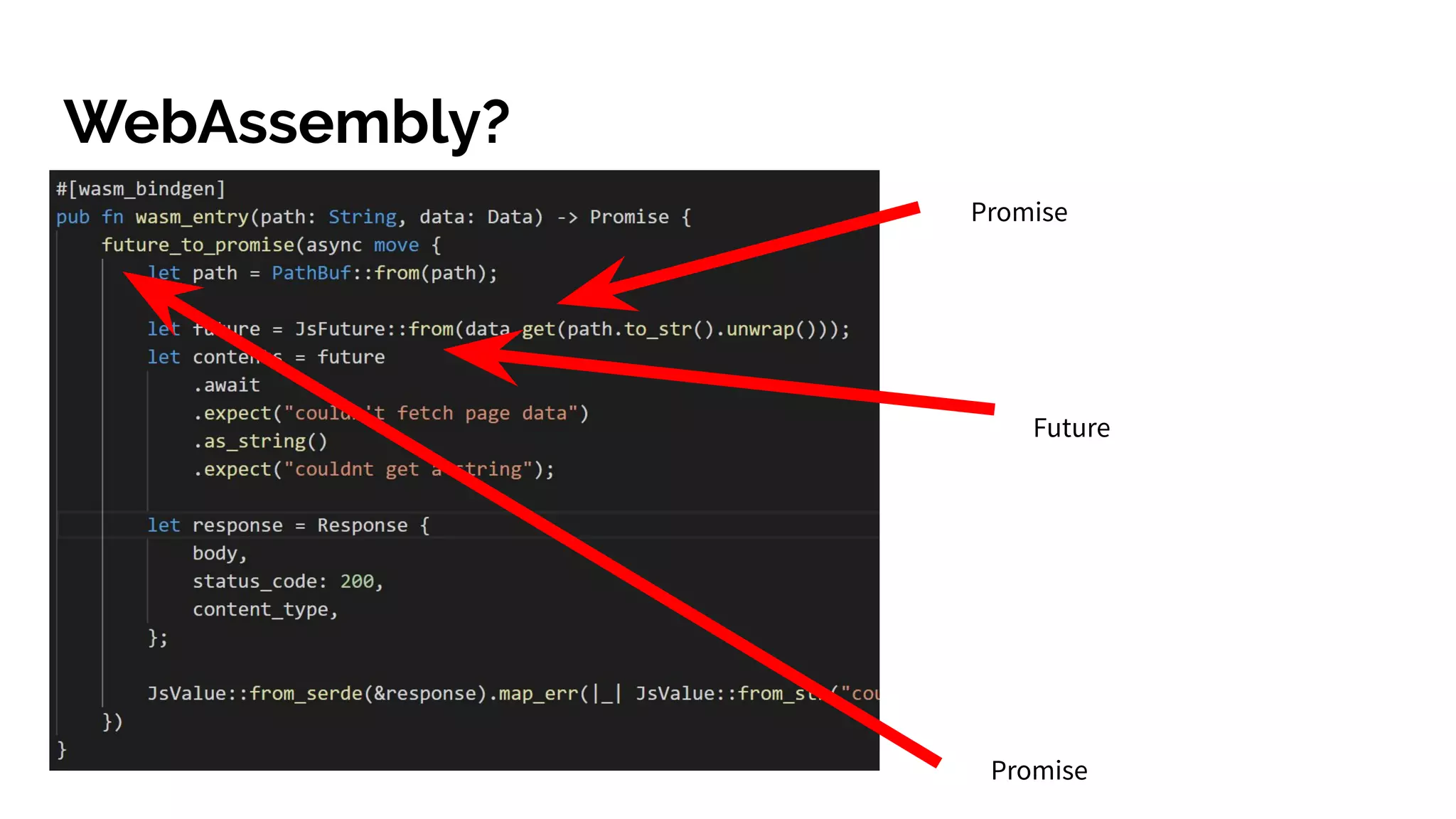
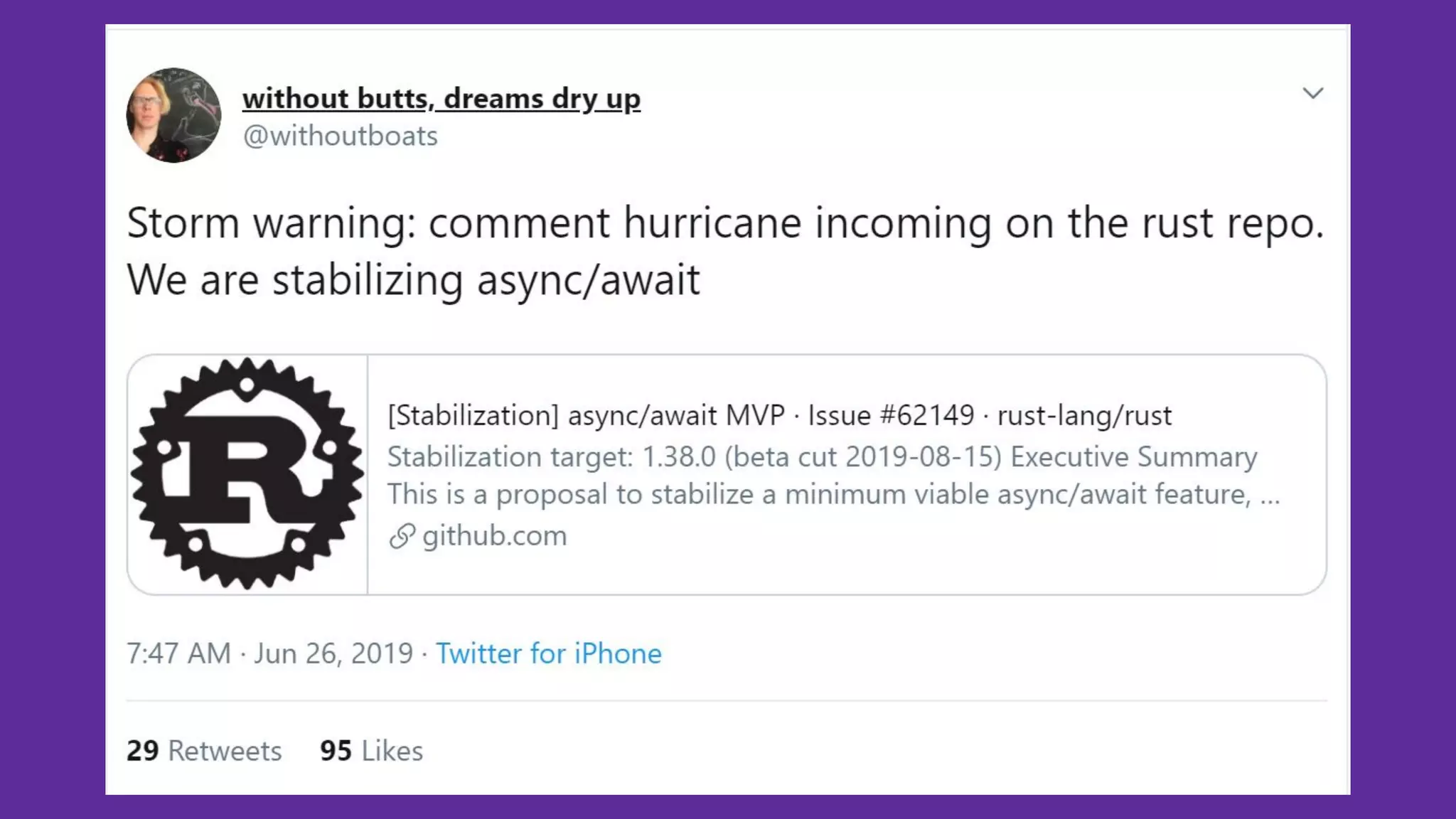



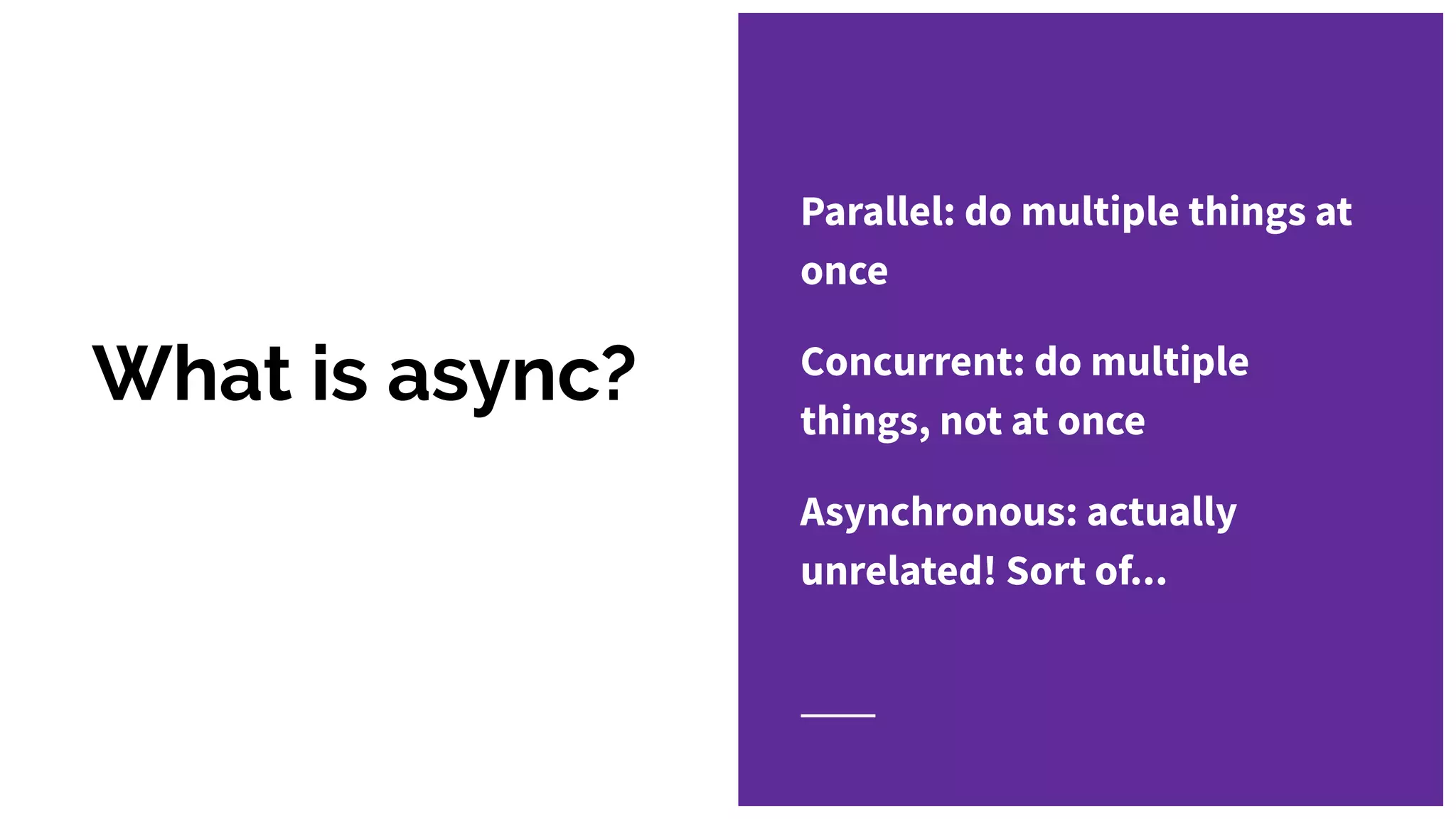
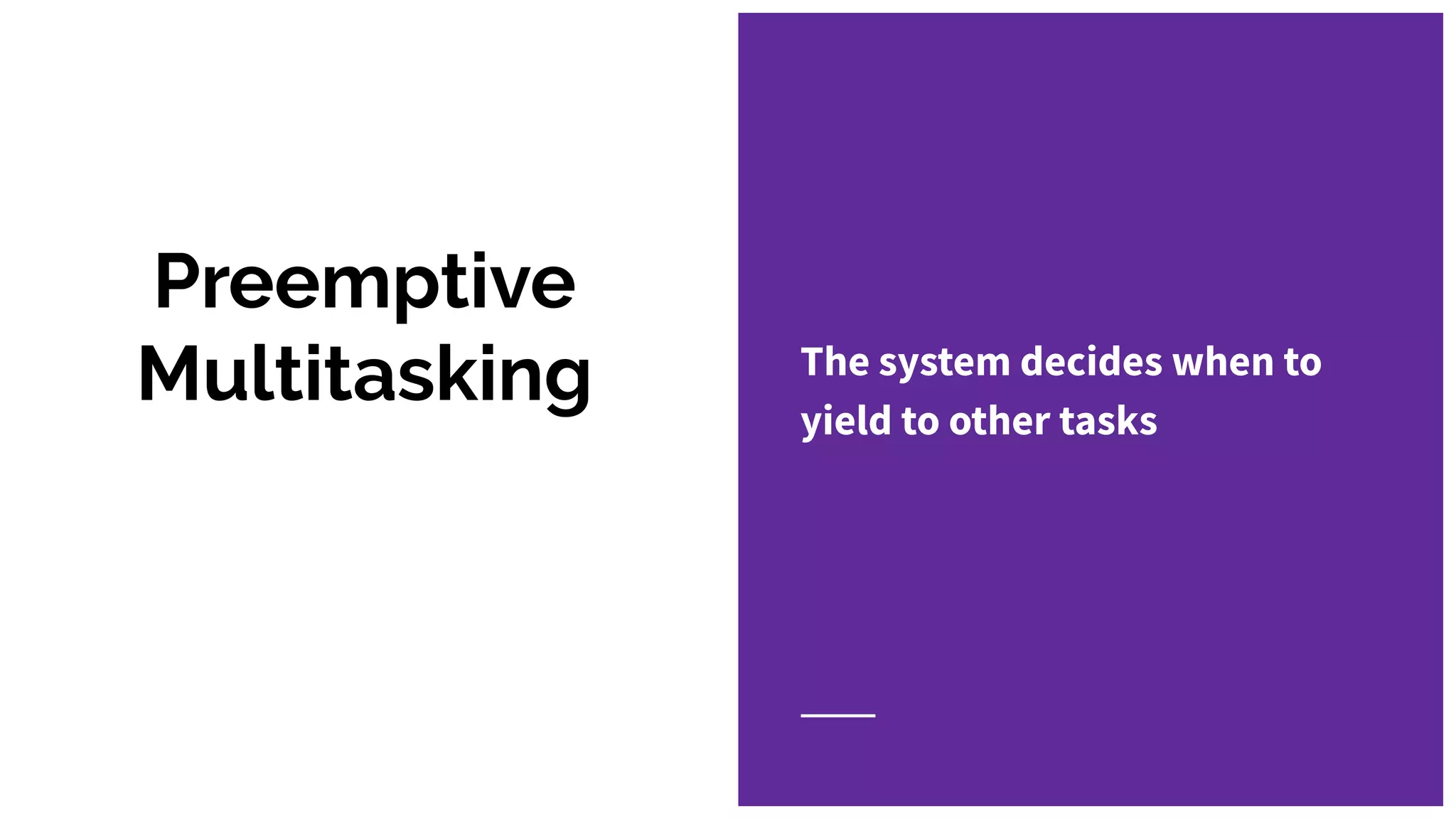
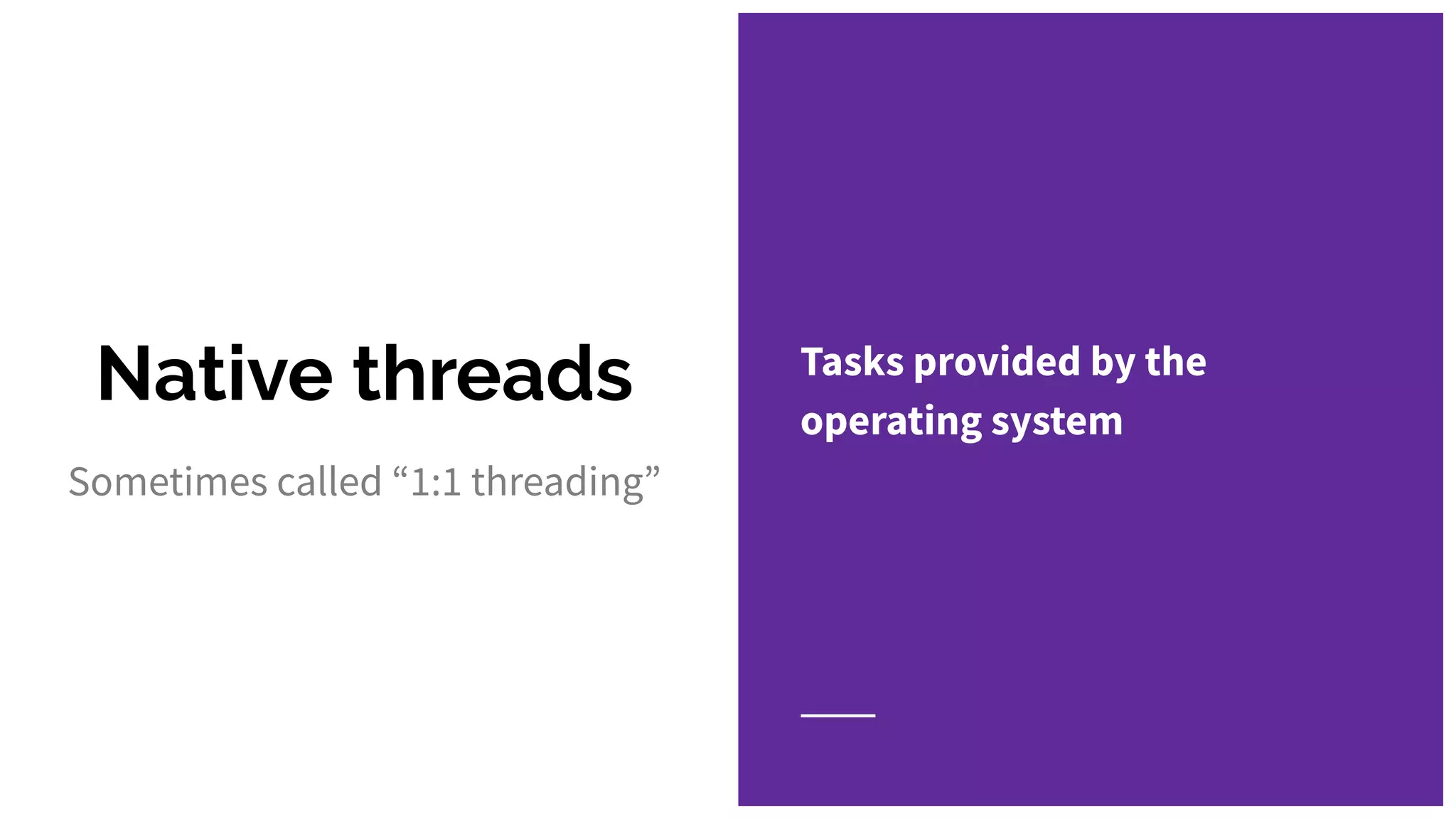
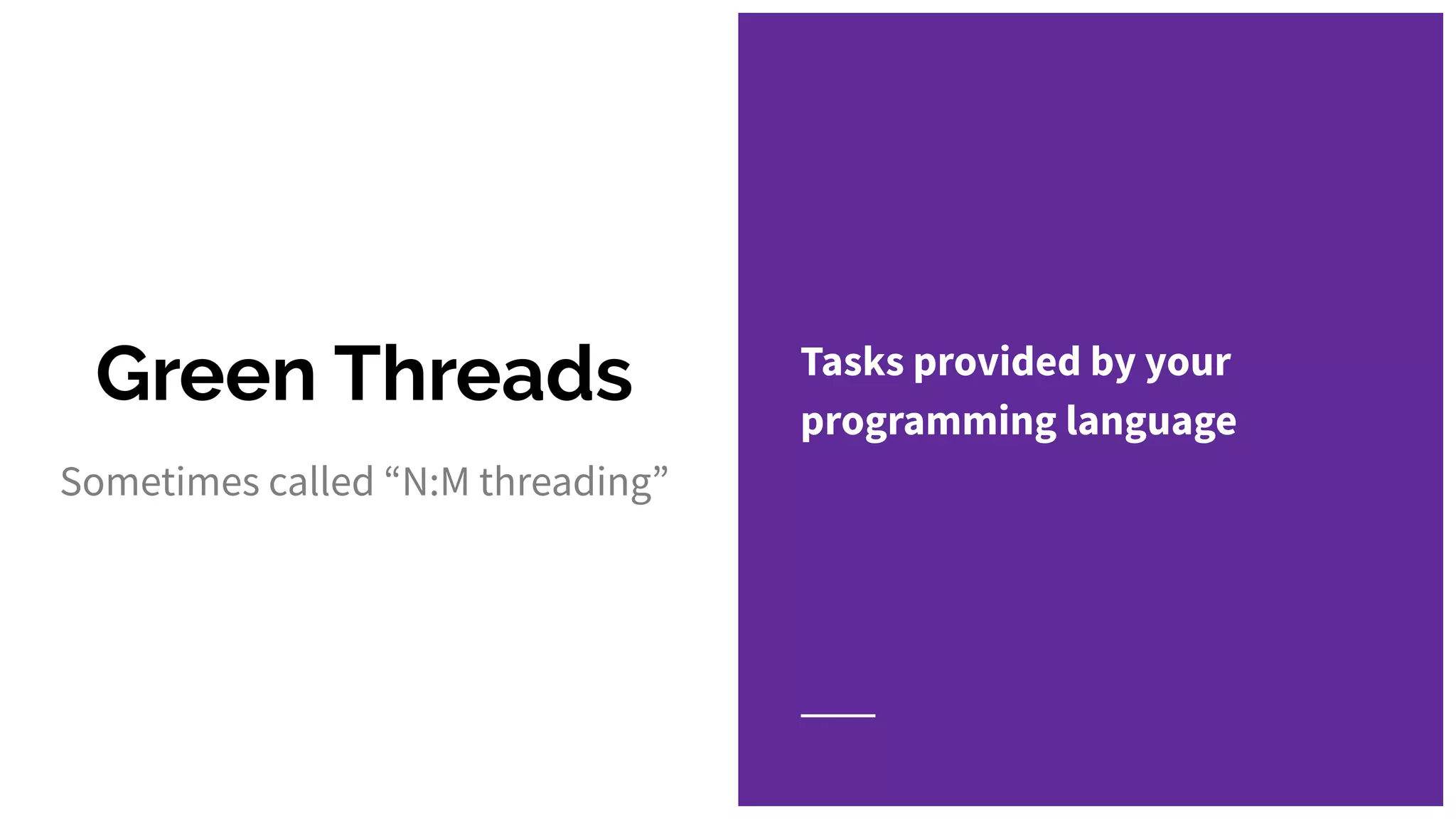
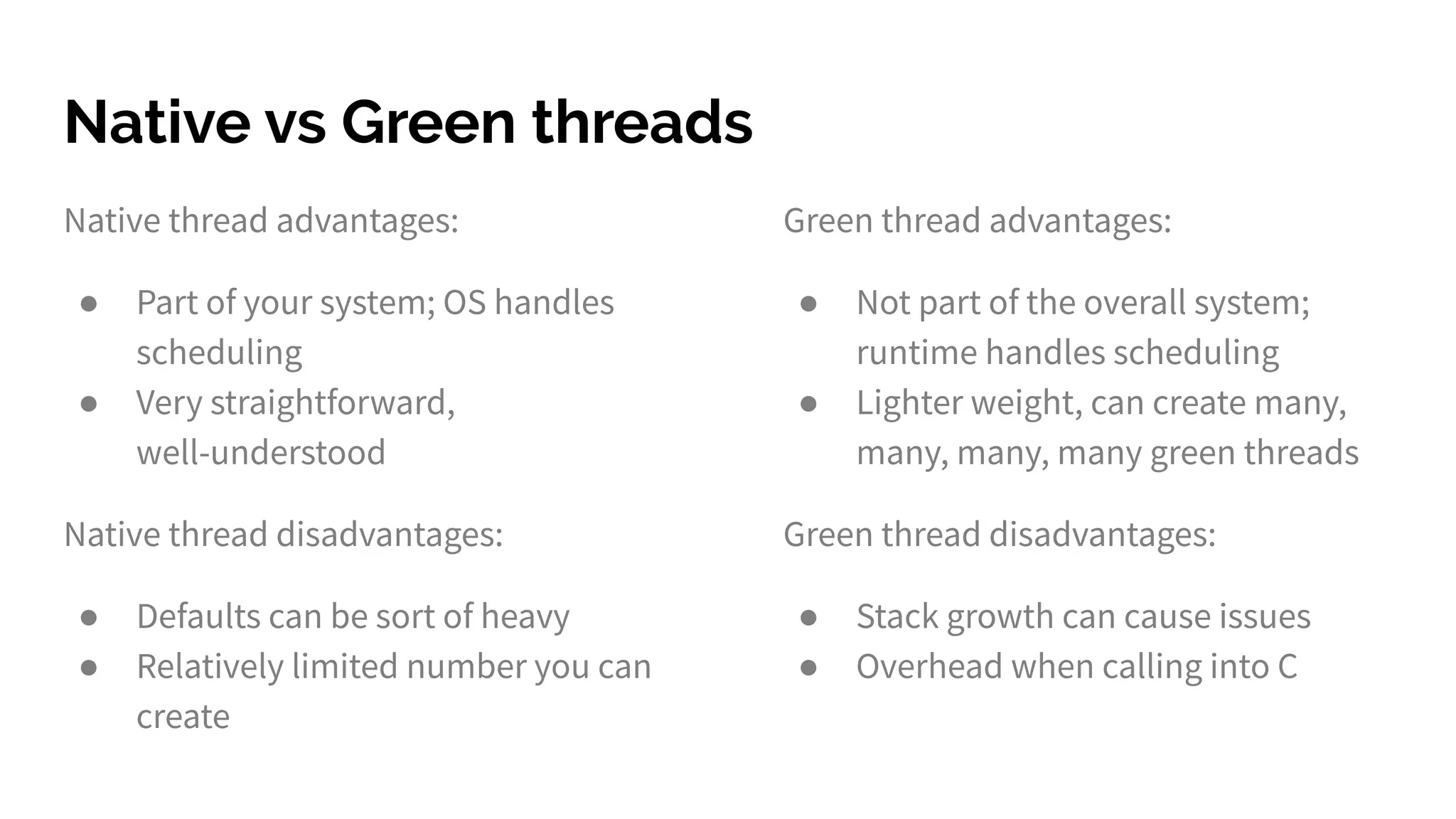
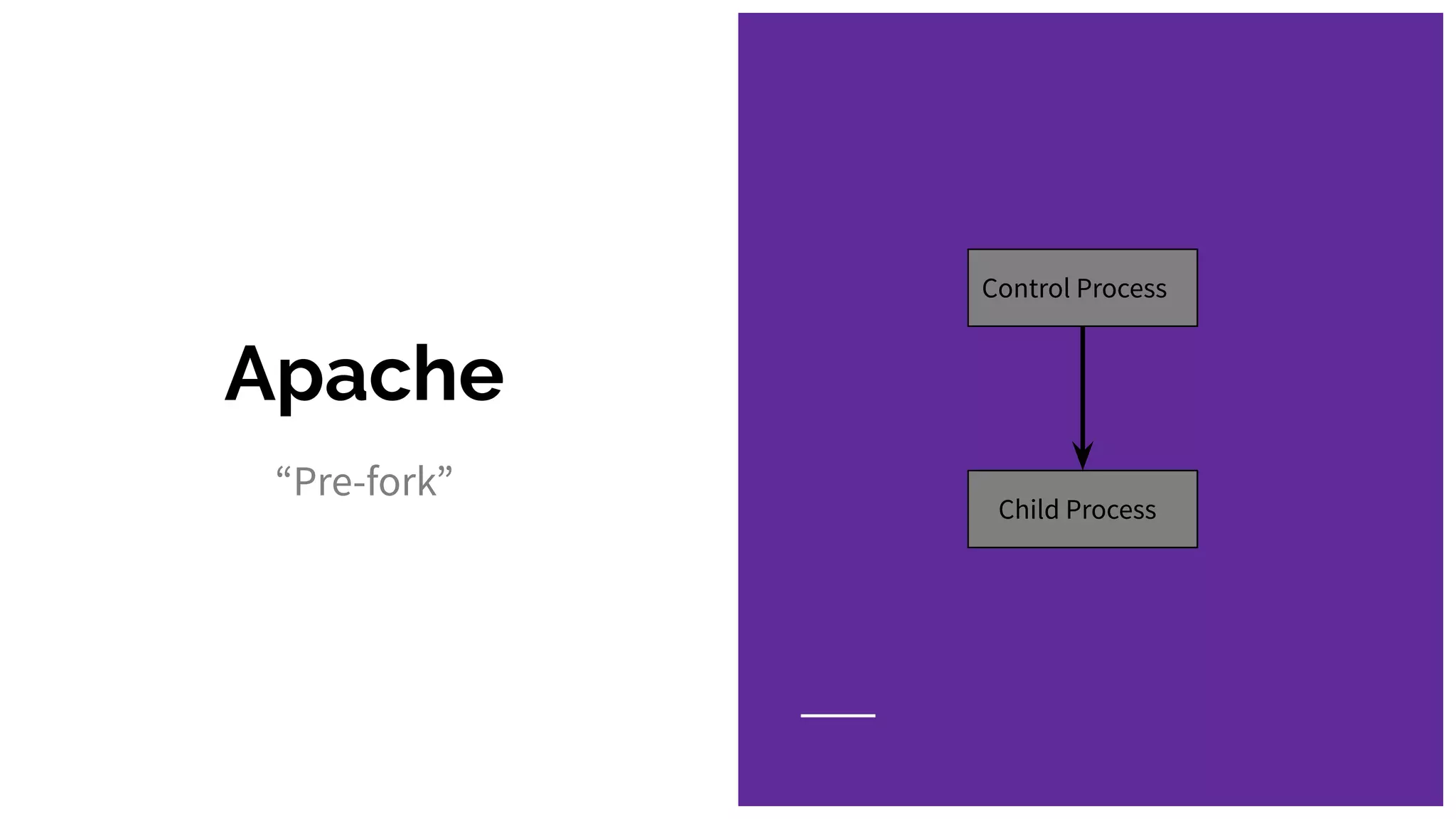
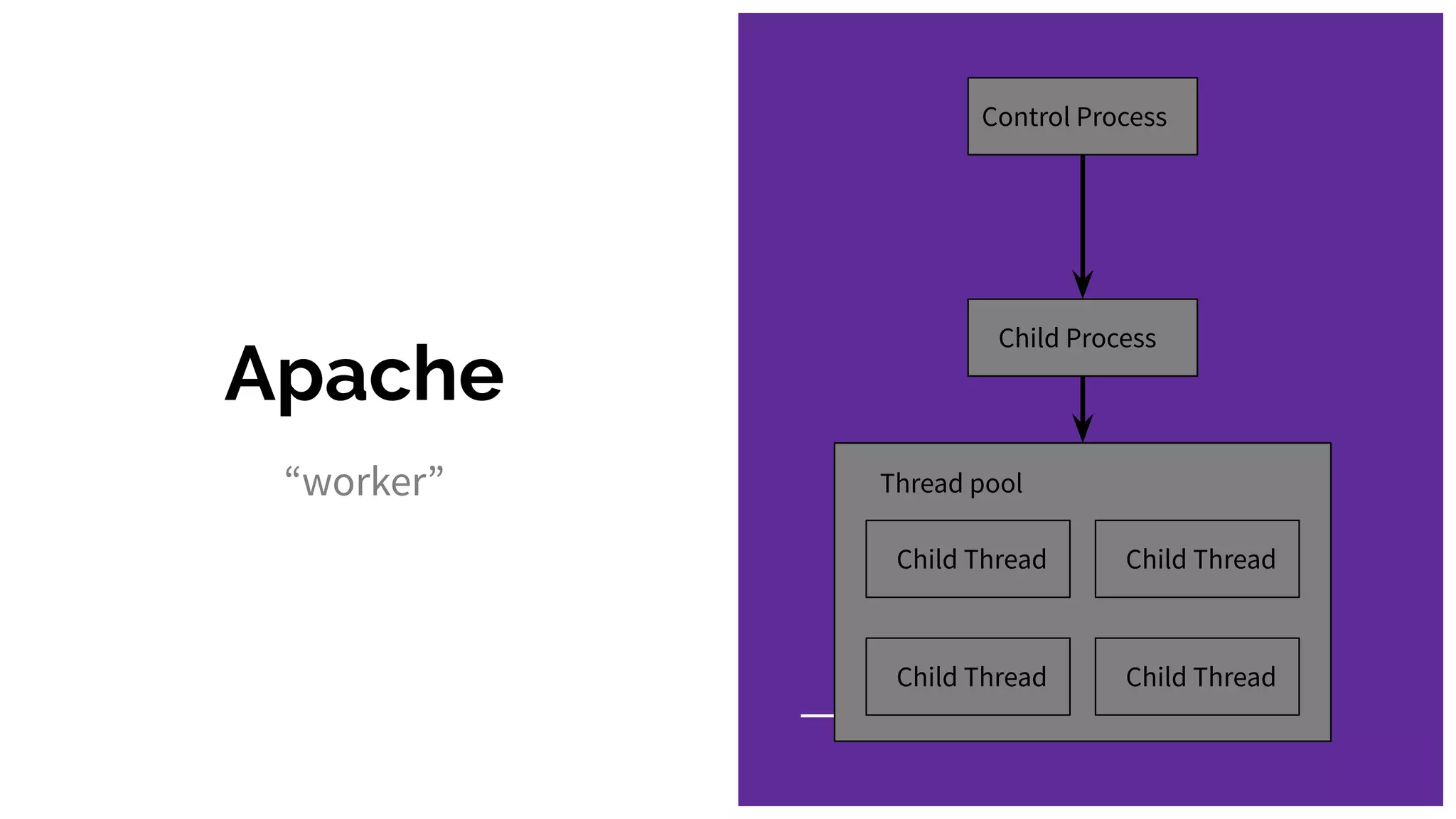
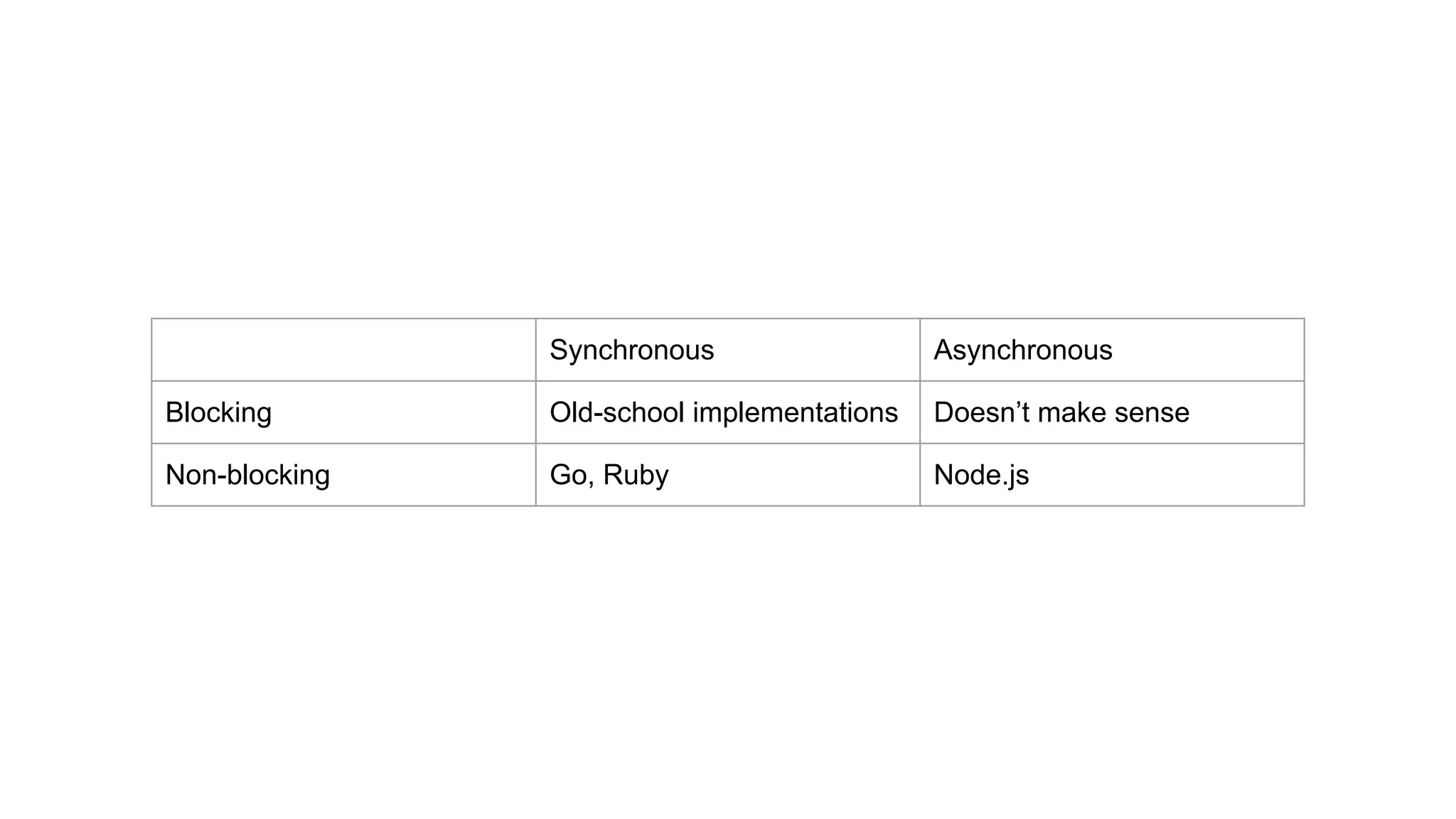
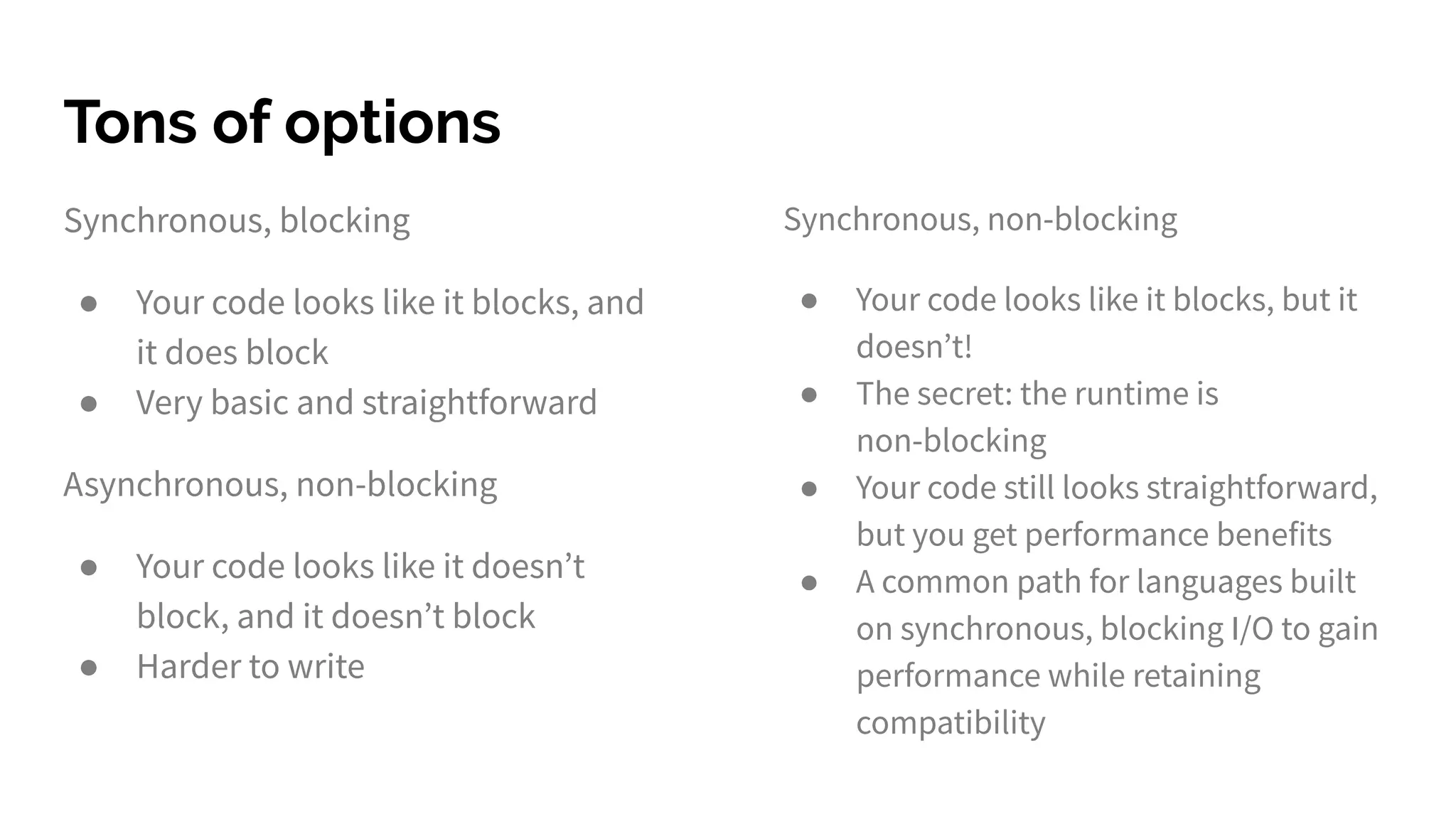
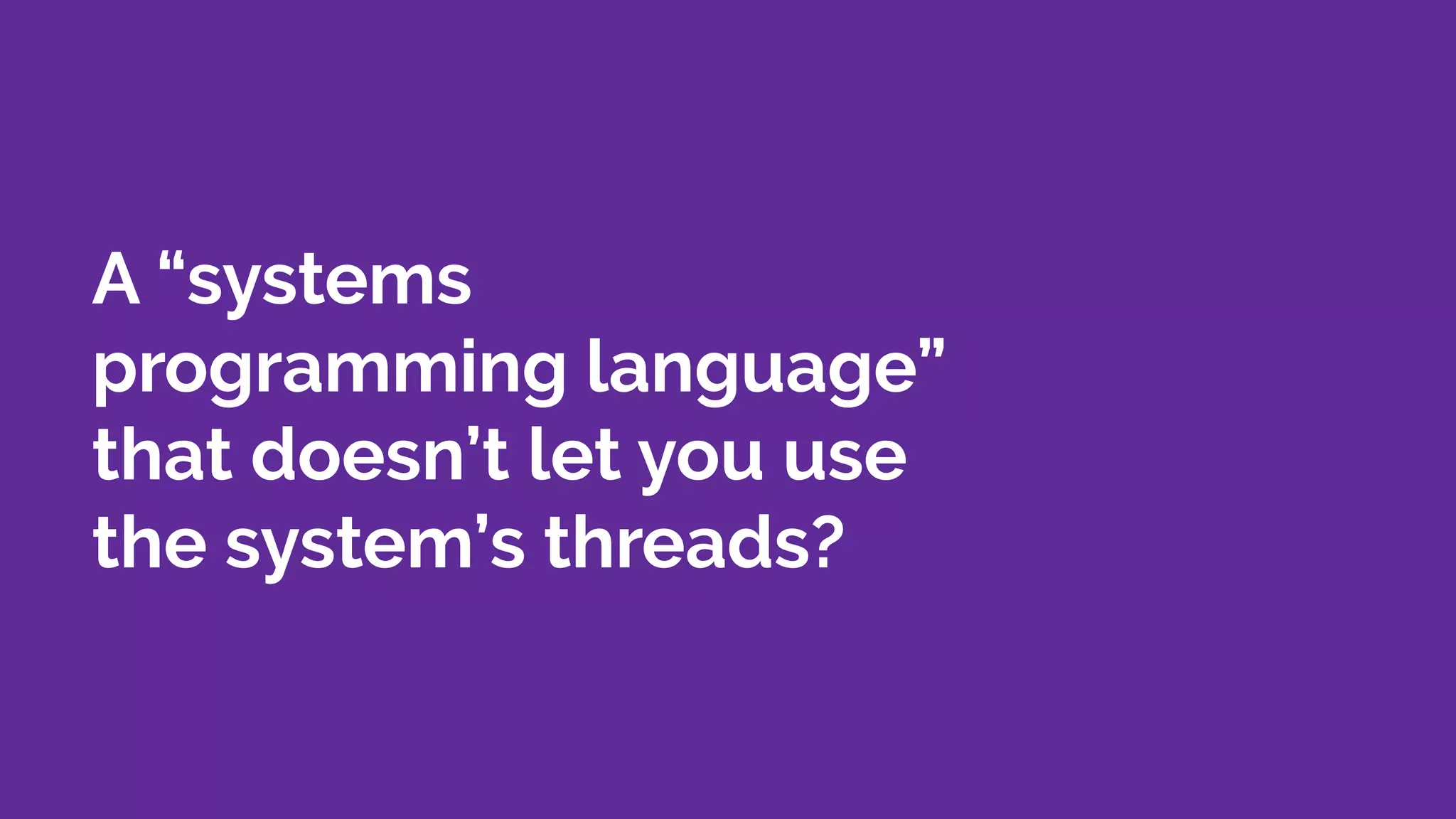
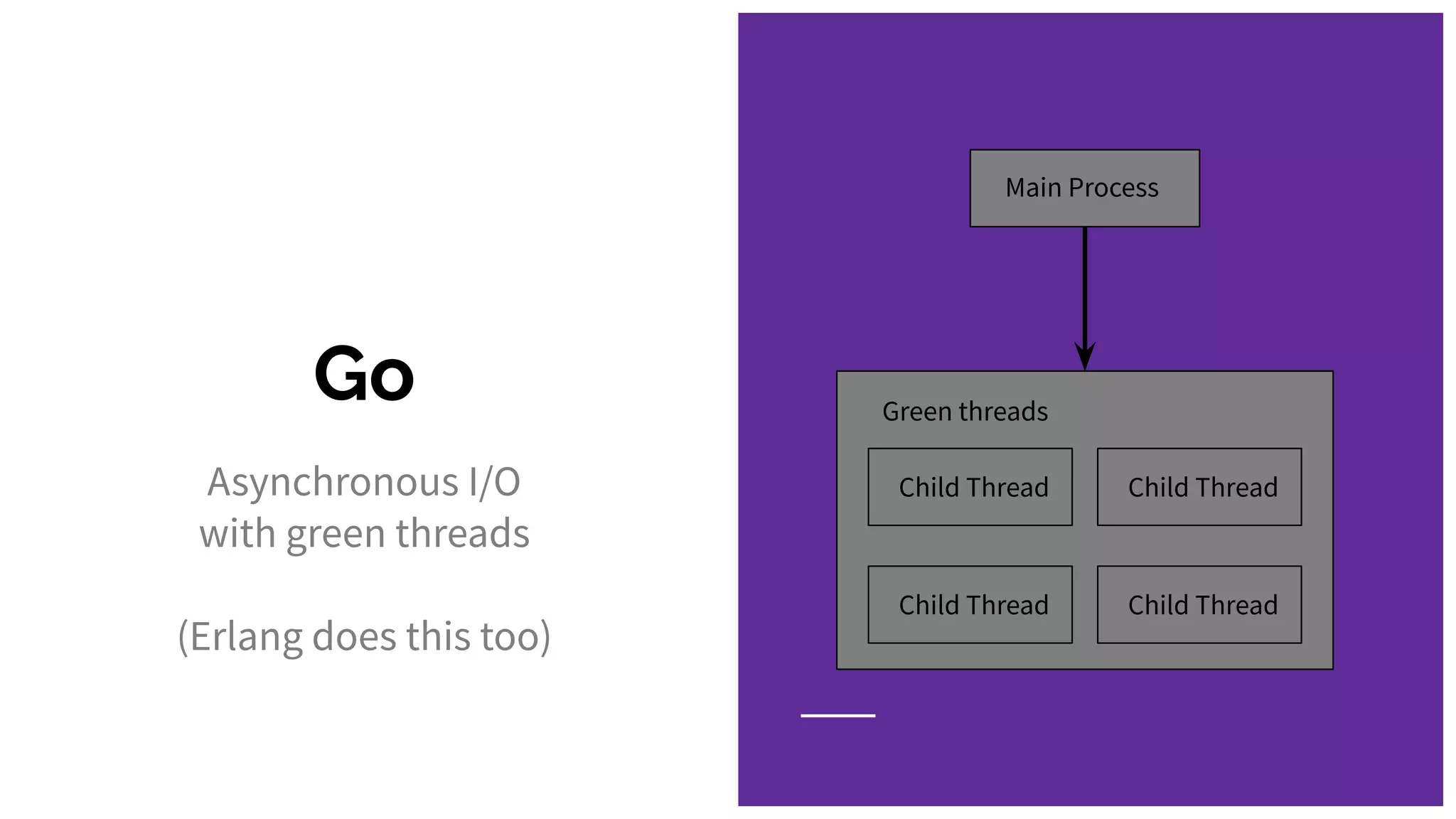
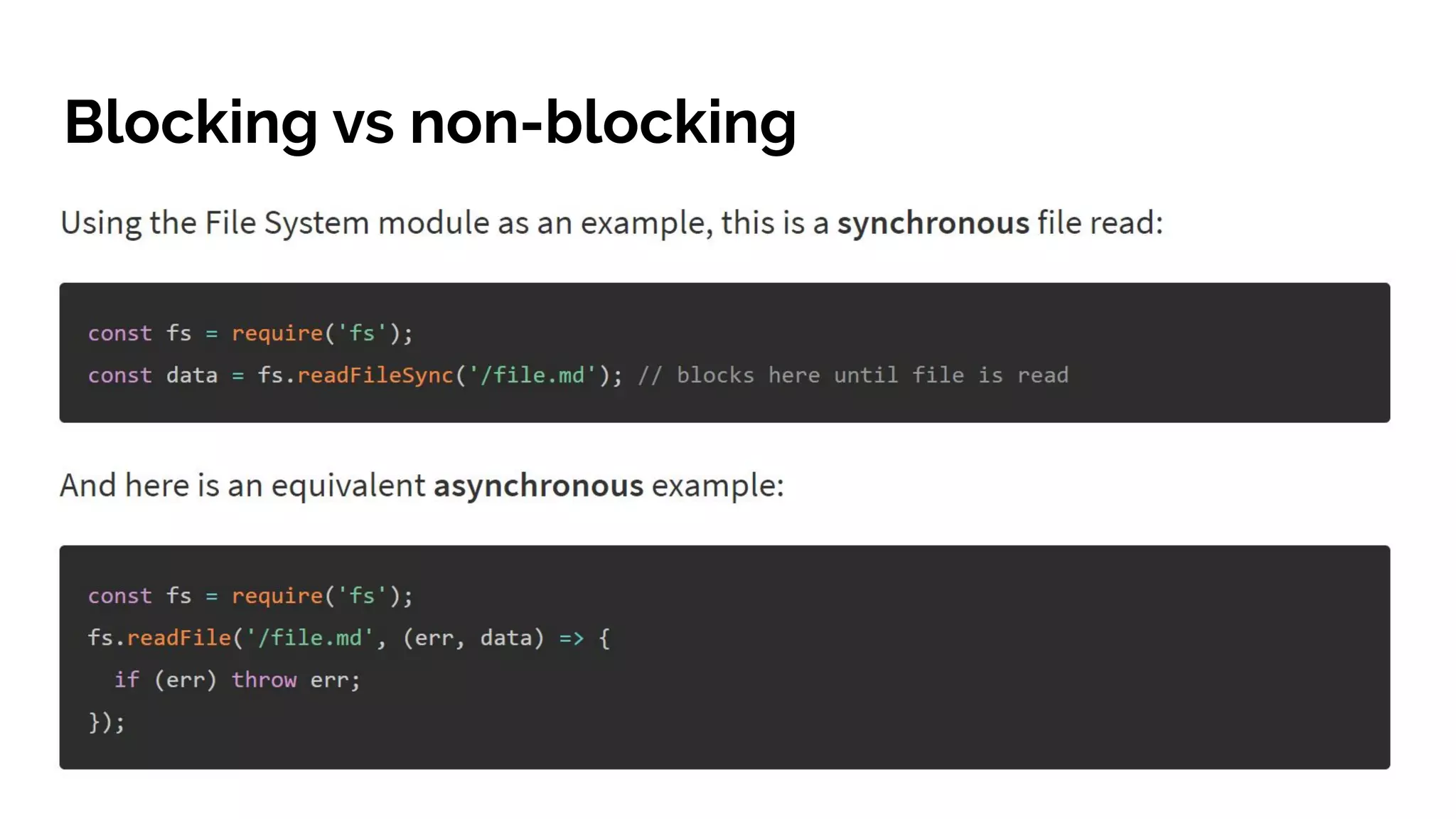
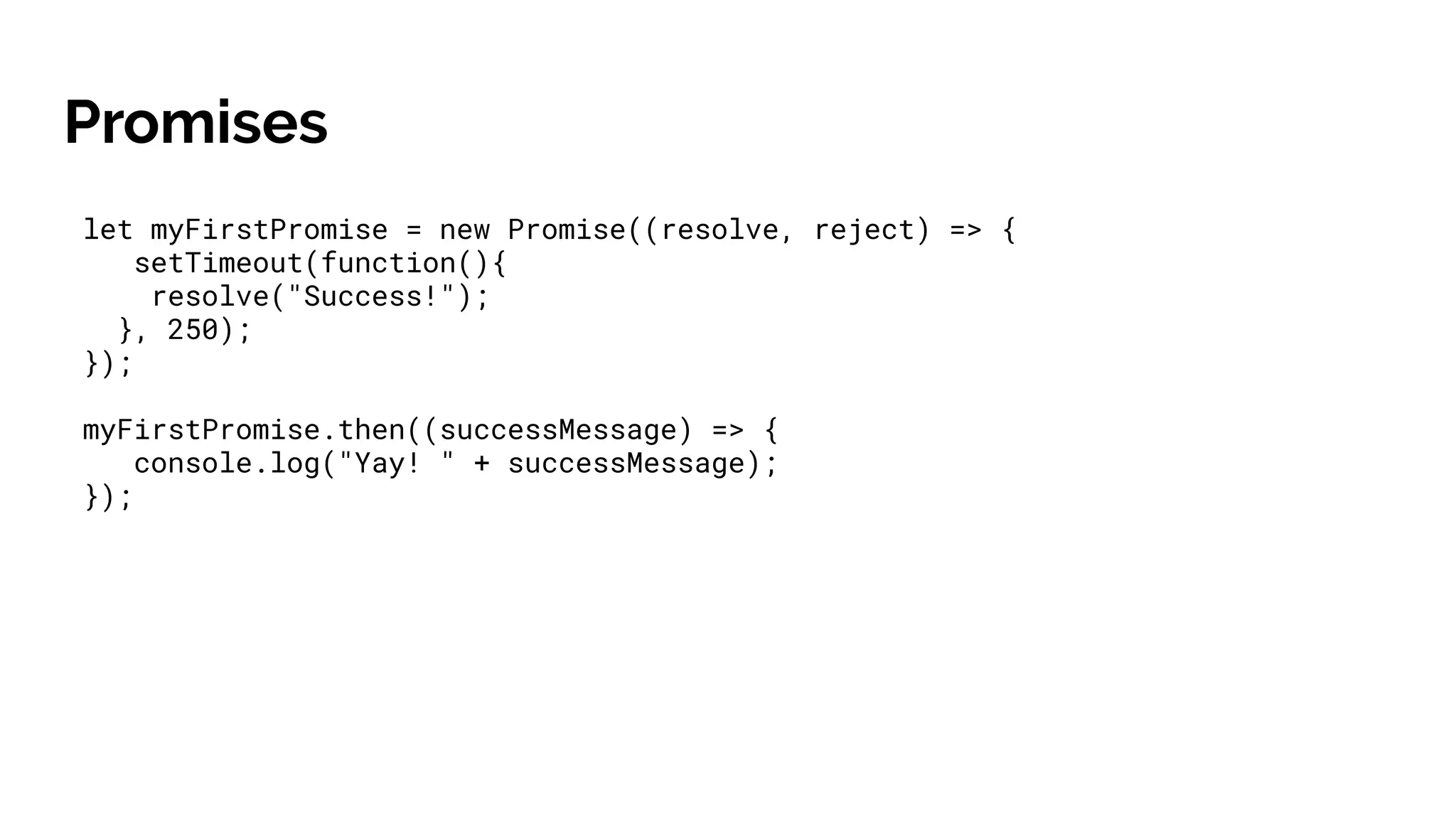
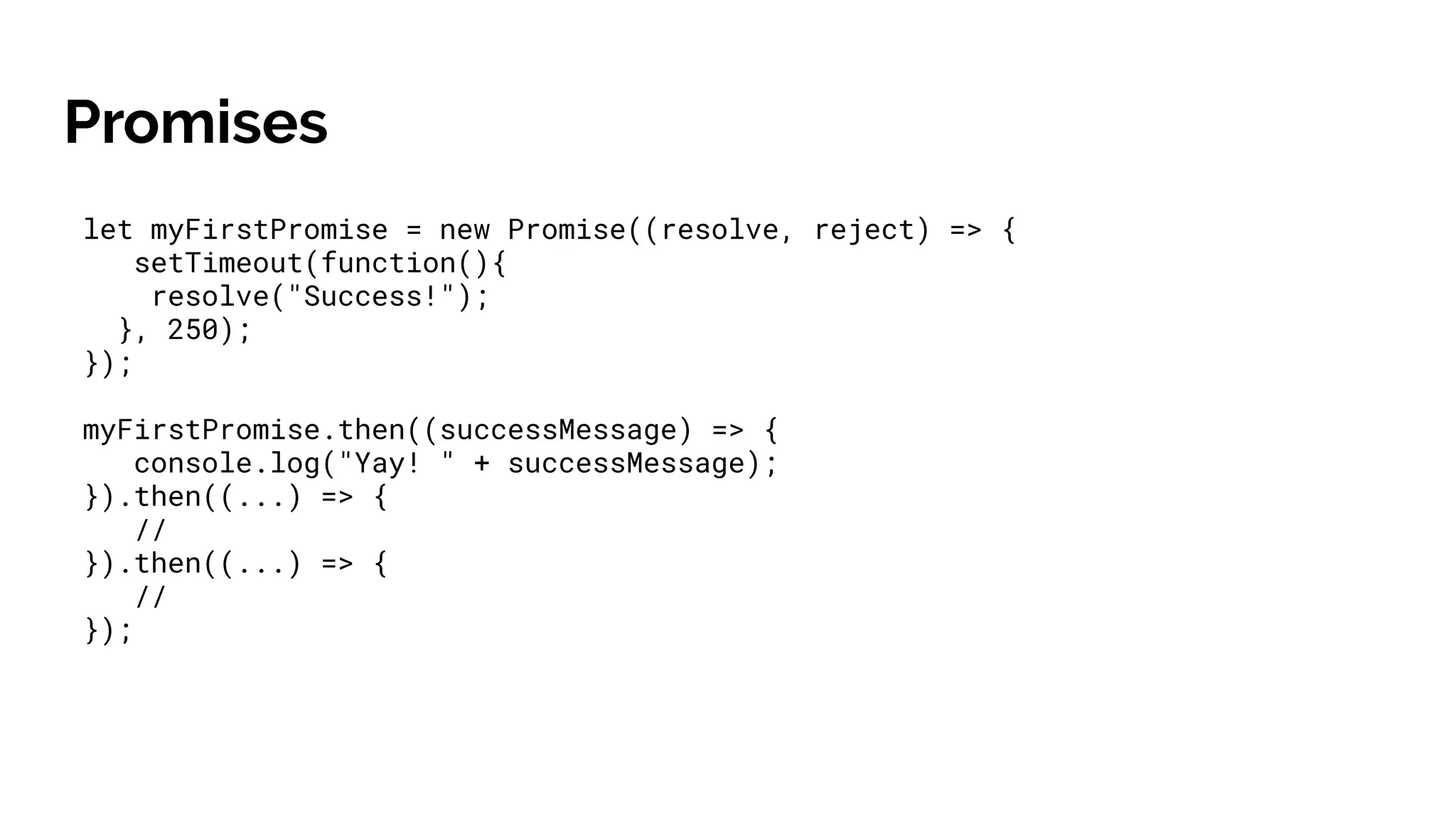
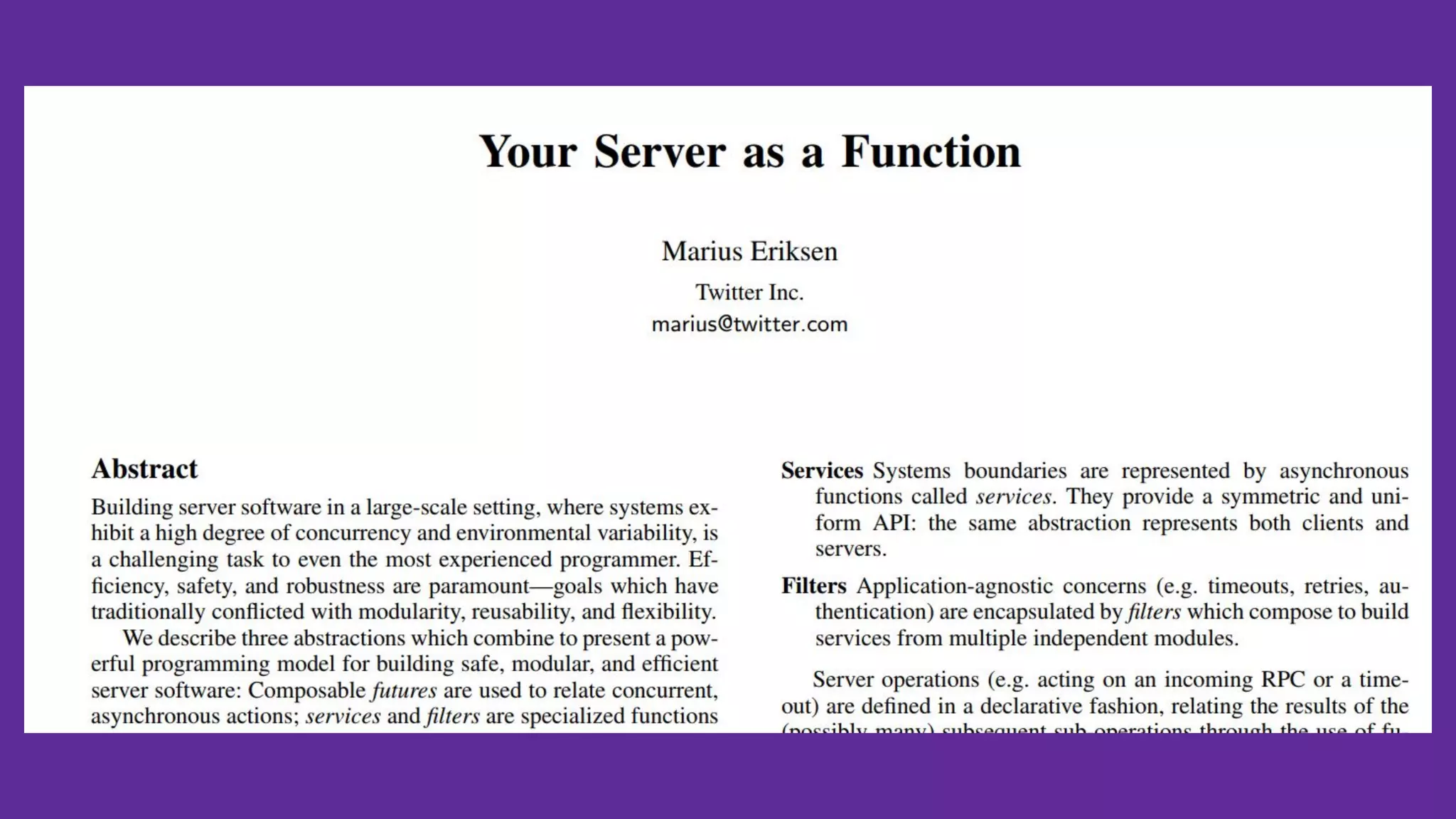
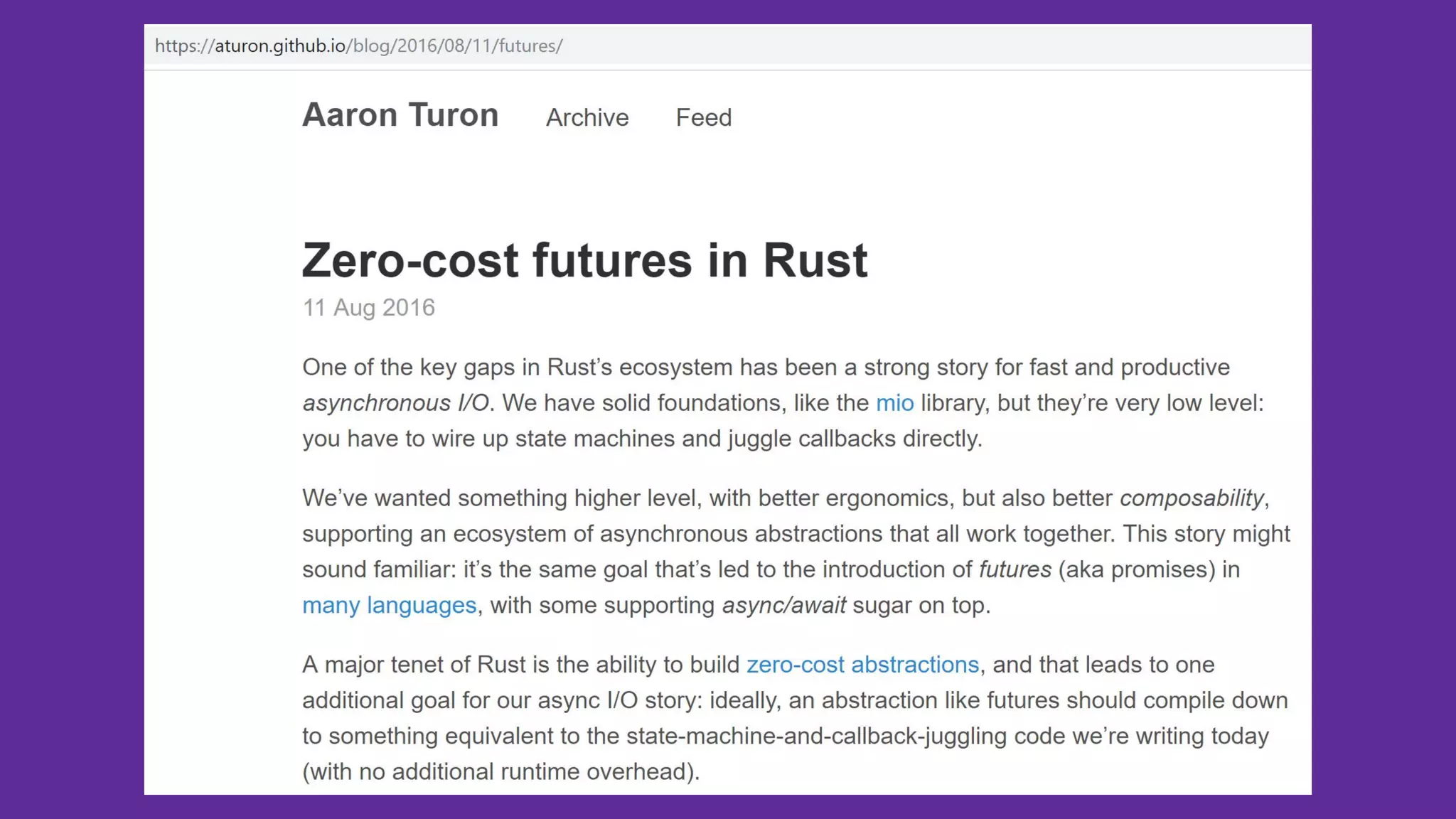
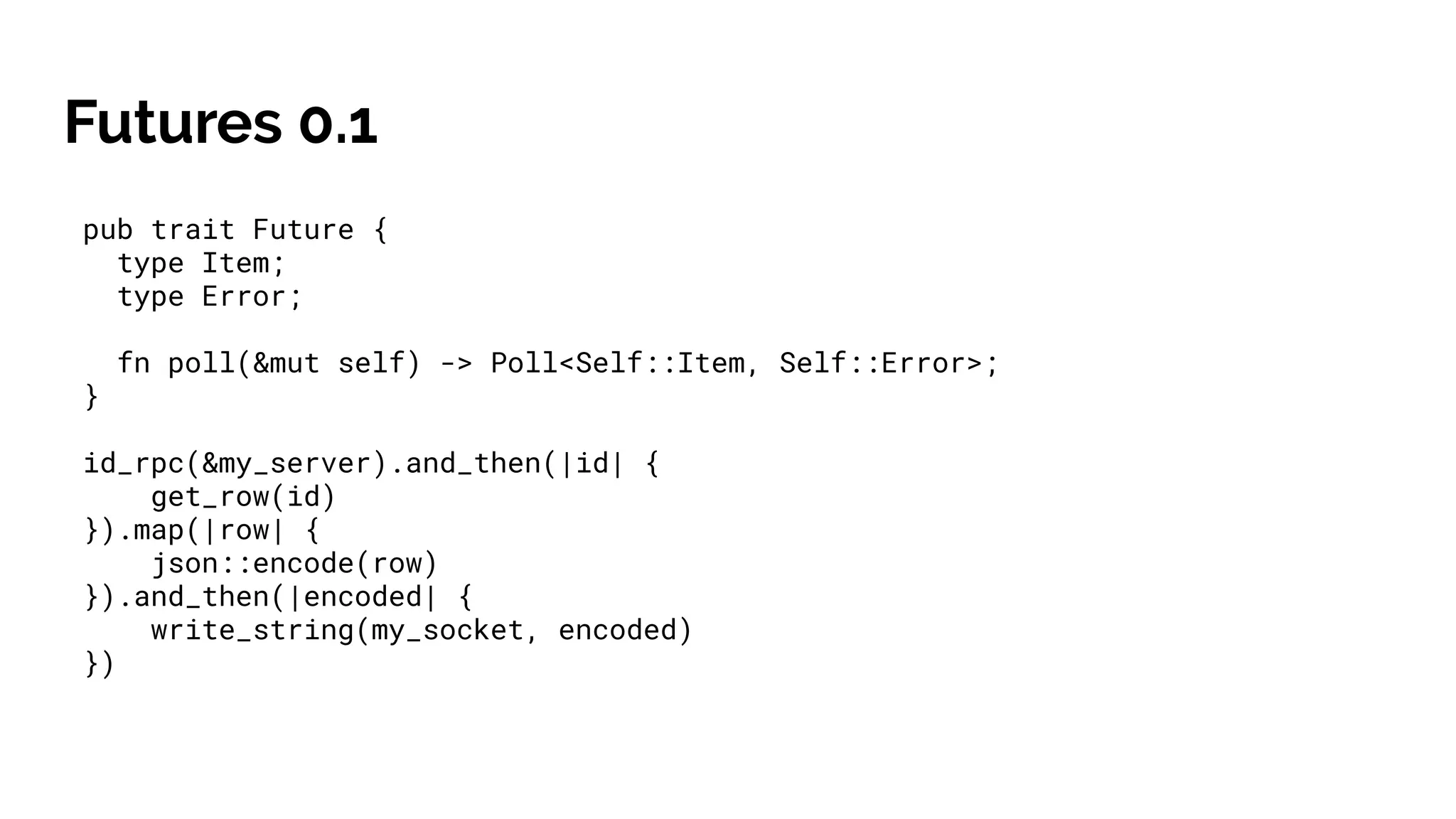
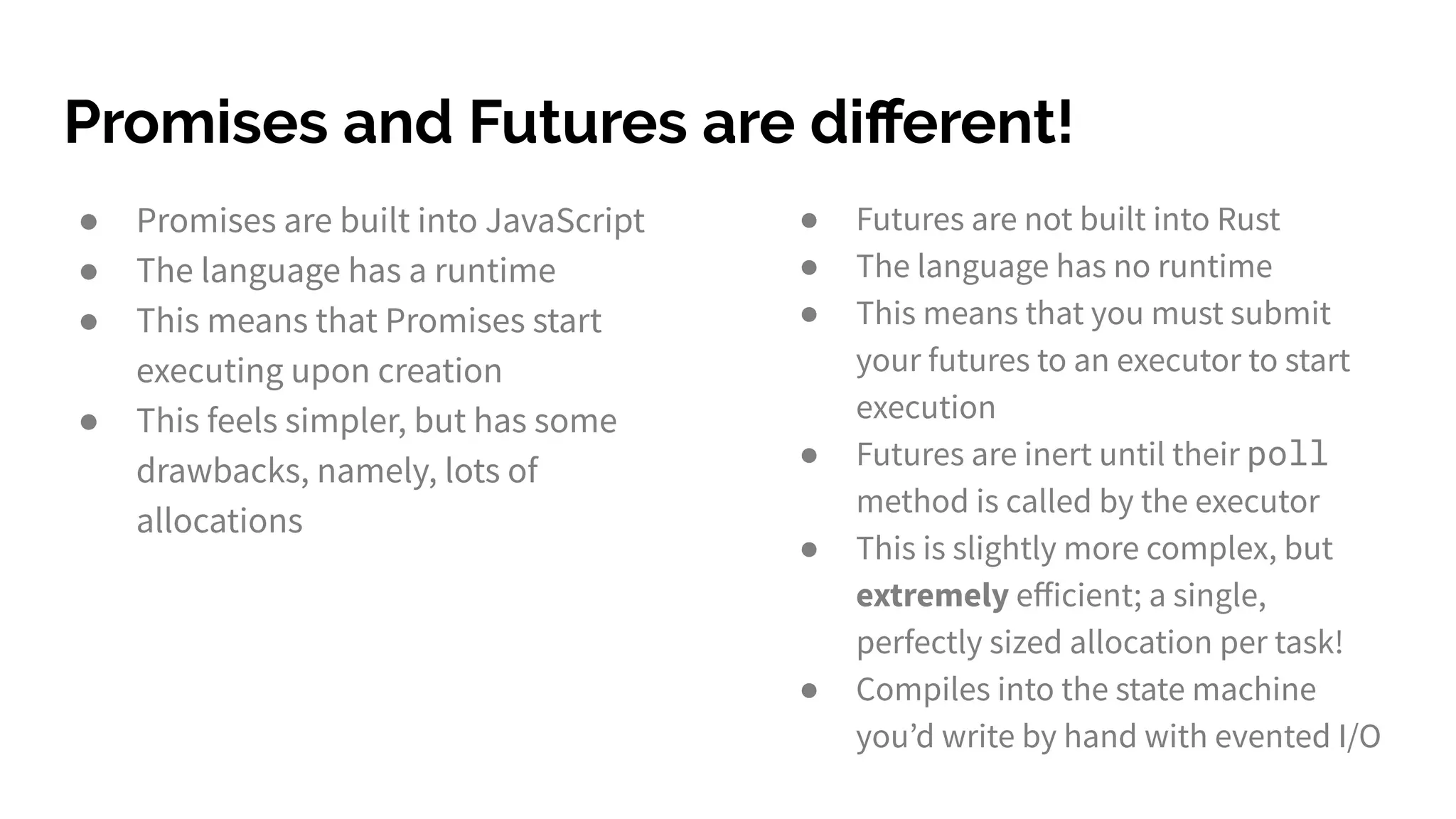
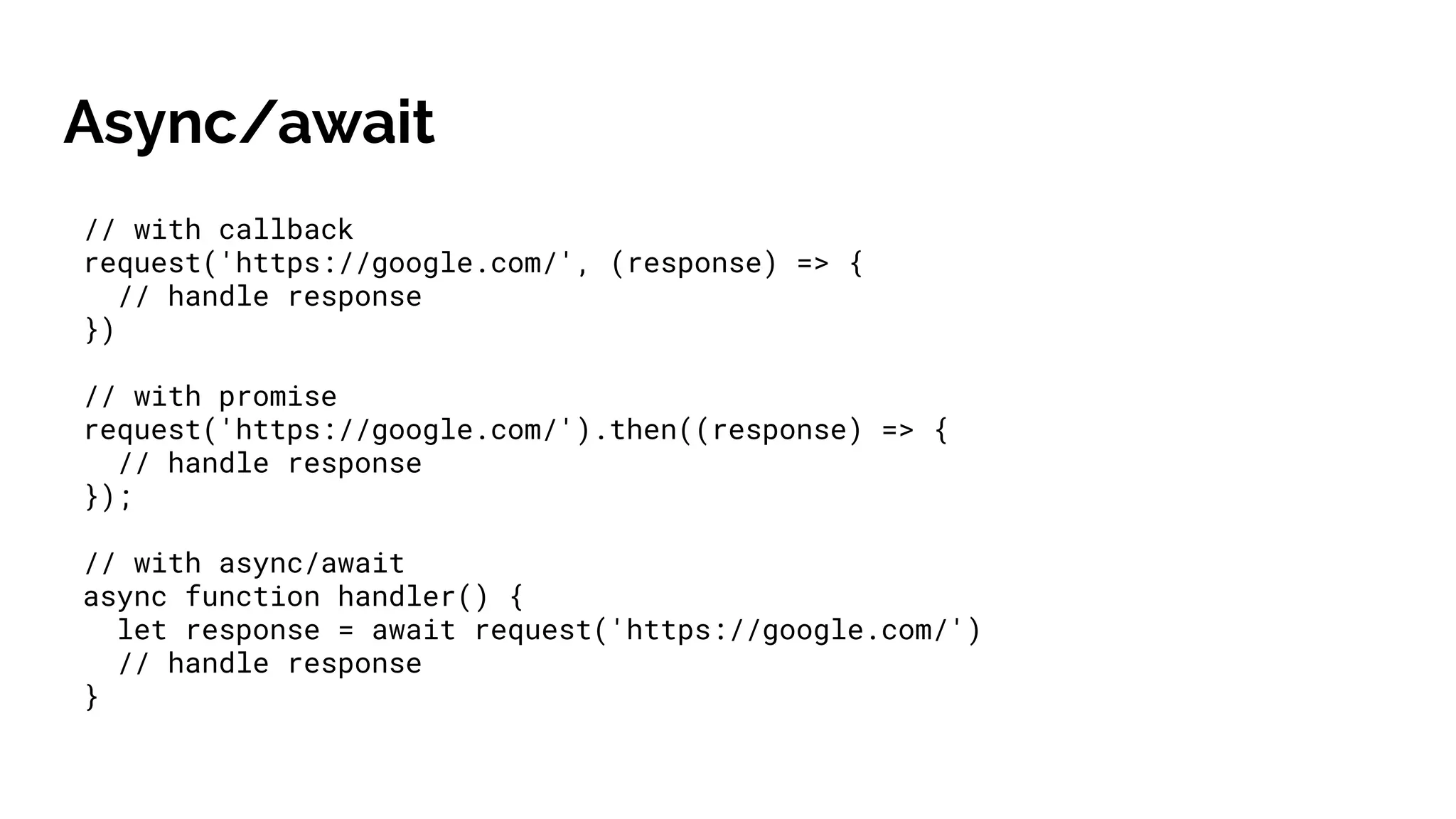
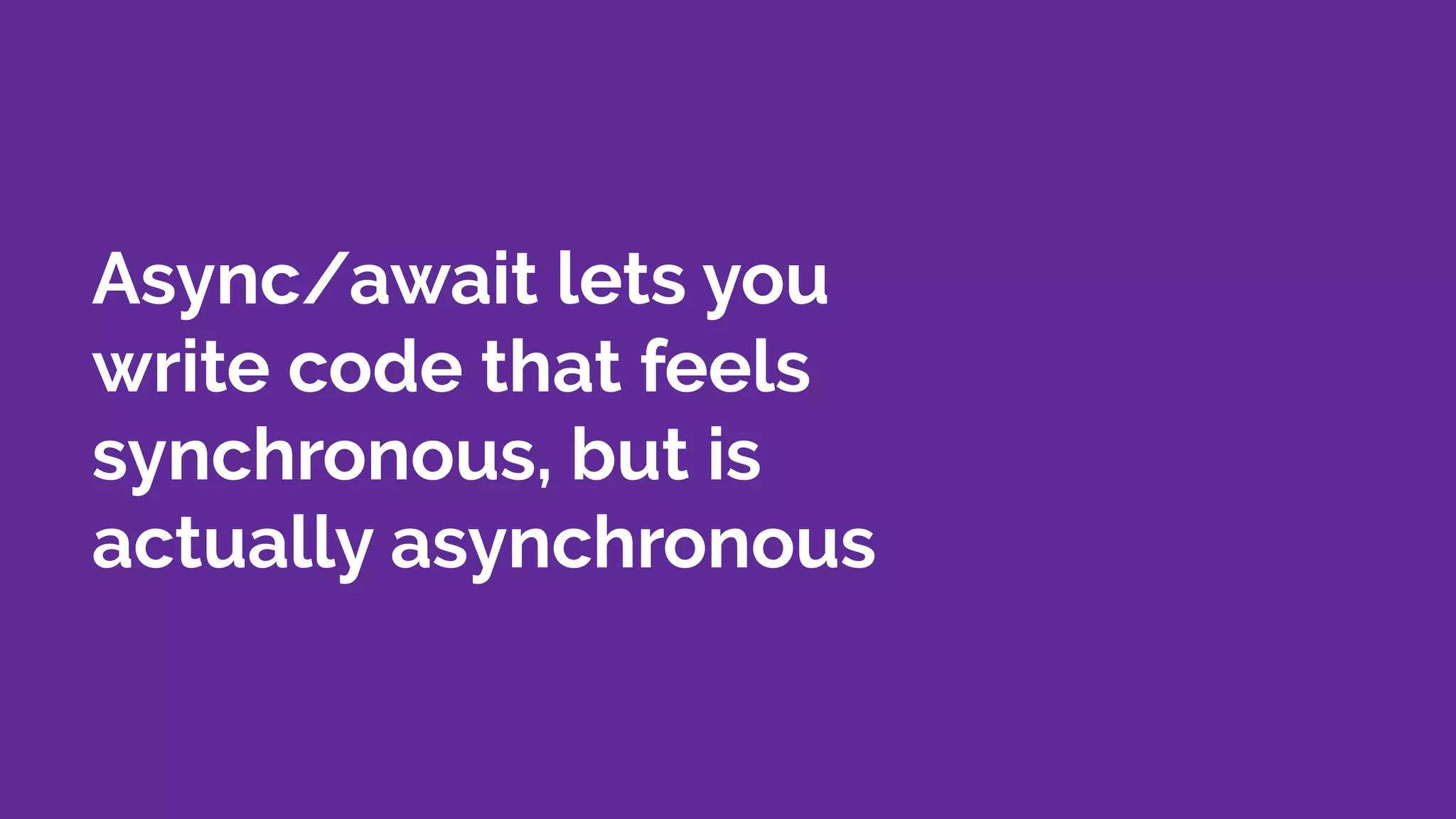
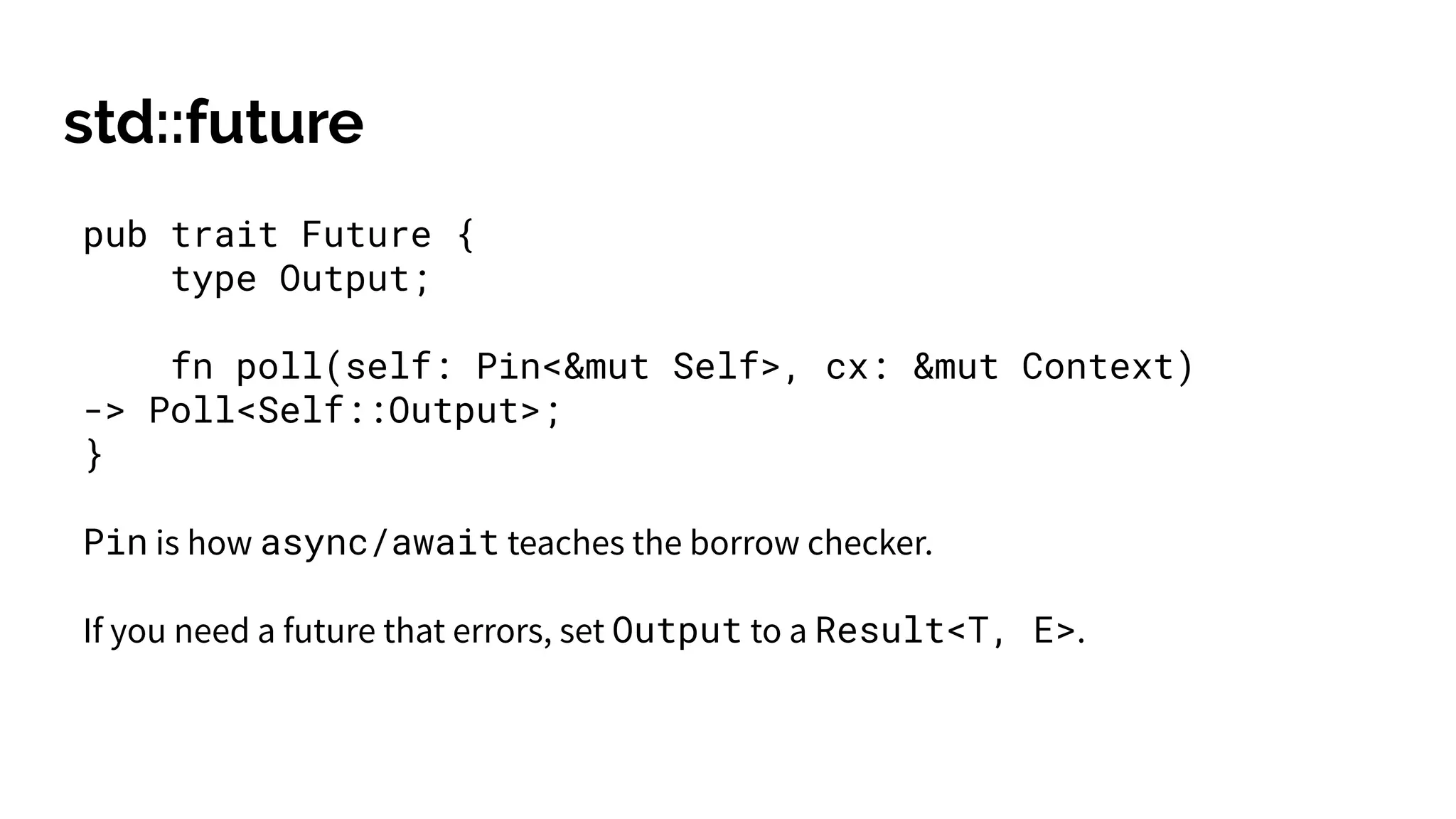
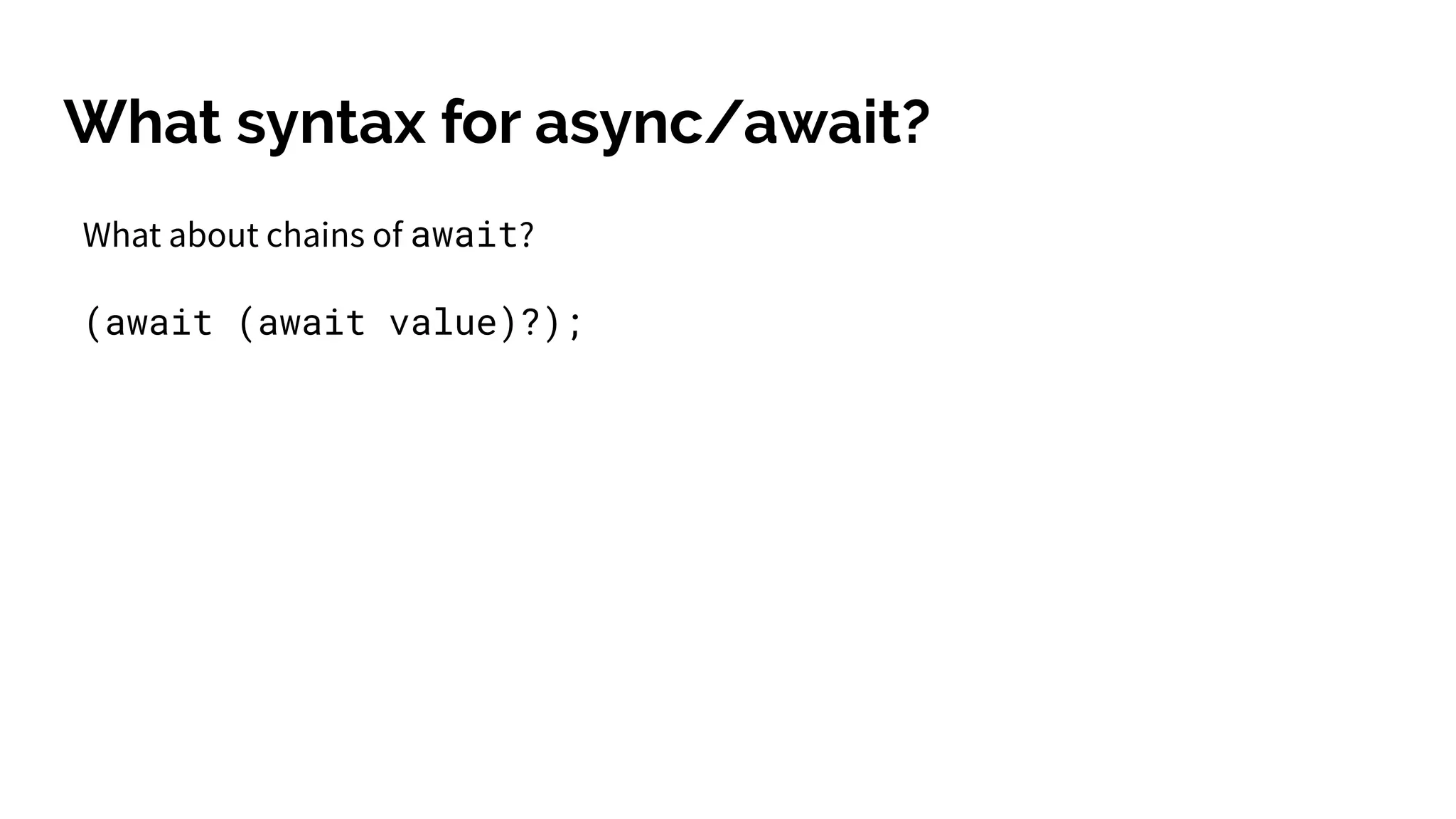
Rust's Journey to Async/Await - Rust was initially built for synchronous I/O but the community wanted asynchronous capabilities for building network services. - This led to the development of futures in Rust to support asynchronous programming. However, futures had design issues that motivated futures 2.0. - Async/await was developed to make asynchronous code look synchronous while teaching the borrow checker about asynchronous constraints. This involved debate around syntax. - After years of work, async/await landed in Rust 1.38, completing Rust's journey to fully supporting asynchronous programming. The implementation involved resolving language-specific challenges.


![Coded Agents – with UiPath SDK + LangGraph [Virtual Hands-on Workshop]](https://cdn.slidesharecdn.com/ss_thumbnails/codedagentsdeck-251215155422-5497c599-thumbnail.jpg?width=640&height=640&fit=bounds)


