Programming iOS 1411th Edition Matt Neuburg
download
https://textbookfull.com/product/programming-ios-14-11th-edition-
matt-neuburg/
Download more ebook from https://textbookfull.com
2.
We believe theseproducts will be a great fit for you. Click
the link to download now, or visit textbookfull.com
to discover even more!
iOS 14 Programming Fundamentals with Swift Covers iOS
14 Xcode 12 and Swift 5 3 7th Edition Matt Neuburg
https://textbookfull.com/product/ios-14-programming-fundamentals-
with-swift-covers-ios-14-xcode-12-and-swift-5-3-7th-edition-matt-
neuburg/
iOS 10 Programming Fundamentals with Swift Swift Xcode
and Cocoa Basics 3rd Edition Matt Neuburg
https://textbookfull.com/product/ios-10-programming-fundamentals-
with-swift-swift-xcode-and-cocoa-basics-3rd-edition-matt-neuburg/
Programming IOS 12 Dive Deep Into Views View
Controllers and Frameworks 1st Edition Matt Neuburg
https://textbookfull.com/product/programming-ios-12-dive-deep-
into-views-view-controllers-and-frameworks-1st-edition-matt-
neuburg/
iOS 12 Programming Fundamentals with Swift Swift Xcode
and Cocoa Basics 5th Edition Matt Neuburg
https://textbookfull.com/product/ios-12-programming-fundamentals-
with-swift-swift-xcode-and-cocoa-basics-5th-edition-matt-neuburg/
3.
iOS 11 ProgrammingFundamentals with Swift Swift Xcode
and Cocoa Basics 4th Edition Matt Neuburg
https://textbookfull.com/product/ios-11-programming-fundamentals-
with-swift-swift-xcode-and-cocoa-basics-4th-edition-matt-neuburg/
iOS 13 Programming Fundamentals with Swift Swift Xcode
and Cocoa Basics 1st Edition Matt Neuburg
https://textbookfull.com/product/ios-13-programming-fundamentals-
with-swift-swift-xcode-and-cocoa-basics-1st-edition-matt-neuburg/
Programming iOS 13 Dive Deep into Views View
Controllers and Frameworks 1st Edition Matt Neuburg
https://textbookfull.com/product/programming-ios-13-dive-deep-
into-views-view-controllers-and-frameworks-1st-edition-matt-
neuburg/
iOS 12 Programming Fundamentals with Swift Swift Xcode
and Cocoa Basics 5th Edition Matt Neuburg
https://textbookfull.com/product/ios-12-programming-fundamentals-
with-swift-swift-xcode-and-cocoa-basics-5th-edition-matt-
neuburg-2/
Programming iOS 10 Dive Deep into Views View
Controllers and Frameworks Seventh Edition Matt Neuburg
https://textbookfull.com/product/programming-ios-10-dive-deep-
into-views-view-controllers-and-frameworks-seventh-edition-matt-
neuburg/
5.
1. Preface
1. TheScope of This Book
2. What’s Not in This Book
3. From the Preface to the First Edition (Programming
iOS 4)
4. Versions
5. Acknowledgments
6. Conventions Used in This Book
7. Using Code Examples
8. O’Reilly Online Learning
9. How to Contact Us
2. I. Views
1. 1. Views
1. Window and Root View
1. Window Scene Architecture
2. How an App Launches
3. App Without a Storyboard
4. Referring to the Window
2. Experimenting with Views
3. Subview and Superview
4. Color
5. Visibility and Opacity
6. Frame
6.
7. Bounds andCenter
8. Transform
9. Transform3D
10. Window Coordinates and Screen Coordinates
11. Trait Collections
1. Interface Style
2. Size Classes
3. Overriding Trait Collections
12. Layout
1. Autoresizing
2. Autolayout and Constraints
3. Implicit Autoresizing Constraints
4. Creating Constraints in Code
5. Constraints as Objects
6. Margins and Guides
7. Intrinsic Content Size
8. Self-Sizing Views
9. Stack Views
10. Internationalization
11. Mistakes with Constraints
13. Configuring Layout in the Nib
1. Autoresizing in the Nib
2. Creating a Constraint
3. Viewing and Editing Constraints
7.
4. Problems withNib Constraints
5. Varying the Screen Size
6. Conditional Interface Design
14. Xcode View Features
1. View Debugger
2. Previewing Your Interface
3. Designable Views and Inspectable
Properties
15. Layout Events
2. 2. Drawing
1. Images and Image Views
1. Image Files
2. Image Views
3. Resizable Images
4. Transparency Masks
5. Reversible Images
2. Graphics Contexts
1. Drawing on Demand
2. Drawing a UIImage
3. UIImage Drawing
4. CGImage Drawing
5. Snapshots
6. CIFilter and CIImage
7. Blur and Vibrancy Views
8.
8. Drawing aUIView
9. Graphics Context Commands
1. Graphics Context Settings
2. Paths and Shapes
3. Clipping
4. Gradients
5. Colors and Patterns
6. Graphics Context Transforms
7. Shadows
8. Erasing
10. Points and Pixels
11. Content Mode
3. 3. Layers
1. View and Layer
2. Layers and Sublayers
1. Manipulating the Layer Hierarchy
2. Positioning a Sublayer
3. CAScrollLayer
3. Layer and Delegate
4. Layout of Layers
5. Drawing in a Layer
1. Drawing-Related Layer Properties
2. Content Resizing and Positioning
3. Layers that Draw Themselves
9.
6. Transforms
1. AffineTransforms
2. 3D Transforms
3. Depth
7. Further Layer Features
1. Shadows
2. Borders and Rounded Corners
3. Masks
8. Layer Efficiency
9. Layers and Key–Value Coding
4. 4. Animation
1. Drawing, Animation, and Threading
2. Image View and Image Animation
3. View Animation
1. A Brief History of View Animation
2. Property Animator Basics
3. View Animation Basics
4. View Animation Configuration
5. Timing Curves
6. Cancelling a View Animation
7. Frozen View Animation
8. Custom Animatable View Properties
9. Keyframe View Animation
10. Transitions
10.
4. Implicit LayerAnimation
1. Animatable Layer Properties
2. Animating a Custom Layer Subclass
3. Animation Transactions
4. Media Timing Functions
5. Core Animation
1. CABasicAnimation and Its Inheritance
2. Using a CABasicAnimation
3. Springing Animation
4. Keyframe Animation
5. Making a Property Animatable
6. Grouped Animations
7. Animating Multiple Layers
8. Freezing an Animation
9. Transitions
10. Animations List
6. Actions
1. What an Action Is
2. Action Search
3. Hooking Into the Action Search
4. Making a Custom Property Implicitly
Animatable
5. Nonproperty Actions
7. Emitter Layers
3. Hit-Testing forLayers
4. Hit-Testing for Drawings
5. Hit-Testing During Animation
8. Initial Touch Event Delivery
9. Gesture Recognizer and View
10. Touch Exclusion Logic
11. Gesture Recognition Logic
3. II. Interface
1. 6. View Controllers
1. View Controller Responsibilities
2. View Controller Hierarchy
1. Automatic Child View Placement
2. Manual Child View Placement
3. Presented View Placement
4. Ensuring a Coherent Hierarchy
3. View Controller Creation
4. How a View Controller Obtains Its View
1. Manual View
2. Generic Automatic View
3. View in a Separate Nib
4. Summary
5. How Storyboards Work
1. How a Storyboard View Controller Nib is
Loaded
13.
2. How aStoryboard View Nib is Loaded
6. View Resizing
1. View Size in the Nib Editor
2. Bars and Underlapping
3. Resizing and Layout Events
7. Rotation
1. Uses of Rotation
2. Permitting Compensatory Rotation
3. Initial Orientation
4. Detecting Rotation
8. View Controller Manual Layout
1. Initial Manual Layout
2. Manual Layout During Rotation
9. Presented View Controller
1. Presentation and Dismissal
2. Configuring a Presentation
3. Communication with a Presented View
Controller
4. Adaptive Presentation
5. Presentation, Rotation, and the Status Bar
10. Tab Bar Controller
1. Tab Bar Items
2. Configuring a Tab Bar Controller
11. Navigation Controller
14.
1. Bar ButtonItems
2. Navigation Items and Toolbar Items
3. Configuring a Navigation Controller
12. Custom Transition
1. Noninteractive Custom Transition
Animation
2. Interactive Custom Transition Animation
3. Custom Presented View Controller
Transition
4. Transition Coordinator
13. Page View Controller
1. Preparing a Page View Controller
2. Page View Controller Navigation
3. Other Page View Controller Configurations
14. Container View Controllers
1. Adding and Removing Children
2. Status Bar, Traits, and Resizing
15. Previews and Context Menus
1. Context Menu Interaction and
Configuration
2. Configuring the Preview
3. Configuring the Menu
16. Storyboards
1. Triggered Segues
15.
2. Container Viewsand Embed Segues
3. Storyboard References
4. Unwind Segues
17. View Controller Lifetime Events
1. Order of Events
2. Appear and Disappear Events
3. Event Forwarding to a Child View
Controller
18. View Controller Memory Management
1. Lazy Loading
2. NSCache, NSPurgeableData, and Memory-
Mapping
3. Background Memory Usage
2. 7. Scroll Views
1. Content Size
2. Creating a Scroll View in Code
1. Manual Content Size
2. Automatic Content Size with Autolayout
3. Scroll View Layout Guides
4. Using a Content View
5. Scroll View in a Nib
6. Content Inset
7. Scrolling
1. Scrolling in Code
16.
2. Paging
3. Tiling
8.Zooming
1. Zooming Programmatically
2. Zooming with Detail
9. Scroll View Delegate
10. Scroll View Touches
11. Floating Scroll View Subviews
12. Scroll View Performance
3. 8. Table Views
1. Table View Controller
2. Table View Cells
1. Built-In Cell Styles
2. Registering a Cell Class
3. Custom Cells
3. Table View Data
1. The Three Big Questions
2. Reusing Cells
3. Self-Configuring Cells
4. Apple’s Cell Configuration Architecture
4. Table View Sections
1. Section Headers and Footers
2. Table View Section Example
3. Section Index
17.
5. Variable RowHeights
1. Manual Row Height Measurement
2. Measurement and Layout with Constraints
3. Estimated Height
4. Automatic Row Height
6. Table View Selection
1. Managing Cell Selection
2. Responding to Cell Selection
3. Navigation from a Table View
7. Table View Scrolling and Layout
8. Refreshing a Table View
1. Cell Choice and Static Tables
2. Direct Access to Cells
3. Refresh Control
9. Editing a Table View
1. Toggling a Table View’s Edit Mode
2. Edit Mode and Selection
3. Changing a Table View’s Structure
4. Deleting a Cell
5. Deleting Multiple Cells
10. Table View Diffable Data Source
1. Populating a Diffable Data Source
2. Subclassing a Diffable Data Source
3. Changing a Diffable Data Source
18.
4. Pros andCons of the Diffable Data Source
11. More Table View Editing
1. Rearranging Cells
2. Editable Content in Cells
3. Expandable Cell
12. Table View Swipe Action Buttons
13. Table View Menus
14. Table View Searching
1. Basic Configuration of a Search Controller
2. More Search Controller Configuration
3. Using a Search Controller
4. 9. Collection Views
1. Collection View Classes
2. Flow Layout
3. Compositional Layout
1. Size, Count, Spacing, and Insets
2. Supplementary Items
3. Multiple Section Layouts
4. Other Compositional Layout Features
4. Collection View Diffable Data Source
1. Diffable Data Source Construction
2. Registration Objects
3. Section Snapshots
5. Collection View Lists
1. Expanded SplitView Controller
2. Collapsed Split View Controller
3. Collapsing and Expanding Split View
Controller
4. Customizing a Split View Controller
5. Split View Controller Delegate Methods
6. Expanding a Split View Controller
7. View Controller Message Percolation
3. iPad Multitasking
4. Drag and Drop
1. Drag and Drop Architecture
2. Basic Drag and Drop
3. Item Providers
4. Slow Data Delivery
5. Additional Delegate Methods
6. Table Views and Collection Views
7. Spring Loading
8. iPhone and Local Drag and Drop
5. Pointer and Keyboard
6. Multiple Windows
1. The Window Architecture
2. Scene Creation
3. Window Creation and Closing
4. State Saving and Restoration
21.
5. Further MultipleWindow Considerations
6. 11. Text
1. Fonts and Font Descriptors
1. Fonts
2. Symbol Images and Text
3. Font Descriptors
4. Choosing a Font
5. Adding Fonts
2. Attributed Strings
1. Attributed String Attributes
2. Making an Attributed String
3. Modifying and Querying an Attributed
String
4. Custom Attributes
5. Drawing and Measuring an Attributed
String
3. Labels
1. Number of Lines
2. Wrapping and Truncation
3. Fitting Label to Text
4. Customized Label Drawing
4. Text Fields
1. Summoning and Dismissing the Keyboard
2. Keyboard Covers Text Field
22.
3. Text FieldDelegate and Control Event
Messages
4. Text Field Menu
5. Drag and Drop
6. Keyboard and Input Configuration
5. Text Views
1. Links, Text Attachments, and Data
2. Self-Sizing Text View
3. Text View and Keyboard
6. Text Kit
1. Text View and Text Kit
2. Text Container
3. Alternative Text Kit Stack Architectures
4. Layout Manager
5. Text Kit Without a Text View
7. 12. Web Views
1. WKWebView
1. Web View Content
2. Tracking Changes in a Web View
3. Web View Navigation
4. Communicating with a Web Page
5. Custom Schemes
6. Web View Previews and Context Menus
2. Safari View Controller
23.
3. Developing WebView Content
8. 13. Controls and Other Views
1. UIActivityIndicatorView
2. UIProgressView
1. Progress View Alternatives
2. The Progress Class
3. UIPickerView
4. UIColorPickerViewController
5. UISearchBar
6. UIControl
1. Control States
2. Control Events
3. Control Actions
4. Control Menus
5. UISwitch
6. UIColorWell
7. UIStepper
8. UIPageControl
9. UIDatePicker
10. UISlider
11. UISegmentedControl
12. UIButton
13. Custom Controls
7. Bars
24.
1. Bar Position
2.Bar Metrics
3. Bar and Item Appearance
4. Bar Background and Shadow
5. Bar Button Items
6. Navigation Bar
7. Toolbar
8. Tab Bar
8. Tint Color
9. Appearance Proxy
9. 14. Modal Dialogs
1. Alerts and Action Sheets
1. Alerts
2. Action Sheets
3. Alert Alternatives
2. Quick Actions
3. Local Notifications
1. Authorization for Local Notifications
2. Notification Categories
3. Scheduling a Local Notification
4. Hearing About a Local Notification
5. Grouped Notifications
6. Managing Notifications
7. Notification Content Extensions
25.
4. Activity Views
1.Presenting an Activity View
2. Custom Activities
3. Action Extensions
4. Share Extensions
4. III. Some Frameworks
1. 15. Audio
1. System Sounds
2. Audio Session
1. Category
2. Activation and Deactivation
3. Ducking
4. Interruptions
5. Secondary Audio
6. Routing Changes
3. Audio Player
4. Remote Control of Your Sound
5. Playing Sound in the Background
6. AVAudioRecorder
7. AVAudioEngine
8. MIDI Playback
9. Text to Speech
10. Speech to Text
11. Further Topics in Sound
26.
2. 16. Video
1.AVPlayerViewController
1. AVPlayerViewController Configuration
2. Picture-in-Picture
2. Introducing AV Foundation
1. Some AV Foundation Classes
2. Things Take Time
3. Time Is Measured Oddly
4. Constructing Media
5. AVPlayerLayer
6. Further Exploration of AV Foundation
3. UIVideoEditorController
3. 17. Music Library
1. Music Library Authorization
2. Exploring the Music Library
1. Querying the Music Library
2. Persistence and Change in the Music
Library
3. Music Player
1. Setting the Queue
2. Modifying the Queue
3. Player State
4. MPVolumeView
5. Playing Songs with AV Foundation
27.
6. Media Picker
4.18. Photo Library and Camera
1. Browsing the Photo Library
1. PHPickerViewController Presentation
2. PHPickerViewController Delegate
3. Dealing with PHPickerViewController
Results
2. Photos Framework
1. Querying the Photo Library
2. Modifying the Library
3. Being Notified of Changes
4. Fetching Images
5. Editing Images
6. Photo Editing Extension
3. Using the Camera
1. Capture with UIImagePickerController
2. Capture with AV Foundation
5. 19. Contacts
1. Contact Classes
2. Fetching Contact Information
1. Fetching a Contact
2. Repopulating a Contact
3. Labeled Values
4. Contact Formatters
1. Displaying aRegion
2. Scrolling and Zooming
3. Other Map View Customizations
4. Map Images
2. Annotations
1. Customizing an
MKMarkerAnnotationView
2. Changing the Annotation View Class
3. Custom Annotation View Class
4. Custom Annotation Class
5. Annotation View Hiding and Clustering
6. Other Annotation Features
3. Overlays
1. Custom Overlay Class
2. Custom Overlay Renderer
3. Other Overlay Features
4. Map Kit and Current Location
5. Communicating with the Maps App
6. Geocoding, Searching, and Directions
1. Geocoding
2. Searching
3. Directions
8. 22. Sensors
1. Core Location
30.
1. Location Managerand Delegate
2. Location Services Authorization
3. Location Tracking
4. Where Am I?
5. Continuous Background Location
6. Location Monitoring
7. Heading
2. Acceleration, Attitude, and Activity
1. Shake Events
2. Using Core Motion
3. Raw Acceleration
4. Gyroscope
5. Other Core Motion Data
5. IV. Final Topics
1. 23. Persistent Storage
1. The Sandbox
1. Standard Directories
2. Inspecting the Sandbox
3. Basic File Operations
4. Saving and Reading Files
5. File Coordinators
6. File Wrappers
2. User Defaults
3. Simple Sharing and Previewing of Files
31.
1. File Sharing
2.Document Types and Receiving a
Document
3. Handing Over a Document
4. Previewing a Document
5. Quick Look Previews
4. Document Architecture
1. A Basic Document Example
2. iCloud
3. Document Browser
4. Custom Thumbnails
5. Custom Previews
6. Document Picker
5. XML
6. JSON
1. Coding Keys
2. Custom Decoding
7. SQLite
8. Core Data
9. PDFs
10. Image Files
2. 24. Basic Networking
1. HTTP Requests
1. Obtaining a Session
32.
2. Session Configuration
3.Session Tasks
4. Session Delegate
5. HTTP Request with Task Completion
Function
6. HTTP Request with Session Delegate
7. One Session, One Delegate
8. Delegate Memory Management
9. Session and Delegate Encapsulation
10. Downloading Table View Data
11. Background Session
2. Universal Links
3. On-Demand Resources
4. In-App Purchases
3. 25. Threads
1. Main Thread
2. Background Threads
3. Why Threading Is Hard
4. Blocking the Main Thread
5. Manual Threading
6. Operation
7. Grand Central Dispatch
1. Commonly Used GCD Methods
2. Synchronous Execution
The girl wentto see and when she came back she said, "She has
eaten the cooked rice and covered the cooking pots, and has gone."
Next day the prince said, "I am going to cut the rice-crop. Remain at
home and, when evening comes, put the utensils for cooking near
the hearth." So the servant obeyed him and in the evening the
mouse came and cooked. She placed the food ready and again ran
and hid behind the pots.
This went on for several days, and when the whole rice-crop was
garnered in, the prince went near to the place where the mouse was
hidden and said, "Having pounded the rice and removed the husks,
let us go to your village and present it to your parents as first-fruits."
But the mouse said, "I will not go. You go!" So the prince made the
servant get the package of cooked rice ready, and he went to the
village of the queen and gave the package to her.
And the queen said, "Where is my daughter?" The prince answered,
"She refused to come."
Then the queen said, "Go back to your city, and having placed the
cooking utensils near the hearth, hide yourself and stay in the
house."
After the prince returned to the city, he did as she had told him. The
mouse, having come out, took off her mouse-jacket, and, assuming
the shape of a girl, put on other clothes. While she was preparing to
cook, the prince took the mouse-jacket and burnt it.
Afterwards when the girl went to the place where the mouse-jacket
had been and looked for it, it was not there. Then she looked in the
hearth, and saw that there was one sleeve of the skin-dress among
the embers. While she was there weeping and weeping, the prince
came out of his hiding-place and said, "Your mother told me to burn
the mouse-jacket. Now you are really mine!"
So the mouse became a princess again and married the prince.[80]
35.
The same ideais contained in the story of the king who, putting on
a jackal-skin, turns into a jackal, only resuming human form
permanently when the skin is burnt.[81] In "Indian Fairy Tales" there
is a prince who has a monkey-skin which he can put on and off at
pleasure.[82] A king's daughter in another story also has a monkey-
skin and when a prince burns it she takes fire and flies away all
ablaze to her father's palace.[83] Four fairy doves in feather-dresses
appear in "Romantic Tales from the Panjab with Indian Night's
Entertainment."[84] When they take off their feathers to bathe, a
prince conceals one dress and the fairy is unable to resume bird
form. The story of the feather-vest of the dove-maiden in "The
Arabian Nights"[85] is similar in style.
The swan-maidens or cloud-maidens, as they are sometimes called,
have a shirt made of swan's feathers which acts much in the same
manner as the wolf-skin to the wer-wolf. The swan-maiden retains
human shape as long as she is kept away from her feather tunic.
The commonest form of this legend is that of a man who passes by
a lake and sees several beautiful maidens bathing, their feather-
dresses lying on the bank. He approaches quietly and steals one of
the dresses. In due course the bathers come to the shore, don their
dresses and swim off in the shape of swans, all but one, who is left
lamenting on the shore. Then the thief appears, tells her what he
has done and bids the maiden marry him. They live happily together
until one day when the husband, by accident, leaves the wardrobe
door unlocked and the swan-maiden puts on her feather-shirt and
flies off, never to return.[86]
In a similar story the maiden is wearing a gold chain round her neck
which her huntsman lover seizes, thus gaining the power over her
which makes it possible to woo and wed her. She gives birth in due
course to seven sons, each one of whom wears a gold chain about
his neck and can transform himself into a swan at will.
36.
Lothaire, King ofFrance, married a fairy wife, and his children were
born wearing golden collars which gave them the magical power of
assuming the form of swans.
In the legends which have a Knight of the Swan as hero, like the
story of Lohengrin, the swan plays only a secondary part.
The primitive idea at the root of all these stories is that the human
soul, in passing from one shape to another, has to wear the outer
sign or garment of the creature it desires to represent. The symbolic
difference between the wer-wolf and the swan-maiden is that the
former represents the rough, howling, and destructive night-wind,
the latter the fleecy, pure, and enthralling summer cloud.
The Valkyries, with their shirts of plumage, who hover over
Scandinavian battle-fields to minister to the souls of dying heroes
are of the same order of beings as the Hindu Asparas and the Houris
of the Mussulman. The Lorelei sirens with their fish-tails, their
golden combs and mirrors, who lure fishermen to their doom on the
rocks, are not far removed from the same family. All are partly
human and allied with more or less fanciful animal forms and
characteristics. They are frequently the precursors of evil or at least
of danger to mankind, but many of them possess a sweetness and
charm which is unsurpassed and unsurpassable.
Far more terrible than sirens and swan-maidens were the Berserkers
of Scandinavia in the ninth century who, possessed by a strange
mania, arrayed themselves in the skins of wolves or bears and went
forth to see whom they might devour.
The Mara is a more peaceable but nevertheless a more uncanny
being, a kind of female demon who comes at night to torment
sleepers by crouching on their bodies and checking respiration.
Sometimes she is to be seen in animal form, sometimes as a
beautiful woman. She has been known to torture people to death,
and may perhaps have some distant affinity to the vampire, but is
37.
far less vindictiveand self-seeking, though gifted with powers of
darkness.
A pious knight, journeying one day, found a fair lady nude, and
bound to a tree, her back streaming with blood from the stripes of
lashes. Rescuing her from her unfortunate position, he took her to
his palace and made her his wife, her extraordinary loveliness
winning her fame throughout the neighbourhood.
Her husband, the knight, accompanied her to mass every Sunday,
and to his great surprise and regret she always refused to stay in the
church while the creed was said. Just beforehand she would
deliberately rise from her seat and walk out. Her husband
questioned her about this strange habit, but could get no
satisfactory explanation, nor would she consent to alter her
behaviour. He used entreaties and even threats without avail, and at
last he decided to keep her in the church by main force. Seizing
upon her with both hands, he held her in her seat, and then he
noticed her frame become convulsed and her eyes grow unnaturally
large and dark. The service stopped and everyone in the building
turned to see what was happening. "In the name of God, speak,"
cried the pious knight, "and tell me what or who thou art!" and as
he said these words his wife melted away and disappeared, while,
with a great cry of anguish, a monster of evil shape rose from the
spot where she had been sitting and, passing through the air,
vanished through the roof of the church.
Another legend about the Mara is that if she be wrapped up in the
bedclothes and held down tightly, a white dove flies out of the
window and the bedclothes will be found to contain nothing. This
belief is apparently isolated and unrelated to other phenomena and
is probably only a tribute to the elusive character of this she-demon.
One of the Calmuc stories concerns three sisters, who, coming
across an enchanted castle tenanted by a white bird, are each in
turn offered marriage by the owner. The third sister marries the bird,
who turns out to be a handsome cavalier, but having burned his
38.
aviary, she loseshim, and cannot regain her husband until the aviary
is restored.
In the well-known story of "The Brahman Girl who marries a Tiger,"
the tiger assumes human shape and makes a beautiful girl fall in
love with him. Soon after their marriage he threatens her, saying,
"Be quiet or I shall show you my original shape."[87] When she
urges him to do so he changes and behold, "four legs, a striped skin,
a long tail, and a tiger's face come on him suddenly, and, horror of
horrors, a tiger, and not a man stands before her!"
She has to obey all his orders and finally gives birth to a son, who
also turns out "to be only a tiger."
She gets her brothers to help her, murders her child and runs off
home. In the end the tiger is killed by her relatives, and the
Brahman girl, in memory of him, raises a pillar over the well and
plants a fragrant shrub on the top of it.[88]
The Chinese have a curious idea about "making animals,"[89] and a
story is told about a man who arrived at an inn in Yang-Chow
leading five donkeys. He asks the landlord whether he may put the
animals in the stable, and while he goes off for a short time, he
leaves instructions that they are not to be given water to drink. They
become so restless, however, that the landlord takes the
responsibility of setting them loose, and they make a rush to a
neighbouring pond. But no sooner has water touched their lips than
they roll on the ground and change into women. The landlord,
frightened at what has occurred, hides them in his house and
presently the man returns leading five sheep. But now the landlord's
suspicions are aroused and, persuading his guest to take wine
indoors, he goes out and waters the sheep. They turn into young
men and their temporary owner is put under arrest and executed for
a sorcerer.
In a Basque story, seven brothers forbid their sister to go near a
certain house. She disobeys them and a witch in the house gives her
39.
certain herbs, tellingher to put them in her brothers' foot-bath. She
does so and the brothers are changed into cows. The ideas
contained in these examples are similar in character to those
contained in Grimm's "Household Tales." The following is more like
the Japanese wer-fox episodes:—
A certain prince royal of India has a lovely mistress who bewitches
him, and who falls asleep one day in a bed of chrysanthemums
where her lover shoots and wounds a fox in the forehead. The girl is
found to be bleeding from a wound in her temple and is thus
exposed. She is an evil animal.
In many stories women give birth to animals.
A widow who lives near a palace and makes a livelihood by pounding
rice, bears a frog which becomes a good-looking prince, but he ends
as a frog.
In the story of Madana Kama Raja (Natesa Sastri) a queen bears a
tortoise prince who has the power of leaving his shell, and assuming
human form. One day his mother is present at the transformation
and smashes the shell, after which her son has to remain a man.
Another queen gives birth to a tortoise which is reared by her, and
goes in search of divine flowers, which he obtains by the aid of a
nymph.
A raja has two wives and the first has six sons, the second only one,
who is a mongoose. His name is Lelsing, and he speaks like a man,
but grows no bigger than an ordinary mongoose. In this story the six
brothers do everything they can to ill-treat the mongoose boy, but all
their tricks turn to his advantage, and in the end he grows rich while
they grow poor, and finally they all get drowned, while he goes
home rejoicing at his revenge upon them for their unkindness.[90]
The Bards at Jaisalmer claimed one of the raja's sons for a ruler, so
he gave them one of his seven ranis, who was expecting to become
a mother, and they took her to Nahan and near the Sarmor tank she
gave birth first to a lion and four monsters, and then to a son. After
40.
the monsters wereexorcised they took the child to Medni and he
became the first raja of Nahan (Sarmor).[91]
Another raja's child was born with the ears of an ox. Only the raja's
barber knew, but he blurted it out to the dom and the dom went to
the raja's palace and sang
"The son of the raja
Has the ears of an ox."
Then the raja was very angry, and only forgave the dom when he
said he had not been told about the misfortune, but that a drum had
sung the words to him.[92]
"The Two Brothers" is a typical and classical story in which one
brother assumes the form of a great bull with all the sacred marks.
In another story of German origin, the hero, who has been hacked
to pieces and stuffed in a bag, is restored to life by a master
sorcerer, who endows him with the power of assuming whatever
shape he pleases. He turns into a fine horse, and the king's
daughter, believing she is being deceived, has the animal
decapitated.
A similar Russian tale is about a horse which has a golden mane
and, when it is killed, a bull with golden hair arises from the blood
spilt.
So numerous are the stories of this description, dealing with
transformation, that it is practically impossible to divide them into
their various types, although many attempts to classify them have
been made by authoritative writers on folk-lore; nor is it possible to
give them due occult significance. They are interesting chiefly on
account of the details which may be gathered from them concerning
methods and reasons of transformation.
The Indian Rakshasa (Bengalese Raqhosh) are beings of a
malevolent nature which haunt cemeteries, harass the devout,
41.
animate dead bodies,and afflict mankind in various ways. They can
assume any form they please, animal or other. Females appear as
beautiful women for the purpose of luring men to their doom. When
in their natural state they have upstanding hair, yellow as the flames
which they vomit forth from mouths which are provided with huge
tusks. They have large, black, hairy bodies. The Nagas, on the other
hand, are semi-divine snake-beings with good impulses.
In "Bengali Household Tales," by William McCulloch,[93] a Raqhosh
performs a transformation in the following manner: He removes a
stone from an underground passage and descending brings forth a
monkey. He then plucks a few leaves from a tree, draws water from
a well close by, throws the leaves into it and pours it over the body
of the monkey. The monkey is immediately transformed into a
beautiful young woman with whom the Raqhosh descends by the
underground passage. Towards dawn the two come up again. This
time the Raqhosh plucks some leaves from another tree and throws
them into some water from another well, and then pours it over the
young woman. Instantaneously she is changed into a monkey again.
This is not the most usual way for such transformations and
retransformations to occur in Indian folk-tales; sometimes they are
achieved by magic rods. In Grimm's "Household Tale," "Donkey
Cabbages," one kind of cabbage transforms a man into an ass and
the other reverses the process.
Magicians, however, have other methods. Mercurius, the most skilful
of sorcerers, was supposed to have discovered the secret of
"fascinating" men's eyes in such a way as to make people invisible to
their sight, or perhaps to give them the appearance of an animal.
This may be compared to modern hypnotism and has an important
bearing on the subject.
Pomponius Mela attributes to the Druidical priestesses of Sena the
knowledge of transforming themselves into animals at will.
42.
Proteus, according toHomer's account, becomes a dragon, a lion, or
a boar. Eustathius, the commentator, adds, "not really changing but
only appearing to do so." Proteus was an adroit worker of miracles,
and was well acquainted with the secrets of Egyptian philosophy. He
assumed animal shape in order to escape the necessity of foretelling
the future when asked to do so but, whenever he saw his
endeavours were of no avail, he resumed his natural appearance.
Towards the end of the sixteenth century Joseph Acosta, who
resided in Peru, asserts that sorcerers existed there at that time who
were capable of assuming any form they pleased. He tells of a ruler
of a city in Mexico who was sent for by the predecessor of
Montezuma and who transformed himself successively before the
eyes of men who tried to seize his person, into a tiger, an eagle, and
a serpent. At length he gave in, and being taken before the emperor
was condemned to death.
The same kind of power was ascribed, in 1702, by the Bishop of
Chiapa (a province of Guatemala) to the Naguals, the national
priests who endeavoured to win back the children brought up as
Christians by the Government, to the religion of their ancestors.
After various ceremonies, the child he was teaching was told to
advance and embrace the Nagual. At that moment he assumed a
hideous animal form, and as a lion, tiger, or other wild beast, threw
the young convert to Christianity into a state of abject terror by
appearing chained to him.[94] There, no doubt, hypnotism became a
weapon of religious fanaticism.
At the appearance of the monster Ravanas, the gods, becoming
alarmed, transform themselves into animals: Indras changes into a
peacock, Yamas into a crow, Kuveras into a chameleon, and Varunas
into a swan in order to escape the ire of the enemy.
These transformations, says de Gubernatis,[95] instead of being
capricious, were necessary and natural to the several gods, for the
animal is the shadow that follows the hero and is so closely
identified with him that it may often be said to be the hero himself.
43.
Nash, in "Christ'sTears over Jerusalem," 1613, has the following
remarkable passage. "They talk of an ox that tolled the bell at
Woolwich, and how from an ox he transformed himself into an old
man, and from an old man to an infant and into a young man
again."
The Egyptians were the first to broach the opinion that the soul of
man is immortal and that, when the body dies, it enters into the
form of an animal which is born at the moment, thence passing on
from one animal to another, until it has circled through the forms of
all the creatures which tenant the earth, the water, and the air, after
which it enters again into a human frame and is born anew. The
whole period of transmigration is (they say) three thousand years.
[96]
According to Egyptian beliefs only the souls of wicked men suffered
the disgrace of entering the body of an animal when, "weighed in
the balance" before the tribunal of Osiris, they were pronounced
unworthy to enter the abode of the blessed. The soul was then sent
back to the body of a pig.
The doctrine of metempsychosis was borrowed from Egypt by
Pythagoras and classical allusions are so numerous that it is
impossible to mention more than a few instances.
Empedocles believed he had passed through many forms, a bird and
a fish among others. Lucian's story was of a Pythagorian cock which
had been a man, a woman, a fish, a horse, and a frog, and of all
states he thought that man was the most deplorably wretched of the
animals. After anointing himself with enchanted salve from Thessaly,
Lucian was transformed into an ass and worked for seven years
under a "gardiner, a tyle man, a corier, and suchlike." At the end of
the period he was restored to human shape by nibbling rose leaves.
Dionysius was believed to assume the form of a goat or of a bull,
and Cronius was said to take the form of a horse. Epona was a
horse-goddess, and Callisto in an Arcadian myth was changed into a
44.
bear. Citeus, sonof Lycaon, laments the transformation of his
daughter into a bear. Iphigenia at the moment of sacrifice was
changed into a fawn. Osiris was mangled by a boar, or Typhon in the
form of a boar;—just as in the tale of Diarmuid and Grainne, the
former's foster brother was transformed into a boar.
The sorceress Thessala was able to call up strange animal ghosts:
"Here in all nature's products unfortunate;
Foam of mad dogs, which waters fear and hate;
Guts of the lynx; Hyæna's knot unbred;
The marrow of a hart with serpents fed
Were not wanting; no, nor the sea lamprey
Which stops the ships; nor yet the dragon's eye."
Lucan.
In Shakespeare's "Midsummer Night's Dream" Puck is gifted with the
power of transformation. He says,
"Sometimes a horse I'll be, sometimes a hound,
A hog, a headless bear, sometimes a fire,
And neigh, and bark, and grunt, and roar, and burn,
Like horse, hound, dog, bear, fire, at every turn."
He had also the power to transform others into animals, and seeing
Bottom studying the part of Pyramus, plays a trick upon him:
"An ass's nole I fixed on his head."
"Bless thee, Bottom," says Quin, seeing his companion transformed
in this manner, "Bless thee! thou art translated." But Titania, herself
under a spell, becomes enamoured of the vision. "So is mine eye
enthralled to thy shape," she cries, and she desires to stick musk-
roses in his sleek smooth head, and kiss the fair, large ears."
Fortunately Oberon orders Puck to restore Bottom to his normal
shape before much harm is done.
45.
Many modern writershave used the mystic idea of animal
transformation, especially as gleaned from Celtic legendary sources;
for instance, in the tales by Fiona McLeod and the poems by W. B.
Yeats.
"Do you not hear me calling white deer with no horns!
I have been changed to a hound with one red ear;"
"A man with a hazel wand came without sound,
And changed me suddenly, while I was looking
another way;
And now my calling is but the calling of a hound."
In another poem the salmon caught by a young fisherman is no
sooner under his roof, than it changes into a shimmering maiden—
which makes one think of the Indian story of a shining man who
casts his ugly skin and is so bright that no one can see him without
being blinded.
A pretty little story of a shining lady who becomes a butterfly, is told
by Mr. H. A. Giles in "Strange Stories from a Chinese Studio."[97] Mr.
Wang of Chang-shang, the District Magistrate, had a habit of
commuting the fines and penalties of the Penal Code inflicted on
prisoners in exchange for a corresponding number of butterflies. He
rejoiced in seeing the insects flutter hither and thither like "tinsel
snippings" borne on the breeze. One night he dreamt that a
beautiful girl in shimmering clothes stood before him who said sadly,
"Your cruel practice has brought many of my sisters to an untimely
end; now you must pay the penalty for what you have done." Then
she transformed herself into a butterfly and flew away.
46.
A great featurein folk-tales and fairy stories is, of course, the talking
animal. Grimm's "Tales," the "Arabian Nights," and Hans Andersen's
"Märchen," have made such semi-human creatures thoroughly
familiar. They appear also in the Bible and mythology. Eve and the
serpent, Balaam and the ass, Achilles and his horses, Porus and the
elephant, Bacchus, Phryxius and many others are notable instances.
The idea of words of wisdom coming from the lips of brutes is
brought to greater perfection in the fables than elsewhere, and
Æsop's animals are gifted with speech, traits, and passions
absolutely human.
Pilpay, Lokman, Babrius, Phædrus, and La Fontaine, most
successfully of all, exploited the same theme, and a wonderful
procession of animals stalks through their writings, almost every
kind of zoological specimen being represented. There are rats
enough to require the services of many Pied Pipers of Hamelin, lions
enough to stock the equatorial forests, wolves to crowd the Steppes
of Russia, bats and birds, gnats and frogs galore, and to each beast,
feathered thing, or fish, a place is given in the social scale which he
fills with dignity and grace, or in which he acts with wisdom and
judgment, or again in which he is made to look ridiculous and
becomes the laughing stock of those about him.
"If one is a wolf, one devours," wrote Walpole, referring to the fables
of La Fontaine. "If one is a fox, one is cunning. If one is a monkey,
one is a coxcomb."
The fox always gets the better of everyone else in the fables. He
makes use of the goat to climb out of the well, and then leaves him
to his fate. He is always taking the advantage of the wolf, for he has
more brains, if less strength. He has no difficulty in inventing
stratagems which bring the plump turkeys into his larder. He is
always diplomatic, he comes smiling out of every difficulty, he is
quick and energetic: his personal appearance, heightened by his
bright eye and bushy tail, is in his favour. He has two qualities
invaluable to the courtier, a certain dash and a certain subtlety, and
above all he is bon viveur.
47.
"Grand Croqueur depoulets, grands preneur de
lapins."
His worst enemy is the dog, with whom his tricks are frequently
wanting in success. When out walking with the cat, and boastful of
his own superior resources, he finds himself at a disadvantage the
moment an attack is threatened by a pack of hounds. The cat
quickly climbs a lofty tree.
"The fox his hundred ruses tried,
And yet no safety found:
A hundred times he falsified
The nose of every hound.
Was here, and there, and everywhere,
Above and underground."
In the end they are too clever for him, and he meets his death.
The story of Reynard the fox is a novel of adventure in which
animals play the part of men and usually bear men's names, and
who does not know and love the tale of Brer Rabbit and Brer B'ar
and their relations with Uncle Remus, or the equally human animals
of Alice's "Adventures."
These fictitious beings combine human and animal mental
characteristics, but there is another class, the fabulous animals, of
which the physical attributes are taken partly from man, partly from
animal types. They are no doubt symbolic of occult truths, and much
time and labour might be spent in formulating their relationship.
CHAPTER XVI
48.
FABULOUS ANIMALS ANDMONSTERS
The most important among fabulous animals which are partly human
beings are the centaur, half-man and half-horse; the harpy, half-
woman and half-vulture; the sphinx, which has the head of a
woman, the body of a lion and the wings of an eagle, and the satyr,
an old man with goat's legs and tail.
"Gorgons and Hydras, and Chimaeras—dire stories of Celaeno and
the Harpies," says Charles Lamb, "may reproduce themselves in the
brain of superstition—but they were there before. They are
transcripts, types—the archetypes are in us, and eternal. How else
should the recital of that which we know in a waking sense to be
false, come to affect us at all?—or
"Names whose sense we see not,
Fray us with things that be not?
Is it that we naturally conceive terror from such objects, considered
in their capacity of being able to inflict upon us bodily injury?—O,
least of all! These terrors are of older standing. They date beyond
body—or, without the body, they would have been the same. All the
cruel, tormenting, defined devils in Dante—tearing, mangling,
choking, stifling, scorching demons—are they one half so fearful to
the spirit of a man, as the simple idea of a spirit unembodied
following him:
"Like one that on a lonesome road
Doth walk in fear and dread,
For having once turn'd round, walks on,
And turns no more his head;
Because he knows a frightful fiend
Doth close behind him tread.
That the kind of fear here treated of is purely spiritual—that it is
strong in proportion as it is objectless upon earth—and that it
49.
predominates in theperiod of sinless infancy—are difficulties the
solution of which might afford some probable insight into our ante-
mundane condition, and a peep at least into the shadowland of pre-
existence."[98]
Prentice Mulford firmly believed that the supposed fables in the
ancient mythologies concerning beings half-men, half-beasts (such
as centaurs or mermaids) had had their origin in spiritual truths.
"Our race," he says, "has been so developed out of the animal or
coarser forms of life. Countless ages ago all forms of life were
coarser than now. As these grew finer, man attracted and absorbed
the spirit of the finer."
"The history of animals such as the ancients have transmitted to us,"
says Eusebe Salverte,[99] "is filled with details apparently chimerical:
but which are sometimes only the consequence of a defective
nomenclature. The name, Onocentaur, which seems to designate a
monster, uniting the form of a man and an ass, was given to a
quadrumanus which runs sometimes on four paws, but at other
times uses its forepaws only as hands: merely an immense monkey
covered with grey hair, particularly on the lower part of the body...."
M. Geoffroy de St. Hillaire described a polydactyle horse as having
hairy fingers separated by membranes: yet when ancient authors
have spoken of horses, the feet of which bore some resemblance to
the hands and feet of a man, they have been accused of imposture.
[100]
The Centaurs were mythical creatures which inhabited Thessaly.
They were said to have sprung from a union of Ixion and a Cloud,
or, according to other authorities, to be the offspring of Centaurus,
son of Apollo, by Stilbia, daughter of Peneus. The famous battle of
the Centaurs with the Lapithæ was occasioned by a quarrel at the
marriage of Hippodamia with Pirithous. The Centaurs having come to
a state of intoxication, offered violence to the women present, an
insult for which they received due punishment.
50.
A vivid presentmentof what changing shape from man to horse
would mean is to be found in Mr. Algernon Blackwood's "The
Centaur,"[101] in which story the Irish hero, Mally, watches his own
transformation into the figure of the Urwelt, with amazement.
"All white and shining lay the sunlight over his own extended form.
Power was in his limbs; he rose above the ground in some new way;
the usual little stream of breath became a river of rushing air he
drew into stronger, more capacious lungs; likewise his bust grew
strangely deepened, pushed the wind before it; and the sunshine
glowed on shaggy flanks agleam with dew that powerfully drove the
ground behind him while he ran.
"He ran yet only partly as a man runs; he found himself shot
forwards through the air, upright, yet at the same time upon all fours
... it was his own feet now that made that trampling as of hoofs
upon the turf."
In "Gulliver's Travels" the men-horses or Houyhnhnms are fine
horses gifted with human intelligence, but the Yahoos are described
by Swift as having a very peculiar shape. Their heads and breasts
were covered with a thick hair, some frizzled and others lank, they
had beards like goats and a long ridge of hair down their backs, and
the foreparts of their legs and feet, but the rest of their bodies was
bare, so that their skins, which were of a brown-buff colour, could be
seen. They had no tails, and they sat on the ground as well as laid
down, and often stood on their hind feet. They climbed high trees as
nimbly as a squirrel, for they had strong extended claws before and
behind, terminating in sharp points and hooked. They would often
spring and bound and leap with prodigious agility.[102]
In speaking, the Houyhnhnms pronounced through the nose and
throat, and their language approached nearest to High-Dutch or
German, but was more graceful and significant.
Swift no doubt took his idea of the men-horses from centaurs.
51.
The Harpies werethree fabulous winged monsters, offsprings of
Neptune and Terra, represented with the features of a woman, the
body of a vulture, and human fingers armed with sharp claws.
Heraldically the harpy appears as a vulture with the head and
breasts of a woman. Neptune's daughters emitted an odious stench
and polluted all they touched.
The Sphinx was another composite fabled monster, with the head
and breasts of a woman, the body of a dog, the tail of a serpent, the
wings of a bird, the paws of a lion, and a human voice. According to
the Grecian poets the animal infested the city of Thebes, devouring
the inhabitants and setting difficult riddles. It was promised,
however, that on the solution of one of its enigmas the Sphinx would
destroy itself. The puzzle to be solved was, "What animal walked on
four legs in the morning, two at noon, and three in the evening?"
Many people attempted to find a solution in the hope of winning
Jocasta, sister of Creon, King of Thebes, in marriage, but all fell
victims to their ambition until the advent of Œdipus, who answered
the Sphinx, saying, Man crept on his hands and feet in infancy, at
noon he walked erect, and in the evening of life required the support
of a staff. On hearing the reply the Sphinx dashed her head against
a rock and expired. In Egypt sphinxes with human heads were called
Androsphinxes. They had no wings, which were added by the Greek
artists.
Hecate, the Greek goddess, was described as having three bodies or
three heads, one of a horse, the second of a dog, and the third of a
lion. She was a spectral being who at night sent from the lower
world all kinds of demons and phantoms to teach sorcery. She
wandered about with the souls of the dead and her approach was
announced by the whining and howling of dogs.
Hathor was pictured sometimes as a cow, sometimes as a woman
with the head of a cow, bearing the solar disc between her horns.
Other animal goddesses of curious shapes are Egyptian, such as the
cat-goddess, the bird-goddess, the hippopotamus-goddess, Smet-
52.
Smet or Rert-Rert,figures of which may be seen at the British
Museum.
Strange creatures too were the Gorgons, the three sisters, Stheno,
Euryale, and Medusa, daughters of Phorcys and Ceto. Their hairs
were entwined with serpents, they had hands of brass, scales on
their body, and the tusks of a wild boar. Their frightful appearance
caused those who beheld them to turn to stone. They were
conquered by Perseus, who was given special weapons for the
purpose by the gods. He cut off Medusa's head and gave it to
Minerva; as he fled through the air to Ethiopia drops of blood fell to
the ground from the severed head and turned to serpents. Pegasus,
the winged horse, sprang from Medusa's blood and became the
favourite of the Muses. He was given to Bellerophon and helped him
to conquer the Chimaera, the celebrated monster with three heads,
a lion's, goat's, and dragon's, which continually sent forth flames.
The forepart of its body was that of a lion, the middle of a goat, and
the hind part that of a dragon.
These are the chief mythological monsters, thus rapidly enumerated,
but other creatures, half-human, half-animal, are of greater interest
psychologically. For instance, the Persians believe firmly in ghouls
which wander in lonely and haunted places, lure travellers from their
path and devour them. They are hideous in shape and give forth
blood-curdling screams. Being able to assume any animal form at
will, they often appear as camels or mules, or perhaps even simulate
a human being well-known to their intended victim. The charm
against them is to utter the name of the Prophet in all sincerity.
The Persians also believe in divs or cat-headed men with horns and
hoofs. Jinns or Afreets can turn themselves into animals at will and
so no Persian likes to kill dogs or cats, lest the angry demons, whose
dwelling-place they are, should haunt those responsible for evicting
them.
The Satyrs were rural demi-gods, in the shape of men but with legs
and feet like goats, short horns on the head and the body covered
53.
with hair. Theyattended on Bacchus and were given to similar
excesses. They roamed through woods, dwelt in caves, and
endeavoured to gain the loves of the Nymphs. They were identical
with Fauns, Panes or Sylvani, the human-goat wood-spirits. They
should not be confused with the Nature-Spirits described by
Paracelsus, though similar in name.
In Russia wood-spirits are believed to appear partly in human shape,
but also with horns, ears, and legs of goats. They are called Ljeschi
and can change their shape and size, in a forest, being large like
trees; in a meadow, merely the height of the grass.
The Griffin was half-lion and half-eagle, and apparently had no
human characteristics.
The Mermaid is a fabulous marine creature, partly woman and partly
fish. The Nereides were sea-nymphs, daughters of Nereus, the
ancient sea-god and his wife Doris. They were at least fifty in
number (Propertius says a hundred), and they had green hair and
fishes' tails. The most celebrated of them all were Amphitrite, wife of
Neptune, Thetis, mother of Achilles, Galatea, and Doto. They are
identical with the Sirens.
Many charming stories have been told of Mermaids, and Mermaid-
prophetesses.
According to the old Danish ballad a mermaid foretold the death of
Queen Dagmar, wife of Valdemar II, surnamed the Victorious.
"In the year 1576," says the Chronicle of Frederick II of Denmark,
"there came late in the autumn a simple old peasant from Samso to
the Court then being held at Kalundborg, who related that a
beautiful female had more than once come to him while working in
his field by the seashore, whose figure, from the waist downwards,
resembled that of a fish, and who had solemnly and strictly enjoined
him to go over and announce to the king, that as God had blessed
his queen so that she was pregnant of a son (afterwards Christian
IV), who should be numbered among the greatest princes of the
54.
North, and, seeingthat all sorts of sins were gaining ground in his
kingdom, he, in honour of and in gratitude to God who had so
blessed him, should wholly extirpate such sins, lest God should visit
him with anger and punishment thereafter."[103]
In the Shetland Isles mermaids are said to dwell among the fishes,
in the depths of the ocean, in mansions of pearl and coral. They
resemble human beings, but greatly excel them in beauty. When
they wish to visit the earth they put on the ham or garb of some
fish, but if they lose this garment, all hopes of return are annihilated
and they must stay where they are.
A mermaid was found by a fisherman called Pergrin at St. Dognael's,
near Cardigan, and he took her prisoner, but she wept bitterly and
said to him, "If you will let me go, Pergrin, I will call to you three
times at the moment of your greatest need." Moved by her distress,
he obeyed and almost forgot the incident, but some weeks later he
was fishing on a hot, calm day, when he heard distinctly, the call,
thrice repeated, "Pergrin, take up thy nets." This he did in great
haste, and by the time he reached the harbour a terrible storm had
come up, and all the other fishermen who had not been warned
were drowned. This story, it is claimed, belongs to other parts of
Wales also.
There is said to be a castle in Finland, on the borders of a small lake,
out of which, previously to the death of the Governor, an apparition
in the form of a mermaid arises and makes sweet melody.
One of the most charming descriptions of a Sea-maiden is found in
Hans Andersen's well-known story of "The Little Mermaid." Her skin
is as soft and delicate as a rose-leaf, her eyes are as deep a blue as
the sea, but like all other mermaids, she has no feet; her body ends
in a tail like that of a fish. For many years she plays happily in the
enchanted palace of the Mer-king, her father, but when she reaches
years of discretion she visits the earth and falls in love with a
handsome prince, forsaking her home and family and giving away
her beautiful voice for love of him. But she does more even than
55.
this, for shehas to appeal to a witch to transform her into a maiden
like the others who walk on land, and the process is a terribly painful
one. The witch prepares a drink she has to take with her on her
journey to the unknown country, and she is told that she must sit
down on the shore and swallow the draught, and that then her tail
will fall and shrink up "to the things which men call legs." When she
walks or dances the pain will be as though she were walking on the
sharp edge of swords or the edges of ploughshares. But she braves
all these terrors and dances more gracefully than ever any earth-
maiden could do, hoping that her prince will marry her and so give
her the right to an immortal soul. Then the real tragedy occurs, for
the prince loves her only as a beautiful child, and he marries a
princess of his own kind, so that the mermaid's sacrifice seems to be
thrown away. If she wishes to return to her original state she has to
kill the prince, but when she holds the knife over him as he sleeps
beside his beautiful bride she cannot find it in her heart to harm him,
and sooner than think of her own forlorn condition, she throws the
knife into the sea and gives up, as she believes, her last hope of
happiness. But then her reward comes, for she is borne into the air
by the daughters of that element, and the story ends with a promise
of a new and a lovelier existence.
Mr. H. G. Wells, among recent writers, has used the idea of the
mermaid in his quaint story "The Sea Lady."
The famous mermaid figures in the coat-of-arms of several well-
known families. Sometimes she holds a mirror, sometimes a mirror
and comb. A red mermaid with yellow hair on a white field appears
in the arms of the family living at Glasfryn in the south of
Carnarvonshire.
Other marine monsters besides mermaids are sometimes found in
the sea, which, without corresponding exactly to man, yet resemble
him more than any other animals. However, like the rest of the
brutes, they lack mind or soul. They have, says Paracelsus, the same
relations to man as the ape and are nothing but the apes of the sea.
56.
Merovingian princes tracedtheir origin to a sea-monster, and Druid
priestesses claimed to be able to assume animal form and to rule
wind and wave. Indeed, since men first sought to classify other
living organisms, they have credited nature with producing strange
and weird monsters, half-human, half-animal, which exist either in
their own imaginations or in realms beyond the material plane of
everyday cognisance.
In the third Calmuc tale, a man who possesses but one cow unites
himself to her in order that she may become fruitful, and a tailed
monster is born having a man's body and a bull's head. This man-
bull, who is Minotaur, goes into the forest and picks up three
companions, one black, one green, one white, who accompany him.
He overcomes the enchantments of a dwarf witch, and when
lowered into a well by his companions, he manages to escape.
Presently he meets a beautiful maiden drawing water, at whose
every footstep a flower springs, and following her, finds himself in
heaven.
The classical Minotaurus is said to have been the offspring of
Pasiphae and a bull sent from the sea to Minos, who shut the half-
human monster in the Cnossian labyrinth and fed him with the
bodies of the youths and maidens sent by the Athenians as a tribute.
This monster was slain by Theseus.
Among modern writers, Mr. H. G. Wells has perhaps been the most
daring in describing monsters. In "The Island of Dr. Moreau," Dr.
Moreau explains to Pendrick his method of making humanised
animals. "These creatures you have seen are animals carven and
wrought into new shapes," he says. "To that—to the study of
plasticity of living forms—my life has been devoted. I have studied
for years, gaining knowledge as I go. I see you look horrified, yet I
am telling you nothing new. It all lay in the surface of practical
anatomy years ago, but no one had the temerity to touch it. It's not
simply the outward form of an animal I can change. The physiology,
the chemical rhythm of the creature, may also be made to undergo
an enduring modification, of which vaccination and other methods of
57.
inoculation with livingor dead matter are examples that will, no
doubt, be familiar to you. A similar operation is the transfusion of
blood, with which subject indeed I began. These are all familiar
cases. Less so, and probably far more extensive, were the operations
of those mediæval practitioners who made dwarfs and beggar
cripples and show-monsters; some vestiges of whose art still
remains in the preliminary manipulation of the young mountebank or
contortionist. Victor Hugo gives an account of them in L'Homme qui
Rit ... but perhaps my meaning grows plain now. You begin to see
that it is a possible thing to transplant tissue from one part of an
animal to another, or from one animal to another, to alter its
chemical reactions and methods of growth, to modify the
articulations of its limbs, and indeed to change it in its most intimate
structure?..."
"So for twenty years altogether—counting nine years in England—I
have been going on, and there is still something in everything I do
that defeats me, makes me dissatisfied, challenges me to further
effort. Sometimes I rise above my level, sometimes I fall below it,
but always I fall short of the things I dream. The human shape I can
get now almost with ease, so that it is lithe and graceful, or thick
and strong; but often there is trouble with the hands and claws—
painful things that I dare not shape too freely. But it is in the subtle
grafting and reshaping one must needs do to the brain that my
trouble lies. The intelligence is often oddly low, with unaccountable
blank ends, unexpected gaps. And least satisfactory of all is
something that I cannot touch, somewhere—I cannot determine
where—in the seat of the emotions. Cravings, instincts, desires that
harm humanity, a strange hidden reservoir to burst suddenly and
inundate the whole being of the creature with anger, hate, or fear.
These creatures of mine seemed strange and uncanny to you as
soon as you began to observe them, but to me, just after I make
them, they seem to be indisputably human beings. It's afterwards,
as I observe them, that the persuasion fades. First one animal trait,
then another, creeps to the surface and stares at me.... But I will
conquer yet. Each time I dip a living creature into the bath of
58.
burning pain, Isay, this time I will burn out all the animal, this time I
will make a rational creature of my own. After all, what is ten years?
Man has been a hundred thousand in the making."[104]
"There were swine-men and swine-women," says Pendrick later,
describing the beast-folk, "a mare rhinoceros creature, and several
other females I did not ascertain. There were several Wolf creatures,
a Bear-bull, and a Saint Bernard Dog Man. I have already described
the Ape Man, and there was a particularly hateful (and evil-smelling)
old woman made of Vixen and Bear, whom I hated from the
beginning."[105]
"First to arrive was the Satyr, strangely unreal, for all that he cast a
shadow, and tossed the dust with his hoofs: after him, from the
brake, came a monstrous lout, a thing of horse and rhinoceros,
chewing a straw as it came: and then appeared the Swine Woman
and two Wolf Women: then the Fox-Bear-Witch, with her red eyes in
her peaked red face, and then others all hurrying eagerly."[106]
In another imaginative work dealing with the twenty-ninth century
A.D., the brute creation has been humanised in a way never before
dreamt of.
"... a levy of 40,000 naturalists were engaged for years in forming a
hundred different zoological armies. Each of these was, by an
admirable system of drill, brought to such a high state of discipline
that a brigade, consisting of a thousand elephants, a thousand
rhinoceroses, 180,000 monkeys and 15,000 other beasts of draught
and burden could be officered with perfect ease by as few as one
thousand naturalists. Birds of burden and fish of burden were in like
manner drafted into the ranks of the zoological army, and, being
subjected to similar training, were brought to a similar degree of
efficiency."[107]
Giraldus Cambrensis wrote of many curious monsters and strange
things that happened in connection with them. He believed that
occult powers came through them in some manner, and told the
59.
story of aWelshman called Melerius, who had an odd experience by
which he acquired the powers of a seer. One Palm Sunday he met a
damsel whom he had long loved and embraced her in the woods,
when suddenly, instead of a beautiful girl, he found in his arms a
hairy, rough, and hideous creature, the sight of which deprived him
of his senses. On his return to sanity, many years later, he
discovered that he had wonderful occult gifts of prophecy.
Giraldus also believed that people in Ireland, by magical arts, could
turn "any substance about them into fat pigs," as they appeared to
be, though the colour was always red, and could then sell them in
the markets. They disappeared, however, "as soon as they crossed
any water," and even if they were looked after carefully they never
lasted as pigs for more than three days. He writes of a man-monster
whose body was human, except the extremities, which were cloven
like those of an ox. This monster had large round eyes like an ox
and the only sound he could make was like an ox lowing. He was
present at the Court of Maurice Fitzgerald in Wicklow, and took up
his food between the fissures of his cloven forefeet. His fate was to
be put secretly to death, a fate which might with advantage be
shared, metaphorically speaking, by many of the hybrid creatures, or
manufactured monstrosities, figments of unwholesome brains.
Augustine, in the sixteenth book of his "De Civitate Dei," chapter
viii., speaks of monsters of the human race, born in the East, some
having heads of dogs, others without heads, and eyes in their
breasts. "I myself," he adds, "at the time I was in Italy, heard it said
of some district in those parts, that there the stable women who had
learnt magical arts, used to give something to travellers in their
cheese which transformed them into beasts of burden, and after
they had performed the tasks required of them, they were allowed
to resume their natural form."
One of the most fearsome among the fabulous animals is the
dragon, an enormous serpent of abnormal form which is represented
in ancient legends as a huge Hydra, watching as sentinel the Garden
of the Hesperides. In art the dragon is the symbol of sin, and in the
60.
Bible this monsterappears as the symbol of the King of Egypt and
the King of Babylon. The dragon, which is the emblem of the
Chinese Empire, like the legendary serpent, can assume human
shape.
The basilisk is another fabulous animal of the snake tribe, which
carries a jewel in its head, and in many French legends possesses
human proclivities. It is the king of all the serpents and holds itself
erect. Its eyes are red and fiery, the face pointed, and upon its head
it wears a crest like a crown. It has, moreover, the terrible gift of
killing people by the glare of its eye and other serpents are said to
fly from its presence in dread.
The cockatrice is identical with the basilisk, but is perhaps not quite
so human. It is produced from a "cock's egg hatched by a frog."
Lilith is the "night-monster," and according to the Rabbinical idea,
she is a spectre in the figure of a woman who, entering houses in
the dead of night, seizes upon the little children of the household
and bears them away to murder them. According to some accounts
she is not unlike Lamia, and has the form of a serpent.
CHAPTER XVII
HUMAN SERPENTS
Since the beginning of the world the serpent has been regarded as
the most mystic of reptiles. He was called "more subtil than any
beast of the field," from the day on which he spoke to Eve and said
that if she ate of the fruit of the Tree of Life, her eyes should be
opened and she should surely not die, and he has been endowed
with human powers again and again, worshipped as a god in every
61.
part of theworld and depicted in ancient art as possessed of human
form and attributes. In Aztec paintings the mother of the human
race is always represented in conversation with a serpent who is
erect. This is the serpent, "who once spoke with a human voice."
Mythology has numberless legends which tell of human or semi-
human serpents. The ancient kings of Thebes and Delphi claimed
kingship with the snake, and Cadmus and his wife Harmonia,
quitting Thebes, went to reign over a tribe of Eel-men in Illyria and
became transformed into snakes, just as now Kaffir kings are said to
turn into boa-constrictors or other deadly serpents, and some other
African tribes believe that their dead chiefs become crocodiles.
Cecrops, the first king of Athens, was supposed to have been half-
serpent and half-man, and Cychreus, after slaying a snake which
ravaged the island of Salamis, appeared in the form of his victim.
When Minerva contended with Neptune for the city of Athens, she
created the olive which became sacred to her, and she planted it on
the Acropolis and placed it in the charge of the serpent-god,
Erechthonios, who is represented as half-serpent, half-man, the
lower extremities being serpentine.
The story of Alexander's birth, as told by Plutarch, is one of the most
curious of the man-serpent traditions. Olympias, his mother, kept
tame snakes in the house and one of them was said to have been
found in her bed, and was thought to be the real father of Alexander
the Great. Lucian adopts this view of Alexander's parentage.
The worship of serpent-gods is found amongst many nations. The
Chinese god Foki, for instance, is said to have had the form of a
man, terminating in the tail of a snake. The same belief in serpent-
gods exists among the primitive Turanian tribes. The Accadians
made the serpent one of the principal attributes, and one of the
forms of Hea, and we find a very important allusion to a
mythological serpent in the words from an Accadian dithyrambus
uttered by a god, perhaps by Hea:—
62.
Like the enormousserpent with seven heads, the
weapon with seven heads I hold it.
Like the serpent which beats the waves of the sea
attacking the enemy in front,
Devastator in the shock of battle, extending his power
over heaven and earth, the weapon with
(seven) heads (I hold it).[108]
The story of Crishna is very similar to that of Hercules in Grecian
mythology, the serpent forming a prominent feature in both. Crishna
conquers a dragon, into which the Assoor Aghe had transformed
himself to swallow him up. He defeats also Kalli Naga (the black or
evil spirit with a thousand heads) who, placing himself in the bed of
the river Jumna, poisoned the stream, so that all the companions of
Crishna and his cattle, who tasted of it, perished. He overcame Kalli
Naga, without arms, and in the form of a child. The serpent twisted
himself about the body of Crishna, but the god tore off his heads,
one after the other, and trampled them under his feet. Before he had
completely destroyed Kalli Naga, the wife and children of the
monster (serpents also) came and besought him to release their
relative. Crishna took pity on them, and releasing Kalli Naga, said to
him, "Begone quickly into the abyss: this place is not proper for thee
since I have engaged with thee, thy name shall remain through all
the period of time and devatars and men shall henceforth remember
thee without dismay." So the serpent with his wife and children went
into the abyss, and the water which had been affected by his poison
became pure and wholesome.[109]
Crishna also destroyed the serpent-king of Egypt and his army of
snakes.
Lamia was an evil spirit having the semblance of a serpent, with the
head, or at least the mouth, of a beautiful woman, whose whole
figure the demon assumed for the purpose of securing the love of
some man whom, it was supposed, she desired to tear to pieces and
devour. Lycius is said to have fallen in love with one of these spirits,
63.
but was deliveredby his master, Apollonius, who, "by some probable
conjectures," found her out to be a serpent, a lamia.[110]
Keats made use of this idea in his poem, "Lamia." Later the word
was used to mean a witch or enchantress. Melusina was another
beautiful serpent-woman who disappeared from her husband's
presence every Saturday, and turned into a human fish or serpent.
A modern version of the legend of Melusina is found in Wales. To
assume the shape of a snake, witches prepared special charms, and
sometimes a ban was placed upon enemies by which they turned
into snakes for a time.
A young farmer in Anglesea went to South Wales and there he met a
handsome girl whose eyes were "sometimes blue, sometimes grey,
and sometimes like emeralds," but they always sparkled and
glittered. He fell in love with her at first sight, and she agreed to
become his wife if he would allow her to disappear twice a year for a
fortnight without questioning her as to where she went. To this
arrangement the young husband agreed.
For some years he did not trouble himself about his wife's absence,
but his mother began nagging at him, saying that he ought to find
out where she went and what she did. Taking his mother's advice,
he disguised himself and followed his wife to a lonely part of a forest
not far from their home. Hiding himself behind a huge rock, he
noticed from this point of vantage that his wife took off her girdle
and threw it down in the deep grass near a dark pool. Then she
vanished, and the next moment he saw a large and handsome snake
glide through the grass, just where she had been standing. He
chased the reptile, but the snake disappeared into a hole near the
pool. The husband went home and waited patiently for his wife's
return, and when she came, he requested her to tell him where she
had been. This she refused to do, and when he asked her what she
did with her girdle, she blushed painfully.
64.
The next timewhen she was intending to go away, he seized and hid
the girdle, and thus deferred her departure. She was taken ill, and
he, hoping to rid her of a baneful charm, threw the girdle in the fire.
Then his wife writhed in agony, and when the girdle was burnt up
she died. The neighbours called her the Snake-Woman of the South
on account of this strange story of her doings.[111]
A shoemaker in the Vale of Taff married a widow for her money and,
as love seemed lacking on both sides, it was not long before serious
quarrels occurred between the couple. Although it was said that
hard blows were struck on both sides, the neighbours remarked that
it was strange the shoemaker's wife appeared amongst them
without a trace of a bruise on her person. At night loud cries and
deep groans arose from the shoemaker's dwelling, and a certain
gentleman of an inquisitive turn of mind decided to discover what
took place and hid himself in a loft over the kitchen, to spy on the
couple. Whatever he may have learnt during the proceedings, he
said nothing, and a report was spread that he had been "paid to
hold his tongue and not divulge the family secret." At last, however,
his discretion failed him, and anger against the shoemaker, with
whom he fell into a dispute, made him reveal what he knew. He said
that as soon as angry words passed between husband and wife, the
latter "assumed from the shoulders upwards, the shape of a snake,
and deliberately and maliciously sucked her partner's blood and
pierced him with her venomous fangs."
No marks were found on the husband's body, but he grew ever
thinner and weaker, and after ailing for many months he died. The
doctor who tended him in his last illness declared that he had died
from the poisonous sting of a serpent. After this verdict the spy was
given the credit of his story, which, however, had a gruesome
sequel. He and the doctor were found lying helpless in the
churchyard one morning. When roused from what seemed a fatal
slumber, they said they had been invited by the shoemaker's widow
to drink with her in memory of her late dear second husband. Then
she sprang upon them in the shape of a snake and stung them
65.
severely. They hadonly strength enough left to crawl to the
churchyard, where they would probably have died from torpor had
not the neighbours roused them. The widow was never seen again,
but a snake constantly appeared in the neighbourhood and could not
be killed by any means, so that it earned the name of "the old
snake-woman."[112]
Oliver Wendell Holmes, who was interested in the subject of prenatal
influences, depicted the heroine of his well-known novel, "Elsie
Venner," as a girl who had received the taint of a serpent before
birth, from a snakebite suffered by her mother.
Elsie's friend, Helen Darley, knew the secret of the fascination which
looked out of the cold, glittering eyes. She knew the significance of
the strange repulsion which she felt in her own intimate
consciousness underlying the inexplicable attraction which drew her
towards the young girl in spite of her repugnance.
When Elsie was taken ill her doctor said that she had lived a double
being, as it were, the consequence of the blight which fell upon her
in the dim period before consciousness.
"Elsie Venner" is an American story, but India, where the snake is
even more familiar, is the home of many human-serpent stories, and
legends of serpent descent.
Near Jait in the Mathura district is a tank with the broken statue of a
hooded serpent on it. Once upon a time a Raja married a princess
from a distant country and, after a short stay there, decided to take
his wife home, but she refused to go until he had declared his
lineage. The Raja told her she would regret her curiosity, but she
persisted. Finally he took her to the river and there warned her
again. She would not take heed and he entreated her not to be
alarmed at whatever she saw, adding that if she did she would lose
him. Saying this, he began slowly to descend into the water, all the
time trying to dissuade her from her purpose, till it became too late
and the water rose to his neck. Then, after a last attempt to induce
66.
her to giveup her curiosity, he dived and reappeared in the form of
a Naga (serpent). Raising his hood over the water he said, "This is
my lineage! I am a Nagbansi."
His wife could not suppress an exclamation of grief, on which the
Naga was turned into stone, where he lies to this day.[113]
A member of the family of Buddha fell in love with the daughter of a
serpent-king. He was married to her and presently became the
sovereign of the country. His wife had obtained possession of a
human body, but a nine-headed snake occasionally appeared at the
back of her neck. While she slept one night her husband chopped
the serpent in two at a single blow, and this caused her to become
blind.
Another curious legend is told of a Buddha priest who had become a
serpent because he had killed the tree Elapatra, and he then resided
in a beautiful lake near Taxila. In the days of Hiuen-Tsiang, when the
people of the country wanted fine weather or rain they went to the
spring accompanied by a priest, and, "snapping their fingers,
invoked the serpent," and immediately obtained their wishes.
The snake tribe is common enough in the Punjaub. Snake families
go through many ceremonies, saying that in olden days the serpent
was a great king. If they find a dead snake they put clothes on it
and give it a regular funeral. The snake changes its form every
hundred years, when it becomes either a man or a bull. Snake-
charmers have the power of recognising these transformed snakes,
and follow them stealthily until they return to their holes and then
ask them where treasure is hidden. This they will do on
consideration of a drop of blood from the little finger of a first-born
son.[114]
Among fairy tales the favourite story is that of a human being who
dons a snake-skin, and when it is burnt he resumes human form.
The snake-bridegroom is an exceedingly popular version of this idea.
[115]
67.
There was oncea poor woman, who had never borne a child and
she prayed to God that she might be blessed with one, even though
she were to bring forth a snake. And God heard her prayer, and in
due course she gave birth to a snake. Directly the reptile saw the
light of day it slipped down from her lap into the grass and
disappeared. Now the poor woman mourned constantly for the
snake, because after God had heard and granted her prayer, it
grieved her that the being whom she had conceived should have
vanished without leaving a trace as to its whereabouts. Twenty years
passed, and then the snake returned and said to its mother, "I am
the serpent to which you gave birth, and which fled from you into
the grass, and I have come back, mother, so that you may demand
the king's daughter for me in marriage."
At first the mother rejoiced at the sight of her son, but soon she
grew mournful because she did not know how she dare to demand
the hand of the king's daughter for a serpent, especially as she was
very poor. But the serpent said, "Go along, mother, and do what I
ask; even if the king won't give his daughter, he can't cut your head
off for the mere asking. But whatever he says to you do not look
back until you get home again."
The mother allowed herself to be persuaded and went to the king.
At first the servants would not let her into the palace, but she went
on asking until they admitted her. When she entered the king's
presence she said to him, "Most gracious Majesty, there is your
sword and here is my head. Strike if you must, but let me tell you
first that for a long time I was childless and then I prayed to God to
bless me, even though I were to bring forth a serpent, and He
blessed me and I brought forth a serpent. As soon as it saw the light
it vanished into the grass and after twenty years it has returned to
me and has sent me here to ask for the hand of your daughter in
marriage."
The king burst into laughter and said, "I will give my daughter to
your son if he builds me a bridge of pearls and precious stones from
my palace to his house."
68.
Then the motherturned to go home, and never looked back, and
when she left the palace a bridge of pearls and diamonds arose all
the way behind her till she reached her own house. When the
mother told the serpent what the king had said, the serpent
remarked to her, "Go again and see whether the king will give me
his daughter, but whatever he answers don't look round as you come
back."
This time the king told the mother that if her son could give his
daughter a better palace than his own, he should have her for a
wife. The mother went back without looking behind her, and found
that her house had changed into a palace, and everything in it was
three times as good as in the king's palace. All the furniture was
made of pure gold.
Then the serpent asked his mother to go back to the palace and
fetch the king's daughter, and this time the king told the princess
she must marry the serpent. There was a splendid wedding, and in
due course the young wife found she was to become a mother. Then
her friends grew inquisitive, saying, "If you are living with a serpent
how can you hope to have a child?" At first she would not answer,
but when her mother-in-law insisted on putting the same question,
she replied, "Mother, your son is not really a serpent, but a young
man, so handsome that there is none other like him. Every evening
he strips off his snake-skin and in the morning he enters it again."
When the serpent's mother heard this she rejoiced greatly, and
longed to see her son after he had stripped off his snake-skin.
Presently the two conspirators arranged that when the young man
had gone to bed, they should burn the discarded skin, and while his
mother put it in the oven, his wife was to pour cold water on her
husband lest he should be destroyed by the heat. No sooner had he
laid himself down to sleep, than they carried out their plan, but the
smell of the burning skin made him cry out, "What have you done?
May God punish you. Where can I go in the condition I now am?"
But the women comforted him and said it was better for him to live
69.
Welcome to ourwebsite – the ideal destination for book lovers and
knowledge seekers. With a mission to inspire endlessly, we offer a
vast collection of books, ranging from classic literary works to
specialized publications, self-development books, and children's
literature. Each book is a new journey of discovery, expanding
knowledge and enriching the soul of the reade
Our website is not just a platform for buying books, but a bridge
connecting readers to the timeless values of culture and wisdom. With
an elegant, user-friendly interface and an intelligent search system,
we are committed to providing a quick and convenient shopping
experience. Additionally, our special promotions and home delivery
services ensure that you save time and fully enjoy the joy of reading.
Let us accompany you on the journey of exploring knowledge and
personal growth!
textbookfull.com


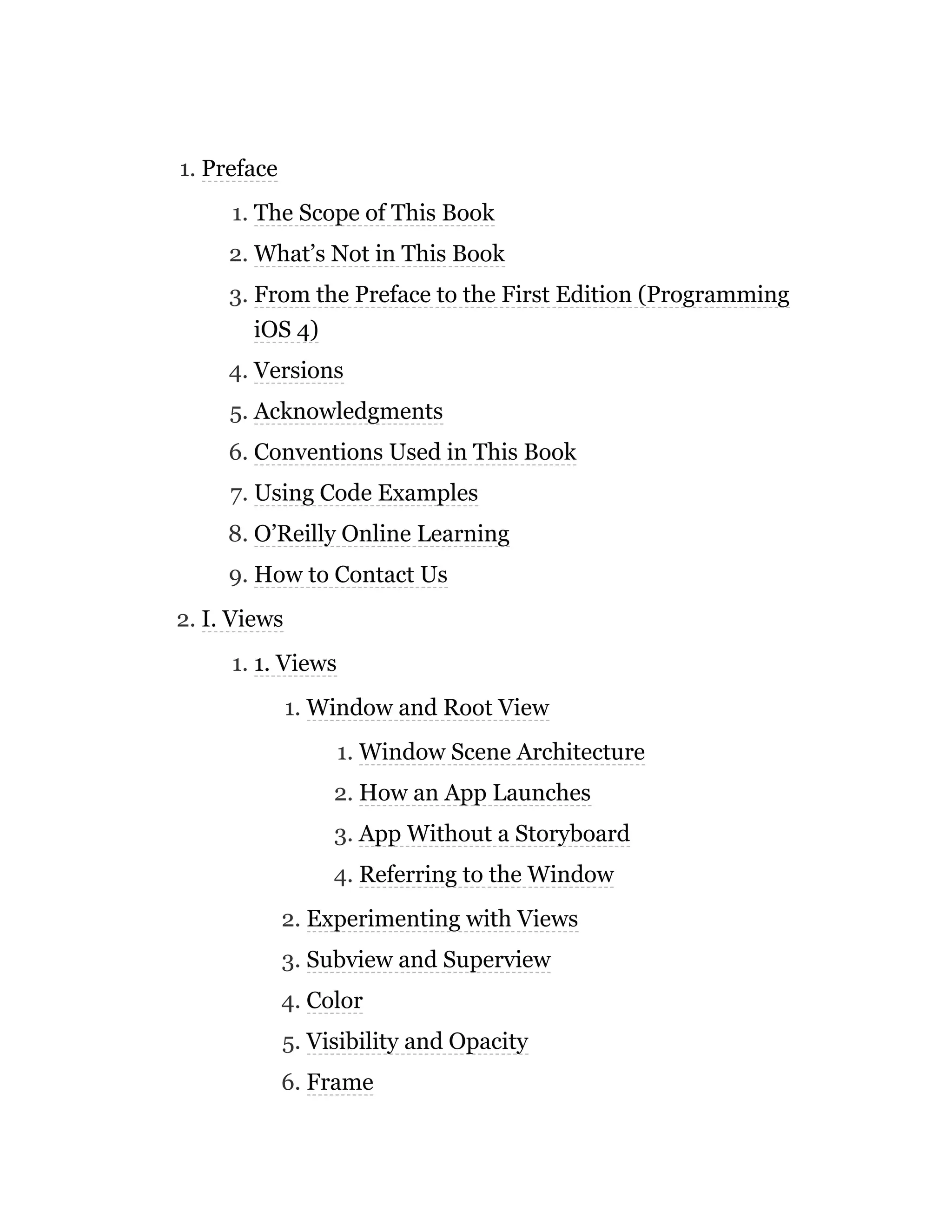
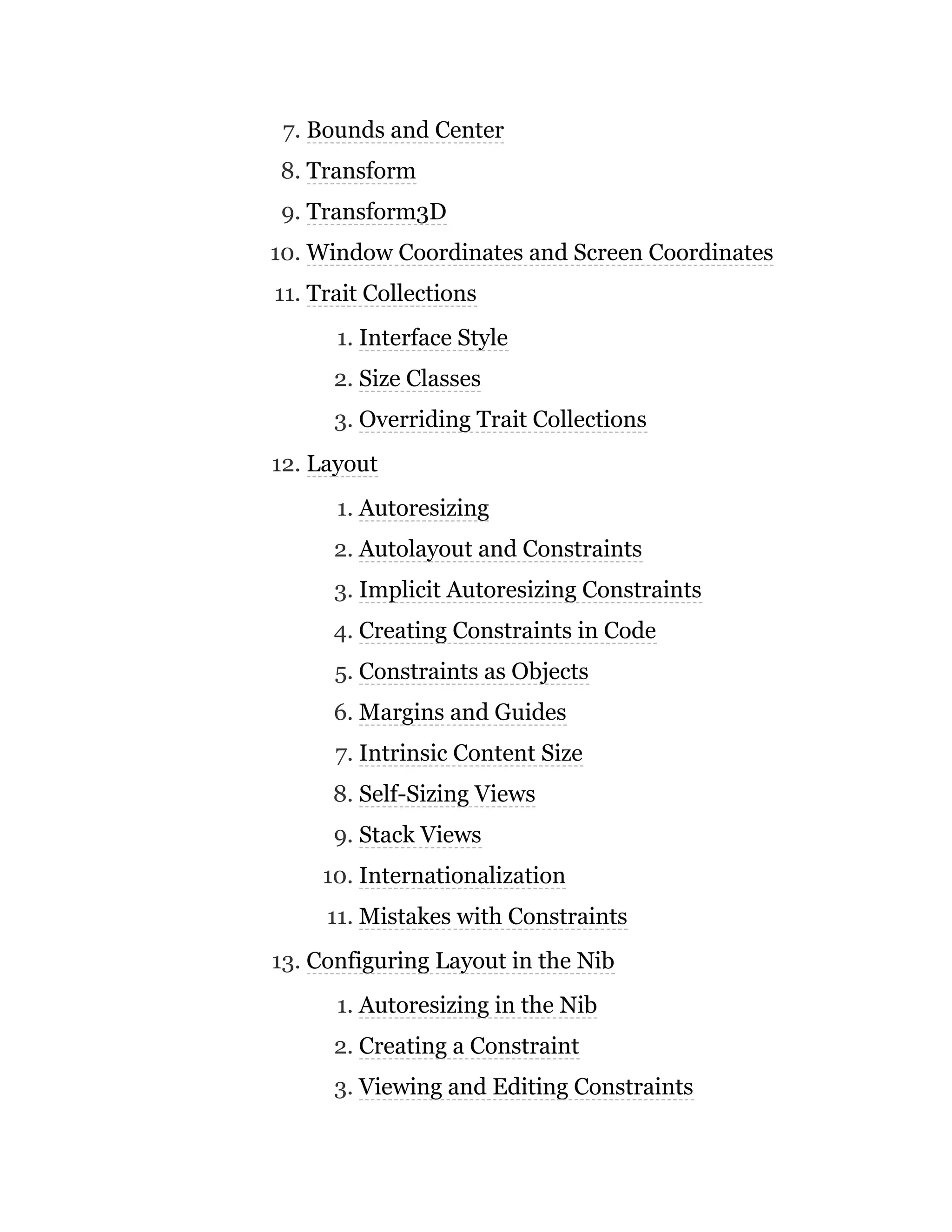
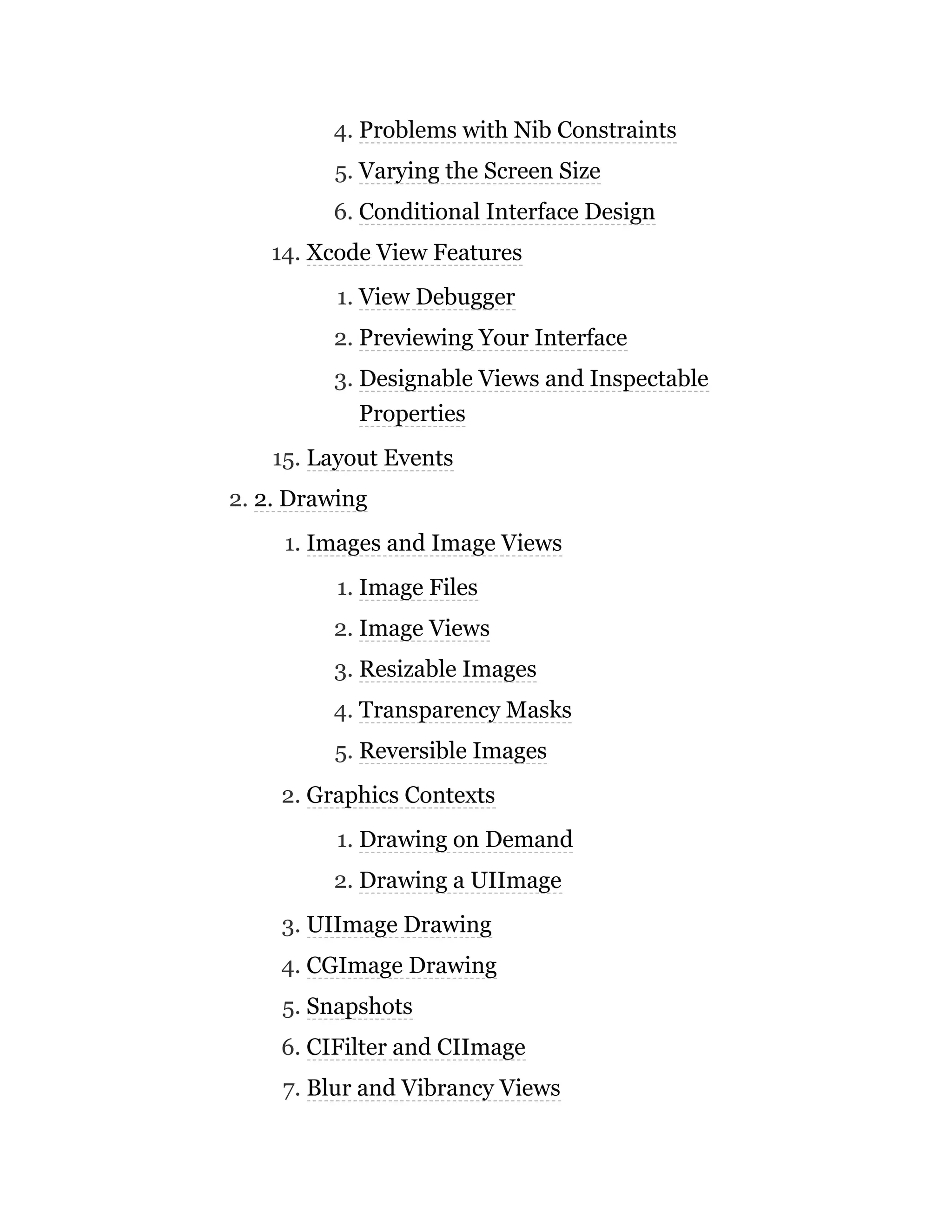
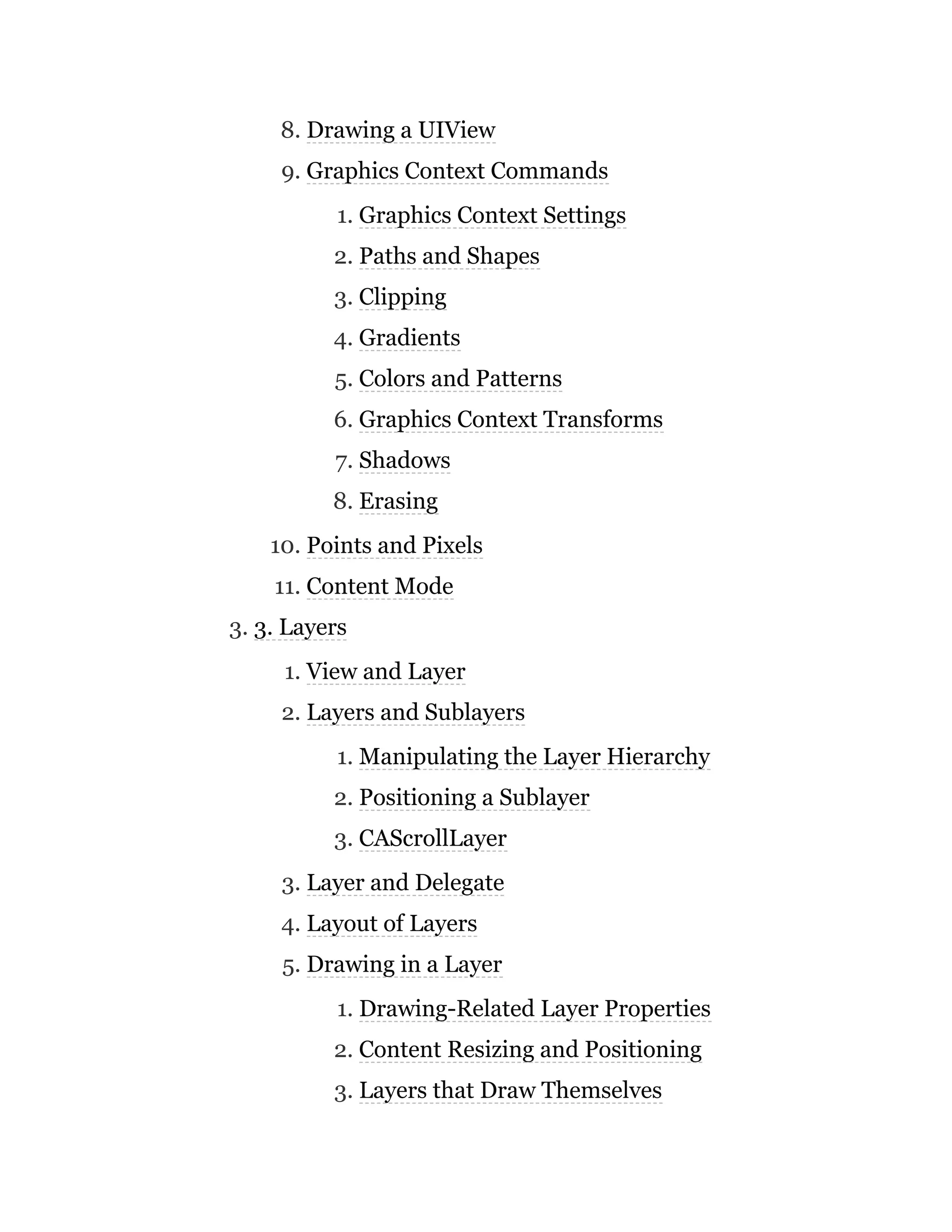
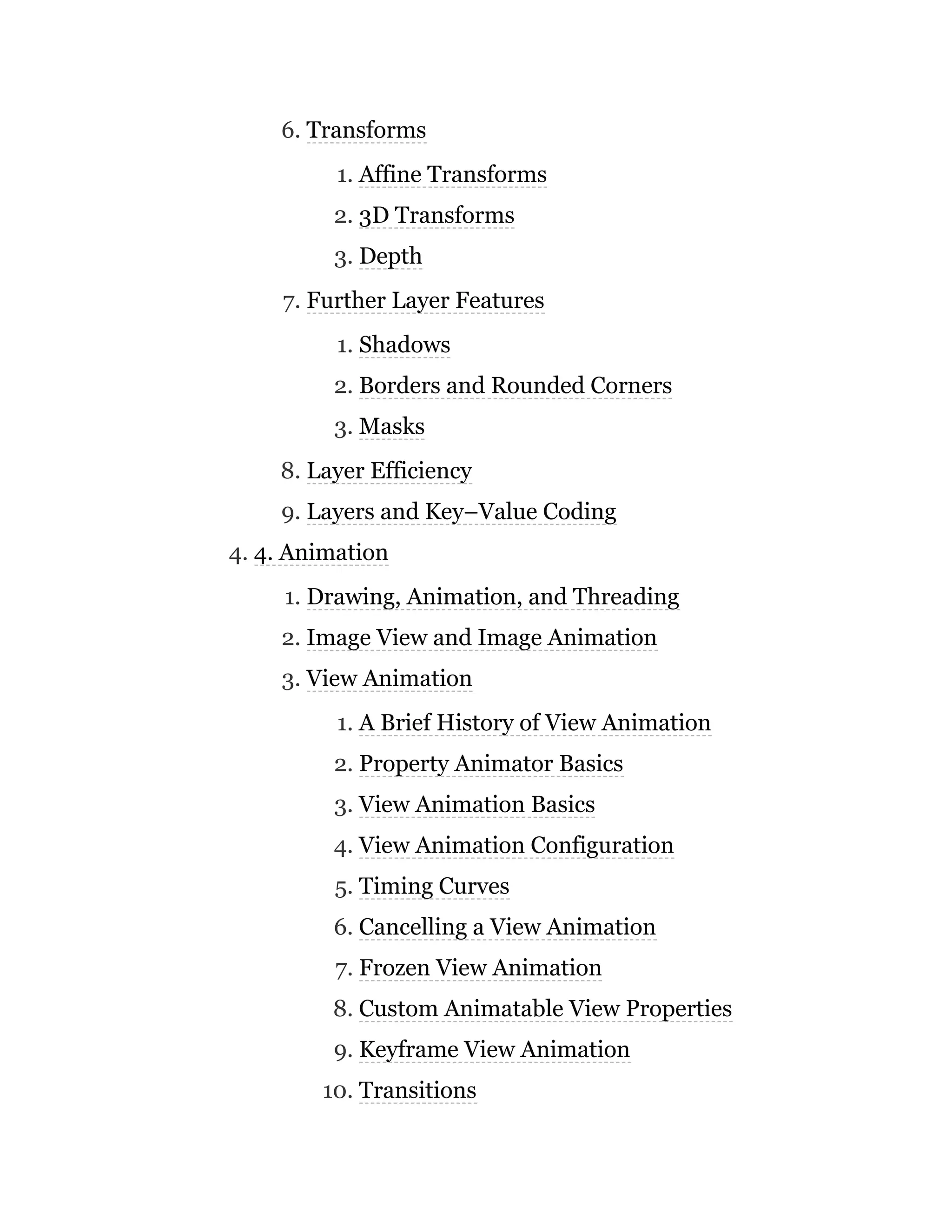
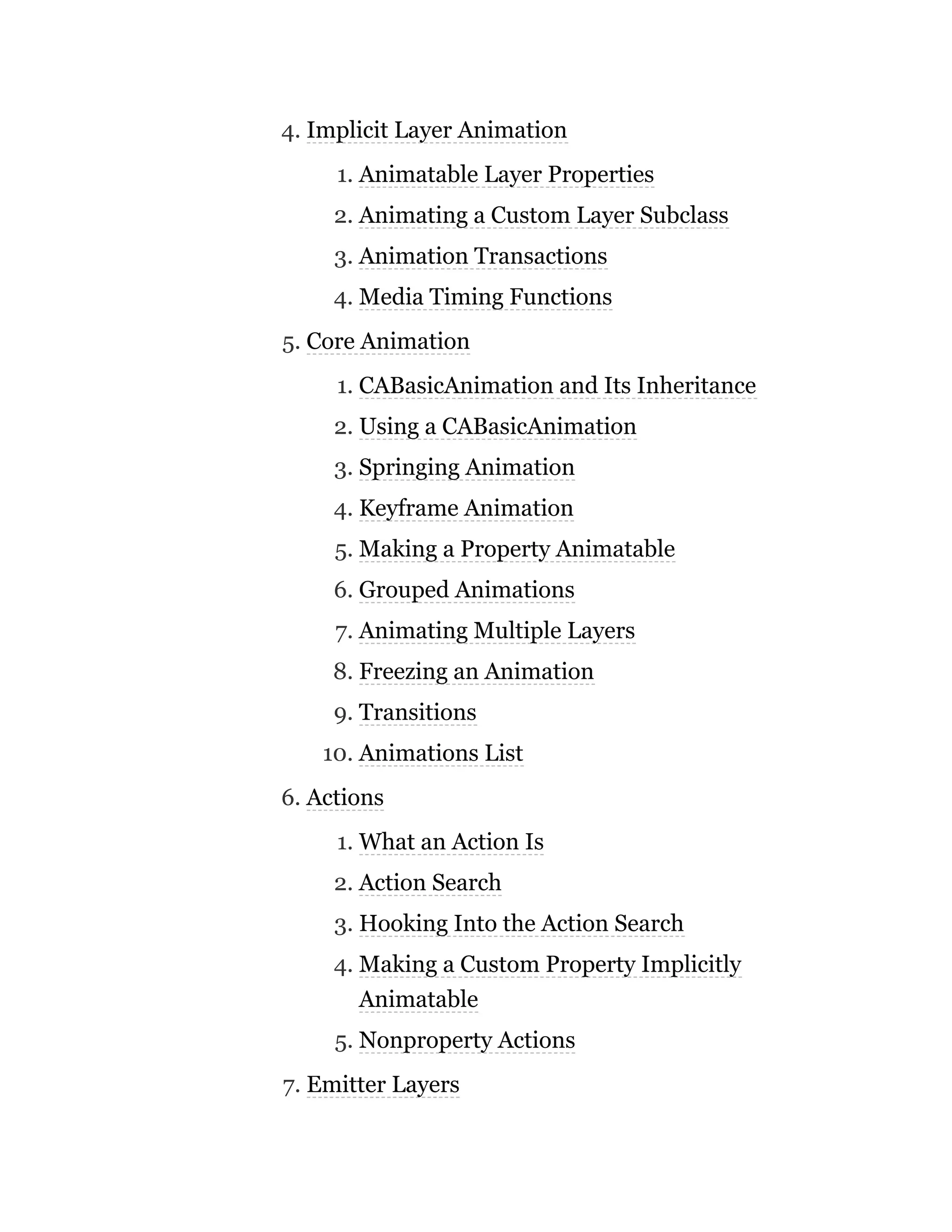
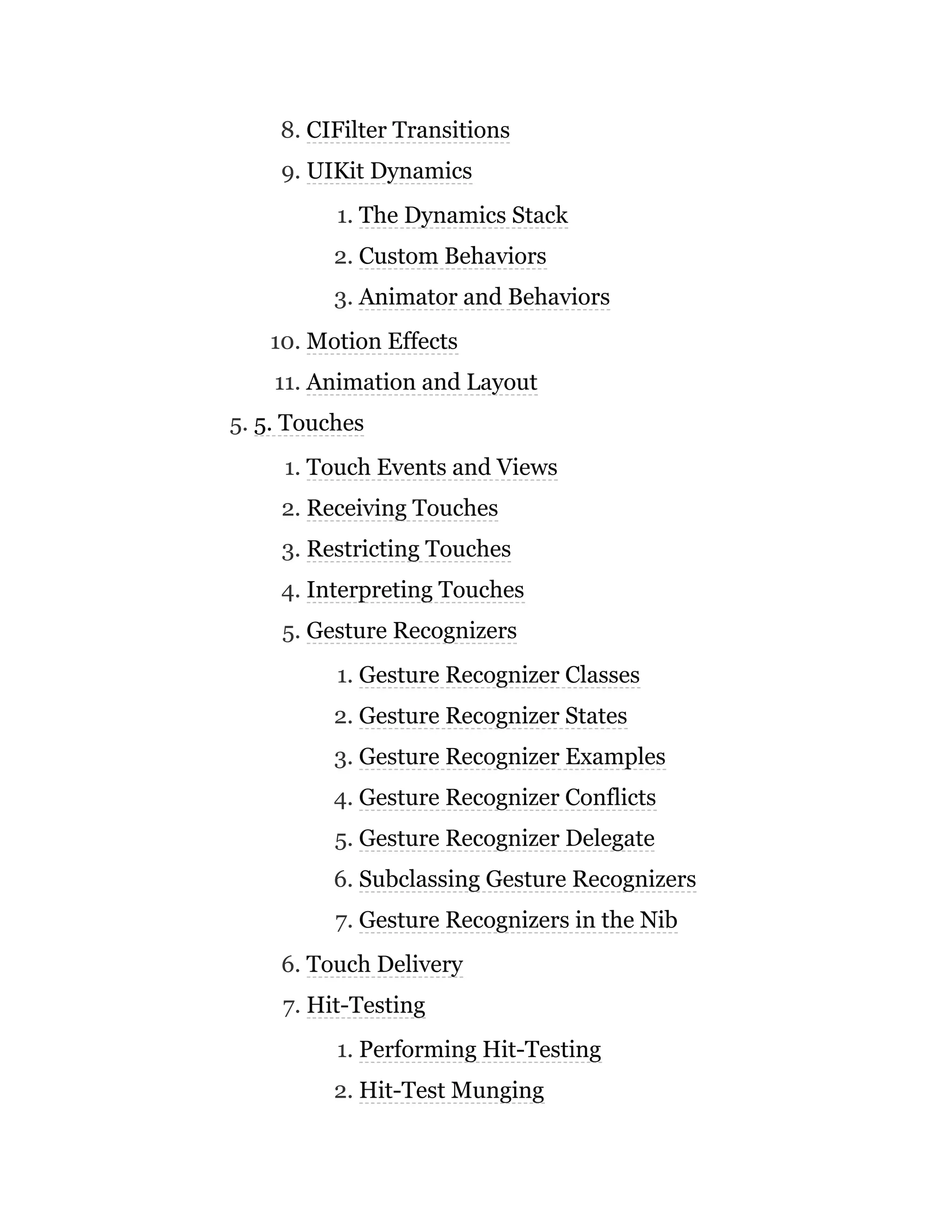
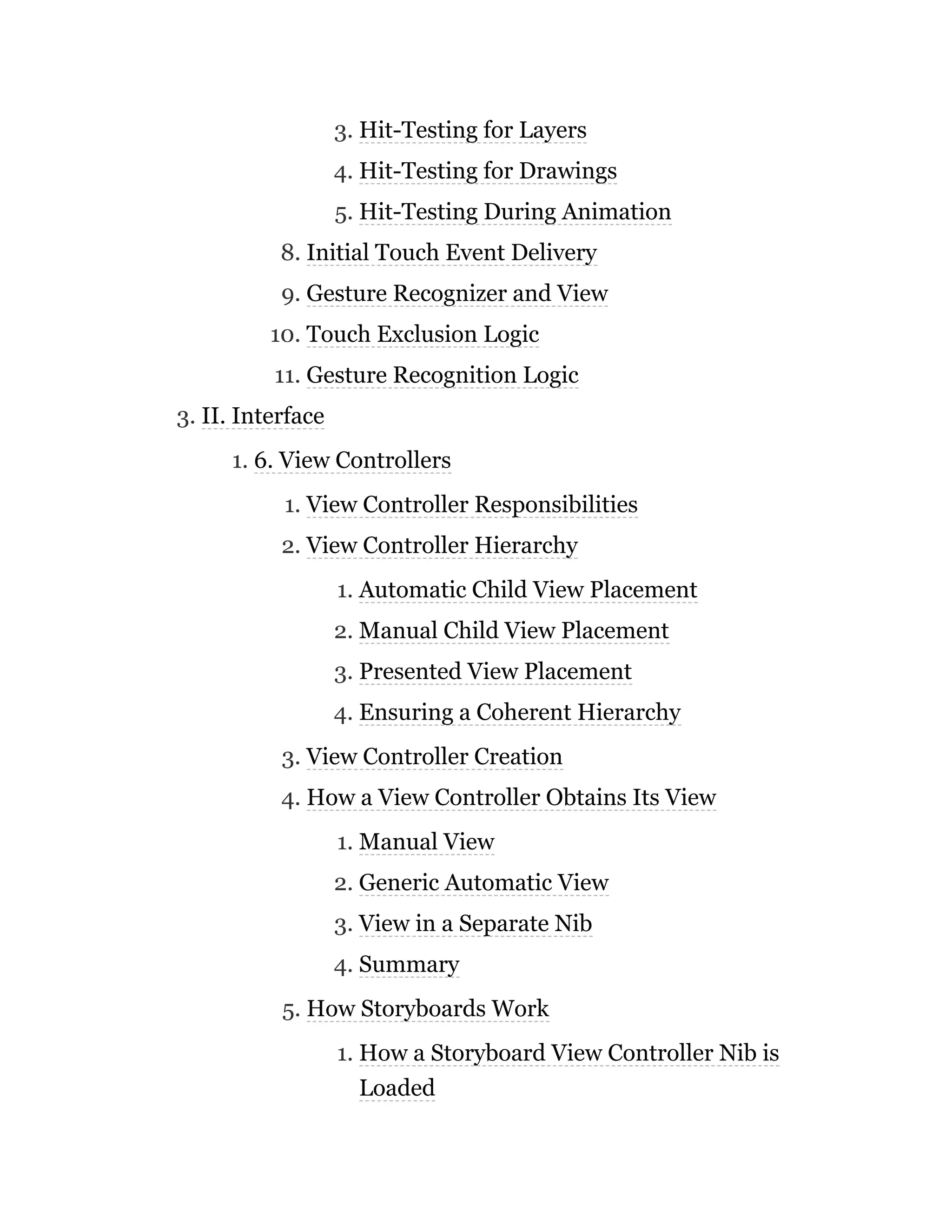
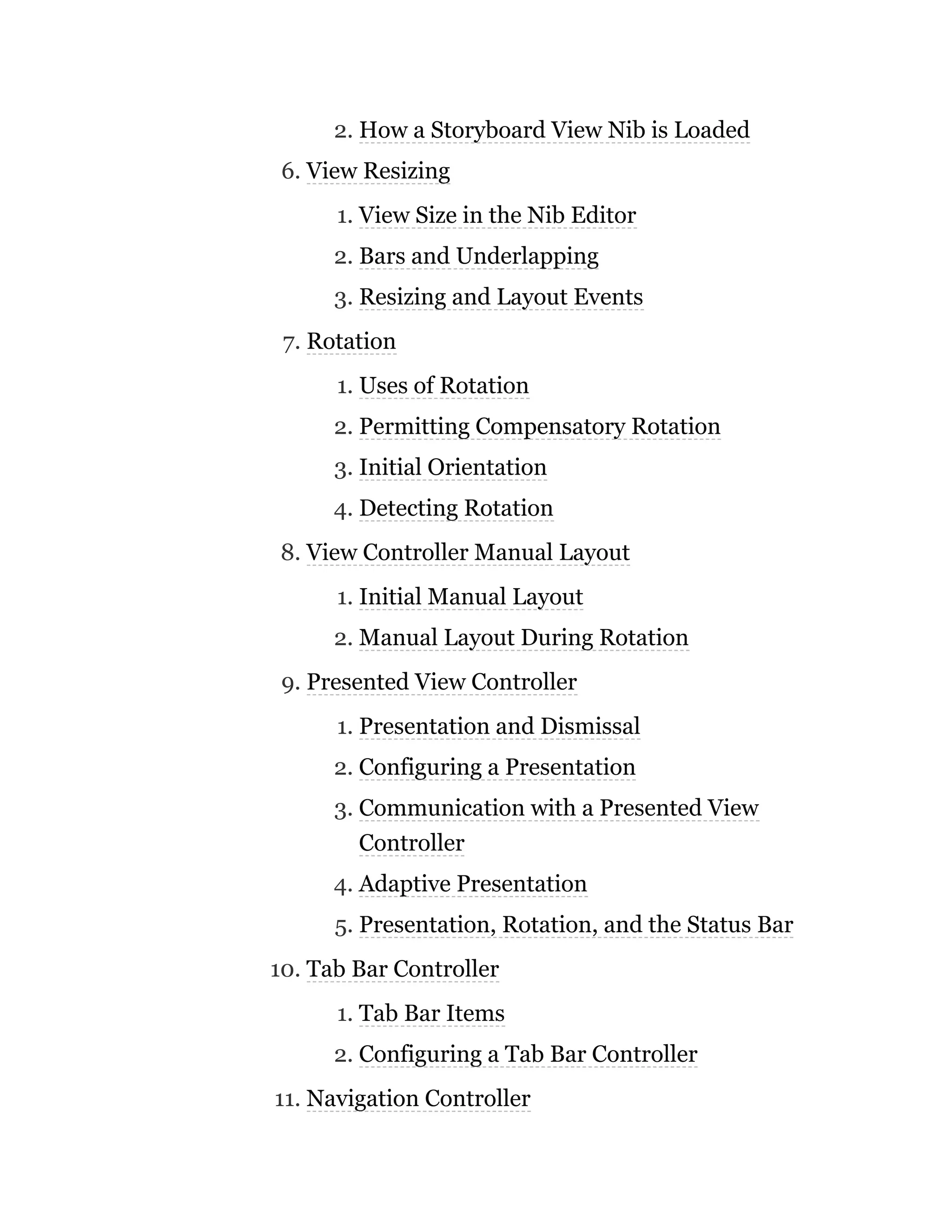
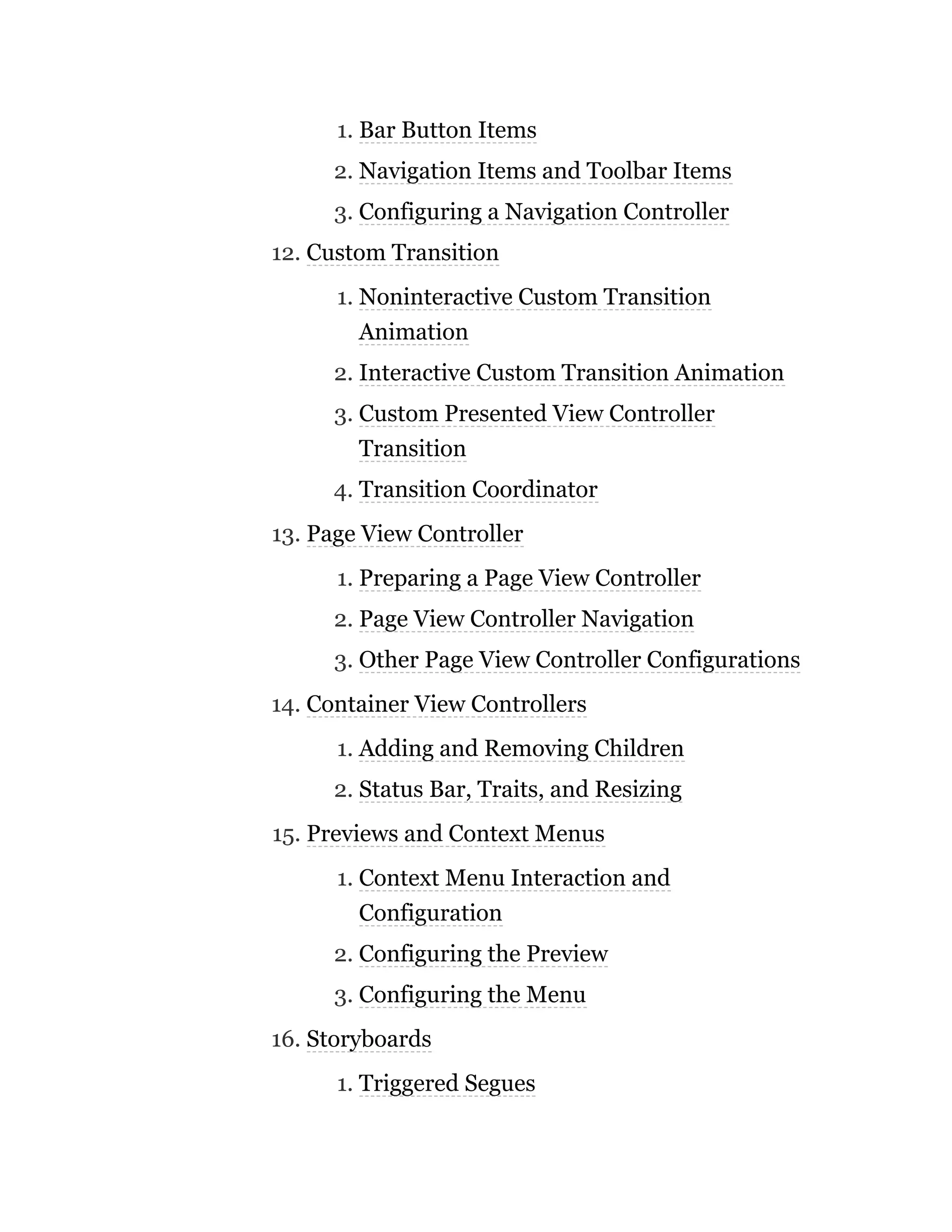
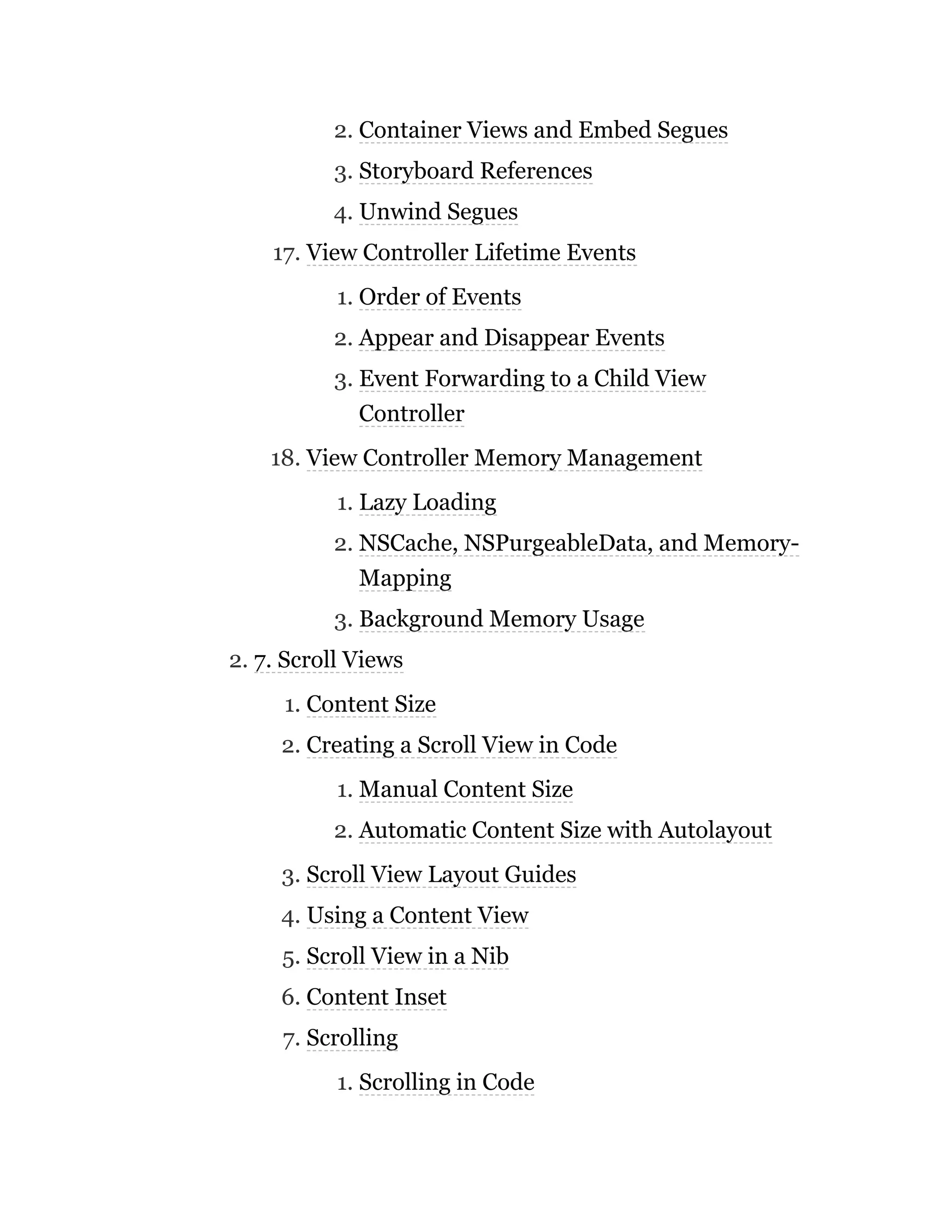
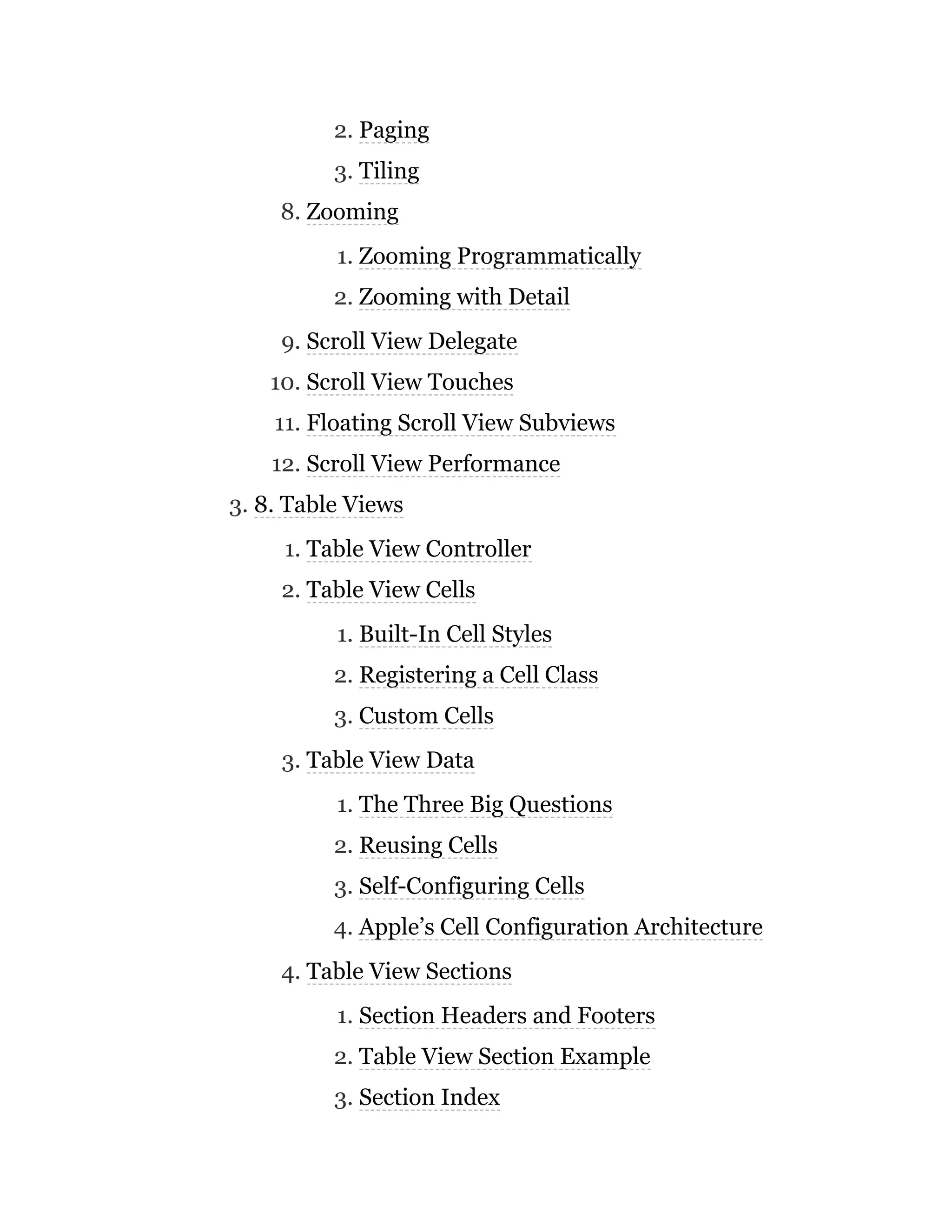
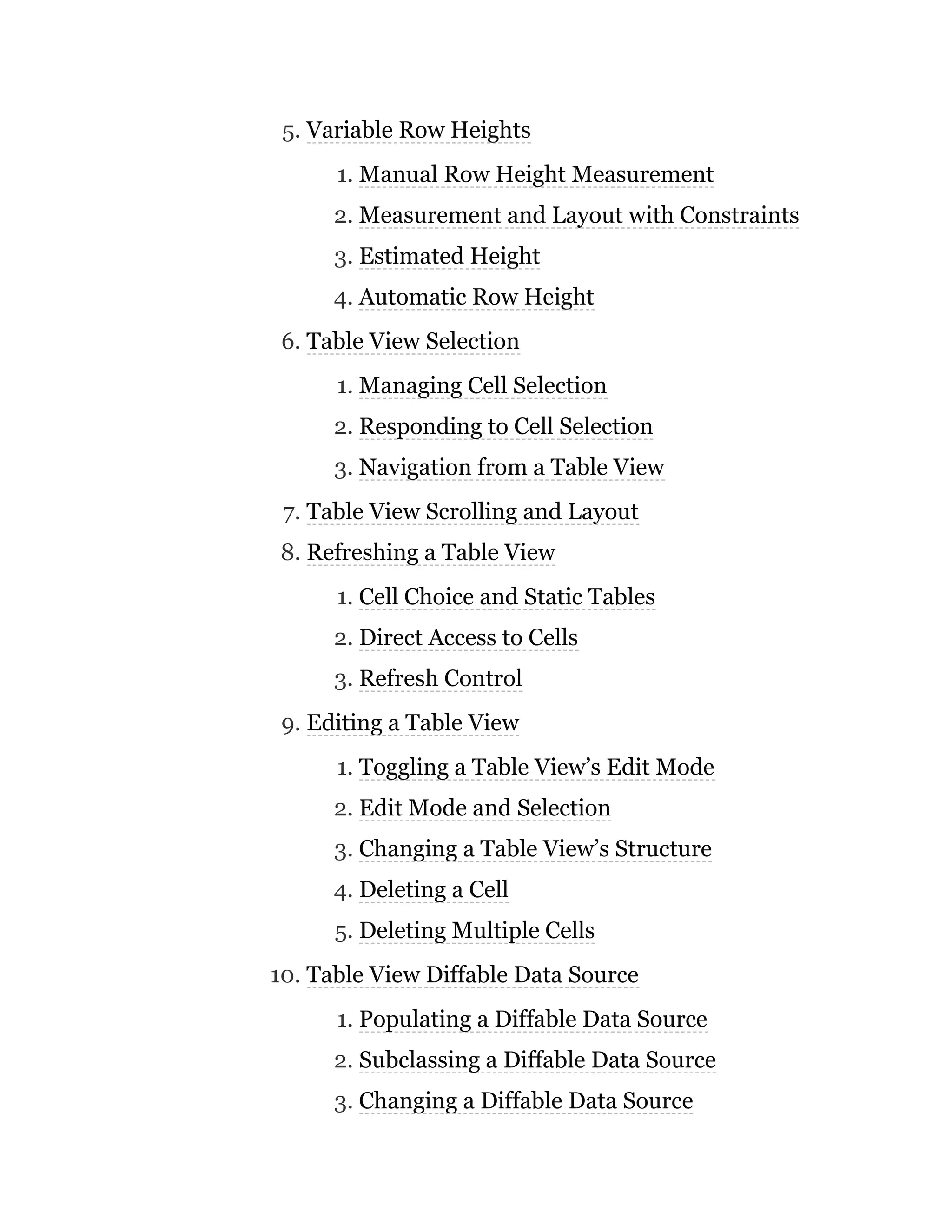
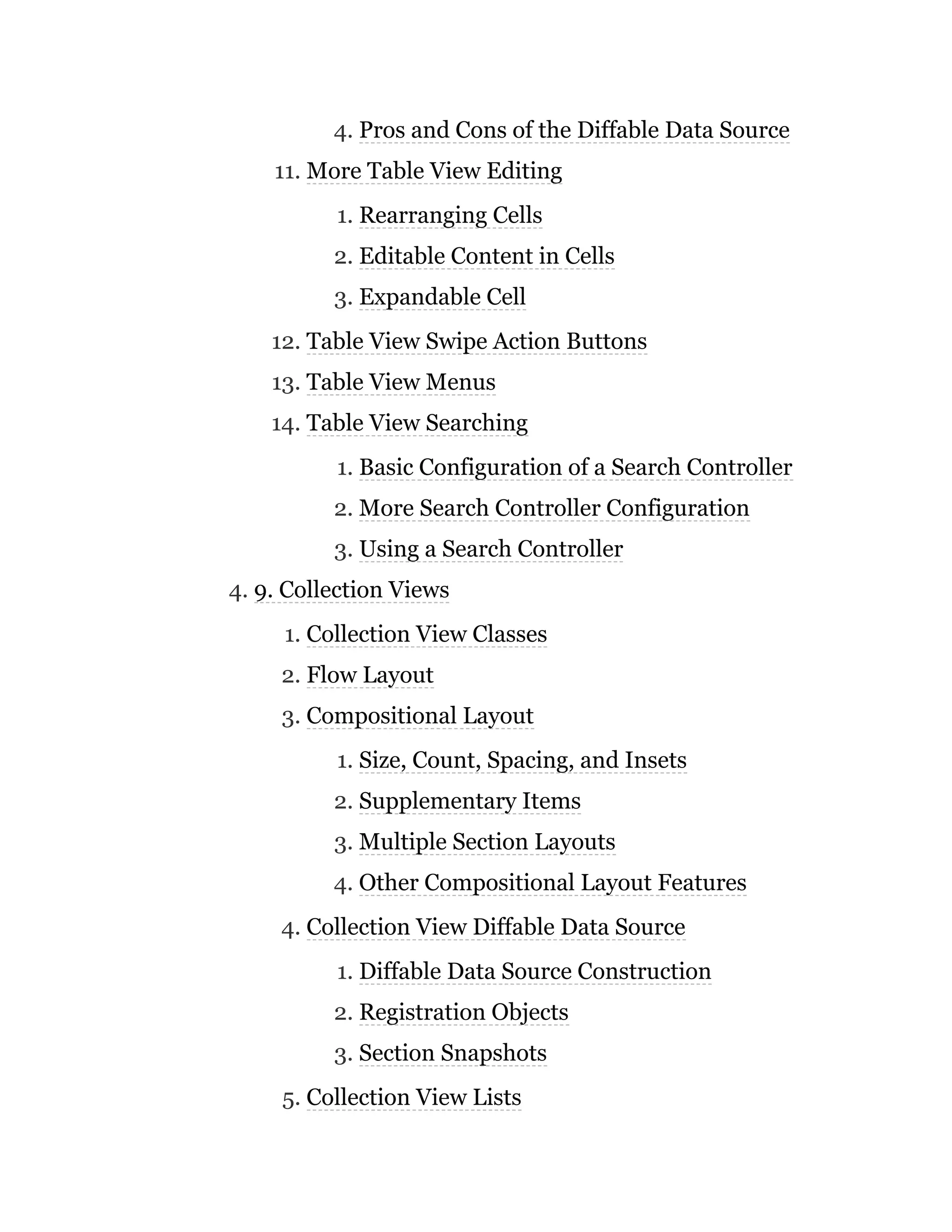
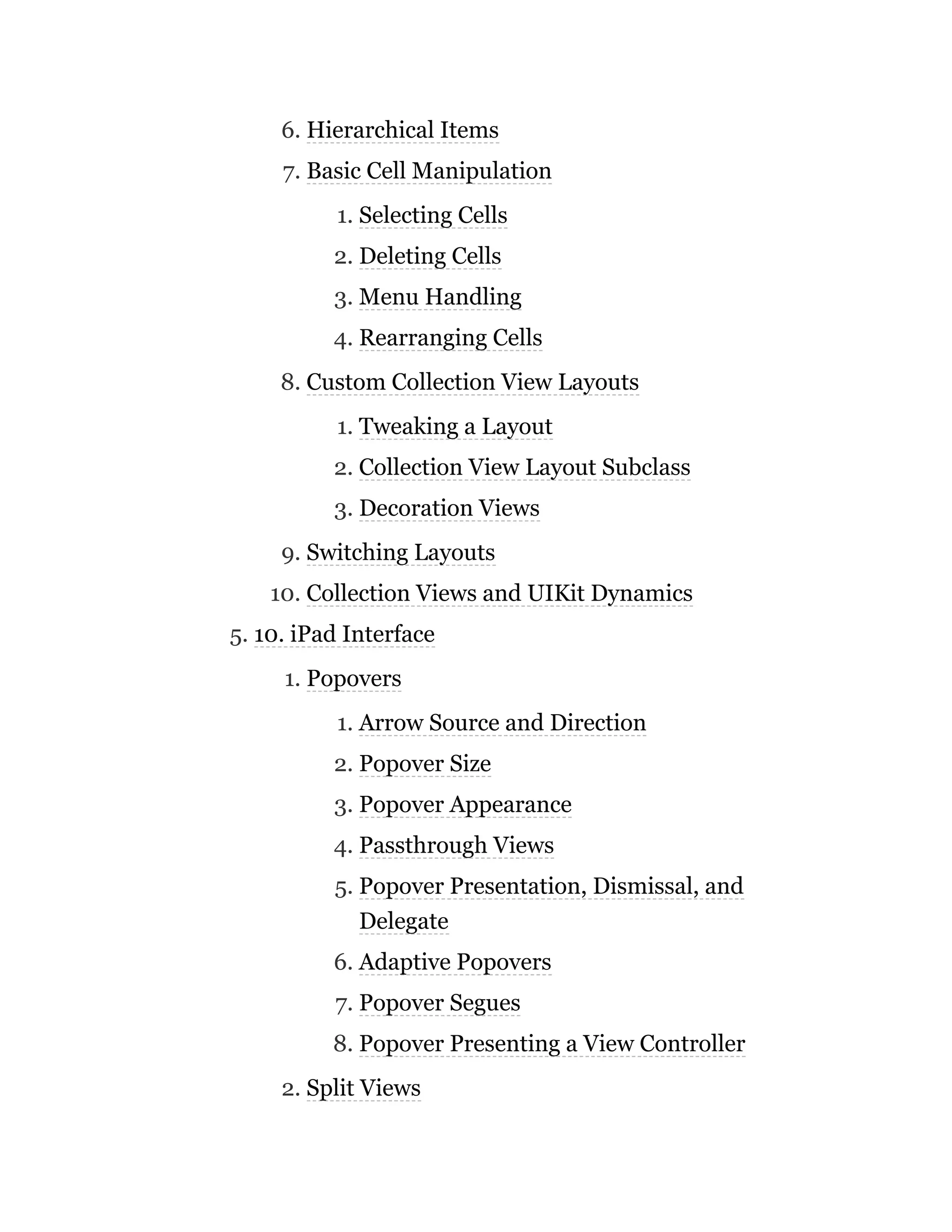

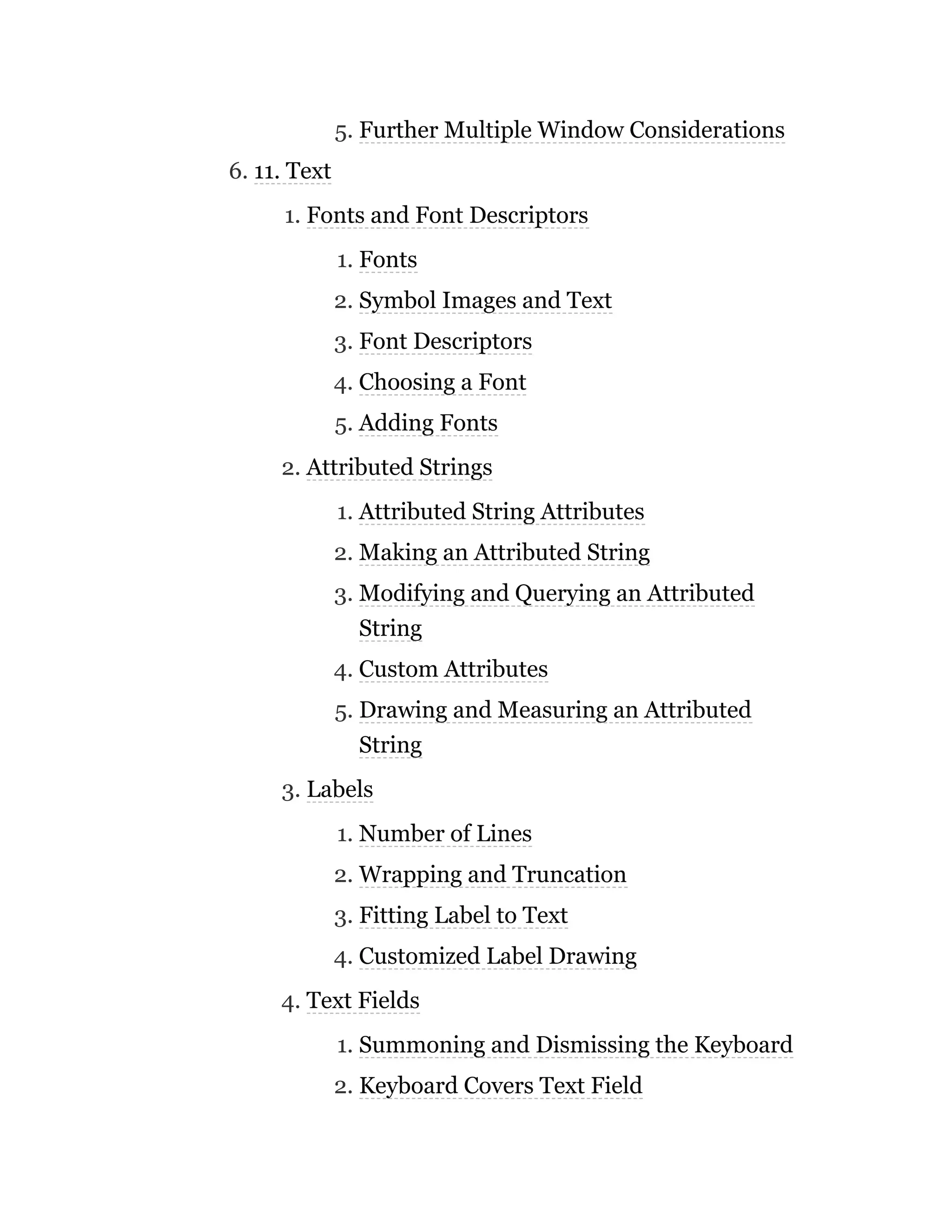




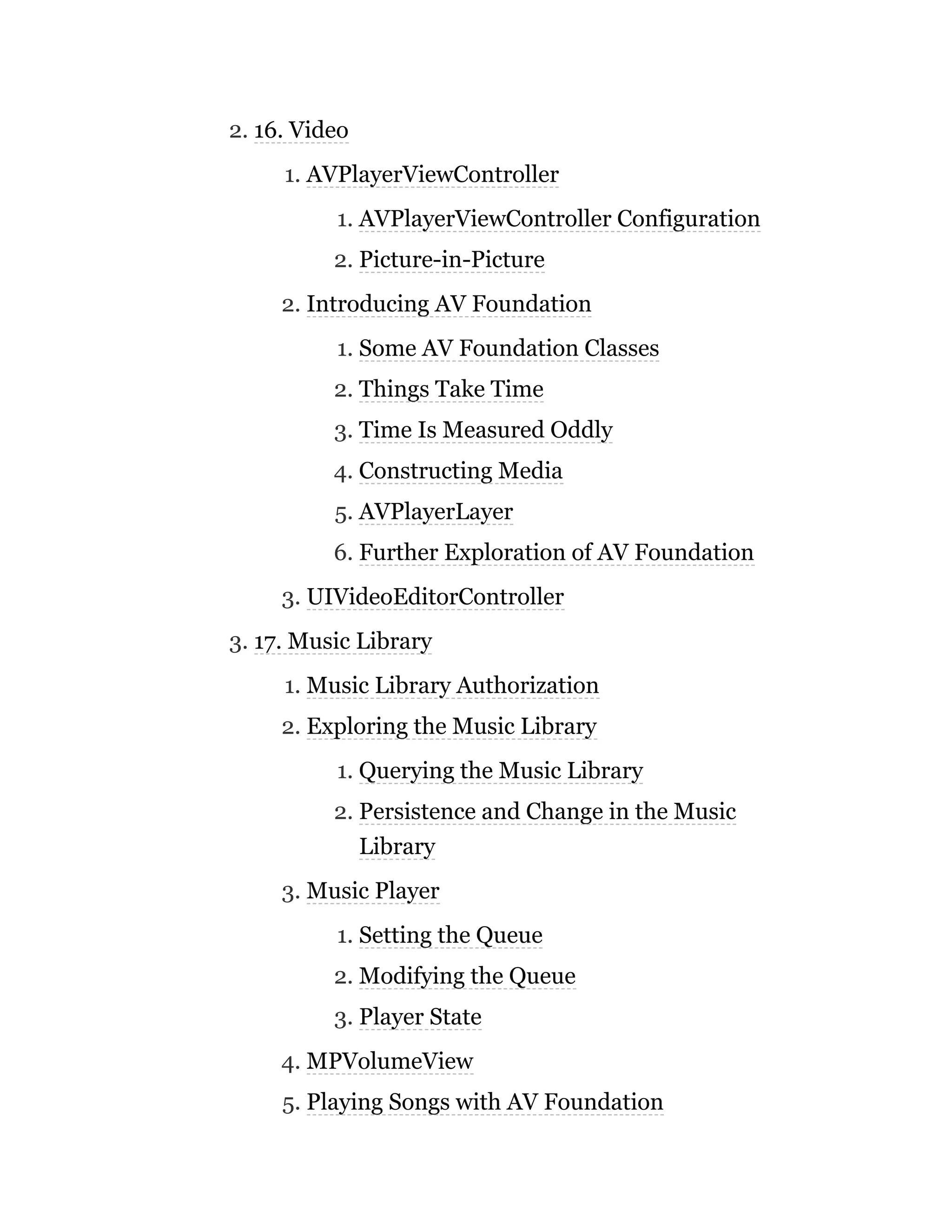
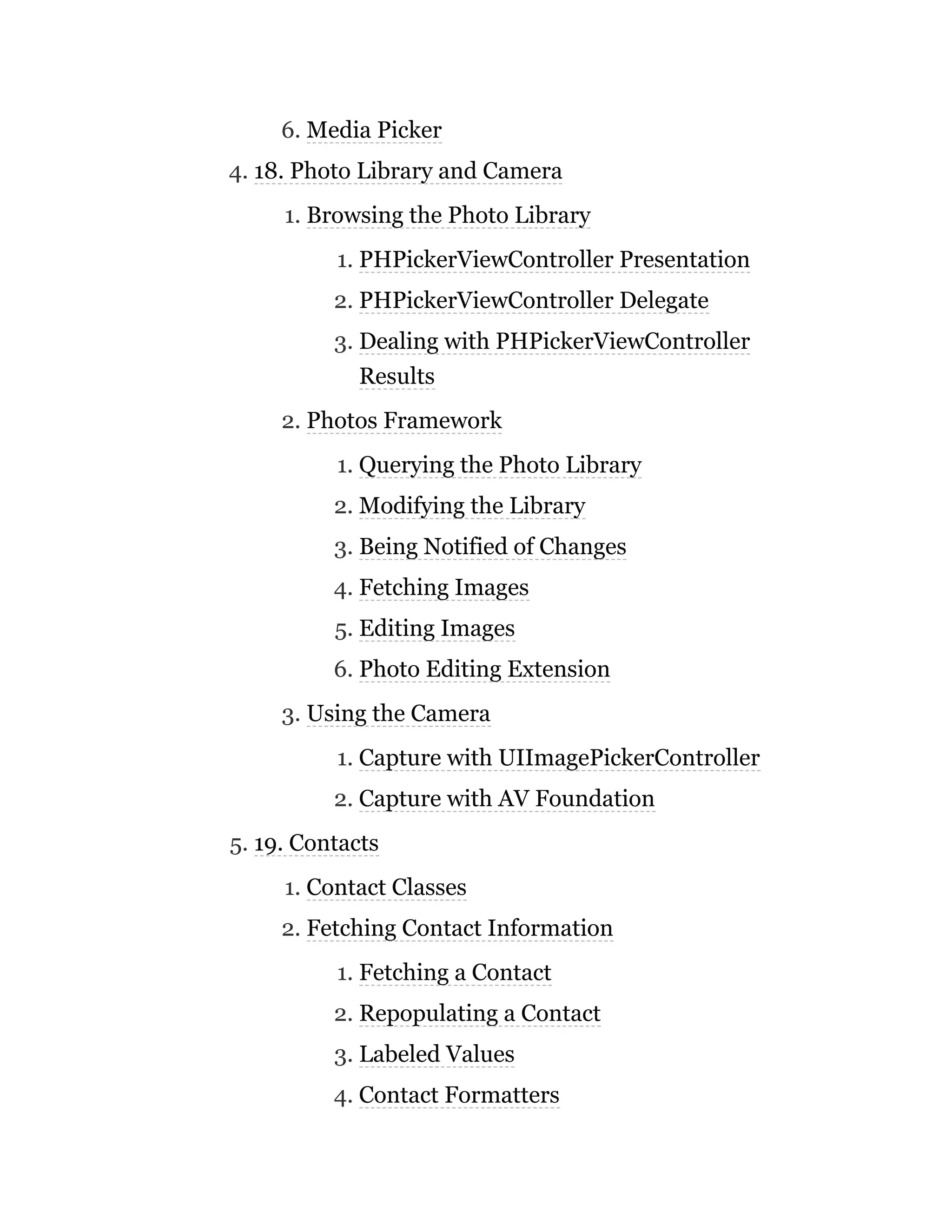

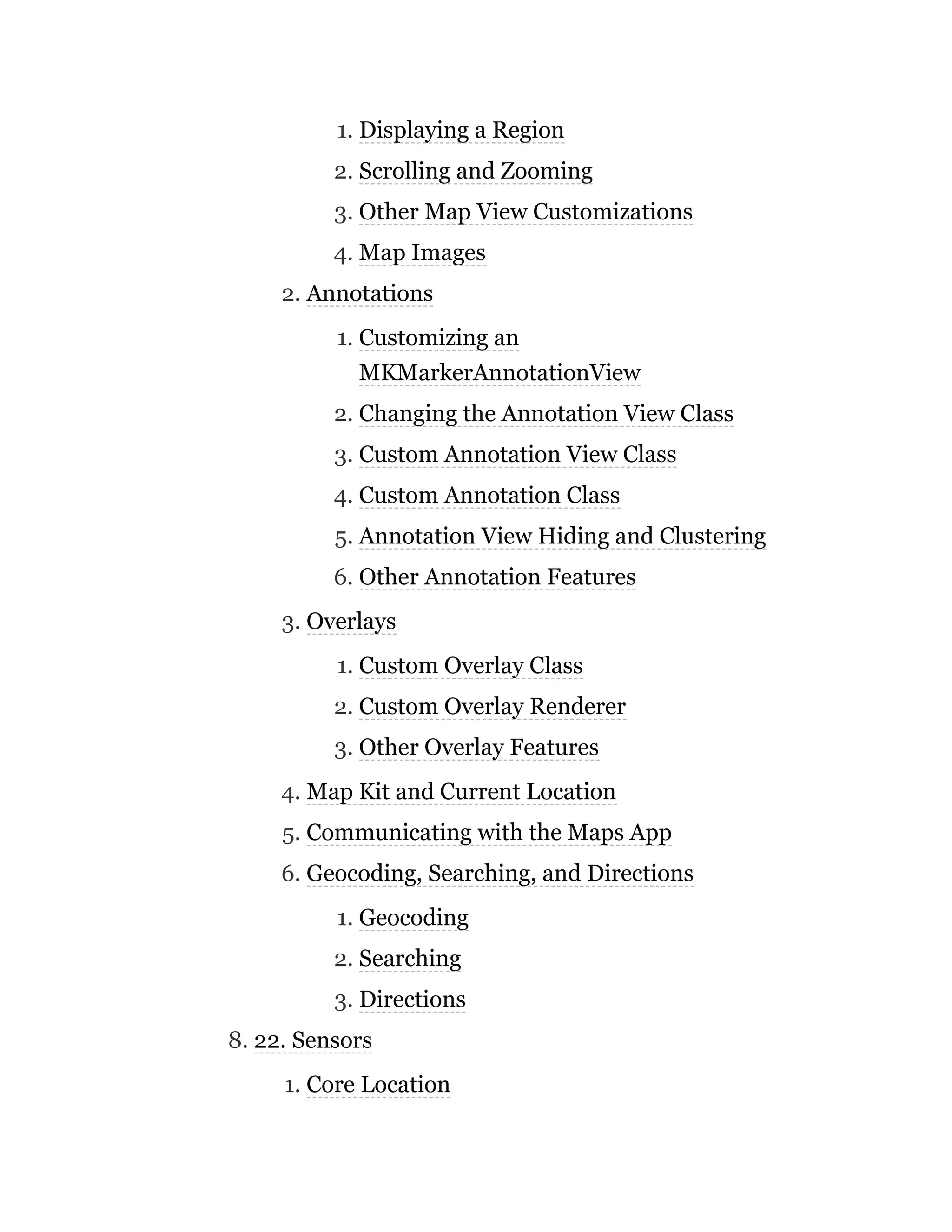


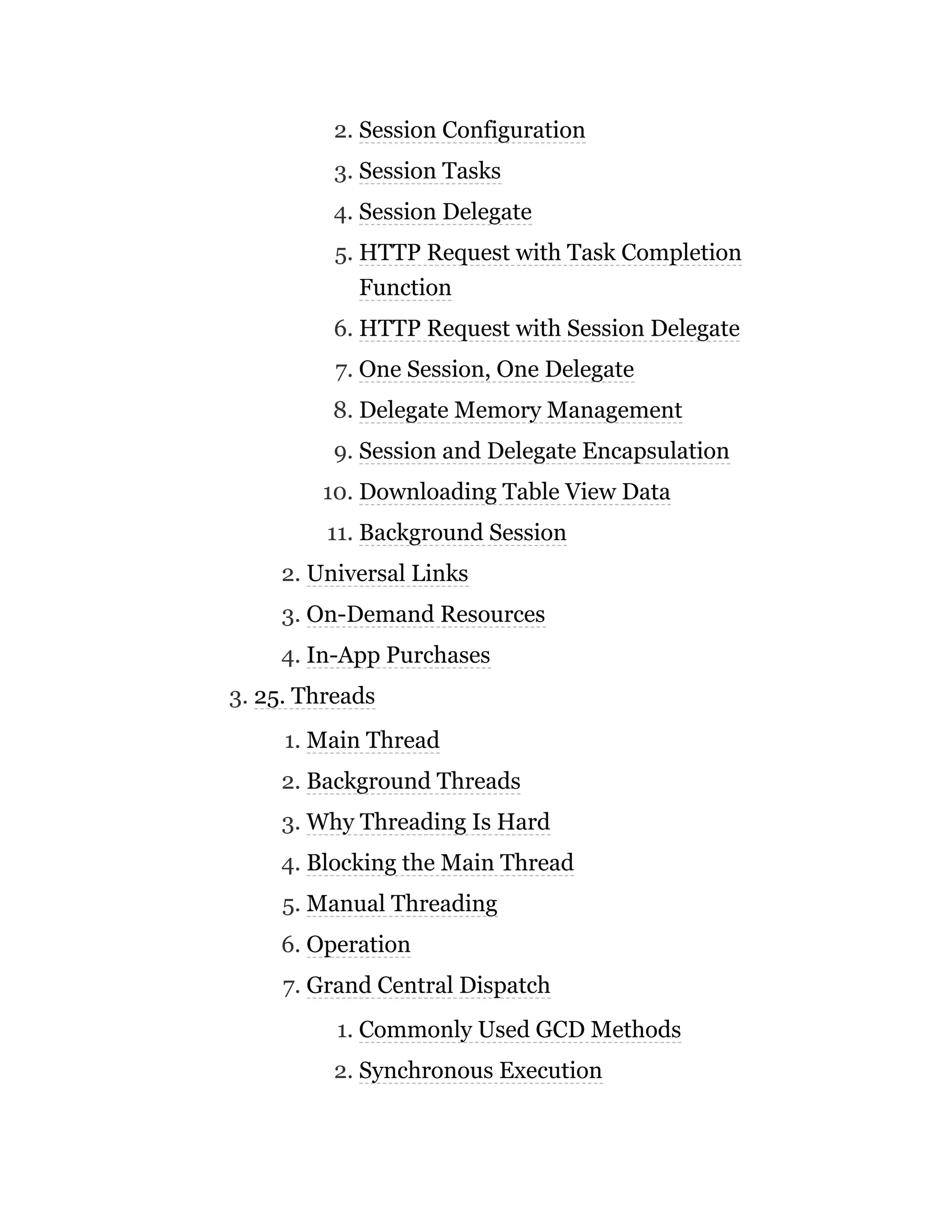

![The girl went to see and when she came back she said, "She has
eaten the cooked rice and covered the cooking pots, and has gone."
Next day the prince said, "I am going to cut the rice-crop. Remain at
home and, when evening comes, put the utensils for cooking near
the hearth." So the servant obeyed him and in the evening the
mouse came and cooked. She placed the food ready and again ran
and hid behind the pots.
This went on for several days, and when the whole rice-crop was
garnered in, the prince went near to the place where the mouse was
hidden and said, "Having pounded the rice and removed the husks,
let us go to your village and present it to your parents as first-fruits."
But the mouse said, "I will not go. You go!" So the prince made the
servant get the package of cooked rice ready, and he went to the
village of the queen and gave the package to her.
And the queen said, "Where is my daughter?" The prince answered,
"She refused to come."
Then the queen said, "Go back to your city, and having placed the
cooking utensils near the hearth, hide yourself and stay in the
house."
After the prince returned to the city, he did as she had told him. The
mouse, having come out, took off her mouse-jacket, and, assuming
the shape of a girl, put on other clothes. While she was preparing to
cook, the prince took the mouse-jacket and burnt it.
Afterwards when the girl went to the place where the mouse-jacket
had been and looked for it, it was not there. Then she looked in the
hearth, and saw that there was one sleeve of the skin-dress among
the embers. While she was there weeping and weeping, the prince
came out of his hiding-place and said, "Your mother told me to burn
the mouse-jacket. Now you are really mine!"
So the mouse became a princess again and married the prince.[80]](https://image.slidesharecdn.com/77528-250501143539-ba188614/75/Programming-iOS-14-11th-Edition-Matt-Neuburg-34-2048.jpg)
![The same idea is contained in the story of the king who, putting on
a jackal-skin, turns into a jackal, only resuming human form
permanently when the skin is burnt.[81] In "Indian Fairy Tales" there
is a prince who has a monkey-skin which he can put on and off at
pleasure.[82] A king's daughter in another story also has a monkey-
skin and when a prince burns it she takes fire and flies away all
ablaze to her father's palace.[83] Four fairy doves in feather-dresses
appear in "Romantic Tales from the Panjab with Indian Night's
Entertainment."[84] When they take off their feathers to bathe, a
prince conceals one dress and the fairy is unable to resume bird
form. The story of the feather-vest of the dove-maiden in "The
Arabian Nights"[85] is similar in style.
The swan-maidens or cloud-maidens, as they are sometimes called,
have a shirt made of swan's feathers which acts much in the same
manner as the wolf-skin to the wer-wolf. The swan-maiden retains
human shape as long as she is kept away from her feather tunic.
The commonest form of this legend is that of a man who passes by
a lake and sees several beautiful maidens bathing, their feather-
dresses lying on the bank. He approaches quietly and steals one of
the dresses. In due course the bathers come to the shore, don their
dresses and swim off in the shape of swans, all but one, who is left
lamenting on the shore. Then the thief appears, tells her what he
has done and bids the maiden marry him. They live happily together
until one day when the husband, by accident, leaves the wardrobe
door unlocked and the swan-maiden puts on her feather-shirt and
flies off, never to return.[86]
In a similar story the maiden is wearing a gold chain round her neck
which her huntsman lover seizes, thus gaining the power over her
which makes it possible to woo and wed her. She gives birth in due
course to seven sons, each one of whom wears a gold chain about
his neck and can transform himself into a swan at will.](https://image.slidesharecdn.com/77528-250501143539-ba188614/75/Programming-iOS-14-11th-Edition-Matt-Neuburg-35-2048.jpg)
![aviary, she loses him, and cannot regain her husband until the aviary
is restored.
In the well-known story of "The Brahman Girl who marries a Tiger,"
the tiger assumes human shape and makes a beautiful girl fall in
love with him. Soon after their marriage he threatens her, saying,
"Be quiet or I shall show you my original shape."[87] When she
urges him to do so he changes and behold, "four legs, a striped skin,
a long tail, and a tiger's face come on him suddenly, and, horror of
horrors, a tiger, and not a man stands before her!"
She has to obey all his orders and finally gives birth to a son, who
also turns out "to be only a tiger."
She gets her brothers to help her, murders her child and runs off
home. In the end the tiger is killed by her relatives, and the
Brahman girl, in memory of him, raises a pillar over the well and
plants a fragrant shrub on the top of it.[88]
The Chinese have a curious idea about "making animals,"[89] and a
story is told about a man who arrived at an inn in Yang-Chow
leading five donkeys. He asks the landlord whether he may put the
animals in the stable, and while he goes off for a short time, he
leaves instructions that they are not to be given water to drink. They
become so restless, however, that the landlord takes the
responsibility of setting them loose, and they make a rush to a
neighbouring pond. But no sooner has water touched their lips than
they roll on the ground and change into women. The landlord,
frightened at what has occurred, hides them in his house and
presently the man returns leading five sheep. But now the landlord's
suspicions are aroused and, persuading his guest to take wine
indoors, he goes out and waters the sheep. They turn into young
men and their temporary owner is put under arrest and executed for
a sorcerer.
In a Basque story, seven brothers forbid their sister to go near a
certain house. She disobeys them and a witch in the house gives her](https://image.slidesharecdn.com/77528-250501143539-ba188614/75/Programming-iOS-14-11th-Edition-Matt-Neuburg-38-2048.jpg)
![certain herbs, telling her to put them in her brothers' foot-bath. She
does so and the brothers are changed into cows. The ideas
contained in these examples are similar in character to those
contained in Grimm's "Household Tales." The following is more like
the Japanese wer-fox episodes:—
A certain prince royal of India has a lovely mistress who bewitches
him, and who falls asleep one day in a bed of chrysanthemums
where her lover shoots and wounds a fox in the forehead. The girl is
found to be bleeding from a wound in her temple and is thus
exposed. She is an evil animal.
In many stories women give birth to animals.
A widow who lives near a palace and makes a livelihood by pounding
rice, bears a frog which becomes a good-looking prince, but he ends
as a frog.
In the story of Madana Kama Raja (Natesa Sastri) a queen bears a
tortoise prince who has the power of leaving his shell, and assuming
human form. One day his mother is present at the transformation
and smashes the shell, after which her son has to remain a man.
Another queen gives birth to a tortoise which is reared by her, and
goes in search of divine flowers, which he obtains by the aid of a
nymph.
A raja has two wives and the first has six sons, the second only one,
who is a mongoose. His name is Lelsing, and he speaks like a man,
but grows no bigger than an ordinary mongoose. In this story the six
brothers do everything they can to ill-treat the mongoose boy, but all
their tricks turn to his advantage, and in the end he grows rich while
they grow poor, and finally they all get drowned, while he goes
home rejoicing at his revenge upon them for their unkindness.[90]
The Bards at Jaisalmer claimed one of the raja's sons for a ruler, so
he gave them one of his seven ranis, who was expecting to become
a mother, and they took her to Nahan and near the Sarmor tank she
gave birth first to a lion and four monsters, and then to a son. After](https://image.slidesharecdn.com/77528-250501143539-ba188614/75/Programming-iOS-14-11th-Edition-Matt-Neuburg-39-2048.jpg)
![the monsters were exorcised they took the child to Medni and he
became the first raja of Nahan (Sarmor).[91]
Another raja's child was born with the ears of an ox. Only the raja's
barber knew, but he blurted it out to the dom and the dom went to
the raja's palace and sang
"The son of the raja
Has the ears of an ox."
Then the raja was very angry, and only forgave the dom when he
said he had not been told about the misfortune, but that a drum had
sung the words to him.[92]
"The Two Brothers" is a typical and classical story in which one
brother assumes the form of a great bull with all the sacred marks.
In another story of German origin, the hero, who has been hacked
to pieces and stuffed in a bag, is restored to life by a master
sorcerer, who endows him with the power of assuming whatever
shape he pleases. He turns into a fine horse, and the king's
daughter, believing she is being deceived, has the animal
decapitated.
A similar Russian tale is about a horse which has a golden mane
and, when it is killed, a bull with golden hair arises from the blood
spilt.
So numerous are the stories of this description, dealing with
transformation, that it is practically impossible to divide them into
their various types, although many attempts to classify them have
been made by authoritative writers on folk-lore; nor is it possible to
give them due occult significance. They are interesting chiefly on
account of the details which may be gathered from them concerning
methods and reasons of transformation.
The Indian Rakshasa (Bengalese Raqhosh) are beings of a
malevolent nature which haunt cemeteries, harass the devout,](https://image.slidesharecdn.com/77528-250501143539-ba188614/75/Programming-iOS-14-11th-Edition-Matt-Neuburg-40-2048.jpg)
![animate dead bodies, and afflict mankind in various ways. They can
assume any form they please, animal or other. Females appear as
beautiful women for the purpose of luring men to their doom. When
in their natural state they have upstanding hair, yellow as the flames
which they vomit forth from mouths which are provided with huge
tusks. They have large, black, hairy bodies. The Nagas, on the other
hand, are semi-divine snake-beings with good impulses.
In "Bengali Household Tales," by William McCulloch,[93] a Raqhosh
performs a transformation in the following manner: He removes a
stone from an underground passage and descending brings forth a
monkey. He then plucks a few leaves from a tree, draws water from
a well close by, throws the leaves into it and pours it over the body
of the monkey. The monkey is immediately transformed into a
beautiful young woman with whom the Raqhosh descends by the
underground passage. Towards dawn the two come up again. This
time the Raqhosh plucks some leaves from another tree and throws
them into some water from another well, and then pours it over the
young woman. Instantaneously she is changed into a monkey again.
This is not the most usual way for such transformations and
retransformations to occur in Indian folk-tales; sometimes they are
achieved by magic rods. In Grimm's "Household Tale," "Donkey
Cabbages," one kind of cabbage transforms a man into an ass and
the other reverses the process.
Magicians, however, have other methods. Mercurius, the most skilful
of sorcerers, was supposed to have discovered the secret of
"fascinating" men's eyes in such a way as to make people invisible to
their sight, or perhaps to give them the appearance of an animal.
This may be compared to modern hypnotism and has an important
bearing on the subject.
Pomponius Mela attributes to the Druidical priestesses of Sena the
knowledge of transforming themselves into animals at will.](https://image.slidesharecdn.com/77528-250501143539-ba188614/75/Programming-iOS-14-11th-Edition-Matt-Neuburg-41-2048.jpg)
![Proteus, according to Homer's account, becomes a dragon, a lion, or
a boar. Eustathius, the commentator, adds, "not really changing but
only appearing to do so." Proteus was an adroit worker of miracles,
and was well acquainted with the secrets of Egyptian philosophy. He
assumed animal shape in order to escape the necessity of foretelling
the future when asked to do so but, whenever he saw his
endeavours were of no avail, he resumed his natural appearance.
Towards the end of the sixteenth century Joseph Acosta, who
resided in Peru, asserts that sorcerers existed there at that time who
were capable of assuming any form they pleased. He tells of a ruler
of a city in Mexico who was sent for by the predecessor of
Montezuma and who transformed himself successively before the
eyes of men who tried to seize his person, into a tiger, an eagle, and
a serpent. At length he gave in, and being taken before the emperor
was condemned to death.
The same kind of power was ascribed, in 1702, by the Bishop of
Chiapa (a province of Guatemala) to the Naguals, the national
priests who endeavoured to win back the children brought up as
Christians by the Government, to the religion of their ancestors.
After various ceremonies, the child he was teaching was told to
advance and embrace the Nagual. At that moment he assumed a
hideous animal form, and as a lion, tiger, or other wild beast, threw
the young convert to Christianity into a state of abject terror by
appearing chained to him.[94] There, no doubt, hypnotism became a
weapon of religious fanaticism.
At the appearance of the monster Ravanas, the gods, becoming
alarmed, transform themselves into animals: Indras changes into a
peacock, Yamas into a crow, Kuveras into a chameleon, and Varunas
into a swan in order to escape the ire of the enemy.
These transformations, says de Gubernatis,[95] instead of being
capricious, were necessary and natural to the several gods, for the
animal is the shadow that follows the hero and is so closely
identified with him that it may often be said to be the hero himself.](https://image.slidesharecdn.com/77528-250501143539-ba188614/75/Programming-iOS-14-11th-Edition-Matt-Neuburg-42-2048.jpg)
![Nash, in "Christ's Tears over Jerusalem," 1613, has the following
remarkable passage. "They talk of an ox that tolled the bell at
Woolwich, and how from an ox he transformed himself into an old
man, and from an old man to an infant and into a young man
again."
The Egyptians were the first to broach the opinion that the soul of
man is immortal and that, when the body dies, it enters into the
form of an animal which is born at the moment, thence passing on
from one animal to another, until it has circled through the forms of
all the creatures which tenant the earth, the water, and the air, after
which it enters again into a human frame and is born anew. The
whole period of transmigration is (they say) three thousand years.
[96]
According to Egyptian beliefs only the souls of wicked men suffered
the disgrace of entering the body of an animal when, "weighed in
the balance" before the tribunal of Osiris, they were pronounced
unworthy to enter the abode of the blessed. The soul was then sent
back to the body of a pig.
The doctrine of metempsychosis was borrowed from Egypt by
Pythagoras and classical allusions are so numerous that it is
impossible to mention more than a few instances.
Empedocles believed he had passed through many forms, a bird and
a fish among others. Lucian's story was of a Pythagorian cock which
had been a man, a woman, a fish, a horse, and a frog, and of all
states he thought that man was the most deplorably wretched of the
animals. After anointing himself with enchanted salve from Thessaly,
Lucian was transformed into an ass and worked for seven years
under a "gardiner, a tyle man, a corier, and suchlike." At the end of
the period he was restored to human shape by nibbling rose leaves.
Dionysius was believed to assume the form of a goat or of a bull,
and Cronius was said to take the form of a horse. Epona was a
horse-goddess, and Callisto in an Arcadian myth was changed into a](https://image.slidesharecdn.com/77528-250501143539-ba188614/75/Programming-iOS-14-11th-Edition-Matt-Neuburg-43-2048.jpg)
![Many modern writers have used the mystic idea of animal
transformation, especially as gleaned from Celtic legendary sources;
for instance, in the tales by Fiona McLeod and the poems by W. B.
Yeats.
"Do you not hear me calling white deer with no horns!
I have been changed to a hound with one red ear;"
"A man with a hazel wand came without sound,
And changed me suddenly, while I was looking
another way;
And now my calling is but the calling of a hound."
In another poem the salmon caught by a young fisherman is no
sooner under his roof, than it changes into a shimmering maiden—
which makes one think of the Indian story of a shining man who
casts his ugly skin and is so bright that no one can see him without
being blinded.
A pretty little story of a shining lady who becomes a butterfly, is told
by Mr. H. A. Giles in "Strange Stories from a Chinese Studio."[97] Mr.
Wang of Chang-shang, the District Magistrate, had a habit of
commuting the fines and penalties of the Penal Code inflicted on
prisoners in exchange for a corresponding number of butterflies. He
rejoiced in seeing the insects flutter hither and thither like "tinsel
snippings" borne on the breeze. One night he dreamt that a
beautiful girl in shimmering clothes stood before him who said sadly,
"Your cruel practice has brought many of my sisters to an untimely
end; now you must pay the penalty for what you have done." Then
she transformed herself into a butterfly and flew away.](https://image.slidesharecdn.com/77528-250501143539-ba188614/75/Programming-iOS-14-11th-Edition-Matt-Neuburg-45-2048.jpg)
![predominates in the period of sinless infancy—are difficulties the
solution of which might afford some probable insight into our ante-
mundane condition, and a peep at least into the shadowland of pre-
existence."[98]
Prentice Mulford firmly believed that the supposed fables in the
ancient mythologies concerning beings half-men, half-beasts (such
as centaurs or mermaids) had had their origin in spiritual truths.
"Our race," he says, "has been so developed out of the animal or
coarser forms of life. Countless ages ago all forms of life were
coarser than now. As these grew finer, man attracted and absorbed
the spirit of the finer."
"The history of animals such as the ancients have transmitted to us,"
says Eusebe Salverte,[99] "is filled with details apparently chimerical:
but which are sometimes only the consequence of a defective
nomenclature. The name, Onocentaur, which seems to designate a
monster, uniting the form of a man and an ass, was given to a
quadrumanus which runs sometimes on four paws, but at other
times uses its forepaws only as hands: merely an immense monkey
covered with grey hair, particularly on the lower part of the body...."
M. Geoffroy de St. Hillaire described a polydactyle horse as having
hairy fingers separated by membranes: yet when ancient authors
have spoken of horses, the feet of which bore some resemblance to
the hands and feet of a man, they have been accused of imposture.
[100]
The Centaurs were mythical creatures which inhabited Thessaly.
They were said to have sprung from a union of Ixion and a Cloud,
or, according to other authorities, to be the offspring of Centaurus,
son of Apollo, by Stilbia, daughter of Peneus. The famous battle of
the Centaurs with the Lapithæ was occasioned by a quarrel at the
marriage of Hippodamia with Pirithous. The Centaurs having come to
a state of intoxication, offered violence to the women present, an
insult for which they received due punishment.](https://image.slidesharecdn.com/77528-250501143539-ba188614/75/Programming-iOS-14-11th-Edition-Matt-Neuburg-49-2048.jpg)
![A vivid presentment of what changing shape from man to horse
would mean is to be found in Mr. Algernon Blackwood's "The
Centaur,"[101] in which story the Irish hero, Mally, watches his own
transformation into the figure of the Urwelt, with amazement.
"All white and shining lay the sunlight over his own extended form.
Power was in his limbs; he rose above the ground in some new way;
the usual little stream of breath became a river of rushing air he
drew into stronger, more capacious lungs; likewise his bust grew
strangely deepened, pushed the wind before it; and the sunshine
glowed on shaggy flanks agleam with dew that powerfully drove the
ground behind him while he ran.
"He ran yet only partly as a man runs; he found himself shot
forwards through the air, upright, yet at the same time upon all fours
... it was his own feet now that made that trampling as of hoofs
upon the turf."
In "Gulliver's Travels" the men-horses or Houyhnhnms are fine
horses gifted with human intelligence, but the Yahoos are described
by Swift as having a very peculiar shape. Their heads and breasts
were covered with a thick hair, some frizzled and others lank, they
had beards like goats and a long ridge of hair down their backs, and
the foreparts of their legs and feet, but the rest of their bodies was
bare, so that their skins, which were of a brown-buff colour, could be
seen. They had no tails, and they sat on the ground as well as laid
down, and often stood on their hind feet. They climbed high trees as
nimbly as a squirrel, for they had strong extended claws before and
behind, terminating in sharp points and hooked. They would often
spring and bound and leap with prodigious agility.[102]
In speaking, the Houyhnhnms pronounced through the nose and
throat, and their language approached nearest to High-Dutch or
German, but was more graceful and significant.
Swift no doubt took his idea of the men-horses from centaurs.](https://image.slidesharecdn.com/77528-250501143539-ba188614/75/Programming-iOS-14-11th-Edition-Matt-Neuburg-50-2048.jpg)
![North, and, seeing that all sorts of sins were gaining ground in his
kingdom, he, in honour of and in gratitude to God who had so
blessed him, should wholly extirpate such sins, lest God should visit
him with anger and punishment thereafter."[103]
In the Shetland Isles mermaids are said to dwell among the fishes,
in the depths of the ocean, in mansions of pearl and coral. They
resemble human beings, but greatly excel them in beauty. When
they wish to visit the earth they put on the ham or garb of some
fish, but if they lose this garment, all hopes of return are annihilated
and they must stay where they are.
A mermaid was found by a fisherman called Pergrin at St. Dognael's,
near Cardigan, and he took her prisoner, but she wept bitterly and
said to him, "If you will let me go, Pergrin, I will call to you three
times at the moment of your greatest need." Moved by her distress,
he obeyed and almost forgot the incident, but some weeks later he
was fishing on a hot, calm day, when he heard distinctly, the call,
thrice repeated, "Pergrin, take up thy nets." This he did in great
haste, and by the time he reached the harbour a terrible storm had
come up, and all the other fishermen who had not been warned
were drowned. This story, it is claimed, belongs to other parts of
Wales also.
There is said to be a castle in Finland, on the borders of a small lake,
out of which, previously to the death of the Governor, an apparition
in the form of a mermaid arises and makes sweet melody.
One of the most charming descriptions of a Sea-maiden is found in
Hans Andersen's well-known story of "The Little Mermaid." Her skin
is as soft and delicate as a rose-leaf, her eyes are as deep a blue as
the sea, but like all other mermaids, she has no feet; her body ends
in a tail like that of a fish. For many years she plays happily in the
enchanted palace of the Mer-king, her father, but when she reaches
years of discretion she visits the earth and falls in love with a
handsome prince, forsaking her home and family and giving away
her beautiful voice for love of him. But she does more even than](https://image.slidesharecdn.com/77528-250501143539-ba188614/75/Programming-iOS-14-11th-Edition-Matt-Neuburg-54-2048.jpg)
![burning pain, I say, this time I will burn out all the animal, this time I
will make a rational creature of my own. After all, what is ten years?
Man has been a hundred thousand in the making."[104]
"There were swine-men and swine-women," says Pendrick later,
describing the beast-folk, "a mare rhinoceros creature, and several
other females I did not ascertain. There were several Wolf creatures,
a Bear-bull, and a Saint Bernard Dog Man. I have already described
the Ape Man, and there was a particularly hateful (and evil-smelling)
old woman made of Vixen and Bear, whom I hated from the
beginning."[105]
"First to arrive was the Satyr, strangely unreal, for all that he cast a
shadow, and tossed the dust with his hoofs: after him, from the
brake, came a monstrous lout, a thing of horse and rhinoceros,
chewing a straw as it came: and then appeared the Swine Woman
and two Wolf Women: then the Fox-Bear-Witch, with her red eyes in
her peaked red face, and then others all hurrying eagerly."[106]
In another imaginative work dealing with the twenty-ninth century
A.D., the brute creation has been humanised in a way never before
dreamt of.
"... a levy of 40,000 naturalists were engaged for years in forming a
hundred different zoological armies. Each of these was, by an
admirable system of drill, brought to such a high state of discipline
that a brigade, consisting of a thousand elephants, a thousand
rhinoceroses, 180,000 monkeys and 15,000 other beasts of draught
and burden could be officered with perfect ease by as few as one
thousand naturalists. Birds of burden and fish of burden were in like
manner drafted into the ranks of the zoological army, and, being
subjected to similar training, were brought to a similar degree of
efficiency."[107]
Giraldus Cambrensis wrote of many curious monsters and strange
things that happened in connection with them. He believed that
occult powers came through them in some manner, and told the](https://image.slidesharecdn.com/77528-250501143539-ba188614/75/Programming-iOS-14-11th-Edition-Matt-Neuburg-58-2048.jpg)
![Like the enormous serpent with seven heads, the
weapon with seven heads I hold it.
Like the serpent which beats the waves of the sea
attacking the enemy in front,
Devastator in the shock of battle, extending his power
over heaven and earth, the weapon with
(seven) heads (I hold it).[108]
The story of Crishna is very similar to that of Hercules in Grecian
mythology, the serpent forming a prominent feature in both. Crishna
conquers a dragon, into which the Assoor Aghe had transformed
himself to swallow him up. He defeats also Kalli Naga (the black or
evil spirit with a thousand heads) who, placing himself in the bed of
the river Jumna, poisoned the stream, so that all the companions of
Crishna and his cattle, who tasted of it, perished. He overcame Kalli
Naga, without arms, and in the form of a child. The serpent twisted
himself about the body of Crishna, but the god tore off his heads,
one after the other, and trampled them under his feet. Before he had
completely destroyed Kalli Naga, the wife and children of the
monster (serpents also) came and besought him to release their
relative. Crishna took pity on them, and releasing Kalli Naga, said to
him, "Begone quickly into the abyss: this place is not proper for thee
since I have engaged with thee, thy name shall remain through all
the period of time and devatars and men shall henceforth remember
thee without dismay." So the serpent with his wife and children went
into the abyss, and the water which had been affected by his poison
became pure and wholesome.[109]
Crishna also destroyed the serpent-king of Egypt and his army of
snakes.
Lamia was an evil spirit having the semblance of a serpent, with the
head, or at least the mouth, of a beautiful woman, whose whole
figure the demon assumed for the purpose of securing the love of
some man whom, it was supposed, she desired to tear to pieces and
devour. Lycius is said to have fallen in love with one of these spirits,](https://image.slidesharecdn.com/77528-250501143539-ba188614/75/Programming-iOS-14-11th-Edition-Matt-Neuburg-62-2048.jpg)
![but was delivered by his master, Apollonius, who, "by some probable
conjectures," found her out to be a serpent, a lamia.[110]
Keats made use of this idea in his poem, "Lamia." Later the word
was used to mean a witch or enchantress. Melusina was another
beautiful serpent-woman who disappeared from her husband's
presence every Saturday, and turned into a human fish or serpent.
A modern version of the legend of Melusina is found in Wales. To
assume the shape of a snake, witches prepared special charms, and
sometimes a ban was placed upon enemies by which they turned
into snakes for a time.
A young farmer in Anglesea went to South Wales and there he met a
handsome girl whose eyes were "sometimes blue, sometimes grey,
and sometimes like emeralds," but they always sparkled and
glittered. He fell in love with her at first sight, and she agreed to
become his wife if he would allow her to disappear twice a year for a
fortnight without questioning her as to where she went. To this
arrangement the young husband agreed.
For some years he did not trouble himself about his wife's absence,
but his mother began nagging at him, saying that he ought to find
out where she went and what she did. Taking his mother's advice,
he disguised himself and followed his wife to a lonely part of a forest
not far from their home. Hiding himself behind a huge rock, he
noticed from this point of vantage that his wife took off her girdle
and threw it down in the deep grass near a dark pool. Then she
vanished, and the next moment he saw a large and handsome snake
glide through the grass, just where she had been standing. He
chased the reptile, but the snake disappeared into a hole near the
pool. The husband went home and waited patiently for his wife's
return, and when she came, he requested her to tell him where she
had been. This she refused to do, and when he asked her what she
did with her girdle, she blushed painfully.](https://image.slidesharecdn.com/77528-250501143539-ba188614/75/Programming-iOS-14-11th-Edition-Matt-Neuburg-63-2048.jpg)
![The next time when she was intending to go away, he seized and hid
the girdle, and thus deferred her departure. She was taken ill, and
he, hoping to rid her of a baneful charm, threw the girdle in the fire.
Then his wife writhed in agony, and when the girdle was burnt up
she died. The neighbours called her the Snake-Woman of the South
on account of this strange story of her doings.[111]
A shoemaker in the Vale of Taff married a widow for her money and,
as love seemed lacking on both sides, it was not long before serious
quarrels occurred between the couple. Although it was said that
hard blows were struck on both sides, the neighbours remarked that
it was strange the shoemaker's wife appeared amongst them
without a trace of a bruise on her person. At night loud cries and
deep groans arose from the shoemaker's dwelling, and a certain
gentleman of an inquisitive turn of mind decided to discover what
took place and hid himself in a loft over the kitchen, to spy on the
couple. Whatever he may have learnt during the proceedings, he
said nothing, and a report was spread that he had been "paid to
hold his tongue and not divulge the family secret." At last, however,
his discretion failed him, and anger against the shoemaker, with
whom he fell into a dispute, made him reveal what he knew. He said
that as soon as angry words passed between husband and wife, the
latter "assumed from the shoulders upwards, the shape of a snake,
and deliberately and maliciously sucked her partner's blood and
pierced him with her venomous fangs."
No marks were found on the husband's body, but he grew ever
thinner and weaker, and after ailing for many months he died. The
doctor who tended him in his last illness declared that he had died
from the poisonous sting of a serpent. After this verdict the spy was
given the credit of his story, which, however, had a gruesome
sequel. He and the doctor were found lying helpless in the
churchyard one morning. When roused from what seemed a fatal
slumber, they said they had been invited by the shoemaker's widow
to drink with her in memory of her late dear second husband. Then
she sprang upon them in the shape of a snake and stung them](https://image.slidesharecdn.com/77528-250501143539-ba188614/75/Programming-iOS-14-11th-Edition-Matt-Neuburg-64-2048.jpg)
![severely. They had only strength enough left to crawl to the
churchyard, where they would probably have died from torpor had
not the neighbours roused them. The widow was never seen again,
but a snake constantly appeared in the neighbourhood and could not
be killed by any means, so that it earned the name of "the old
snake-woman."[112]
Oliver Wendell Holmes, who was interested in the subject of prenatal
influences, depicted the heroine of his well-known novel, "Elsie
Venner," as a girl who had received the taint of a serpent before
birth, from a snakebite suffered by her mother.
Elsie's friend, Helen Darley, knew the secret of the fascination which
looked out of the cold, glittering eyes. She knew the significance of
the strange repulsion which she felt in her own intimate
consciousness underlying the inexplicable attraction which drew her
towards the young girl in spite of her repugnance.
When Elsie was taken ill her doctor said that she had lived a double
being, as it were, the consequence of the blight which fell upon her
in the dim period before consciousness.
"Elsie Venner" is an American story, but India, where the snake is
even more familiar, is the home of many human-serpent stories, and
legends of serpent descent.
Near Jait in the Mathura district is a tank with the broken statue of a
hooded serpent on it. Once upon a time a Raja married a princess
from a distant country and, after a short stay there, decided to take
his wife home, but she refused to go until he had declared his
lineage. The Raja told her she would regret her curiosity, but she
persisted. Finally he took her to the river and there warned her
again. She would not take heed and he entreated her not to be
alarmed at whatever she saw, adding that if she did she would lose
him. Saying this, he began slowly to descend into the water, all the
time trying to dissuade her from her purpose, till it became too late
and the water rose to his neck. Then, after a last attempt to induce](https://image.slidesharecdn.com/77528-250501143539-ba188614/75/Programming-iOS-14-11th-Edition-Matt-Neuburg-65-2048.jpg)
![her to give up her curiosity, he dived and reappeared in the form of
a Naga (serpent). Raising his hood over the water he said, "This is
my lineage! I am a Nagbansi."
His wife could not suppress an exclamation of grief, on which the
Naga was turned into stone, where he lies to this day.[113]
A member of the family of Buddha fell in love with the daughter of a
serpent-king. He was married to her and presently became the
sovereign of the country. His wife had obtained possession of a
human body, but a nine-headed snake occasionally appeared at the
back of her neck. While she slept one night her husband chopped
the serpent in two at a single blow, and this caused her to become
blind.
Another curious legend is told of a Buddha priest who had become a
serpent because he had killed the tree Elapatra, and he then resided
in a beautiful lake near Taxila. In the days of Hiuen-Tsiang, when the
people of the country wanted fine weather or rain they went to the
spring accompanied by a priest, and, "snapping their fingers,
invoked the serpent," and immediately obtained their wishes.
The snake tribe is common enough in the Punjaub. Snake families
go through many ceremonies, saying that in olden days the serpent
was a great king. If they find a dead snake they put clothes on it
and give it a regular funeral. The snake changes its form every
hundred years, when it becomes either a man or a bull. Snake-
charmers have the power of recognising these transformed snakes,
and follow them stealthily until they return to their holes and then
ask them where treasure is hidden. This they will do on
consideration of a drop of blood from the little finger of a first-born
son.[114]
Among fairy tales the favourite story is that of a human being who
dons a snake-skin, and when it is burnt he resumes human form.
The snake-bridegroom is an exceedingly popular version of this idea.
[115]](https://image.slidesharecdn.com/77528-250501143539-ba188614/75/Programming-iOS-14-11th-Edition-Matt-Neuburg-66-2048.jpg)