Artificial intelligence adoption among students has moved from novelty to norm faster than any previous educational technology. By 2025, approximately 92% of university students report using AI tools regularly, up from 66% just one year prior. Nearly nine in ten students now acknowledge using generative AI tools for tests and assessments.
The Class of 2030 faces one of the most competitive admissions landscapes in history. Acceptance rates at Harvard, MIT, and Stanford remain below 4%, while public universities like UCLA and UC Berkeley continue to see historically low admission rates due to surging applications. At the same time, the admissions landscape is shifting: standardized testing requirements are returning at many elite institutions, with Stanford, Cornell, and the University of Texas at Austin now requiring scores for the 2025-2026 cycle.
For international students, an online degree offers more than just convenience. It provides a path to improve career mobility, gain specialized qualifications, and access high-quality education without visa delays or relocation costs. But choosing the right program isn’t only about reputation—it’s about matching the pace, content, and structure of a degree with your career goals, finances, and current responsibilities.
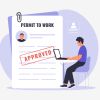
The fundamental reality is straightforward: you cannot legally work in most countries without proper authorization. In the United States specifically, nearly all work arrangements require either employer sponsorship or extraordinary qualifications that allow self-petition.
When you look at the highest paying associate degrees for 2026, you’re looking at short programs that can give you strong earnings without a long study timeline. Many international students choose these options to save money, enter the job market faster, or build a path to a bachelor’s degree later. These programs focus on technical and healthcare roles that offer high starting pay, steady hiring, and clear career steps.
If you’re applying for jobs in the U.S. with a foreign degree, you need to know how employers check your education. Some will accept your credentials as-is, others will ask for a formal evaluation. This article explains how the process works, what tools employers use, and what you should do to avoid delays or doubts about your degree.