MISO
MISO Advisory Committee (AC)MISO Board of DirectorsMISO Market Subcommittee (MSC)MISO Planning Advisory Committee (PAC)MISO Regulatory Organizations & CommitteesOrganization of MISO States (OMS)MISO Reliability Subcommittee (RSC)MISO Resource Adequacy Subcommittee (RASC)
The Midcontinent Independent System Operator is a regional transmission organization that plans transmission projects, administers wholesale markets for its membership and manages the flow of electricity in Arkansas, Illinois, Indiana, Iowa, Kentucky, Louisiana, Michigan, Minnesota, Mississippi, Missouri, Montana, North Dakota, South Dakota, Texas and Wisconsin.
© RTO Insider
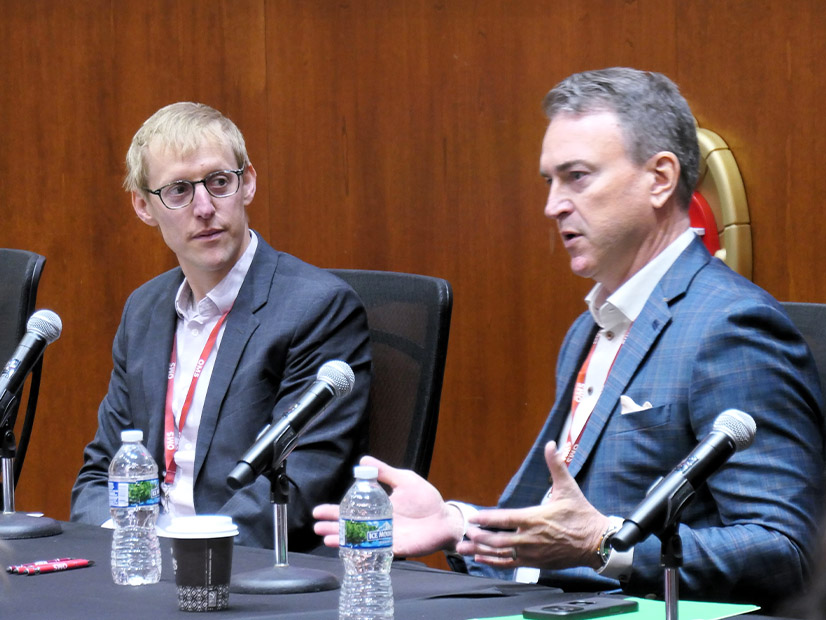
With a second capacity auction using a sloped demand curve under its belt, MISO and its Monitor said the approach is having a stabilizing effect on supply and pricing.
© RTO Insider
Members called on MISO to apply the mandates of FERC’s Order 1920 to its interregional transmission planning.
MISO
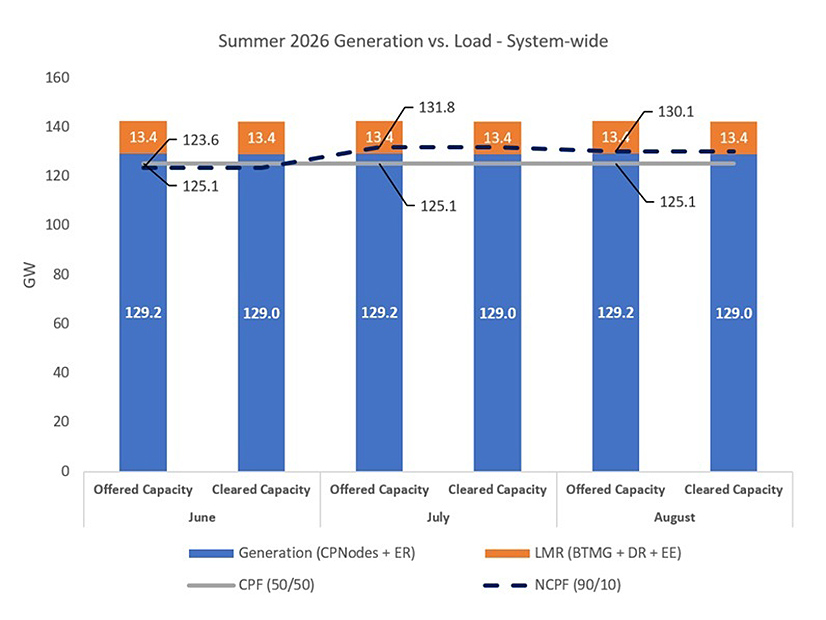
MISO again said summertime could produce a slim chance for a more than 130-GW demand peak in July but that it has enough buffer to avoid power outages, even if it’s unable to evade an emergency declaration.
LG&E and KU
A Midwestern Governors Association webinar on affordability touched on the anger ratepayers are expressing over ever-increasing energy bills.
Yes Energy
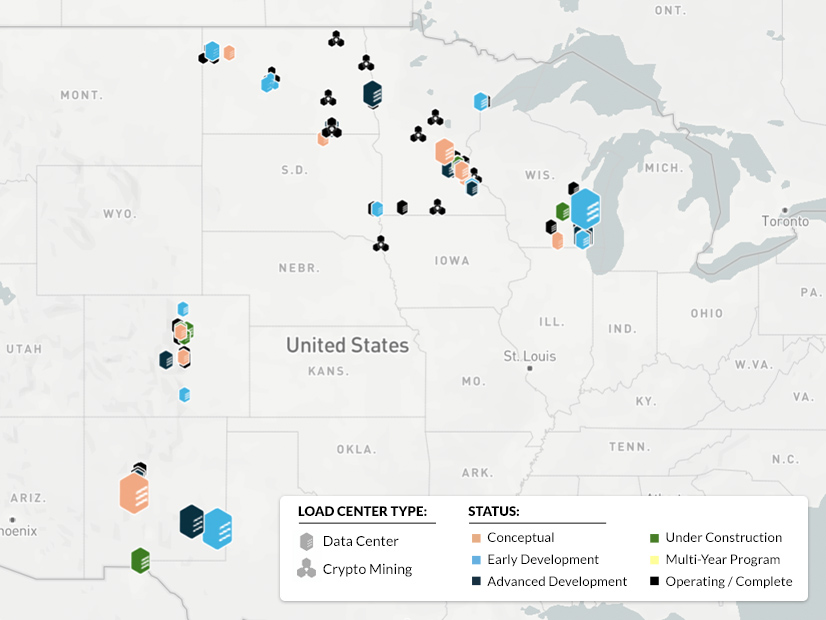
Xcel Energy says a data center agreement with Google in the Upper Midwest will provide a model for large load development that benefits customers and communities.
Related Digital
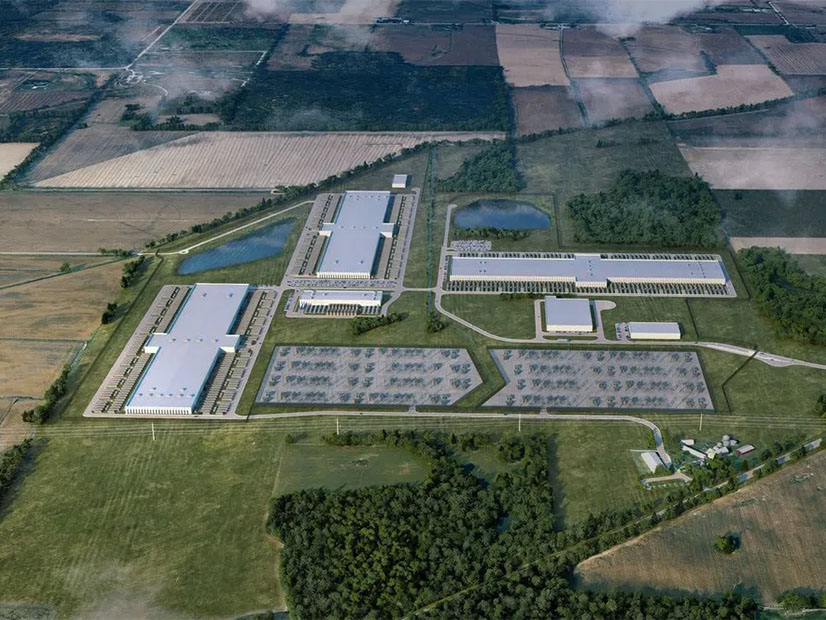
DTE Energy repeated a message now common in the power industry: Its data center power agreements will set the stage for other ratepayers to benefit, at no cost to them.

Cheboygan County Sheriff's Office
FERC has put owners of northern Michigan dams on notice about safety concerns following historic floods that laid bare erosion issues, a broken turbine, leaks, stuck gates, debris accumulation and AWOL personnel.
Motor City Electric Utilities
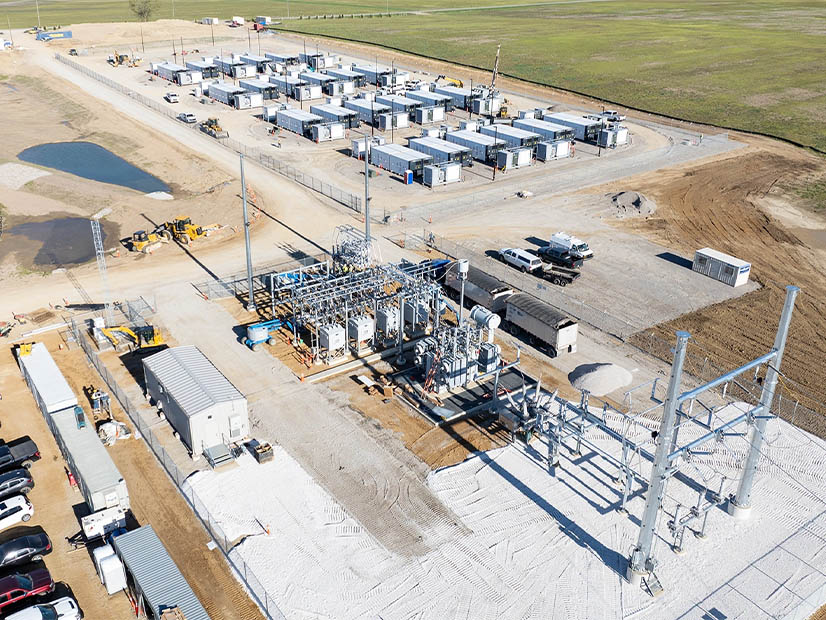
MISO said it will begin embedding automated study software into the later stages of its generator interconnection queue.
MISO
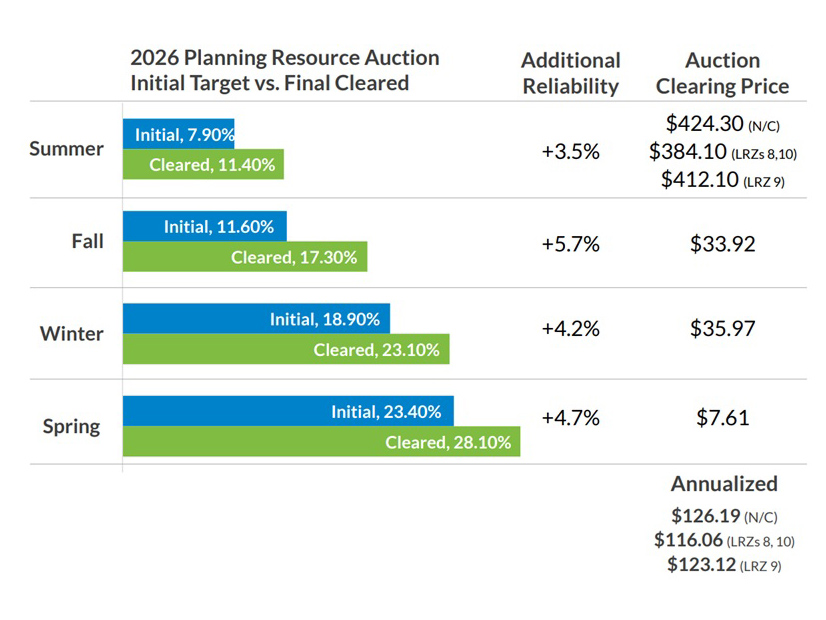
MISO summer capacity prices remained at a premium after the RTO’s 2026/27 auction cleared at roughly $400/MW-day across the footprint, but still about $200 below 2025.
Yes Energy
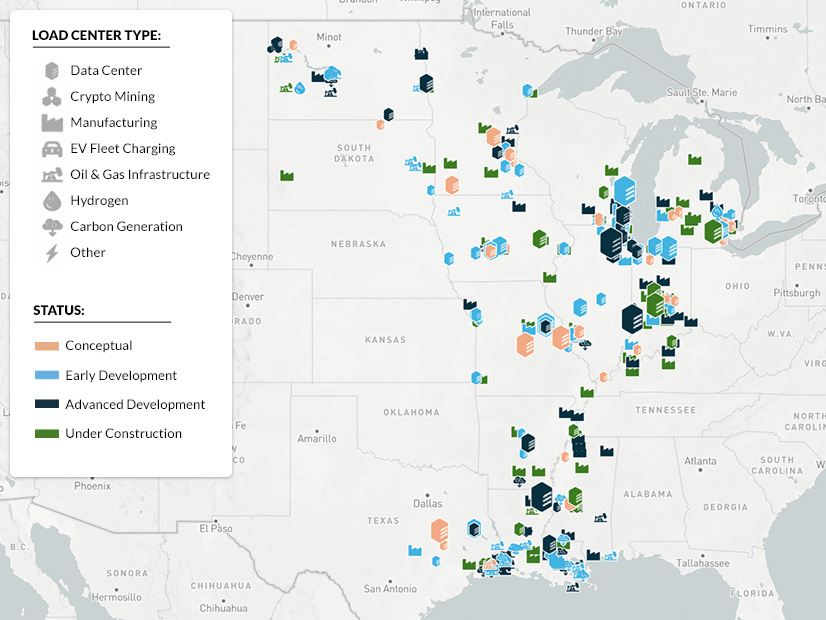
MISO’s proposal to allow zero-injection interconnection agreements to span multiple points of interconnection has stakeholders raising eyebrows and questioning how large loads and generation can be connected to the system at different points without using transmission.
Want more? Advanced Search