Power outages happen all the time. Here's what to do when the electricity goes out.
How ready are you for the next power outage? With causes ranging from thunderstorms to natural disasters to electrical grid issues, power outages are common around the country, and they go on far longer than you might think. If it happens to you, and it will eventually, you need to know what to do when the electricity goes out.
“In 2022, the average U.S. customer lost power for about 5.5 hours, or around 2 hours if you don’t count major storms,” says Jeremy Gocke, CEO of Entropy Survival, a company that specializes in disaster and emergency preparedness. A lot of things can happen in a few hours, so it’s important to think about how to keep your home—and family—safe from things like unexpected power surges or extremely cold (or hot!) weather.
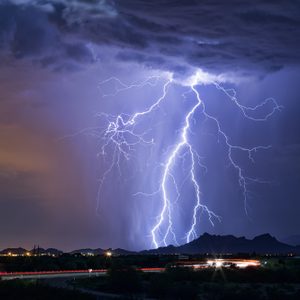
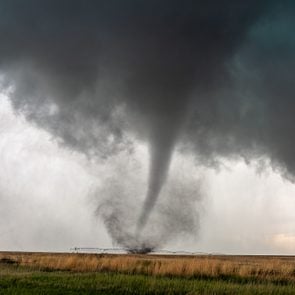
“Most big outages happen because of weather like wind, ice, hurricanes or extreme heat that can damage equipment and trees,” notes Gocke. With extreme weather becoming more common around the world, it’s not just smart to know how to prepare ahead of time—it’s essential. Ahead, we spoke with Gocke and three other experts in disaster preparedness and electrical and food safety who explain what to do when the electricity goes out, how to stay safe during an outage and how to prepare for the next one.
Get Reader’s Digest’s Read Up newsletter for more safety, cleaning, travel, tech and fun facts all week long.
What to do when the power goes out
When the power goes out, don’t panic. Simple steps can keep your home running smoothly with (hopefully) little disruption. Here are the immediate steps you should take:
Confirm the power is out
While this may seem obvious, check that you didn’t just trip the breaker or burn out a lightbulb.
“Make sure the problem isn’t just in your home by checking your breakers and GFCI outlets,” says Gocke. “If it’s safe, you can try resetting the main breaker.” Check in with your neighbors to see if their power is out too.
Report the outage
Not just your house? Time to report it to your utility company. You can do this by calling or submitting a report online or in your company’s dedicated app. This way, the company is aware of the situation and can send crews to fix the outage.
Unplug appliances
“Unplugging appliances from the electric supply saves your appliances from the voltage spike when the power comes back on,” explains Adam Bushell, owner and director of AB Electrical and Communications. Power surges can damage your sensitive electronics as well, so take the time to unplug those too.
Make sure the knobs on your oven and range, if you have them, are set to off. Most modern ovens and ranges will not automatically start up again when the power comes back, but it’s better to be safe than sorry! Pro tip, though: Leave one light on so that it’s obvious when the power comes back.
Keep your fridge and freezer closed
Your food will stay coldest (and safest) if you keep the fridge and freezer closed while the power is off. This will keep the cool air insulated inside for as long as possible, extending the life of your food and slowing it from warming and spoiling. More on this below!
Find a light source
Take advantage of any daylight—or phone light—you might have to locate flashlights and candles. While the flashlight on your phone is great, you’ll want to conserve phone battery for emergencies, so it isn’t a good long-term solution.
How to stay warm when the electricity goes out
What if the power goes out during the winter? The most important thing to do if it’s cold outside is to save the heat you have in your home. Here’s what to do:
Insulate your windows and doors
Cover windows and doors with blankets or tape plastic over them to keep out drafts and slow heat loss. Don’t forget the bottom of your doors, either. Bushell recommends using towels to plug drafts where air can escape.
Choose a warming room
One room is much easier to keep warm than multiple rooms, so pick out a “warming room” that you will spend your time in until the power comes back on. The best room is the one that’s small and has the fewest windows.
Have everyone in your household bunker down in this room, including pets. Keep the door closed so your body heat will help keep the room warm.
Bundle up
Make sure to bundle up with blankets and hot water bottles if you have them. If you have a camping tent, setting it up as your warming room in the middle of a larger living area or bedroom is a great idea too. Tents are designed to trap body heat, and they’re small, so they don’t take long to warm up.
Be safe when cooking and heating
Whatever you do, do not use gas ovens, grills or heaters to keep warm. Fireplaces can be helpful when the power goes out, but only if you use them safely.
“Vent properly—if you have a vented fireplace or wood stove, use it per manufacturer guidance,” Gocke says. “Never heat with a gas oven or run a generator inside or near the home … carbon monoxide kills.” Make sure you know the signs of hypothermia, he adds. Watch for shivering, slurred speech and confusion; a core temp under 95 degrees is an emergency.
How to stay cool when the electricity goes out
Staying cool during hot weather is just as important as staying warm during cold weather. Here are some tips for what to do when the power goes out during the summer.
Drink fluids and use water to stay cool
Make sure to stay hydrated by drinking plenty of water—it’s a vital part of how your body cools itself down. Water’s not just for hydration, though. You can also use it in other ways to keep cool, according to Gocke: “Take cool showers, use wet cloths, drink plenty of water and go to a community cooling center if you need to.”
Block the sun and open windows in the shade
Take a look at the windows in your home and figure out how to use them to your advantage. “Close blinds or curtains on windows that get sun, and open shaded windows to let air flow through,” Gocke says.
Fan yourself
Wear a wet bandanna around your neck or head and fan it with your hands, a magazine or a battery-powered fan to cool yourself. But keep the fan pointed at yourself. “Use battery-powered fans to cool yourself, not the room,” advises Gocke.
Cook outside
If you’re tempted to cook dinner on your gas stove, don’t. It will just heat up your home, especially if you use the oven. Cook outside on a grill instead to keep your home as cool as possible.
How to keep food fresh and safe

When your electricity goes out, the food inside your fridge and freezer is at risk of growing dangerous bacteria. According to the Food and Drug Administration, food needs to remain at 40 degrees or below to prevent spoilage, so it’s important to plan ahead. Bob Gravani, professor emeritus of food science at Cornell University, shares these tips:
Stock the pantry
Keep a three-day supply of nonperishable food that doesn’t require refrigeration or cooking, such as canned foods and boxed milk. (Make sure to have a manual can opener as well.) And don’t forget to stock up on bottled water!
Keep the refrigerator shut
Keep the doors to your refrigerator and freezer closed as much as possible. Your refrigerator should maintain its cold temperature for about four hours without power. A full freezer will hold its temperature for about 48 hours, but only 24 hours if it is half full.
Check the temp
Plan ahead and keep appliance thermometers in your refrigerator and freezer. Your refrigerator should be at or below 40 degrees and your freezer should be at or below 0 degrees. If your electricity is out for an extended amount of time, check the food in your fridge and discard anything that’s above 40 degrees. Frozen food that still has ice crystals and is 40 degrees or below can be safely consumed.
Use coolers to store food
Have some coolers on hand to store refrigerated foods. Freeze containers of water (such as empty gallon jugs), as well as ice cubes and gel packs, ahead of time for use in coolers to keep food as cold as possible if the power goes out. If you can, plan ahead and find out where you can buy dry ice and block ice.
Err on the side of caution
When in doubt, throw it out. If at any point food is above 40 degrees for two hours or more, throw it away. Never taste food to determine if it’s safe or depend on appearance or odor. Food in the freezer that still has ice crystals can be refrozen or cooked, but if you’re unsure, it’s better to toss it out. Eating food not kept at the proper temperature may cause illness even when thoroughly cooked.
How to keep your water supply safe
Power outages don’t just affect your home. Power outages at water treatment plants could make water unsafe for both you and your pets. “Even though the water coming from the tap looks clean, it could be unsafe to drink. Check with local authorities to see if there is a boil alert in effect,” says Diane Vukovic, author of Disaster Preparedness for Women: 52 Steps To Get Ready For Any Emergency. If you have a gas stove, Vukovic advises bringing the water to a full rolling boil for one minute or, if you live at an elevation of 6,500 feet or more, three minutes.
If your home uses well water, you likely won’t have water until the power comes back on. The best way to get your water back is to hook your well pump up to a gas-powered generator. You can often rent these types of generators at local equipment rental service providers. Installing a permanent backup generator is a good idea to keep water flowing during outages in the future. You may also want to research if your well system can support the addition of a manual pump that can be used without electricity.
How to save your pipes if the electricity goes out
During cold weather, pipes can easily freeze and burst if the home isn’t heated. To prevent pipes from freezing, turn on all the cold water faucets in the house so they are barely dripping. Just this little bit of water flowing can prevent pipes from freezing solid.
“However, this isn’t a good solution when water outages are also a concern,” notes Vukovic. If you expect to be without water and power for an extended period of time, you may need to take larger disaster-prep measures such as storing clean water, draining your pipes or adding antifreeze to your drains, Vukovic says. Check with local water and power authorities for more information.
How to prepare your home for a power outage in advance
Now that you know what to do when the electricity goes out, it’s smart to prepare for it in advance. Whether your next power outage is tomorrow or a year from now, you’ll be glad you took these precautionary steps, courtesy of Gocke and Bushell.
- Pull together an emergency kit with non-perishable foods, water bottles, batteries, flashlights, cash and charged power banks.
- Install surge protectors to protect against lighting-induced voltage surges.
- Make sure your carbon monoxide detectors have a battery backup.
- Purchase a battery-powered or hand-crank NOAA weather radio.
- Refill essential medications ahead of a storm.
- Consider investing in a small generator and having an electrician install a transfer switch.
- Keep thermometers in your fridge and freezer.
- Freeze ice packs and have a cooler handy in case power is out for longer than four hours.
- Keep a list of emergency contacts close by.
About the experts
|
Why trust us
At Reader’s Digest, we’re committed to producing high-quality content by writers with expertise and experience in their field in consultation with relevant, qualified experts. We rely on reputable primary sources, including government and professional organizations and academic institutions as well as our writers’ personal experiences where appropriate. For this piece on what to do when electricity is out, Alina Bradford tapped her experience as a journalist and safety expert to ensure that all information is accurate. We verify all facts and data, back them with credible sourcing and revisit them over time to ensure they remain accurate and up to date. Read more about our team, our contributors and our editorial policies.
Sources:
- Jeremy Gocke, CEO of Entropy Survival; interviewed September 2025
- Adam Bushell, owner and director of AB Electrical and Communications; interviewed September 2025
- Bob Gravani, professor of food science at Cornell University; interviewed 2022
- Diane Vukovic, author of Disaster Preparedness for Women; interviewed 2022
- U.S. Energy Information Administration: “U.S. electricity customers averaged five and one-half hours of power interruptions in 2022”