Everything to Know About the Fertility Fraud Documentary ‘Our Father’
Inside the sinister true story of Donald Cline.
By Lydia Wang
April 15, 2022
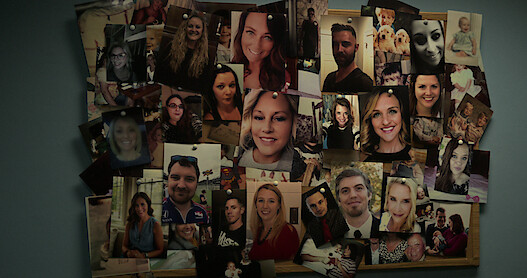
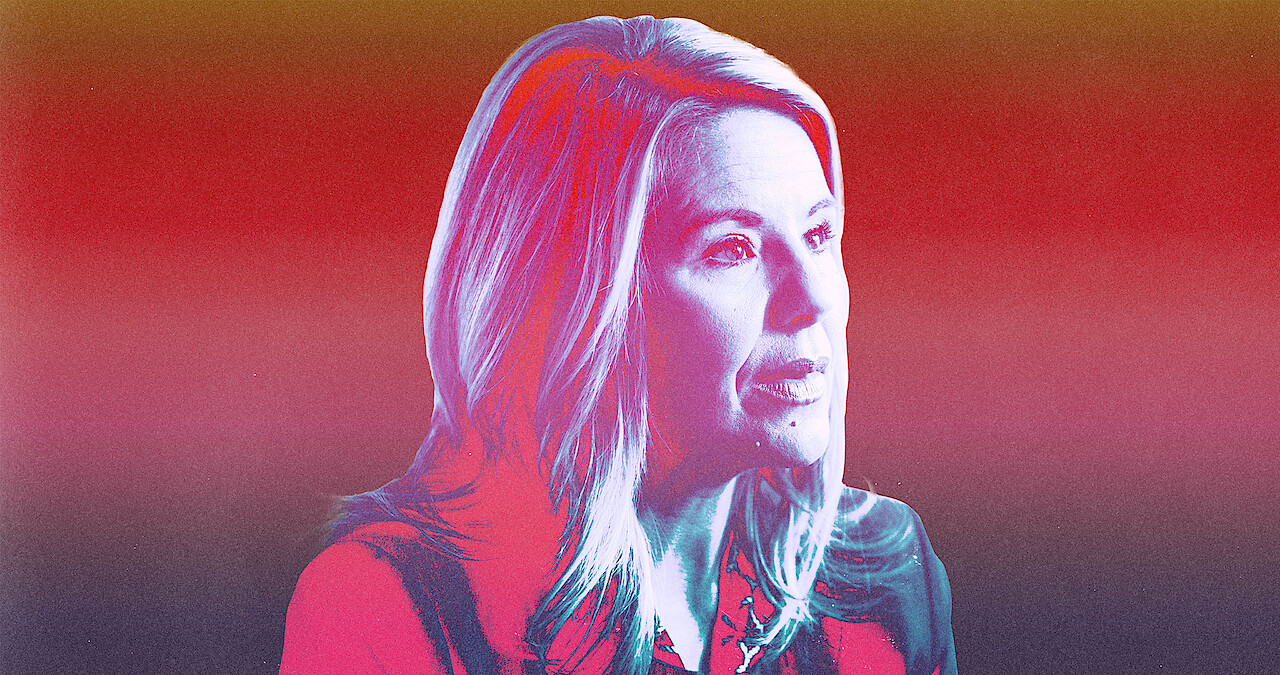
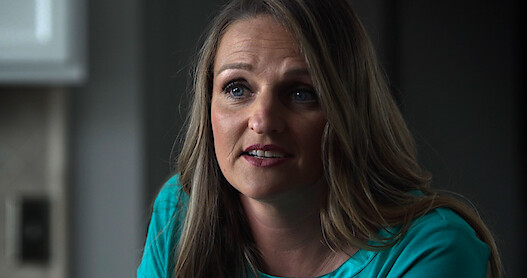
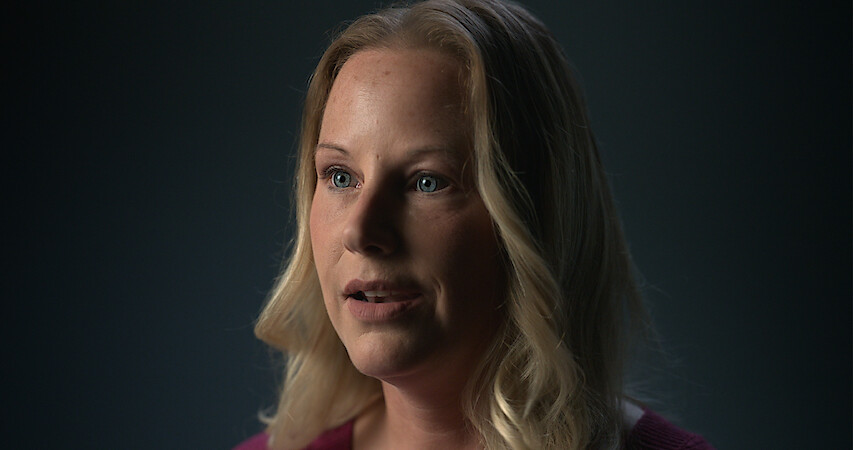
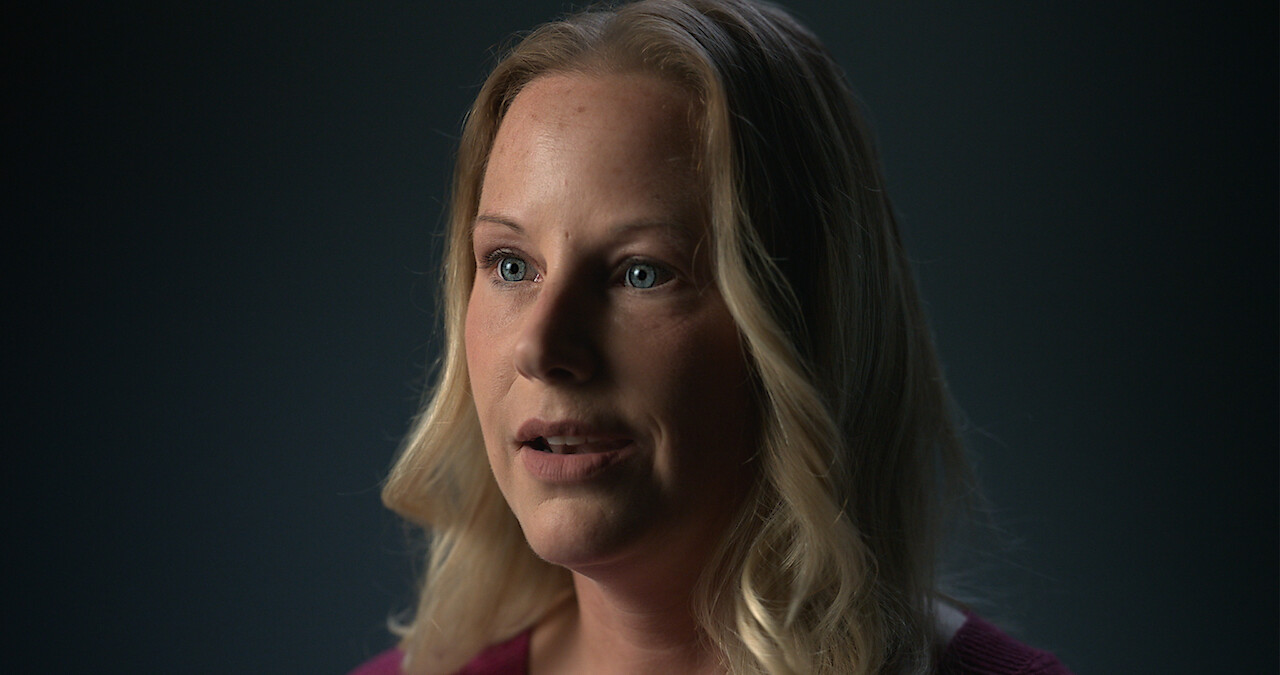
Jacoba Ballard always knew she was conceived via sperm donation. But when she decided to take a DNA test to learn more about her biological background, she didn’t expect to find a seemingly endless roster of half-siblings. After months of research and conversations with her many 23andMe matches, Ballard began to piece together the disturbing truth: Donald Cline, a man known as one of the most renowned fertility experts in Indiana, had inseminated dozens of women with his own sperm without their consent or knowledge.
“The majority of us live in a 25-mile radius of each other,” Ballard says in the trailer for the documentary. “I walk around, and I can be related to everyone. I dread every new match that comes, but they just keep coming.”
Ahead, everything to know about Ballard, Cline and the real story behind Our Father before it premieres this May.
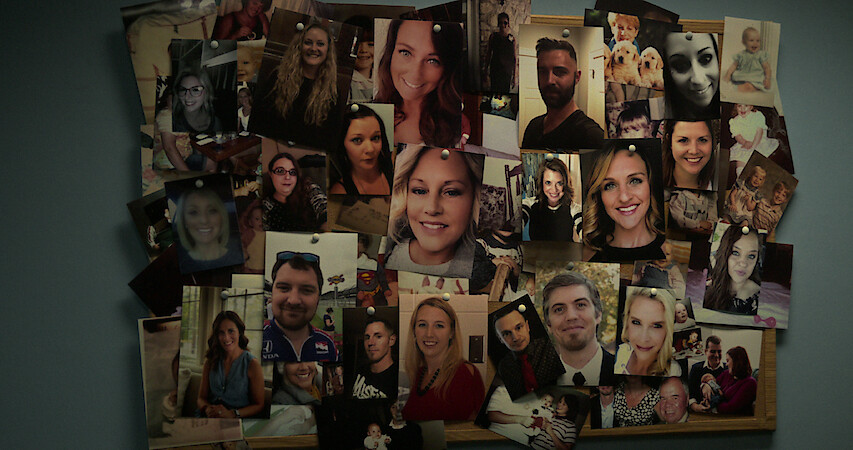
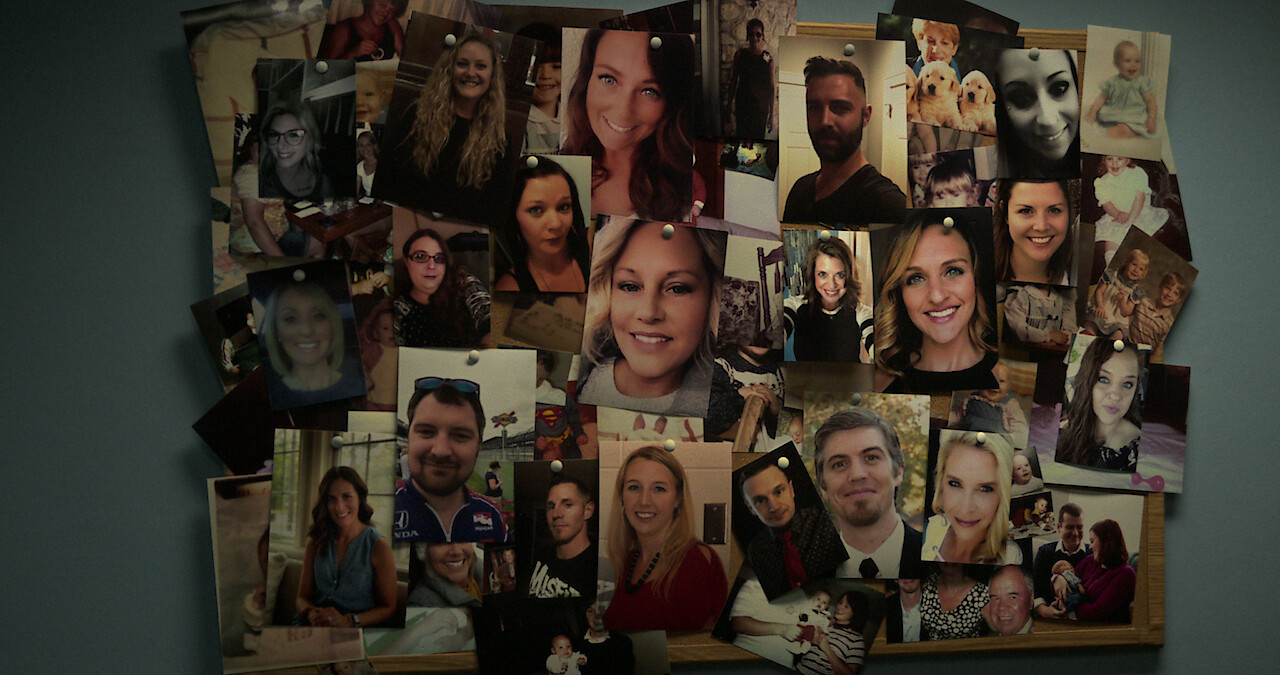
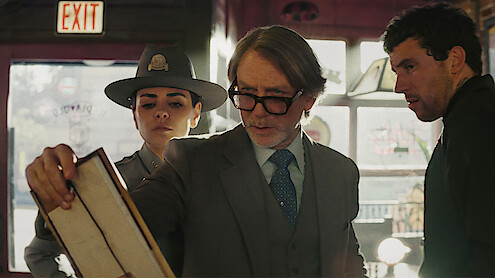
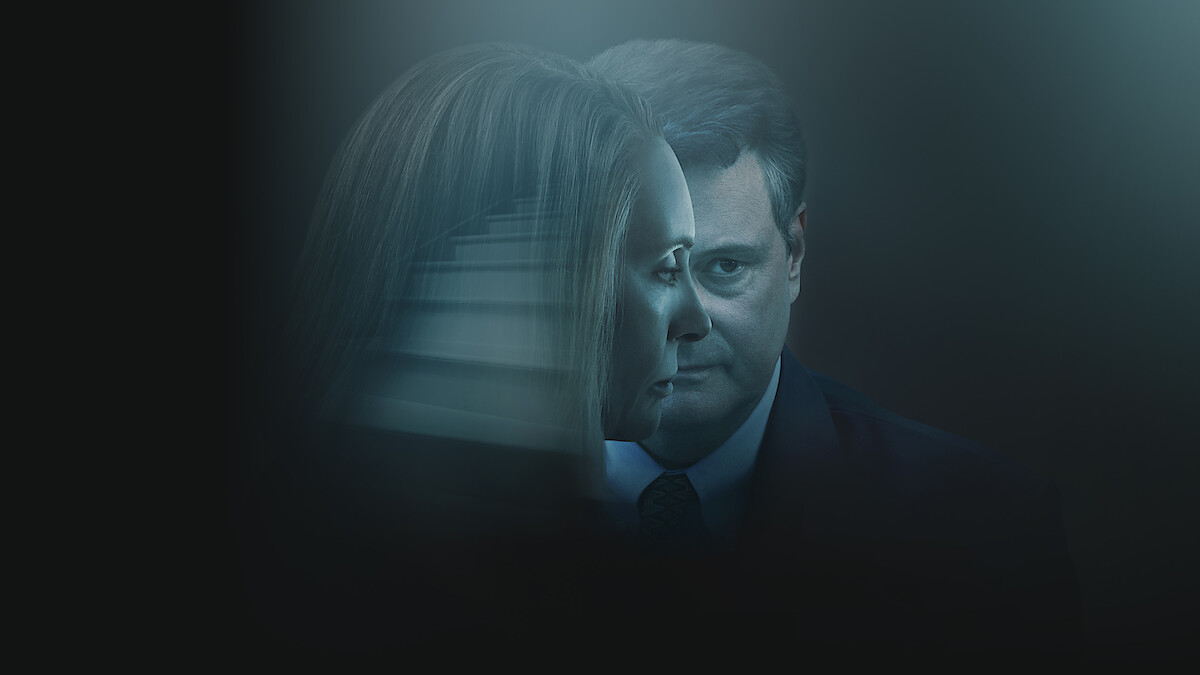
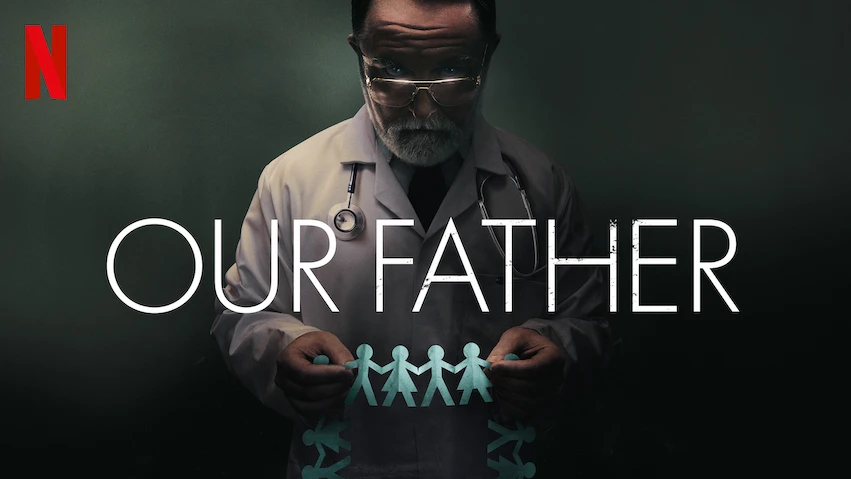
Our Father tells the story of Jacoba Ballard and her half-siblings — over 50 people in total — who discovered that they were all paternally related through Donald Cline, a former fertility doctor in Indianapolis. The doc follows the criminal investigation into Cline’s actions, his possible motives and the compounding impact of his lies and abuse. It also examines the legalities around fertility fraud and how the newfound accessibility in genealogy testing, through companies like 23andMe, has uncovered more stories like Cline’s.
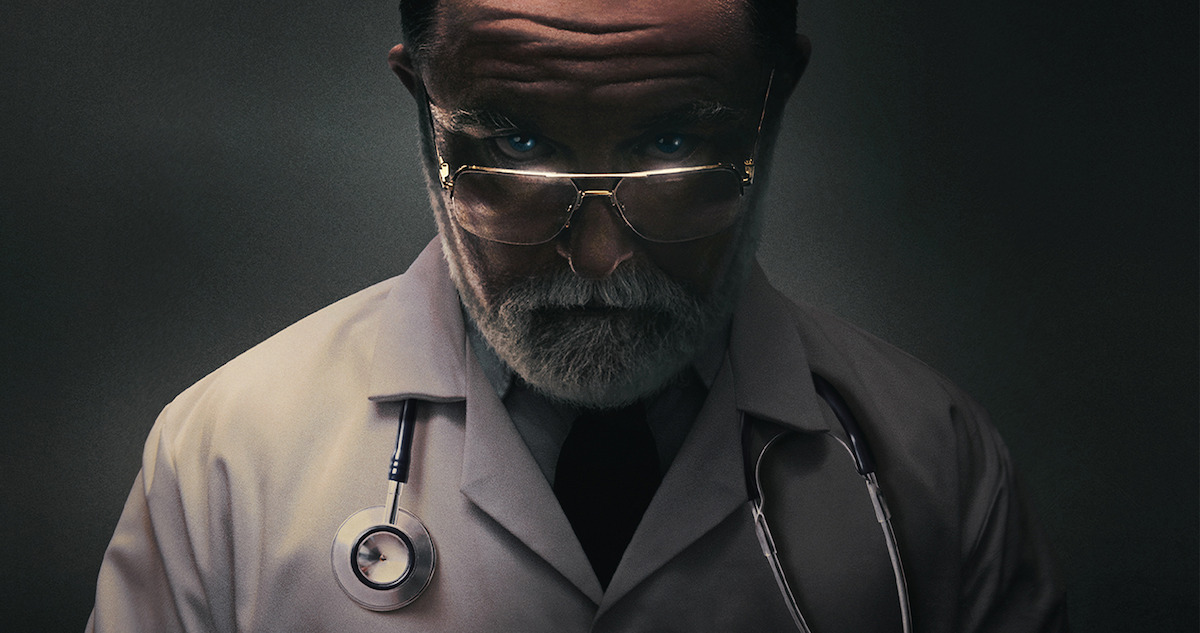
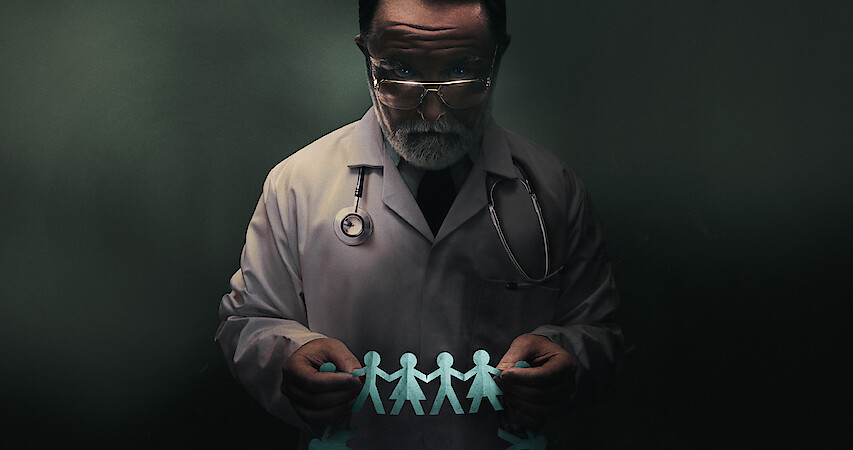
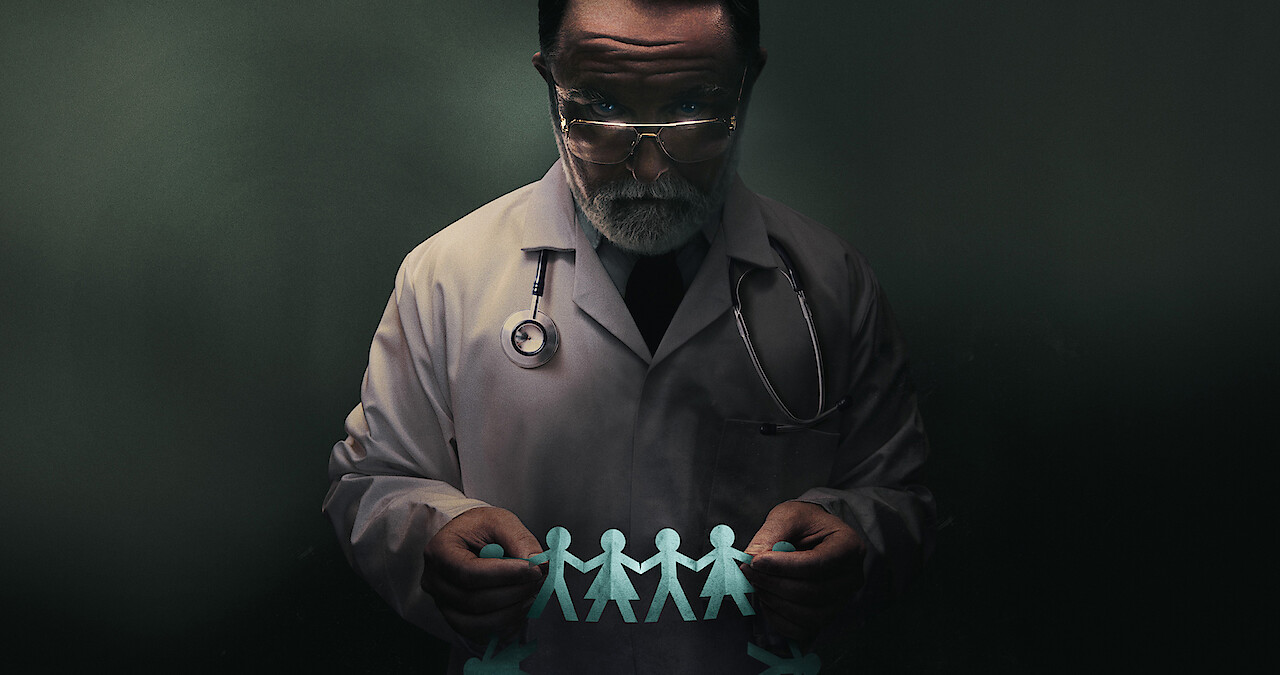
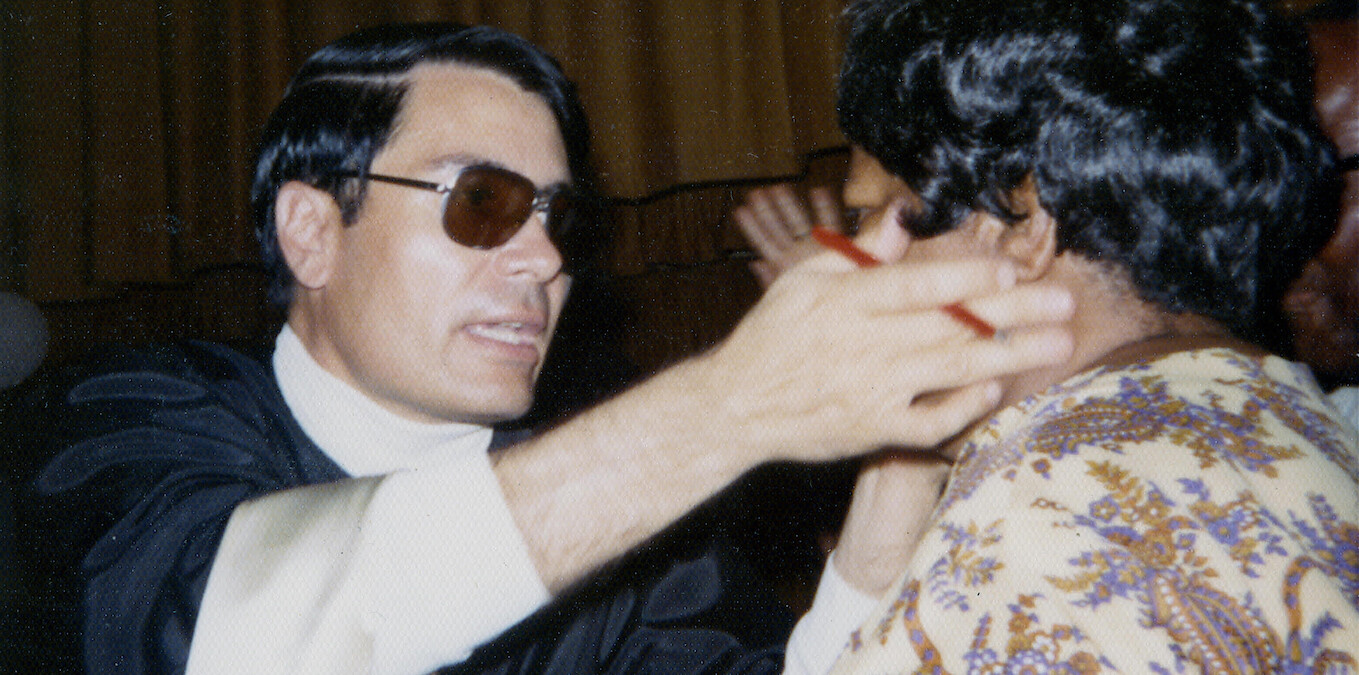
Don Cline was known as a premier fertility expert. As one person says in Our Father’s trailer, “Dr. Cline was the best infertility doctor in Indianapolis.” But this image of Cline was destroyed after an investigation found he had used his own sperm to inseminate his patients — without their knowledge or consent — dozens of times, resulting in his paternity of at least 50 children, all born in the ’70s and ’80s. Since this type of fertility fraud isn’t considered a crime under federal or Indiana state law, Cline’s victims struggled to find adequate legal justice. Cline retired from practice in 2009, and in 2017 he was convicted on two felony counts for obstructing the investigation. In 2018, the Medical Licensing Board of Indiana moved to prohibit him from applying to reinstate his license in the future.
According to a 2019 deep dive in The Atlantic, Ballard was one of the first to piece together the details. She told the publication that she found her first half-sister on an online forum for donor-conceived children, and they connected over the fact that their parents both worked with Cline. When she looked the woman up on Facebook, she was struck by their physical similarities. That’s when Ballard and her half-sister decided to get at-home DNA kits, and not only discovered that they were related but that there were even more siblings out there.
They weren’t alone in their discovery. In Our Father’s trailer, some of Cline’s other children say that they also learned about him through DNA kits. “When I opened up Ancestry, I had over 3,000 hits,” one recalls. “All of these random names were popping up, and it said ‘Close Family,’ ” says another.
Genetic genealogy is the use of DNA tests (including at-home kits like 23andMe) to reveal a person’s biological relatives and background. It’s often used to solve forensic cases, but it’s also an increasingly common way for adopted and donor-conceived children, like Ballard and her half-siblings, to learn more about their ancestry. When at-home genealogy kits became available in 2007, many people were able to trace their own personal genealogy — including the location of family members they may not have known existed.
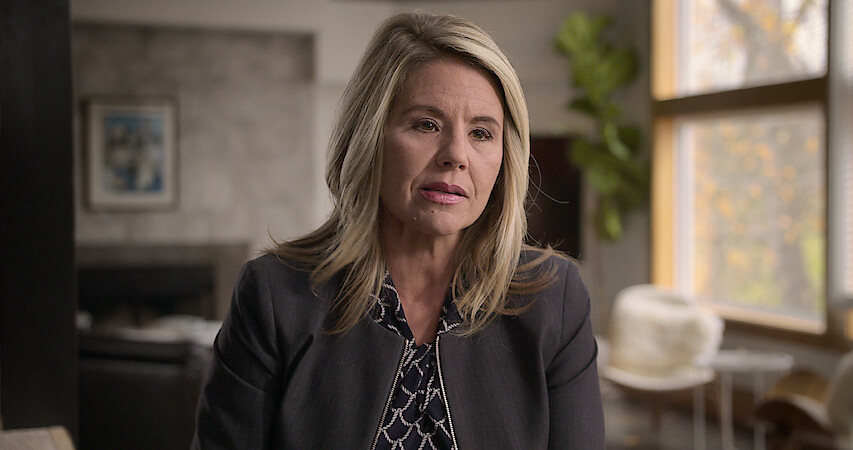
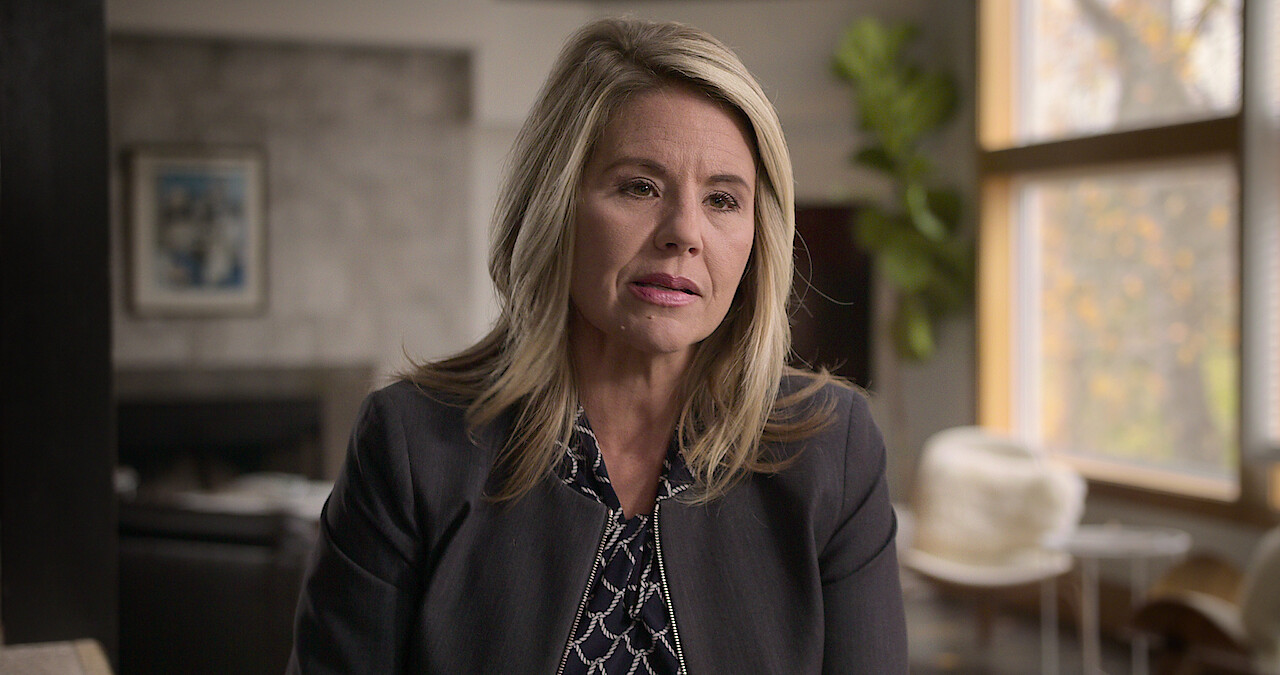
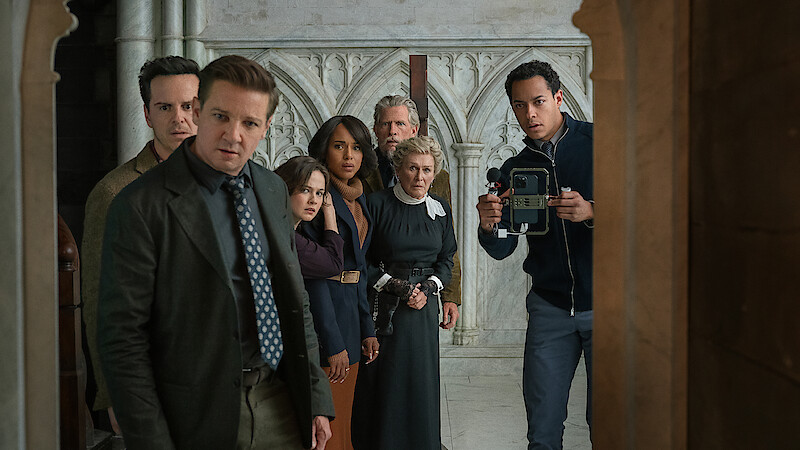
Besides Ballard, Our Father includes insights from Jody Madeira, an Indiana University professor who specializes in reproductive medicine and bioethics. Madeira testified at a 2019 trial for a bill that would’ve made Cline’s abuse a Level 6 felony. Also featured are Angela Ganote, a local Indianapolis news anchor whose initial inquiry led to the criminal investigation into Cline; Tim DeLaney, an Indiana prosecutor; and Dr. Robert Colver, Cline’s onetime medical partner. Several of Cline’s other biological children are also featured in the documentary and speak out about their individual experiences.
Our Father will be available to stream on May 11.