
building biology at the rate of design
Some revolutions begin with discovery.
Others begin when we learn how to build.
Genyro gives biology that power: the ability to turn sequences into systems and designs into living constructs. When DNA becomes a predictive engineering material, biology evolves from trial-and-error to infrastructure.
Our DNA page-number logic brings precision and programmability to molecular assembly, ensuring that any sequence that can be designed can now be built.
how it works
fig. 1
Page number guided assembly
DNA fragments contain barcodes that direct precise joining, independent of the sequence content.
our team

Photograph by Marcus Bungen
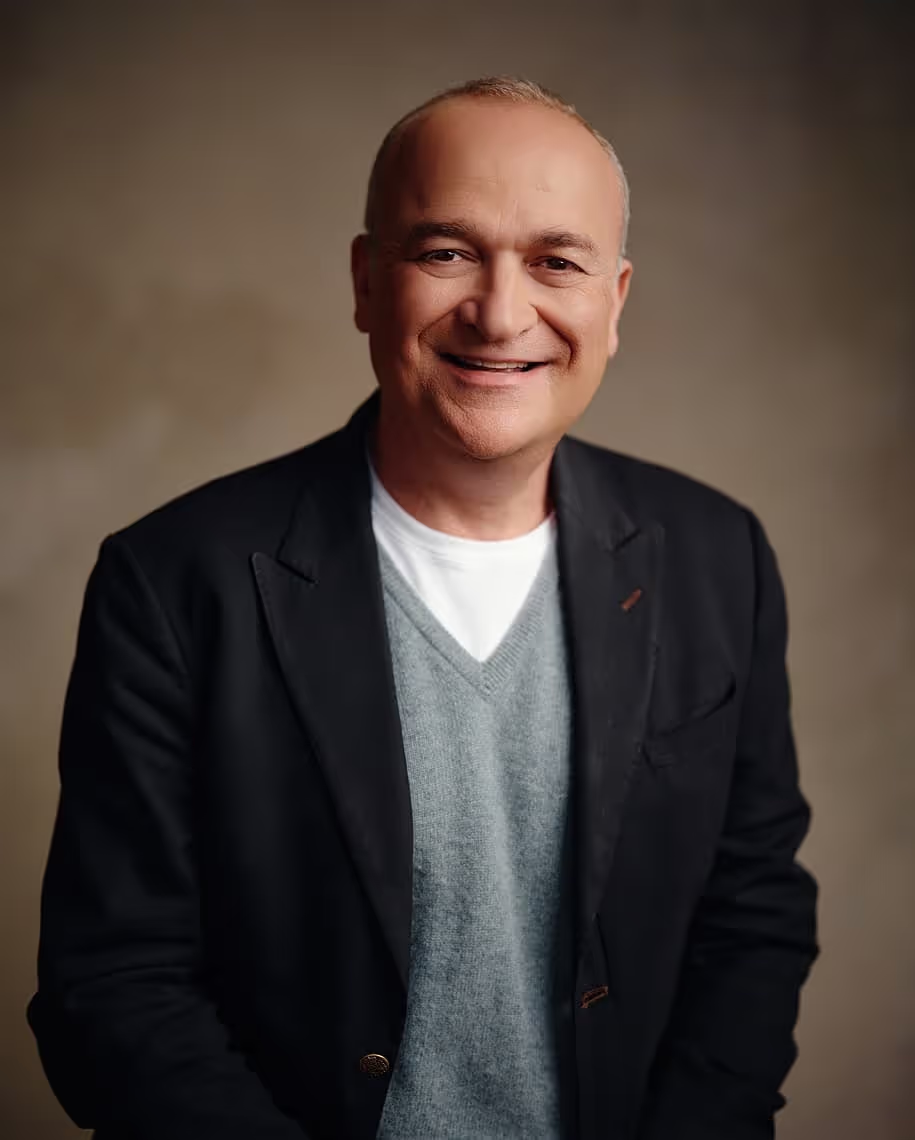
Adrian Woolfson
Co-founder, President & CEO
Adrian Woolfson is the Co-Founder, President, and Chief Executive Officer of Genyro. He studied medicine at Balliol College, Oxford. His doctoral and post-doctoral work on natural and artificial CD1 genes and protein folding, was at the MRC Laboratory of Molecular Biology and Gonville and Caius College, in Cambridge, UK, with Nobel Prize winner César Milstein. He was the Charles and Katherine Darwin Research Fellow at Darwin College, Cambridge, Wellcome Trust Research Fellow, Global Medical Lead for Oncology at Bristol Myers Squibb in Princeton, New Jersey, Global Clinical Lead for Early- and Late-stage Immuno-Oncology/Hematology at Pfizer in New York, Chief Medical Officer of Nouscom based in Basel, Switzerland and Rome, and Executive Vice President and Head of R&D at Sangamo Therapeutics in San Francisco, where he led programs in cell and gene therapy and genome engineering.
He is the author of the critically acclaimed Life Without Genes: The History and Future of Genomes (HarperCollins/Flamingo, 2000) and An Intelligent Person’s Guide to Genetics (Duckworth 2006), has authored over 160 scientific papers, book chapters, reviews, and patents, is a regular contributor to the Wall Street Journal and Sciencemagazine, has contributed to The London Review of Books, Prospect, The Washington Post, The Literary Review, The Spectator, Nature, The New Statesman, The Times Literary Supplement, The Evening Standard, Daedalus, and The Financial Times, and Books Review Editor for GEN Biotechnology. His forthcoming book, On The Future of Species: Authoring Life by Means of Artificial Biological Intelligence will be published by Bloomsbury in February 2026 and MIT Press in April 2026.
Adrian Woolfson
Co-founder, President & CEO
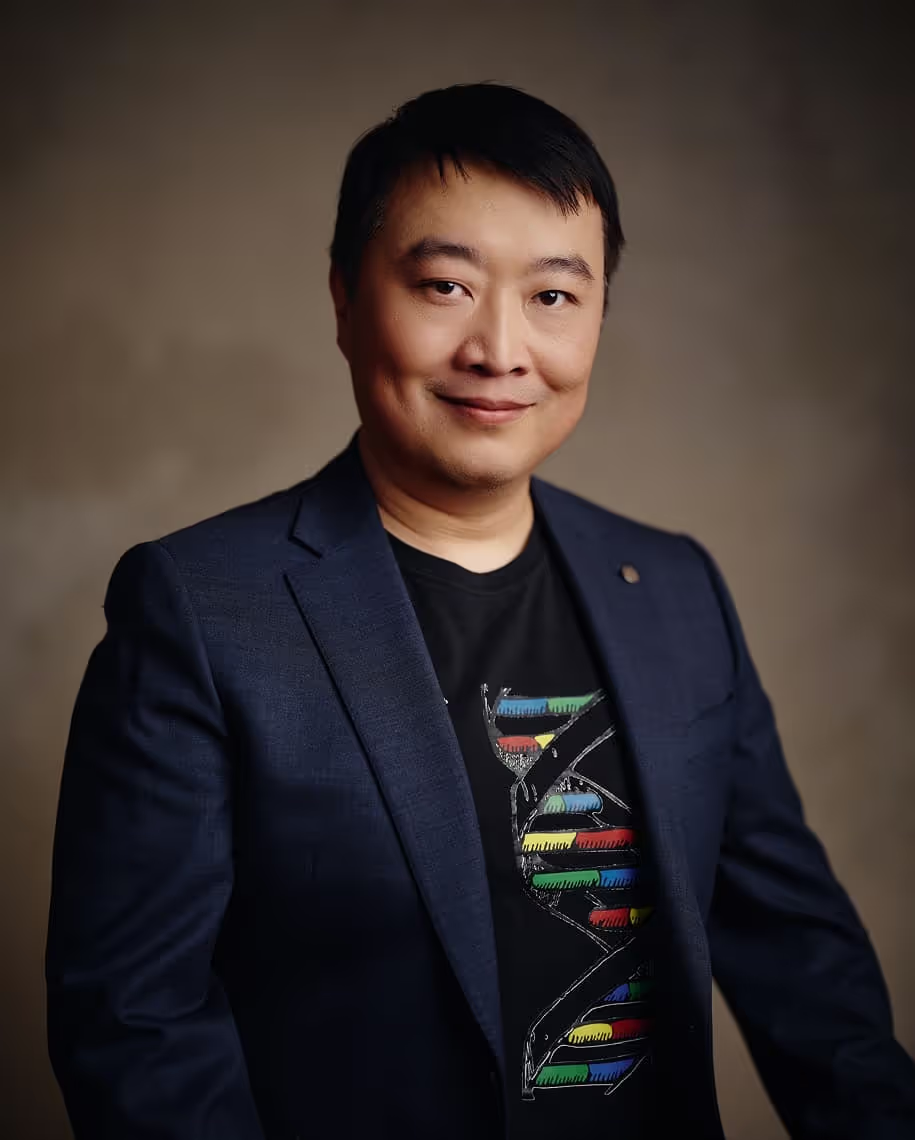
Kaihang Wang
Co-founder & Chief Scientific Advisor
Born and raised in Beijing, China, Kaihang began his academic path at Peking University before moving to London to complete his undergraduate studies at University College London. His passion for discovery soon led him to Cambridge University, where he pursued his PhD and postdoctoral research at the MRC Laboratory of Molecular Biology and Trinity College with Prof. Venki Ramakrishnan (Nobel Prize in Chemistry, 2009 and former President of the Royal Society) and Prof. Jason Chin (founding director of GBI, the Ellison Institute of Technology, Oxford). He was later a Junior Research Fellow at Trinity College, Cambridge. Kaihang joined Caltech in 2018 as a Tenure-Track Assistant Professor, launching a lab dedicated to rewriting the foundations of biology.
Along the way, he has pioneered multiple transformative technologies. In his early works, he evolved a synthetic parallel translation system to redefine the amber stop codon and quadruplet codons to incorporate non-canonical amino acids into proteins with novel functions that go beyond the limits of nature. He subsequently invented the REXER and GENESIS technologies that make large-scale genome construction possible. Using these, he further designed and collaborated to complete the first de novo creation of a synthetic bacterial genome (Syn61) with a redefined genetic code utilizing 61 rather than 64 codons. He also invented the Genome Fission and Genome Fusion technologies to precisely manipulate and engineer genomes and synthetic chromosomes at the megabase scale.
Today, he has continued to expand the scale of DNA writing through the invention of the Sidewinder technology, which democratizes DNA construction and provides the freedom to write DNA of any sequence. He has published numerous scientific papers as first or corresponding author in prominent scientific journals. Kaihang leads the scientific vision of Genyro, translating foundational advances in synthetic genomes and DNA writing and protein design, and AI-driven biological engineering into scalable platforms with real-world impact. His interests span next-generation biomanufacturing, programmable therapeutics, and the design of biological systems that operate as reliably as engineered software.
Kaihang Wang
Co-founder & Chief Scientific Advisor
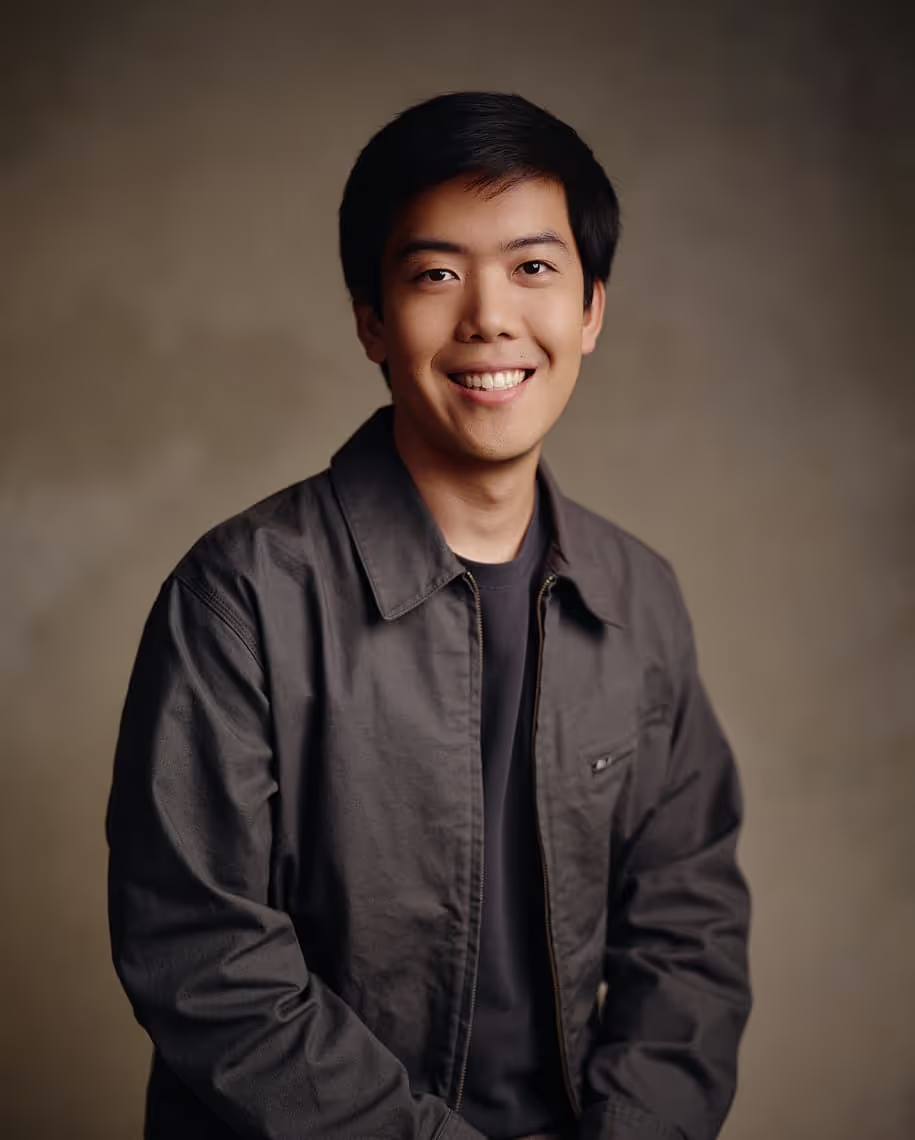
Brian Hie
Co-founder
Brian Hie is an Assistant Professor of Chemical Engineering at Stanford University, the Dieter Schwarz Foundation Stanford Data Science Faculty Fellow, and an Innovation Investigator at Arc Institute. He supervises the Laboratory of Evolutionary Design, where he conducts research at the intersection of biology and machine learning. He was previously a Stanford Science Fellow in the Stanford University School of Medicine and a Visiting Researcher at Meta AI. He completed my Ph.D. at MIT CSAIL and was an undergraduate at Stanford University.
Brian Hie
Co-founder
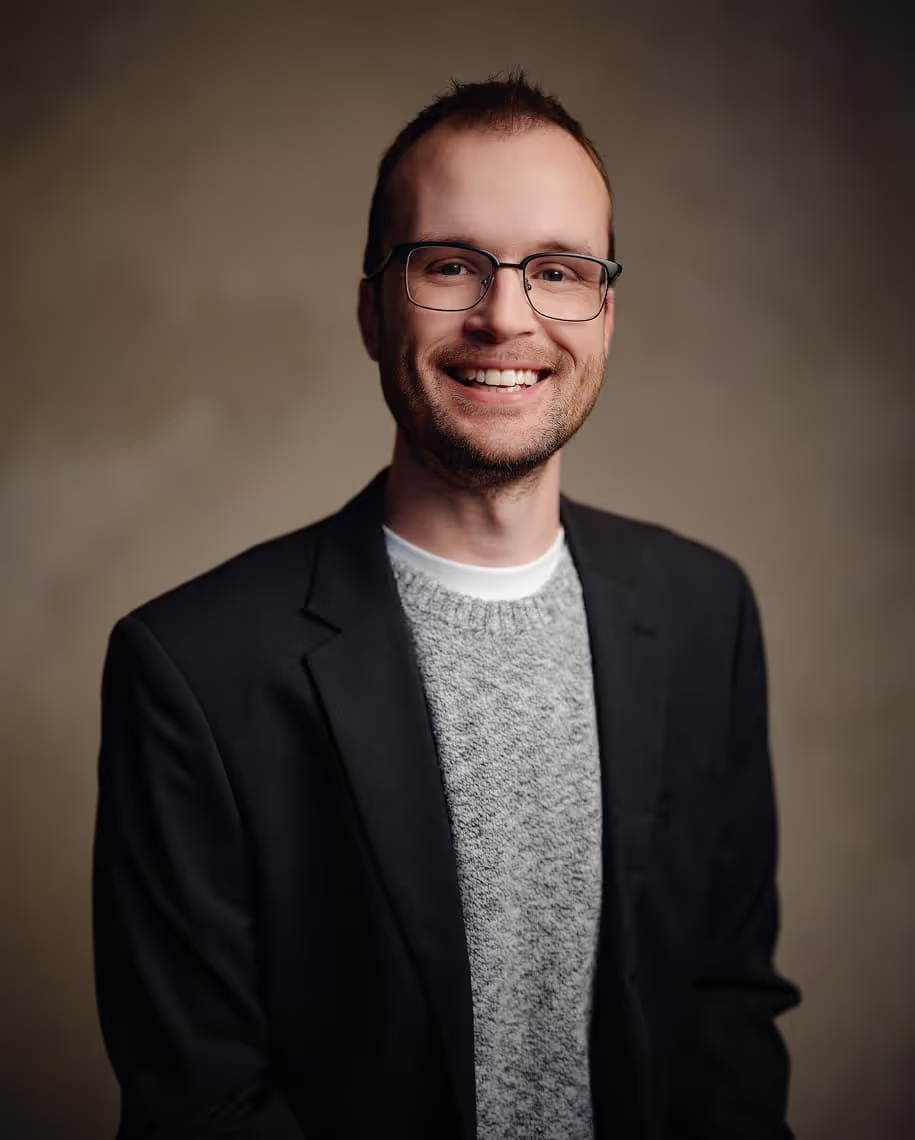
Noah Robinson
Co-founder & CTO
Noah Robison is the co-founder and Chief Technology Officer of Genyro. He began his work on the Sidewinder technology as a graduate researcher at Caltech, where he played a central role in its development during his doctoral studies under Kaihang Wang. This work established the technical foundations for Genyro’s construction platform and positioned him as a leading expert in DNA assembly. Building on this academic innovation, Noah has focused on scaling and advancing genome assembly technologies to meet the demands of the emerging bioeconomy. His expertise spans the design, optimization, and integration of DNA assembly workflows, with an emphasis on translating cutting-edge research into robust, industry-ready systems.
At Genyro, Noah has led the transition of this high-impact academic technology into an industry ready platform, while also contributing to business development and the build-out of technical infrastructure. His work sits at the intersection of genome synthesis, computational design, and platform engineering, enabling new capabilities in large-scale genetic design and construction. Noah earned his Ph.D. in Bioengineering from the California Institute of Technology and a B.S. in Biochemistry and Philosophy from Saint Michael’s College.
Noah Robinson
Co-founder & CTO
scientific advisory board
.jpg)
Frances Arnold
Board Member
Frances Arnold is the Linus Pauling Professor of Chemical Engineering, Bioengineering and Biochemistry at the California Institute of Technology. She received the 2018 Nobel Prize in Chemistry for pioneering directed evolution methods used to make enzymes for applications in sustainable chemistry across medicine, consumer products, agriculture, fuels and chemicals. She served as Co-Chair of the Presidential Council of Advisors for Science and Technology (PCAST) under President Joe Biden. Arnold has been elected to the US National Academies of Science, Medicine, and Engineering, the American Academy of Arts and Sciences, the American Philosophical Society, and the Pontifical Academy of Sciences of the Vatican. Arnold received her B.S. in Mechanical and Aerospace Engineering from Princeton University and her Ph.D. in Chemical Engineering from the University of California, Berkeley.
Frances Arnold
Board Member
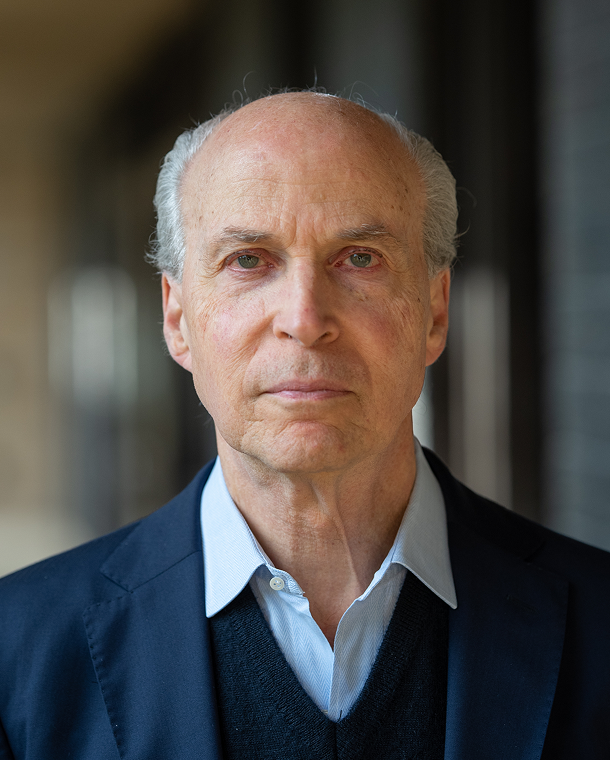
Roger Kornberg
Chairman
Roger Kornberg was born in St Louis, Missouri in the United States. His parents were biochemists and his father, Arthur Kornberg, won the 1959 Nobel Prize in Physiology or Medicine. Roger Kornberg studied chemistry at Harvard University in Cambridge, Massachusetts, and later completed his PhD in chemical physics at Stanford University, California, in 1972. After spending time at the MRC Laboratory of Molecular Biology in Cambridge, UK, and at Harvard Medical School, Kornberg returned to Stanford in 1978, where he carried out the research that led to his 2006 Nobel Prize in Chemistry.
Roger Kornberg
Chairman
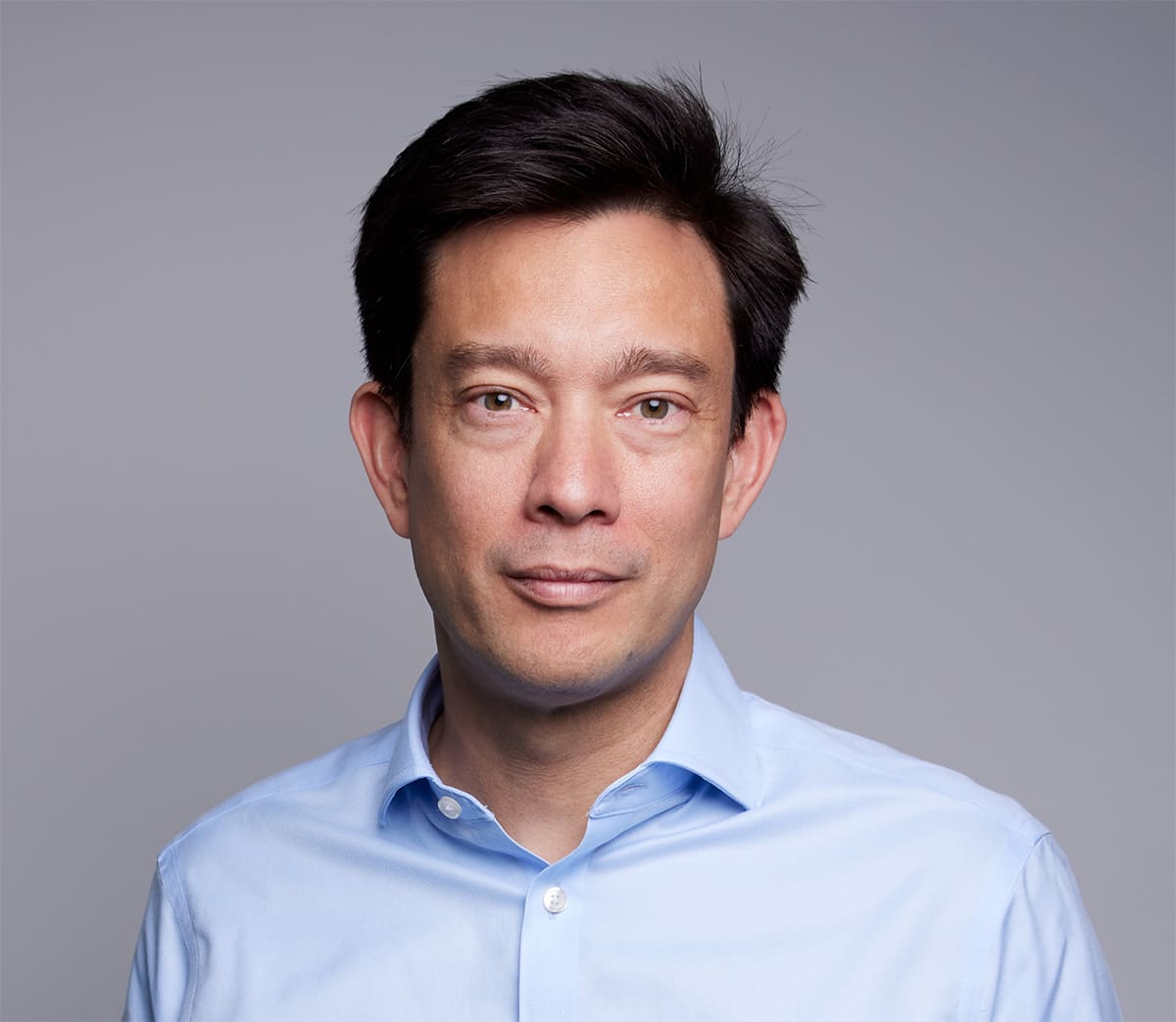
Jason Chin
Board Member
Jason Chin is Executive Director of the Generative Biology Institute (GBI). He is also the founder and Chief Scientific Officer of Constructive Biology, which develops and applies his foundational advances in engineering biology and synthetic biology, and a Non-Executive Director at the Department of Science, Innovation and Technology. Prior to the launch of the GBI, Jason was a Programme Leader at the Medical Research Council Laboratory of Molecular Biology, where he was Head of the Centre for Chemical & Synthetic Biology (CCSB) and joint Head of the Division of Protein and Nucleic Acid Chemistry.
He was also Professor of Chemistry and Chemical Biology at the University of Cambridge Department of Chemistry, a founding Associate Faculty Member in Synthetic Genomics at the Wellcome Sanger Institute, and a fellow and director of studies in Biochemistry at Trinity College, Cambridge.He was awarded the Francis Crick Prize by the Royal Society in 2009 and the Royal Society of Chemistry’s Corday Morgan Prize and the European Molecular Biology Organization’s (EMBO) Gold Medal, in 2010. He is the inaugural recipient (2011) of the Louis-Jeantet Young Investigator Career Award and in 2019 was awarded the Sackler International Prize in the Physical Sciences. Jason is in the European Patent Office Inventor Hall of Fame, a member of EMBO, a Fellow of the Academy of Medical Sciences, and a Fellow of The Royal Society.
Jason Chin
Board Member
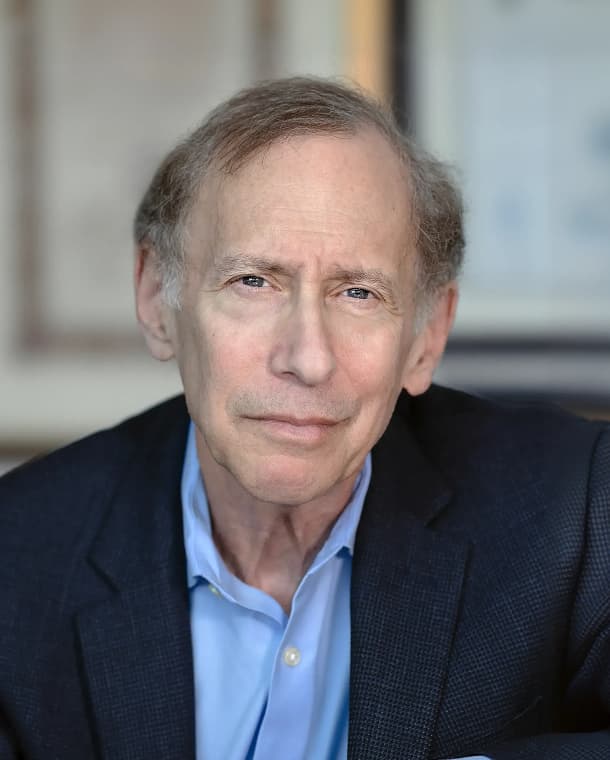
Bob Langer
Board Member
Robert Langer is one of 9 Institute Professors at MIT. He has published over 1,600 articles and over 1,500 issued and pending patents, licensed to over 400 companies. He is the most cited engineer in history. He was a member of the FDA’s Science Board (1995-2002), its Chairman (1999-2002), has received over 220 major awards, and is one of three living individuals to have received both the United States National Medal of Science (2006) and the United States National Medal of Technology and Innovation (2011). He received the Gairdner Foundation International Award (1996), the 2002 Charles Stark Draper Prize (equivalent of the Nobel Prize for engineers), the 2008 Millennium Prize (the world’s largest technology prize), the 2012 Priestley Medal (the highest award of the American Chemical Society), the Wolf Prize in Chemistry (2013), the Breakthrough Prize in Life Sciences (2014), the Kyoto Prize (2014), the Queen Elizabeth Prize for Engineering (2015), the Lemelson-MIT prize (1998), for being ‘one of history’s most prolific inventors in medicine,’ the Dr. Paul Janssen Award for Biomedical Research (2023) and the Kavli Prize in Nanoscience (2024).
He was elected to the National Academy of Medicine in 1989 to the National Academy of Engineering and National Academy of Sciences in 1992. In 2012 he was elected to the National Academy of Inventors. Forbes Magazine (1999) and Bio World (1990) have named him as one of the 25 most important individuals in biotechnology in the world and Discover Magazine (2002) named him as one of the 20 most important people in this area. Forbes Magazine(2002) selected Dr. Langer as one of the 15 innovators worldwide who will reinvent our future. TimeMagazine and CNN (2001) have named him as one of the 100 most important people in America, and as one of the 18 top people in science or medicine in America (America’s Best). Parade Magazine (2004) selected him as one of 6 “Heroes whose research may save your life.” Dr. Langer received his Bachelor’s Degree from Cornell University in 1970 and his Sc.D. from the Massachusetts Institute of Technology in 1974 in Chemical Engineering, and has received 46 honorary doctorates.
Bob Langer
Board Member

