1. Home
  2. Computing
  3. News

Amazon’s AI agent will make it even easier for you to part with your money

Amazon Nova Act performing task in a web browser.
Amazon

The next big thing in the field of artificial intelligence is Agentic AI, which is essentially an AI tool that can automate certain multi-step processes for users. For example, interacting with a web browser for tasks like booking tickets or ordering groceries. 

Amazon certainly sees a future in there. After giving a massive overhaul to Alexa and introducing a new Alexa+ assistant, the company has today announced a new AI agent called Nova Act. Amazon says Nova Act is designed to “complete tasks in a web browser.” Amazon won’t be the first to reach this milestone, as few other AI companies have already attempted this vision. 

OpenAI’s Operator is designed to handle the repetitive and mundane parts of web browsing on users’ behalf, such as filling out forms or placing online orders. The folks behind Opera browser are also building an Operator that can pull off something similar using natural language commands given by users

Recommended Videos

In Amazon’s case, the Nova Act AI agent has been built atop Nova, the company’s own portfolio of foundation AI models that were announced a few months ago. It can break down multi-step workflows into smaller inputs, such as performing a search, adding items, checking out, or answering questions based on the on-screen activity. 

Based on internal tests, Amazon’s agentic AI tool is touted to perform better than rival products from OpenAI and Anthropic. The company says it is eying an accuracy level of over 90%, especially at browser-based tasks where AI tools often fail, such as pop-ups, drop-down menu interactions, and dates. 

Nova is currently in the research preview phase and has been offered to developers. “Our dream is for agents to perform wide-ranging, complex, multi-step tasks like organizing a wedding or handling complex IT tasks to increase business productivity,” says the company.

Interestingly, the foundations of Nova Act have already been integrated within the Alexa+ framework. It allows the virtual assistant to browse the web on behalf of users and get chores done. That’s a massive bonus for Amazon when it comes to reaching an audience for the Nova Act tool. 

Access to Alexa+ is currently limited to Prime subscribers or those willing to pay a monthly fee for the next-gen assistant. Unlike the pricey agentic Operator from OpenAI, Amazon has a much bigger audience sitting with the right hardware at home to experiment with Alexa+ and the underlying Nova Act capabilities. 

Nadeem Sarwar
Nadeem is a technology and science reporter at Digital Trends.
Google Lens is becoming part of Chrome’s native AI interface
Google is testing a new AI-powered side panel experience in Chrome
Google Lens brings visual searches to the phone.

Google is trying out a major tweak to how AI works inside Chrome, specifically by mashing up Google Lens with the browser's native AI side panel. Right now, this is popping up in Chrome Canary - the experimental playground where Google tests new features before they go mainstream.

The big shift here is that Lens isn't just acting as a standalone tool for looking up images anymore. Instead, it now triggers Chrome's full AI interface right in the side panel, blending image search, page reading, and chat into one unified spot.

Read more
You can now ask Gemini questions about your NotebookLM notebooks
The NotebookLM integration is currently limited to Gemini on the web.
NotebookLM research results

We recently learned that Google was prepping a new feature that would allow users to ask Gemini questions about their NotebookLM notebooks. Although Google still hasn't made anything official, this feature now appears to be rolling out to users.

According to recent X posts from Sai Nemani and TestingCatalog, the attachment menu in Gemini on the web now includes a NotebookLM button. This option lets users attach a notebook and ask Gemini questions about the attached notebook to get more relevant responses.

Read more
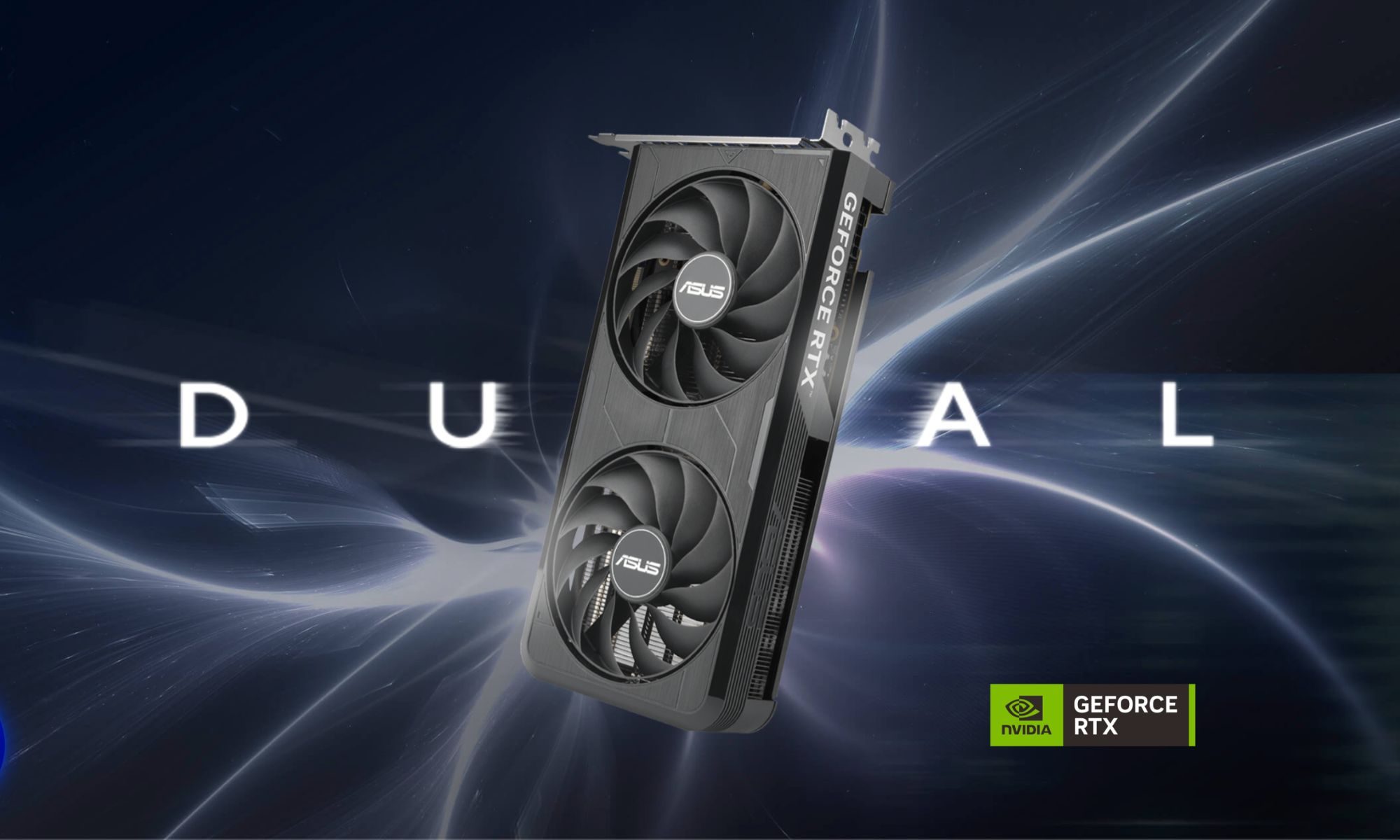
Asus is now offering the Nvidia GeForce RTX 5060 in two new flavors
New RTX 5060 EVO cards introduce a slimmer 2.1-slot design
asus-nvidia-GeForce-RTX-5060-evo

ASUS has quietly added two new models to its GeForce RTX 5060 lineup that look almost identical to existing cards at first glance but come with several hardware tweaks. Without any formal announcement, ASUS has listed the Dual GeForce RTX 5060 EVO and Dual GeForce RTX 5060 Ti EVO on its website. These cards sit alongside the standard RTX 5060 and 5060 Ti, offering the same core performance while reworking the physical design and internal layout.

The most noticeable change is size. Both EVO cards use a slimmer 2.1 slot design instead of the 2.5 slot layout used by earlier versions, making them more suitable for compact PC builds. ASUS also redesigned the PCB to use a shorter PCIe x8 edge connector rather than a full length x16 connector (via Vortez).

Read more