Cape Verde bug deaths claim: Experts give advice

Infections causing stomach bugs in tourists who have travelled to Cape Verde are being investigated
- Published
The deaths of British tourists within months of contracting stomach bugs on Cape Verde has raised questions about the safety of visiting the island.
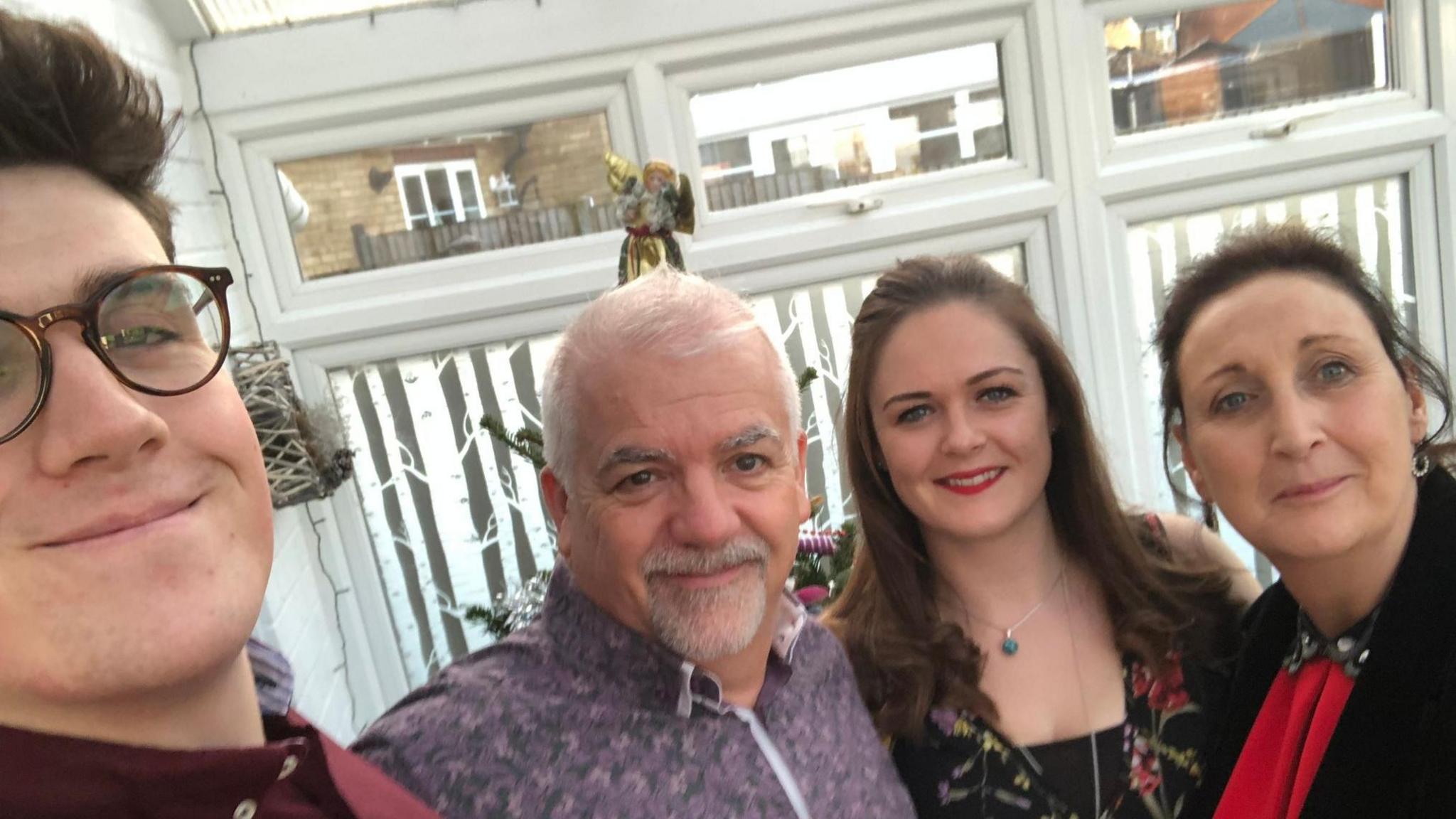
Mark Ashley, 55, of Bedfordshire, Elena Walsh, 64, from Birmingham, Karen Pooley, 64, of Gloucestershire, and a 56-year-old man from Watford all died last year after contracting gastric illnesses while on the islands off the west African coast.
They are four of six Britons who have died after holidays there since January 2023.
With lawyers claiming more than 1,500 people have reported falling ill after visiting the country, we asked experts what travellers could do to minimise the risk of infection.
Hundreds of cases
Since December, the UK Health Security Agency has been investigating reports of Shigella sonnei, a diarrhoeal illness.
Between 1 October and 22 December 2025, there were 137 confirmed UK cases, external, with 109 having recently travelled to Cape Verde.
The bacteria can cause severe diarrhoea, fever and stomach cramps.
Brendan Wren, professor of microbial pathogenesis at the London School of Hygiene and Tropical Medicine (LSHTM), told the BBC more than 800 people had been affected in the last three years.
How is it spread?
It is spread through contact with contaminated faeces, either person-to-person or indirectly from food, water or surfaces.
In August 2025, Hurricane Erin damaged water and sanitation networks in Cape Verde.
The World Health Organization warned it could lead to water contamination , externalwith various bacteria.
Outbreak source: unknown
Wren said: "Outbreaks of shigellosis have been occurring in quality hotels on Cape Verde for the past three years, with over 800 people affected.
"The shigella bacteria that cause disease don't just cause nasty diarrhoea, there can be life-threatening complications, particularly for the immunocompromised.
"The source of the outbreaks is still unknown, and it is up to local authorities and tour operators to undertake a full investigation.
"Water, perhaps from contaminated boreholes, is a possible source."
He advised travellers to
only drink boiled or bottled water
avoid eating washed salads
regularly wash hands

Professor Brendan Wren says local authorities and tour operators need to do a full investigation
Dr Damien Tully, associate professor in bioinformatics at LSHTM, said outbreaks of Shigella sonnei were "not unusual, particularly in busy hospitality settings where large numbers of people are eating and sharing facilities".
He said buffet-style catering can increase the risk and be a "breeding ground" for bacteria and viruses.
Tully also warned travellers not to rely on hand sanitisers, as washing hands with warm, soapy water is better.
He advised against having ice in drinks.

One expert says the bacteria can cause life-threatening complications
Legal action
Lawyers from Irwin Mitchell are making personal injury claims against travel operator Tui following the deaths.
Tui has been contacted for comment.
The firm has previously said it was investigating the claims and providing support to travellers who reported feeling unwell.
Get in touch
Have you been affected by this story?
Follow Beds, Herts and Bucks news on BBC Sounds, Facebook, external, Instagram, external and X, external.
Related topics
- Published2 days ago