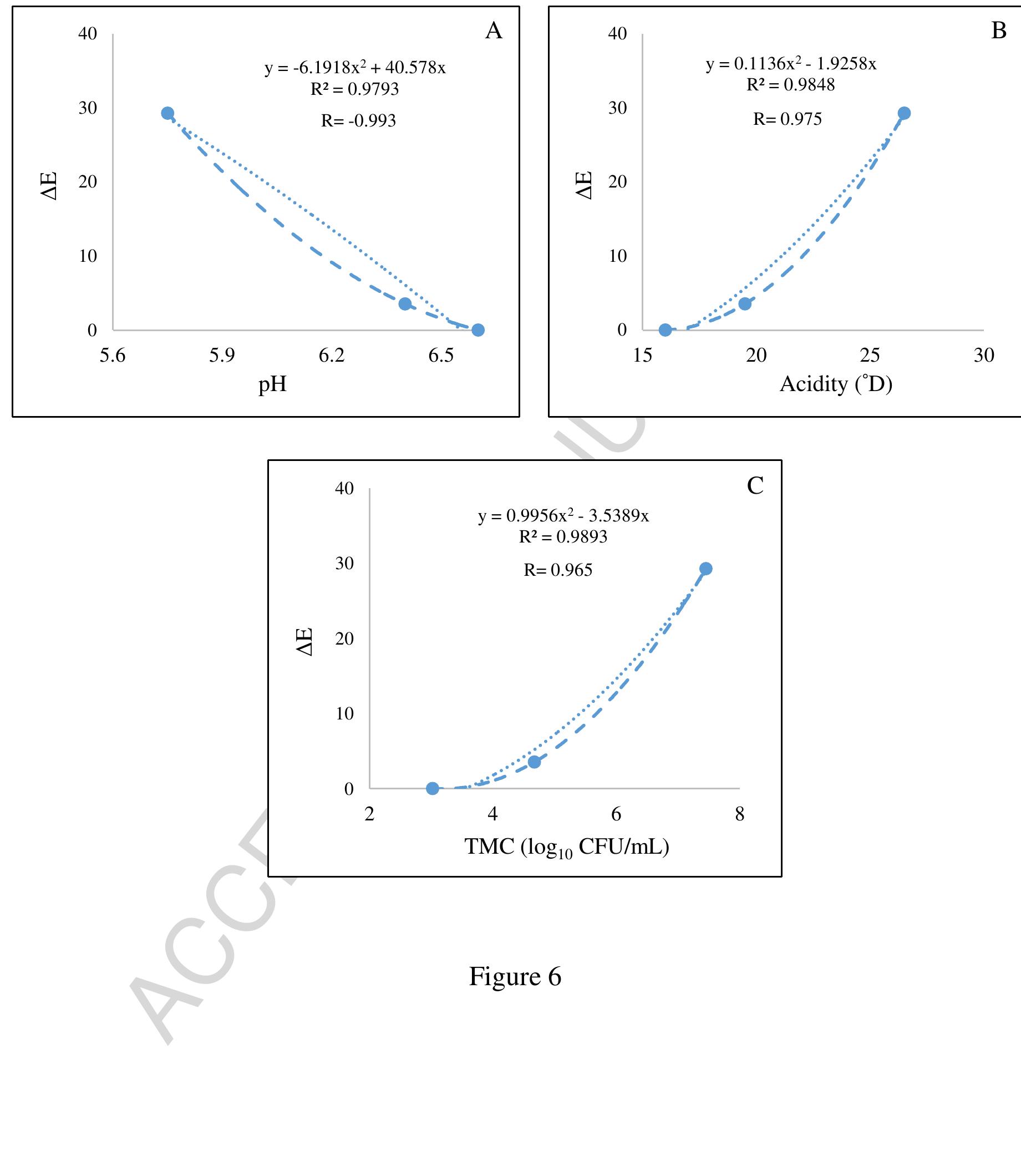
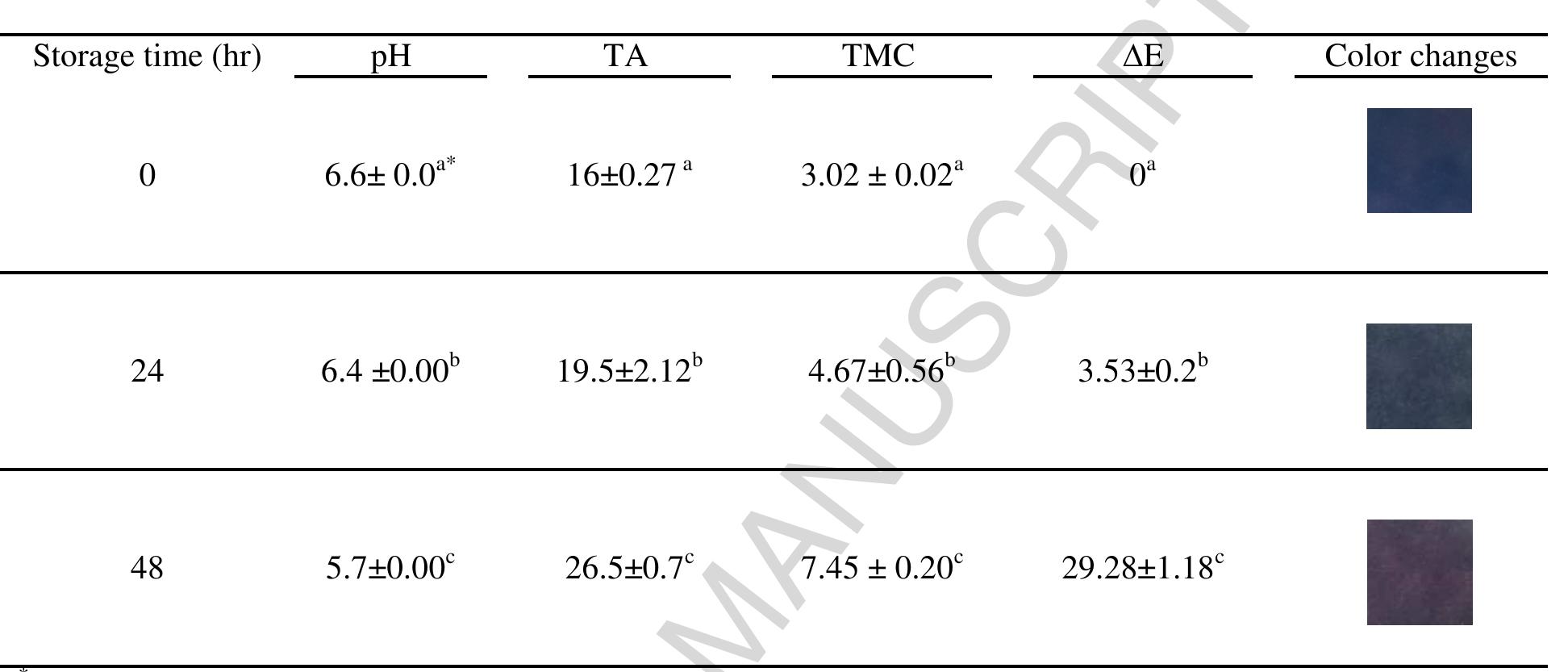
Figure 5
subdirectory_arrow_right Figure source:
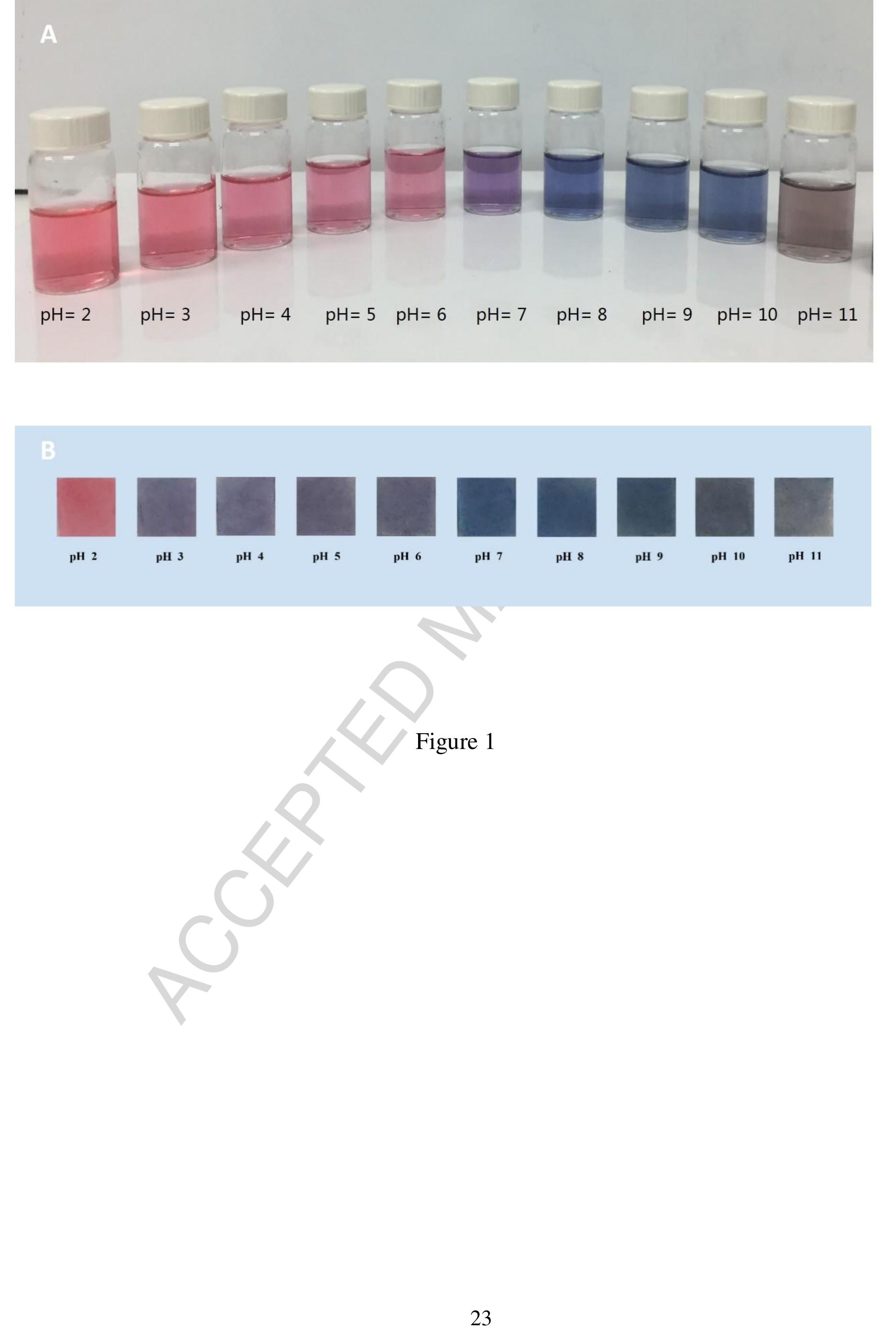
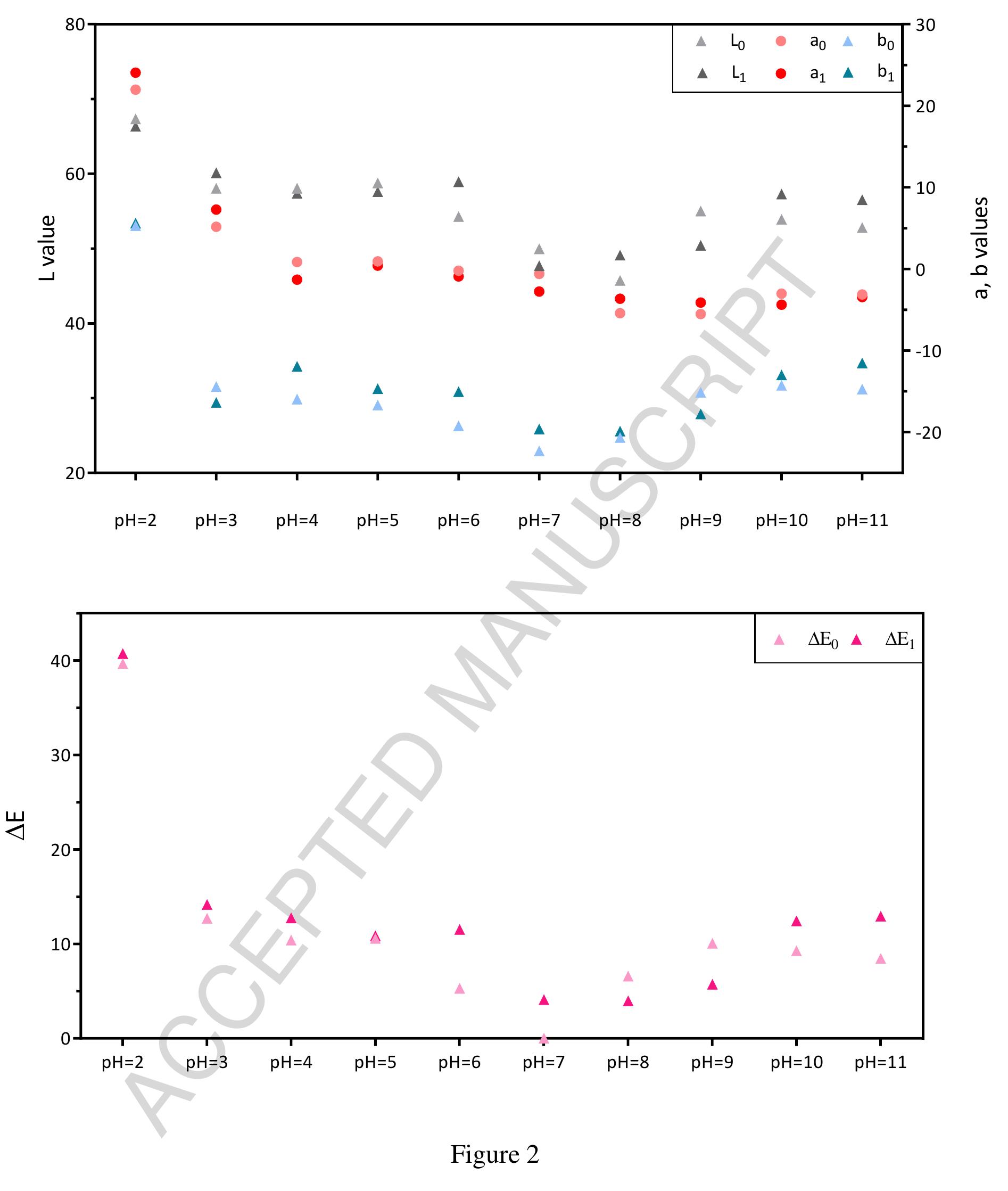
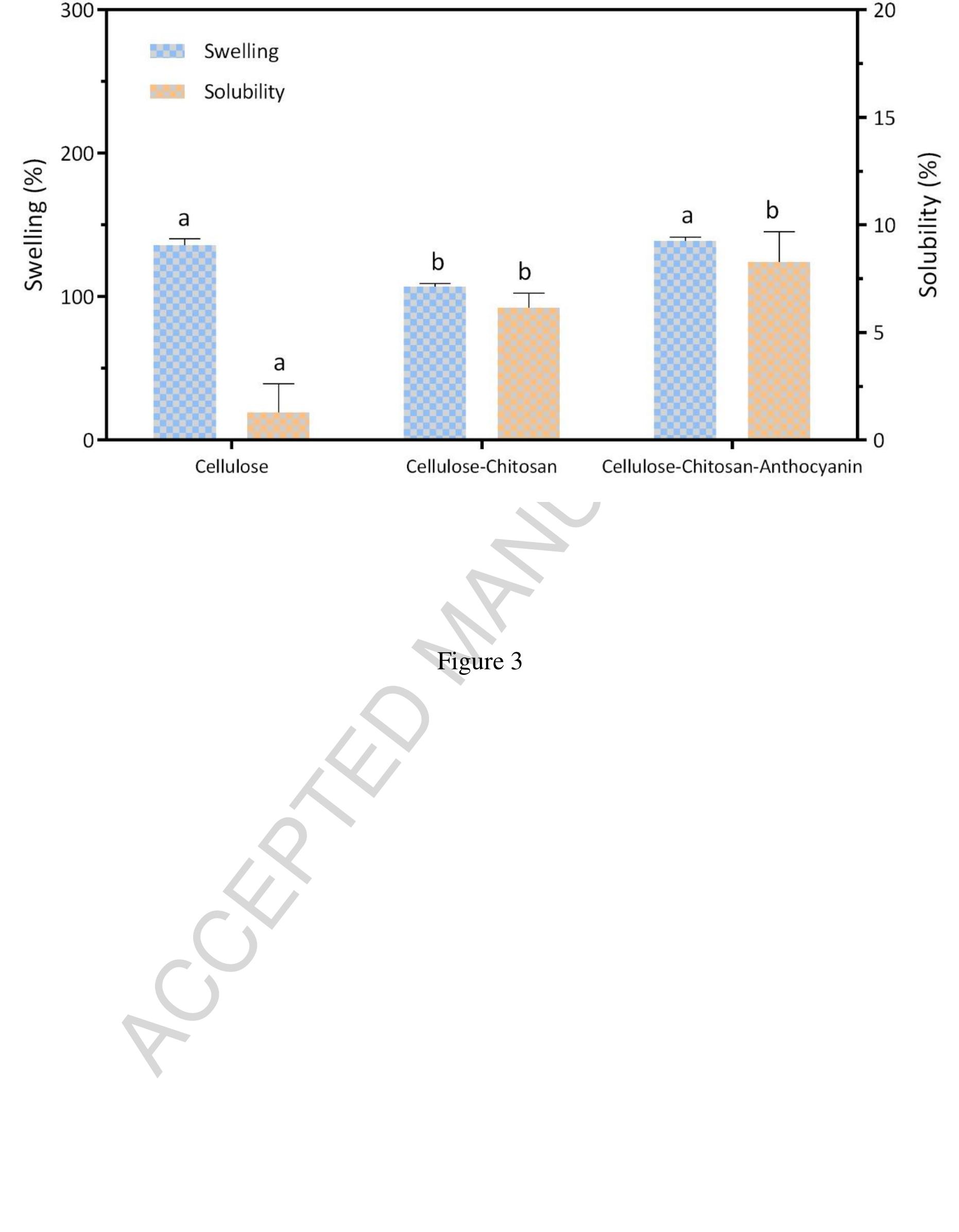
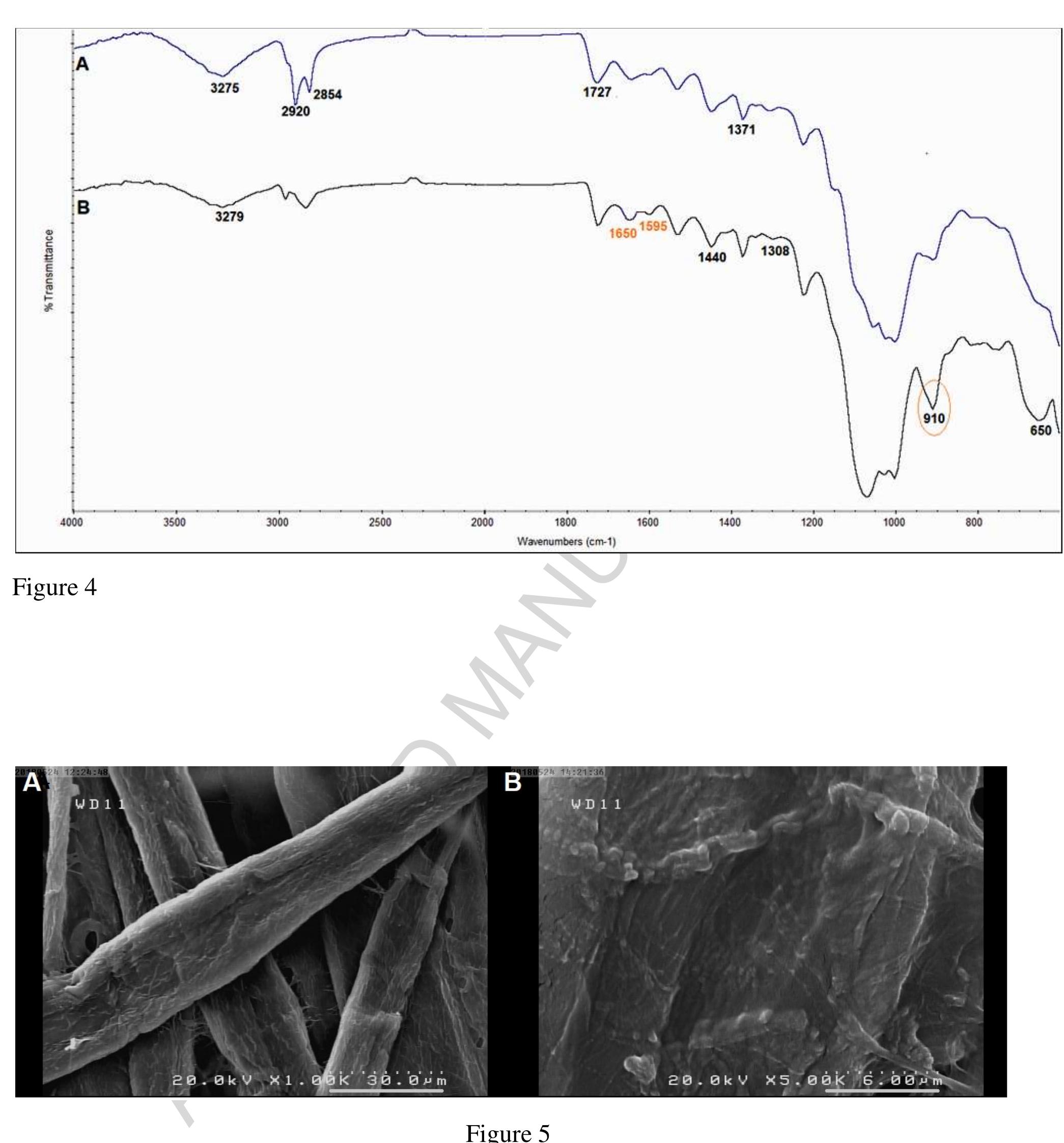
Abstract: In this study, the possible use of anthocyanins of black carrot (ABC) as a chemo-responsive dye to fabricate a colorimetric pH indicator in a cellulose-chitosan matrix was investigated in order to the monitoring of spoilage in pasteurized milk. Cellulose paper was impregnated with a chitosan solution prepared by a sol-gel method containing ABC (total anthocyanins content of 10 mg/100 mL) and characterized. The swelling and water solubility increased by incorporation of ABC into the chitosan-cellulose film. The colorimetric pH indicator showed an obvious color variation from pink to khaki at different pH values (pH 2-11). Stability tests revealed that the indicator had acceptable color stability during one-month storage at 20 °C. The results also confirmed the immobilization of ABC into the matrix of the polymeric indicator with no significant effect on the chemical and super-molecular structure of the samples. In food trial, fresh pasteurized milk was entirely discerned through a perceptible color change from blue to violet rose color after 48 hr storage at 20 °C, which was comfortably observable by the naked eye. The results proved that the fabricated indicator could be used as food grade biomaterials to monitor freshness/spoilage of milk.
... Read more Related topics:
Chemistry Food Science Medicine Active Packaging Food Packaging pH indicator Biological Macromolecules Biochemistry and cell biology methyl cellulose food spoilage Related Papers Abstract: The widespread concerns about the environmental problems caused by conventional plastic food packaging and food waste led to a growing effort to develop active and intelligent systems produced from renewable biodegradable polymers for food packaging applications. Among intelligent systems, the most widely used are pH indicators, which are generally based on a pH-sensitive dye incorporated into a solid support. The objective of this study was to develop new intelligent systems based on renewable biodegradable polymers and a new bio-inspired pH-sensitive dye. The structure of the dye was elucidated through FT-IR and 1D and 2D NMR spectroscopic analyses. UV-VIS measurements of the dye solutions at various pH values proved their halochromic properties. Their toxicity was evaluated through theoretical calculations, and no toxicity risks were found. The new anthocyanidin was used for the development of biodegradable intelligent systems based on chitosan blends. The obtained polymeric films were characterized through UV-VIS and FT-IR spectroscopy. Their thermal properties were assessed through a thermogravimetric analysis, which showed a better stability of chitosan-PVA-dye and chitosan-starch-dye films compared to those of chitosan-cellulose-dye films and the dye itself. The films' sensitivity to pH variations was evaluated through immersion in buffer solutions with pH values ranging from 2 to 12, and visible color changes were observed.
... Read more
Abstract: An edible pH sensor has been developed based on anthocyanins of red cabbage (Brassica oleraceae var capitata L.) (ARC) immobilized on a bacterial cellulose (BC) membrane. The polivinyl alcohol (PVA) (1%) was added into the membrane to reduce swelling and water solubility. The edible pH sensor exhibited a various distinctive colors from red to purple, blue-gray, and then to yellow in the pH range (pH 1-14), with good linearity between pH 1-6, and pH 8-12, with a sensor response time of 4 min and reproducibility of <1% (RSD). The sensor showed obvious color turning as a pH response and excellent color stability after 17 and 22 days in room and chiller conditions, respectively. In application, the pH sensor was demonstrated by the detection of several beverage pH. Although as freshness sensor, milk freshness was monitored by a distinctive color turning from blue-gray to pinkish-gray after 8 h storage at room temperature. The edible pH sensor can distinguish fresh milk from spoilage, making it suitable to be used in an intelligent packaging system as a freshness sensor.
... Read more
Abstract: Anthocyanins are excellent antioxidant/antimicrobial agents as well as pH-sensitive indicators that provide new prospects to foster innovative smart packaging systems due to their ability to improve food shelf life and detect physicochemical and biological changes in packaged food. Compared with anthocyanins from other natural sources, red cabbage anthocyanins (RCAs) are of great interest in food packaging because they represent an acceptable color spectrum over a broad range of pH values. The current review addressed the recent advances in the application of RCAs in smart bio-based food packaging systems and sensors. This review was prepared based on the scientific reports found on Web of Science, Scopus, and Google Scholar from February 2000 to February 2022. The studies showed that the incorporation of RCAs in different biopolymeric films could affect their physical, mechanical, thermal, and structural properties. Moreover, the use of RCAs as colorimetric pH-responsive agents can reliably monitor the qualitative properties of the packaged food products in a real-time assessment. Therefore, the development of smart biodegradable films using RCAs is a promising approach to the prospect of food packaging.
... Read more
Abstract: Intelligent packaging with indicators that provide information about the quality of food products can inform the consumer regarding food safety and reduce food waste. A solid material for a pH-responsive indicator was developed from hydroxypropyl methylcellulose (HPMC) composited with microcrystalline cellulose (MCC). MCC at 5%, 10%, 20%, and 30% w/w was introduced into the HPMC matrix and the physical, barrier, thermal, and optical properties of the HPMC/MCC bio-composite (HMB) films were analyzed. At 5, 10, and 20% MCC, improved mechanical, transparency, and barrier properties were observed, where HMB with 20% of MCC (H20MB) showed the best performance. Therefore, H20MB was selected as the biodegradable solid material for fabricating Roselle anthocyanins (RA) pH sensing indicators. The performance of the RA-H20MB indicator was evaluated by monitoring its response to ammonia vapor and tracking freshness status of chicken tenderloin. The RA-H20MB showed a clear color change with res...
... Read more