




580 California St., Suite 400
San Francisco, CA, 94104
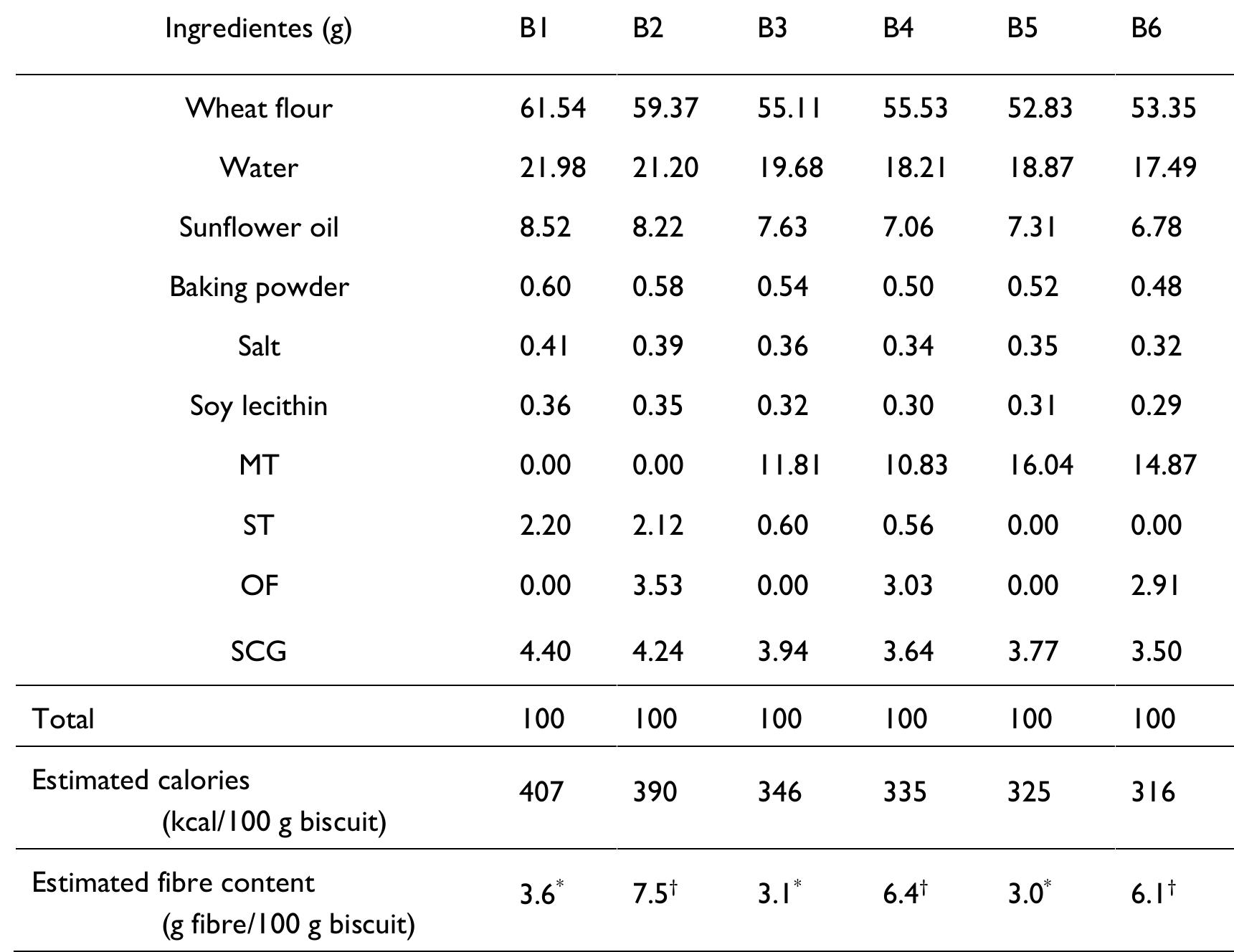
Data are expressed as mean + standard deviation (n=26). In each row, values with different superscript letters are significantly different (p<0.05). Table 5. Sensory evaluation (| to 7 scale) of different biscuit formulations: BI- 100% Stevia (ST) and spent coffee grounds (SCG); B2- 100% ST, oligofructose (OF) and SCG; B3- 30% ST, 70% Maltitol (MT) and SCG; B4- 30% ST, 70% MT, OF and SCG; B5- 100% MT and SCG; Bé- 100% MT, OF and SCG; Cl- MT and 4% fibre and C2- MT, lsomaltitol and 8% fibre. BI, B3 and B5 are potentially “source of fibre” (2 3g fibre/100g) and B2, B4 and Bé with “high fibre content” (2 6 s fibre/|100¢).
Figure source:
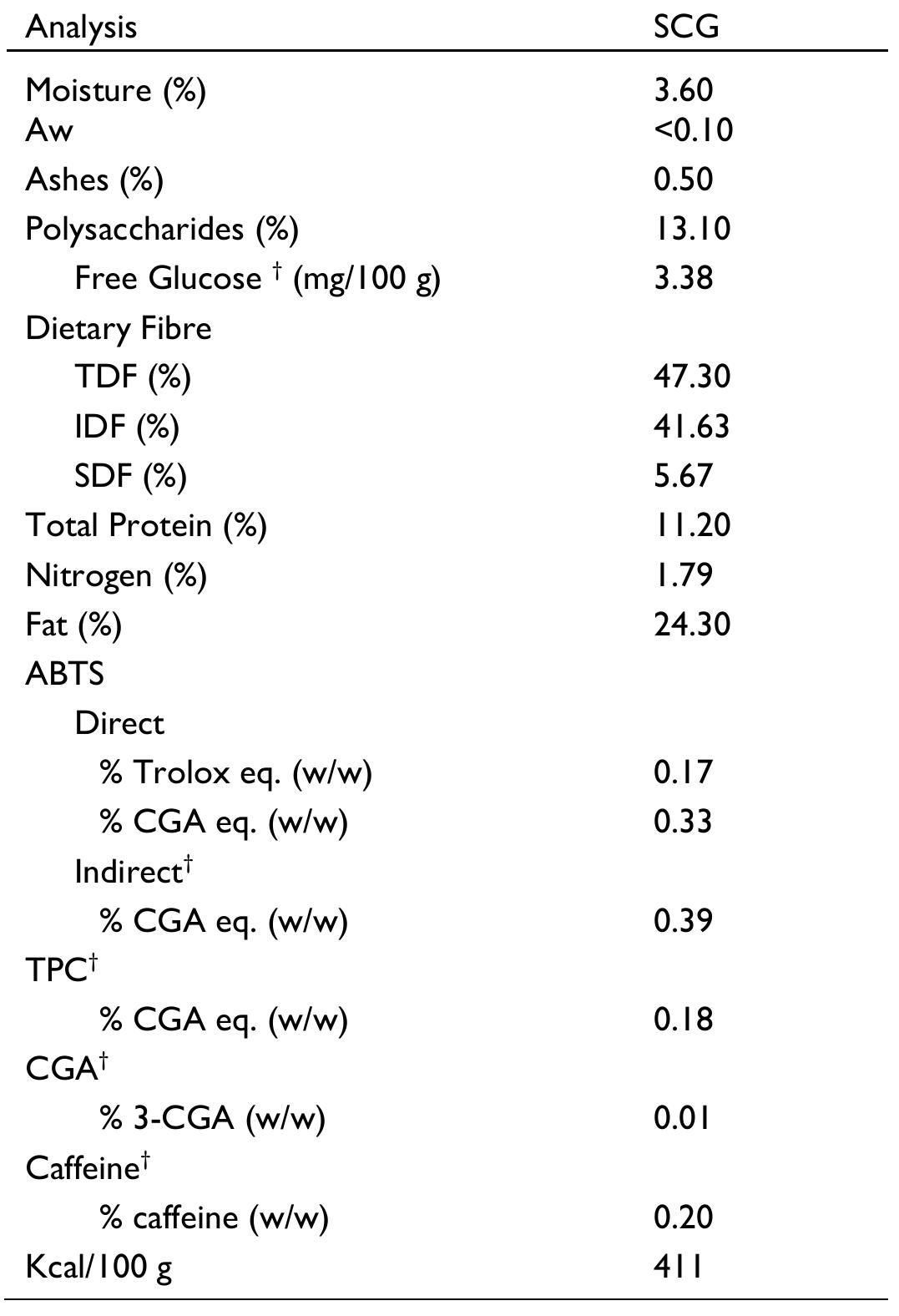
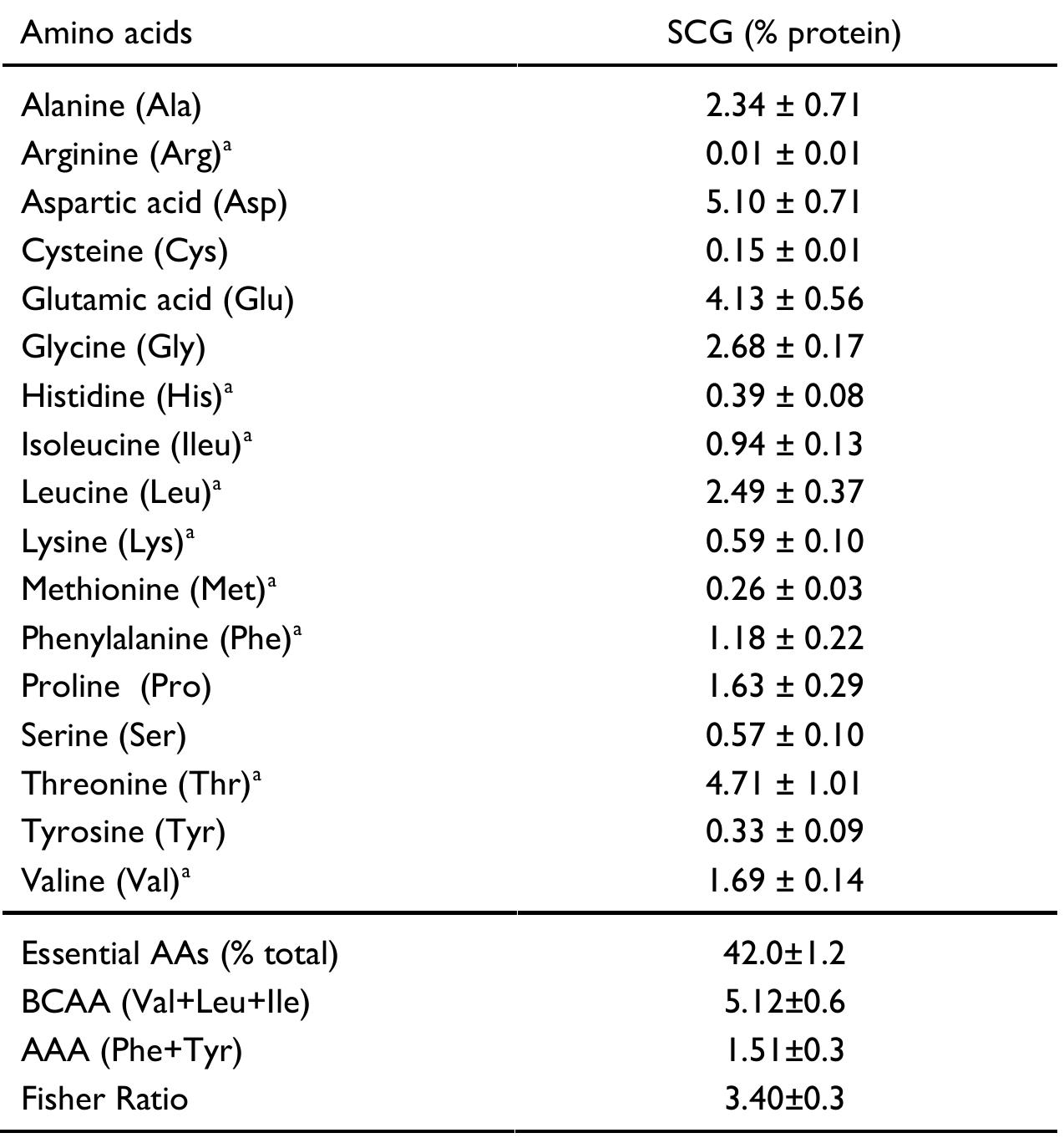
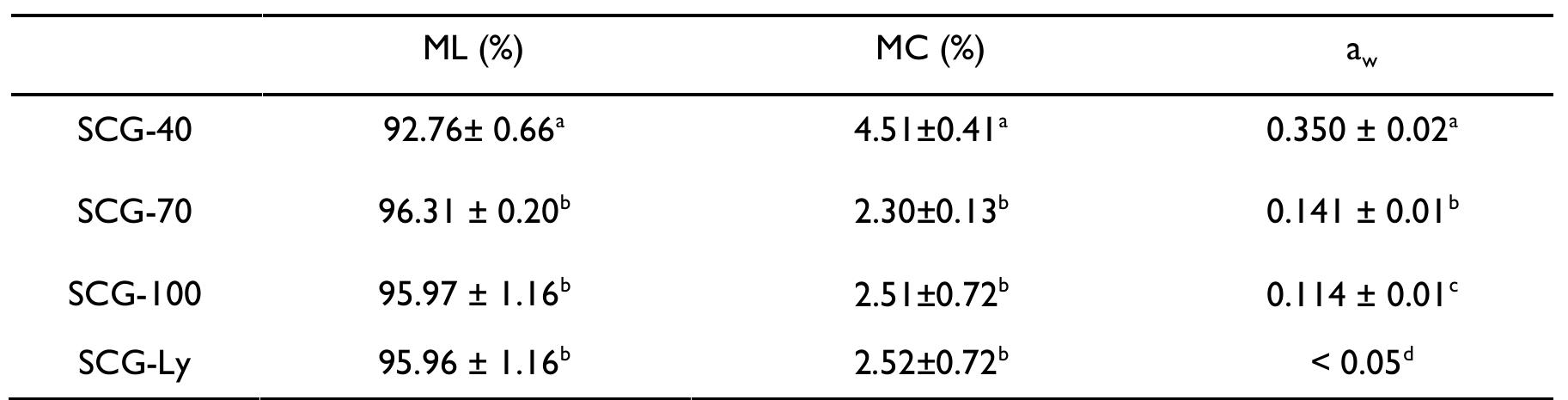
Abstract: The present research aimed to evaluate the use of spent coffee grounds (SCG) from instant coffee as a food ingredient and its application in bakery products. Data on physicochemical characterization, thermal stability and food safety of SCG were acquired. Evaluation of feasibility as dietary fibre was also determined. Results showed SCG are natural source of antioxidant insoluble fibre, essential amino acids, low glycaemic sugars, resistant to thermal food processing and digestion process, and totally safe. In the present work, SCG were incorporated in biscuit formulations for the first time. Low-calorie sweeteners and oligofructose were also included in the food formulations. Nutritional quality, chemical (acrylamide, hydroxymethylfurfural and advanced glycation end products) and microbiological safety and sensory tests of the biscuits were carried out. Innovative biscuits were obtained according to consumers' preferences with high nutritional and sensorial quality and potential to reduce the risk of chronic diseases such as obesity and diabetes.
