Academia.eduAcademia.edu

pH indicator

description177 papers
group26 followers
lightbulbAbout this topic
A pH indicator is a chemical compound that changes color in response to changes in pH levels, allowing for the visual assessment of acidity or alkalinity in a solution. These indicators are commonly used in titrations and various laboratory applications to determine the pH of a substance.
lightbulbAbout this topic
A pH indicator is a chemical compound that changes color in response to changes in pH levels, allowing for the visual assessment of acidity or alkalinity in a solution. These indicators are commonly used in titrations and various laboratory applications to determine the pH of a substance.

Key research themes

1. How can pH be precisely measured across diverse environments and sample types with optimized sensor materials and methodologies?

This theme focuses on advancing pH measurement techniques using innovative sensor materials and device architectures to improve precision, applicability across various matrices (biofluids, food, environmental samples, materials), and operational robustness including miniaturization and cost-effectiveness. The research leverages electrochemical, optical, and colorimetric sensor designs integrated with analytical and machine learning methods to enable accurate, sensitive, and real-time pH monitoring in complex real-world contexts.

Key finding: Introduces a voltammetric sensor based on an indoaniline derivative with near-Nernstian sensitivity (56 mV/pH) using alternating current voltammetry, achieving accurate pH measurement across a broad pH range (2-12) in complex... Read more
Key finding: Develops a machine learning-based framework utilizing K Neighbors Regressor trained on 2689 RGB color data points from commercial pH paper strips under varying lighting, achieving a coefficient of determination (R2) of 0.995... Read more
Key finding: Demonstrates an all-solid-state pH sensor system utilizing a stainless steel vessel as gate electrode combined with pH-insensitive diamond solution gate field-effect transistors (SGFETs), achieving near-Nernstian sensitivity... Read more
Key finding: Presents a universal 3x4 colorimetric sensing platform (CLT) by covalently attaching commercial pH indicators onto ethylene vinyl alcohol (EVOH), enabling reversible and accurate pH measurement across a full range (pH 1-13)... Read more
Key finding: Provides a detailed analysis of various pH-sensitive polymer materials and detection methods suitable for MEMS pH sensors, contrasting legacy glass electrode approaches with contemporary alternatives like ion-sensitive... Read more

2. What are recent advances in pH indicators derived from natural and synthetic materials for biological and environmental monitoring?

This theme synthesizes investigations into novel pH indicators based on natural pigments (e.g., anthocyanins from red cabbage and butterfly pea) and synthetic derivatives designed for biomedical and environmental applications. The studies focus on designing indicators with tailored pKa ranges, high photostability, biocompatibility, and suitability for cellular imaging or intelligent packaging. Integration of these indicators allows noninvasive, real-time monitoring of pH changes critical in wound healing, cellular processes, food freshness, and ecological systems.

Key finding: Develops a novel family of red fluorescent pH probes based on X-rhodamine derivatives featuring phenol pH reporters that operate via PET quenching, achieving tunable pKa values spanning ~4 to 9 suitable for cellular... Read more
Key finding: Demonstrates that red cabbage-derived pH indicator jellies, containing anthocyanins, provide a highly effective, environmentally friendly, and low-cost alternative to commercial pH strips, with acceptable portability and... Read more
Key finding: Identifies anthocyanins extracted from butterfly pea petals as highly pH-sensitive natural pigments undergoing reversible structural transformations across different pH ranges, making them ideal colorimetric indicators... Read more

3. How can pH monitoring be innovatively applied in clinical diagnostics and environmental quality assessment?

This area encompasses the development and application of pH sensing strategies for clinical diagnostics, wound healing monitoring, fetal health, water quality, and materials degradation assessment. Focused on combining biochemical insights with sensor technologies, the research advances real-time, continuous, and minimally invasive pH measurement techniques to improve early diagnosis, monitor physiological and environmental conditions, and support sustainable resource management.
Key finding: Reviews the pivotal role of skin and wound pH in physiological and pathological processes, detailing how the acidic 'acid mantle' protects against bacterial colonization and how elevated alkaline pH levels at wound sites... Read more
Key finding: Presents a polyaniline-based inline pH sensor integrated with surgical drains to continuously measure peritoneal fluid pH changes post-bariatric surgery, providing an early biomarker for anastomotic leak detection before... Read more
Key finding: Develops an integrated sensing platform combining inkjet-printed potentiometric pH sensors, temperature sensors for real-time signal compensation, and calibration-free free chlorine sensors controlled by FPGA for onsite water... Read more
Key finding: Provides a systematic theoretical framework to interpret acid-base titration data for water alkalinity determination, elucidating relationships between titrant volumes and specific alkalinity-causing ions (hydroxide,... Read more

All papers in pH indicator

Research assessing the biological impacts of global ocean change often requires a burdensome characterization of seawater carbonate chemistry. For laboratory-based ocean acidification research, this impedes the scope of experimental... more
An inkjet printed membrane is presented as a colorimetric sensor for oxygen for use in smart packaging, in order to quickly inform the consumer about possible degradation reactions in modified atmosphere products (MAP).
Two simple boron-dipyrromethene-type fluorophore (azaBODIPYs) dyes are synthesized and tested for the determination of CO2 gas by an inner filter process.
In this work, we describe the synthesis of a novel 9-aminoacridine derivative that presents surprisingly different colors when exposed to neutral, acidic or basic mediums with potential application as pH indicator in organic solvents.... more
Using both the proton selective vibrating electrode to probe the extracellular currents and ratiometric wide-field fluorescence microscopy with the indicator 2 Ј ,7 Ј -bis-(2-carboxyethyl)-5-(and-6)-carboxyfluorescein (BCECF)-dextran to... more
A new optical pH sensor based on polysulfone (PSU) and polyaniline (PANI) was developed. A transparent and flexible PSU membrane was employed as a support. The electrically conductive and pH-responsive PANI was deposited onto the membrane... more
Recibido el 22 de marzo del 2004; aceptado el 27 de agosto del 2004 Resumen. Se preparó un sensor de respuesta óptica para medir acidez ambiental, a partir de la mezcla de cuatro moléculas orgánicas, pdimetilaminoazobenceno (amarillo de... more
A recent analysis of full water column hydrographic data revealed a pH-dependent discrepancy between spectrophotometrically measured pH using purified meta-cresol purple and pH calculated from dissolved inorganic carbon (DIC) and total... more
Recibido el 22 de marzo del 2004; aceptado el 27 de agosto del 2004 Resumen. Se preparó un sensor de respuesta óptica para medir acidez ambiental, a partir de la mezcla de cuatro moléculas orgánicas, pdimetilaminoazobenceno (amarillo de... more
The mechanism of proton transfer from the bulk into the membrane protein interior was studied. The light-induced reduction of a bound ubiquinone molecule Q B by the photosynthetic reaction center is accompanied by proton trapping. We used... more
2‐Phenyl‐5‐p‐tolyl‐1‐salicylideneamino‐1,3,4‐triazole (PTST) was studied among 2,5‐diaryl‐1‐salicylidene amino‐1,3,4‐triazole derivatives as a novel potential pH indicator. In terms of absorption intensity coming from the acid‐base... more
The structures and functions of the cellular acidic compartments are strongly dependent on the pH gradients across vesicular membranes. Measurement and imaging of the vesicular pH require fluorophores with appropriate pK a values. In this... more
Indicator is a chemical agent which is used to recognize the attainment of end point in titration. After the reaction between the chemical and the standard solution is complete, the indicator should give a color change. A pH indicator is... more
Synthetic acid-base indicators possess some disadvantages. Therefore, it is necessary to develop a natural acid-base indicator made from a mixture of plant extracts, which has a strip form, is safe, eco-friendly, has a wide pH range, and... more
Прикладные информационные аспекты медицины 97 В . О . З о л о т у х и н , Н . В . Х о р о ш и х , Ю . Ю . М а д ы к и н , В . О . М и т т о в а , В . В .
каф. акушерства и гинекологии № 2, каф. онкологии и специализированных хирургических дисциплин ИДПО, каф. биохимии; 2 ФГБОУ ВО ВГУ , каф. материаловедения и индустрии наносистем Резюме. Задача коррекции нарушений влагалищной микробиоты... more
Bacteriorhodopsin-containing vesicles that were able to alkalize the extravesicular medium by > 1.5 pH units under illumination, Le., inside-out vesicles, were reconstituted by reverse-phase evaporation with Halobacterium halobium polar... more
Indonesia kaya dengan sediaan bahan alam yang beraneka warna, dengan kandungan bahan aktif yang sangat beragam. Salah satu yang dapat dimanfaatkan adalah pigmen warna yang terdapat dalam tanaman. Pigmen ini dapat dimanfaatkan sebagai... more
Recently, interest in smart packaging, which can show the color change of the packaging film according to the state of the food and evaluate the quality or freshness of the packaged food in real-time, is increasing. As a color indicator,... more
A new method for the estimation of steady-state ApH, and the rate of acidification, by H+-ATPases (and other proton transporters) in inverted membrane vesicles is described. The method is based on a combination of two widely used... more
Often encountered in laboratory settings, conventional pH level indicators are crucial tools that come in various forms, determining a substance's pH. However, synthetic indicators have some drawbacks, including high cost, limited... more
Anthocyanin pigment profiles, colours and pH values of Agapanthus praecox were investigated. The anthocyanin pigments from the blue flower petals were solvent extracted with 70% acetone, and the pH of the extracts was varied (pH 1, 2?5,... more
In this work, we describe the synthesis of a novel 9-aminoacridine derivative that presents surprisingly different colors when exposed to neutral, acidic or basic mediums with potential application as pH indicator in organic solvents.... more
Acidity is an outstanding parameter that affect the correct preservation of most part of materials engaged in artworks and heritage objects. In spite of the new generation of advanced analytical devices, the conservation/heritage... more
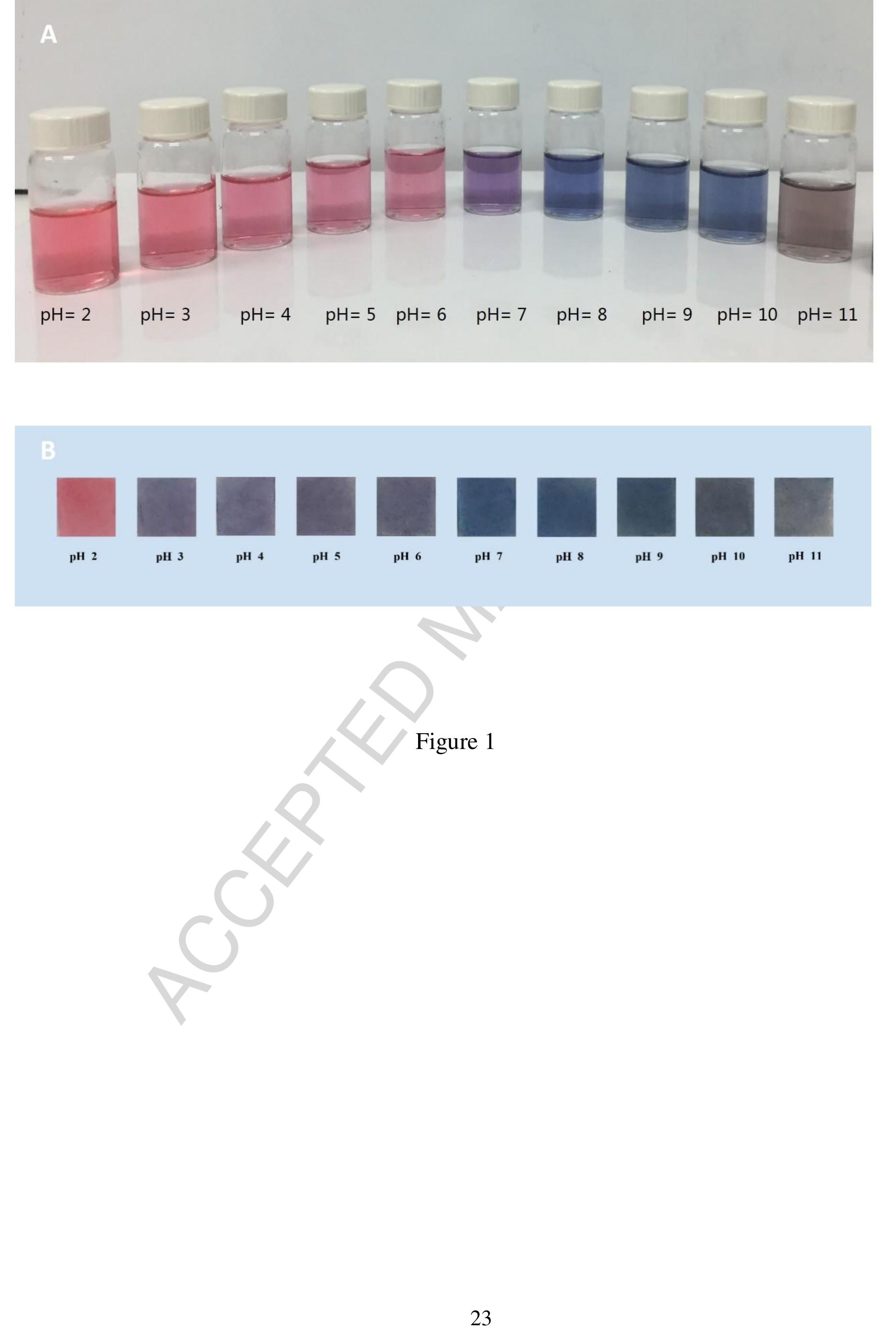
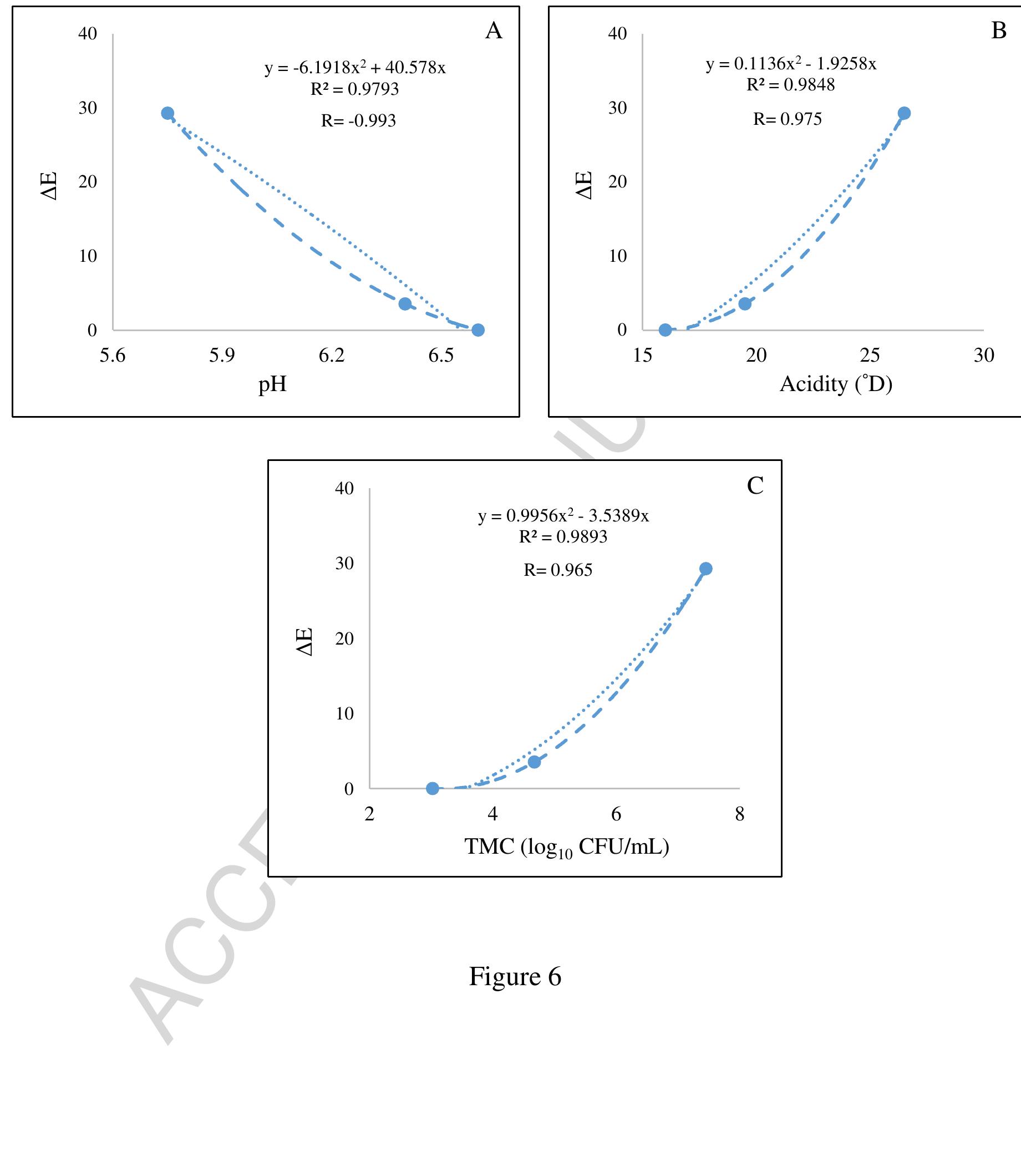
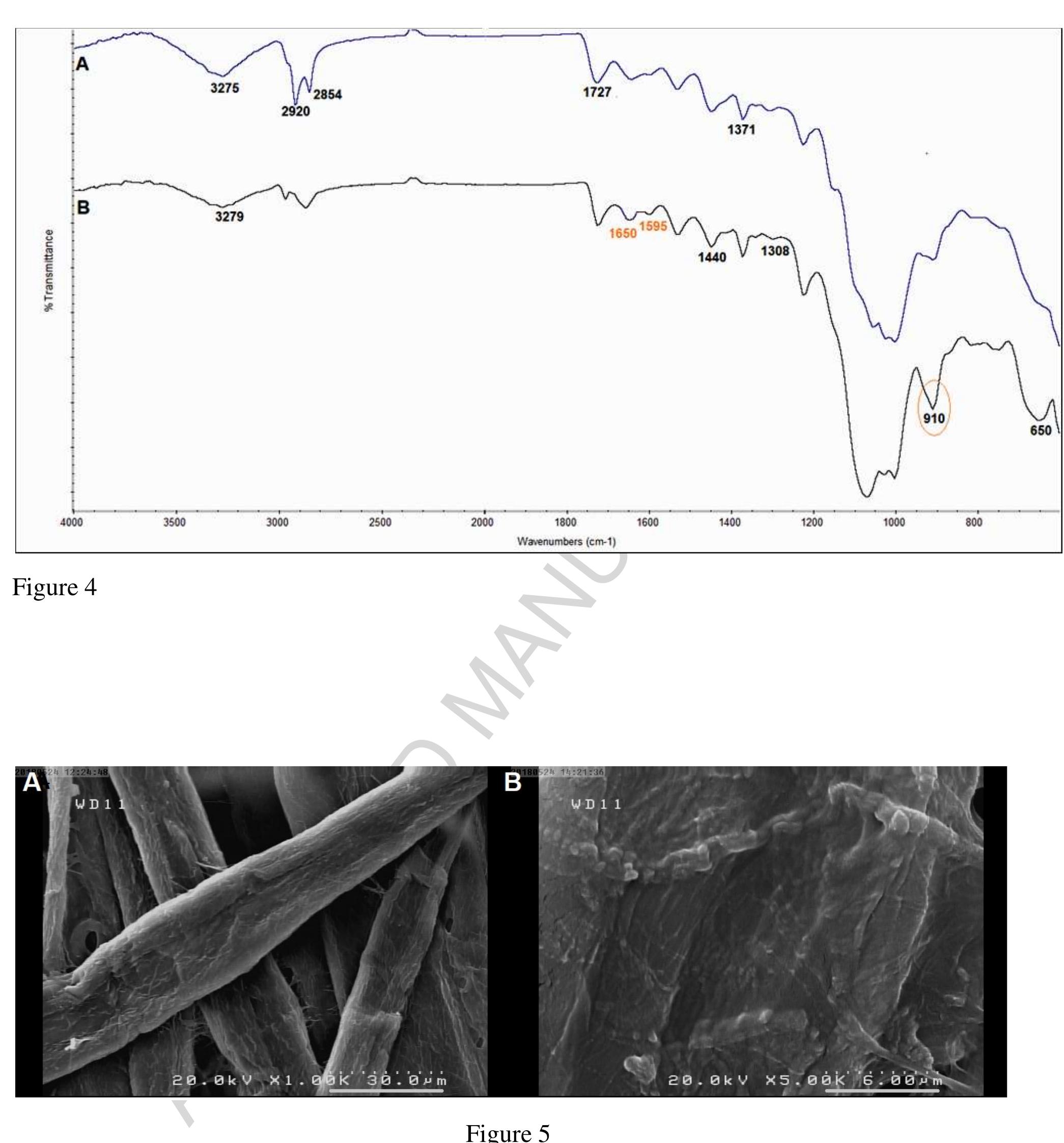
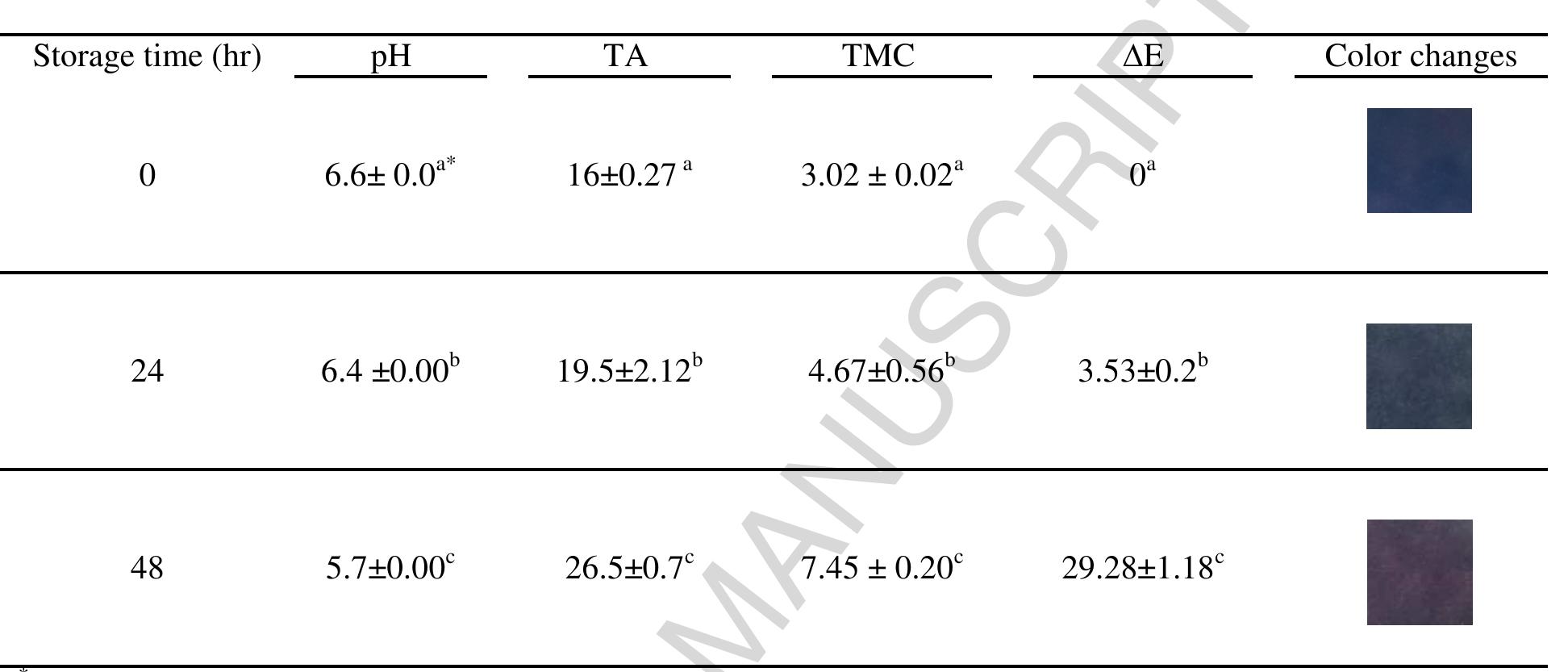
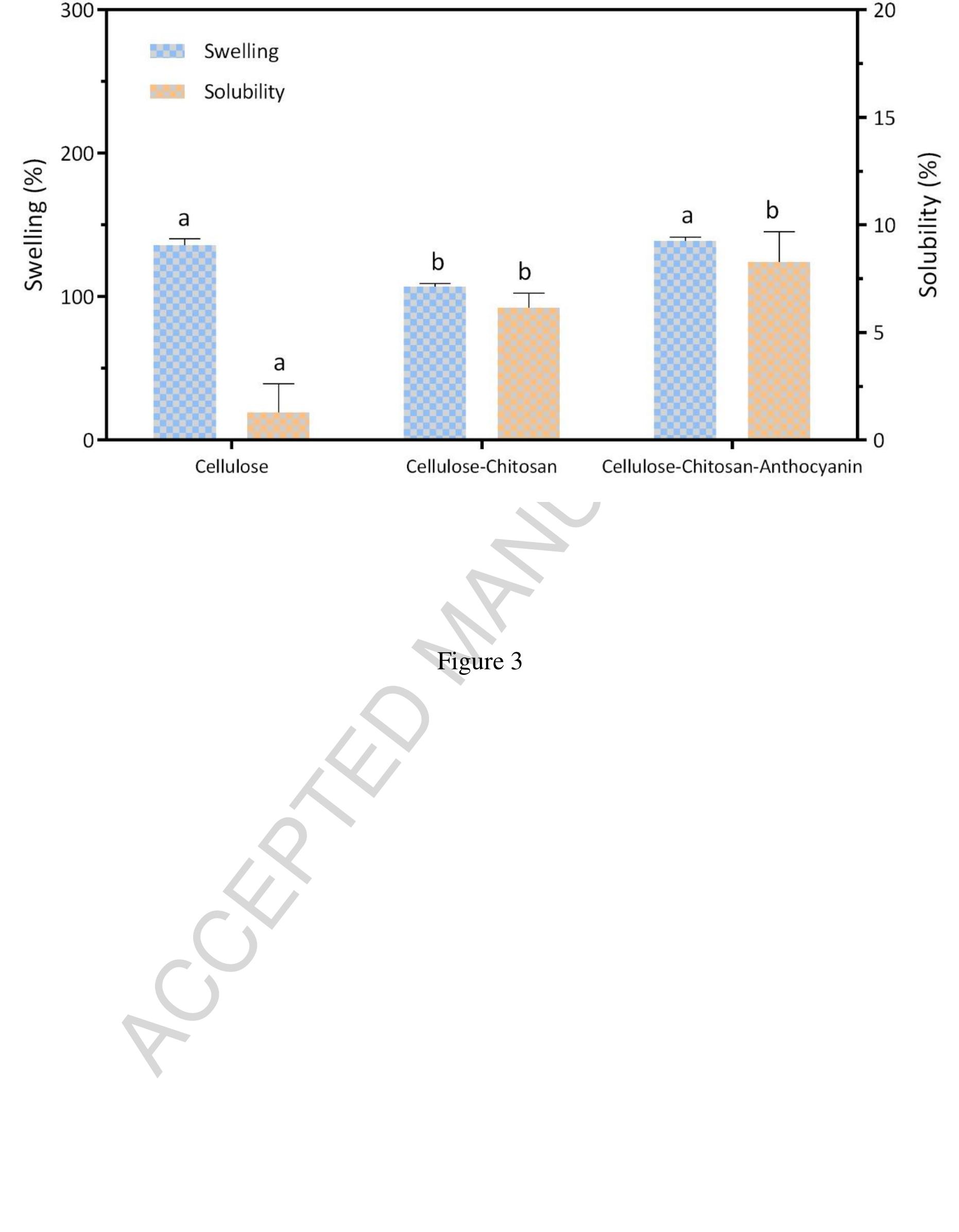
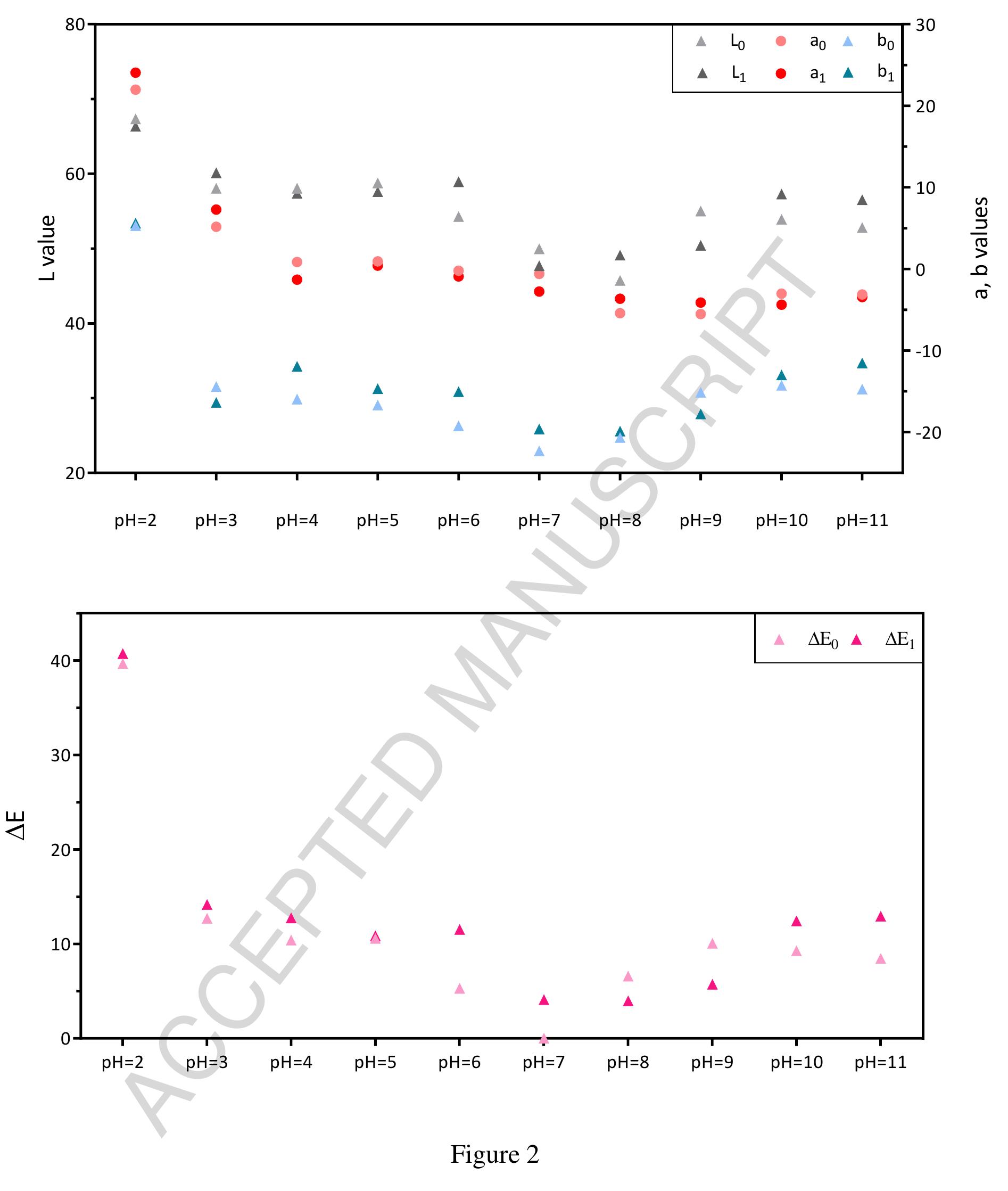
In this study, the possible use of anthocyanins of black carrot (ABC) as a chemo-responsive dye to fabricate a colorimetric pH indicator in a cellulose-chitosan matrix was investigated in order to the monitoring of spoilage in pasteurized... more
Natural indicators using anthocyanin compounds can be an alternative to synthetic indicators on acid-base titration because anthocyanin is an organic compound that is unstable with changes in pH. The extraction was carried out with... more
Objectives. Herein, the effects of cationic polyelectrolytes on the properties of solid substrate immobilized acid–base indicators are investigated to predict shifts in their spectral patterns and characteristics. Methods. The properties... more
A novel 3 × 4 colorimetric sensing platform, named the chemometric-assisted litmus test (CLT), has been developed by covalently anchoring commercial pH indicators to ethylene vinyl alcohol (EVOH). The proposed device can be exploited for... more
Experiment on natural acid-base indicators is usually done by extracting the natural sources with certain solvent, testing the extract with acid, base and neutral solutions, observing the color changes, making conclusion and discharging... more
Acidity is an outstanding parameter that affect the correct preservation of most part of materials engaged in artworks and heritage objects. In spite of the new generation of advanced analytical devices, the conservation/heritage... more
Butterfly pea is a perennial leguminous twiner that lives within the tropical belt and certain warm areas. Butterfly pea contains anthocyanin that are highly sensitive towards any change of pH, making them suitable to be used as pH... more
Natural colorimetric indicators have been fabricated using annatto and pomegranate extract powder and compared with chemical colorimetric indicator fabricated using bromophenol blue (BPB) to monitor the freshness of ready‐to‐cook (RTC)... more
The first paper-based polyion-sensitive optodes are reported. Dinonylnaphthalene sulfonic acid (a cation exchanger) and chromoionophore I (a lipophilic optical pH indicator) are printed on filter paper in the absence of any plasticizer... more
In medicine knowledge of pH values can provide us with information not only about the patients' status but also about physiological processes in the patient's body. Measurements of pH in small-sample volumes and online pH monitoring in... more
In medicine knowledge of pH values can provide us with information not only about the patients’ status but also about physiological processes in the patient’s body. Measurements of pH in small-sample volumes and online pH monitoring in... more
A significant challenge concerning the development of fluorescence lifetime (FL) based pH sensors is the paucity of fluorophores with sufficiently large FL variation with pH. Acridine is amongst the indicators with highest fluoresce... more
Surfactant filled mesoporous silica is applied as a matrix for immobilizing the fluorescence lifetime pHindicator acridine. We demonstrate that this type of encapsulation provides a stable and uniform chemical environment for the... more
A general drawback for optical based pH sensors is that their response is typically limited to within 2-3 pH units centered around the pK a of the indicator. Fluorescence lifetime (FL) is a particularly compelling basis for highly stable... more
This article is an open access article distributed under the terms and conditions of the Creative Commons Attribution (CC BY
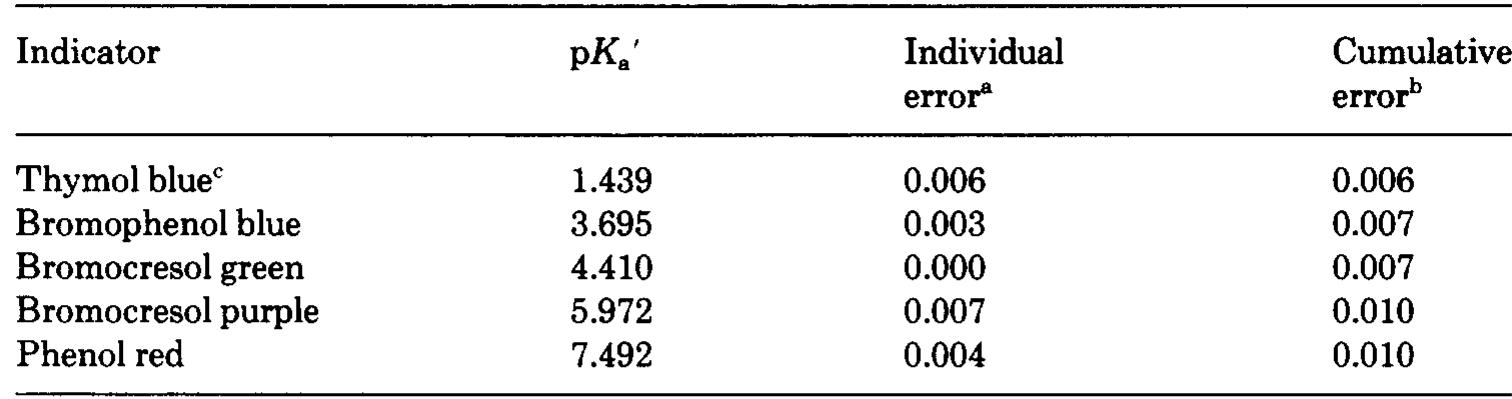
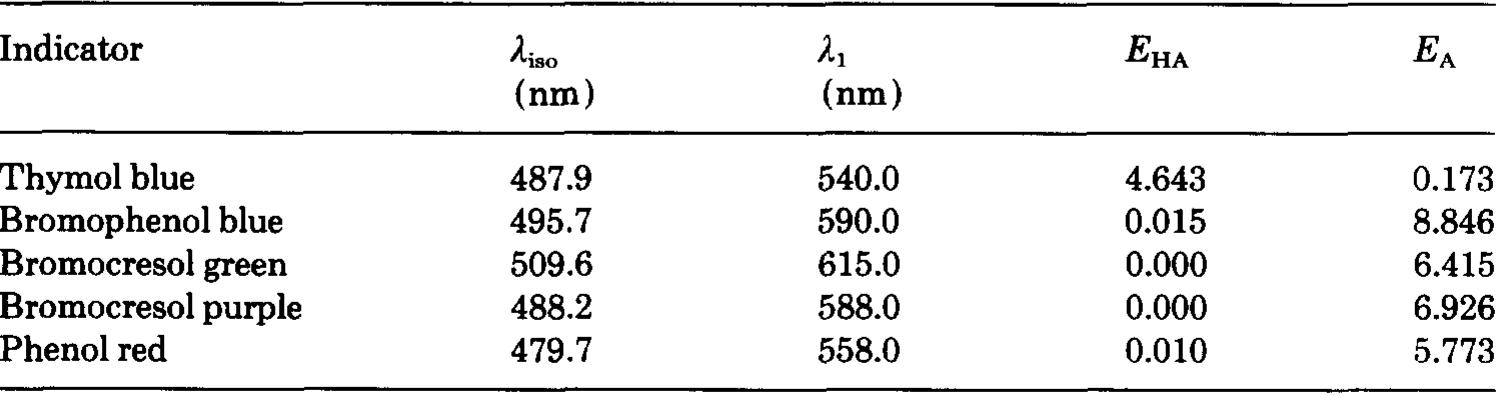
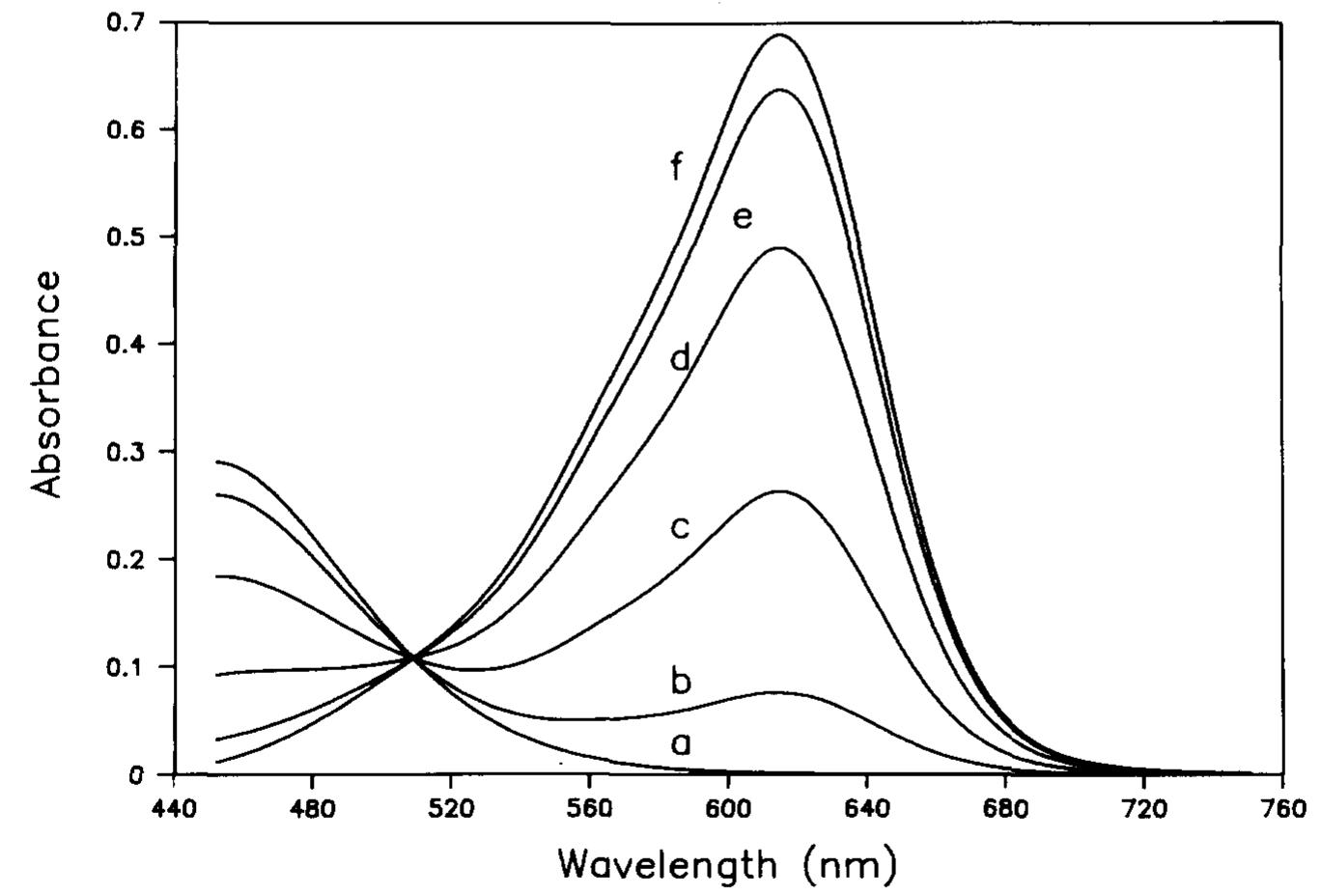
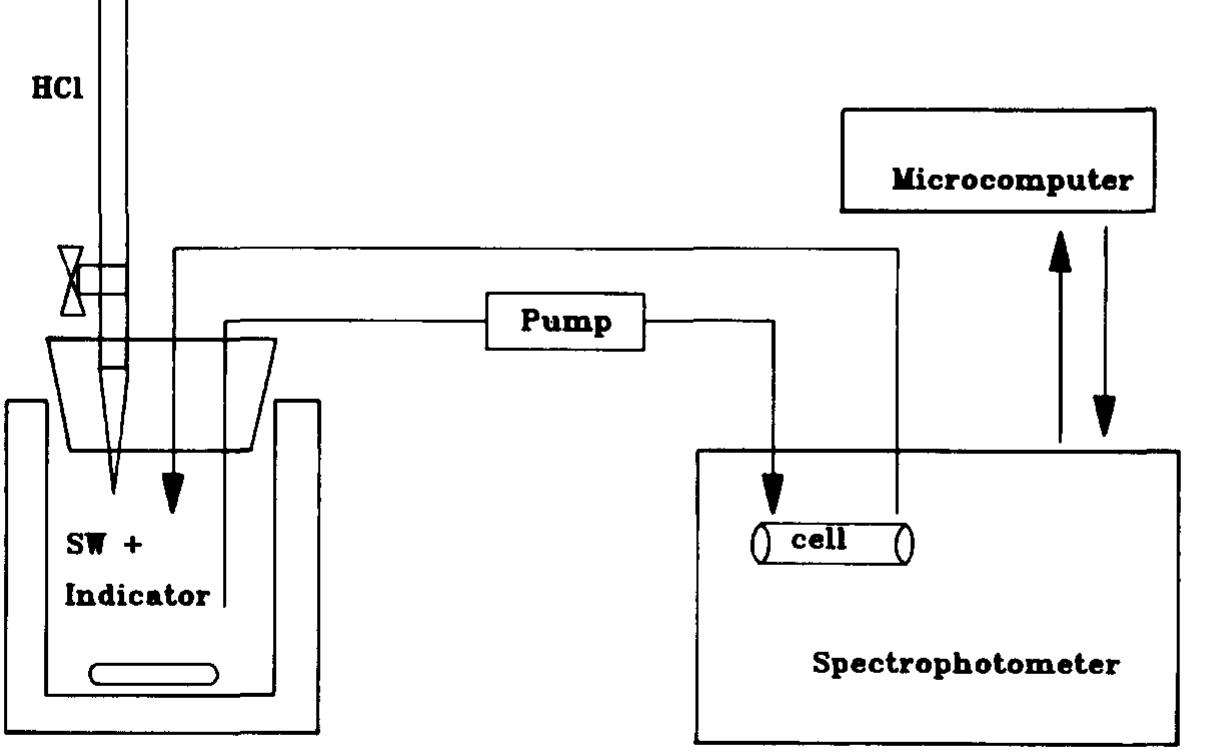
The apparent dissociation constants of five sulfonephthalein indicators (thymol blue, bromophenol blue, bromocresol green, bromocresol purple and phenol red) were determined in 35%o seawater at 25 ° C. Measurements of seawater pH were... more
This article is an open access article distributed under the terms and conditions of the Creative Commons Attribution (CC BY
A pH optical sensor was developed based on the use of a mixture of Malachite Green Oxalate and Bromocresol Green indicators immobilized in a triacetylcellulose membrane, which had been previously hydrolyzed. Requirements of the pH... more
Based on the color change of an indicator due to the release of hydrogen ion from a nitrilase-catalyzed reaction, a rapid colorimetric method was established for the enantioselective screening of nitrilase-producing microorganisms. The... more
Download research papers for free!