Academia.eduAcademia.edu

Visual Cognitive Neuroscience

description18 papers
group44 followers
lightbulbAbout this topic
Visual Cognitive Neuroscience is an interdisciplinary field that investigates the neural mechanisms underlying visual perception, attention, and cognition. It combines principles from psychology, neuroscience, and cognitive science to understand how visual information is processed in the brain and how it influences behavior and mental processes.
lightbulbAbout this topic
Visual Cognitive Neuroscience is an interdisciplinary field that investigates the neural mechanisms underlying visual perception, attention, and cognition. It combines principles from psychology, neuroscience, and cognitive science to understand how visual information is processed in the brain and how it influences behavior and mental processes.

Key research themes

1. How does early visual cortex, especially primary visual cortex (V1), contribute beyond initial feature extraction to higher-level visual processing?

This research theme challenges the classical feed-forward modular view of visual processing that posits V1 as a site for initial low-level feature extraction alone, proposing instead that V1 participates interactively and concurrently with higher-level areas throughout object recognition and figure-ground segregation processes. Understanding V1's dynamic role bridges early and higher-level visual computations and informs models of hierarchical and recurrent visual processing.

Key finding: The paper argues theoretically and with neurophysiological evidence that computations in V1 evolve over the 40–350 ms post-stimulus period, with early responses reflecting low-level features and later responses integrating... Read more
Key finding: Neurophysiological studies demonstrate that figure-ground organization and border-ownership signals—implying object structure understanding—occur as early as V1 and V2, prior to activity in inferotemporal cortex. This reveals... Read more
Key finding: Functional MRI data show nonlinear temporal dynamics in higher-order visual areas compared to early visual cortex, suggesting that higher-order areas exhibit sustained activity beyond stimulus presentation. This implies that... Read more

2. What are the neural codes and network mechanisms underlying visual mental imagery as distinct from visual perception?

This area investigates how mental imagery is neurally instantiated, distinguishing the neural representations during imagery from those during actual vision. By leveraging generative network models, lesion patient studies, and intracranial recordings, this research explores how higher-level cortical nodes and their connectivity shape visualization in the absence of direct sensory input, with implications for understanding imagination, top-down feedback, and cortical circuitry.

Key finding: Using hierarchical generative network analyses, the study identified that low-level visual areas encode mental images in a manner analogous to how high-level areas encode seen images, with mental imagery involving top-down... Read more
Key finding: The case study of patient RDS, with focal left occipitotemporal stroke sparing the Fusiform Imagery Node (FIN), demonstrated preserved visual mental imagery ability despite perceptual deficits. Diffusion imaging revealed that... Read more
Key finding: Reviewing neurophysiological data, the paper proposes that mental imagery arises from reverberating activation within hierarchical neural circuits via recurrent connections and feedback loops. These circuits permit... Read more

3. How do multisensory and contextual factors modulate visual perception and learning in complex environments?

This theme focuses on the integration of sensory modalities and the influence of environmental context, attention, and neuroplasticity on visual cognition. It includes studies addressing neuroplastic changes induced by visual stimulation, the role of functional connectivity and brain networks in processing visual narratives and creativity, and the importance of crossmodal interactions in learning and memory, emphasizing the dynamic and distributed nature of visual cognitive processing.
Key finding: Using MRI during passive picture viewing, the study showed gray matter volume and cortical thickness in the visual cortex increase markedly within less than 263 seconds, revealing rapid neuroplastic morphological changes.... Read more
Key finding: Intracranial EEG recordings indicated that both temporal and frontal lobes dynamically encode visual narrative context, distinguishing sequential image sets from scrambled images. The temporal lobe showed strong activation to... Read more
Key finding: This review synthesizes findings that human learning and memory systems evolved to utilize multisensory inputs, especially audio-visual interactions, for more effective encoding and retrieval. It emphasizes that multisensory... Read more
Key finding: Resting-state fMRI analyses revealed that visual artists exhibited enhanced local and long-distance functional connectivity within the visual system, notably involving the inferior temporal gyrus and occipital regions. These... Read more

All papers in Visual Cognitive Neuroscience

Abbreviations: MPH, Mean Position of Hits; MPO, Mean Position of Omissions; MPT, Mean Position of Targets; MOH, Mean Ordinal position of Hits; MdnPH, Median Position of Hits; MPP, Mean Position of Positions; LCR-adjusted,... more
Despite the vital role graduate archival education plays in preparing aspiring archivists for practice, we lack empirical evidence concerning its efficacy. This study is based on a survey of 406 students and new professionals (SNPs) (five... more
It is currently unclear whether objects have to be explicitly identified at encoding for reliable behavioral long-term object priming to occur. We conducted two experiments that investigated long-term object and non-object priming using a... more
Humans can effortlessly recognize others' actions in the presence of complex transformations, such as changes in viewpoint. Several studies have located the regions in the brain involved in invariant action recognition, however, the... more
Four experiments were conducted that investigated the role of metric information in the identification and episodic recognition of scenes. A fifth experiment examined whether scene identification showed any hemispheric advantage. For... more
Previous functional imaging studies have shown that facilitated processing of a visual object on repeated, relative to initial, presentation (i.e., repetition priming) is associated with reductions in neural activity in multiple regions,... more
Attention can enhance processing for relevant information and suppress this for ignored stimuli. However, some residual processing may still arise without attention. Here we presented overlapping outline objects at study, with subjects... more
It is currently unclear whether objects have to be explicitly identified at encoding for reliable behavioral long-term object priming to occur. We conducted two experiments that investigated long-term object and non-object priming using a... more
This exploratory mixed-methods case study relies on semistructured interviews with tenure-track faculty members from North American graduate archival programs and a survey of North American graduate students and early career professionals... more
How does the brain recognize natural scenes? We approach this question by decoding natural scene categories from cortically-localized magnetoencephalography (MEG) responses to briefly presented scenes. We apply spatiotemporal searchlight... more
Highlights d We show how the brain reduces high-dimensional input into decision representations d Occipital cortex reduces features irrelevant for behavior 170 ms post stimulus d Past 170 ms, fusiform gyrus combines the features... more
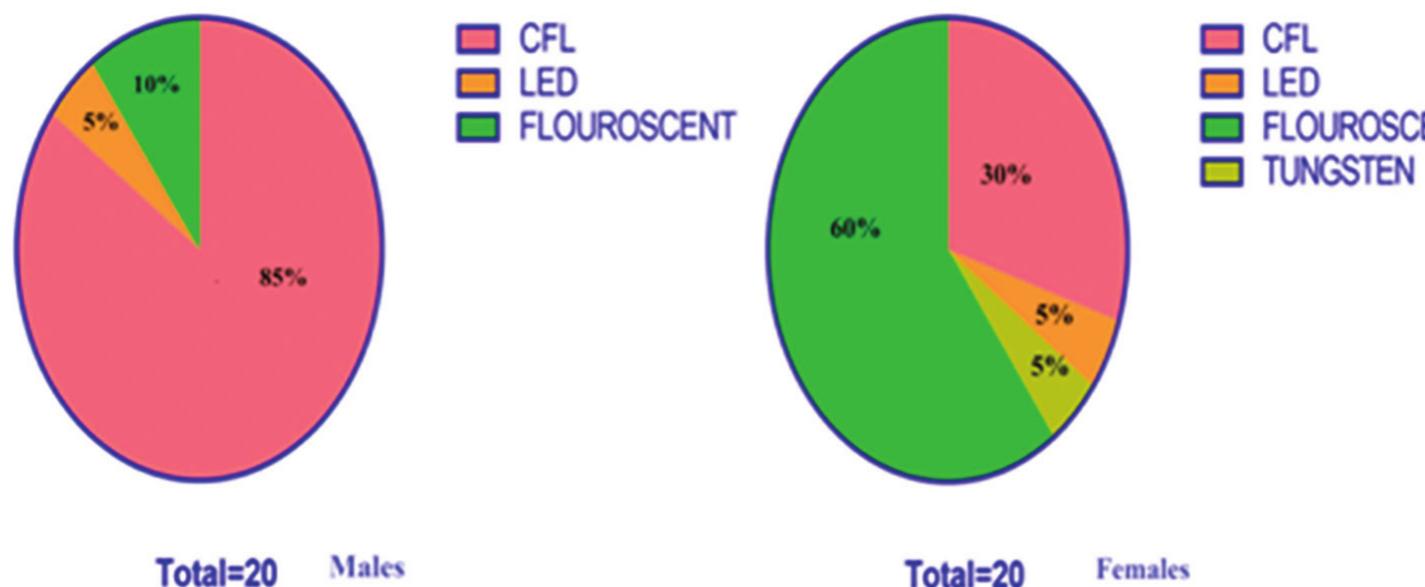
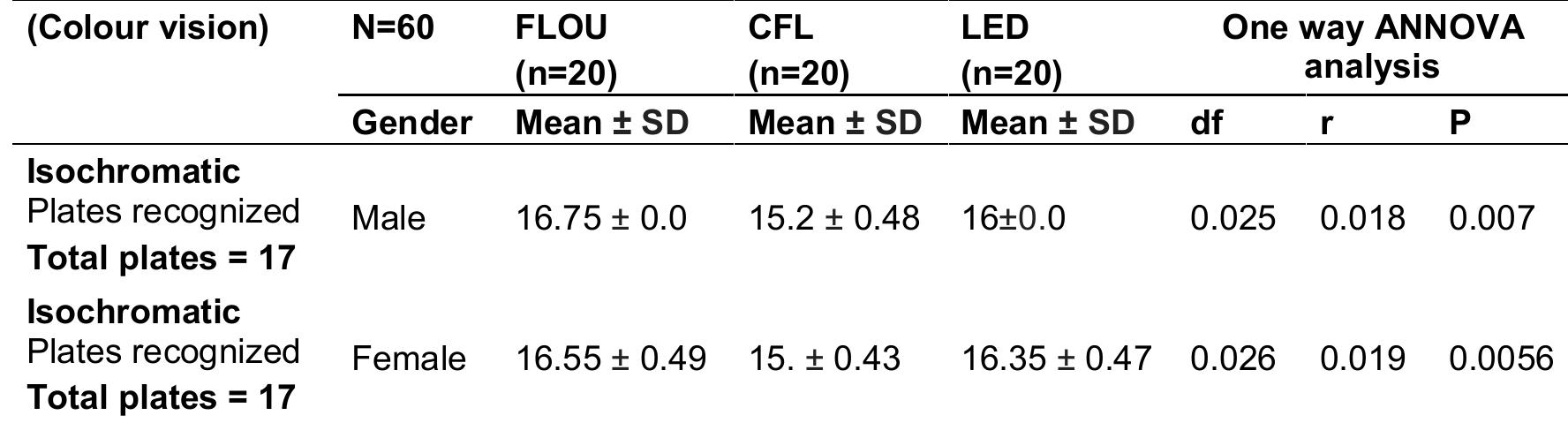
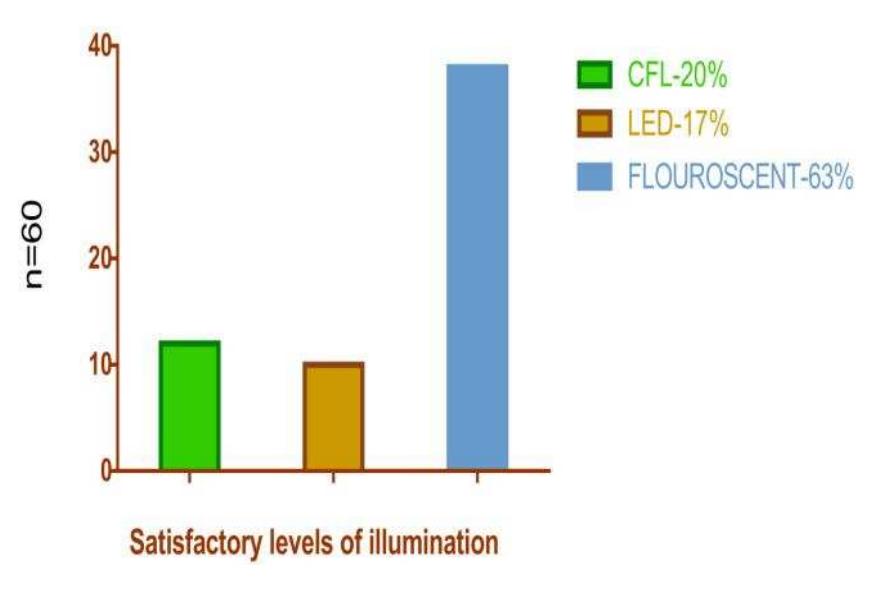
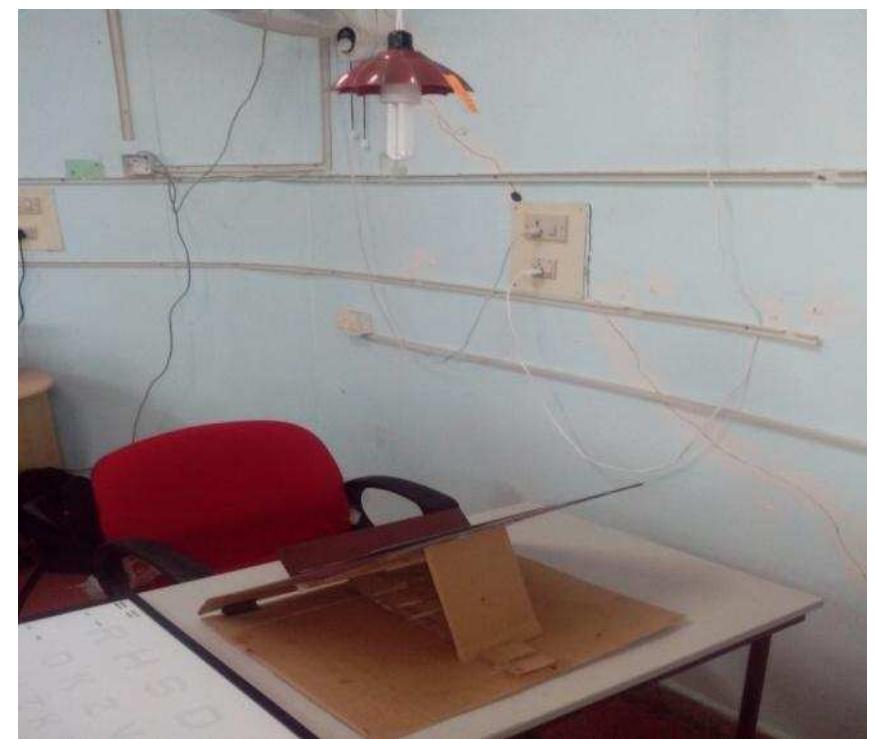
Aims: The main aim of present study is to investigate the effect of luminance on identifying the Ishihara colour vision plates in normal trichromats.
This paper surveys recent research on the application of visualization and visual analytic technologies to address archival and information challenges of sustainability related to access, preservation, and security of archival documents,... more
What do we do with the large proportion of our waking lives when we are not concerned about satisfying the standard needs for survival and reproductive success (e.g., satisfying hunger, avoidance of harm, etc.)? Possible Answer We attempt... more
Visual scenes are processed in terms of spatial frequencies. Low spatial frequencies (LSF) carry coarse information, whereas high spatial frequencies (HSF) subsequently carry information about fine details. The present magnetic resonance... more
This study explored the correspondence between implicit memory and the reactivation of encoding-related brain regions. By using a classification method, we examined whether reactivation reflects only the similarities between study and... more
Highlights d We show how the brain reduces high-dimensional input into decision representations d Occipital cortex reduces features irrelevant for behavior 170 ms post stimulus d Past 170 ms, fusiform gyrus combines the features... more
A half century after the beginnings of records management and institutional archives in American colleges and universities, the authors undertook a broadly based national survey to analyze the state of records management in academe and to... more
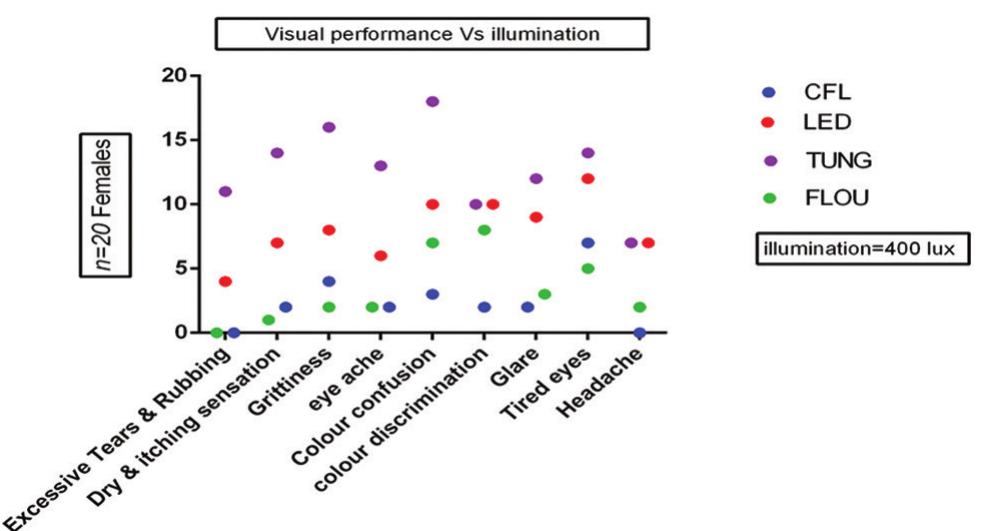
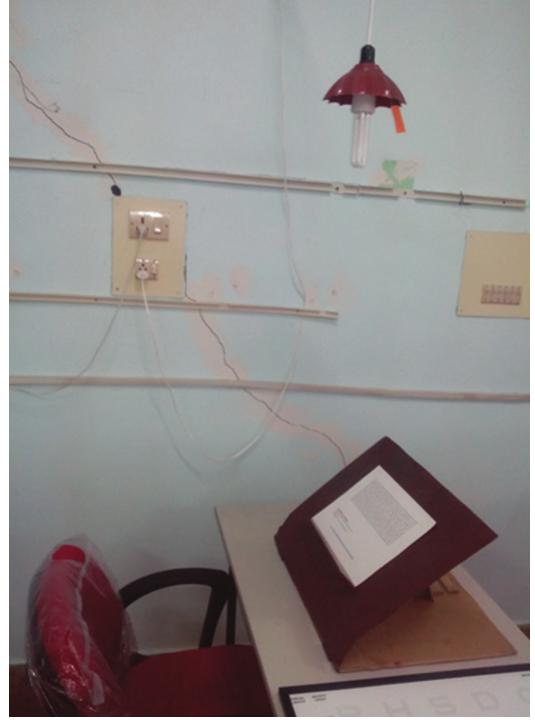
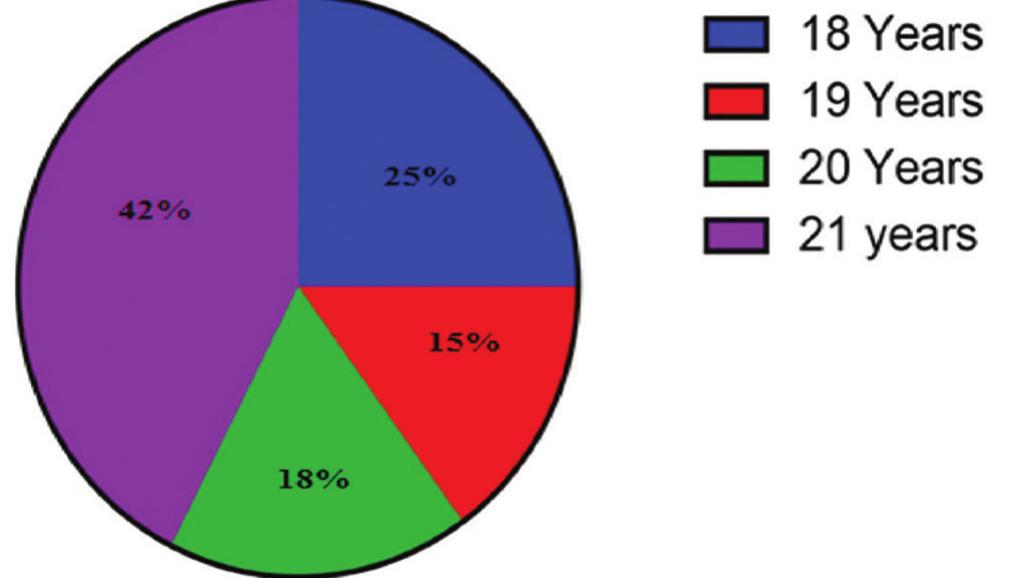
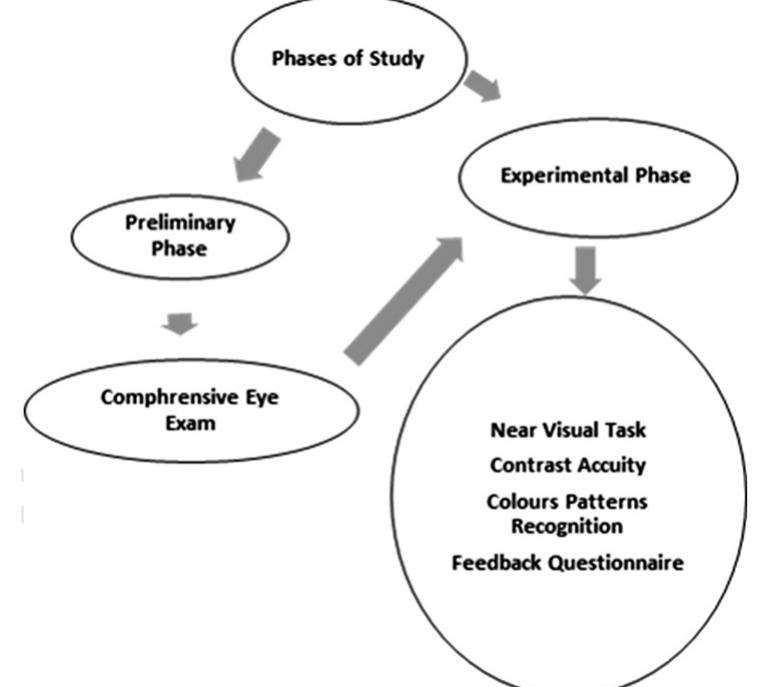
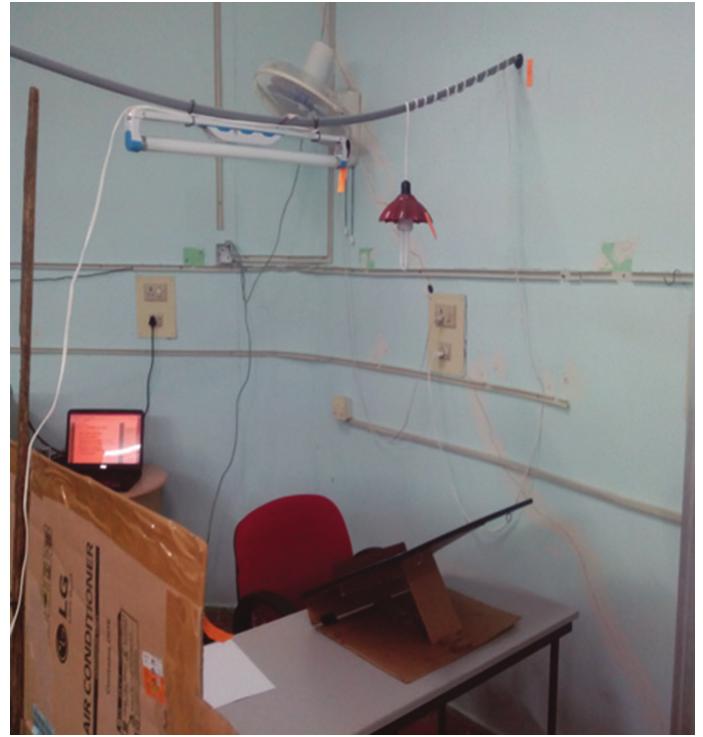
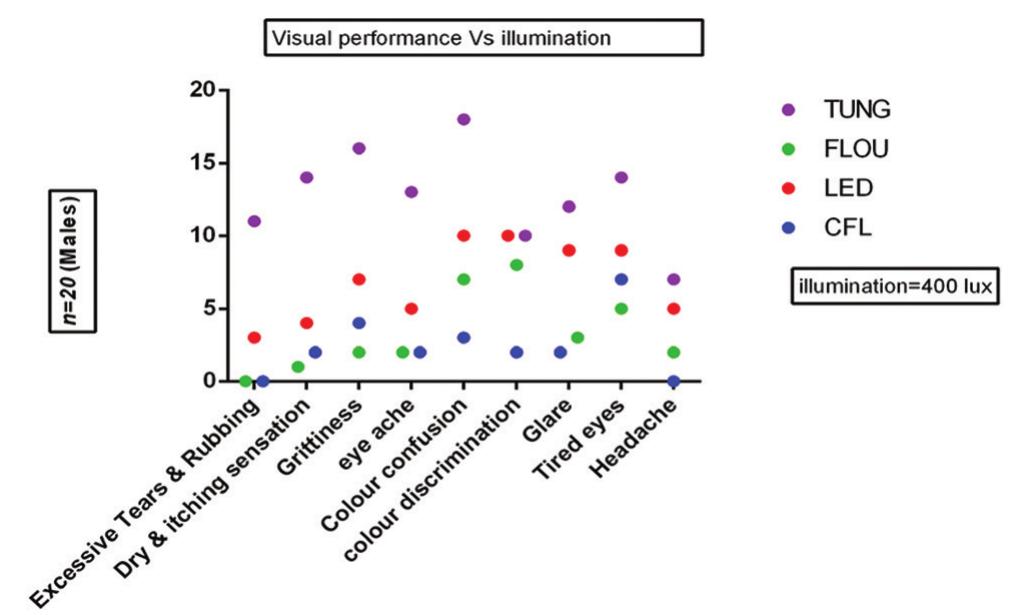
To investigate visual performance during reading under different illumination sources. This experimental quantitative study included 40 (20 females and 20 males) emmetropic participants with no history of ocular pathology. The... more
H ello, I am honored to be speaking to you as SAA's seventy-third president and would like to express my gratitude for having the opportunity to represent our organization this past year. Three years ago, our SAA Annual Meeting theme was... more
One of the most robust experience-related cortical dynamics is reduced neural activity when stimuli are repeated. This reduction has been linked to performance improvements due to repetition and also used to probe functional... more
Objective: Unilateral neglect is usually investigated by adminstering stimuli (targets) in different positions, with targets being responded to by the patient (Hit) or omitted. In spite of this homogeneity of data type, neglect indices... more
Aims: The main aim of present study is to investigate the effect of luminance on identifying the Ishihara colour vision plates in normal trichromats. Place and Duration of Study: Dr. Rishi Bhardwaj Visual Psychophysics laboratory, School... more
Humans have the ability to reflect upon their perception, thoughts, and actions, known as metacognition (MC). The brain basis of MC is incompletely understood, and it is debated whether MC on different processes is subserved by common or... more
One of the most robust experience-related cortical dynamics is reduced neural activity when stimuli are repeated. This reduction has been linked to performance improvements due to repetition and also used to probe functional... more
We investigated the effects of semantic priming on initial encoding of briefly presented pictures of objects and scenes. Pictures in four experiments were presented for varying durations and were followed immediately by a mask. In... more
The view presented here is that visual object recognition is the product of interaction between perception and cognition, a process budding from memories of past events. Our brain is proactive, in that it is continuously aiming to predict... more
Task-induced deactivation of the default-mode network (DMN) has been associated in adults with successful episodic memory formation, possibly as a mechanism to focus allocation of mental resources for successful encoding of external... more
Recent experience identifying objects leads to later improvements in both speed and accuracy ("repetition priming"), along with simultaneous reductions of neural activity ("repetition suppression"). A popular... more
Aims: This study examined brain activity using functional magnetic resonance imaging (fMRI) and reaction time (RT) during an implicit repetition priming memory task involving alcohol, polydrug, marijuana and emotional picture cues.... more
How does the brain recognize natural scenes? We approach this question by decoding natural scene categories from cortically-localized magnetoencephalography (MEG) responses to briefly presented scenes. We apply spatiotemporal searchlight... more
Rotations in depth are challenging for object vision because features can appear, disappear, be stretched or compressed. Yet we easily recognize objects across views. Are the underlying representations view invariant or dependent? This... more
Aims: This study examined brain activity using functional magnetic resonance imaging (fMRI) and reaction time (RT) during an implicit repetition priming memory task involving alcohol, polydrug, marijuana and emotional picture cues.... more
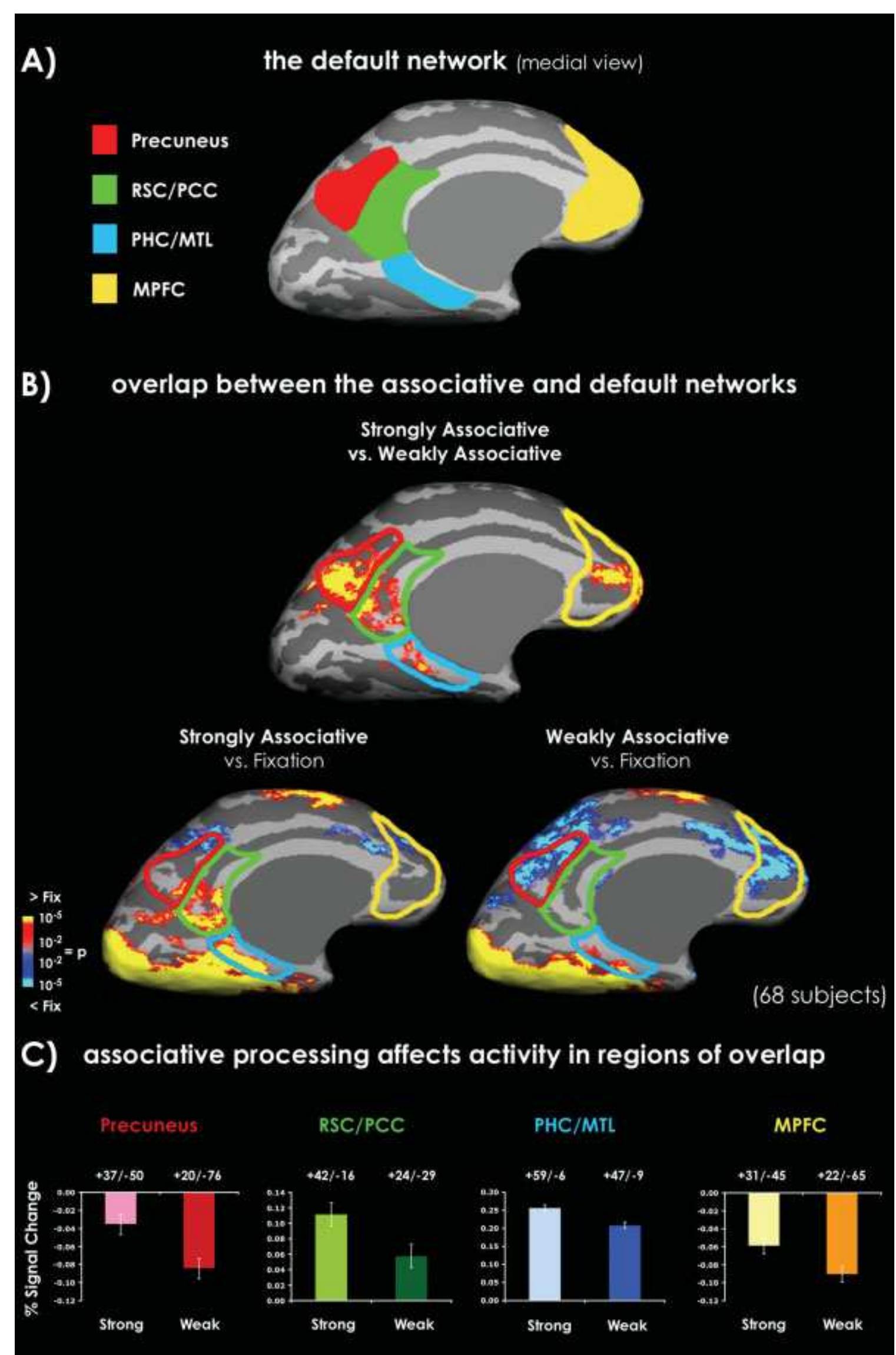
That associative processing provides the vehicle of thought is a long-standing idea. We describe here observations from cognitive neuroimaging that elucidate the neural processing that mediates this element. This account further allows a... more
by Anders Dale and 
1 more
Cortical analysis related to visual object recognition is traditionally thought to propagate serially along a bottom-up hierarchy of ventral areas. Recent proposals gradually promote the role of top-down processing in recognition, but how... more
T h e A m e r i c a n A r c h i v i s t , V o l . 6 6 ( S p r i n g / S u m m e r 2 0 0 3 ) : 5 1 -7 8
Cortical analysis related to visual object recognition is traditionally thought to propagate serially along a bottom-up hierarchy of ventral areas. Recent proposals gradually promote the role of top-down processing in recognition, but how... more
One of the most robust experience-related cortical dynamics is reduced neural activity when stimuli are repeated. This reduction has been linked to performance improvements due to repetition and also used to probe functional... more
Download research papers for free!