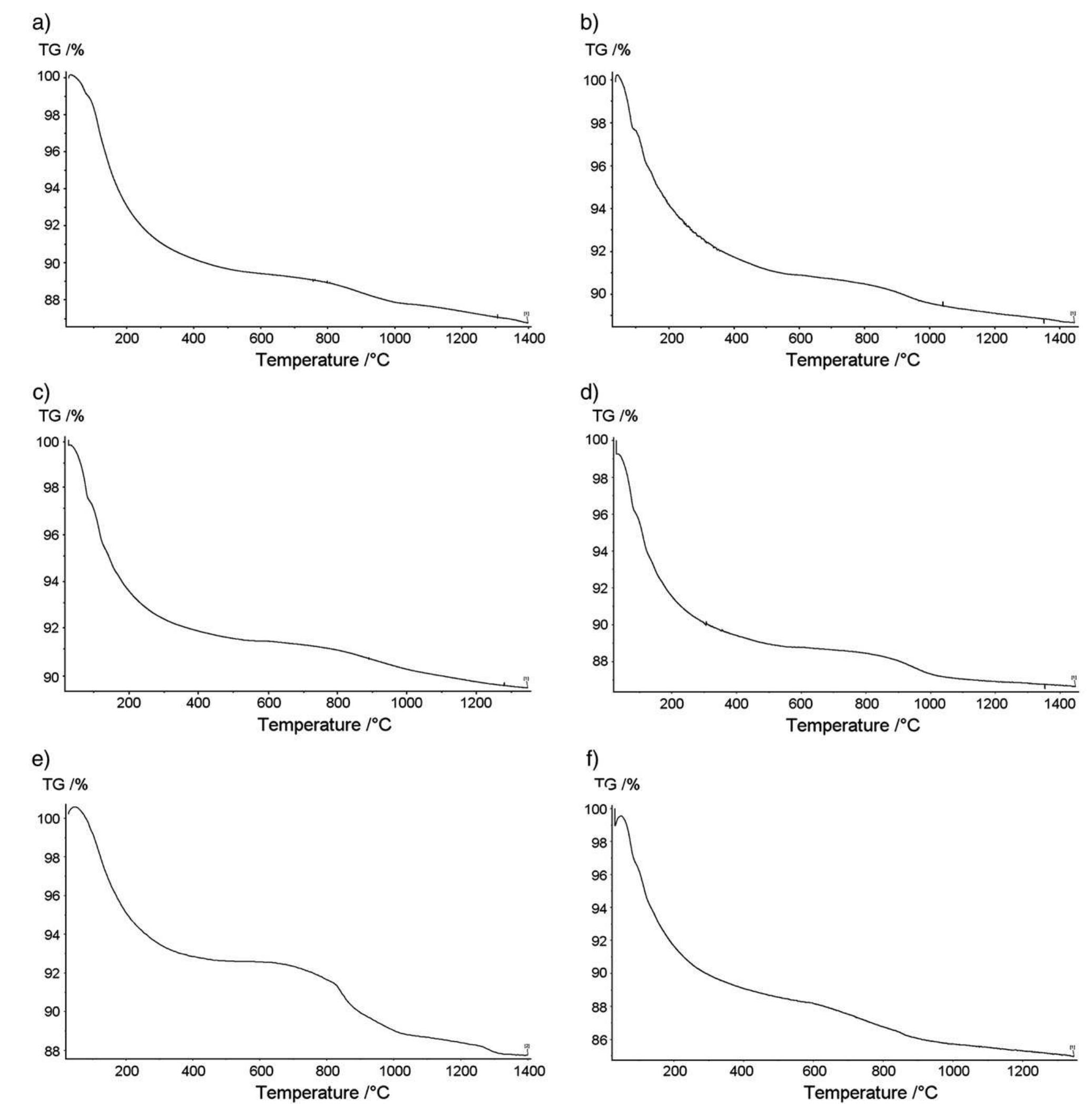
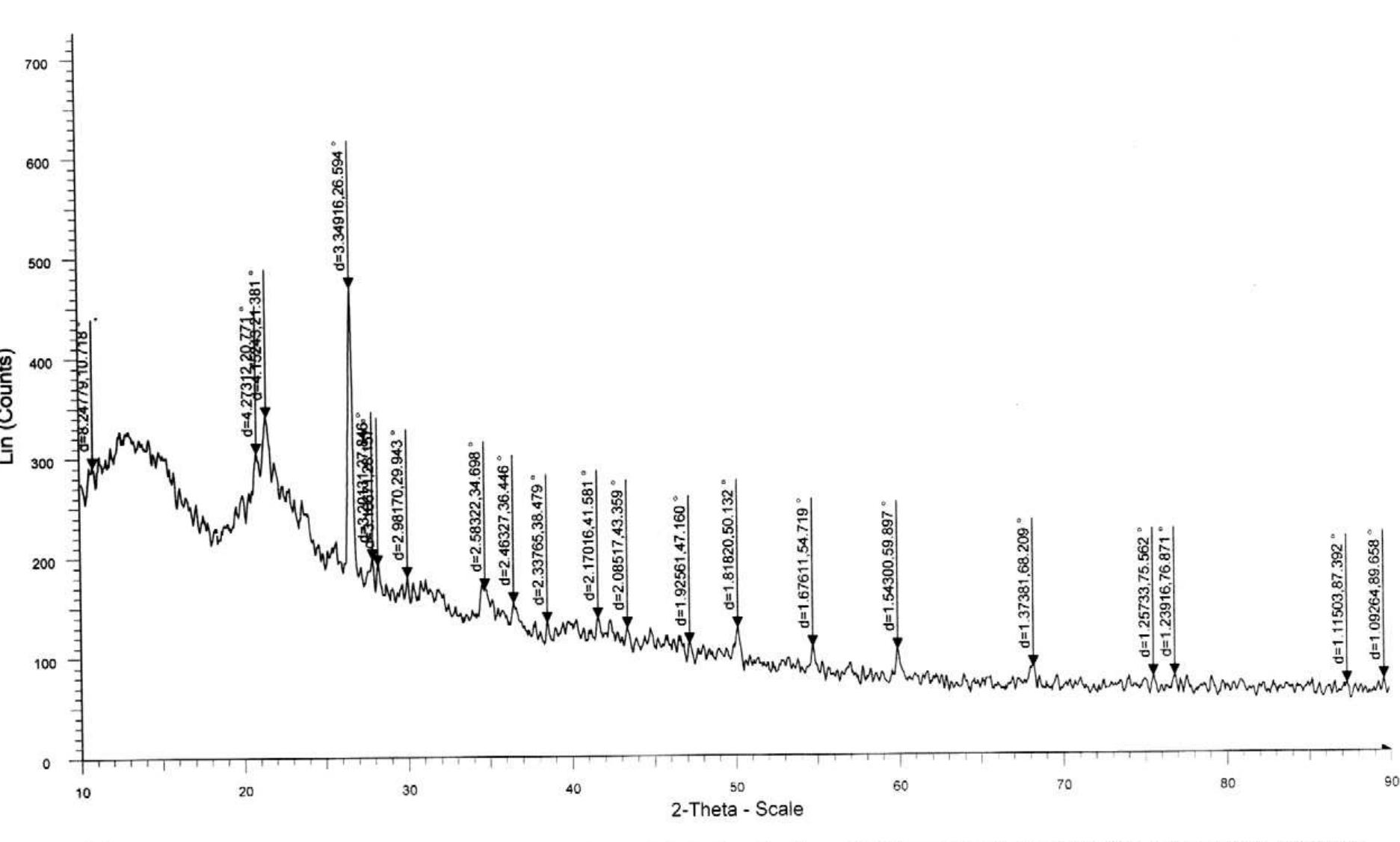
Many workers [1–9] studied the kinetics of dolomite decomposition to study the effects of different parameters like, gas (CO2, N2 etc.) pressures, water vapor, presence of other impurities, particle size and grain size of the dolomite...
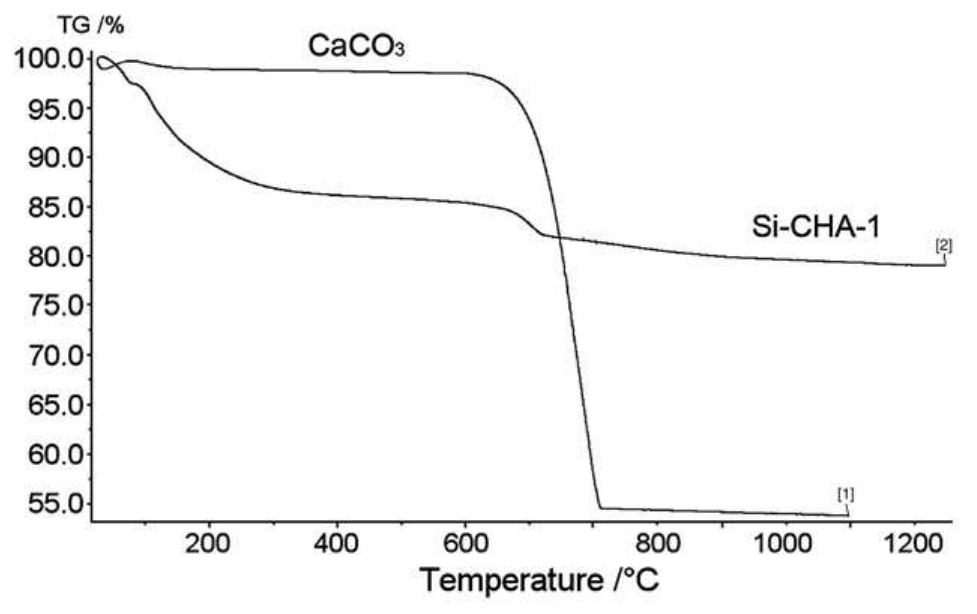
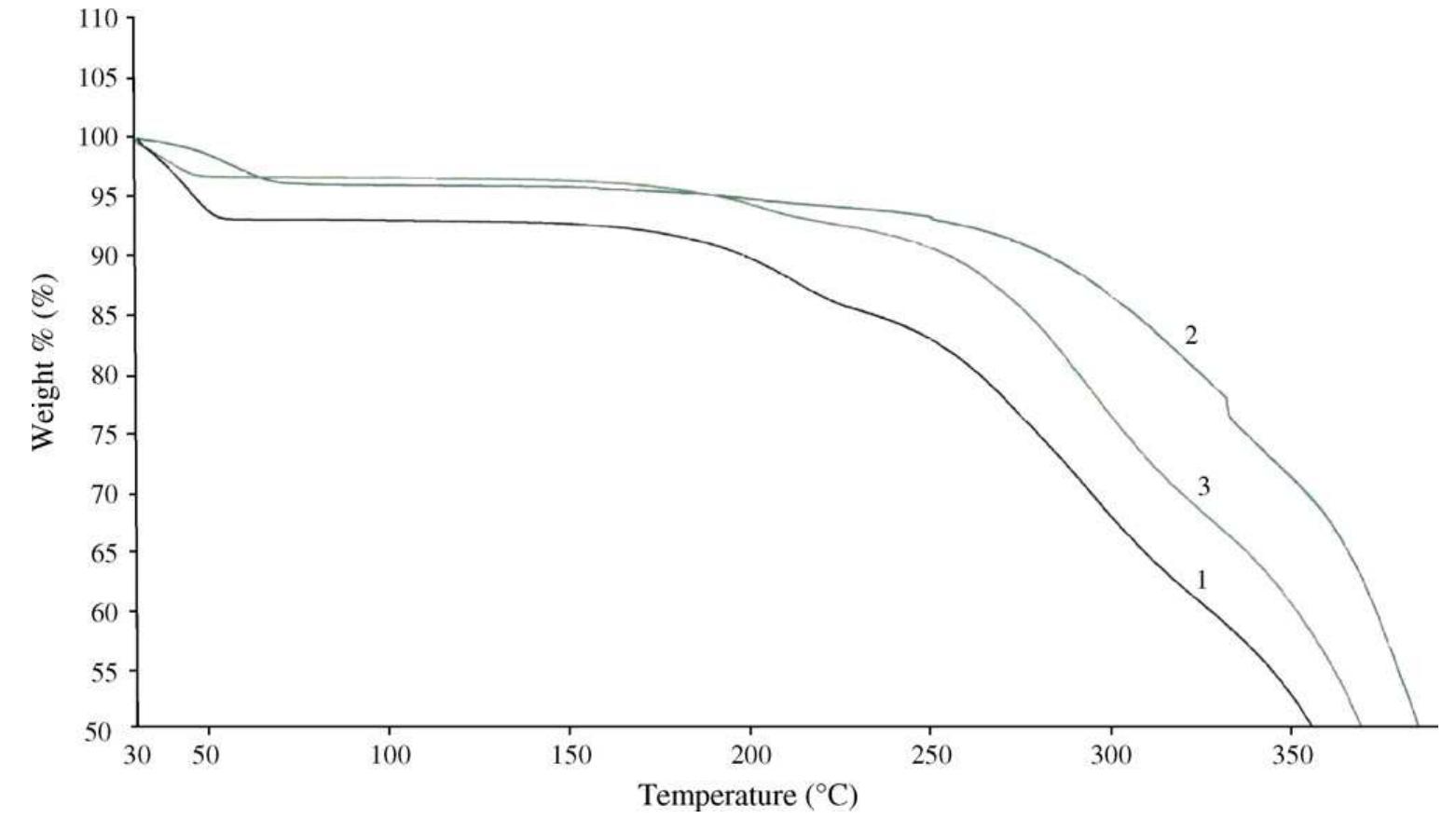
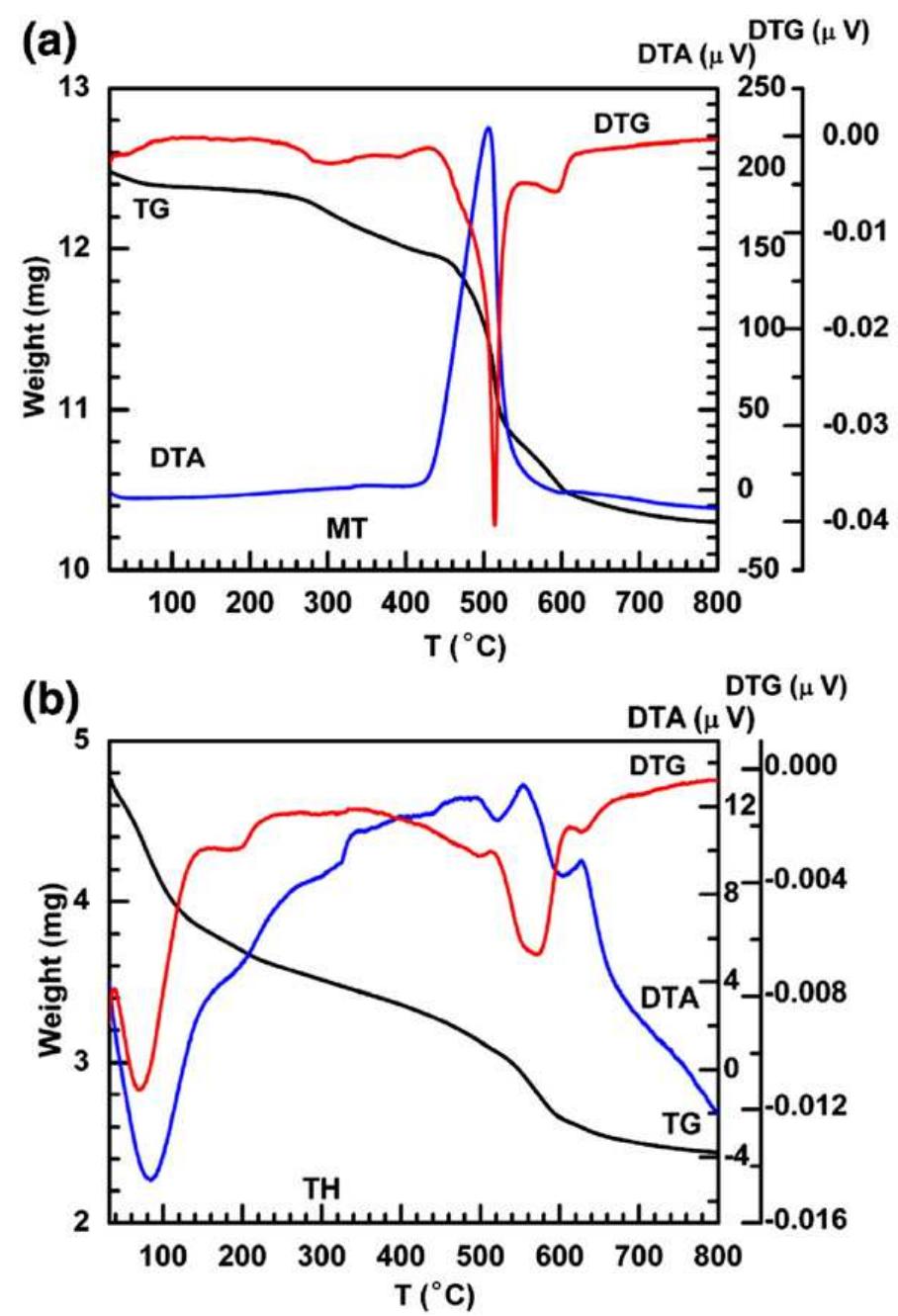
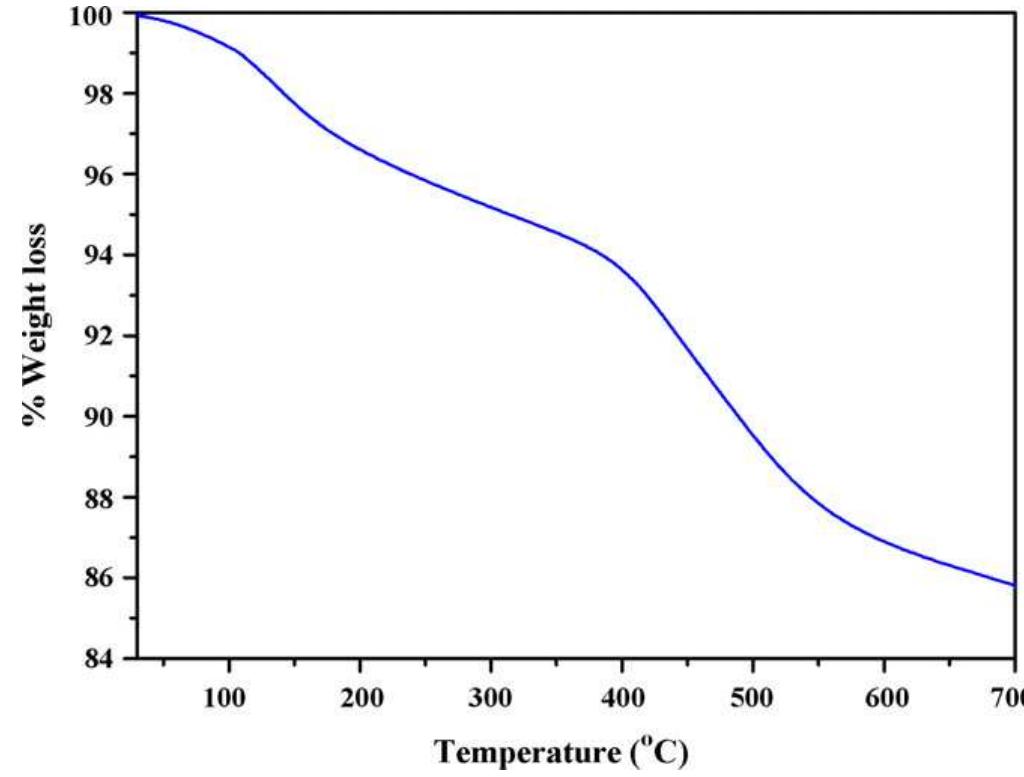
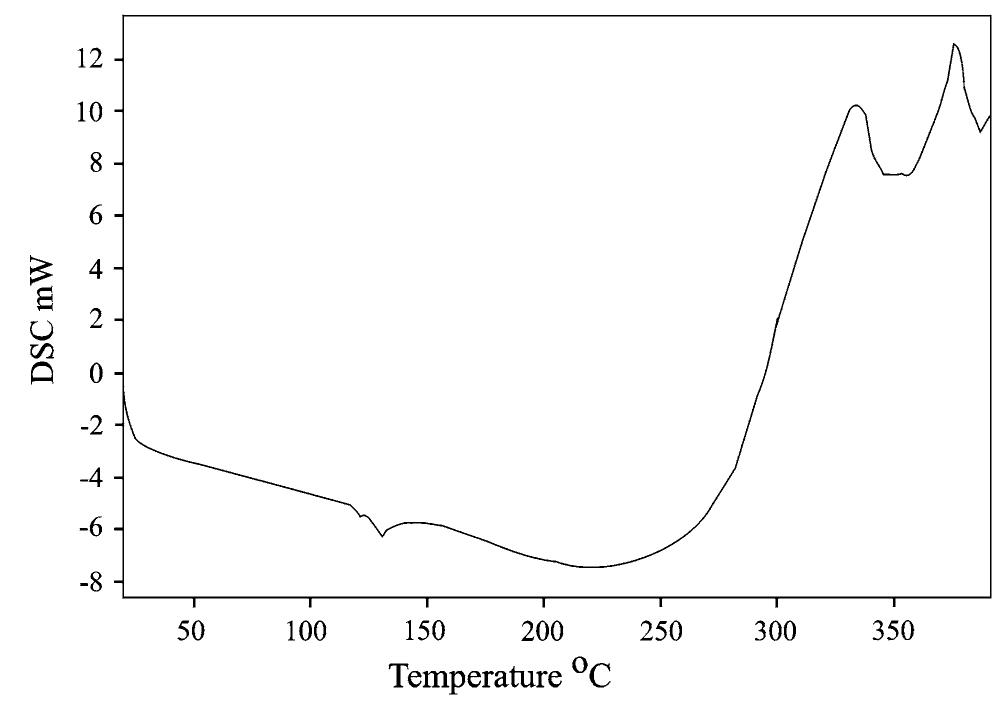
moreMany workers [1–9] studied the kinetics of dolomite decomposition to study the effects of different parameters like, gas (CO2, N2 etc.) pressures, water vapor, presence of other impurities, particle size and grain size of the dolomite samples, crystallinity etc. on the decomposition kinetics of dolomite using different tools like, thermal analysis, thermo-gravimetric analyses, XRD technique etc. and different values of the activation energies for the decomposition reaction, order of reactions have been reported. It has been observed that pure dolomite decomposed in only two steps. The first stage of the thermal decomposition of dolomite resulted in the formation of Mg-calcite [(CaMg)CO3] and periclase (MgO), with the liberation of CO2. It was further observed that under CO2, dolomite decomposed directly to CaCO3, accompanied by the formation of MgO between 550 and 765∘C. Calcite decomposed to CaO between 900 and 960∘C and under air, simultaneous formation of CaCO3, CaO and MgO accompanied dolomite decomposition between 700 and 740–750∘C. At the latter temperature, the calcite began to decompose even though a significant amount of dolomite was still present and simultaneous decomposition of the two carbonates was terminated at 780∘C. Also, changes in decomposition rates of the various phases correlated with changes in the rate of weight loss determined by derivative thermo-gravimetric analysis.



![Fig. 2. (a) An SEM image of aggregated reduced GO sheets. (b) A platelet having an upper bound thickness at a fold of ~2 nm. At the resolution limit of the FEG SEM used here, the following are relevant parameters of the microscope and of the specimen. Of the microscope: spot size and flux of e-beam (e-current, density, solid angle/aperture size), energy of the electrons in the primary beam, electromagnetic lens alignment, type of detectors used and their operating parameters. Of the sample: geometry (such as edges, roughness, thickness, and orientation with respect to e-beam), material (such as density, atomic number, electrical conductivity, and composition), substrate or matrix (what the specimen is affixed to or a part of). There is also the role of the operator expertise. Thus for (b) and discussion of a measured value for the fold thickness of about 2 nm, we suggest a confidence limit of roughly +1 nm. Surface area measurement of the reduced GO sheets via nitrogen gas absorption yielded a BET value of 466 m7/g (Fig. 3). This high specific surface area is partially an indi- cation of the degree of GO exfoliation prior to the reduc- tion. However, it is still lower than the theoretical specific surface area for completely exfoliated and isolated graph- ene sheets (~2,620 m7/g [20]), potentially due to the agglomeration of the graphene oxide sheets upon reduc- tion. While this agglomeration can result in the partial overlapping and coalescing of the reduced sheets and low- ers the surface area of the bulk materials, the crumpled Although GO is thermally unstable and starts to lose mass upon heating even below 100 °C, the major mass los: occurs at ~200°C, presumably due to pyrolysis of the labile oxygen-containing functional groups, yielding CO CO3;, and steam [27,44]. Hence, the thermal decompositior](https://figures.academia-assets.com/44579794/figure_003.jpg)
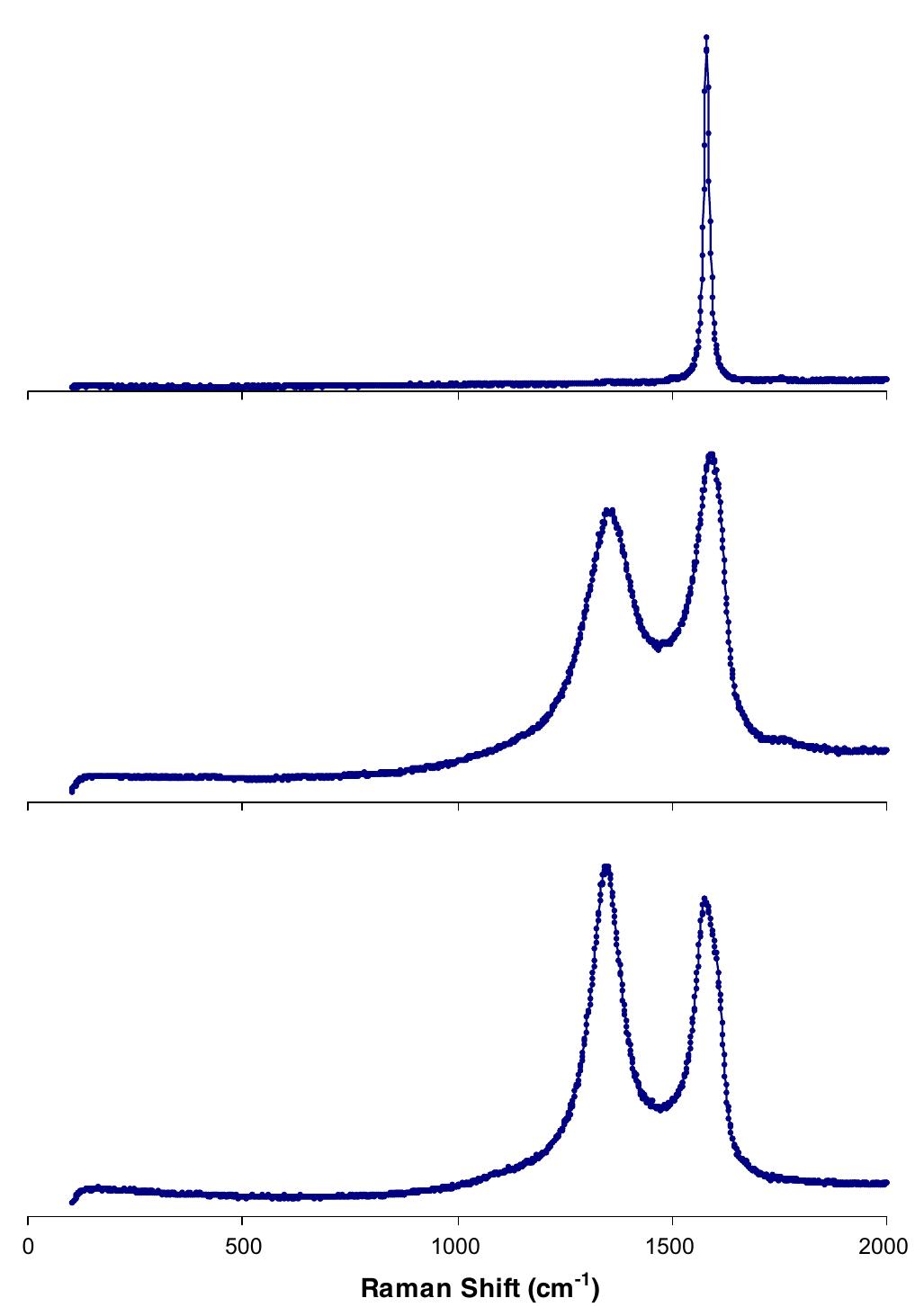
![Fig. 6. The Cls XPS spectra of: (a) GO, (b) reduced GO. Adapted from reference [18]. The significant structural changes occurring during the chemical processing from pristine graphite to GO, and then to the reduced GO, are also reflected in their Raman spec- tra (Fig. 7). The Raman spectrum of the pristine graphite, as expected, displays a prominent G peak as the only fea- ture at 1581 cm, corresponding to the first-order scatter- ing of the E2g mode [47]. In the Raman spectrum of GO, the G band is broadened and shifted to 1594 cm7!. In addi- tion, the D band at 1363 cm~' becomes prominent, indicat- ing the reduction in size of the in-plane sp* domains, possibly due to the extensive oxidation. The Raman spec- trum of the reduced GO also contains both G and D bands (at 1584 and 1352cm™', respectively); however, with an increased D/G intensity ratio compared to that in GO. This change suggests a decrease in the average size of the sp” domains upon reduction of the exfoliated GO [47], and can be explained if new graphitic domains were created that are smaller in size to the ones present in GO before reduction, but more numerous in number.](https://figures.academia-assets.com/44579794/figure_004.jpg)
![Fig. 1. A non-contact mode AFM image of exfoliated GO sheets with three height profiles acquired in different locations During the hydrazine reduction of graphene oxide sheets dispersed in water, the brown-colored dispersion turns In our work, sufficiently dilute colloidal suspensions of GO prepared with the aid of ultrasound are clear, homog- enous, and stable indefinitely [18]. AFM images of GO](https://figures.academia-assets.com/44579794/figure_001.jpg)
![Fig. 3. Nitrogen adsorption and desorption isotherms for reduced exfoliated GO. The shape of the isotherm indicates that the material contains both micro and mesopores [53].](https://figures.academia-assets.com/44579794/figure_002.jpg)
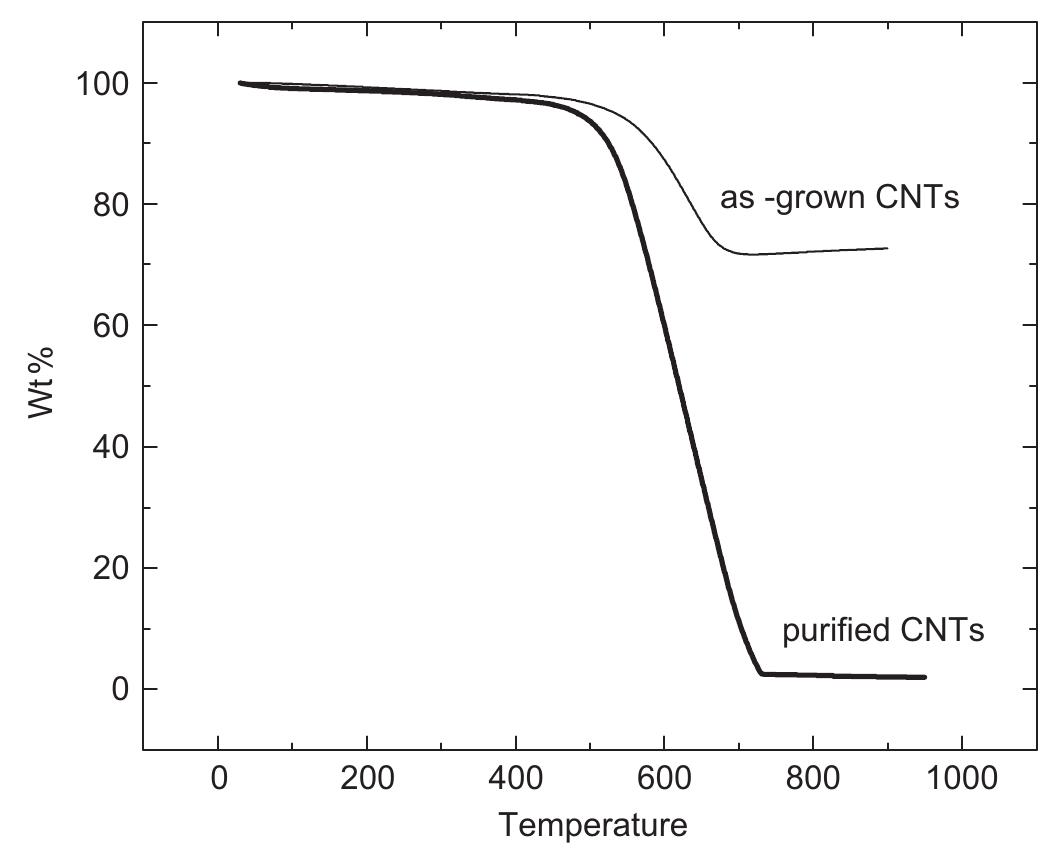
![The °C MAS NMR spectra of GO and the reduced GO indicate significant structural change induced by the reduc- tion. In the spectrum of GO (Fig. 5), the peaks at 57 and 68 ppm represent the '°C nuclei in the epoxide and hydro- xyl groups, respectively [24-27]. The resonance at 130 ppm belongs to the un-oxidized sp” carbons of the graphene net- work and that at 188 ppm presumably arises from the car- bonyl groups. In the ‘°C spectrum of the reduced GO, the peaks from the oxygenated and the carbonyl carbons are absent. The remaining prominent feature is the resonance at 117 ppm that is broadened by chemical shift distribu- tion and corresponds to variations of carbon atom environments. Fig. 4. Normalized TGA plots for GO and the reduced GO. The downward slopes are due to normal instrument drift.](https://figures.academia-assets.com/44579794/figure_005.jpg)
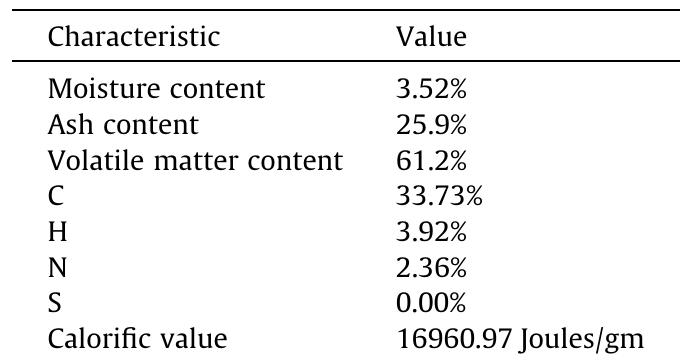
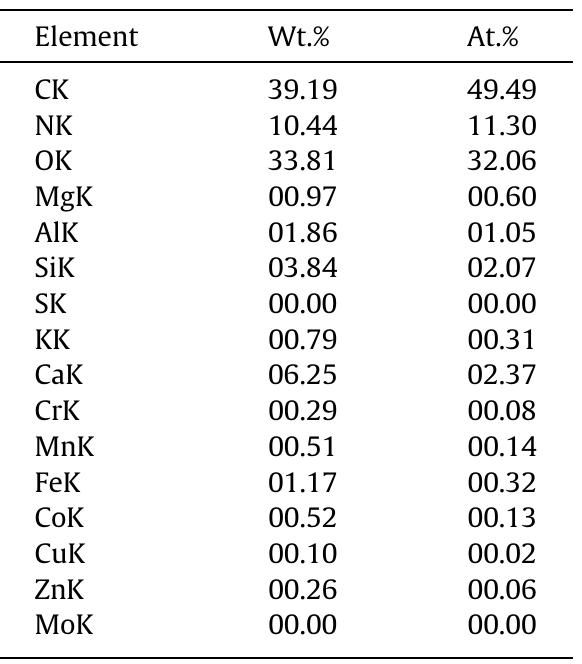
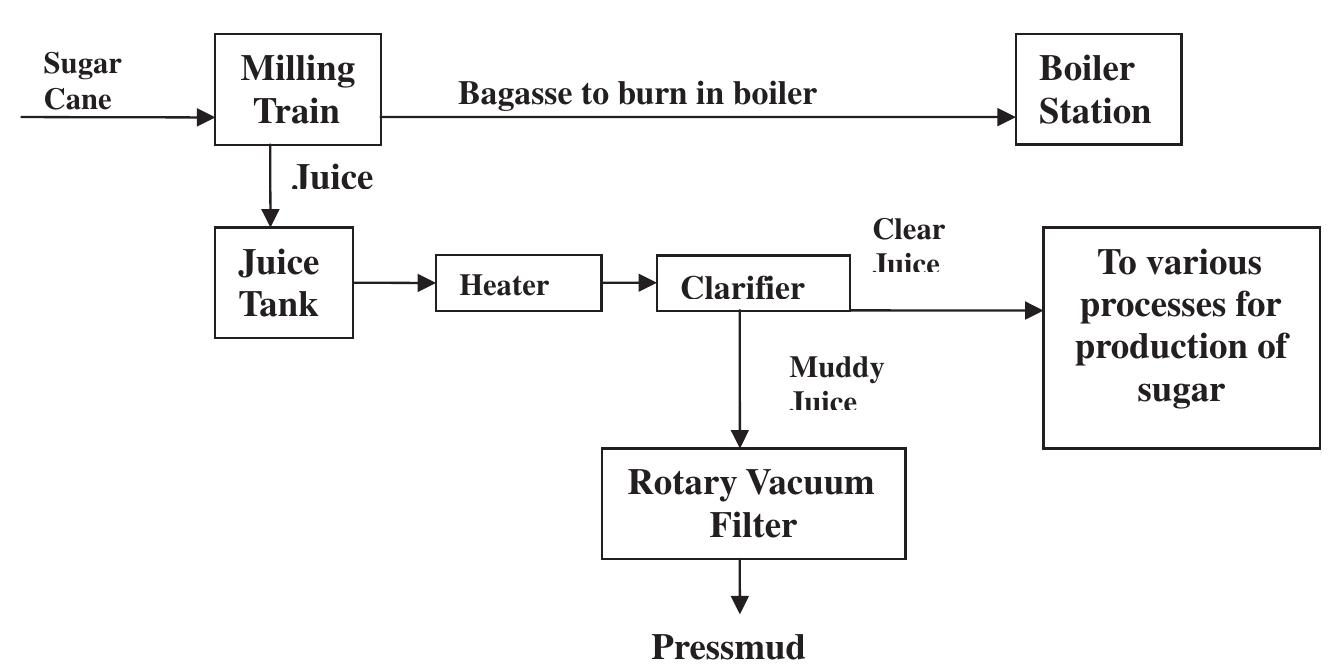
![General composition of pressmud [5]. Table 1](https://figures.academia-assets.com/44051706/table_001.jpg)
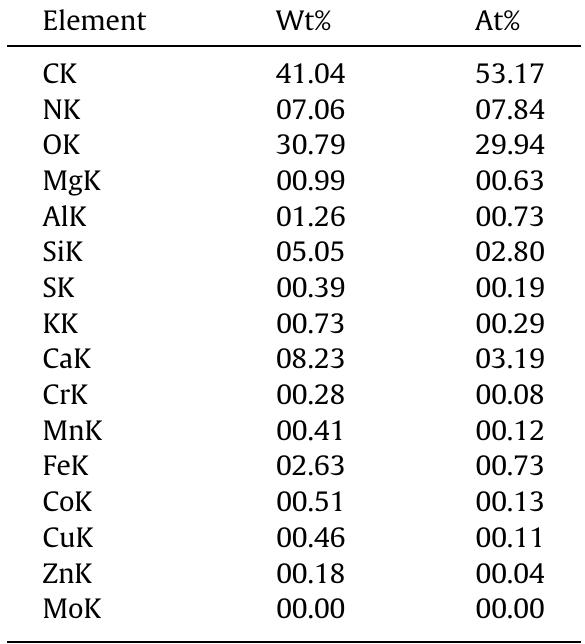
![A typical nutrient contents of pressmud [6]. Table 2](https://figures.academia-assets.com/44051706/table_002.jpg)
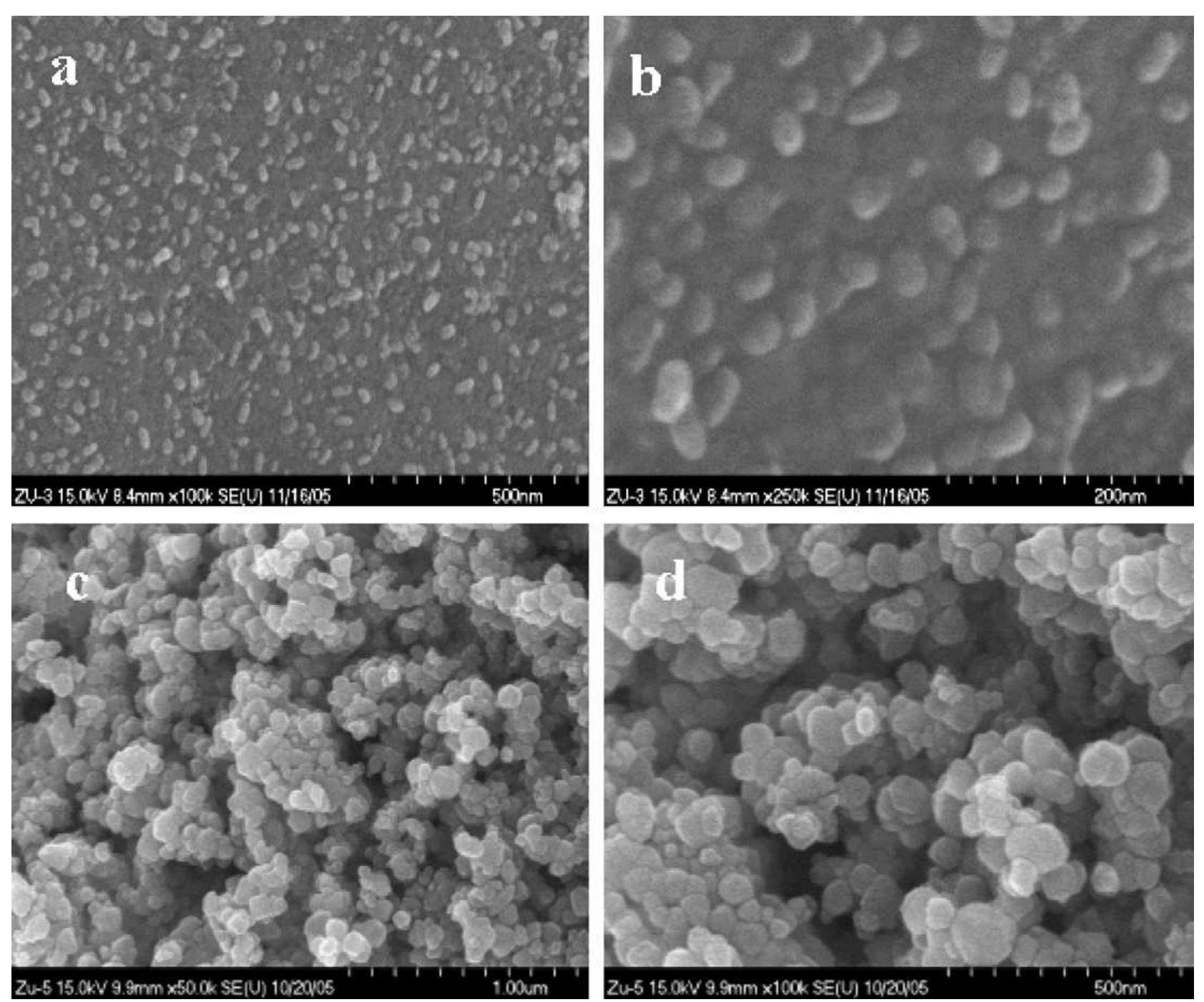
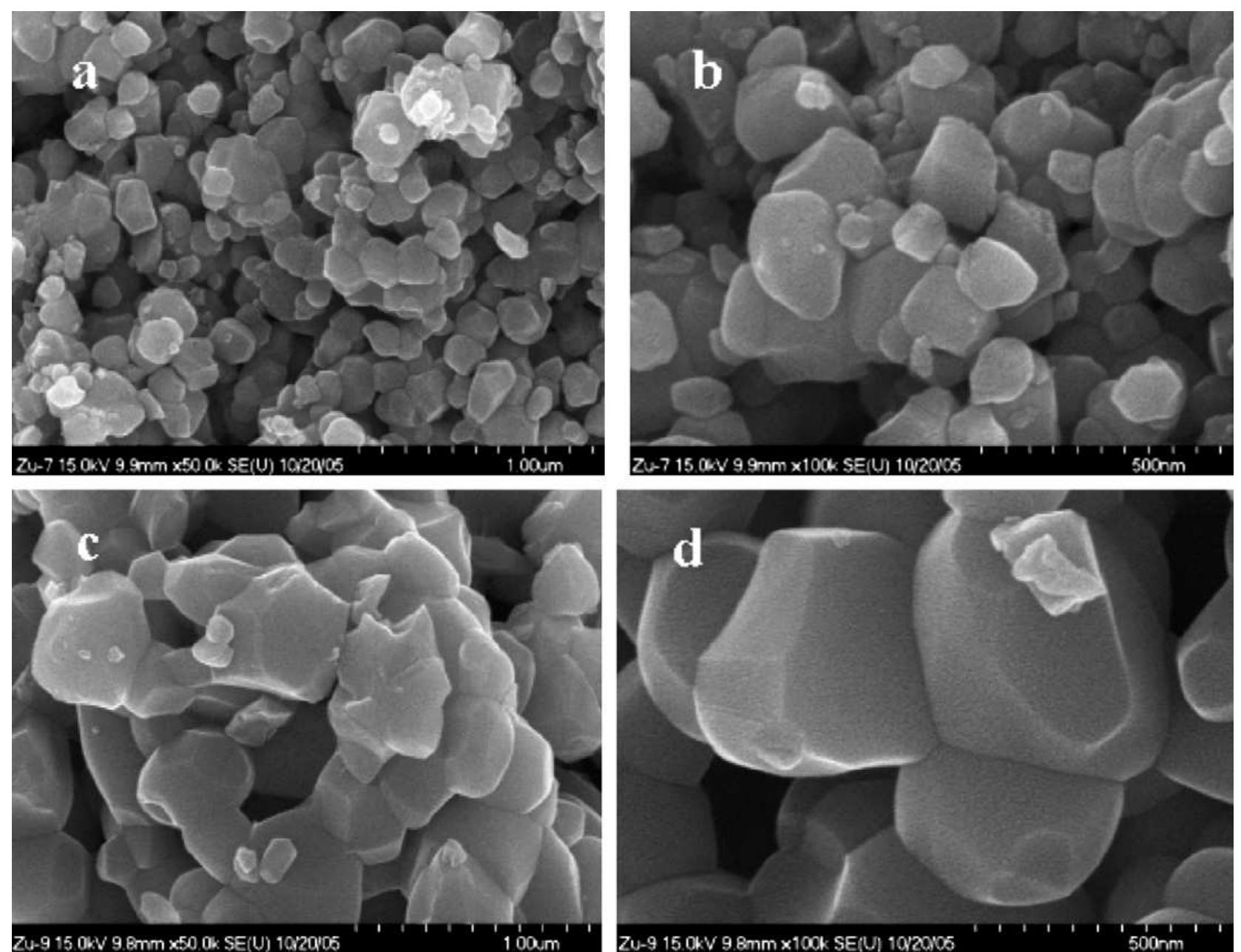




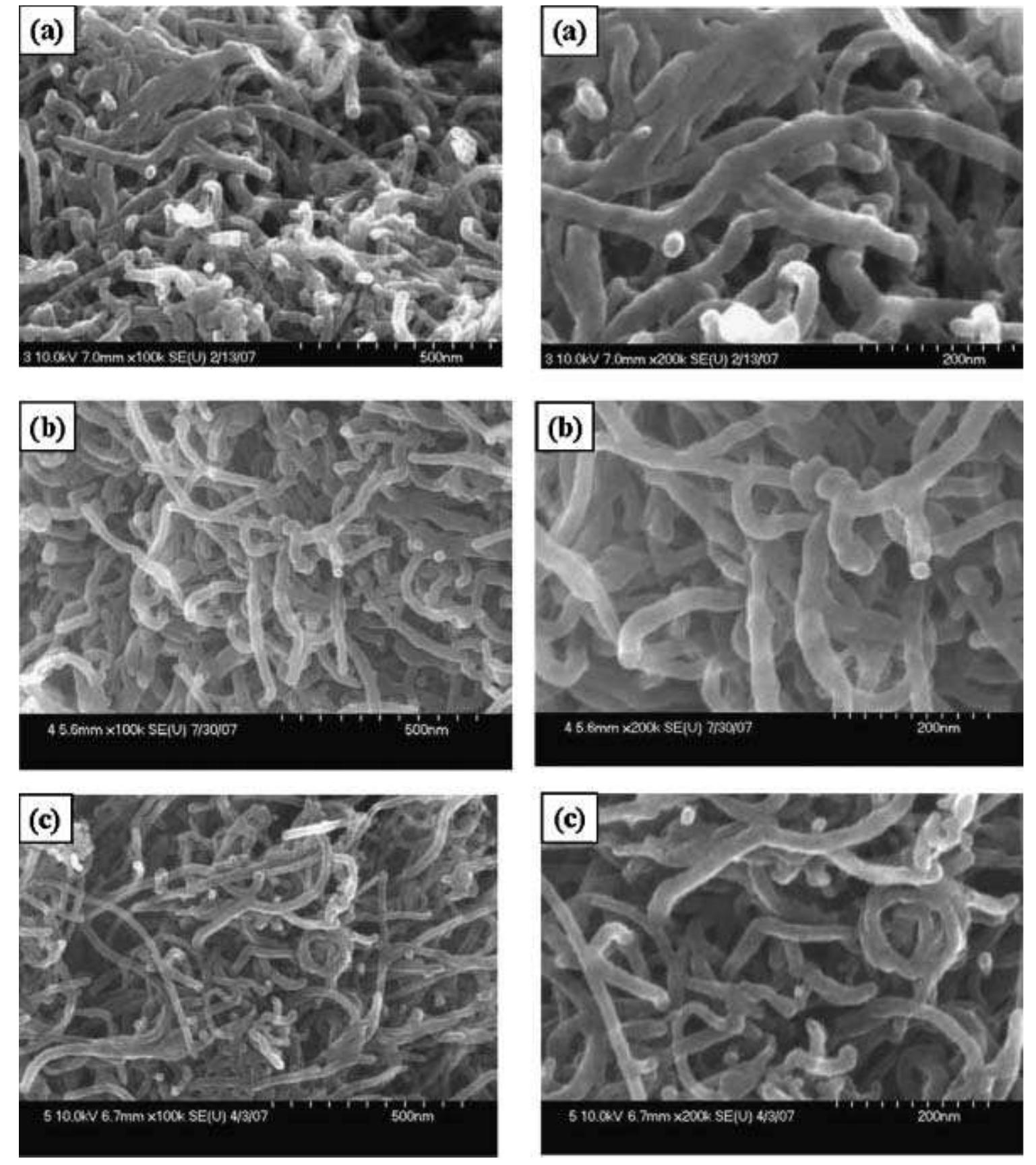
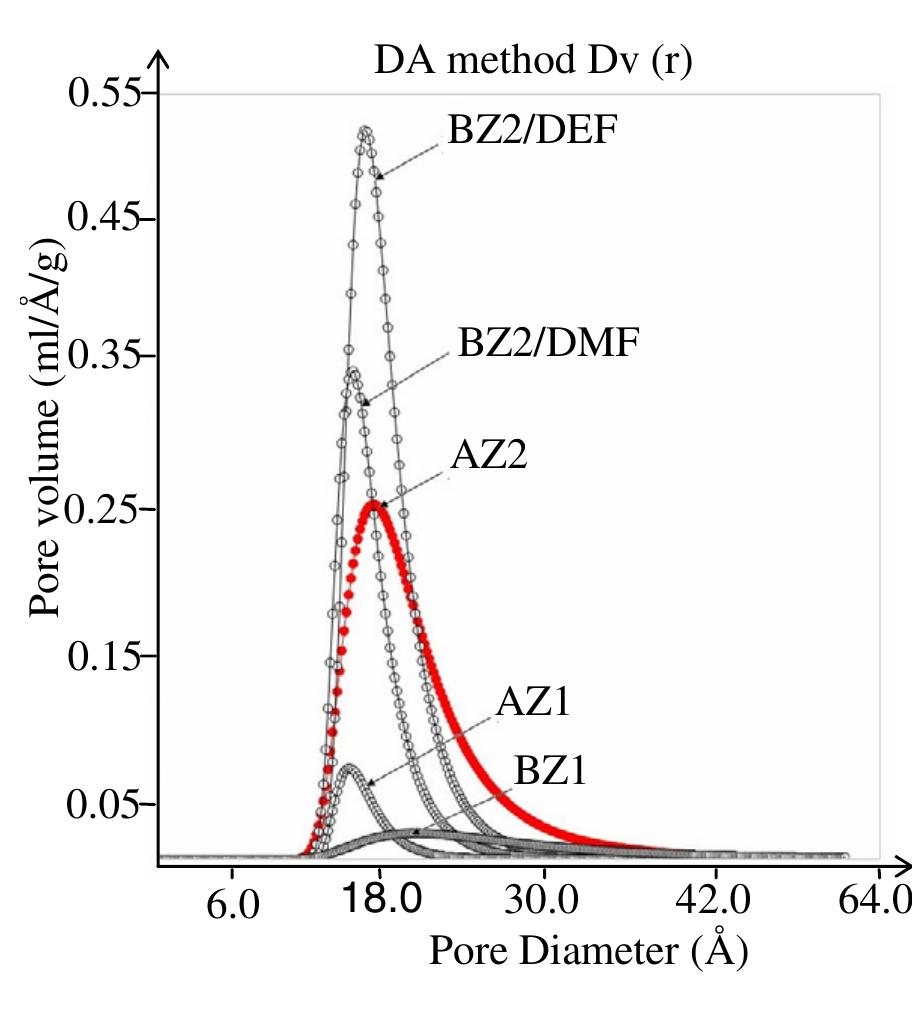
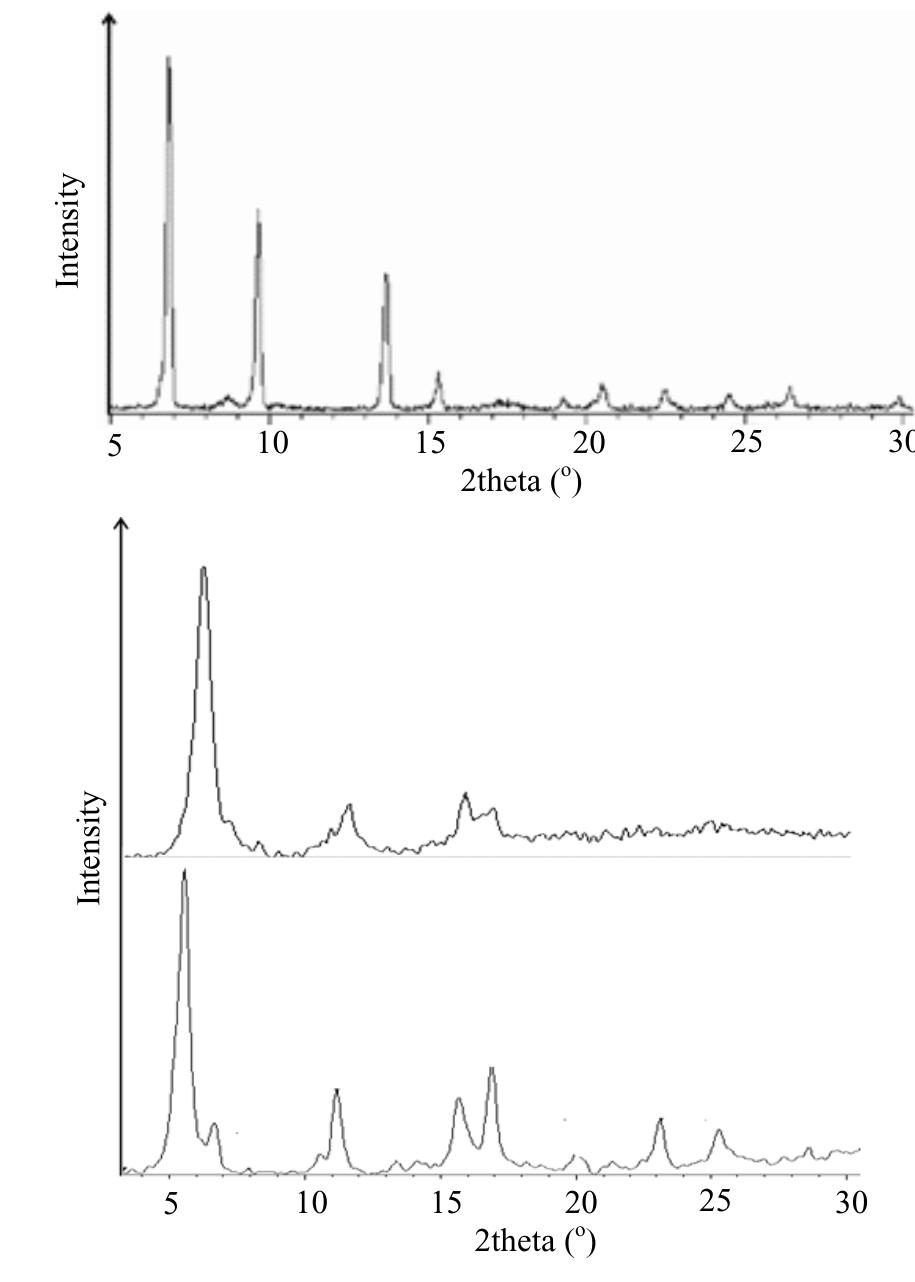
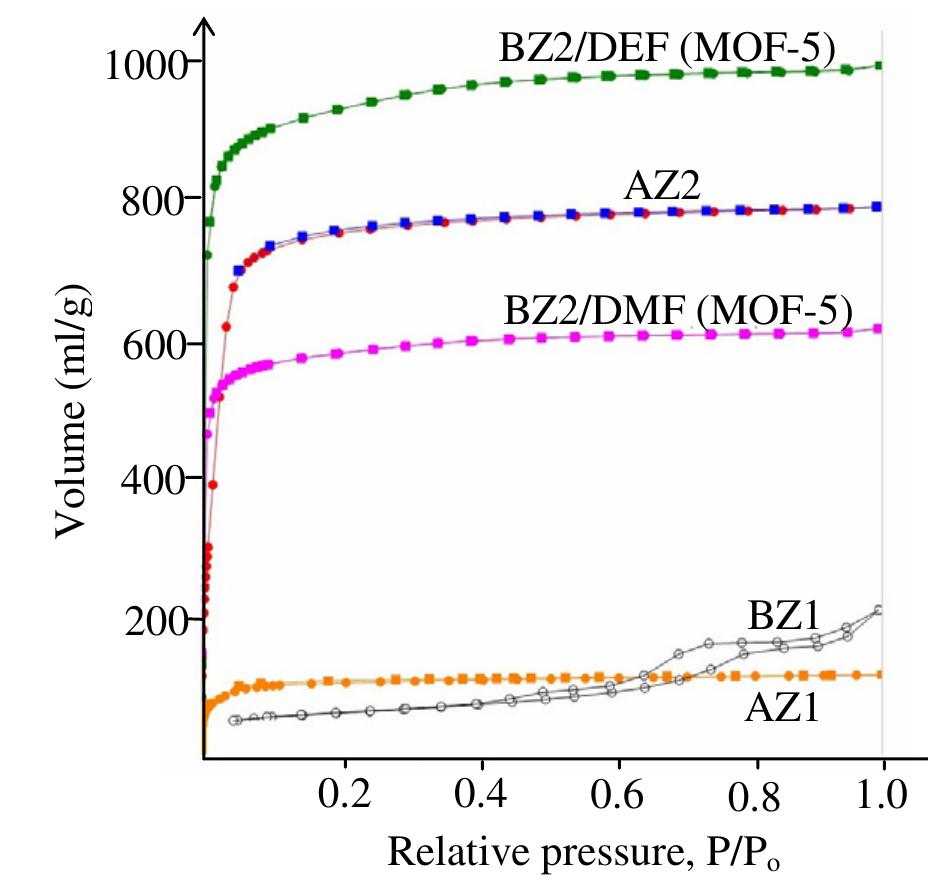
![Figure 1. Microscope images of crystalline materials synthesized in DMF at 80°C, 12h, pH 4.18, [H»BDC] : Zn?* = 1: 1, [H;BDC] = 0.1 M (a, BZ1), in DMF at 100°C, 24h, pH 4.82, [H,BDC] : Zn?* = 1 : 4, [H] BDC] = 0.01 M (b, BZ2/DMP), in DEF at 100°C, 24h, pH 4.64, [H)BDC] : Zn?* = 1 : 4, [HyBDC] = 0.01 M (c, BZ2/DEP). 2.2.2. Synthesis of MOFs from azobenzene-1,4-dicarboxylic acid and zinc nitrate. The mixtures with mole ratios of H,ABD to zinc nitrate (H,ABD: Zn) varying from 1:1 to 1:5 were dissolved in 10 ml DMF. In each experiment with a certain H»ABD : Zn mole ratio, the concentration of HxABD was varied from 0.01 M to 0.001 M. The reaction mixture was put in a 20 ml reaction vial, which was capped and heated in an isothermal oven from 80°C to 100°C for 12—72 h, and then cooled to room temperature. The red sheet-shaped crystals were collected by decanting from mother liquor. The washing and solvent exchange procedures were the same as described above in section 2.2.1. Finally, the crystals were dried under vacuum at 150°C for 10h. XA-Tay diffraction data were recorded on a Do Advance Bruker powder diffractometer with Cu-Ka radiation (A = 1.542 A). The thermal behavior of synthesized materials was recorded on a TGA Q500 analyzer with a heating rate of 10°C min! in nitrogen. Nitrogen physisorption measurements were carried out on a Quantachrome Autosorb-1C system. Prior to the measurement, the sample was outgassed at 150—200°C for 10h.](https://figures.academia-assets.com/46371533/figure_001.jpg)
![Figure 2. Microscope images of crystalline materials synthesized in DMF at 90°C, [H>ABD]: Zn** = 1 : 1, [H,ABD] =0.01M (a, AZ1), at 85°C, [H,ABD]: Zn** = 2: 5, [H; ABD] = 0.004M (b, AZ2). 3.1.2. MOFs from azobenzene-1,4-dicarboxylic acid and zinc nitrate. The products of the reaction of zinc nitrate and H,ABD in DMF were coded as AZ1 and AZ2. Compound AZI was formed at equivalent HyABD: Zn mole ratio and 0.010M concentration of H2ABD (figure 2(a)). When this concentration was reduced to a very low value of 0.004M and H,ABD : Zn mole ratio was decreased to 2 : 5, the product AZ2 was obtained.](https://figures.academia-assets.com/46371533/figure_002.jpg)
![(aromatic peaks)[r, s, q] while C-NMR (Fig. 4) spectra of pure PUR-1 shows the spectral peaks at 149-152 ppm (>C=O urethane and free —NCO)[q, n], 127-132 ppm (aromatic ring carbons)[r, s, t, u, v, w], 65-69 ppm (-CH,—O and —CH-O-)[a’, p] and 18.5 ppm (CH; attached to aro- matic ring)[x]. These spectral bands are the characteristic bands of TDI based polyurethanes [13, 17]. Closer exami- nation of 'H-NMR spectra of HERA and PUR-1 reveals that pure PUR-1 shows suppressed characteristic peaks of -OH, —CH-OH and CH,—OH compared to HERA (sect. 2.1) at 5.26 ppm [-CH(OH)], 4.85 ppm and (—CH,—OH), 3.59 ppm [CH(OH)], 3.56 and 3.49 ppm (-CH2—OH), while](https://figures.academia-assets.com/49819660/figure_002.jpg)
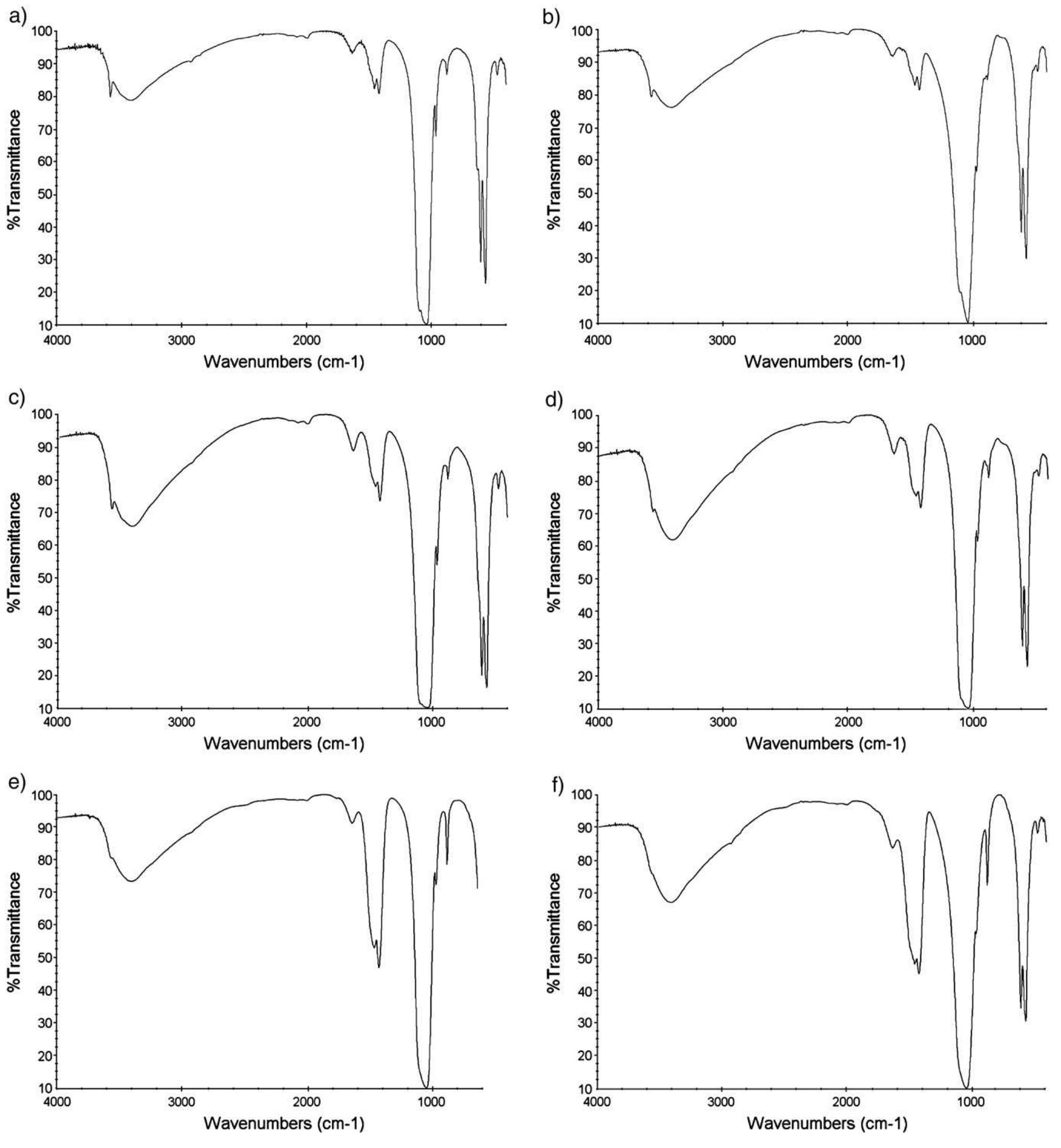
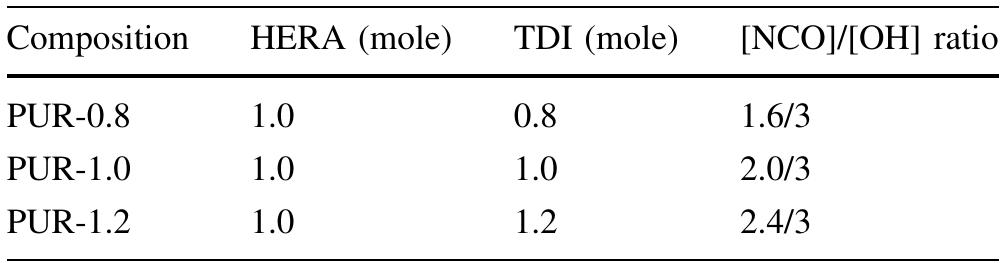
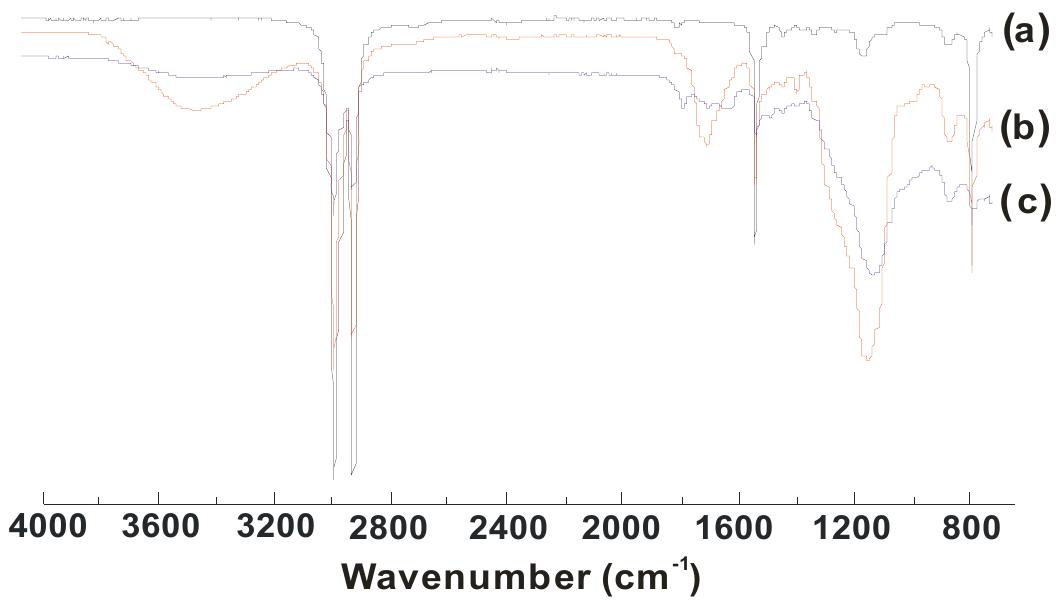
![1,241, 1,164 and 1,097 cm!) of RC oil disappeared with the appearance of new bands at 1,622, 1,078.9, 1,052.9 cm~' for amide carbonyl, primary and secondary alcoholic groups (C—O stretching), respectively, as well as the presence of a broad band at 3,369 cm! instead of 3,422.1 cm! confirming the amidation of RC oil. In PUR spectra, the hydroxyl band of HERA (3,369.3 cm‘) diminished and was centered at 3,290.9 cm~'. The presence of new bands at 3,339 cm! (N-H stretching of urethane linkages), 1,716 cm~' (urethane carbonyl stretching), 1,228 cm”! (NCOO- stretching), 2,273 (free NCO stretch- ing), and 697 (N-H of urethane) [13, 16, 17] as well as bands at 3,069, 1,605.5, and 744.5 for aromatic ring of TDI confirm the urethanation of HERA. 'H-NMR (Fig. 3) spectra of pure PUR-1 shows the characteristic peaks at 4.01-4.43 ppm {m, —CH O C (=O)NH- and —CH, O C (=O)NH-, urethane} [n, p], 2.2 ppm (s, —CH3; of TDDJ[t], and 6.9-7.38 ppm requirement of polyurethanes, i.e., to prepare high or low molecular weight polyurethane. In this case, at each ratio, we have an excess of hydroxyl groups (Table 1), which based on general principles of polyaddition reactions lead to low molecular weight PUR, which may find applications as coating and adhesive materials [14]. It is worth mentioning that the urethanation reaction was carried out by using a “one-shot” technique. In this method, all the ingredients (HERA and TDI) are mixed simulta- neously and the resulting mixture is allowed to polymerize directly. The advantage of using this method is that no intermediate prepolymer preparation is necessary [15]. FTIR spectra (Fig. 2): It is observed in the spectra of HERA that the characteristic bands of ester carbonyl (at 1,745,](https://figures.academia-assets.com/49819660/figure_001.jpg)
![The thermal stability of PUR-1 is shown in Fig. 5. It reveals that the degradation of PUR-1 was observed in the range of 150-390 °C. This may be correlated to the decomposition of urethane bonds followed by the volatilization of the decomposition products. It is reported that polyurethanes generally exhibit relatively low thermal stability due to the presence of labile urethane groups. The onset of this bond dissociation occurs around <300 °C through the dissocia- tion of isocyanate and alcohol, the formation of primary amine and olefins, or the formation of secondary amines that result in the loss of CO, from the urethane bond, depending upon the type of isocyanate and polyol employed [18]. The decomposition of the urethane bond in PUR-1 takes place at quite high temperatures due to any allo- phanate and biuret linkages formed during the curing reaction, they reopen quite readily on heating at a relatively high temperature as they are most thermolabile [18]. The degradation in the range of 390-410 °C may be correlated to the decomposition of the amide bond, aromatic ring and aliphatic alkyl chain of the fatty acid followed by the vol- atilization of the decomposition products, respectively. The polyol used in this study is based on HERA. So, the main chain cleavage may result in the formation of 16-undeca- noic acid and heptanal as evident by the thermal degrada- tion of ricinoleic acid [19]. Derivative TGA curves (DTG) of PUR-1 shows almost single step thermal degradation, which matches with TGA of the same. This step incurs about 85 wt% loss correlated to a cross-linked, homogenous](https://figures.academia-assets.com/49819660/figure_004.jpg)
![Table 2, Physico-chemical tests of HERA and different compositions of PUR TDI attributed to the inclusion of increased urethane con- tent in the polymer backbone. The solubility test reveals that all PUR compositions (before curing) are completely soluble (100%) in EMK, chloroform, carbon tetrachloride, DMF (Dimethylformam- ide), DMSO (Dimethy] sulfoxide), THF (Tetrahydrofuran) and diethyl ether while they have 20% solubility in methyl alcohol, ethyl alcohol, and insoluble in water. The higher solubility of these resins in polar and non-polar solvents except H,O and alcohol is due to the presence of long fatty acid hydrocarbon chains and polar groups of the resin.](https://figures.academia-assets.com/49819660/table_002.jpg)
![The data for physico-chemical properties of HERA and different compositions of PUR are given in Table 2. It reveals that the percent hydroxy] content of PUR decreases gradually from PUR-0.8 to PUR-1.2, that is, with increases in the amount of TDI. The trend can be attributed to the consumption of hydroxyl groups of HERA during uretha- nation reaction with TDI. The specific gravity and refrac- tive index of PUR increase with the increased content of](https://figures.academia-assets.com/49819660/figure_003.jpg)
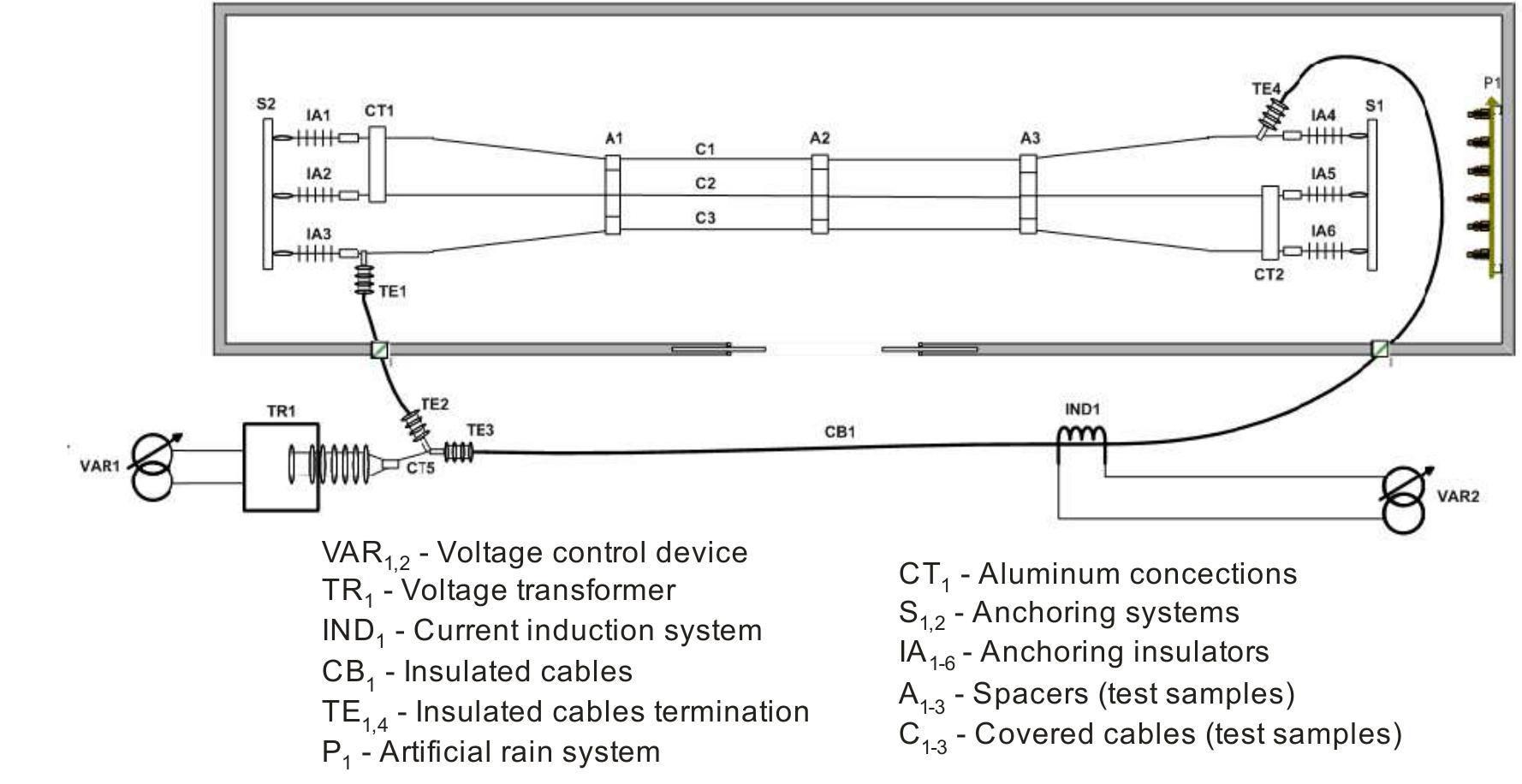
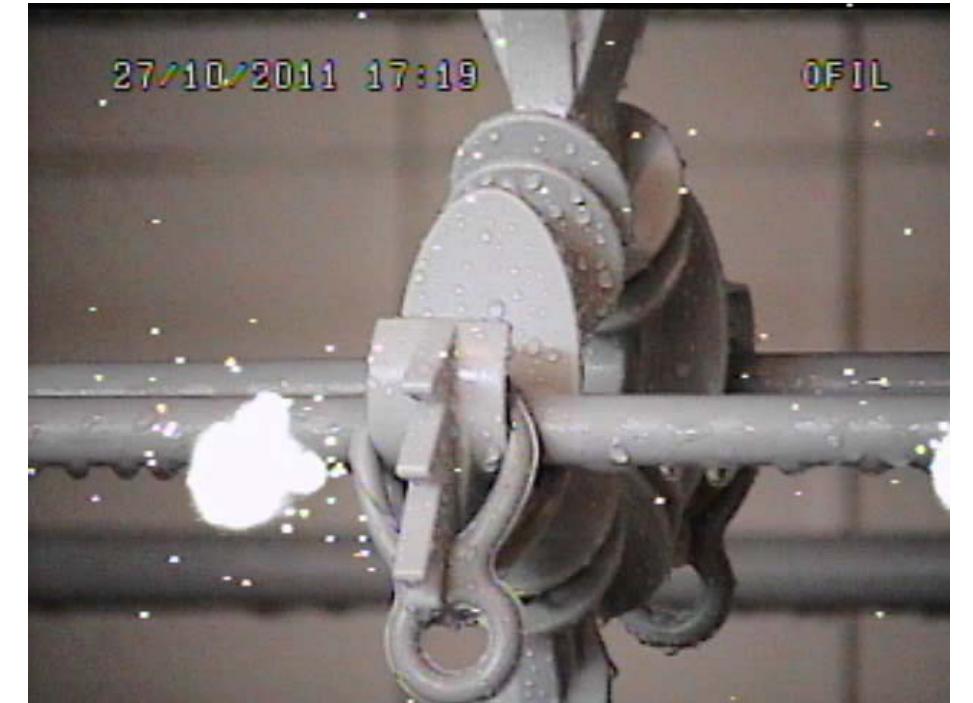
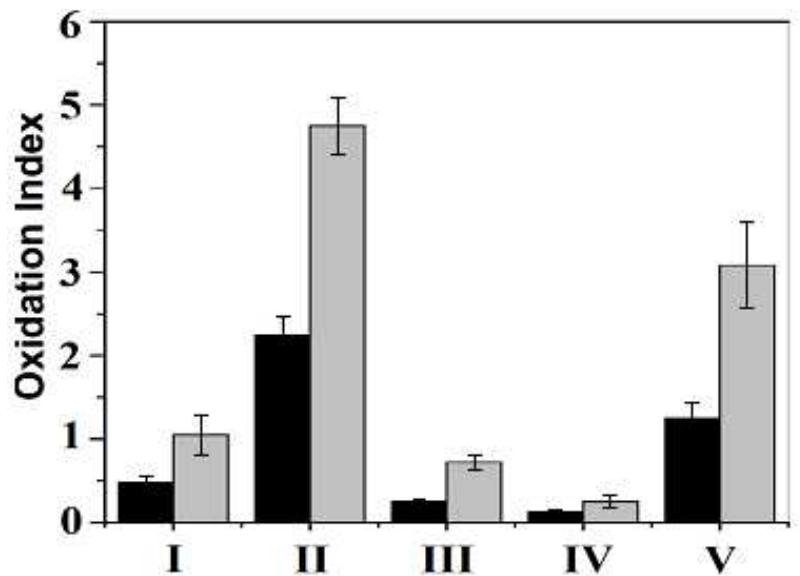
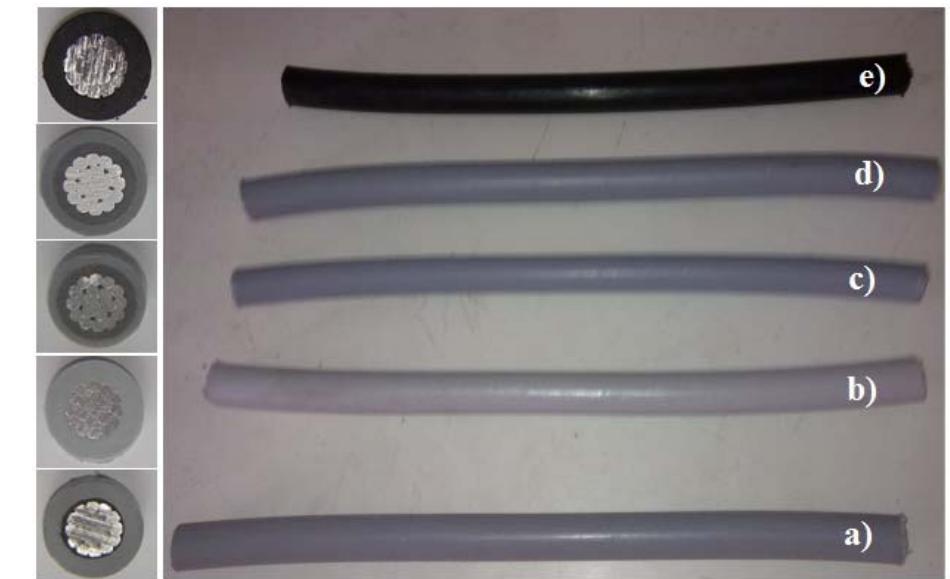
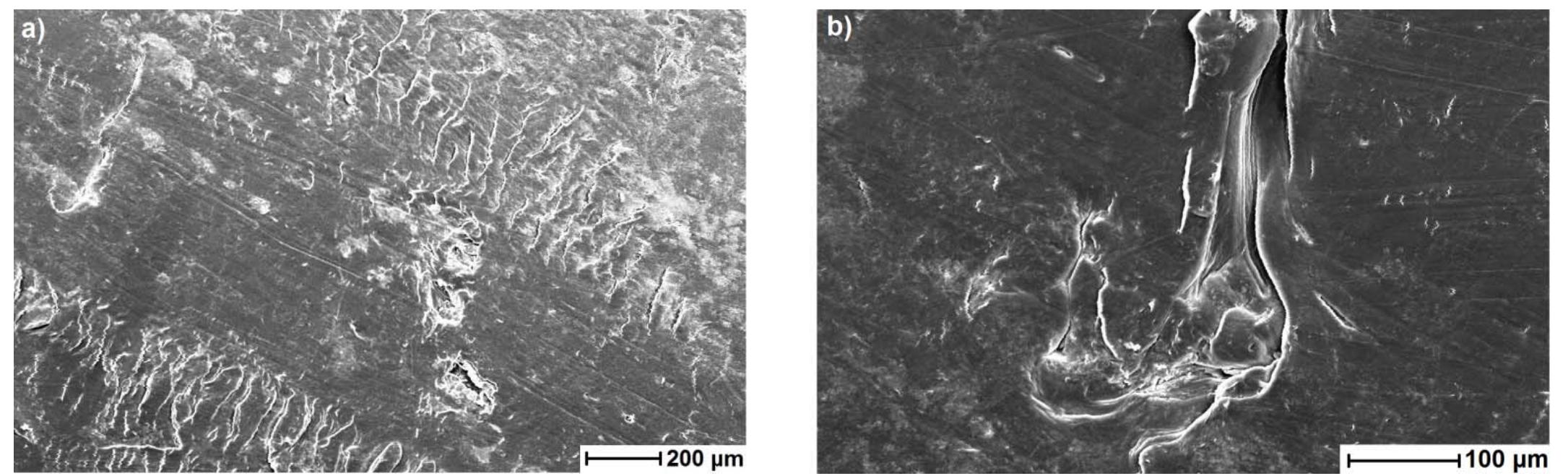
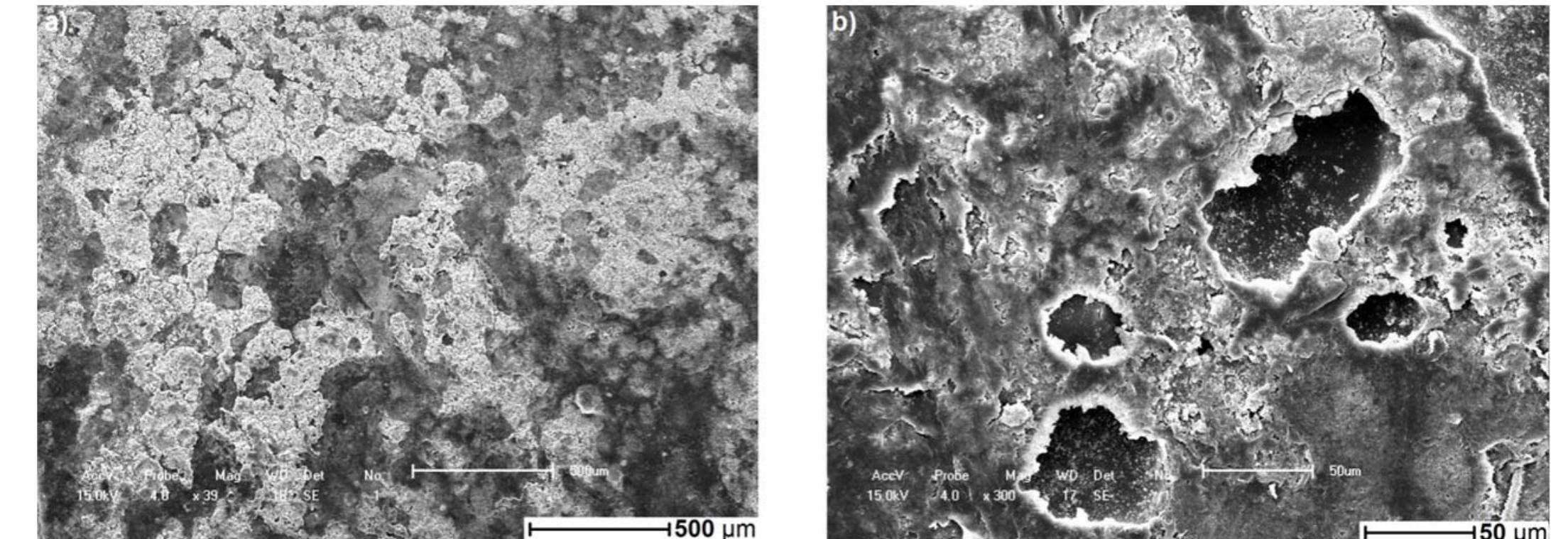
![Figure 3. Common damages developed along a covered conductor tested according to Brazilian recommendations [20].](https://figures.academia-assets.com/92297172/figure_003.jpg)
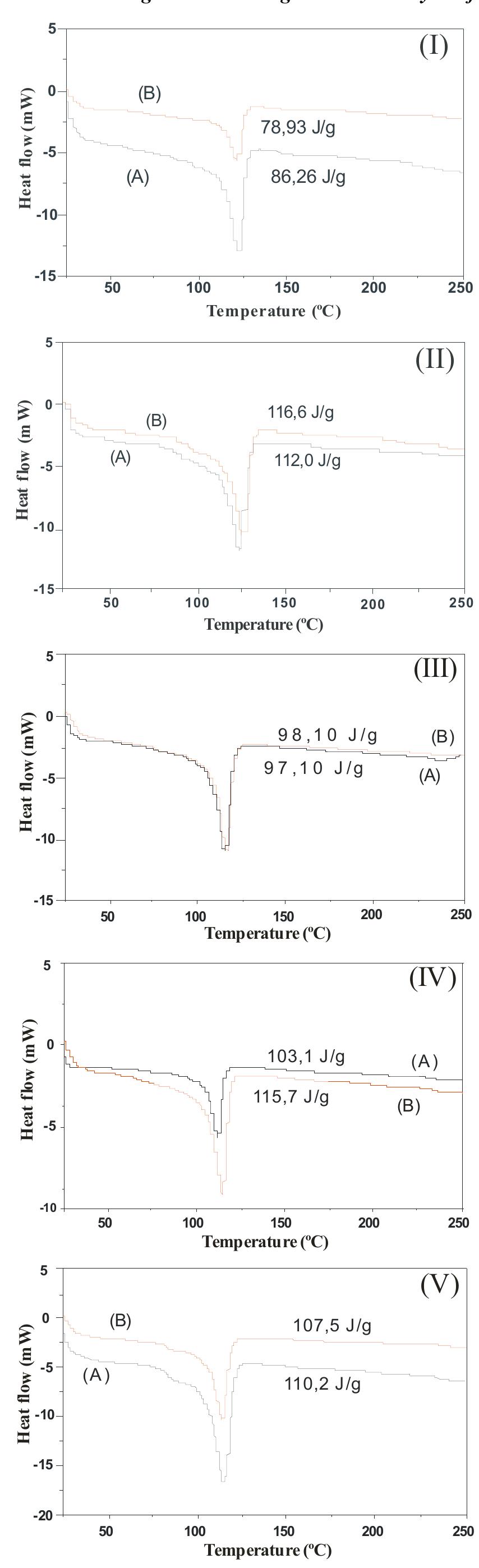
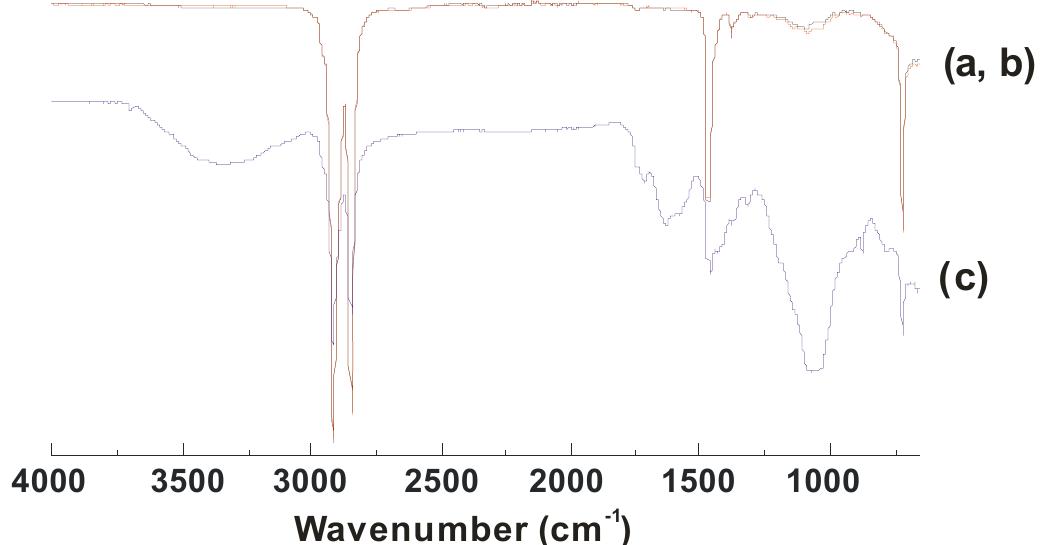
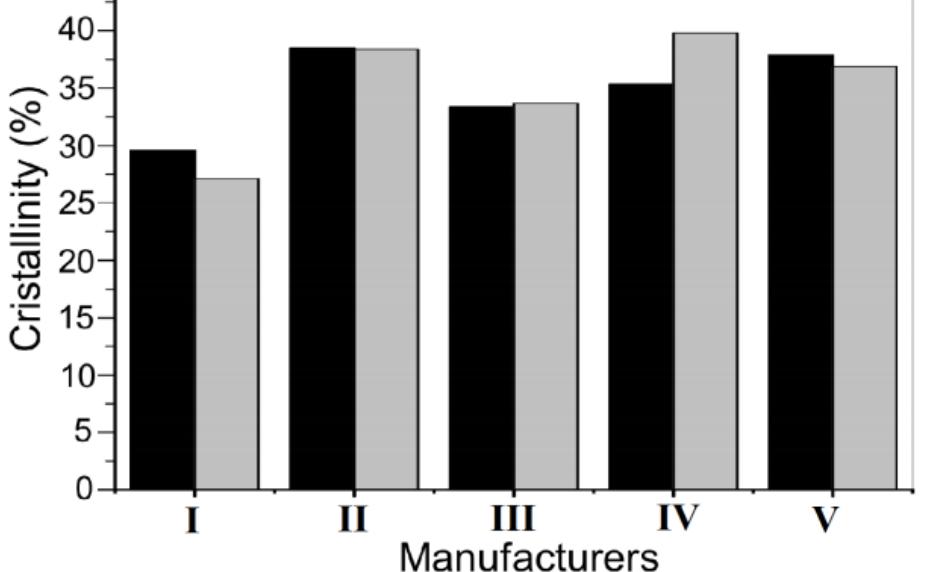
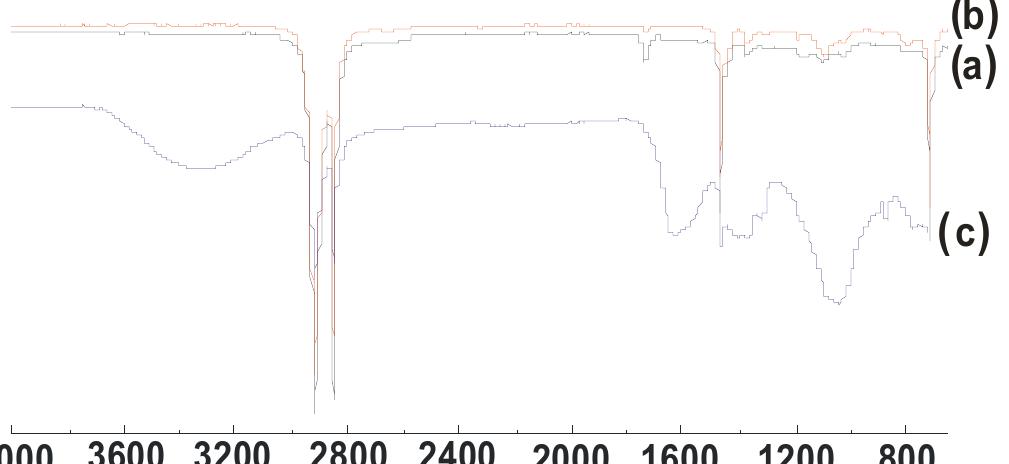
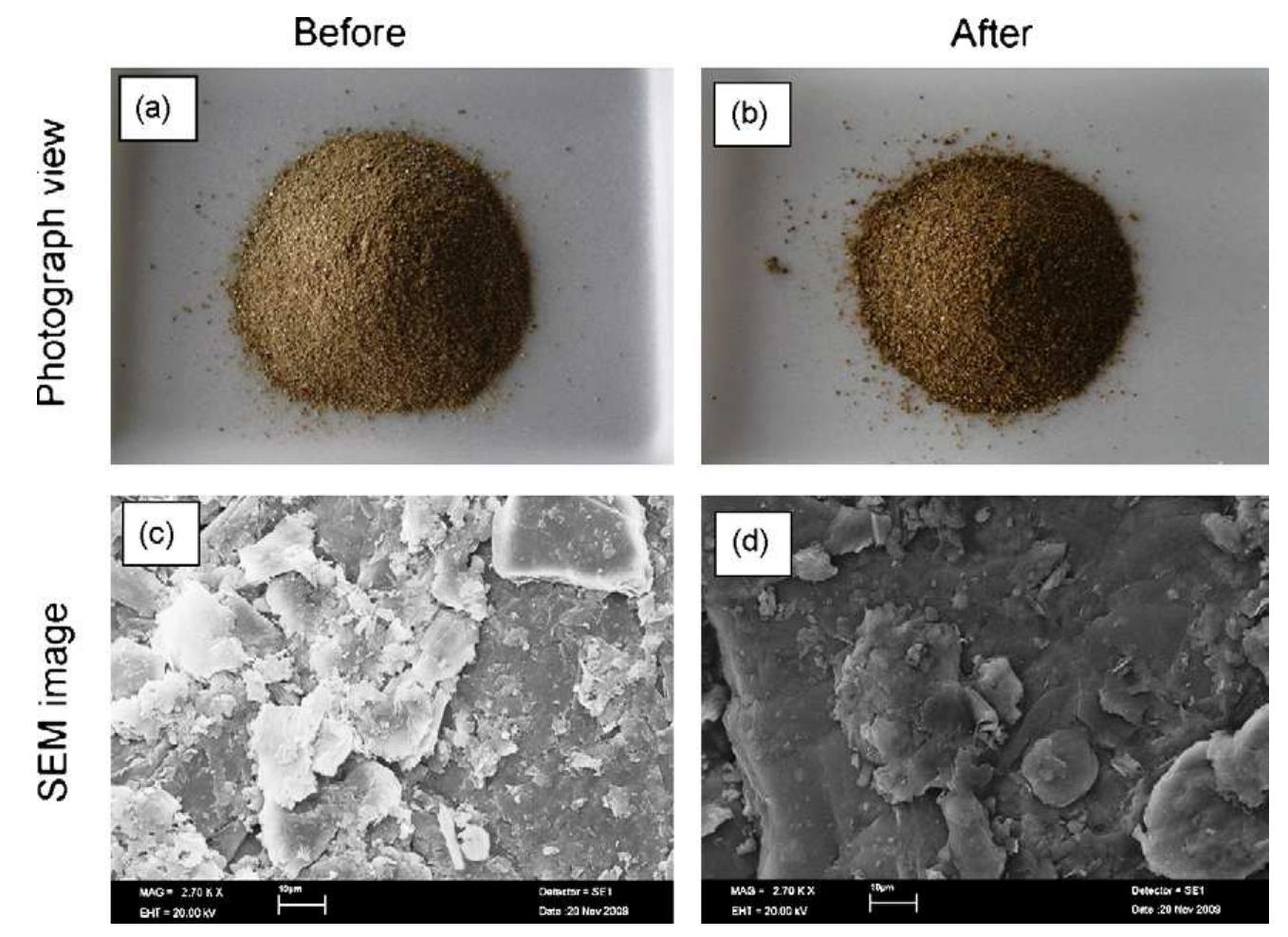
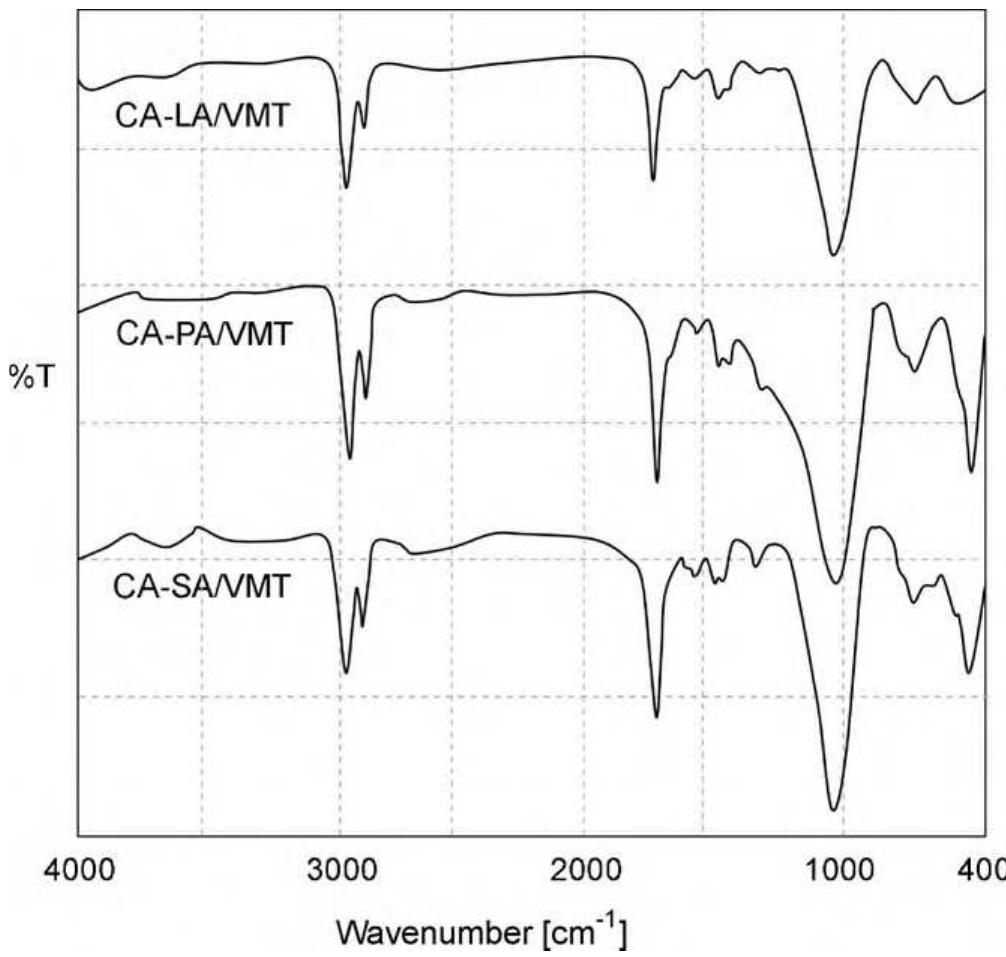

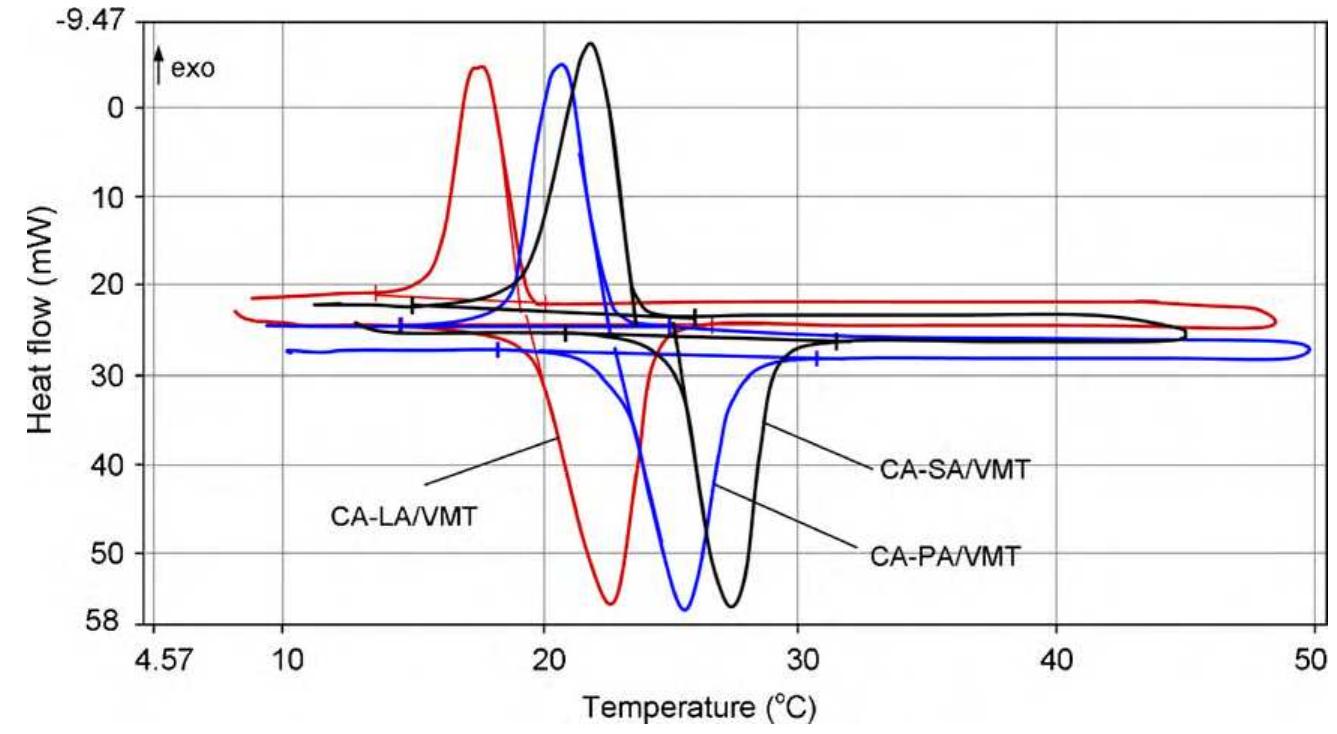
![Fig. 3. (a) FTIR spectrum of the form-stable composite PCMs and (b) DSC curves of the form-stable composite PCMs. temperatures of eutectic mixtures in the composites, the phase change temperatures of composites are very close to pure eutectic mixtures. The decrease in phase change temperatures is due to weak attractive interaction between fatty acid molecules and inner surface wall of the porous material. These results are in agreement with that reported by Radhakrishnan and Gubbins [26]; Radhak- rishnan et al. [27]; Zhang et al. [15]; Karaipekli and Sari [11]. In On the other hand, the latent heats of melting (AH,,) were found to be 61.03 kJ/kg, 72.05 kJ/kg and 71.53 kJ/kg for CA-LA/ VMT, CA-PA/VMT, and CA-SA/VMT, respectively as the latent](https://figures.academia-assets.com/49935873/figure_003.jpg)




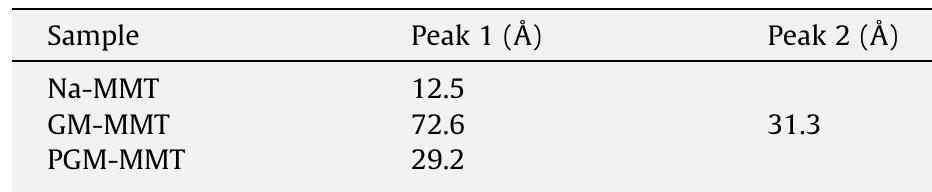
![The nitrogen content of cationized cotton fabric equal 0.0891%; [ammonium citrate], 6%; [SHP], 6%; AC/SHP molar ratio, 1; wet pick-up, 100%; drying, 100°C/3 min; curin 180°C/90s. Control sample is the cationized sample which have nitrogen content of 0.0891% then crosslinked with 6% ammonium citrate. Effect of concentration of SME on the performance properties of treated cotton fabrics. Table 2](https://figures.academia-assets.com/50160225/table_001.jpg)
![‘he nitrogen content of cationized cotton fabric equal 0.0891%; [ammonium citrate], 6%; [SHP], 6%; AC/SHP molar ratio, 1; wet pick-up, 100%; drying, 100°C/3 min; curing 80°C/90s. Comparative study on the effect of ammonium citrate vis a vis citric acid. Table 1](https://figures.academia-assets.com/50160225/table_002.jpg)