Academia.eduAcademia.edu

The Knight's Tale

description20 papers
group7 followers
lightbulbAbout this topic
The Knight's Tale is a narrative poem by Geoffrey Chaucer, part of 'The Canterbury Tales,' exploring themes of chivalry, love, and fate through the story of two knights, Palamon and Arcite, who compete for the love of Emelye. It reflects medieval ideals and the complexities of human emotion within a courtly context.
lightbulbAbout this topic
The Knight's Tale is a narrative poem by Geoffrey Chaucer, part of 'The Canterbury Tales,' exploring themes of chivalry, love, and fate through the story of two knights, Palamon and Arcite, who compete for the love of Emelye. It reflects medieval ideals and the complexities of human emotion within a courtly context.

Key research themes

1. How is chivalry and knighthood conceptualized and critiqued in The Knight's Tale within medieval political and social contexts?

This research theme examines medieval ideals of knighthood, chivalric conduct, and princely virtues as reflected and interrogated in The Knight's Tale. It considers how Chaucer's portrayal of Duke Theseus and the Knight aligns with or contests contemporary political theory, ethical codes, and social hierarchy, engaging also with the tension between idealized chivalry and real medieval warrior practices.

Key finding: This study positions Duke Theseus as a model prince when evaluated against Giles of Rome's 'De Regimine Principum', demonstrating that Theseus embodies virtue in ethical self-governance, household rule, and realm management.... Read more
Key finding: By situating Chaucer's Knight within the milieu of late 14th-century crusading enthusiasm, this chapter argues that the Knight can be read sympathetically as an embodiment of the ideal combatant estate (bellatores). It... Read more
Key finding: This formalist analysis reveals the structural and ironic dimensions in Chaucer's Knight's Tale, highlighting the narrative's symmetrical ordering that underpins a faith in universal order despite depicted disorder. It... Read more
Key finding: Examining intertextual ties between Chaucer’s Knight and Spenser's Artegall, this dissertation critiques Artegall’s claim to perfect knighthood by exposing philosophical and character parallels with Chaucer’s Knight that... Read more

2. What roles do friendship, sworn brotherhood, and their failure play in the characterization of Palamon and Arcite in The Knight’s Tale?

This theme investigates the conceptualization of male friendship, loyalty, and sworn brotherhood in The Knight’s Tale, focusing on the complex and often contradictory relationship between Palamon and Arcite. It explores medieval traditions of friendship, the influence of classical and contemporary sources on Chaucer, and how these ideals are both enacted and subverted in the narrative.

Key finding: This paper analyzes the evolution of Palamon and Arcite’s bond from ideal sworn brotherhood to rivalry induced by courtly love, showing how Chaucer exposes the fragility and eventual breakdown of perfect friendship ideals.... Read more
Key finding: This study traces the historical and literary precedents of sworn brotherhood accessible to Chaucer, from Aristotelian and Ciceronian models to real-life examples among Chaucer’s contemporaries. It lays foundational... Read more

3. How do fate and free will interplay in shaping the narrative and moral framework of The Knight’s Tale?

This research area analyzes Chaucer’s treatment of determinism and human agency, focusing on the tension between external forces such as fate or divine will and the knights’ personal choices. It explores how these philosophical questions about autonomy and predestination are dramatized through the knights’ struggles and the narrative’s resolution, contributing to medieval discourse on fortune and moral responsibility.
Key finding: This paper argues that Chaucer presents a nuanced balance where external circumstances like imprisonment, love, and tournament decree highlight the power of fate, while personal choices, such as fighting for Emelye and escape... Read more

All papers in The Knight's Tale

The notion that medieval authors treated their pagan precursors in a totally ahistorical fashion , allegorizing their narratives and " Christianizing " their philosophies , has in recent years come under closer scrutiny , and has been... more
The concept "road" as a multivalent symbol is widely encountered in world literature since ancient times and depending on the context is not always used in its direct meaning. However, in all cases the road is a metaphor of movement,... more
A considerable amount of literature has been dedicated to interpreting the possible nuances behind Chaucer's depiction of the breaking of brotherhood oaths in The Knight's Tale . However, there is comparatively less focus placed on the... more
This paper explores Geoffrey Chaucer’s Reeve’s Tale through the lens of genre, arguing that the tale blends elements of fabliau and fable to create a morally complex narrative that transcends its traditional classification. While... more
The use of general descriptive names, registered names, trademarks, service marks, etc. in this publication does not imply, even in the absence of a specific statement, that such names are exempt from the relevant protective laws and... more
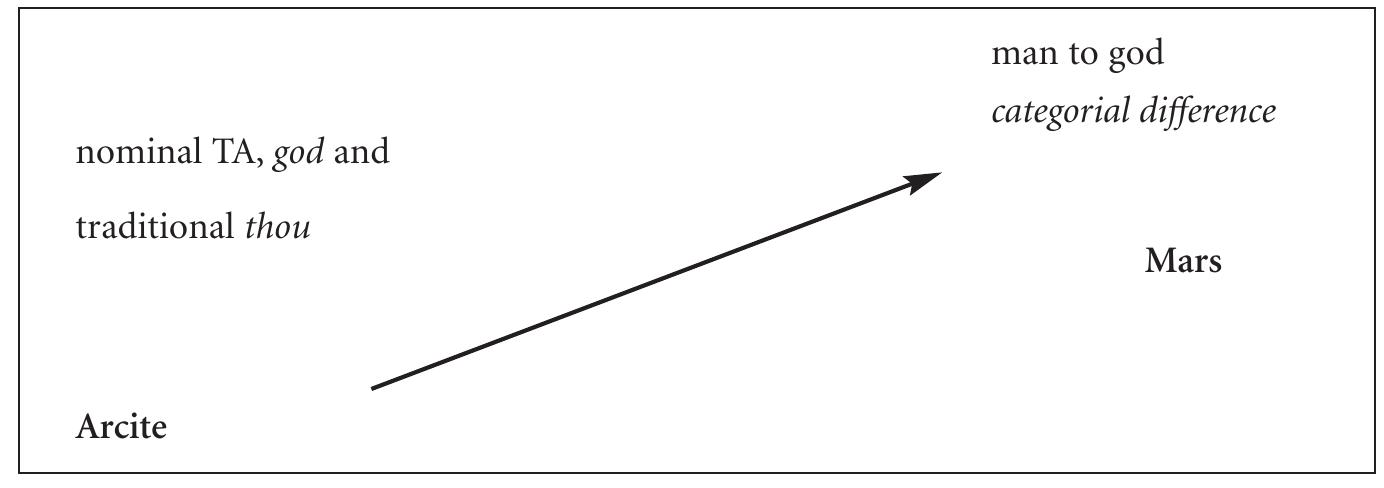
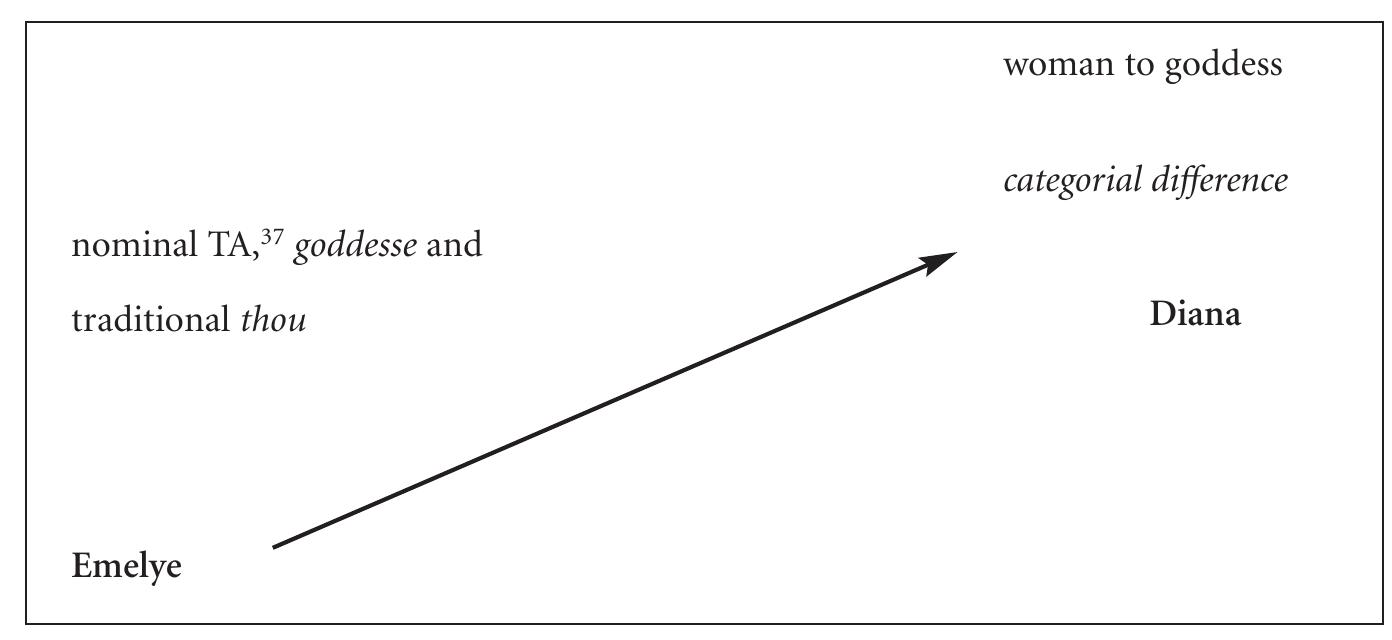
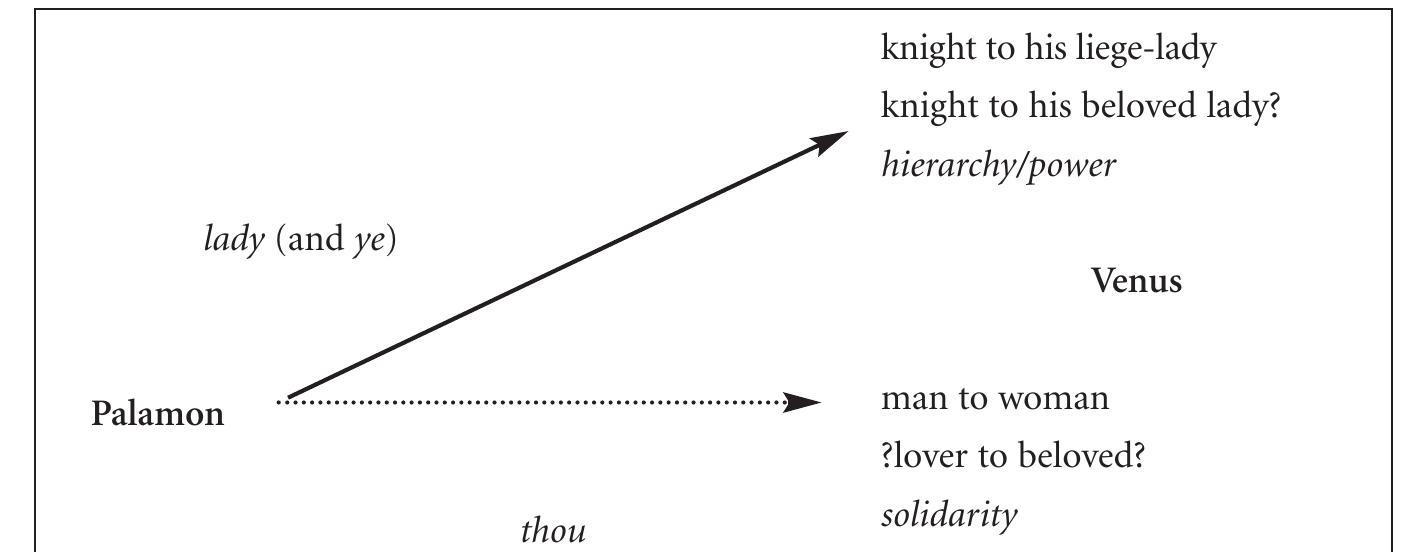
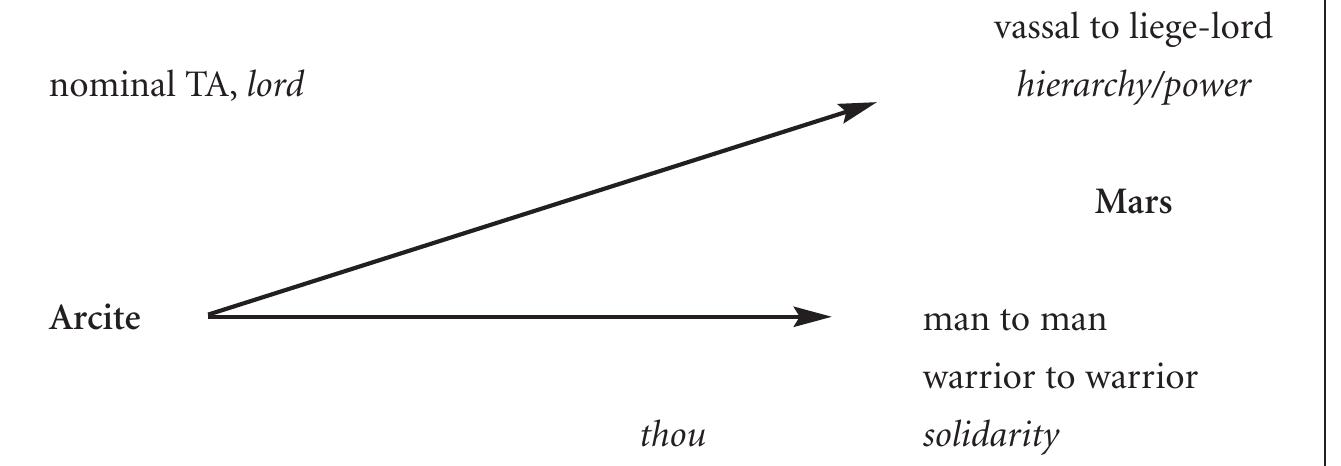
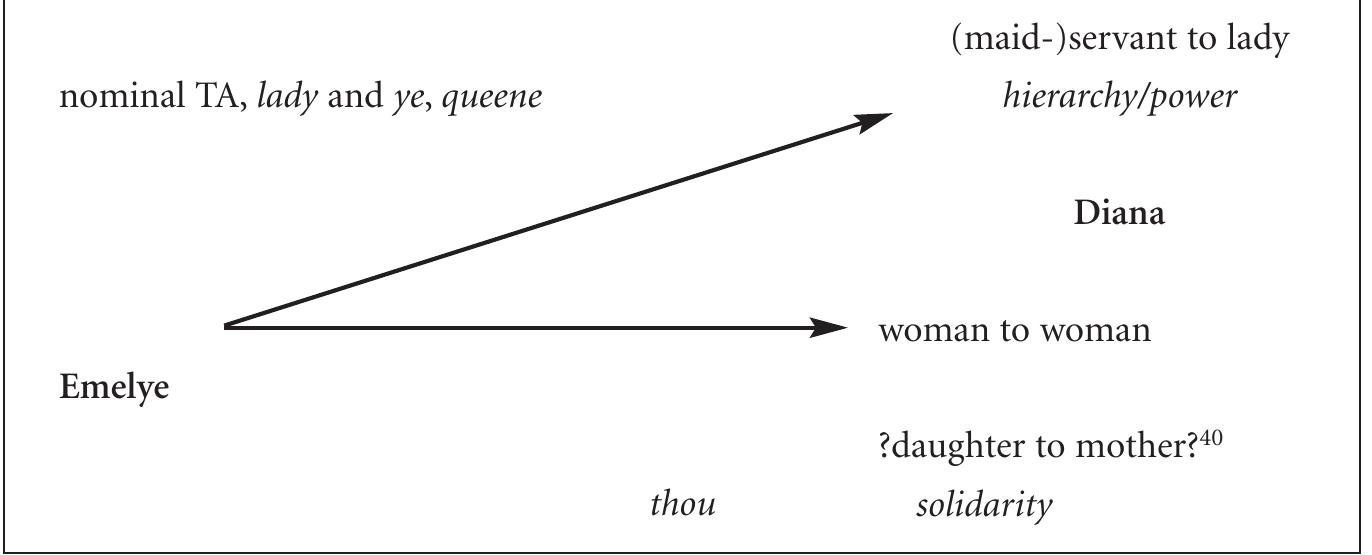
This annotation outlines a discussion on the pronouns of power and solidarity highlighted by Brown & Gilman (1960). These authors exemplified the pronoun "you" which is mostly used in English spoken and written interactions, not merely... more
This book assesses the conduct of Chaucer's Duke Theseus in relation to the moral and political ideals set out in medieval mirrors for princes, particularly Giles of Rome's 'De Regimine Principum'. It argues that when judged by these... more
In the Miller's Tale, a story of a man whose cuckolding by his tenant is exposed to his community, the category of privacy appears frequently: the words pryvetee, privy, and prively appear thirteen times in the course of the tale. But the... more
The medieval outlaw appears in historical, religious, and legal texts of late Medieval England and is imagined in fiction as well, specifically in the romance narratives of Geoffrey Chaucer. Outlawry was a legal state that could be... more
The Knight's Tale has often been cited as an example of Chaucer's use of "conventional" or formal style, in contrast to the naturalism of the General Prologue. As Charles Muscatine observes, "When Chaucer writes at... more
Review of Tolkien's Lost Chaucer by John M. Bowers.
JSTOR is a not-for-profit service that helps scholars, researchers, and students discover, use, and build upon a wide range of content in a trusted digital archive. We use information technology and tools to increase productivity and... more
century essays in vernacular life-writing influenced later work in English. Equally striking, given the historical and contextual thrust of the book, is the omission of any reference to the Peasants' Revolt, especially given Steven... more
In his term pitee, Chaucer develops in the Knight’s Tale a concept of pity that draws upon Seneca’s De clementia and Statius’s Thebiad. In his version, he conflates pity’s role as a virtue of sovereignty (in acts of clemency and mercy in... more
In the woods outside Athens, two knights, Palamon and Arcite, engage in a fierce struggle. Cousins and former friends, the knights are determined to destroy each other so that one of them may have a chance at earning the love of Emily,... more
Овај рад бави се симболиком храма посвећеног Марсу у Чосеровом делу "Витезова прича". Нарочит нагласак је на аналогији између пустоши око Марсовог храма и пустоши које остављају за собом ратови савремене цивилизације. This paper deals... more
Carolyn P. Collette, Rethinking Chaucer's Legend of Good Women (The Boydell Press in association with York Medieval Press, 2014), pp. xi + 168. Reviewed by THOMAS E. SPRAY Ph.D. candidate in English Literature, Durham University Chaucer's... more
The genre of courtly love demands that one lover be a lesson, rather than an autonomous being, and thus is the ideal canopy under which to explore the yielding of power in The Canterbury Tales. Chaucer uses the romantic trope of women... more
This formalist (pehaps even structuralist) reading of Chaucer's Knights Tale involves an ironic reading of Theseus (of Theseus as Theseuses, as a series of effects). I take in hand definitively modern questions of strategies of mastery,... more
Tracing Geoffrey Chaucer's literary meaning from the 15th through the 21st centuries.
Comparing Beowulf to "The Knight's Tale" from the Canterbury Tales, I distinguish the Anglo-Saxon warrior code from the medieval code of chivalry.
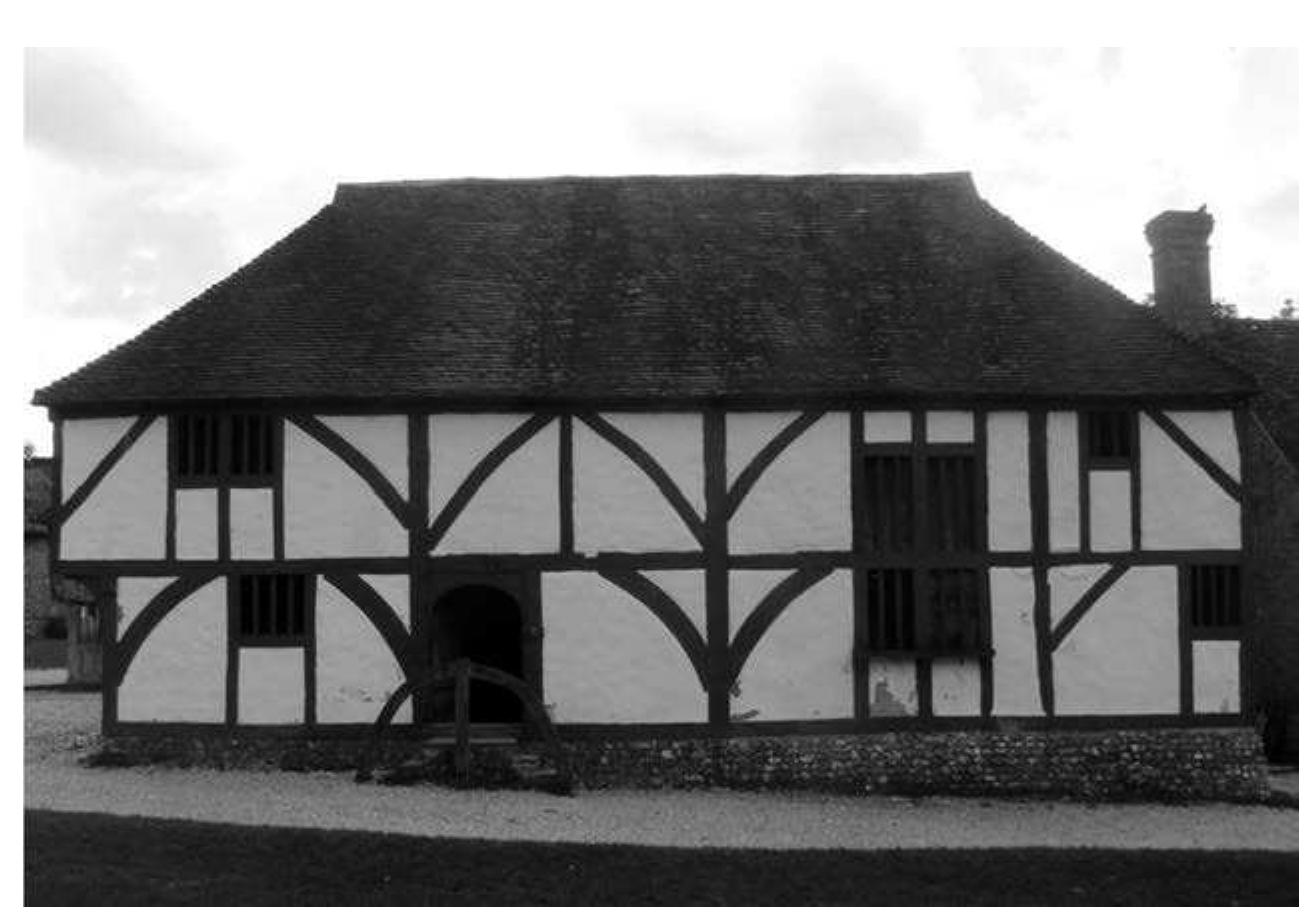
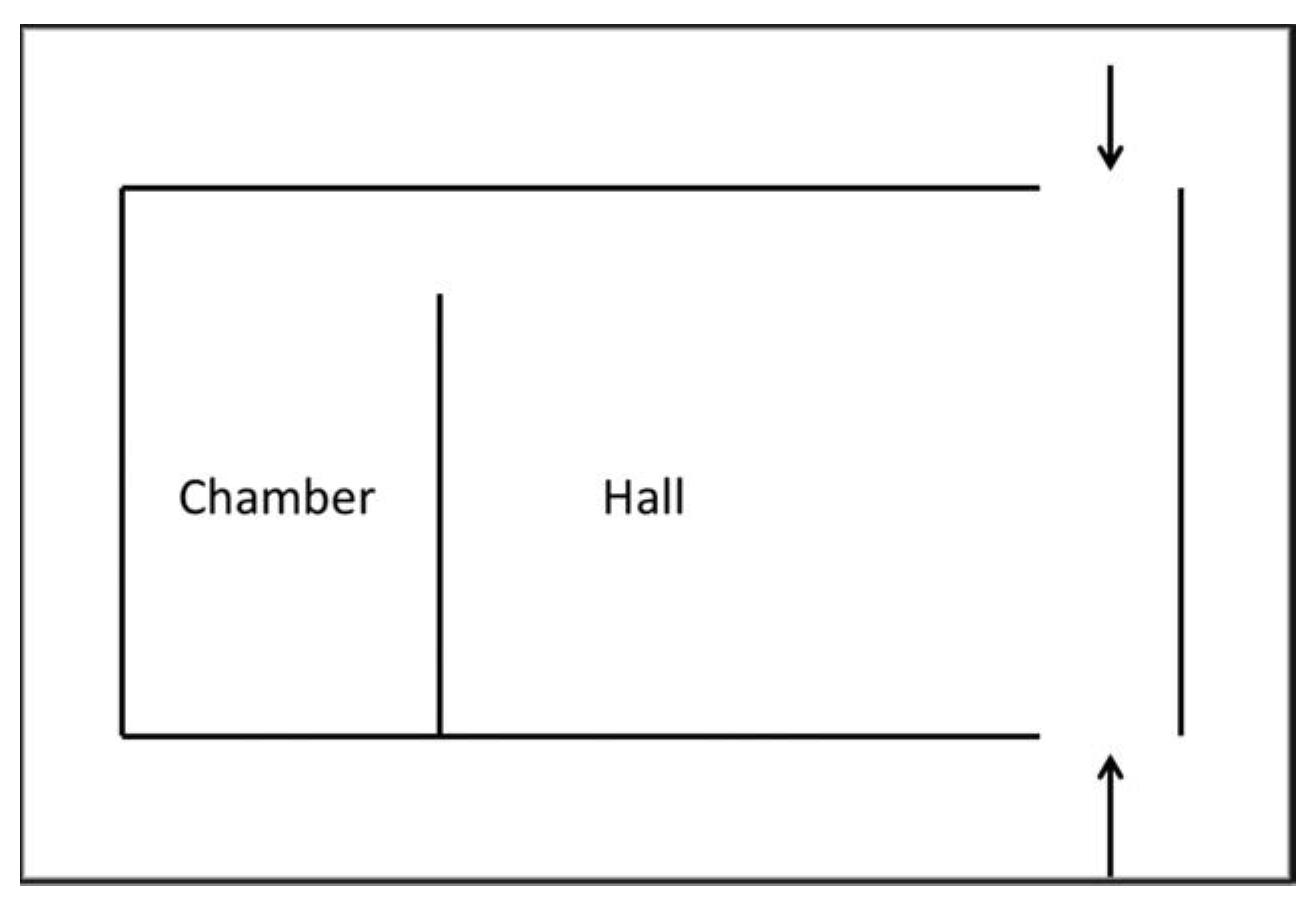
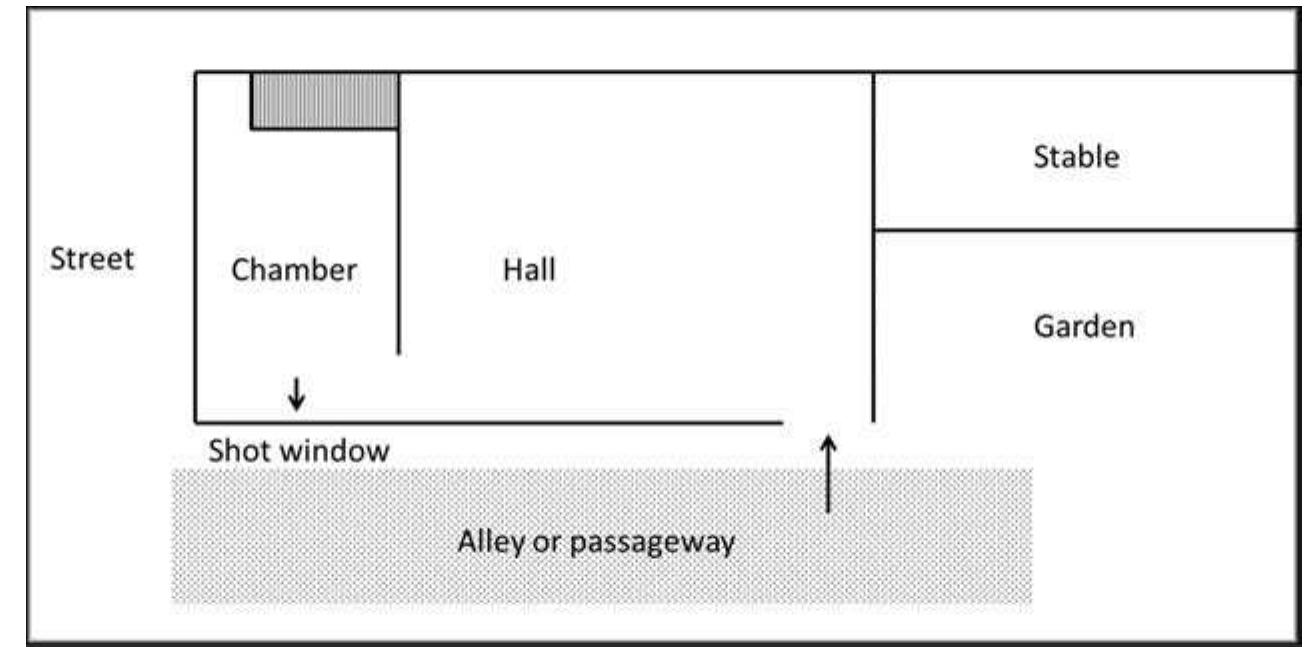
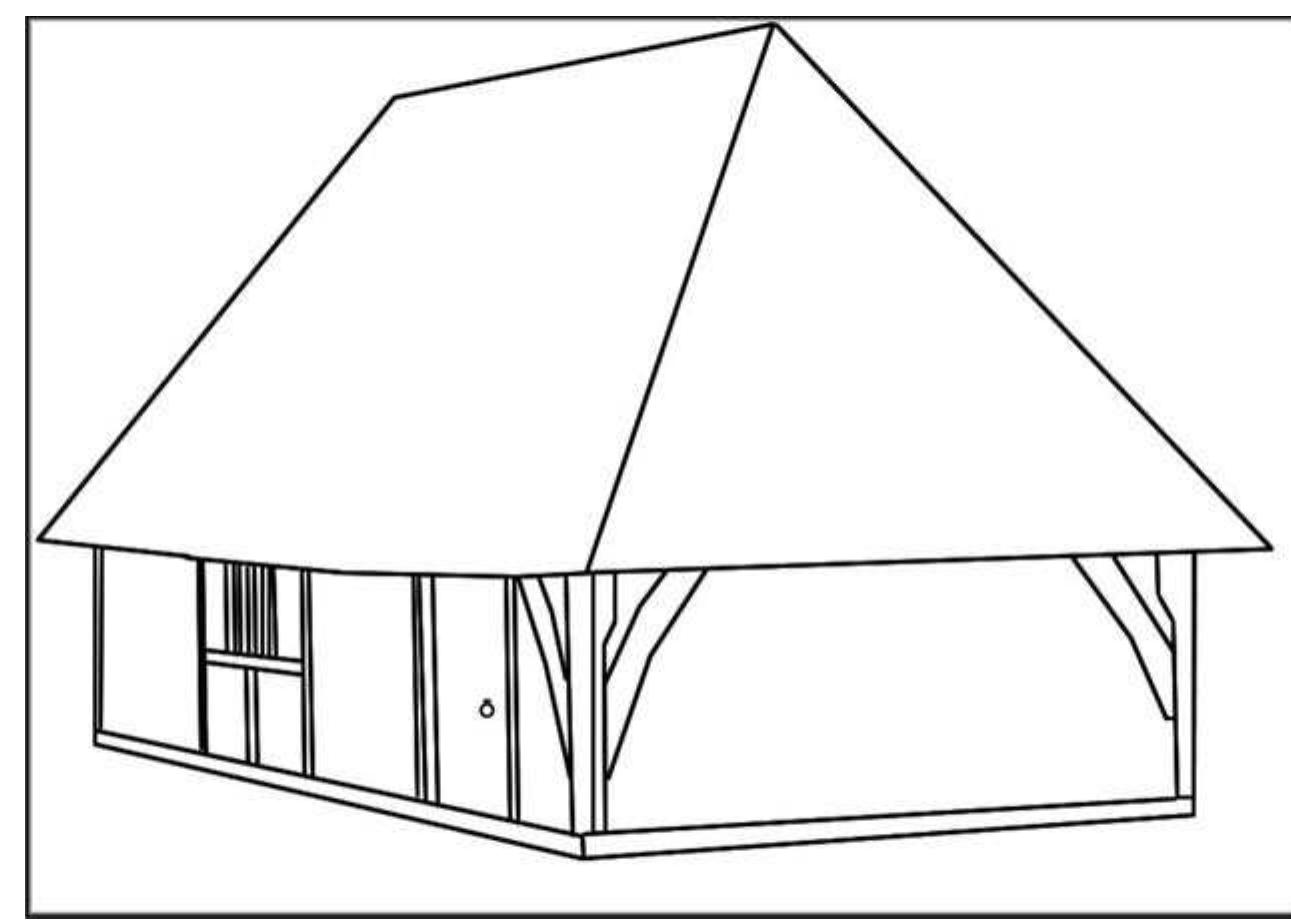
The houses in the Miller’s and Reeve’s Tales mutely speak to Chaucer’s characterization of John the Carpenter and Symkyn the Miller in ways that hitherto have been only partially recognized. Since medieval houses determined social... more
Didactic presentation of the novel The Brethren: A Tale of the Crusades by Henry Rider Haggard.
This essay examines Chaucer's use of the Roman goddess Venus in “The Knight's Tale.” It looks at the astrological, mythological, and allegorical meanings that he gives to the figure of Venus in the poem. The essay also considers... more
This essay re-examines the evidence of minstrel recitation and oral transmission of Middle English romance. The corrected proofs were published in Karl Reichl (ed.), Medieval Oral Literature (Berlin, De Gruyter, 2012), 335-352.
This paper is the second part of a longer study to which I gave the title “False Brotherhood in Chaucer’s ‘The Knight’s Tale.’” In the first part (“Sworn Brotherhood and Chaucer’s Sources on Friendship”) I explored the traditions of sworn... more
citation: Zsuzsanna Simonkay, "Friendly Knights and Knightly Friends: Sworn Brotherhood as Amicitia Perfecta in Medieval English Romances," Első Század 14 (2015)/1-2, pp. 101-119 ABSTRACT: In the present paper I demonstrate that... more
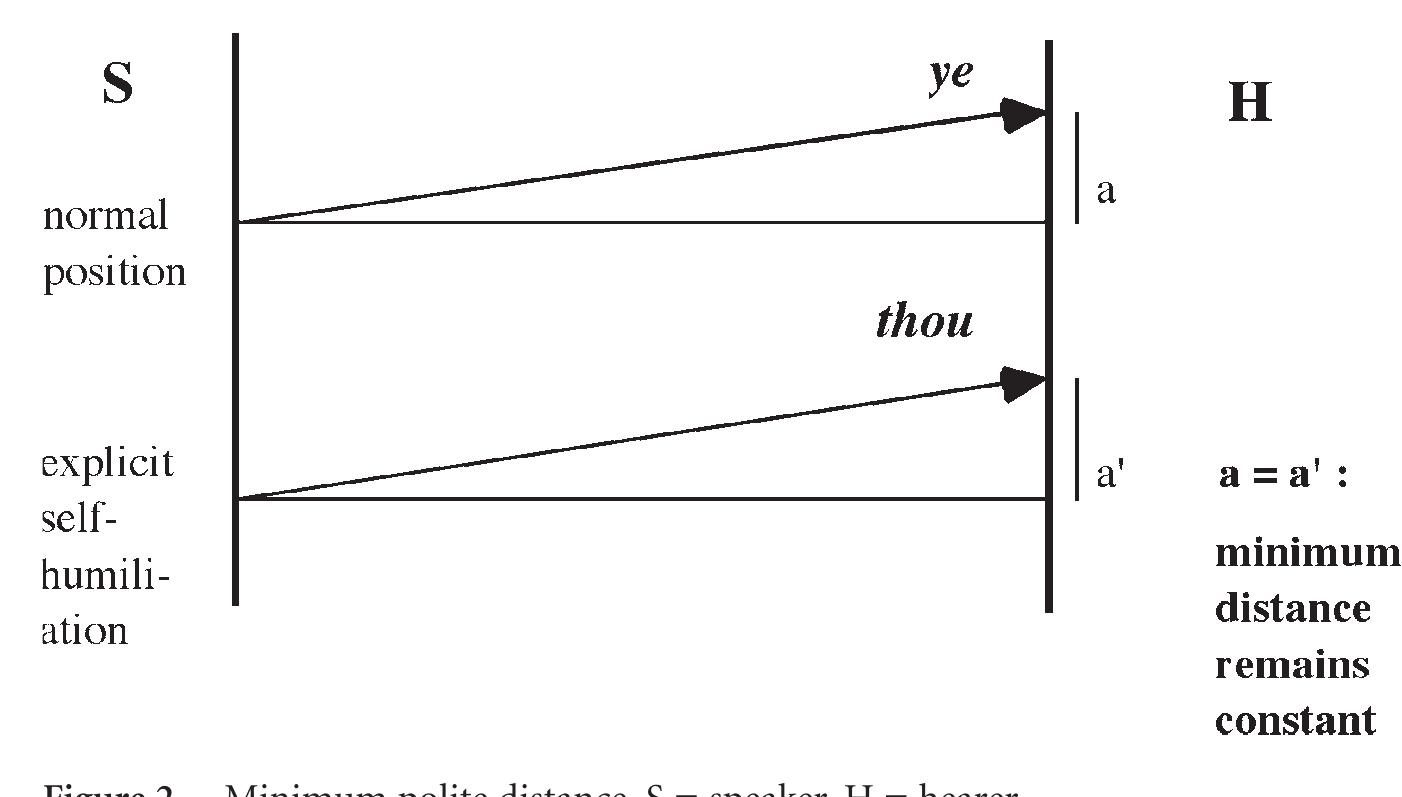
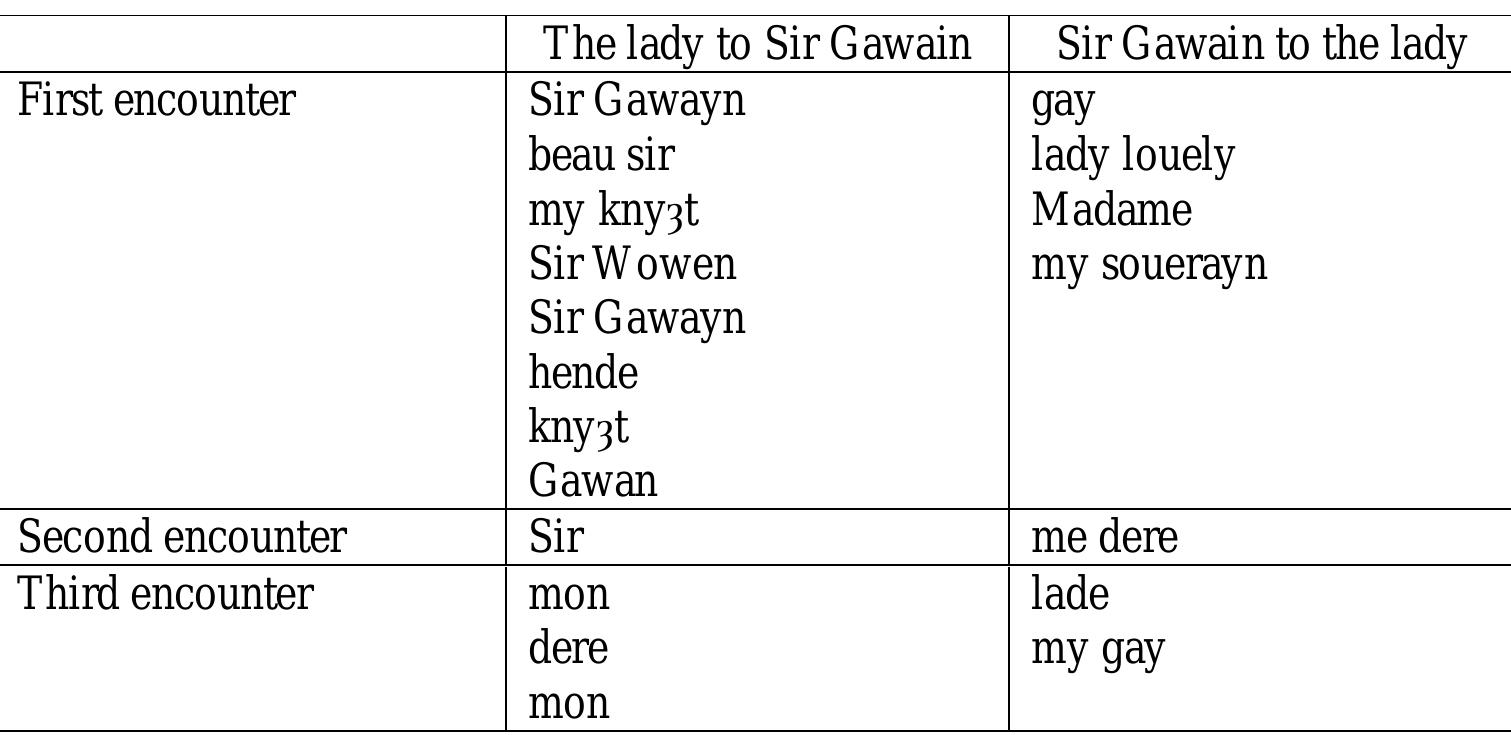
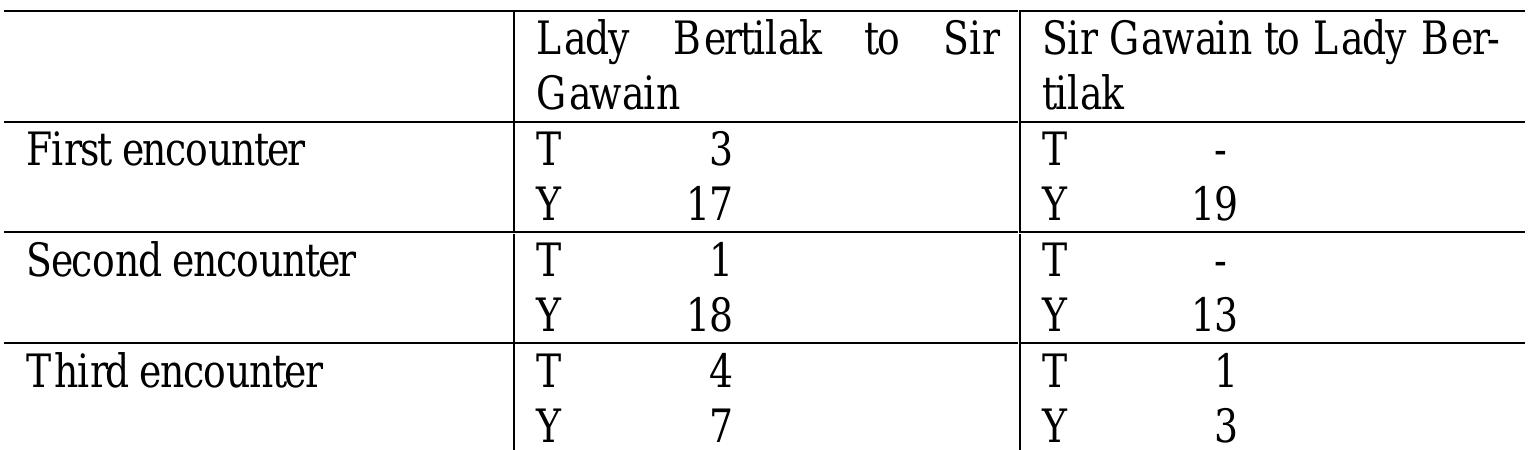
Published in Andreas H. Jucker and Irma Taavitsainen (eds.). 2003. Diachronic Perspectives on Address Term Systems. Pragmatics & Beyond. Amsterdam: Benjamins, 61-84.
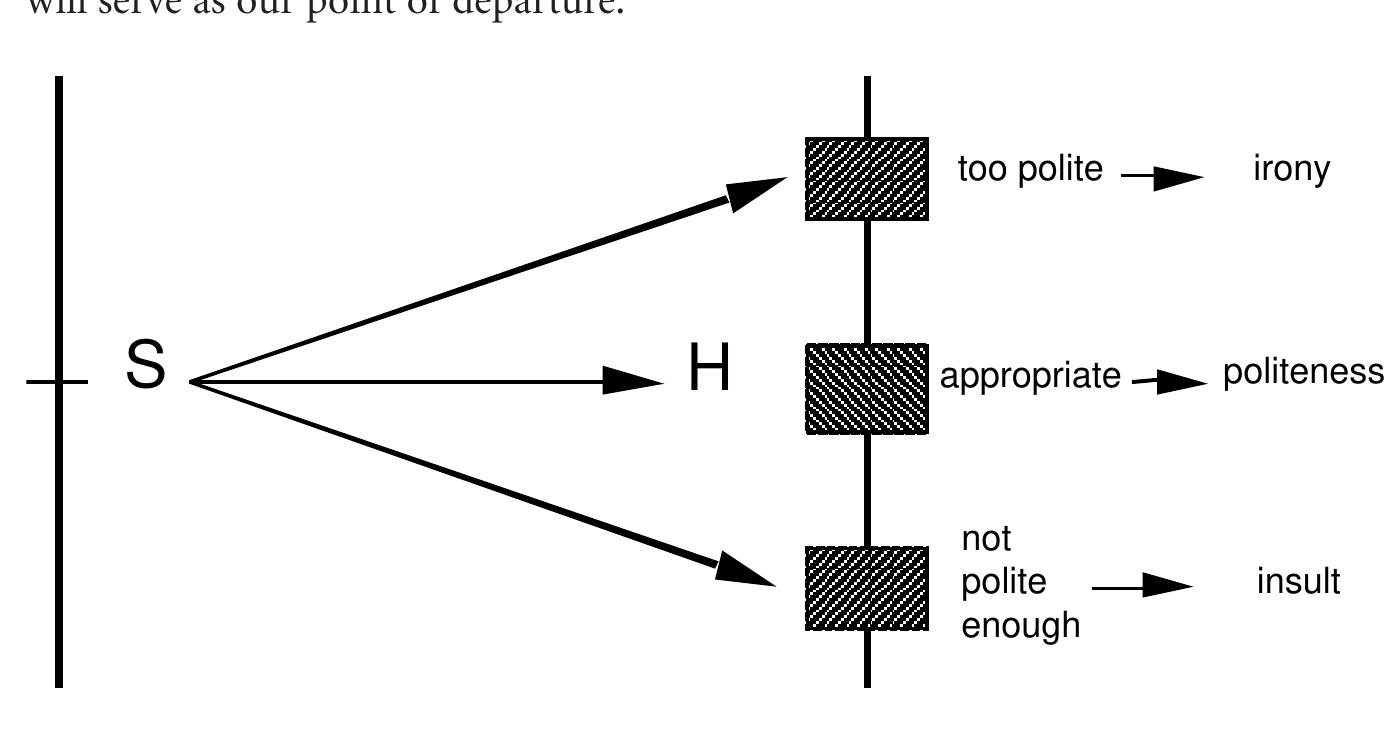
A close reading of three selected passages of the Middle English alliterative romance Sir Gawain and the Green Knight provides a detailed picture of fictional and fairy-tale manifestations of courtly and polite behaviour in Middle... more
This paper explores how Chaucer may have met the traditions of sworn brotherhood, and what his influences were when writing the Knight’s Tale. This is the first part of my essay "False Brotherhood in Chaucer’s The Knight’s Tale," in the... more
The traditional narrative of 'medieval English literature' is based on philology, which traces a clear trajectory from Anglo-Saxon, to early Middle English, and then to the 'golden age' of Chaucer (often ending up there with a sigh of... more
The purpose of this essay is to examine the power structures in Chaucer’s The Knight’s and The Clerk’s Tales alongside the medieval concept of dulia and latria and Sarah Stanbury’s application of these concepts to both gender and gaze. It... more
Download research papers for free!