580 California St., Suite 400
San Francisco, CA, 94104
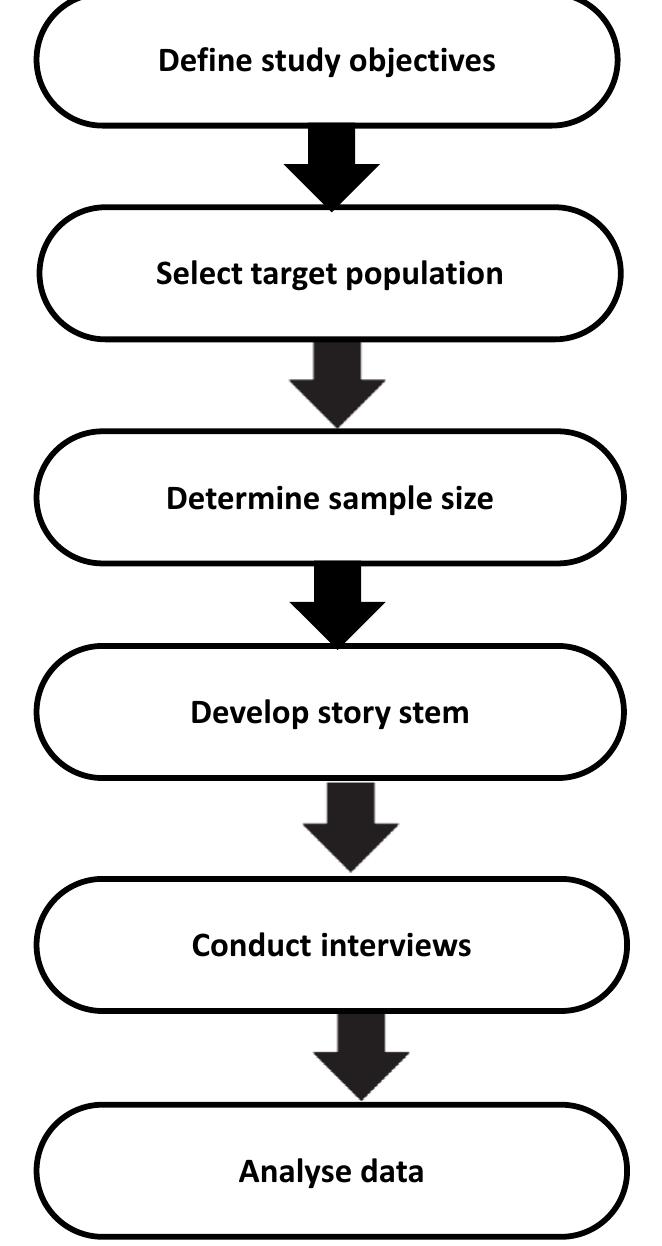
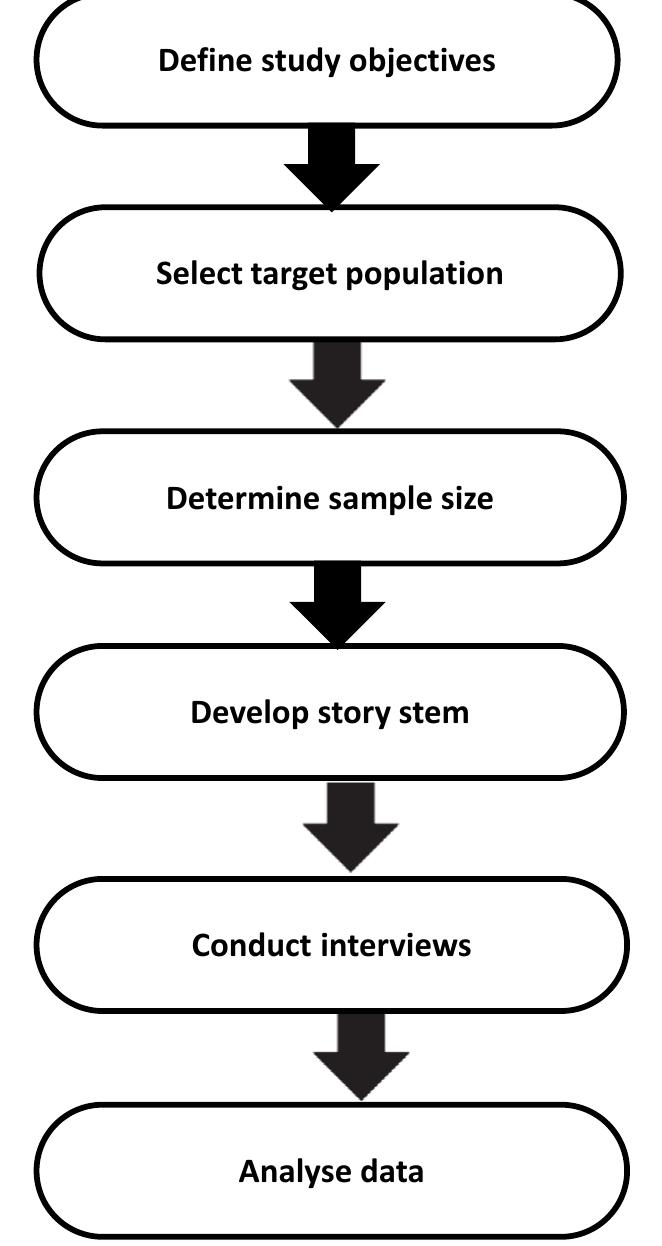
This research theme investigates the utility of story completion (SC) as a qualitative data collection method that diverges from conventional self-report techniques. SC involves providing participants with a story stem and asking them to complete the narrative, thus eliciting narrative constructions that reveal culturally available discourses, social norms, and interpretative frameworks rather than individual lived experiences or direct opinions. This approach is particularly valuable for sensitive or taboo topics where participants may be reluctant or unable to disclose personal information straightforwardly. The theme emphasizes different epistemological lenses (essentialist vs. social constructionist) in analyzing SC data, methodological considerations in research design, and the empirical potential and challenges of SC.
This theme examines the role of storytelling as a pedagogical strategy in STEM education, focusing on the design, development, and impact of story-based learning objects and children's storybooks containing STEM content. The research highlights storytelling's potential to contextualize STEM concepts, foster creativity, support interdisciplinary integration (including with the arts), and motivate learners by making STEM accessible, relevant, and engaging at elementary and higher education levels. Methodological approaches include educational design research and the development of digital platforms that blend narrative with inquiry-based STEM activities for immersive learning experiences.
This research area explores the multifaceted roles of narrative inquiry and storytelling within psychotherapy, organizational change, learning, leadership, and social transformation. It focuses on the application of narrative techniques (e.g., narrative therapy, externalization) to reshape personal and collective meaning-making, the impact of storytelling on organizational culture and conflict reduction, and the challenges of leveraging stories as interventions for personal and systemic change. It also investigates the power and risks of storytelling in professional training, emphasizing authentic story sharing and the dialogic process. Methodologically, works emphasize pluralistic approaches to narrative research reflecting diverse theoretical traditions, interdisciplinary applications, and the co-creation of meaning.
![Based on: STUDENTS 4 BEST ADVICE [Internet]. Cochrane UK.[2023]. Available at: https://s4be.cochrane.org/(61). Table 1. Three approaches to thematic analysis (TA).](https://figures.academia-assets.com/107195331/table_001.jpg)
![Based on: STUDENTS 4 BEST ADVICE [Internet]. Cochrane UK.[2023]. Available at: https://s4be.cochrane.org/(61). Table 1. Three approaches to thematic analysis (TA).](https://figures.academia-assets.com/107195243/table_001.jpg)