Academia.eduAcademia.edu

Stochastic Volatility Models

description35 papers
group56 followers
lightbulbAbout this topic
Stochastic Volatility Models are mathematical frameworks used in financial mathematics to describe the evolution of asset prices, where volatility is treated as a random process. These models capture the changing nature of volatility over time, allowing for more accurate pricing of derivatives and risk management in financial markets.
lightbulbAbout this topic
Stochastic Volatility Models are mathematical frameworks used in financial mathematics to describe the evolution of asset prices, where volatility is treated as a random process. These models capture the changing nature of volatility over time, allowing for more accurate pricing of derivatives and risk management in financial markets.

Key research themes

1. How can realized volatility and high-frequency data improve estimation in stochastic volatility models?

This research focuses on leveraging high-frequency intraday data to construct realized volatility measures, facilitating more precise estimation and inference in stochastic volatility (SV) models. Realized volatility, computed as sums of squared intraday returns, offers consistent, although biased in finite samples, estimates of integrated volatility. The central inquiry is how to quantify and correct for errors between realized volatility and the latent integrated volatility in SV models, improving estimation without resorting to simulation-heavy methods.

Key finding: Derives asymptotic distribution of the realized volatility error (difference between realized and integrated volatility) under a general SV model, showing the error is approximately mixed Gaussian and statistically tractable.... Read more
Key finding: Empirically demonstrates that stochastic volatility models outperform GARCH(1,1) in forecasting (unobserved) conditional volatility at low-frequency data (monthly to yearly). Practical application underscores realized... Read more
Key finding: Develops multifactor stochastic volatility models capturing stylized facts like persistence, mean reversion, asymmetry, and long memory. Shows multifactor SV models provide functional conditional volatility distributions... Read more

2. What are the theoretical and empirical advancements in continuous-time Gaussian and self-similar stochastic volatility models, especially regarding option pricing and small-time asymptotics?

This theme investigates continuous-time Gaussian SV models with self-similar volatility processes, focusing on their small-time asymptotic behavior, option price and implied volatility sensitivities, and the mathematical characterization of volatility dynamics via fractional and Gaussian processes. The role of self-similarity parameter (Hurst index) in controlling the short maturity implied volatility surface and providing model-based estimators is emphasized.

Key finding: Derives explicit small-time asymptotic expansions for asset price densities, call/put prices, and implied volatilities under Gaussian self-similar SV models, demonstrating that behavior critically depends on the... Read more
Key finding: Introduces a general decomposition and adapted projection formula for option pricing in rough Volterra Gaussian SV models, enabling approximation of European option prices via conditional expectations of adapted processes.... Read more
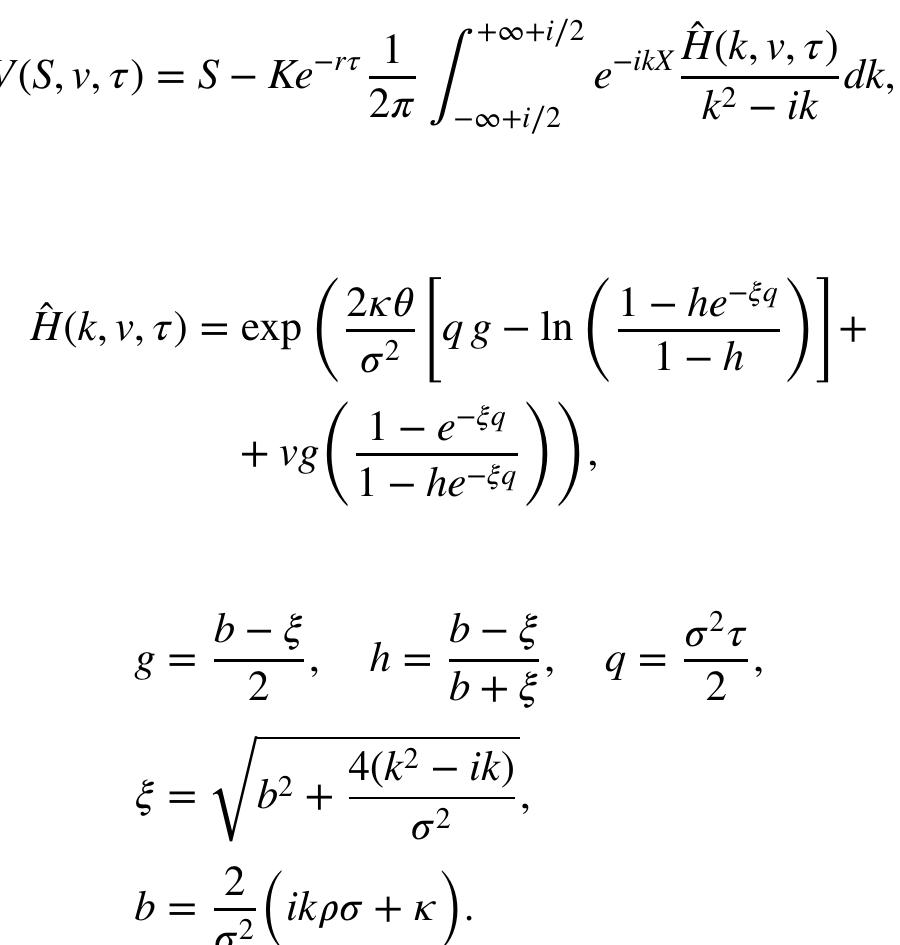
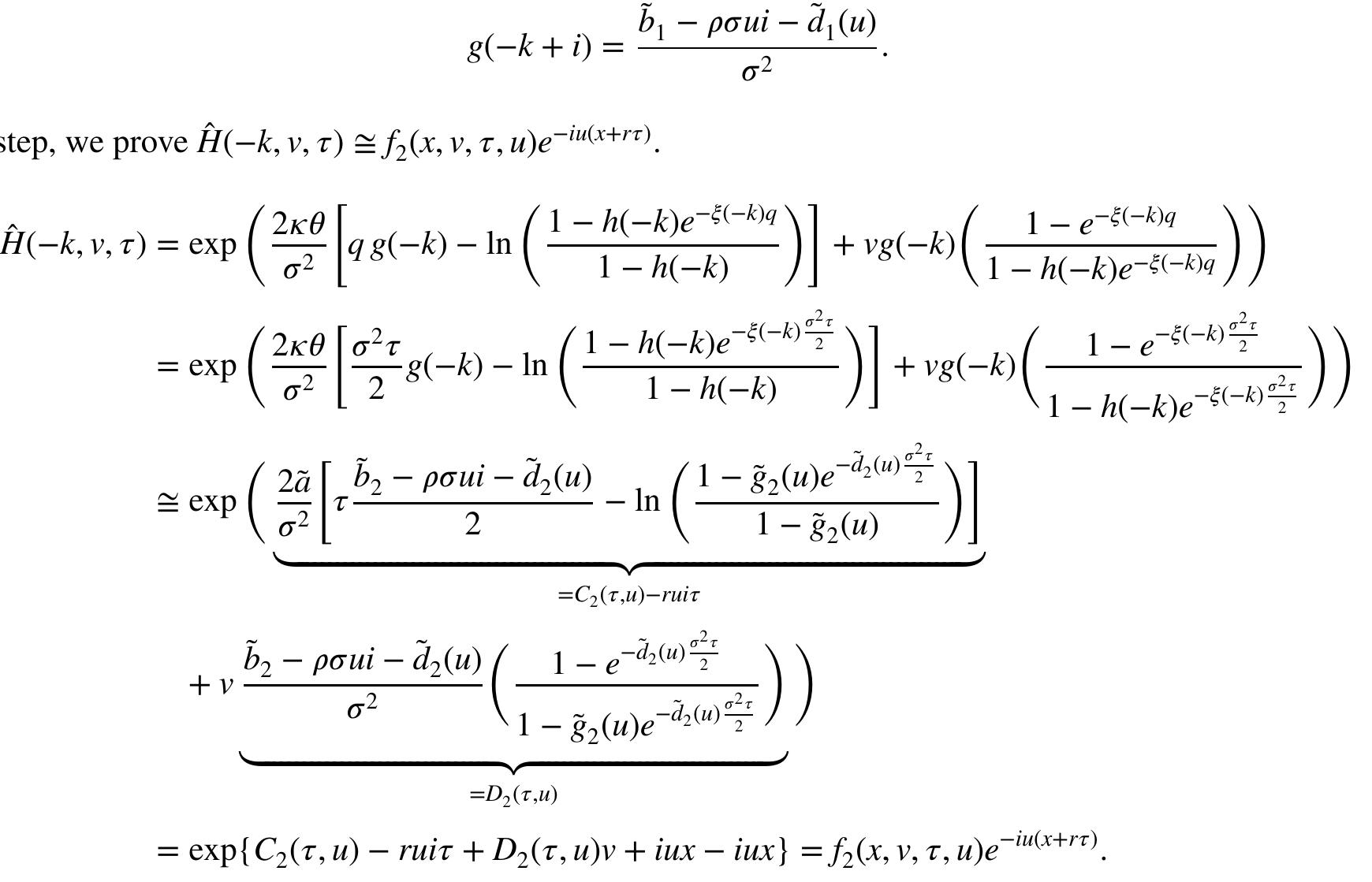
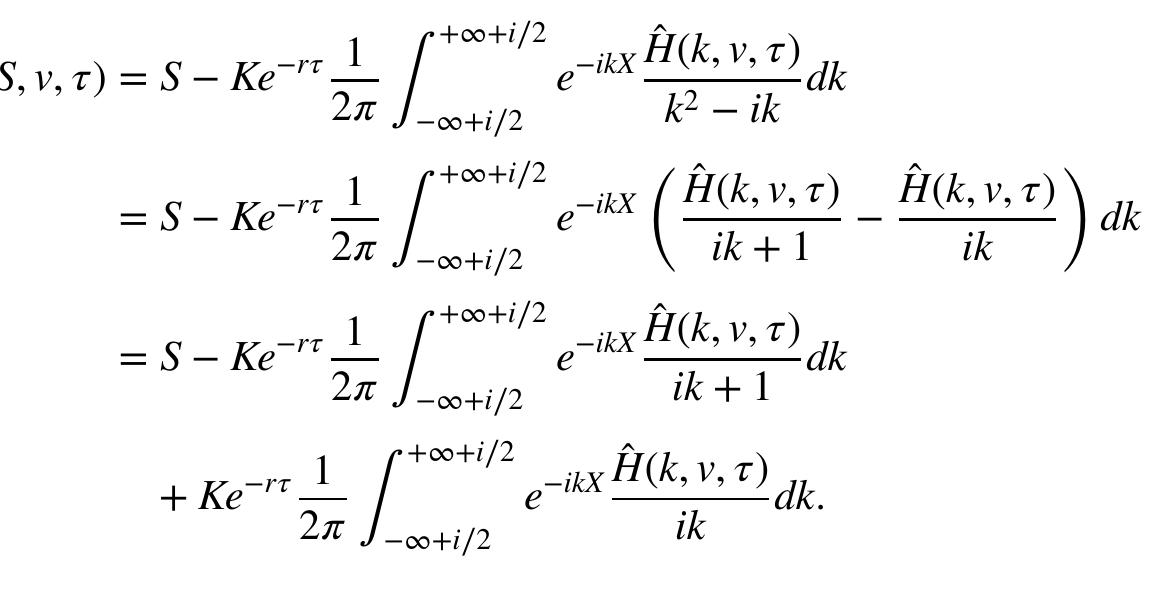
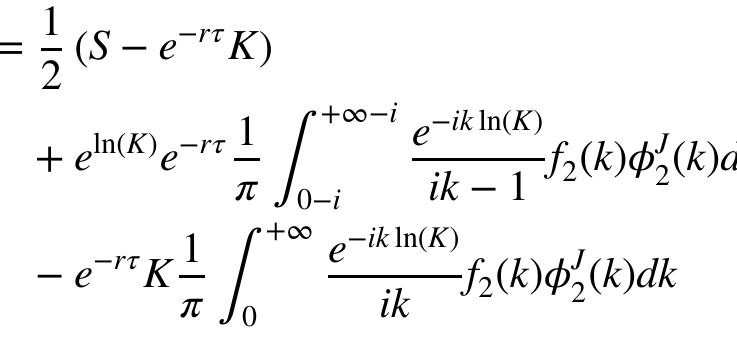
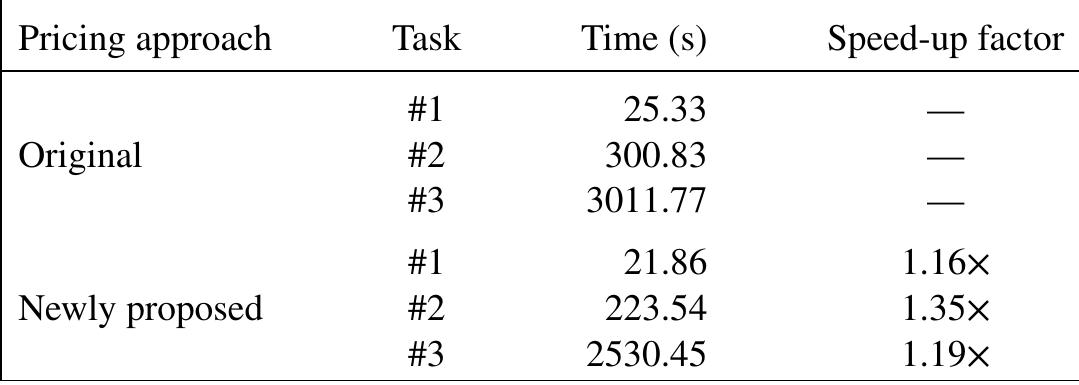
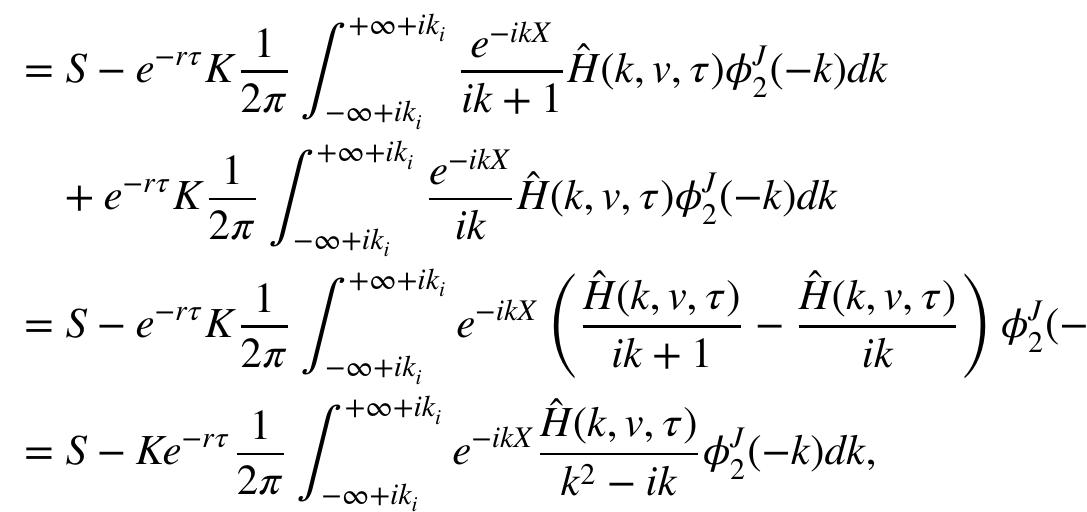
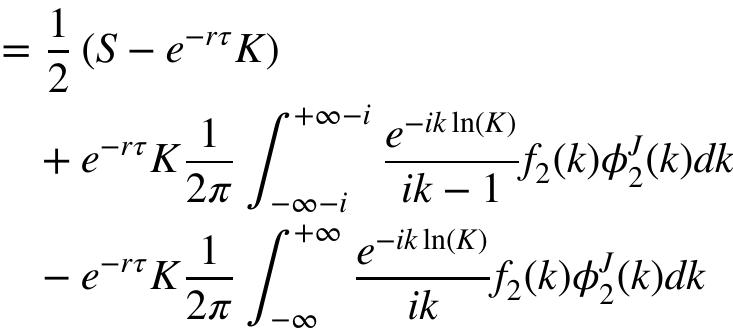
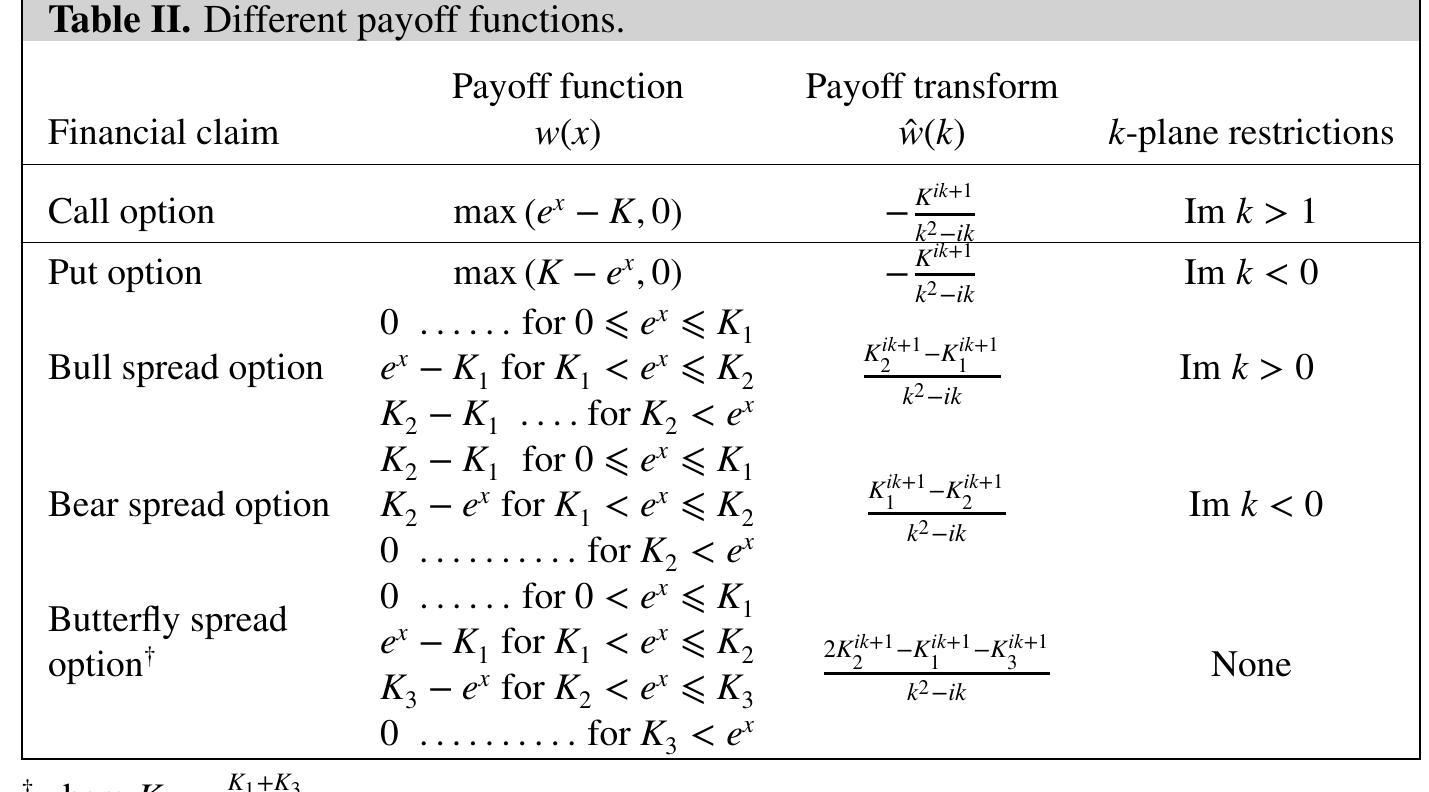
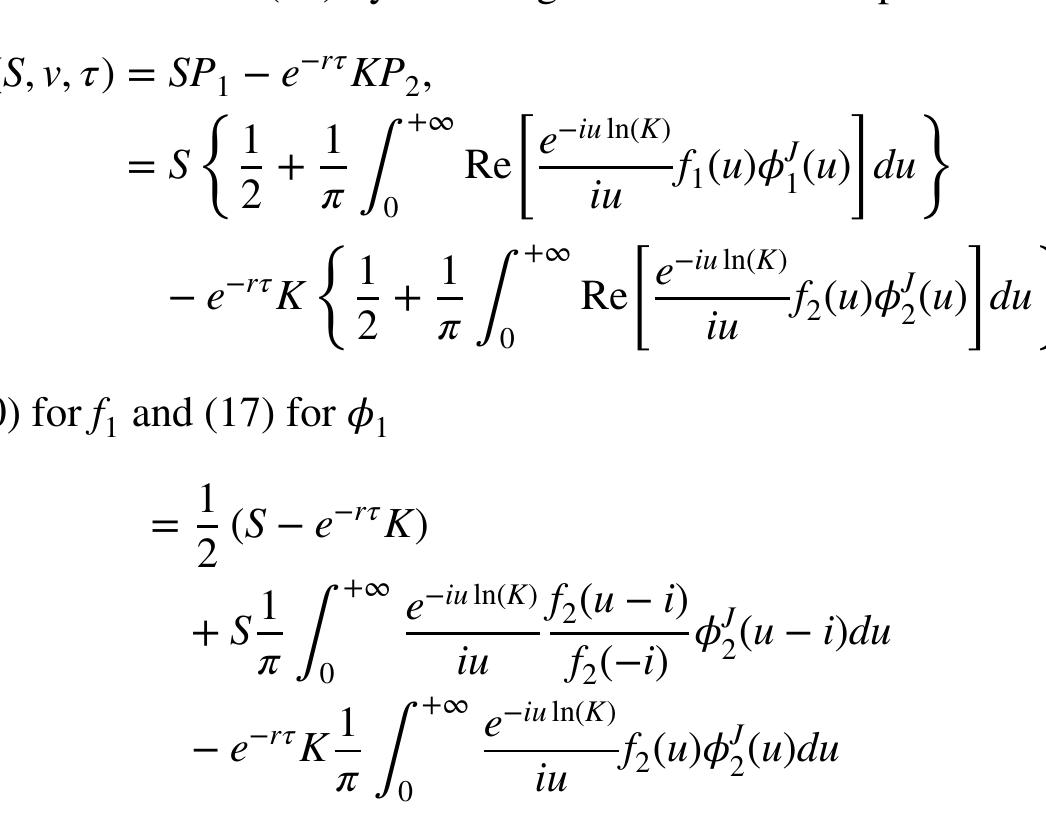
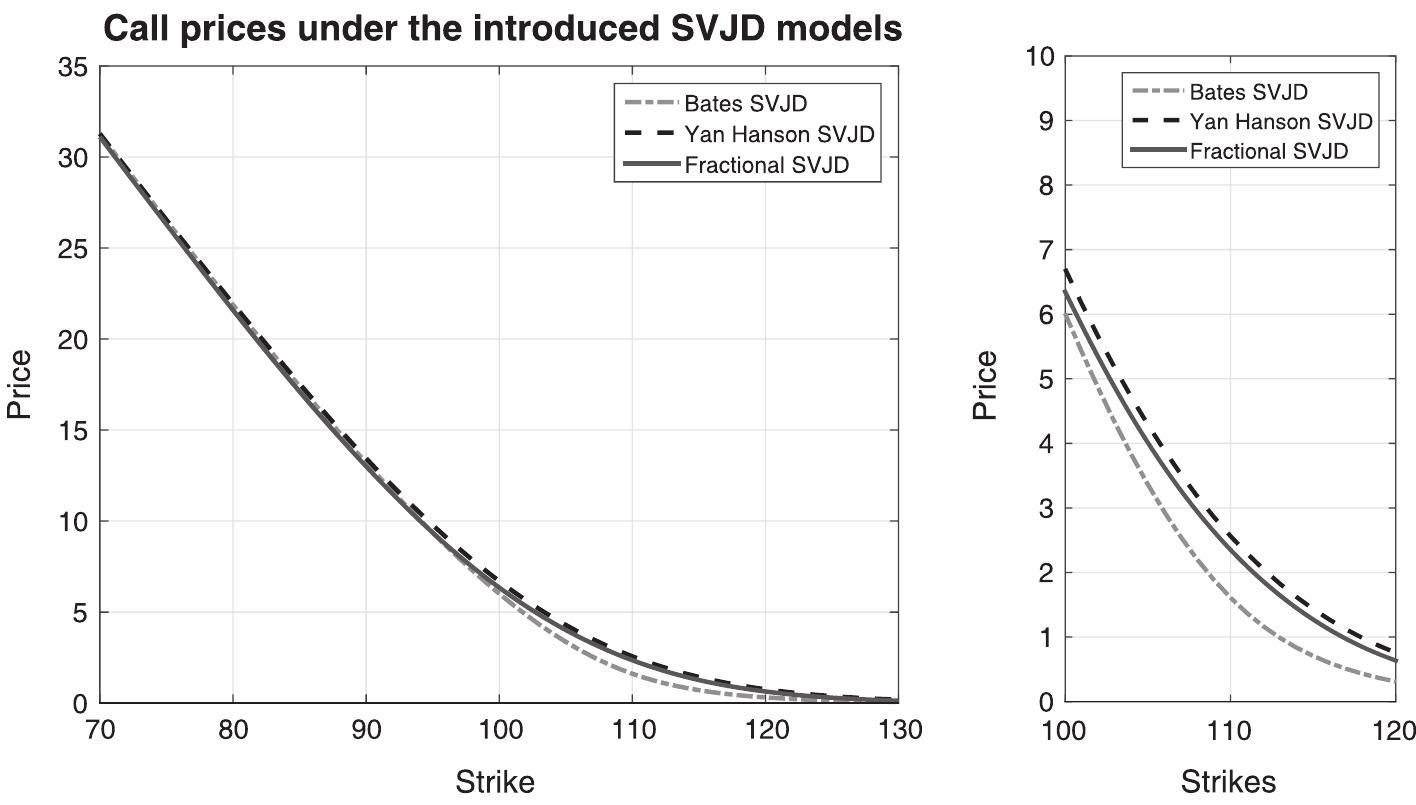
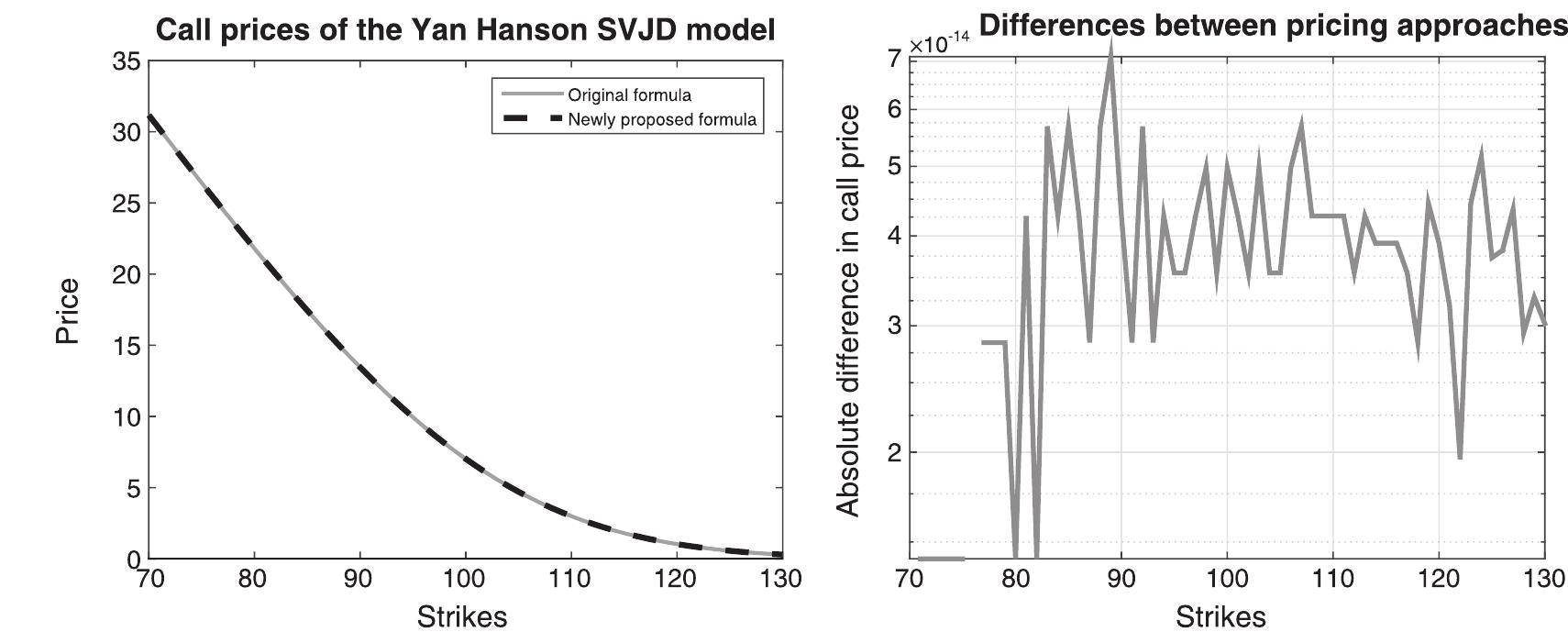
Key finding: Develops a unified semi-closed form pricing formula for European options across a wide class of continuous-time SV models with jumps via generalized complex Fourier transforms of corresponding PIDEs. Demonstrates... Read more

3. How do high-dimensional and multivariate stochastic volatility models address computational challenges and improve covariance modeling in financial time series?

Investigates methodological advancements to scale stochastic volatility models to high-dimensional multivariate settings while overcoming computational bottlenecks of Bayesian MCMC and Monte Carlo likelihood estimation. Focus is on penalized ordinary least squares (OLS) frameworks incorporating sparsity-inducing penalties, factor structures, and state-space representations to enable efficient estimation and forecasting of large covariance matrices relevant to portfolio risk and asset dependence structures.

Key finding: Proposes a novel penalized two-step OLS estimation procedure for multivariate stochastic volatility models, which directly enforces sparsity and breaks the curse of dimensionality without reliance on MCMC or Monte Carlo... Read more
Key finding: Extends continuous-time GARCH modeling to the COGARCH(1,1) framework driven by Lévy processes, providing recursive formulae for higher order joint moments and developing prediction-based estimating functions (PBEFs).... Read more
Key finding: Develops an empirical characteristic function (ECF) based estimation approach for discrete-time SV models, including Taylor’s standard and Split-SV models with threshold-based components, enabling parameter estimation by... Read more

All papers in Stochastic Volatility Models

COGARCH models are continuous time versions of the well‐known GARCH models of financial returns. The first aim of this paper is to show how the method of prediction‐based estimating functions can be applied to draw statistical inference... more
We show the advantage of using Google search engine trends to forecast the volatility of the shortterm (weekly) exchange rate between the Mexican peso and United States dollar. We perform a comparison of models in the literature that have... more
In this study, the volatility of deposit banks’ credit stock in Turkey is investigated by using weekly data from June 2000 through June 2007. To determine the high and low volatility states, two state switching autoregressive conditional... more
We show the advantage of using Google search engine trends to forecast the volatility of the shortterm (weekly) exchange rate between the Mexican peso and United States dollar. We perform a comparison of models in the literature that have... more
In this presentation, we address the topic of valuing European options using the Heston (1993) stochastic volatility model via Monte Carlo simulation. To do this, we present the theoretical characteristics of the model, as well as the... more
This paper aims to investigate the direct relationship between inflation and inflation uncertainty by employing a dynamic method for the monthly country-region-place United States data for the time period 1976-2007. While the bulk of... more
This paper investigates the effect of inflation uncertainty innovations on inflation over time by considering the monthly United States data for the time period 1976-2006. In order to investigate the effect of inflation uncertainty... more
We propose a new model for electricity pricing based on the price cap principle. The particularity of the model is that the asset price is an exponential functional of a jump L\'evy process. This model can capture both mean reversion... more
In this paper, a study of a stochastic volatility model for asset pricing is described. Originally presented by J. Da Fonseca, M. Grasselli and C. Tebaldi, the Wishart volatility model identifies the volatility of the asset as the trace... more
In Monte Carlo path simulations, which are used extensively in computational fi-nance, one is interested in the expected value of a quantity which is a functional of the solution to a stochastic differential equation [M.B. Giles,... more
A binary buy sell signal for trading volatility in equities with pi adjusted for risk appetite.
In this paper we will compare Black-Scholes formula with a particular case of Heston formula, both solutions of the same problem.
Motivation Lévy processes Exponentially affine models Fourier References Supplementary material OMXS30-index (log-returns) rt = log(St) − log(St−1)
The Black-Scholes Model is a cornerstone of financial economics, revolutionizing options pricing and modern finance. Developed by Fischer Black and Myron Scholes in 1973, it provides a mathematical framework for valuing options and... more
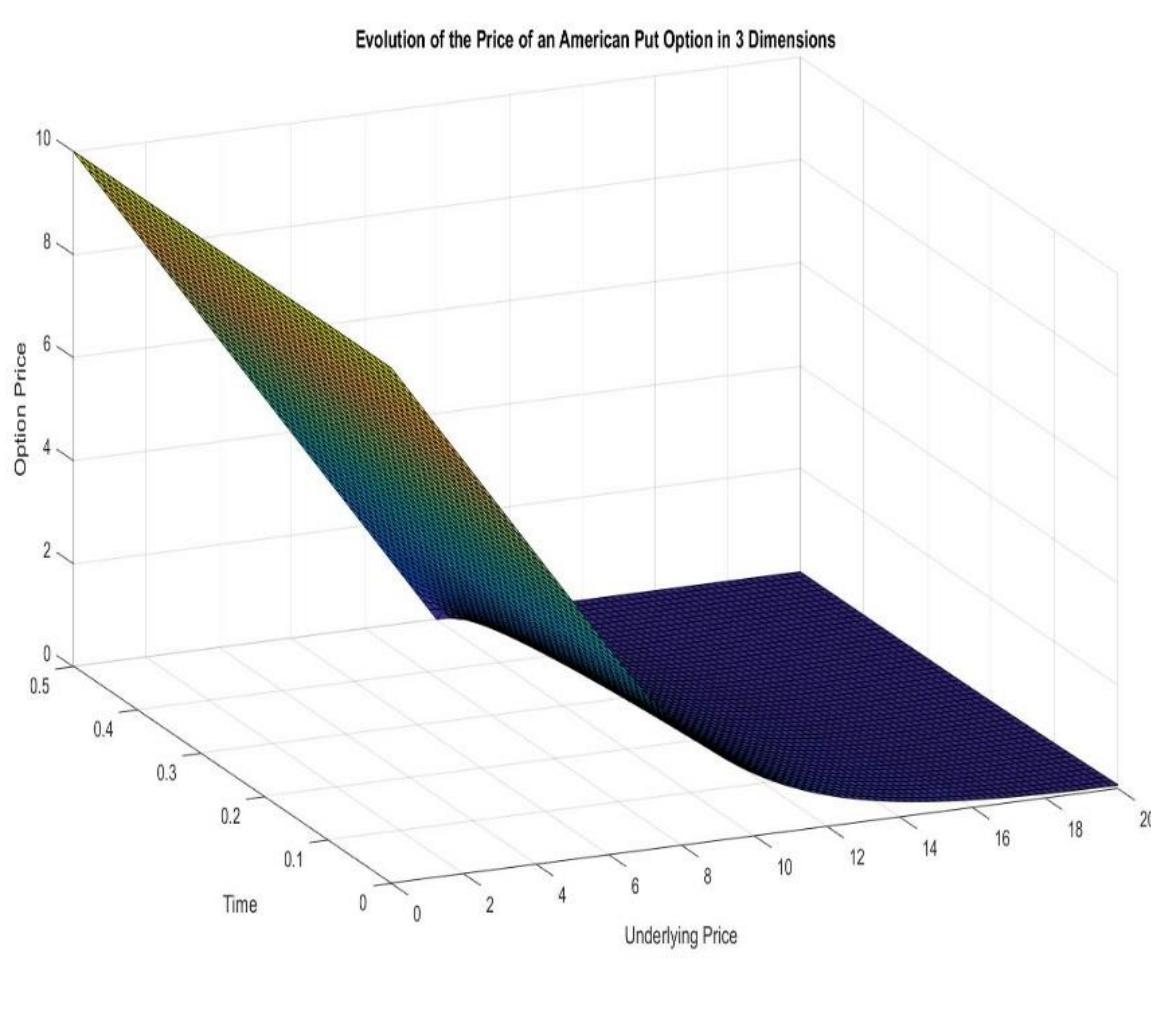
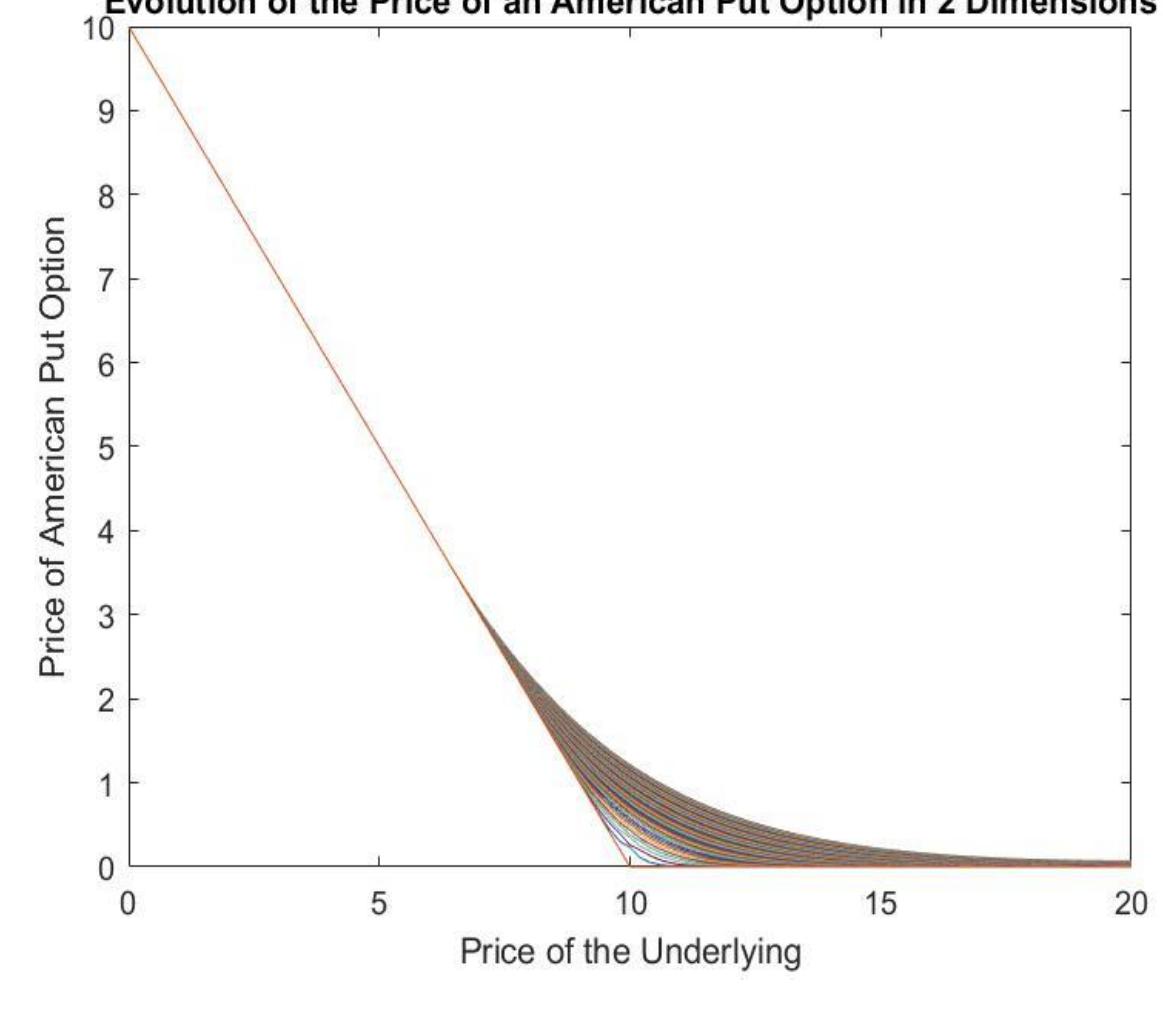
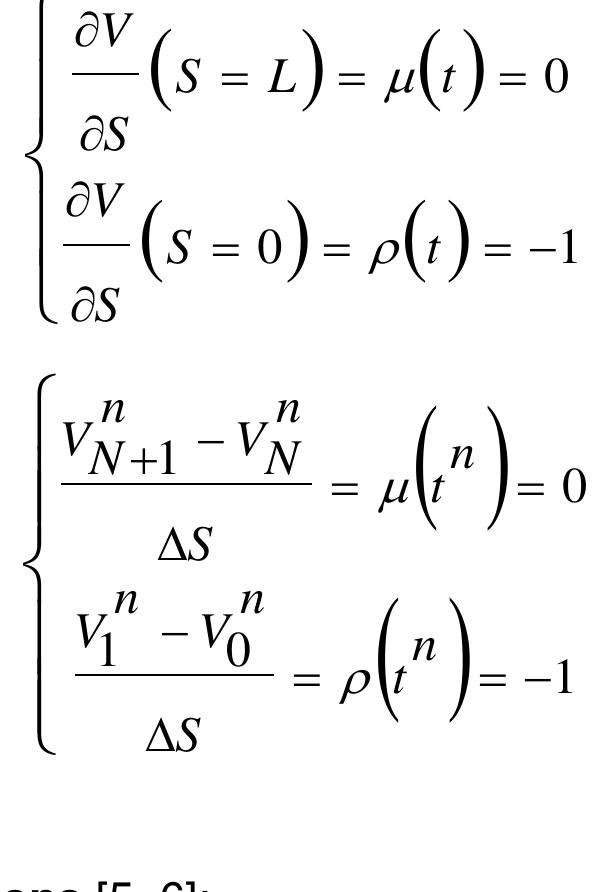
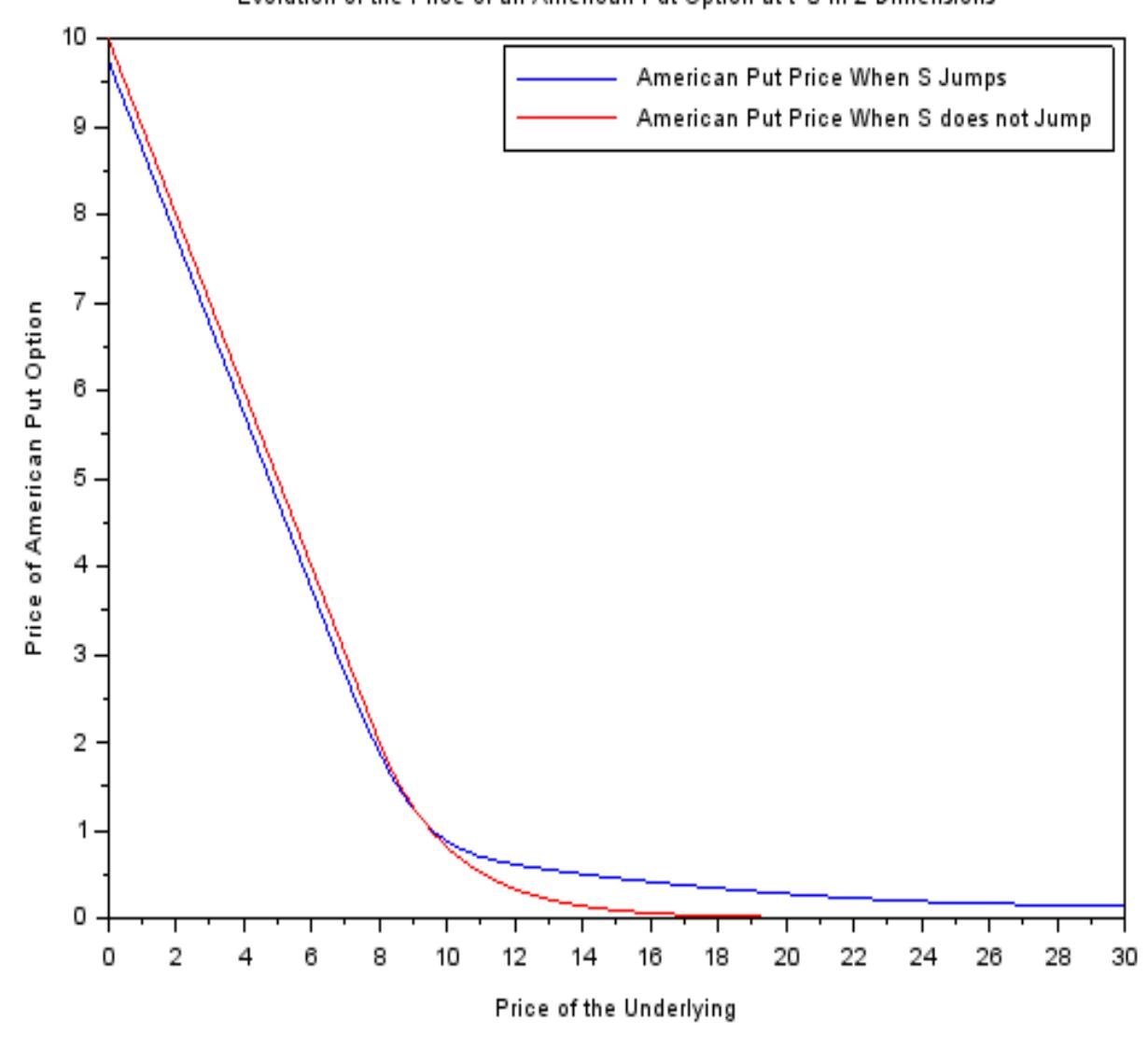
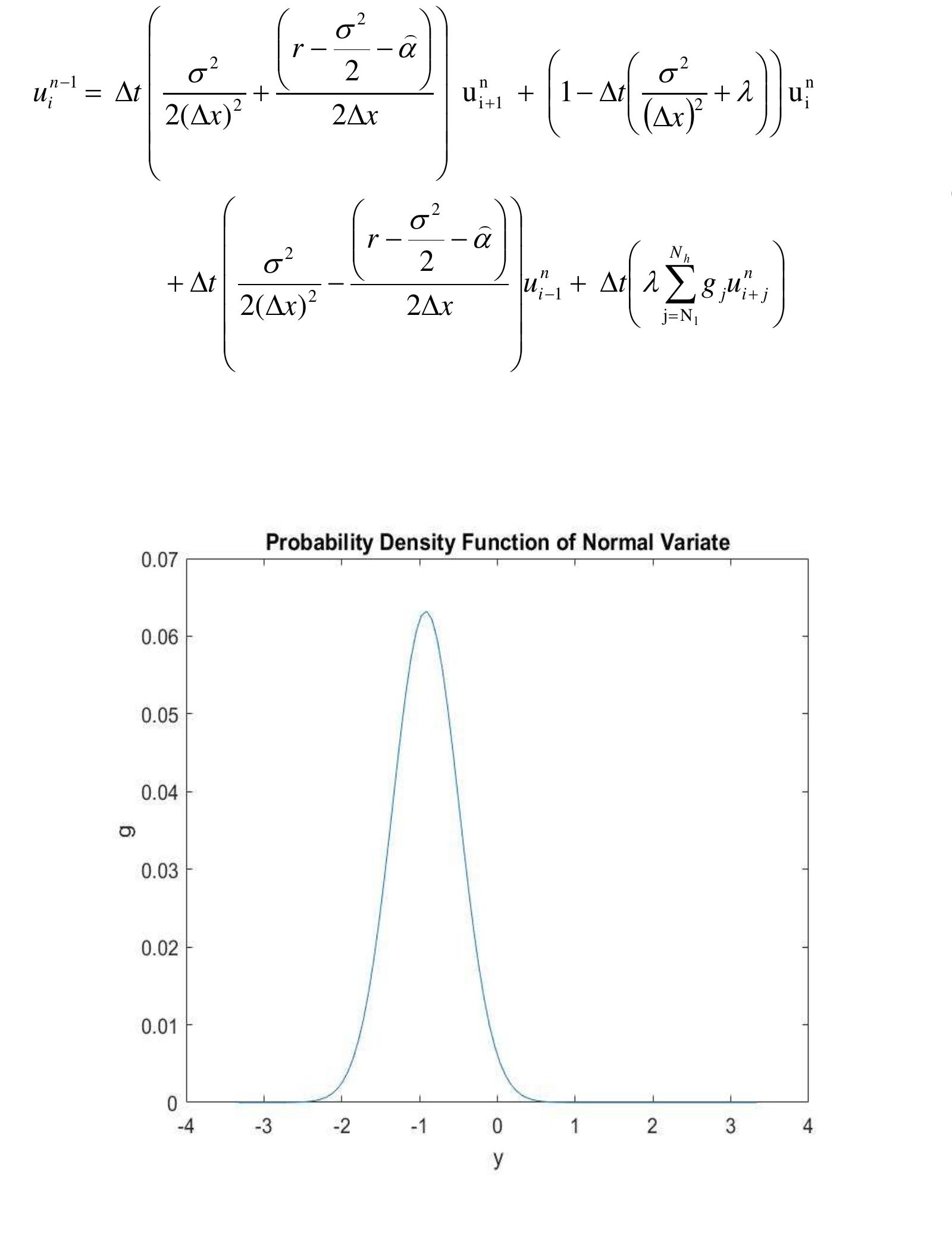
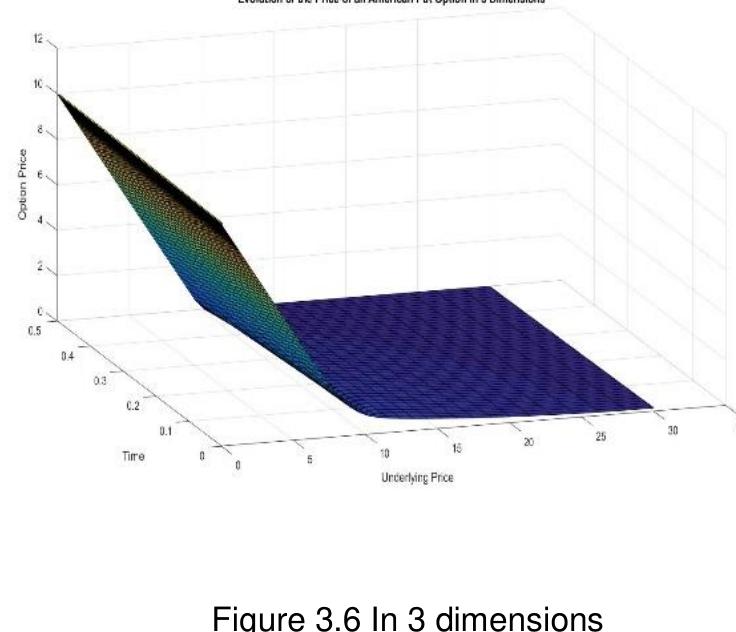
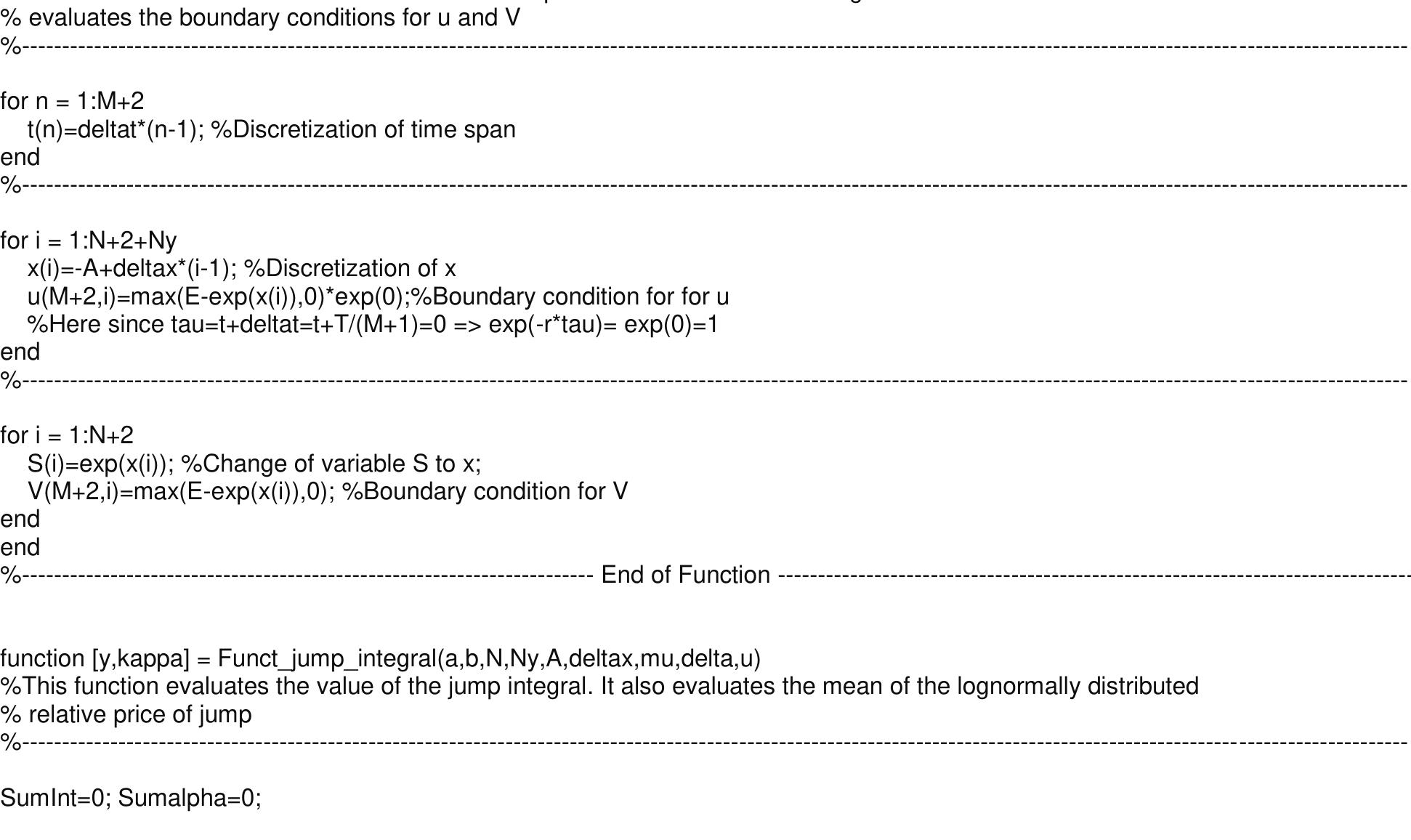
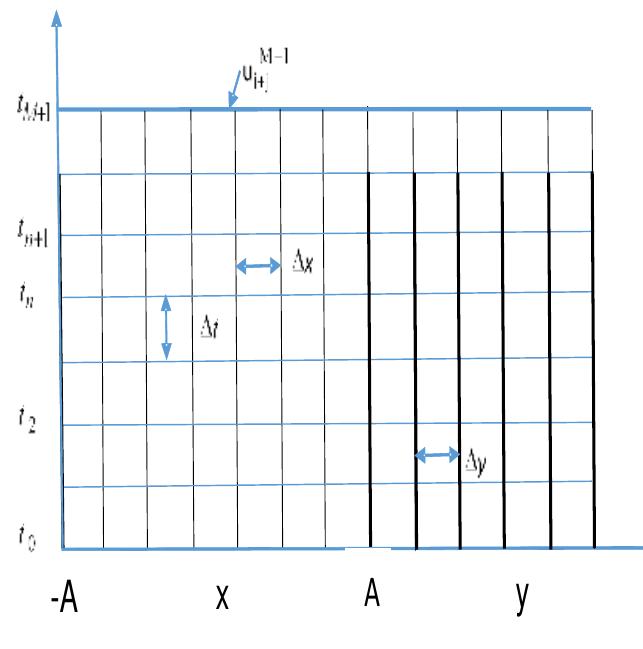
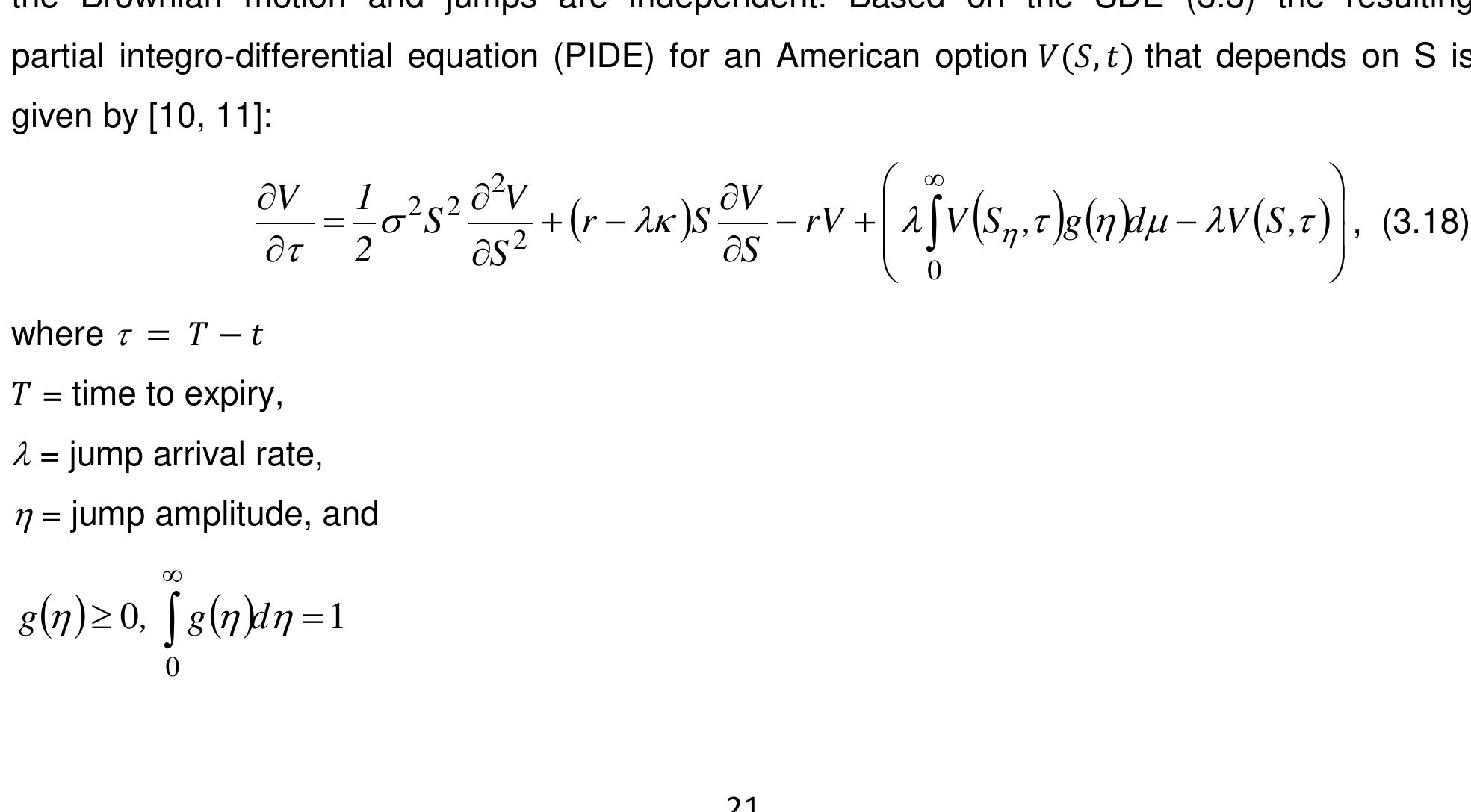
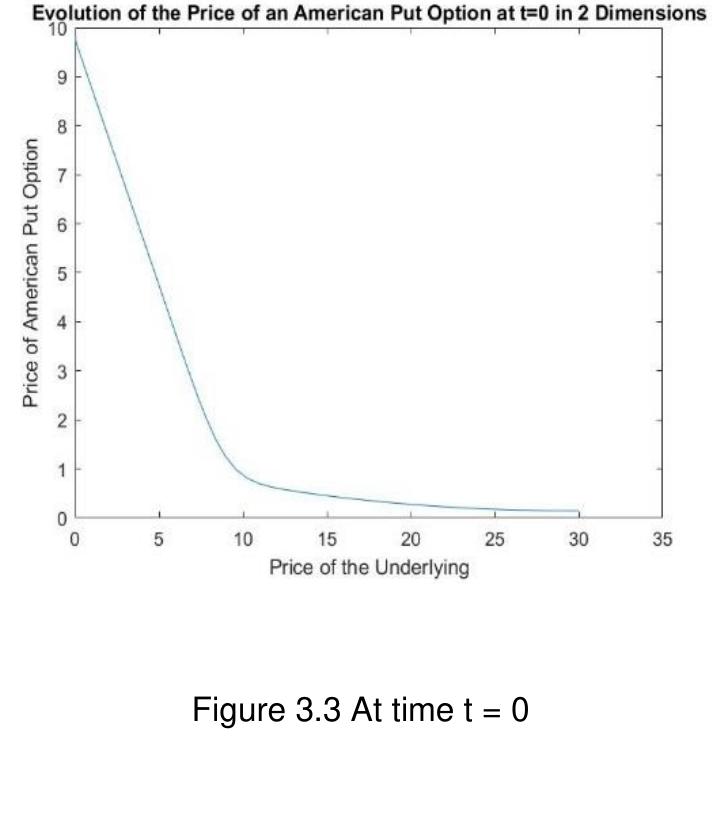
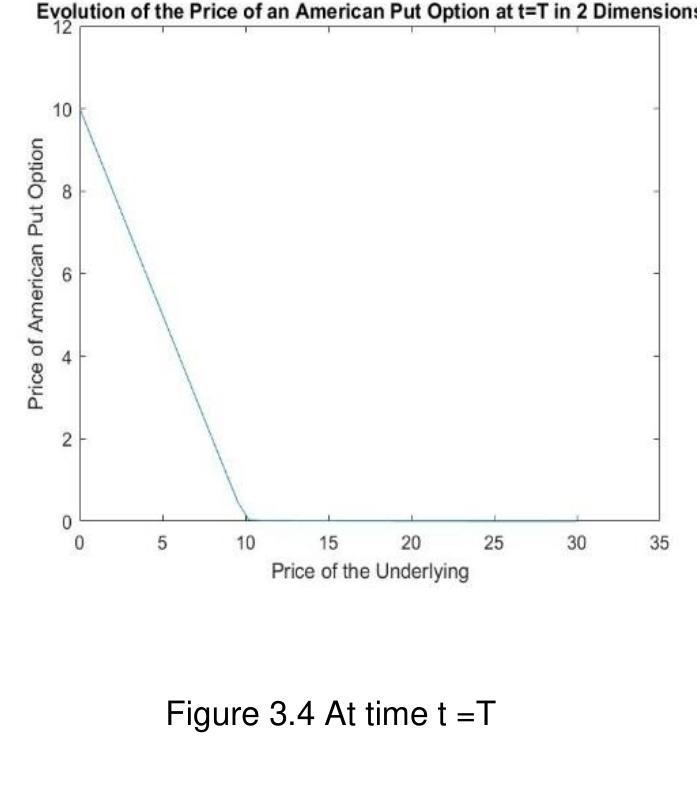
The objective of this research work was to determine the price of American put option: - When the underlying price does not experience jumps, i.e., the price is assumed to follow the Black-Scholes model and - When the underlying price... more
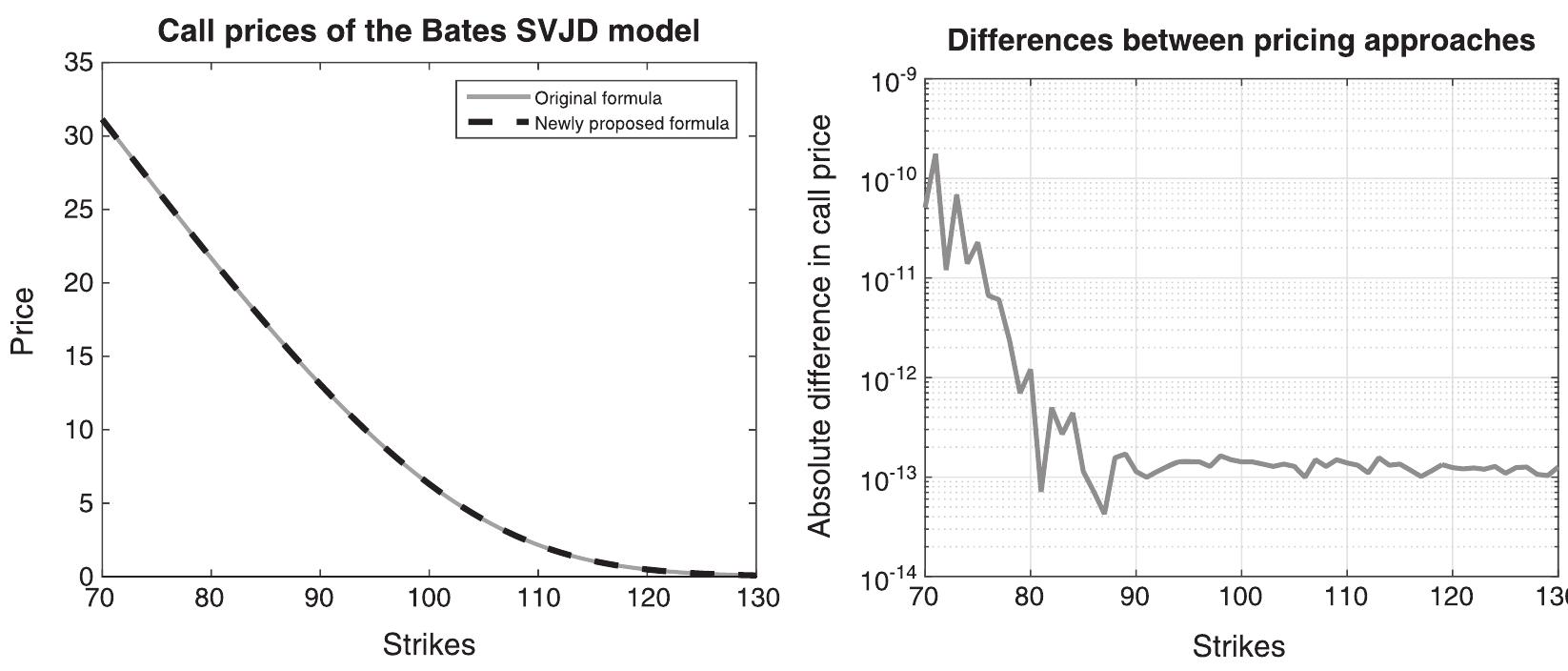
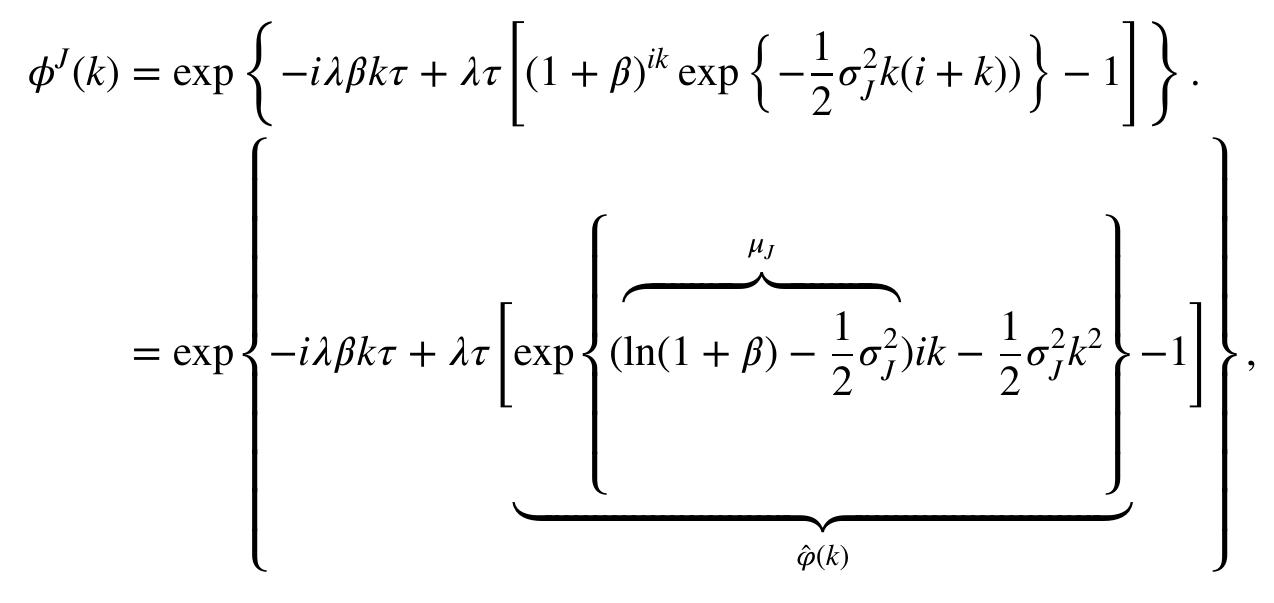
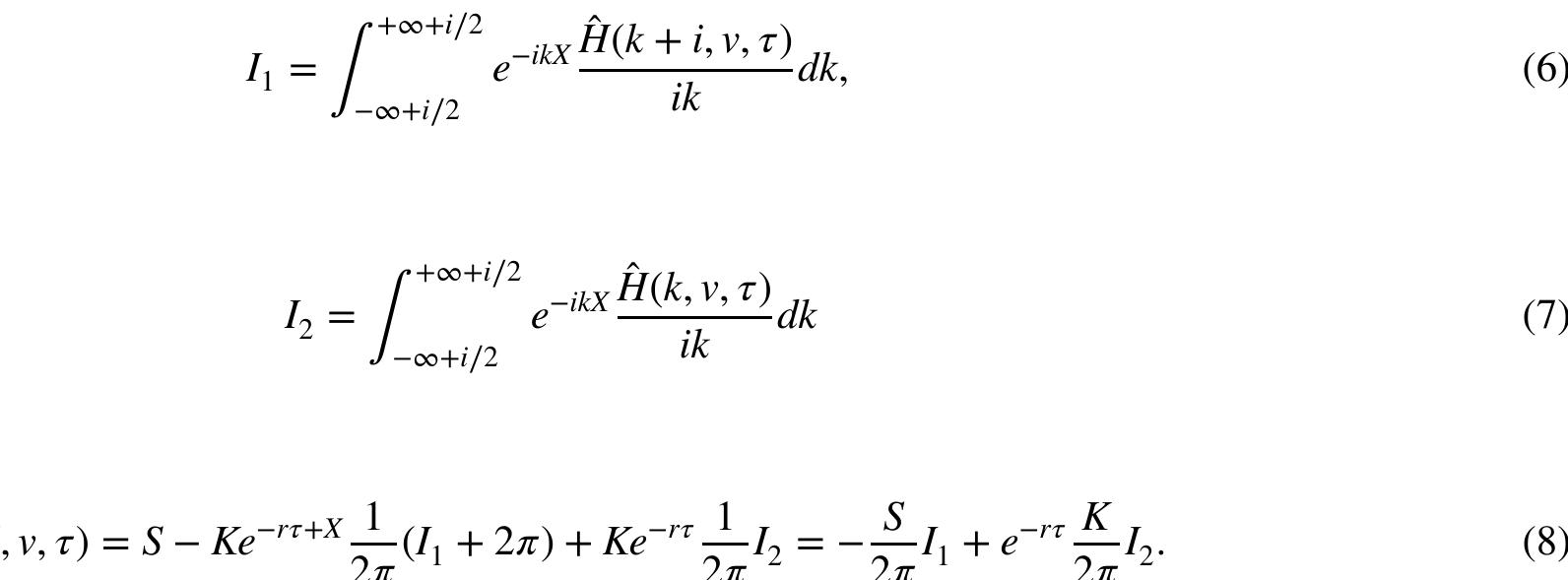
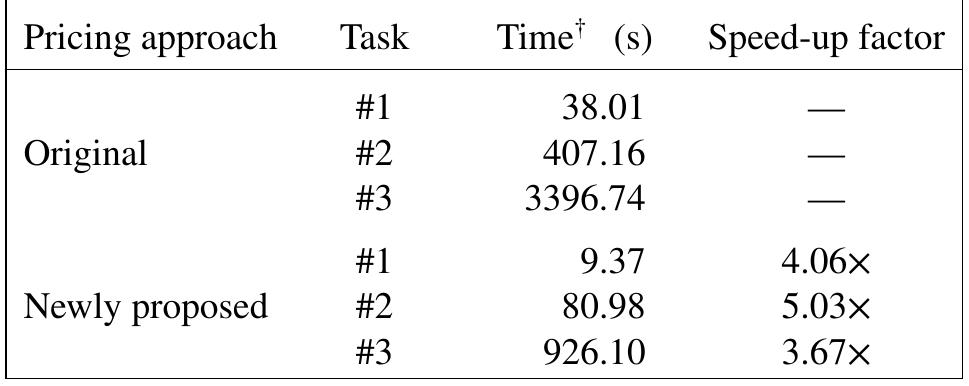
In this paper, we introduce a unifying approach to option pricing under continuous-time stochastic volatility models with jumps. For European style options, a new semi-closed pricing formula is derived using the generalized complex... more
In this paper we perform robustness and sensitivity analysis of several continuous-time stochastic volatility (SV) models with respect to the process of market calibration. The analyses should validate the hypothesis on importance of the... more
In this paper, we introduce a unifying approach to option pricing under continuous‐time stochastic volatility models with jumps. For European style options, a new semi‐closed pricing formula is derived using the generalized complex... more
In this paper we present a new model for pricing and hedging a portfolio of derivatives that takes into account the effect of an extreme movement in the underlying. We make no assumptions about the timing of this 'crash' or the... more
This paper aims to find numerical solutions of the non-linear Black-Scholes partial differential equation (PDE), which often appears in financial markets, for European option pricing in the appearance of the transaction costs. Here we... more
Cette thèse porte principalement sur deux types de systèmes désordonnés, à savoir les verres de spins et les polymères dirigés en environnement aléatoire. Ces deux thèmes de recherche peuvent s'aborder à l'aide de certains outils... more
For positive real numbers p and q satisfying 1/p + 1/q > 1, it is known that if f (u) and g(u) have finite mean variations of orders p and q respectively, then an integral t s f (u)dg(u) exists in the Riemann sense. The present paper... more
Financial decisions are made under the state of indeterminacy. Randomness and fuzziness are two basic forms of indeterminacy. Probability theory (Kolmogorov, 1933) models randomness and fuzzy set theory (Zadeh, 1965) deals with fuzziness.... more
Background: A study on the dengue daily counting in São Paulo city in a fixed period of time is assumed considering a new regression model approch. Methods: Under a Bayesian approach, it is introduced a polynomial linear regression model... more
We propose two new positive weak second-order approximations for the CIR equation dX t = (a − b X t) dt + σ √ X t dB t based on splitting, at each step, the equation into the deterministic part dX t = (a − b X t) dt, which is solved... more
We introduce a distributionally robust minimium mean square error estimation model with a Wasserstein ambiguity set to recover an unknown signal from a noisy observation. The proposed model can be viewed as a zero-sum game between a... more
We show the advantage of using Google search engine trends to forecast the volatility of the shortterm (weekly) exchange rate between the Mexican peso and United States dollar. We perform a comparison of models in the literature that have... more
The copyright of this thesis rests with the author and is made available under a Creative Commons Attribution Non-Commercial No Derivatives licence. Researchers are free to copy, distribute or transmit the thesis on the condition that... more
Are there "day-of-the-week" and "holiday" anomalies in the mexican stock market? ¿Hay anomalías "día de la semana" y "día festivo" en el mercado accionario mexicano?
We consider option pricing when dynamic portfolios are discretely rebalanced. The portfolio adjustments only occur after fixed relative changes in the stock price. The stock price follows a marked point process (MPP) and the market is... more
We present a new method of pricing plain vanilla call and put options when the underlying asset returns follow a jump-diffusion process. The method is based on stochastic dominance insofar as it does not need any assumption on the utility... more
In this paper, we prove sufficient conditions for controllability of second order semi-linear neutral impulsive differential inclusions on unbounded domain with infinite delay in Banach spaces using the theory of strongly continuous... more
In this paper we consider the mean-variance hedging problem of a continuous state space financial model with the rebalancing strategies for the hedging portfolio taken at discrete times. An expression is derived for the optimal... more
La larga memoria de los tipos de cambio nominales en Nigeria: un examen mediante modelos integrados fraccionalmente y cointegrados con rupturas estructurales
Most existing hedging approaches are based on neutralizing risk exposures defined under a pre-specified model. This paper proposes a new, simple, and robust hedging approach based on the affinity of the derivative contracts. As a result,... more
We investigate existence and uniqueness of strong solutions of mean-field stochastic differential equations with irregular drift coefficients. Our direct construction of strong solutions is mainly based on a compactness criterion... more
En premier lieu, je tiensà remercier de tout coeur ma directrice de thèse, Nicole El Karoui, pour la qualité exceptionnelle de son encadrement. Son savoir, son dynamisme et sa rigueur ont fortement contribuéà la rédaction de cette thèse.... more
In this paper, a study of a stochastic volatility model for asset pricing is described. Originally presented by J. Da Fonseca, M. Grasselli and C. Tebaldi, the Wishart volatility model identifies the volatility of the asset as the trace... more
En premier lieu, je tiensà remercier de tout coeur ma directrice de thèse, Nicole El Karoui, pour la qualité exceptionnelle de son encadrement. Son savoir, son dynamisme et sa rigueur ont fortement contribuéà la rédaction de cette thèse.... more
Business activities require to obtain, organize and manage information from large amounts of data. In hedge funds, short selling trade and derivatives valuation, agents change their strategies to improve profits, and therefore to increase... more
We study the rate of weak convergence of Markov chains to diffusion processes under suitable but quite general assumptions. We give an example in the financial framework, applying the convergence analysis to a multiple jumps tree... more
Focus, in the past four decades, has been obtaining closed-form expressions for the no-arbitrage prices and hedges of modified versions of the Europeanoptions, allowing the dynamic of the underlying assets to have non-constant... more
This paper analyzes the factors that contribute to the government obligations yield to maturity on the EU and US markets. Both, the bond characteristics and macroeconomic factors are taken into account, and the magnitude of each of the... more
The Bates model provides a parsimonious fit to implied volatility surfaces, and its usefulness in developed markets is well documented. However, there is a lack of research assessing its applicability to developing markets. Additionally,... more
Focus, in the past four decades, has been obtaining closed-form expressions for the no-arbitrage prices and hedges of modified versions of the Europeanoptions, allowing the dynamic of the underlying assets to have non-constant... more
This research aims to analyze whether the 42 category-specific Equity Market Volatility (EMV) trackers explain the US industrial production index (IPI) including the impact of the Covid-19 crisis. IPI values are forecasted, considering... more
Business activities require to obtain, organize and manage information from large amounts of data. In hedge funds, short selling trade and derivatives valuation, agents change their strategies to improve profits, and therefore to increase... more
Download research papers for free!