Academia.eduAcademia.edu

Sensorimotor Neuroscience

description76 papers
group85 followers
lightbulbAbout this topic
Sensorimotor neuroscience is the study of the neural mechanisms underlying the integration of sensory information and motor actions. It explores how the brain processes sensory inputs to generate appropriate motor responses, focusing on the interactions between sensory systems, motor control, and cognitive functions.
lightbulbAbout this topic
Sensorimotor neuroscience is the study of the neural mechanisms underlying the integration of sensory information and motor actions. It explores how the brain processes sensory inputs to generate appropriate motor responses, focusing on the interactions between sensory systems, motor control, and cognitive functions.
De hedendaagse generatie artificiële intelligentie (AI) kan primair worden gedefinieerd als een verzameling van exclusieve computer gestuurde rekenmodellen. Deze systemen opereren binnen een gesloten circuit van virtuele voorstellingen,... more
Around 540 million years ago there was a sudden, dramatic adaptive radiation known as the Cambrian Explosion. This event marked the origin of almost all of the phyla (major lineages characterized by fundamental body plans) of animals that... more
This disclosure describes a method for "Biological Inherence"-a security protocol where cryptographic access is not granted by what a user knows (passwords) or what a user is (static biometrics), but by the user's rhythmic state of... more
Objectives: Sports-related concussion (SRC) is mostly associated with contact and combat sports. However, emerging evidence suggest that cyclists are also at risk of repeated concussion injury. Moreover, long-term neurophysiological... more
Background/Objectives: Sports related concussion (SRC) is mostly associated with contact and combat sports. However, emerging evidence suggest that cyclists are also at risk of repeated concussion injury. Moreover, long-term... more
Humans across cultures show an outstanding capacity to perceive, learn, and produce musical rhythms. These skills rely on mapping the infinite space of possible rhythmic sensory inputs onto a finite set of internal rhythm categories. What... more
Tekstanalyse met GenAI (Generatieve AI) levert nieuwe inzichten op.
The prevalence of sleep dysfunction is considerably higher in the autistic population than in the non-autistic. Similarly, the incidence of sensory reactivity differences in autism exceeds that in the neurotypical population. The basis of... more
A brain-computer interface (BCI) provides an alternative communication channel for the human brain to directly interact with computers or machines. This technology has enabled patients with locked-in-syndrome to communicate with the... more
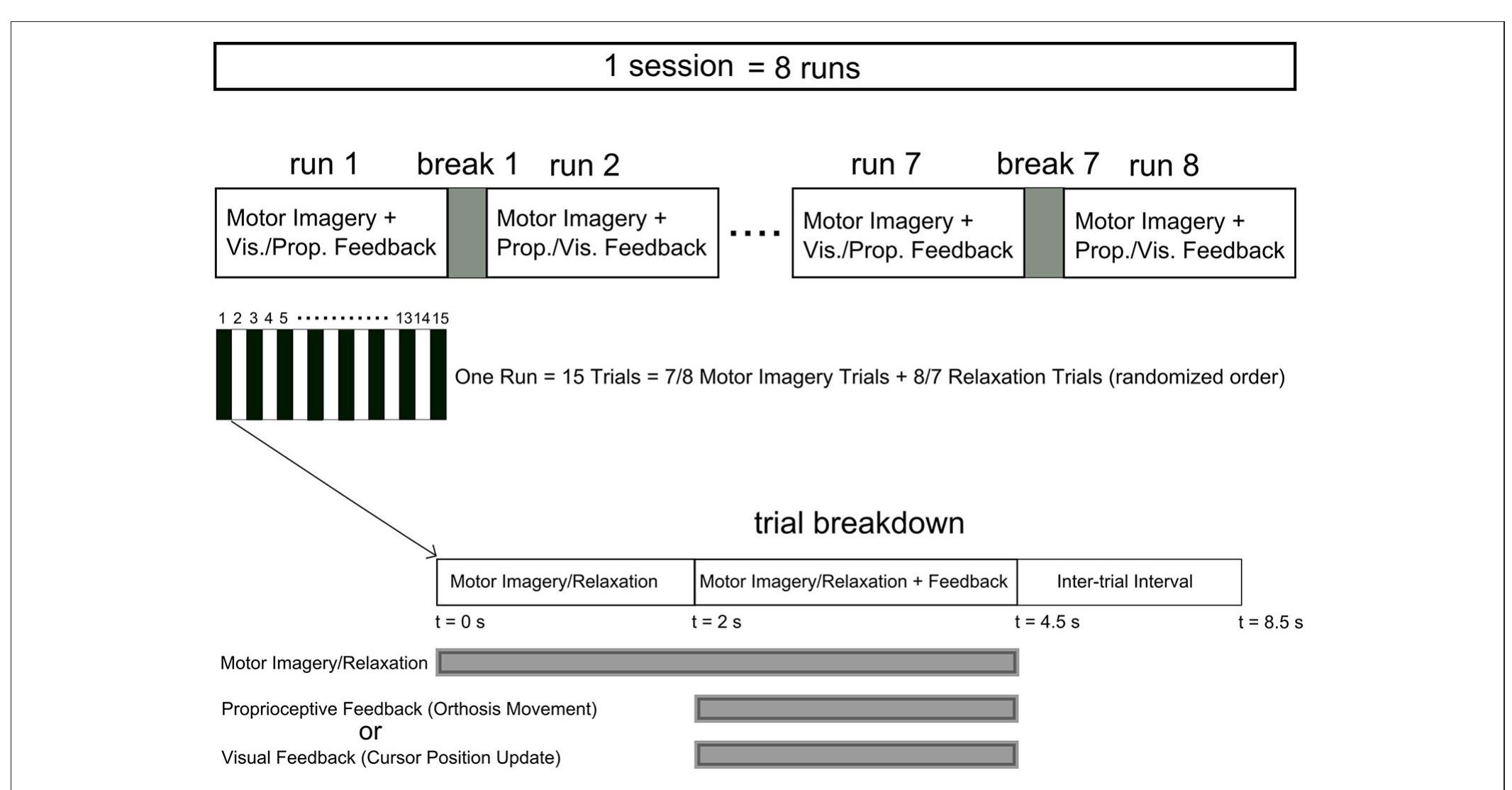
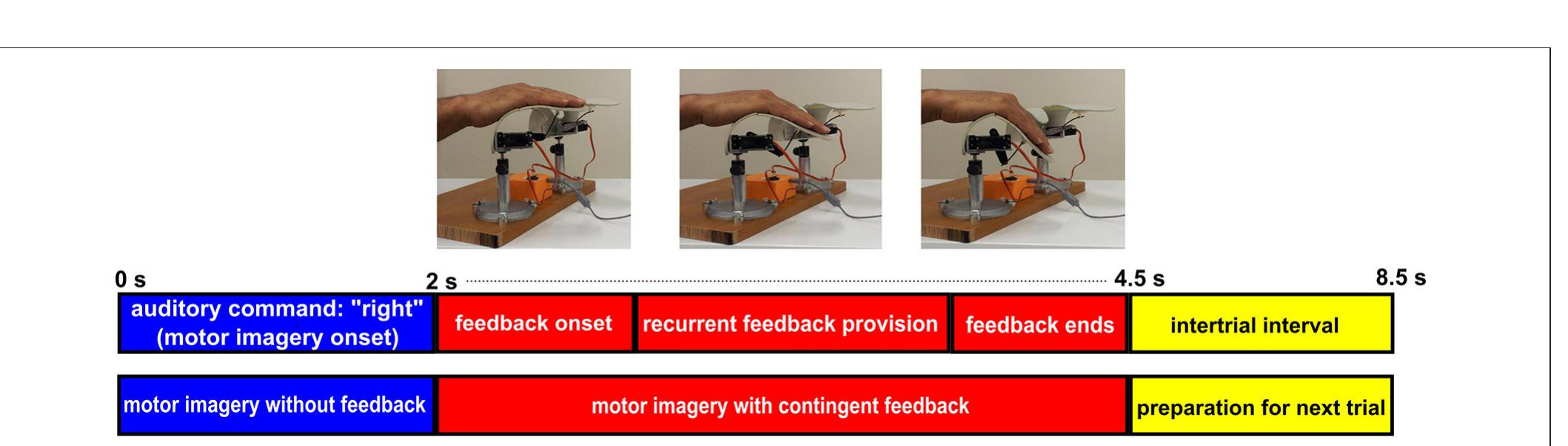
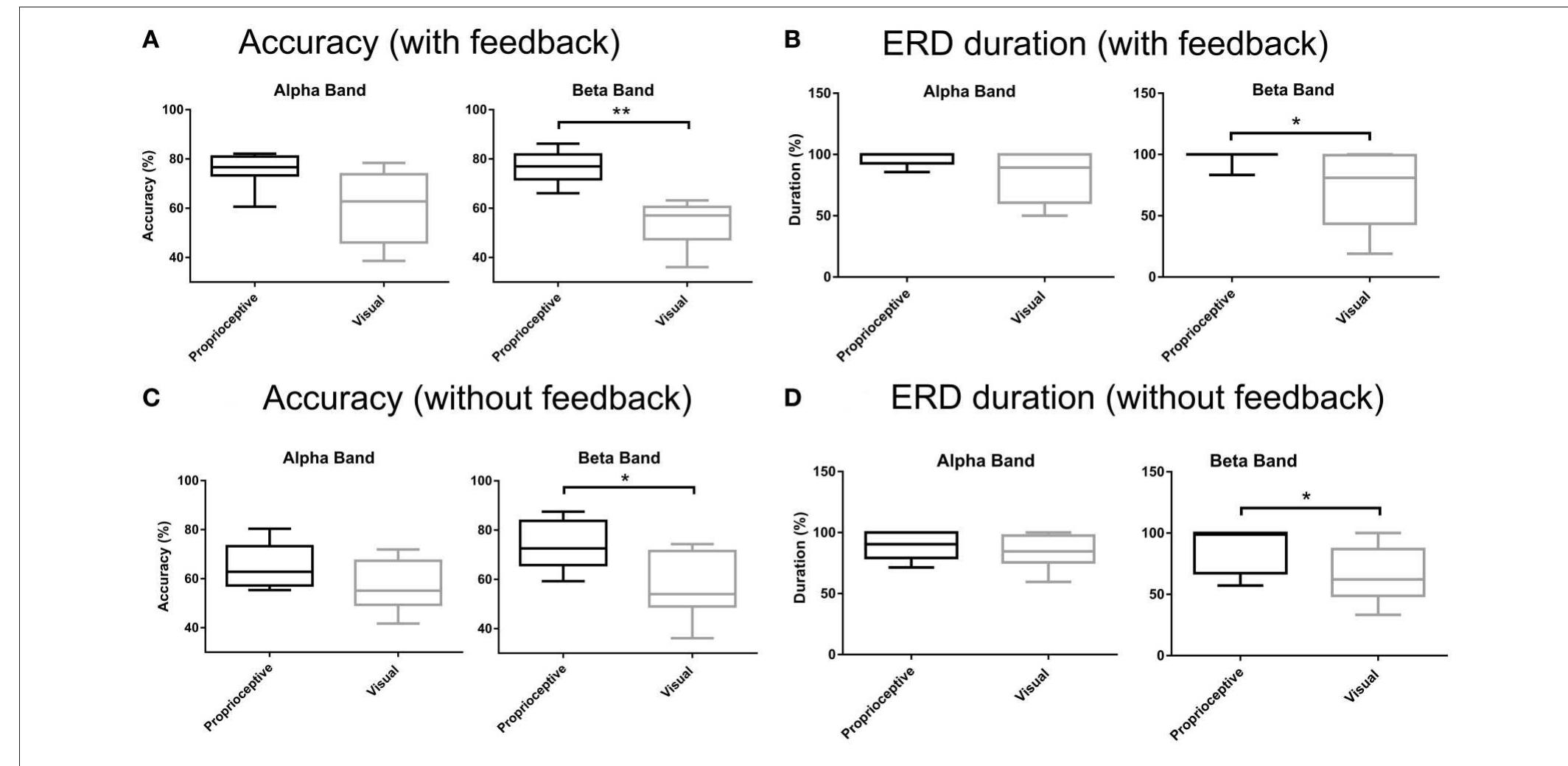
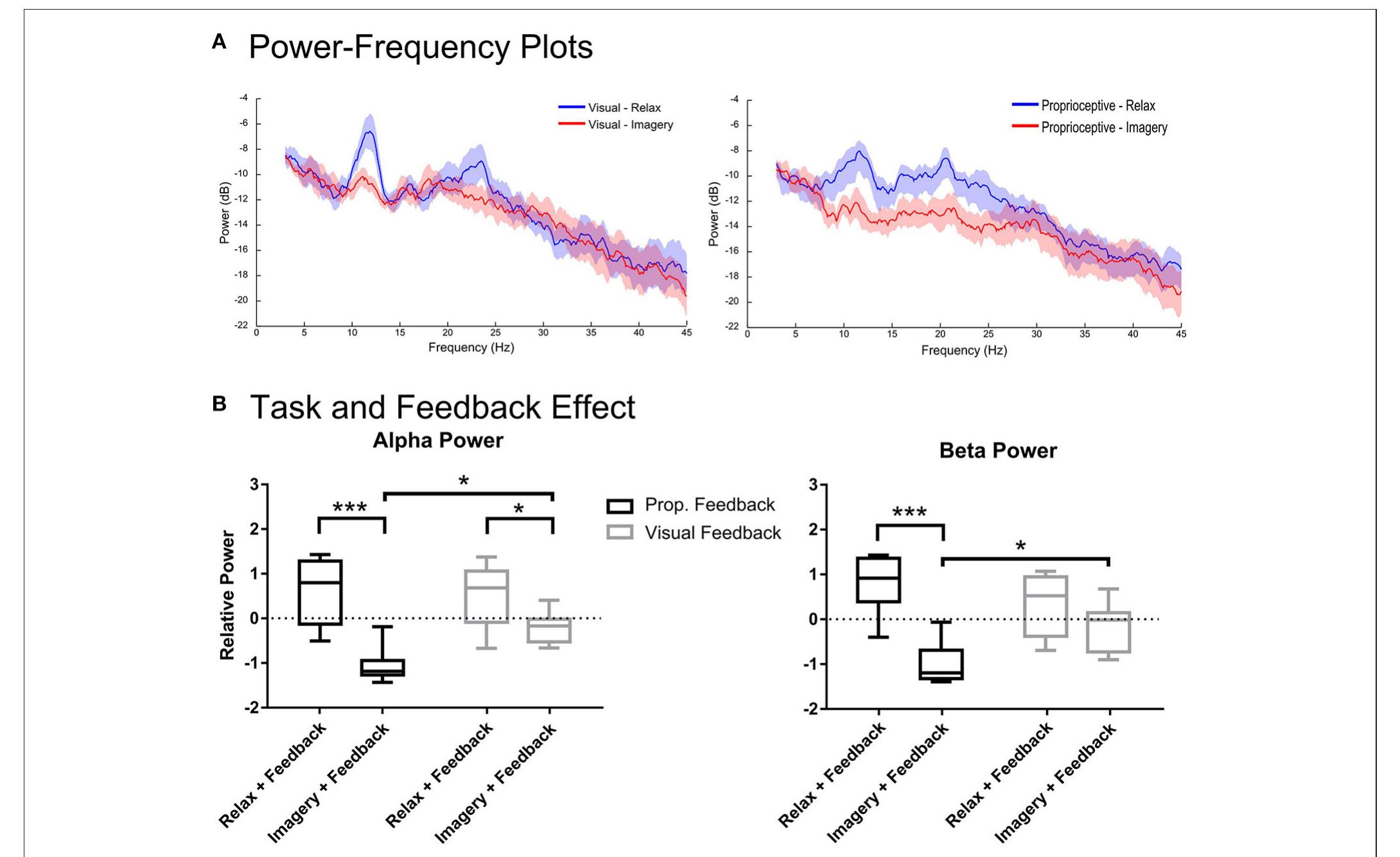
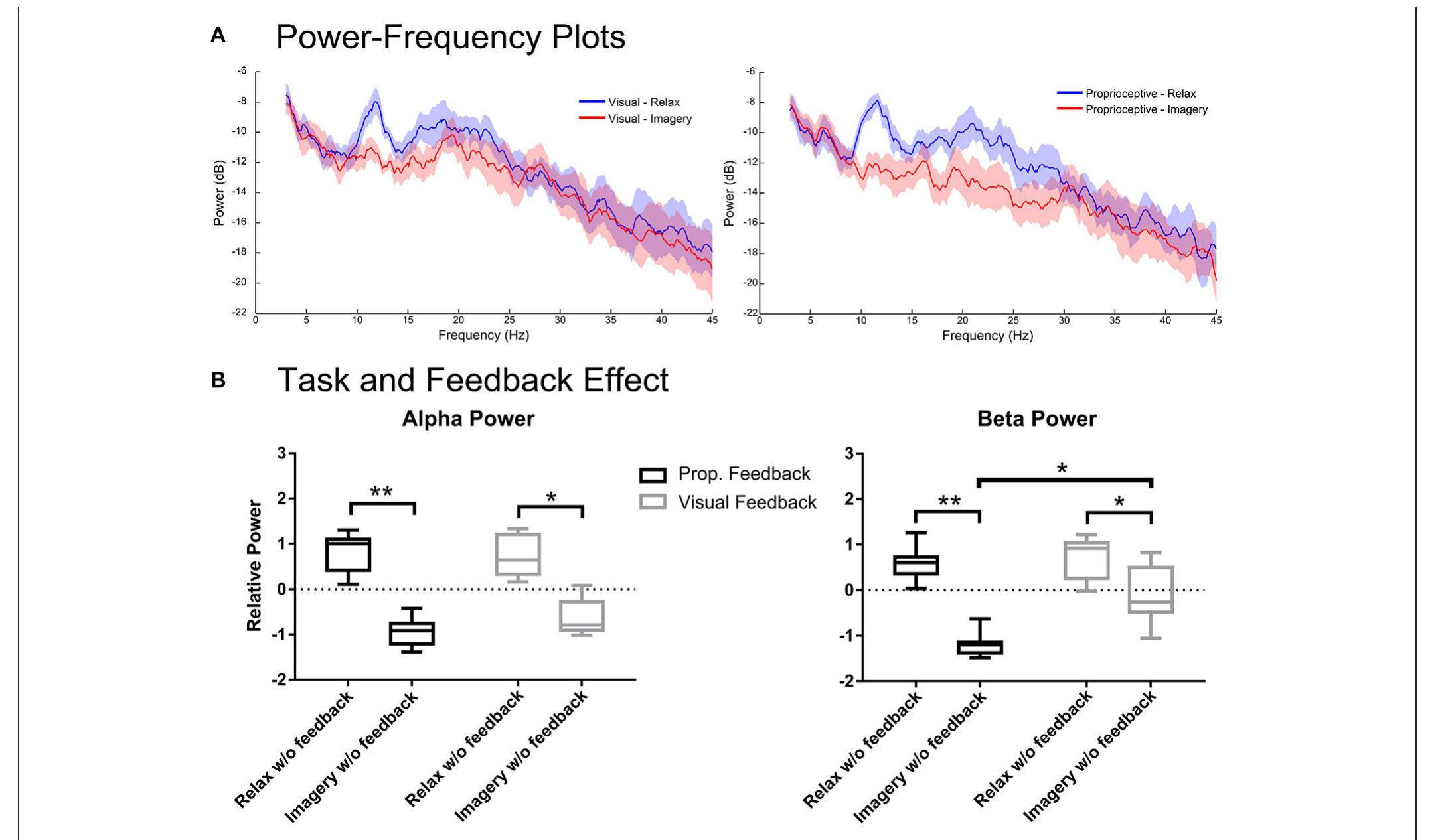
Motor imagery (MI) activates the sensorimotor system independent of actual movements and might be facilitated by neurofeedback. Knowledge on the interaction between feedback modality and the involved frequency bands during MI-related... more
Functional neuroimaging studies in obesity have identified alterations in the connectivity within the reward network leading to decreased homeostatic control of ingestive behavior. However, the neural mechanisms underlying sex differences... more
This article is an open access article distributed under the terms and conditions of the Creative Commons Attribution (CC BY
Time perception is closely related to spatial and bodily perception, yet little is known about how this interrelationship is impacted by meditation and biological sex. To examine this, we studied the effects of a stepwise application of... more
There are several lines of evidence indicating a possible therapeutic action of cannabidiol (CBD) in schizophrenia treatment. Studies with rodents have demonstrated that CBD reverses MK-801 effects in prepulse inhibition (PPI) disruption,... more
The cerebral central sulci, seat of the sensorimotor cortex, vary anatomically in form, length and depth among individuals and present a left/right asymmetry. The purpose of this work was to measure central sulcus's lengths, at the... more
Optimizing neurofeedback (NF) and brain–computer interface (BCI) implementations constitutes a challenge across many fields and has so far been addressed by, among others, advancing signal processing methods or predicting the user’s... more
Survival in a fast-changing environment requires animals not only to detect unexpected sensory events, but also to react. In humans, these salient sensory events generate large electrocortical responses, which have been traditionally... more
The ability to control the electrical activity of a neuronal subtype is a valuable tool in deciphering the role of discreet cell populations in complex neural circuits. Recent techniques that allow remote control of neurons are either... more
Neuromorphic implementation of robotic control has been shown to outperform conventional control paradigms in terms of robustness to perturbations and adaptation to varying conditions. Two main ingredients of robotics are inverse... more
ere are important structural similarities in the way that animals and humans engage in unre ective activities, including unre ective social interactions in the case of higher animals. Firstly, it is a form of unre ective embodied... more
Motor imagery (MI) activates the sensorimotor system independent of actual movements and might be facilitated by neurofeedback. Knowledge on the interaction between feedback modality and the involved frequency bands during MI-related... more
Time perception is closely related to spatial and bodily perception, yet little is known about how this interrelationship is impacted by meditation and biological sex. To examine this, we studied the effects of a stepwise application of... more
Head movements are typically viewed as a nuisance to functional magnetic resonance imaging (fMRI) analysis, and are particularly problematic for resting state fMRI. However, there is growing evidence that head motion is a behavioral trait... more
Context: The central sulcus, which is located between the primary motor and primary somatic sensory cortex is an important structure and landmark of the cerebral hemisphere. Morphology of the central sulcus varies with age, sex, manual... more
Anecdotal reports and empirical evidence suggest that sensory processing issues are a key feature of autism spectrum conditions. This study set out to investigate whether adults with autism spectrum conditions report more sensory... more
Objective: To determine whether multivariate pattern regression analysis based on gray matter (GM) images constrained to the sensorimotor network could accurately predict trigeminal heat pain sensitivity in healthy individuals.... more
Habitual long term physical activity is known to have beneficial cognitive, structural, and neuro-protective brain effects, but to date there is limited knowledge on whether a single session of exercise can alter the brain's... more
Balance rehabilitation is exceedingly crucial during stroke rehabilitation and is highly related to the stroke patients’ secondary injuries (caused by falling). Stroke patients focus on walking ability rehabilitation during the early... more
The present study examined performance in Theory of Mind (ToM) in a group of Arabic-speaking verbal children (-years-old) with autism spectrum disorder (ASD), in comparison with neurotypical controls (NT) matched for age and for cognitive... more
Movement-related oscillations in the beta range (from 13 to 30 Hz) have been observed over sensorimotor areas with power decrease (i.e., event-related desynchronization, ERD) during motor planning and execution followed by an increase... more
Download research papers for free!