Academia.eduAcademia.edu

Random Generator

description11 papers
group1 follower
lightbulbAbout this topic
A random generator is a computational or physical device that produces a sequence of numbers or symbols that lack any predictable pattern, thereby ensuring randomness. It is used in various applications, including cryptography, simulations, and statistical sampling, to generate unbiased and independent values.
lightbulbAbout this topic
A random generator is a computational or physical device that produces a sequence of numbers or symbols that lack any predictable pattern, thereby ensuring randomness. It is used in various applications, including cryptography, simulations, and statistical sampling, to generate unbiased and independent values.

Key research themes

1. What are the thermodynamic and physical limits governing different classes of random number generation methods?

This research theme focuses on analyzing the physical and thermodynamic costs associated with generating randomness across various approaches — including true random number generators (TRNGs), pseudorandom number generators (PRNGs), and random number generators (RNGs) given access to imperfect randomness sources. Understanding these energetic bounds is critical for designing efficient hardware-embedded random number generators and bridging abstract algorithmic randomness with physical implementation realities.

Key finding: The paper establishes rigorous thermodynamic bounds on work consumption and heat dissipation for the main RNG algorithm classes — including those of von Neumann, Knuth, Yao, and Roche and Hoshi — by modeling these as... Read more

2. How can randomness be generated uniformly in non-numeric domains through mappings to numeric random number generation, and what are the implications for hardware implementations?

This line of investigation concerns the generation of random objects beyond simple numeric sequences - such as passwords, permutations, Latin squares, and CAPTCHAs. It aims to unify diverse random generation problems by encoding these objects numerically and leveraging random number generation methods. Also explored are novel hardware-centric designs, such as parallel linear feedback shift registers (LFSRs), enabling efficient realization of these mappings for uniform and high-quality random object generation.

Key finding: The authors formalize the general problem of random non-numeric object generation as instantiations from an arbitrary set, which can be reduced to generating numeric codes via S-restricted RNGs. They propose combining... Read more

3. What methodologies and metrics effectively assess the quality and security of various random number generators, particularly in cryptographic contexts?

Evaluating RNG quality is essential for ensuring the security and reliability of cryptographic systems and simulations. This research theme surveys statistical test suites, hardware evaluations, and standardizations by agencies like NIST and BSI. It covers approaches to detect biases, non-uniformity, predictability, and entropy strength, providing researchers concrete tools and standards to qualify RNGs for different applications, highlighting the differences in needs between cryptographic and simulation RNGs.
Key finding: This survey categorizes RNGs into hardware true random number generators (TRNGs), software pseudo-random number generators (PRNGs), and discusses the challenges in generating high-quality randomness from physical and software... Read more

All papers in Random Generator

TRIPOLI® and TRIPOLI-4® are registered trademarks of CEA.International audienceAlthough the Monte Carlo (MC) codes are natural users of the fast growing capacities in High PerformanceComputing (HPC), adapting production level codes such... more
In a paper, entitledBinary lambda calculus and combinatory logic, John Tromp presents a simple way of encoding lambda calculus terms as binary sequences. In what follows, we study the numbers of binary strings of a given size that... more
Background: Component-based modeling language Modelica (OpenModelica is open source implementation) is used for the numerical simulation of complex processes of different nature represented by ODE system. However, in OpenModelica standard... more
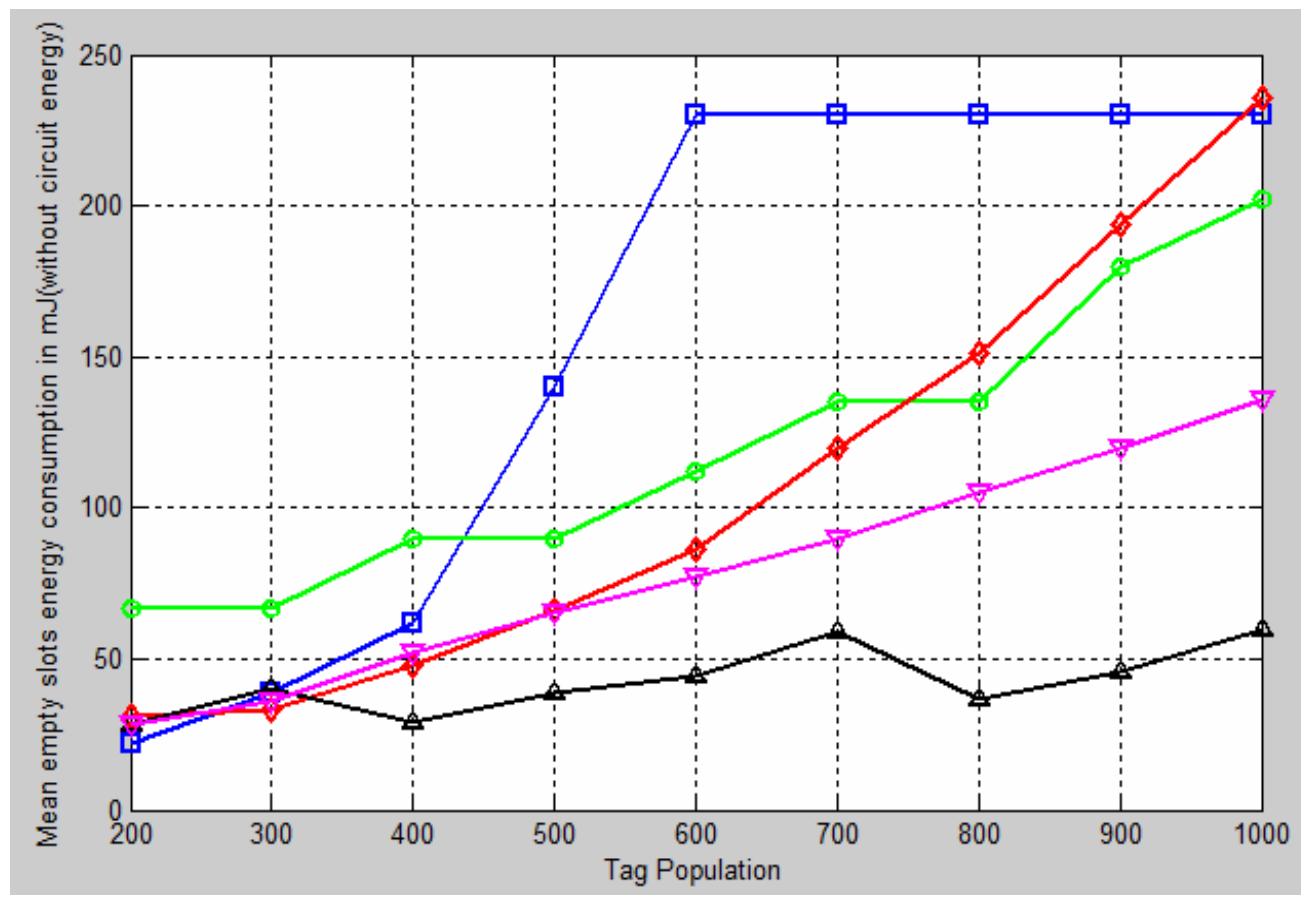
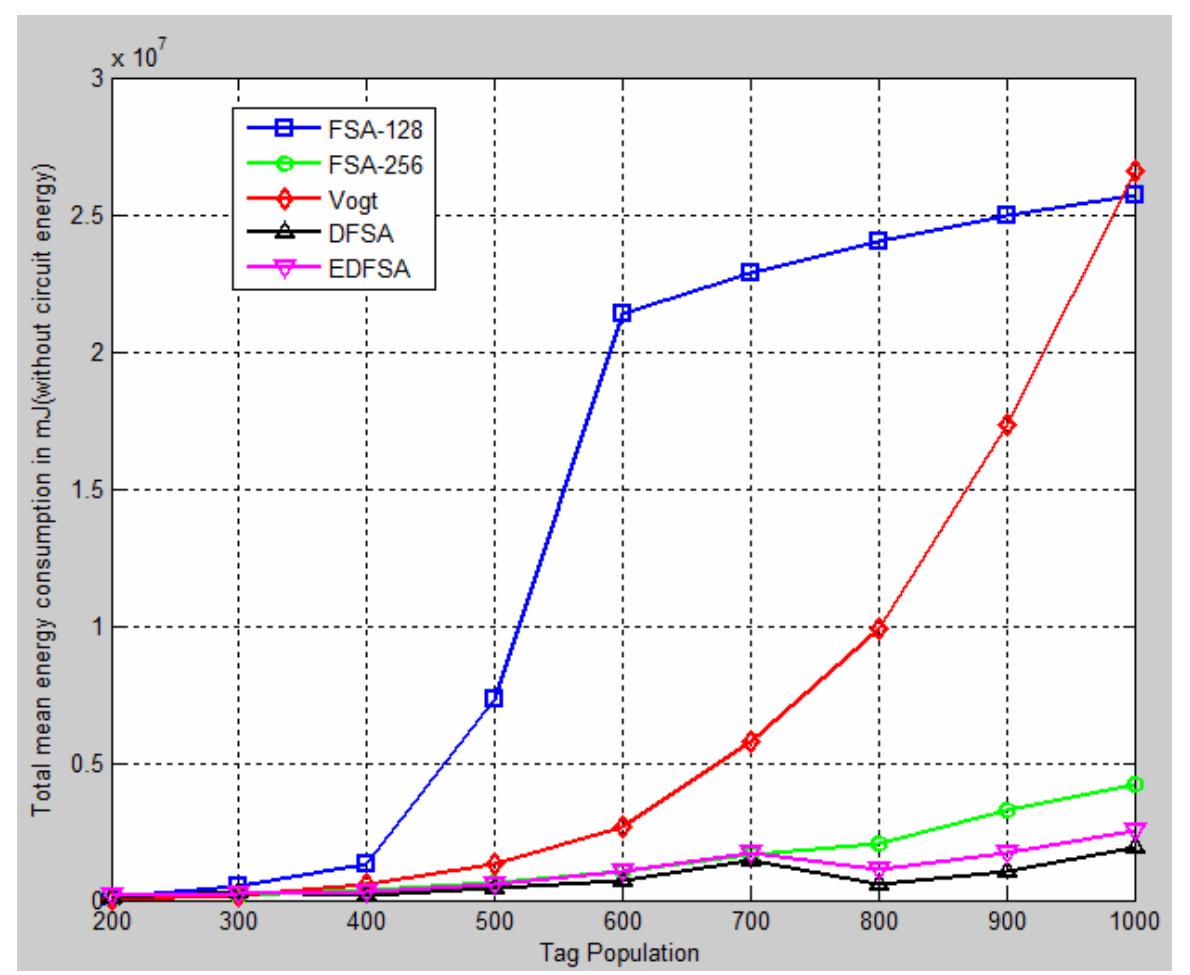
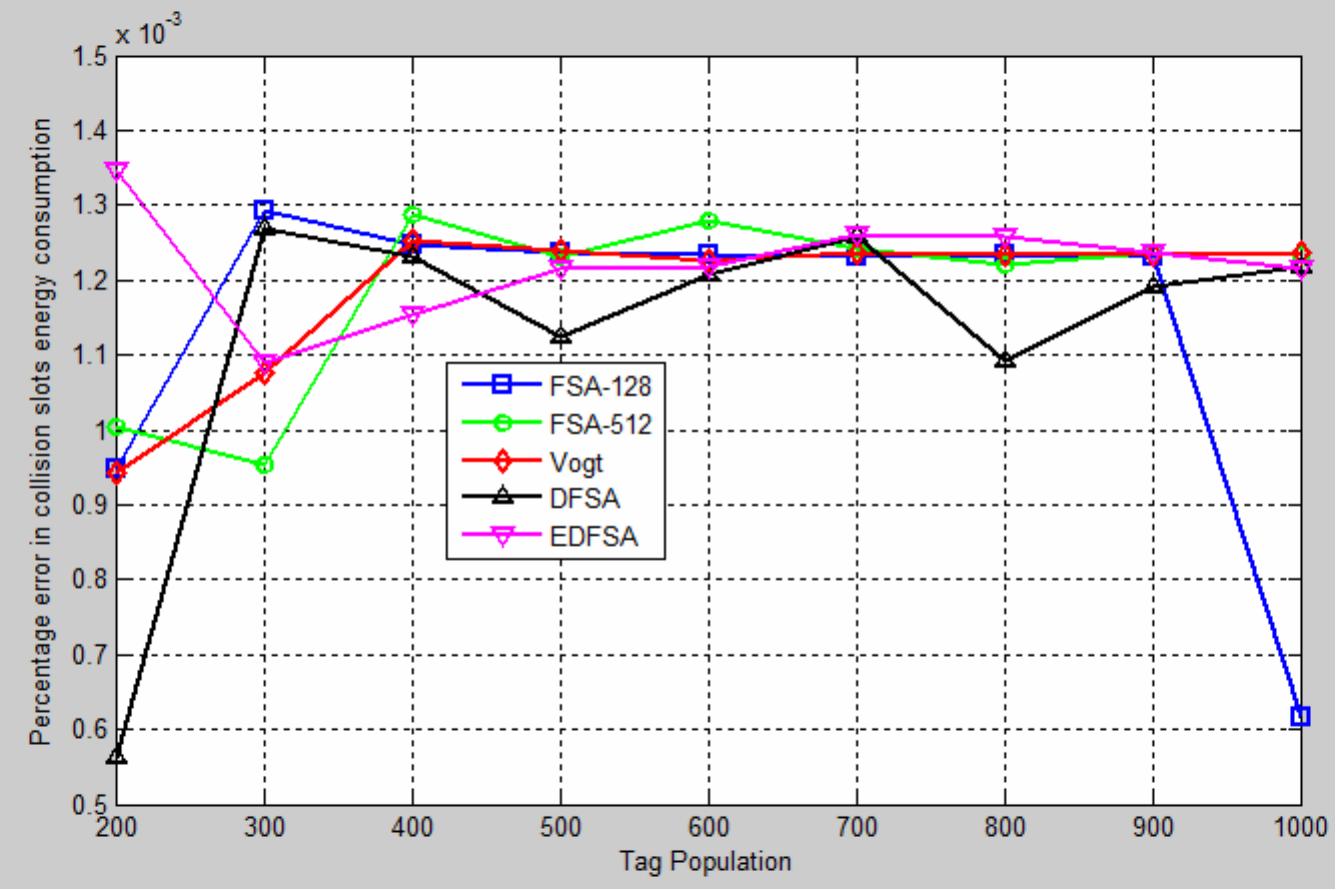
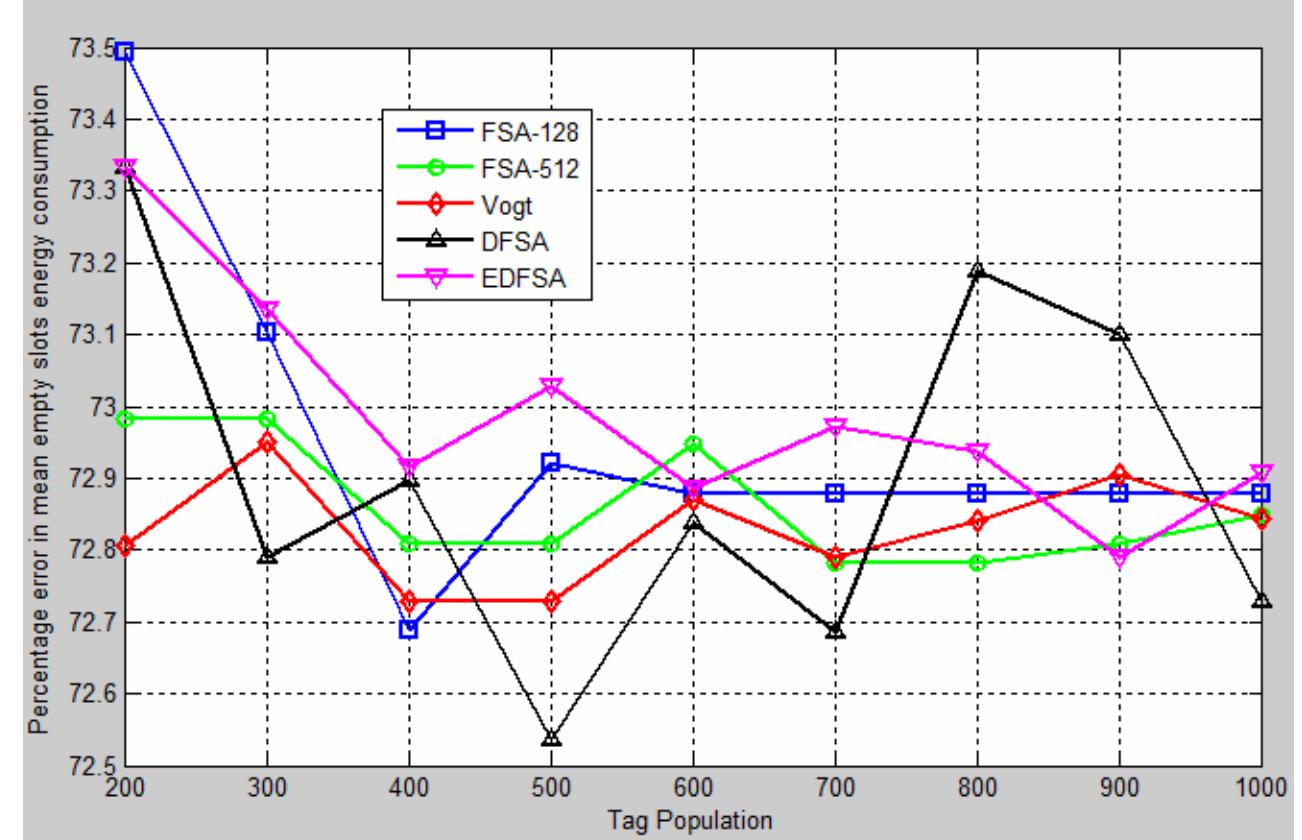
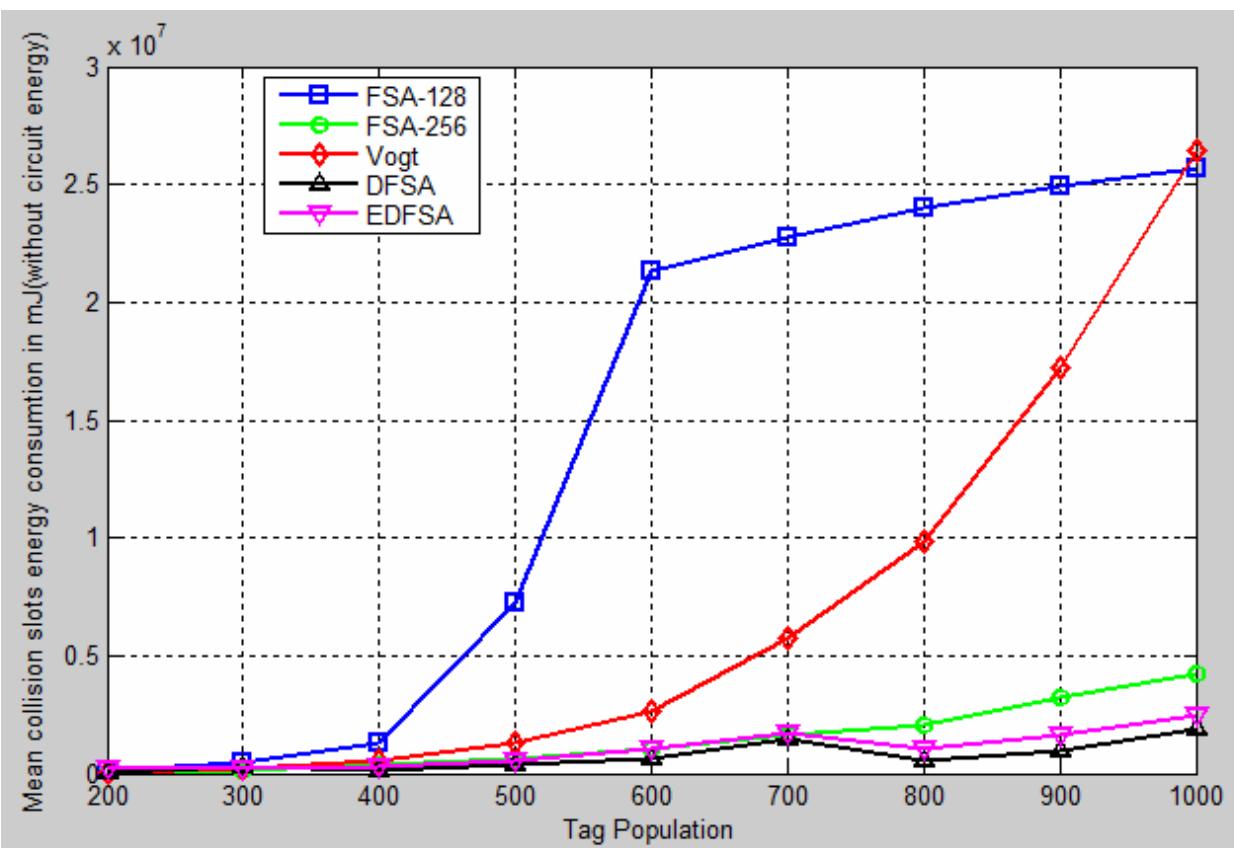
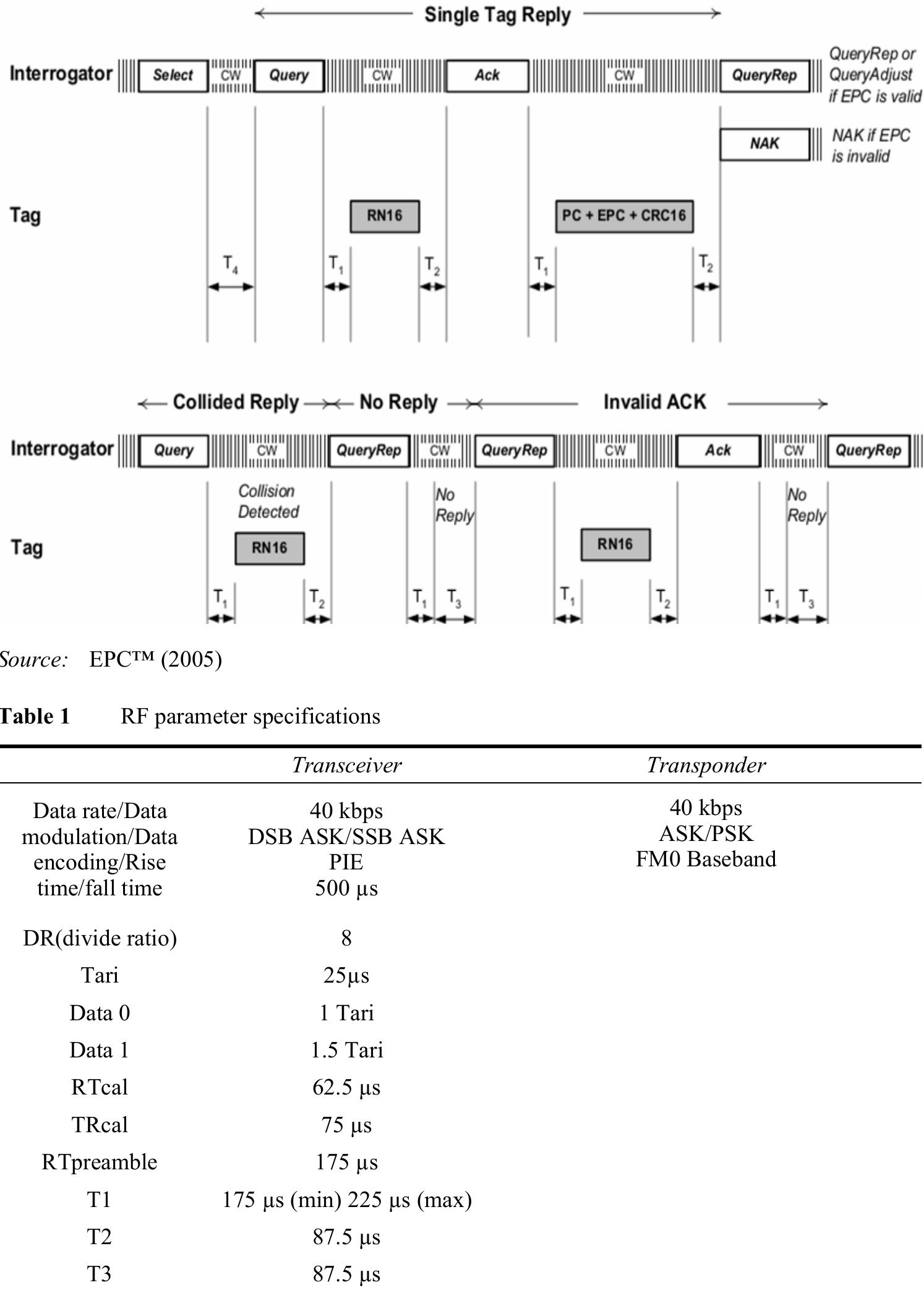
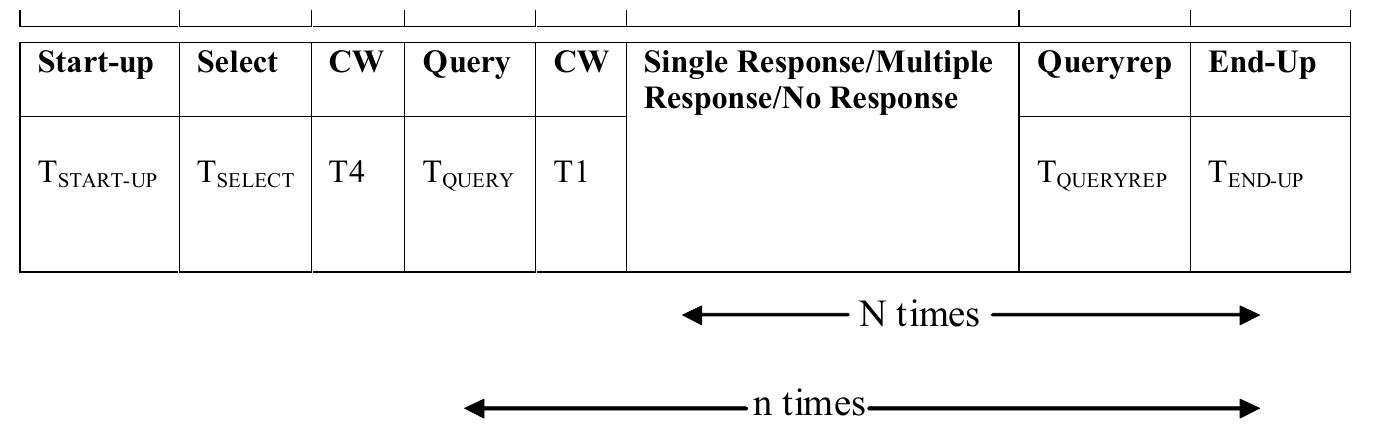
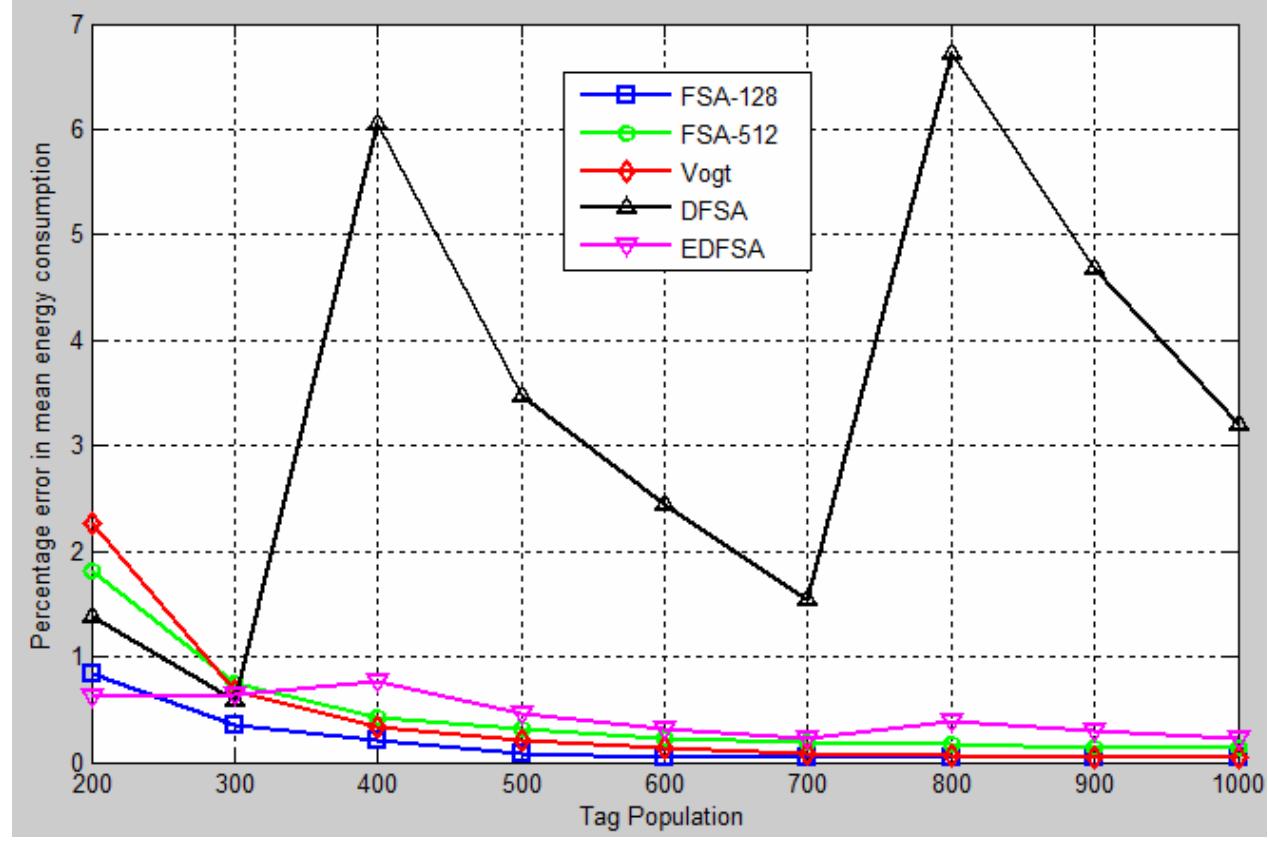
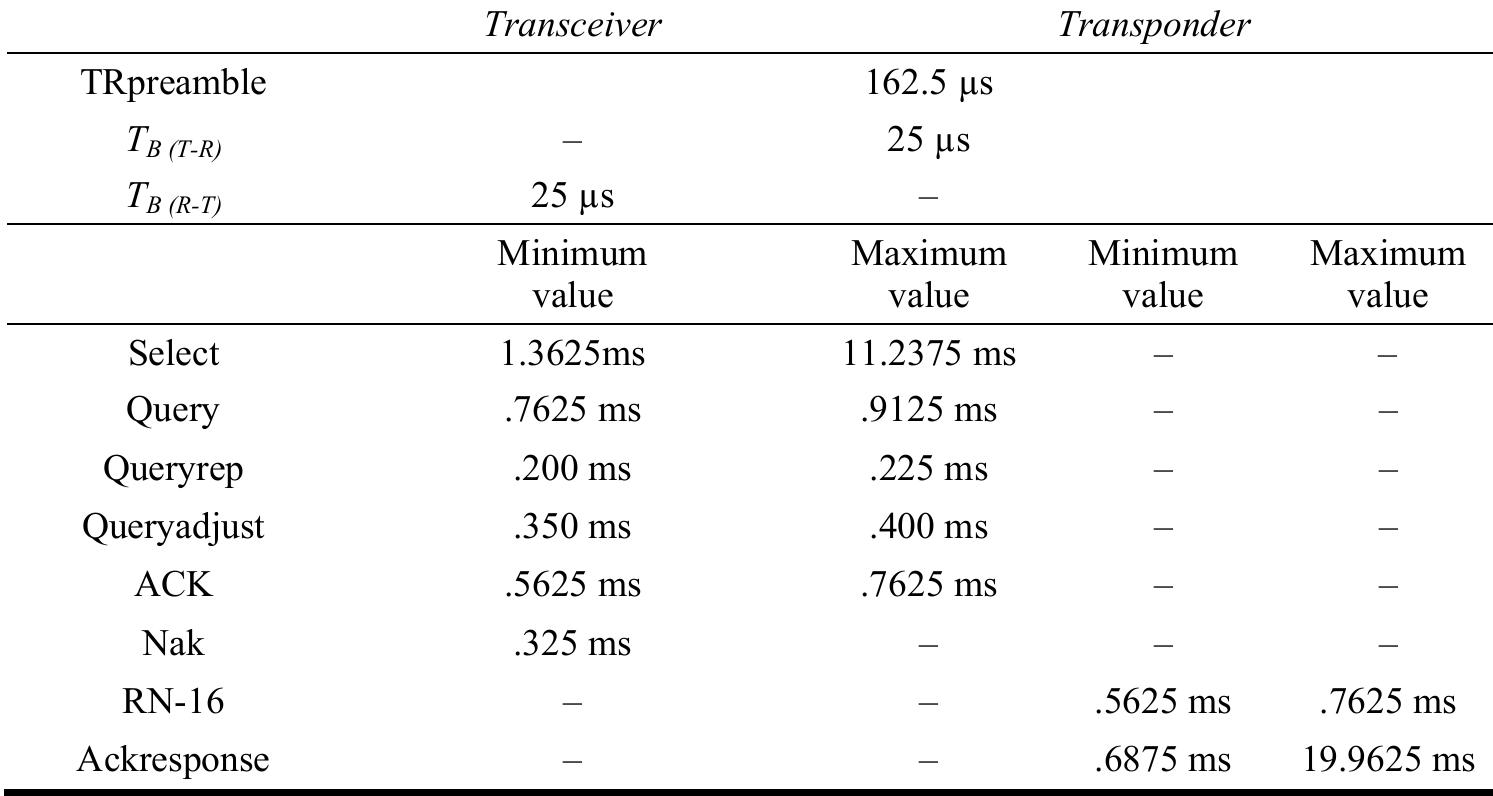
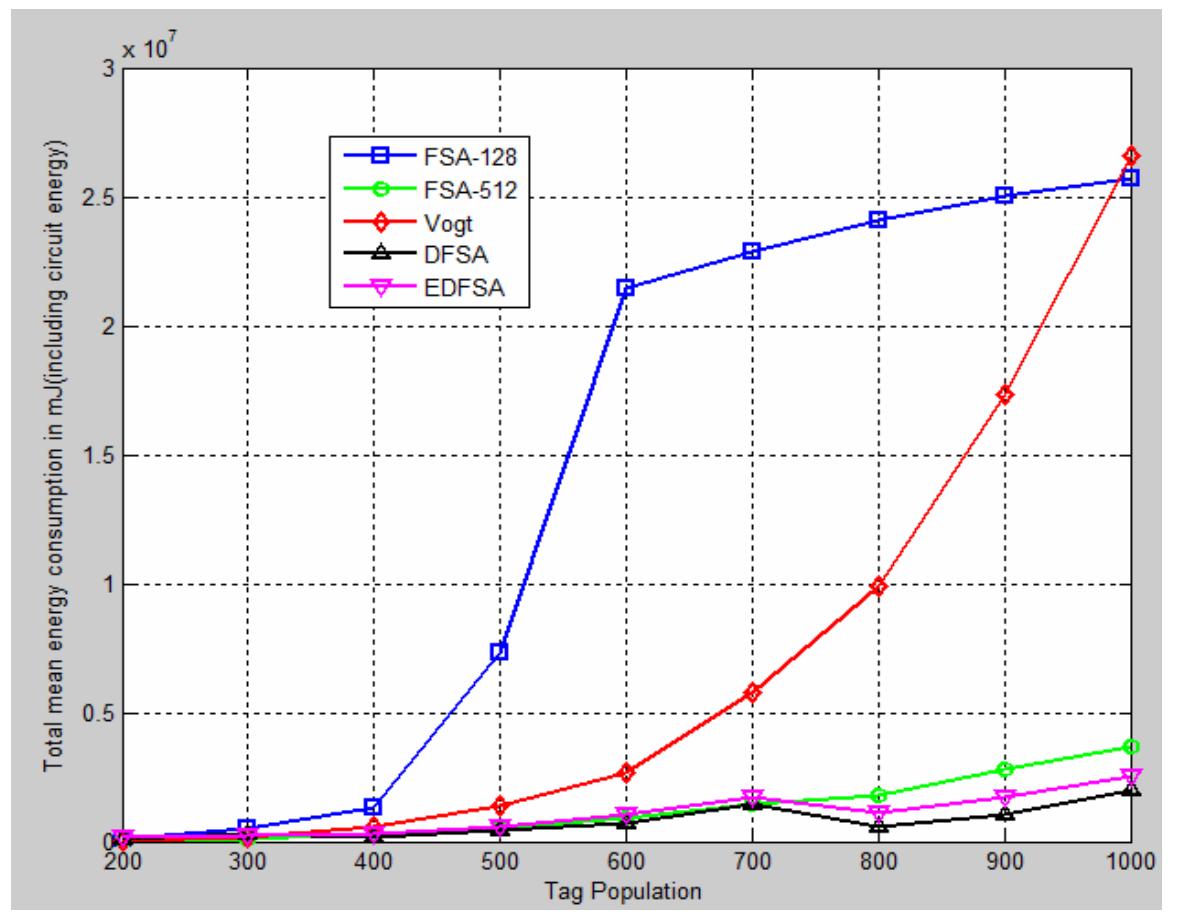
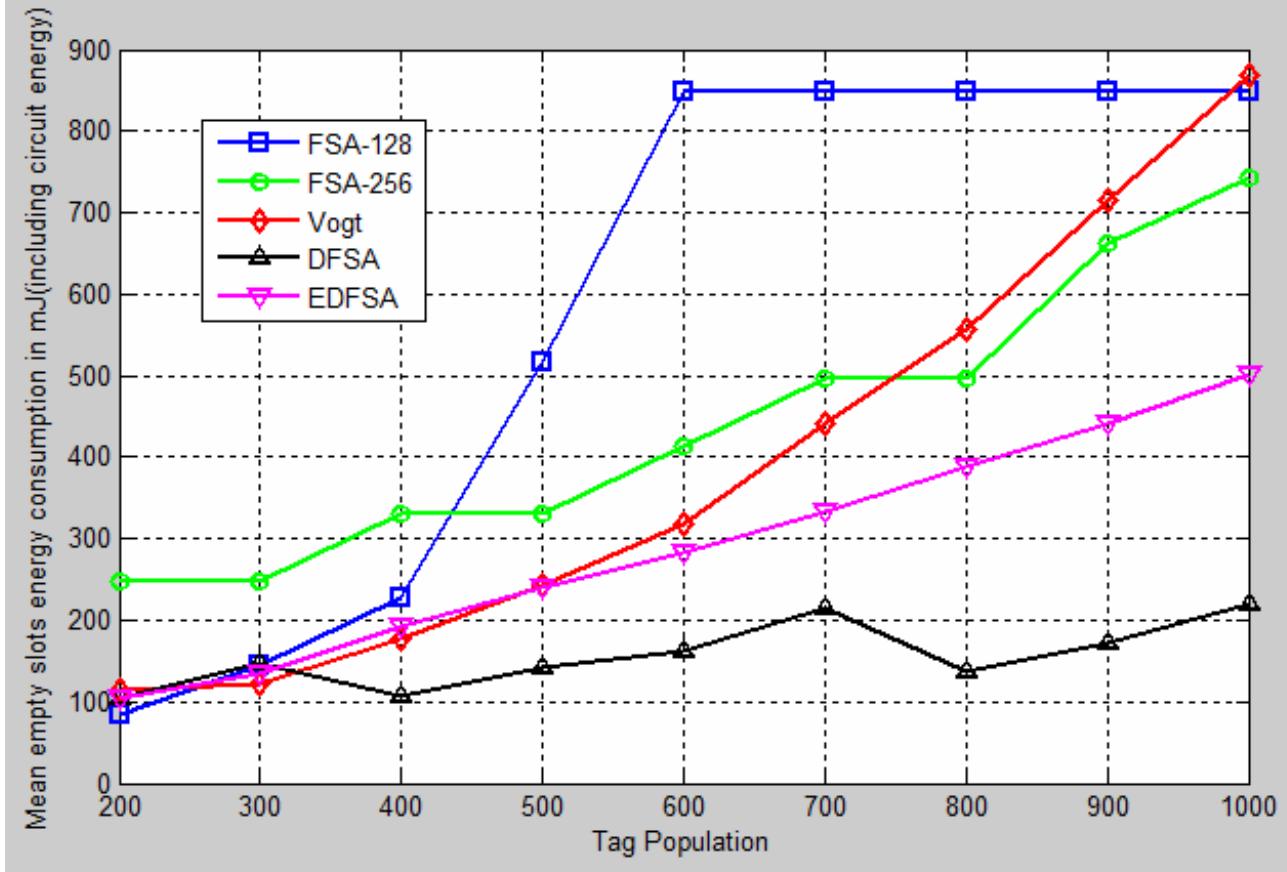
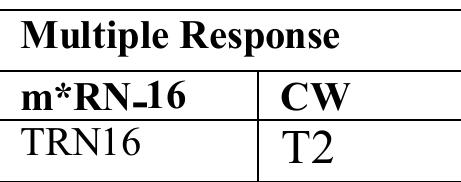
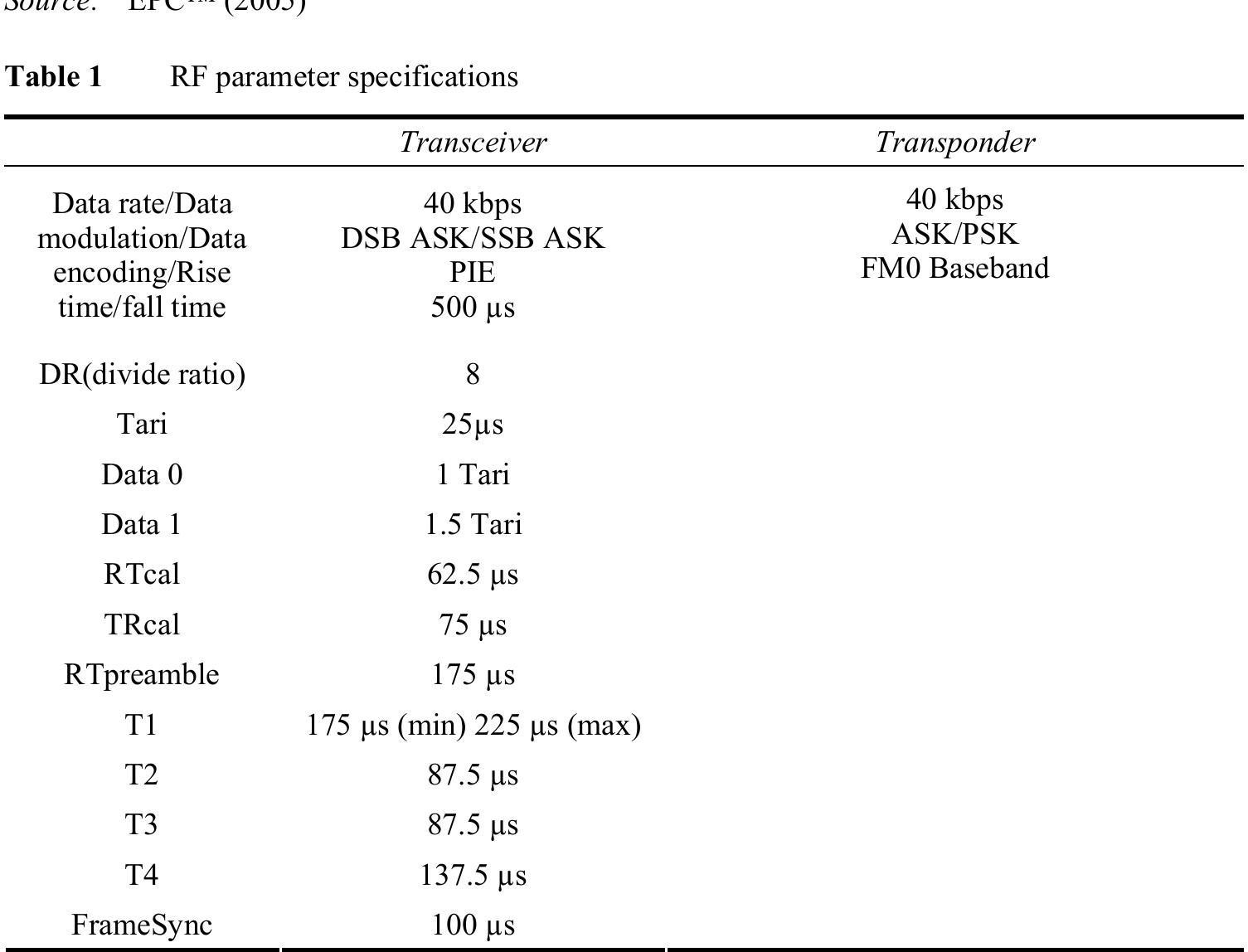
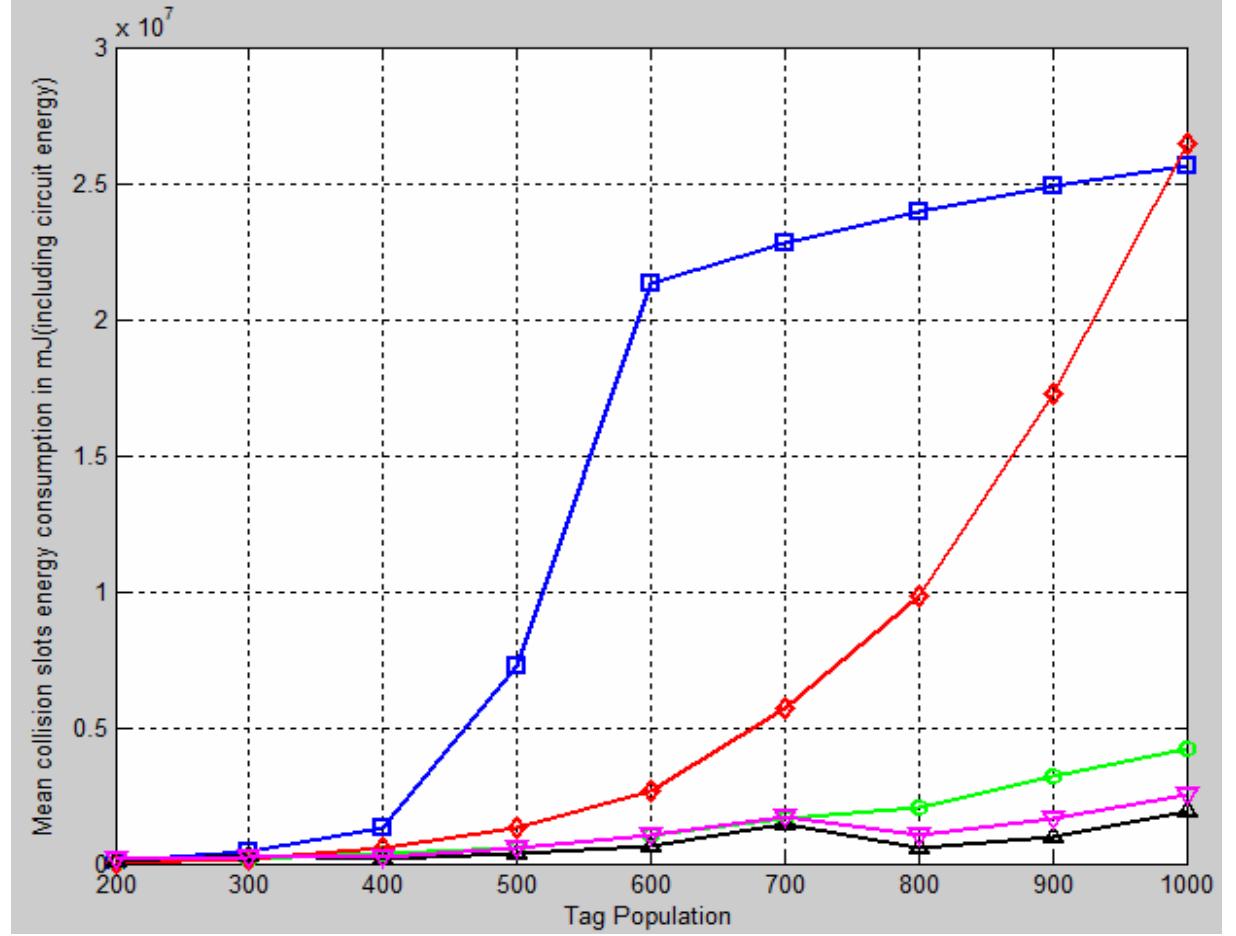
In passive RFID systems, tag receives energy for communication from the reader, in the absence of on-chip energy source. Hence, a good amount of energy is needed to be transmitted by the transceiver circuit to provide energy to the... more
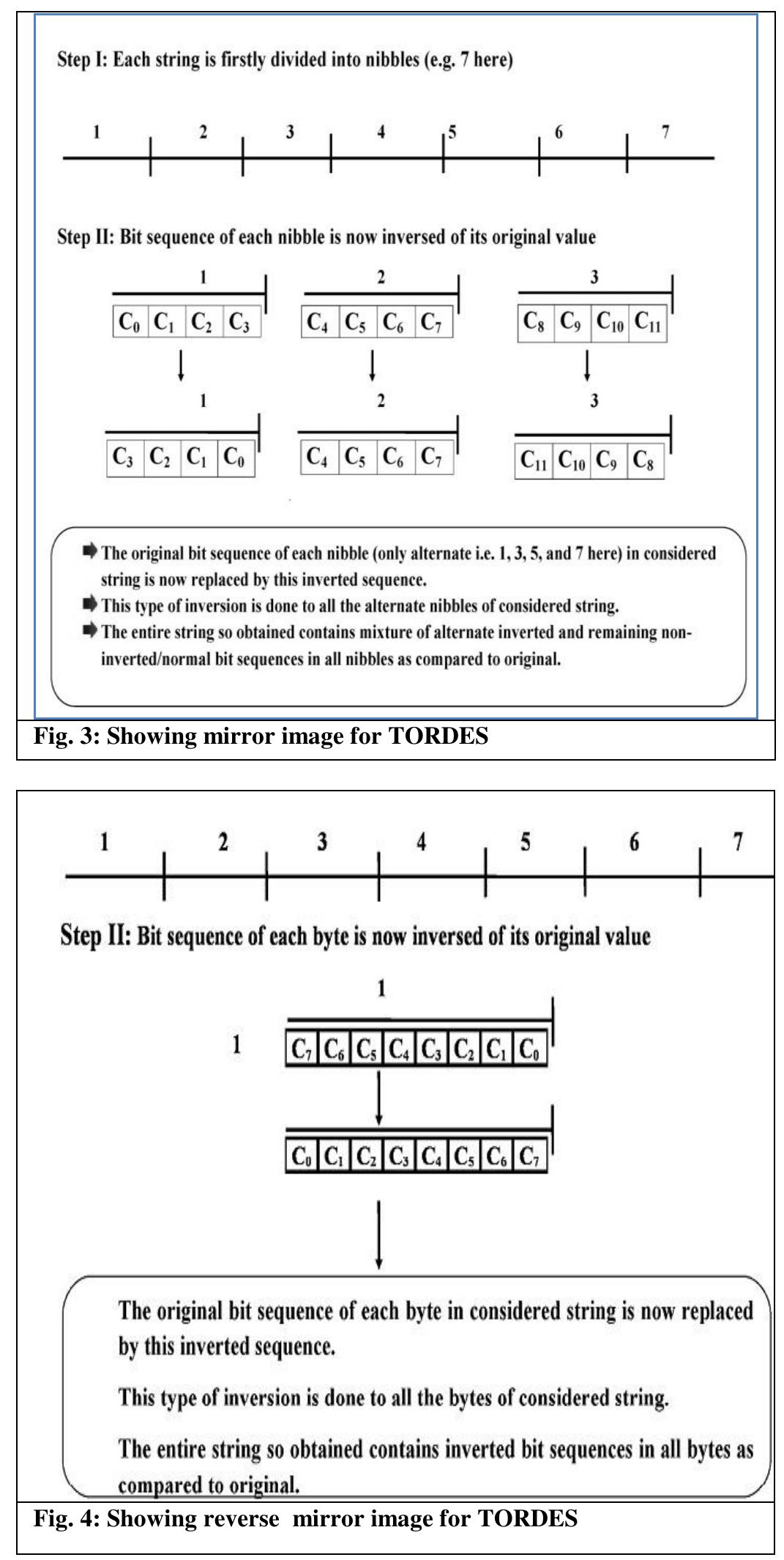
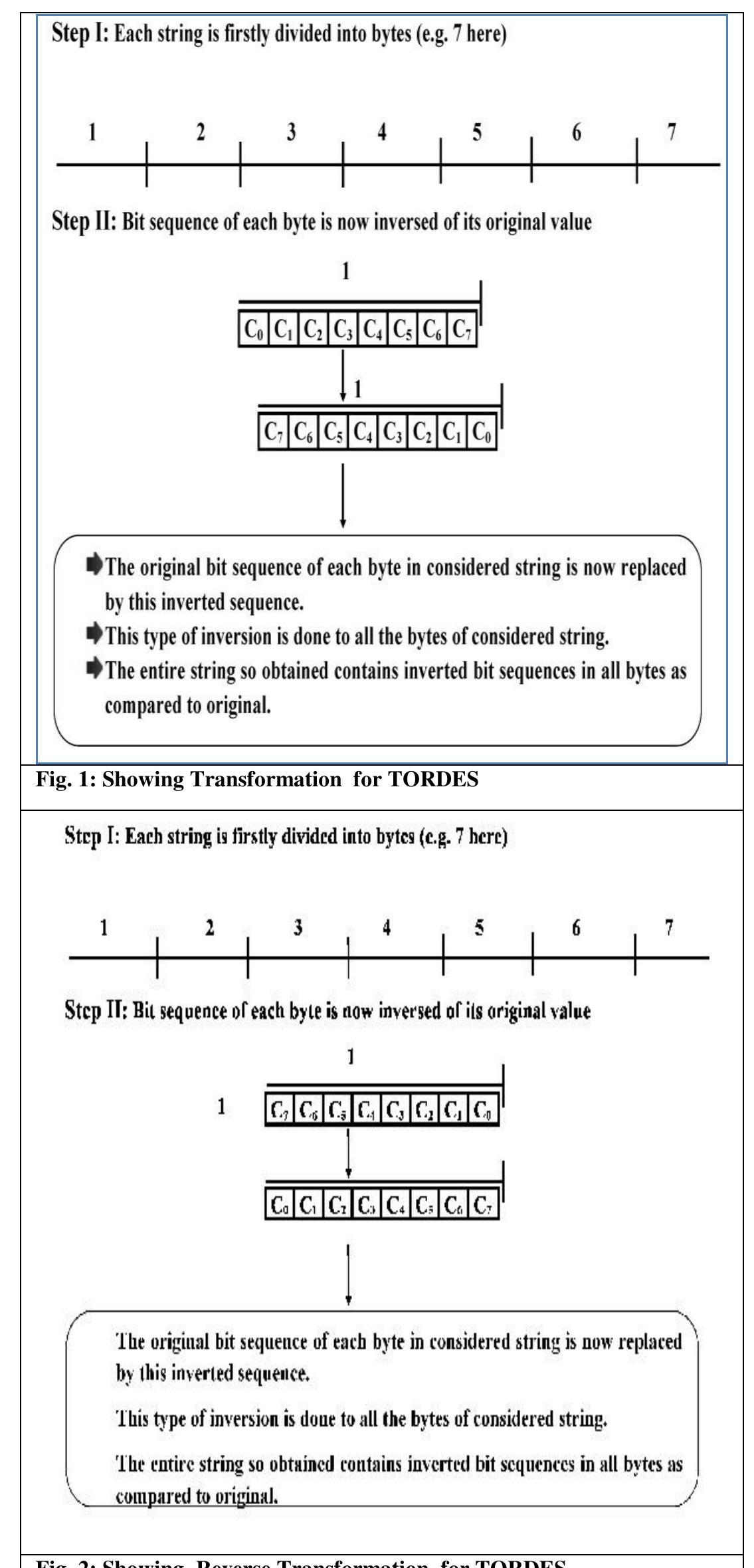
In the absence of generally acknowledged metrics in the public area that could be used to compute and spell out cryptographic strength, a small operational group agreed to look at the possibility of developing an approach to cryptographic... more
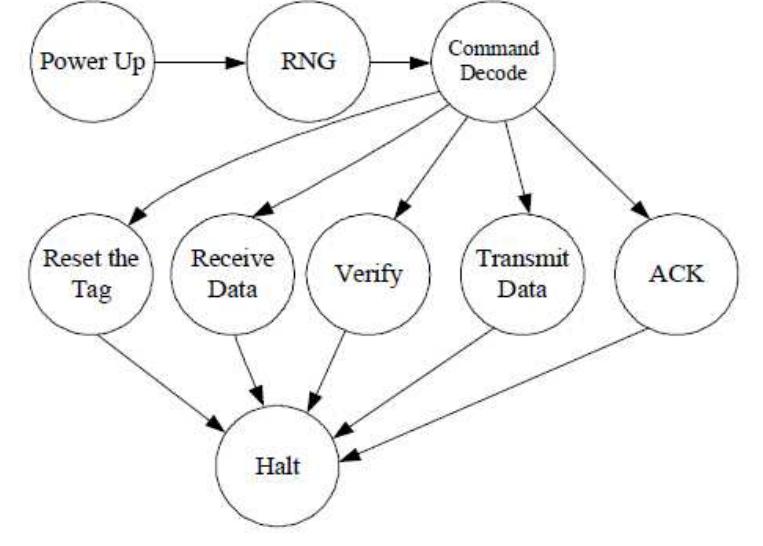
This paper presents on digital baseband processor implementation for RFID tags as it has been applied into many areas, including passports, transportation payment, product tracing, automotive as well as animal identification etc. Nowadays... more
This Paper deals with the solution for collision detection in the area of industrial machines. Now a day's, the world is focusing to improve the industries with automation. In order for the automation, the requirement of workers will... more
Download research papers for free!