Academia.eduAcademia.edu

Preferential Looking

description41 papers
group2 followers
lightbulbAbout this topic
Preferential looking is a research method used in developmental psychology and cognitive science to assess infants' visual attention and perceptual preferences. It involves presenting two or more stimuli simultaneously and measuring the duration of gaze directed towards each, allowing researchers to infer cognitive processes and perceptual capabilities based on visual engagement.
lightbulbAbout this topic
Preferential looking is a research method used in developmental psychology and cognitive science to assess infants' visual attention and perceptual preferences. It involves presenting two or more stimuli simultaneously and measuring the duration of gaze directed towards each, allowing researchers to infer cognitive processes and perceptual capabilities based on visual engagement.

Key research themes

1. How does aesthetic appeal influence visual attention and decision-making mechanisms in preferential looking?

This research theme investigates the role of subjective aesthetic evaluations—such as appeal, attractiveness, and beauty—in shaping visual attention patterns and decision biases during preferential looking tasks. Understanding this interplay is crucial for elucidating how aesthetic properties impact cognitive processes like search efficiency, gaze allocation, and choice behavior in real-time.

Key finding: This set of three experiments (N=112) found that while target aesthetic appeal did not improve visual search efficiency (as measured by search slopes), appealing targets yielded significantly faster response times across... Read more
Key finding: This study combined eye-tracking metrics including cumulative fixation durations, fixation sequences, and refixations with participants' aesthetic preference selections in multi-item arrays. It found that total fixation time... Read more
Key finding: Using computational optimal stopping theory applied to sequential mate choice over fixed-length face sequences, the study found human participants exhibited 'overlong' searches, frequently failing to select any candidate. The... Read more
Key finding: This qualitative investigation revealed that explicit appearance-based preferences in online dating contexts often instantiate lookism, a form of prejudicial discrimination based on unchosen physical features. The moral... Read more

2. What are the cultural and perceptual factors that modulate directionality and symmetry preferences during preferential looking?

This theme explores how cultural backgrounds, perceptual familiarity, and stimulus properties influence directional biases and symmetry preferences—key visual features involved in aesthetic evaluation during preferential looking. These studies examine cross-cultural divergences, effects of stimulus symmetry on attractiveness judgments, and how these preferences are instantiated in eye movement and choice behavior.

Key finding: Large-scale cross-cultural surveys (N=1082) demonstrated that participants’ preferred facing direction of symmetrical objects systematically mirrored their habitual reading direction: Japanese and Israeli participants showed... Read more
Key finding: Using pairs of original and perfectly bilateral symmetric images across diverse categories (faces, abstract shapes, flowers, landscapes), this study found a consistent preference for symmetry in faces and shapes, but not in... Read more
Key finding: Across three experiments (total N>750), the authors demonstrate that methods influence facial symmetry preference outcomes: two-alternative forced choice (2AFC) tasks yield significant preferences for symmetry, whereas rating... Read more
by Ian Stephen and 
1 more
Key finding: An online experiment with participants from Poland and Scotland revealed that both groups generally preferred 'Polish-modified' faces to 'Scottish-modified' faces, with Polish judges showing stronger own-population face... Read more

3. How do physical attributes and masked occlusion affect perceived attractiveness in preferential looking contexts?

This theme addresses how specific physical features—including facial symmetry, lip appearance, tooth shade, and mask wearing—modulate attractiveness perceptions during preferential looking or related rating tasks. These studies reveal how both visible traits and occlusive conditions impact aesthetic evaluations, with implications for understanding real-world social visual preferences.

Key finding: Correlational analyses revealed strong positive relationships between female ratings of male facial and bodily attractiveness, masculinity, and dominance, supporting the hypothesis that male faces and bodies together form a... Read more
Key finding: A field study involving 50 psychology and management students objectively rated 50 photographs of hired and unhired retail employees and found significant positive associations between facial beauty and employment outcomes.... Read more
Key finding: Using 27 digitally manipulated smile photographs varying lip thickness, lipstick color, and tooth shade rated by 212 Thai participants across four groups, the study found thicker or medium lips and red lipstick increased... Read more
Key finding: An online survey (N=207) showed that wearing a mask increased perceived attractiveness significantly for faces in the lowest attractiveness quartile and decreased attractiveness for faces in the highest quartile, with... Read more

All papers in Preferential Looking

Although domestic dogs can respond to many facial cues displayed by other dogs and humans, it remains unclear whether they can differentiate individual dogs or humans based on facial cues alone and, if so, whether they would demonstrate... more
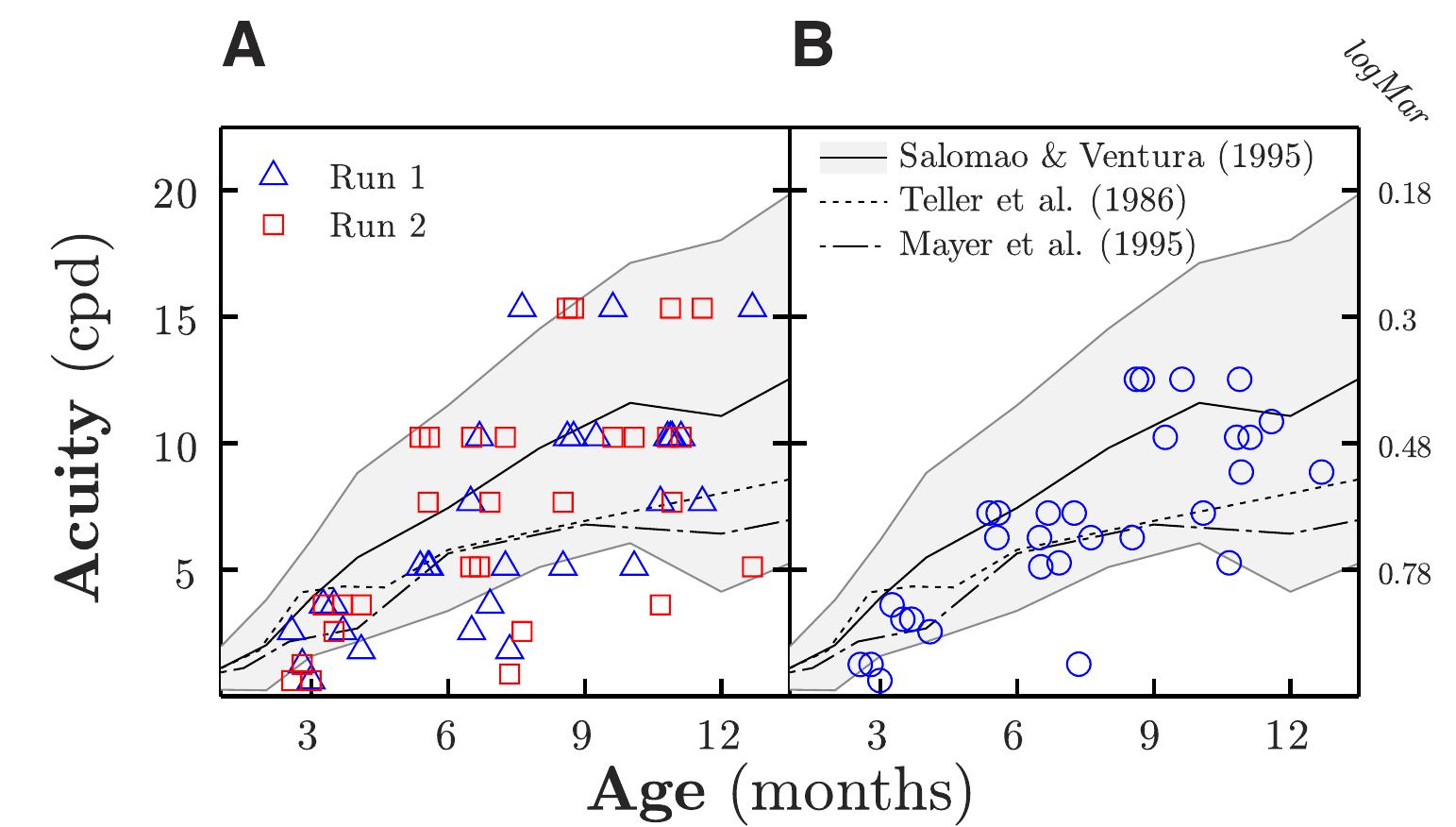
Birth to the age of 3-5 y.o. is the critical period of visual acuity development in children. Preferential looking is an early eye examination to detect visual impairment in children and has been known as an objective test for children... more
In this study, we conducted a series of experiments using stimuli characterized by various attributes in order to understand the cat egorization process in an infant's pre-linguistic development. The iii are able to assign the same label... more
Visual problems that occur early in life can have major impact on a child's development. Without verbal communication and only based on observational methods, it is difficult to make a quantitative assessment of a child's visual problems.... more
Development of visuospatial attention can be quantified from infancy onward using visually-guided eye movement responses. We investigated the interaction between eye movement response times and salience in target areas of visual stimuli... more
Observations of eye movements of young children in a modified preferential looking task suggest a change in the visual looking pattern taking place during a very brief time between 32 and 33 months of age. In the younger children, a... more
Much of our basic understanding of cognitive and social processes in infancy relies on measures of looking time, and specifically on infants’ visual preference for a novel or familiar stimulus. However, despite being the foundation of... more
In this study, we conducted a series of experiments using stimuli characterized by various attributes in order to understand the cat egorization process in an infant's pre-linguistic development. The iii are able to assign the same label... more
The ability to discriminate the trajectories of moving objects is highly adaptive and fundamental for physical and social interactions. Therefore, we could reasonably expect sensitivity to different trajectories already at birth, as a... more
The aim in this study was to investigate the association between infants' developing interest in their self-image and the onset of mirror self-recognition (MSR). A longitudinal study was conducted with 98 infants who were seen at... more
Children acquiring fixed word order languages almost always obey the word order restrictions of their language (Brown, 1973). A critical question is whether children who are learning free word order languages also exhibit word order... more
There is a growing need to understand the global impact of poverty on early brain and behavioural development, particularly with regard to key cognitive processes that emerge in early development. Although the impact of adversity on brain... more
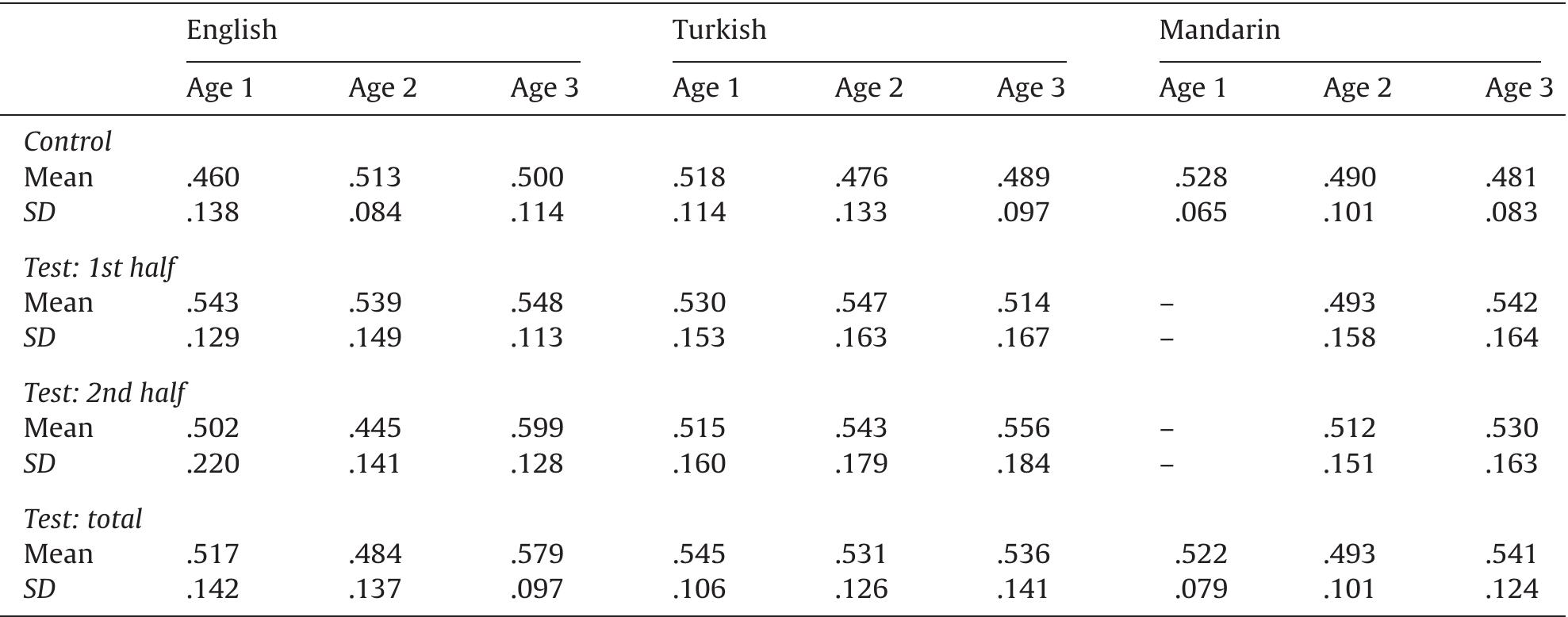
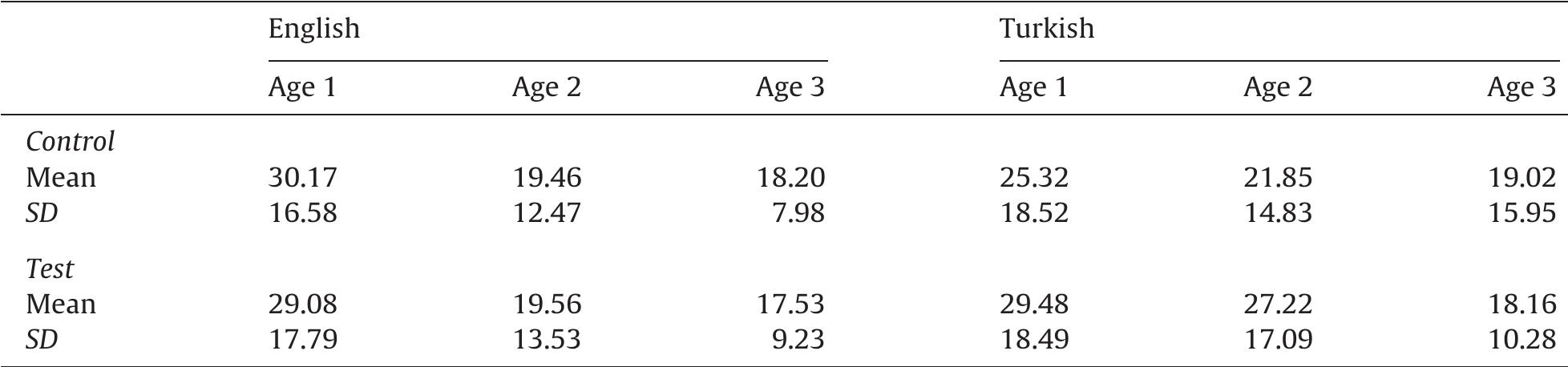
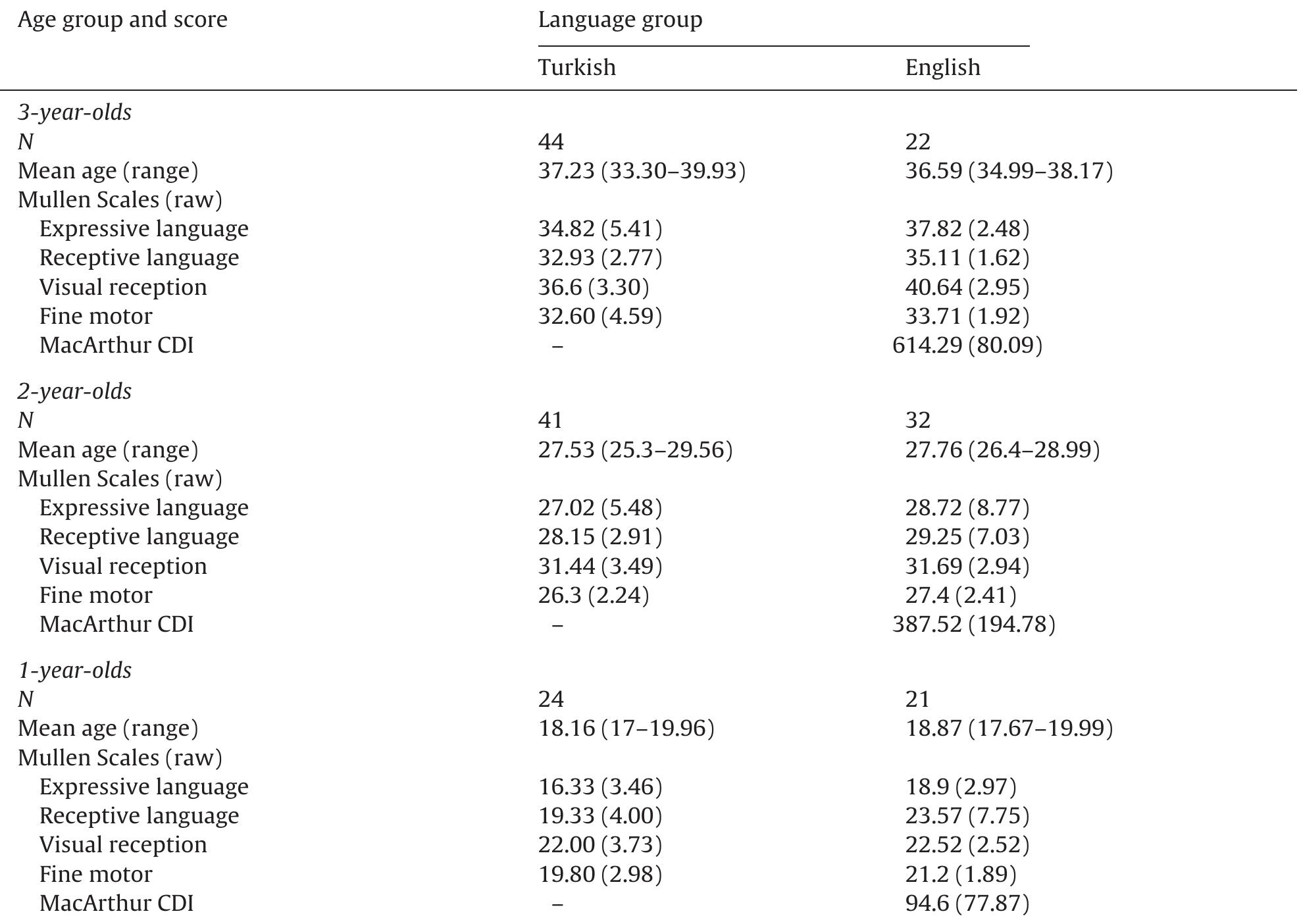
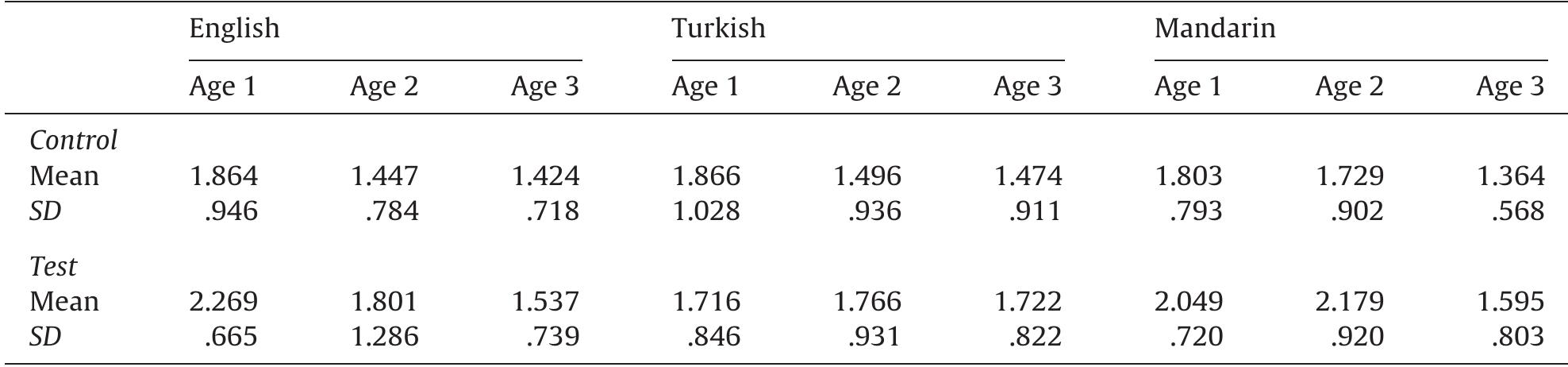
We compare the processing of transitive sentences in young learners of a strict word order language (English) and two languages that allow noun omissions and many variant word orders: Turkish, a case-marked language, and Mandarin Chinese,... more
A, Giardini ME. Too many shades of grey: Photometrically and spectrally mismatched targets and backgrounds in printed acuity tests for infants and young children. Trans
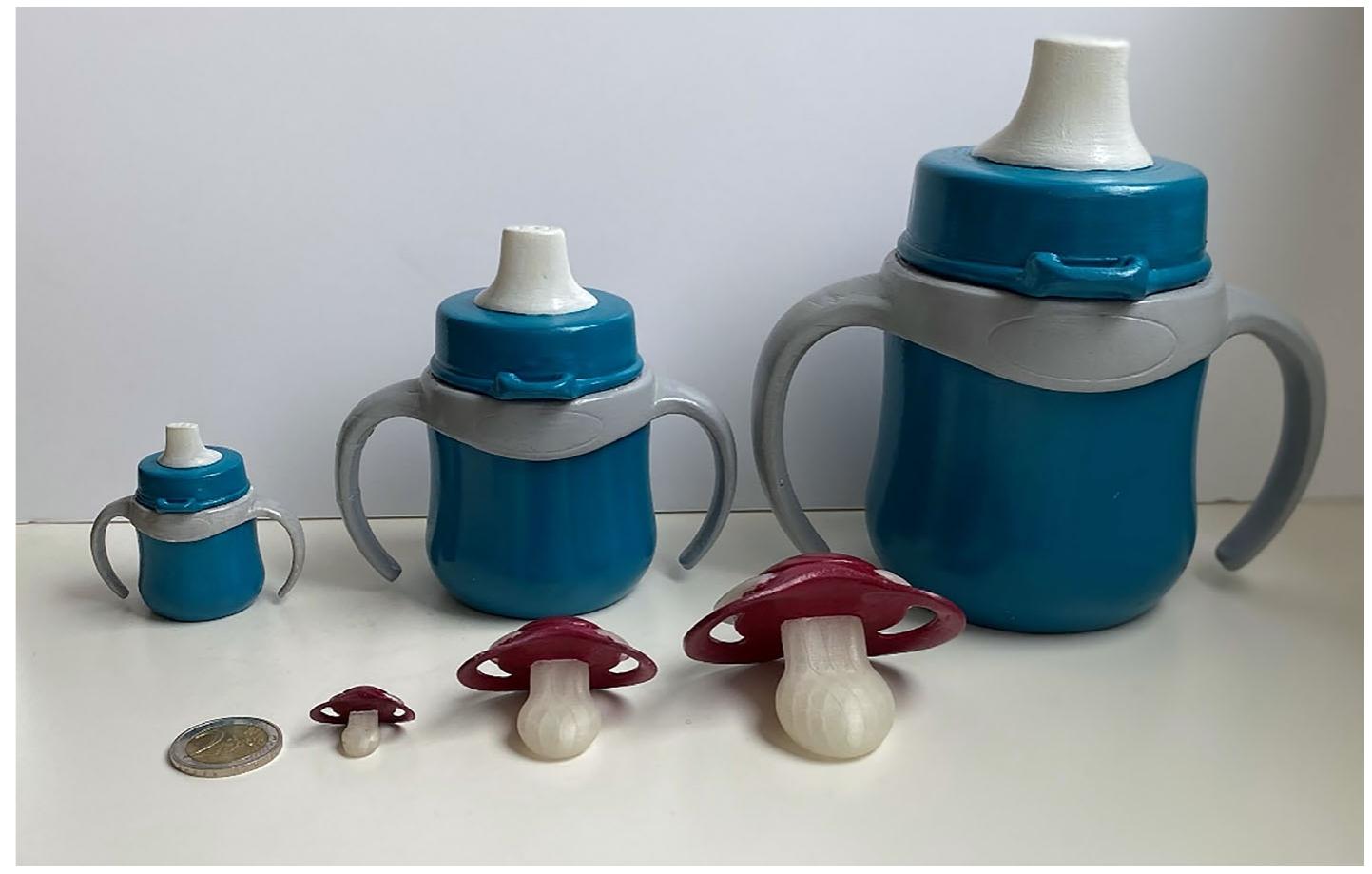
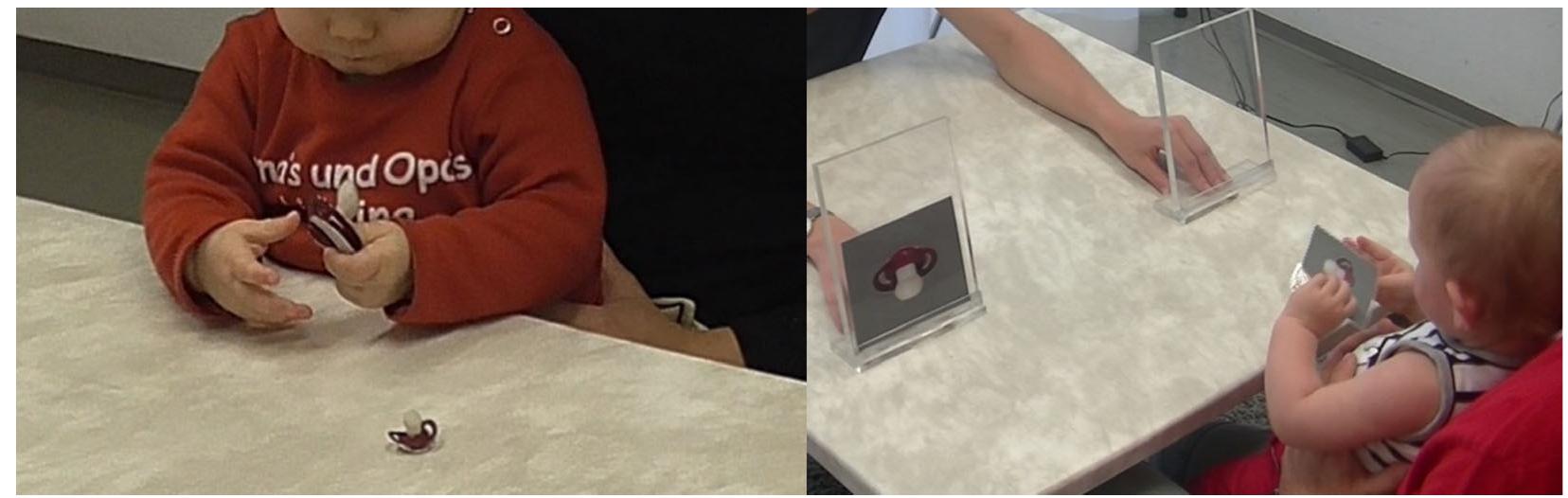
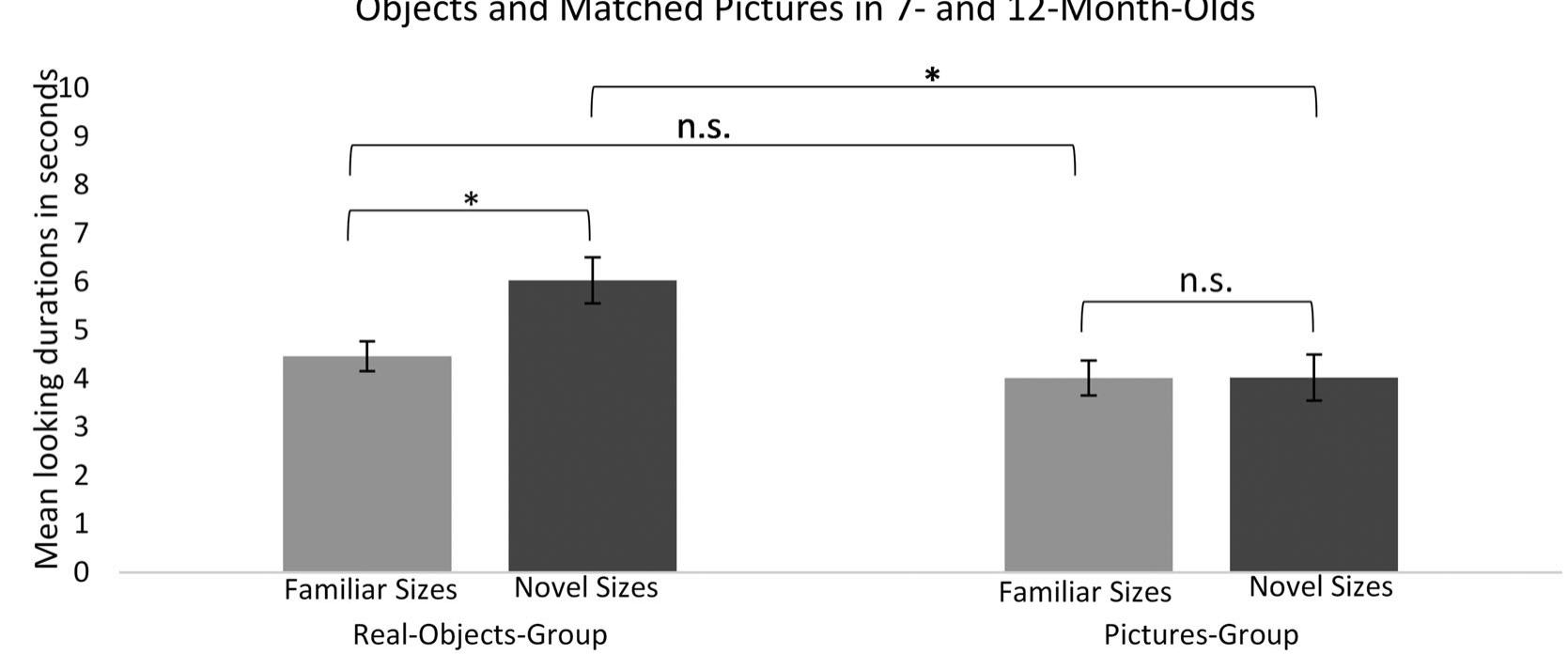
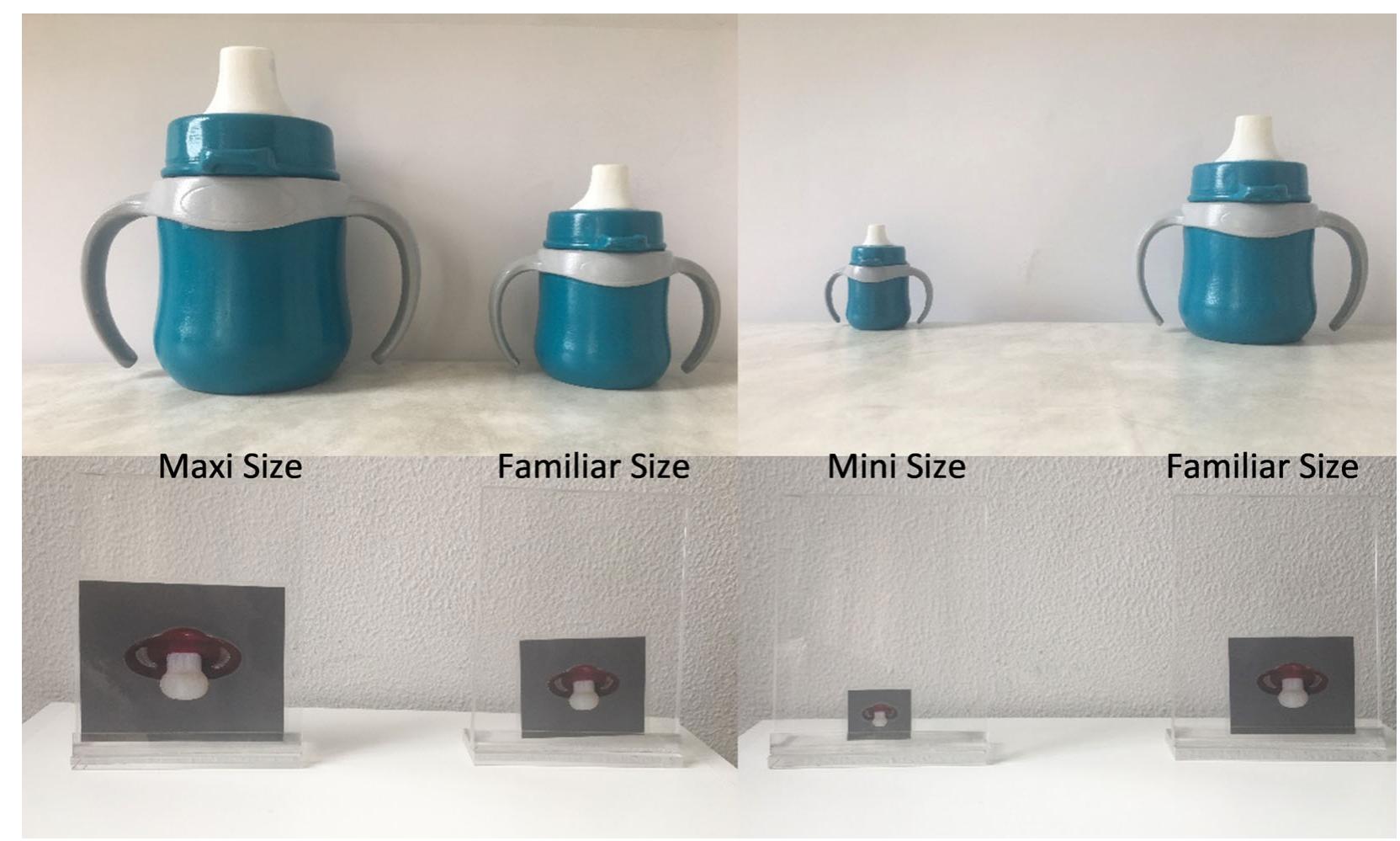
We investigate when infants exhibit knowledge of the familiar size of well-known objects and whether this knowledge is affected by stimulus format, that is, whether the stimuli are presented as real objects or matched pictures. Highlights... more
We compare the processing of transitive sentences in young learners of a strict word order language (English) and two languages that allow noun omissions and many variant word orders: Turkish, a case-marked language, and Mandarin Chinese,... more
Although domestic dogs can respond to many facial cues displayed by other dogs and humans, it remains unclear whether they can differentiate individual dogs or humans based on facial cues alone and, if so, whether they would demonstrate... more
In this study, we conducted a series of experiments using stimuli characterized by various attributes in order to understand the cat egorization process in an infant's pre-linguistic development. The iii are able to assign the same label... more
Children use causative verbs in language to express causality. The learning of causatives relies on cues in children's interaction with caregivers. Argument structure has been widely posited as a facilitative cue for learning... more
Although domestic dogs can respond to many facial cues displayed by other dogs and humans, it remains unclear whether they can differentiate individual dogs or humans based on facial cues alone and, if so, whether they would demonstrate... more
We used a preferential looking paradigm to evaluate infants' preferences for correct versus incorrect counting. Infants viewed a video depicting six fish. In the correct counting sequence, a hand pointed to each fish in turn,... more
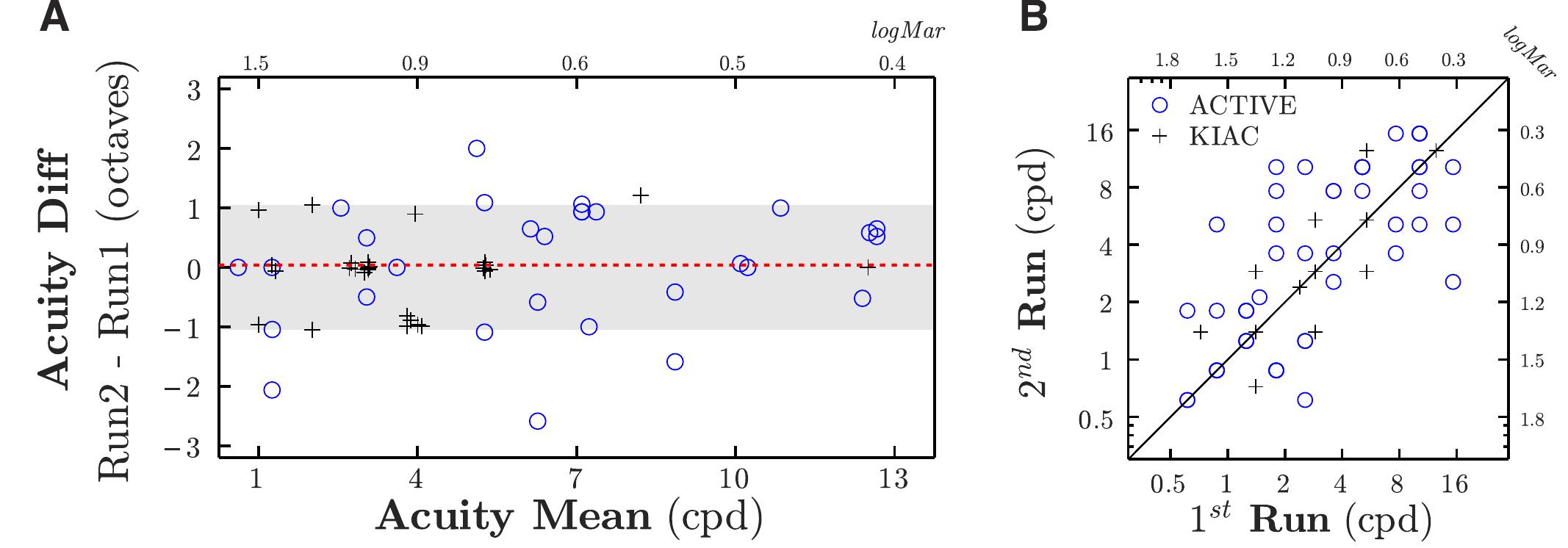
Grating acuity values obtained with preferential looking techniques do not correspond to test results obtained with letter charts. The aim of the study was to investigate the agreement between grating acuity and other acuity tests.... more
Purpose Acuity tests for infants and young children use preferential looking methods that require a perceptual match of brightness and color between grey background and target spatial average. As a first step in exploring this matching,... more
Grating acuity thresholds obtained by the looking preference procedure have been based on the assumption that infants always prefer to look at visible patterns over blank fields. Consequently. it has been assumed that the infant's... more
Spatial congruity effects reveal metaphors, not markedness Permalink https://escholarship.org/uc/item/9556q7sv Journal Abstract Spatial congruity effects have often been interpreted as evidence for metaphorical thinking, but an... more
People often talk about musical pitch in terms of spatial metaphors. In English, for instance, pitches can be high or low, whereas in other languages pitches are described as thick or thin. According to psychophysical studies, metaphors... more
The grating acuity of 181 patients from 6 weeks to 18 years of age who had neurological abnormalities and documented developmental delay was assessed using preferential looking (PL) procedures. PL acuities were estimated by a staircase... more
A forced-choice preferential looking paradigm, similar to that developed for human infants, was used to assess visual thresholds in kittens between 21 and 45 days of age. In agreement with the earlier work of Sireteanu [ 19,30], the... more
Observations of eye movements of young children in a modified preferential looking task suggest a change in the visual looking pattern taking place during a very brief time between 32 and 33 months of age. In the younger children, a... more
We investigated the impact of perceptual and categorical relatedness between a target and a distracter object on early referent identification in infants and adults. In an intermodal preferential looking (IPL) task, participants looked at... more
For group-living animals, it is crucial to distinguish one's own group members from those of other groups. Studies applying operant conditioning revealed that monkeys living in relatively small groups are able to recognize their own group... more
We compare the processing of transitive sentences in young learners of a strict word order language (English) and two languages that allow noun omissions and many variant word orders: Turkish, a case-marked language, and Mandarin Chinese,... more
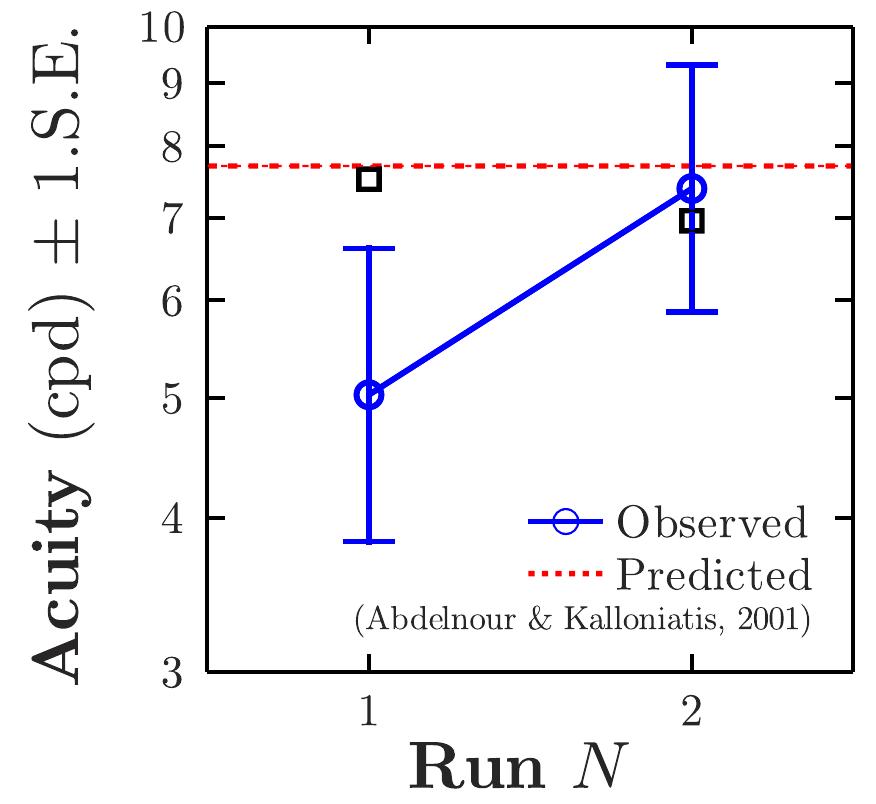
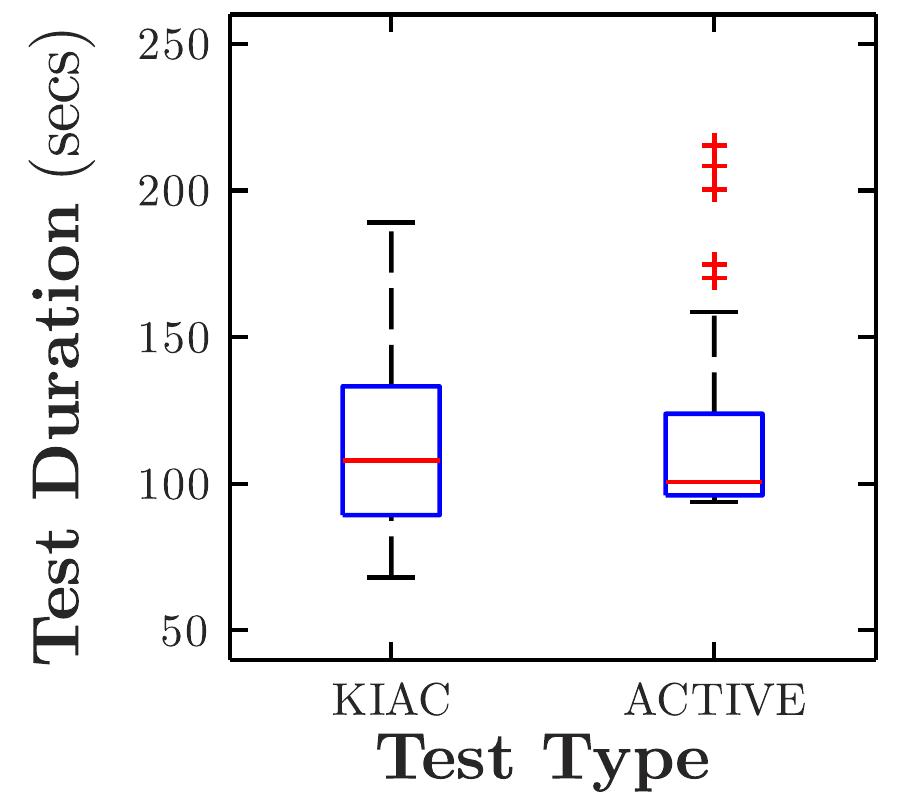
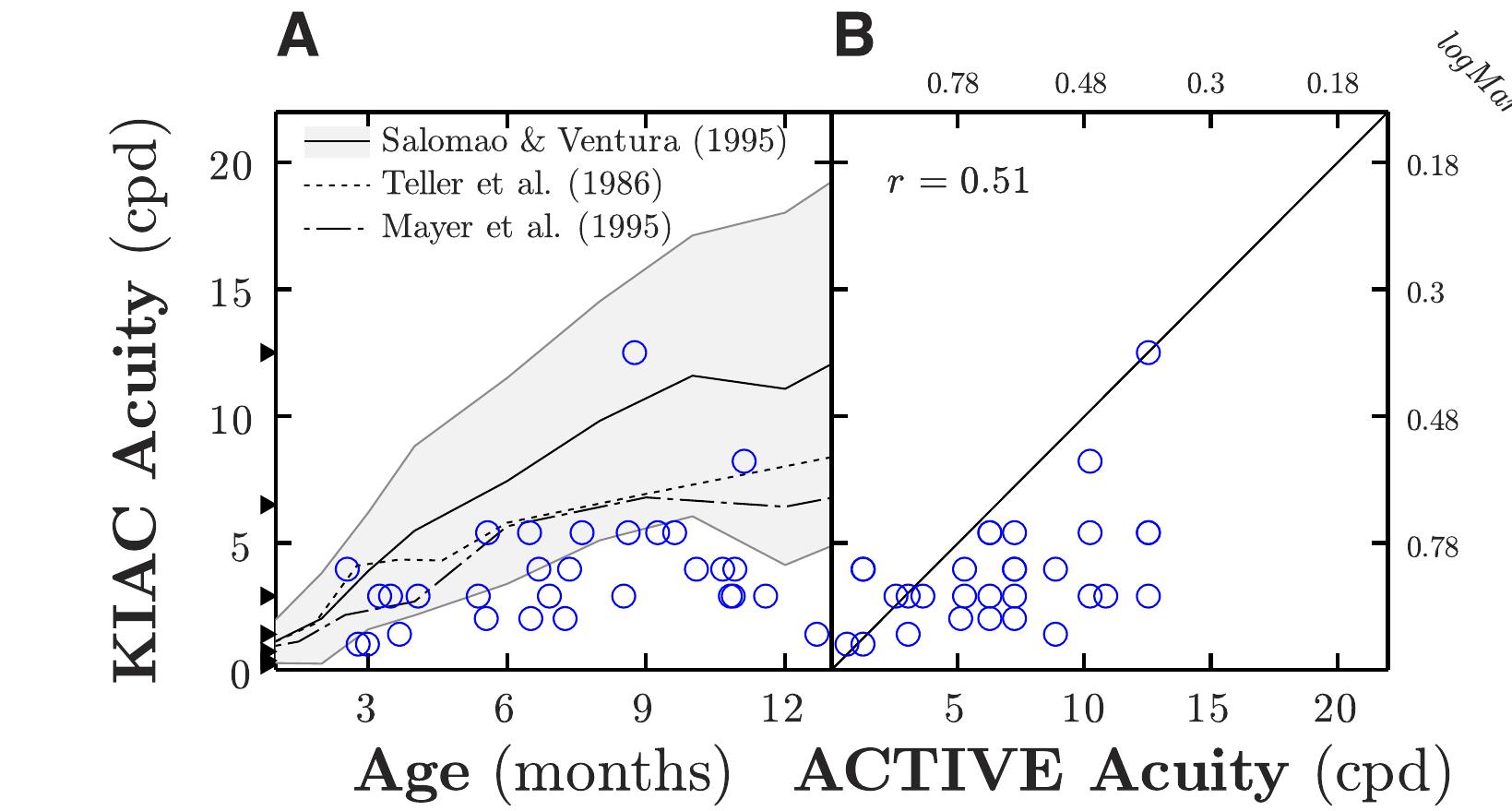
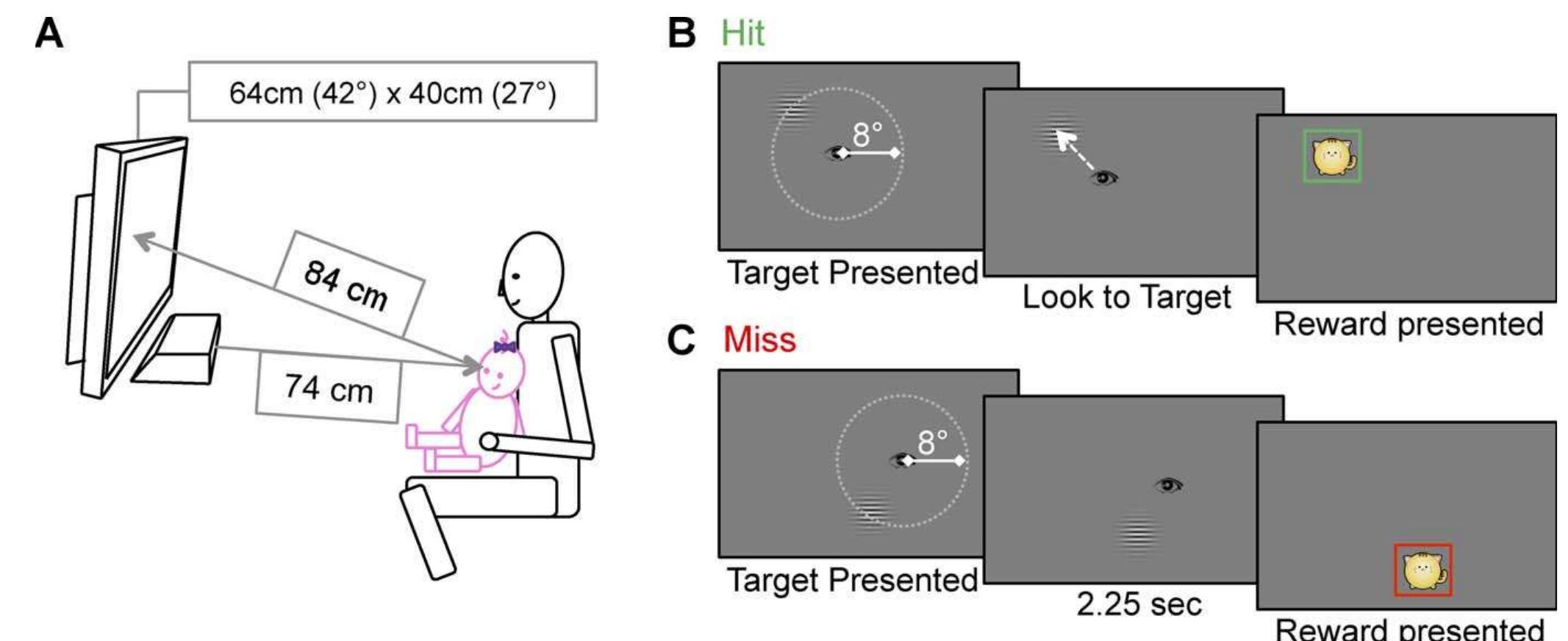
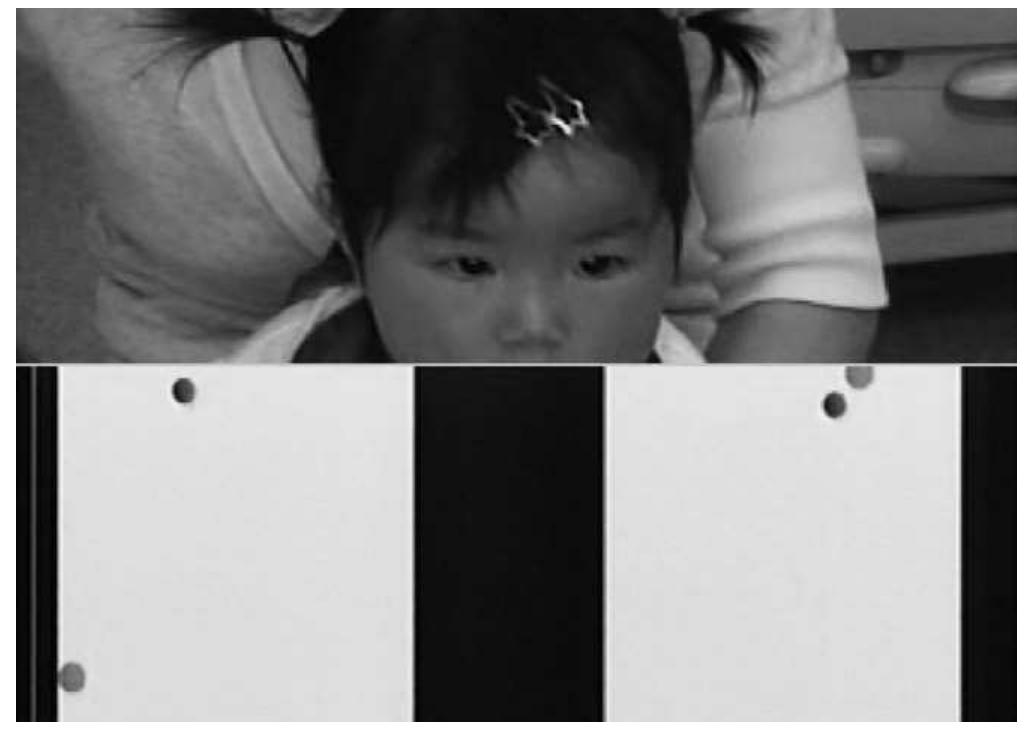
Citation: Jones PR, Kalwarowsky S, Atkinson J, Braddick OJ, Nardini M. Automated measurement of resolution acuity in infants using remote eyetracking. Invest Ophthalmol Vis Sci.
The aim in this study was to investigate the association between infants' developing interest in their self-image and the onset of mirror self-recognition (MSR). A longitudinal study was conducted with 98 infants who were seen at... more
The operant preferential looking (OPL) procedure allows a behavioral estimate of visual acuity to be obtained from children 6 mo to 3 yr of age. In clinical settings, there is often too little time available to obtain an acuity estimate... more
The visual acuity of twelve multi-handicapped, mentally retarded subjects, diagnosed as deafblind, was measured on two occasions with the Teller Acuity Cards (TAC). Eight subjects scored above the criterion for legally blind and the... more
Citation: Jones PR, Kalwarowsky S, Atkinson J, Braddick OJ, Nardini M. Automated measurement of resolution acuity in infants using remote eyetracking. Invest Ophthalmol Vis Sci.
People often talk about musical pitch in terms of spatial metaphors. In English, for instance, pitches can be high or low, whereas in other languages pitches are described as thick or thin. According to psychophysical studies, metaphors... more
The aim in this study was to investigate the association between infants' developing interest in their self-image and the onset of mirror self-recognition (MSR). A longitudinal study was conducted with 98 infants who were seen at... more
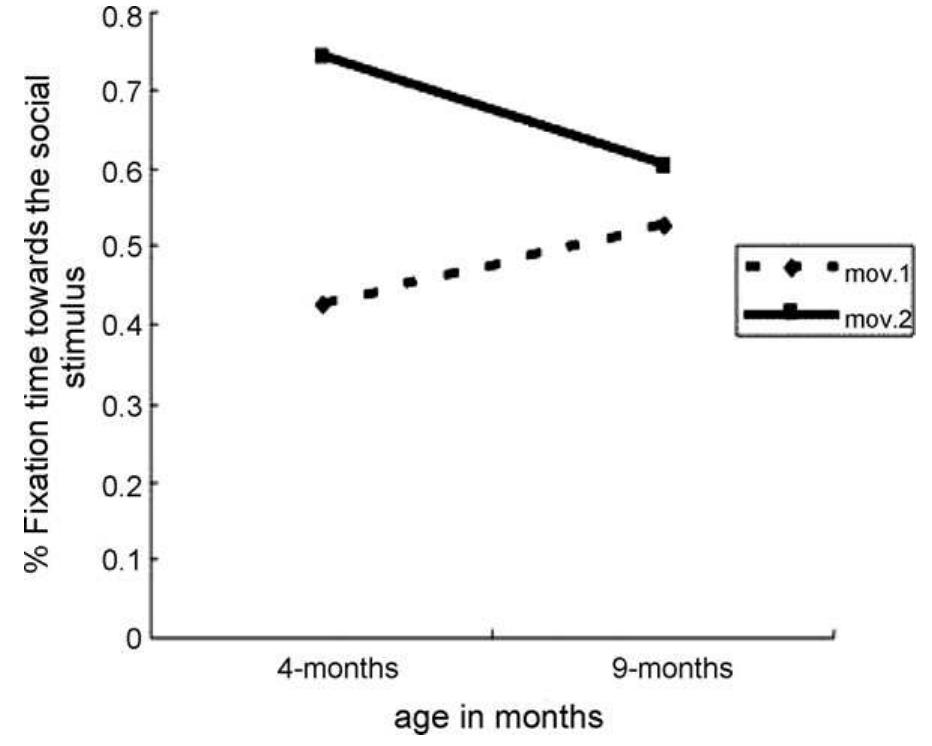
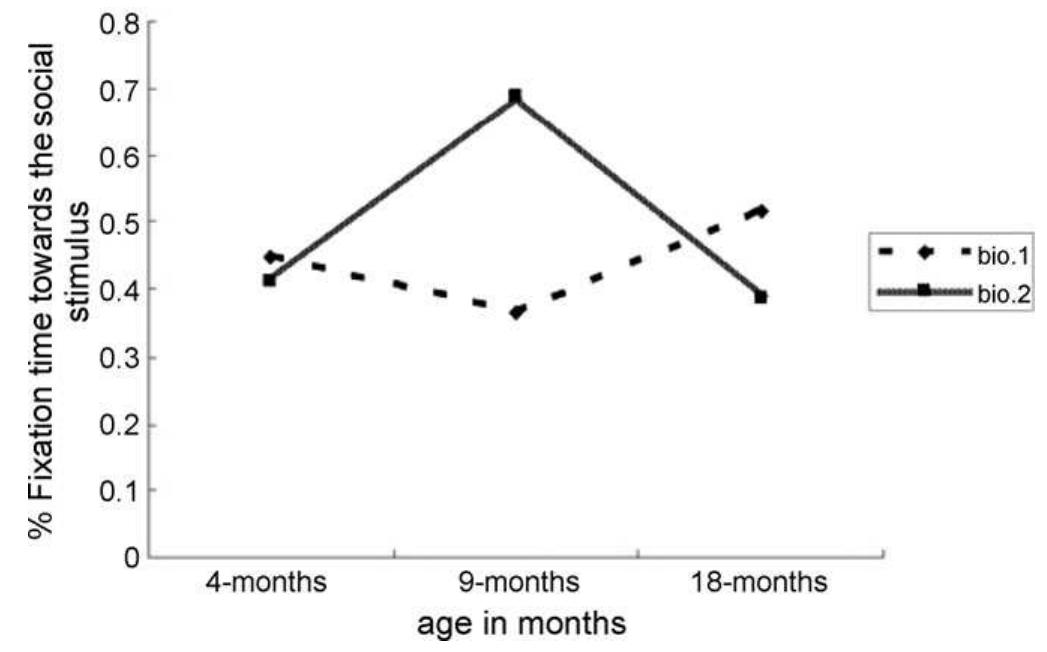
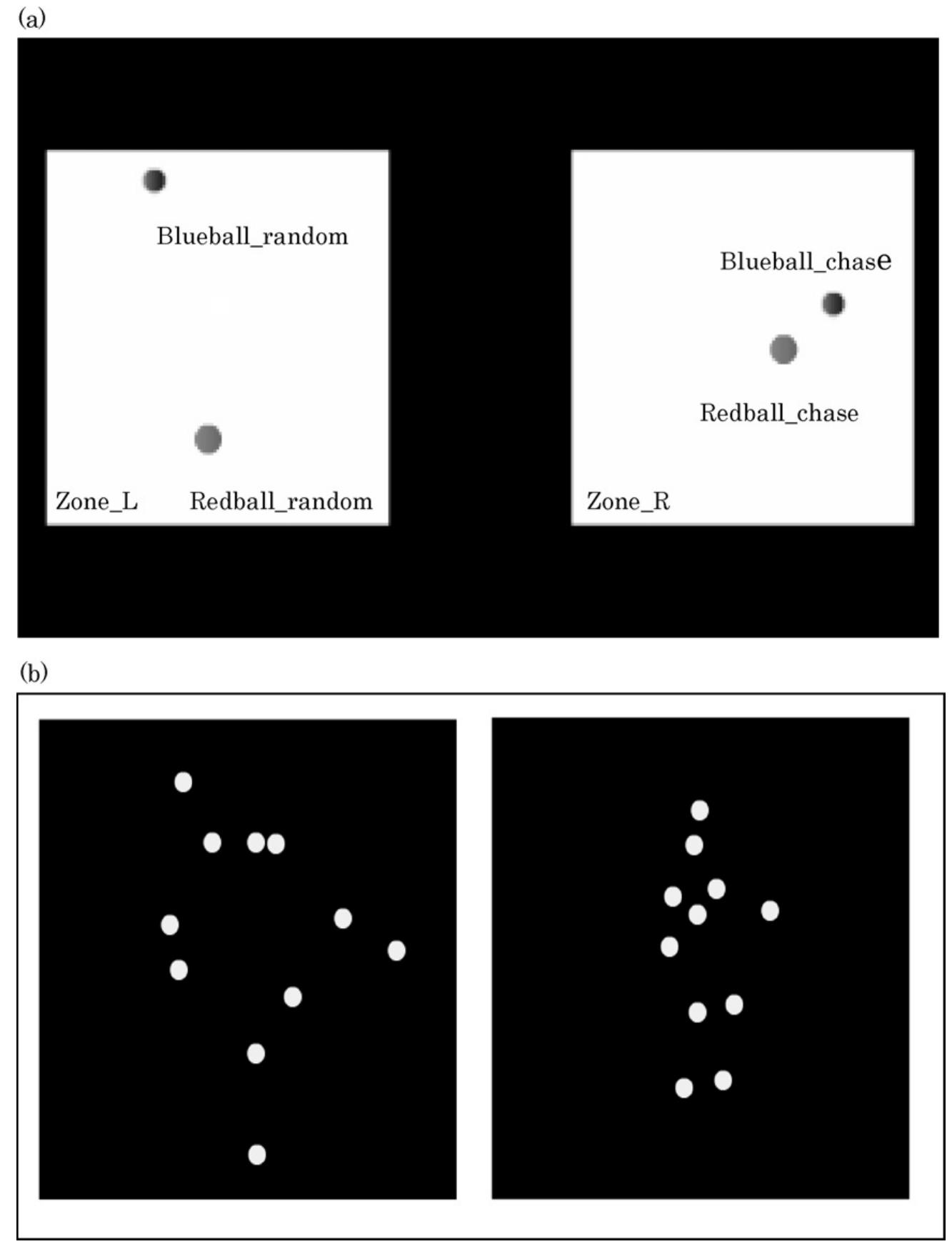
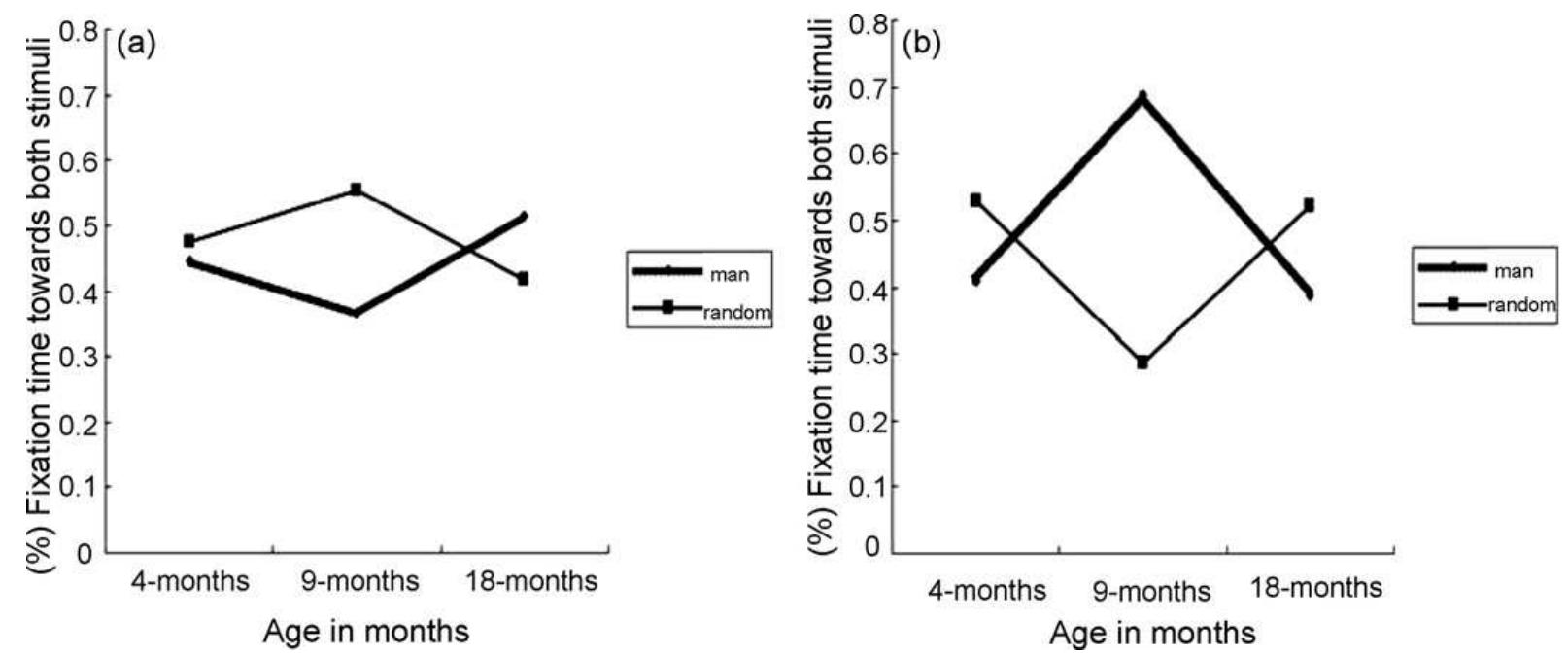
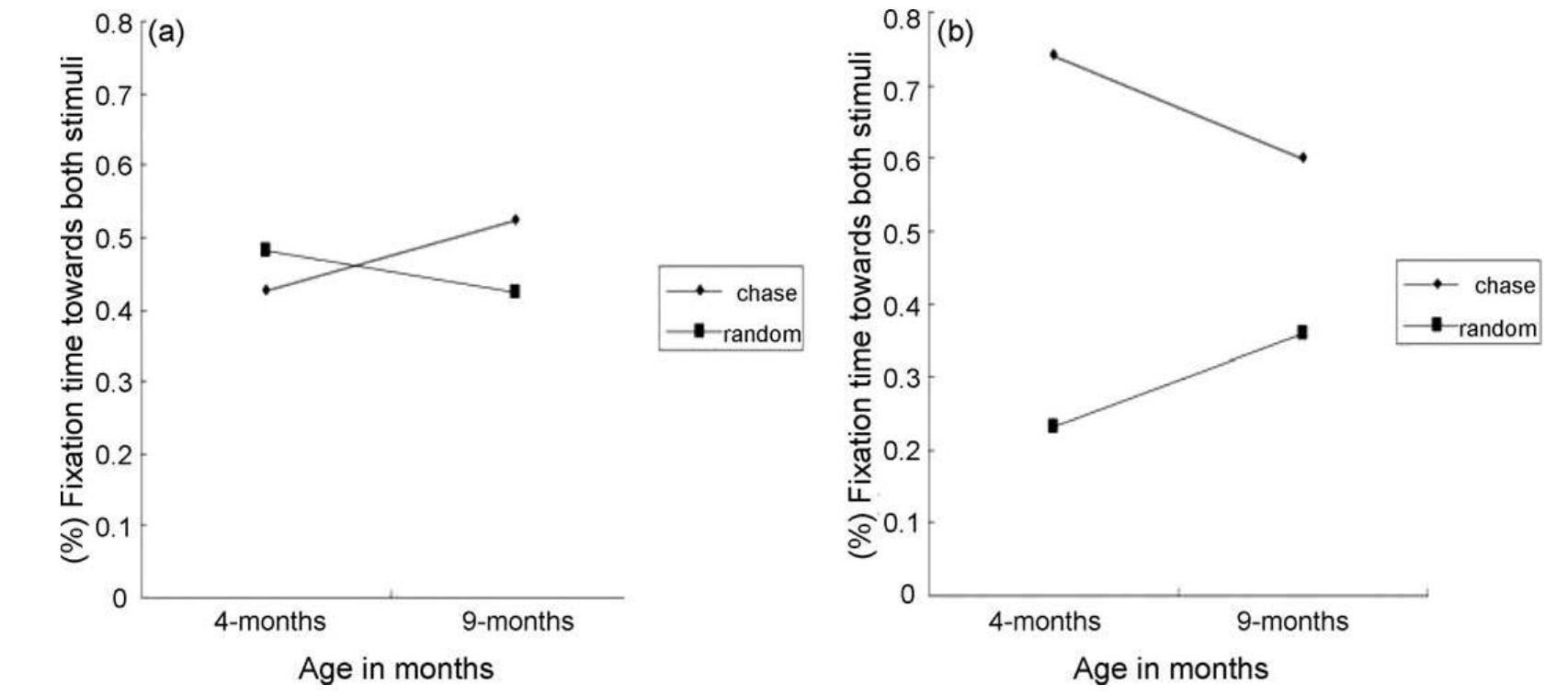
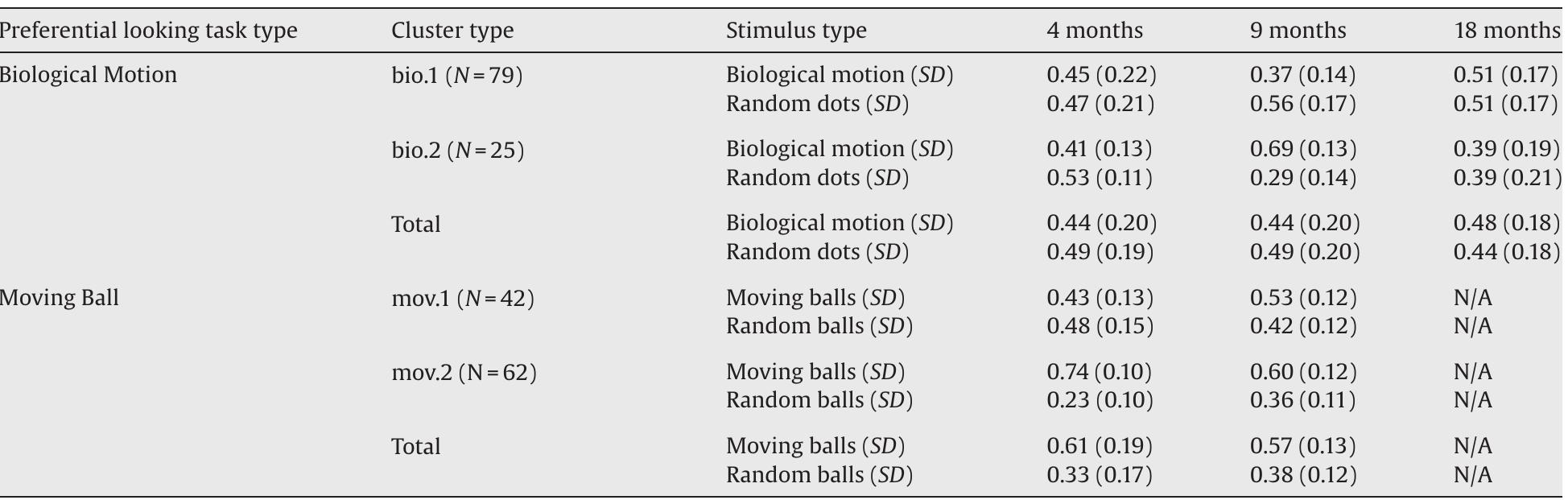
Detection of social signals, such as biological motion and social causality, is of basic importance in early infancy. There have also been some accounts that infants' visual preference or reaction to social signals change during... more
The forced-choice preferential looking method (FPL) shows the development of acuity during the first year of life, and is applicable to clinical assessment. A tracking test using a narrow strip of grating yields a more sensitive measure... more
Download research papers for free!