Academia.eduAcademia.edu

P3b ERP

description7 papers
group6 followers
lightbulbAbout this topic
The P3b event-related potential (ERP) is a positive electrical wave observed in the brain, typically occurring 300-600 milliseconds after stimulus presentation. It is associated with cognitive processes such as attention, memory updating, and decision-making, reflecting the allocation of attentional resources and the evaluation of stimulus relevance.
lightbulbAbout this topic
The P3b event-related potential (ERP) is a positive electrical wave observed in the brain, typically occurring 300-600 milliseconds after stimulus presentation. It is associated with cognitive processes such as attention, memory updating, and decision-making, reflecting the allocation of attentional resources and the evaluation of stimulus relevance.

Key research themes

1. What are the critical success factors and challenges in ERP implementation and how can they be overcome?

This research theme investigates the determinants that influence successful ERP implementation, the various organizational and technological challenges encountered during deployment, and strategies to mitigate those challenges. Understanding these factors is crucial because ERP systems are complex and costly projects that significantly impact operational integration, business process efficiency, and organizational performance. Effective management of implementation challenges enhances the realization of ERP benefits and reduces failure risk.

Key finding: Through empirical data from 252 manufacturing employees and factor analysis, the study identified Data Quality, System Quality, and Consultant Support as the three pivotal critical success factors that significantly predict... Read more
Key finding: Based on a comprehensive literature review of 42 high-quality research papers from 2005 to 2020, the study categorizes 65 ERP challenges into 25 distinct types, emphasizing that many difficulties arise throughout... Read more
Key finding: This work elaborates the sequential implementation stages—conceptualization, design, go-live, and operational support—identifying seven core ERP issues affecting success such as integrating cross-departmental workflows and... Read more
Key finding: The study highlights organizational and cultural factors influencing ERP implementation in a higher education context at the University of Rwanda, identifying critical success elements including top management commitment,... Read more

2. How are ERP systems evolving to integrate supply chain and interenterprise collaboration (ERP II and ERP III concepts)?

This research theme explores the conceptual and technological evolution of ERP systems from traditional enterprise resource planning (ERP I) to extended models such as ERP II and ERP III. These later paradigms incorporate internet readiness, vendor and customer collaboration, supply chain integration, and emerging technologies like cloud computing and service-oriented architecture. These transformations reflect the necessity for companies to compete in a globalized, digital marketplace by enabling real-time data sharing both internally and across business networks.

Key finding: The paper describes the transition from ERP II, which focuses on integrating upstream partners such as suppliers within the supply chain through concepts like SRM and PLM, toward ERP III, which emphasizes downstream... Read more
Key finding: This work presents ERP II as an evolution incorporating web-enabled technologies, enabling real-time, Internet-based transactions and wide enterprise collaboration. It documents the shift from standalone ERP modules to... Read more
Key finding: This paper articulates the emergence of ERP II as a strategic response to c-commerce needs, positioning ERP II as an enabler of enterprise and interenterprise collaborative operational and financial processes. It forecasts... Read more
Key finding: The research provides a comparative analysis of ERP implementation across diverse geographic regions and between humanitarian and private sectors, identifying differences in ERP types used and their performance impacts. It... Read more

3. What are the neural and cognitive correlates of P3b event-related potentials and their implications for clinical populations?

This theme focuses on elucidating the spatio-temporal neural dynamics, cognitive processing, and clinical significance of the P3b ERP component. As P3b indexes attentional resource allocation and context updating, its alterations can signal dysfunction in information processing mechanisms relevant to psychiatric conditions such as PTSD and schizophrenia, and cognitive aging. Investigations employing neurophysiological and neuroimaging techniques contribute to understanding underlying brain activations and potential biomarkers for disorders.
by Noa Herz and 
1 more
Key finding: Using magnetoencephalography and a three-tone oddball task, this study revealed that PTSD patients exhibit hyperactivation in dorsolateral prefrontal cortex and anterior cingulate cortex to standard stimuli but decreased... Read more
Key finding: The study identified that first-episode schizophrenia patients show fewer anterior-to-posterior propagation events in the delta frequency band during P3b-eliciting conditions, correlating with increased psychomotor poverty... Read more
Key finding: This investigation found that older adults exhibit delayed parietal P3b latency to 'go' stimuli but increased fronto-central nogo-P3 amplitude compared to younger adults in a frequency-matched go/nogo task, indicating... Read more

All papers in P3b ERP

Neural co-activation in frontal and central cortex was examined during a visual oddball task using wavelet coherence. EEG was recorded during a visual oddball task, presented to 12 participants with a random mix of 15% oddball targets and... more
Informe final de prácticas de laboratorio sobre técnicas psicofisiológicas: el uso de potenciales evocados para la caracterización de P3a y P3b en una tarea visual de paradigma tipo odball de 3 estímulos
Higher mental functions depend on global cerebral functional coordination. Our aim was to study fast modulation of functional networks in schizophrenia that has not been previously assessed. Graph-theory was used to analyze the... more
The present study aimed to elucidate the neuro-cognitive processes underlying age-related differences in working memory. Young and middle-aged participants performed a two-choice task with low and a 2-back task with high working memory... more
Objectives: Gamma (`40 Hz') rhythms may play a role in the integration of sensory processing activity. Impaired temporal integration may be a key feature of the associated disturbances in schizophrenia. This is the ®rst study to examine... more
The study of the mechanisms involved in cognition is of paramount importance for the understanding of the neurobiological substrates in psychiatric disorders. Hence, this research is aimed at exploring the brain network dynamics during a... more
schizophrenia and suggest that these changes do not correspond to generalized brain changes.
Background: Uremia is associated with impairment of different cognitive functions. However the pathogenesis of this cognitive dysfunction is unknown. Objective: In this study, long-latency event-related potentials (ERPs) were used to... more
Although cognitive functioning in schizophrenia continues to be the focus of considerable research, few studies have attempted to evaluate the cognitive functions of neuroleptic treatment-resistant schizophrenic patients. Reduced... more
Deficits in processing contextual information are one of the main features of cognitive dysfunction in schizophrenia, but the neurophysiologic substrate underlying this dysfunction is poorly understood. We used ERPs to investigate local... more
There is a debate on whether delusional misidentification syndromes (DMSs) and schizophrenia are distinct disorders. Informationprocessing deficits have been found in both. Since the P300 component of event-related potentials (ERPs)... more
Background: Electroencephalographic (EEG) coherence analysis is a noninvasive technique for studying corticocortical associations. As there is evidence for a dysfunction of the prefrontal dorsolateral cortex in schizophrenia, we... more
by Noa Herz and 
1 more
Objective: Patients suffering from posttraumatic stress disorder (PTSD) exhibit hyper arousal symptoms and attention problems which were frequently investigated using the P3 event-related potentials (ERPs). Our study aimed at providing... more
Perjanjian ini berlaku terhadap orang dan badan yang menjadi penduduk salah satu atau kedua Negara Pihak pada Perjanjian. PAJAK-PAJAK YANG DICAKUP DALAM PERJANJIAN (1) Perjanjian ini diterapkan terhadap pajak-pajak yang berlaku sekarang... more
Neurophysiological deficits in the left dorsolateral prefrontal cortex (DLPFC) have been described in positron emission tomography studies of schizophrenia and depression. In schizophrenia and depression this deficit has been associated... more
Objective: Somatic hypervigilance describes a clinical presentation in which people report more, and more intense, bodily sensations than is usual. Most explanations of somatic hypervigilance implicate altered information processing, but... more
SChizophrenia Is characterised by severe abnormalities of affect, behaviour and cognition Including deficits In working memory and atlention. A previous PET study from this group reported on the functional neuroanatomy of work• ing memory... more
Gamma oscillations are essential for functional neural assembly formation underlying higher cerebral functions. Previous studies concerning gamma band power in schizophrenia have yielded diverse results. In this study, we assessed gamma... more
In schizophrenia there seems to be an inefficient activation of prefrontal and hippocampal regions. Patients tend to show worse cognitive performance in functions subserved by those regions as compared to healthy controls in spite of... more
The " dysconnection hypothesis " of psychosis suggests that a disruption of functional integration underlies cognitive deficits and clinical symptoms. Impairments in the P300 potential are well documented in psychosis. Intrinsic... more
Objective: Previous studies using event-related potentials (ERPs) in post-traumatic stress disorder (PTSD) have demonstrated reduced P3 amplitude during target detection and working memory (WM) processes. This study investigated effects... more
Quantitative descriptors of resting electroencephalogram (EEG) (QEEG) and event-related potentials (QERP) to visual and auditory stimuli were obtained from normal subjects and 94 chronic schizophrenic patients on medication, 25 chronic... more
This article appeared in a journal published by Elsevier. The attached copy is furnished to the author for internal non-commercial research and education use, including for instruction at the authors institution and sharing with colleagues.
The user has requested enhancement of the downloaded file. All in-text references underlined in blue are added to the original document and are linked to publications on ResearchGate, letting you access and read them immediately. This... more
Objective: We investigated differences between children and adults in selective attention. Methods: Event-related potentials of 9 year-old children and adults were studied. Subjects performed an active dichotic novelty oddball task. We... more
This study investigated the time-frequency dynamics of P300 generation in patients with first-onset schizophrenia. A group of 40 patients with first-onset schizophrenia and 40 controls performed an auditory oddball task. Wavelet analysis... more
van, Traveling waves and trial averaging: the nature of single-trial and averaged brain responses in large-scale cortical signals, NeuroImage (2013),
The phase-synchronization of Gamma-band oscillations has been postulated as a mechanism of "network binding" and implicated in various aspects of perception, memory, and cognition. The current study investigates a possible link between... more
van, Traveling waves and trial averaging: the nature of single-trial and averaged brain responses in large-scale cortical signals, NeuroImage (2013),
Objective ± Various degenerative cerebral diseases and even depression may cause abnormalities of the cognitive event related potentials (ERPs). We conducted the present study to elucidate the effects of ischemic stroke on the P300 ERP... more
Objectives: The objective of this work is to determine whether Gamma (40 Hz) synchronous activity has disturbed patients with severe traumatic brain injury (TBI).
Central auditory processing in schizophrenia patients with a history of auditory hallucinations has been reported to be impaired, and abnormalities of interhemispheric transfer have been implicated in these patients. This study examined... more
When slow waves in the EEG delta and theta frequency range appear in the waking state, they may indicate pathological conditions including psychopathology. The generators of focal slow waves can be mapped using magnetic source imaging.... more
De®cits of working memory (WM) are recognized as an important pathological feature in schizophrenia. Since the P600 component of event related potentials has been hypothesized that represents aspects of second-pass parsing processes of... more
Objective: The aim of the present study is to assess information transmission between different cortical areas in schizophrenics by estimating the average cross mutual information (A-CMI) and to characterize the dynamical property of the... more
This study tested whether older adults show enhanced suppression of inappropriate processing of non-target information, as marked with the nogo-P3 event-related potential (ERP). Healthy younger and older adults were tested on a simple... more
Objectives: The objective of this work is to determine whether Gamma (40 Hz) synchronous activity has disturbed patients with severe traumatic brain injury (TBI).
PERSETUJUAN ANTARA PEMERINTAH REPUBLIK INDONESIA DAN PEMERINTAH REPUBLIK TURKI TENTANG PENGHINDARAN PAJAK BERGANDA DAN PENCEGAHAN PENGELAKAN PAJAK ATAS PENGHASILAN Pasal 1 ORANG DAN BADAN DICAKUP DALAM PERSETUJUAN INI Persetujuan ini... more
Puberty is a critical period for the maturation of the fronto-limbic and fronto-striate brain circuits responsible for executive function and affective processing. Puberty also coincides with the emergence of the prodromal signs of... more
Analyzing single trial brain activity remains a challenging problem in the neurosciences. We gain purchase on this problem by focusing on globally synchronous fields in within-trial evoked brain activity, rather than on localized peaks in... more
This study investigated the time-frequency dynamics of P300 generation in patients with first-onset schizophrenia. A group of 40 patients with first-onset schizophrenia and 40 controls performed an auditory oddball task. Wavelet analysis... more
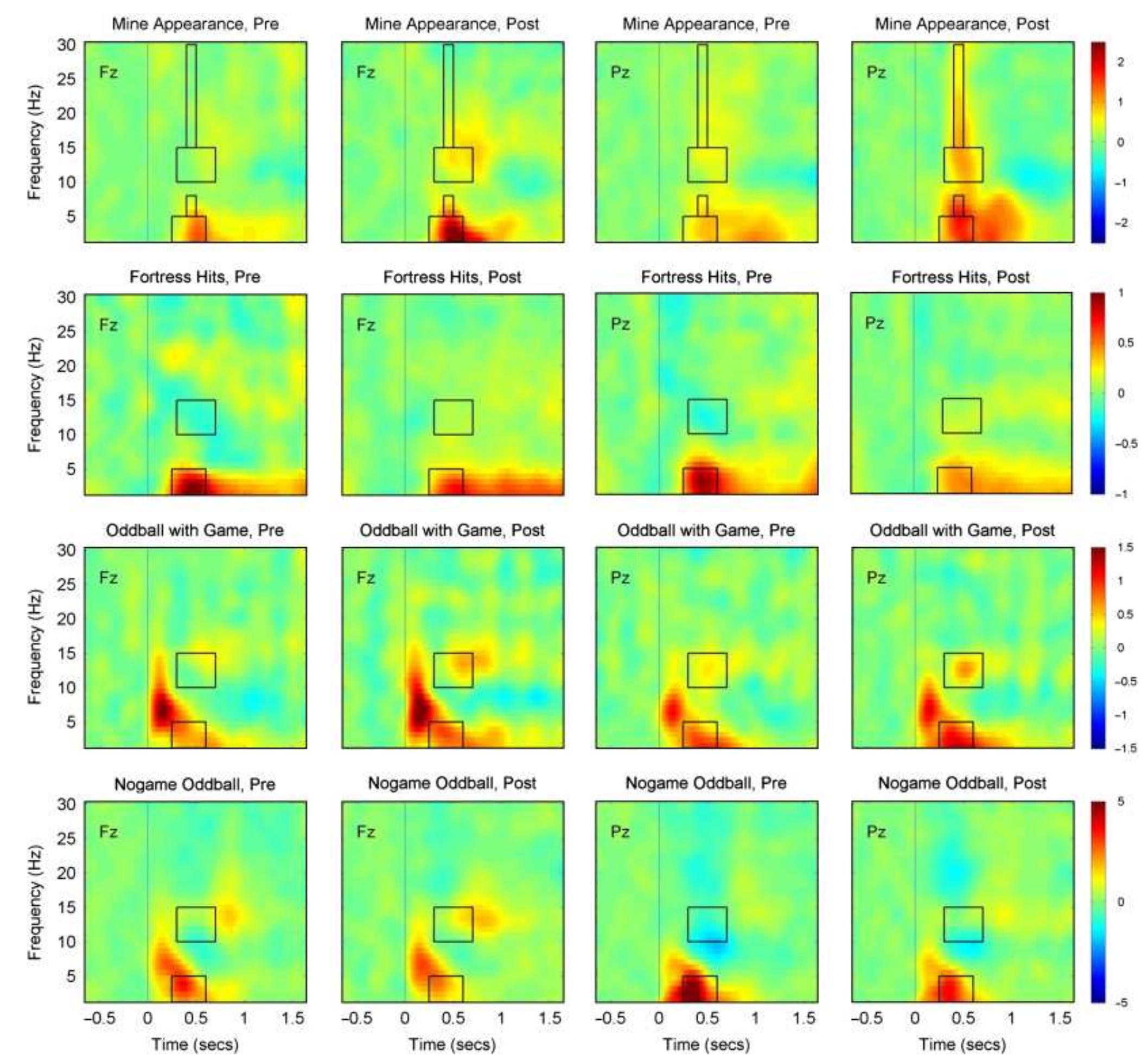
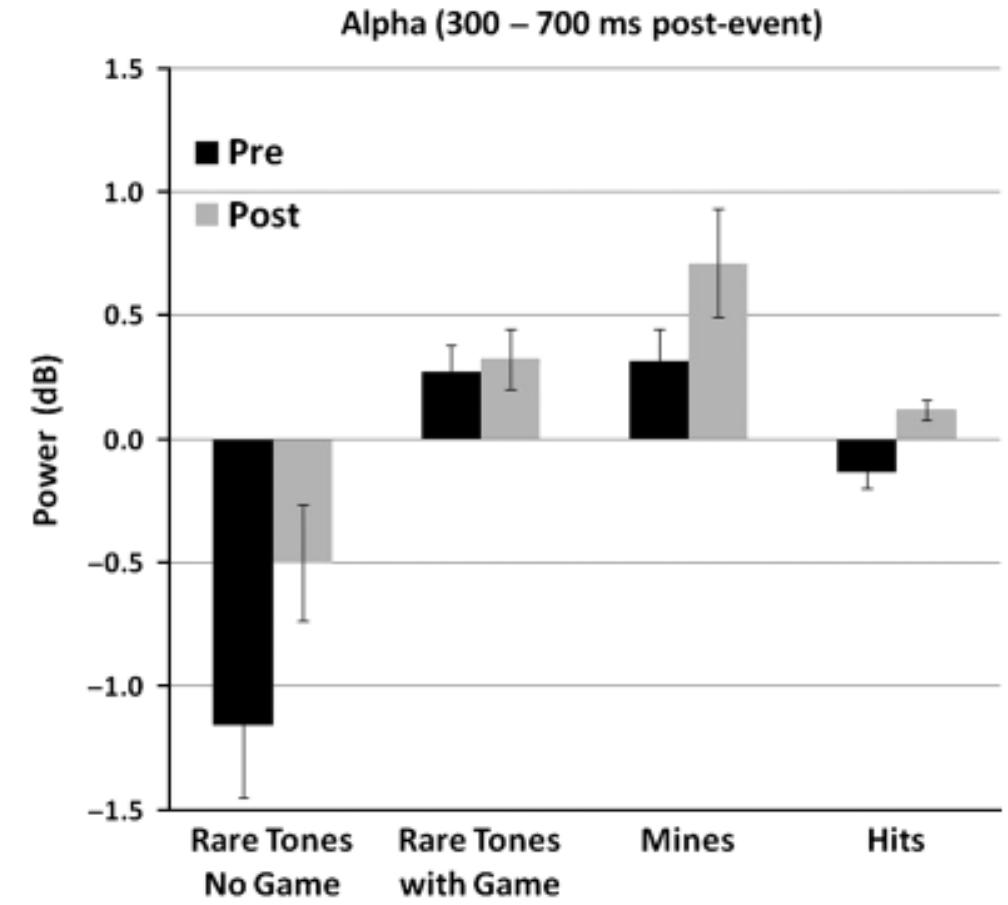
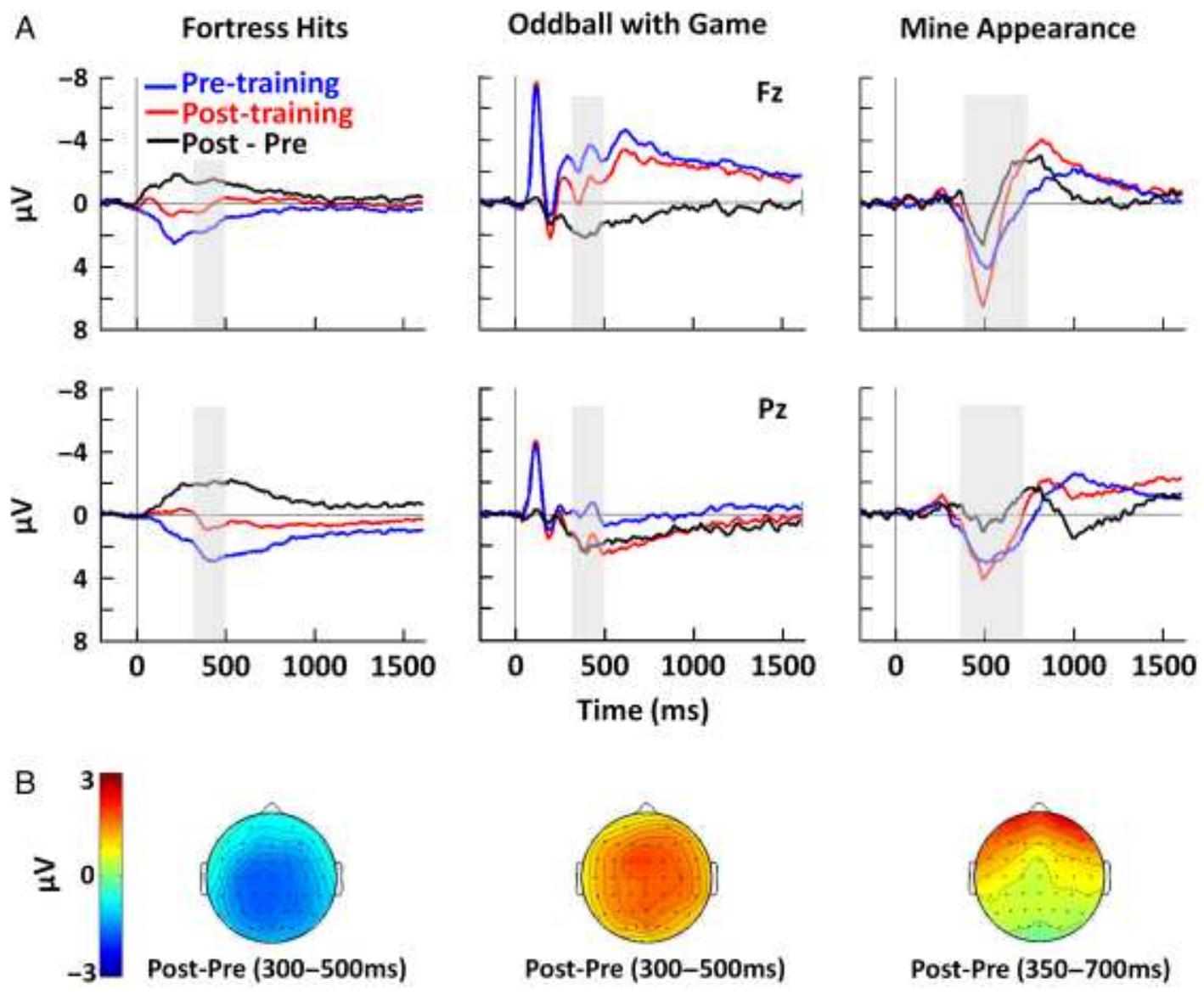
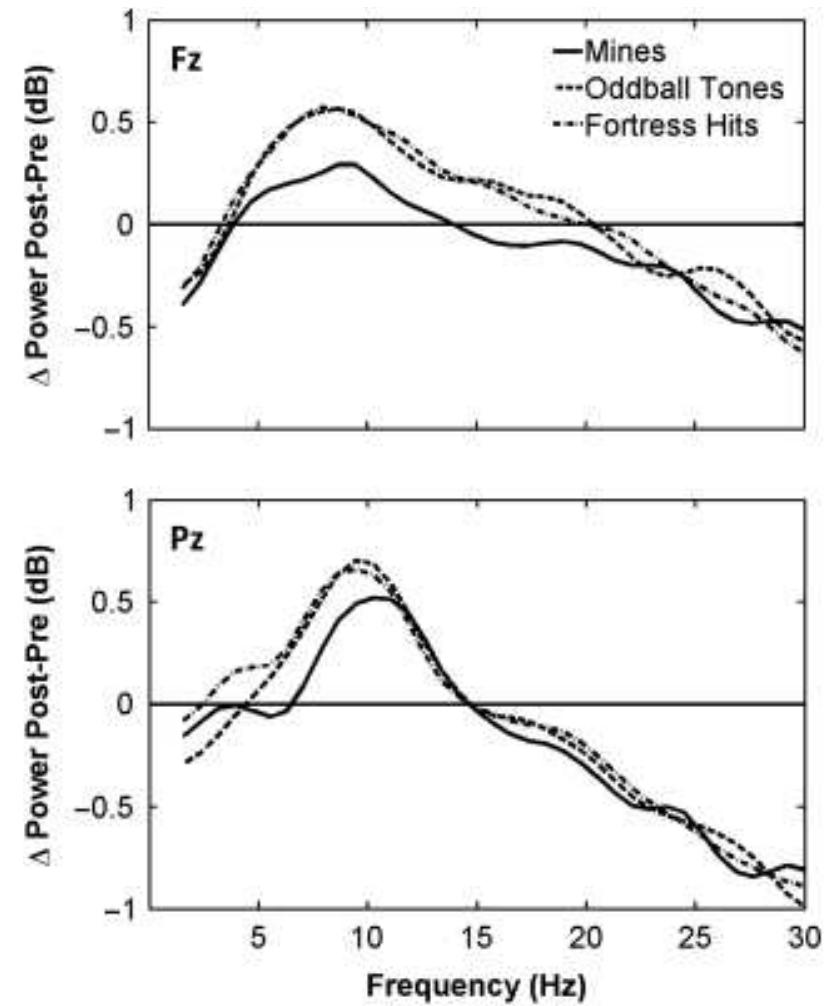
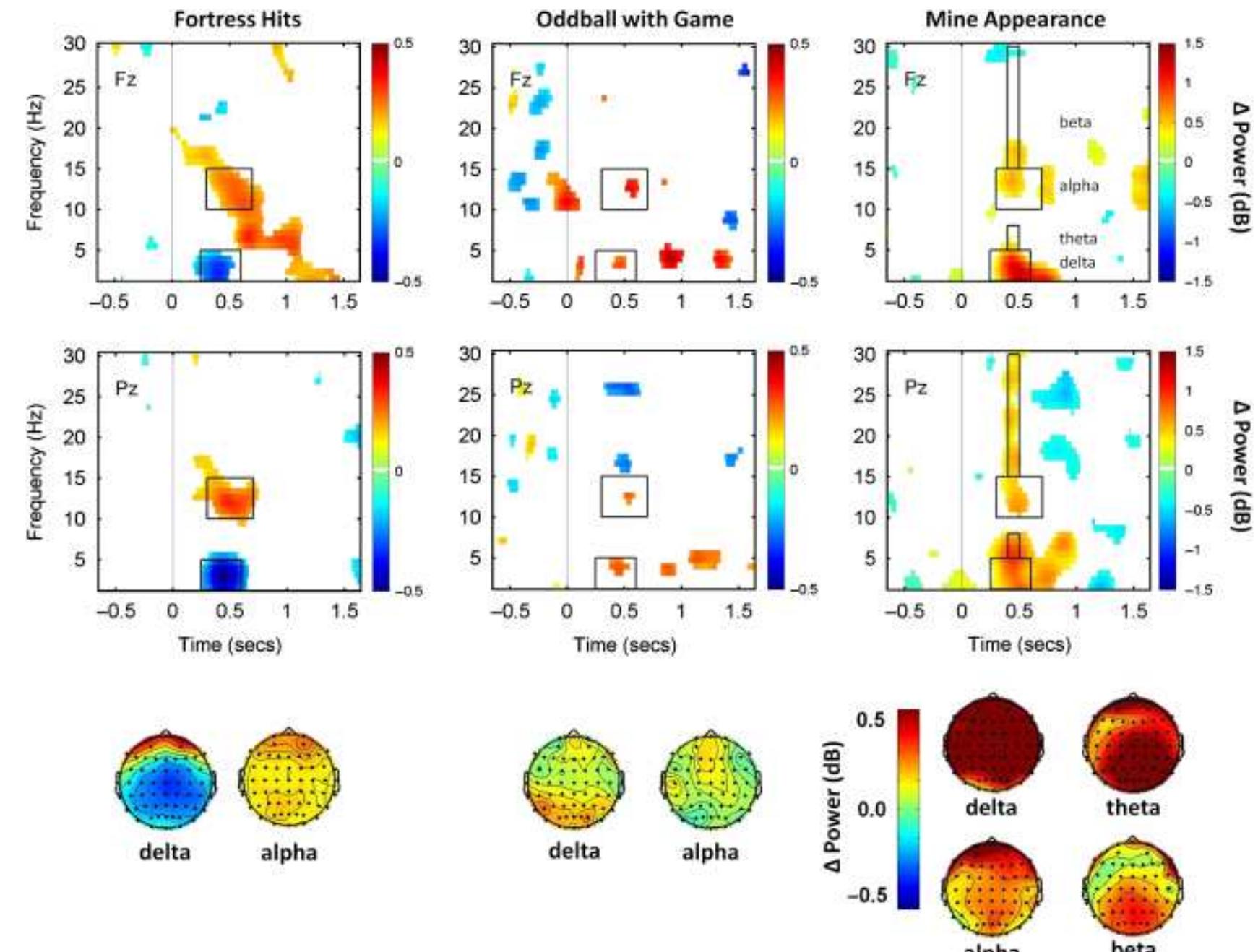
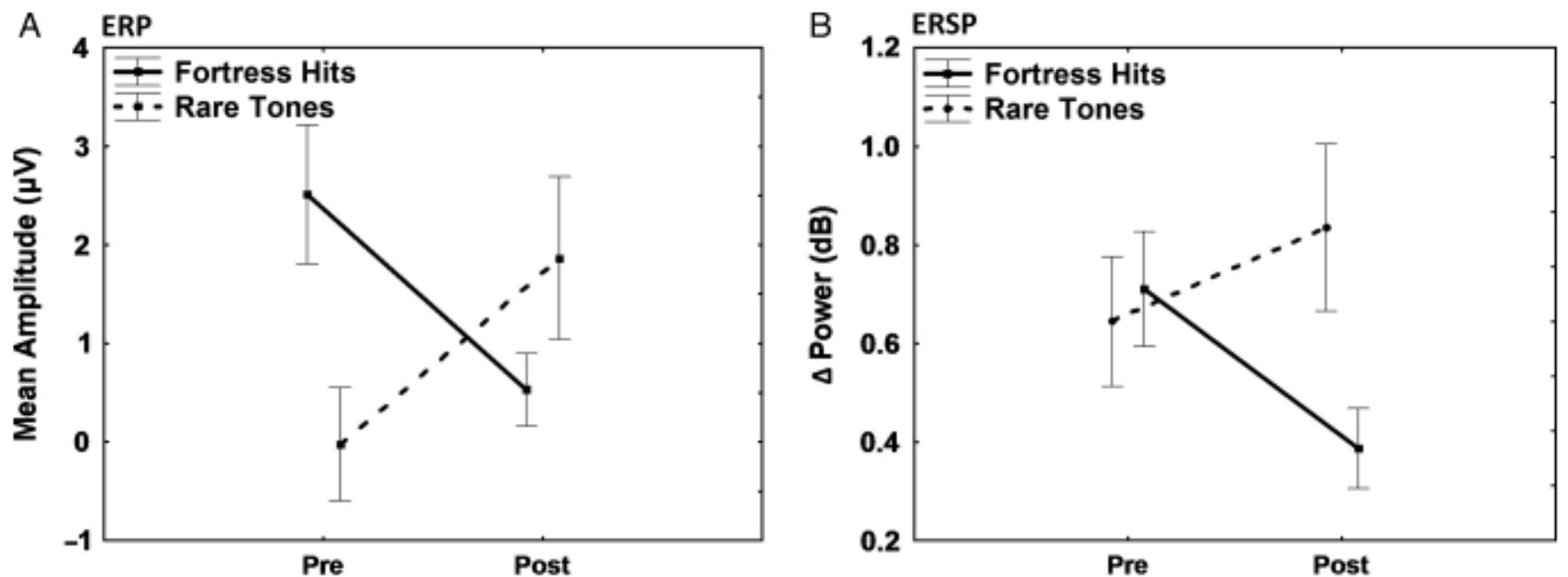
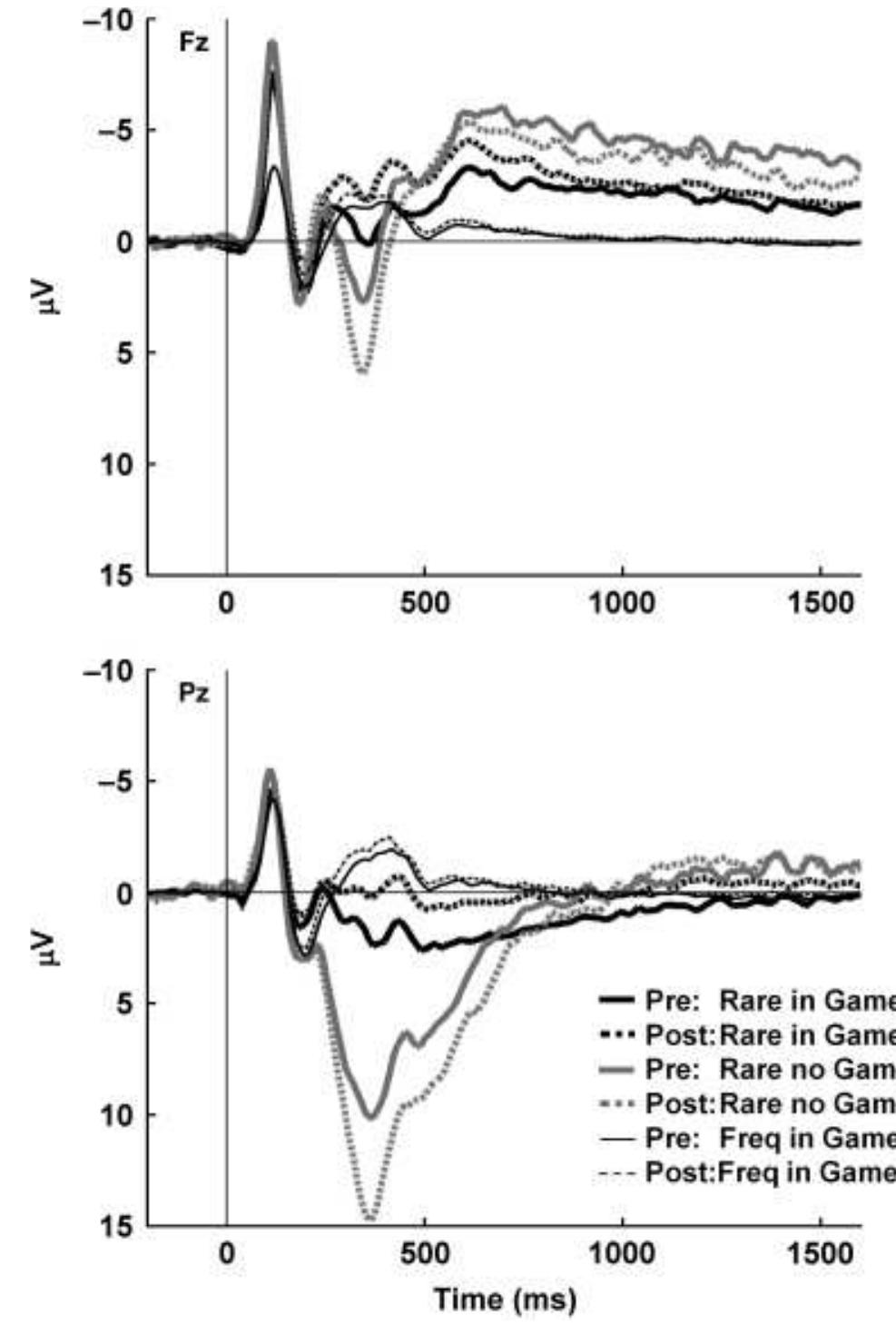
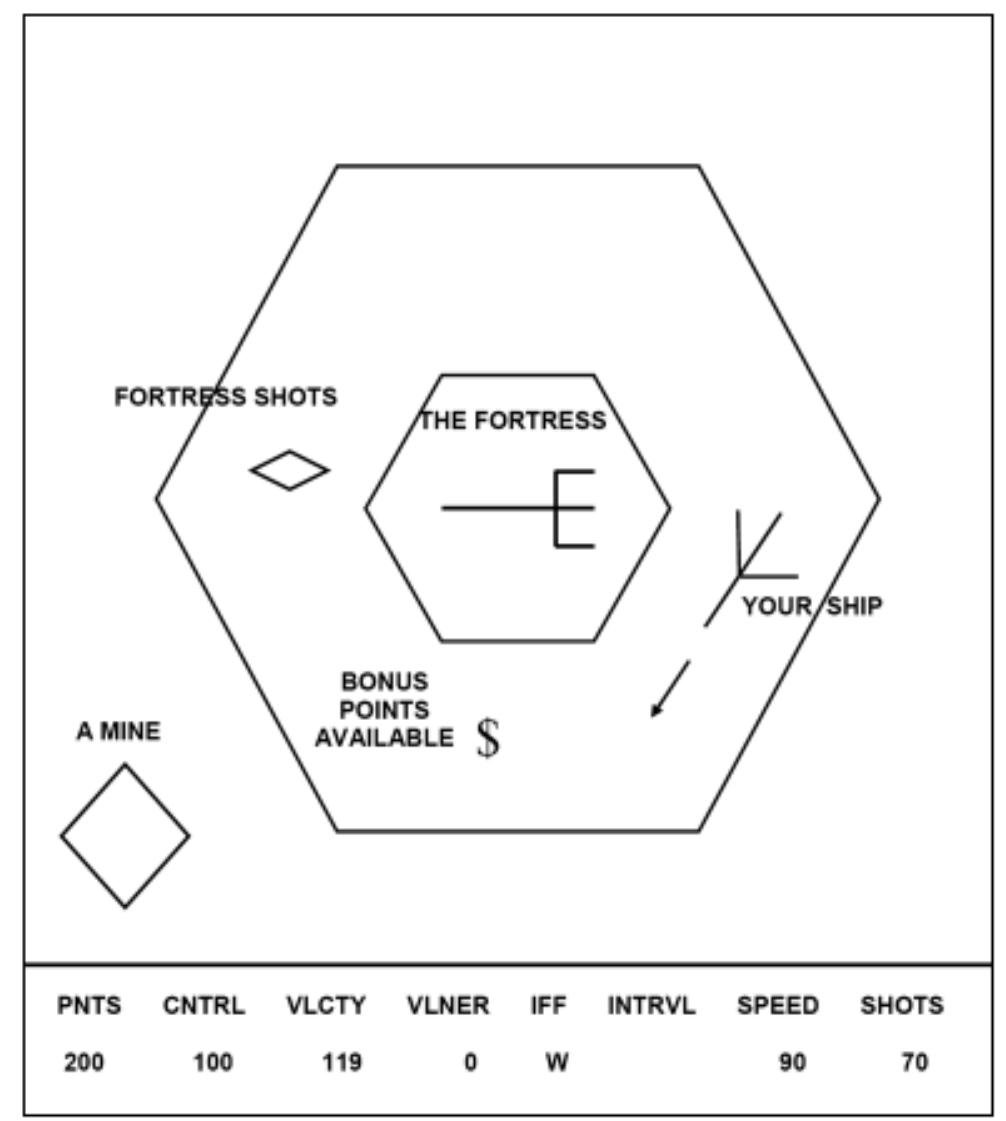
Changes in attention allocation with complex task learning reflect processing automatization and more efficient control. We studied these changes using ERP and EEG spectral analyses in subjects playing Space Fortress, a complex video game... more
Changes in personal identity have been described as a major component in the expression of schizophrenia. Considering current evidence that relates the cortical structures of the medial line with the self, we hypothesize that there are... more
PERSETUJUAN ANTARA PEMERINTAH REPUBLIK INDONESIA DAN PEMERINTAH KERAJAAN THAILAND MENGENAI PENGHINDARAN PAJAK BERGANDA DAN PENCEGAHAN PENGELAKAN PAJAK YANG BERHUBUNGAN DENGAN PAJAK-PAJAK ATAS PENDAPATAN DAN ATAS KEKAYAAN PEMERINTAH... more
Download research papers for free!