


580 California St., Suite 400
San Francisco, CA, 94104
This theme encompasses the development, comparison, and critical evaluation of various analytical techniques to quantify oil presence in aqueous and solid environmental matrices. Accurate measurement of oil pollutants, including Total Petroleum Hydrocarbons (TPHs), dispersed oils, and emulsions in water and sediments, is fundamental for environmental monitoring, regulatory compliance, and remediation assessment. Techniques vary in sensitivity, specificity, phase compatibility, and operational practicality, highlighting the necessity to optimize methods according to sample nature and pollutant forms.
This area investigates the characteristics of oil in water systems—such as droplet size, emulsion stability, and interfacial phenomena—and evaluates treatment technologies that exploit these properties to enhance separation efficiency. Understanding emulsion formation, stability mechanisms (e.g., surfactant adsorption, rigid interfacial films), and chemistry informs the design of physical, chemical, and biological treatment strategies for oily wastewater and oil sludges, key to improving environmental compliance and resource recovery.
Exploring sustainable alternatives to synthetic surfactants, this research domain assesses the oil recovery potential and interfacial properties of natural surfactants extracted from plant leaves and other biological sources. The focus is on evaluating their efficiency in reducing interfacial tension, altering wettability, and improving phase separation during enhanced oil recovery (EOR) and oily wastewater treatment, aligning with increasing environmental and economical considerations.
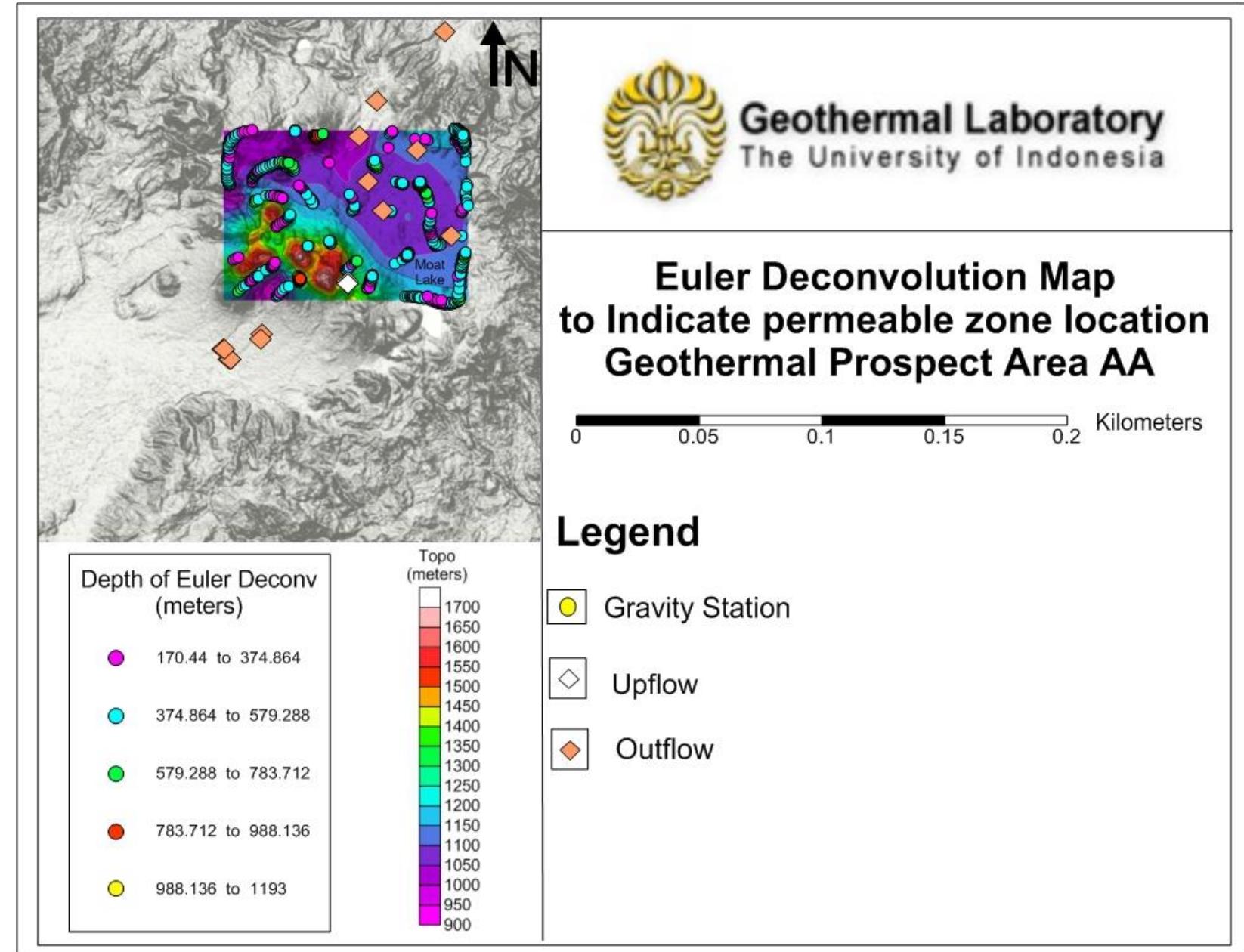
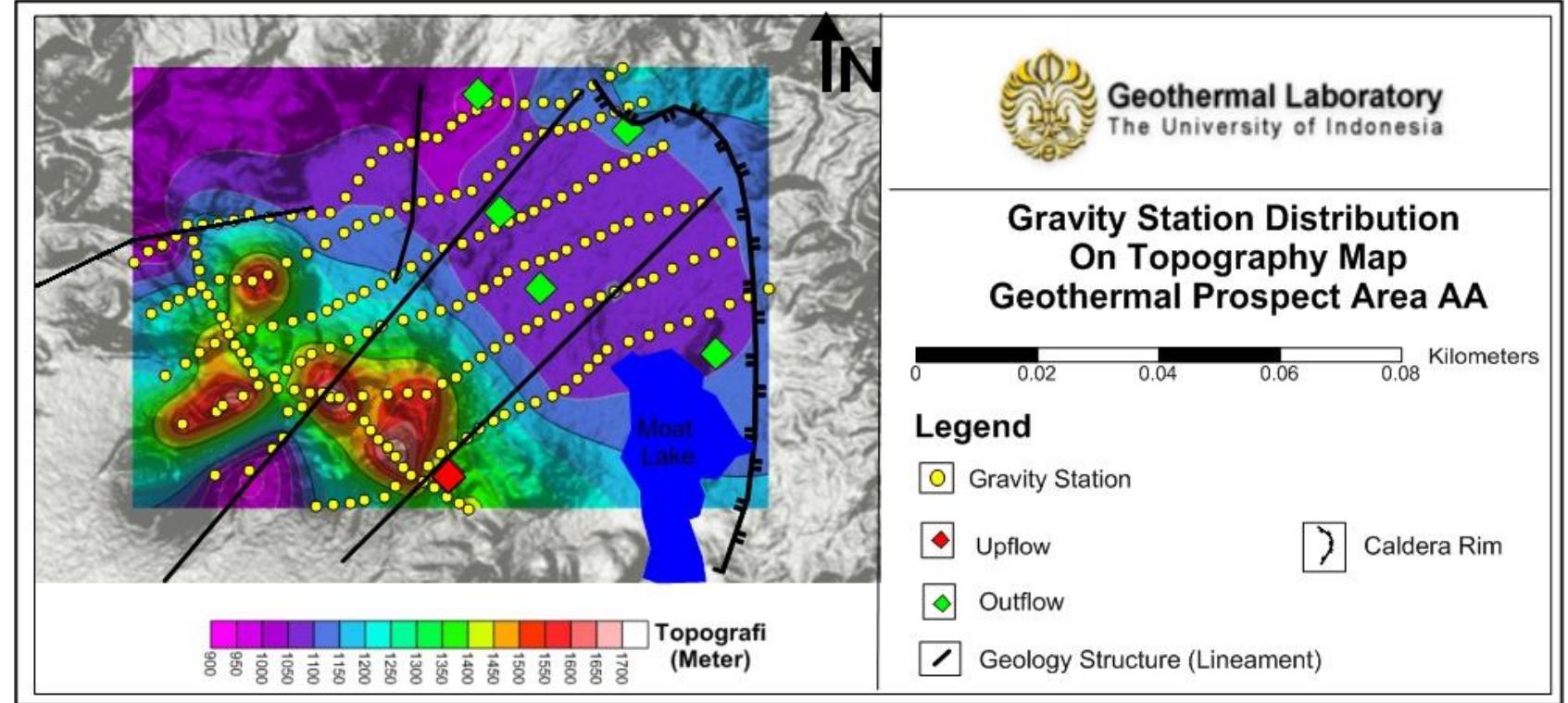
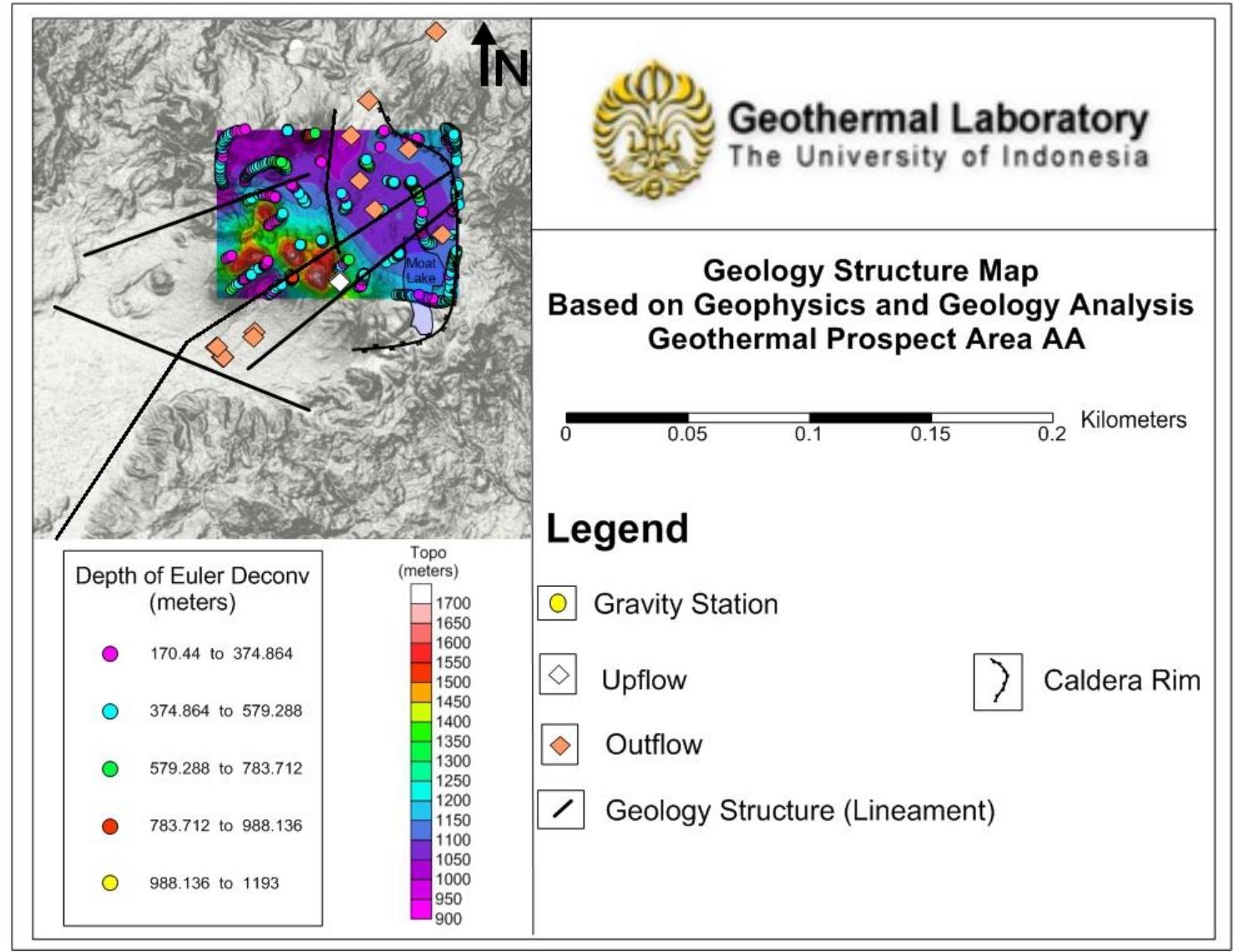
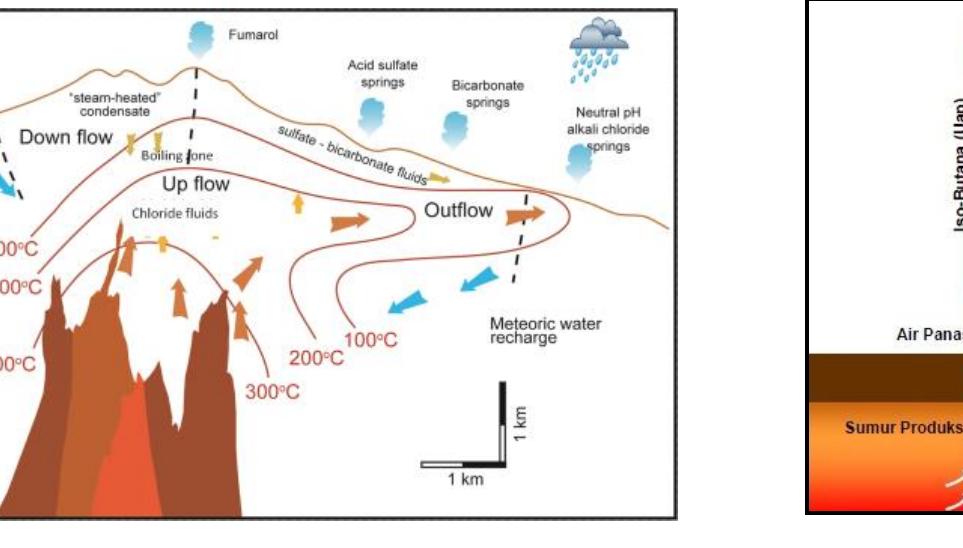
![Figure 4 Structure and rock distribution based on Geology Map (modified [5])](https://figures.academia-assets.com/67069621/figure_004.jpg)
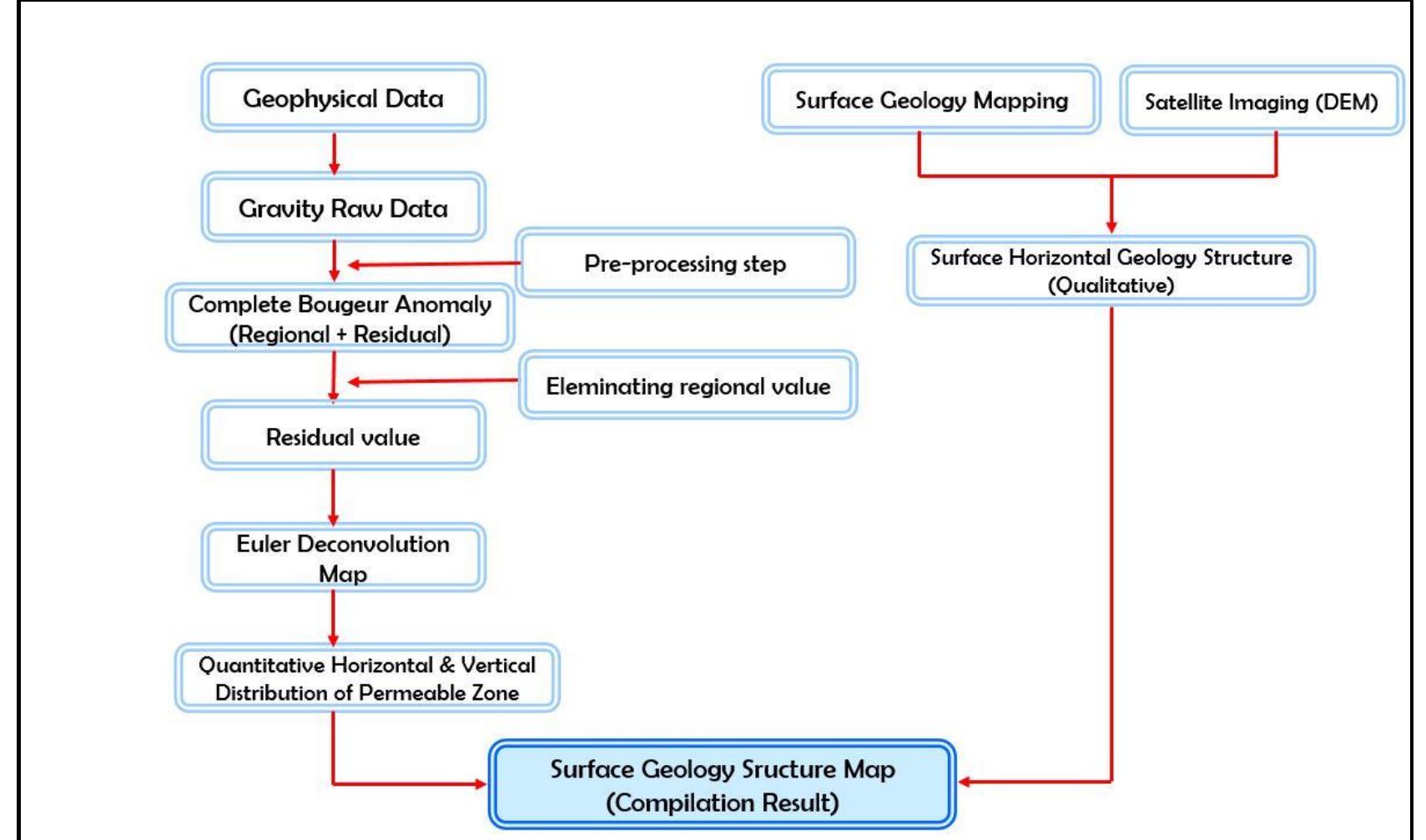
![~ In the geothermal system, the existence of the interconnected structure can be hypothesized as the geothermal fluid path [4] and becomes one of considerations whether the area is productive to be drilled or not, in which the permeable zone expectively can produce large output drilling. In process to mapping the distribution of structures in this area, another proper technique is required that helps to support besides from DEM and field geology study, which is extracting attributes of the Gravity method, ie Euler Deconvolution. Table 1. Structure anomaly type along with value of their index structure](https://figures.academia-assets.com/67069621/figure_001.jpg)

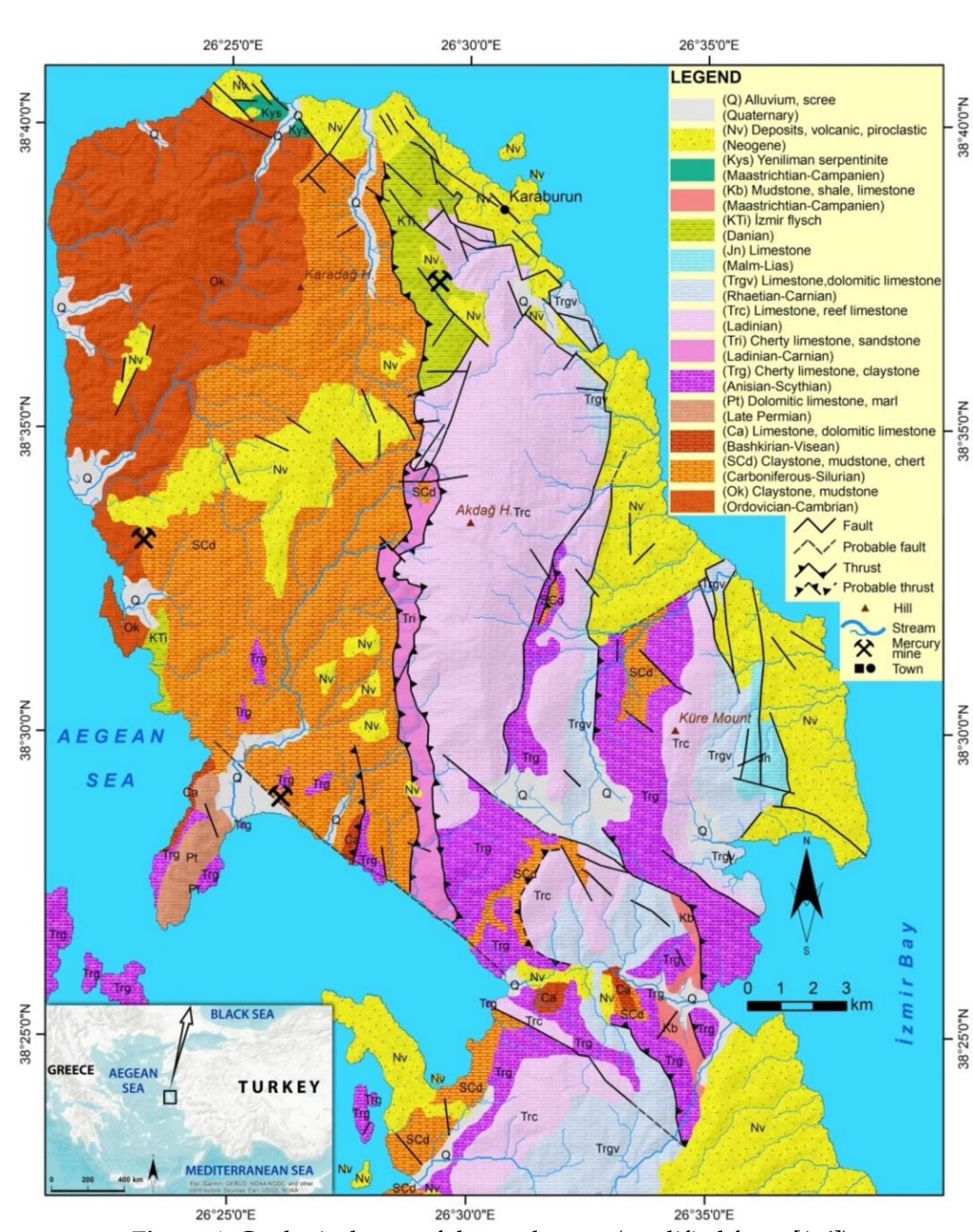
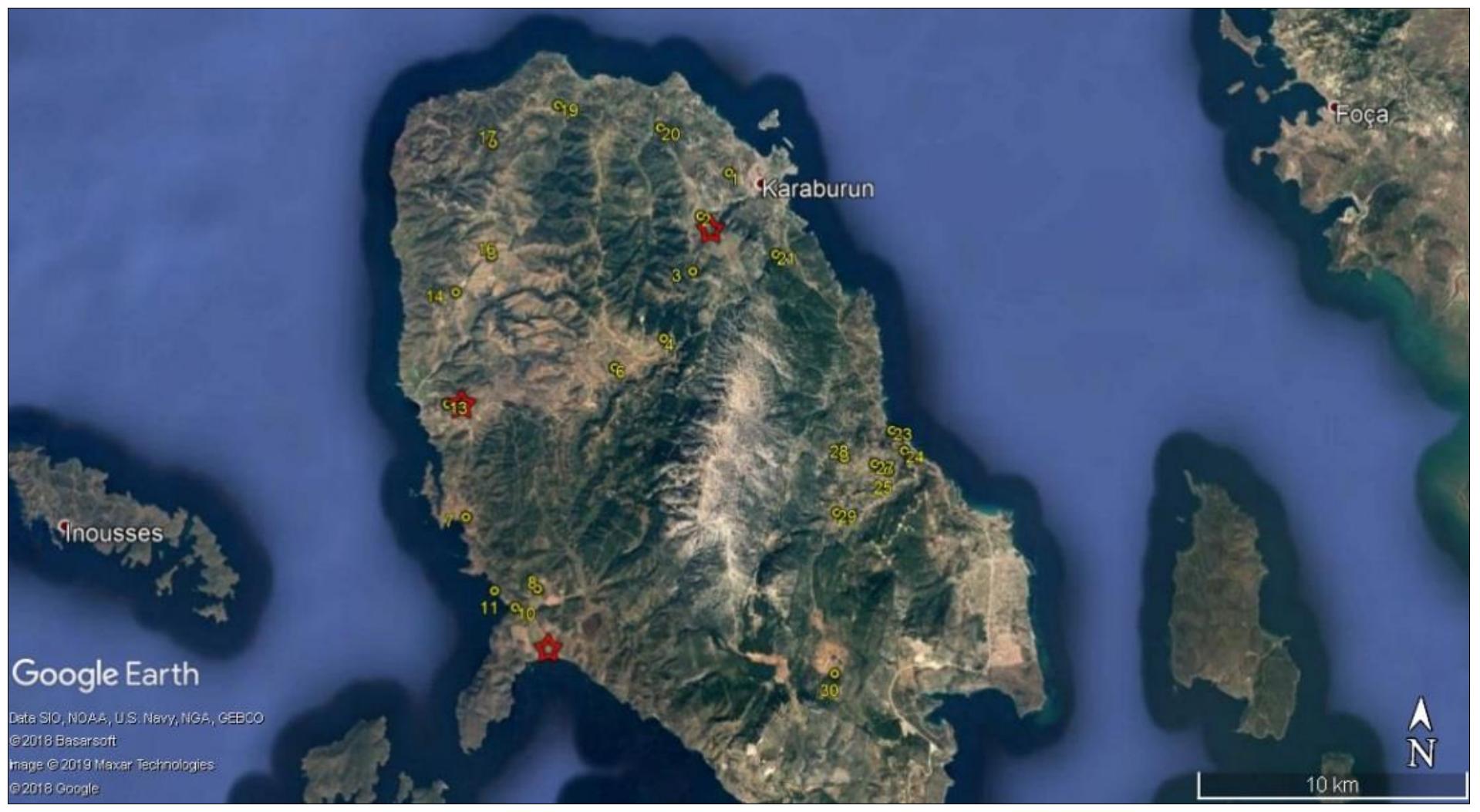
![Figure 15. (a) Upper Silurian (420 Ma) and (b) Lower Triassic (245 Ma) paleogeography of Turkey (Ruban et al., 2007). paleogeographic location and the tectonic past, which has led to the formation, migration, and closure of hydrocarbons in the region. Ozdemir and Palabiyik [74,75] have mentioned t hydrocarbons in containing rifting rifting during bo basins (Figure 15 the water samples should have formed in the geologica hat petroleum source rocks were formed in the mid-ocean ridges and in the continental rifts (spreading centers). Therefore, the source rocks that derived processes in the study area. Karaburun Peninsula was exposed to th Upper Silurian and Lower Triassic periods and formed the rift . In the study area, the source rocks that derived the hydrocarbons period(s should have been formed in the rift basins developed as a result of these two rifts because the hydrocarbons in the water samples were derived from bo transitional, and terrestrial source rocks (Figs. 7-10). th marine,](https://figures.academia-assets.com/64683119/figure_015.jpg)
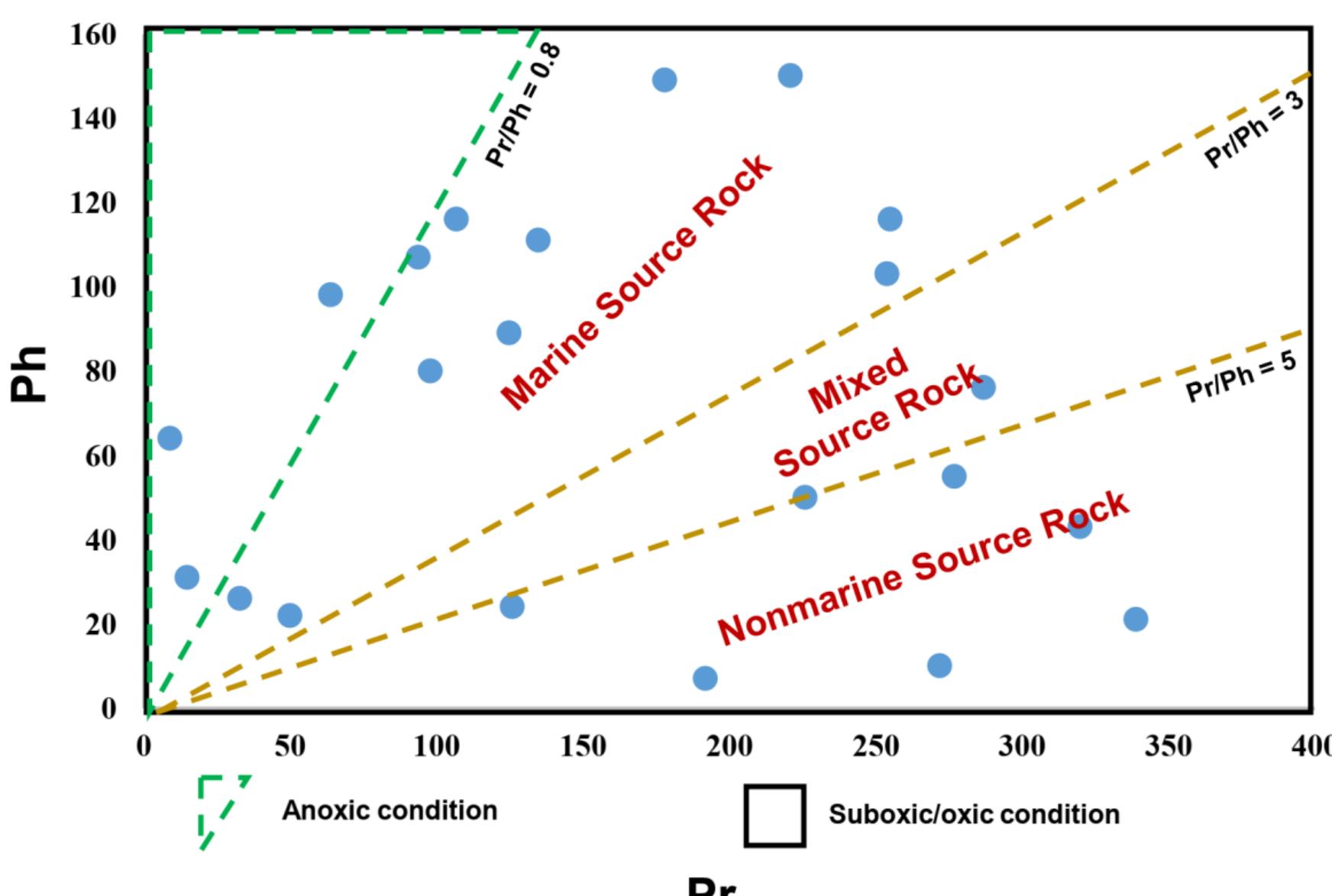
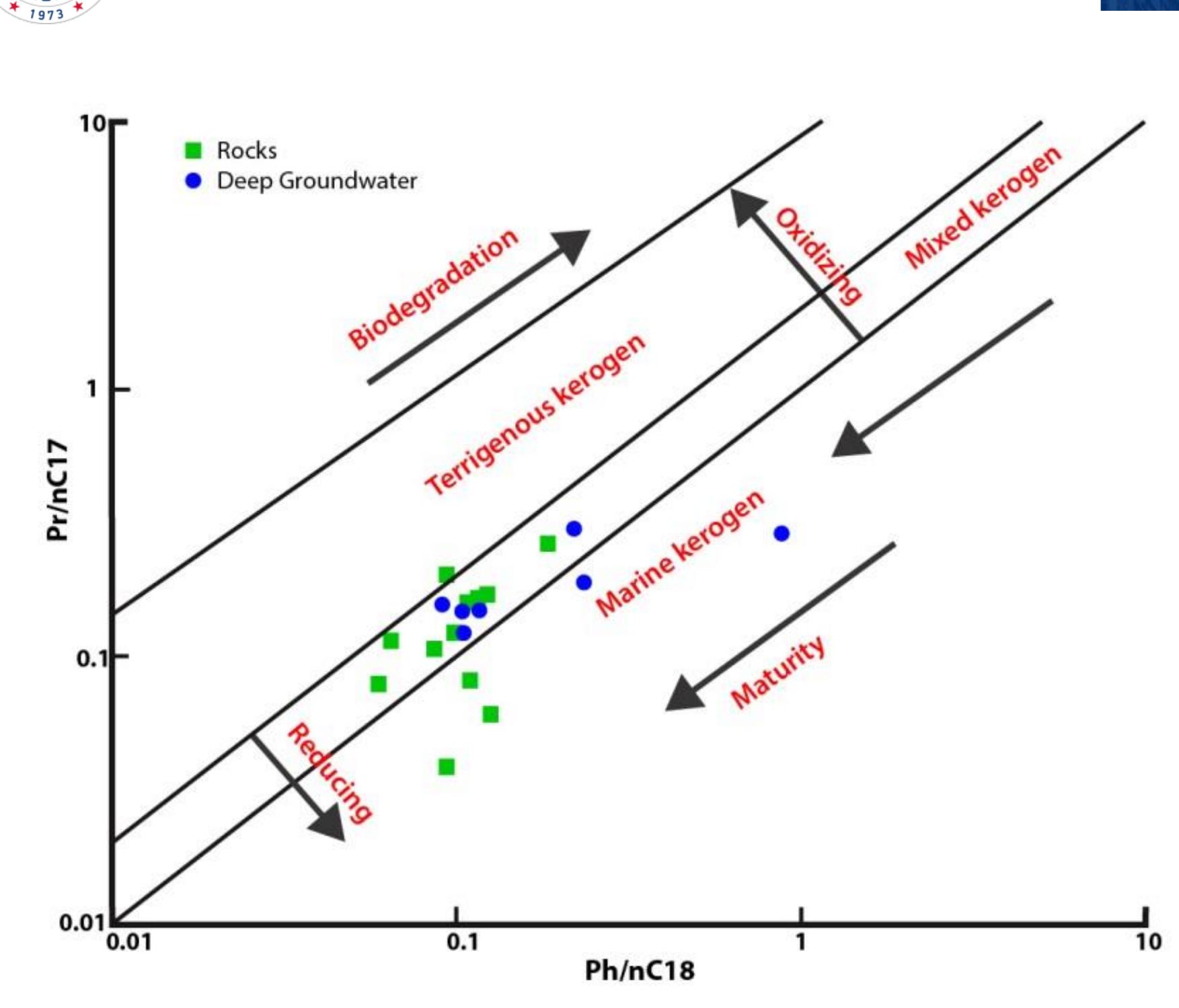
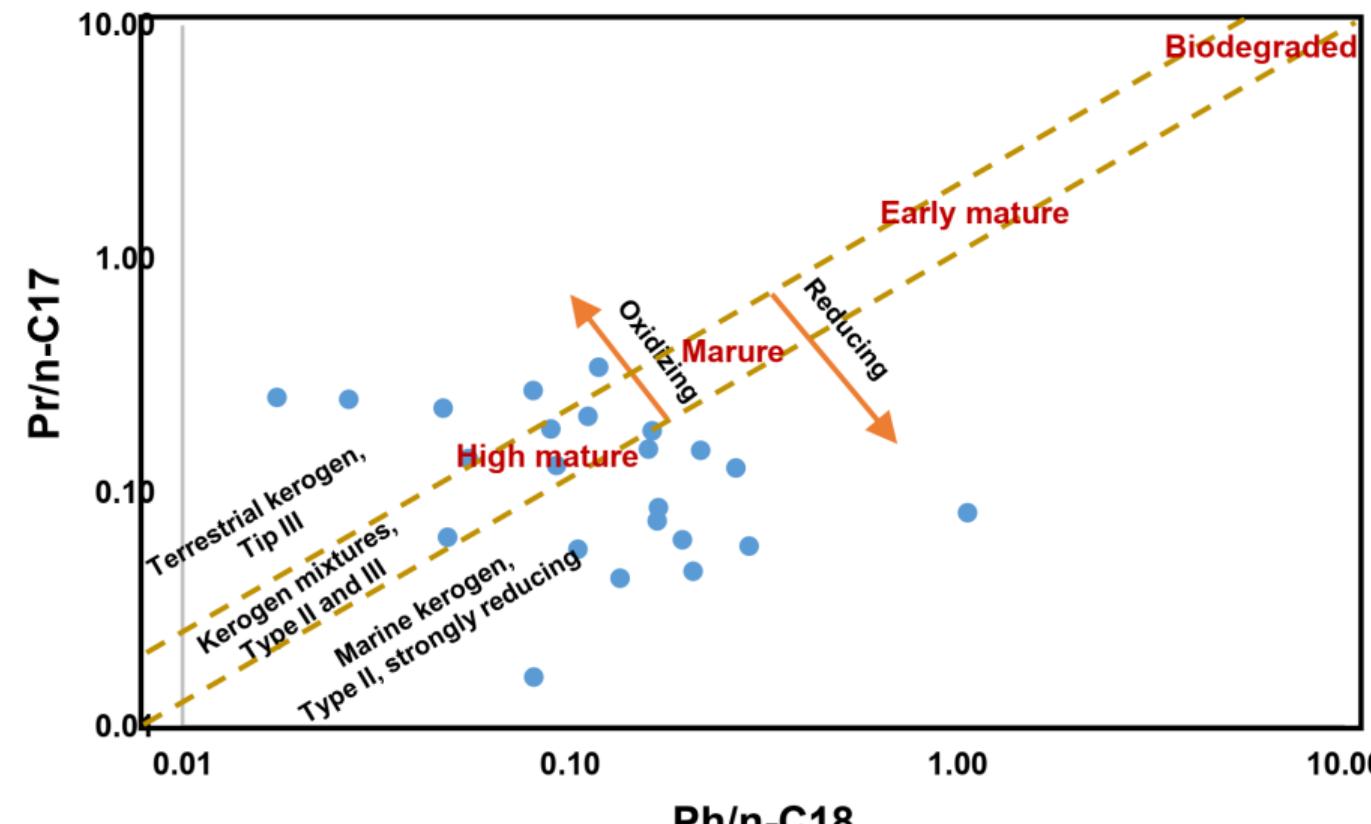
![Figure 6. Pr/Ph vs CPI plot of the water samples (the plot: from [50]. less than 1 for anoxic deposition environment although they indicate settling conditions in an oxygenated environment according to a standard geochemica interpretation. Lower values may demonstrate less oxic conditions than the other part: of the same sequence [53]. The ratio of isoprenoid/n-alkane decreases with ths increase in maturity as more amounts of n-alkanes release from kerogen subjected tc a breaking down phenomenon [35,43] and is used as a measure of maturity fo: biodegradable oil and bitumen samples. This ratio increases with the biodegradatior [35], and is also affected by organic matter input and secondary processes. According to their positions in the Pr/n-C17 vs Ph/n-C18 diagram of the water samples, it i: observed that the source rocks which generated the hydrocarbons in the water sample: were come up with to deposite in anoxic marine (Type-II kerogen), anoxic-suboxic transitional (Type II-III kerogen), and oxic terrestrial (Type-III kerogen) environmen and the hydrocarbons are featured in the mature-overmature level (Figs. 7-10 anc Table 5).](https://figures.academia-assets.com/64683119/figure_006.jpg)
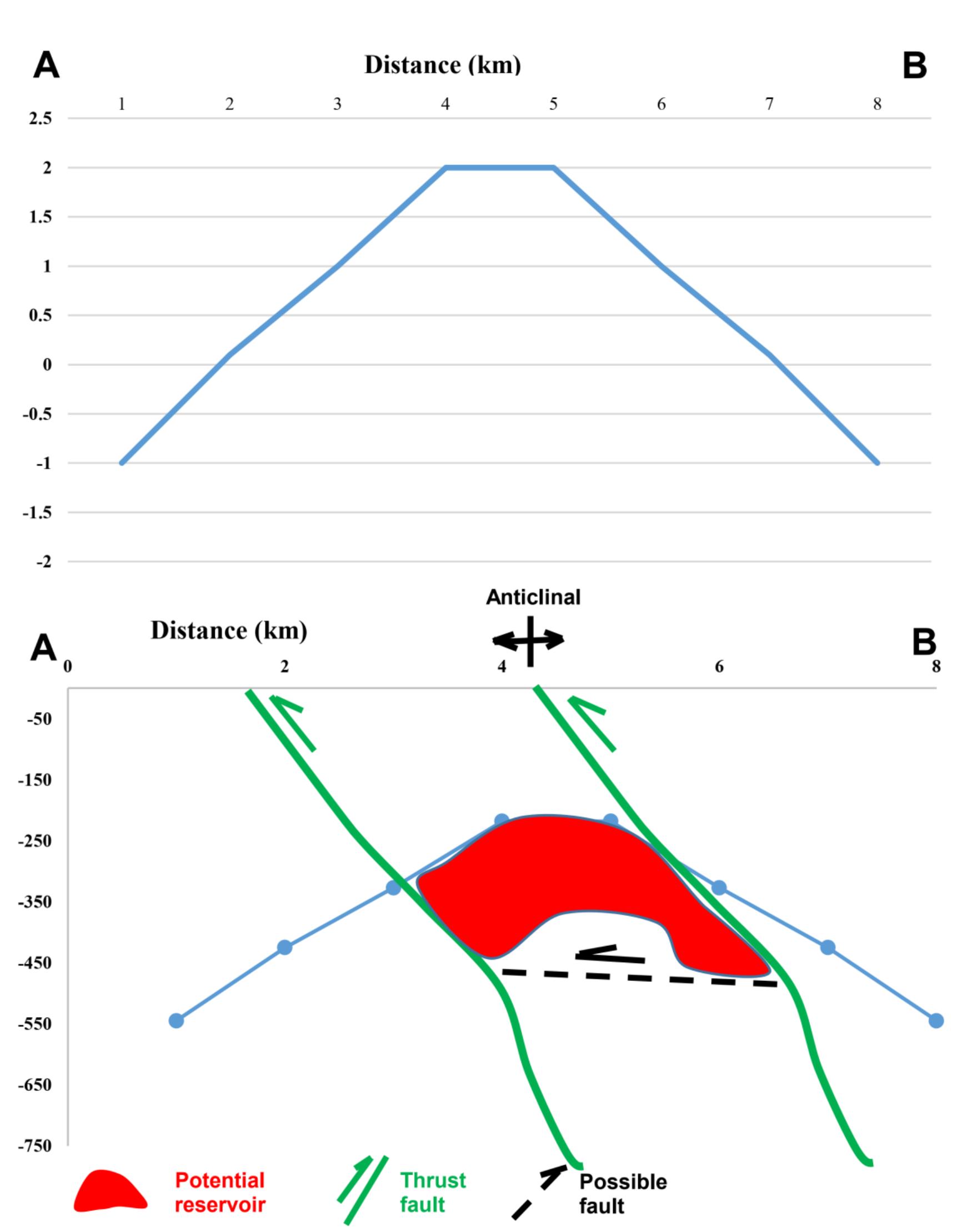
![Figure 3. Components of an anticlinal type of petroleum reservoir that can be produced by primary methods [33].](https://figures.academia-assets.com/64683119/figure_003.jpg)
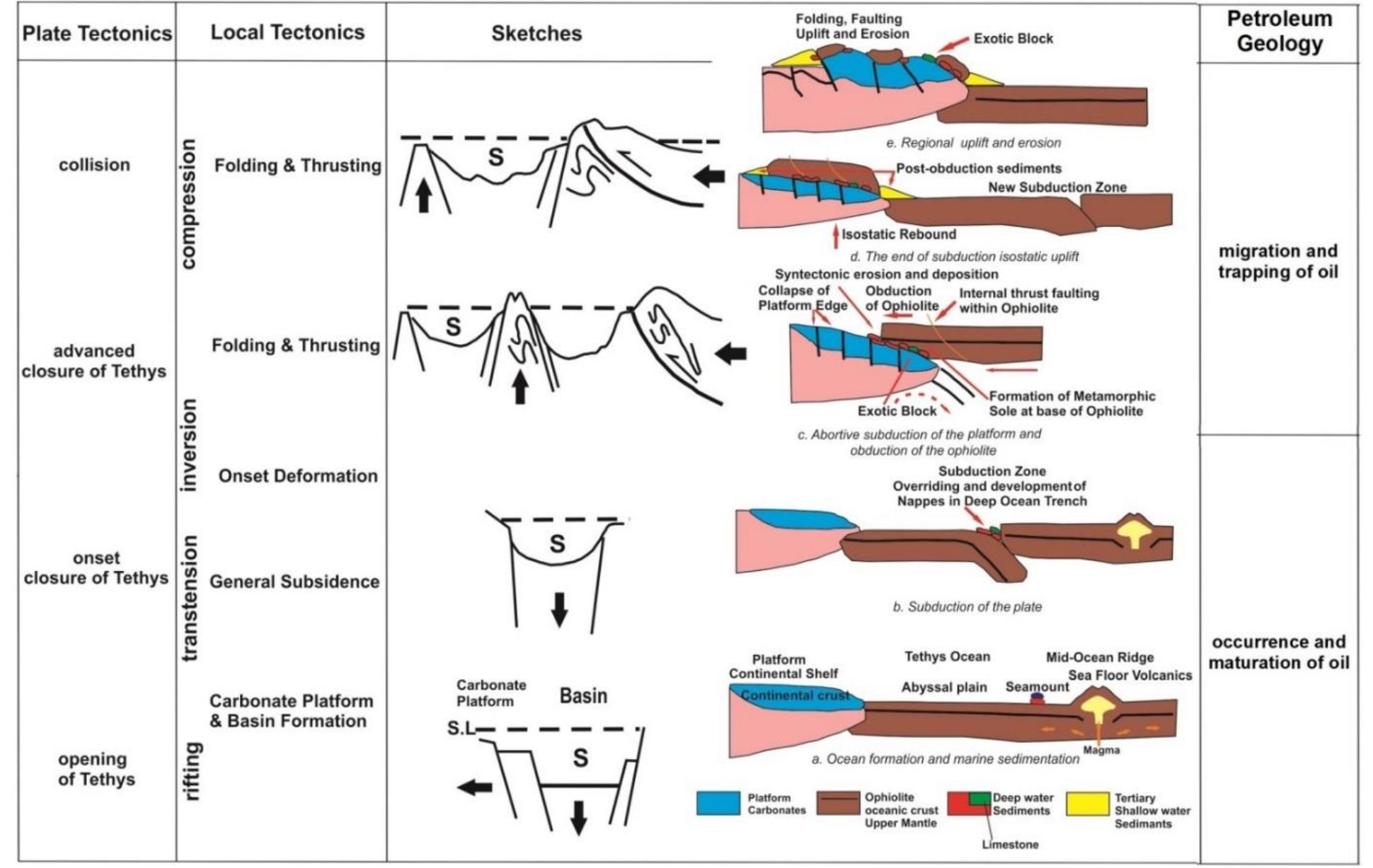
![Figure 16. Tectonic evolution model of the Triassic rifting, passive margin collapse (Jurassic - Cretaceous), and collision deformation (Upper Cretaceous - Early Tertiary) phases in Karaburun Peninsula (modified from [73].](https://figures.academia-assets.com/64683119/figure_016.jpg)

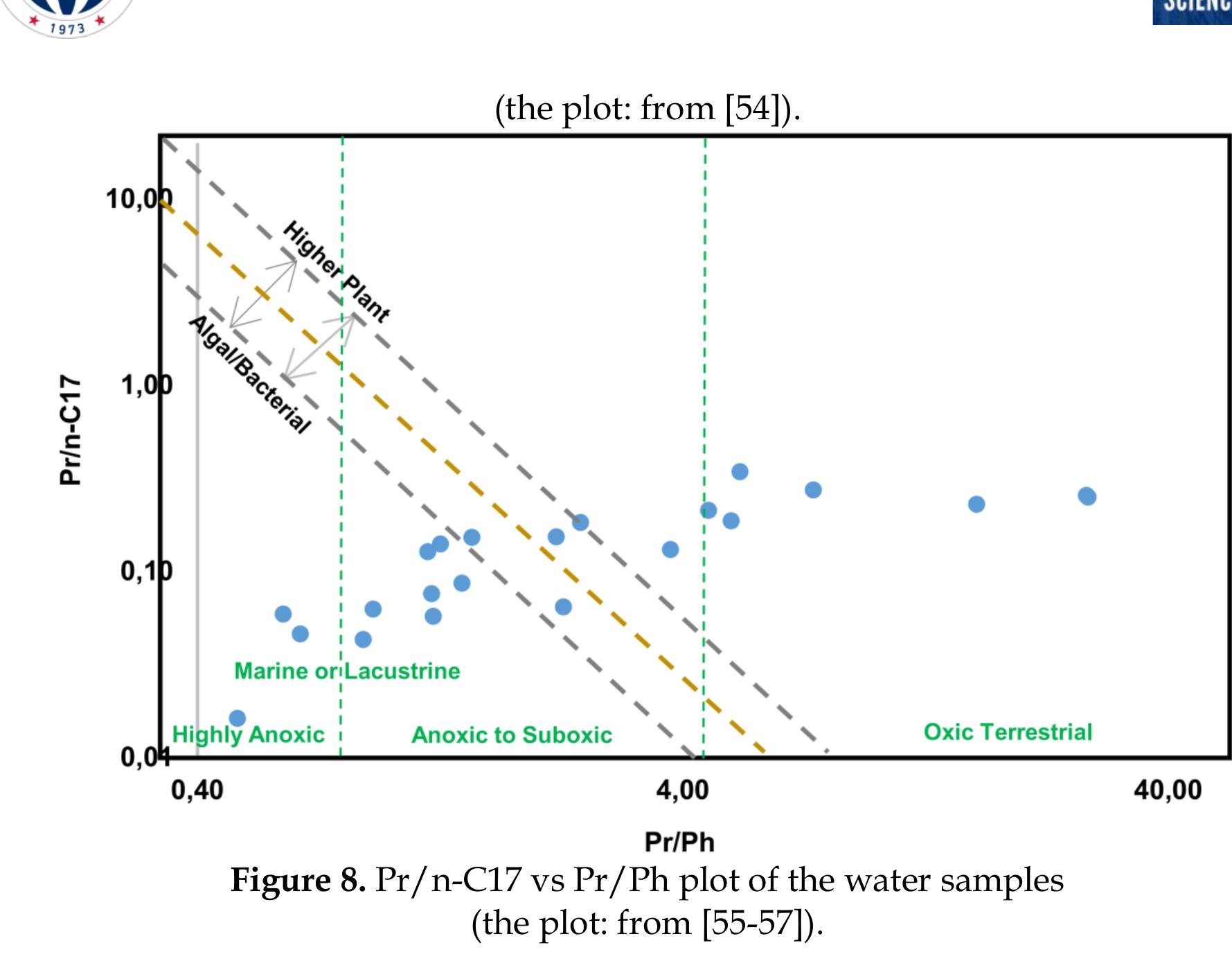
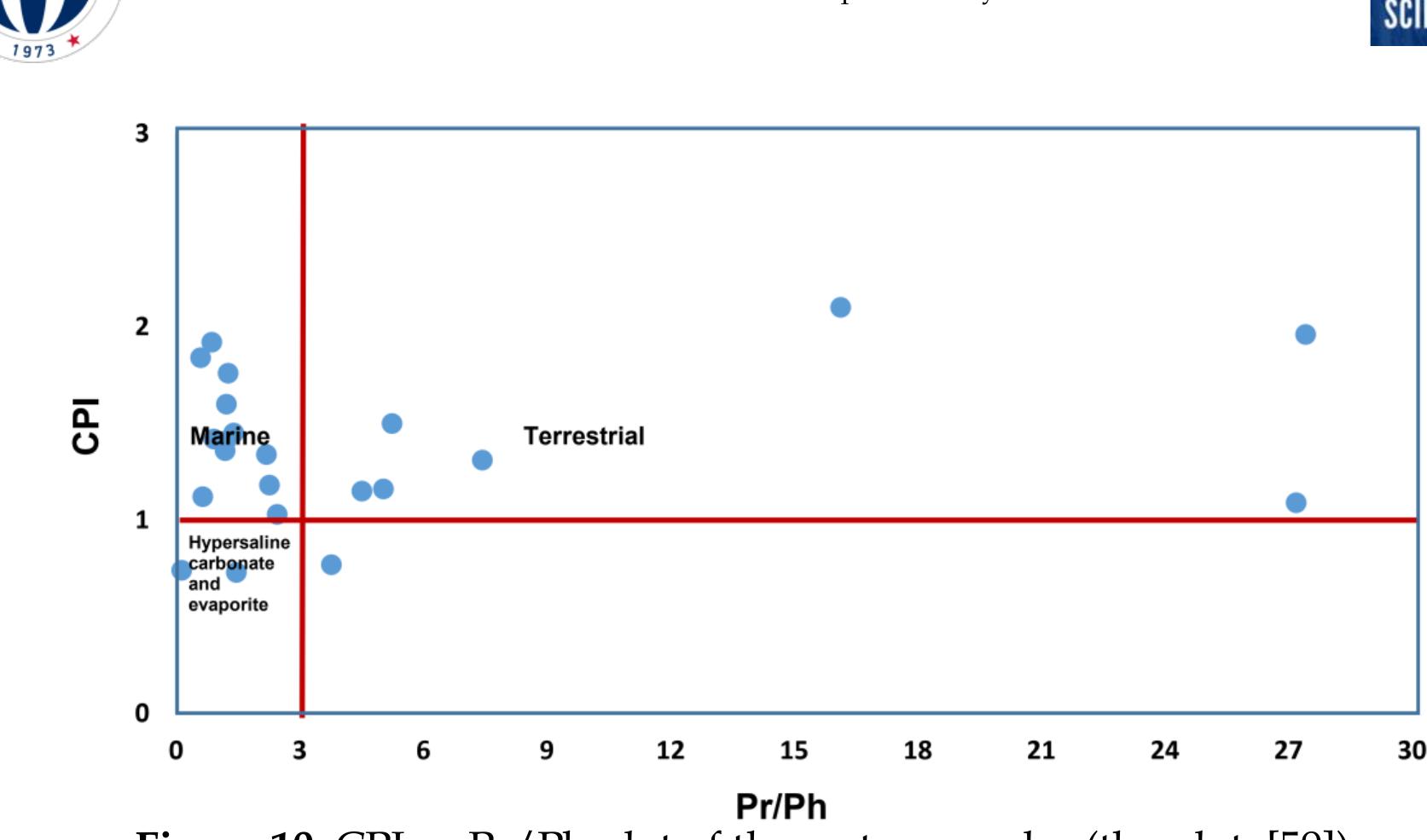
![Table 2. TPH analysis results of the water samples and the calculated parameters NFW: Natural flowing water, CPI = {[(C23+C25+C27) + (C25+C27+C29)] / [2 *(C24+C26+C28)]} [39,40], TAR = (C27+C294+C31)/(C154+C17+C19) [41], NAR = [£n-alk (Ci9-32) - 22 even n-alk (C20-32)] / 2 n-alk (C19-32) [42] - : Could not be calculated.](https://figures.academia-assets.com/64683119/table_002.jpg)
