Academia.eduAcademia.edu

Motor Intentionality

description40 papers
group30 followers
lightbulbAbout this topic
Motor intentionality refers to the mental state or intention behind a motor action, encompassing the cognitive processes that guide and direct voluntary movements. It involves the planning, execution, and control of actions based on an individual's goals and desires, highlighting the relationship between intention and physical movement.
lightbulbAbout this topic
Motor intentionality refers to the mental state or intention behind a motor action, encompassing the cognitive processes that guide and direct voluntary movements. It involves the planning, execution, and control of actions based on an individual's goals and desires, highlighting the relationship between intention and physical movement.

Key research themes

1. How do anticipatory motor representations initiate and control voluntary actions through ideomotor principles?

This theme investigates the neurological and cognitive mechanisms by which voluntary actions are initiated by the anticipation of their sensory consequences, focusing on ideomotor theory and motor representation frameworks. The research explores how anticipated action effects shape motor preparation and execution, revealing both historical foundations and contemporary empirical evidence that sensory expectations drive motor commands and choice behavior.

Key finding: This paper traces the ideomotor theory’s roots in 19th-century psychology and reviews empirical studies that uphold the core assumption that actions are initiated by anticipation of their sensory consequences. It highlights... Read more
Key finding: This work distinguishes between intention-based and stimulus-based motor control, proposing that intention-based action selection relies on internal simulation of sensory effects that trigger motor procedures. It provides a... Read more
Key finding: Argues that motor representations, which encode anticipated outcomes and purposive action sequences, play a central role not only in individual motor control but also in collective intentional action. The study extends... Read more
Key finding: By meta-analyzing neuroimaging data, the paper dissociates the neural substrates of motor intention and sense of agency, showing that motor intention correlates with anterior mesial frontal cortex and anterior insula, brain... Read more

2. What neural and behavioral mechanisms underlie voluntary inhibition and modulation of involuntary movements?

This research theme focuses on the control processes that allow voluntary modulation or suppression of involuntary motor phenomena, specifically investigating how the brain orchestrates inhibition without direct antagonistic muscle activation and how sensory feedback and efference copies contribute to perceived agency over involuntary movements.

Key finding: Demonstrates that voluntary inhibition of the Kohnstamm phenomenon—an involuntary muscle aftercontraction—operates via a 'negative motor command' that suppresses agonist muscle activity without recruiting antagonist muscles,... Read more
Key finding: Using multimodal neurophysiological measures, the study reveals that increased corticospinal inhibition during preparation to respond to observed interactive gestures correlates with faster and more efficient motor execution.... Read more
Key finding: Finds that fluctuations in autonomic nervous system activity, particularly cardiac signals, lead or lag bodily kinematics depending on the level of motor intent (intentional vs. spontaneous movements) and the particular limb... Read more

3. How are intentions integrated with motor representations to produce purposive and coordinated bodily action?

This theme addresses the 'interface problem' between propositional attitudes (intentions) and non-propositional motor representations, tackling how abstract intentions translate into concrete motor plans, and investigating the structural, representational, and functional compatibility required for intentional motor control and joint action.
Key finding: Identifies and analyzes the 'interface problem'—explaining how distinct functional and representational formats of propositional intentions and non-propositional motor representations coordinate to produce purposive action.... Read more
Key finding: Proposes a dynamical systems framework treating intentions as constraints that reduce degrees of freedom in behavior, enabling the self-organization of purposeful action across mind-body divides. Unlike traditional causal... Read more
Key finding: Introduces the concept of 'action pivots'—covert re-intentionalizations where a developing motor action is seamlessly transformed into another—highlighting a real-time embodied mechanism that ensures the coherence and... Read more

All papers in Motor Intentionality

The Integrative Field Model of Consciousness (IFM) is a developing interdisciplinary framework that approaches consciousness not as an isolated neural product, but as an emergent process of coordinated integration across neural, bodily,... more
Uncorrected draft entry for Encyclopedia of Phenomenology, eds. Ted Toadvine and Nicolas de Warren (Springer)
Background: Disturbance in movement is widely observed in autism and differences have been measured at the level of movement kinematics. Anzulewicz et al (2016) showed that gesture patterns from smart-tablet gameplay can distinguish... more
The present study seeks to investigate what in Goldstein's organismic theory can bring the Gestalt notion, proposed by the Psychologists of Form, closer to the notion of intentionality, as Merleau-Ponty reads it. It is about understanding... more
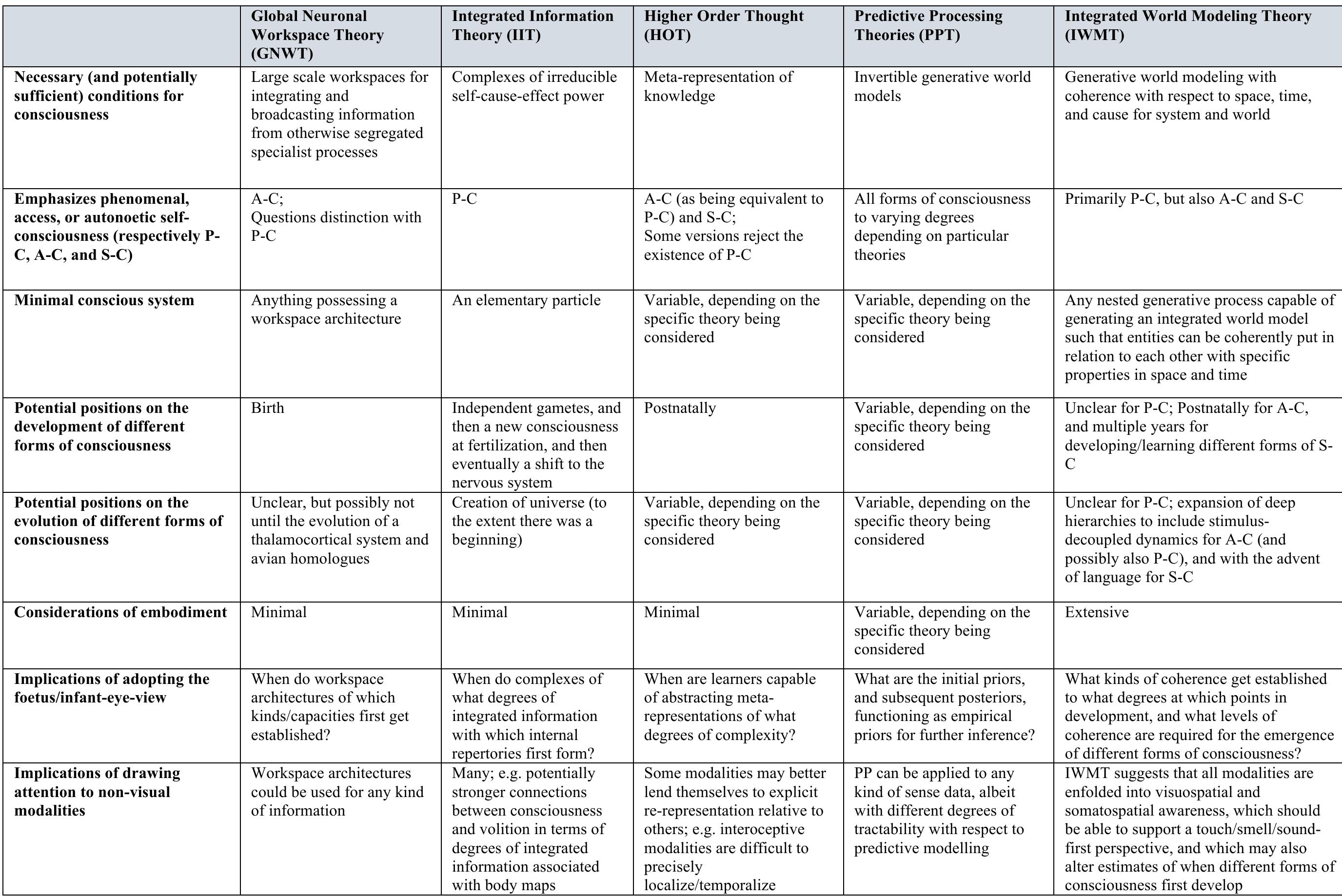
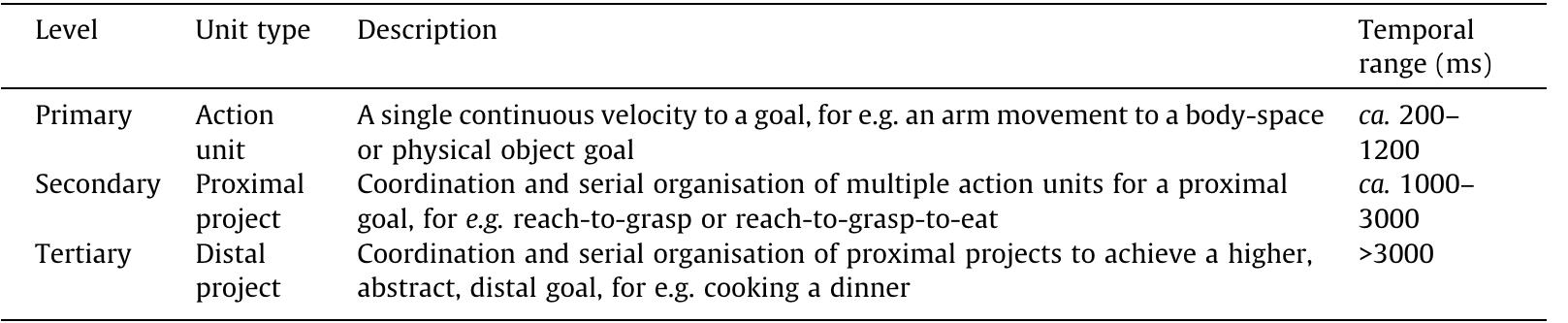
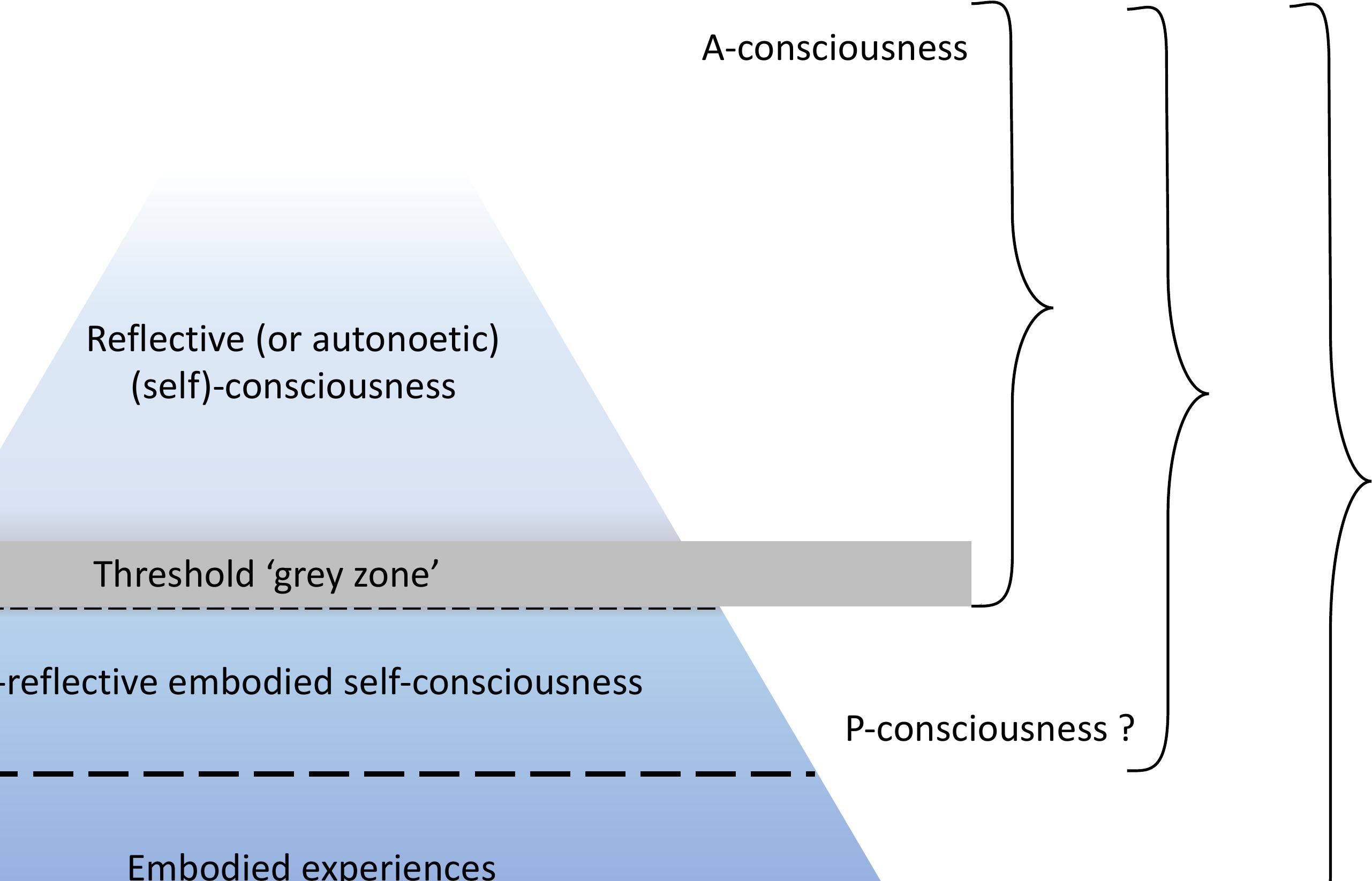
Most theoretical and empirical discussions about the nature of consciousness are typically couched in a way that endorses a tacit adult-centric and vision-based perspective. This paper defends the idea that consciousness science may be... more
The present study seeks to investigate what in Goldstein's organismic theory can bring the Gestalt notion, proposed by the Psychologists of Form, closer to the notion of intentionality, as Merleau-Ponty reads it. It is about understanding... more
Most theoretical and empirical discussions about the nature of consciousness are typically couched in a way that endorses a tacit adultcentric and vision-based perspective. This paper defends the idea that consciousness science may be put... more
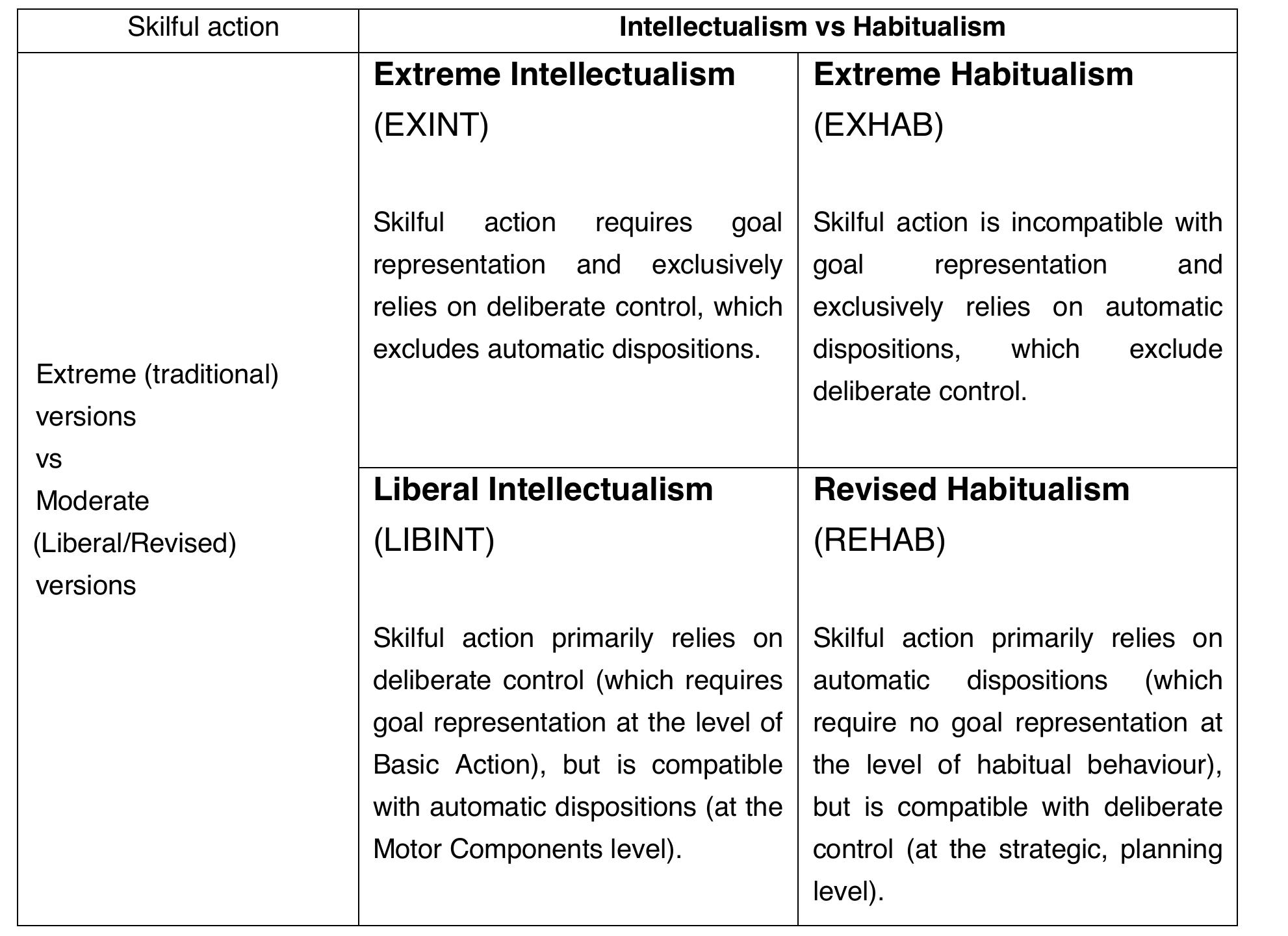
In this paper I explore the relationship between skill and sensitivity to reasons for action. I want to know to what degree we can explain the fact that the skilled agent is very good at performing a cluster of actions within some domain... more
This paper argues that consciousness science may be put on a fruitful track for its future evolution by endorsing a bottom-up developmental perspective. Specifically, we propose to go back to 'square one' and to examine the nature of... more
During recent decades various researchers from health and social sciences have been debating what it means for a person to be disabled. A rather overlooked approach has developed alongside this debate, primarily inspired by the... more
Can infants use auditory information to guide their movements adequately in space, and if so, to what degree? Perceptual development has mostly been considered through the visual system. Similar to vision, audition provides us with... more
Movement is prospective. It structures self-generated engagement with objects and social partners and is fundamental to children's learning and development. In autistic children, previous reports of differences in movement kinematics... more
In two recent papers, I introduced the idea of embodied Rilkean movement knowledge and perception into the current philosophical debate on sports knowledge. In this paper, I offer a new analysis of how embodied movement knowledge and... more
Merleau-Ponty’s explication of concrete or practical movement by way of the Schneider case could be read as ending up close to automatism, neglecting its flexibility and plasticity in the face of obstacles. It can be contended that he... more
[In French] This paper outlines Merleau-Ponty’s interpretation of higher-order cognition as a fundamentally embodied process that is enacted by motor subject situated in natural and cultural environment. More specifically, I exemplify... more
What makes an event an action rather than a mere happening? What makes us agents rather than non-agents? What does being in control amount to? And in virtue of what are our actions skilled? These are among the deepest and hardest... more
Full terms and conditions of use: http://www.informaworld.com/terms-and-conditions-of-access.pdf This article may be used for research, teaching and private study purposes. Any substantial or systematic reproduction, redistribution ,... more
We tested whether the observation of motor action encoding social motor intention would cause the spontaneous processing of a complementary response when performed by a humanoid robot. We designed the robot's arm and upper body movements... more
This paper clarifies Merleau-Ponty's original account of "higher-order" cognition as fundamentally embodied and enacted. Merleau-Ponty's philosophy inspired theories that deemphasize overlaps between conceptual knowledge and motor... more
This chapter presents an account of Merleau-Ponty’s interpretation of the body schema as an operative intentionality that is not only opposed to, but also complexly intermingled with, the representation-like grasp of the world and one’s... more
Efficient voluntary action requires postural adjustments that compensate for potential balance disturbances before they occur. These anticipatory postural adjustments have been widely investigated in adults, but relatively little is known... more
. It is not our intention to argue that the former amounts to new wine in old bottles, but rather to show counterfactually (since we offer no new scientific data and assume the conclusions of the experiments) that Merleau-Ponty's ontology... more
Recently, important steps have been made in trying to better understand a word of daily use as 'mind'. It now seems to be widely recognized by anyone, even by the definitions provided in the dictionaries, that this term does not refer to... more
by Anna Ciaunica and 
1 more
This paper argues that consciousness science may be put on a fruitful track for its future evolution by endorsing a bottom-up developmental perspective. Specifically, we propose to go back to 'square one' and to examine the nature of... more
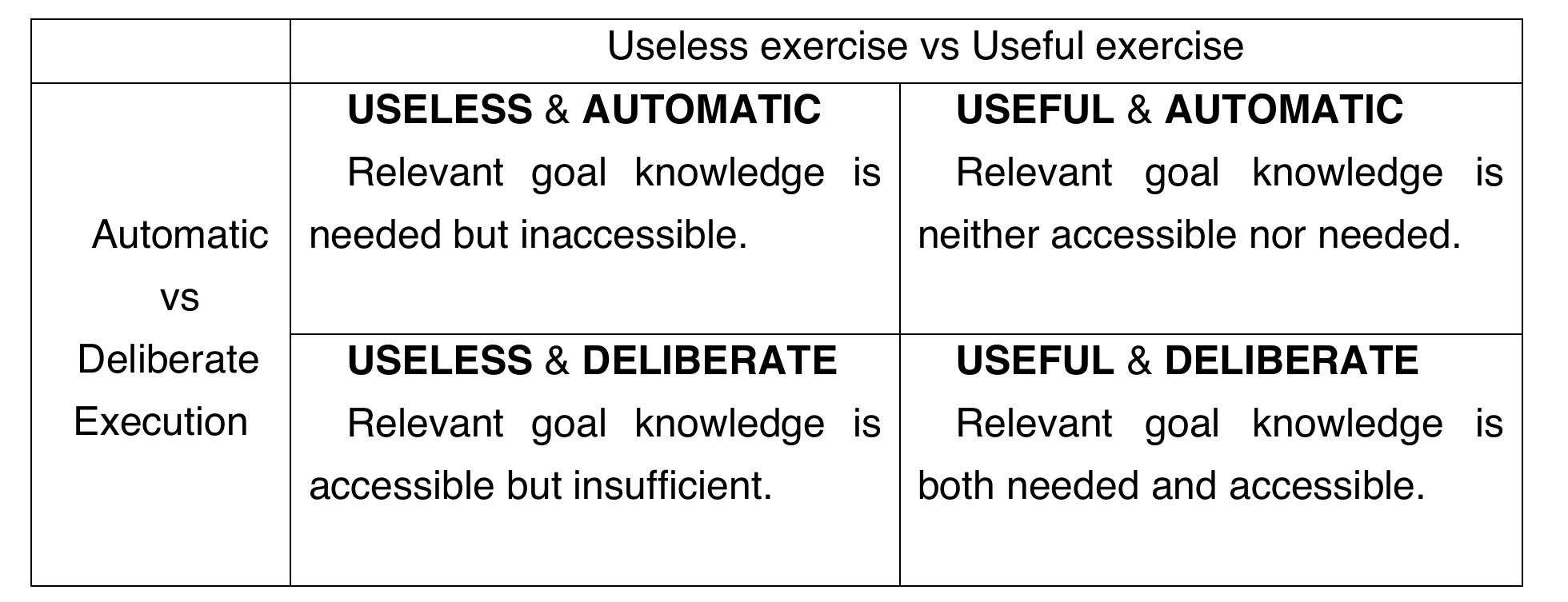
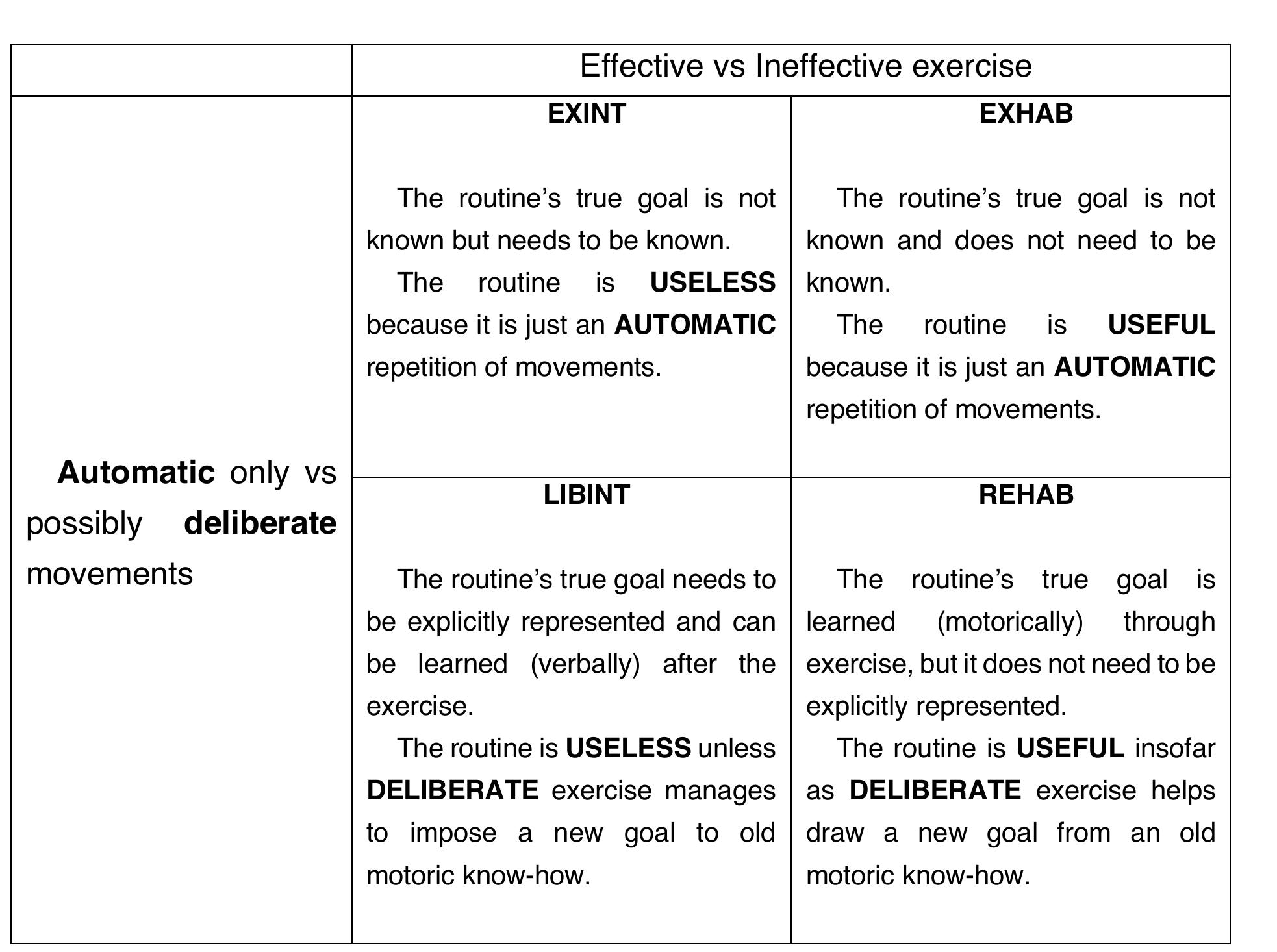
What role does habit formation play in the development of sport skills? We argue that motor habits are both necessary for and constitutive of sensorimotor skill as they support an automatic, yet inherently intelligent and flexible, form... more
Cerebral Palsy (CP) is one of the major conditions that prevent subjects suffering from having free control over their limbs, currently the use of electroencephalography (EEG) signals to control rehabilitation devices is a very useful... more
I develop an interpretation of Maurice Merleau-Ponty’s concept of motor intentionality, one that emerges out of a reading of his presentation of a now classic case study in neuropathology—patient Johann Schneider—in Phenomenology of... more
Aron Gurwitsch, through Gelb and Goldstein, understands the " categorial " and " concrete " as two separate powers of constitution, as two wholly distinct ways of being in the world. 1) The initial problem and ground for all to follow,... more
In this paper we aim to show that motor intentionality, as the underlying ground for social cognition, can be explained through the predictive engagement model. Sensorimotor processes seem to play central roles in social interaction,... more
Efficient voluntary action requires postural adjustments that compensate for potential balance disturbances before they occur. These anticipatory postural adjustments have been widely investigated in adults, but relatively little is known... more
This paper discusses Husserl's theory of intentionality and compares it to contemporary debates about intentionalism. I first show to what extent such a comparison could be meaningful. I then outline the structure of intentionality as... more
The idea of 'philosophy from the outside' was deployed in various though related ways by Merleau-Ponty throughout his work. One explicit and particularly significant instance can be seen in the volume that he edited, published in 1956,... more
Background: Newborns come into the world wired to socially interact. Is a propensity to socially oriented action already present before birth? Twin pregnancies provide a unique opportunity to investigate the social pre-wiring hypothesis.... more
My task in this chapter is a discussion of the issue of automaticity in Kotarbiński aided by some analysis of his stance concerning the know-how question. I shall also try to investigate the impact of this discussion on the philosophical... more
Some interpretive notes on Merleau-Ponty's discussion of language in 'The Phenomenology of Perception' which may be useful to someone. Please credit if used.
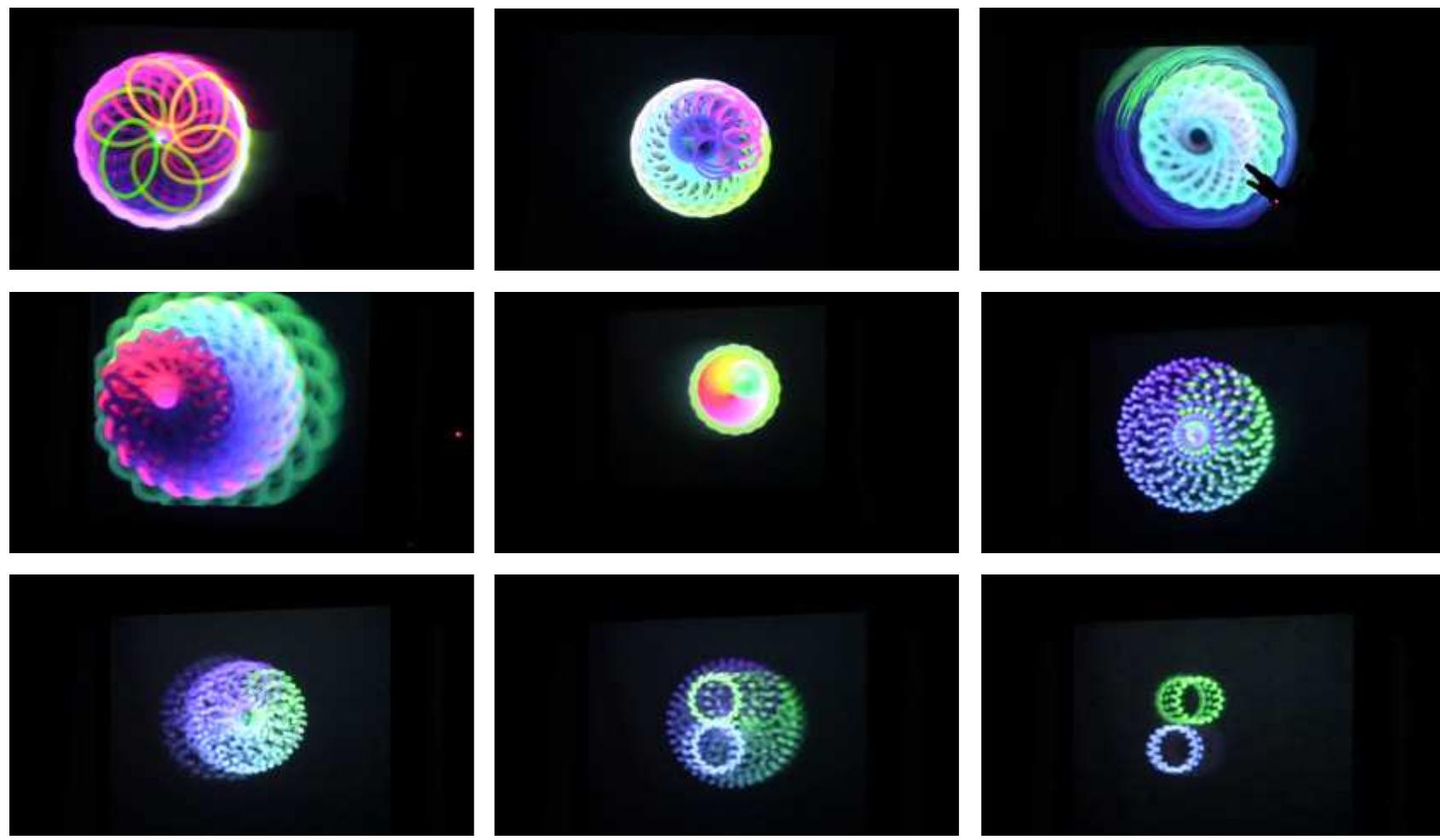
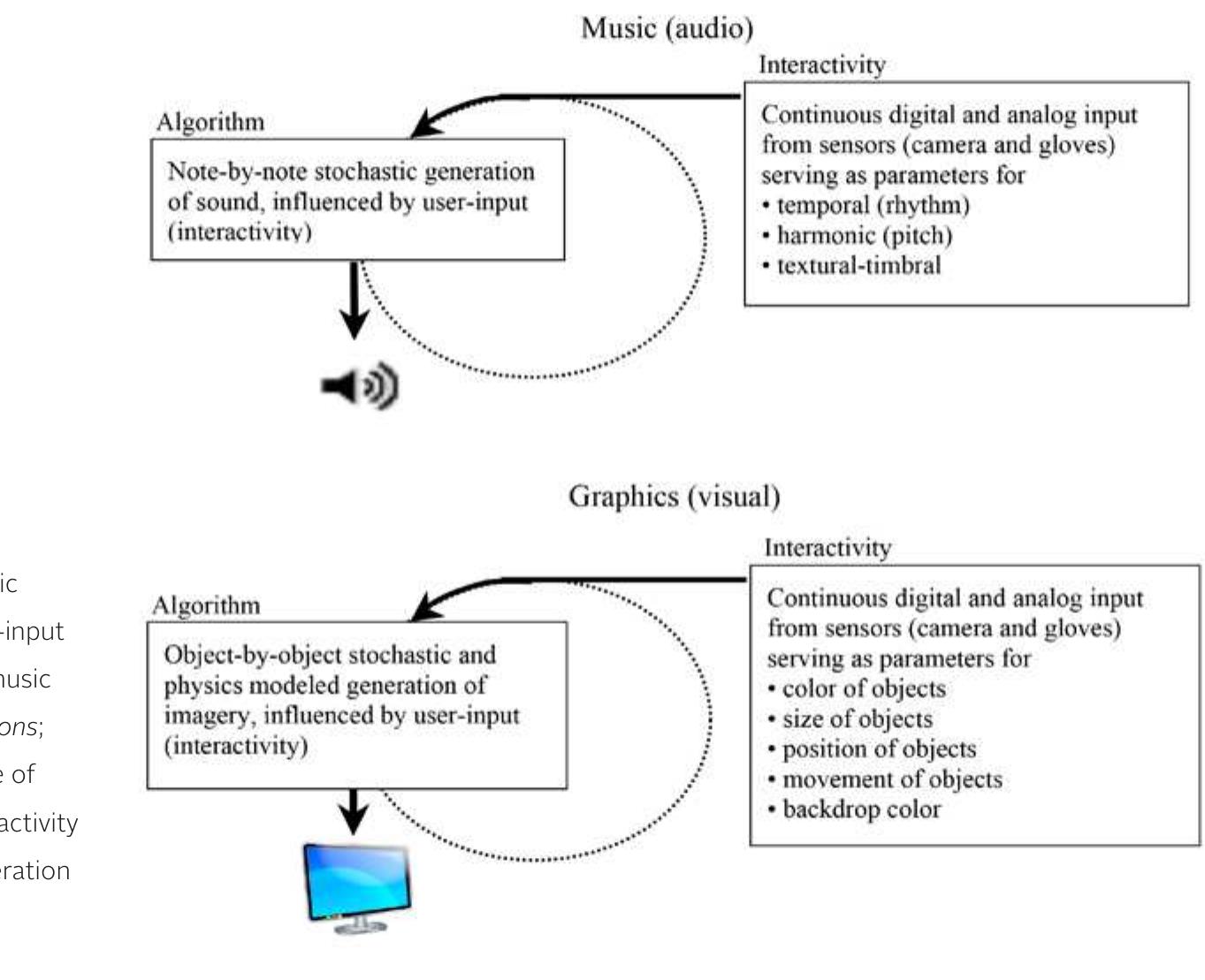
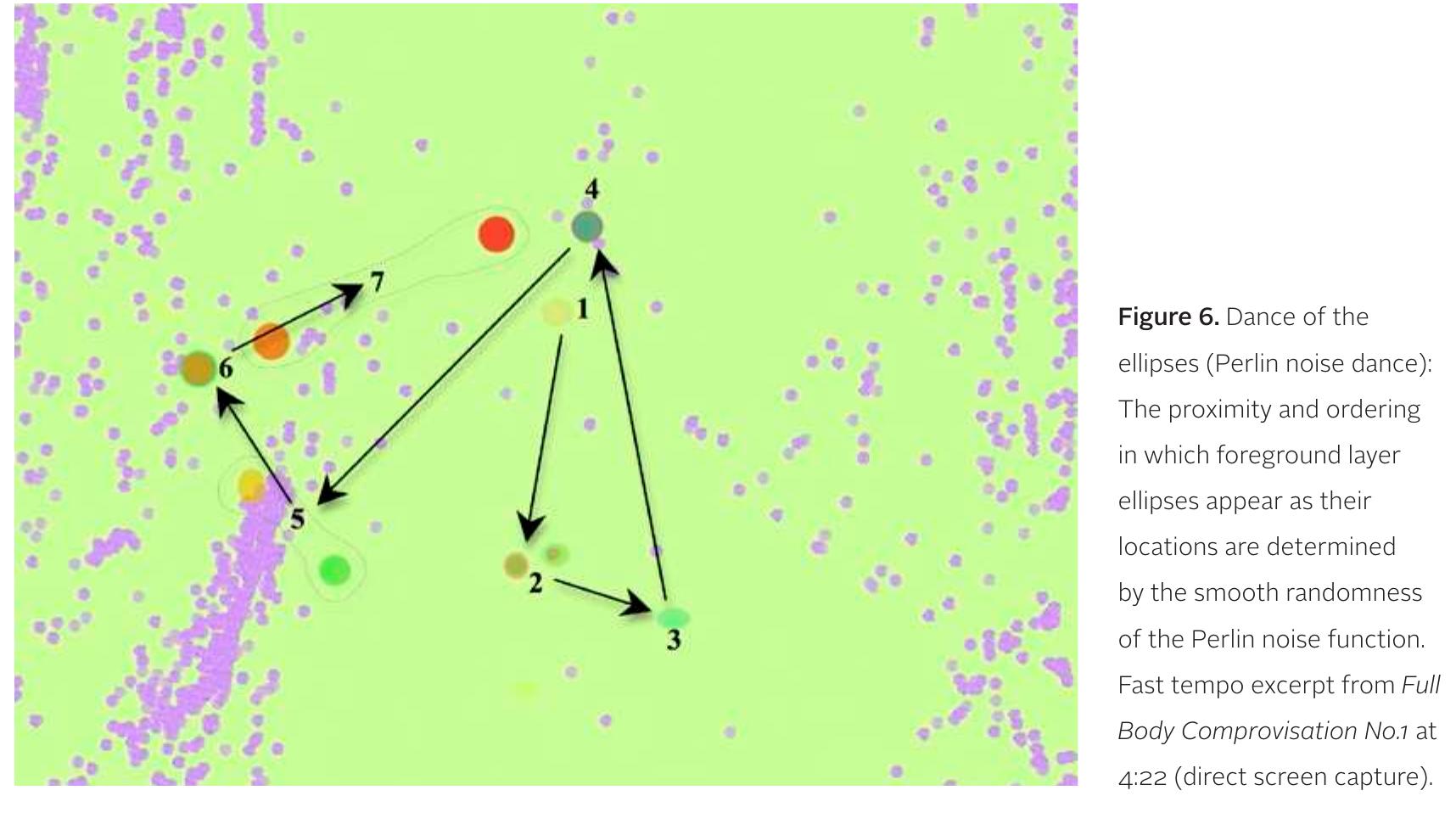
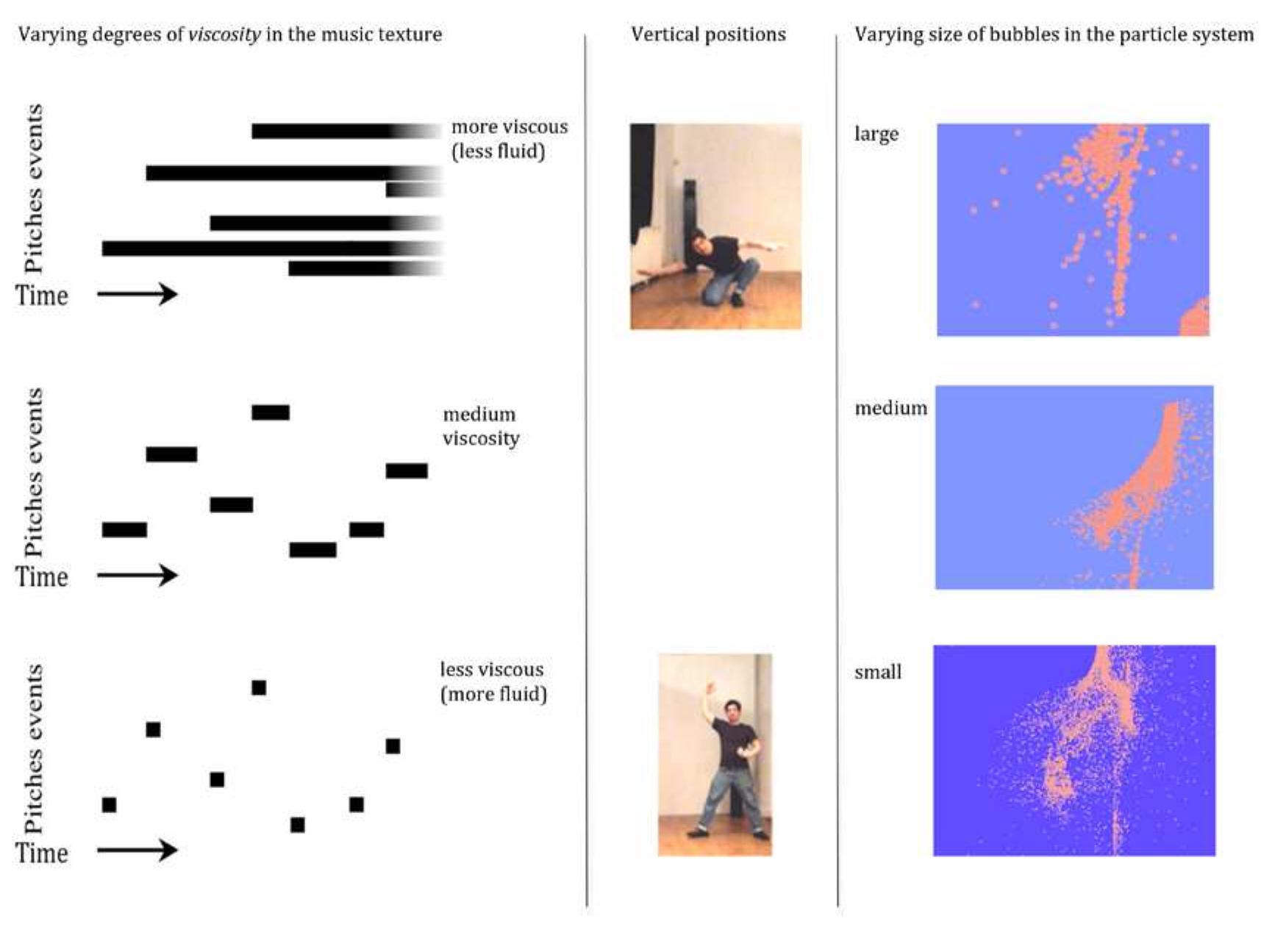
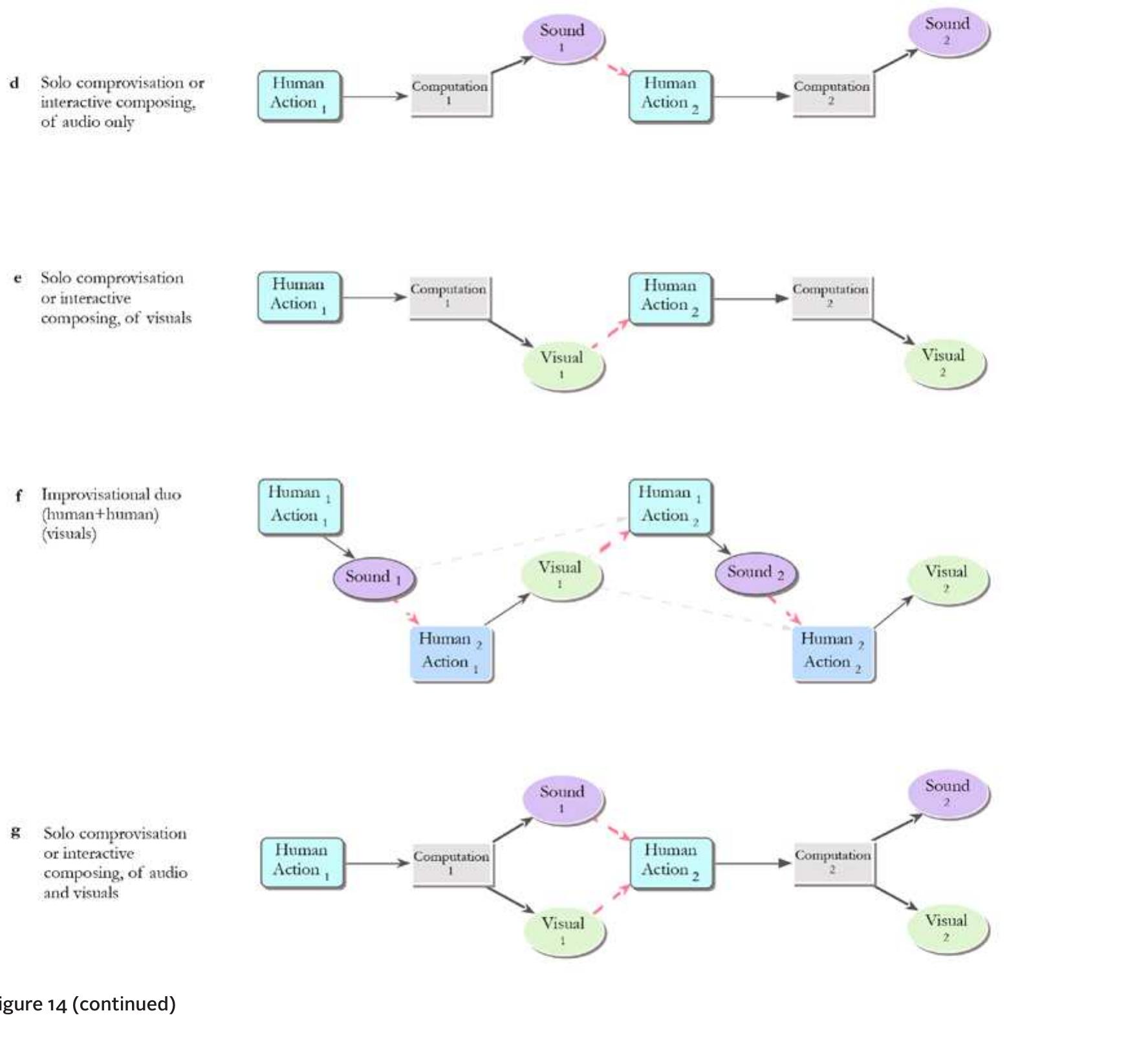
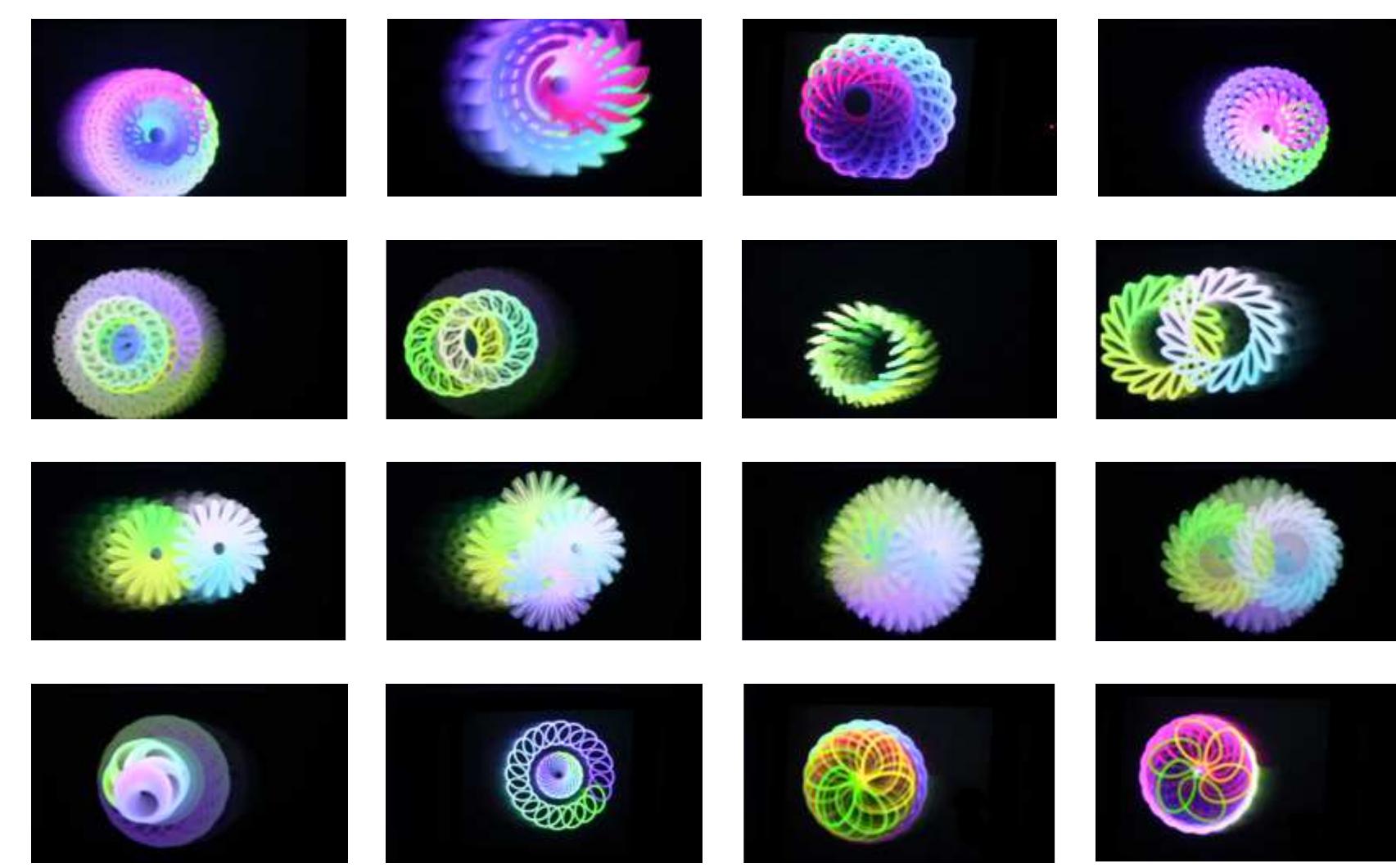
The better quality pdf is downloadible from here: "http://www.leoalmanac.org/wp-content/uploads/2013/07/LEAVol19No3-Mailman.pdf Through recent artistic practices and technology of interactive systems for music, composition and... more
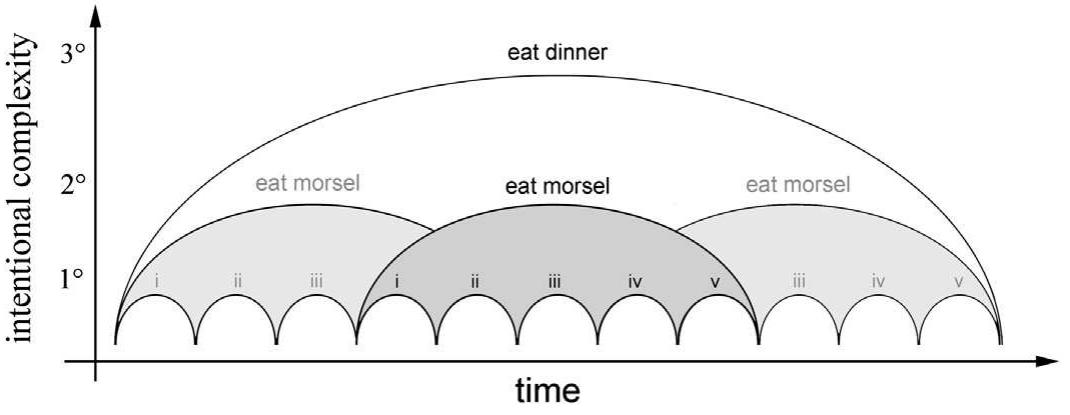
Efficient prospective motor control, evident in human activity from birth, reveals an adaptive intentionality of a primary, pre-reflective, and pre-conceptual nature that we identify here as sensorimotor intentionality. We identify a... more
Mark Solms's hypothesis holds that two main body representations are housed in the brain: the sensorimotor body and the autonomic body. These two body representations would be associated with two different types of consciousness:... more
The discovery of so-called ‘mirror neurons’ - found to respond both to own actions and the observation of similar actions performed by others - has been enormously influential in the cognitive sciences and beyond. Given the self-other... more
Download research papers for free!