Laboratory respirometry experiments were conducted on mixtures of soil and oily sludge to estimate biodegradation rates by CO2 production rates and determine optimum conditions for biodegradation of high-strength hydrocarbon waste... more
A liquid-liquid extraction procedure (L-L) based on room temperature ionic liquid (RTIL) was developed for the preconcentration and determination of mercury in different water samples. The analyte was quantitatively extracted with... more
Combustion of solid fuels is one of the main sources of mercury in the environment. To reduce the amount of mercury emitted to the atmosphere, it is necessary to modify or optimize old purification technologies or introduce the new ones.... more
Biodegradation of spent engine oil (SEO) by bacteria isolated from the rhizosphere of Cajan cajan and Lablab purpureus was investigated. It was with a view to determining most efficient bacterial species that could degrade SEO in... more
Spatial characterization of the contamination is a fundamental component of any remediation approach. Compared to conventional investigation methods, the laser-induced fluorescence (LIF) is a faster screening tool and provides the... more
A novel approach of head-space single-drop micro-extraction applied to the determination of ethanol in wine is presented. For the first time, the syringe of an automated syringe pump was used as an extraction chamber of adaptable size for... more
A novel method combining headspace single-drop microextraction with a paper-based colorimetric assay was developed. Headspace single-drop microextraction using a microdrop containing unmodified gold nanoparticles (AuNPs) as both the... more
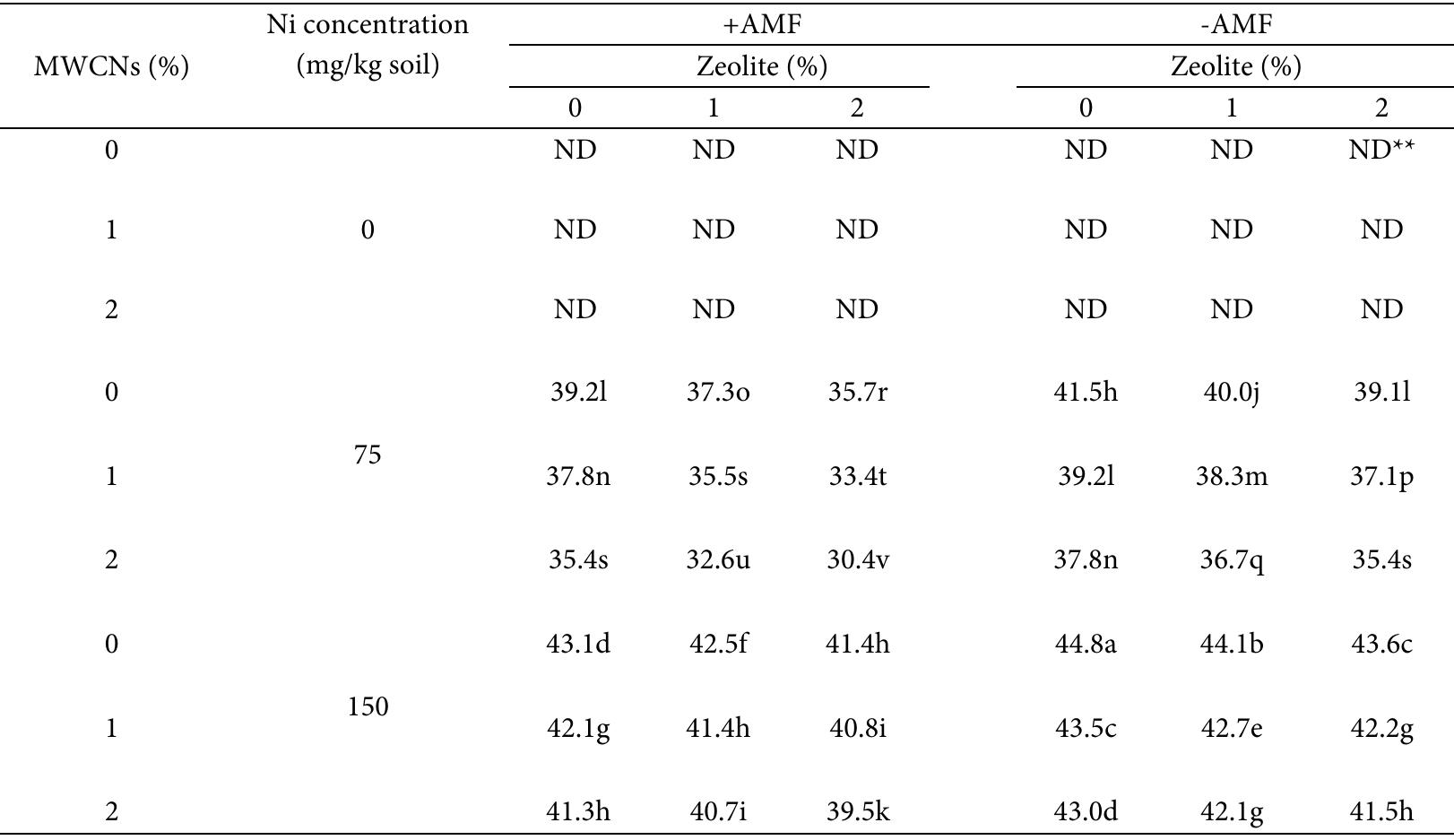
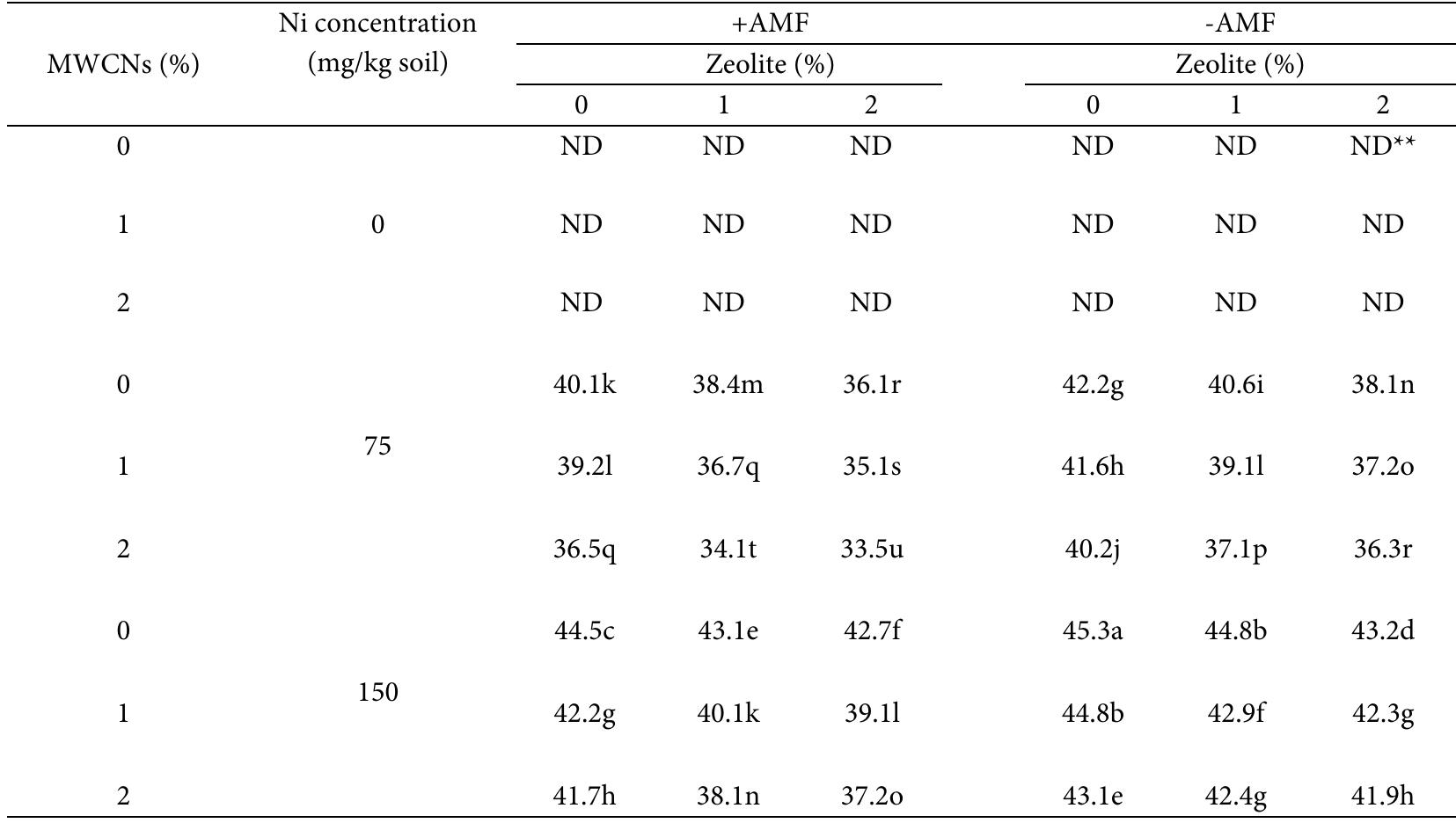
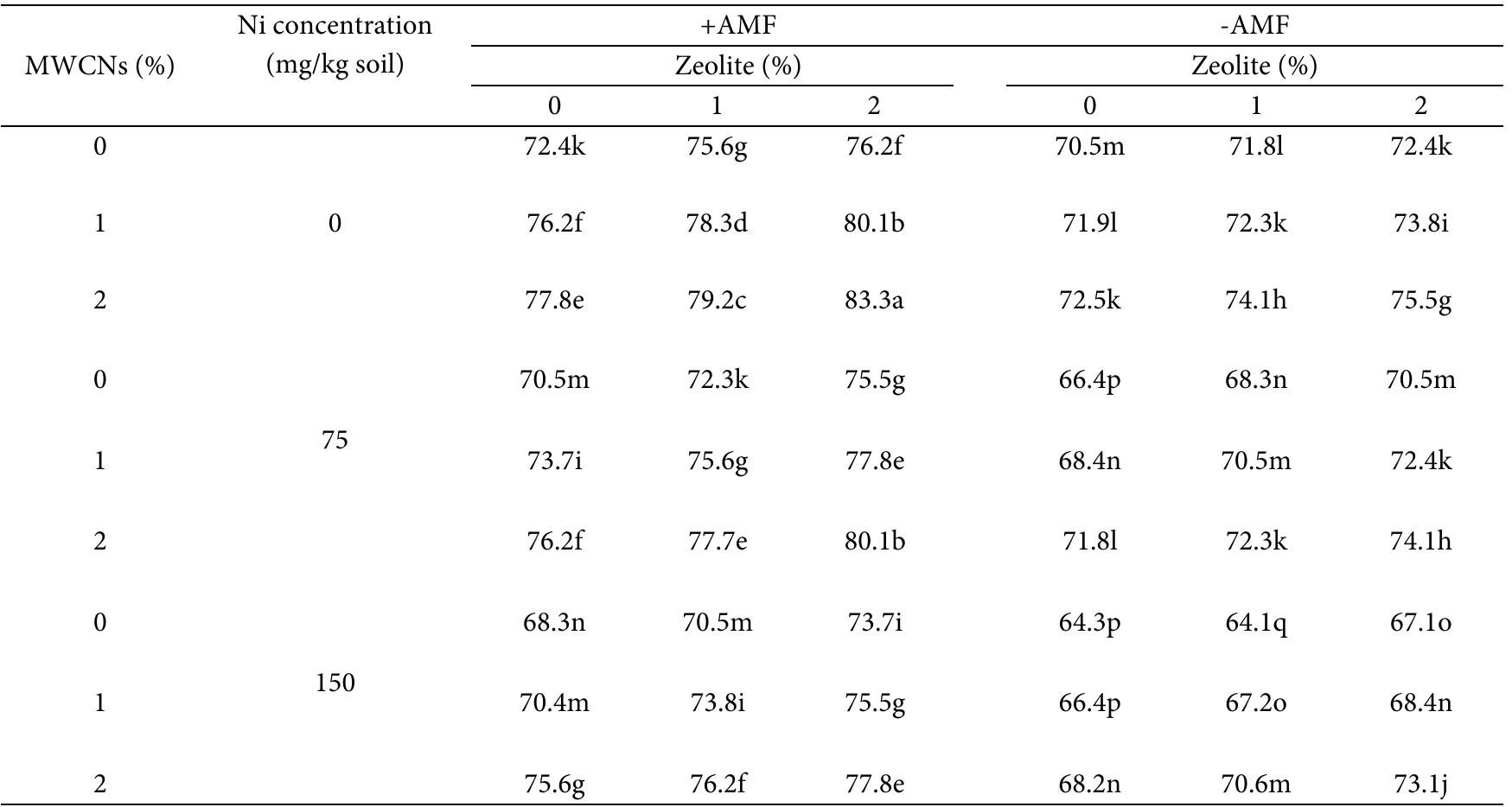
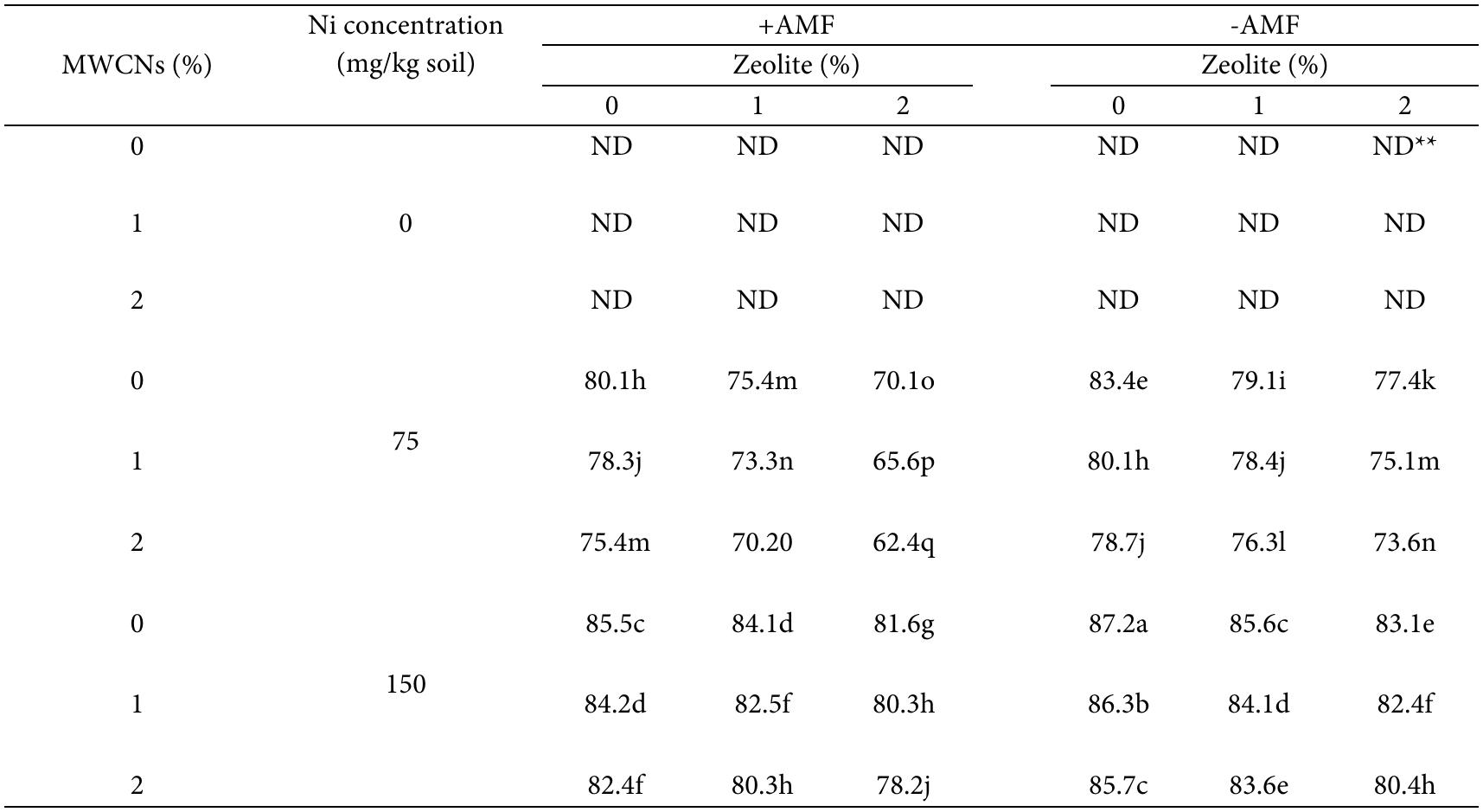
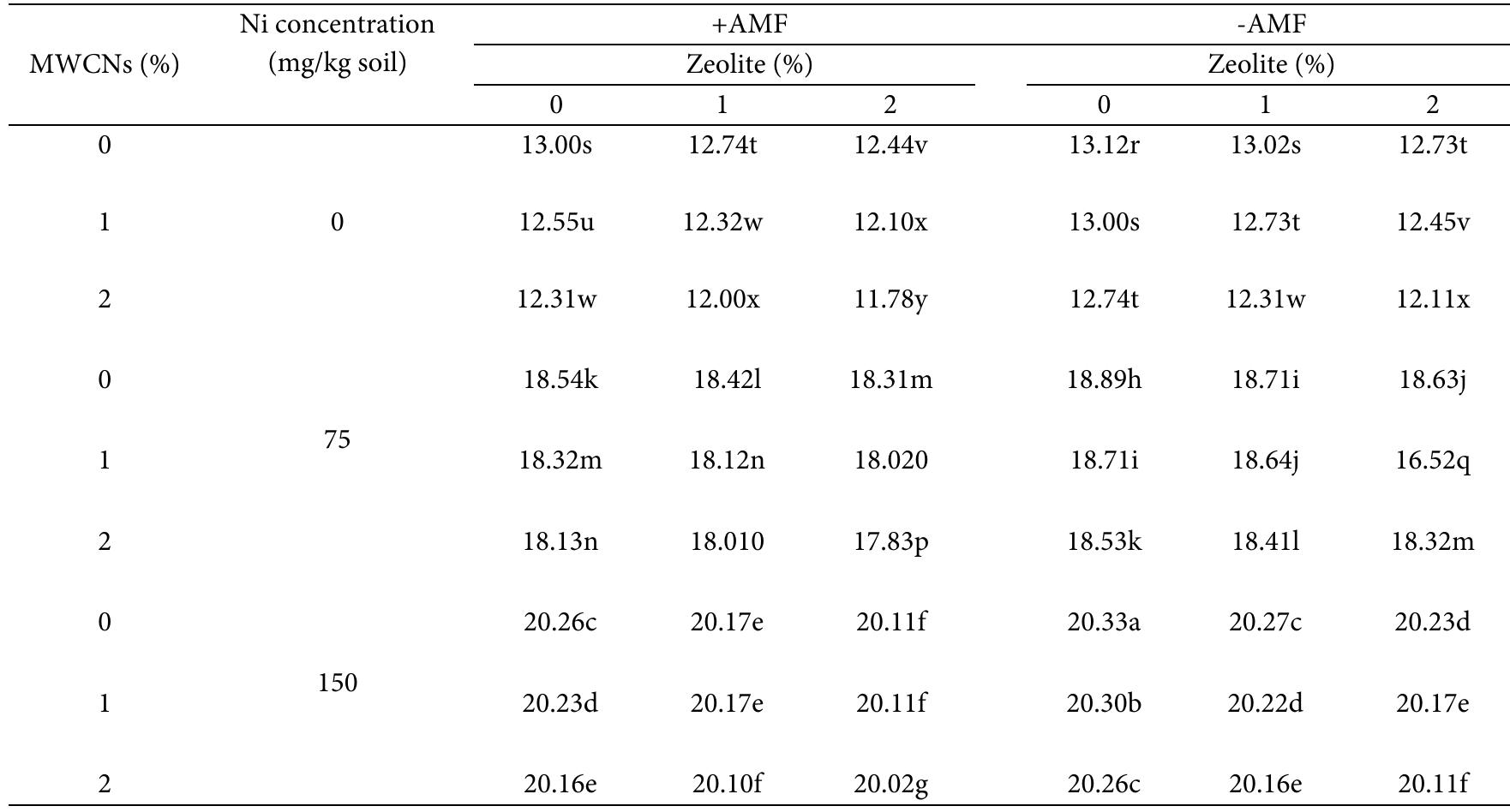
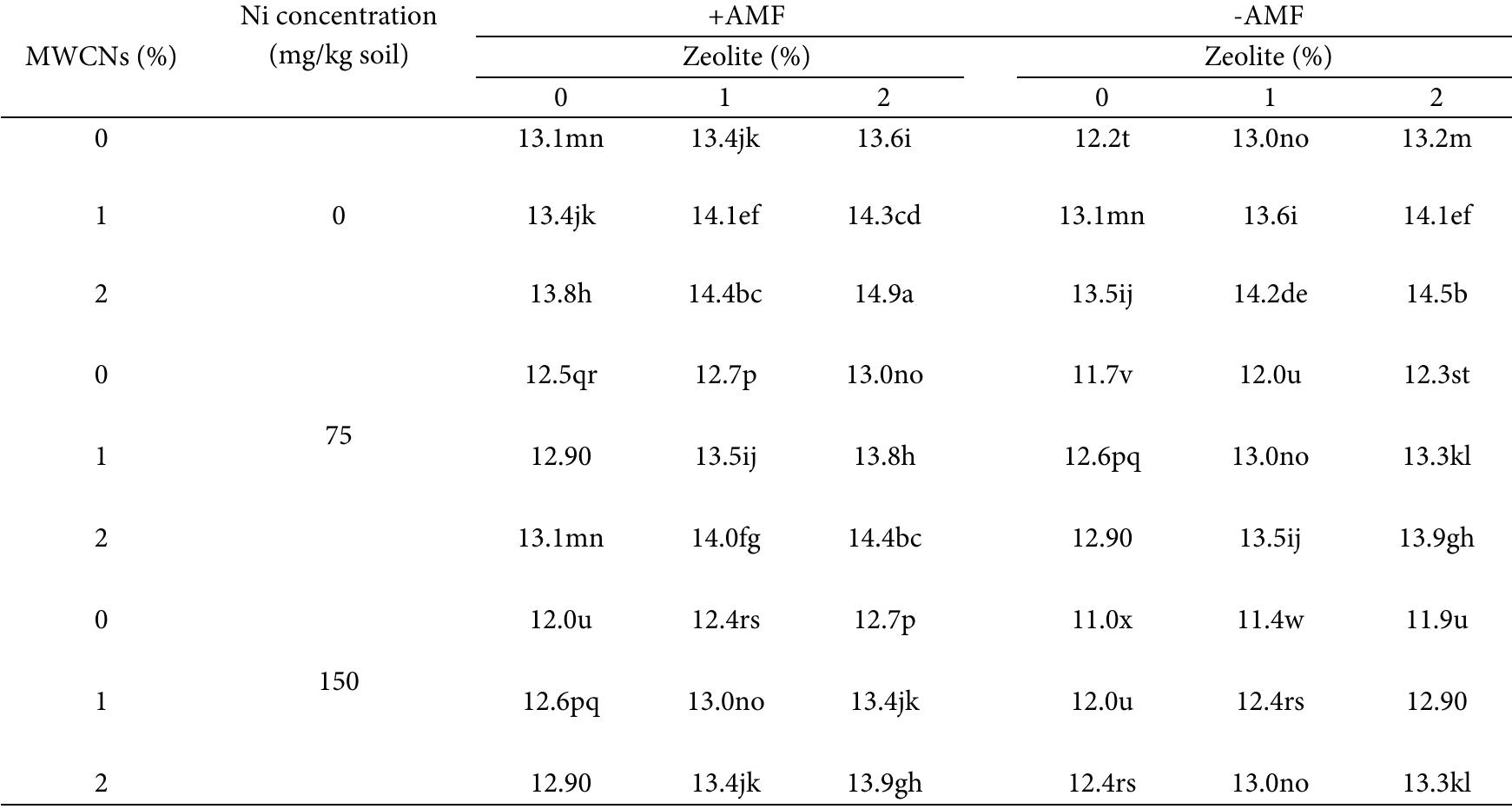
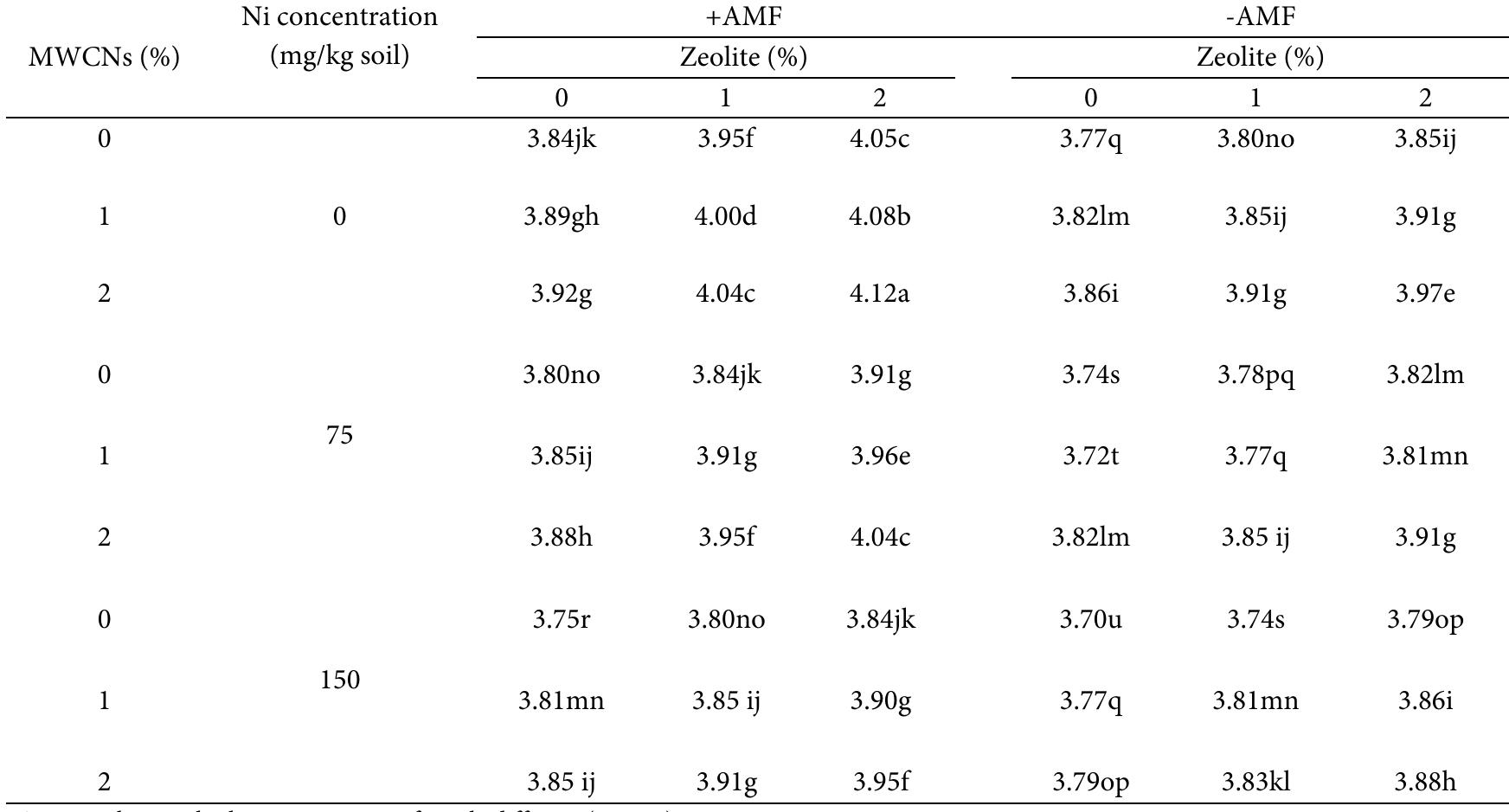
Remediation of soils polluted with heavy metals or petroleum hydrocarbons is one of the environmental problems. This research aimed to evaluate the effect of carbon nanotubes, zeolite and AMF on triticale Ni concentration in a soil... more
Chronic petroleum discharges resulting from underground storage tank (UST) system failures may continue for months or years, whereas catastrophic releases result from structural failures or overfills that occur over shorter time periods.... more
This study involves the greenhouse assessment of the effect of oil on Chromolaena odorata ability to remove PCB from soil treated with transformer oil co-contaminated with Aroclor 1260. Plants were transplanted into one kilogram of soil... more
A novel approach of head-space single-drop micro-extraction applied to the determination of ethanol in wine is presented. For the first time, the syringe of an automated syringe pump was used as an extraction chamber of adaptable size for... more
Two basic requirements of each individual are sanitation and water supply (Ikhlaq et al., 2014). Some elements are supplied by water but when water is contaminated, it becomes the source of such substances which cause diseases in human... more
A trapping technique was developed for the determination of mercury traces in blood serum by graphite furnace Ž. atomic absorption spectrometry GFAAS. The mercury was converted to metallic vapour in a reaction cell by tin chloride... more
A simple, rapid and green ion-pair single-drop microextraction procedure followed by attenuated total reflectance-Fourier transform infrared technique has been developed for the analysis of phosphate in water samples. This method is based... more
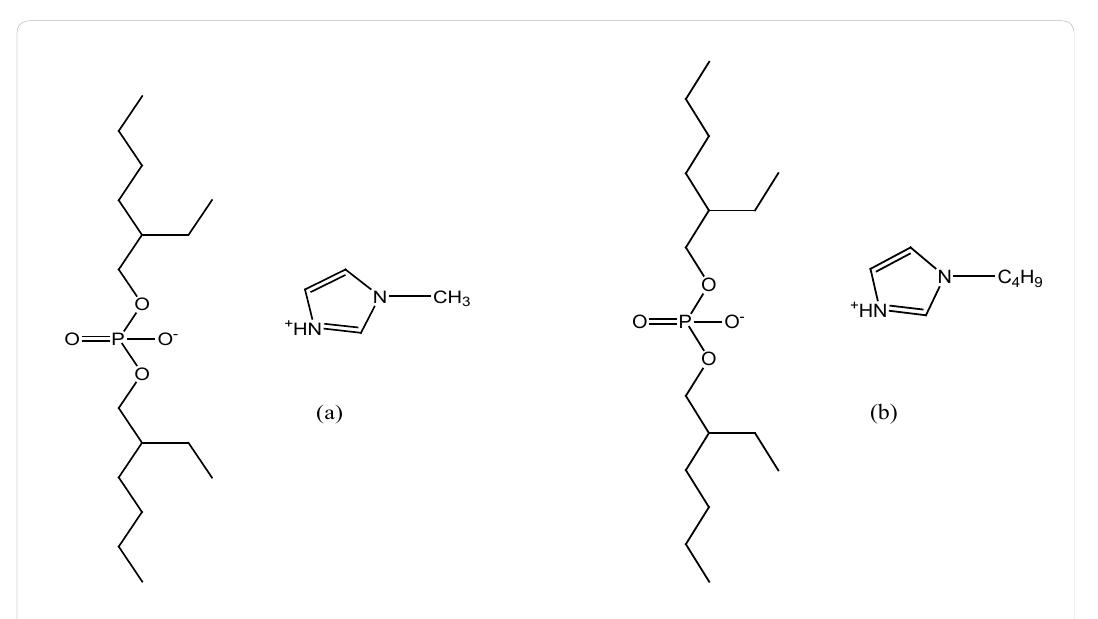
In this work, a novel room temperature ionic liquids 1-butyl-imidazolium di(2-ethylhexyl) phosphate [BIm + ] [D2EHP-] and 1-methyl-imidazolium di(2-ethylhexyl) phosphate [MIm + ][D2EHP-] were synthesized and tested as extractants in the... more
A simple and sensitive method for using electrothermal atomic absorption spectrometry (ET AAS) with Rh as permanent modifier determination of Sb(III) and total Sb after separation and preconcentration by N-benzoyl-N-phenylhydroxylamine... more
A novel method for trace inorganic mercury (Hg 2+) and methylmercury (MeHg) speciation was developed utilizing two-step hollow fiber liquid phase microextraction (two-step HF-LPME) procedures with two/three phases combined with... more
The risk assessment procedure for identifying the remediation actions which may be adopted at a mercury contaminated site, when the plants are upgraded in the future, is proposed. The potentially active exposure/migration pathways in the... more
Partially oxidized graphene flakes (po-Gr) were obtained from graphite electrode by an electrochemical exfoliation method. As-produced po-Gr flakes were dispersed in water with the assistance of... more
Vacuum-assisted headspace single-drop microextraction: Eliminating interfacial gas-phase limitations
This is a PDF file of an article that has undergone enhancements after acceptance, such as the addition of a cover page and metadata, and formatting for readability, but it is not yet the definitive version of record. This version will... more
O estudo introduz um método para microextração por headspace (HS-SME) de hidreto de estanho em uma microgota aquosa contendo Pd(II) e tributil fosfato (TBP) como uma estratégia de enriquecimento e de modificação de matriz previamente à... more
Biodegradation of spent engine oil (SEO) by bacteria isolated from the rhizosphere of Cajan cajan and Lablab purpureus was investigated. It was with a view to determining most efficient bacterial species that could degrade SEO in... more
Human food chain toxicity has been shown to be influenced by application of inorganic fertilizers. Three samples of commercial inorganic fertilizers marketed in Nigeria were analysed for their heavy metal contents. The fertilizer samples... more
Neste trabalho, bifenila e óxido de bifenila foram extraídos por microextração em headspace com única gota (HS-SDME) e analisados por cromatografia gasosa com detector de ionização em chama (GC-FID). A extração ocorreu a partir da ponta... more
Human food chain toxicity has been shown to be influenced by application of inorganic fertilizers. Three samples of commercial inorganic fertilizers marketed in Nigeria were analysed for their heavy metal contents. The fertilizer samples... more
Single drop microextraction has become a widespread liquid/liquid microextraction technique owing to its simplicity, high preconcentration factor and low consumption of organic solvents in the extraction due to direct introduction of the... more
Mercury is one of the most dangerous pollutants. Its presence in living organisms is associated with cancer, birth defects, and other undesirable outcomes [1]. The toxic effects of divalent mercury can be prevented to some extent either... more
In this research, a microfunnel-assisted headspace liquid-phase microextraction technique has been used in combination with hydride generation to determine arsenic (As) by UV-Vis spectrophotometry. The method is based on the reduction of... more
The presence of free phase petroleum fuels in the subsurface (often called light nonaqueous phase liquids/LNAPL) is a hazard in almost every town and city in the modern world. Leaking underground storage tanks and the resulting... more
Vacuum-assisted headspace single-drop microextraction: Eliminating interfacial gas-phase limitations
Gas-phase limitations during HS-SDME sampling exist. HS-SDME sampling under vacuum removes interfacial gas constraints. Vacuum can improve extraction rates even when analyte uptake by the drop is slow. Vacuum removes 96% of gas phase... more
Vacuum-assisted headspace single-drop microextraction: Eliminating interfacial gas-phase limitations
Gas-phase limitations during HS-SDME sampling exist. HS-SDME sampling under vacuum removes interfacial gas constraints. Vacuum can improve extraction rates even when analyte uptake by the drop is slow. Vacuum removes 96% of gas phase... more
A time based injection system used in conjunction with cold vapor generation atomic absorption spectrometry and microwaveaided heating oxidation with potassium persulfate has been developed for the determination of total and inorganic... more
A novel automatic sequential injection (SI) single-drop micro-extraction (SDME) system is proposed as versatile approach for on-line metal preconcentration and/or separation. Coupled to electrothermal atomic absorption spectrometry... more
For the first time an optical probe is proposed as the microdrop holder and simultaneously the measuring cell in a direct immersion single-drop microextraction (DI-SDME) procedure.
A microextraction methodology based on a room temperature ionic liquid (IL) as an ion-pairing reagent for determination of trace Cr(III) and Cr(VI) species is proposed. First, an ion-pair was formed between Cr(VI) species and the... more
This paper describes the development of a method for the determination of mercury in honey. Analyte pre-concentration/matrix separation is carried out by cloud point extraction (CPE), while cold vapouroptical emission spectrometry (CV-ICP... more
Under many oil field sites, shallow soils and groundwater are contaminated with benzene, toluene, ethylbenzene, and xylene compounds. I propose using phytoremediation, specifically Liriodentdro tulipifera , Yellow Poplar, in the cleanup... more
Propõe-se uma nova maneira de gerar vapor de mercúrio em altos valores de pH pela adição de NaOH ou de outra base a uma solução contendo íons de mercúrio, sem utilizar redutor, como NaBH 4 ou SnCl 2. Após dissolução total da amostra em... more
Single drop microextraction (SDME) nowadays earns an increasing attention by scientists due to its simplicity, low cost and the need for only common laboratory equipment. This microextraction technique combines sample cleanup and... more
A time based injection system used in conjunction with cold vapor generation atomic absorption spectrometry and microwaveaided heating oxidation with potassium persulfate has been developed for the determination of total and inorganic... more
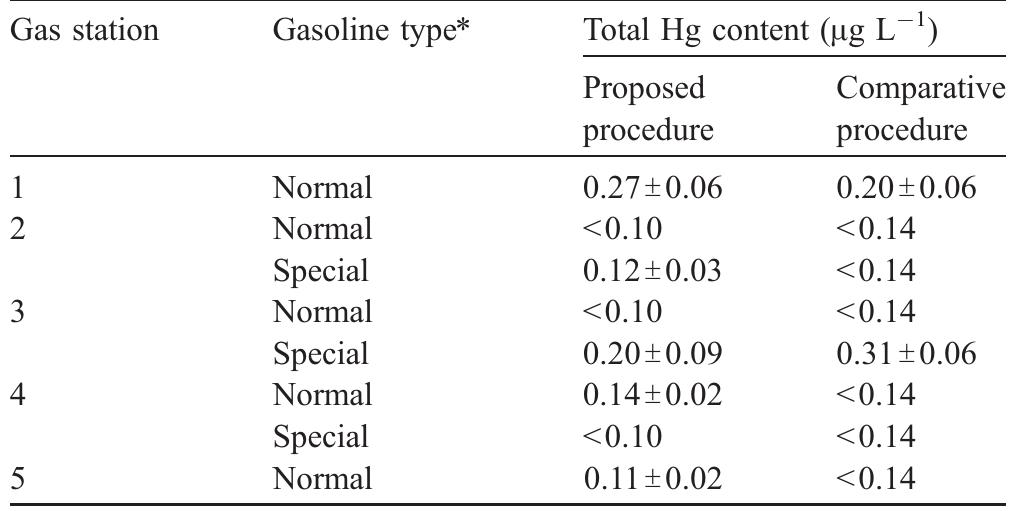
The determination of Hg in gasoline by cold vapor atomic absorption spectrometry, after direct aqueous NaBH 4 reduction in a threecomponent (microemulsion) medium, was investigated. Microemulsions were prepared by mixing gasoline with... more
A rapid ultrasound-assisted extraction procedure for the determination of total mercury, inorganic and methyl mercury (MM) in various environmental matrices (animal tissues, samples of plant origin and coal fly ash) has been developed.... more
MSFIA-CV-AAS system setup for cadmium determination.


![*Before enrichment Table 1. Some selected Physico-chemical properties of soil used in this study MATERIAL AND METHODS Eight seeds were sown in each pot and thinned to four plants per pot after the germination of the first leaf. After 70 days, plants were harvested and the plants’ Ni concentration was measured using atomic absorption spectroscopy (AAS) according to the Intawongse et al. [16]. Accordingly, Subsamples (1 g) were digested with 10 mL of HNO, (65%) and 10 mL of H,O, (30%). The digests were diluted to 100 mL with deionized water and filtered. The filtrate was analyzed for Ni by atomic absorption spectroscopy (AAS) (Perkin-Elmer model 3030) according to the Xu et al. [17]. The Soil Ni availability (DTPA-Ni concentration) was measured according to the Lindsay method [18].](https://figures.academia-assets.com/101650987/table_001.jpg)
![Table 2: Nature and percentages of extracted species of Hg (II) with [MIm*][D2EHP’] at different concentration of CH,COONa. not a stronger extracting power for Hg(II) than [MIm*][D2EHP]]. This fact is related to the more hydrophobic character due at longer alkyl chain on the imidazolinic ring. It is noticeable that the ionic liquid is better when the alkyl chain is a butyl or even longer to reinforce the hydrophobicity.](https://figures.academia-assets.com/95541890/table_001.jpg)
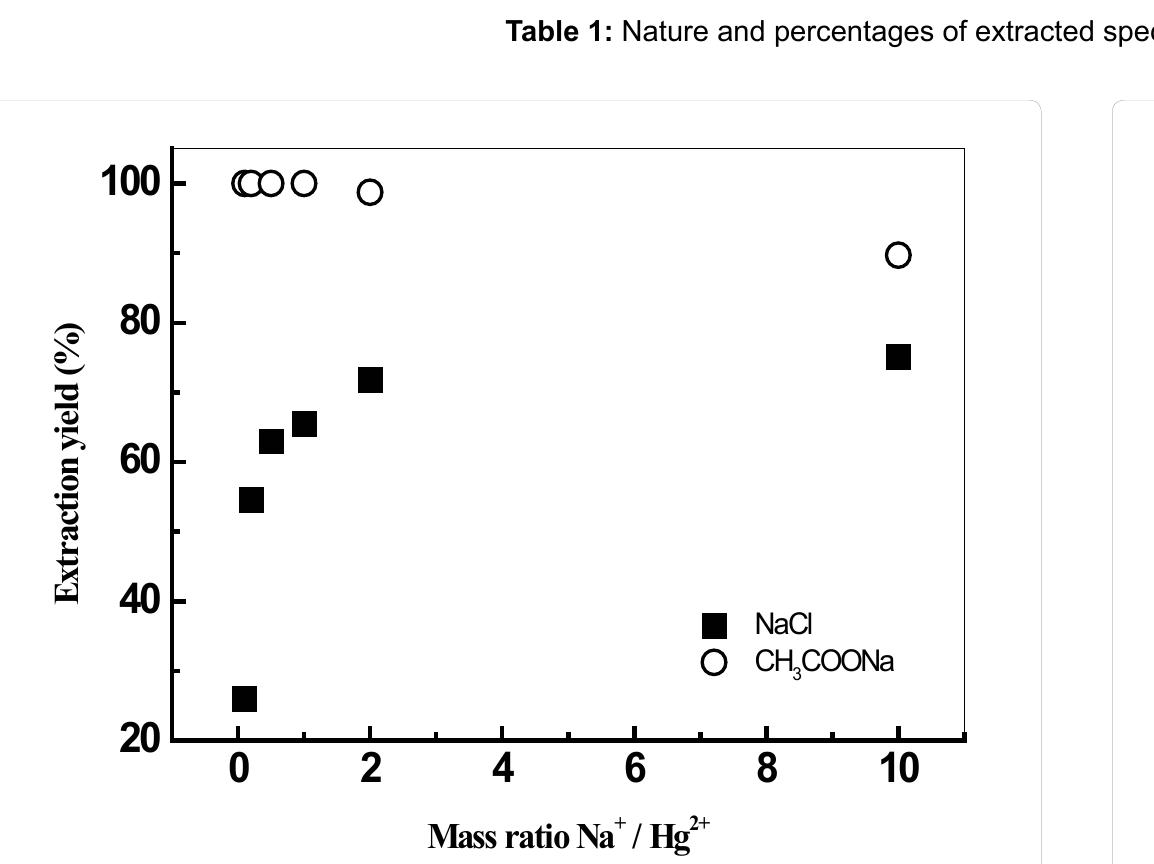
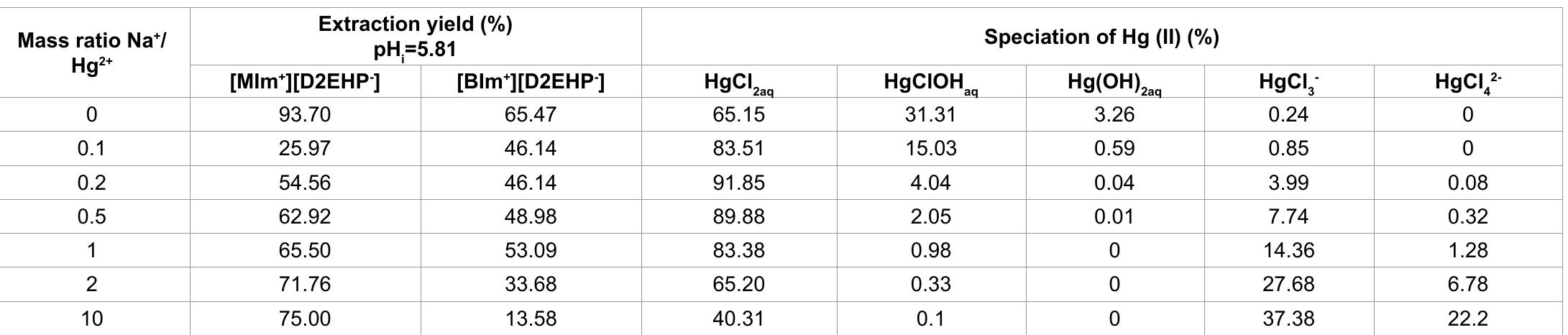
![Figure 9: Effect of NaCl on extraction yield [Hg (II)]=10°M, [[MIm*][D2EHP ]=5.10°M, V,/V, =1, T=20°C. The influence of the ionic strength on the extraction yields of Hg (II) using ionic liquid was studied by adding sodium chloride and sodium acetate to the aqueous phase. The effects of some salts at various mass ratios Na*/Cd** on the extraction of Hg (II) were evaluated. The results showed that the addition of amount of the chloride sodium to the aqueous phase has an antagonistic effect on the yield of extraction at different values of initial pH (Figures 9 and 10). The extraction of mercury enters in competition with the sodium. The extractant goes on extracting the Na* instead of Hg (II) [39].](https://figures.academia-assets.com/95541890/figure_009.jpg)
![Figure 3: Comparative study to extraction kinetics [IL]=5.10°M, [Hg (II)]=10°M, Vag! Vorg= 1, T=20°C, pH,.5.81.](https://figures.academia-assets.com/95541890/figure_003.jpg)
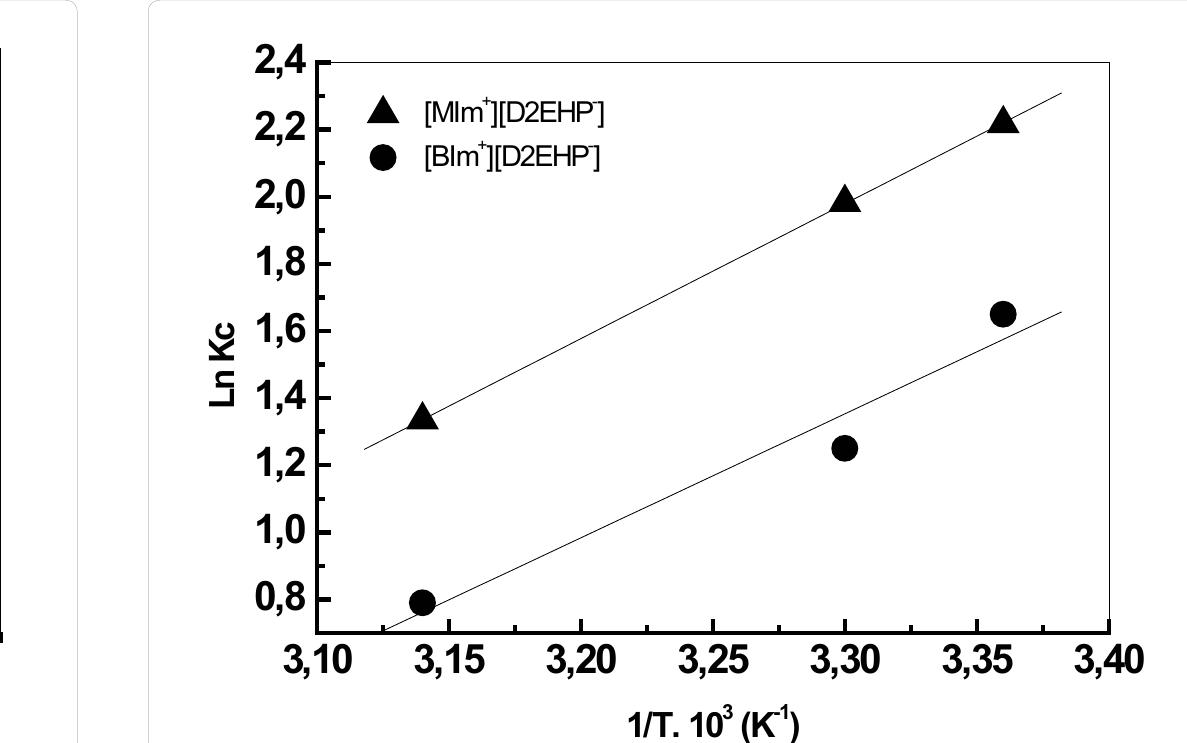
![Figure 12: Variation of Ln Ke with 1/T for the extraction of Hg (II) using ionic liquids ([MIm*][D2EHP*]) and ([Blm*][D2EHP’}). Figure 11: Effect of sodium chloride and sodium acetate on extraction yield, [Hg (II)J=10°M, [[MIm*][D2EHP]]=5.10°M, V,/V_.=1, T=20°C. aq ~ org](https://figures.academia-assets.com/95541890/figure_011.jpg)
![Figure 10: Effect of NaCl on extraction yield [Hg (II)]=10°M, [[Blm*][D2EHP- ]]=5.10°M, V,,/V,,,=1, T=20°C.](https://figures.academia-assets.com/95541890/figure_010.jpg)
![Figure 5: Effect of different initial concentrations of ionic liquid, [Hg (II)]=10°M, pH=5.81, V,/V,g=1, T=20°C.](https://figures.academia-assets.com/95541890/figure_005.jpg)
![Table 3: Thermodynamic constants of the extraction of mercury ions. are of 94.0% for ([MIm*][D2EHP’]) and 65.0% for ({[BIm*][D2EHP’]); with those found in the literature, we notice a strong increase of the quantities which we extracted (Table 4).](https://figures.academia-assets.com/95541890/table_003.jpg)
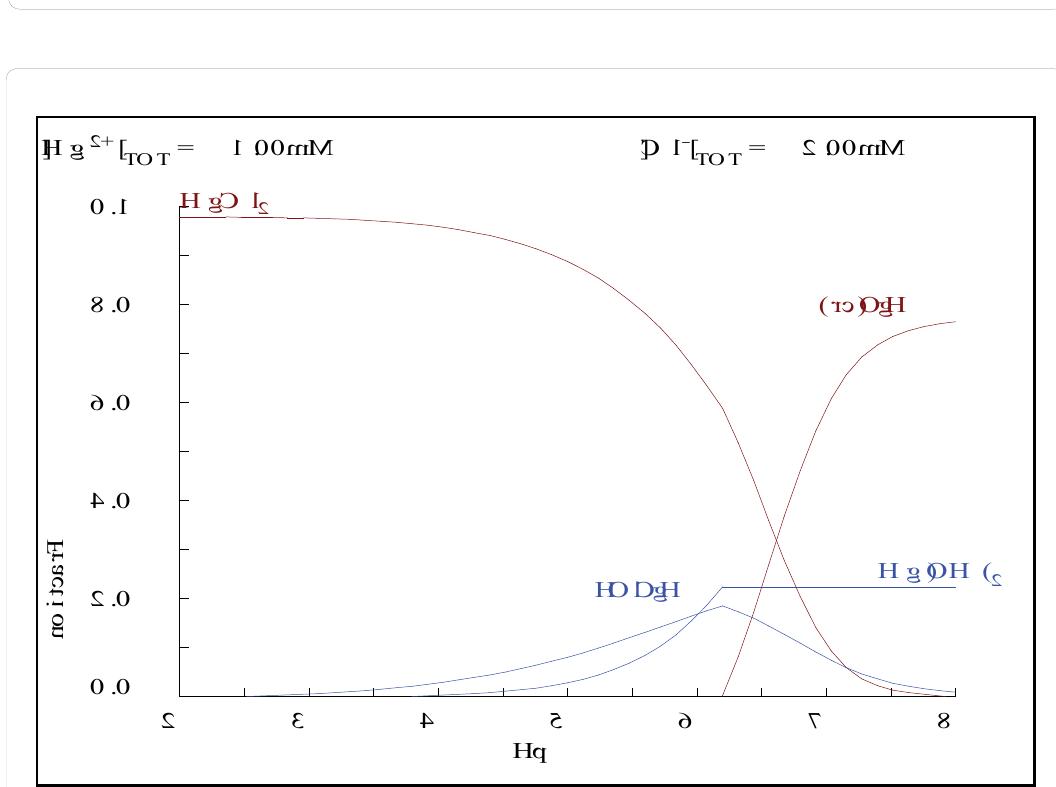
![Figure 7: Distribution diagrams of Hg (II) (10°M) in chloride media using Medusa and Hydra programs [37]. Figure 8: Effect of ionic liquid concentration on the distribution coefficient of mercury, [Hg (II)]=10°M, pH=5.81, T=20°C, Ve (Meg.](https://figures.academia-assets.com/95541890/figure_006.jpg)
![Figure 4: Comparative study to effect of initial concentration of Hg (II) V, ol Vor a! [IL]=5.10°M, T=20°C, pH,_5.81.](https://figures.academia-assets.com/95541890/figure_004.jpg)
![Figure 2: Effect of phase volume ratio on the extraction of Hg (II) [Hg?*]=10°M, [IL]=5.10°M, pH=5.81, T=20°C. Increasing initial concentration of mercury (II) in the range 10*M-10?M was found to induce a decrease of the extraction yield](https://figures.academia-assets.com/95541890/figure_002.jpg)
![Figure 6: Effect of initial pH of aqueous solution on the extraction efficiencies of Hg (II) [Hg (I)]=10°M, [IL]=5.10°M, V,/V,,..1, T=20°C. org=](https://figures.academia-assets.com/95541890/figure_007.jpg)
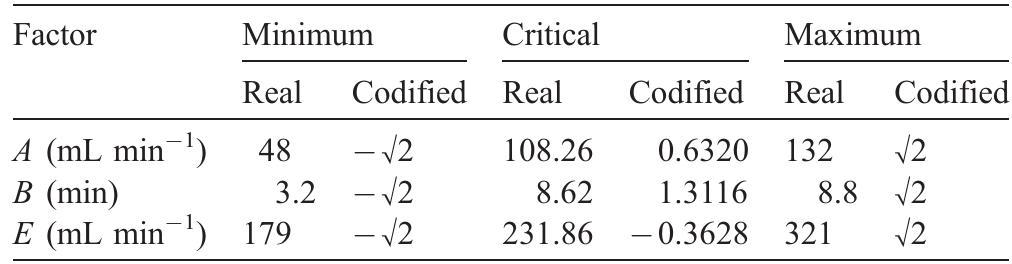
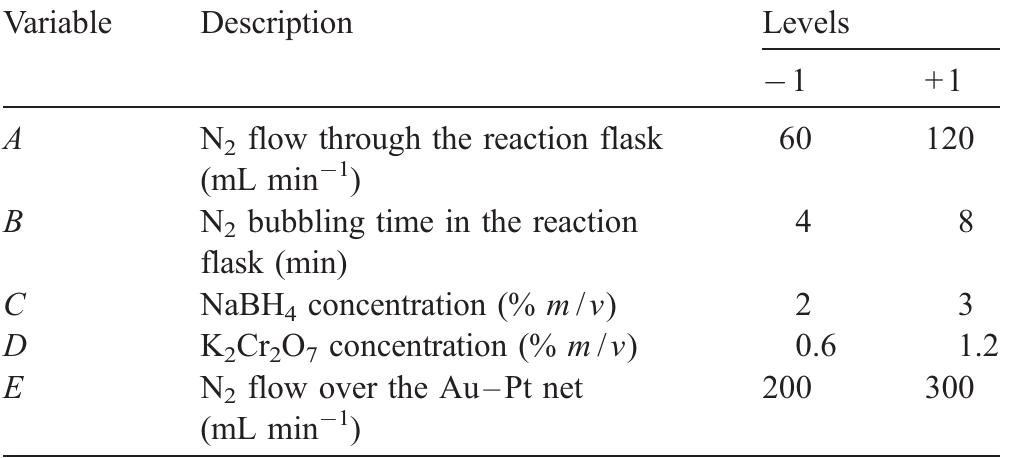

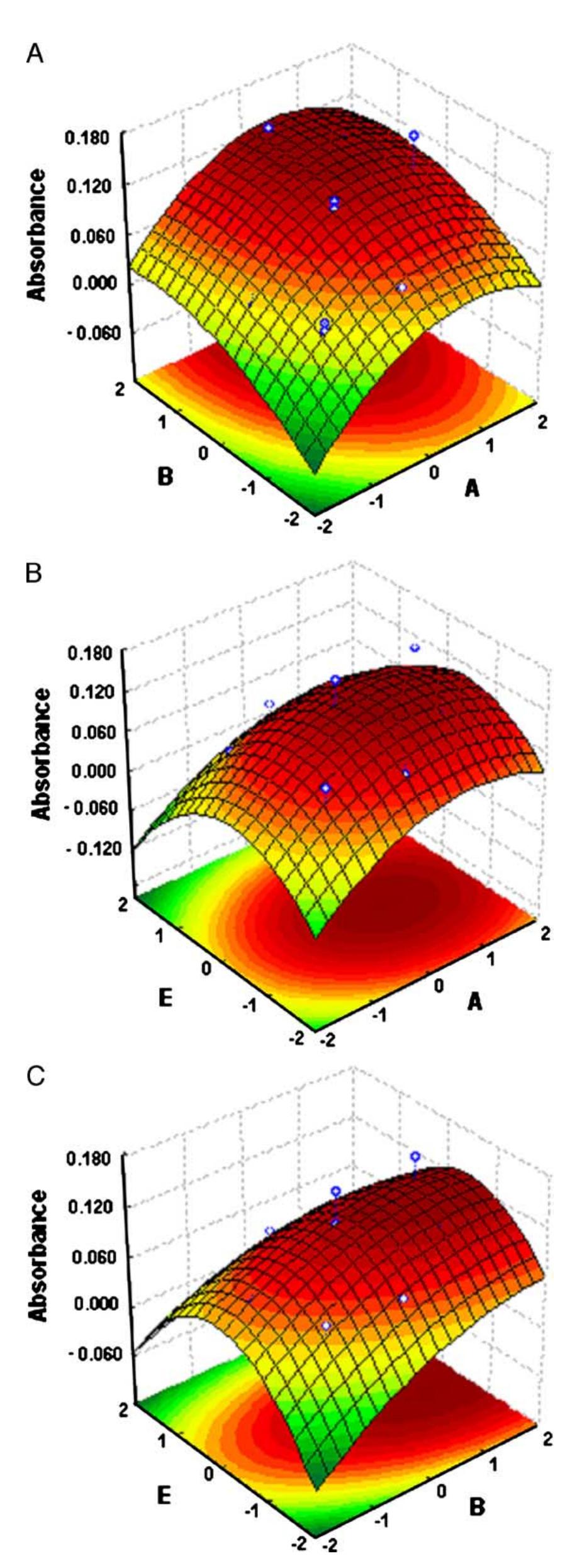
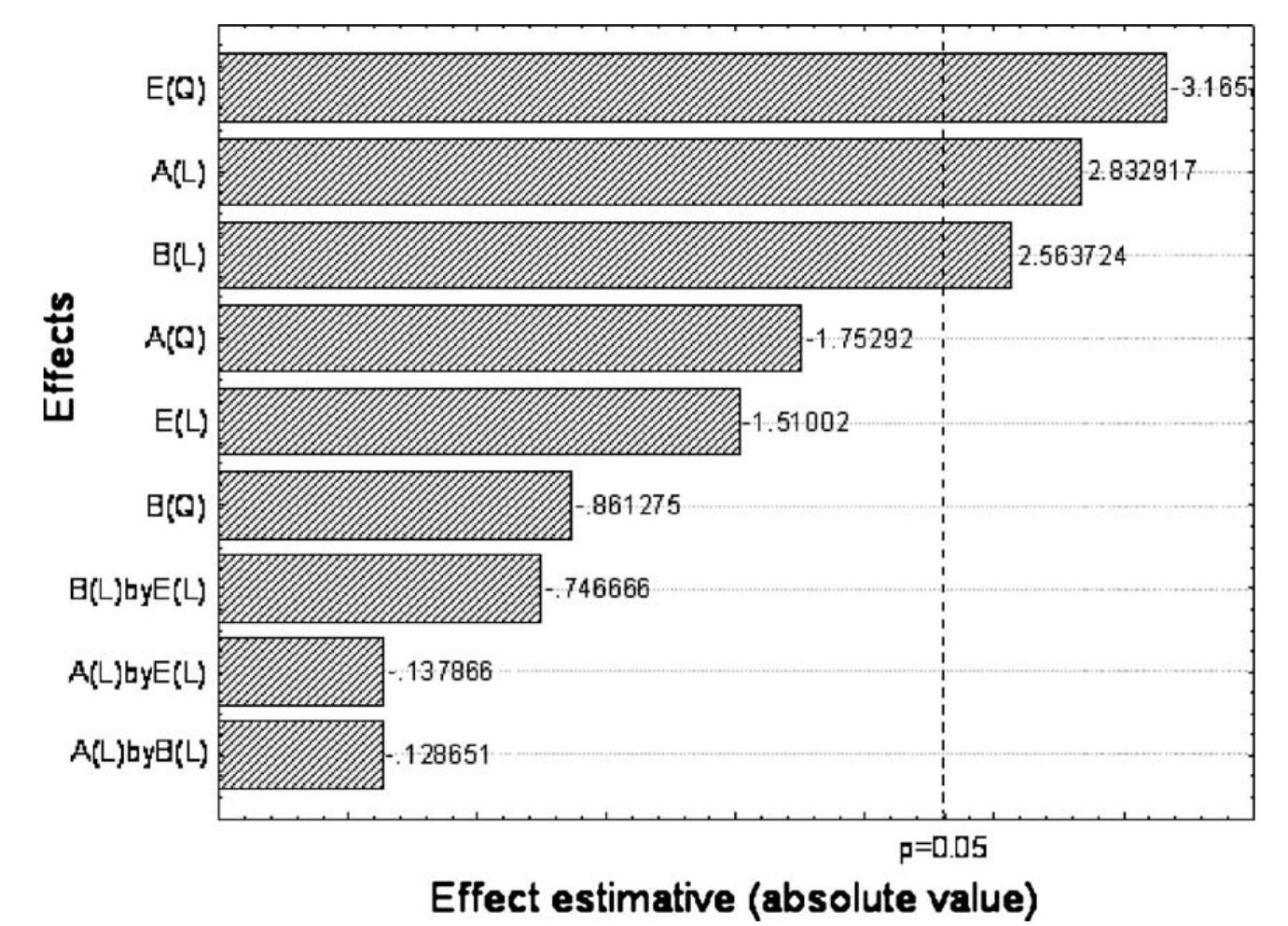
![Optimized parameter values analyzed using Me staustica 0.U otatsort soltware and me 2™” (k-p) standard design (Box, Hunter and Hunter [32]). Variables A, B and E, together with B x E interaction have shown significance (p<0.05). ANOVA as well as the effects and coefficient results were in agreement. The model explained 81.25% (R*) of the total variation. However, the values of the standard errors were at the same order of magnitude or even larger than the effects themselves, showing that the proposed linear model was not adequate. Thus, the central composite design was used. The variables C and D (Table 1), not significant in the linear model, were kept constant at 3% and 0.6% m/v, respectively. For the variables A, B and E, 2° (8) experiments related to the factorial design, 2x3 star experiments («=+J2) and 4 central experiments were performed. The different levels are shown in Table 2. The 18 experiments were randomly performed and normalized relative to the experiment A4=1, B=—1 and C=—1, which was performed daily. The 18 data (n=3) were analyzed using the Statistica 6.0 software (central composite, non- factorial, surface designs). The Pareto diagram (Fig. 2) shows the significant effects: A and B (linear behavior) and E (quadratic behavior). The R? value was 0.79251, very close to the previous one related to the linear model. The standard errors were smaller than those of the effects, confirming the correctness of the model. The critical points are shown in Table 3 while Fig. 3 shows the different fitted surfaces obtained. Table 4 shows the optimized parameters. Other statistical techniques, such as the analysis of normal probability plots and of the desirability functions, have shown similar results.](https://figures.academia-assets.com/69489702/table_004.jpg)