Academia.eduAcademia.edu

Magnetic Solid Phase Extraction

description37 papers
group7 followers
lightbulbAbout this topic
Magnetic Solid Phase Extraction (MSPE) is an analytical technique that utilizes magnetic materials to selectively adsorb target analytes from a sample matrix, facilitating their subsequent separation and concentration. This method enhances extraction efficiency and simplifies the purification process, making it valuable in various fields such as environmental analysis, food safety, and biomedical research.
lightbulbAbout this topic
Magnetic Solid Phase Extraction (MSPE) is an analytical technique that utilizes magnetic materials to selectively adsorb target analytes from a sample matrix, facilitating their subsequent separation and concentration. This method enhances extraction efficiency and simplifies the purification process, making it valuable in various fields such as environmental analysis, food safety, and biomedical research.

Key research themes

1. How do magnetic matrices and separator configurations optimize high gradient magnetic separation (HGMS) for efficient extraction of rare earth and weakly magnetic particles?

This research area investigates the design, material properties, and geometric configurations of magnetic matrices and separators to enhance the magnetic field gradient and thus improve the capture efficiency of weakly magnetic or rare earth particles during HGMS. Understanding and optimizing these factors are critical to achieving high selectivity and throughput for fine and paramagnetic minerals, which are otherwise difficult to separate due to their low magnetic susceptibility.

Key finding: This paper provides a comprehensive review of magnetic matrices in HGMS, identifying that materials such as steel wool generate the highest magnetic field gradients (~2.5×10^4 T/m), which strongly influence particle capture... Read more
Key finding: This review highlights that despite advances in dry high-intensity magnetic separators like induced roll, cross belt, and permanent roll types, challenges remain in effectively separating paramagnetic minerals with sufficient... Read more
Key finding: This experimental study demonstrates the successful separation of Gd2O3 from La2O3 using wet high gradient magnetic separation (HGMS) by exploiting differences in magnetic susceptibilities and optimizing fluid medium... Read more
Key finding: This work integrates gravity pre-concentration with wet high intensity magnetic separation (WHIMS) to beneficiate rare earth (RE) minerals effectively. It relates separation outcomes to the magnetic properties of RE minerals... Read more

2. What selective and environmentally-friendly chemical approaches enable efficient extraction and recycling of Nd-Fe-B magnet phases?

This research theme addresses selective chemical leaching and extraction techniques to separate matrix and rare earth-rich phases in Nd-Fe-B magnets, with a focus on methods that are more sustainable and environmentally benign than traditional pyrometallurgical or harsh hydrometallurgical routes. The goal is to achieve phase-specific removal—particularly enriching the magnetic Nd2Fe14B matrix—while minimizing damage and process hazards, therefore enhancing yields and recyclability of rare earth elements crucial for green technologies.

Key finding: This study discovers that 1 M citric acid selectively leaches the Nd-rich phase from Nd-Fe-B magnets, preserving the Nd2Fe14B matrix phase and achieving a high magnetic moment/mass ratio (~160 emu/g). The investigation,... Read more
Key finding: This research elucidates the role of Dy2Fe17 intermediate phase and Dy2O3 oxides in impeding dysprosium extraction during liquid magnesium metal extraction from Nd-Dy-Fe-B magnets. Thermodynamic modeling combined with... Read more
Key finding: This kinetic study models the dissolution and extraction performance of Nd from decrepitated NdFeB magnet powders with liquid magnesium in a stirred reactor, highlighting that hydrogen decrepitation pre-treatment... Read more
Key finding: This work proposes an integrated hydrometallurgical process combining precipitation and selective ion exchange with IRC748 resin to effectively separate Sm, Co, Fe, and Cu from SmCo magnet leachates. The process achieves... Read more

3. How can magnetic fields and magnetic nanoparticles be leveraged for enhanced solid phase extraction and biochemical separation applications?

This theme explores the use of external magnetic fields and magnetically responsive materials—such as magnetic nanoparticles and ferrofluids—for improving separation efficiencies in solid phase extraction and bio-chemical contexts. Research focuses on magnetic field gradient measurement, design of magnetic matrices, and microfluidic manipulation of diamagnetic and paramagnetic particles, aiming to enable rapid, selective, and environmentally friendly extraction methods suited for biological and environmental matrices.
Key finding: The study develops a precise measuring device incorporating Hall probes based on 3D printing principles, enabling measurement of high gradient magnetic fields with spatial resolution of about 0.01 mm in various separator... Read more
Key finding: This research demonstrates a microfluidic platform employing parallel ferrofluid streams with tuned magnetic nanoparticle concentrations and optimized permanent magnet configurations to achieve effective size-based separation... Read more
Key finding: This review systematically covers magnetic solid phase extraction (MSPE) techniques as pre-treatment tools for drug analysis in complex biological, environmental, and food matrices. It emphasizes the role of magnetic... Read more
Key finding: The review consolidates methods employing magnetic absorbents and external magnetic fields to improve solid-phase microextraction (SPME) efficiency. It shows that magnetic field-assisted SPME enhances selectivity,... Read more
Key finding: This paper presents a novel synthesis of 1,4,7,10-tetrabenzyl-1,4,7,10-tetraazacyclododecane (TBCD)-functionalized Fe3O4 magnetic nanoparticles exhibiting strong π-π stacking interactions, providing selective adsorption for... Read more

All papers in Magnetic Solid Phase Extraction

Um novo adsorbente para a determinação de Pb e Cu por espectrometria de absorção atômica de chama (FAAS) foi sintetizado e caracterizado por diferentes técnicas. O efeito de vários parâmetros como pH, tipo e volume do eluente, quantidade... more
The present study was the first report in the needle-based SPE for quantitative analysis of paraquat herbicide, which is a very sensitive, economical, and small method that can be performed at the laboratory level. Boehmite nanoparticles... more
The preparation of samples for instrumental analysis is the most essential and timeconsuming stage of the entire analytical process; it also has the greatest impact on the analysis results. Concentrating the sample, changing its matrix,... more
A novel imidazolium-dysprosium-based magnetic nanomaterial, i.e. [C 16 mim] 5 [Dy(SCN) 8 ] nanoGUMBOS (nanomaterials fabricated from a group of uniform material based on organic salts), was prepared using a facile method for selective... more
Um novo adsorbente para a determinação de Pb e Cu por espectrometria de absorção atômica de chama (FAAS) foi sintetizado e caracterizado por diferentes técnicas. O efeito de vários parâmetros como pH, tipo e volume do eluente, quantidade... more
, Y. (2017). Multi-walled carbon nanotubes-based magnetic solid-phase extraction for the determination of zearalenone and its derivatives in maize by ultra-high performance liquid chromatography-tandem mass spectrometry. Food Control, 79,... more
Mesostructured iron oxide/ethylene glycol (FeOx/EG) nanosheets with an oval shape were created and employed as a magnetic solid-phase extraction (MSPE) sorbent to extract herbicide chloridazon. Iron oxide layers are intercalated with... more
A fast, simple, economical, and environmentally friendly magnetic solid-phase extraction (MSPE) procedure has been developed to preconcentrate 2,4,6-trinitrotoluene (TNT) from water samples prior to determination by liquid... more
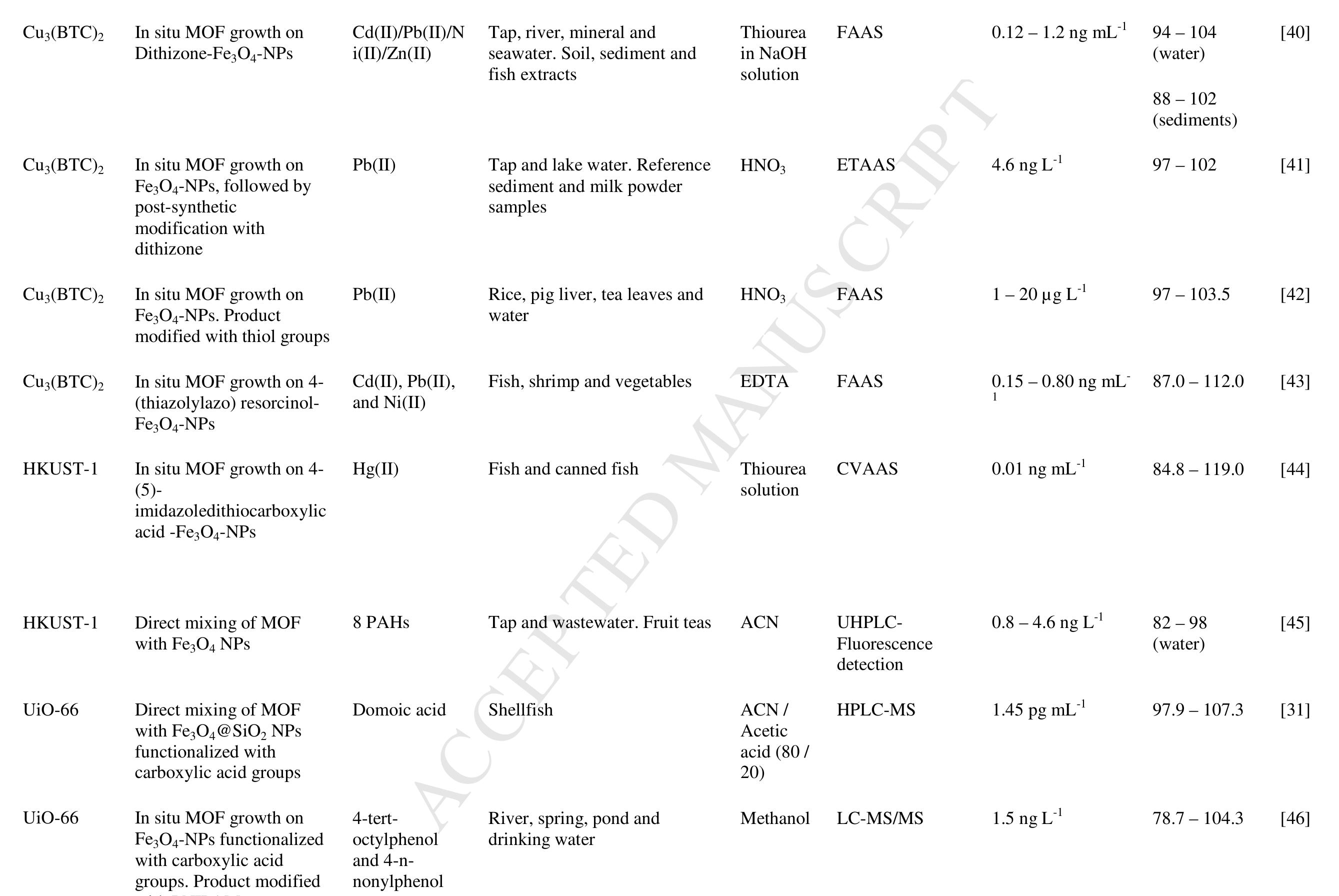
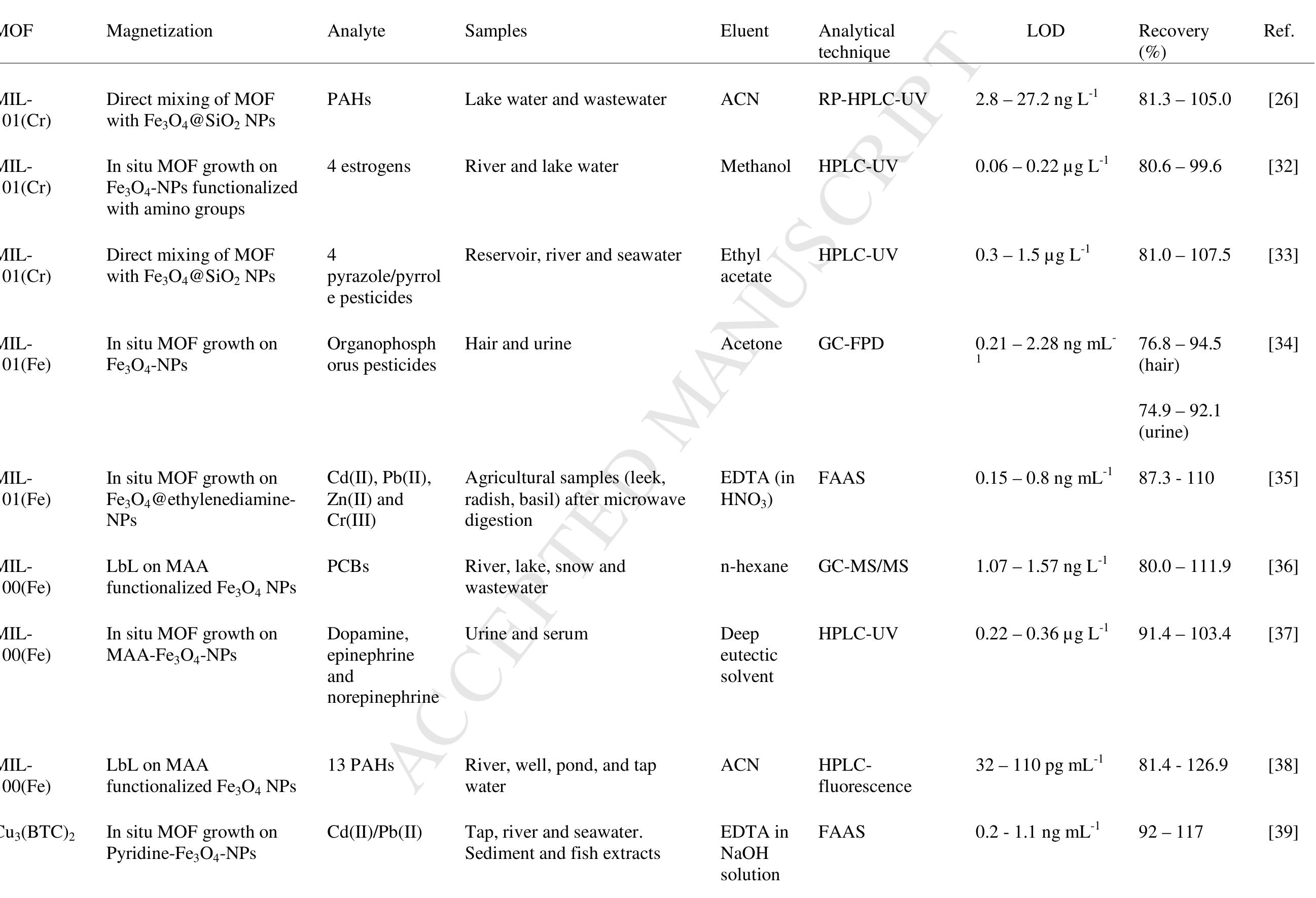
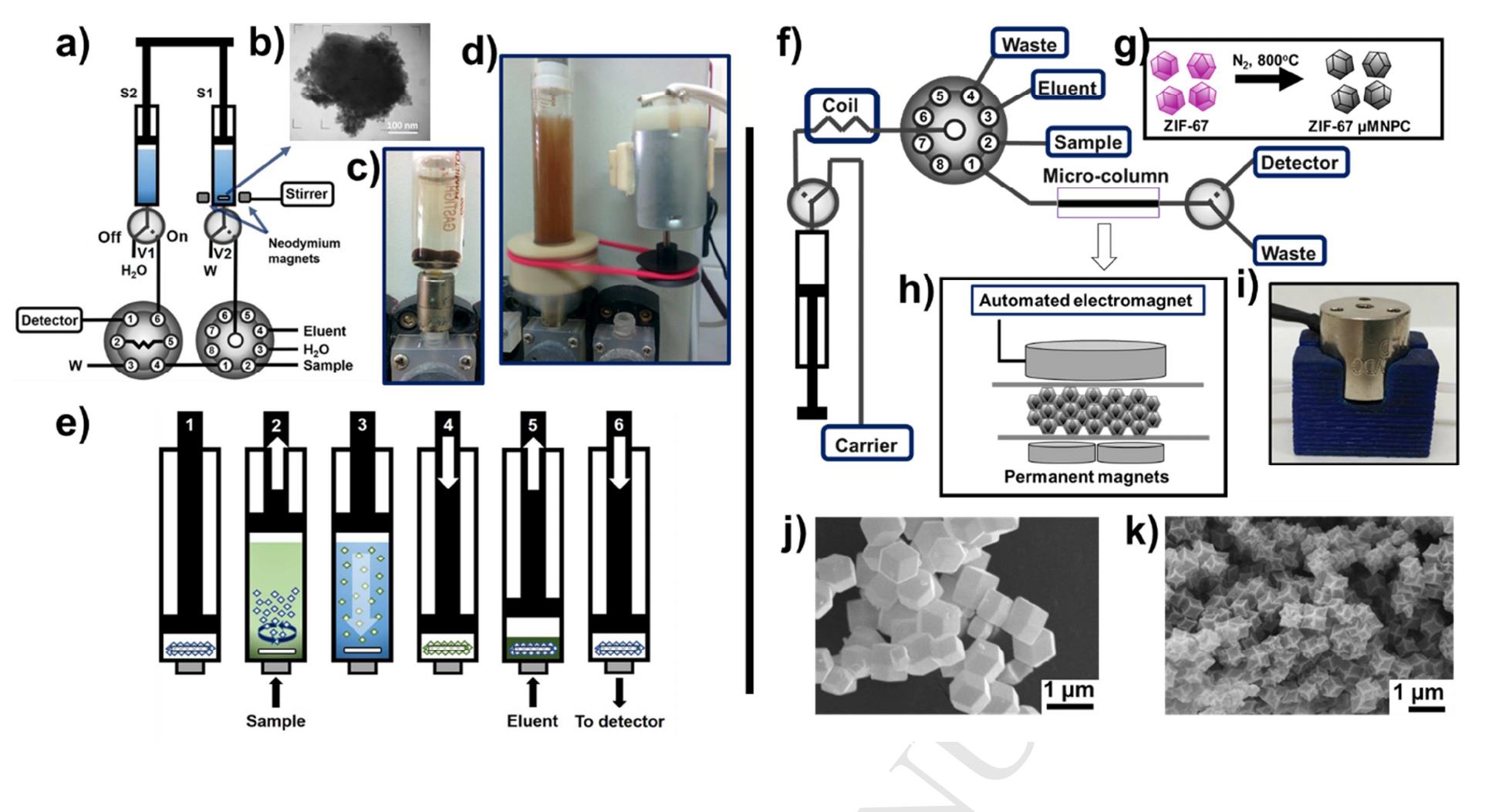
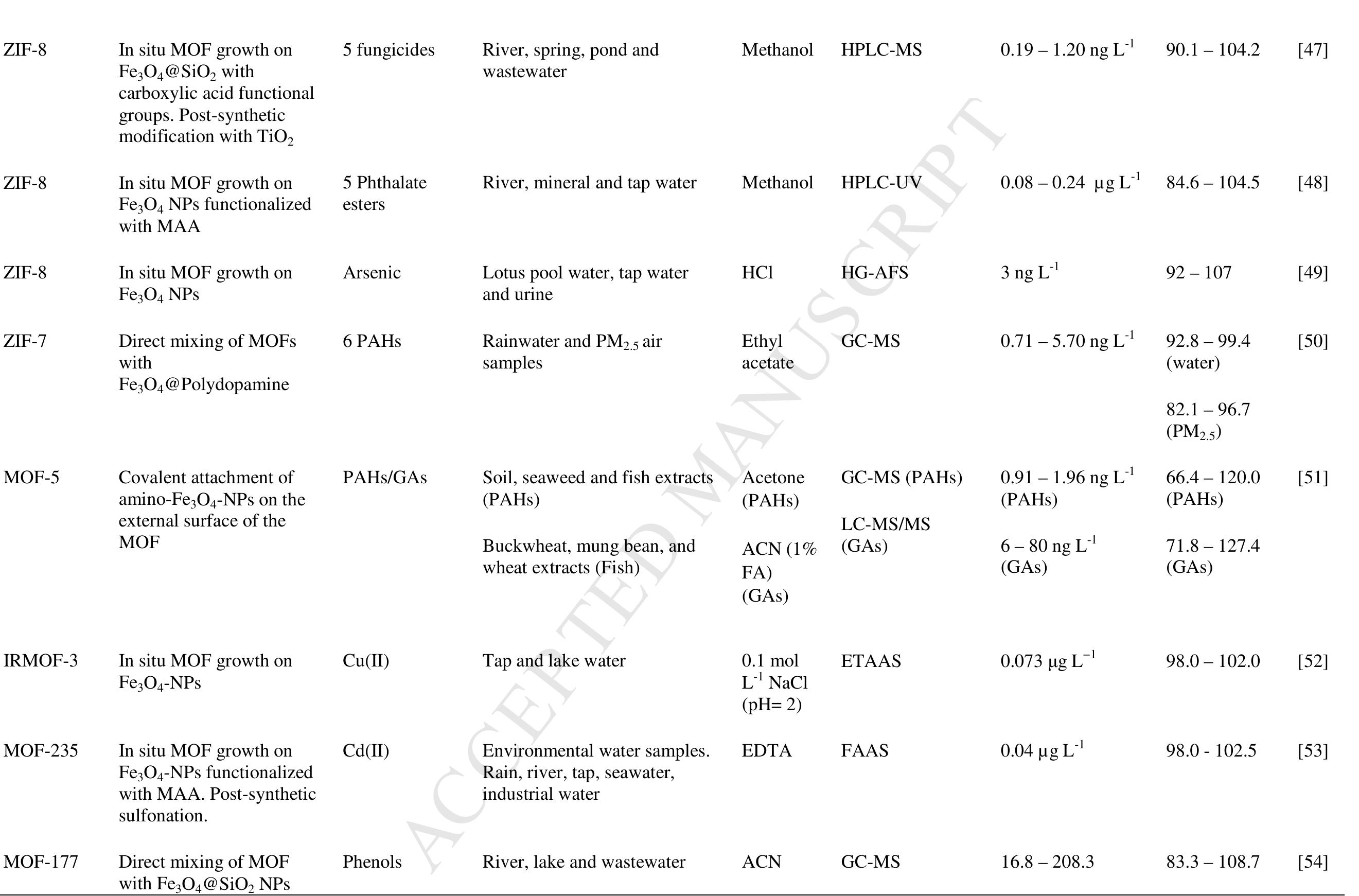
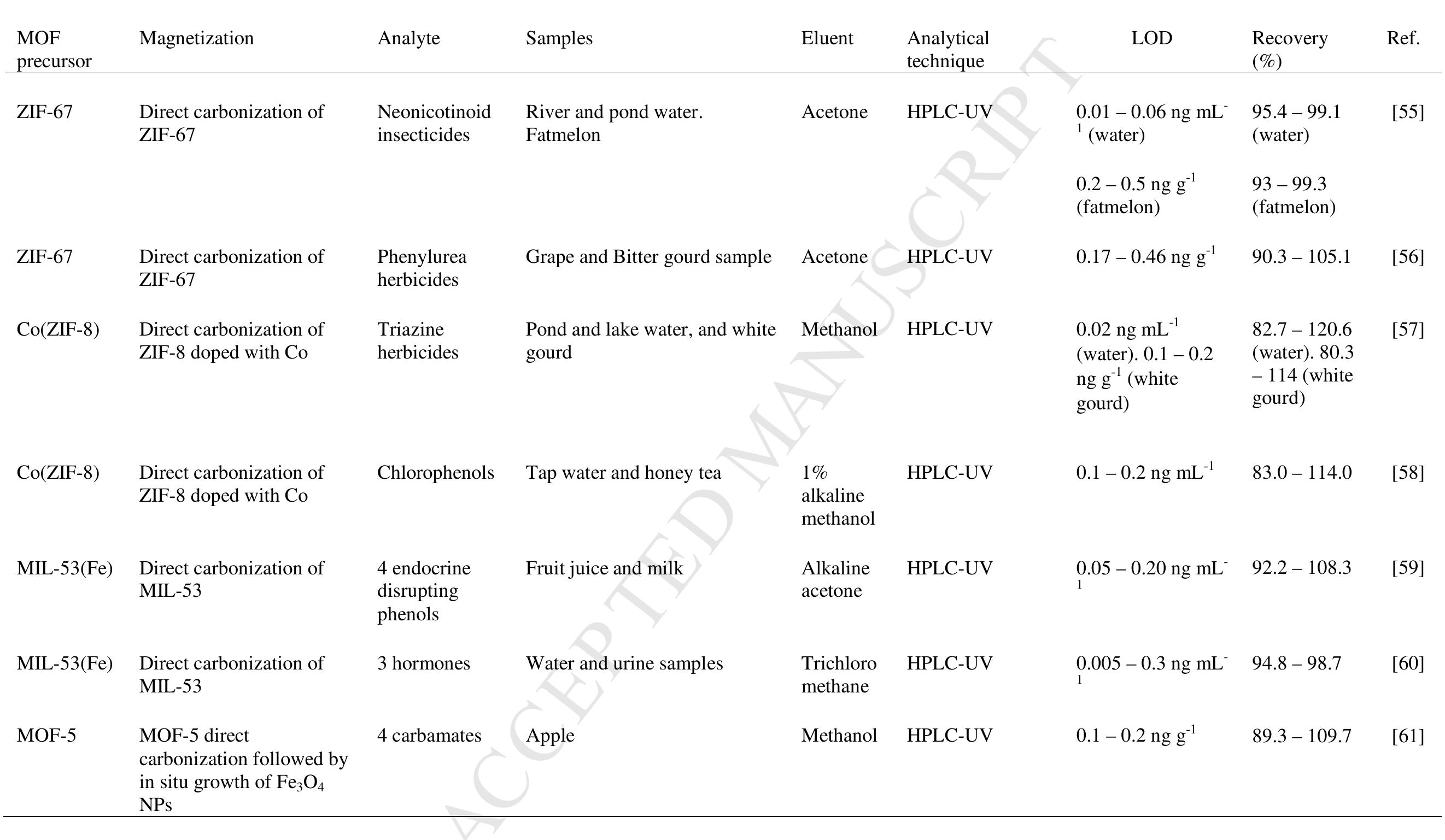
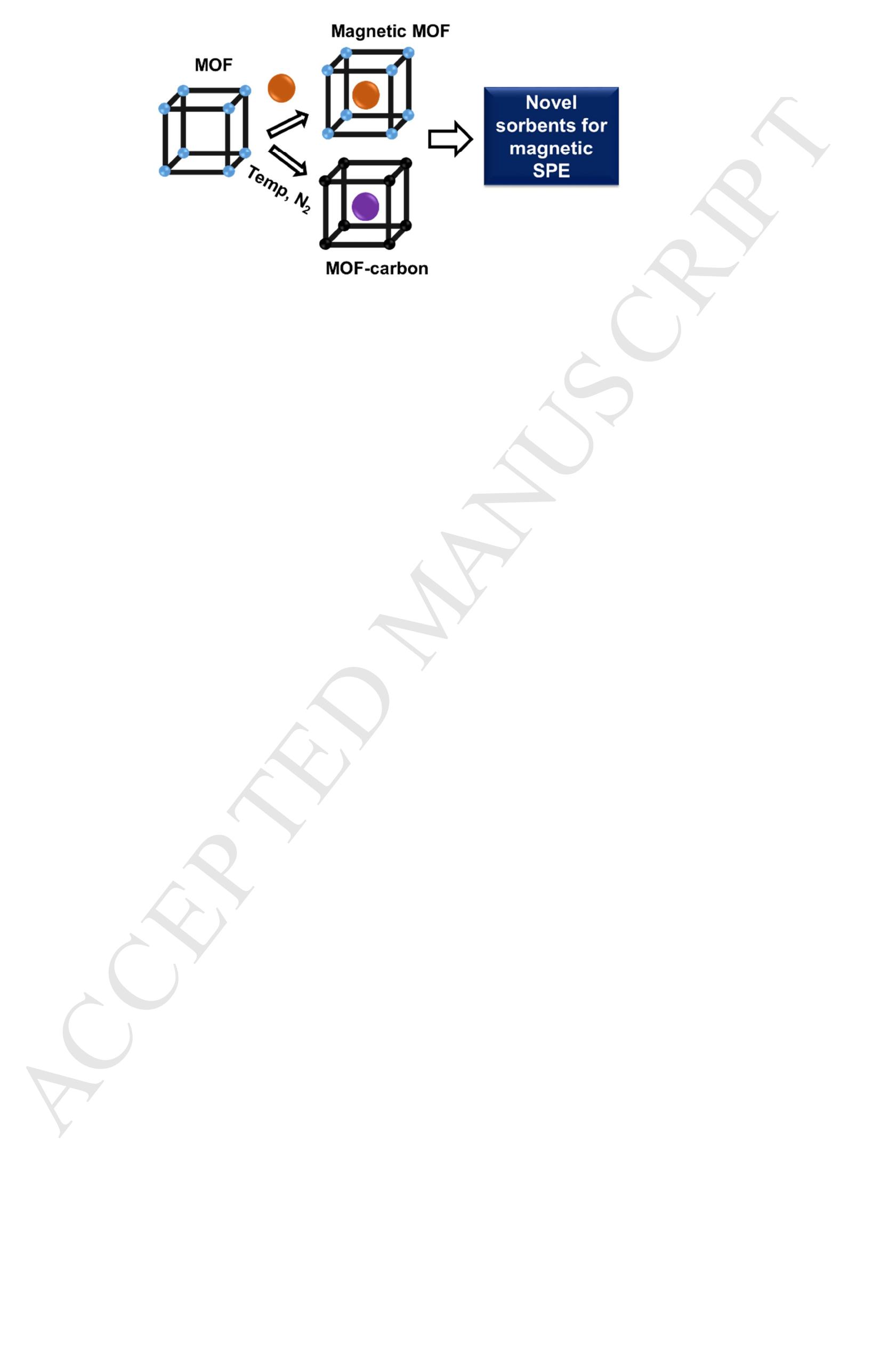
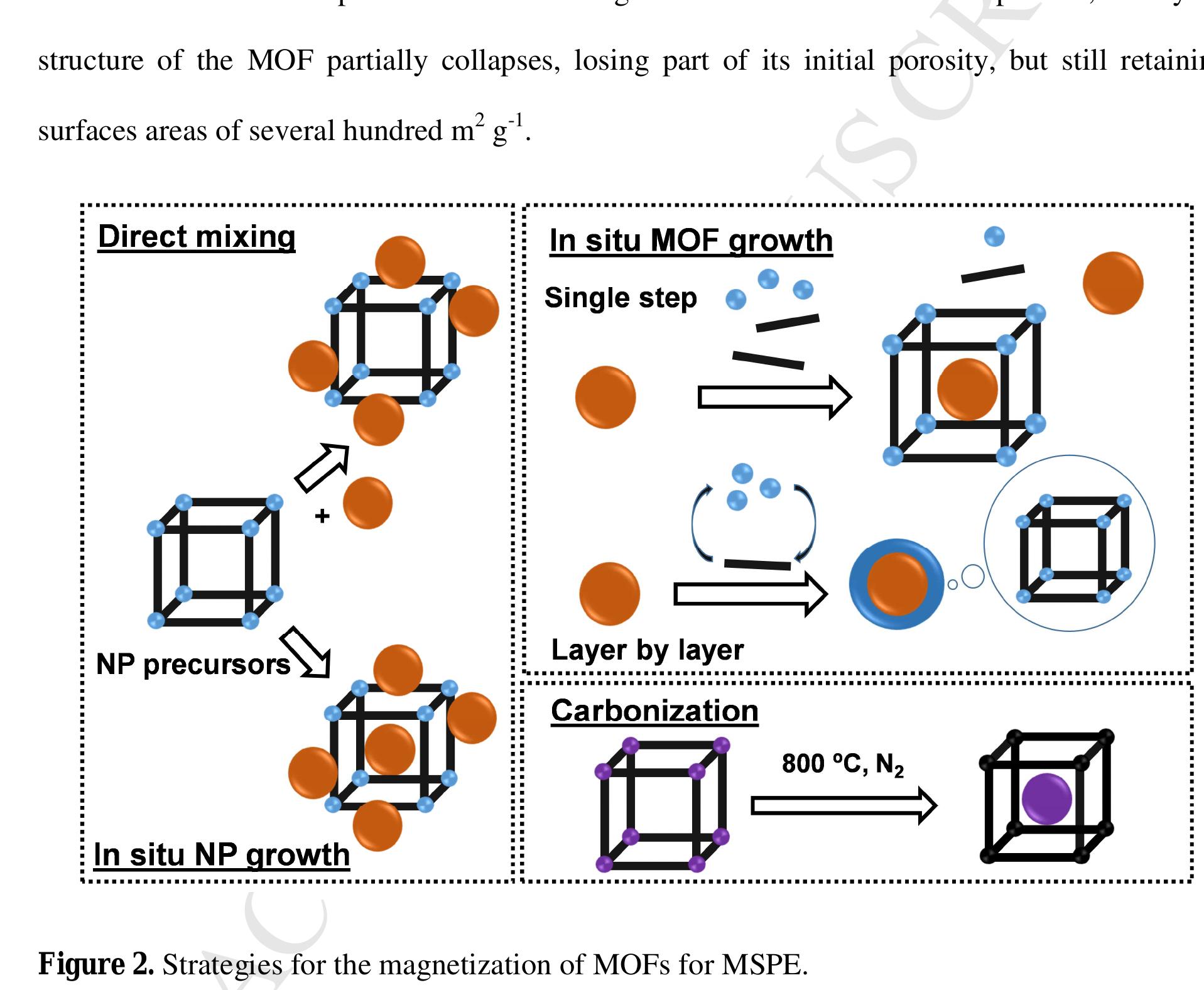
Magnetic solid-phase extraction using metal-organic frameworks (MOFs) and their derived carbons,
The development of highly selective and miniaturized chemisensors for liquid media can enable newer discoveries and empower a wide range of disciplines from biology to human health, marine ecology to climate change, and industrial process... more
This review aimed to inform about the magnetic nanoparticle functionalization and solid magnetic phase extraction application to separate analytes in various types of samples. The review was conducted by analyzing several articles... more
Currently, the challenges that analytical chemistry has to face are ever greater and more complex both from the point of view of the selectivity of analytical methods and their sensitivity. This is especially true in quantitative... more
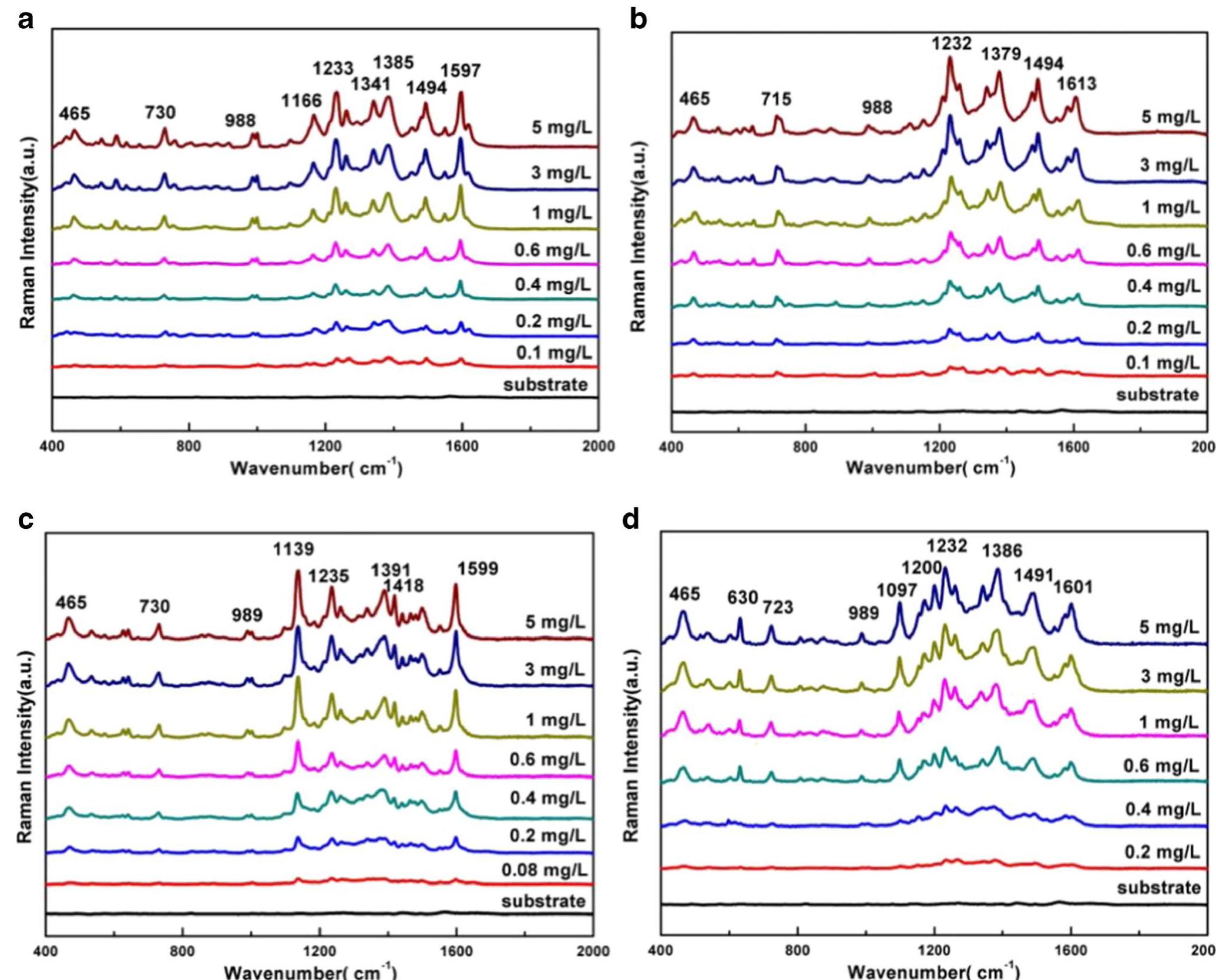
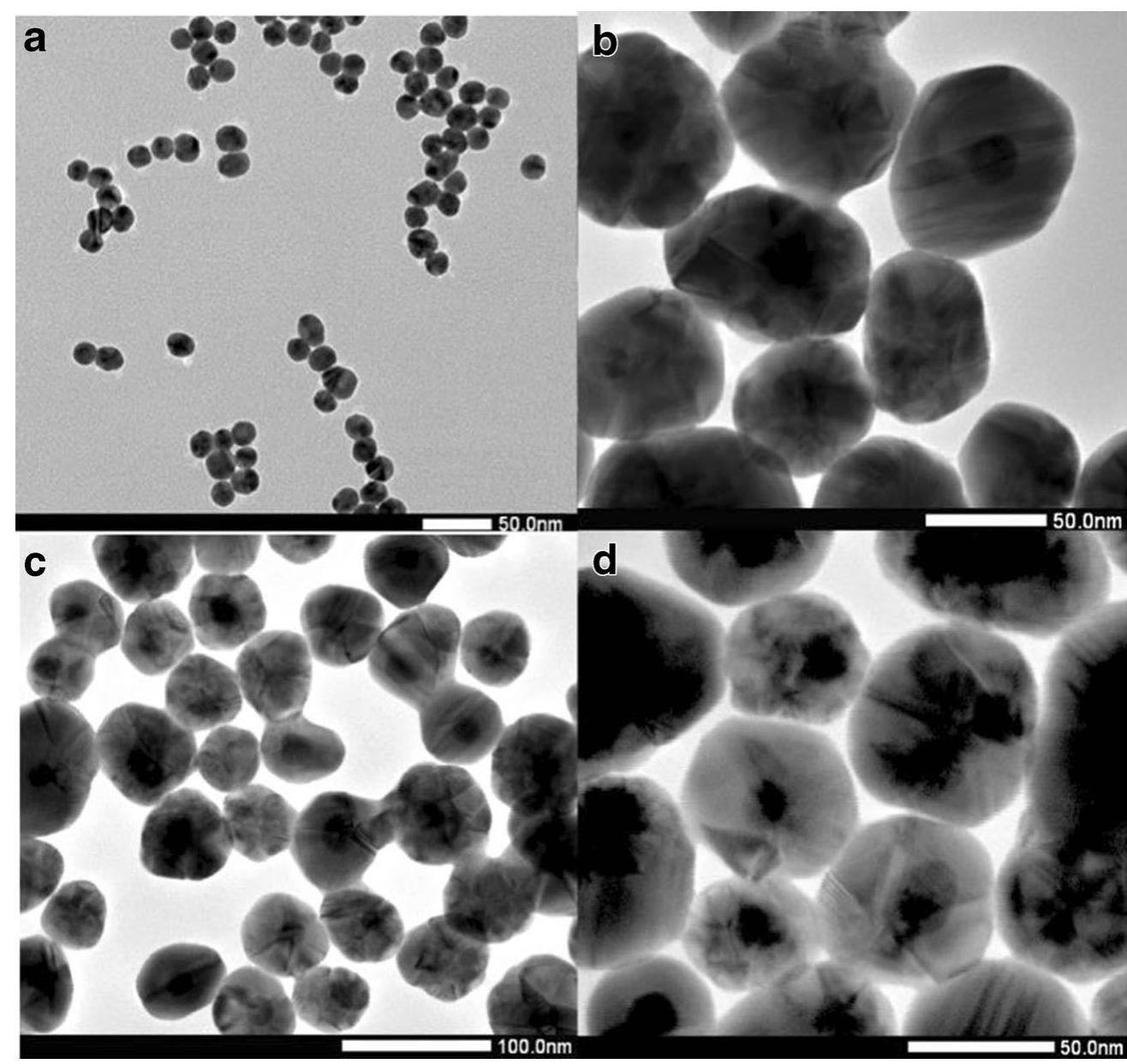
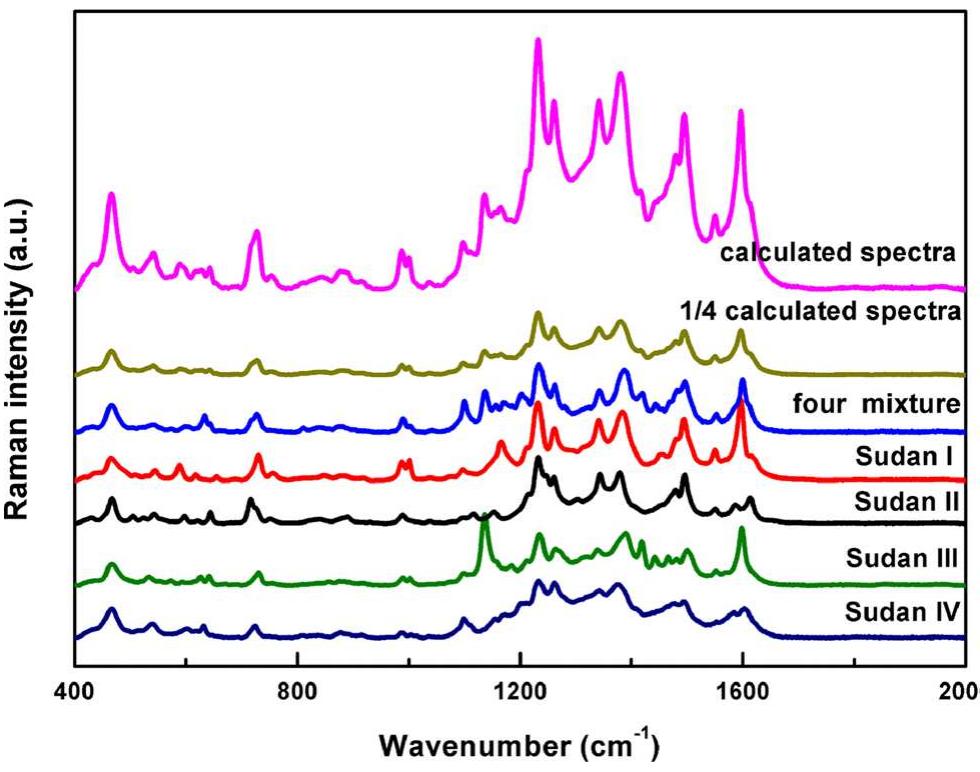
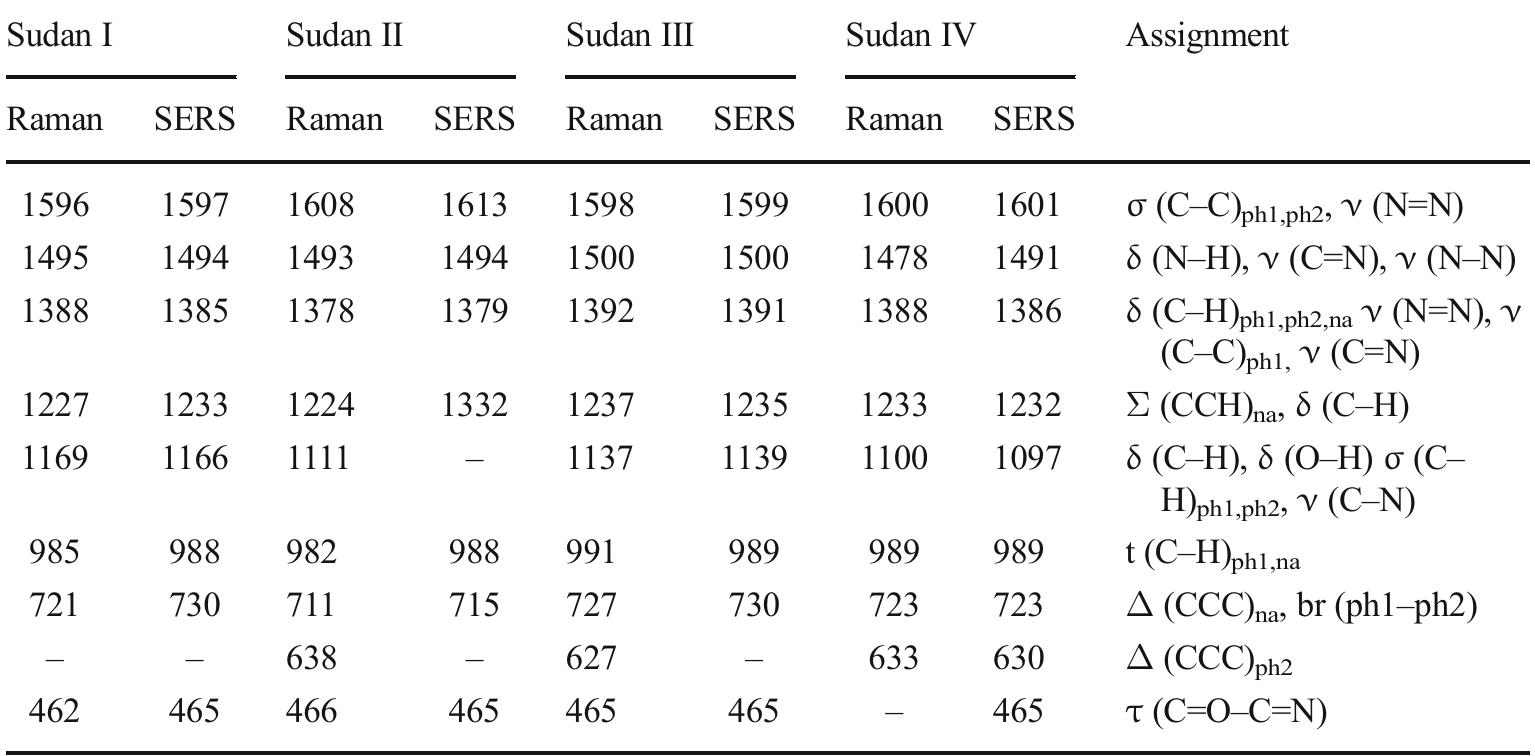
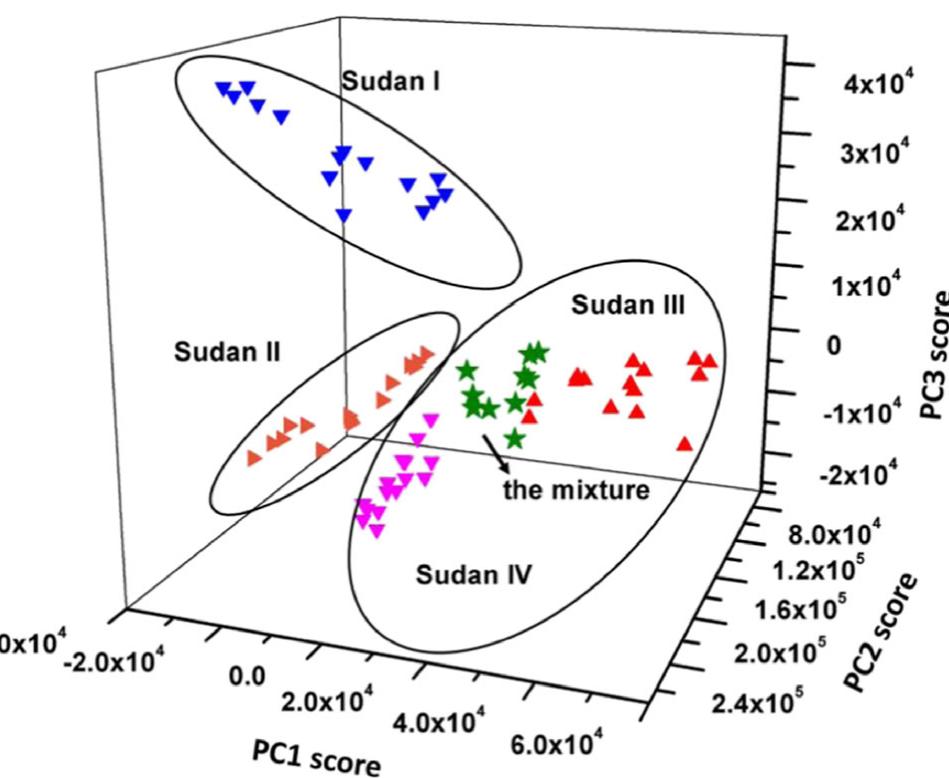
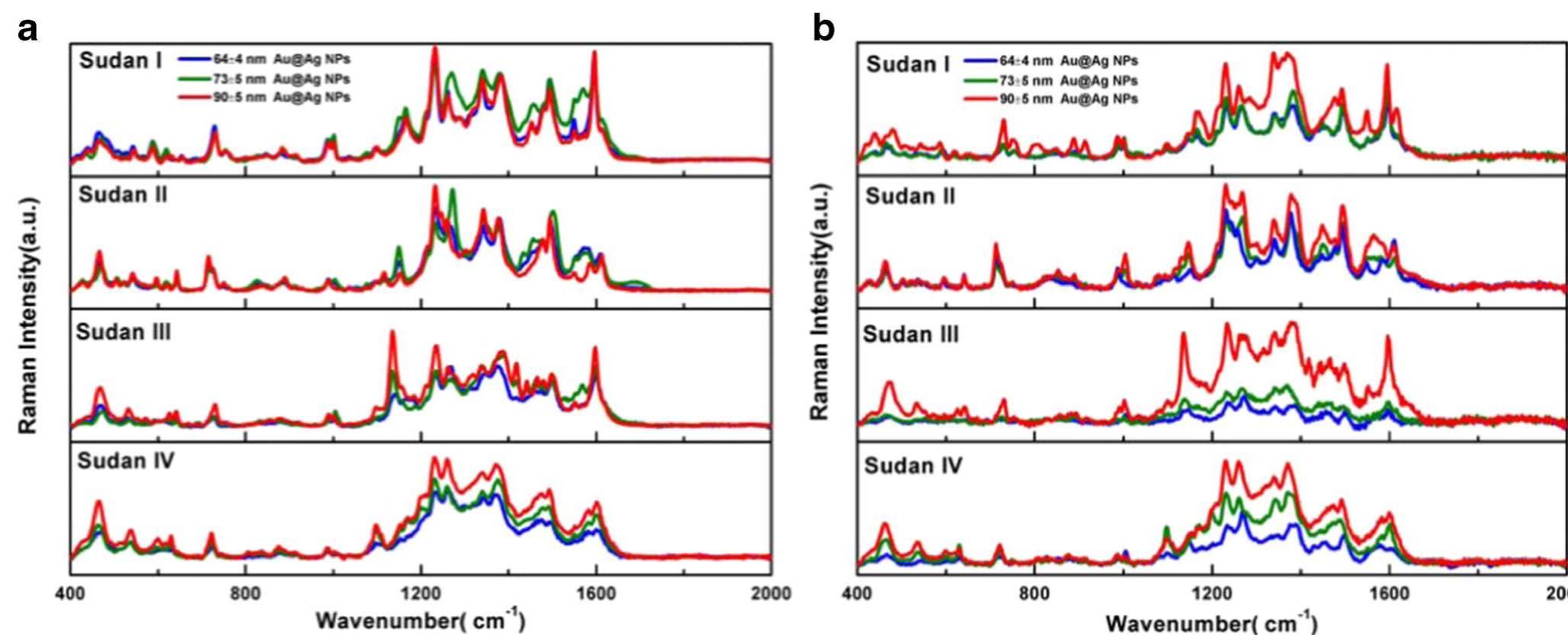
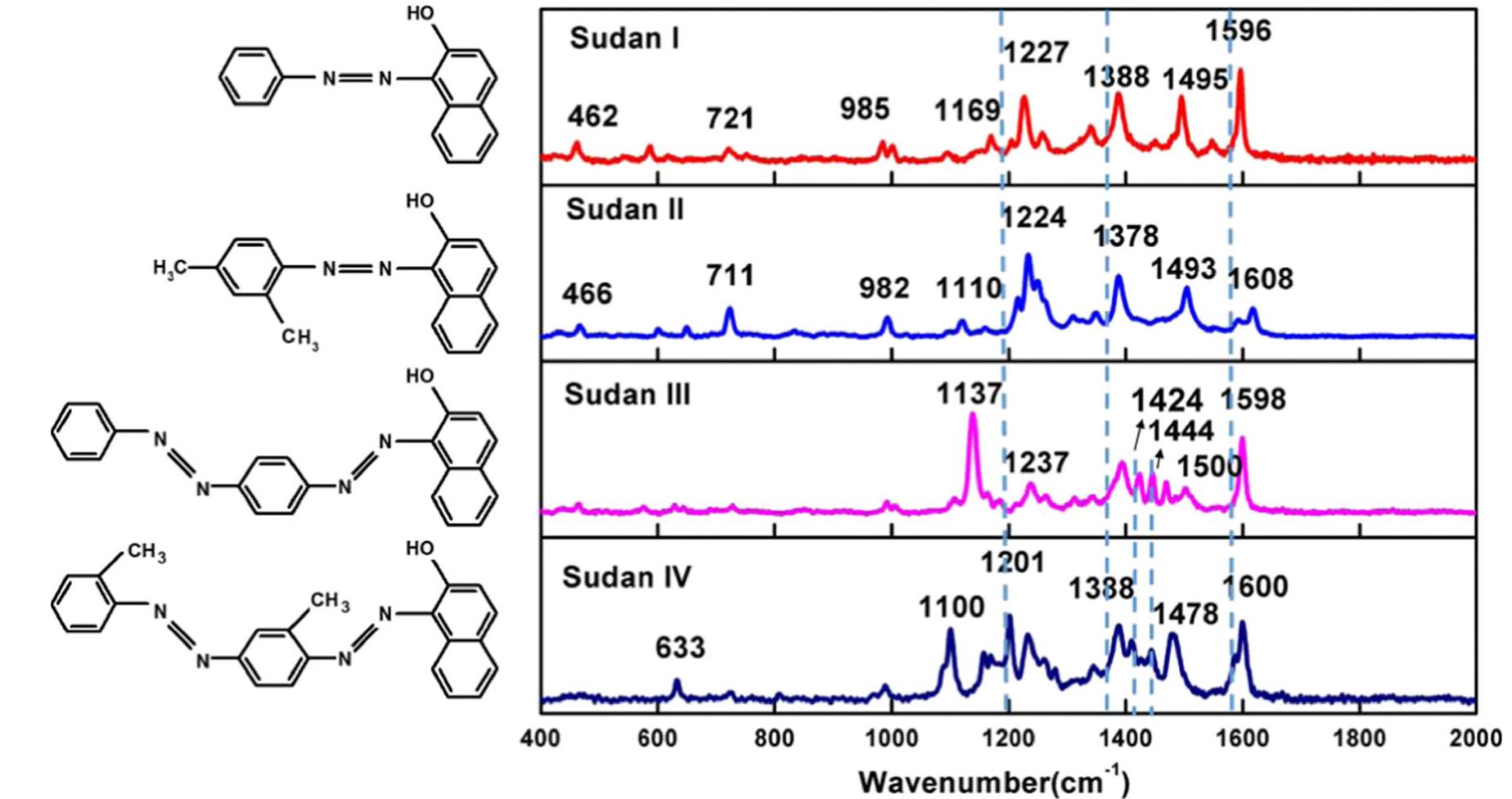
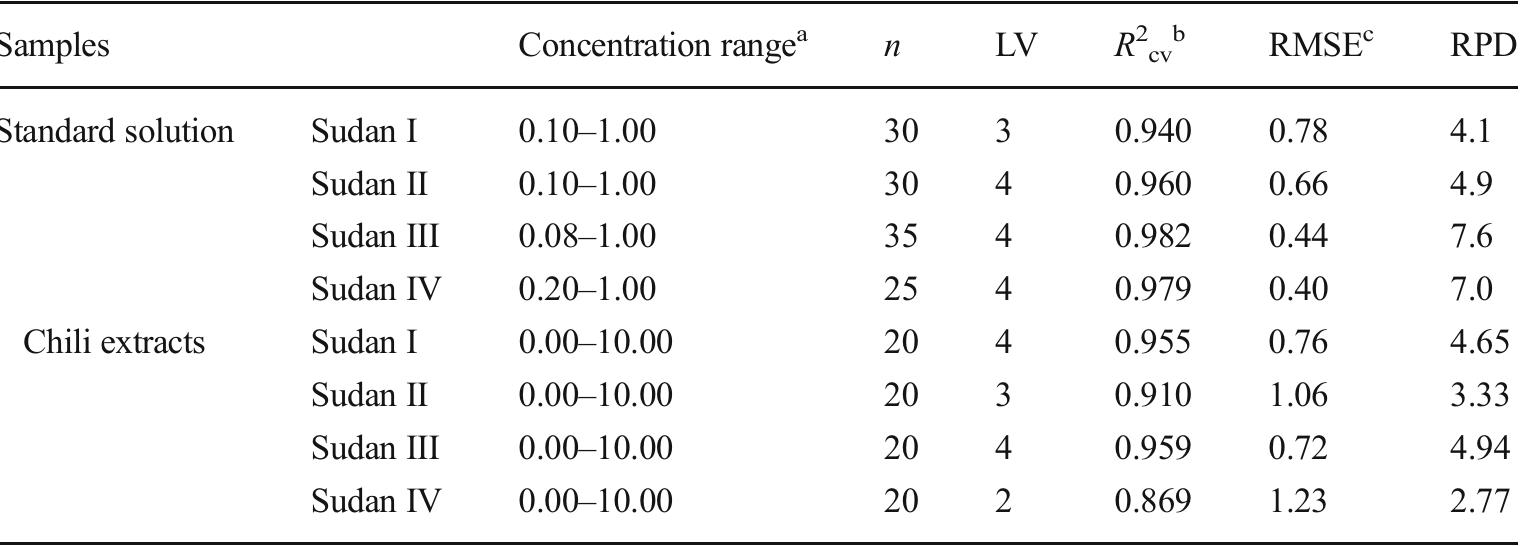
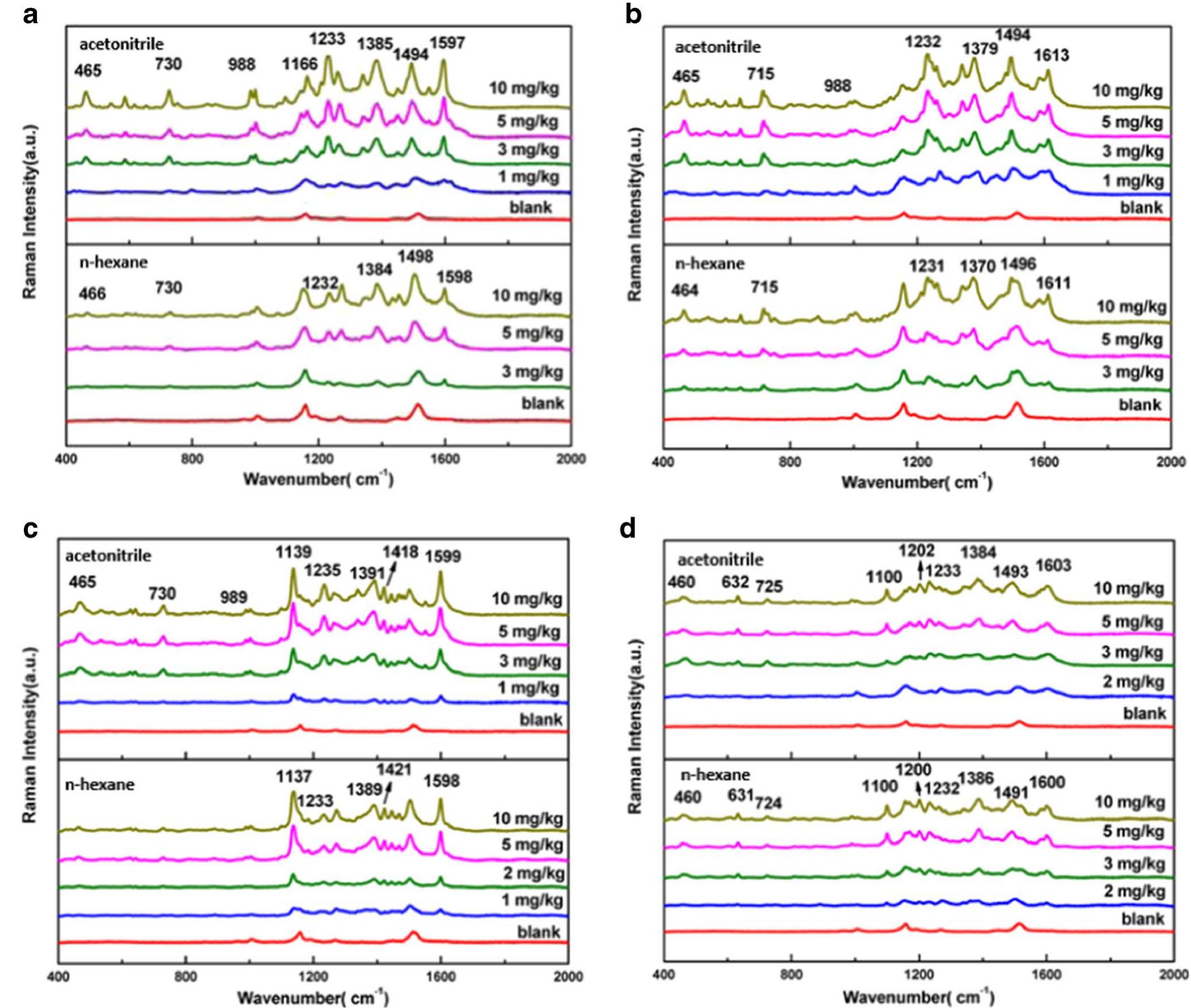
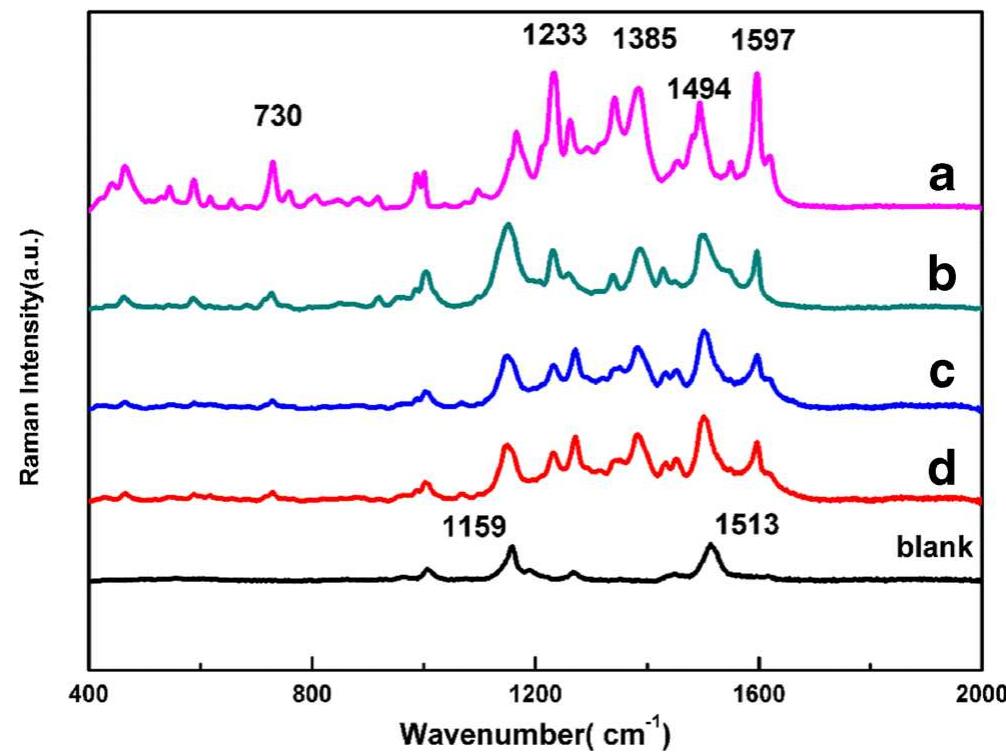
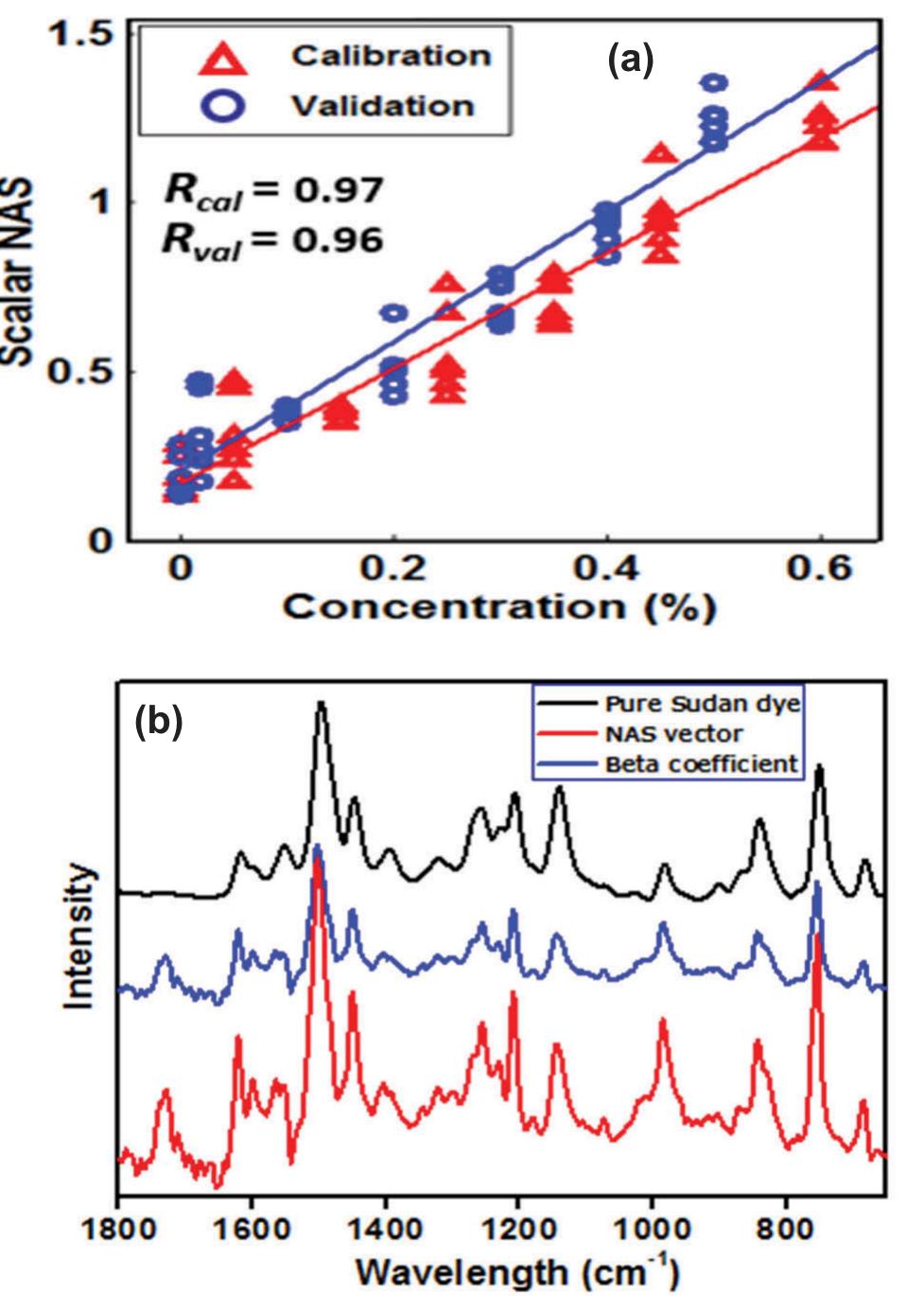
Sudan dyes are often illegally added as colorants into a variety of foodstuffs and have been tied to many food safety issues. In this study, surface-enhanced Raman spectroscopy (SERS) coupled with Au-Ag coreshell nanospheres (Au@Ag) was... more
Um novo adsorbente para a determinação de Pb e Cu por espectrometria de absorção atômica de chama (FAAS) foi sintetizado e caracterizado por diferentes técnicas. O efeito de vários parâmetros como pH, tipo e volume do eluente, quantidade... more
Magnetic solid phase extraction of trace paracetamol and caffeine in synthetic urine and waste water samples by a using core shell hybrid material consisting of graphene oxide/multiwalled carbon nanotube/Fe3O4/SiO2. Microc (2018),
Solid Phase Extraction is a method used for extraction, purification of compounds contained in complex matrices and purification of samples in the fields of industry, pharmacy, and toxicology analysis. This review represents the recent... more
In this present study, magnetic Fe3O4@SiO2 nanoparticles (MNPs) functionalized with octadecyl groups (Fe3O4@SiO2-C18 NPs) were synthesized, characterized and employed, for the first time, as powerful nanosorbent to extract endogenous... more
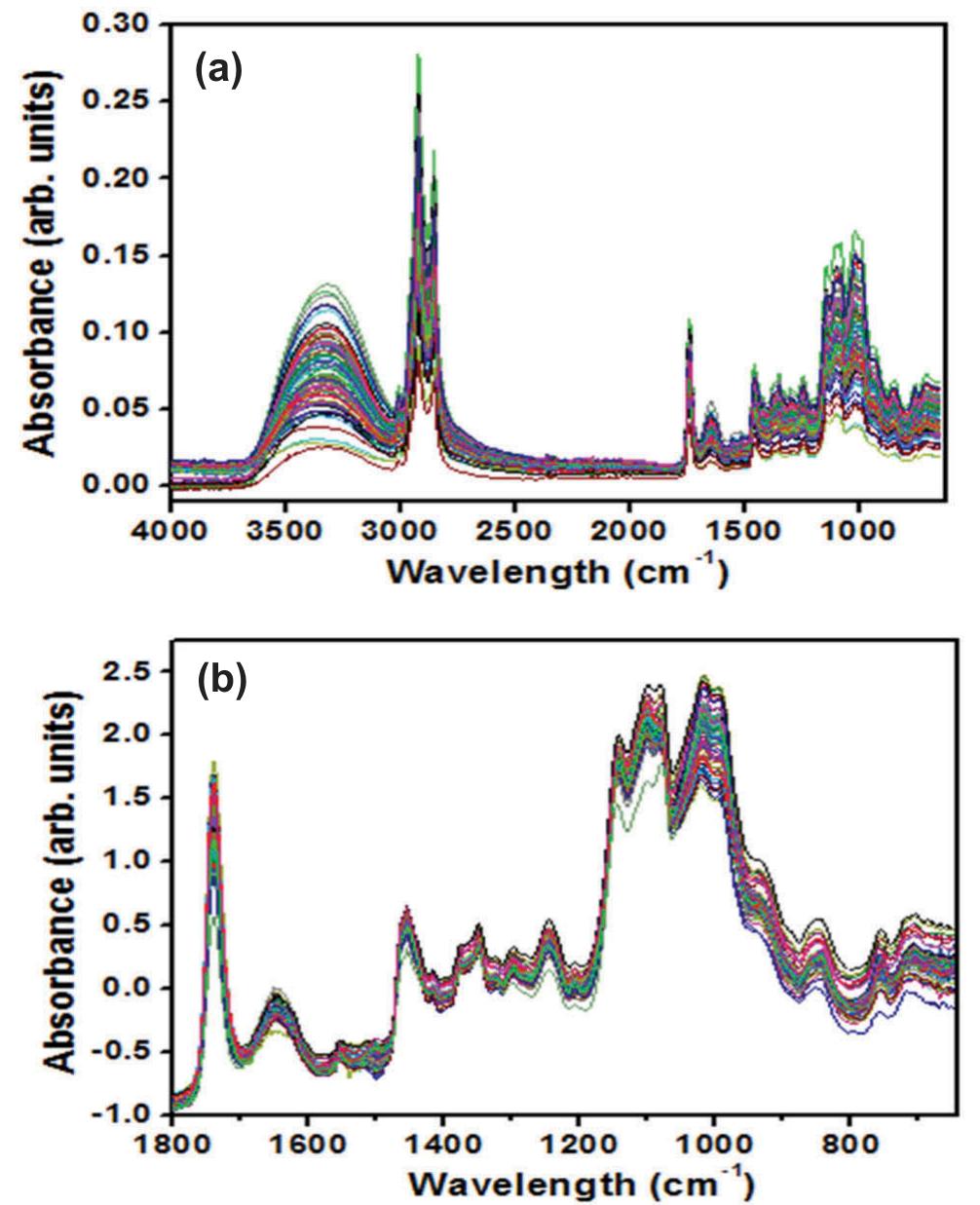
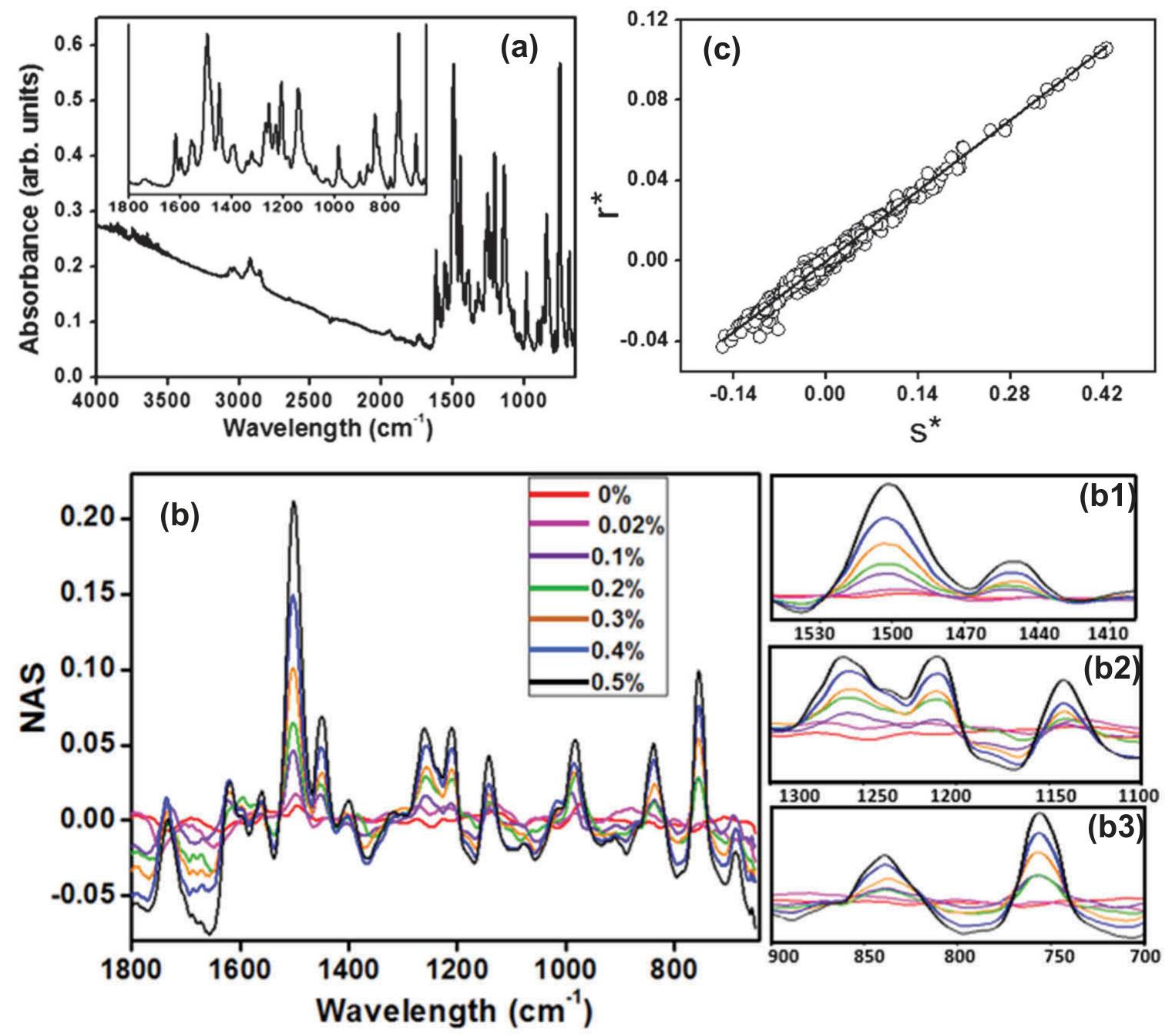
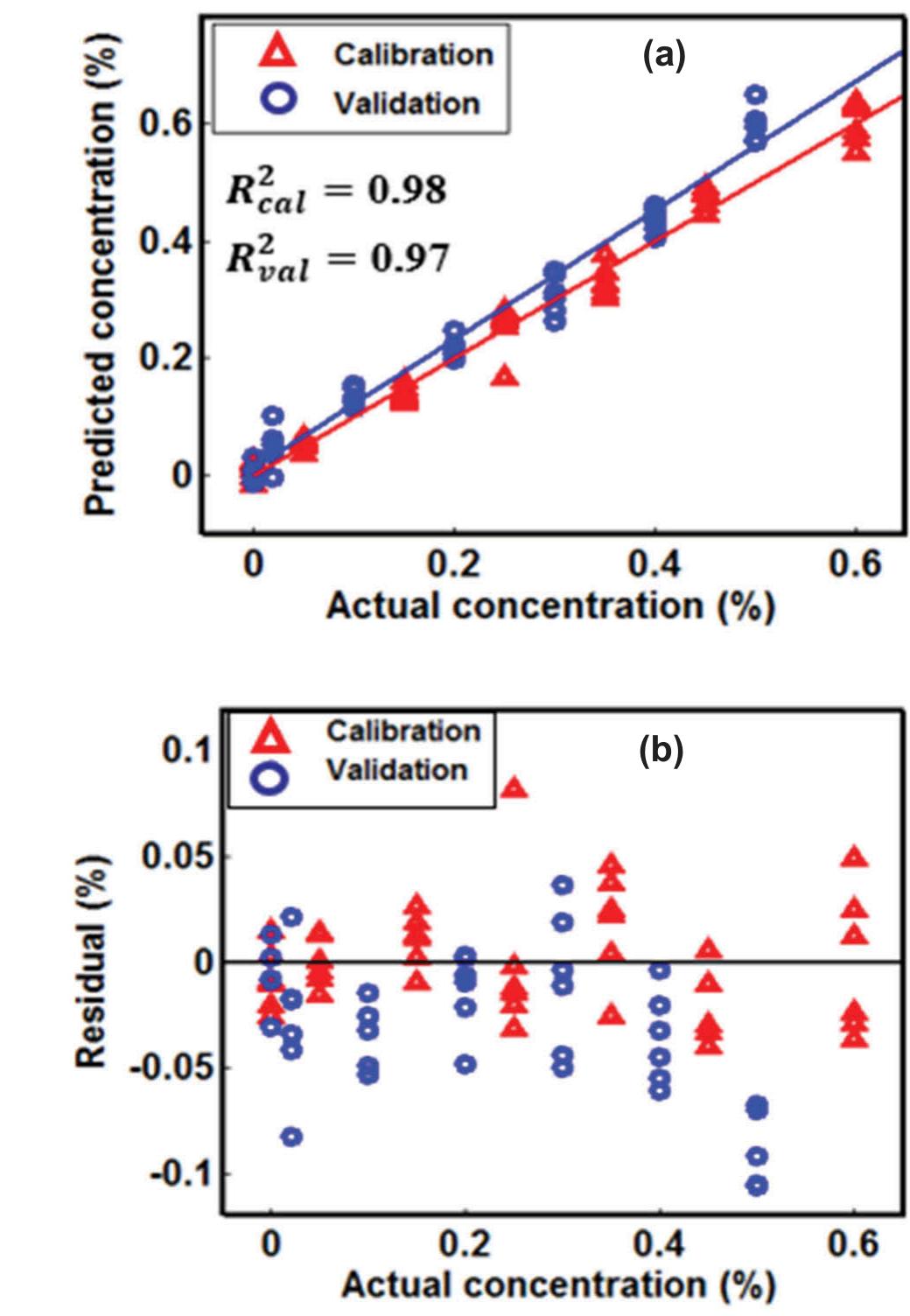
As adulteration of foodstuffs with Sudan dye, especially paprika- and chilli-containing products, has been reported with some frequency, this issue has become one focal point for addressing food safety. FTIR spectroscopy has been used... more
This review aimed to inform about the magnetic nanoparticle functionalization and solid magnetic phase extraction application to separate analytes in various types of samples. The review was conducted by analyzing several articles... more
Um novo adsorbente para a determinação de Pb e Cu por espectrometria de absorção atômica de chama (FAAS) foi sintetizado e caracterizado por diferentes técnicas. O efeito de vários parâmetros como pH, tipo e volume do eluente, quantidade... more
A highly sensitive and cost-effective HPTLC method was developed for the determination of rivastigmine hydrogen tartarate (RIV) in bulk and capsules. Moreover, magnetic solid phase extraction procedure (MSPE) was performed for analysis of... more
A fast, simple, economical, and environmentally friendly magnetic solid-phase extraction (MSPE) procedure has been developed to preconcentrate 2,4,6-trinitrotoluene (TNT) from water samples prior to determination by liquid... more
Magnetic solid-phase extraction is one of the most promising new extraction methods for liquid samples before ultra-high-performance liquid chromatography-tandem mass spectrometry (UHPLC-MS/MS) analysis. Several types of materials,... more
Mycotoxins can contaminate various food commodities, including cereals. Moreover, mycotoxins of different classes can co-contaminate food, increasing human health risk. Several analytical methods have been published in the literature... more
Currently, the challenges that analytical chemistry has to face are ever greater and more complex both from the point of view of the selectivity of analytical methods and their sensitivity. This is especially true in quantitative... more
Ethylene glycol bisthioglycolate modified gold nanoparticles grafted Mn doped Fe<sub>3</sub>O<sub>4</sub> nanoparticles (Au@Mn-Fe<sub>3</sub>O<sub>4 </sub>NPs) adsorbent was synthesized and applied for extraction and preconcentration of... more
This work illustrates the improvement in ultra-trace Hg(II) determination in water based on a novel flexible extraction and preconcentration technique (FEPT). This method focuses on the covalent functionalisation of carbon fibre (CF)... more
Analytical chemistry has experienced, as well as other areas of science, a big change due to the needs and opportunities provided by analytical nanoscience and nanotechnology. Now, nanotechnology is increasingly proving to be a powerful... more
Along of widespread application of anti-cancer drug Gefitinib (GEF), it appears in human body fluids as well as clinical wastewater. Consequently, a reliable and easy-to-adapt detection technique is of essential importance to quantify the... more
In this study, we combine magnetic solid phase extraction (MSPE), with the screen-printed carbon electrode (SPCE) modified by a molecular imprinted polymer (MIP) for sensitive and selective extraction and electrochemical determination of... more
Poly(styrene-co-divinylbenzene)-coated magnetic multiwalled carbon nanotube composite synthesized by in-situ high temperature combination and precipitation polymerization of styrene-co-divinylbenzene has been employed as a magnetic... more
h i g h l i g h t s Gelatin as co-template for Pluronic F127 produced uniform mesoporous carbon microspheres, MCMs. Increasing Pluronic F127:gelatin ratios controlled the size of MCMs. Ibuprofen removal is influenced by the surface area... more
Sudan dyes are often illegally added as colorants into a variety of foodstuffs and have been tied to many food safety issues. In this study, surface-enhanced Raman spectroscopy (SERS) coupled with Au-Ag coreshell nanospheres (Au@Ag) was... more
Chromium is one of the hazardous pollutants in industrial effluents. In this study, a new nano-boehmite modified with sodium dodecyl sulphate is developed for preconcentration trace amounts of chromium ions as a prior step to its... more
Poly(styrene-co-divinylbenzene)-coated magnetic multiwalled carbon nanotube composite synthesized by in-situ high temperature combination and precipitation polymerization of styrene-co-divinylbenzene has been employed as a magnetic... more
This review provides an overview of the most recent developments involving materials for solid-phase extraction applied to determine organic contaminants. It mainly concerns polymer-based sorbents that include high-capacity, as well as... more
Magnetic nanoparticles were synthesised to extract Sudan dyes from chilli powders. The adsorbents used were magnetic ferroferric oxide nanoparticles coated with polystyrene. The extraction procedures for Sudan dyes comprised liquid-solid... more
Poly(styrene-co-divinylbenzene)-coated magnetic multiwalled carbon nanotube composite synthesized by in-situ high temperature combination and precipitation polymerization of styrene-co-divinylbenzene has been employed as a magnetic... more
A method for the preconcentration of trace heavy metal ions in environmental samples has been reported. The presented method is based on the sorption of Cu(II), Cd(II), Ni(II) and Cr(III) ions with salicylic acid as respective chelate on... more
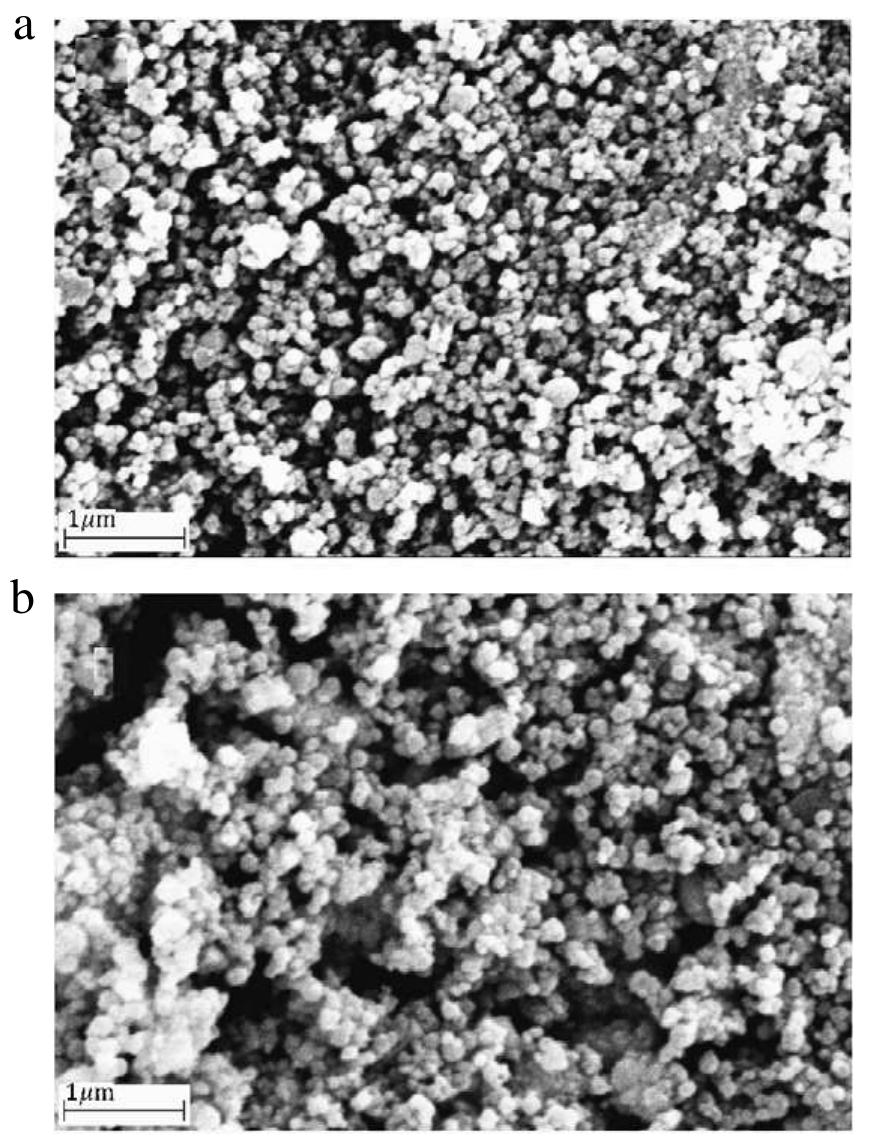
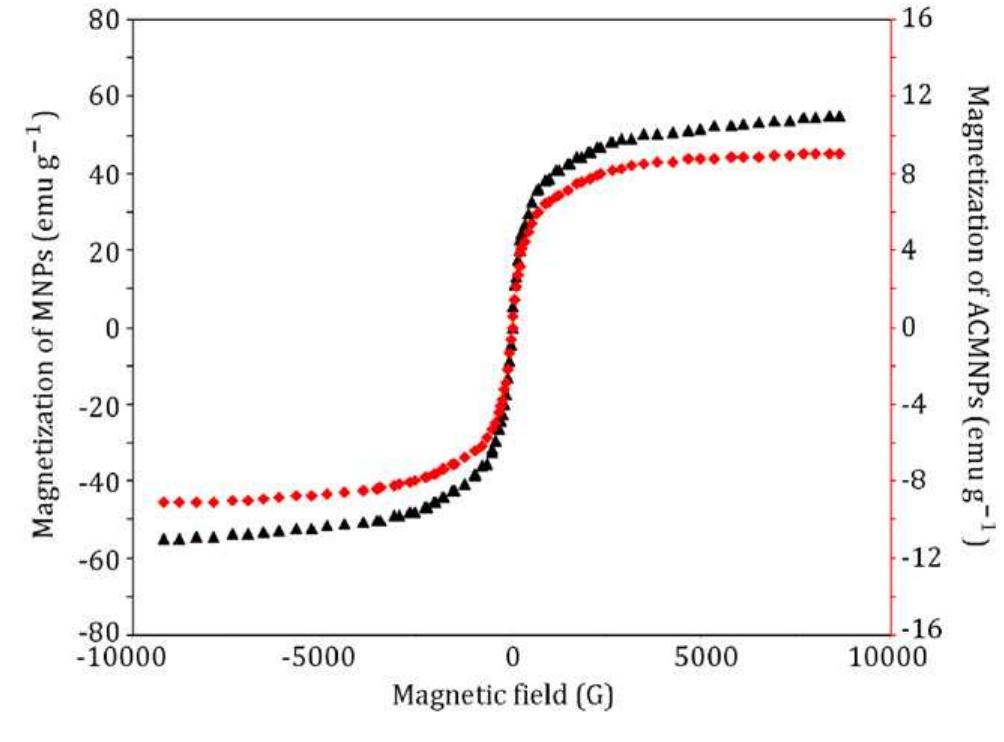
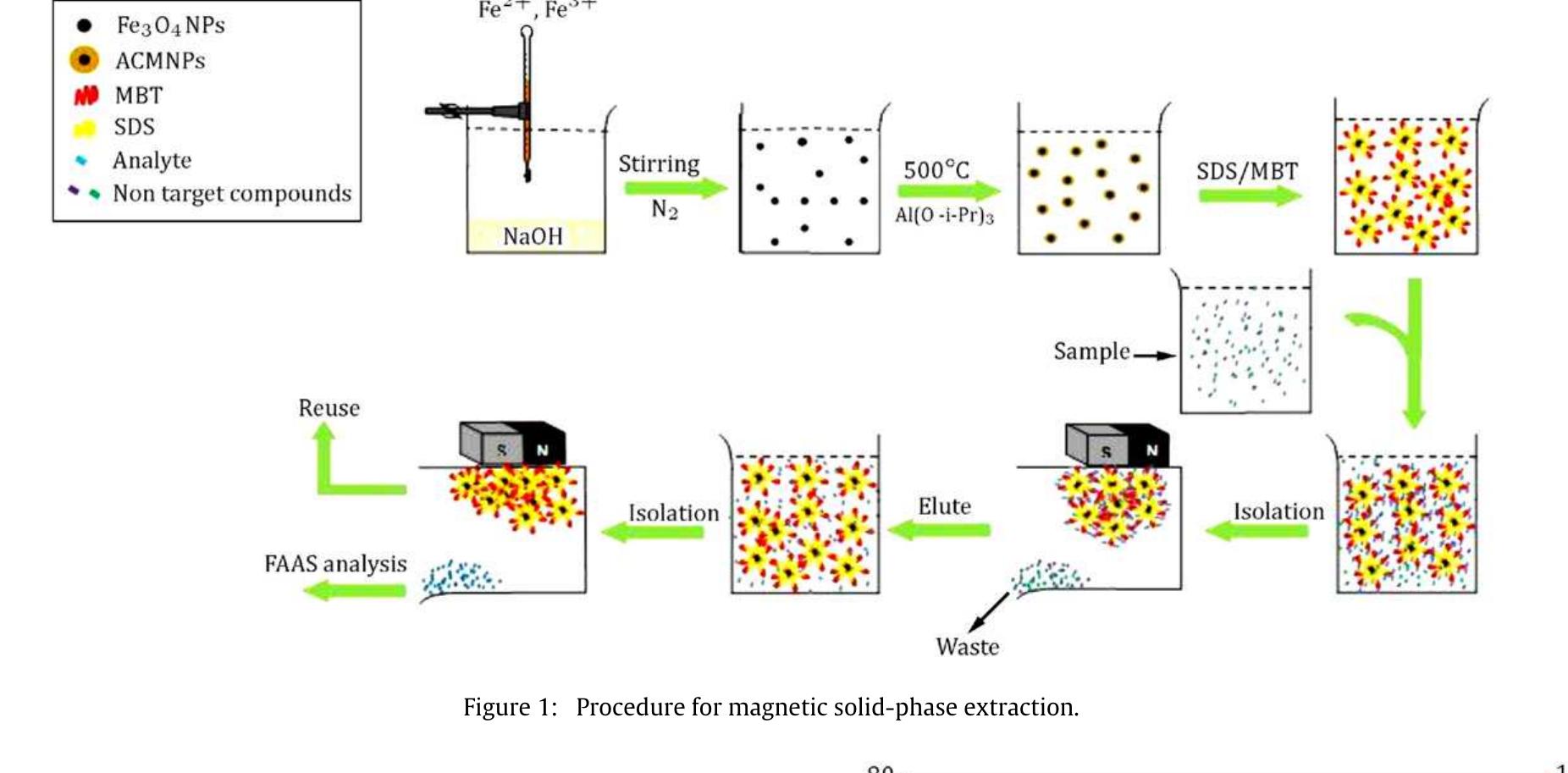
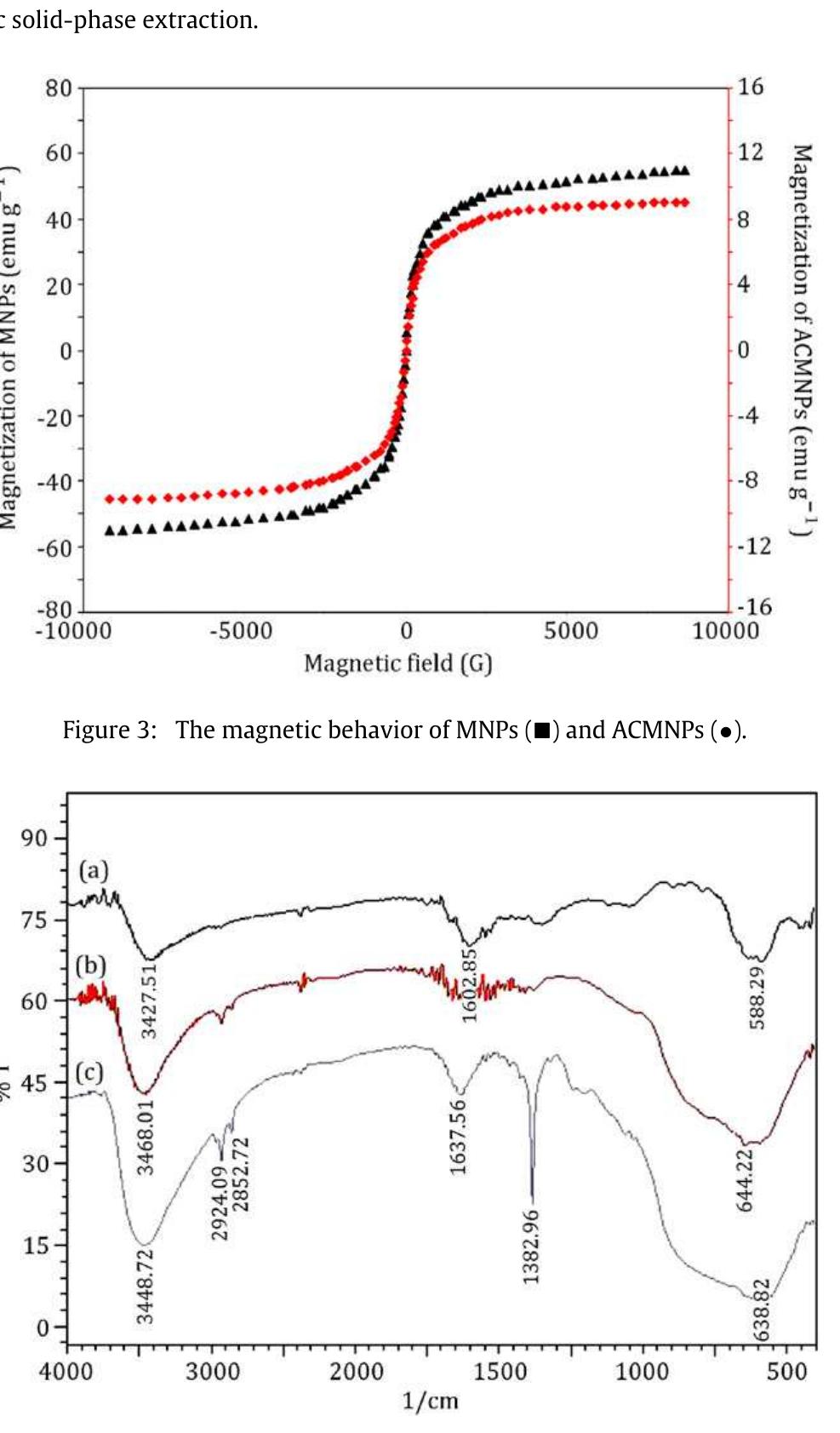
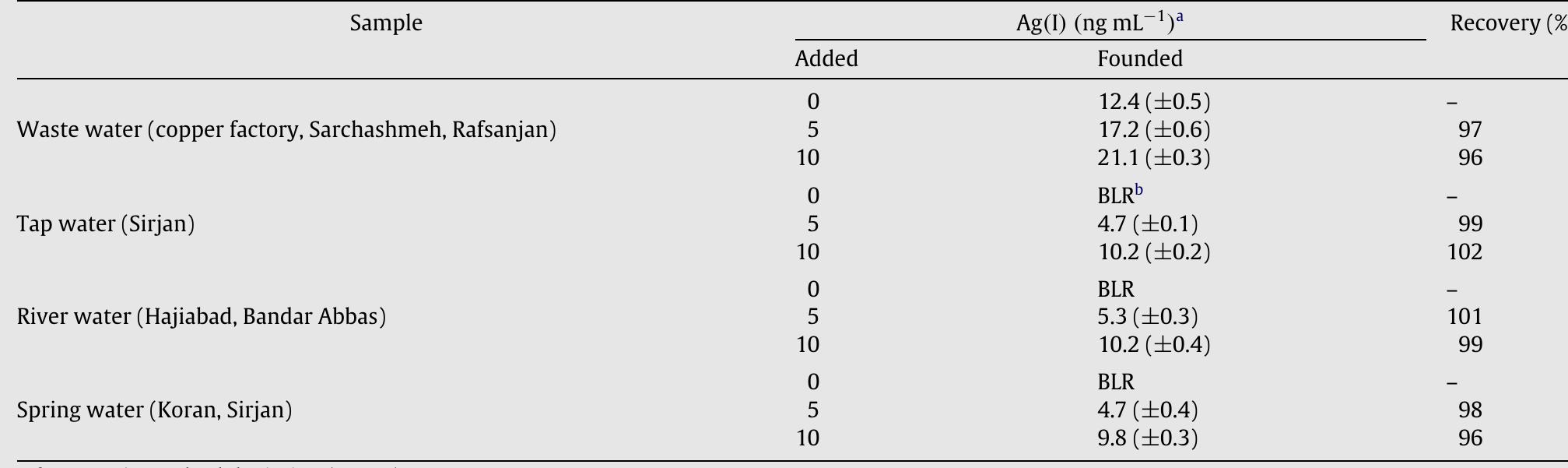
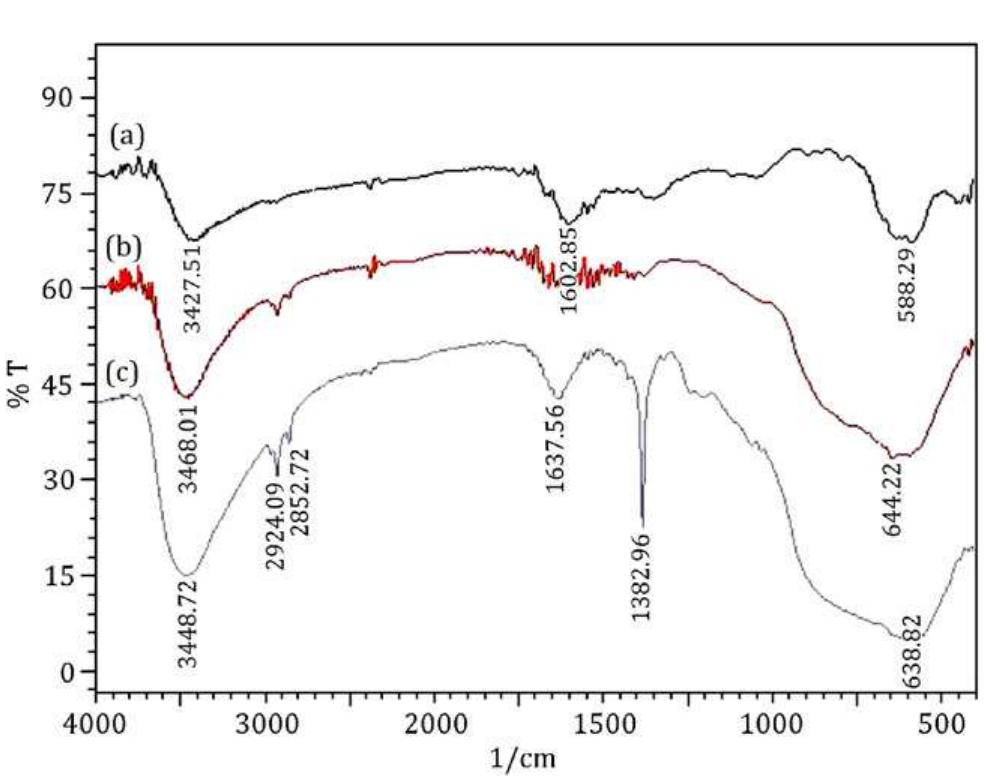
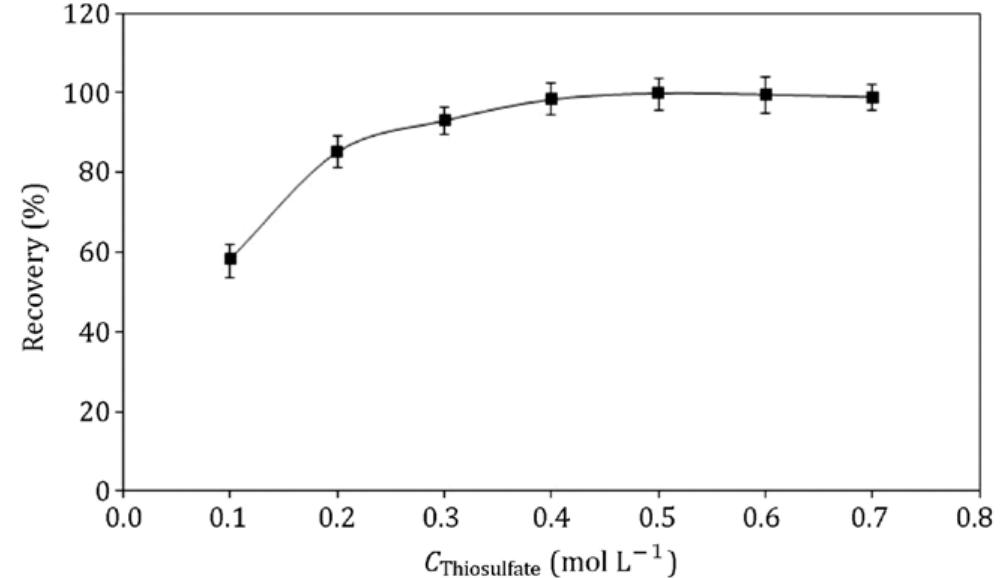
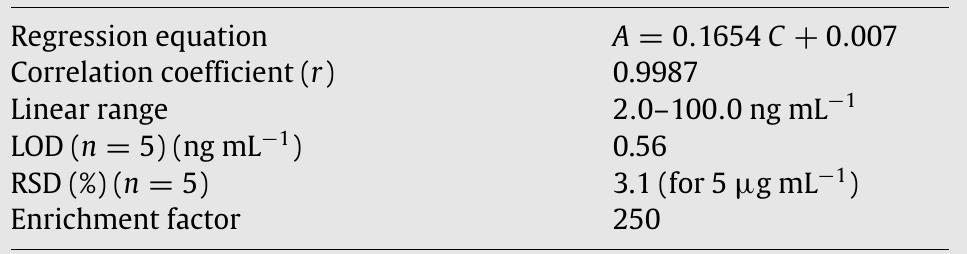
A new, simple, fast and reliable method has been developed for the separation/preconcentration of trace amounts of silver ions using 2-mercaptobenzothiazole/sodium dodecyl sulfate immobilized on alumina-coated magnetite nanoparticles... more
Um novo adsorbente para a determinação de Pb e Cu por espectrometria de absorção atômica de chama (FAAS) foi sintetizado e caracterizado por diferentes técnicas. O efeito de vários parâmetros como pH, tipo e volume do eluente, quantidade... more
Download research papers for free!