580 California St., Suite 400
San Francisco, CA, 94104
This research theme probes the analytical characterization, closed-form expressions, and approximations for the distribution of shortest path lengths (DSPL) in various random network models, such as random regular graphs (RRGs) and Erdős-Rényi (ER) networks. Understanding the DSPL is critical as it underpins large-scale network structure, affects dynamical processes like signal propagation, and reflects the small-world property of networks. The theme involves deriving moment generating functions, tail distributions, and recursive equations to obtain mean, variance, and full distributions, and examines scaling laws with network size and degree distribution.
This theme focuses on the definition, properties, and generalizations of length-biased distributions, which arise when sampling is proportional to size or length, affecting the observed distributions of random variables. Research involves constructing new families (e.g., length-biased inverse Gaussian, weighted Lindley, Marshall-Olkin length-biased exponential), studying their statistical properties (moments, moment-generating functions, entropy), proposing parameter estimation methods, and demonstrating applications in reliability, lifetime data, hydrology, and other fields. These works contribute to expanding the class of models available for analyzing biased or weighted observational data.
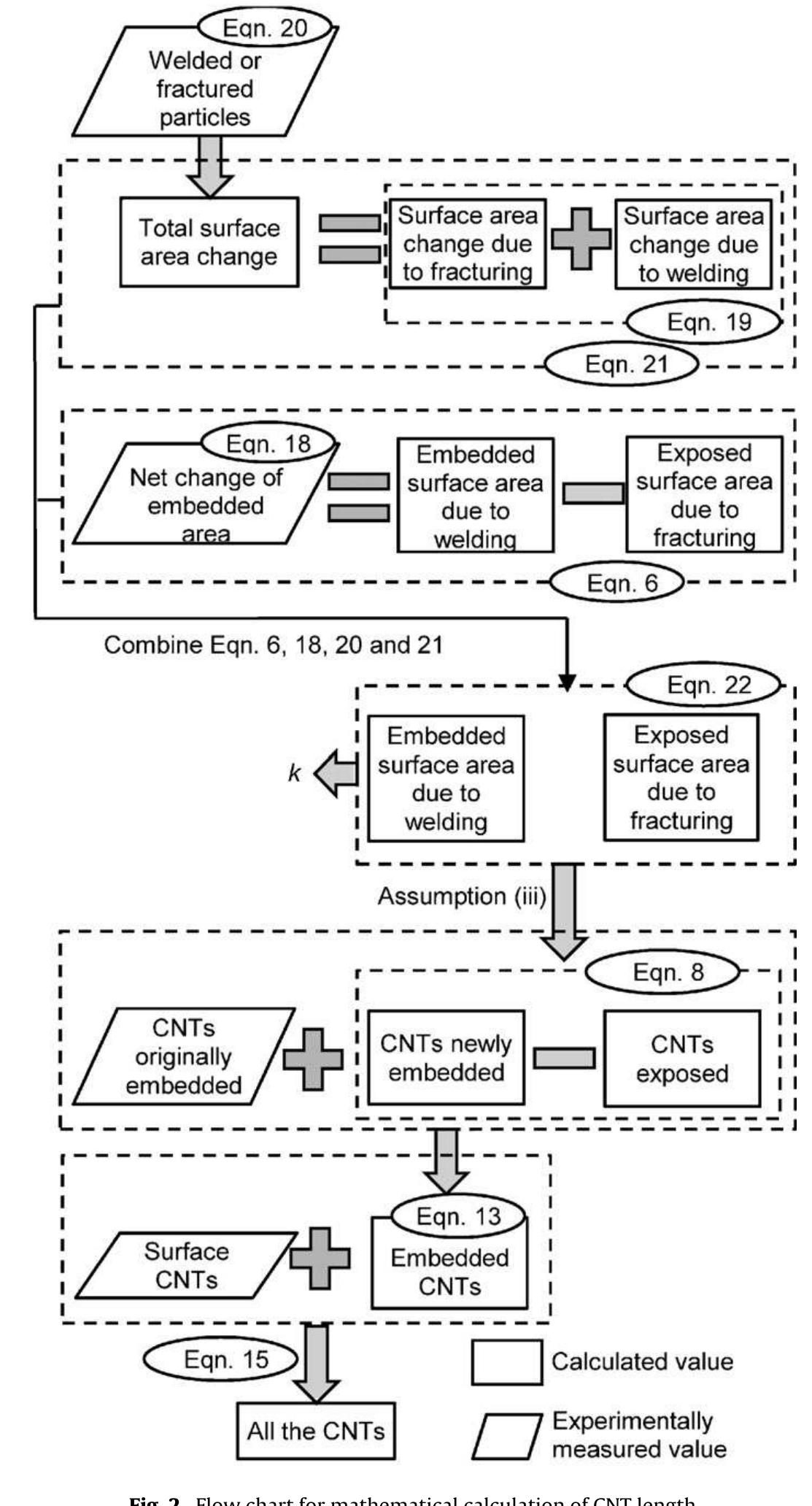
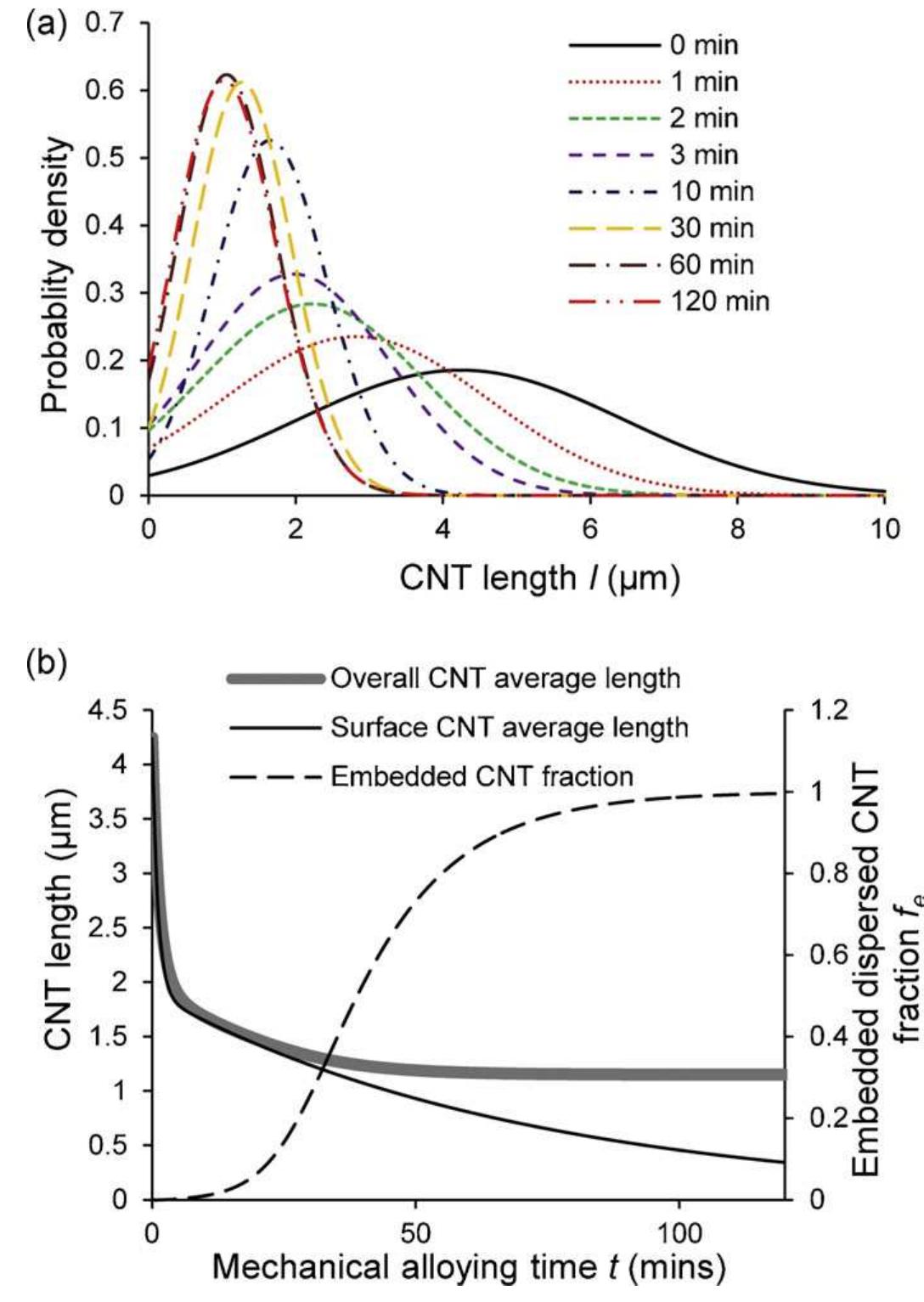
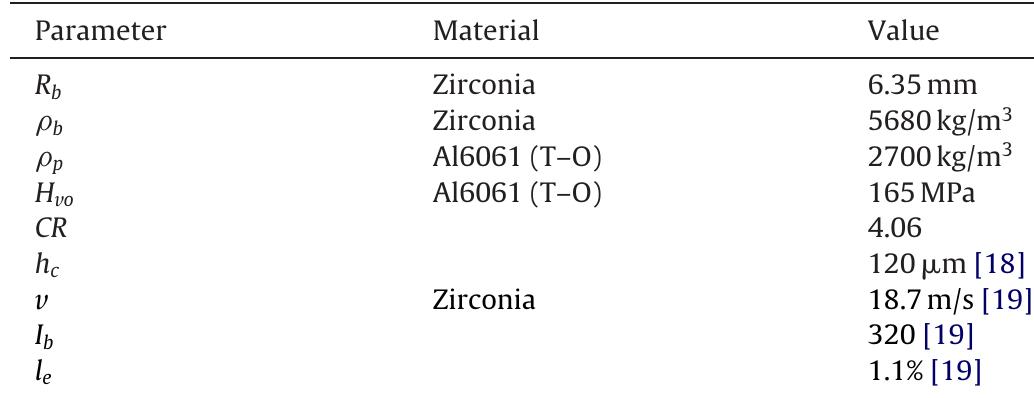
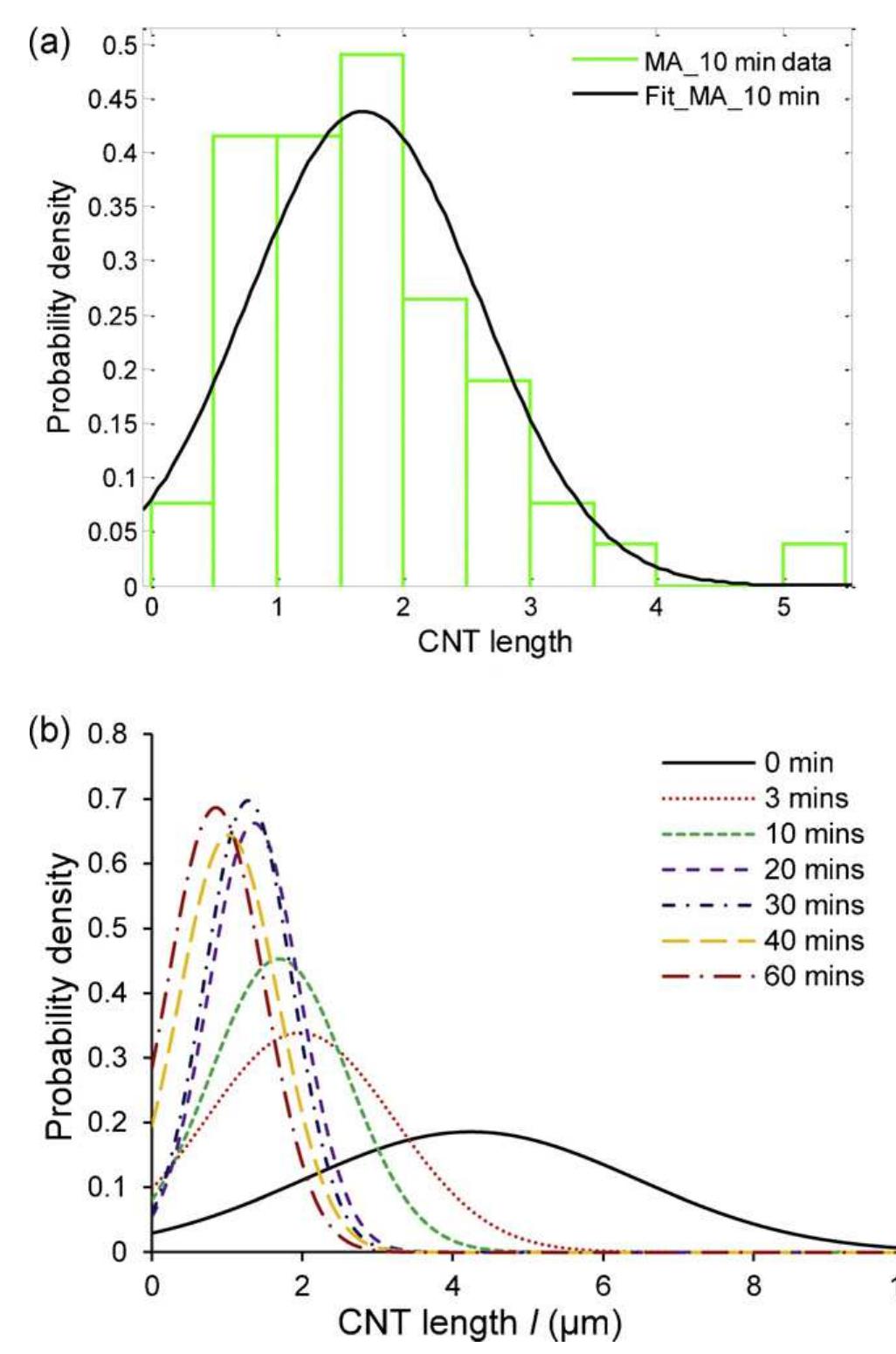
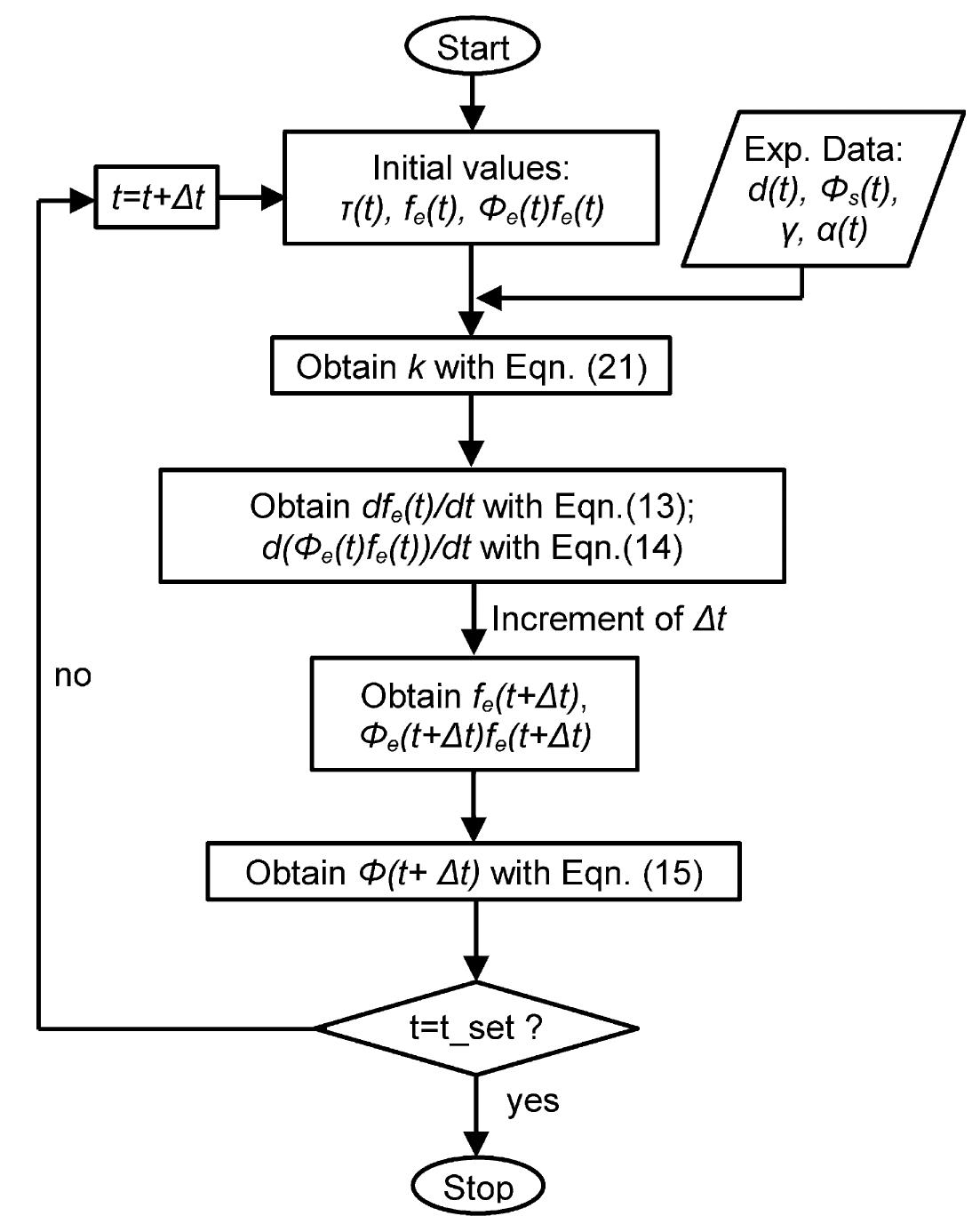
This theme addresses the challenges in preserving and characterizing the length and distribution of carbon nanotubes (CNTs) during mechanical alloying processes used to disperse CNTs in metallic powders for composite fabrication. Key problems include CNT clustering, breakage due to high-energy milling, and difficulties in measuring embedded CNTs. Research develops mathematical and experimental models to predict CNT length evolution by incorporating effects of particle welding, fracturing, and embedding, enabling better control of CNT preservation and enhancement of composite properties.
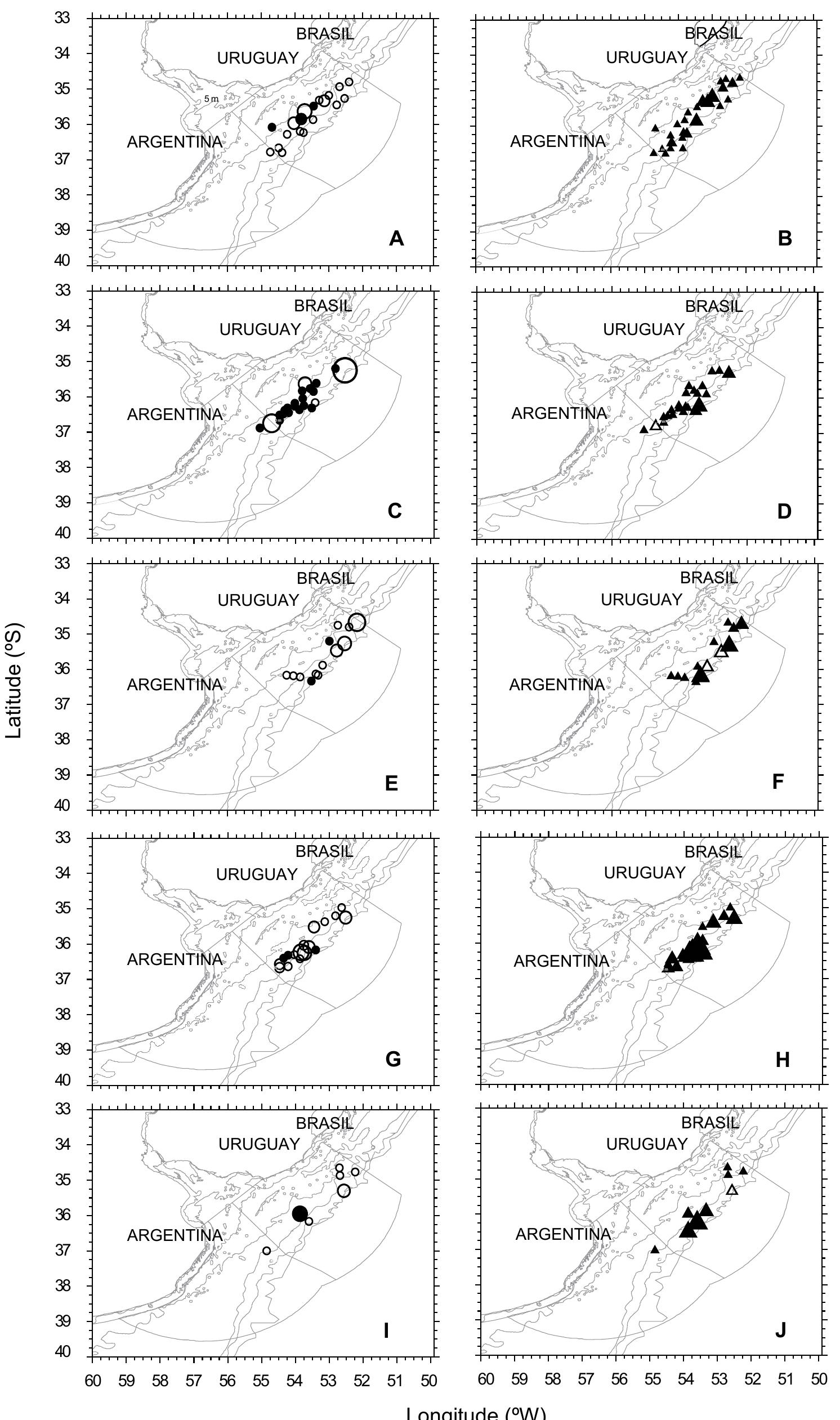

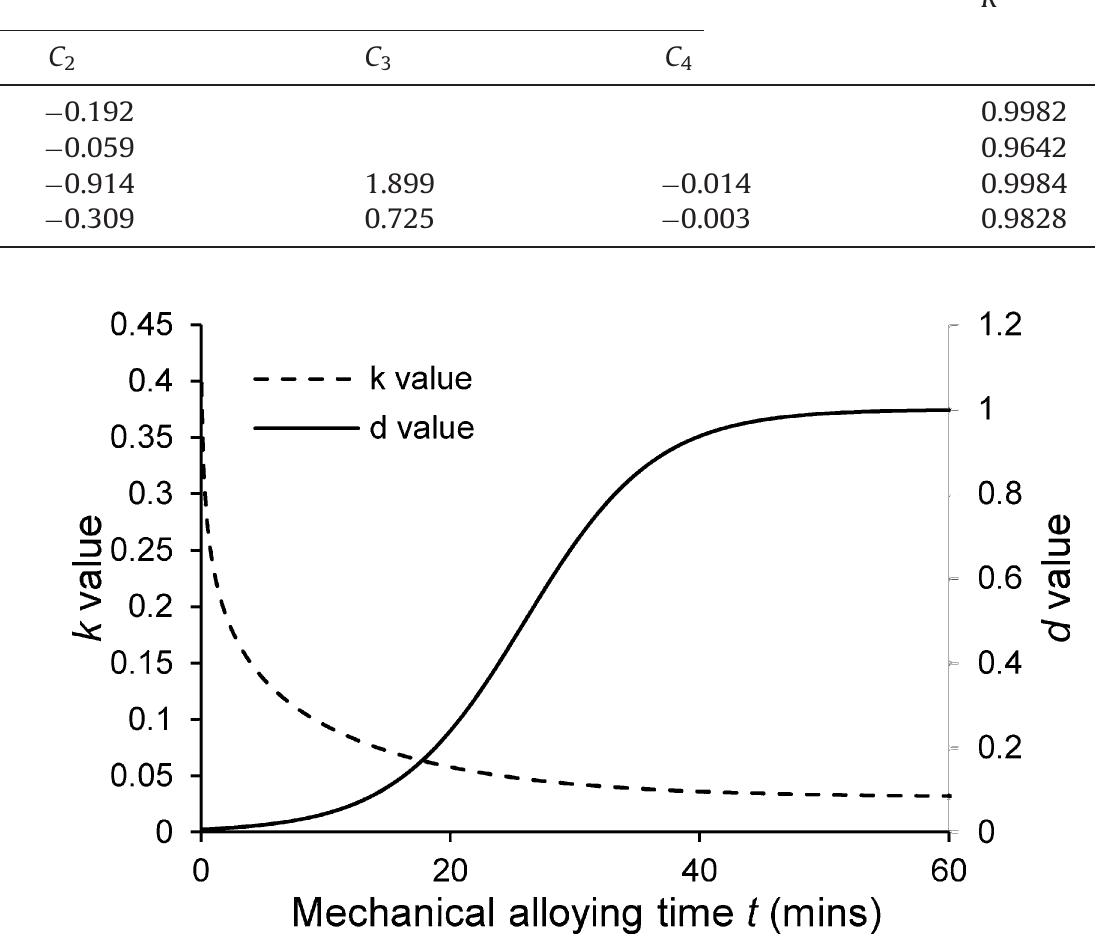

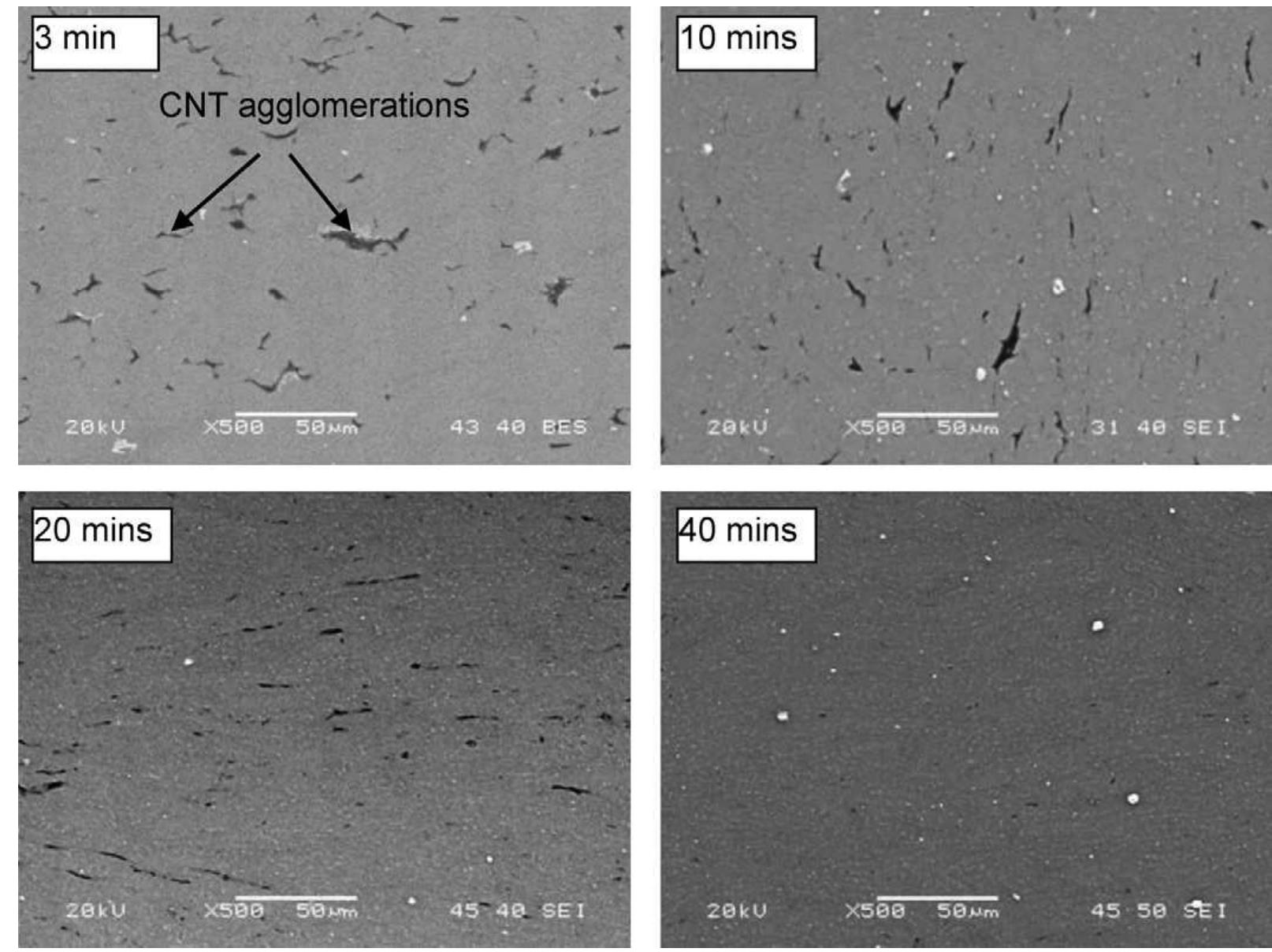

![Fig. 9. (a) Al6061-CNT powders mechanically alloyed for 30 min, (b-d) three types of the approximation geometries and (e) optical image of Al6061-CNT composite wit powders mechanically alloyed for 3 min. The SEM images of the particles mechanically alloyed for 30 min are shown in Fig. 9(a). Due to the complexity of the particle shapes, The SEM images of the fabricated Al6061-CNT samples are shown in Fig. 7. The CNT agglomerations were shown as black area in the SEM. The fraction of CNT agglomeration area over the total image area was measured by software Image] and is listed in Table 2 as Aq. In the first 10 min, the CNT de-clustering was very slow due to rupturing of CNT spherical structure. After the CNT-metal powder was mechanically alloyed for 40 min, CNT agglomerated area was rarely observed. Since the agglomerated CNT weight fraction can be obtained from the images (Wg/W; =Aa/Aqo), the dispersion can be written as d=1—Ag/Ago, where Ago is the CNT agglomeration](https://figures.academia-assets.com/7119884/figure_008.jpg)
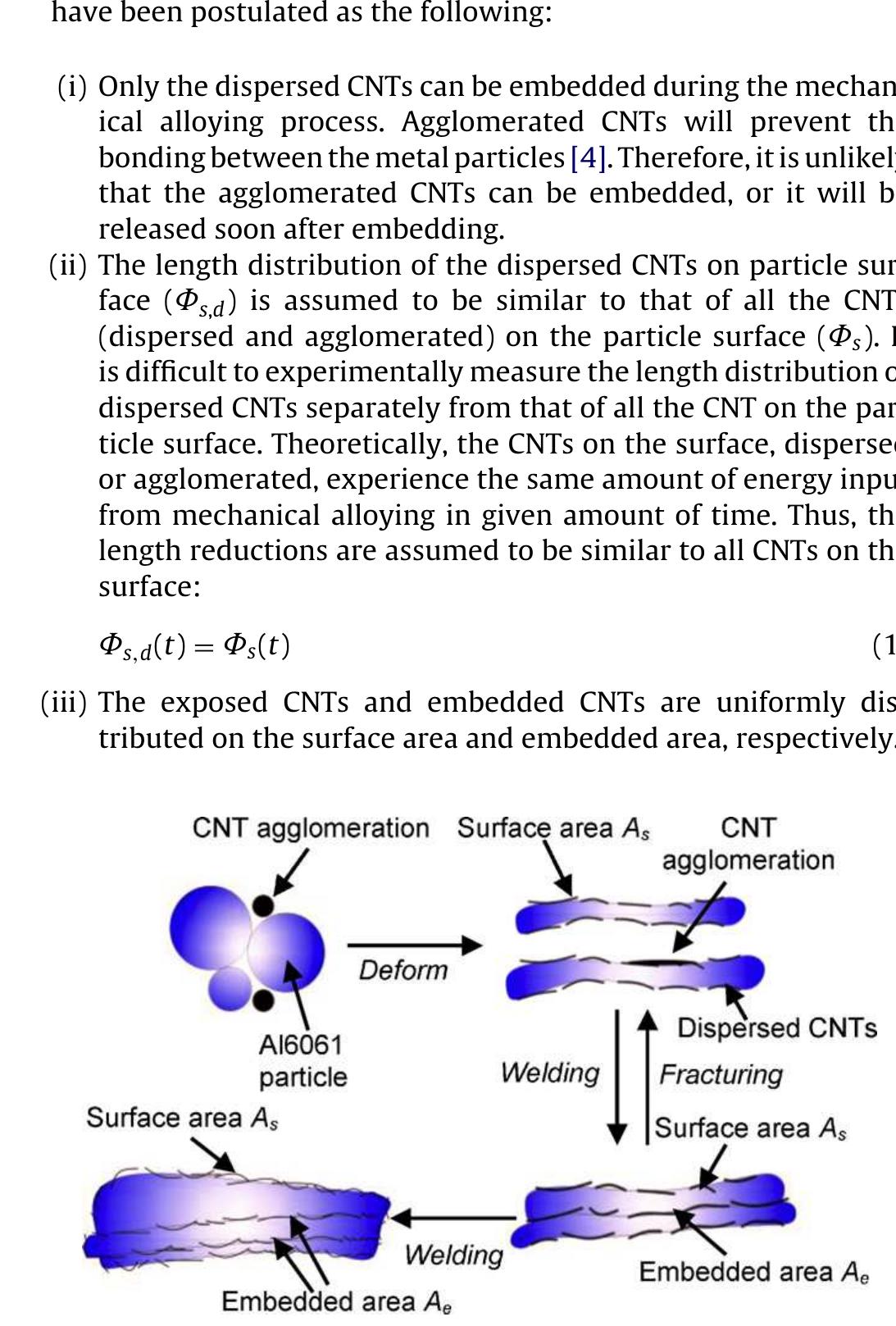
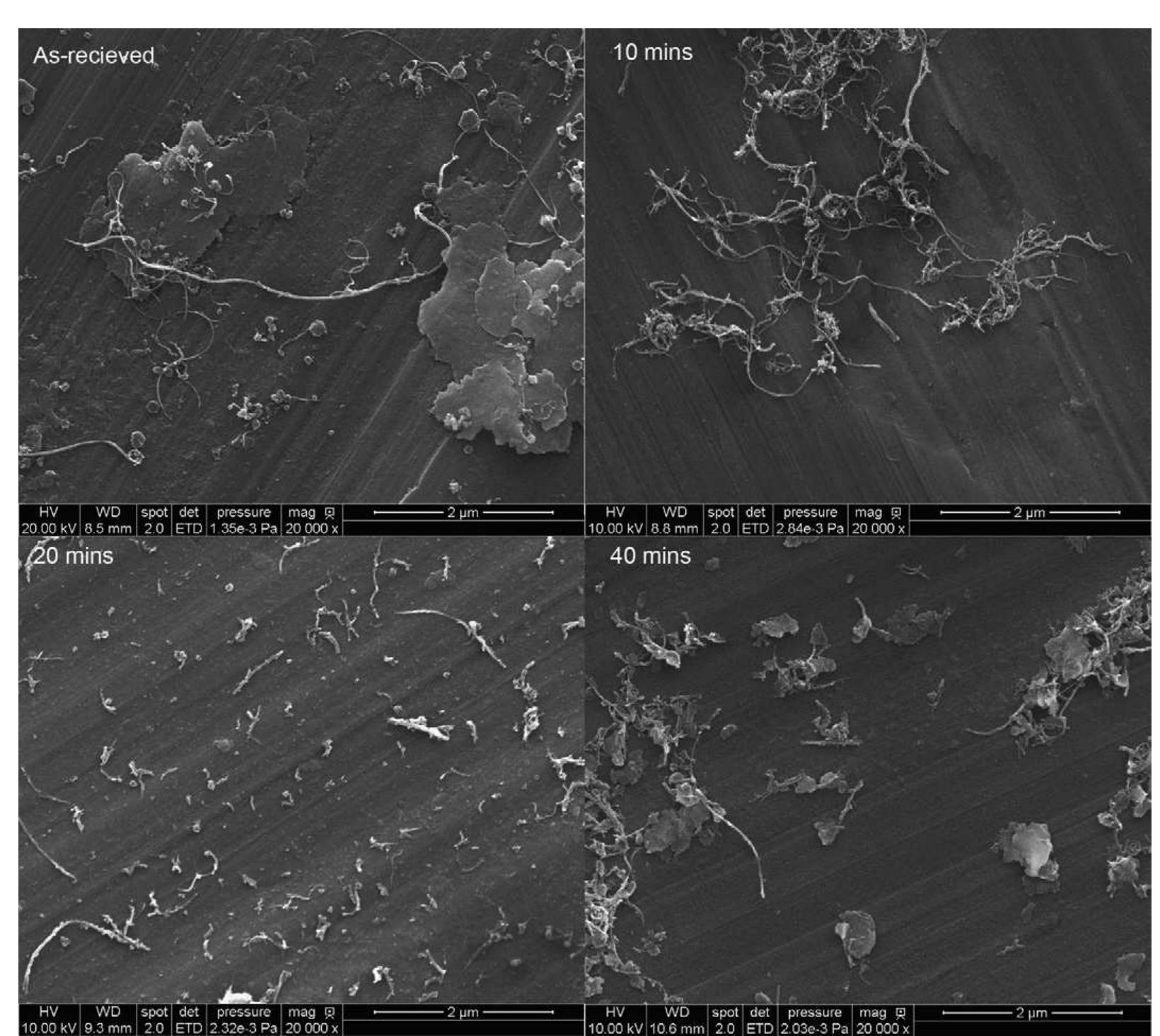
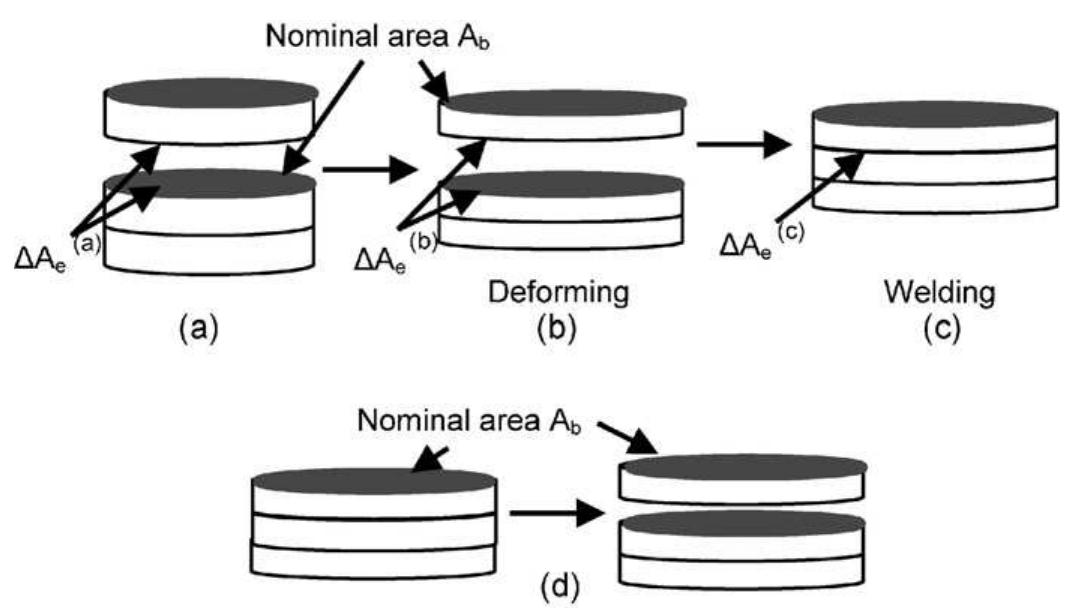
![Fig. 5. As received CNT and Al6061-CNT powders mechanically alloyed for 10 min. total number of particles involved in welding or fracturing can be obtained by Eq. (20a) and t can be determined according to [17]: In Fig. 3(a)-(c), the particle evolution process is manually divided into two steps: deforming (Fig. 3(b)) and welding (Fig. 3(c)). In Fig. 3(a), a surface area, AA,“), will be embedded at time t. Because of the deformation from ball milling, this surface area changes to AA.) in Fig. 3(b), which is embedded during the welding process at time t+ At (In Fig. 3(c)).](https://figures.academia-assets.com/7119884/figure_005.jpg)