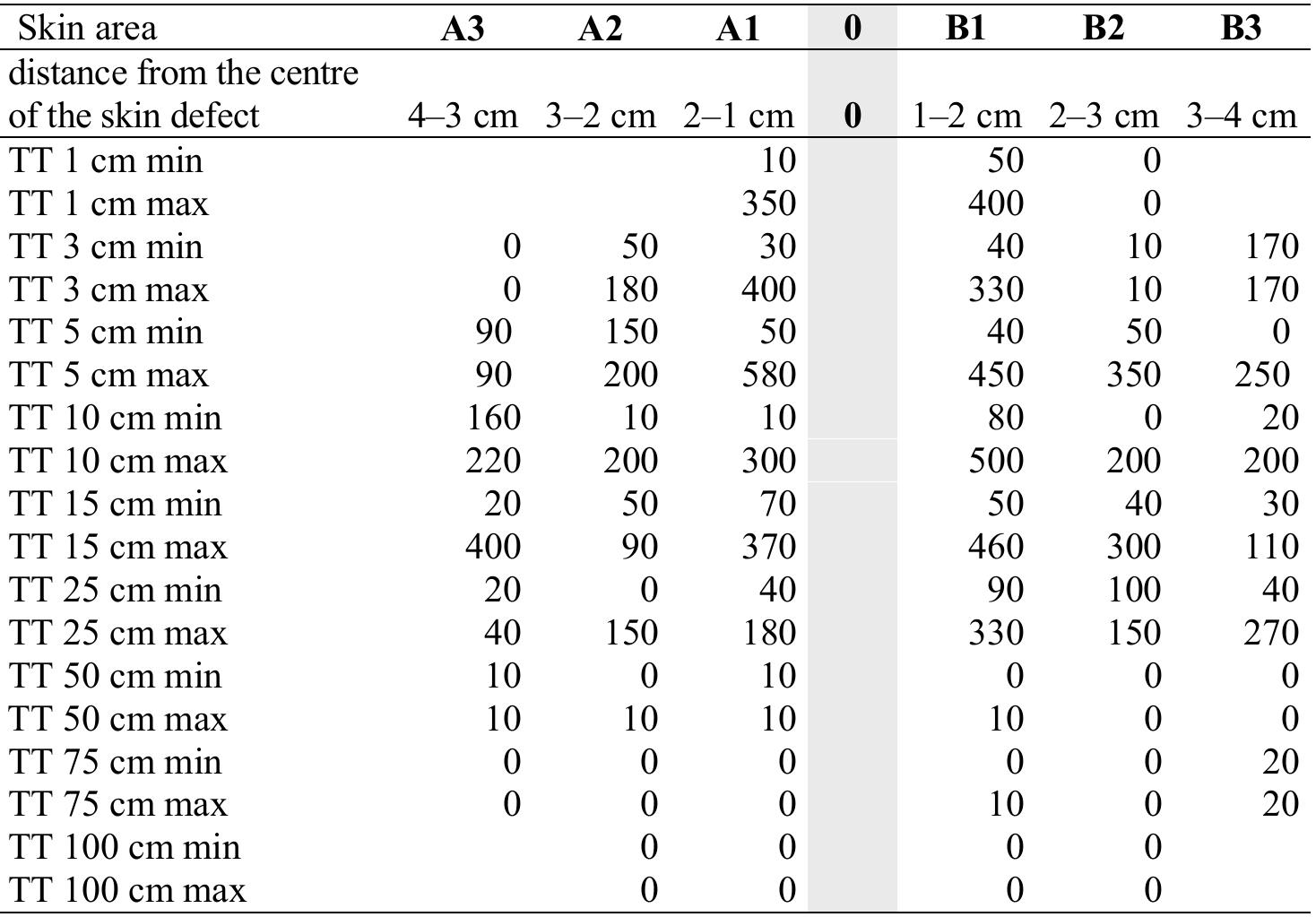
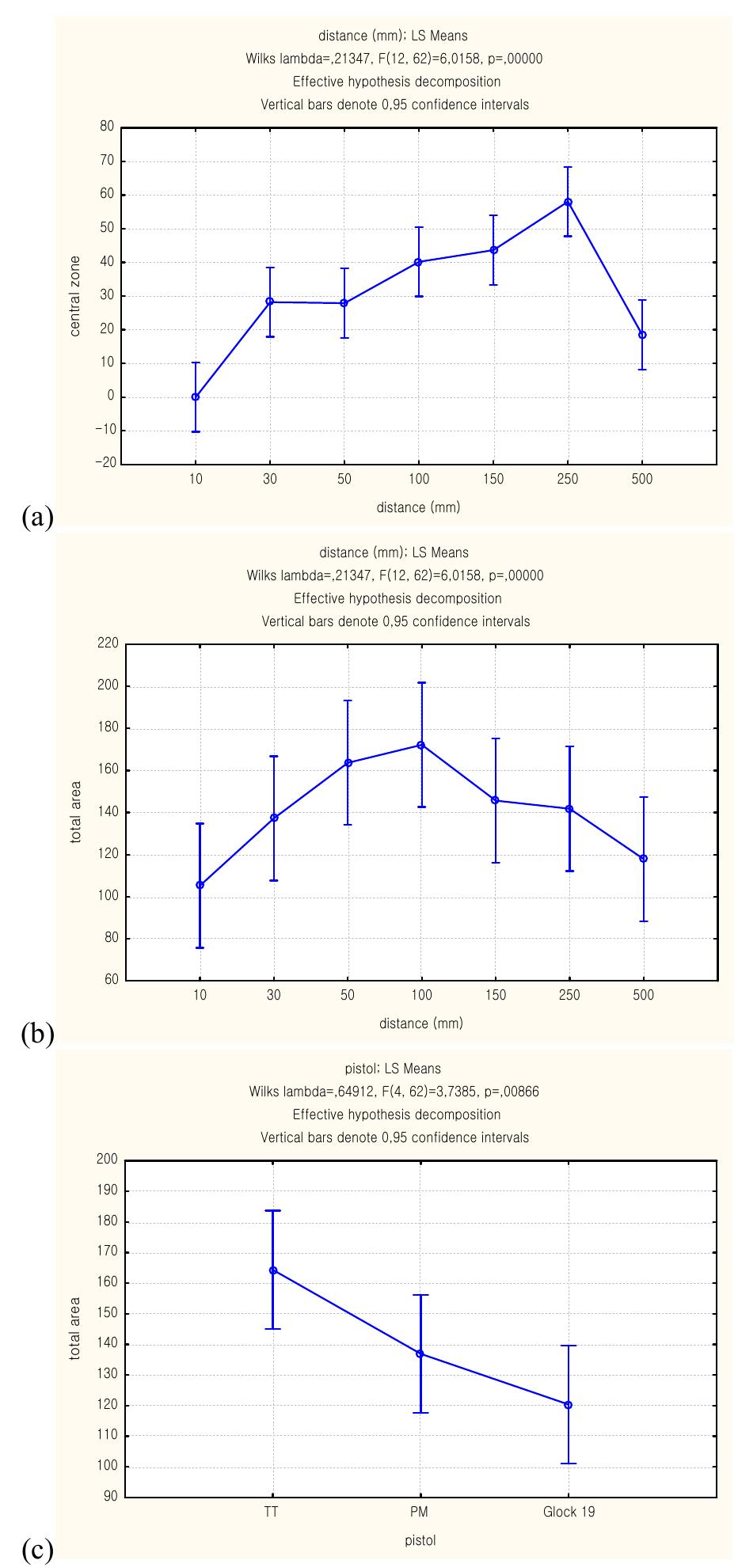
This study relies on the ability of six different fabrics to retain gunshot residues on their surfaces, and their capability to let them pass through. The fabrics were cotton, linen, elastane, polyester, silk and viscose, each of them...
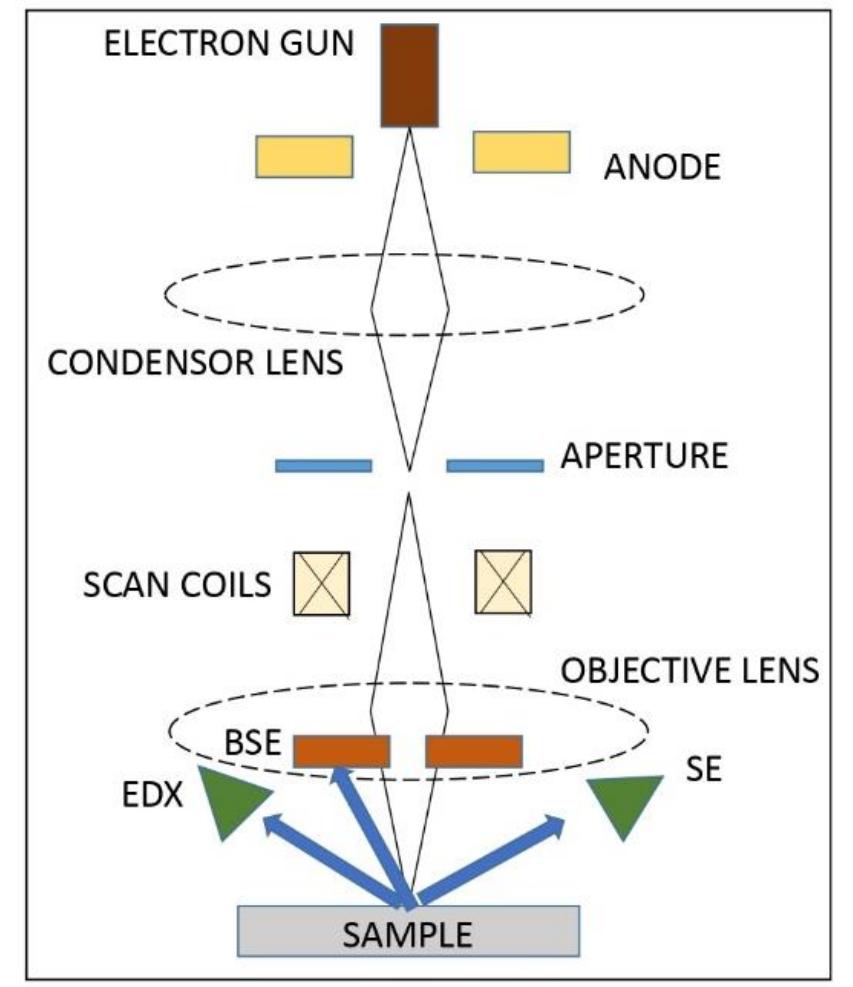
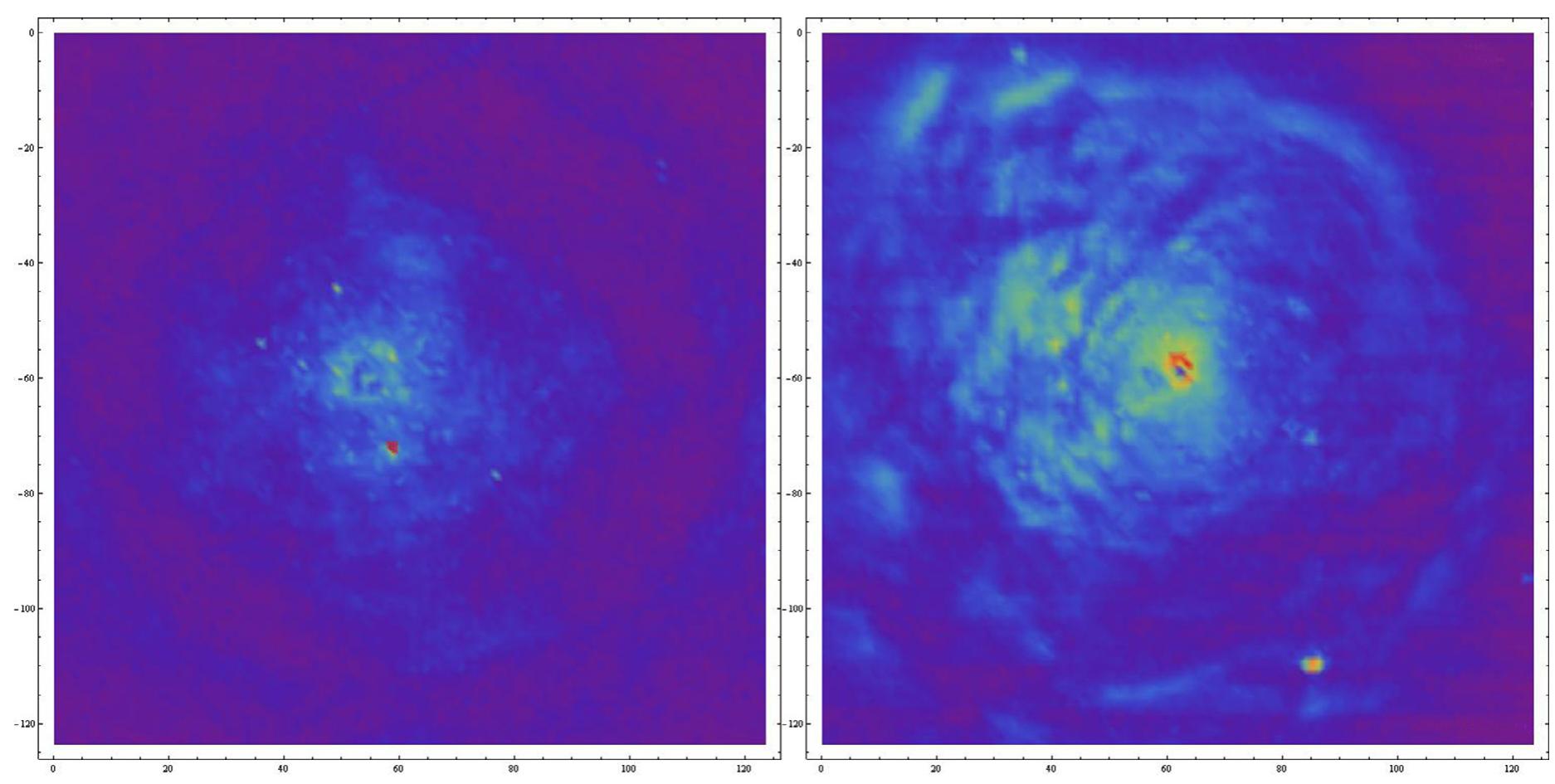
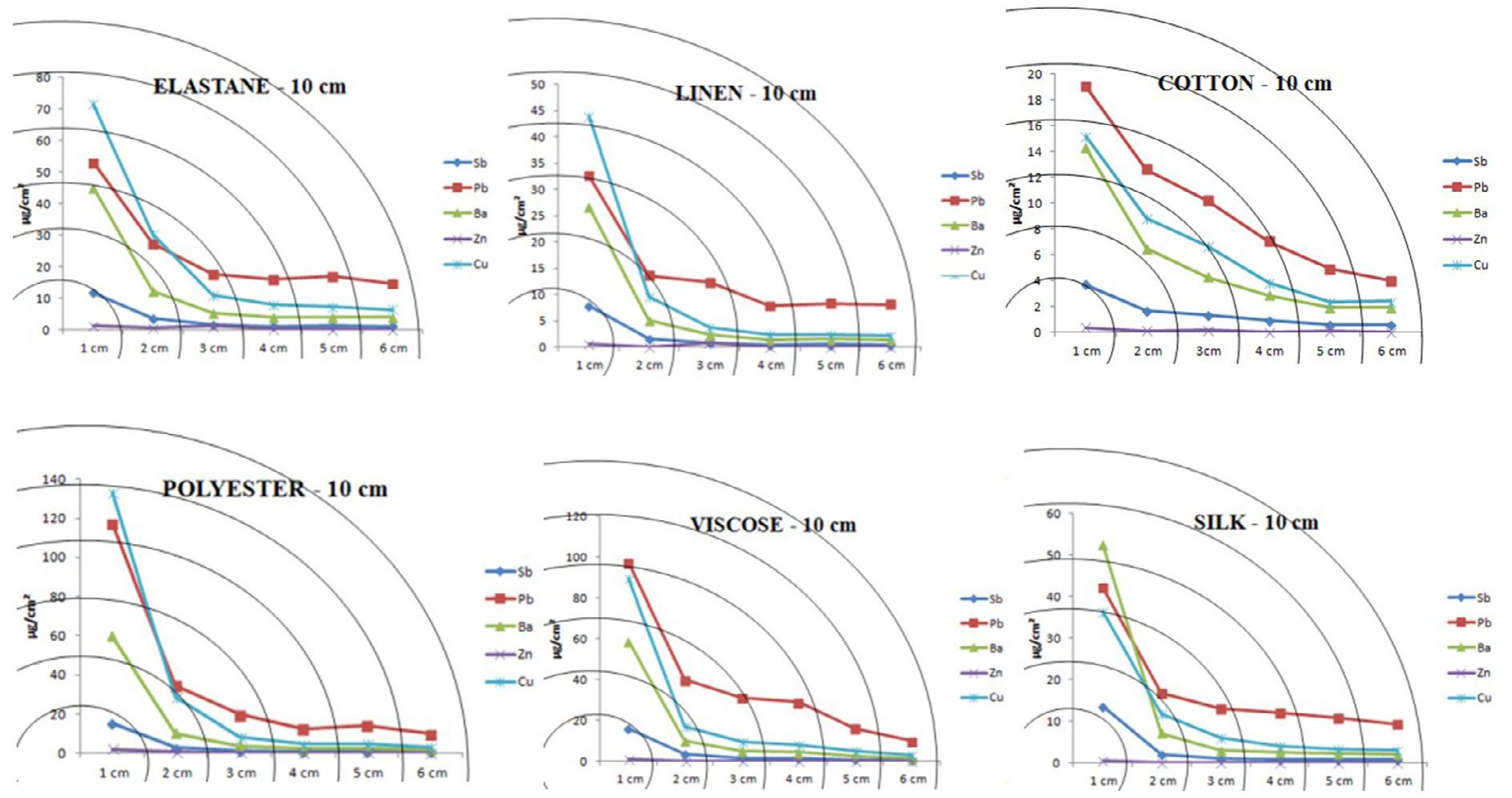
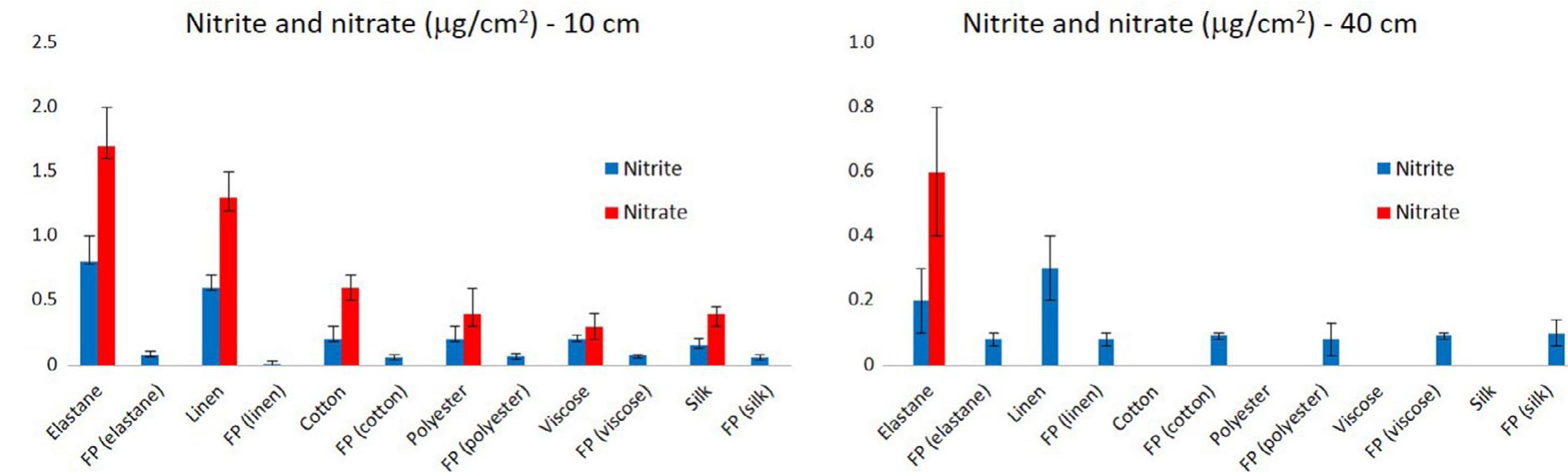
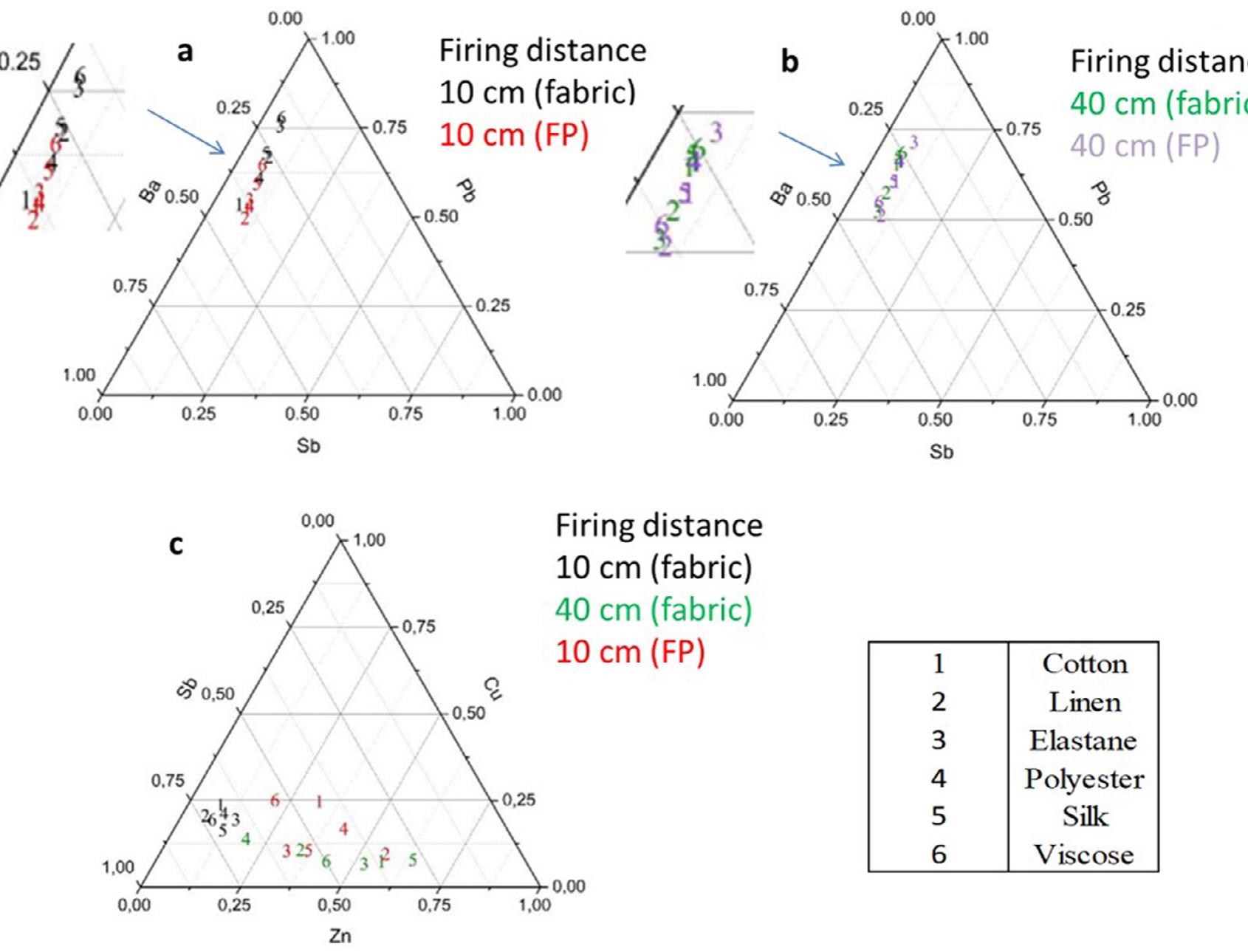
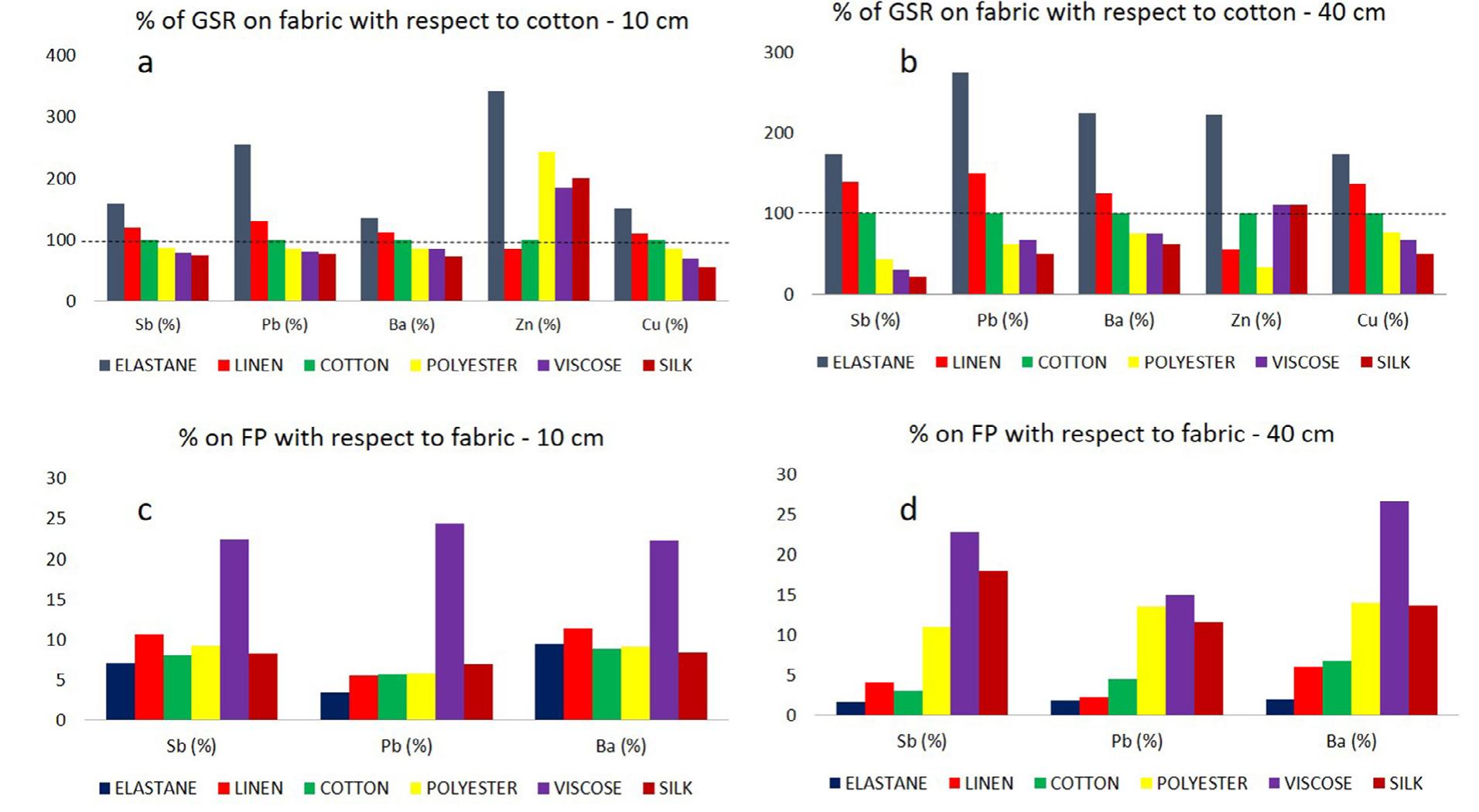
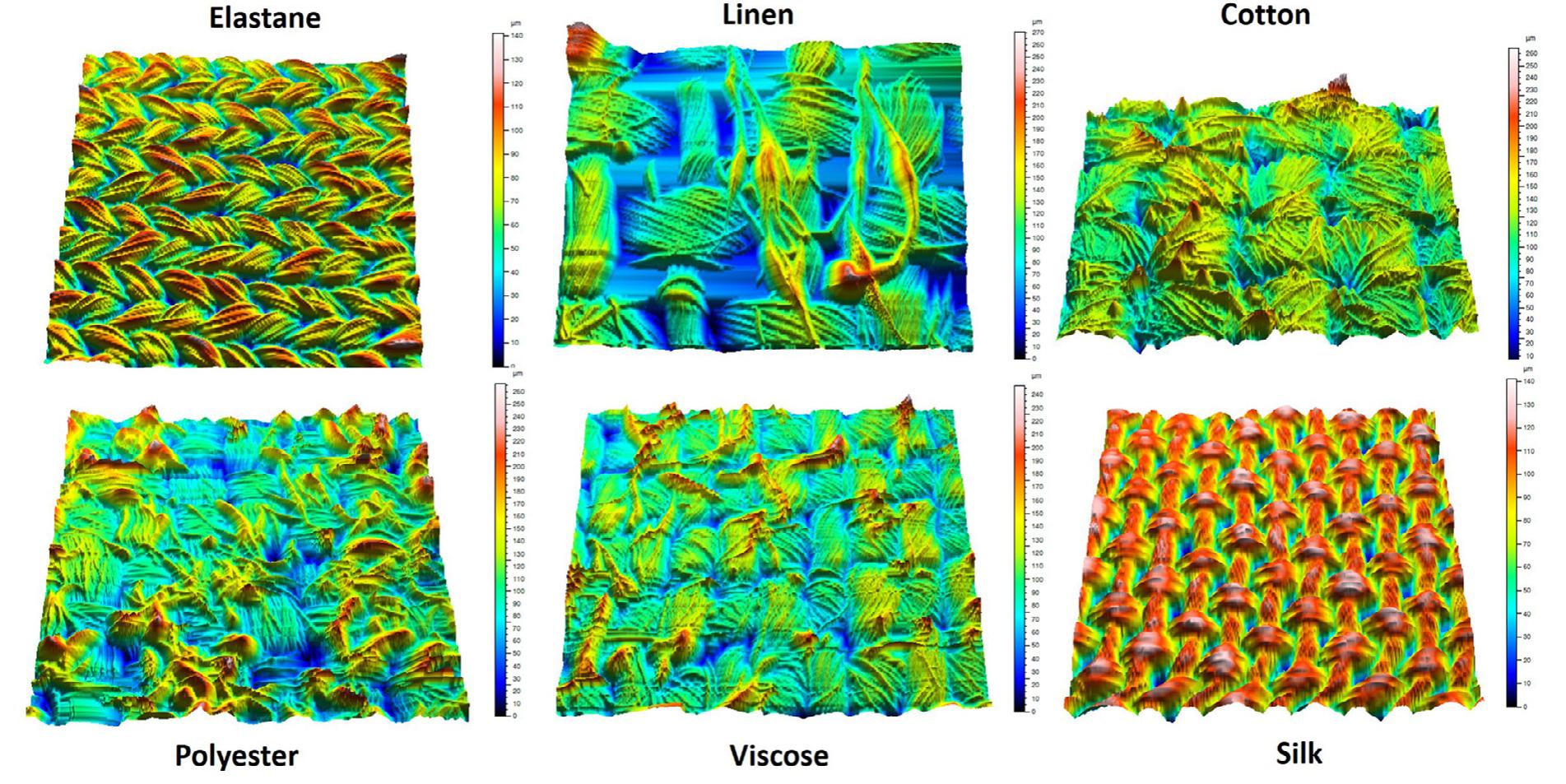
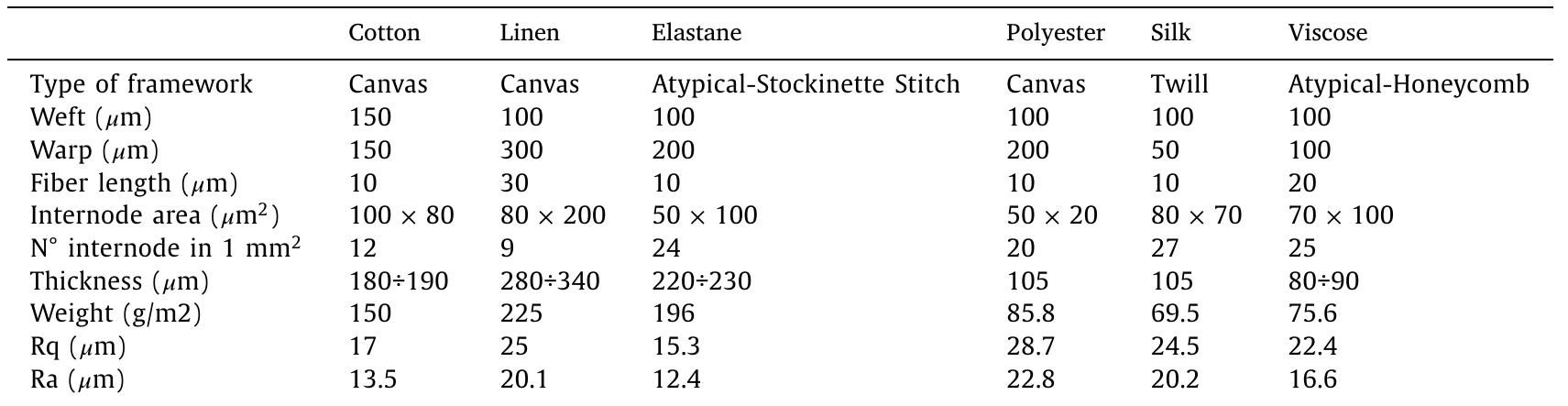
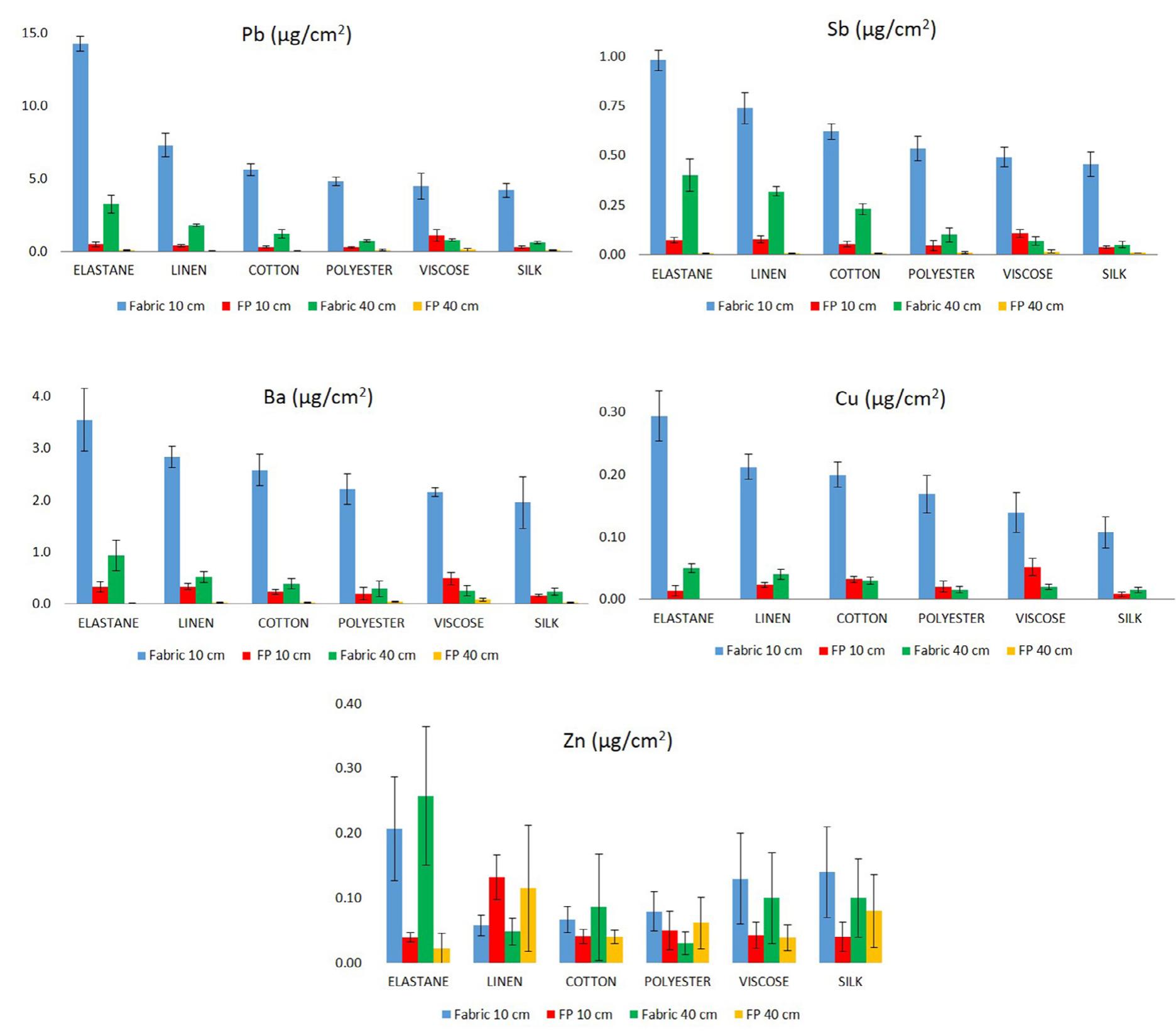
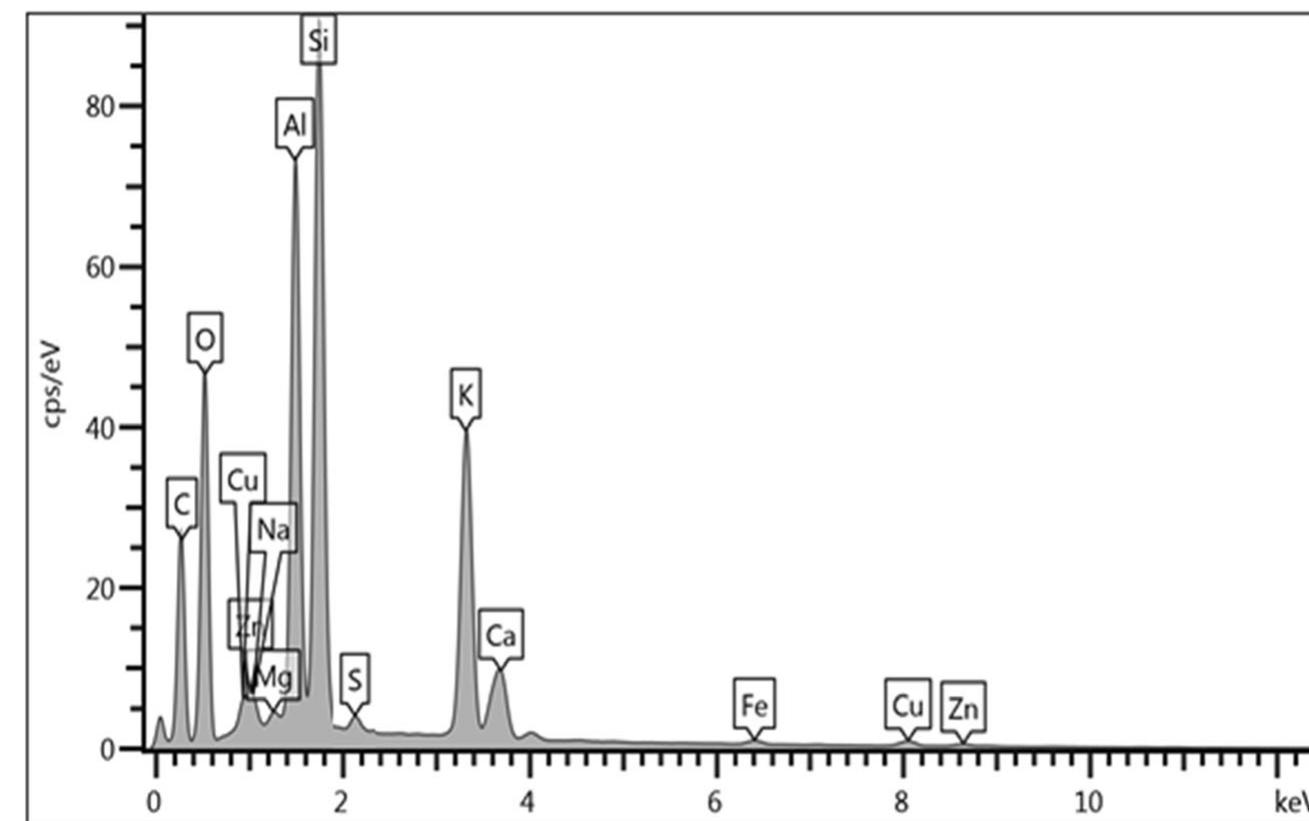
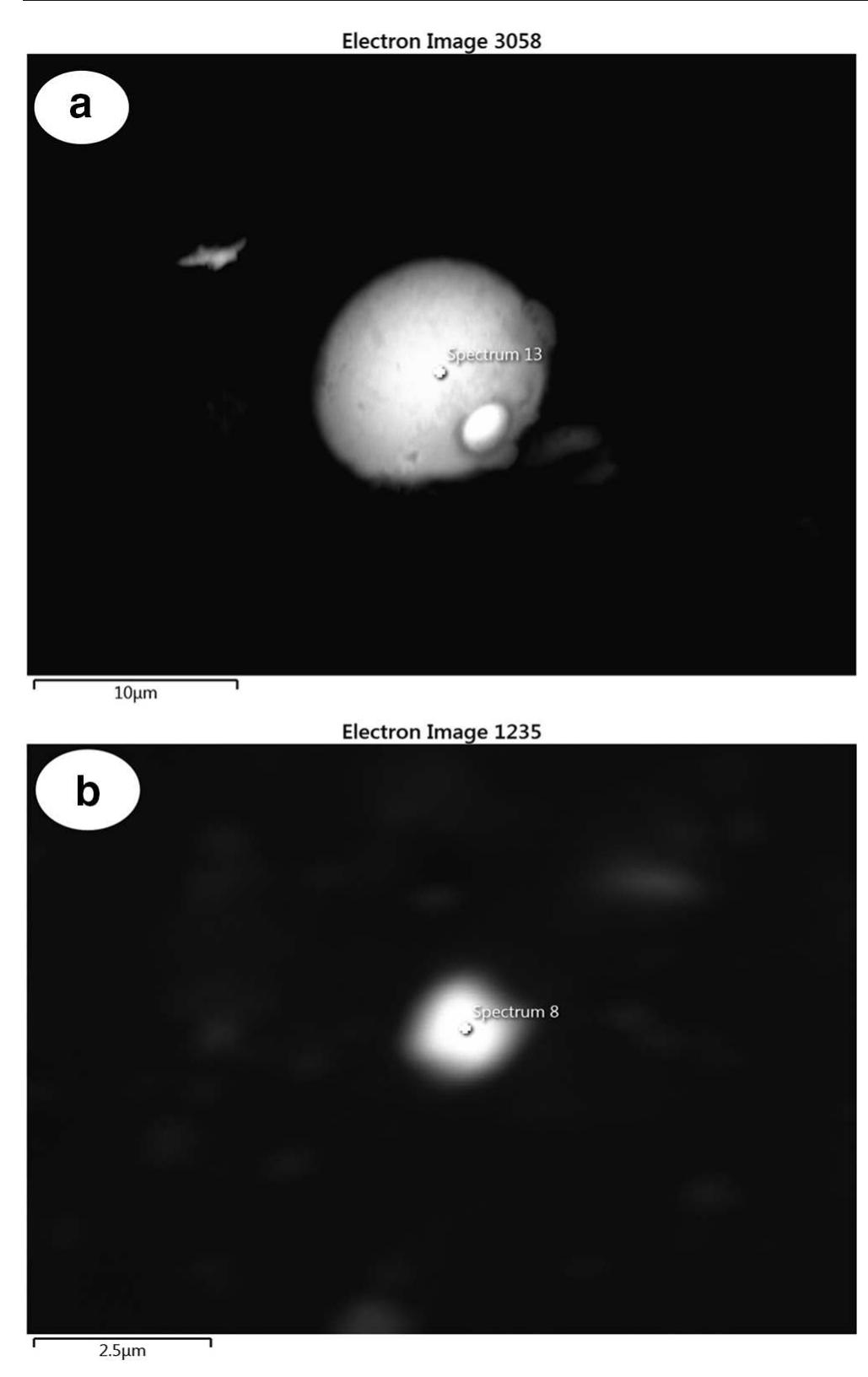
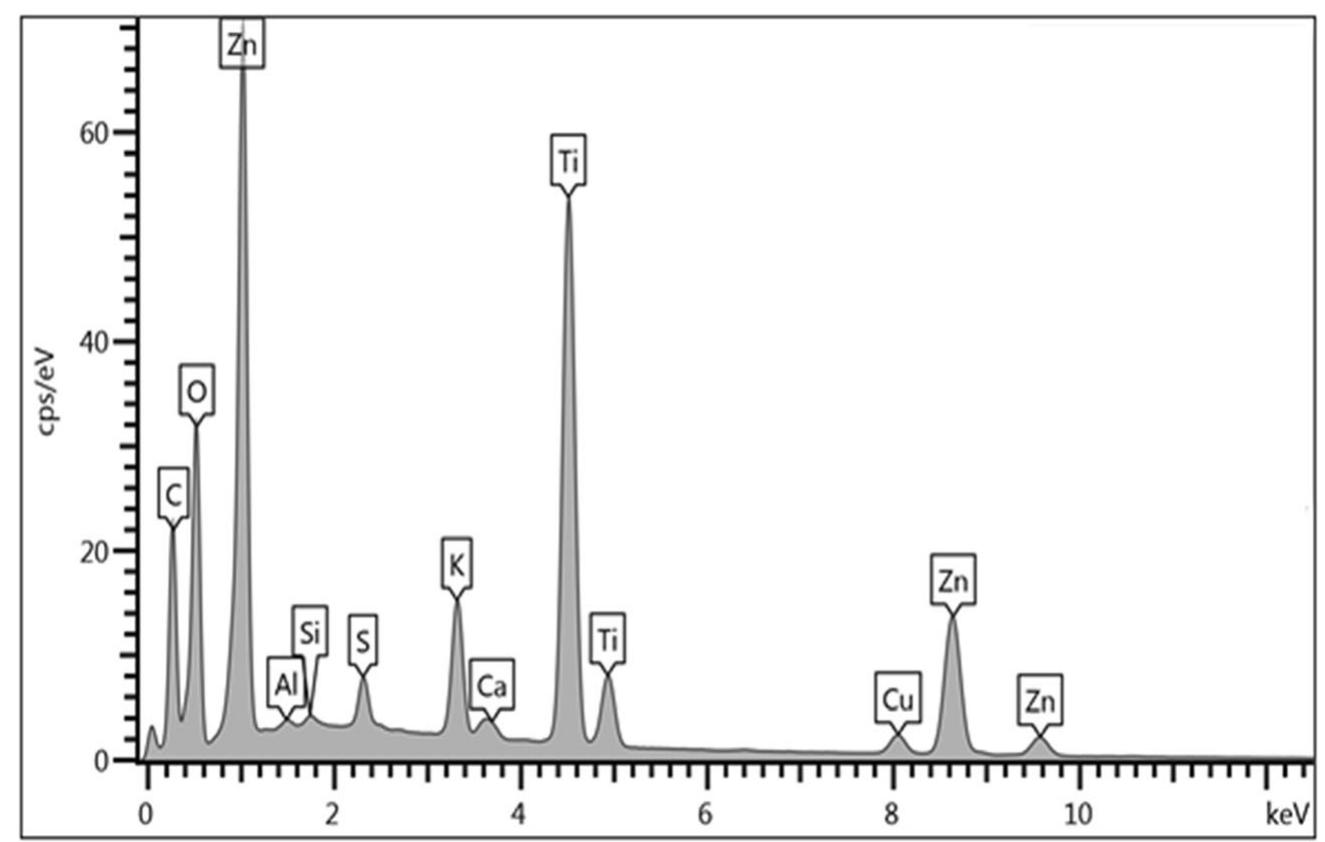
moreThis study relies on the ability of six different fabrics to retain gunshot residues on their surfaces, and their capability to let them pass through. The fabrics were cotton, linen, elastane, polyester, silk and viscose, each of them placed above a filter paper sheet. This last was used to retain residues passing through fabric. Microscopic structures of the chosen textiles were characterized by optical microscopy, and their surface morphology was characterized by stylus profilometry. A semi-automatic Sig Sauer P228 pistol, calibre 9 × 21 mm IMI, was exploited and two shooting distances were considered, 10 cm and 40 cm. Preliminary, inorganic residue (IGSR) deposition patterns were visualized by X-ray fluorescence spectroscopy. Scanning electron microscopy was also used to describe morphology and composition of IGSR generated by discharging the selected gun. Concentration of IGSR on targets was then quantitatively determined by inductively coupled plasma optical emission spectrometry, while nitrites and nitrates, originated by nitrocellulose content of smokeless powders, were identified by ion chromatography. As expected, the amount of metallic residues, nitrites and nitrates decreases inversely with the shooting distance. In addition, considering the same distance, concentration of these elements changes significantly depending on the analyzed cloth. Therefore, when evaluating shooting distance in a forensic case, the habit to use a cotton textile to construct a calibration curve, despite of the actual nature of the target, could not be quantitatively accurate. It was evidenced that a significant amount of GSR passed through target fabrics, making their identification possible even on underneath tissues.




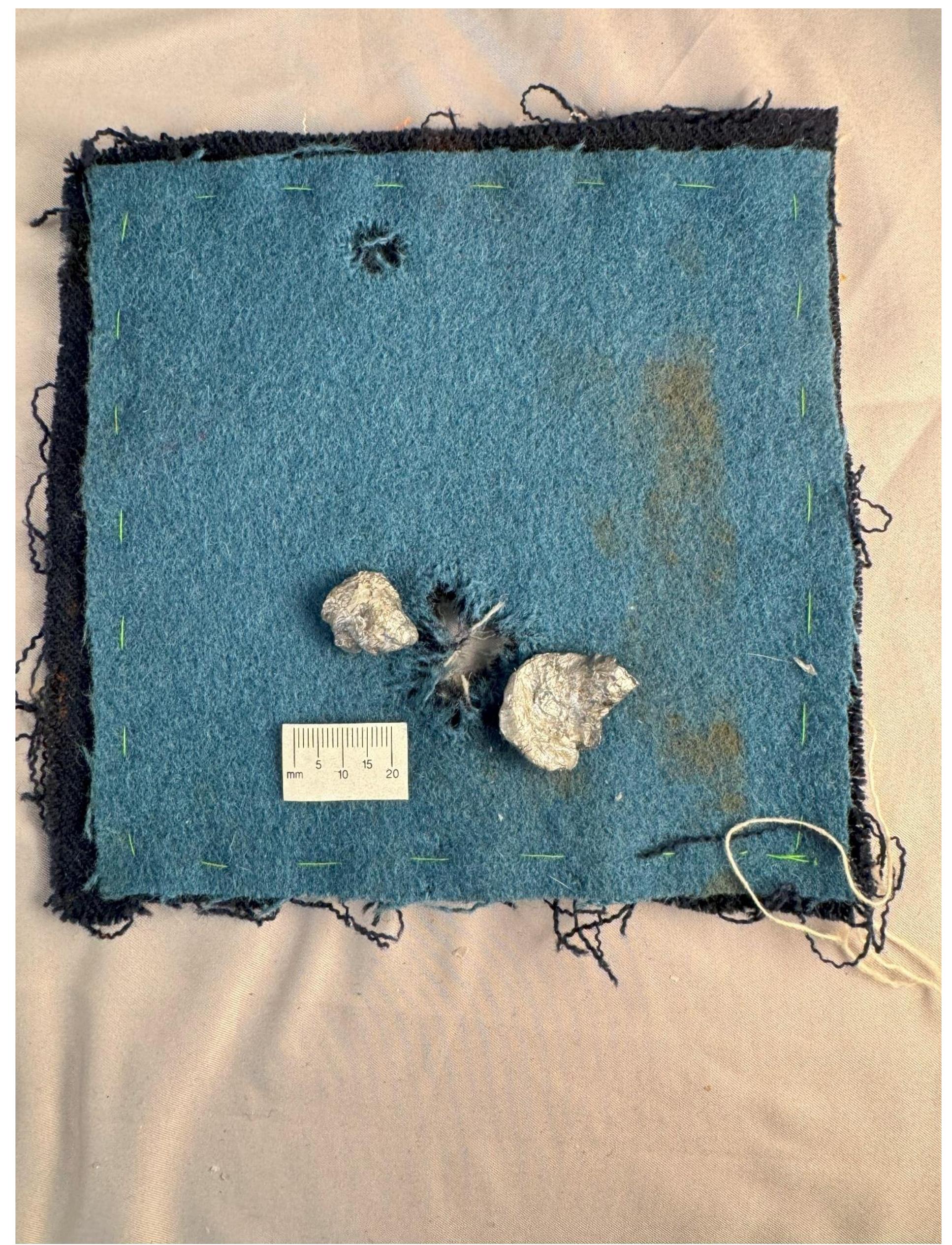

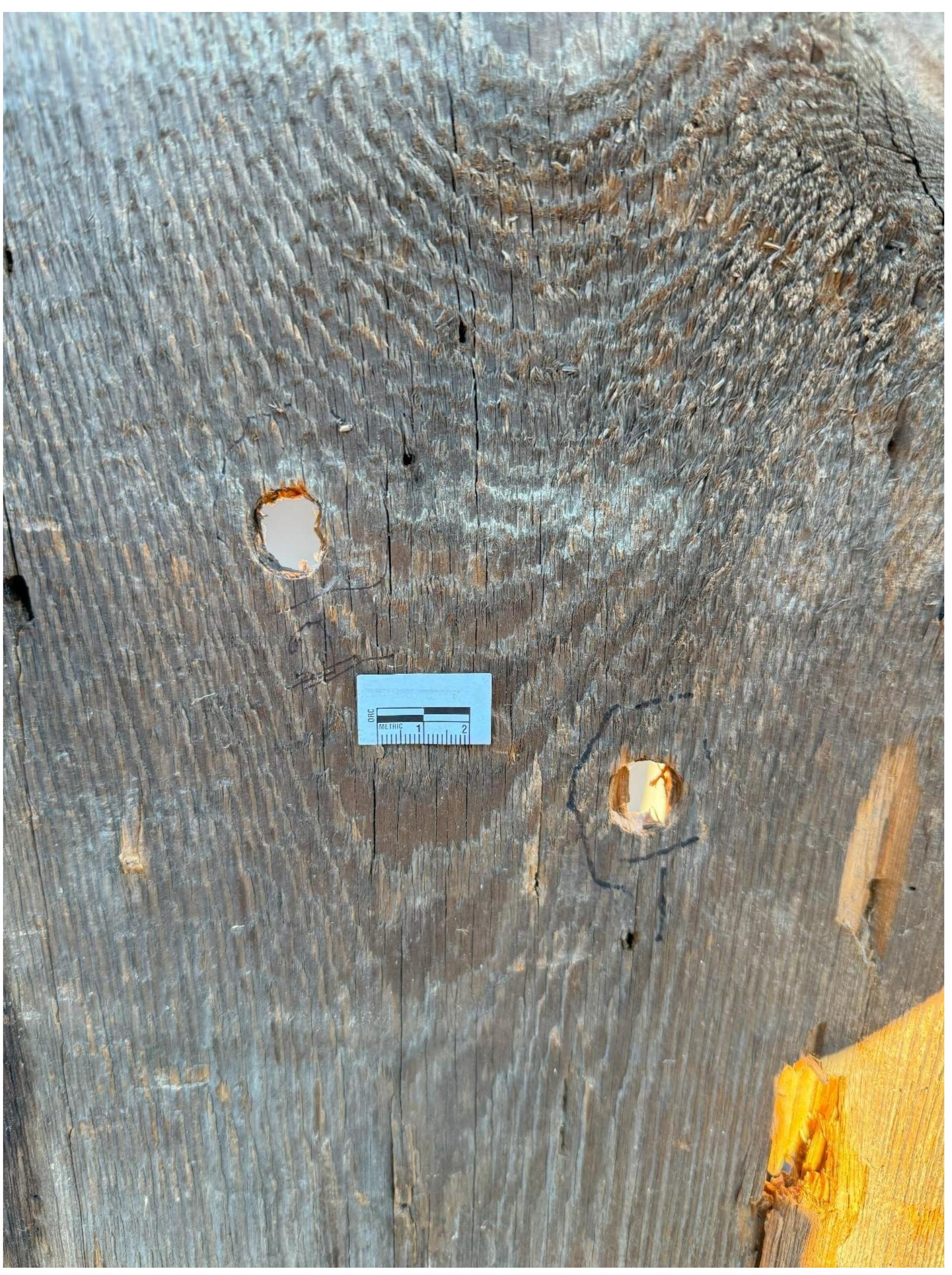


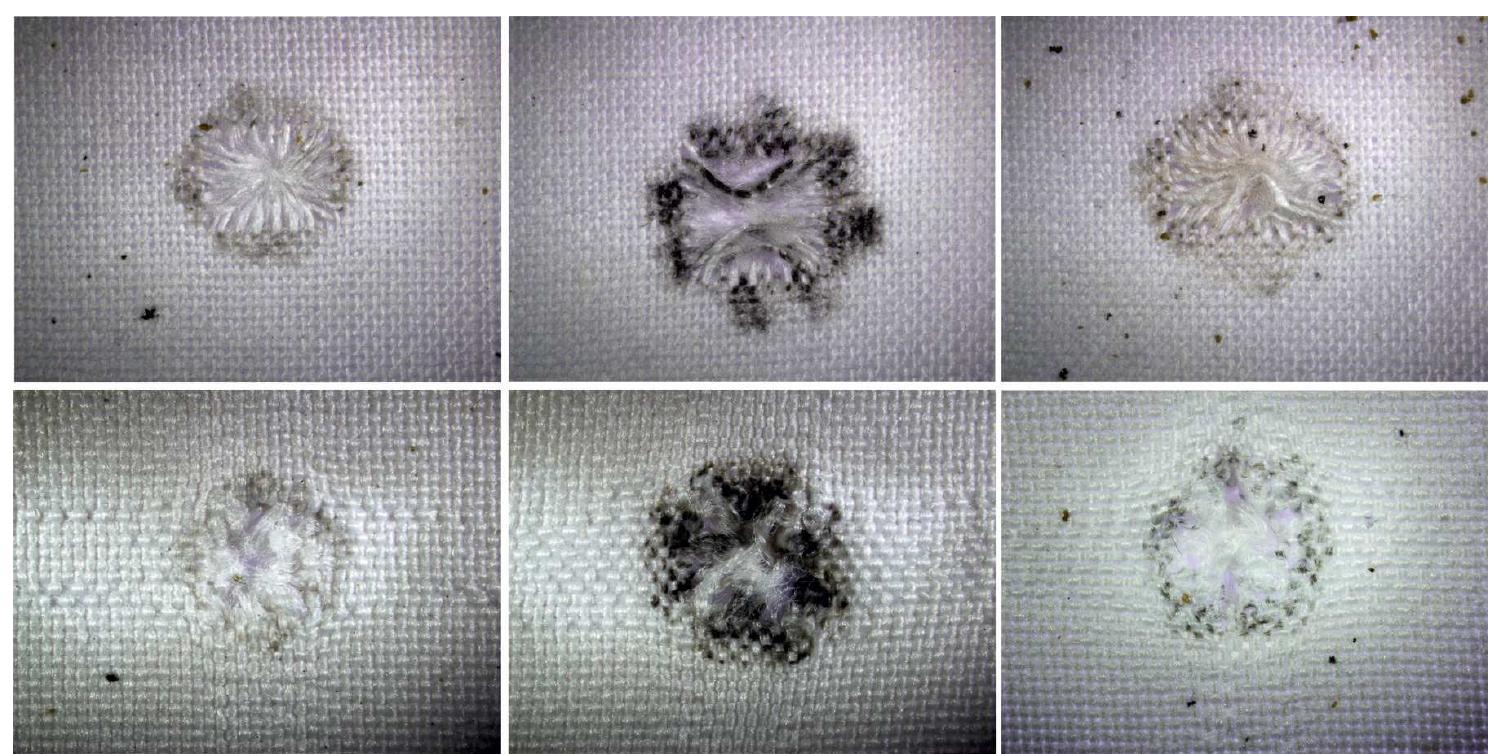
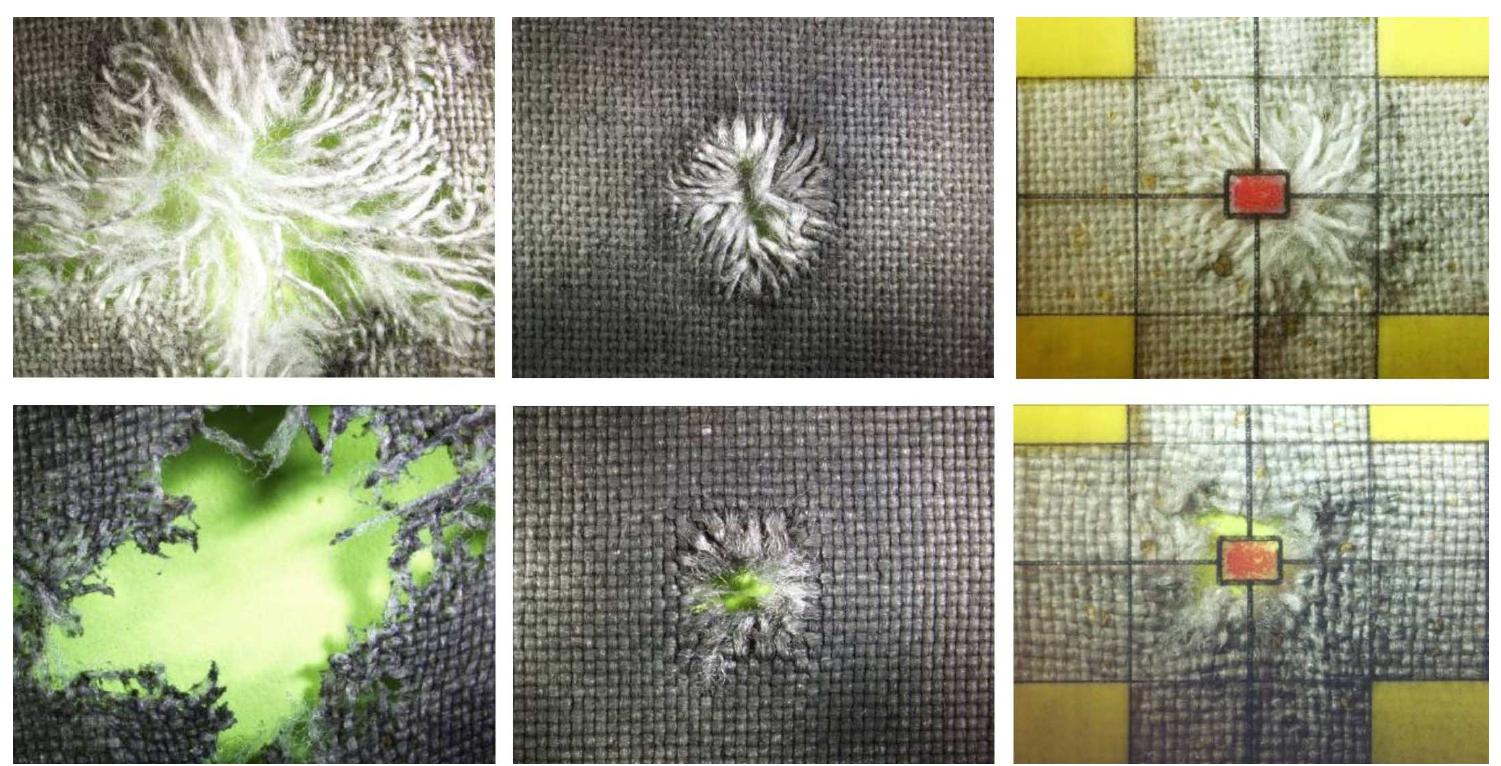
![Figure 2. Case control, different features of the textile fibers around the hole A) curled fibers; BCD) dam-aged fibers; E) fibers joined together; F) Fibers fused; G) GSR in the textile fabric. Clothing damage analysis is an important tool for forensic investigations and, even it is a niche field, it is gaining interest [1]. Moreover, the attention is shifting](https://figures.academia-assets.com/112180427/figure_002.jpg)
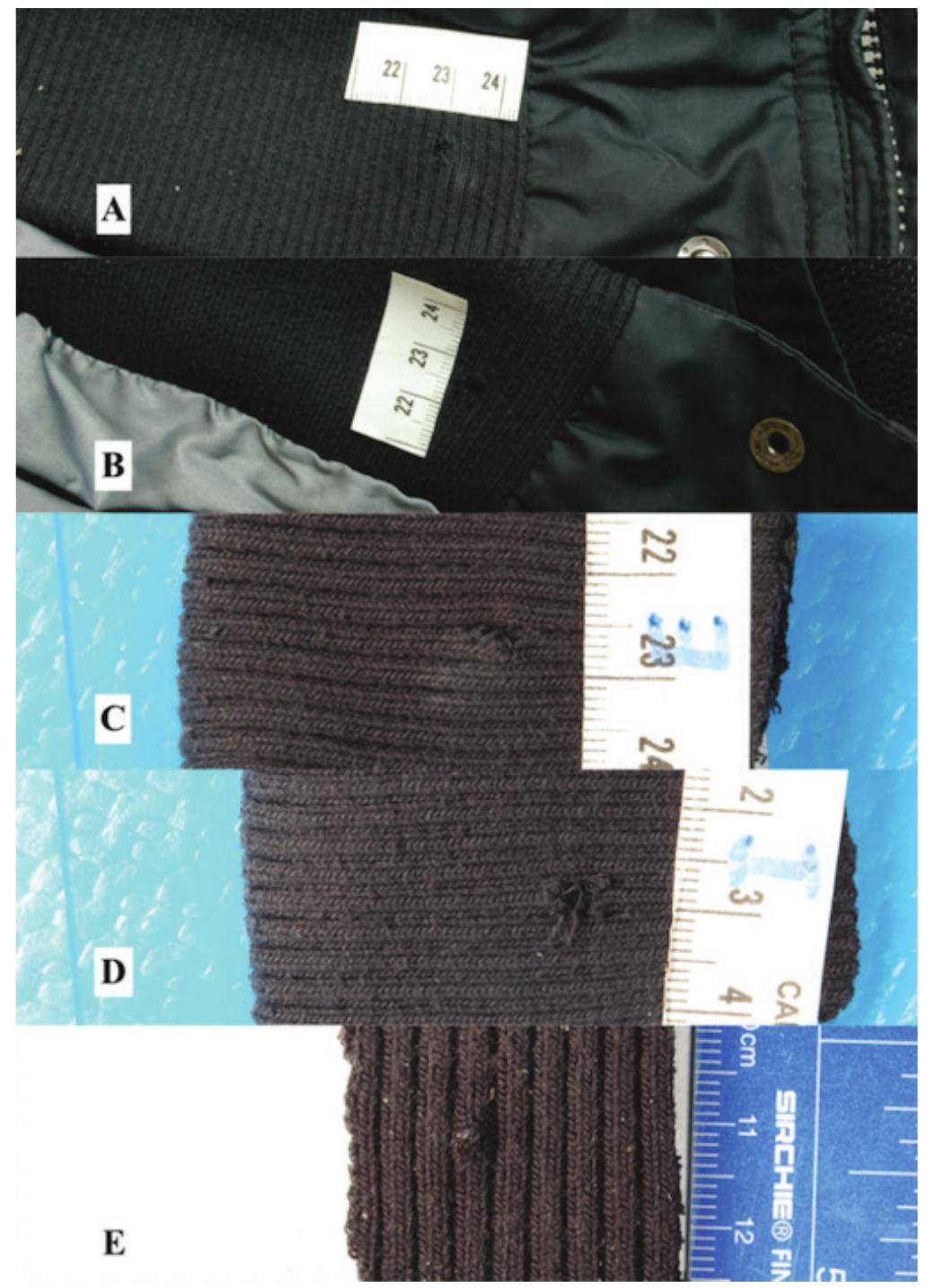
![trom evaluating just the biological traces tound or the clothes to the modifications that clothes themselve: undergo in the context of a specific traumatic dynamic Most of the published studies about clothing damag mainly focused on damages produced by sharp force 5,6]. Kemp et al. studied the features of textile damage caused during stabbing in order to identify the blade ype and size. They highlighted that blades could be differentiated and directionality estimated by observing differences in severance shape and size, the degree o fabric distortion, the position of severed yarn ends, loo snippets, curled yarns, planar array and the morpholog} of fractured fibres [6]. Daeid et al. analyzed both the clothing damage and the corresponding skin injury reporting a significant difference between the length of wound on the skin and the above clothing damage wher it was stretched over the skin, on the contrary, there wa: not a statistically significant difference when the fabri: was loose over the skin [5]. Blunt trauma can determine three types of clothing damage: (1) fiber/yarn flattening (2) fiber fracture and (3) holes [7]. Daroux et al. studiec the effect of laundering on blunt force impact damags in fabrics reporting that laundering after the impac Figure 3. Evidence, different features of the textile fibers around the hole.](https://figures.academia-assets.com/112180427/figure_003.jpg)
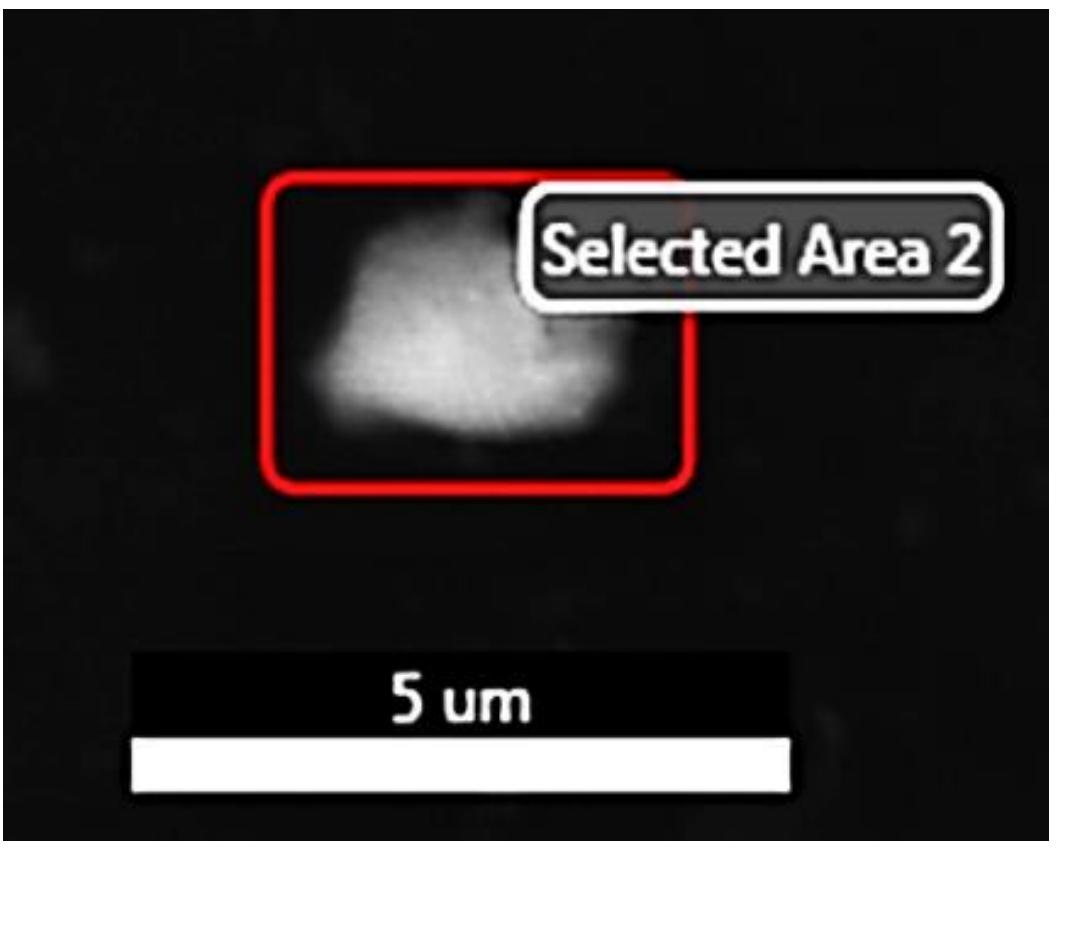
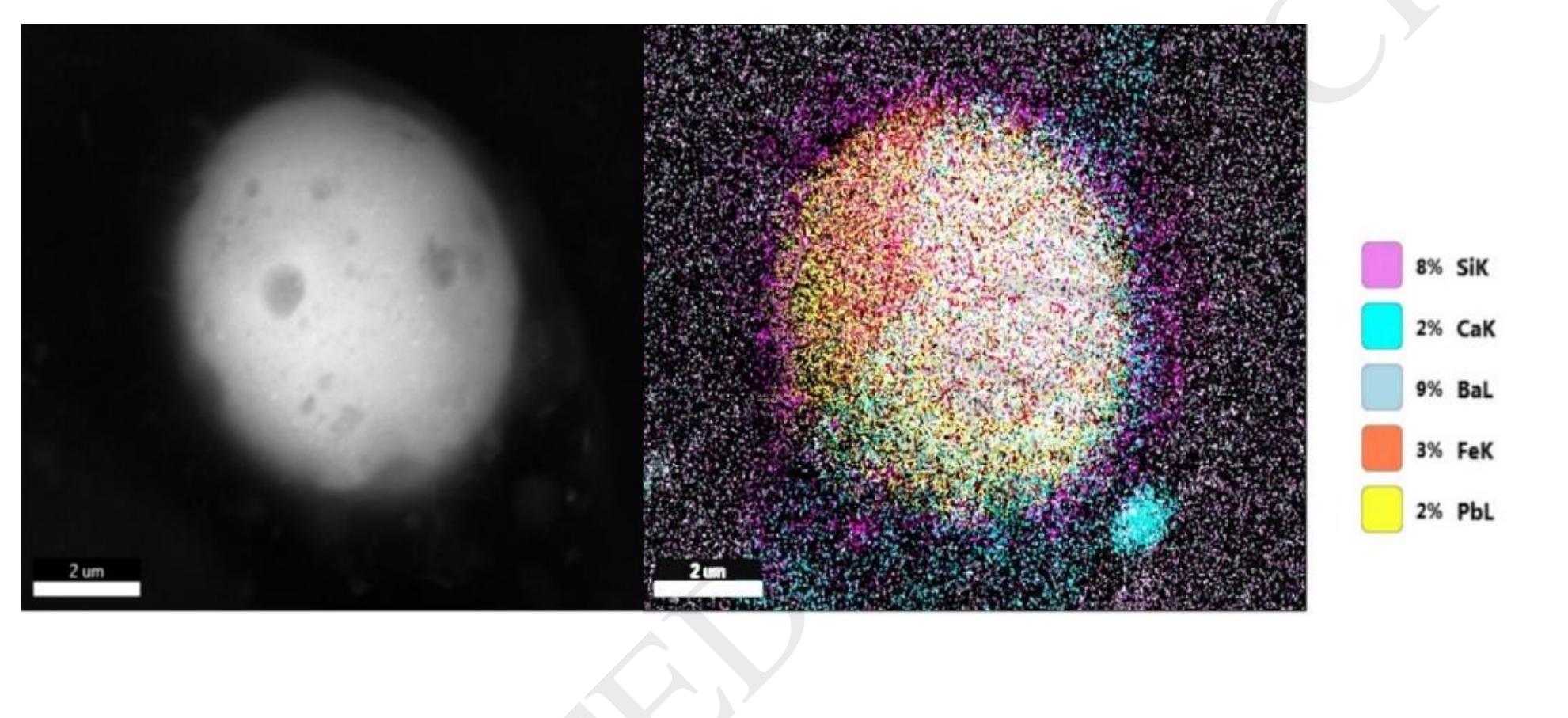
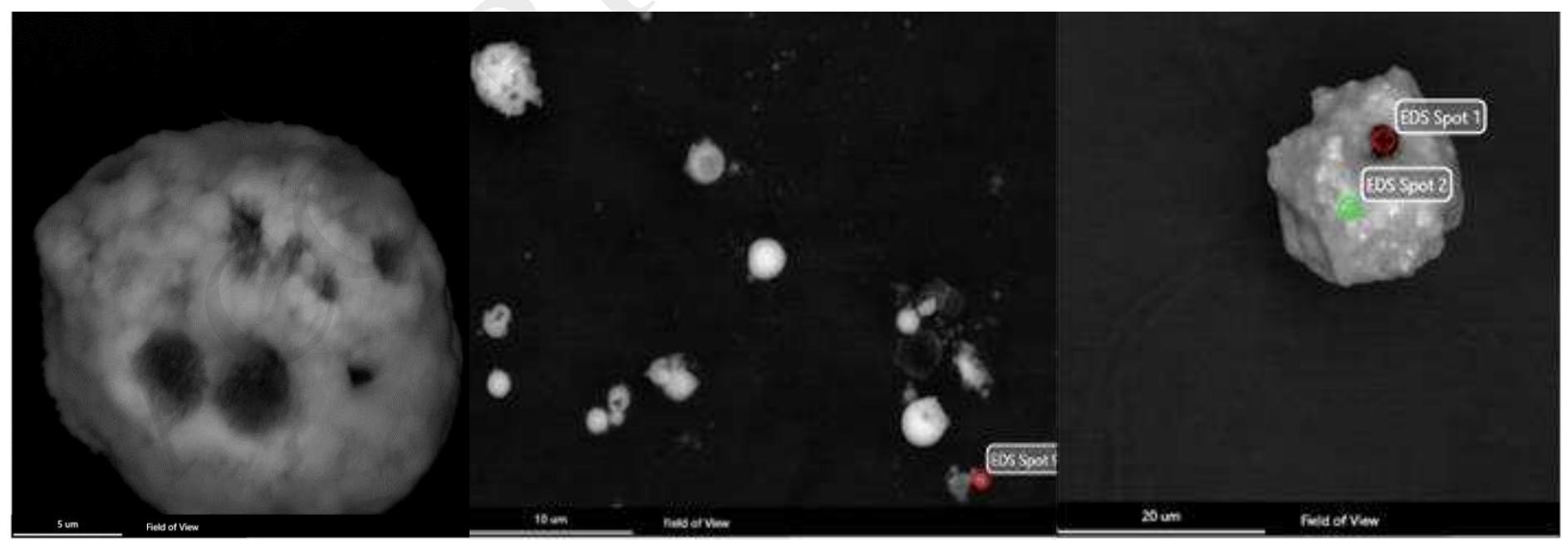
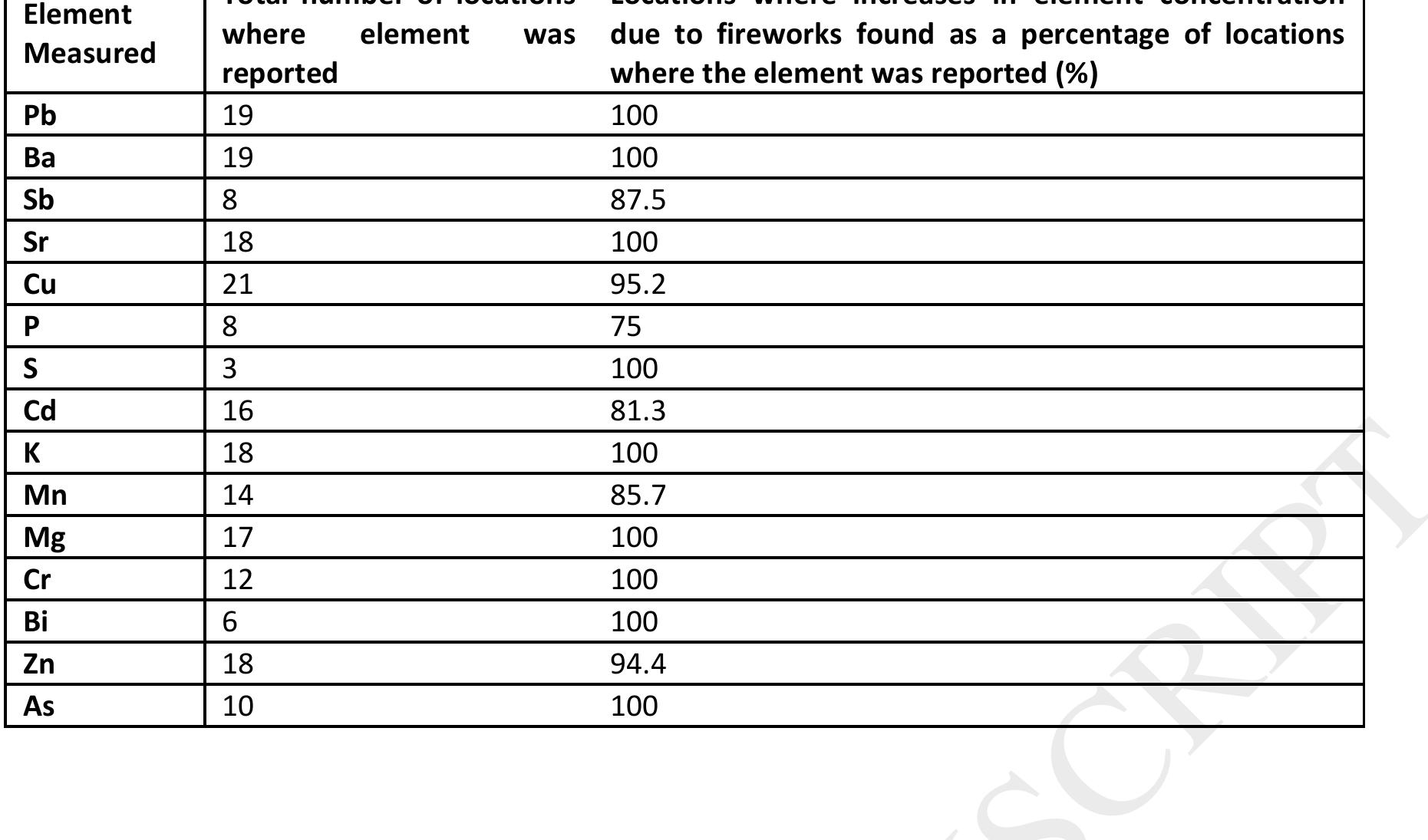
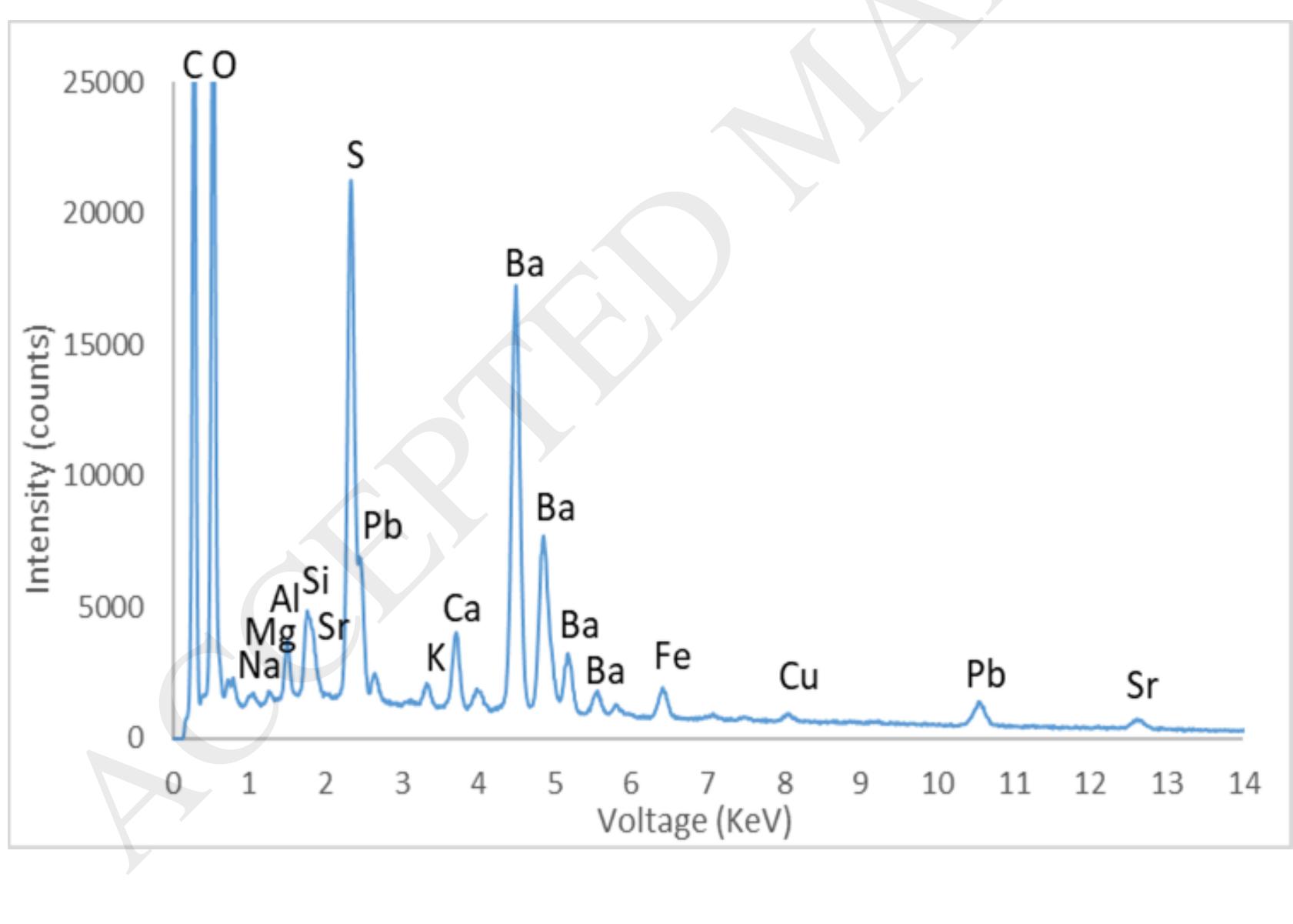
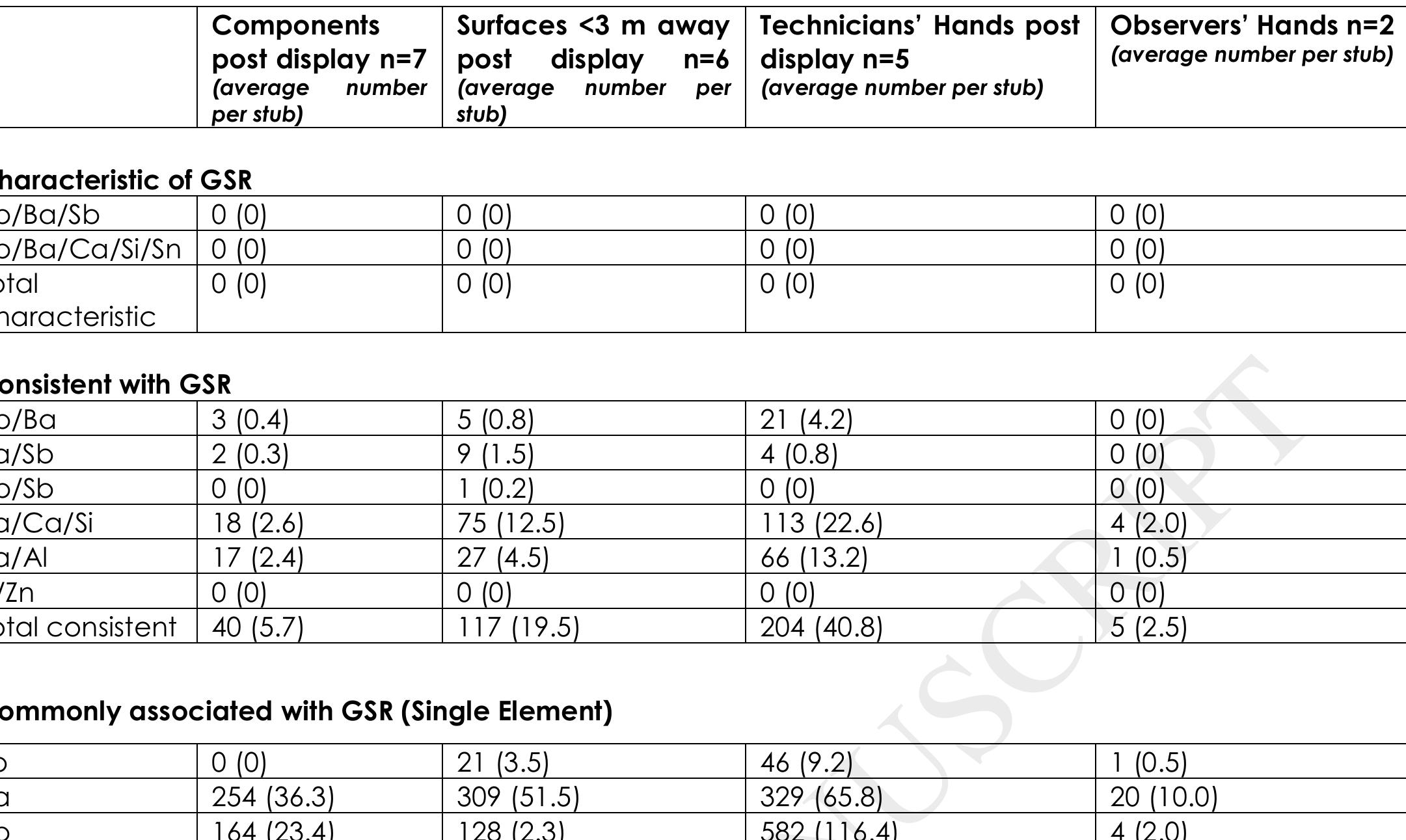
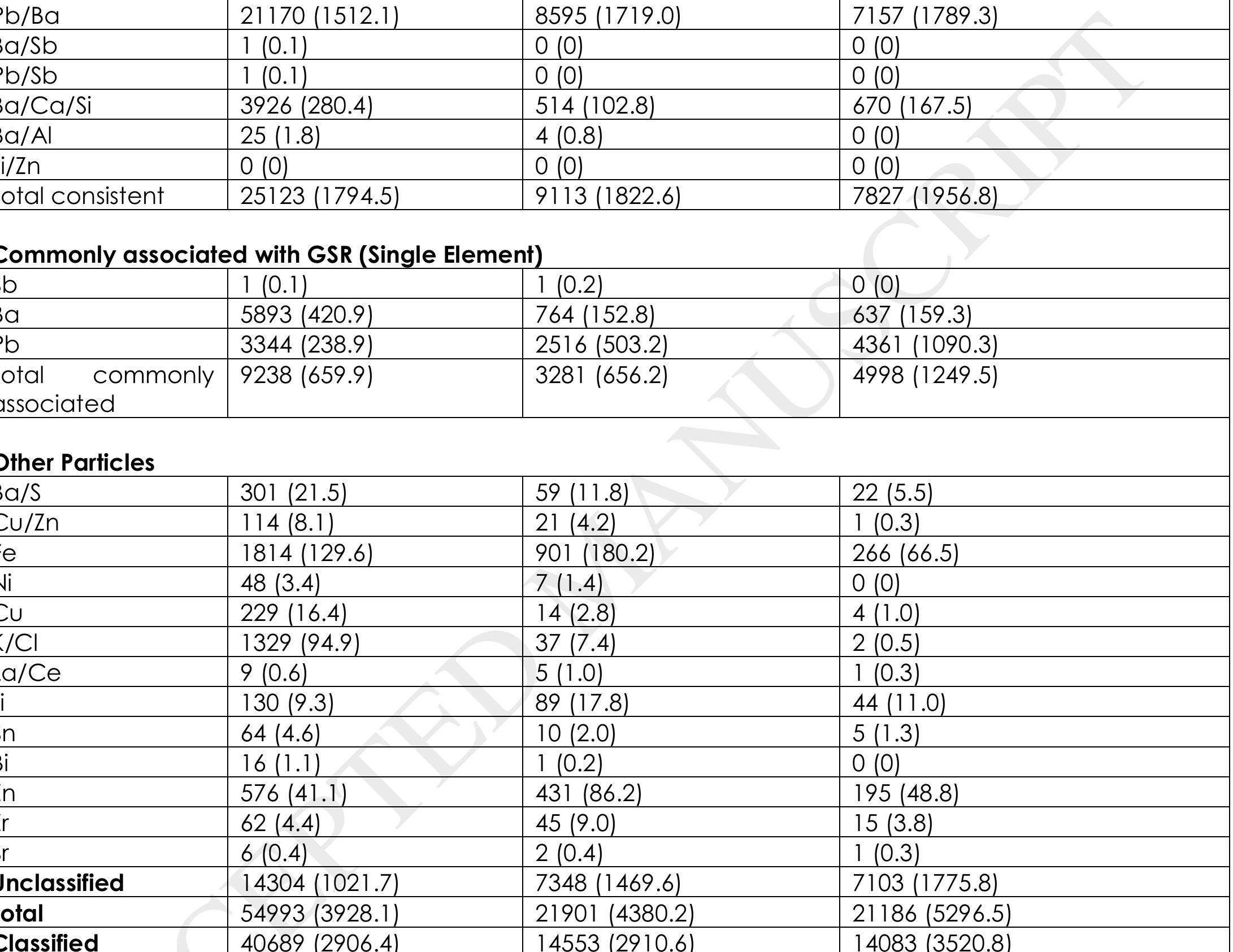
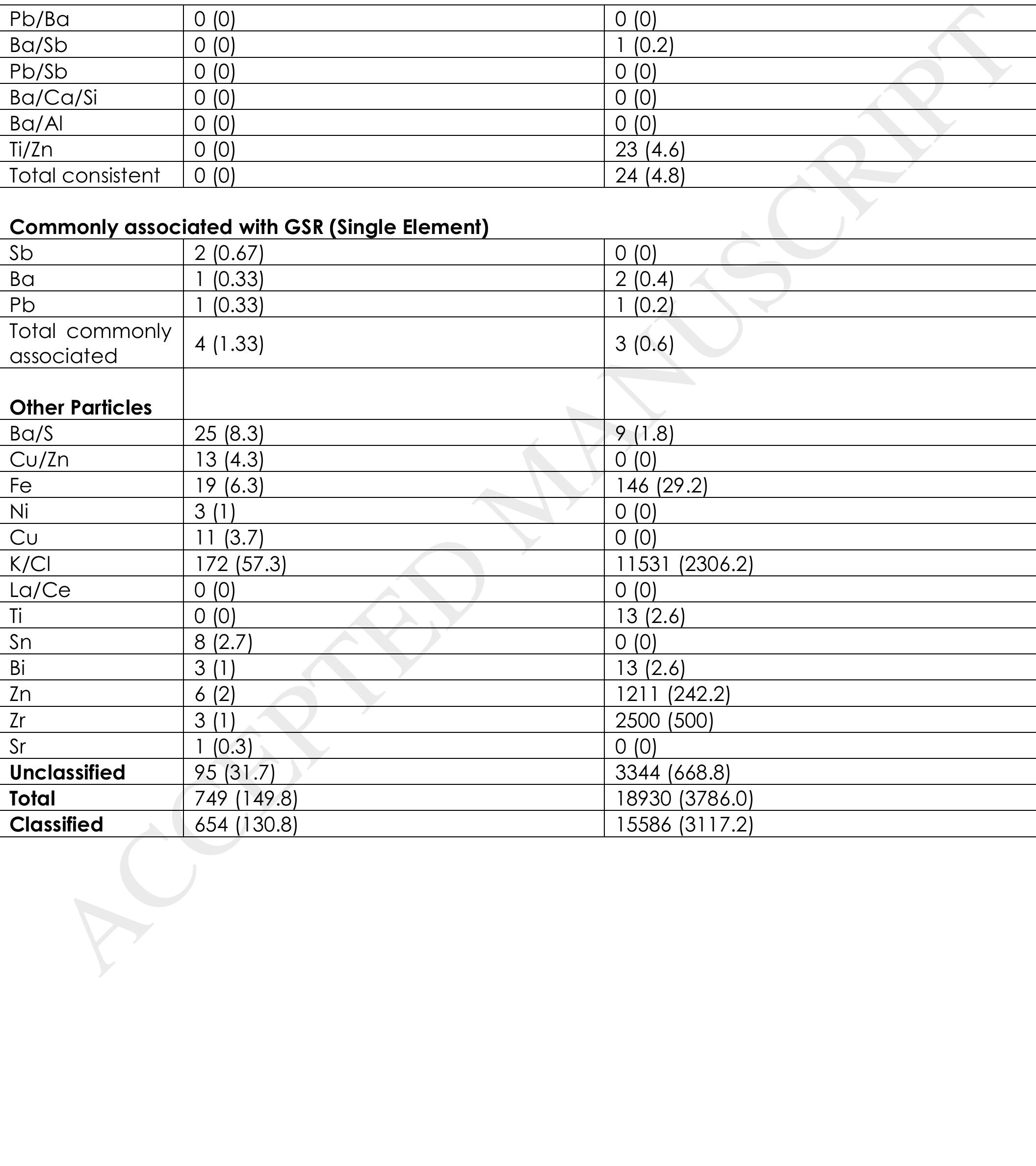
![‘Major’ concentration indicates that the peak was >50% of the height of the highest peak in the spectrum, ‘minor’ indicates a peak height 10-50% the height of the highest peak and ‘trace’ indicates a peak height <10% of the highest peak, classifications adapted from [38] Table 3: Results of a manual review of 1000 fireworks particles for magnalium indicators. Particles were identified using BSE-SEM-EDS GSR particle searching.](https://figures.academia-assets.com/111444492/table_007.jpg)




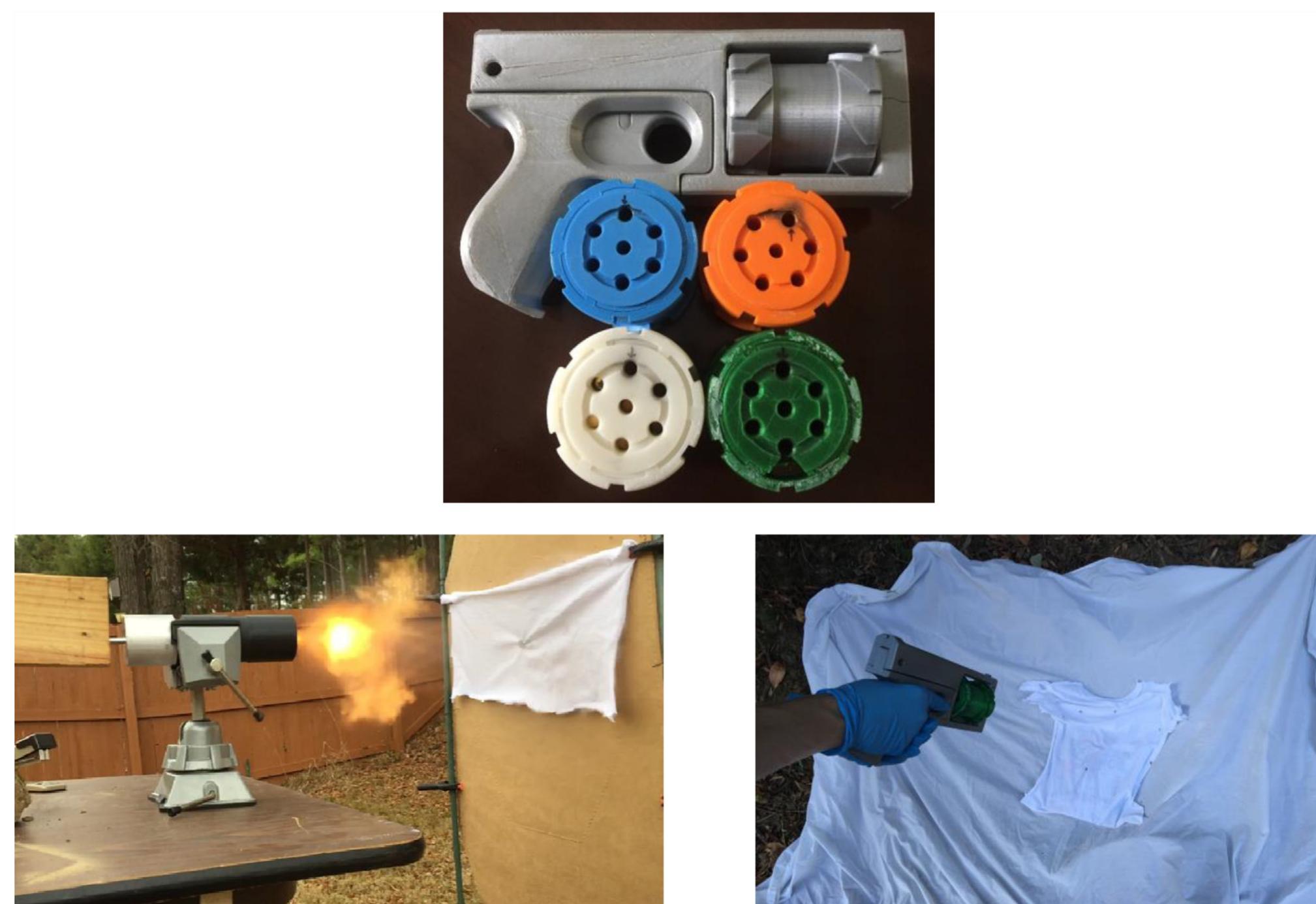
![Fig. 2. Categories of trace evidence analyzed in this study. Bullet fired from a gun with a black ABS barrel showing a polymer smear mark and scrape marks from the meltin: point tube used for DART-MS analysis (left). Cartridge case from the same gun (middle, left shell) showing external black polymer residue, unlike a cartridge case from | traditional gun (middle, right shell). Adhesive stub used to collect GSR and occasionally polymer (colored) fragments from a cotton t-shirt (right). of cartridge cases, bullets, and GSR stubs (Fig. 2). A melting point (glass capillary) tube was used to scrape the bullet and cartridge cases and then the tube was placed in the DART beam near the sampling inlet orifice of the AccuTOF mass spectrometer. For GSR collected from clothing, we deposited approximately 50 pL of methanol onto the center of the GSR stub using a pipette, and then immediately withdrew the methanol back into the pipette for transfer into a glass sample vial. The 50 tL volume was sufficient to cover the entire surface of the stub without overflow. Approxi- mately 1-3 uL of the methanol were deposited onto the sealed end of a glass melting point tube for analysis in the DART gas stream. A mass spectrum of polyethylene glycol (PEG), with an average molecular weight of 600 g/mol, was used as a reference standard for the mass calibration. The atmospheric pressure inter- face was operated with the atmospheric pressure interface poten- tials set to: Orifice 1 = 20 V, Orifice 2 =5 V, and Ring Lens = 5 V. At these potentials, little to no collision-induced dissociation (CID) occurs and the resulting mass spectra are dominated by protonated molecules ([M + H]*). The RF ion guide voltage was set to G00 V to allow the detection of ions greater than m/z 60. The DART-SVP ion source (IonSense Inc., Saugus, MA) was operated with a helium gas heater temperature of 300 °C and exit grid voltage of 250 V. TSS Unity software (Shrader Analytical, Detroit, MI) and Mass Spec Tools software (RBC Software, available from http://www.shop.](https://figures.academia-assets.com/111341271/figure_002.jpg)
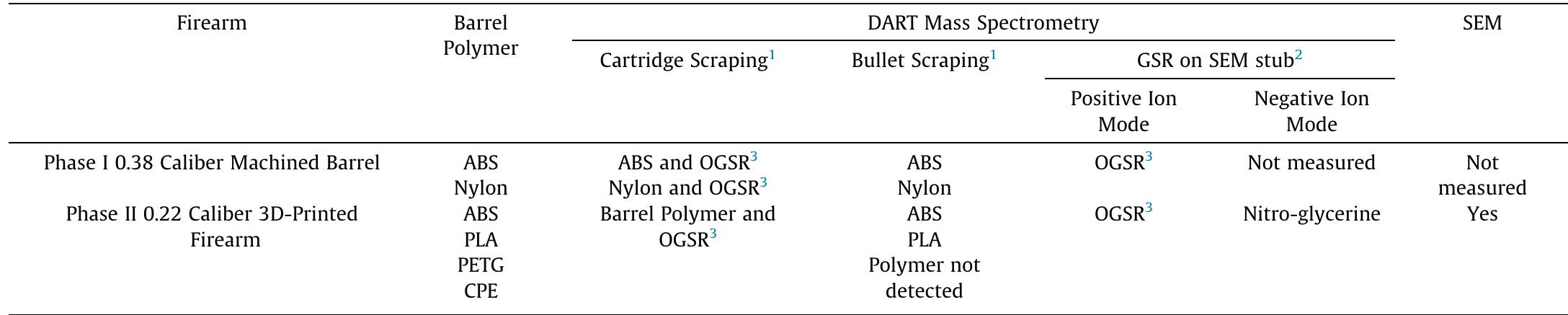
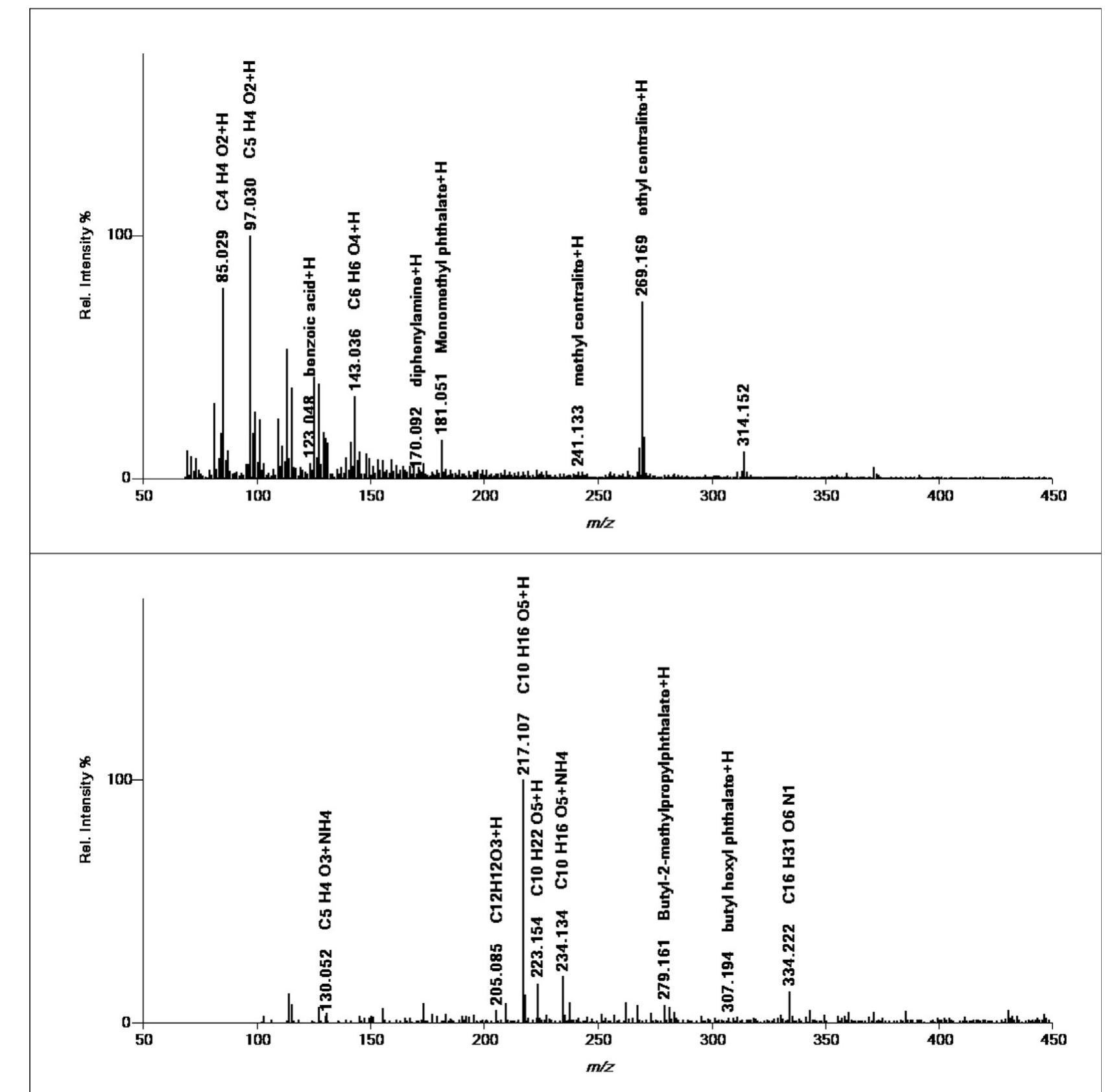
![Table 1 provides a summary of the major compounds detected by DART-MS. We discuss the results for polymers and OGSR sepa- rately below. We used a JSM-IT300LV SEM (JEOL USA, Inc., Peabody, MA) with an Oxford Aztec EDS system with dual X-Max 80 mm’ silicon drift detectors to analyze the GSR stubs. The SEM was set to 20 kV using Fig. 3. DART-TOF high-resolution mass spectra for cartridge case (A) and bullet (B, C) scrapings. Major peaks were compared to the DART polymer database and correctly identified the polymer used in the barrel. The peaks at m/z 269.165 and m/z 369.351 in Fig. 3C correspond to protonated ethyl centralite and [M + H —- H,0]* for cholesterol (from handling).](https://figures.academia-assets.com/111341271/figure_003.jpg)
![Fig. 6. (A) Positive-ion DART mass spectra of nitrocellulose. (B) Positive-ion DART mass spectrum of cotton. (C) Head-to-tail display showing an expanded view of the low- mass region in the positive-ion DART mass spectrum of the methanol wash from the GSR stub from Fig. 5A (top) compared to the positive-ion DART mass spectrum of 2 nitrocellulose standard. (D) Negative-ion DART mass spectrum showing nitroglycerine (circled) detected as [M + NO3]~ at m/z 288.989. The other peaks are background peaks present in the methanol wash of a blank SEM stub (not shown).](https://figures.academia-assets.com/111341271/figure_006.jpg)
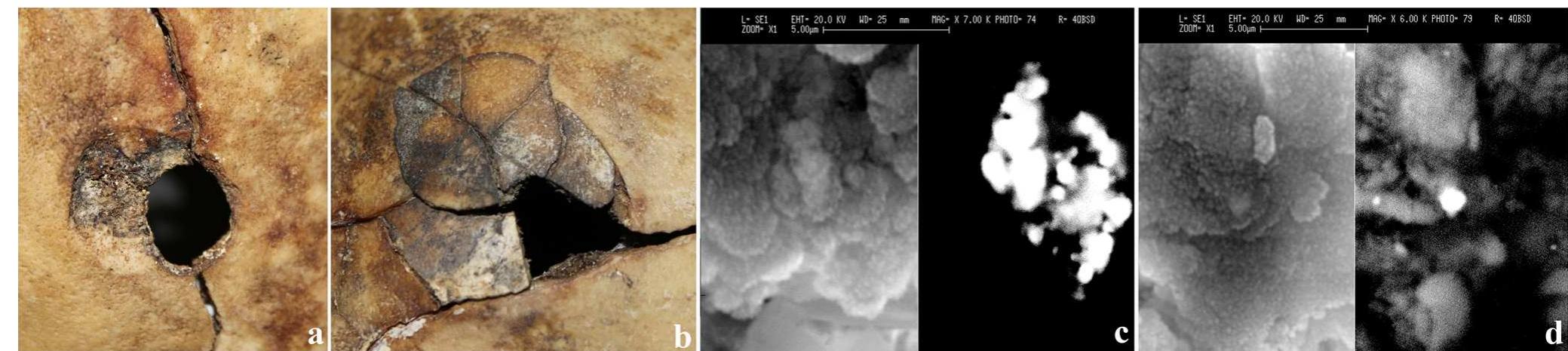
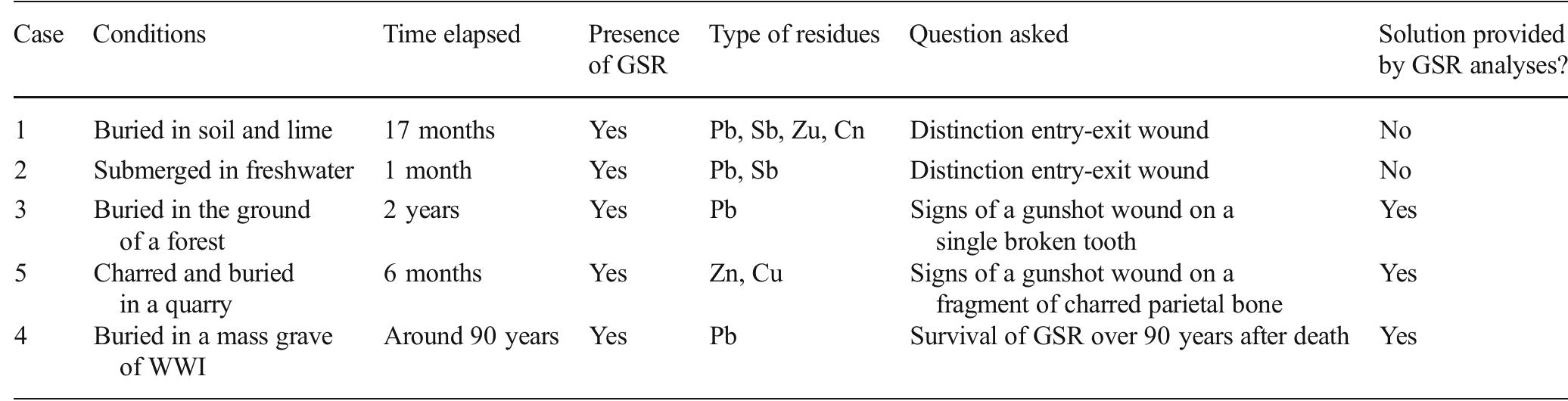
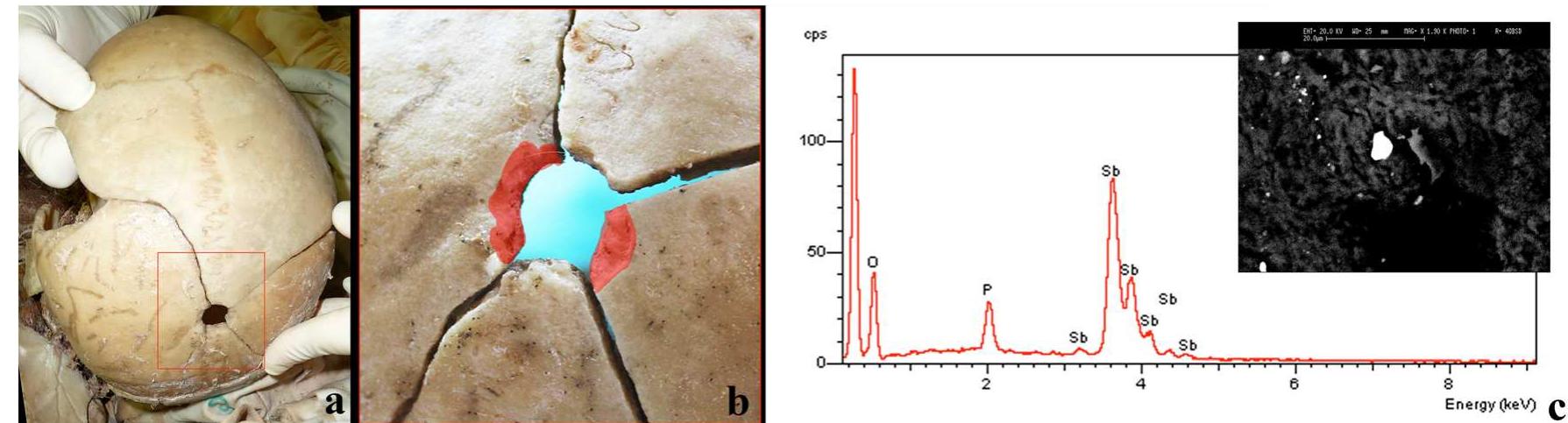
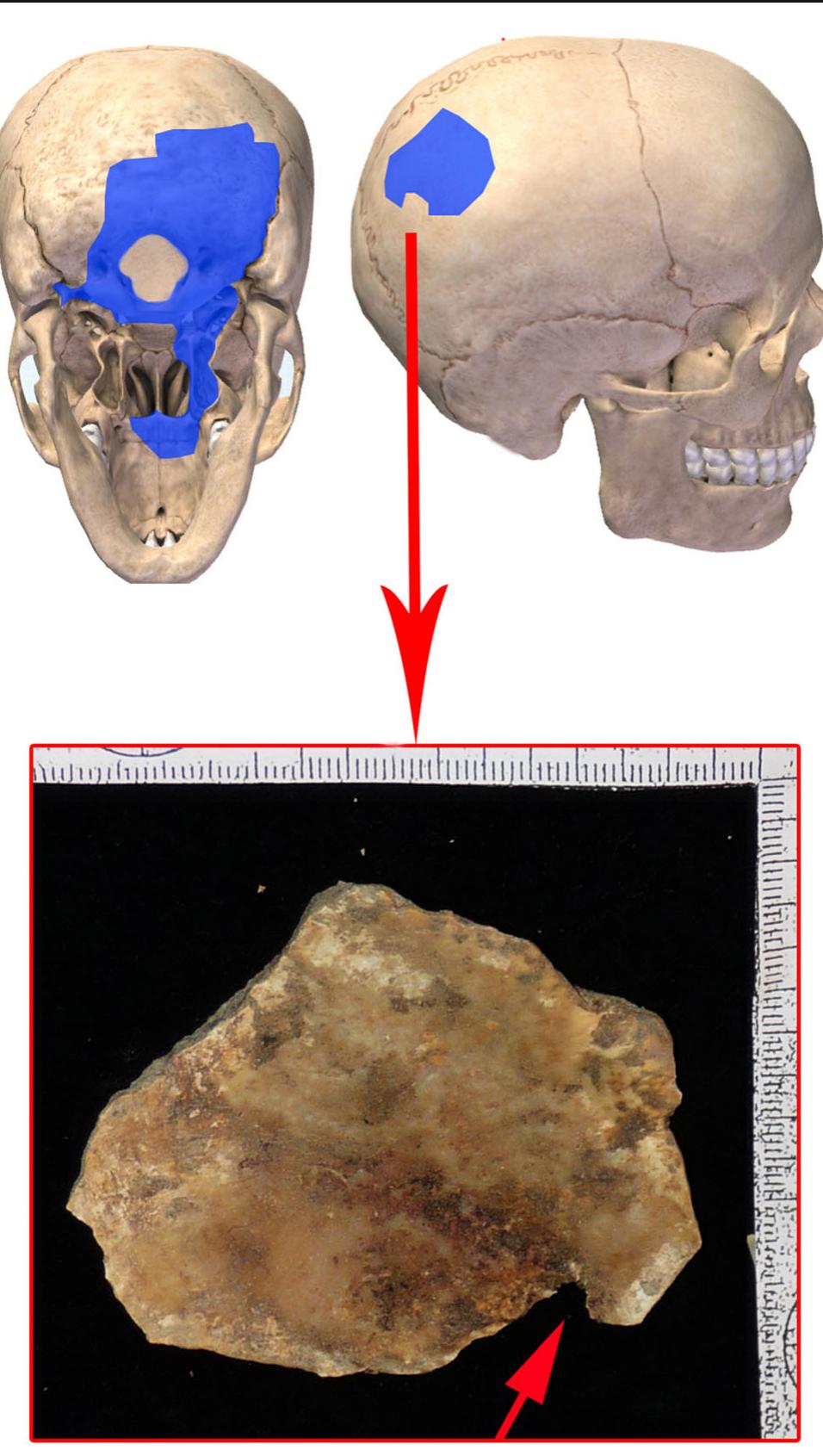
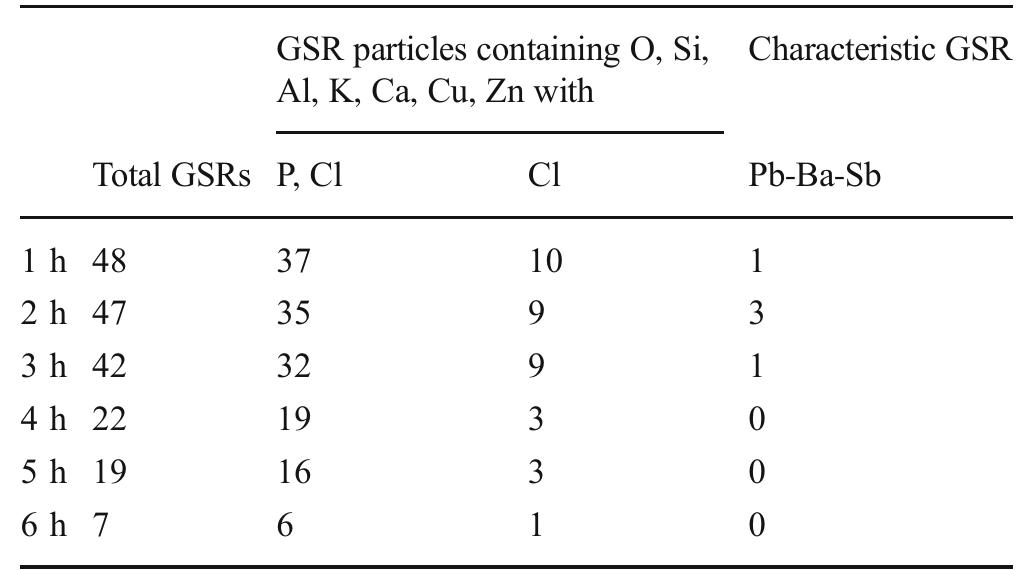
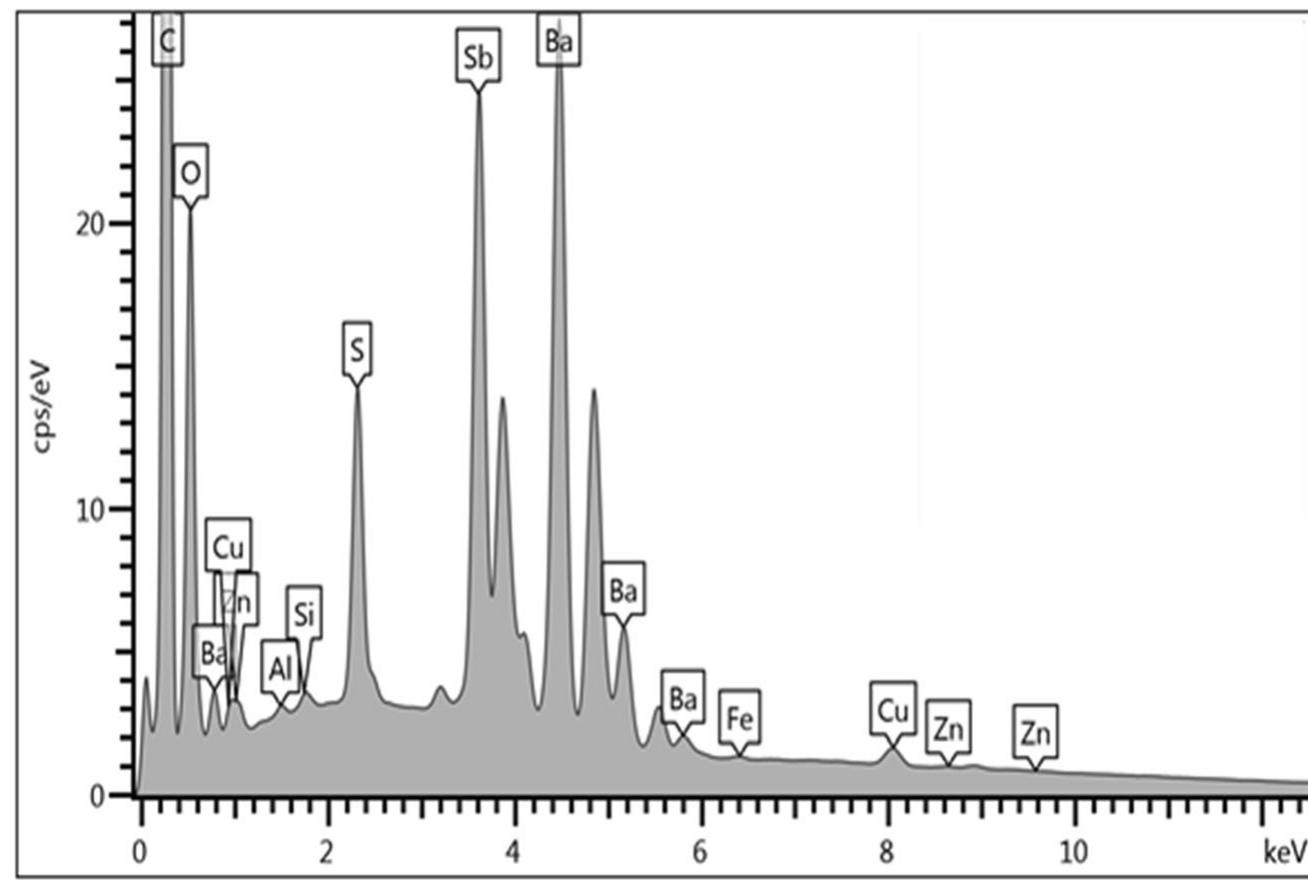
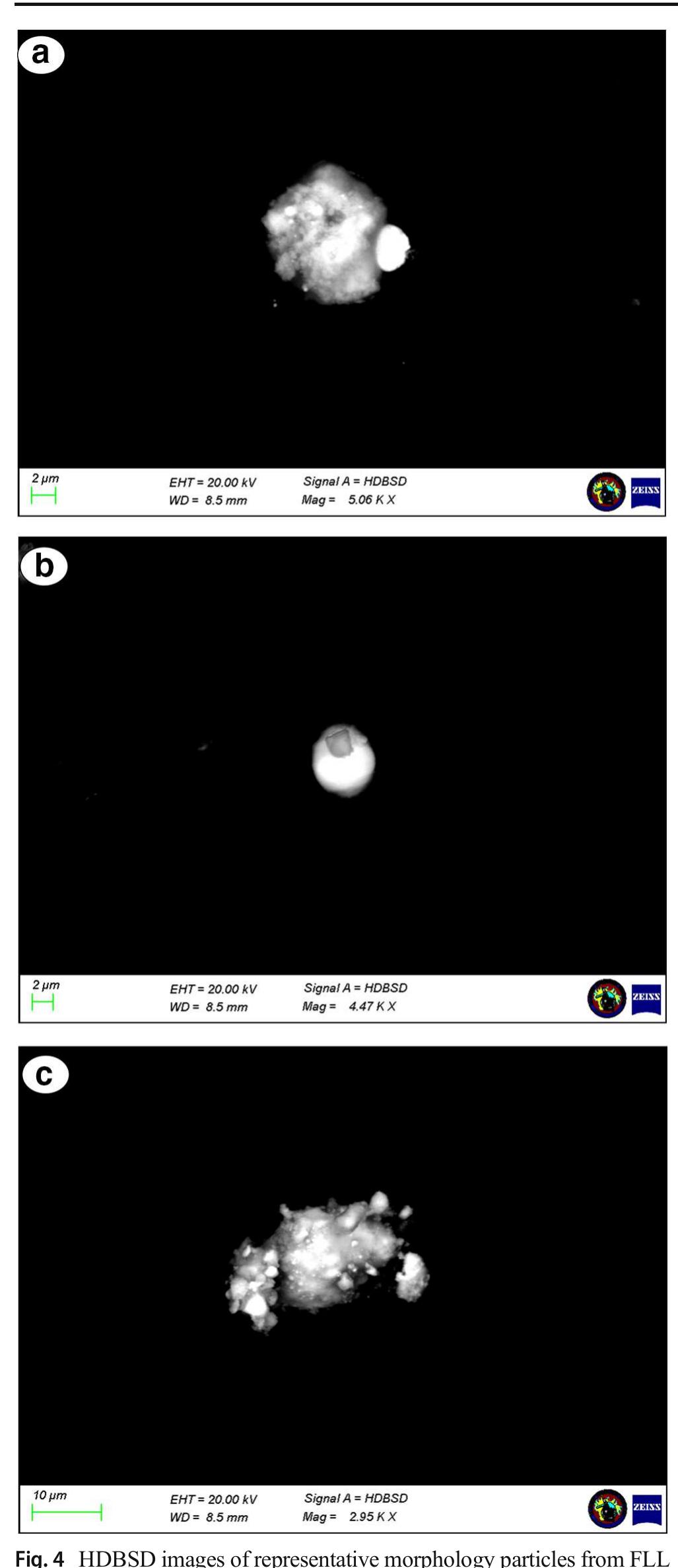
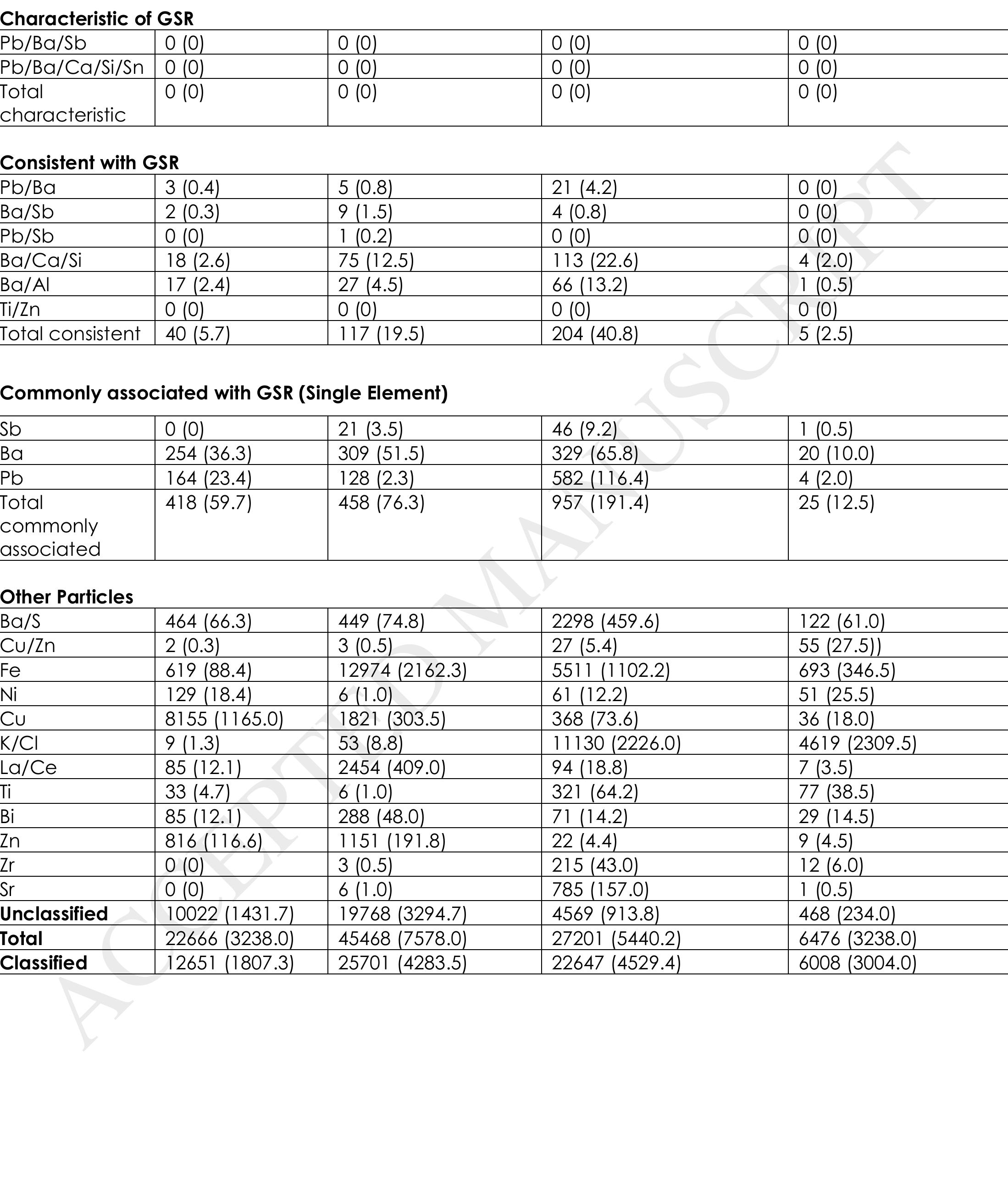
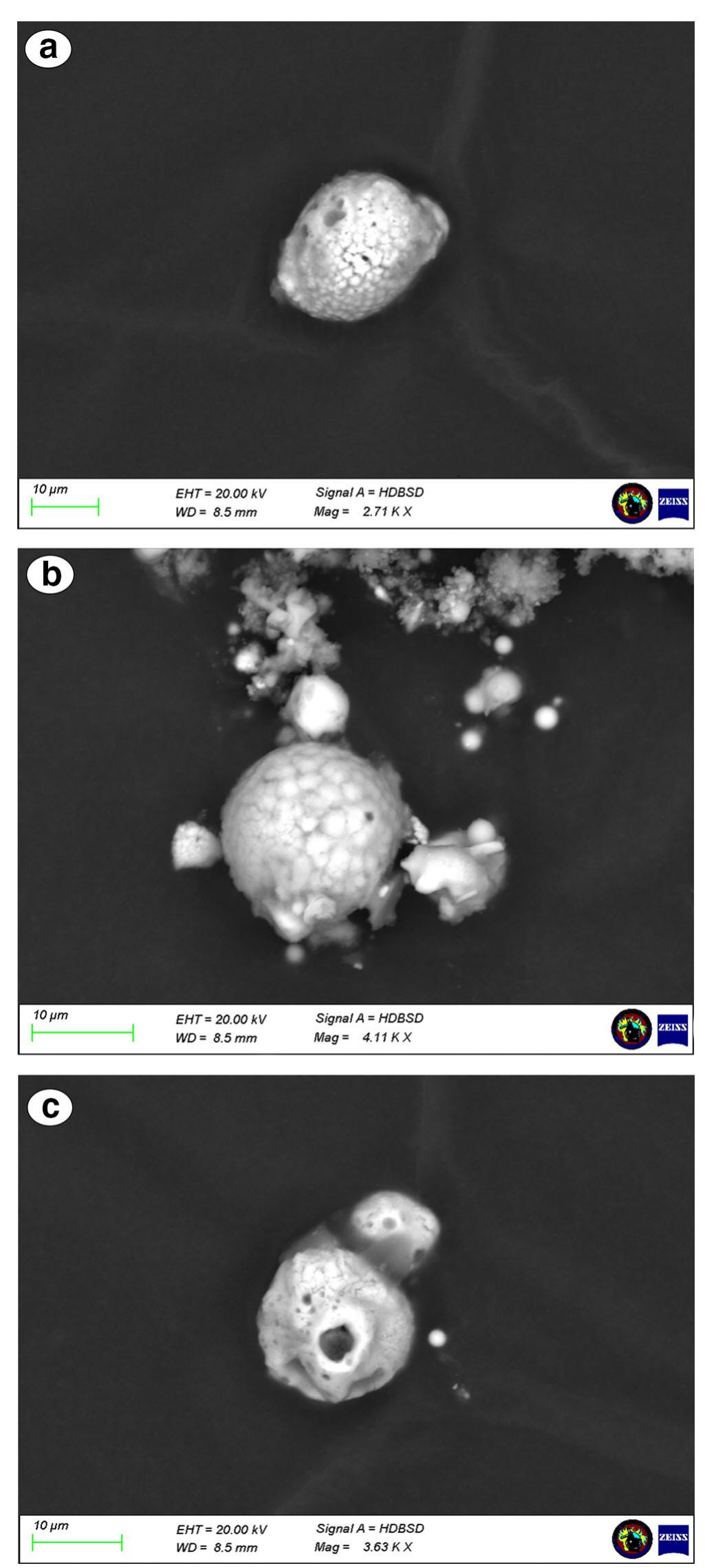
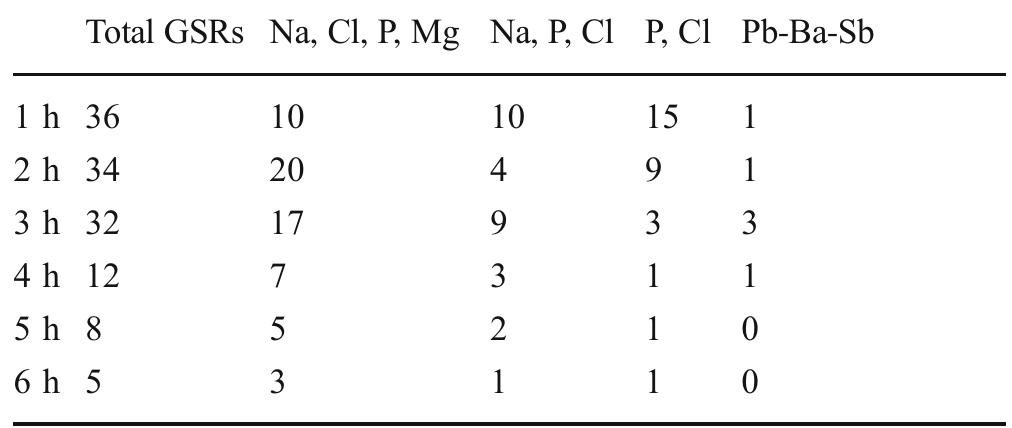
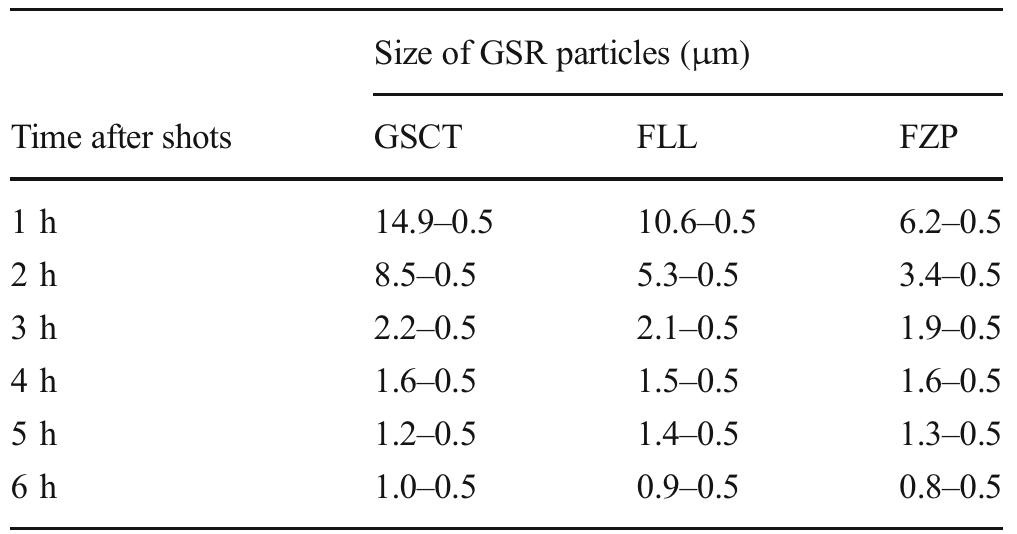
![Table 2 Number of GSR particles on the shooter’s hand from discharge GSCT ammunition Electronic Supplementary Material). According to Cardinetti etal. [29], “the probability of finding more than three GSRs on a nonshooter can be considered negligible’, so a number of](https://figures.academia-assets.com/106910110/table_002.jpg)

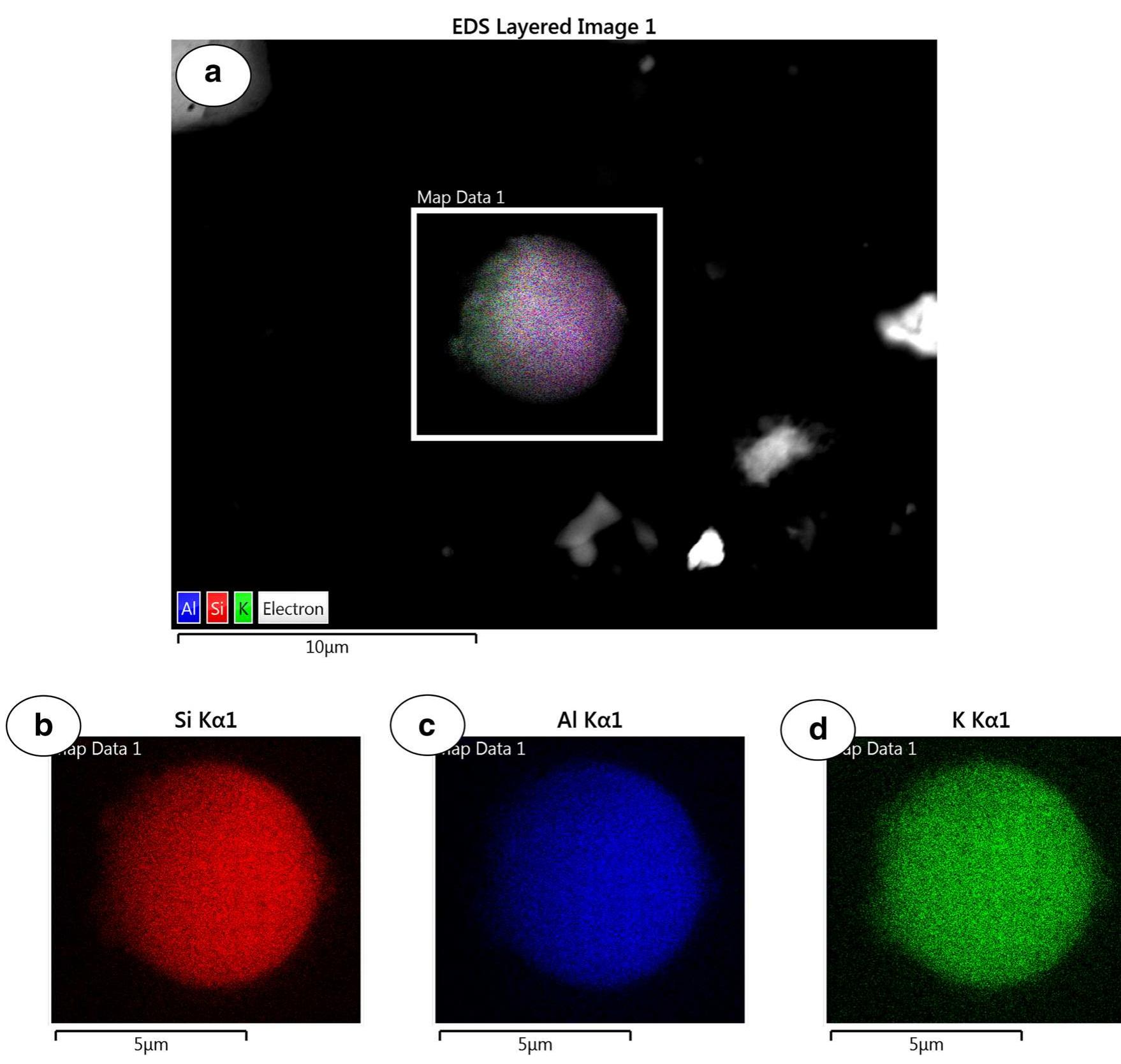
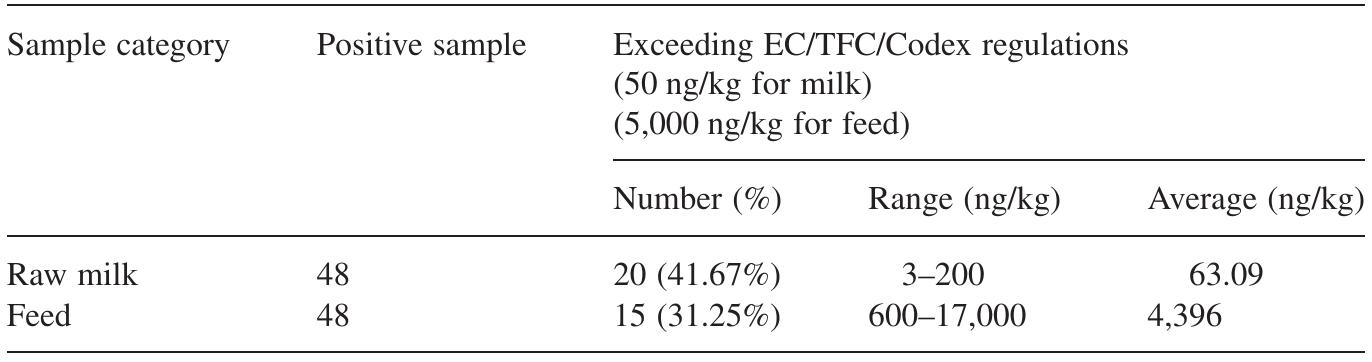
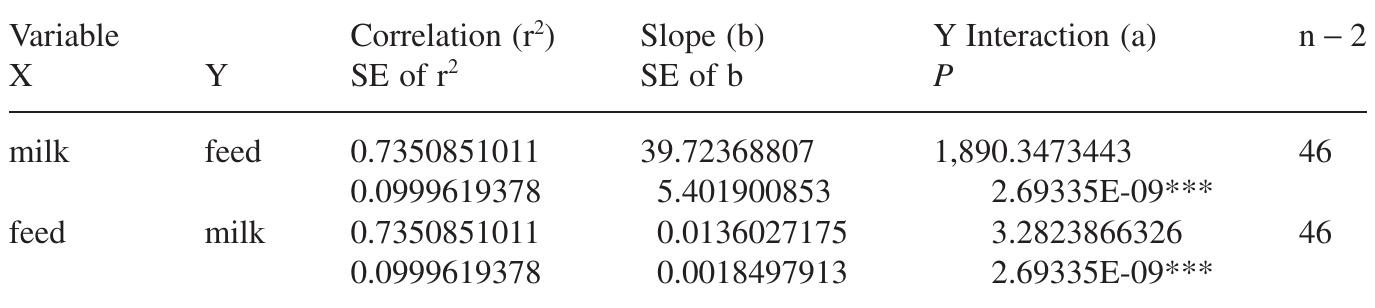
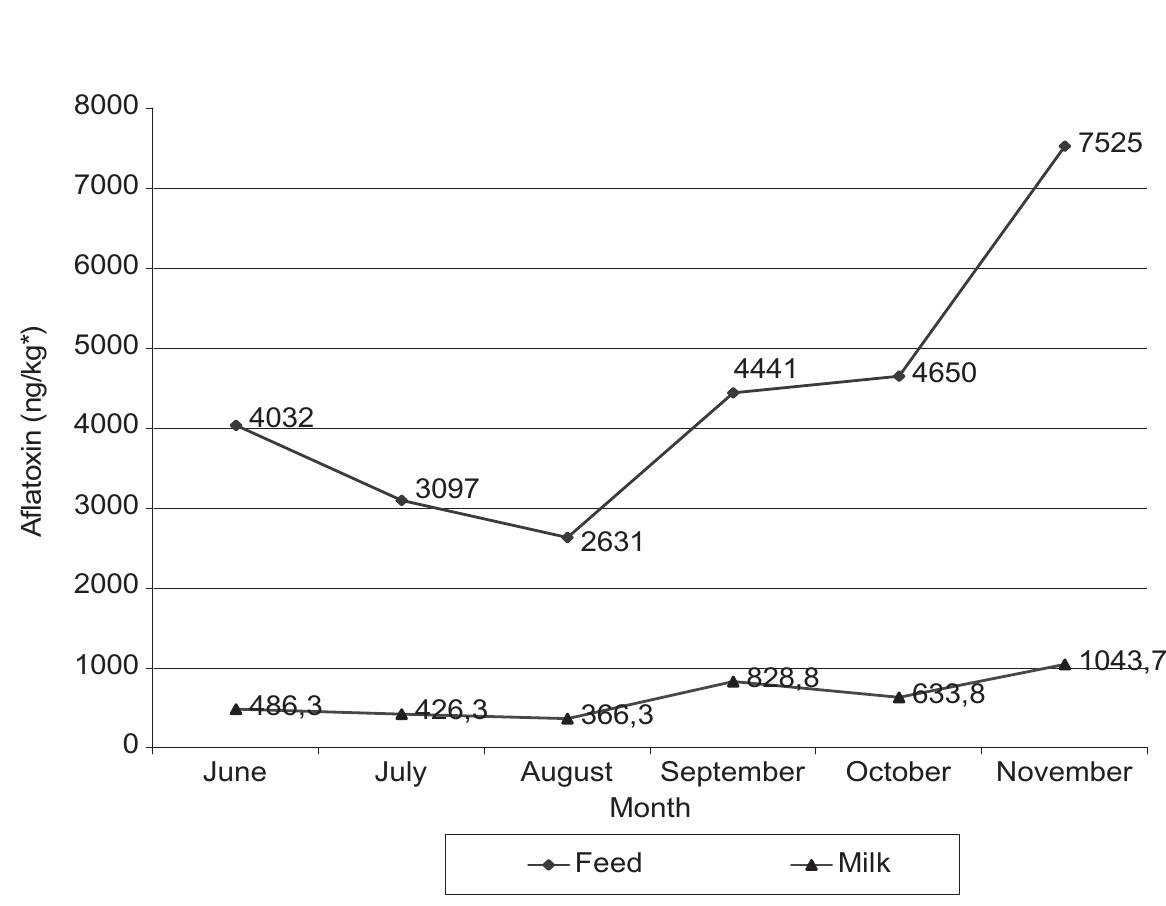
![LEVELS OF AFLATOXIN IN RAW MILK AND FEED (ng/kg) * For each aflatoxin, means of months with different letters (a to b for milk samples [P < 0.05], A to B for feed samples [P < 0.01]) were significé different.](https://figures.academia-assets.com/106840632/table_001.jpg)
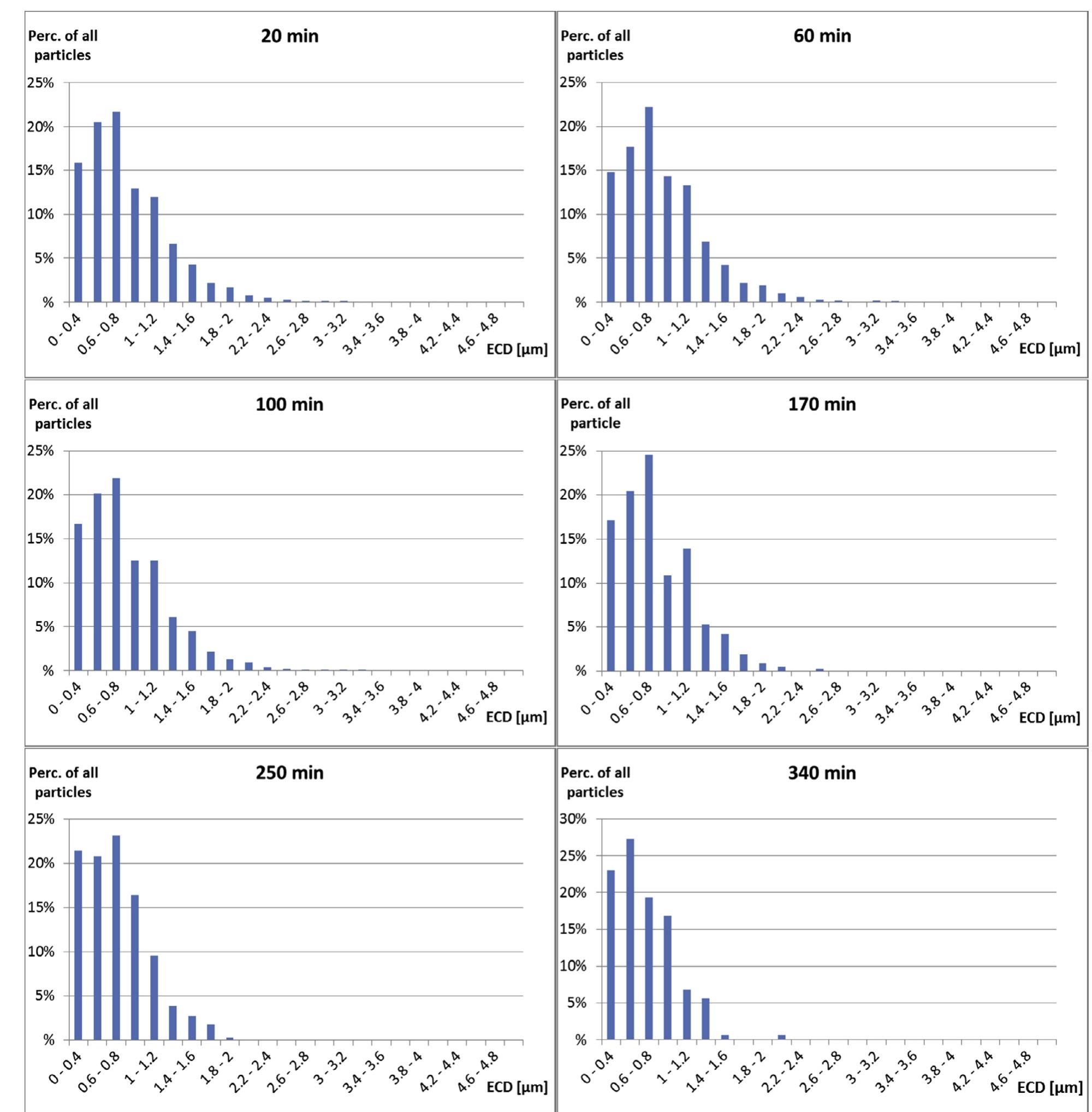
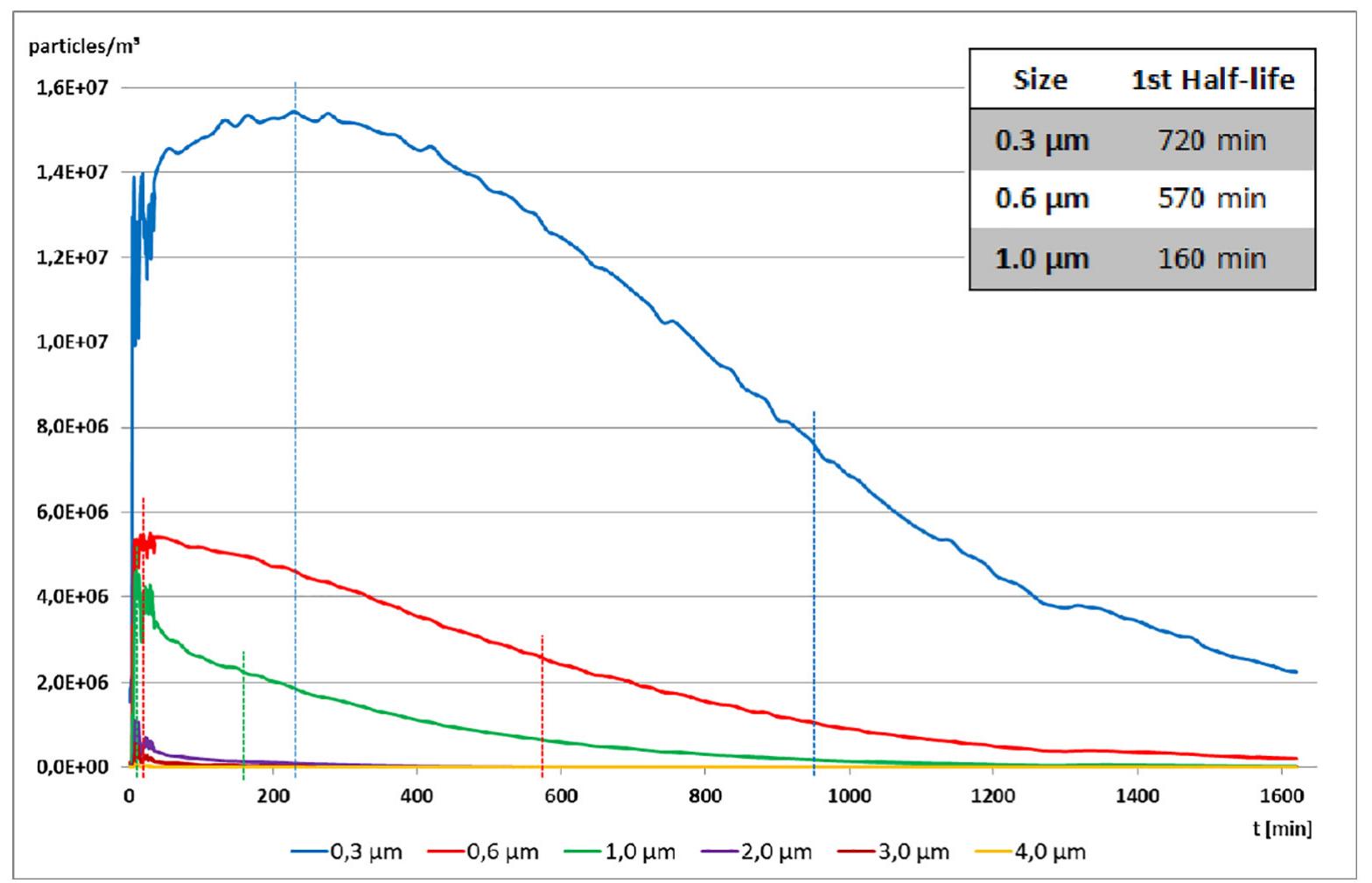
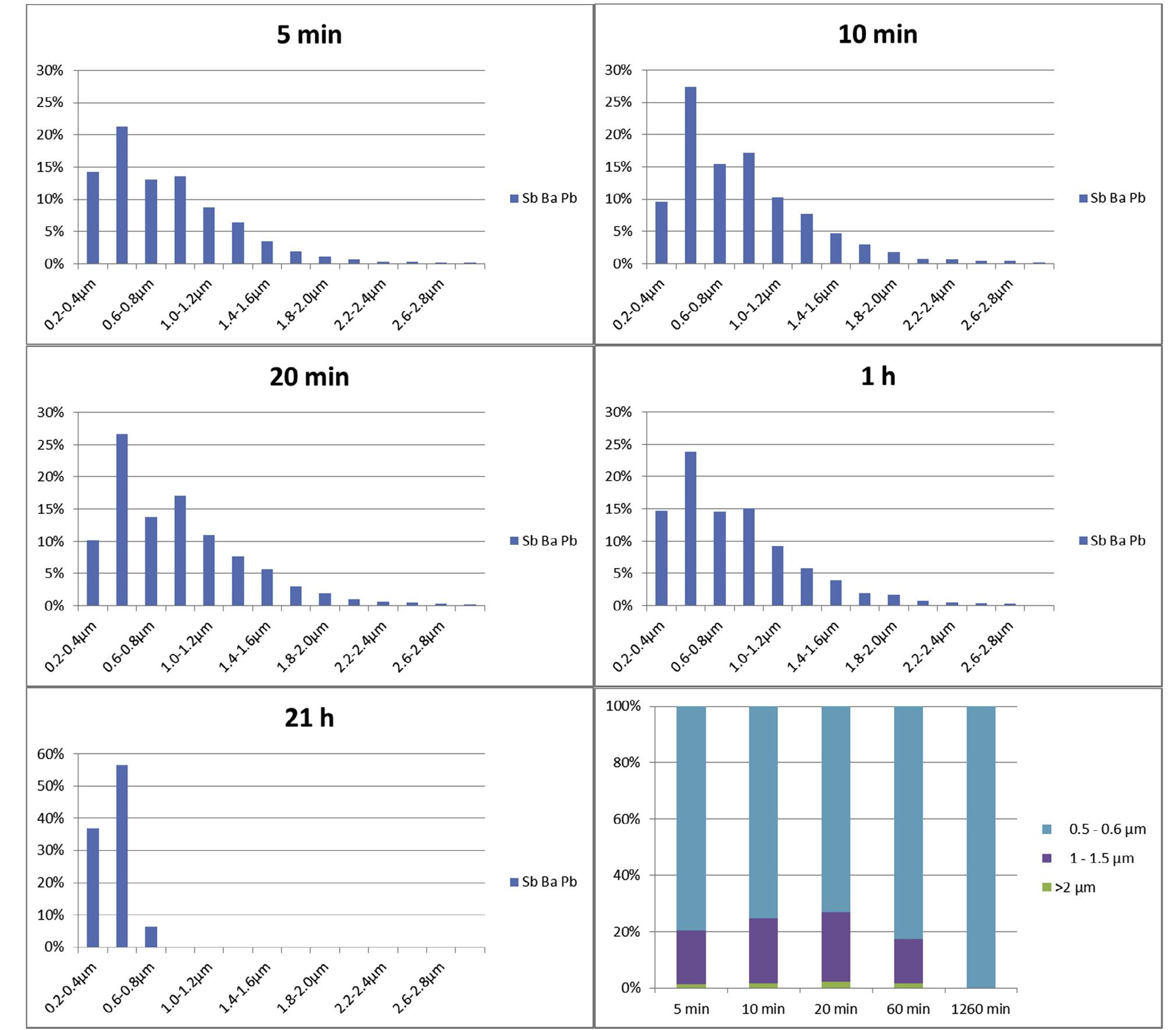
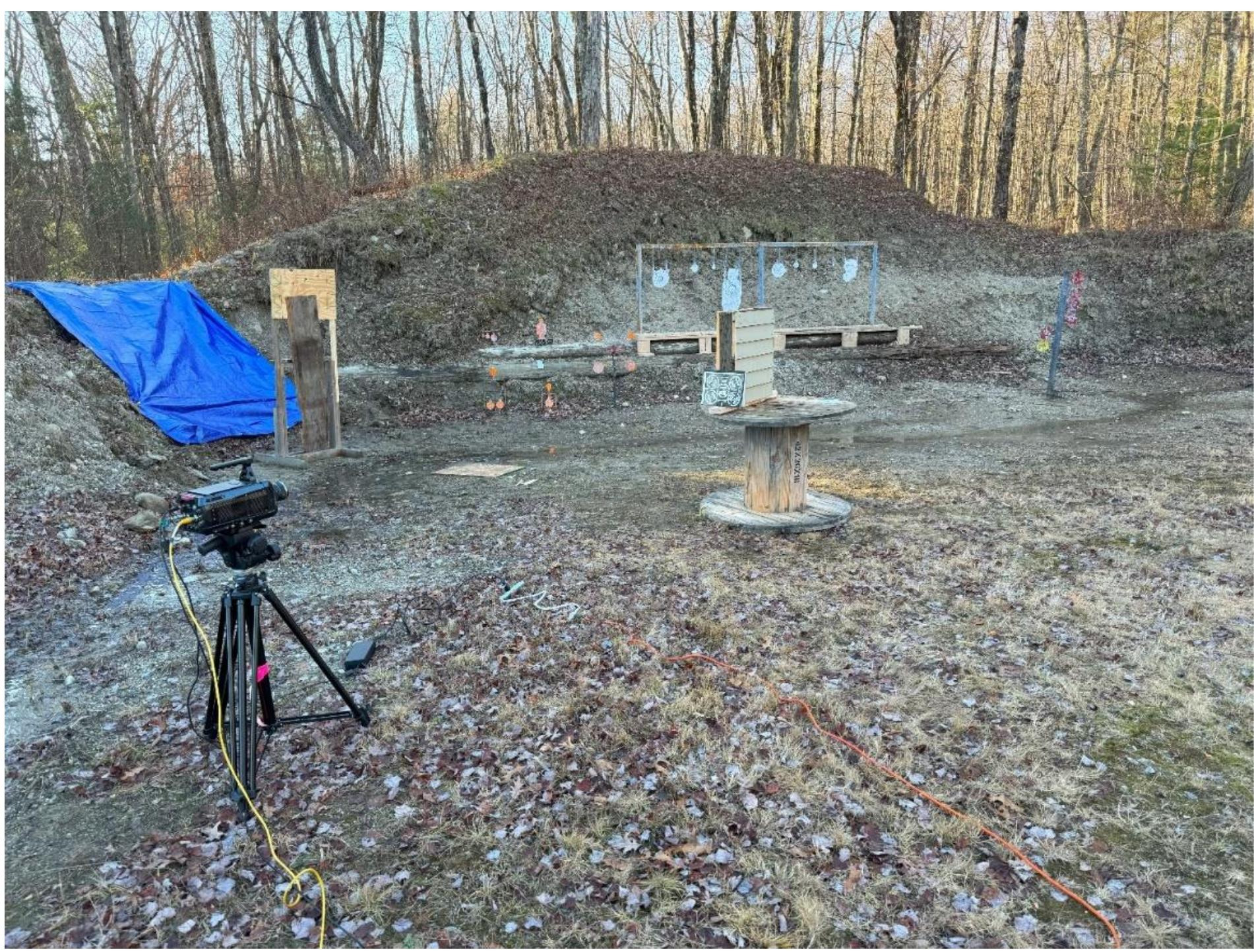
![An ACS-Plus 228 from KM OptoElectronic GmbH (Leonberg, Germany) with detection sizes from: 0.2 pm to 1.0 um with steps of 0.1 pm; 1.0 to 4.0 pm with steps of 0.5 pm; and 5 ym was used during the experiments [13]. In the present study an impactor was used with a triple separa- tion system with cut off sizes at 10, 2.5 and 0.4 um [10-12]. This flow rate in this system was 33 L/min. The flow rate is six times greater than that of Andrasko and Pettersson [9]. The impactor was used in combination with a pump with a controlled volume passing through the system instead of an ordinary vacuum cleaner. In this way the particle concentration can be related to a volume of the Fig. 2. Setups of the experiments in the shooting range, X is the position of the suction tubes. Experimental setup 3 uses the position of setup 2.](https://figures.academia-assets.com/106596482/figure_002.jpg)