580 California St., Suite 400
San Francisco, CA, 94104
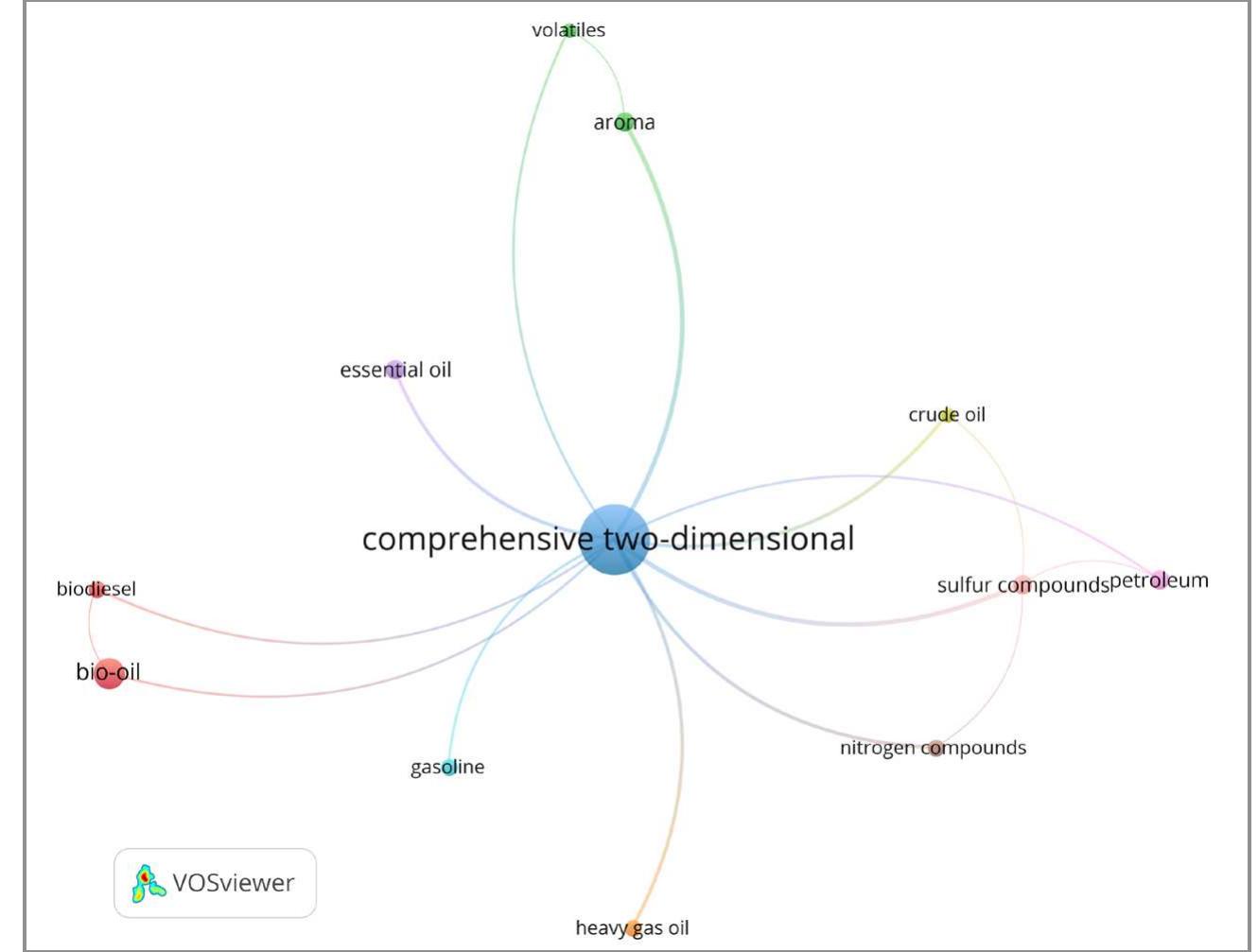
This research theme focuses on the methodological developments and application of comprehensive two-dimensional gas chromatography (GC×GC) in metabolomics. GC×GC offers superior separation capacity over one-dimensional GC enabling more comprehensive profiling of complex biological mixtures. The theme explores advances in sample preparation, instrumental methodology, data acquisition, and processing that facilitate detection and quantification of a broader range of metabolites, including low abundance or previously undetected compounds. It is critical for expanding metabolomic coverage across diverse organisms and biological states.
This theme investigates technical considerations to enhance the quantitative analytical performance of GC×GC coupled with time-of-flight mass spectrometry (TOFMS) in metabolomics. It targets challenges in calibration, detection limits, data analysis, and annotation to ensure reliable measurements of metabolite concentrations and identities. Research in this area improves metabolomic data quality, necessary for robust biological interpretation and biomarker discovery.
This theme covers the application of GC×GC-TOFMS in revealing biologically meaningful metabolic alterations associated with physiological states, environmental factors, or disease. By unlocking greater metabolite resolution and detection, GC×GC-TOFMS enables identification of biomarkers and novel metabolites that reflect organismal responses or pathological mechanisms. This supports translational and ecological metabolomics studies.
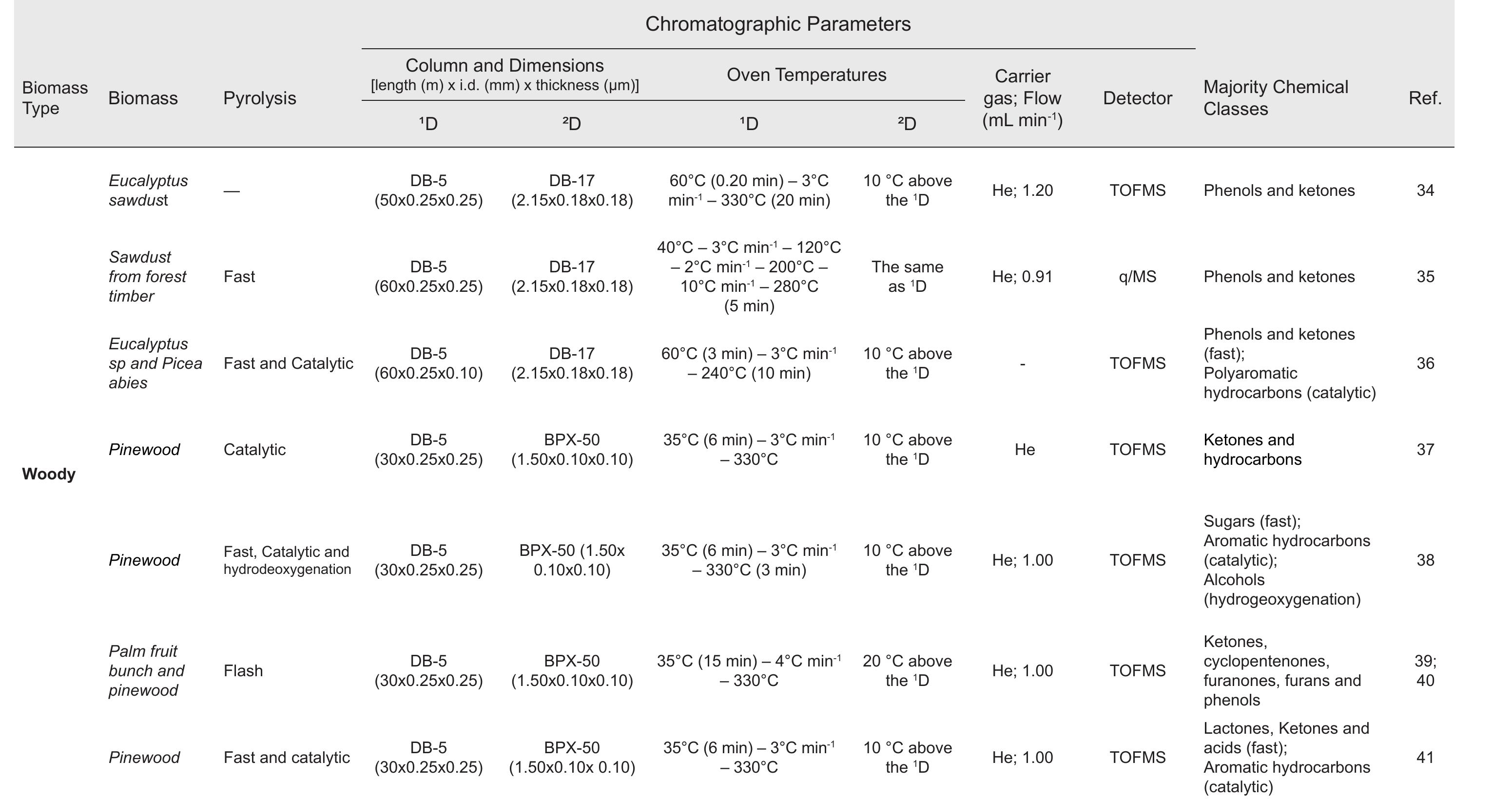
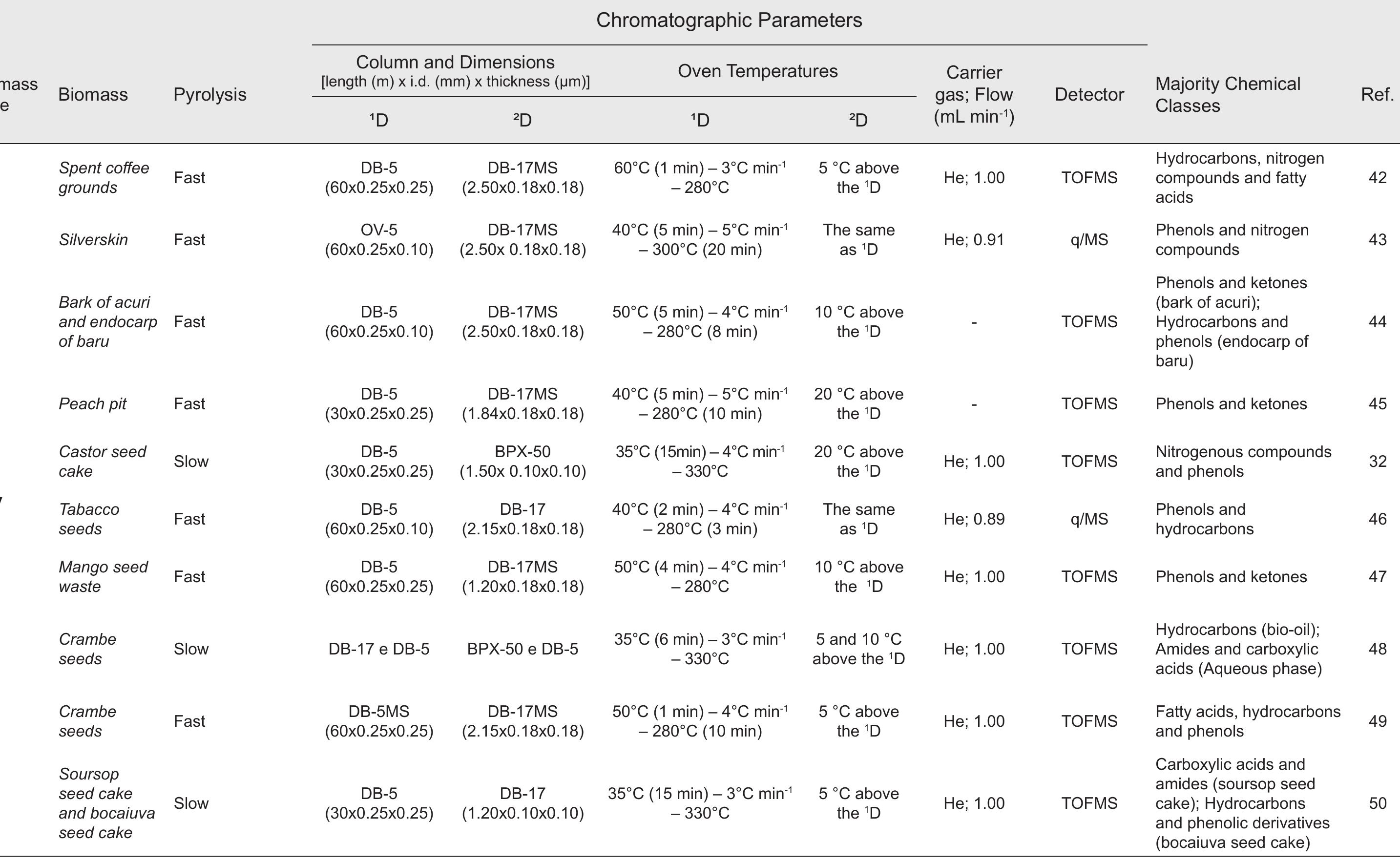
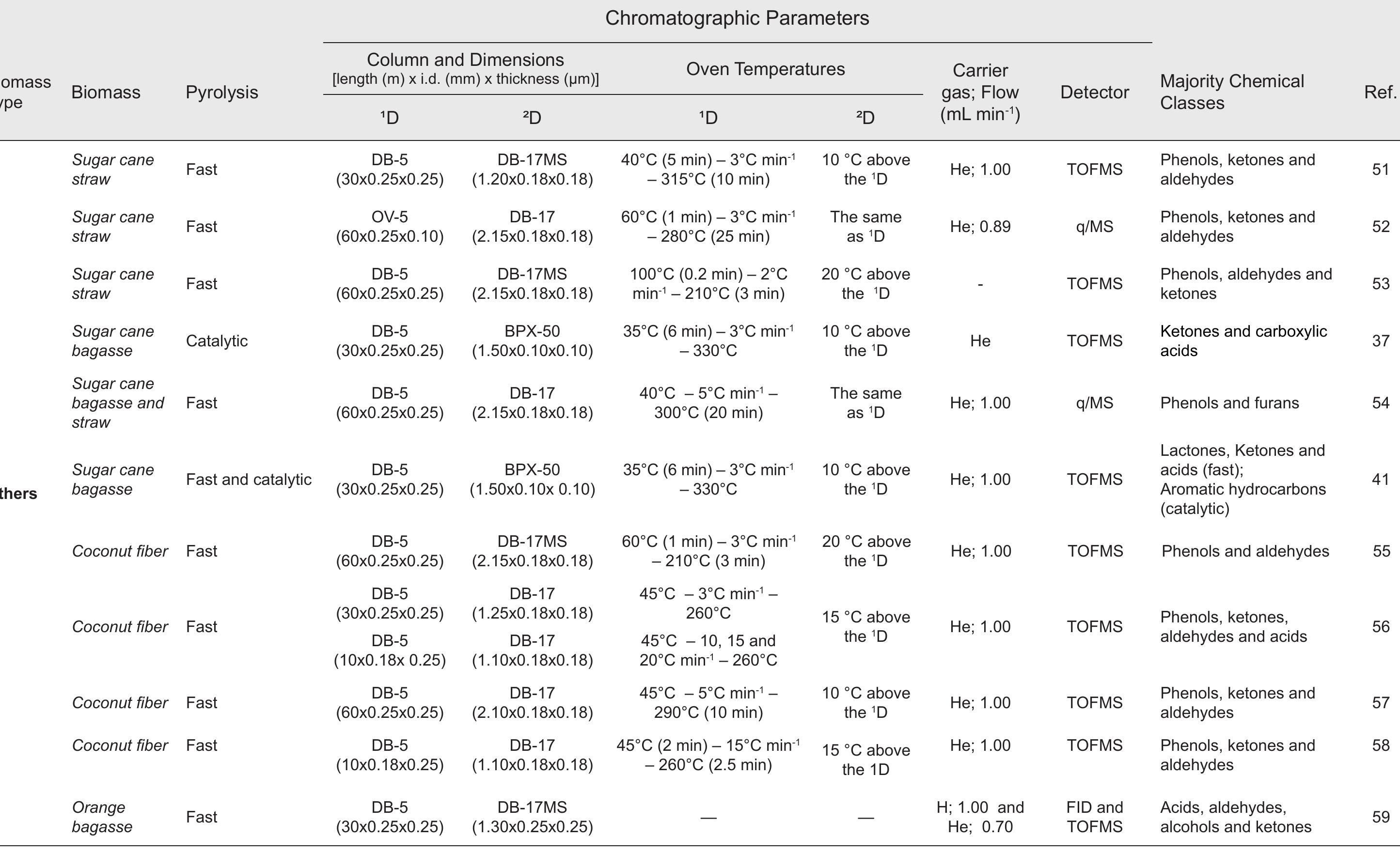
![Figure 4. Main compounds found in bio-oils and their respective chemical classes. fr - > 2 eS ee eee ee eee eee eee eee ee eee A representative list of some compounds present in bio-oils and their respective chemical classes are shown in Figure 4. The compounds and the amount of each analyte present in the bio-oil depend on several factors such as the type and composition of the biomass, pyrolysis process, biomass storage, among others [32].](https://figures.academia-assets.com/108529276/figure_005.jpg)
![Figure 1. Comprehensive two-dimensional gas chromatography system: injector; 1st dimension column: 2nd dimension column; modulator; detector. (Liu, Zaiyou; Phillips, Jonn B. Comprehensive Two-Dimensiona Gas Chromatography using an On-Column Thermal Modulator Interface. Journal of Chromatographic Science. 1991, Vol 29, Issue 6, pages 227-231, by permission of Oxford University Press.) [1].](https://figures.academia-assets.com/108529276/figure_002.jpg)
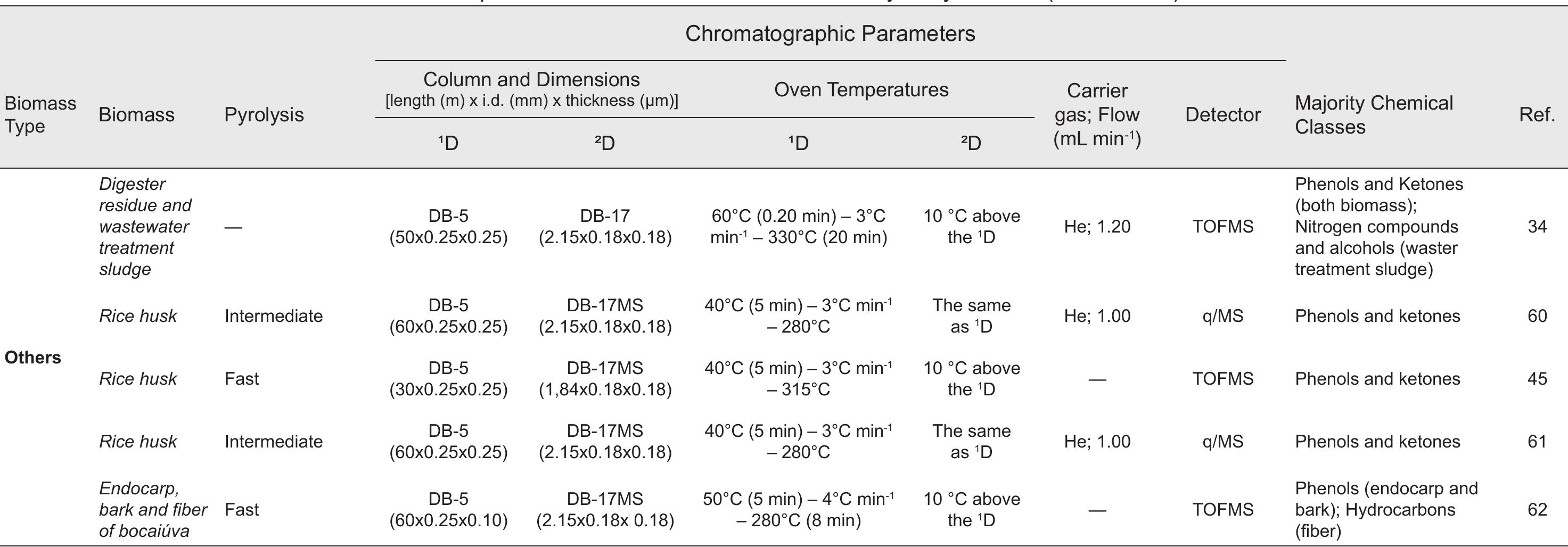
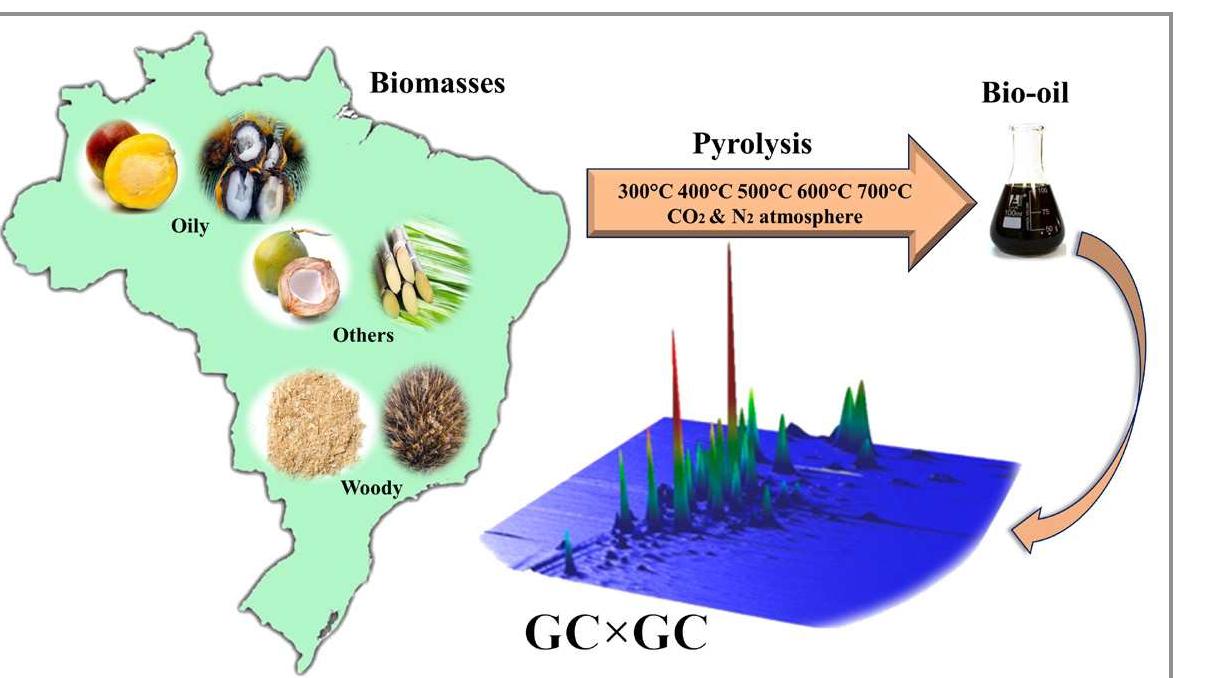
![Figure 5. Main classes of compounds found in bio-oils according to the type of biomass and its possible applications. can be applied as an alternative to fossil fuels, after an adequate up-grade. Oxygenated compounds such as phenols, are important inputs in the chemical industry for the production of polymeric resins pesticides, dyes and explosives, as well as nitrogen compounds are widely used for syntheses in the pharmaceutical industry. Compounds derived from aldehydes, such as furfural, can be purified by goinc through hydrogenation processes and generating high added value products for application in lubricants plastics, nylon and adhesives. Fatty acids and esters, identified in some samples (mainly oily), can be used in the production of biodiesel. In Figure 5, the main chemical classes found in bio-oil can be observec in all studies with Brazilian biomasses with potential industrial use [63-66].](https://figures.academia-assets.com/108529276/figure_006.jpg)
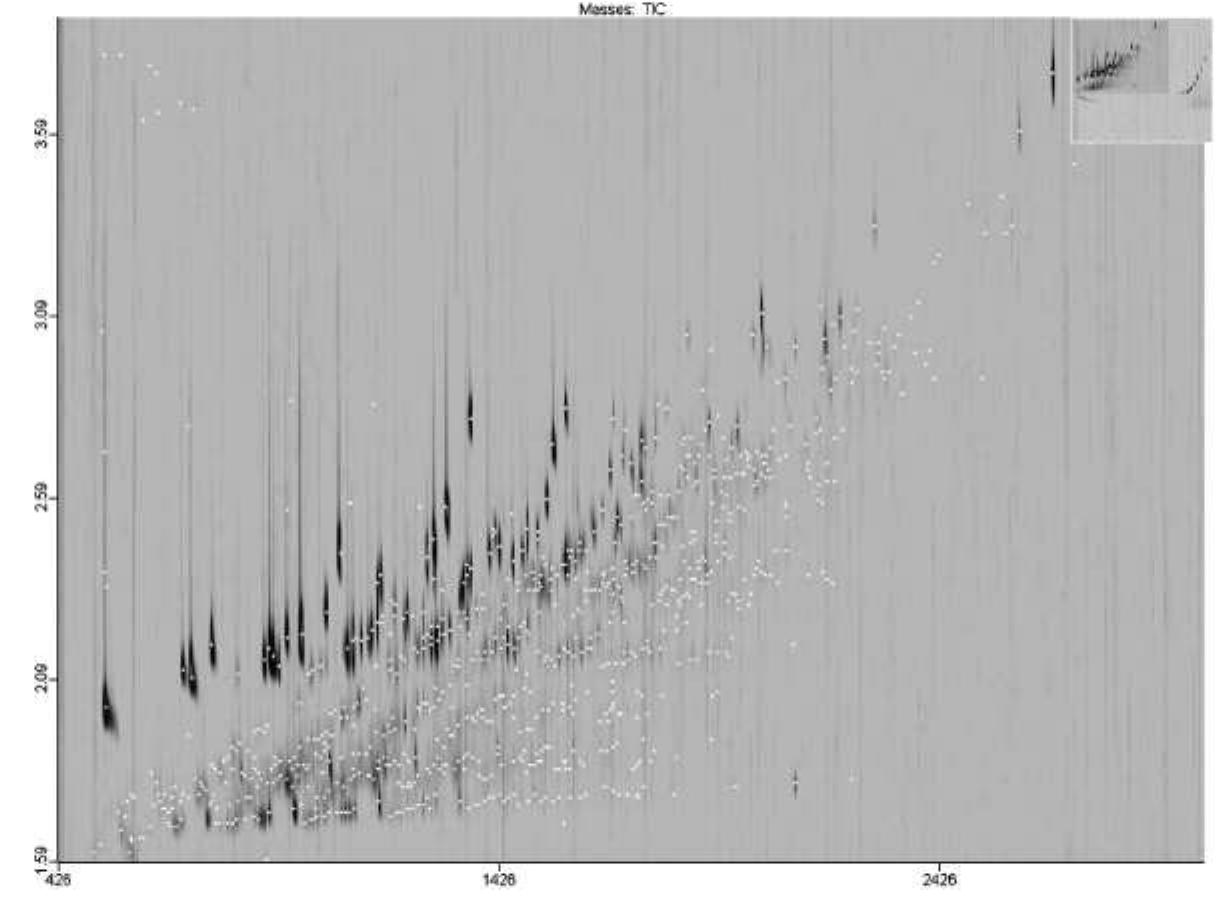
![Figure 2. GCxGC/TOFMS total ion current chromatogram (TIC) data colour plot of E. dunnii essential oil, showing the distribution of classes of compounds in different regions of the chromatographic space, using a non-polarxpolar column set. (A) Linear alcohols; (B) aldehydes; (C) acetates; (D) monoterpenic hydrocarbons; (E) monoterpenic alcohols; (F) monoterpenic acetates; (G) sesquiterpenic hydrocarbons; (H) oxygenated sesquiterpenes. (“Reprinted from Journal of Chromatography A, Vol 1200, Issue 1. Authors: Carin von Muhlen, Claudia Alcaraz Zini, Elina Bastos Caramao, Philip J. Marriott. Title: Comparative study of Eucalyptus dunnii volatile oil composition using retention indices and comprehensive two-dimensional gas chromatography coupled to time-of-flight and quadrupole masss pectrometry, pages 34—42. Copyright 2008, with permission from Elsevier.) [12] (C) acetates; (D) monoterpenic hydrocarbons; (E) monoterpenic alcohols; (F) monoterpenic acetates; (G) sesquiterpenic hydrocarbons; (H) oxygenated sesquiterpenes.](https://figures.academia-assets.com/108529276/figure_003.jpg)
![Figure 1. SEM images: (A) PDMS-modified coating after over 100 extraction cycles in grape-pulp matrix; and, (B) PDMS/DVB coating after 20 extraction cycles in grapes. Surface morphology using 580x magnification. DI-SPME conditions: 9 g of grape pulp, 15 min extraction at 30°C, 7 min desorption at 260°C. Adapted with permission from ref [44]. Copyright 2012 American Chemical Society.](https://figures.academia-assets.com/103390235/figure_001.jpg)
![Figure 2. Comparison between HS-SPME (plots to the left (A, C)) and DI-SPME (plots to the right (B, D)) extraction modes for metabolite profiling in apples (extraction time 60 min, DVB/C PDMS fiber coating). Peak apex plots (plot A and B) demonstrate retention-time coordinates on GCxGC retention time plane for 555 and 906 captured metabolites found by ChromaTOF | ware (S/N threshold of 200) for HS-SPME and DI-SPME modes, respectively. The peaks labeled by asterisk in extracted-ion chromatogram (plot D) corresponding to the DI-SPME extract repre the following metabolites: benzenemethanol (‘ta and tp 1155 and 4.670 s) and benzeneethanol (‘tg and tg 1385 and 4.510). Reprinted with permission from ref [68]. Copyright 2012 Else’](https://figures.academia-assets.com/103390235/figure_002.jpg)
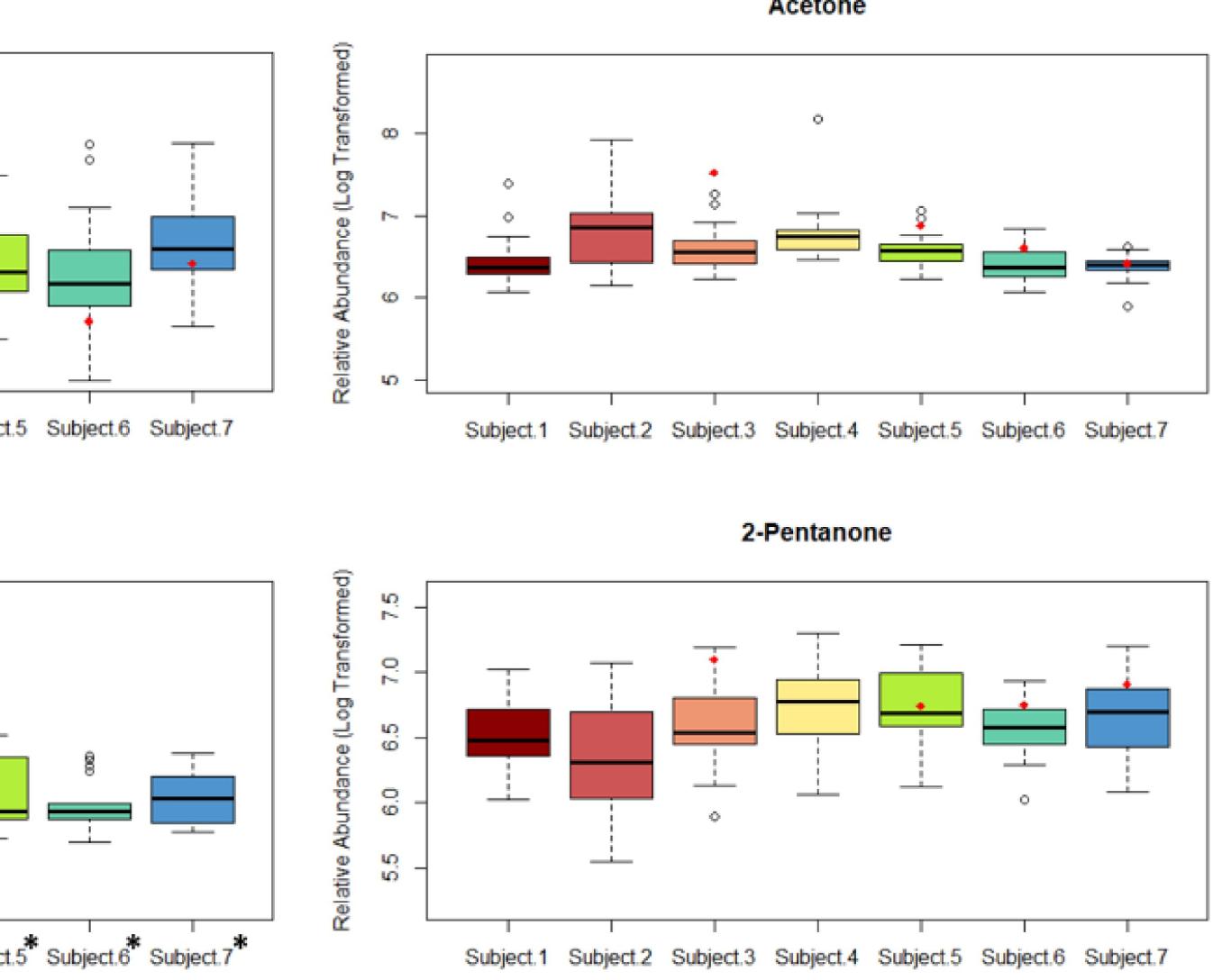
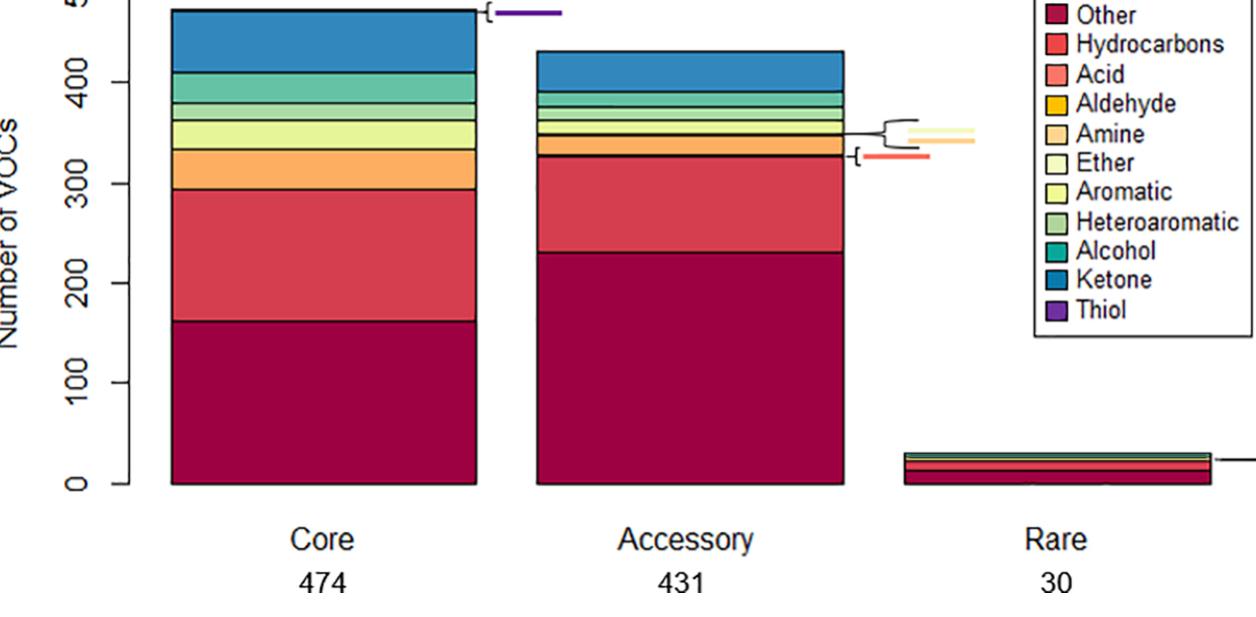
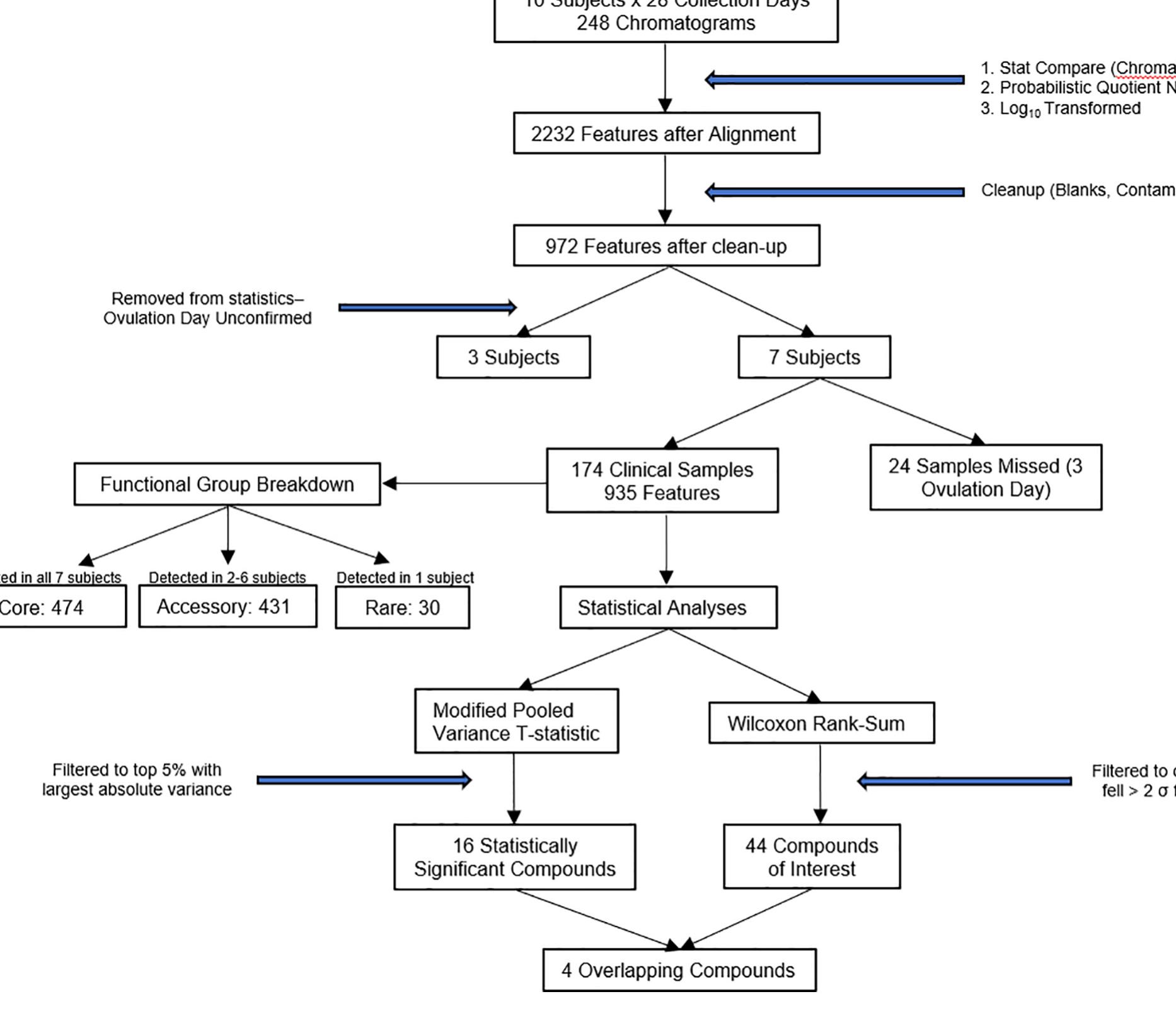
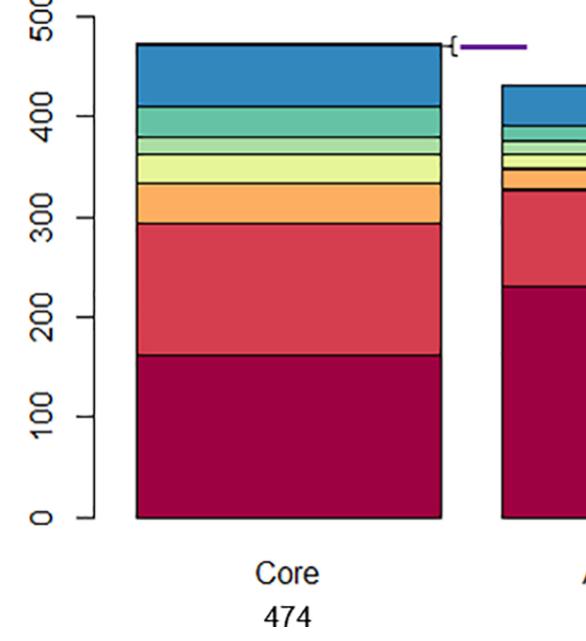
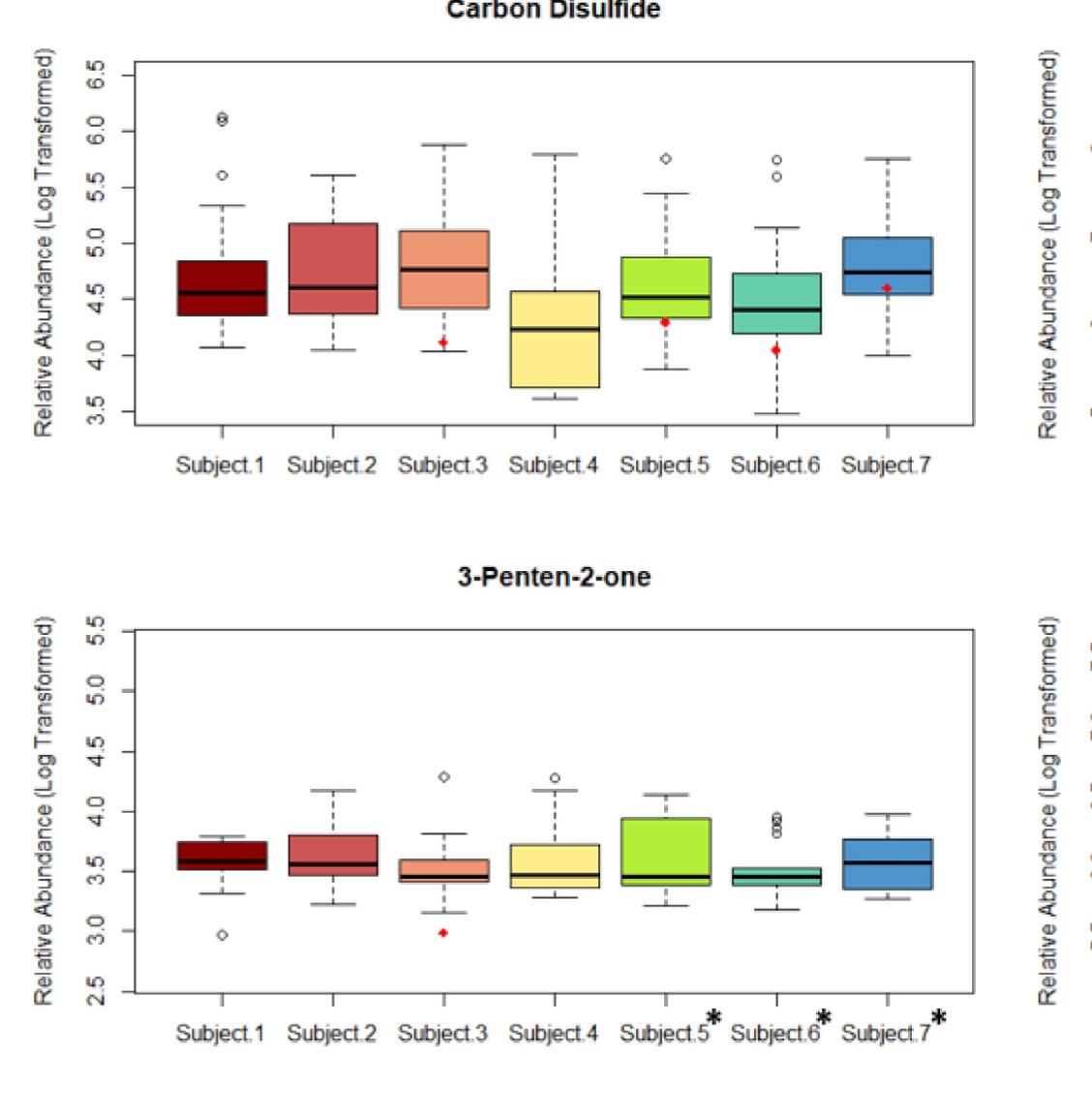
![Within one hour after collection, urine samples were aliquoted into 1.5 mL cryogenic vials (VWR International, Radnor, PA) for storage at -80 °C until testing. Ovulation days were confirmed using commercially available testing kits (Clearblue®, Geneva, Switzerland) by randomly testing urine samples around the reported ovulation day until two tests confirmed positive results for the same day. Seven of the ten subjects were validated for a single day of ovulation and were used for statistically significant metabolite identification. Data from the three-remaining ovulation-unconfirmed subjects was removed from this study. The various uses of data subsets within the sampled population are described in Figure 1. The study was conducted in accordance with the “Urine Specimen Collection Guidelines” [29] and approved by the Institutional Review Board at Arizona State University. Written informed consent was obtained from all eyhiects. 2.2 Sample Preparation and Volatile Metabolite Extraction Urine samples were removed from the -80°C freezer, brought to room temperature, and mixed by inversion to promote matrix homogeneity. Then, 1 mL was transferred to 10 mL glass vials with PTFE/silicone caps (Supelco/Sigma-Aldrich®, St. Louis, MO), which had been heated at 100 °C for 12 hr prior to sample analysis in an effort to reduce contamination and background chemical signals. Samples were maintained at 4 °C prior to analysis using a temperature-controlled tray. For analysis, the urine was incubated at 60 °C with agitation at 250 rom for 5 min. The volatile organic compounds (VOCs) were collected by solid-phase microextraction (SPME) using a 1 cm, 50/30 um divinyloenzene/carboxen/polydimethylsiloxane (DVB/CAR/PDMS; — Supelco/Sigma-](https://figures.academia-assets.com/101444614/table_001.jpg)
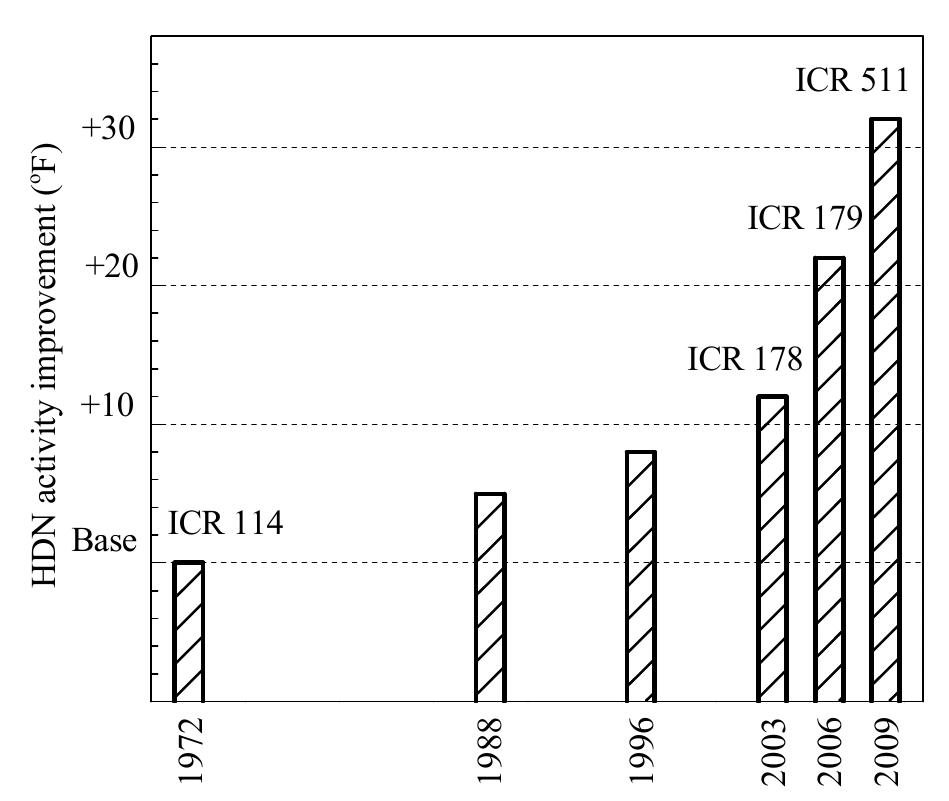
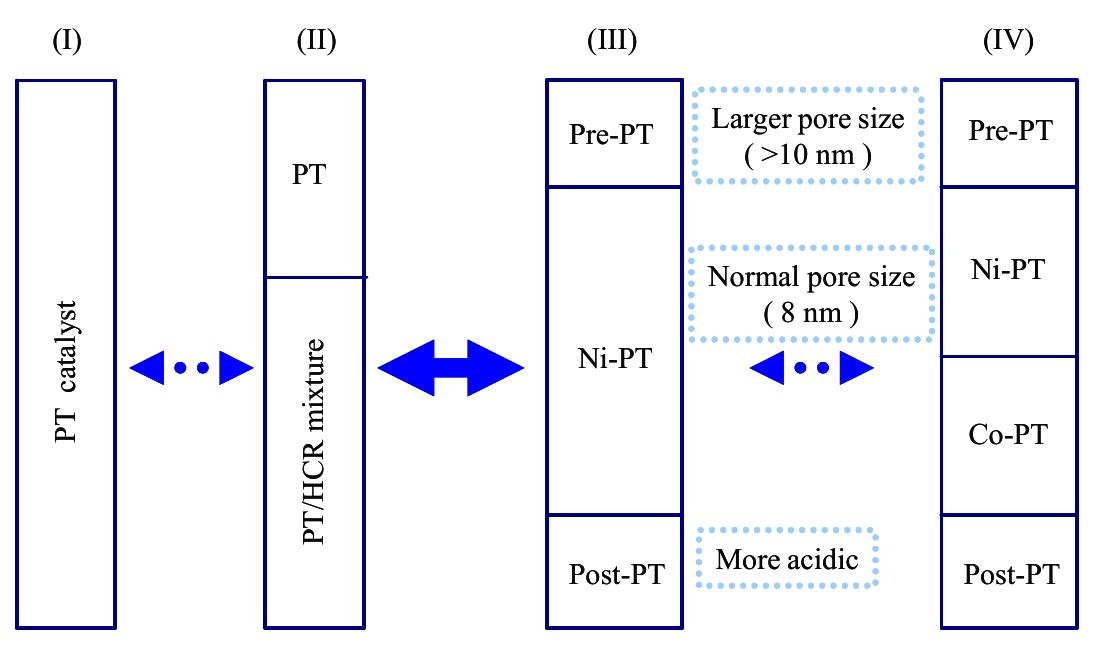
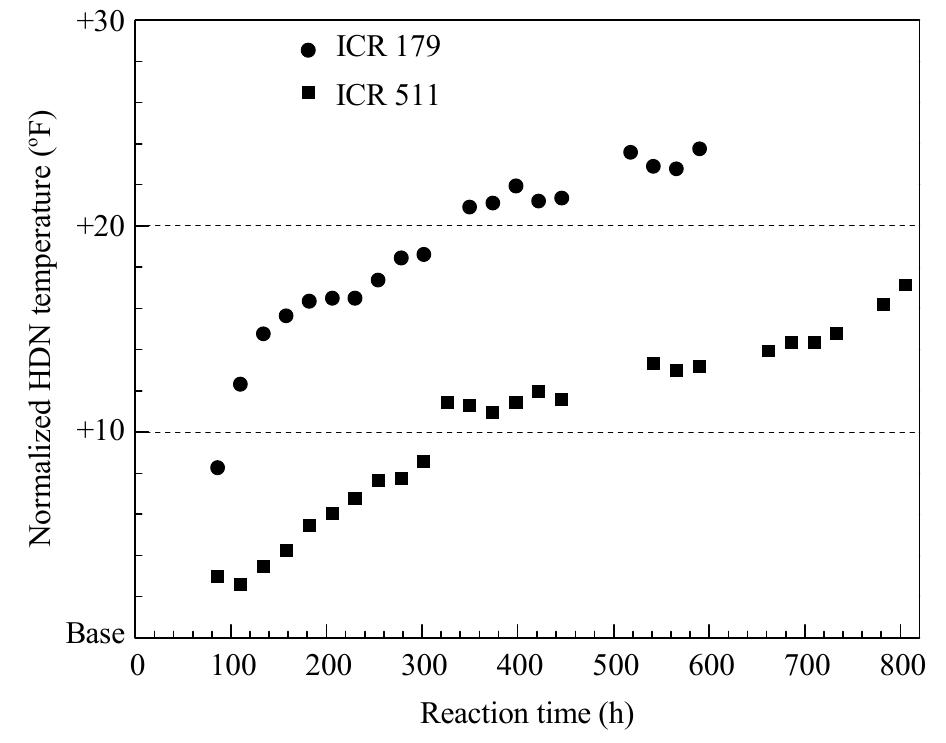
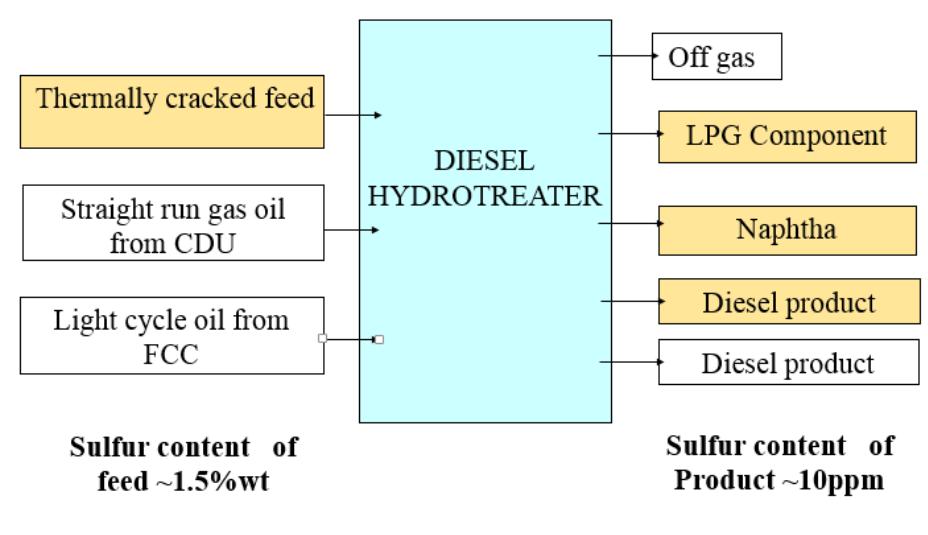
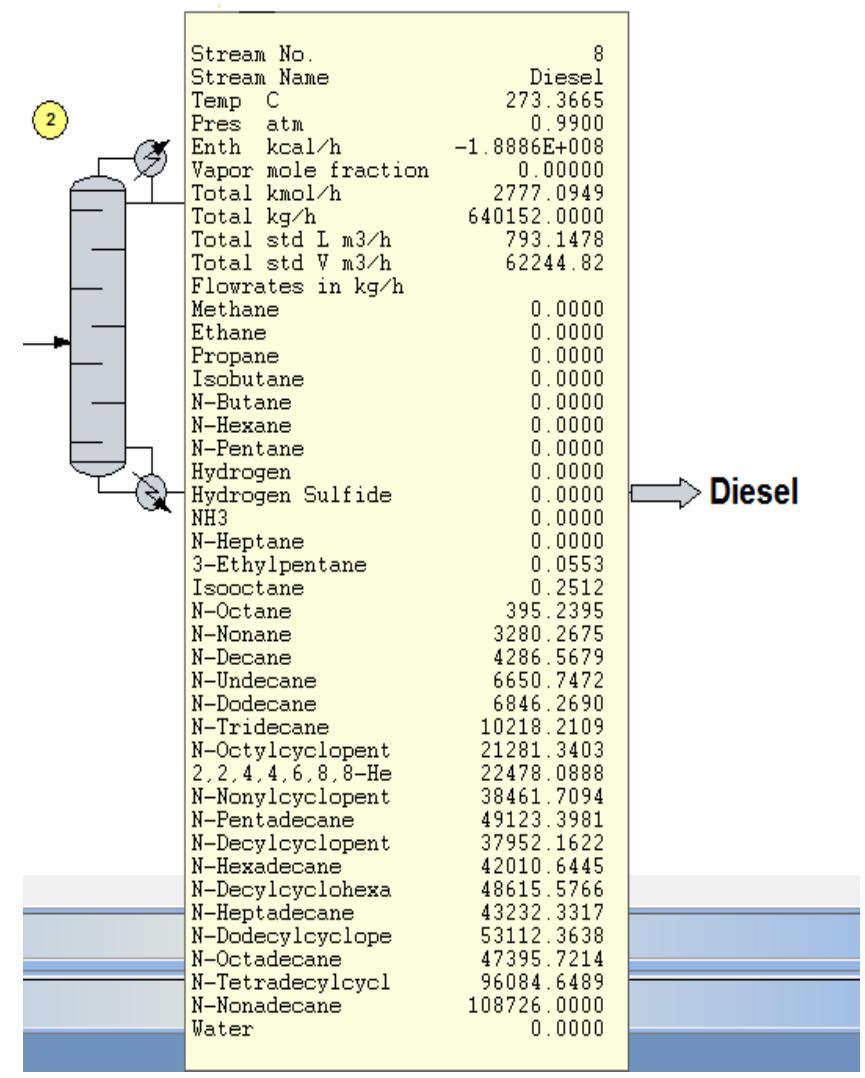
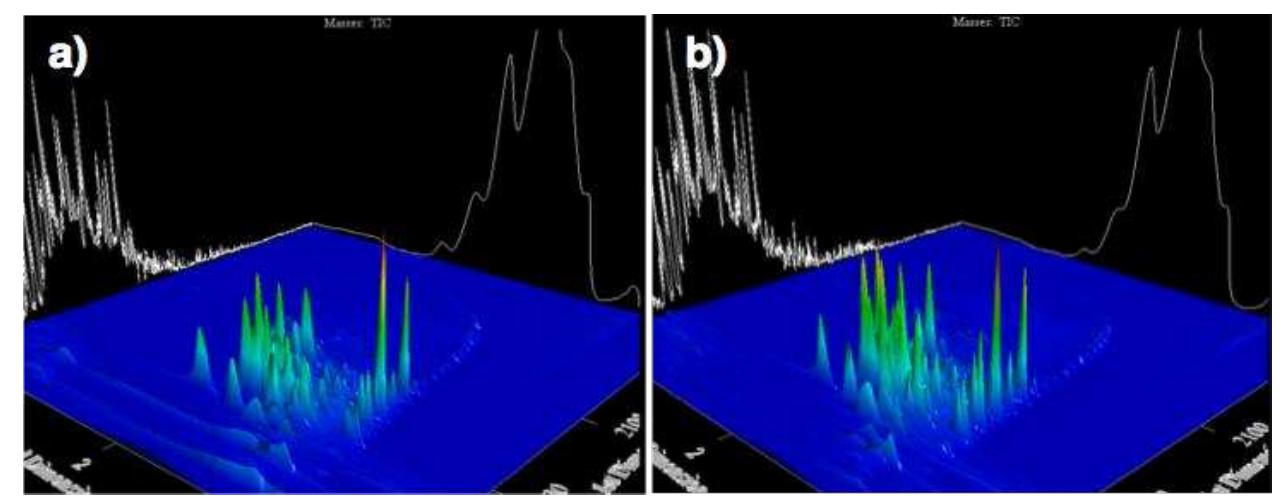
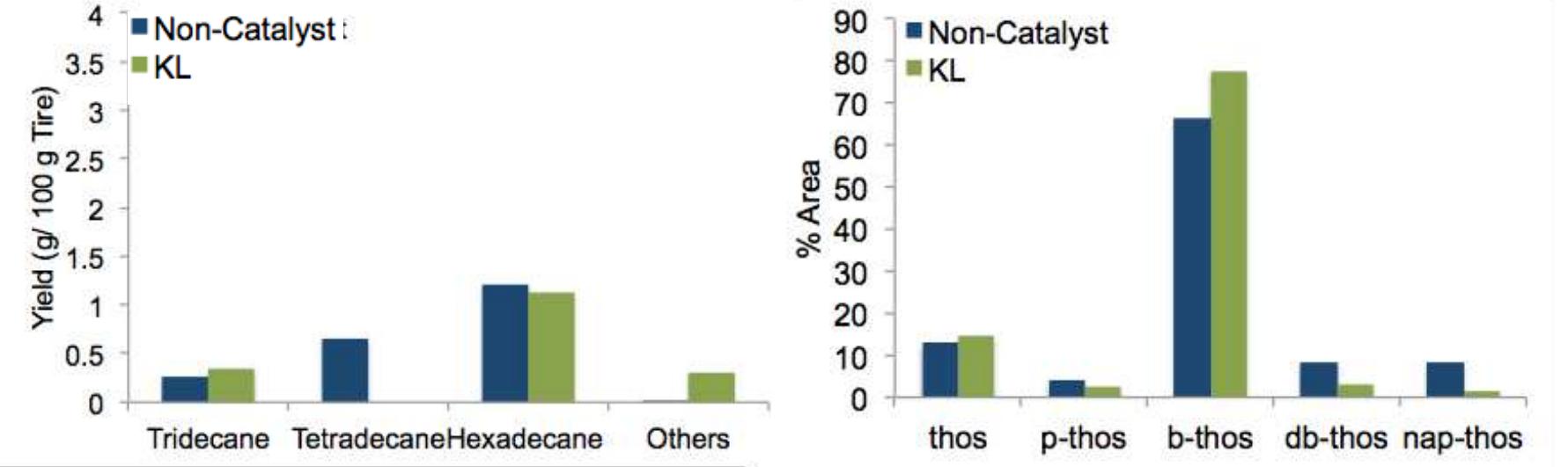
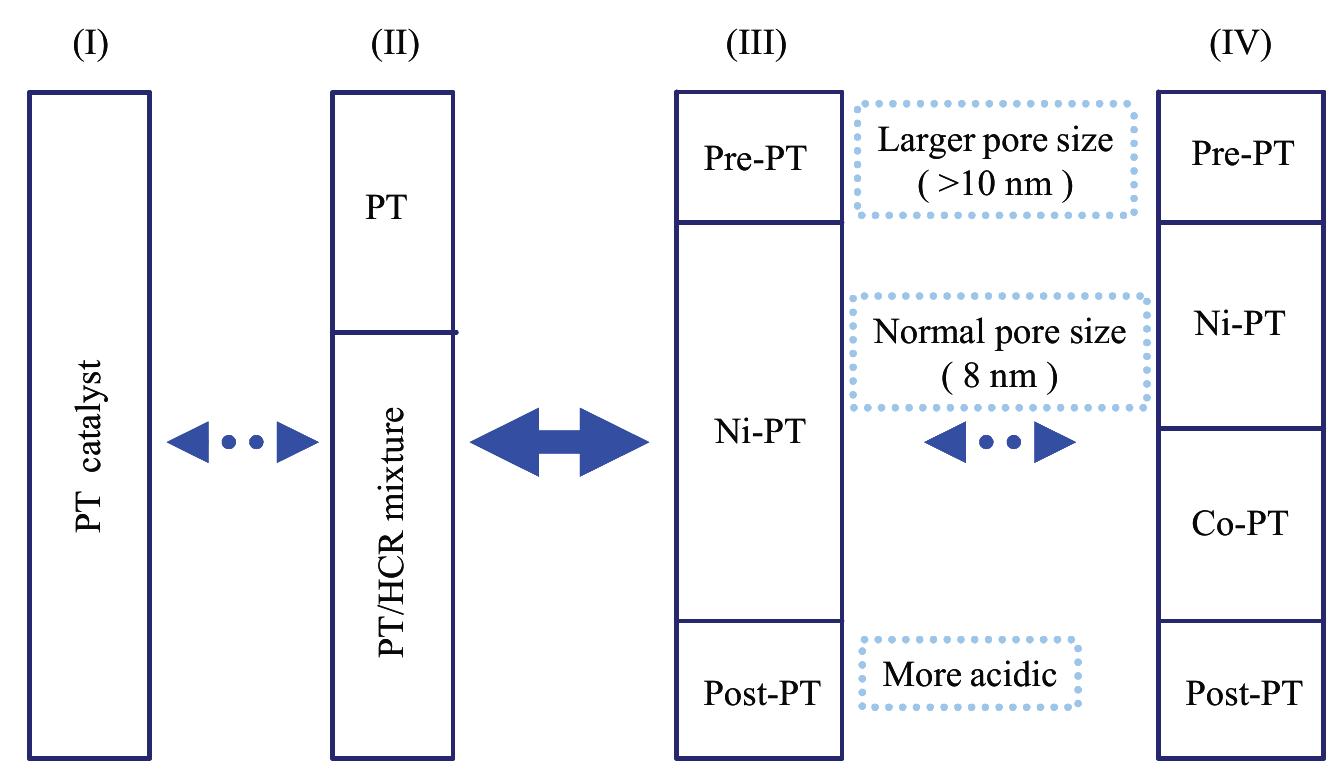
![Fig. 1. Hydrocracker pretreat catalyst generations. two critical components for optimizing performance of a hy- drocracker pretreat catalyst. The researchers in this field have accepted the theory that more Type II active sites will lead to better HDN/HDS performance [1].](https://figures.academia-assets.com/74435257/figure_001.jpg)
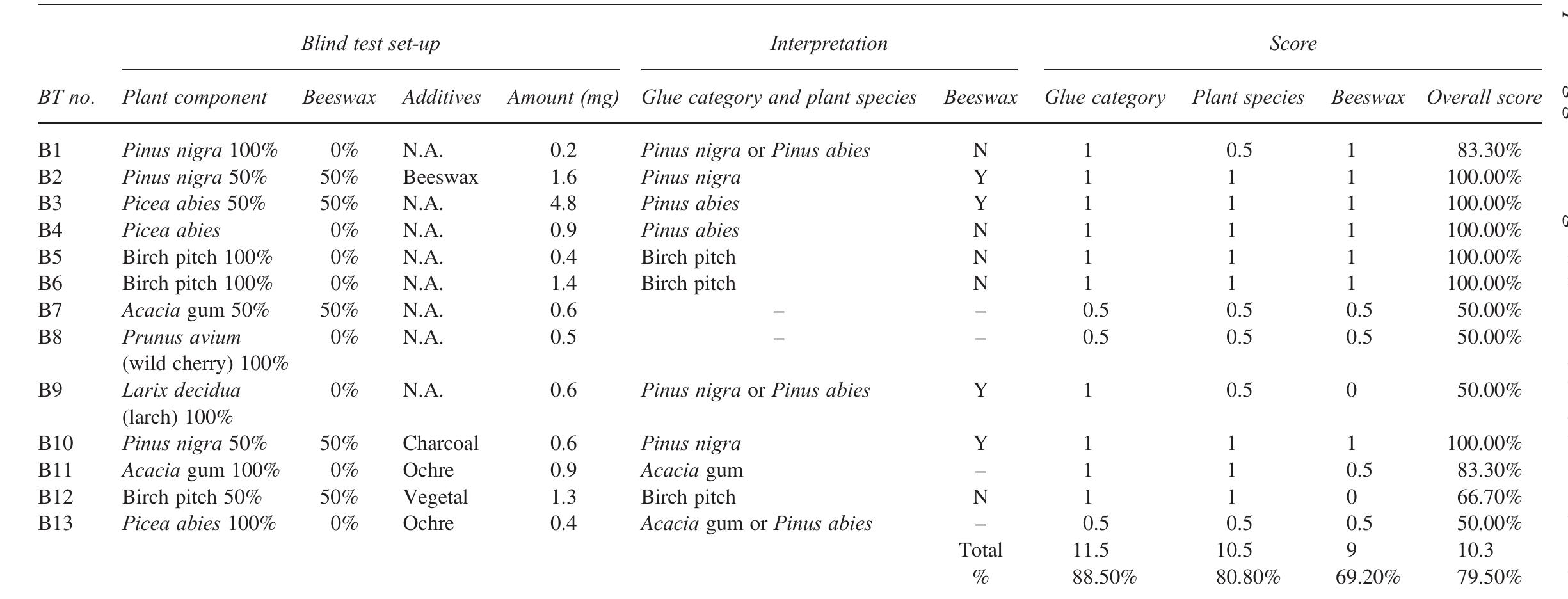
![Figure 3. A comparison of the total ion current (TIC) contour plots of (a) a blank vial, (b) a Pinus nigra fingerprint and (c) a Pinus nigra blind test sample (BT1), together with a comparison of the total ion current (TIC) contour plots between (d) in situ Picea abies and (e) a Picea abies fingerprint. [Colour figure can be viewed at wileyonlinelibrary.com] The beeswax component within glue mixtures proved to be more challenging to identify than the glue component. Although seven of the 13 samples (53%) were correctly identified, five samples could not be interpreted, and two samples were assigned incorrect identifications. A success rate of 69% was obtained. Again, the presence or absence of beeswax could not be identified for the gums (B7, B8 and B11) due to the poor VOC release. Sample B9 (Larix decidua pure), a species unknown to the analysts as it was not included in the fingerprinting study, was wrongly interpreted as containing beeswax, which may be caused by the presence of waxy components in the Larix resin. By contrast, no beeswax could be identified for sample B12 (birch pitch mixed with beeswax), which was interpreted as pure birch pitch. This error is due to the extremely complex volatile signature of birch pitch, which complicates the separation process and masks the volatile signal of beeswax.](https://figures.academia-assets.com/56723887/figure_003.jpg)
![Figure 2. Principal component analysis (PCA) of the reference and blind test samples. [Colour figure can be viewed at wileyonlinelibrary.com]](https://figures.academia-assets.com/56723887/figure_002.jpg)
![Figure 1 Total ion current (TIC) contour plots for the pure plant components: (a) Pinus nigra resin; (b) Picea abies resin; (c) Acacia gum; (d) birch pitch. [Colour figure can be viewed at wileyonlinelibrary.com]](https://figures.academia-assets.com/56723887/figure_001.jpg)