Academia.eduAcademia.edu

Forensic phonetics

description137 papers
group2,221 followers
lightbulbAbout this topic
Forensic phonetics is the application of phonetic science to legal contexts, focusing on the analysis of speech and voice characteristics to assist in criminal investigations, legal proceedings, and the identification of speakers. It involves the examination of acoustic properties, speech patterns, and linguistic features to provide evidence in court.
lightbulbAbout this topic
Forensic phonetics is the application of phonetic science to legal contexts, focusing on the analysis of speech and voice characteristics to assist in criminal investigations, legal proceedings, and the identification of speakers. It involves the examination of acoustic properties, speech patterns, and linguistic features to provide evidence in court.

Key research themes

1. How do acoustic parameters, especially vowel formants and speech rhythm metrics, contribute to speaker discrimination in forensic phonetics?

This theme focuses on the experimental investigation and quantification of the discriminatory power of specific acoustic-phonetic parameters, including vowel formant frequencies (F1-F4) and speech rhythm metrics (duration-based and intensity-based). Understanding the relative efficacy of these parameters is crucial for forensic speaker comparison methodologies, particularly under different speech styles and recording conditions.

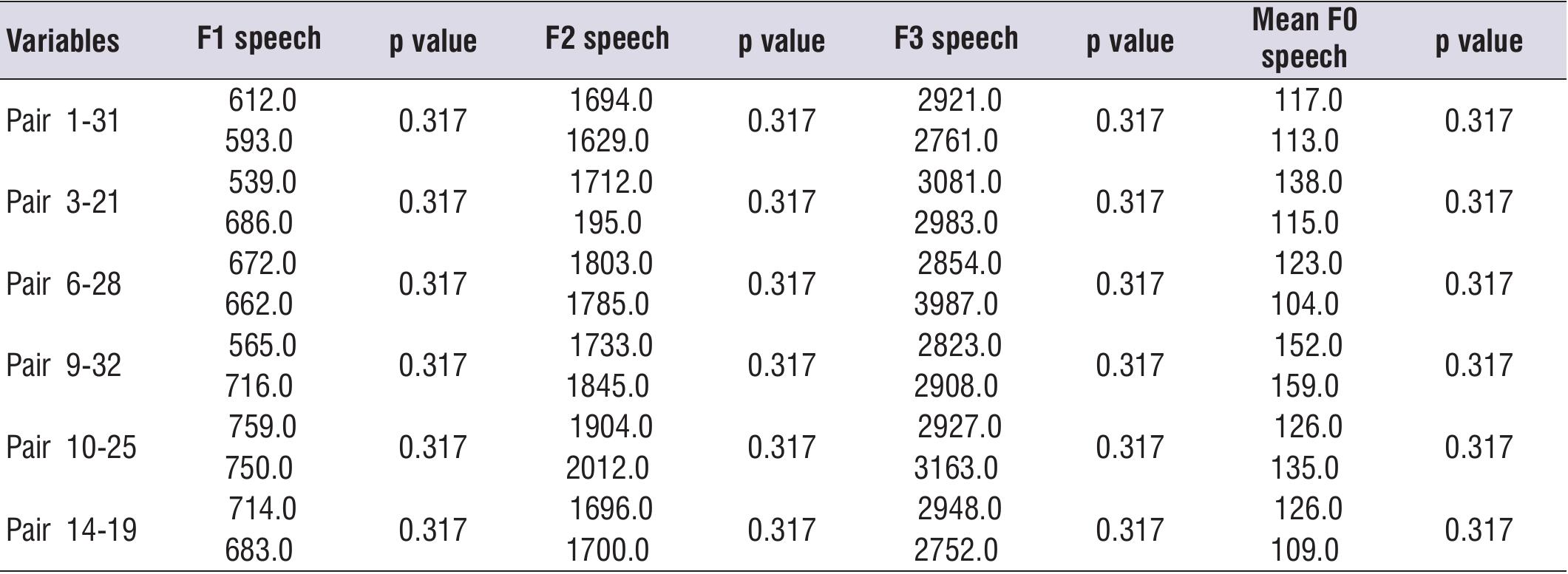
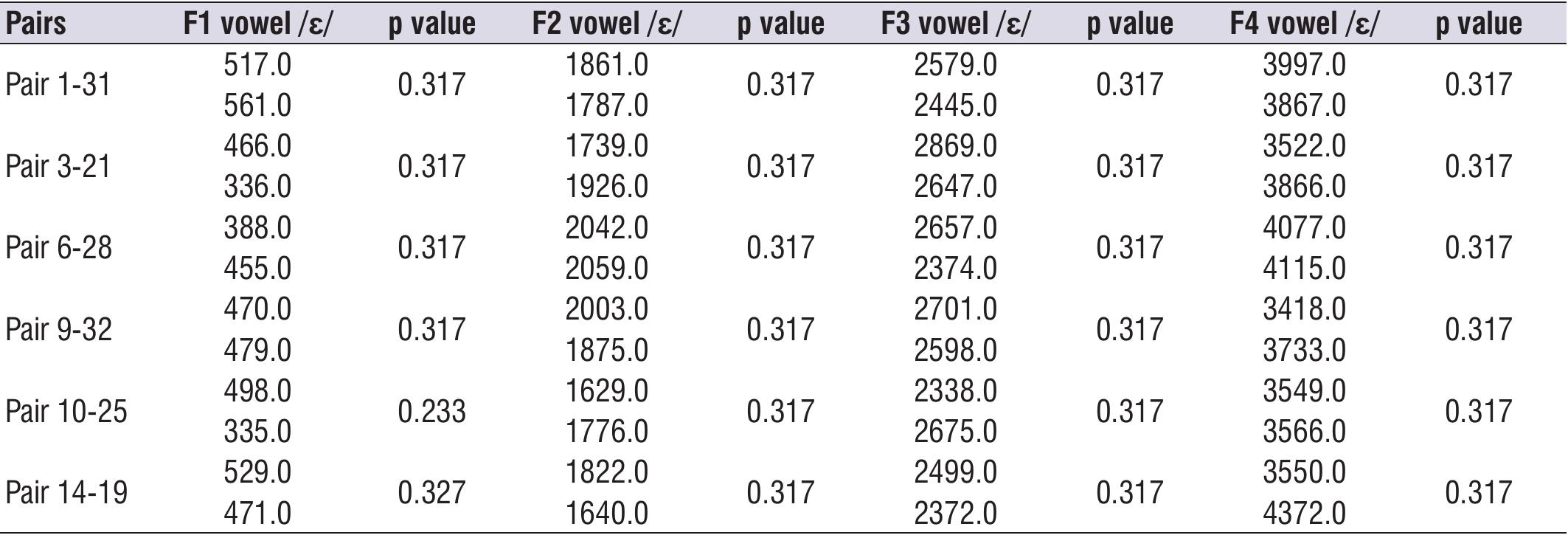
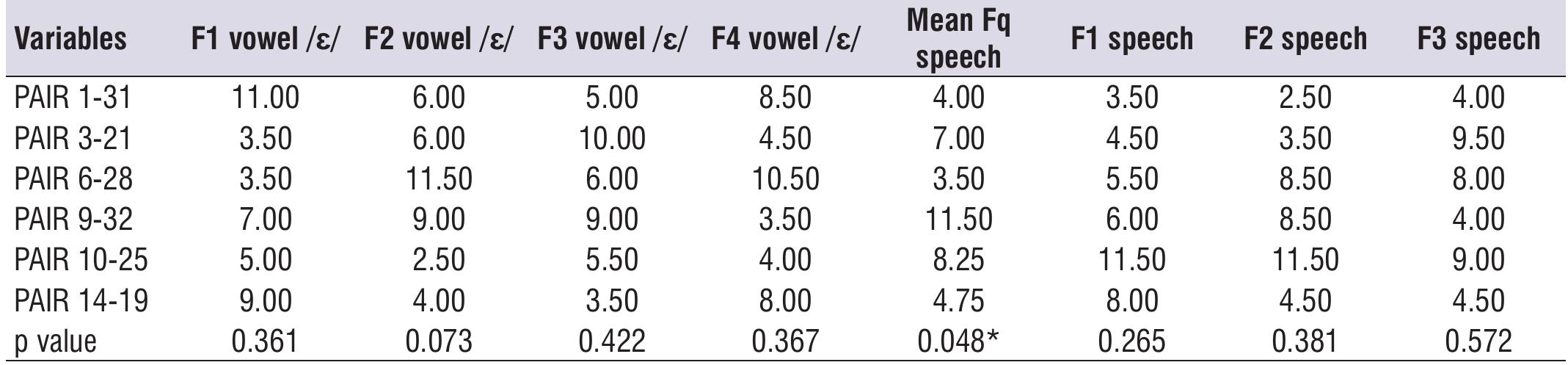
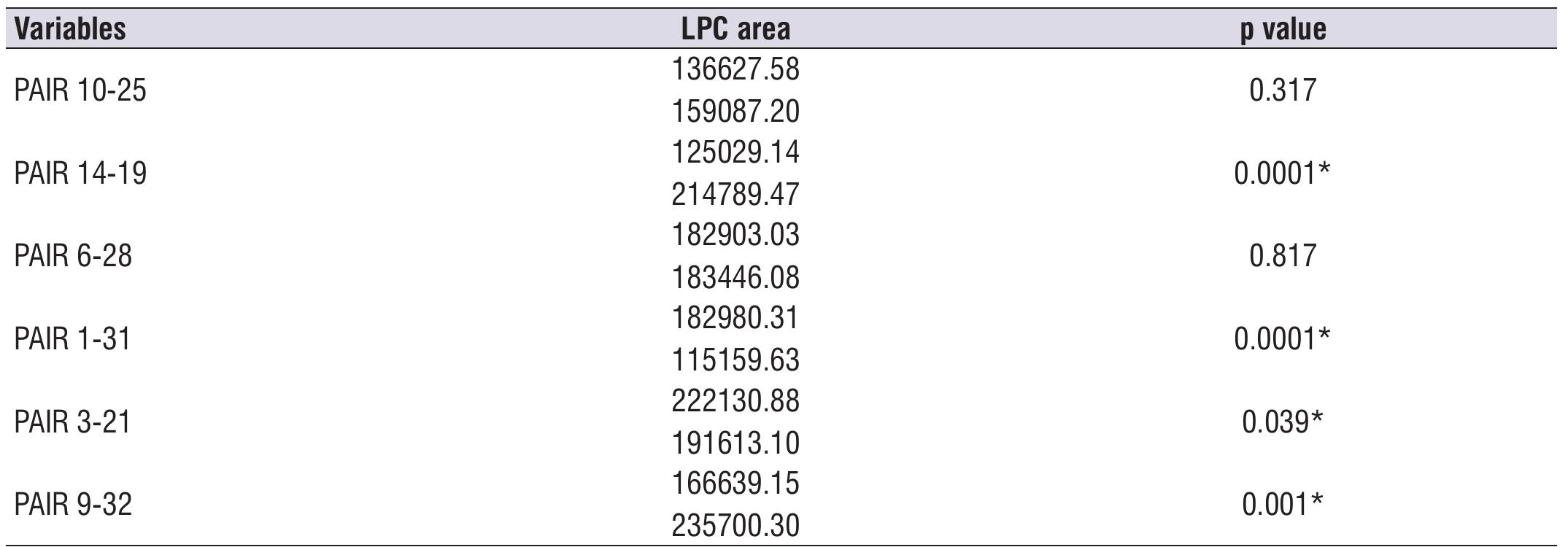
Key finding: This study experimentally demonstrated that vowel formant frequencies (F1-F4) bear speaker-discriminatory potential, even among genetically identical speakers such as identical twins, thereby establishing that genetic... Read more
Key finding: This study quantitatively assessed the discriminatory power of vowel formants under different speaking styles (Dialogue vs. Interview) using likelihood ratio frameworks with Brazilian Portuguese speakers. It found that... Read more
Key finding: This study conducted a comparative evaluation of duration-based and intensity-based speech rhythm metrics for Persian speaker identification over a dataset of 20 male speakers. It found that duration-based rhythm measures... Read more

2. What is the impact of speaking style, data size, and acoustic parameter class on forensic speaker discrimination performance?

This theme investigates how variations in speaking style (spontaneous dialogue vs. interview), the quantity of speech data analyzed, and the intrinsic phonetic classes of acoustic parameters (spectral, melodic, temporal) influence the reliability and accuracy of forensic speaker comparisons. This understanding is vital for establishing best practices in evidence evaluation and algorithm development under real-world forensic conditions.

Key finding: This study analyzed nine acoustic-phonetic parameters from three phonetic classes (spectral, melodic, temporal) across spontaneous dialogues and interviews among Brazilian Portuguese male speakers. Spectral parameters,... Read more
Key finding: This experimental study demonstrated that increasing the amount of data samples significantly improves the accuracy of forensic speaker discrimination using acoustic-phonetic parameters. Data size influenced spectral,... Read more
Key finding: This pilot study confirmed an asymmetry in speaker-discriminatory power across acoustic-phonetic classes in spontaneous Brazilian Portuguese speech: temporal parameters (speech rate, articulation rate) presented lower... Read more

3. How do cross-language factors and voice quality impact forensic speaker comparison accuracy?

This theme explores the challenges posed by bilingualism, multilingualism, foreign language use, and changes in voice quality (due to accent or language) in forensic phonetics. The investigations seek to understand the extent to which language switching and voice profile alterations affect the reliability of speaker identification, crucial for cases involving speakers using multiple languages or non-native speech.

Key finding: This study preliminarily investigated vocal profile analysis (VPA) scores of Serbian speakers producing spontaneous speech both in their native language and in English as a foreign language. It found that inter-speaker... Read more
Key finding: This study of Cantonese-English bilingual speakers with high English proficiency analyzed the acoustic and perceptual convergence of monophthongs and diphthongs across their two languages. No consistent correlation was found... Read more
Key finding: This paper analyzed the acoustic and distributional properties of filled pauses (uh, um, m) in Cantonese-English-Mandarin trilingual speakers. It found some language-specific differences in vowel quality especially in F2,... Read more

All papers in Forensic phonetics

The effect of voice differences in identification accuracy and the realism in confidence judgments
Предмет докторске дисертације јесте анализа вокалских јединица у енглеско-српском међујезику говорника чији се матерњи дијалекат разликује. Посебан фокус је на опсервацији монофтонга општеамеричког варијетета, одн. вокала /ɪ, i, ʊ, u, ɛ,... more
aparezcan nuevas necesidades relacionadas con el acceso de un número cada vez mayor de personas a sistemas informáticos que tradicionalmente habían estado sólo al alcance de una minoría. Operaciones tan cotidianas como comprar un billete... more
LLISTERRI, J.- CARBÓ, C.- MACHUCA, MJ-de la MOTA, C.- RIERA, M.- RÍOS, A. (2003) "El papel de la lingüística en el desarrollo de las tecnologías del habla", in CASAS GÓMEZ, M. (Dir.) - VARO VARO, C. (Ed.) VII Jornadas de... more
Resumen: VILE (Estudio acústico de la variación inter e intralocutor en español) es un proyecto de investigación básica, financiado por el Ministerio de Ciencia y Tecnología (BFF2001-2551, 2001-2004), cuya finalidad es el estudio acústico... more
This article aims to describe the phenomena that characterize Poles as speakers of peninsular Spanish (specifically in its Granada’s variation) in their pronunciation of vowels. The analysis bases on surveys collected in the... more
The most frequent way in which criminals disguise their voices implies changes in phonation types, but it is difficult to maintain them for a long time. This mechanism severely hampers identification. Currently, the CIVIL corpus comprises... more
Defining the relevant population to sample is an important issue in data-based implementation of the likelihood-ratio framework for forensic voice comparison. We present a logical argument that because an investigator or prosecutor only... more
Soft and far-field voices-often overlooked or dismissed as background noise can be effectively recorded with most modern audio-capturing devices. Recent advances in artificial intelligence (AI), particularly in voice enhancement,... more
LLISTERRI, J.- CARBÓ, C.- MACHUCA, MJ-de la MOTA, C.- RIERA, M.- RÍOS, A. (2003) "El papel de la lingüística en el desarrollo de las tecnologías del habla", in CASAS GÓMEZ, M. (Dir.) - VARO VARO, C. (Ed.) VII Jornadas de... more
A speech database has been collected for use to highlight the importance of "speaker factor" in forensic voice comparison. FABIOLE has been created during the FABIOLE project funded by the French Research Agency (ANR) from 2013 to 2016.... more
A speech database has been collected for use to highlight the importance of “speaker factor” in forensic voice comparison. FABIOLE has been created during the FABIOLE project funded by the French Research Agency (ANR) from 2013 to 2016.... more
The present work aims to provide more data regarding the comparison and discrimination of speech samples in the field of forensic phonetics. The methodology used was an acoustic method called long term average spectrum (LTAS), by... more
Aunque los fenómenos de hesitación en el discurso --pausas sonoras y alargamientos-- se han abordado desde diferentes puntos de vista, son escasos los estudios que analizan sus manifestaciones acústicas en español. En este trabajo se... more
El objetivo de este artículo es determinar qué puede aportar el conocimiento de los fonetistas al campo de la fonética judicial y cuáles son las diferentes fases que se deben seguir en el análisis de las señales de habla que se emplean en... more
This paper presents an acoustic analysis of the telephone speaking style in a Brazilian Portuguese corpus. The corpus contains 80 recordings from 20 speakers (10 male and 10 female) in two non-simultaneous conditions: face-to-face... more
The aim of this research was to investigate the e ciency of a set of acoustic measures to identify one randomly pre-selected individual, named "the criminal", out of a group of ten speakers of Brazilian Portuguese. Among the measures used... more
У раду су приказани резултати анализе вокалског трајања у изговору 10 мушких говорника косовско-ресавског дијалекта. Фокус истраживања био је на анализи спонтаног говора. Анализиране су једносложне и двосложне речи са наглашеним вокалима... more
У раду су описане спектралне карактеристике самогласника /о/ у спонтаном говору 10 мушких испитаника пореклом са подручја косовско-ресавске дијалекатске области. Дијалектолошки описи говора косовско-ресавског подручја бележе знатно... more
Differentiating subjects through the comparison of their recorded speech is a common endeavor in speaker characterization. When using an acoustic-based approach, this task typically involves scrutinizing specific acoustic parameters and... more
У овом раду испитује се реализација поствокалског апроксиманта /r/ код српских студената енглеског језика у односу на одређене социолингвистичке и лингвистичке факторе. Циљ рада јесте утврдити у којој мери говор српских испитаника... more
Contemporary technological and educational achievements enable the emergence and development of completely new identification methods based on individual physical characteristics of persons. Today, forensic voice identification is a... more
This study aimed to analyze the impact of the amount of data on the discriminatory performance of acoustic-phonetic parameters, some of which are frequently assessed in forensic speaker comparisons. Parameters from three distinct phonetic... more
This pilot study set out to assess the speaker discriminatory power asymmetry regarding parameters from different phonetic dimensions in spontaneous speech, i.e., spectral, melodic, and temporal. The speech material consisted of... more
This study aimed to assess what we refer to as the speaker discriminatory power asymmetry and its forensic implications in comparisons performed in different speaking styles: spontaneous dialogues vs. interviews. We also addressed the... more
Identifying speakers by their spoken output is a specialist task for forensic investigators. In the present study we focused on cross-linguistic speaker (Chinese, English, Dutch) identification based on (components of) English stops and... more
En este trabajo, se presentan los resultados de un estudio en el que se comparan las manifestaciones acústicas del F1 y el F2 de las vocales españolas pronunciadas por seis hablantes de esta lengua como L2 con los formantes vocálicos de... more
In forensic speaker comparison, it is crucial to decide when completion of the examination may not possible (punt). We explore the factors that make speaker comparison decisions difficult or impossible. These factors may include duration,... more
Folklorno se stvarala5tvo intenzivno istraZuje u etnologiji, muzikologiji, koreologiji, povijesti umjetnosti i drugim znanostima, a folklorno pjevanje odnedavna i u znanosti o glasu, tj. u uZem podrudju akustici pjevanoga glasa.... more
En este trabajo, se presentan los resultados de un estudio en el que se comparan las manifestaciones acústicas del F1 y el F2 de las vocales españolas pronunciadas por seis hablantes de esta lengua como L2 con los formantes vocálicos de... more
Resumen: VILE (Estudio acústico de la variación inter e intralocutor en español) es un proyecto de investigación básica, financiado por el Ministerio de Ciencia y Tecnología (BFF2001-2551, 2001-2004), cuya finalidad es el estudio acústico... more
Purpose: to verify contributions of acoustic spectrographic analysis in the forensic identification of speakers with auditorily similar voices, considering the distinctive behavior of acoustic parameters: formants of vowel "é", of... more
Previous studies have demonstrated the efficacy of speech rhythm measures in speaker identification across various languages with different phonotactic structures. In Persian language, in particular, two categories of speech rhythm... more
RESUMEN: En este informe científico se exponen completos los resultados finales obtenidos en el proyecto de investigación "IDENTIFICACIÓN PERCEPTIVA DE LOCUTORES PARA LA ACÚSTICA FORENSE" financiado por el Ministerio de Ciencia y... more
Kliničko-bolnički centar "Zvezdara", Klinika za otorinolaringologiju, Beograd, Srbija Apstrakt Uvod⁄Cilj. Profesija nastavnika je jedna od vokalno najzahtevnijih profesija. Vokalni zamor odražava se na akustičke karakteristike glasa i... more
Contemporary technological and educational achievements enable the emergence and development of completely new identification methods based on individual physical characteristics of persons. Today, forensic voice identification is a... more
Different variants of a Forensic Automatic Speaker Recognition (FASR) system based on Emphasized Channel Attention, Propagation and Aggregation in Time Delay Neural Network (ECAPA-TDNN) are tested under conditions reflecting those of a... more
The identical twins (monozygotic) are siblings (sib) created from the division of one fertilized egg (zygote), so they will be identical in their genetic characteristics and therefore in their phenotypic traits to a very large extent. The... more
Download research papers for free!