Academia.eduAcademia.edu

Flavor Chemistry

description63 papers
group362 followers
lightbulbAbout this topic
Flavor chemistry is the scientific study of the chemical compounds and reactions that contribute to the flavor profile of food and beverages. It encompasses the analysis of volatile and non-volatile compounds, their interactions, and the sensory perception of taste and aroma, aiming to understand and enhance flavor characteristics.
lightbulbAbout this topic
Flavor chemistry is the scientific study of the chemical compounds and reactions that contribute to the flavor profile of food and beverages. It encompasses the analysis of volatile and non-volatile compounds, their interactions, and the sensory perception of taste and aroma, aiming to understand and enhance flavor characteristics.

Key research themes

1. How do chemical compositions and molecular interactions shape flavor perception and consumer liking in natural food products?

This research area investigates the complex relationships between specific chemical compounds (e.g., sugars, acids, aroma volatiles, metabolites) and the sensory experience of flavor in natural foods. Understanding these interactions is critical for predicting consumer liking and optimizing natural product formulations, as chemical presence alone is insufficient to determine flavor preferences. This theme employs integrative metabolomics, sensory evaluation, and statistical modeling approaches to dissect how molecular constituents contribute directly and through interactions (e.g., taste-olfaction interplay) to flavor intensity and hedonic response.

Key finding: Using targeted metabolomics on 278 tomato samples across 152 heirloom varieties, this study revealed immense chemical diversity, up to 3,000-fold in volatile concentrations, and demonstrated that abundant volatiles alone do... Read more
Key finding: By integrating LC-MS and GC-MS metabolomic profiles with trained sensory panel data across 27 tomato soup formulations, this paper identified key metabolites—such as dipeptides and sulfur-containing amino acid... Read more
Key finding: Combining sensory-guided fractionation and multivariate flavoromics on 18 Baijiu liquors of varying sweetness intensities identified 43 volatile esters contributing to sweetness perception. Multivariate analysis prioritized... Read more
Key finding: Through sensory characterization and multivariate regression, this study linked molecular features—such as the number of ketones, aromatic rings, double bonds, and calculated logP—to temporal sensory profiles (onset,... Read more

2. Can odour-taste interactions be leveraged to enhance specific taste perceptions, such as sweetness or saltiness, in food formulations?

This research theme focuses on the bidirectional modulation between olfactory stimuli (odours/aromas) and gustatory perception (taste qualities like sweetness and saltiness). It explores how congruent or associated aromas can alter the intensity and quality of tastes without changing chemical concentrations of taste compounds. Understanding these cross-modal sensory interactions can guide formulation of foods with reduced sugar or salt content while maintaining or enhancing perceived taste, aiding products aligned with health guidelines.

Key finding: Using a two-stage consumer study, this investigation demonstrated that odours semantically associated with salty foods can induce and enhance saltiness perceptions in aqueous solutions containing low sodium chloride. In... Read more
Key finding: This controlled study showed that inhalation of fruity (pineapple, banana) and confection-associated aromas (vanilla, caramel/malty) alongside aqueous mixtures of propylene glycol and vegetable glycerine significantly... Read more

3. How do multisensory interactions among aroma, taste, and texture influence flavor perception and food acceptability?

This research area examines complex bidirectional interactions between aroma, taste, and texture within food matrices, and their combined effects on perceived flavor and consumer acceptance. Investigations include psychophysical studies, sensory descriptive analyses, and cognitive neuroscience approaches to elucidate both physico-chemical mechanisms (e.g., flavor release modulation, partitioning) and learned cognitive associations. Insight into such interactions enables improved food product design that optimizes sensory integration for enhanced palatability.

Key finding: This comprehensive review highlights that flavor perception arises from complex integration of olfactory, gustatory, and tactile cues, with multisensory interactions mediated by physico-chemical mechanisms such as flavor... Read more

4. How can computational and network science approaches facilitate flavor compound discovery and food recipe design?

This theme explores the application of data-driven and computational methods including machine learning, flavor network analysis, and reinforcement learning to accelerate identification of novel flavor-active molecules and to predict ingredient compatibility for innovative food recipes. These approaches harness big data and molecular descriptors to model flavor perception and ingredient pairing, facilitating rapid, rational design in flavor science and culinary innovation while reducing reliance on traditional trial-and-error experimentation.
Key finding: This study developed a novel integrated scientific machine learning framework combining generative models and reinforcement learning to design new flavor molecules with high synthetic accessibility, natural product likeness,... Read more
Key finding: Applying flavor network analysis based on shared chemical flavor compounds, this study designed a novel dessert recipe comprising rice, milk, bean, and figs, ingredients with high shared flavor compound counts. Eight flavor... Read more

All papers in Flavor Chemistry

There are various desserts in Turkish cuisine prepared with different techniques. Fruit desserts are among these varieties as a part of the richness of this cuisine. Pumpkin dessert is traditionally made with two different techniques in... more
This study was aimed to characterize and compare the effects of pretreatment process conditions such as boiling at different sodium chloride solution (0, 3, 4, and 5 %) and drying at different dehydration time (4, 5, and 6 h) on moisture... more
Creative Cocktail Menu Creation with a Strong Focus on Innovative Mixology Giorgio Gervasoni, 2025 This paper explores the evolving art of cocktail menu creation through the lens of innovative mixology, offering both historical context... more
The purpose of this study is to develop an original recipe based on food elements consumed during the Phrygian civilization, considering contemporary eating habits and taste preferences. Within this scope, an original dish named "MIDAS,"... more
Natural flavor compounds give natural taste and odor characteristics to the food ingredients. According to food pairing theory, ingredients that contain higher number of shared flavor compounds go well together in a dish. In this study,... more
Mint is one of the favoured aromatic herbs used in the culinary practice of different regions in the world. Vacuum-microwave drying characteristics of Indian spear mint leaves were carried out at70mm Hg vacuum and at three different power... more
Tom Yam is a well-known healthy soup in Thailand. This research developed a dry seasoning with Tom Yam flavour by using a modified Tom Yam formula. Simmering for 30 min and a selected adsorptive method into mushroom were used in the... more
O suco de laranja produzido industrialmente passa por diversas etapas desde o recebimento das frutas até o envio dos produtos acabados para os clientes. Cada uma dessas etapas gera diferentes tipos de resíduos sólidos, desde as cascas e... more
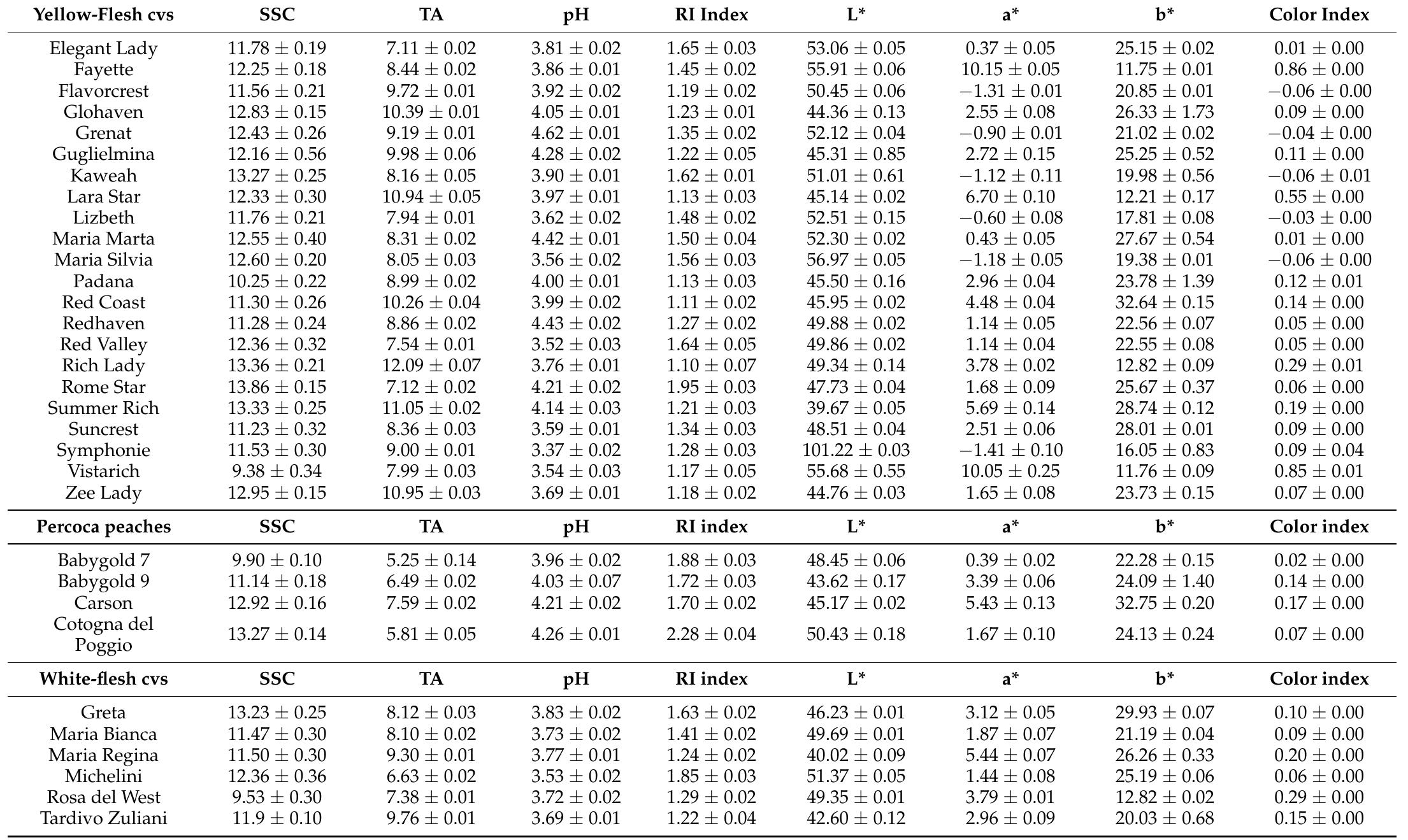
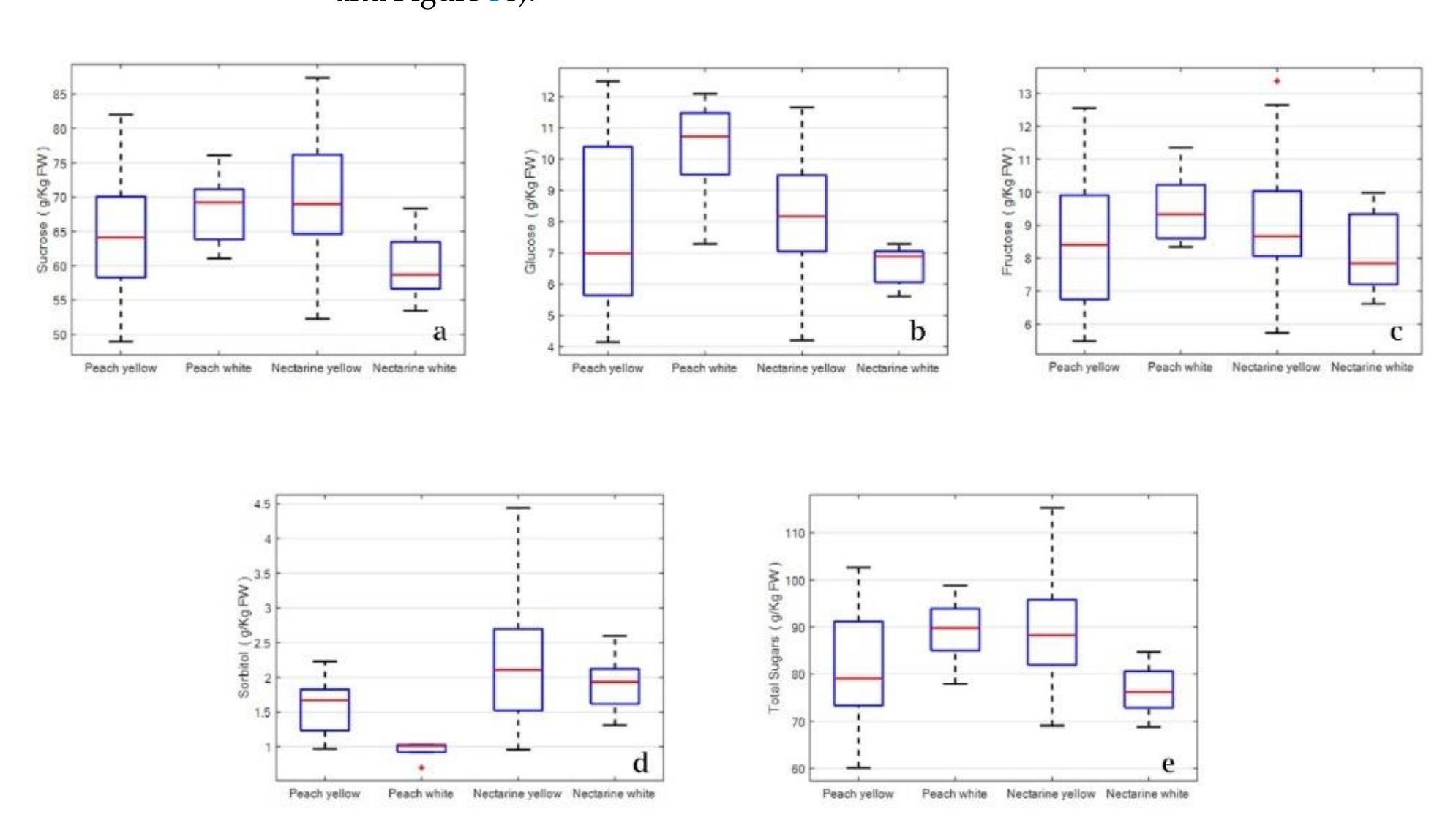
In this work, both analytical and sensory determinations were carried out to evaluate the quality of yellow (‘Summerset‘, ‘Tardiva 2000‘, ‘Fairtime”, ‘Guglielmina’) and white flesh (‘Daniela’) late-ripening peach and nectarine... more
Introduction Tea is a drink that is liked by all ages. Apart from its fresh taste, tea also has properties for health (1). Cinnamon and cardamom are great sources of antioxidants. Cinnamon contains cinnamaldehyde, eugenol, cinnamic acid,... more
Diabetes memiliki dampak jangka panjang seperti aterosklerosis, nefropati, dan retinopati yang disebabkan oleh pembentukan Advanced Glycation End Products (AGEs). Penelitian secara in vitro pada ekstrak bawang putih (Allium sativum L.)... more
Temporal Check-All-That-Apply (TCATA) Fading is a variant of TCATA where selected terms gradually and automatically become unselected over a predefined period of time and assessors are asked to re-select the terms if they still apply.... more
Cultures across the world have evolved to have unique patterns despite shared ingredients and cooking techniques. Using data obtained from RecipeDB, an online resource for recipes, we extract patterns in 26 world cuisines and further... more
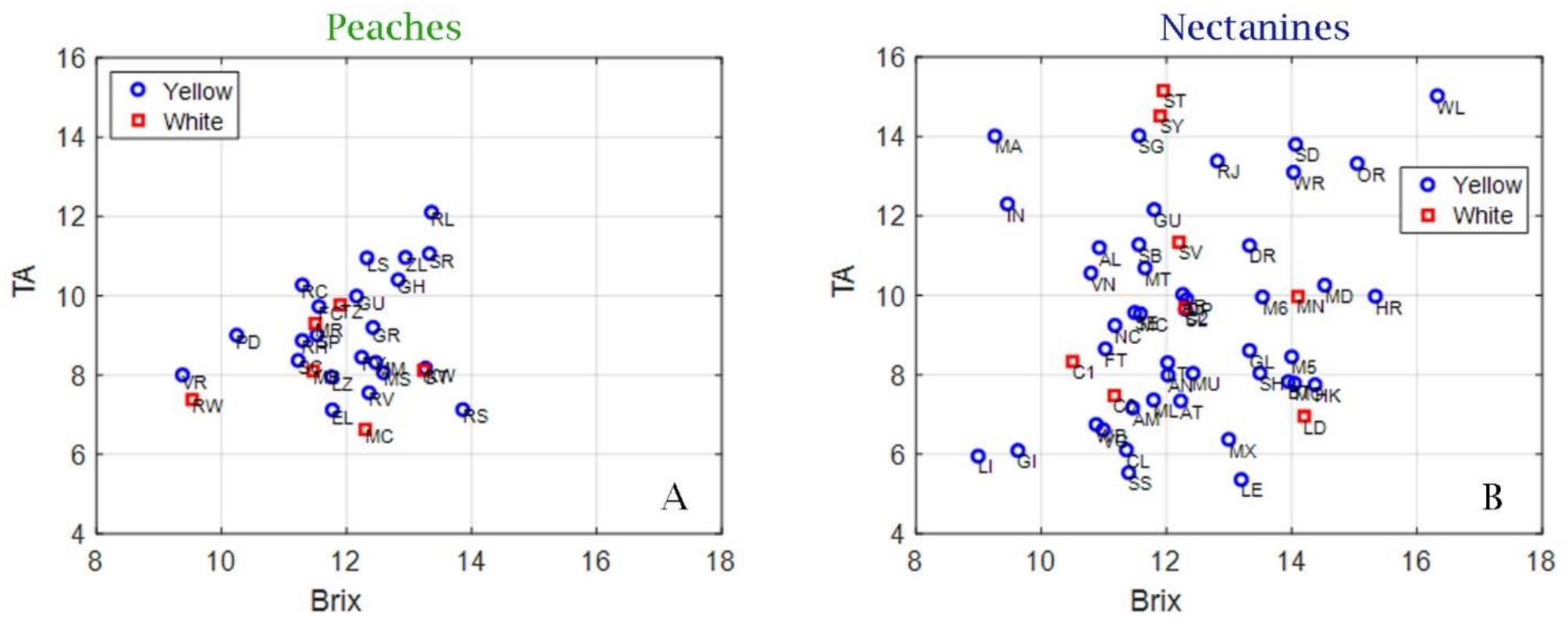
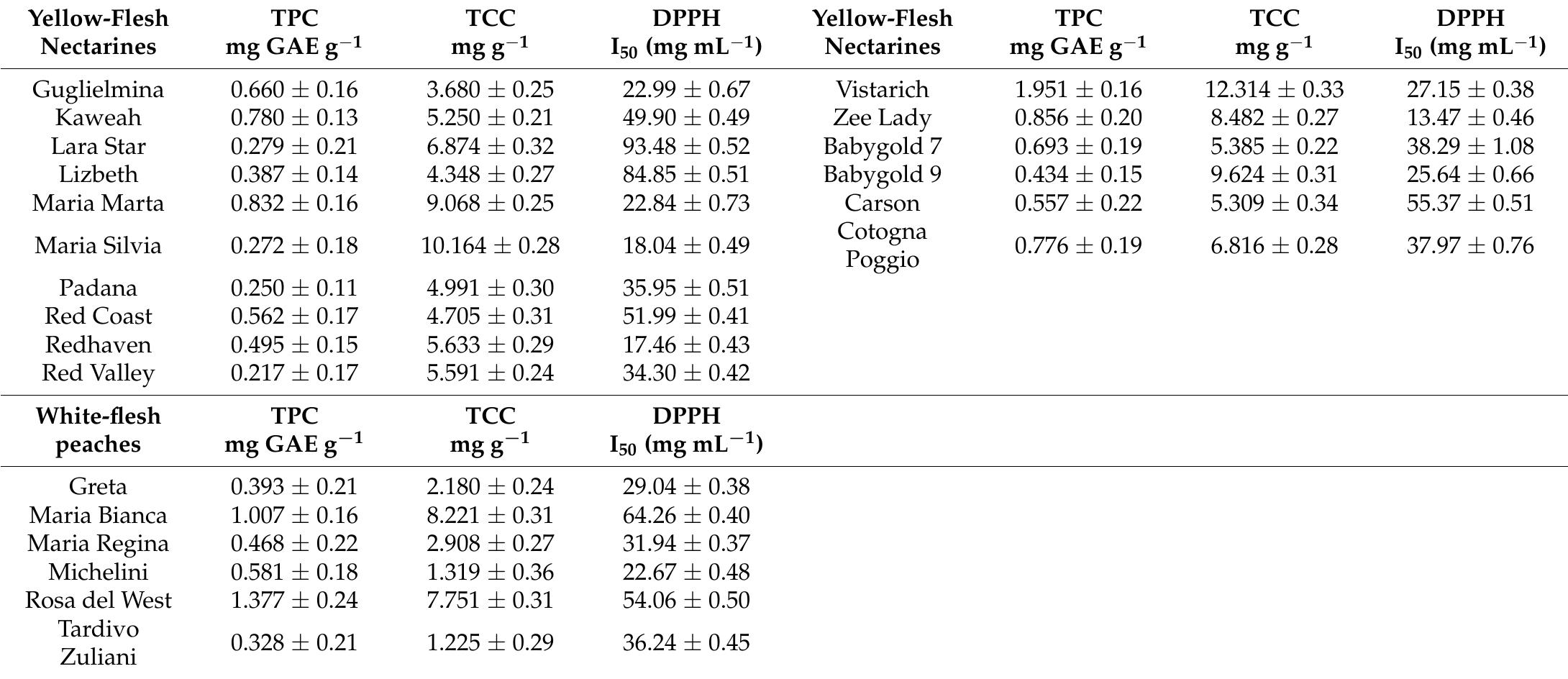
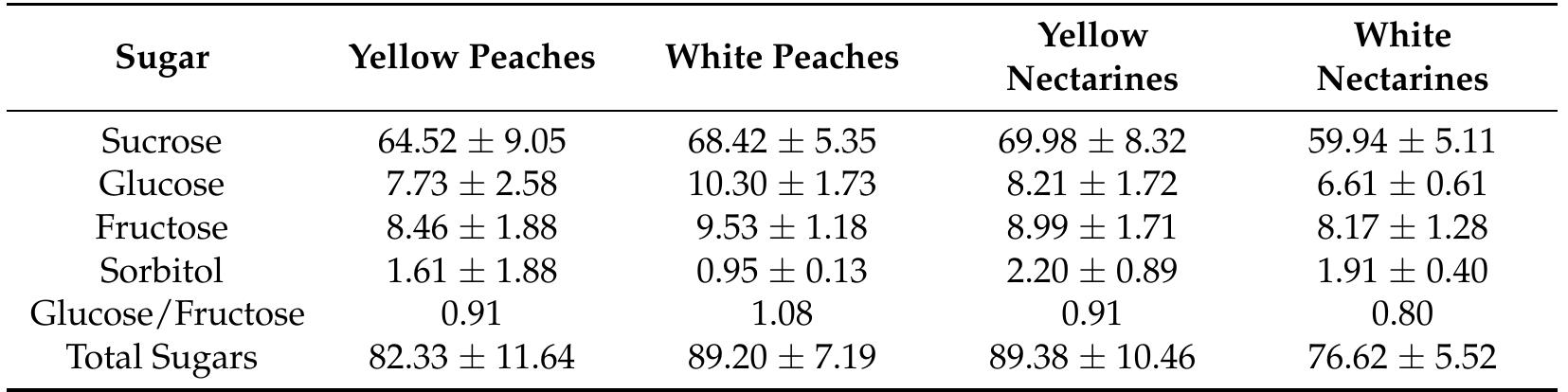
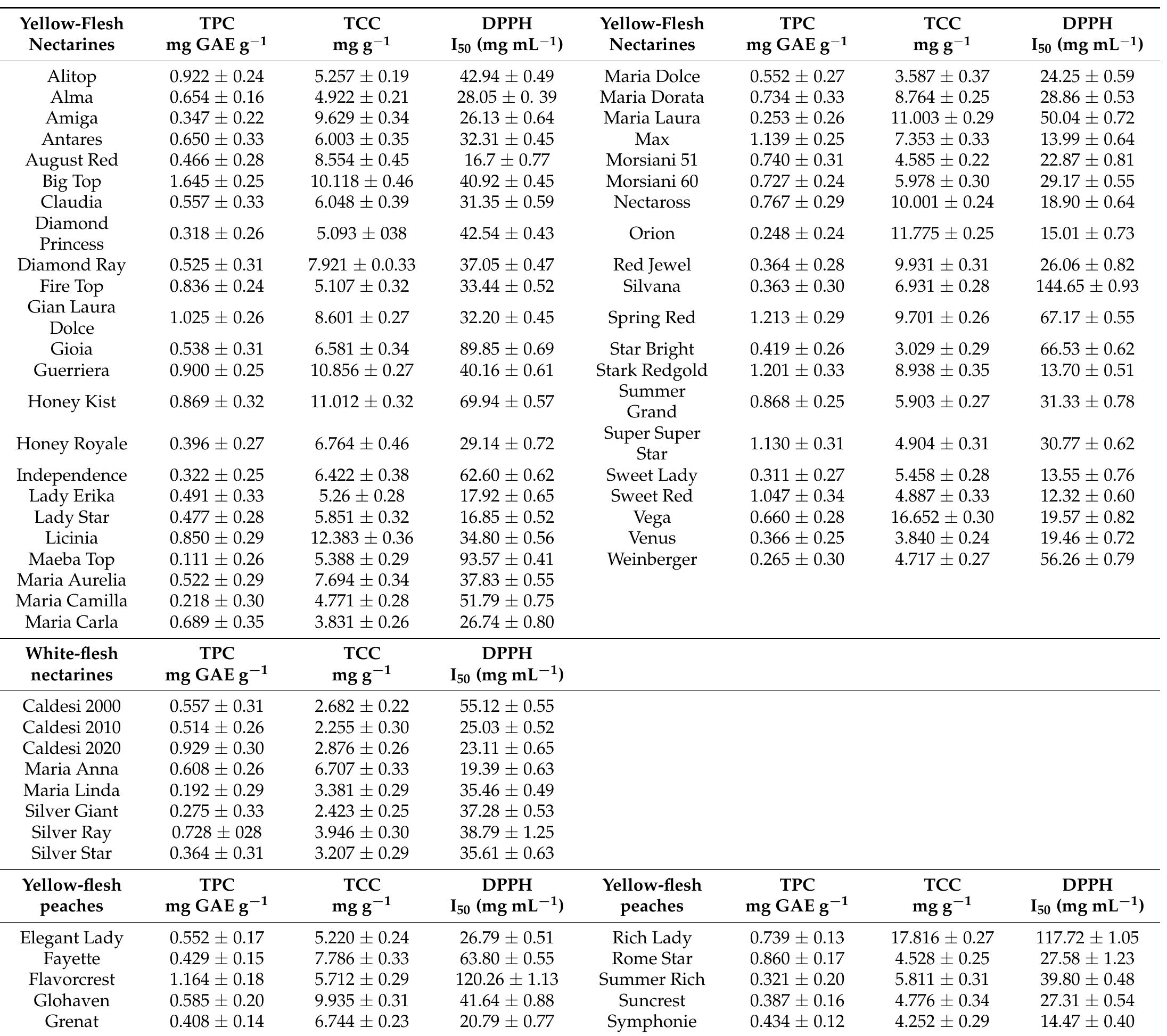
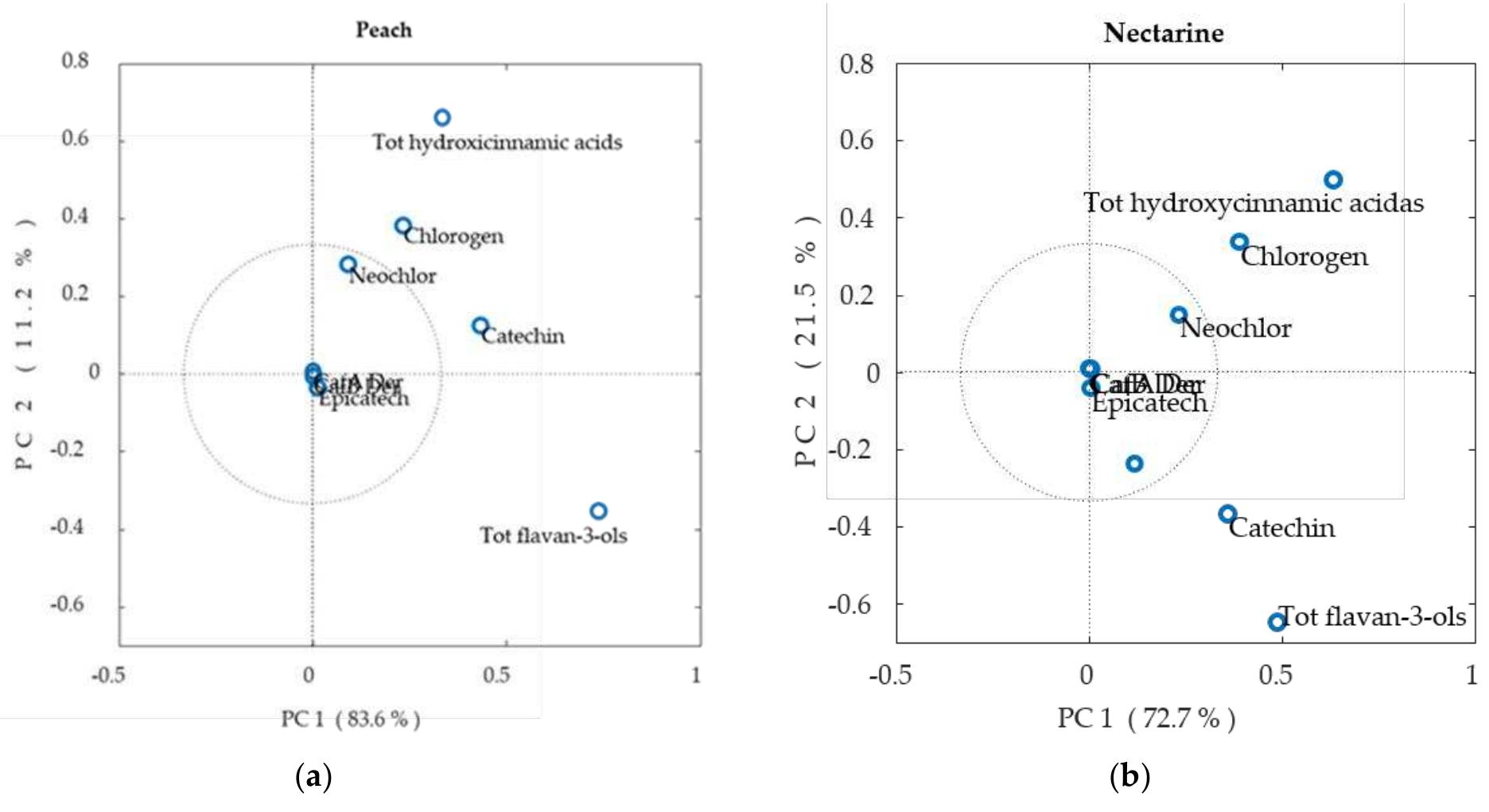
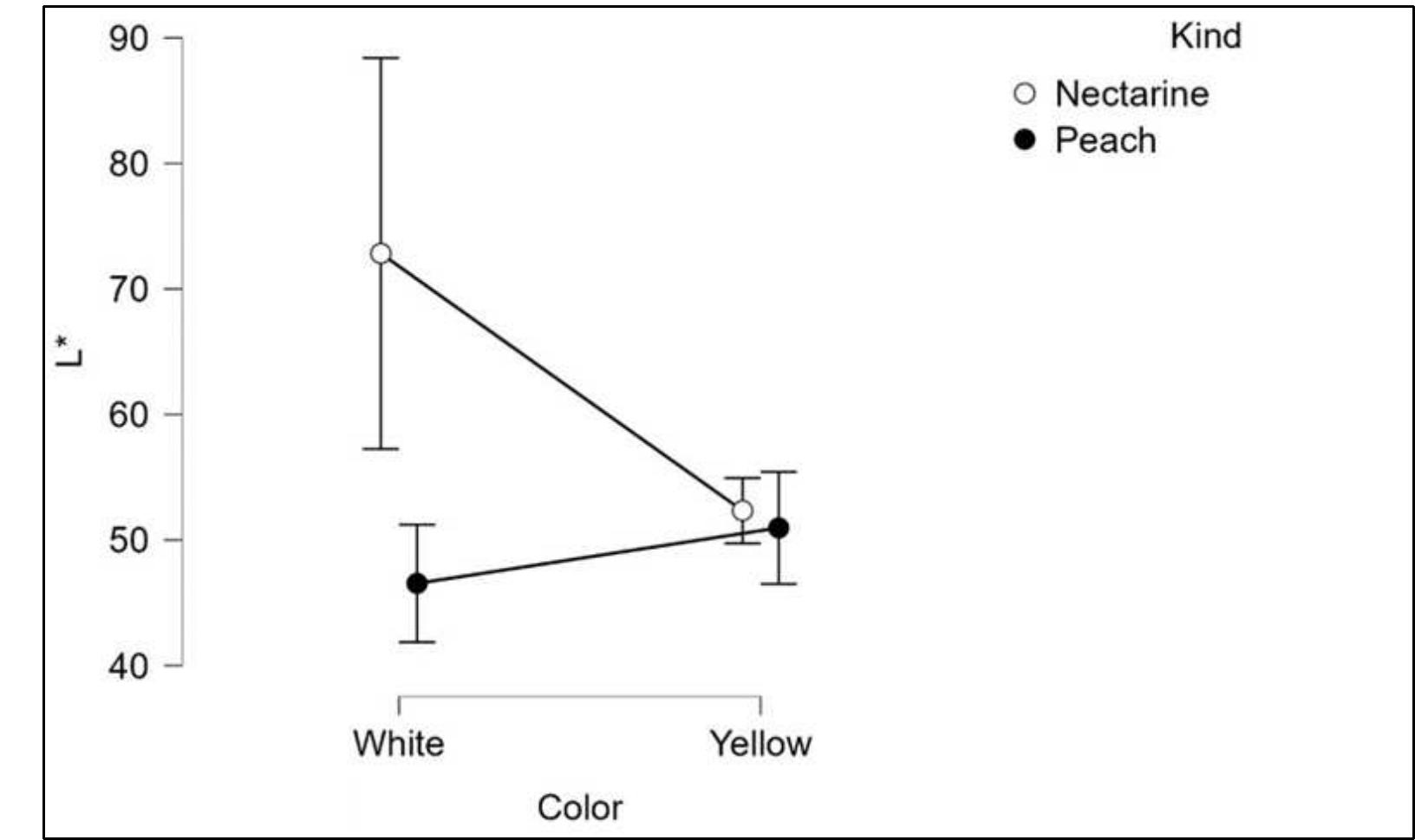
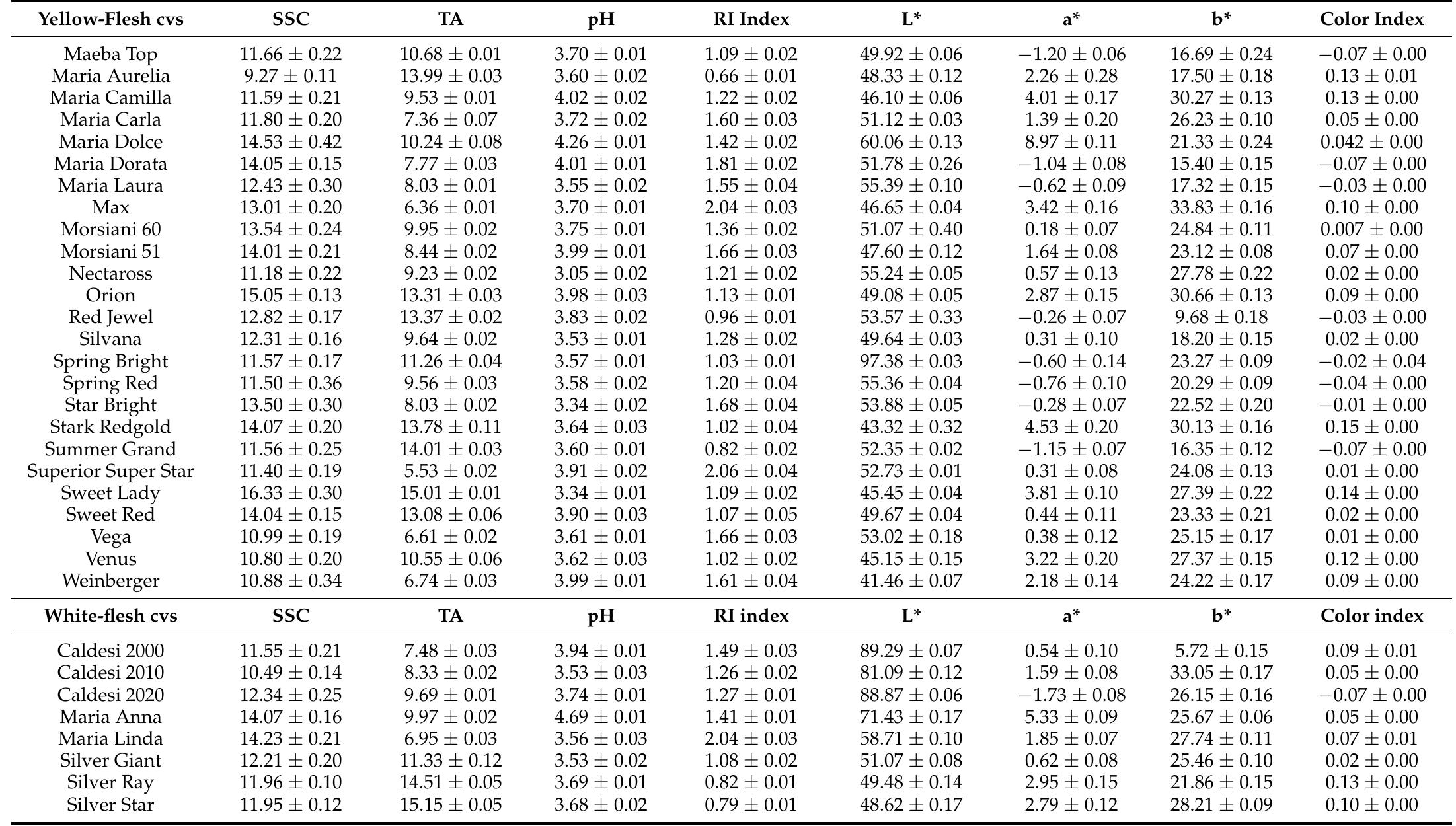
Qualitative traits and chemical properties of 32 peach cultivars (yellow flesh and white flesh fruits) and 52 nectarine cultivars (yellow flesh and white flesh fruits) of different pomological characteristics is performed, and the... more
The assessment of the botanical origin of unifloral honeys is an important application in food quality control. The aroma is a quality factor of great importance in foods. The aroma of bee honey depends on its volatile fraction... more
Taste enhancer compounds from specific ethnic culinary herbs have very little information in the literature but this is important to food scientiests because these compounds can have a positive effect on food flavour. For many years,... more
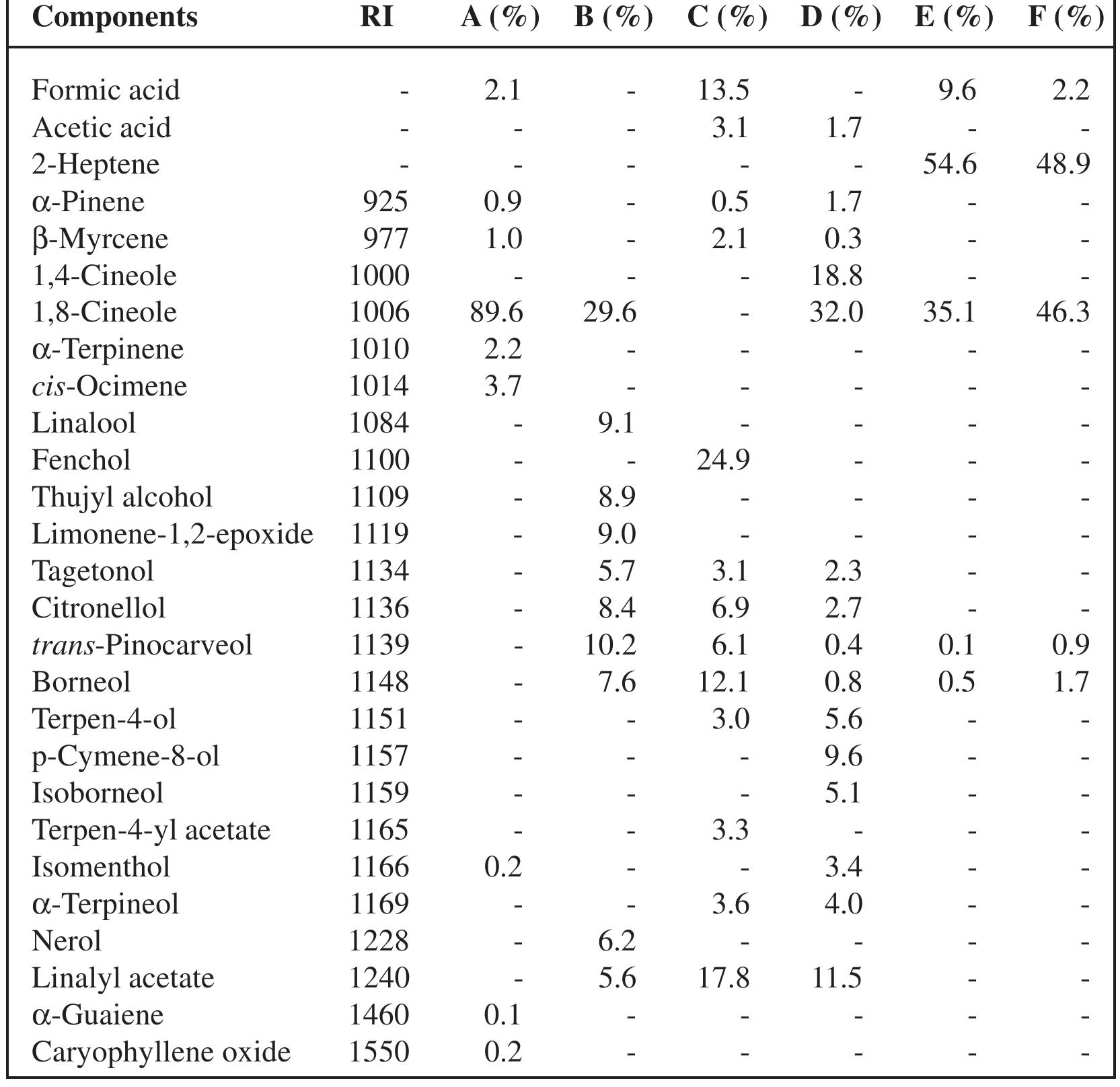
The chemical composition of the essential oil obtained from dried fruits of Elettaria cardamomum Maton. (Zingiberaceae) of Delhi region was analyzed by gas liquid chromatography (GLC) and gas chromatography mass spectrometry (GC-MS). The... more
Kiwifruit consumption has increased due to its rich nutritional properties. Although ‘Hayward’ continues to be the main cultivar, others, such as yellow fleshed ‘Jintao’, are of increasing interest. The objective of this research was to... more
Volatile collection: two techniques may be used to collect the cadaveric VOCs The smell of death… is constituted by a blend of volatile organic compounds which change during the decay process. Conclusions & perspectives Dynamic sampling... more
Thanatochemistry, also named ''chemistry of death'', is poorly studied and the available information regarding VOCs released after death are rather limited. Numerous applications would however benefit from a better understanding of the... more
Durian cv. Monthong was dried by using controlled low power microwave at atmospheric pressure. Although the hardness of durian chips was higher than that obtained from microwave drying in vacuum, it was comparable to the hardness of... more
En este trabajo se describe un método de análisis de kresoxim-metil y trifloxystrobin en muestras de agua mediante microextracción con gota suspendida y cromatografía de gases-espectrometría de masa. Se investigó la influencia del... more
Qualitative traits and chemical properties of 32 peach cultivars (yellow flesh and white flesh fruits) and 52 nectarine cultivars (yellow flesh and white flesh fruits) of different pomological characteristics is performed, and the... more
Rainwater is an alternative source of supply water; capturing and storing it are also ways to prevent floods. The objective of this work was to study the use of rainwater seeking to take advantage of it for industrial use by means of its... more
Two potato cultivar Desiree and Cardinal was procured from Agriculture Research Institute Tarnab Farm Peshawar, Pakistan to use for the preparation of potato powder. The process involves sorting, washing, peeling, slicing, blanching,... more
Functional drinks can be made from local herbal ingredients that are often used for spices such as cinnamon (Cinnamomum burmanni) and cardamom (Amomum compactum). The purpose of this study is to determine the best formulation of cinnamon... more
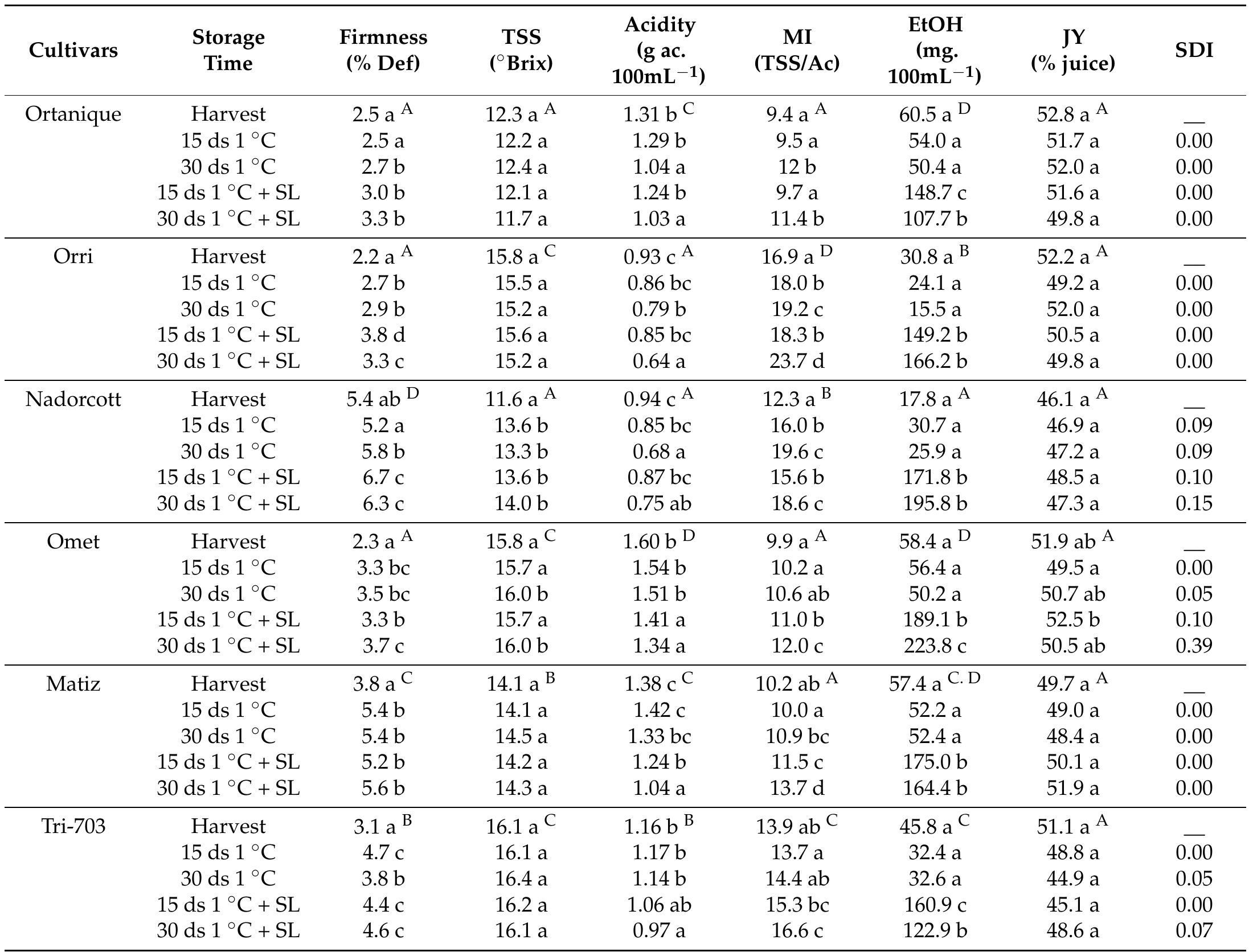
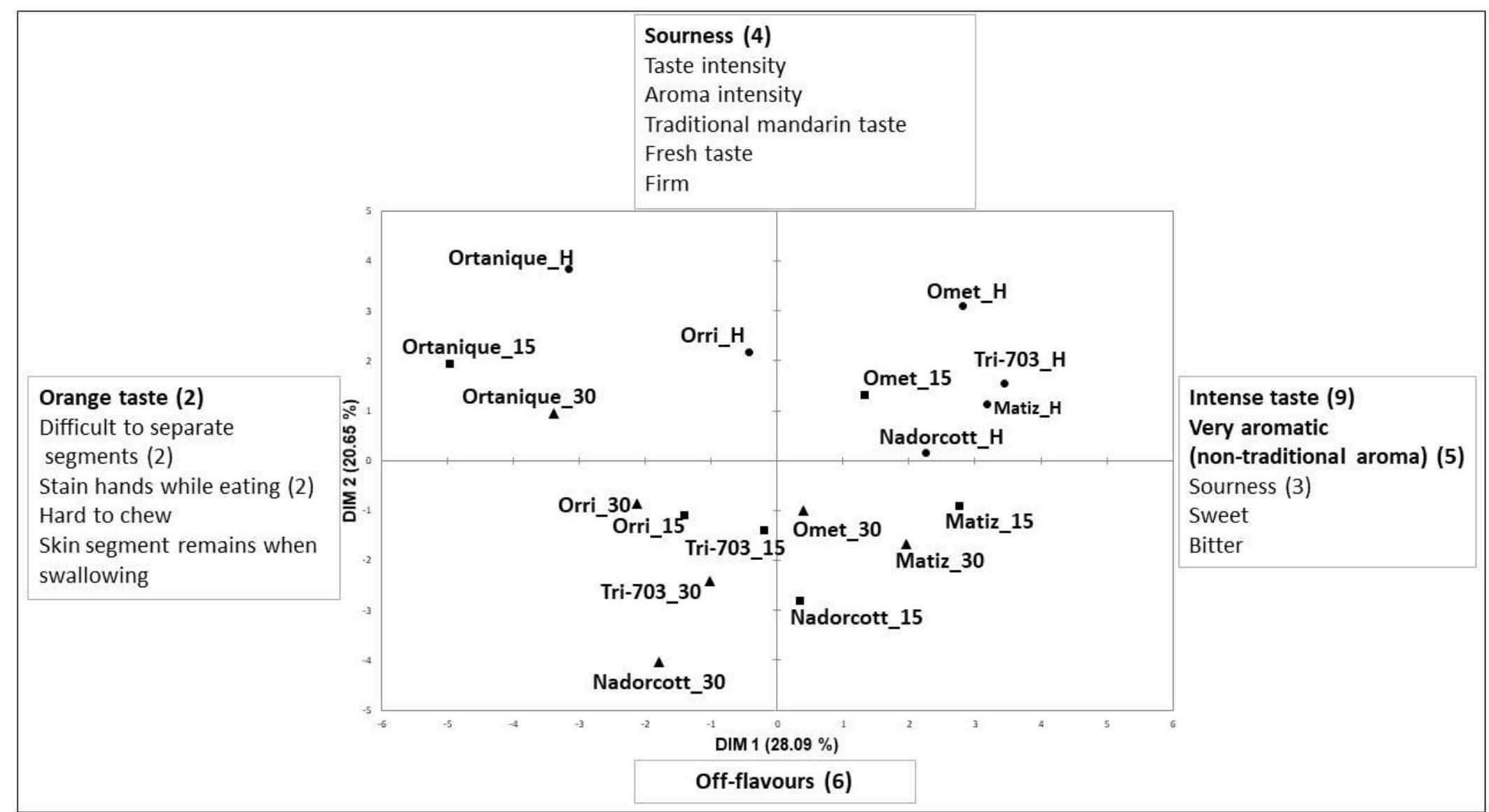
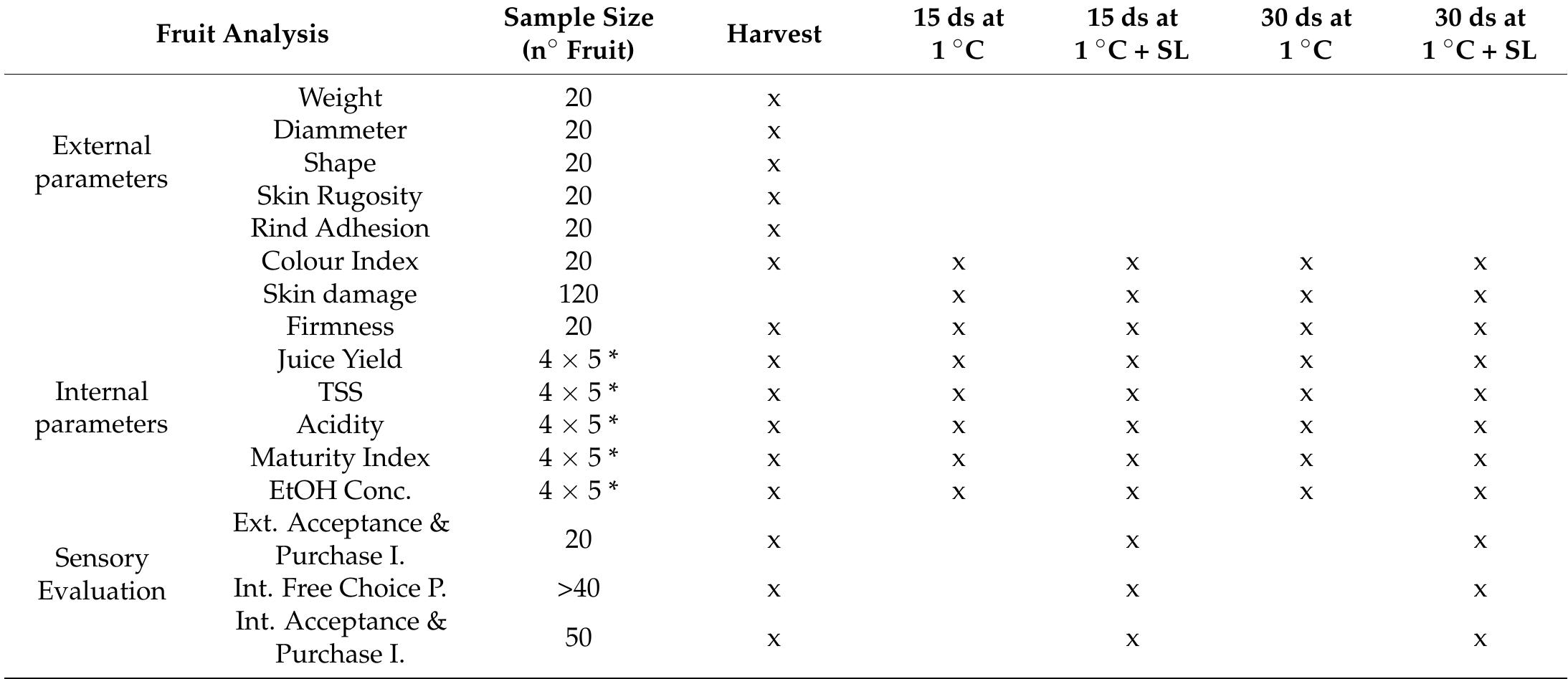
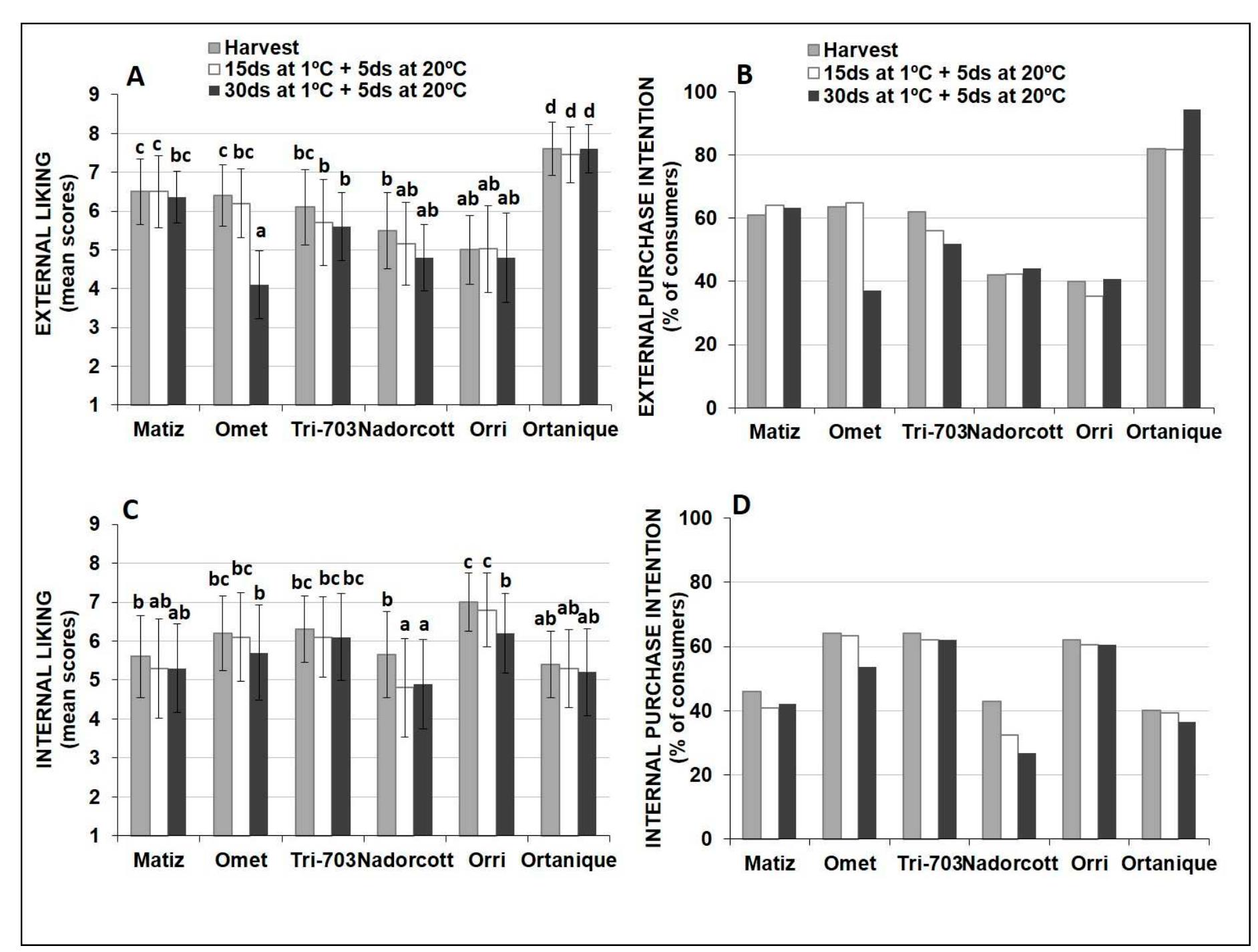
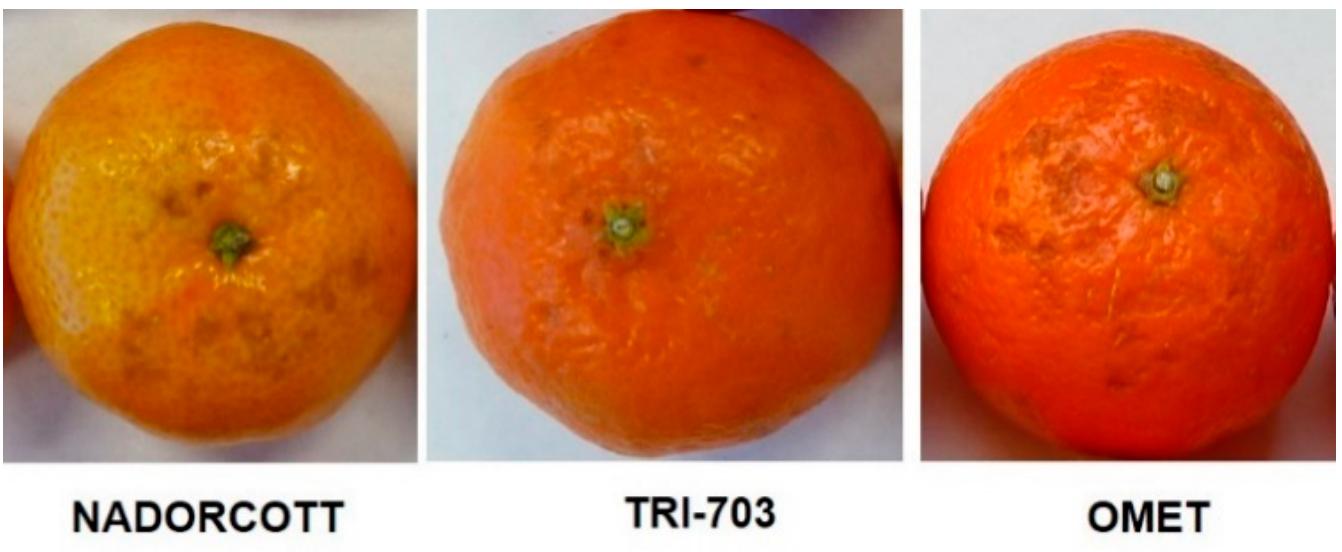
Late-season mandarins are normally cold-stored to prolong the commercial season. Thus, it is necessary to investigate poststorage consumer acceptance to predict the potential success of new late-season mandarin varieties on the market.... more
Two potato cultivar Desiree and Cardinal was procured from Agriculture Research Institute Tarnab Farm Peshawar, Pakistan to use for the preparation of potato powder. The process involves sorting, washing, peeling, slicing, blanching,... more
Oyster mushroom (Pleurotus ostreatus) is an edible mushroom of the kingdom Mycetae and belongs to the family Agaricaceae. Significant amount of oyster mushroom is grown in Odisha particularly in winter season, when there is shortage of... more
Functional drinks can be made from local herbal ingredients that are often used for spices such as cinnamon (Cinnamomum burmanni) and cardamom (Amomum compactum). The purpose of this study is to determine the best formulation of cinnamon... more
Introduction Aromas and tastes have crucial influences on the quality of fermented beverages. The determination of aromatic compounds requires global non-targeted profiling of the volatile organic compounds (VOCs) in the beverages.... more
Sendo a laranja uma das principais frutas produzidas mundialmente e, tendo em vista que o Brasil é um dos maiores produtores da fruta, a qual gera de 50% a 60% de resíduo da massa inicial ao se obter seu suco, é extremamente relevante a... more
Download research papers for free!