580 California St., Suite 400
San Francisco, CA, 94104
This theme addresses advancements in sample preparation, instrumentation, and measurement techniques that enhance the detection, quantification, and characterization of emerging environmental contaminants such as nanoparticles (NPs), platinum group elements (PGEs), radioactive elements, and engineered nanomaterials across diverse environmental matrices. The focus is on methods that enable rapid, portable, sensitive, and selective analyses critical for monitoring low-level pollutants in complex matrices like air particulates, water bodies, plant tissues, and soils.
This theme centers on the analytical challenges of detecting ultra-trace levels of contaminants including persistent organic pollutants (POPs), heavy metals, PFAS, and plastic-associated chemicals in complex environmental samples. It examines innovations in sample pre-treatment, digestion, extraction techniques, quality control, and method validation to ensure sensitivity, selectivity, and reproducibility. Additionally, it explores matrix effects and the development of representative certified reference materials (CRMs) for method calibration, with a focus on innovative treatment and mitigation strategies.
This theme investigates the role of analytical chemistry in evaluating environmental contamination sources, assessing pollutant bioavailability, and enabling remediation through innovative green chemistry solutions. It encompasses the development of monitoring protocols for contaminated sites, modeling contaminant behavior, and applying sustainable analytical frameworks that reduce environmental impact without compromising detection sensitivity. The focus extends to producing actionable data for regulatory compliance and supporting ecosystem health via optimized treatment technologies.
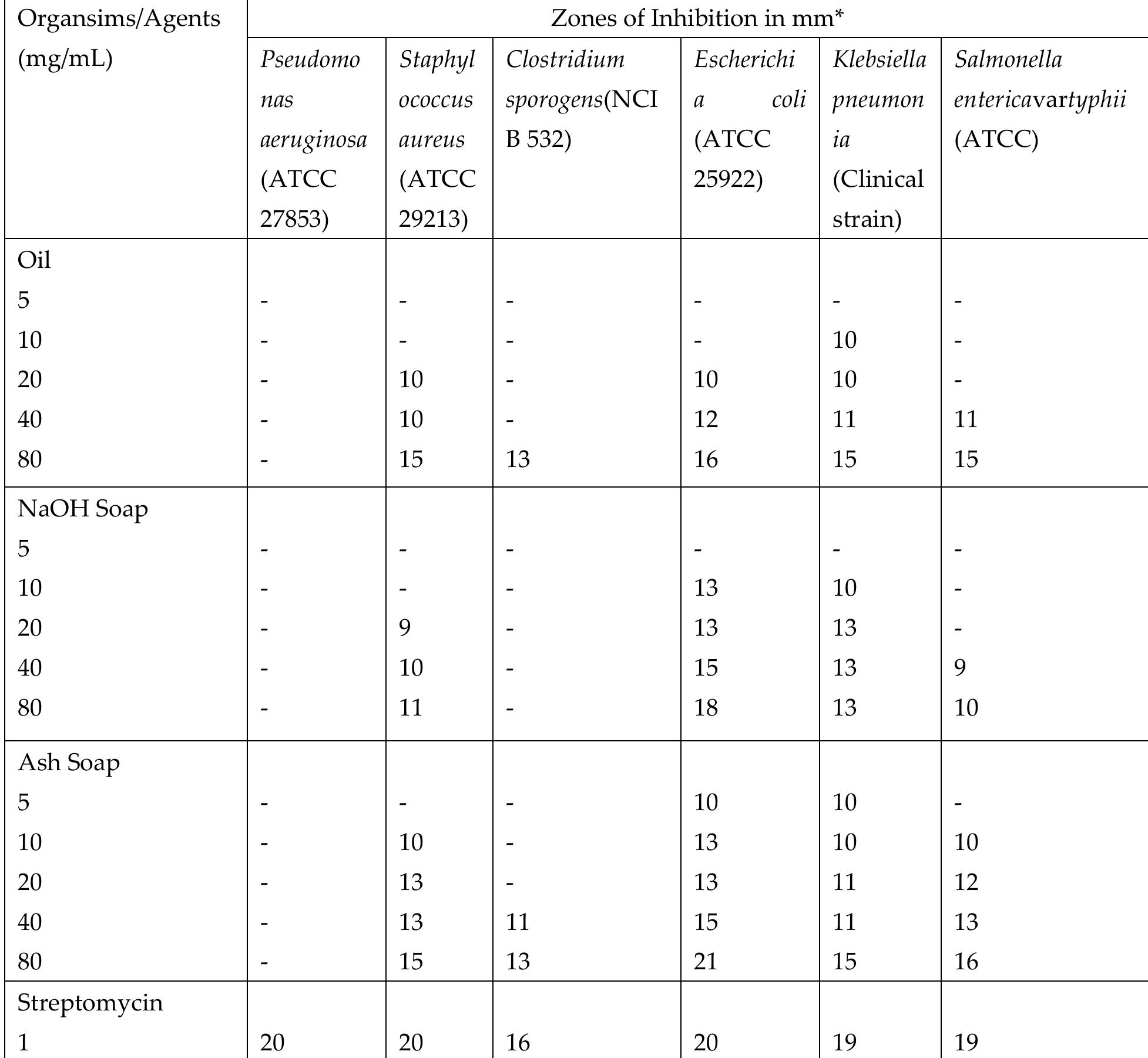
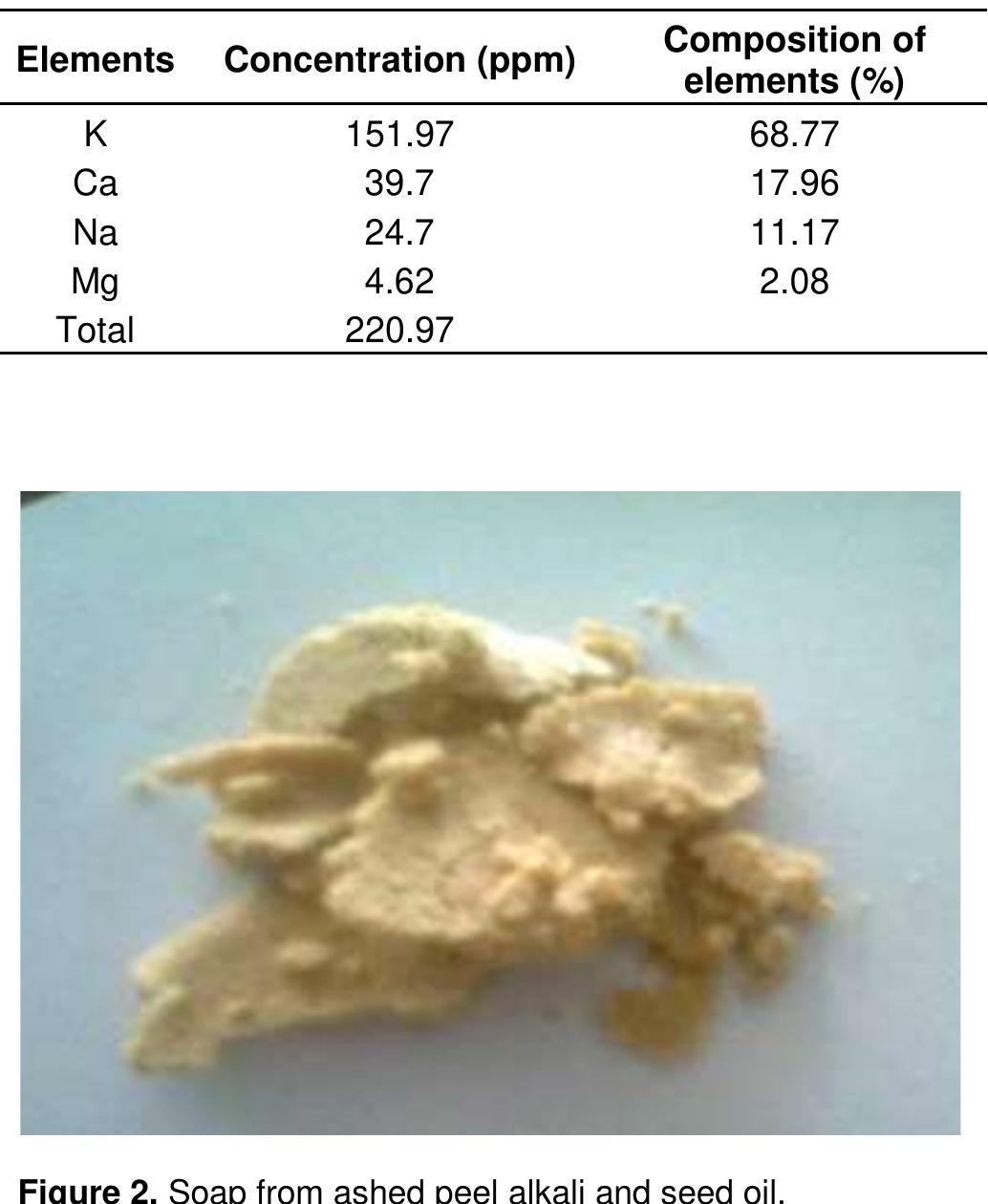
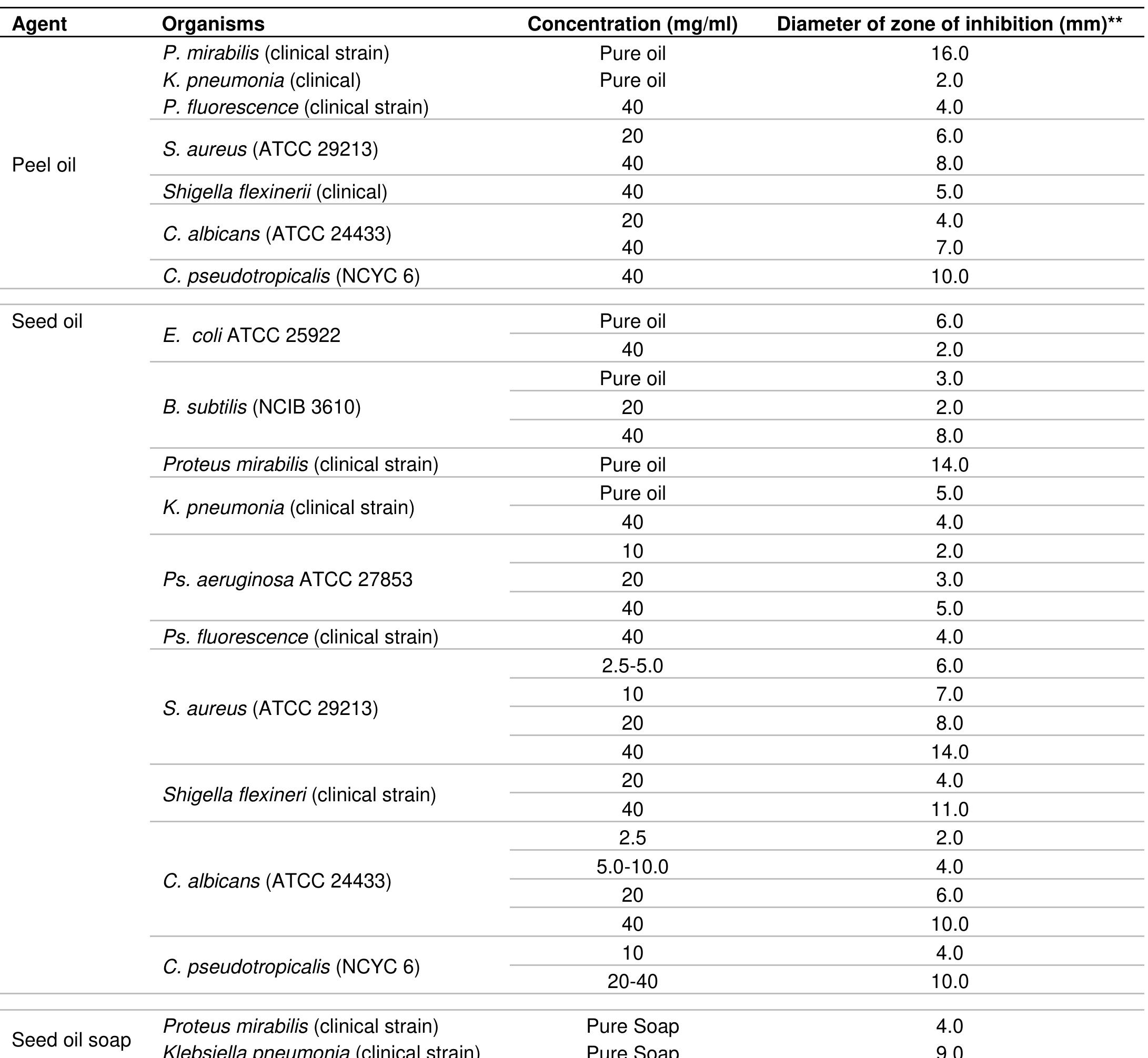
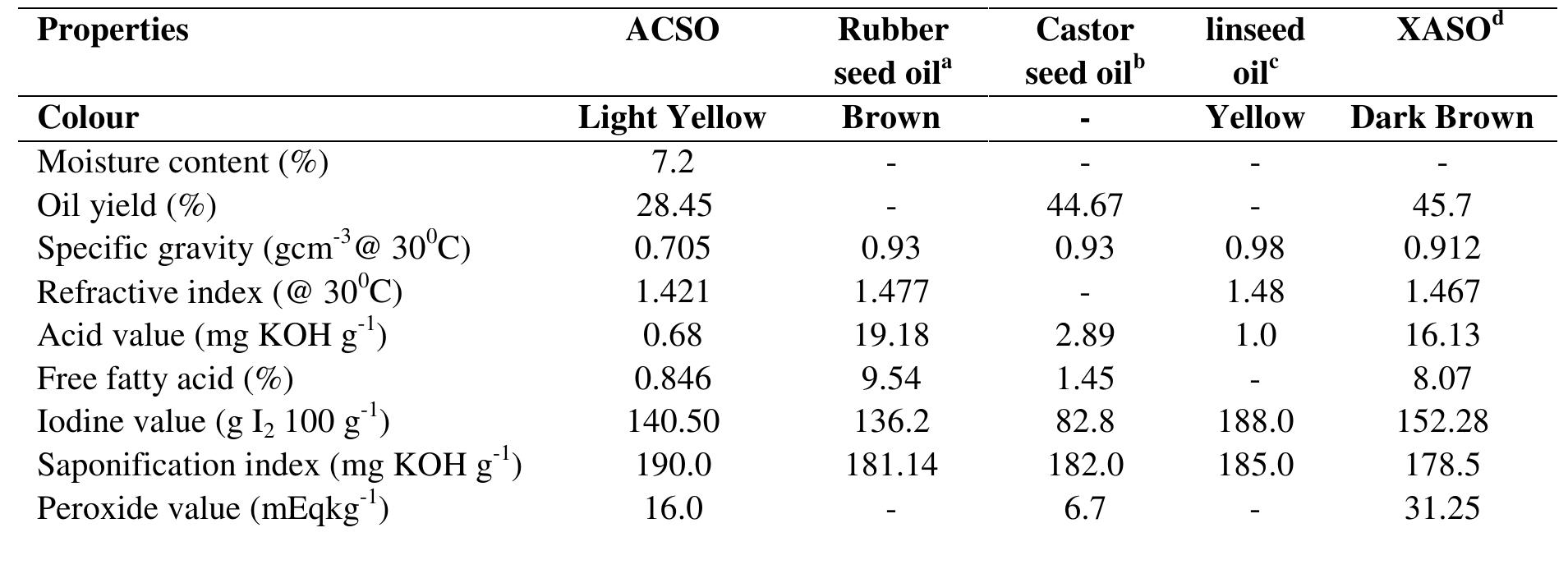
![Table 3. Minimum Inhibitory Concentration (MIC) in mg/mL of the agents The soap of the ash-leaves shows the highest antimicrobial activities because it’s MIC is very The soap of the ash-leaves shows the highest antimicrobial activities because it’s MIC is very close to the standard, (0.67 is the closest to 0.125 of Streptomycin). It possesses activity against Escherichia coli and Klebsiella pneumonia at a concentration as low as 5 mg/mL. This could largely be as a result of the phytochemicals present in the leaves of the plant. The study by [22] on the methanol leaf extracts of C. albidum revealed the presence of flavonoids, phenols, glycosides, terpenoids, saponins, steroids and alkaloids. [23] also revealed the presence of alkaloids, flavonoids, saponins and tannins in Chrysophyllum albidum. According to [24], leaf extracts of Chrysophyllum albidum contains anthraquinone, tannin and cardiac glycoside and with no traces of reducing sugars, saponin and alkaloids. These may also be present in the seeds and responsible for the antimicrobial activities. 29 Chemical Comnoncdtinn](https://figures.academia-assets.com/99291906/table_003.jpg)
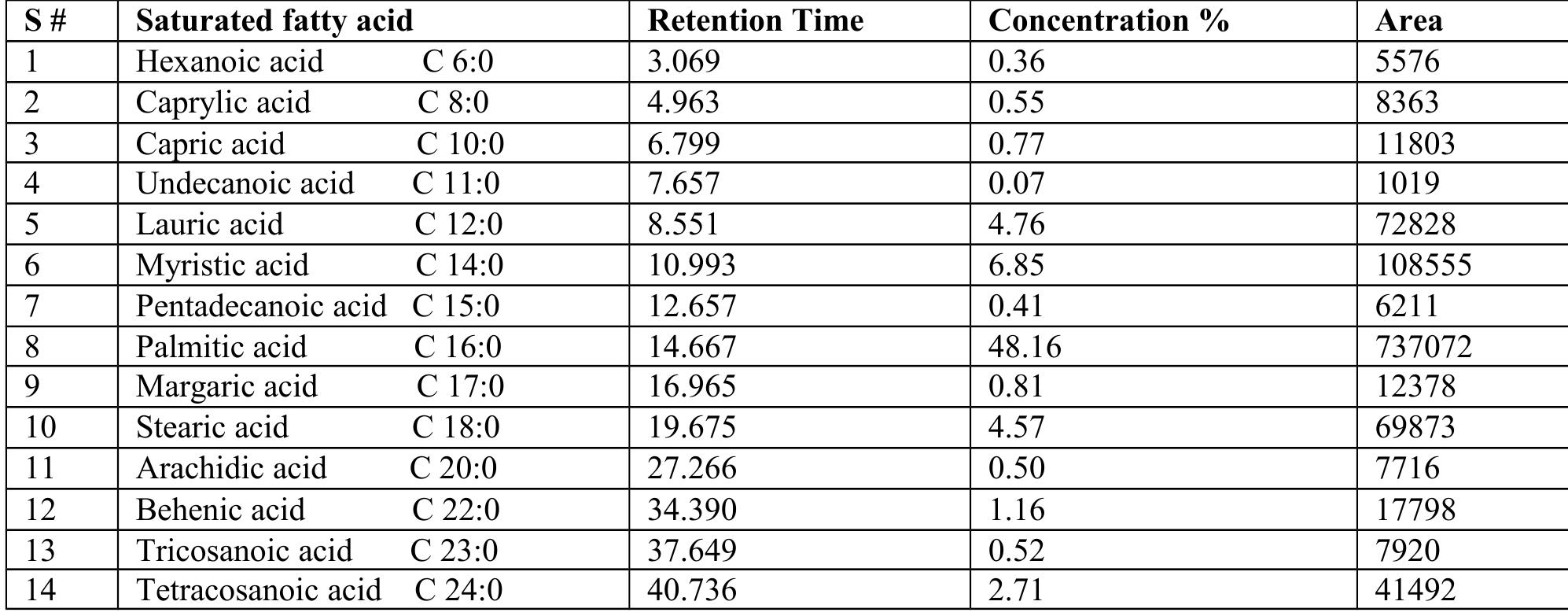
![Table 4. Proximate Composition of C. albidum Seeds The percentage moisture content of the seed obtained from the analysis as shown in table 4 is 14.98%, this value is above 9.0% and 9.39% reported by [25, 26]. The value is meaningfully lesser than 24.17% as found by [27]. The moisture content of any food is the amount of the water in of the food. The level of moisture present in a food is a determinant of the texture because the more organize the endosperm structure, the lesser the moisture content. The reduced moisture content of the seed helps to improve its storage firmness by stopping mould from growing and reducing moisture depending on biochemical reactions [28]. mT - 1 ‘ - com) a ee © —a4470-* 7 1 “ a. yy a ees Sel The percentage moisture content of the seed obtained from the analysis as shown in table 4 is The percentage ash content of Chrysophyllum albidum seed cotyledons which was obtained from](https://figures.academia-assets.com/99291906/table_004.jpg)

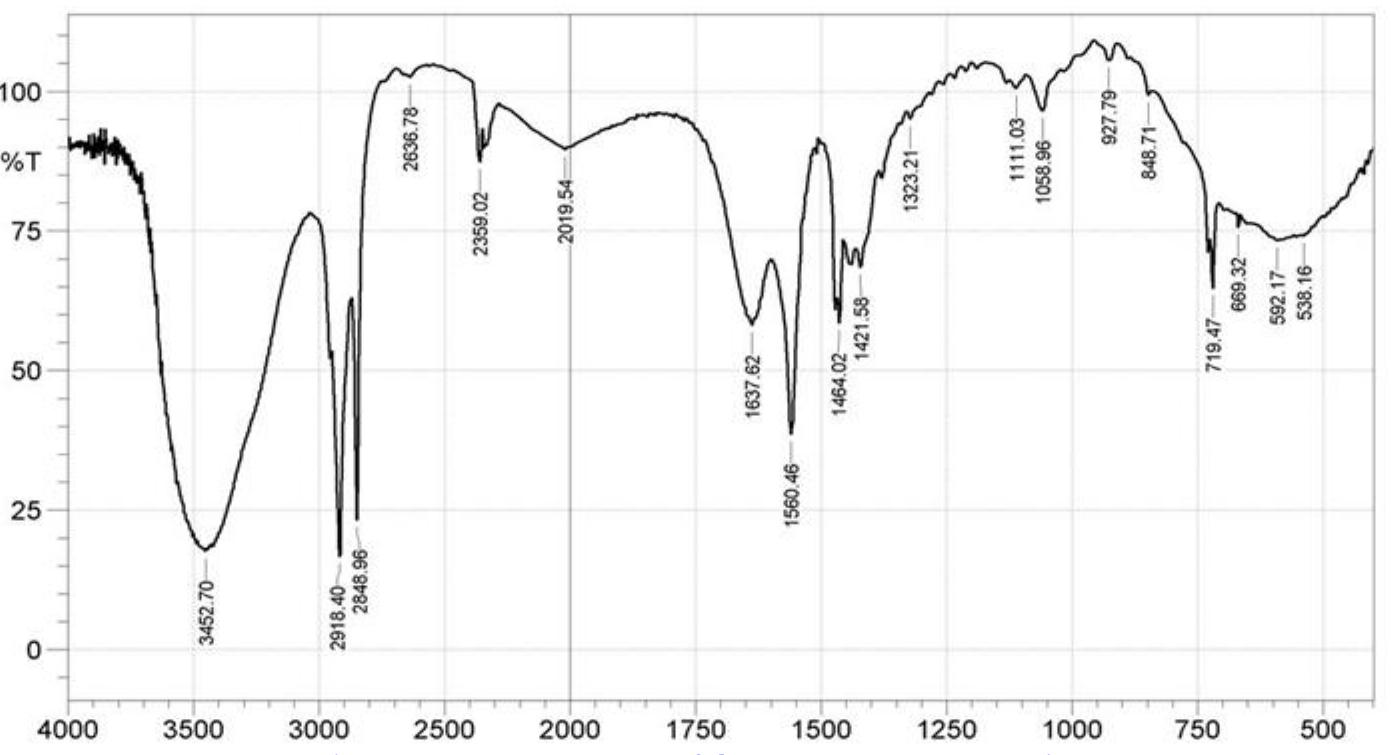
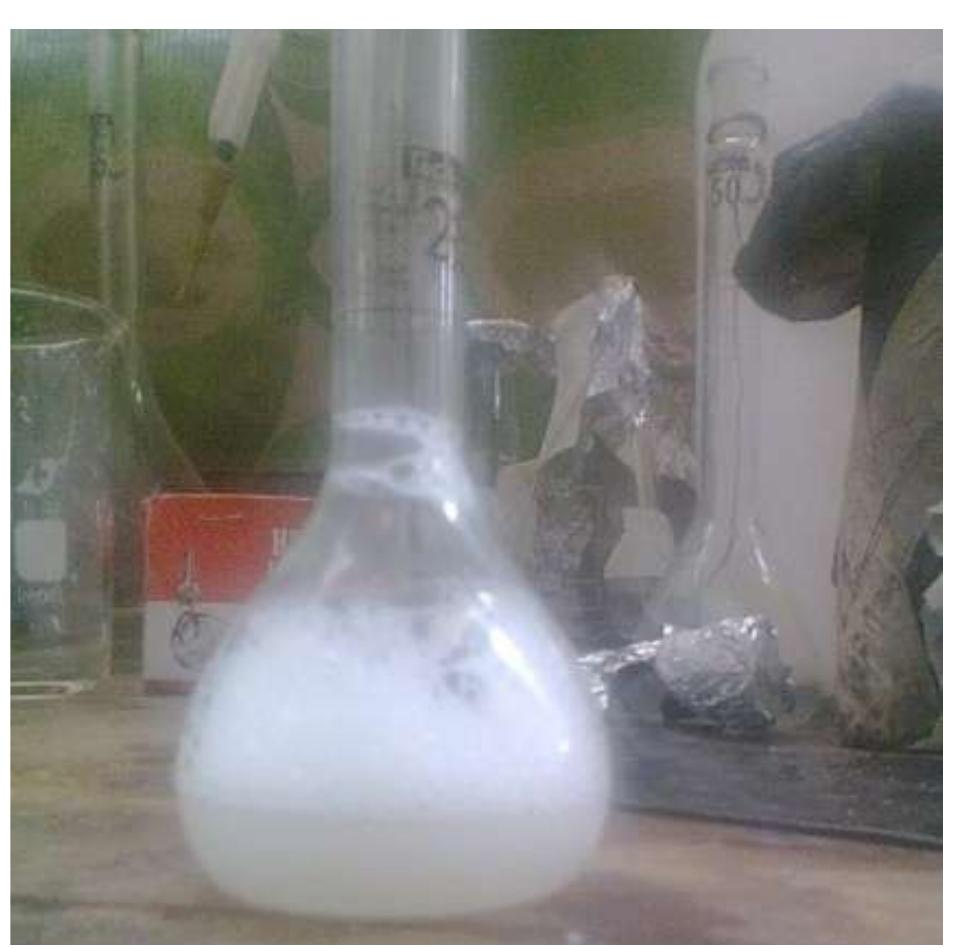
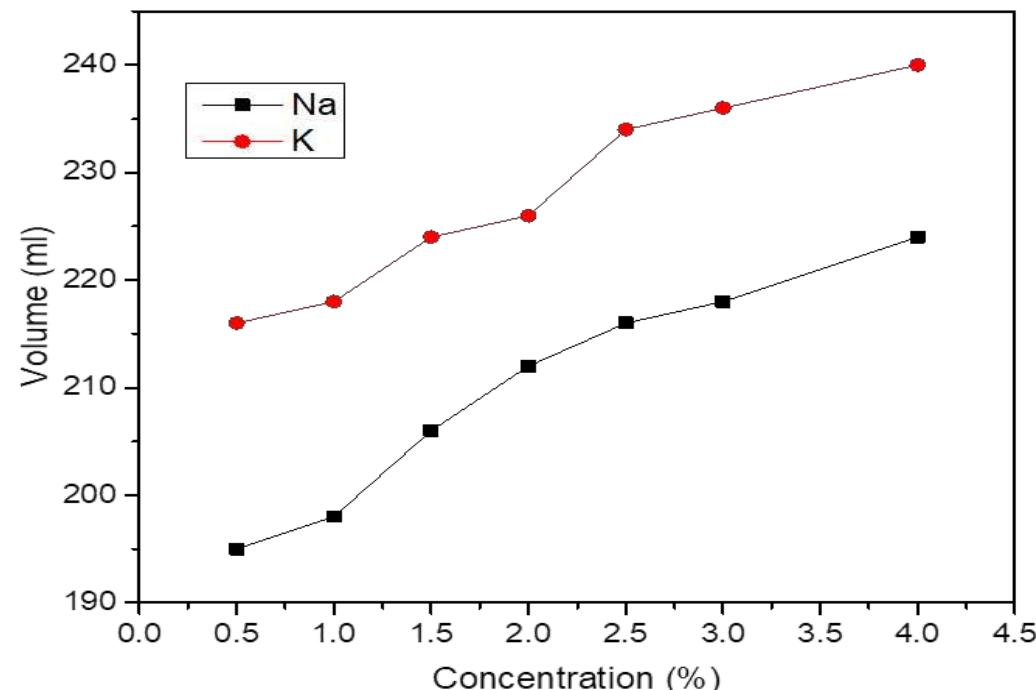
![Figure 5. Comparison of foams’ stability of the prepared and some commercial soaps be linked to its low solubility water and low surface tension [3]. 3.3. Antibacterial Screening](https://figures.academia-assets.com/90367127/figure_005.jpg)
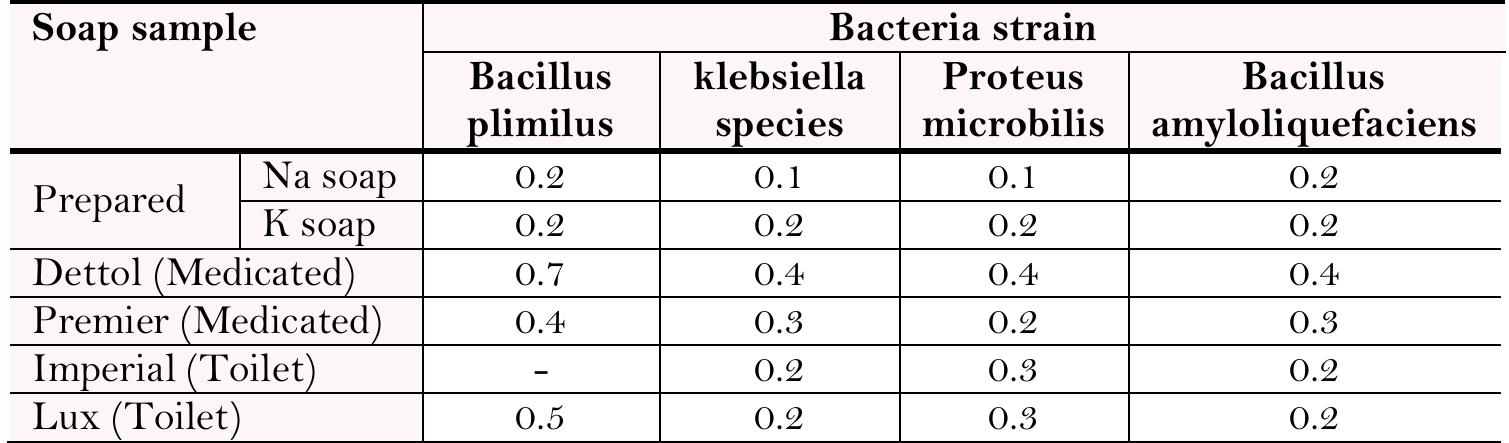


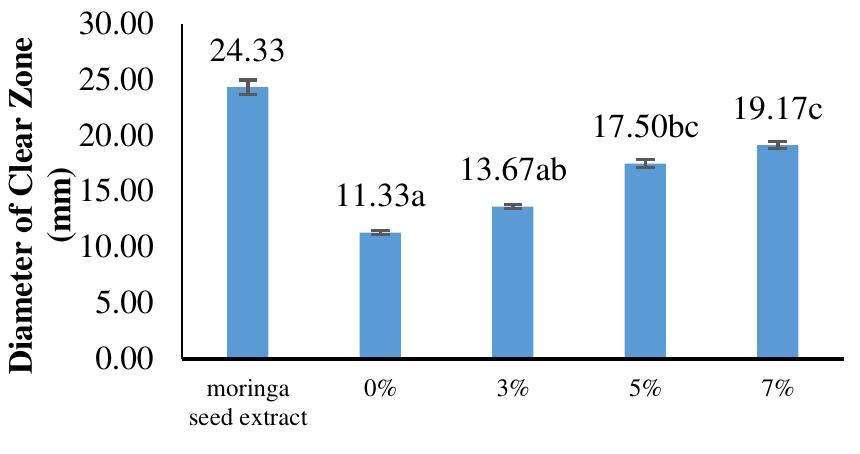
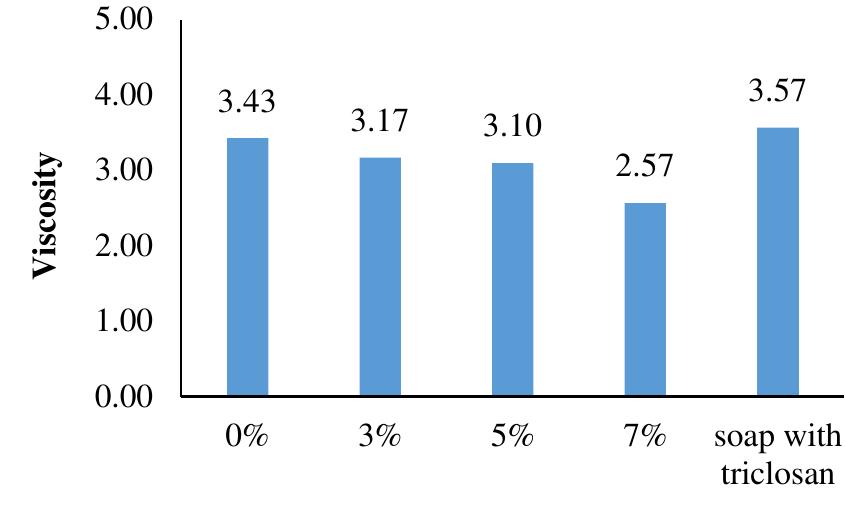
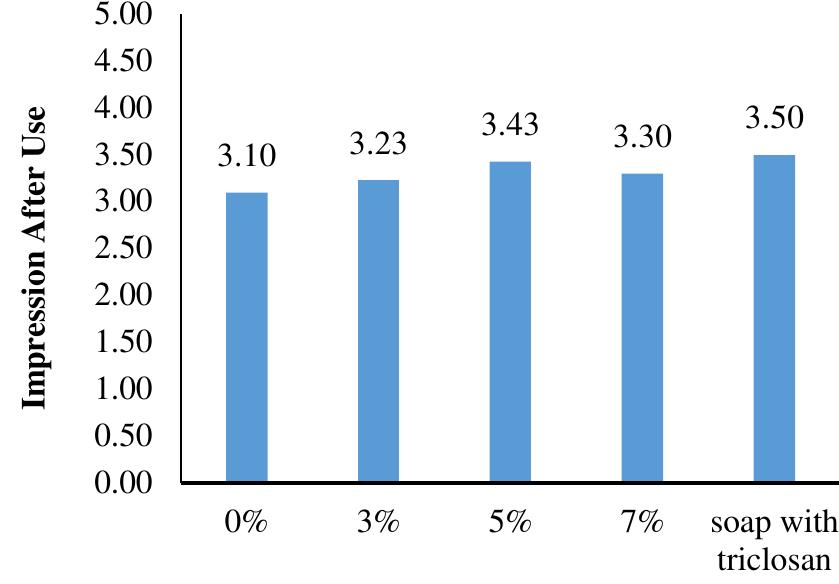
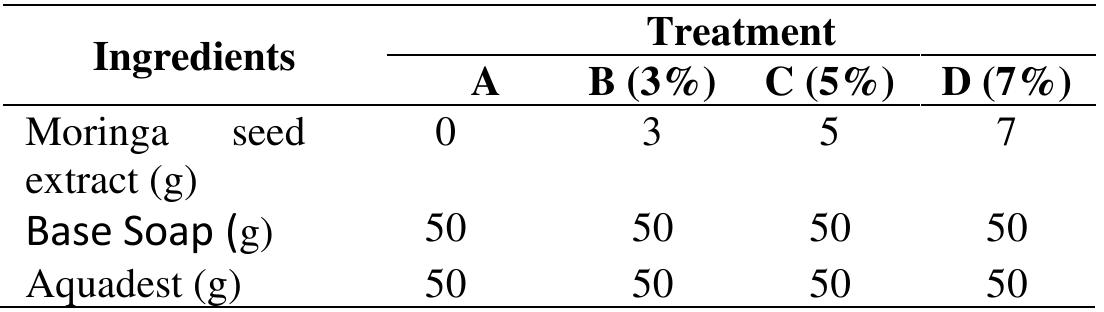
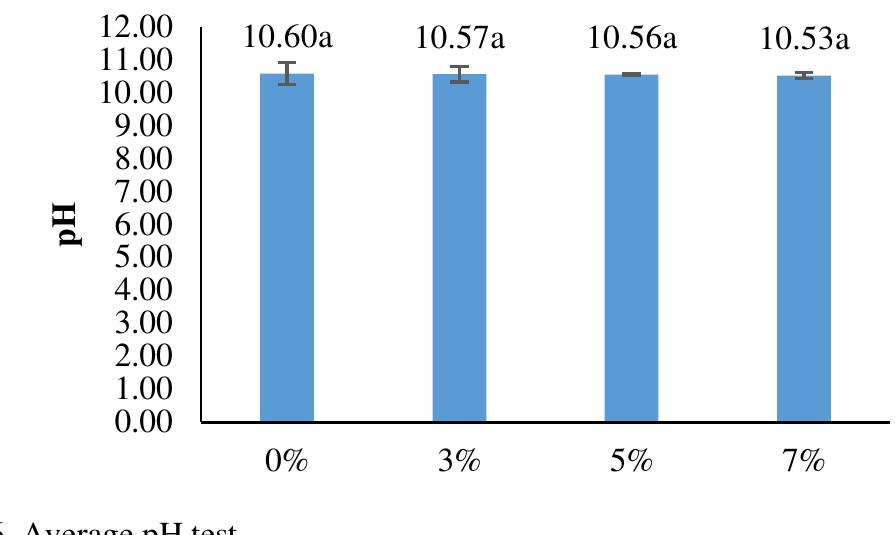
![has the potential to cause dry skin and, to a higher extent, skin irritation. This is because high alkalinity indicates that the soap is too alkaline (pH above 11) [19]. The test results of free alkali levels demonstrated a decreasing value along with the increasing addition of moringa seed extract. Based on the Indonesian National Standard (SNI, 1996), the alkali content that meets the quality requirements of liquid soap is a maximum of 0.1%. In this case, it means that the moringa seed extract liquid soap in each treatment was under the standards determined by SNI. An excess of alkali is not expected in soap because it will cause a burning feeling on the skin when soap is used, but a lack of alkali will cause an excess of free fatty acids because fatty acids are not saponified by potassium hydroxide [17]](https://figures.academia-assets.com/87929118/figure_007.jpg)
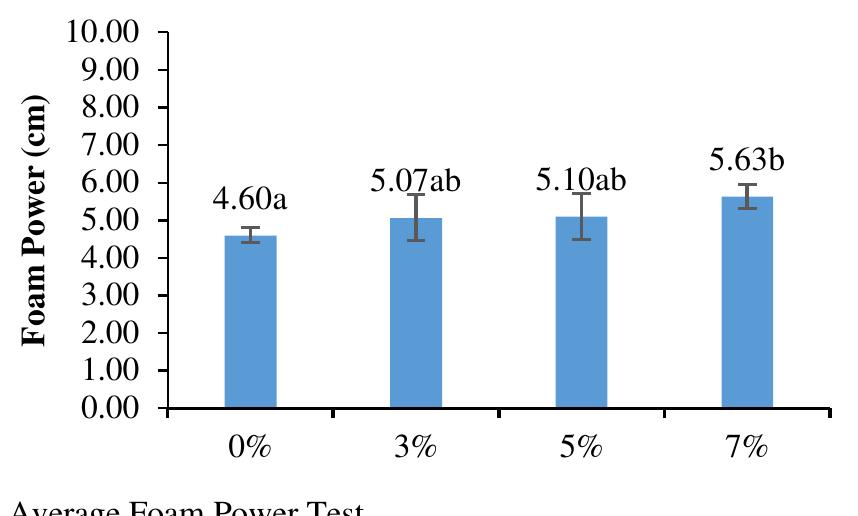
![Fig. 11. The Results of Assessment of Amount of Foam The abundant foam was preferred by consumers over soap without foam. In general, consumers assumed that a good soap had to produce abundant foam, although the amount of foam produced by soap is not always proportional to the ability of soap to clean [21].](https://figures.academia-assets.com/87929118/figure_010.jpg)
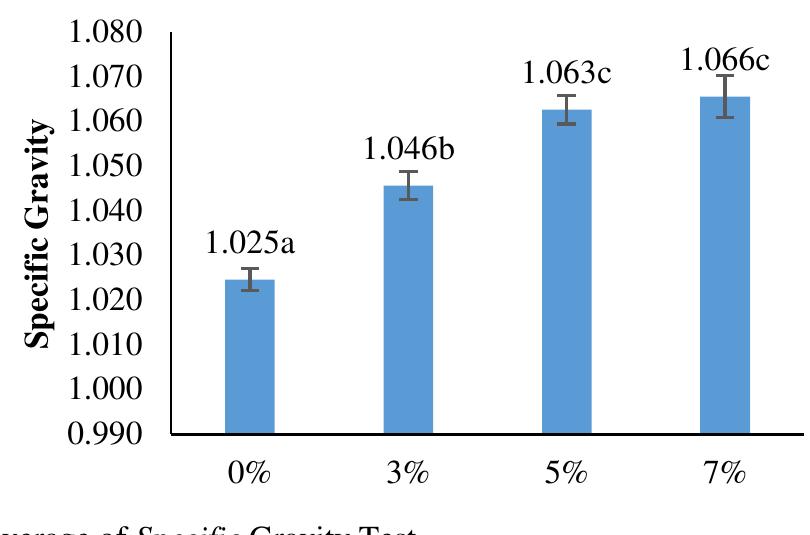
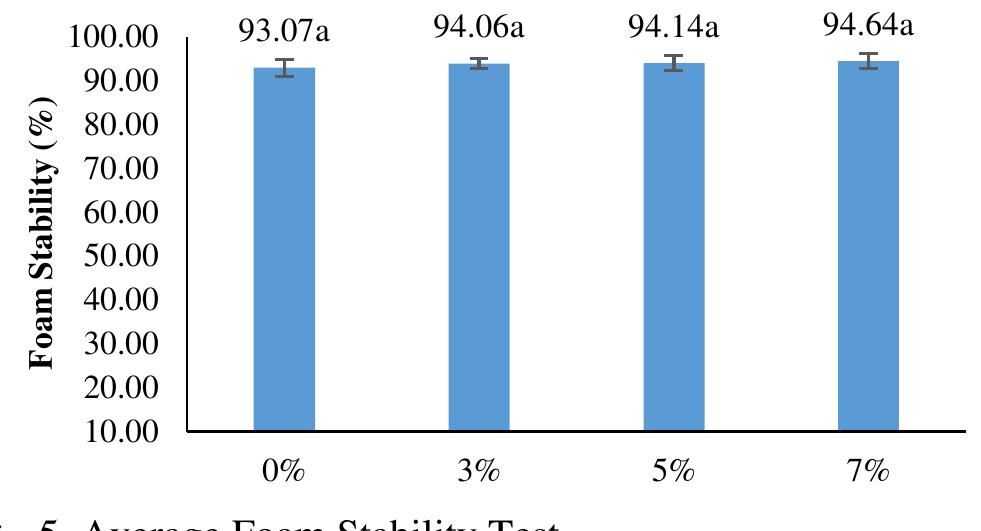
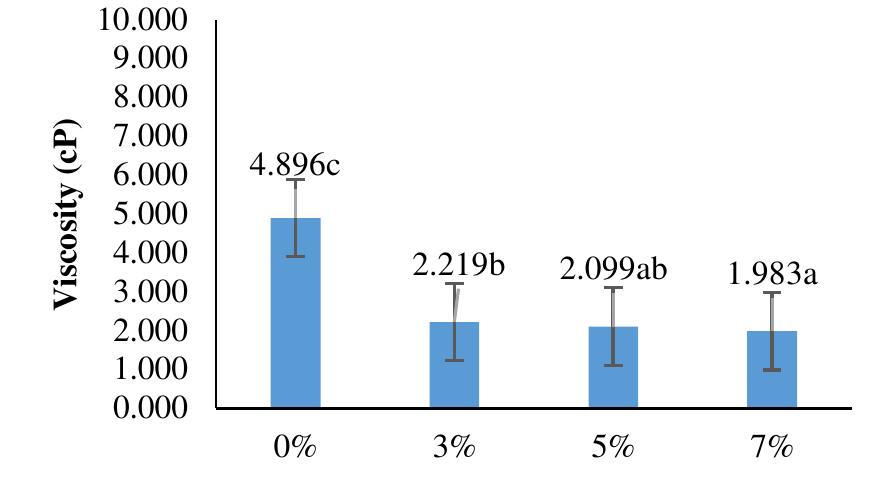
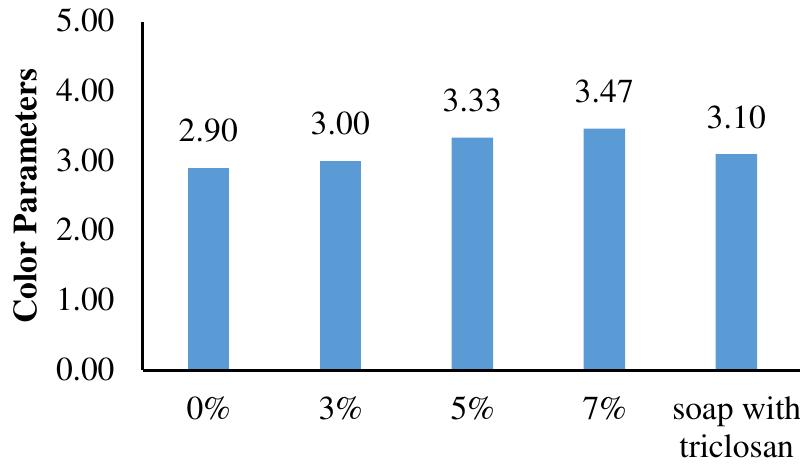
![Fig. 9. The Results Organoleptic Assessment of Soap Aroma The scent was one of the parameters in testing sensory properties using the sense of smell. Soap with an attractive aroma will certainly be chosen by many consumers. However, the scent was one of the most difficult to describe, explain and classify because it was relative and dependent on the perception of each panelist. The assessment of aroma parameters between the results of the study soap and triclosan soap differed considerably. Consumers prefer soaps with a fragrant and fresh aroma on their skin [22]. The addition of fragrance ingredients in triclosan soap caused the soap to have a scent that consumers like. Therefore, the assessment of the aroma of each liquid soap was not much different from the other. In this study, no addition of fragrance materials was administered to reduce consumer attractiveness.](https://figures.academia-assets.com/87929118/figure_008.jpg)




![Table 4. Proximate Composition of C. albidum Seeds The percentage moisture content of the seed obtained from the analysis as shown in table 4 is 14.98%, this value is above 9.0% and 9.39% reported by [25, 26]. The value is meaningfully lesser than 24.17% as found by [27]. The moisture content of any food is the amount of the water in of the food. The level of moisture present in a food is a determinant of the texture because the more organize the endosperm structure, the lesser the moisture content. The reduced moisture content of the seed helps to improve its storage firmness by stopping mould from growing and reducing moisture depending on biochemical reactions [28]. mT - 1 ‘ - com) a ee © —a4470-* 7 1 “ a. yy a ees Sel The percentage moisture content of the seed obtained from the analysis as shown in table 4 is The percentage ash content of Chrysophyllum albidum seed cotyledons which was obtained from](https://figures.academia-assets.com/86661788/table_004.jpg)

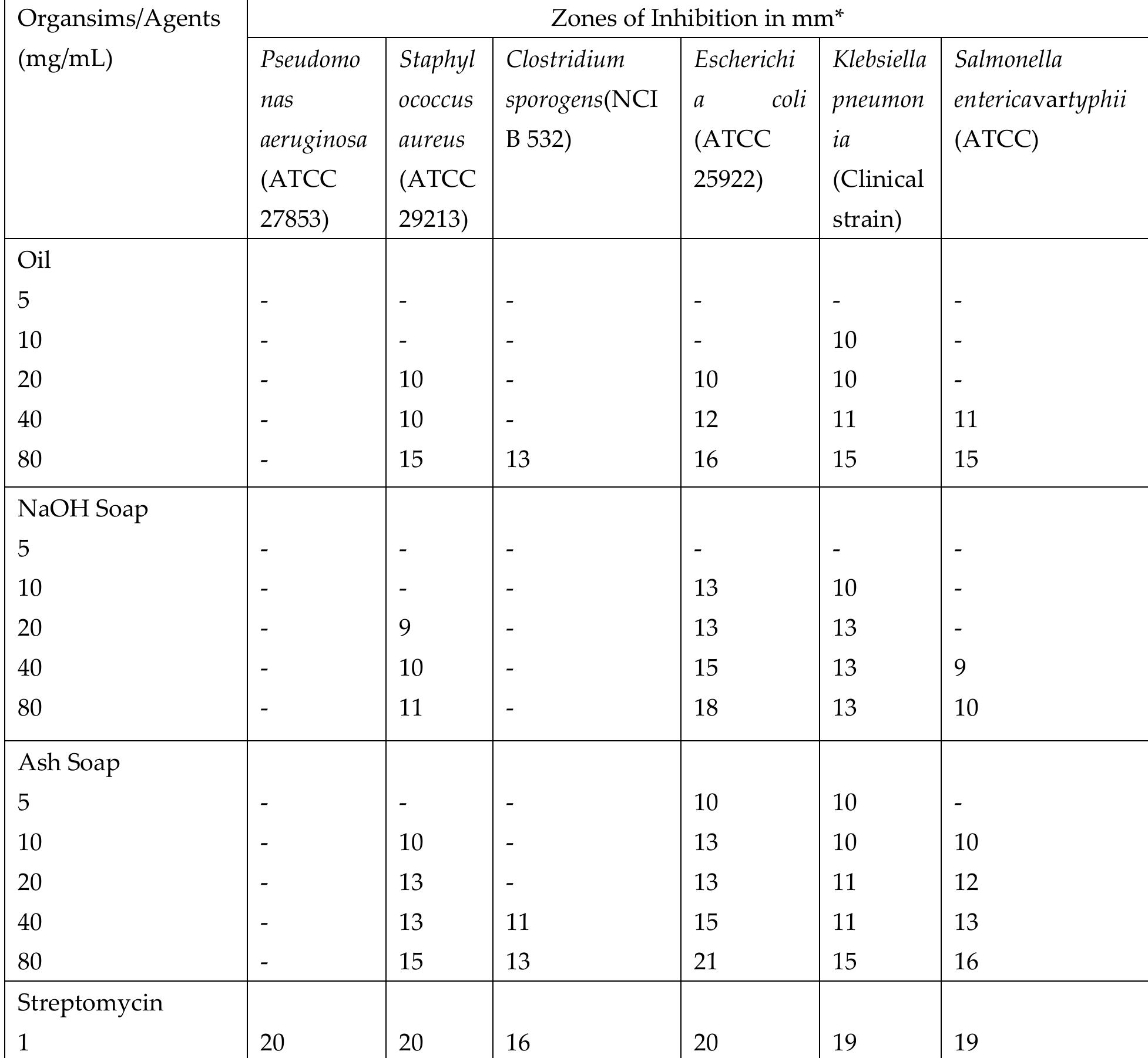
![Table 3. Minimum Inhibitory Concentration (MIC) in mg/mL of the agents The soap of the ash-leaves shows the highest antimicrobial activities because it’s MIC is very The soap of the ash-leaves shows the highest antimicrobial activities because it’s MIC is very close to the standard, (0.67 is the closest to 0.125 of Streptomycin). It possesses activity against Escherichia coli and Klebsiella pneumonia at a concentration as low as 5 mg/mL. This could largely be as a result of the phytochemicals present in the leaves of the plant. The study by [22] on the methanol leaf extracts of C. albidum revealed the presence of flavonoids, phenols, glycosides, terpenoids, saponins, steroids and alkaloids. [23] also revealed the presence of alkaloids, flavonoids, saponins and tannins in Chrysophyllum albidum. According to [24], leaf extracts of Chrysophyllum albidum contains anthraquinone, tannin and cardiac glycoside and with no traces of reducing sugars, saponin and alkaloids. These may also be present in the seeds and responsible for the antimicrobial activities. 29 Chemical Comnoncdtinn](https://figures.academia-assets.com/86661788/table_003.jpg)