Academia.eduAcademia.edu

Degradation Intermediates

description8 papers
group2 followers
lightbulbAbout this topic
Degradation intermediates are transient chemical species formed during the breakdown of complex molecules in various processes, such as biological metabolism or environmental degradation. These intermediates can influence the rate and pathway of degradation, impacting the overall efficiency and products of the degradation process.
lightbulbAbout this topic
Degradation intermediates are transient chemical species formed during the breakdown of complex molecules in various processes, such as biological metabolism or environmental degradation. These intermediates can influence the rate and pathway of degradation, impacting the overall efficiency and products of the degradation process.

Key research themes

1. How do advanced oxidation processes and environmental factors influence the formation and identification of degradation intermediates of organic pollutants such as explosives and pesticides?

This theme investigates the kinetics, pathways, and mechanistic insights into degradation intermediates formed during the transformation of persistent organic pollutants such as cyclic nitramine explosives, nitroaromatic explosives, pesticides like lindane, and ester nitrates under various oxidation-driven and photolytic remediation treatments. Understanding these intermediates is critical for designing effective remediation strategies, predicting environmental fate, and assessing potential toxicological effects of degradation compounds.

Key finding: This study elucidates the role of photolysis as a primary and rapid transformation process in aqueous environments for cyclic nitramine explosives (e.g., RDX) and nitroaromatic explosives (e.g., TNT), resulting in various... Read more
Key finding: This paper demonstrates complete removal of lindane pesticide using persulfate activated by ferrioxalate under simulated solar light at circumneutral pH, achieving over 90% chloride mineralization. It identifies sulfonated... Read more
Key finding: The study provides kinetics of UV-H2O2 and Fenton-based advanced oxidation processes for degrading ester nitrates NG and PETN, showing pseudo-first-order reaction rates linked to hydroxyl radical concentrations. It... Read more
Key finding: Using a relative-rate technique in a photoreactor, this work derives temperature-dependent rate coefficients for OH radical reactions with unsaturated esters relevant to atmospheric degradation pathways. The kinetic data and... Read more
Key finding: This comprehensive overview addresses forced degradation (stress testing) to identify degradation products and pathways for pharmaceuticals. It underscores the necessity of generating relevant degradation intermediates under... Read more

2. What are the mechanistic pathways and analytical approaches to characterize degradation intermediates formed during pharmaceutical compound degradation under forced or environmental stress conditions?

This theme centers on the chemical degradation pathways of active pharmaceutical ingredients (APIs) under stress conditions such as hydrolytic, photolytic, oxidative, and thermal stresses typically used in forced degradation studies. Analytical characterization of degradation intermediates by advanced liquid chromatography-mass spectrometry and nuclear magnetic resonance techniques facilitates mapping degradation mechanisms informing stability assessments, formulation development, and regulatory submissions in pharmaceutical sciences.

Key finding: This work applies LC-MS^n and high-resolution MS to identify major hydrolytic, oxidative, thermal, and photolytic degradation products of dabigatran etexilate, revealing O-dealkylation and benzimidic acid derivative formation... Read more
Key finding: Using UHPLC-MS, semi-preparative HPLC, high-resolution MS, and NMR spectroscopy, this study identifies and structurally characterizes five novel forced degradation products of the antidiabetic drug Ertugliflozin formed under... Read more
Key finding: This investigation combines spectroscopic and chromatographic techniques to study furosemide's photo-instability and degradation pathways in solid and solution forms under various conditions, identifying degradation products... Read more
Key finding: The paper provides a regulatory-focused scientific framework for conducting forced degradation studies to generate relevant degradation products for analytical method development and to understand degradation pathways of... Read more
Key finding: This review synthesizes molecular mechanisms and modeling efforts for aggregation and fragmentation pathways—common degradation intermediates—in therapeutic proteins. It identifies intrinsic and extrinsic factors influencing... Read more

3. How can substrate-limited biodegradation and microbial/fungal degradation pathways contribute to understanding and controlling degradation intermediates in environmental remediation of xenobiotics and plastics?

This theme explores the interplay of microbial enzymatic activity, substrate availability, and environmental conditions in mediating degradation intermediates of persistent xenobiotics, including polymers like polyethylene and plastics such as PET. It addresses numerical simulation of substrate-limited biodegradation kinetics and the identification of microbial and fungal species capable of degradation at various temperatures, highlighting biotechnological pathways to enhance environmental sustainability through improved degradation control.
Key finding: Through numerical modeling using MODFLOW and RT3D, this study simulates substrate-limited biodegradation processes in groundwater remediation. It demonstrates that degradation rates depend strongly on substrate availability,... Read more
Key finding: The study isolates Penicillium sp. CHY-2 from Antarctic soil demonstrating effective biodegradation of multiple toxic organic compounds including alkylphenols at low (4°C) and moderate (15°C) temperatures. It identifies... Read more
Key finding: This research experimentally investigates abiotic (UV radiation, thermal) and biotic degradation of polyethylene films with oxo-degradable additives. It finds elongation at break as the most sensitive mechanical degradation... Read more
Key finding: The review consolidates advances in microbial biodegradation of xenobiotics, emphasizing the genetic, enzymatic, and metabolic pathways that generate degradation intermediates and contribute to detoxification. It underscores... Read more
Key finding: This analysis details enzymatic degradation mechanisms of PET polymers into oligomeric and monomeric degradation intermediates, focusing on crystallinity, molecular weight, and enzymatic active site interactions. It informs... Read more

All papers in Degradation Intermediates

Monolithic structured TiO2/aerogel composites were prepared from resorcinol-formaldehyde polymer aerogel (RFA) and its carbon aerogel (RFCA) derivative. A resorcinol-formaldehyde hydrogel was synthesized in a sol-gel reaction and... more
Kinetic and mechanistic related approaches for mostly titania were intensively studied in the literature. However, combined modelling and kinetic studies are few. Therefore, the present work focuses on modelling the dependence of the... more
TiO2-Au aerogels containing different amounts of gold nanoparticles of different sizes (5 and 16 nm) were successfully synthesized using a sol-gel procedure, and were tested for salicylic acid photodegradation under UV irradiation. The... more
Titania/tungsten (VI) oxide/noble metal (gold and platinum) composites were obtained by the means of selective noble metal photodeposition on the desired oxide's surface (either on TiO 2 or on WO 3). The noble metal particles'... more
Double modifications of TiO2 by doping with WO3 and by dispersing on a SiO2 support were made by the one-pot sol-gel method. Doping with W shifts the TiO2 band gap energy from 3.2 eV to around 3.06 eV. The surface area of the supported... more
The article provides an overview of the most relevant characterization results of heterogeneous photo-catalytic materials available in the literature. First, we present a summary of the ex situ utilization of physico-chemical... more
Ti-based electroconductive mixed oxides were deposited onto activated carbon by using three different sol-gel-based multistep synthesis routes. As demonstrated by X-ray diffraction, high crystallinity of the tungsten-loaded rutile was... more
The article provides an overview of the most relevant characterization results of heterogeneous photo-catalytic materials available in the literature. First, we present a summary of the ex situ utilization of physico-chemical... more
TiO2-SiO2-based nanocomposites with highly porous structures are gaining ever increasing attention due to their specific properties and large variability of synthesis pathways together with wide information on the impact of the synthesis... more
In the present research gold and platinum nanoparticles were deposited simultaneously on three different commercial titania photocatalysts (Evonik Aeroxide P25, Aldrich rutile and Aldrich anatase). For the synthesis of the composites two... more
Shape-controlled synthesis of noble metal nanoparticles and their impact on the photocatalytic activity of semiconductor oxides is continuously gaining more and more attention. Hence, commercial titania-based TiO 2-Pd nanocomposites were... more
As shape tailoring is gaining more attention in the field of photocatalysis, exploration of the impact of 34 noble metal (Pt) nanoparticles' morphology on the activity of TiO 2-Pt nanocomposites is inevitable. 35 Spherical and polyhedral... more
TiO2-SiO2-based nanocomposites with highly porous structures are gaining ever increasing attention due to their specific properties and large variability of synthesis pathways together with wide information on the impact of the synthesis... more
In the present work, the influence of a gold nanoparticle's shape was investigated on the commercially available Evonik Aeroxide P25. By the variation of specific synthesis parameters, three differently shaped Au nanoparticles were... more
The “crystallographic” holes obtained by simple hydrothermal crystallization/calcination can enhance the photocatalytic activity of TiO2 microcrystals with exposed {001} facets.
Synthesis of composites based on TiO 2 aerogel and Ag nanoparticles. Existence of mixed crystalline structure consisting of brookite and anatase phases. Composites visible photocatalytic activity reduces as brookite phase content raises.... more
The number of studies regarding sol-gel made titania powders is quite high, and nearly all of them use the calcination as the crystallization process. However, several papers are not providing crucial information regarding the calcination... more
In the present study, a morpho-structural analysis of heat treated TiO 2-WO 3-Au aerogel composites is presented. Simultaneously, the influence of the loaded Au nanoparticles on the morphological and structural characteristics of the TiO... more
Titania/tungsten (VI) oxide/noble metal (gold and platinum) composites were obtained by the means of selective noble metal photodeposition on the desired oxide's surface (either on TiO 2 or on WO 3). The noble metal particles'... more
Titanium dioxide photocatalysts were prepared by a newly developed synthesis method that involves rapid heating with short, medium and long exposures of the sol-gel prepared amorphous starting materials (RHSE, RHME and RHLE series) at... more
In this study the efficiency of different bare, doped and composite photocatalysts were compared, under UV and visible light irradiation in order to show a detailed picture of the relative performance of the best photocatalysts developed... more
We have investigated the preparation of zinc and tungsten mesoporous titanates materials from a sol-gel method using a block copolymer as amphiphile. The mesoporous network is created through a soft templating method. Samples have been... more
The conversion of methane into methanol is one of the great challenges in the photocatalysis. In this investigation WO3/TiO2 photocatalysts was synthesized by sodium borohydride (NaBH4) method. The tungsten concentration was studied in... more
Highly ordered ZnO doped WO3 thin films with good crystalline quality are prepared using RF magnetron sputtering technique and its structural and morphological properties are studied using various characterisation tools such as XRD,... more
One weight percent of differently sized Au nanoparticles were deposited on two commercially available TiO2 photocatalysts: Aeroxide P25 and Kronos Vlp7000. The primary objective was to investigate the influence of the noble metal particle... more
In this work we obtained materials of titanium dioxide whit mixed oxide CoO-TiO2 and WO3-TiO2 (1.0, 3.0, 5.0 %wt). The solids were characterized by; nitrogen physisorption (BET) and porosity (BJH), XRD patterns and UV-Vis spectroscopy.... more
Photocatalytic applicability of different TiO₂-based nanomaterials is a current hot topic. Therefore, our interest for the present research was to elucidate the formation of primary and secondary intermediates during the phenol... more
Hydrogen peroxide was applied during the synthesis to enhance the visible light excitability of nanosized (<10 nm), pure rutile phase titanium dioxides synthesized by a facile, sol-gel method at low temperature. Different amounts of... more
The “crystallographic” holes obtained by simple hydrothermal crystallization/calcination can enhance the photocatalytic activity of TiO2 microcrystals with exposed {001} facets.
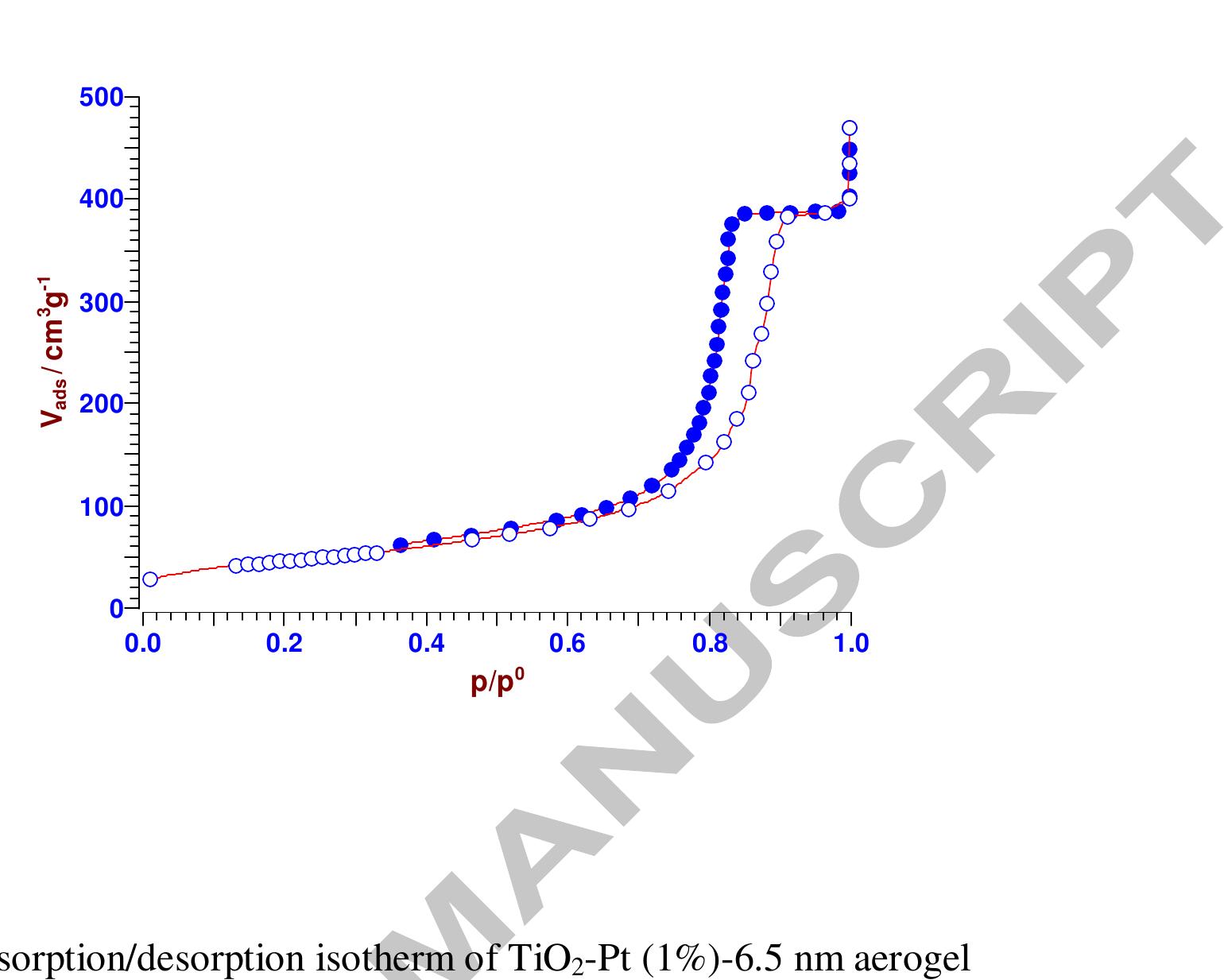
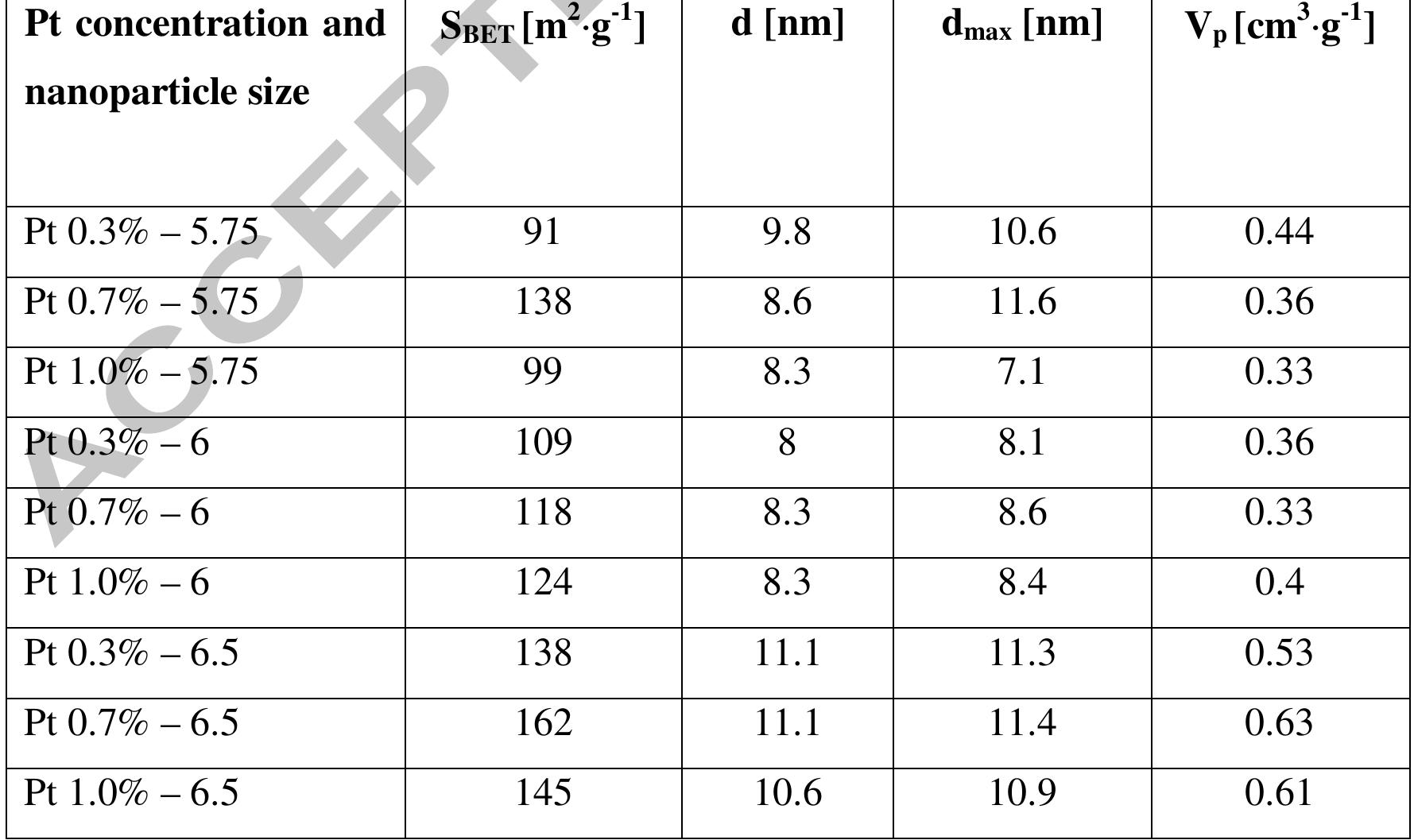
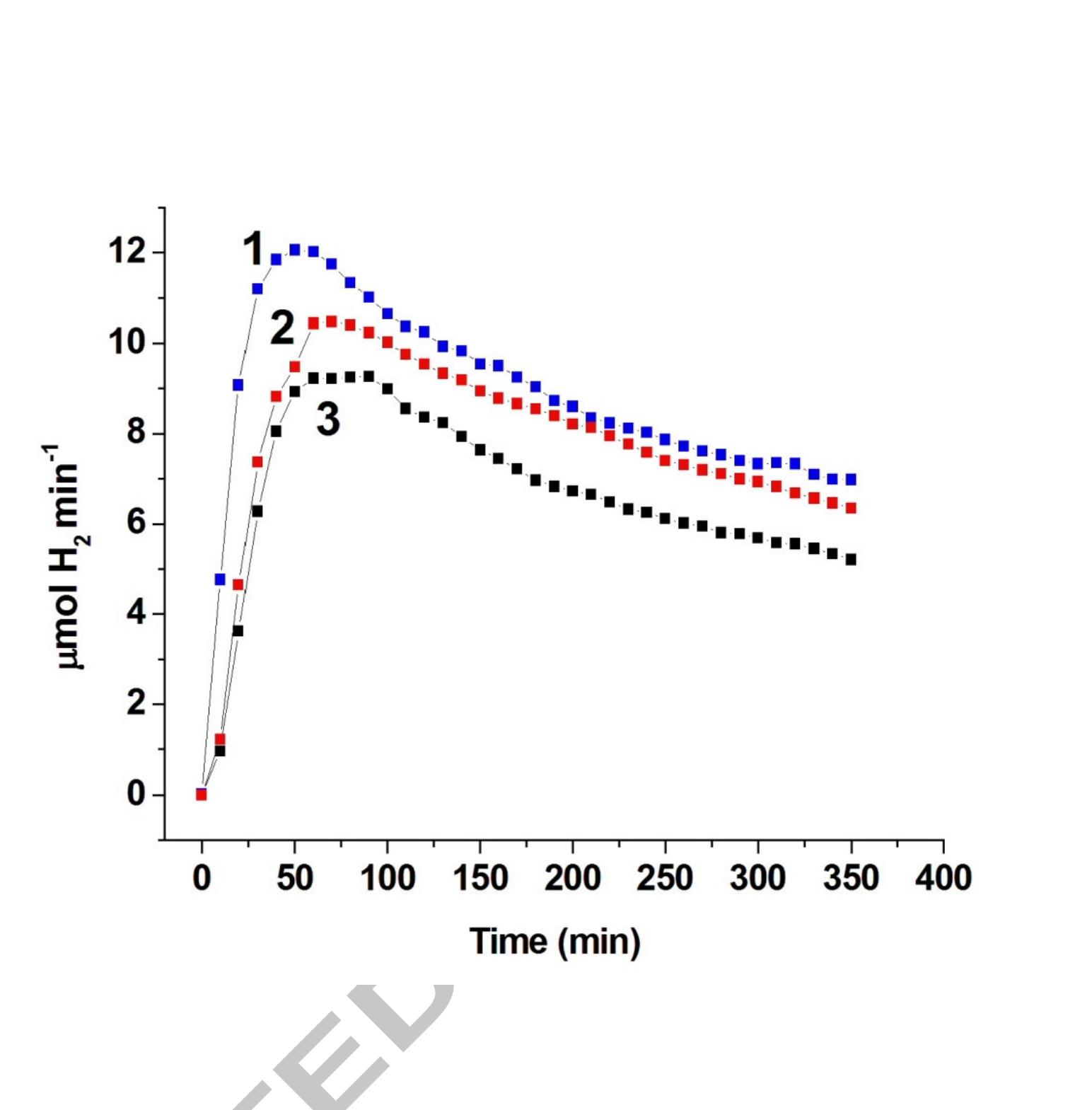
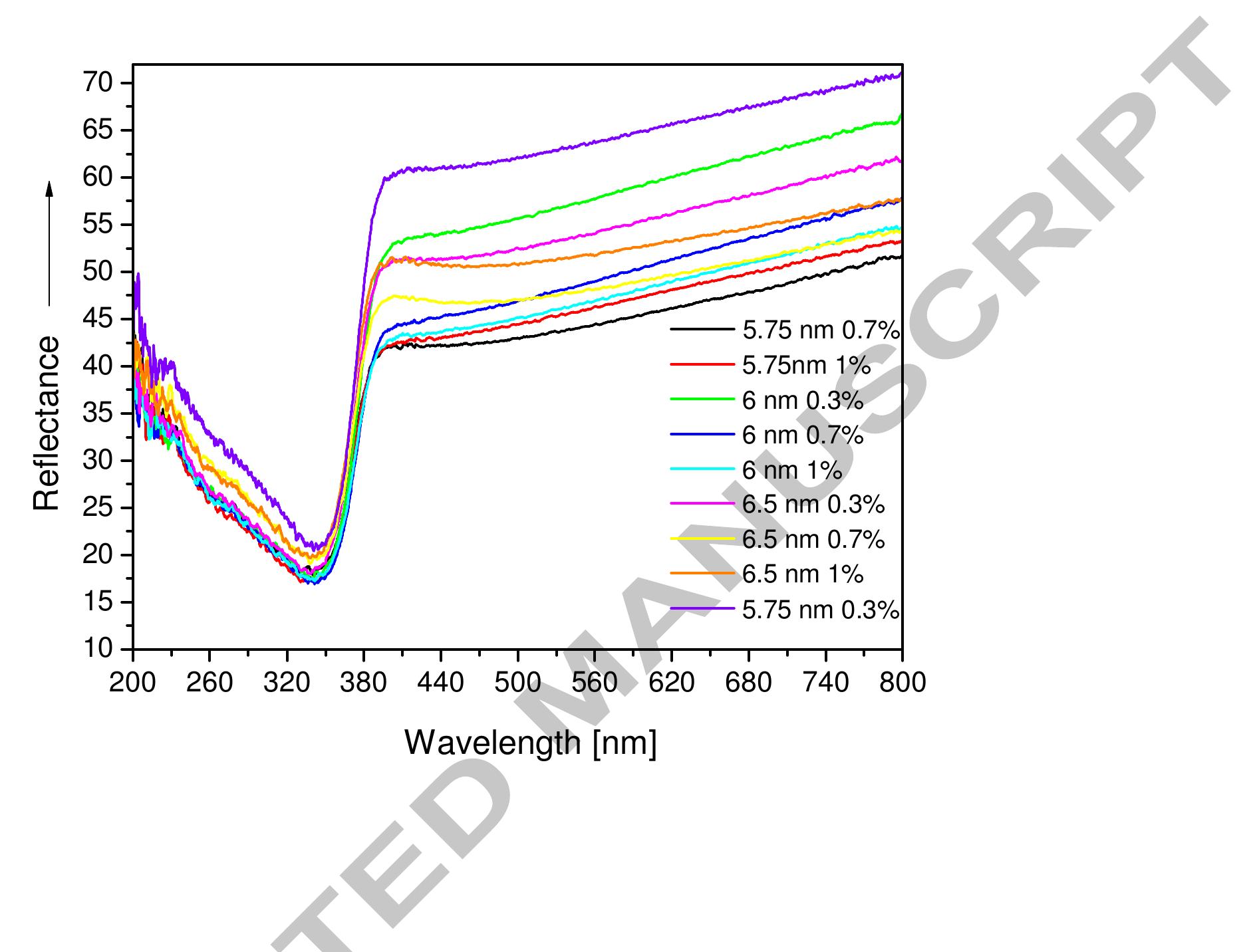
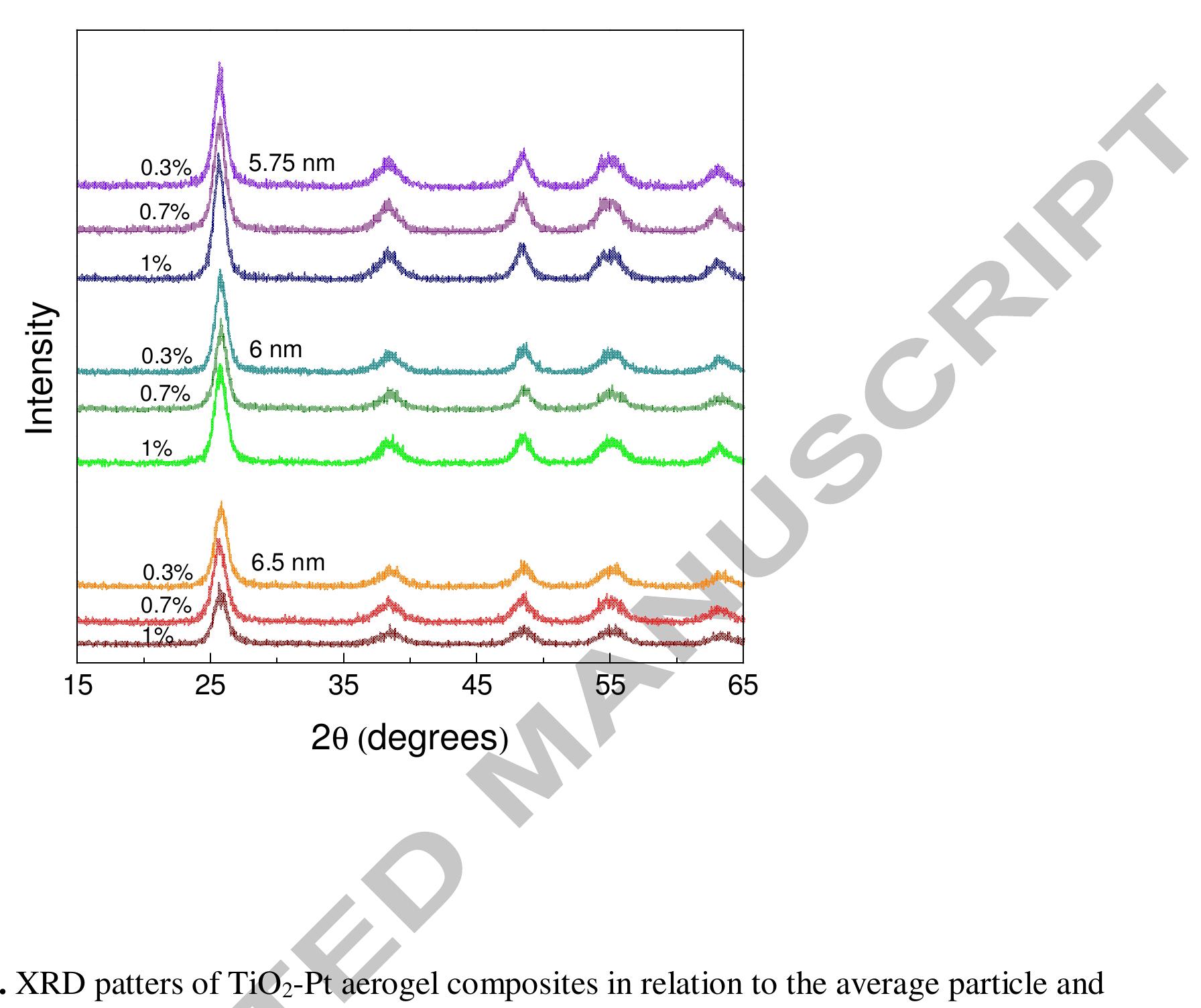
TiO 2-Pt aerogel composites have been synthesized by mixing sol-gel titania with Pt colloidal suspensions followed by supercritical drying. The highest specific surface achieved with these materials ranged between 550 and 600 m 2 g-1... more
TiO2-SiO2-based nanocomposites with highly porous structures are gaining ever increasing attention due to their specific properties and large variability of synthesis pathways together with wide information on the impact of the synthesis... more
Mono and bicomponent TiO 2 and WO 3 nanoparticles were synthesized inside Vycor Ò glass pores, by cycles of impregnation of the glass with the respective oxide precursor followed by its thermal decomposition. The... more
Influence of modification with metals Au and Ag, oxides of Fe, Mg and Ce and their combinations on amorphization of widely used commercial nanosized TiO 2 (Degussa P25) was studied with SR-XRD and EXAFS methods. These systems were chosen... more
Effect of a crystalline phase of TiO 2 is investigated in the photodeposition processes of Rh metal nanoparticles on TiO 2 photocatalysts having anatase and rutile phase by means of in-situ time-resolved energy dispersive X-ray absorption... more
The influence of gold nanoparticles on the photocatalytic activity (500 W-medium pressure Hg lamp) of TiO 2 anatase for the conversion of benzene to phenol has been studied. Au/TiO 2 samples (Au loading ranging from 0.25 to 2.20 wt%) were... more
Synthesis of composites based on TiO 2 aerogel and Ag nanoparticles. Existence of mixed crystalline structure consisting of brookite and anatase phases. Composites visible photocatalytic activity reduces as brookite phase content raises.... more
The alkylation of light hydrocarbons leads to produce the high octane number gasoline blending components. The homogeneous catalytic alkylation reaction is usually carried out at low temperature in the presence of H 2 SO 4 and HF. The use... more
TiO2-Au aerogels containing different amounts of gold nanoparticles of different sizes (5 and 16 nm) were successfully synthesized using a sol-gel procedure, and were tested for salicylic acid photodegradation under UV irradiation. The... more
Reactor Design and NW Synthesis. The reactor assembly consists of a multi-zone tube furnace controlled by a custom-built Omega PID apparatus, enabling LabView-based temperature control.
Oxidized/partially reduced hexagonal (h-) and monoclinic (m-) WO 3 nanoparticles were tested as photocatalysts both in the aqueous and gas phase. Unlike other semiconductor oxides, WO 3 is unique in that its composition is decisive on... more
Introduction The deposition of noble metals on oxide surfaces is a commonly adopted method in heterogeneous catalysis. Noble metal deposited on semiconductor nanoparticles is often found to be beneficial for maximizing the efficiency of... more
Influence of modification with metals Au and Ag, oxides of Fe, Mg and Ce and their combinations on amorphization of widely used commercial nanosized TiO 2 (Degussa P25) was studied with SR-XRD and EXAFS methods. These systems were chosen... more
WO3-TiO2 composite materials were obtained using commercial titania (Evonik Aeroxide P25) and hydrothermally crystallized WO3. Different ratios of TiO2/WO3 were investigated, starting at 1 wt.% of WO3 to 50 wt.%. The morphology of WO3 was... more
Download research papers for free!