580 California St., Suite 400
San Francisco, CA, 94104
This theme examines the multifaceted notion of conditionality as a policy, logical, or cognitive construct. It investigates how conditionality is framed historically and institutionally (e.g., by the IMF), how conditionals function as logical and linguistic forms in human reasoning, and how these understandings affect real-world governance and philosophical theory. Understanding conditionality’s operational forms illuminates the tension between imposed constraints and autonomous decision-making in sovereign contexts, as well as challenges in modeling conditional reasoning.
This theme investigates the semantics of conditionals—including indicative, subjunctive, and counterfactual forms—through formal logical and probabilistic frameworks. It focuses on overcoming paradoxes like those of material and strict implication, explores how people evaluate conditional statements probabilistically (e.g., via conditional probabilities), and develops algebraic and modal logical tools to model these conditionals. The theme also addresses how cognitive reasoning aligns with these semantics, informing both logic and psychology.
Research here explores how linguistic form (e.g., indicative vs subjunctive mood, use or omission of 'if') and the presence of inferential or semantic connections between antecedent and consequent clauses constrain interpretation and acceptability of conditionals in natural language. This thematic area covers cross-linguistic analyses, pragmatic oddness from lack of relevance, and syntactic strategies (such as inversion), providing actionable insights into the semantics-pragmatics interface and informing linguistic theory and translation practice.

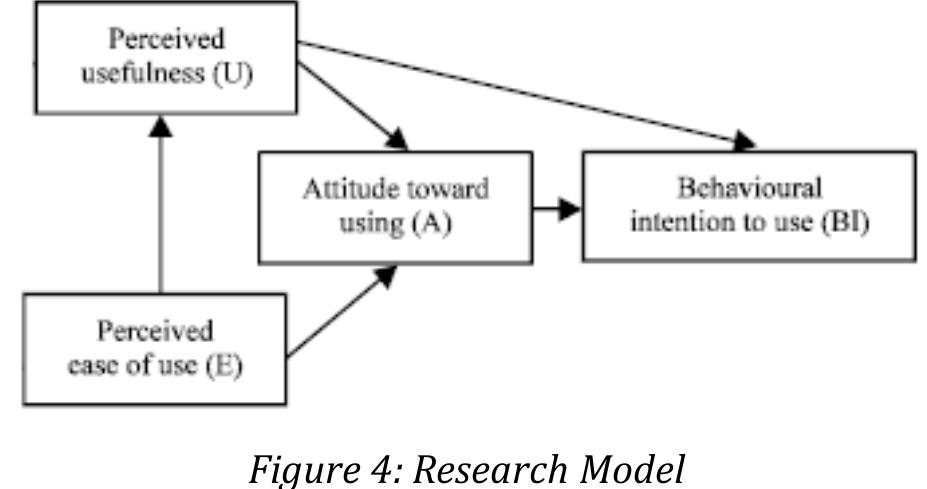
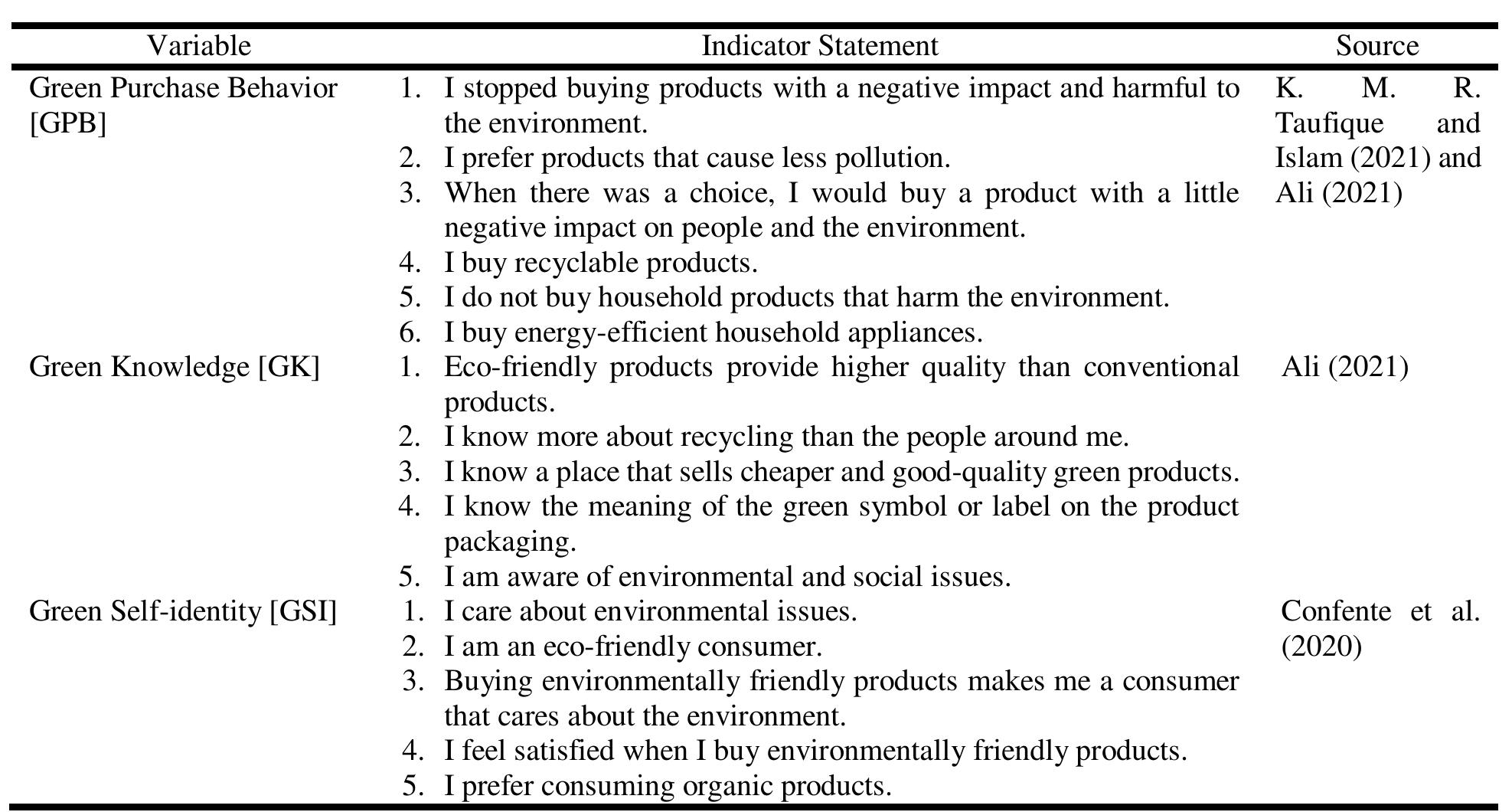

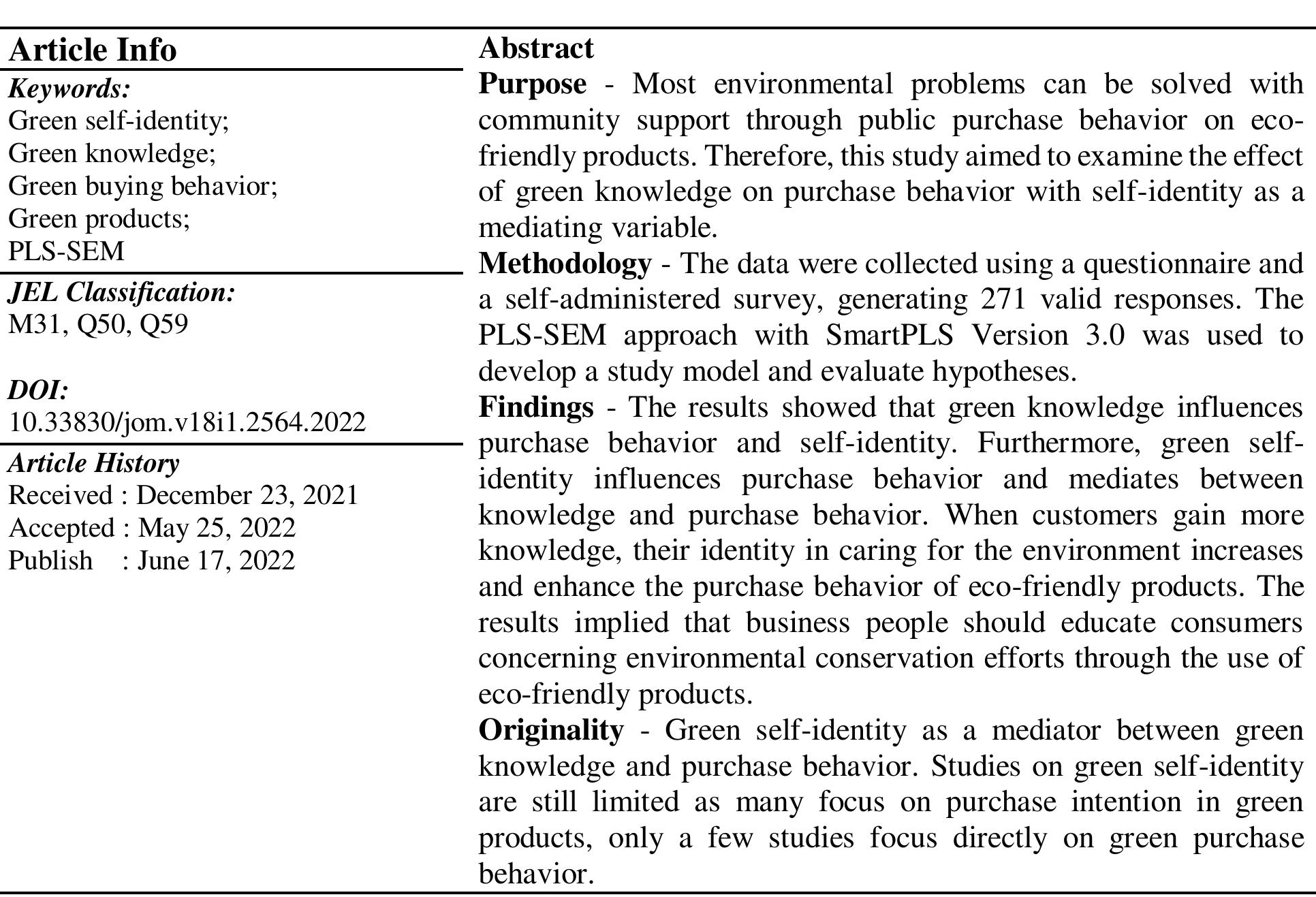
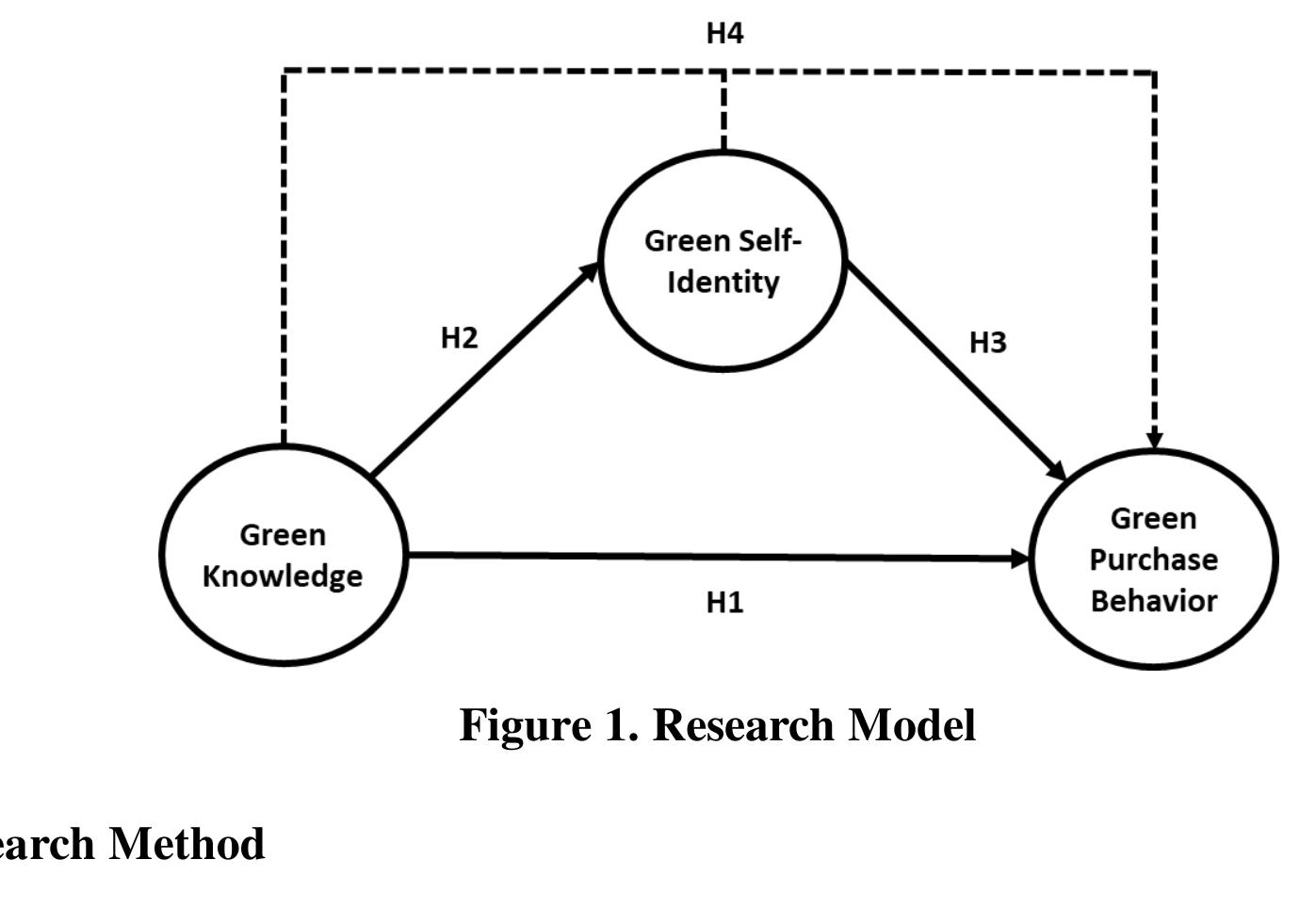
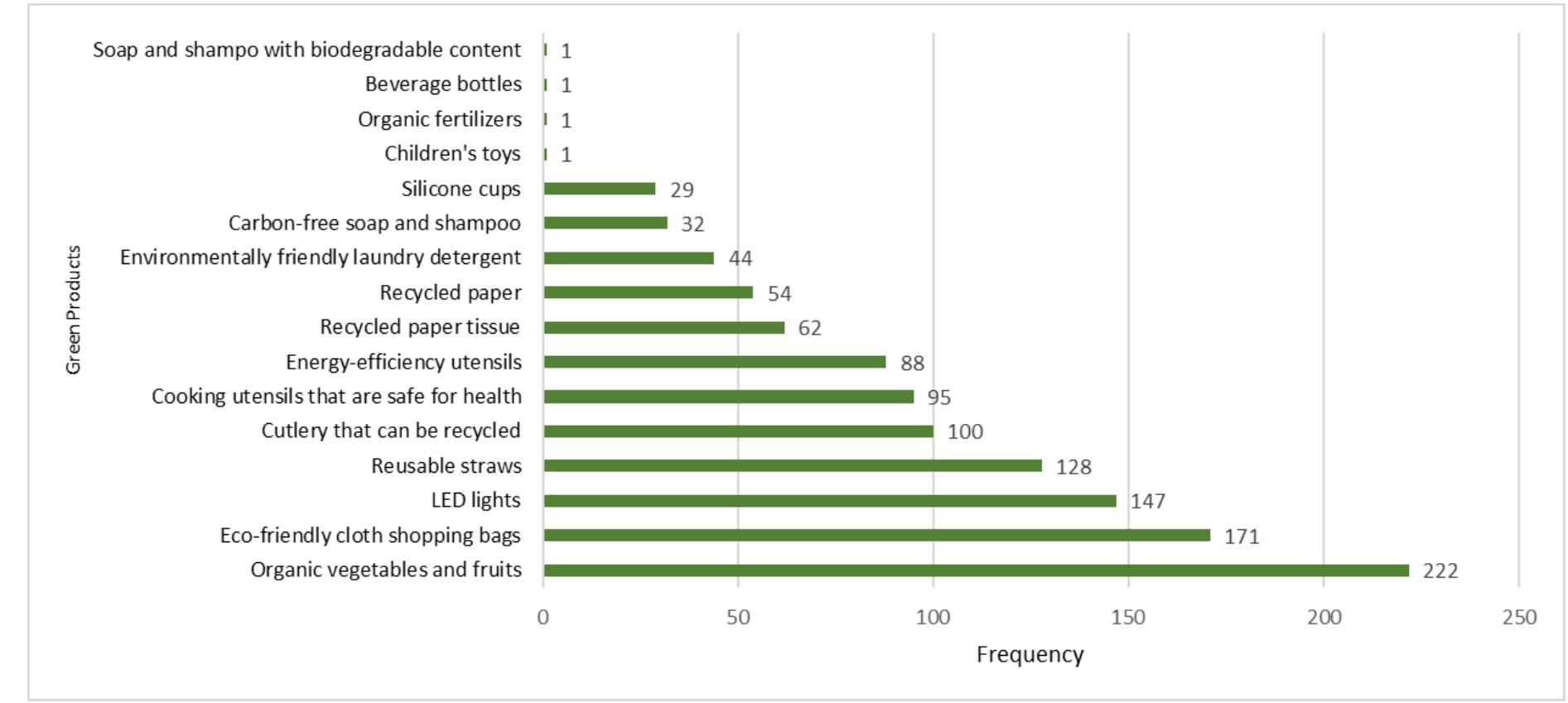
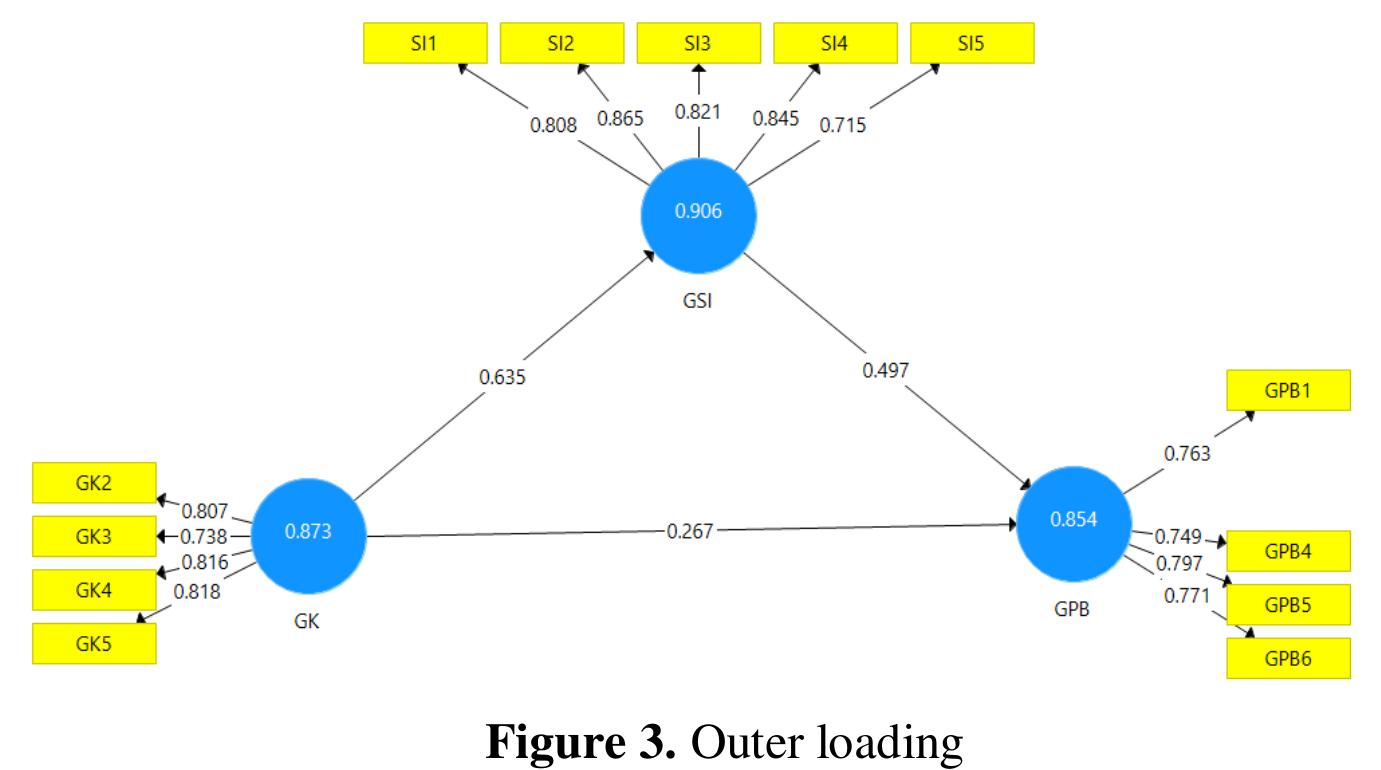
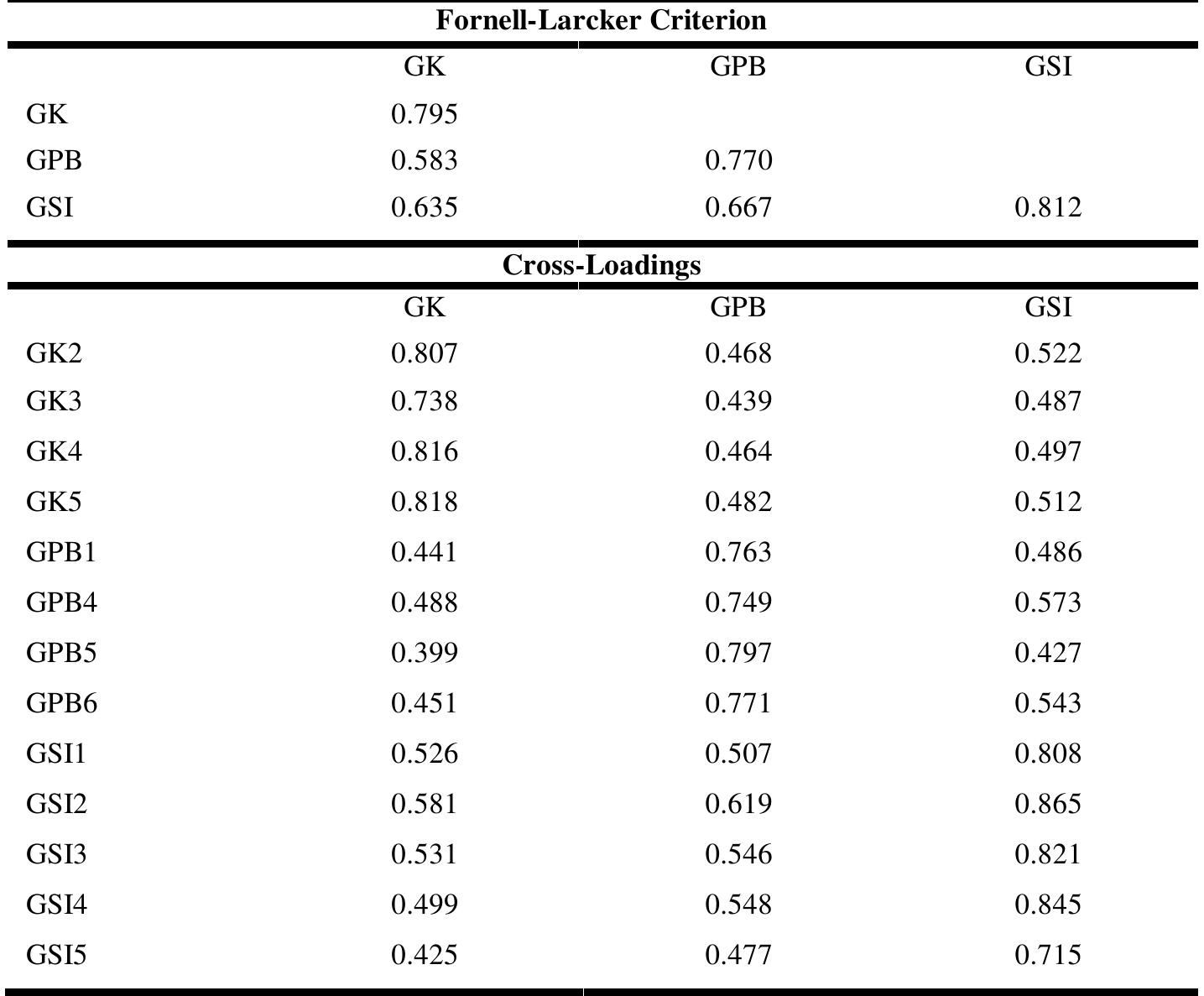
![The results show that green knowledge significantly and positively affected purchase behavior. This signifies that consumer purchase more environmentally friendly products when hey have strong environmental or green knowledge. The results support the hypothesis that green knowledge affects consumers’ purchase of environmentally friendly products. This occurs when consumers know about recycling products and where to buy cheaper and good-quality green products. They also need to know the meaning of environmentally friendly symbols or labels on product packaging and environmental and social issues. Therefore, environmental knowledge influences consumers’ green buying behavior (Khare, 2019). These results support previous studies which showed that green knowledge positively affected the purchasing behavior of environmentally friendly products for youths in Ghana (Amoako et al., 2020), Batticaloa district (Hariharan & Shamini, 2019), and generation Z in Malaysia (Noor & et al., 2017). The findings further indicate that green Rrinwiledgs influences purchasitg behavior. Soe | ey i | cy [ee _F,. J ..... JF yF_4.z~ .... 2... Ff... FJ FF. . . *,%* — fF j grg~ _, | Sc eS a procedure resulted in Q? of 0.276 and 0.260, greater than 0, implying predictive relevance (Joseph F. Hair et al., 2019). Another fit measure suggested by Joseph F. Hair et al. (2019) is Standardized Root Mean Residual [SRMR]. The measure compares the data and model interpretation correlation matrices, where an SRMR value less than 0.08 indicates the model has a good fit. The SRMR results showed a value of 0.073, less than 0.08, meaning the empirical data explained the model well. Figure 4 shows the structural model in drawings.](https://figures.academia-assets.com/91620865/figure_004.jpg)
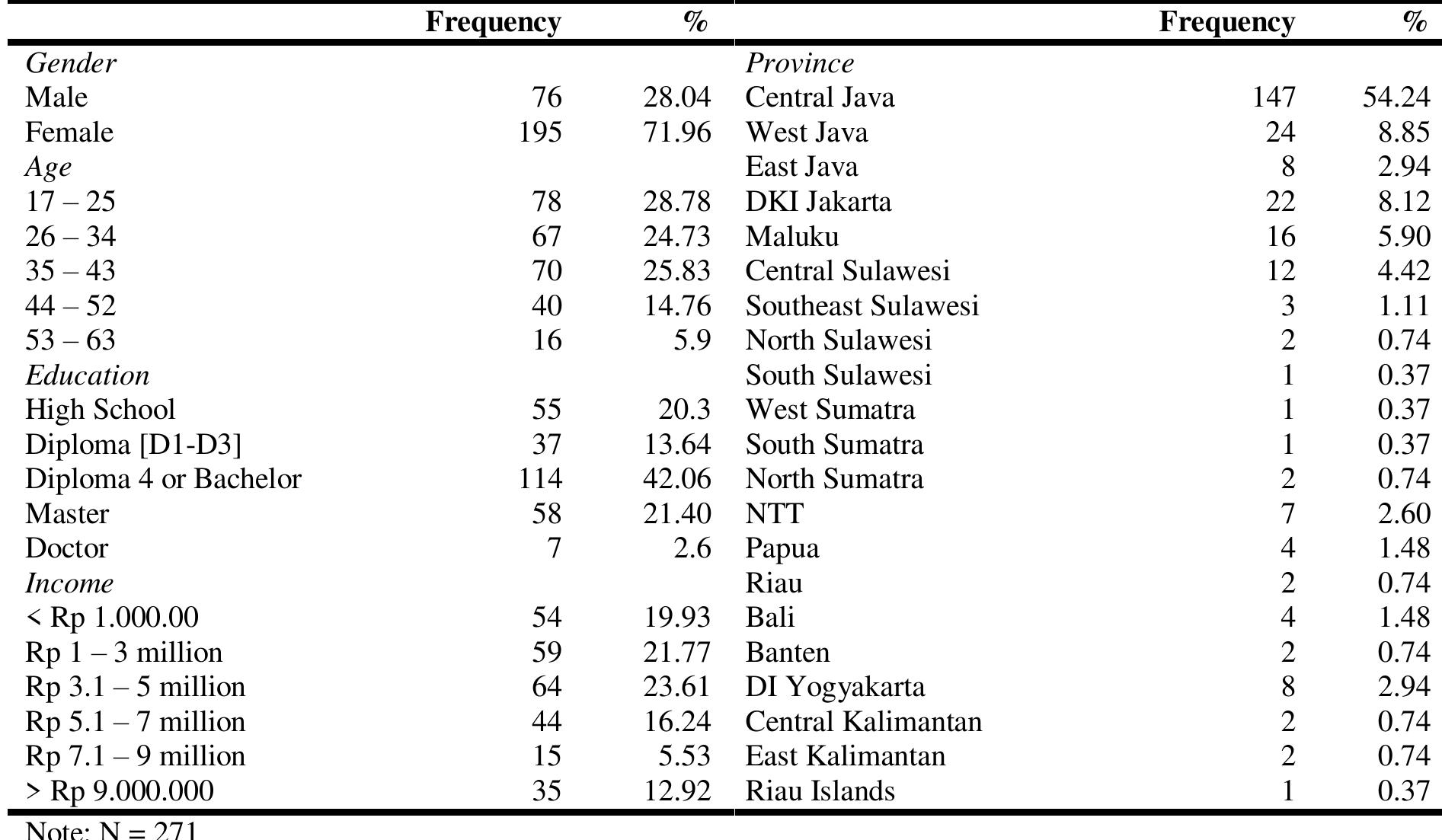
![Table 5. Results of hypothesis testing Hypothesis testing using partial least squares showed a that green knowledge significantly and positively affected purchase behavior, with Beta = 0.267, t = 4.897, t > 1.96, p = 0.000, p < 0.05, and f-square = 0.083]. This implies that green knowledge has a medium influence on purchase behavior, according to Cohen (Henseler, Ringle, & Sinkovics, 2009), supporting H1. Green knowledge significantly and positively affected self-identity, with Beta = 0.635, t = 17.915, t > 1.96, p = 0.000, p < 0.05, and f-square = 0.674]. It means that green knowledge greatly influences self-identity, supporting H2. Furthermore, self-identity significantly and positively affected purchase behavior, with Beta = 0.497, t = 9.896, t > 1.96, p= 0.000, p < 0.05, and f-square = 0.288]. It signifies that green self-identity has a medium influence on purchase behavior, supporting H3. The analysis showed that self-identity significantly and positively mediates the relationship between knowledge and purchase behavior, with Beta = 0.316, t = 8.724, t > 1.96, p = 0.000, and p < 0.05, supporting H4. Ly a Ol Oh ry en fn ey a ey a Fe: a: a: es i) es he: i: a: i: or |](https://figures.academia-assets.com/91620865/table_006.jpg)
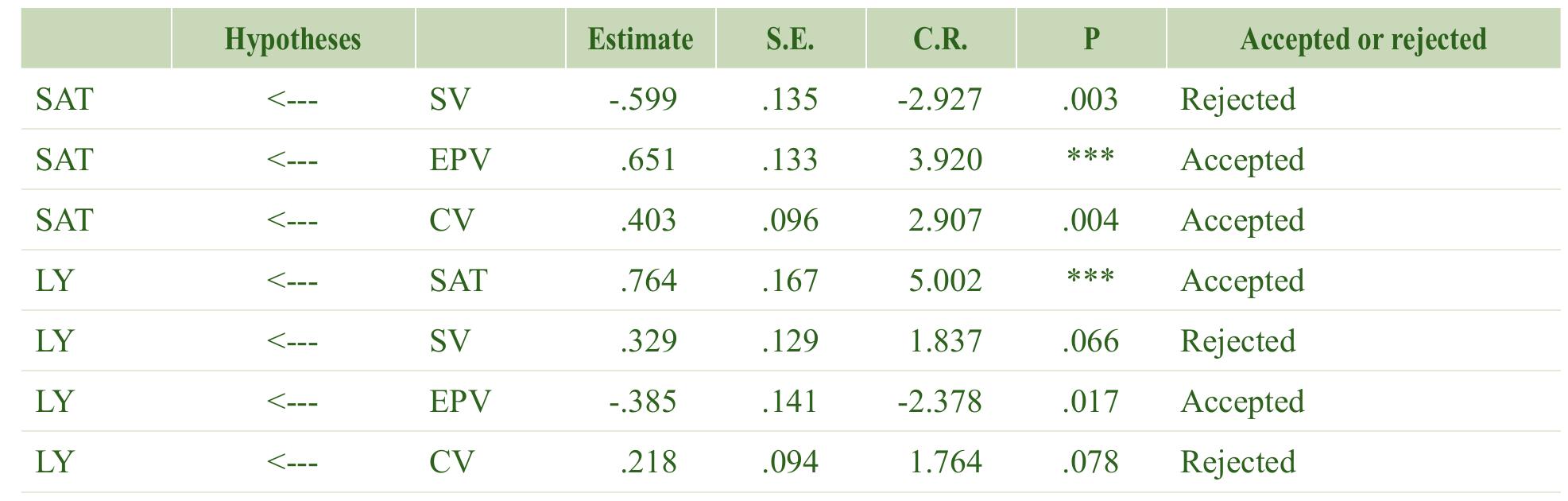
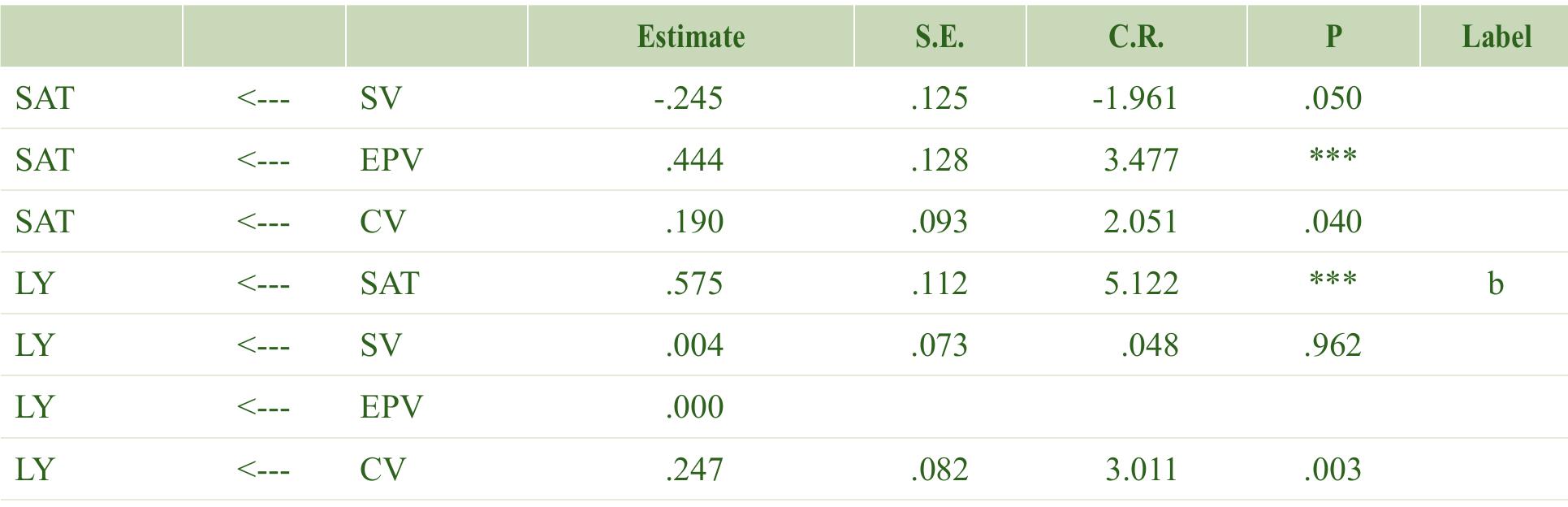
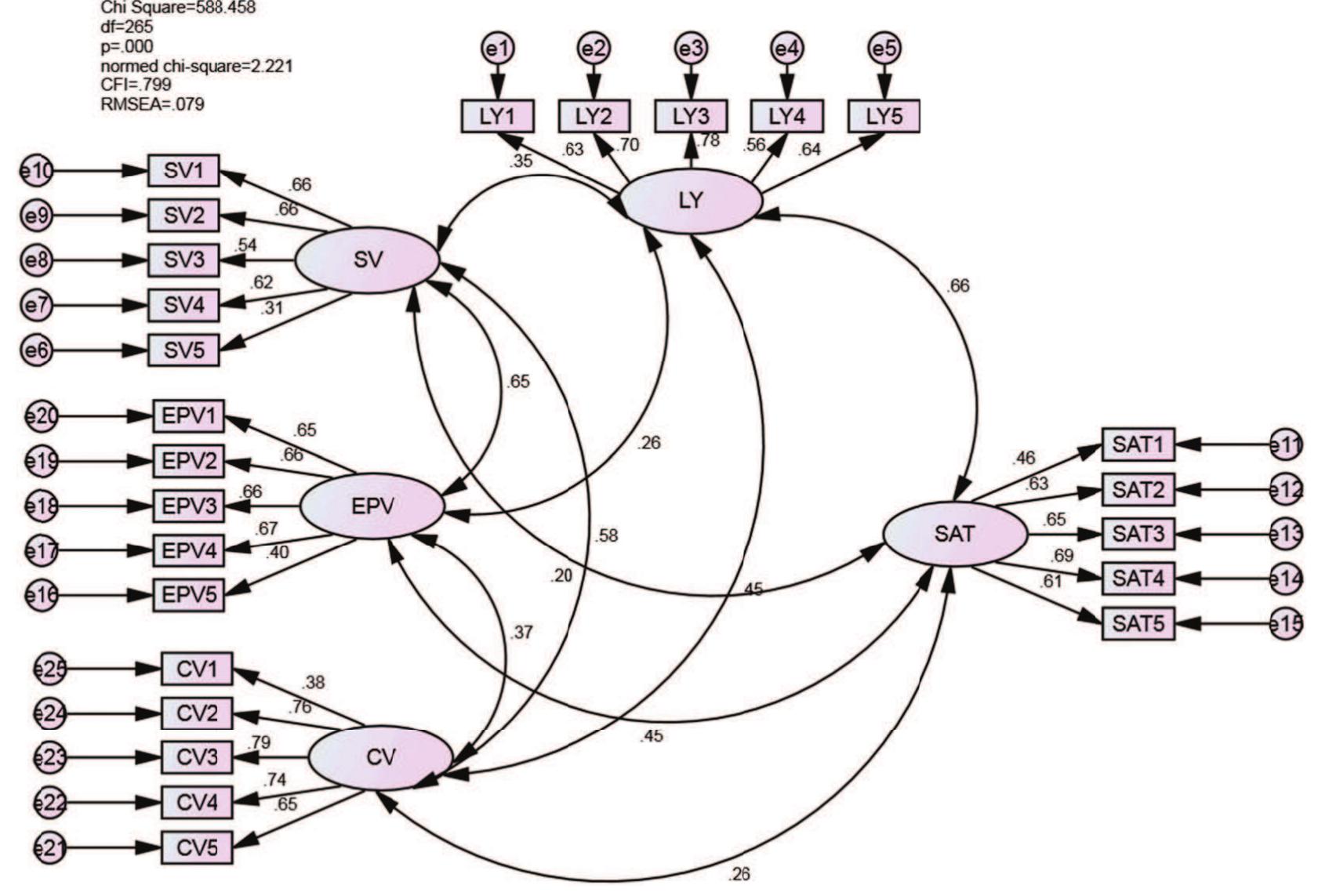
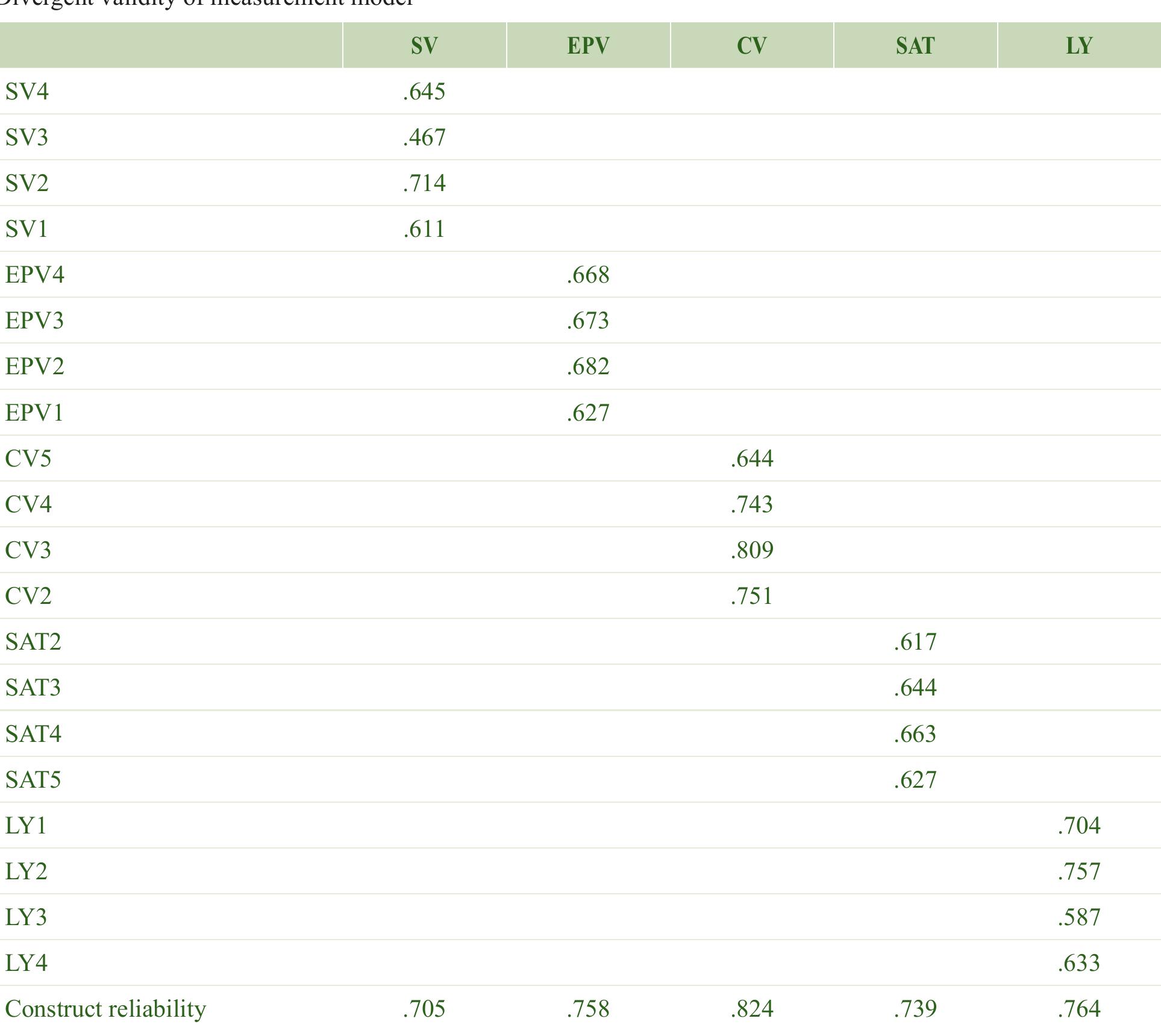
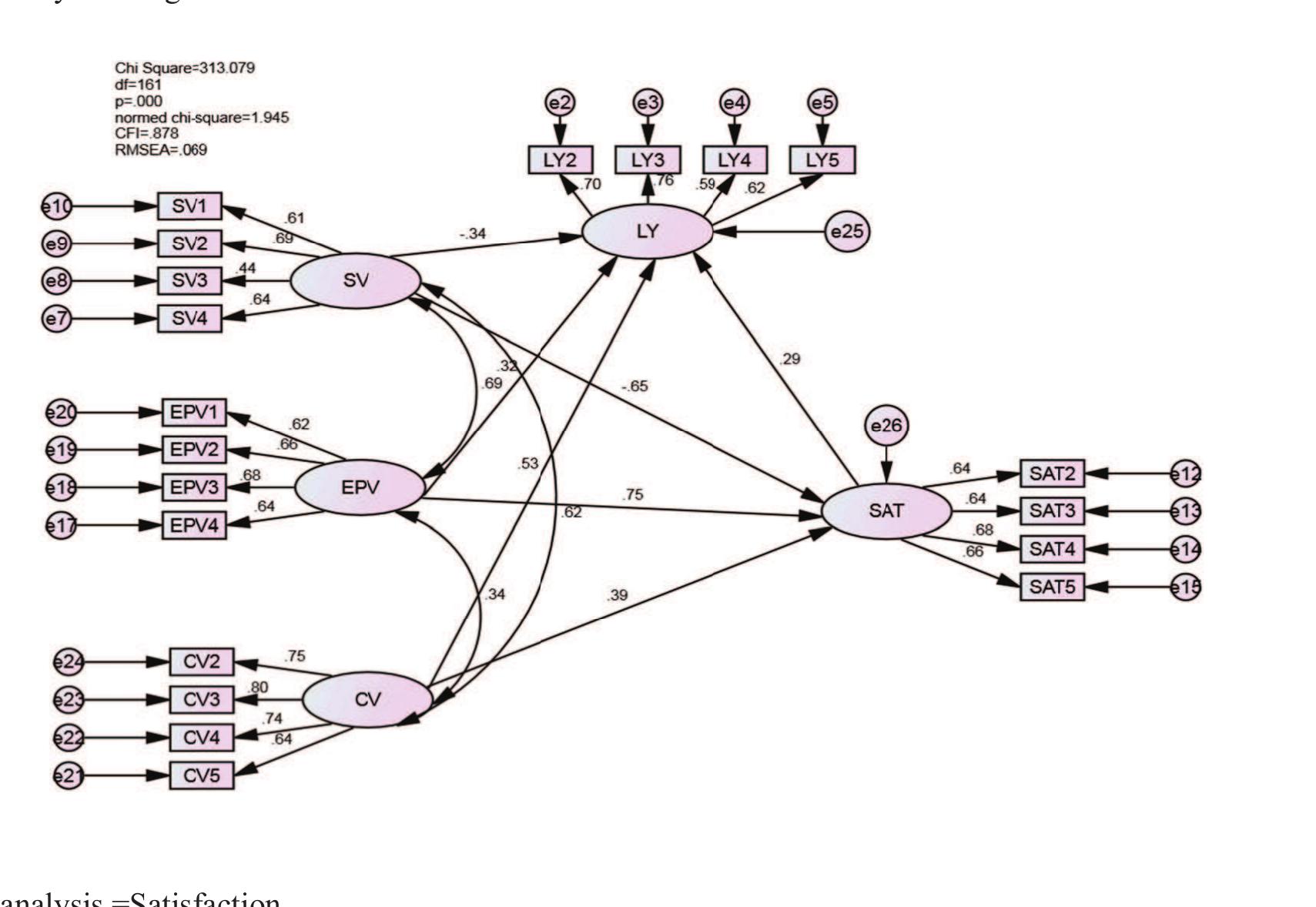
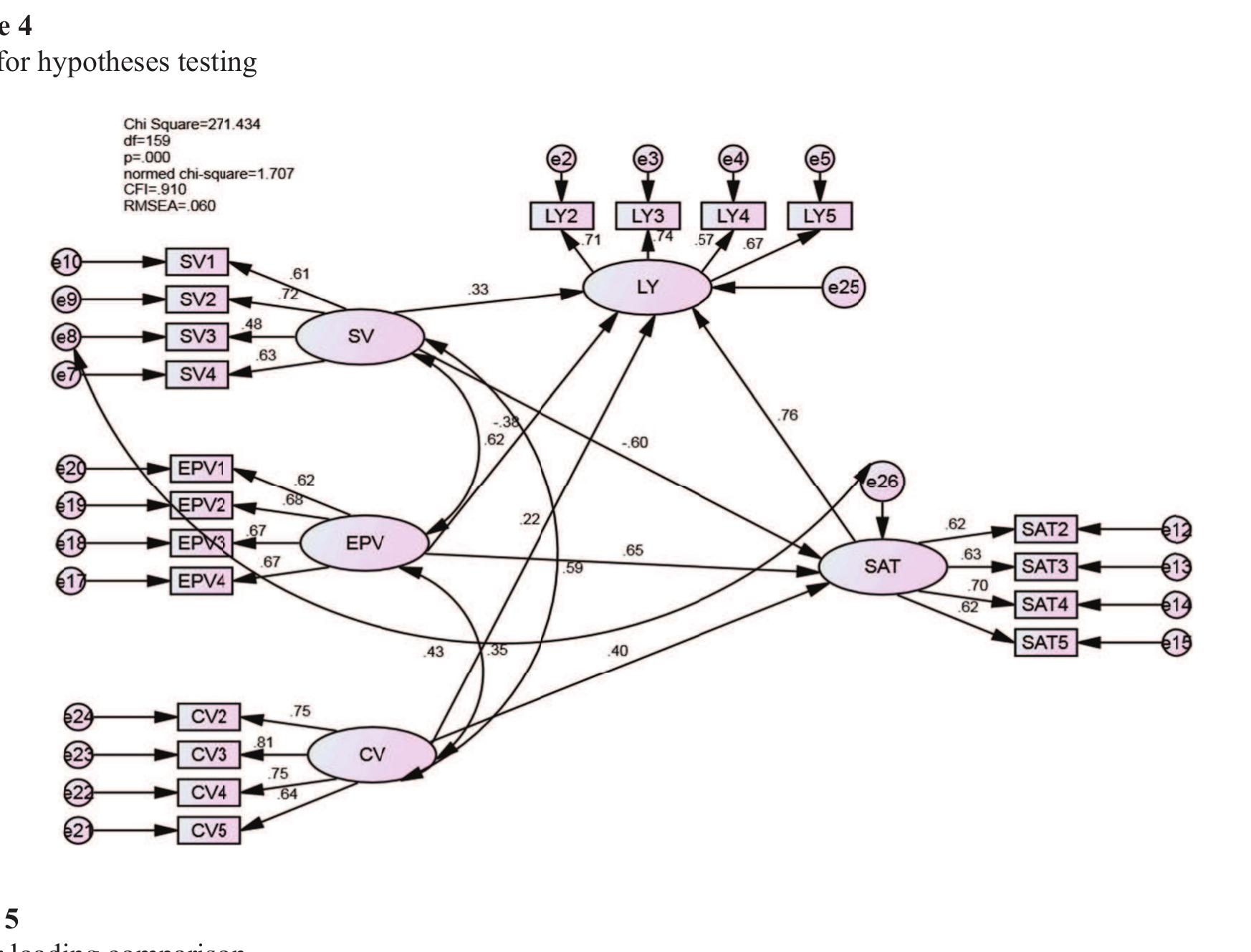
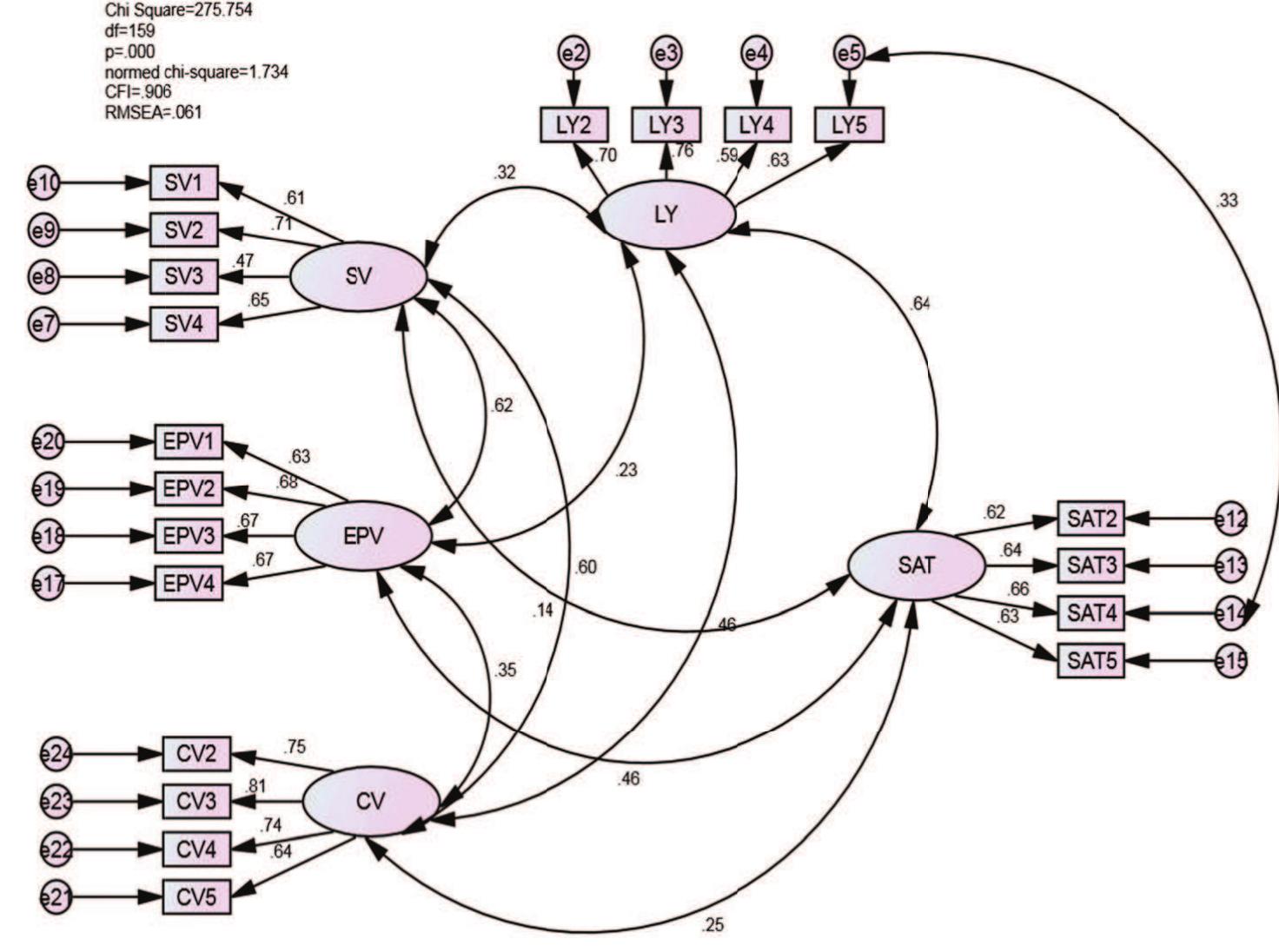
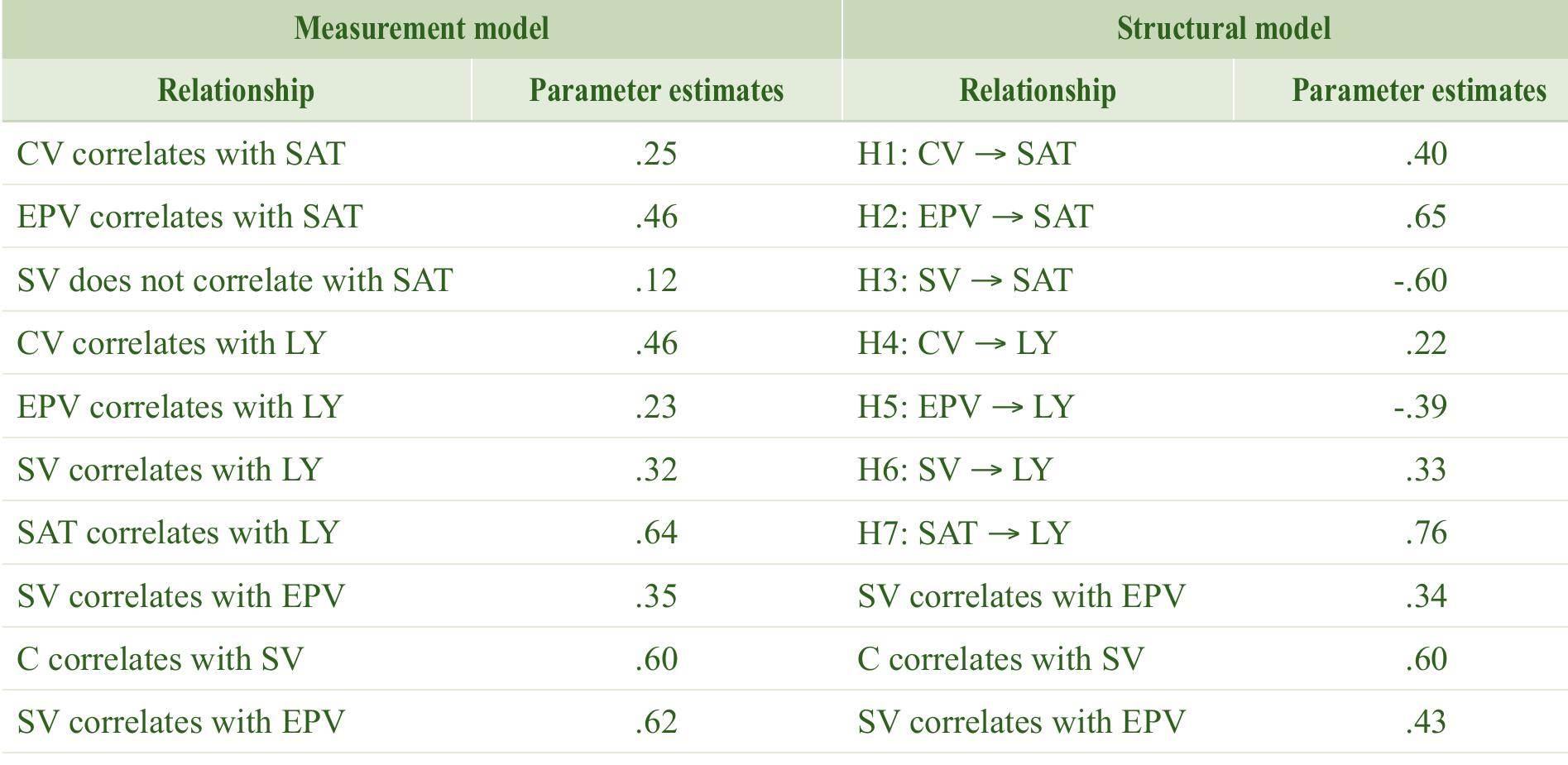
![SAT as complete mediator between loyalty and CPV dimensions The above mediator analysis in Fig benchmark values are achieved except ure 6 shows that the model is a good fit since all the CFI, which is 0.878. Since the value is very close to 0.9, the model will be accepted as RMS] EA is below 0.08 (0.069). This means that the model is parsimonious as the values are close to 0.9. Alen ciamilarihixzxwshan all the CAT 3c tactedn aca pnamntiate maniatar unith lavalie the nath analxcia Table 9](https://figures.academia-assets.com/52888473/table_009.jpg)