Sodium hypochlorite (NaOCl) is widely used to disinfect seawater in power plant cooling systems in order to reduce biofouling, and in ballast water treatment systems to prevent transport of exotic marine species. While the toxicity of...
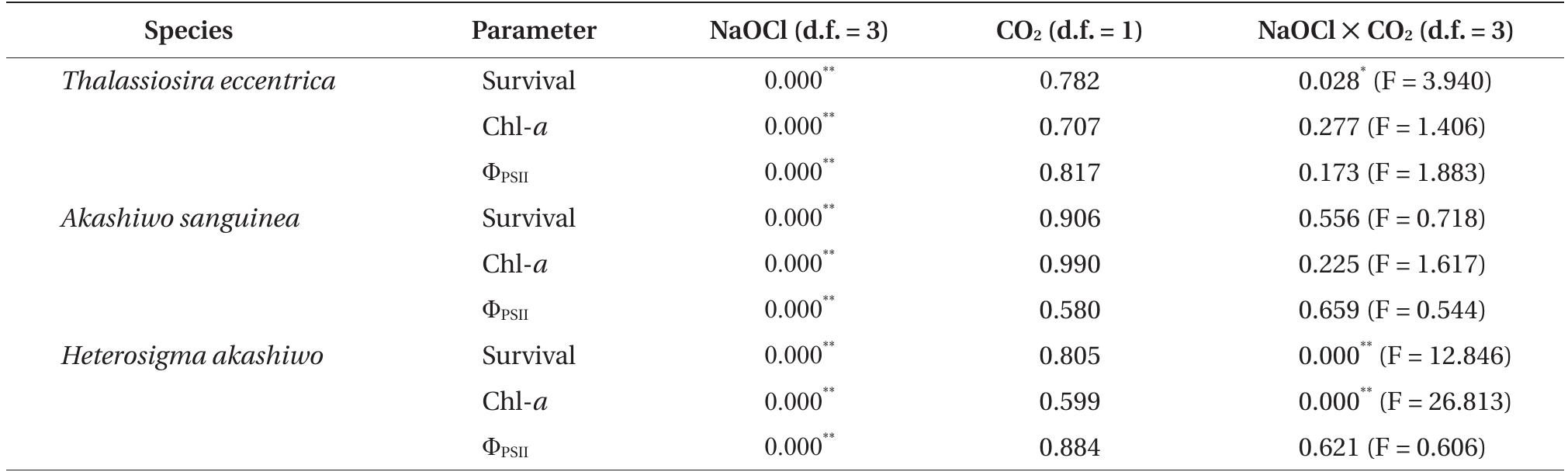
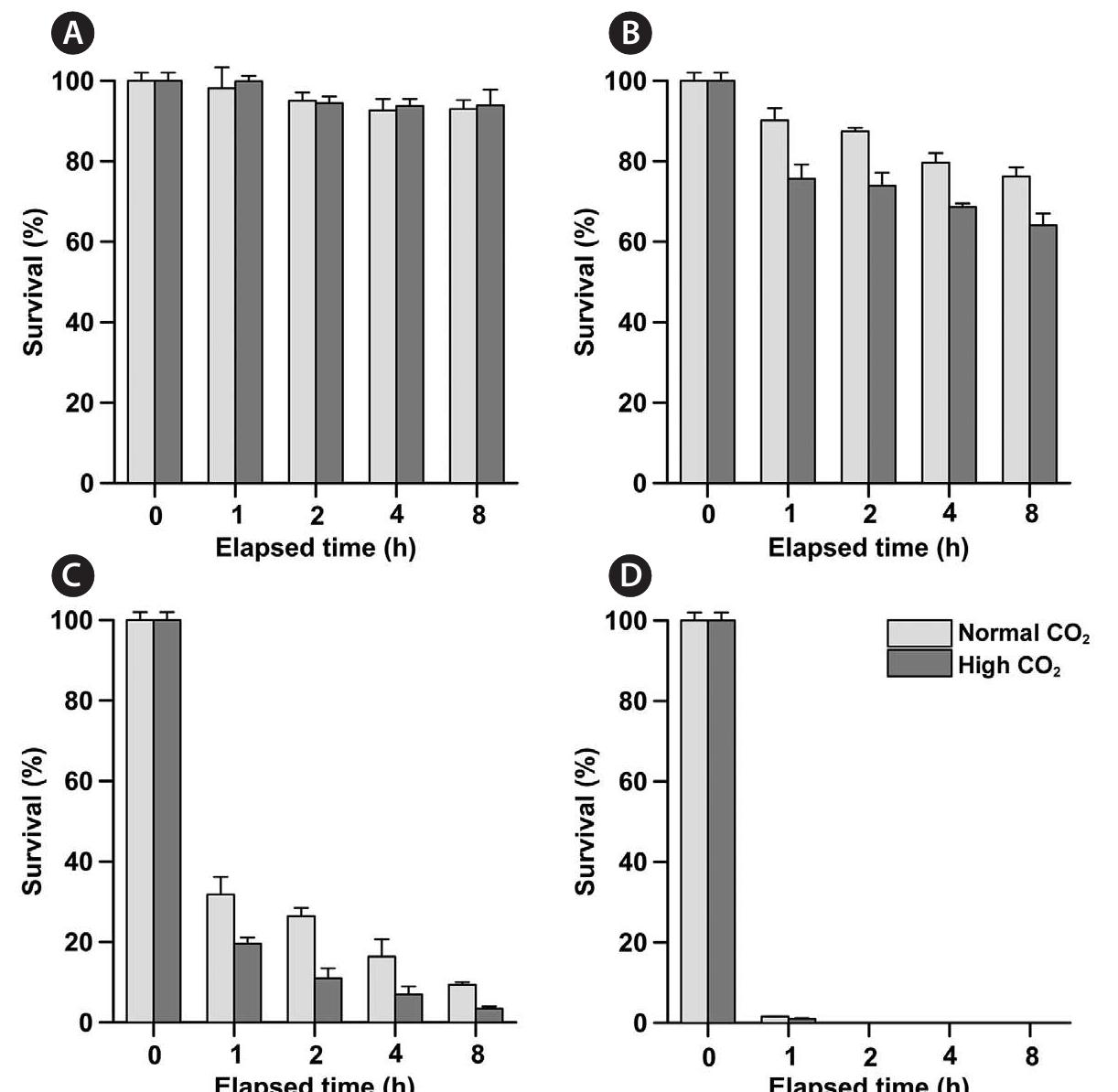
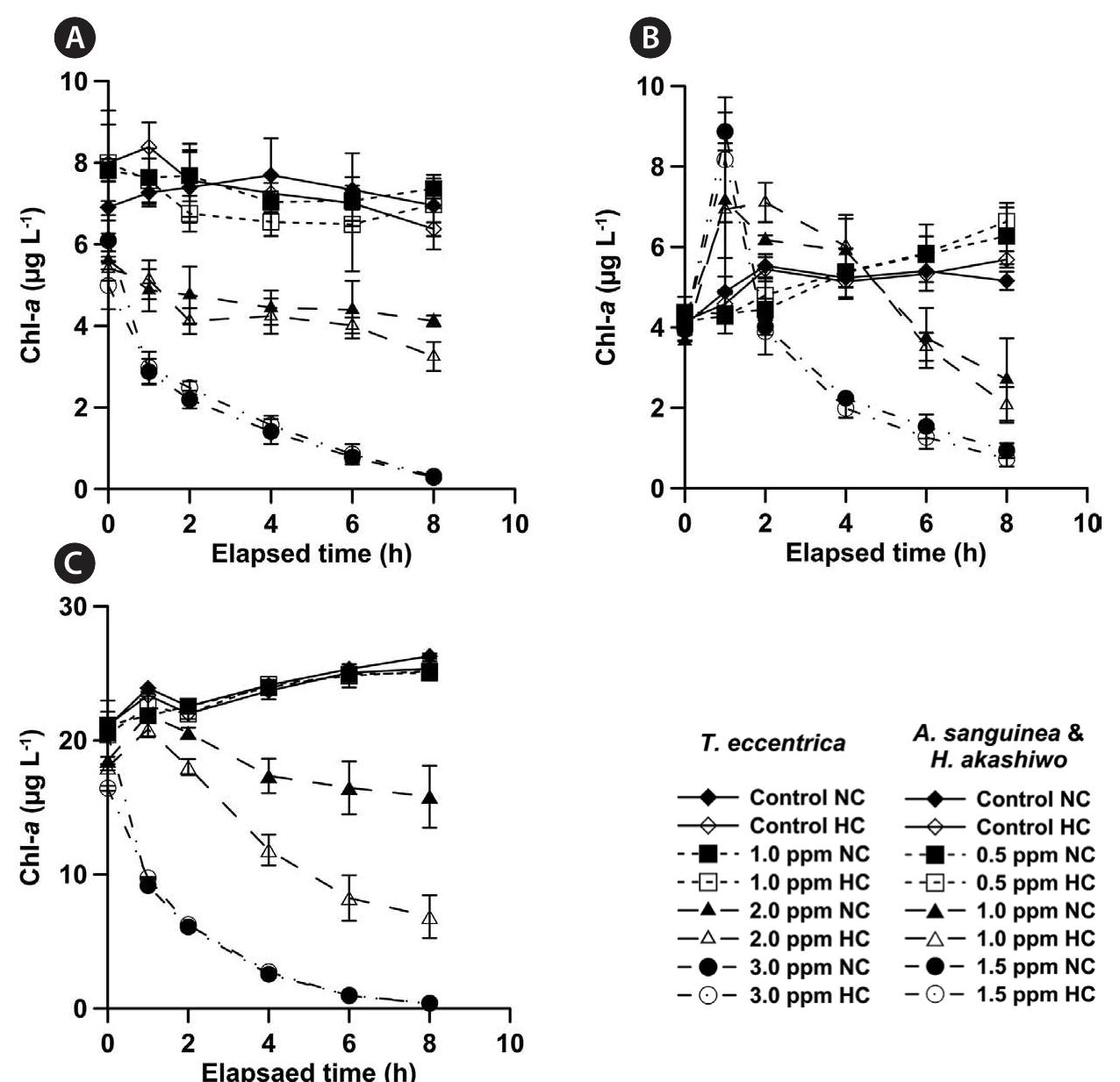
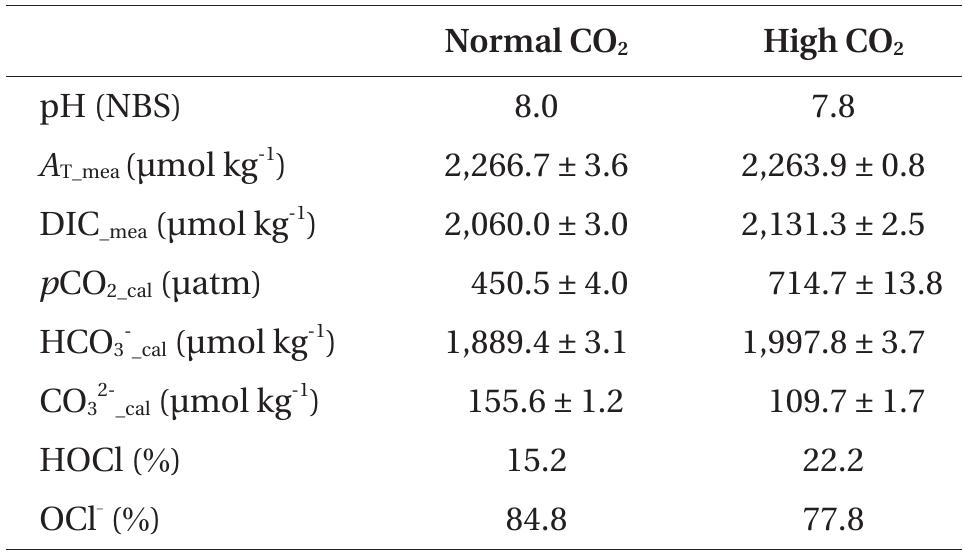
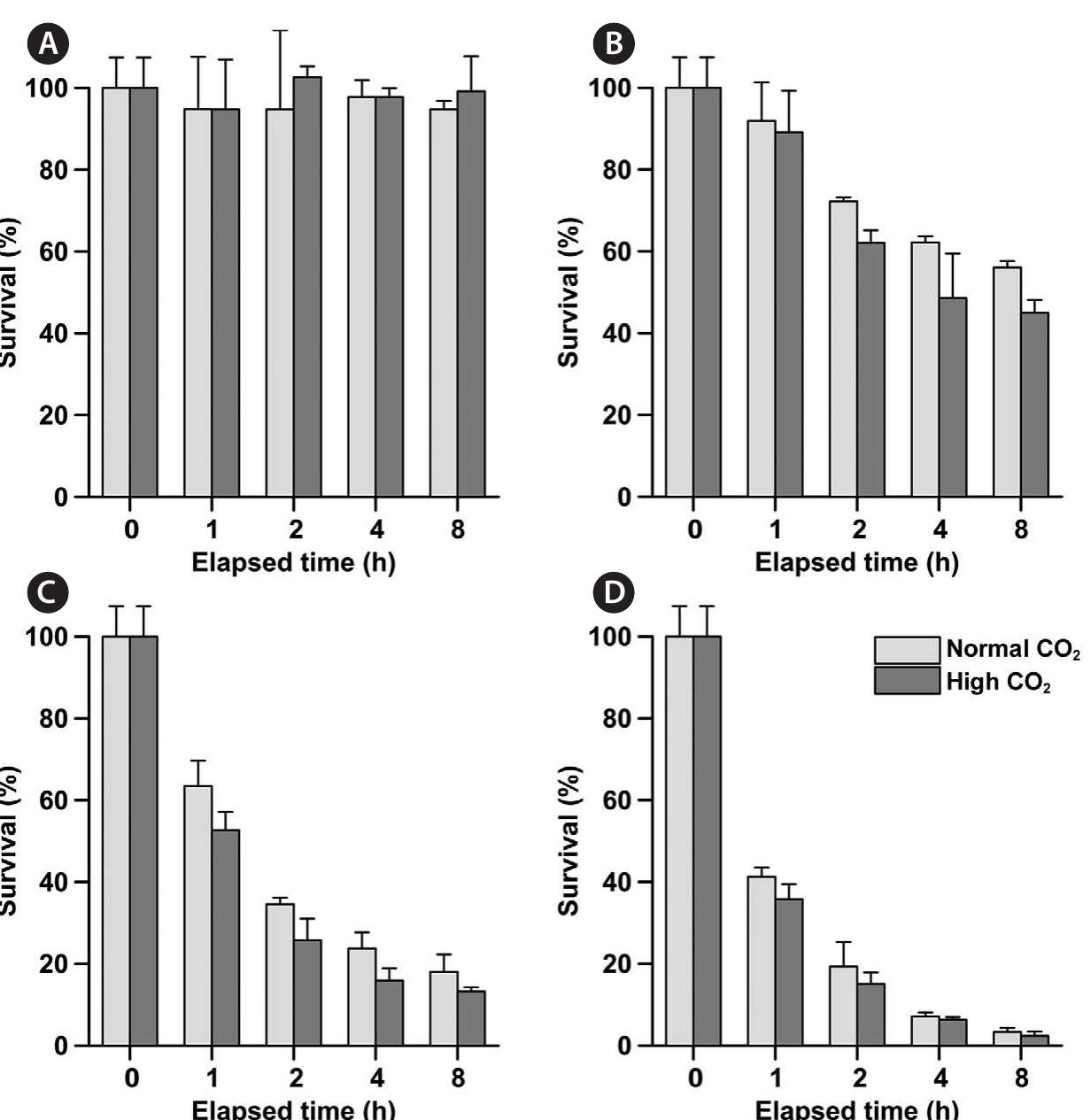
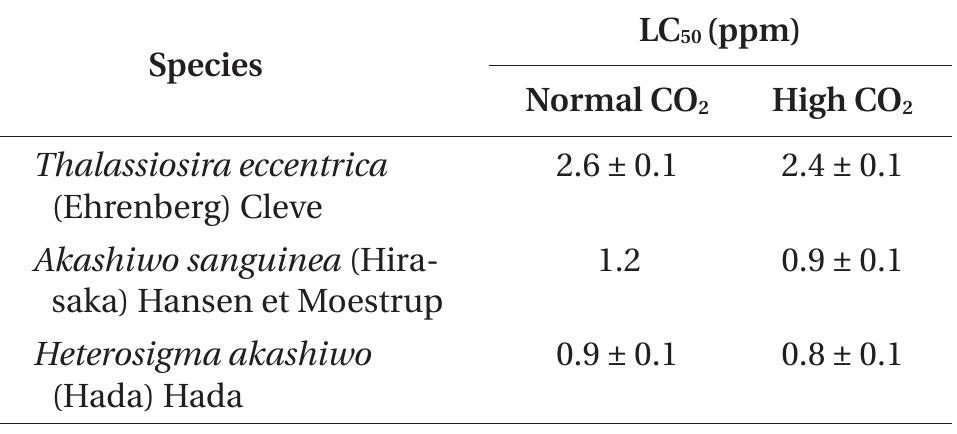
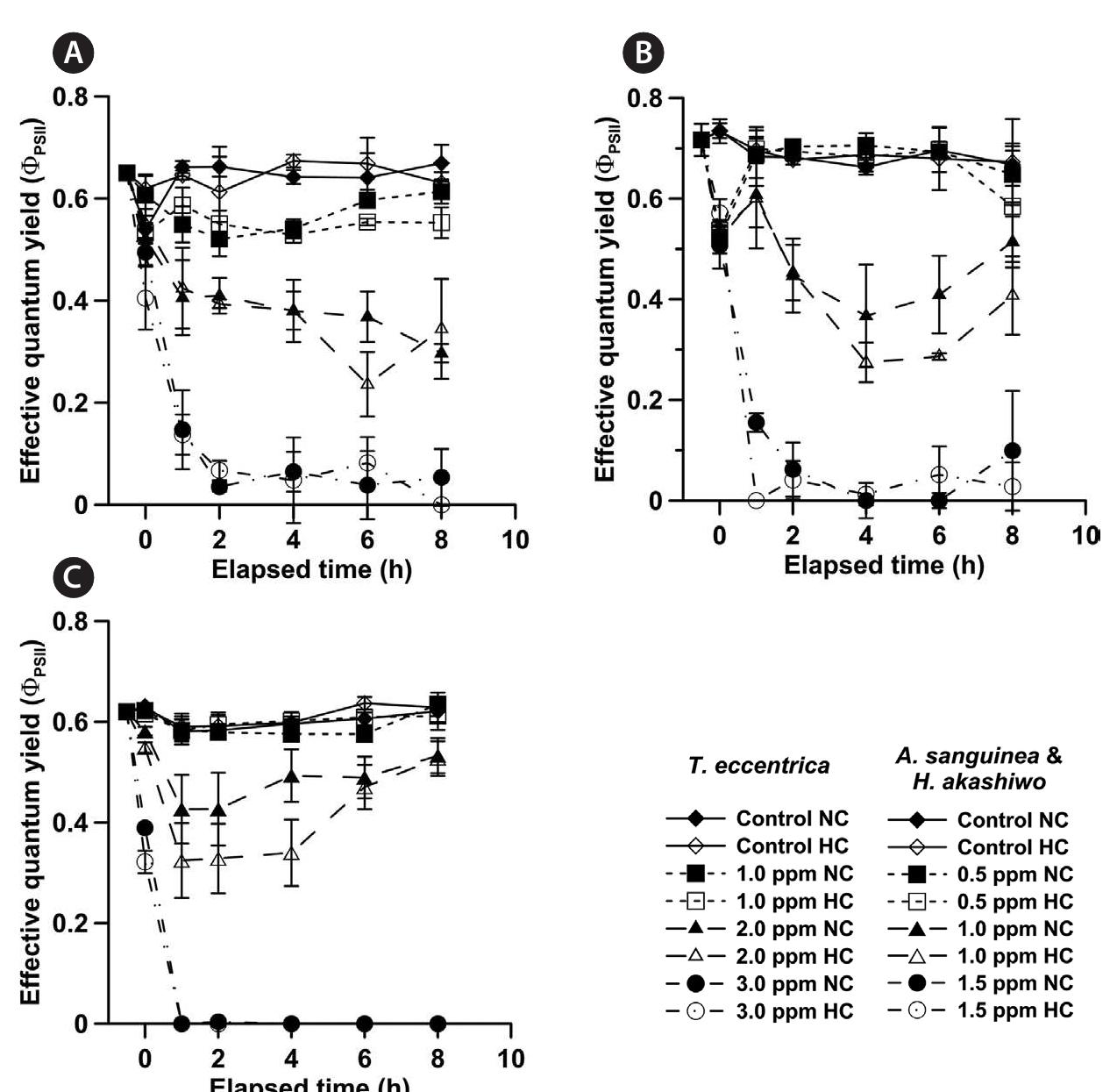
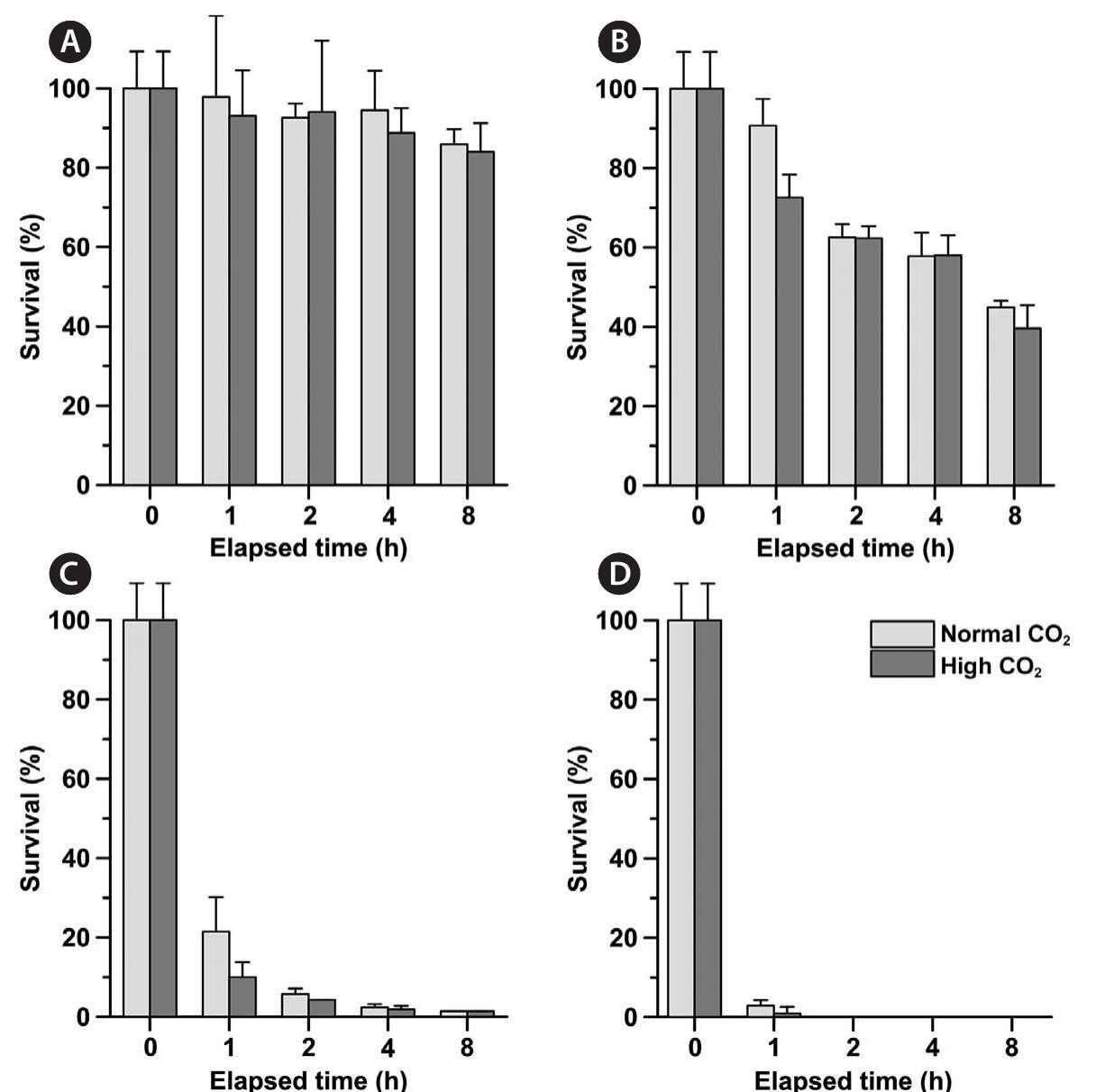
moreSodium hypochlorite (NaOCl) is widely used to disinfect seawater in power plant cooling systems in order to reduce biofouling, and in ballast water treatment systems to prevent transport of exotic marine species. While the toxicity of NaOCl is expected to increase by ongoing ocean acidification, and many experimental studies have shown how algal calcification, photosynthesis and growth respond to ocean acidification, no studies have investigated the relationship between NaOCl toxicity and increased CO 2. Therefore, we investigated whether the impacts of NaOCl on survival, chlorophyll a (Chl-a), and effective quantum yield in three marine phytoplankton belonging to different taxonomic classes are increased under high CO 2 levels. Our results show that all biological parameters of the three species decreased under increasing NaOCl concentration, but increasing CO 2 concentration alone (from 450 to 715 μatm) had no effect on any of these parameters in the organisms. However, due to the synergistic effects between NaOCl and CO 2 , the survival and Chl-a content in two of the species, Thalassiosira eccentrica and Heterosigma akashiwo, were significantly reduced under high CO 2 when NaOCl was also elevated. The results show that combined exposure to high CO 2 and NaOCl results in increasing toxicity of NaOCl in some marine phytoplankton. Consequently, greater caution with use of NaOCl will be required, as its use is widespread in coastal waters.


![Fig. 1: Distribution diagram for dissolved chlorine species. Free chlorine molecules, Clz, exist only below about pH 1 (at pH 7.5, [HOC]] = [OCI-]) (Weiner, 2012) The energetic disinfection species, Clz, HOC], and OCI, are named the total free available chlorine, in spite of the fact that Clz is insignificant above pH 2. All these species are oxidizing agents; however, chloride ion (Cl) is not. HOC] is approximately 100 times more efficient as a microorganisms’ killer than OCI; since, as a neutral molecule, it can penetrate into cell membranes of microorganisms more easily than can OCI.](https://figures.academia-assets.com/55405568/figure_001.jpg)
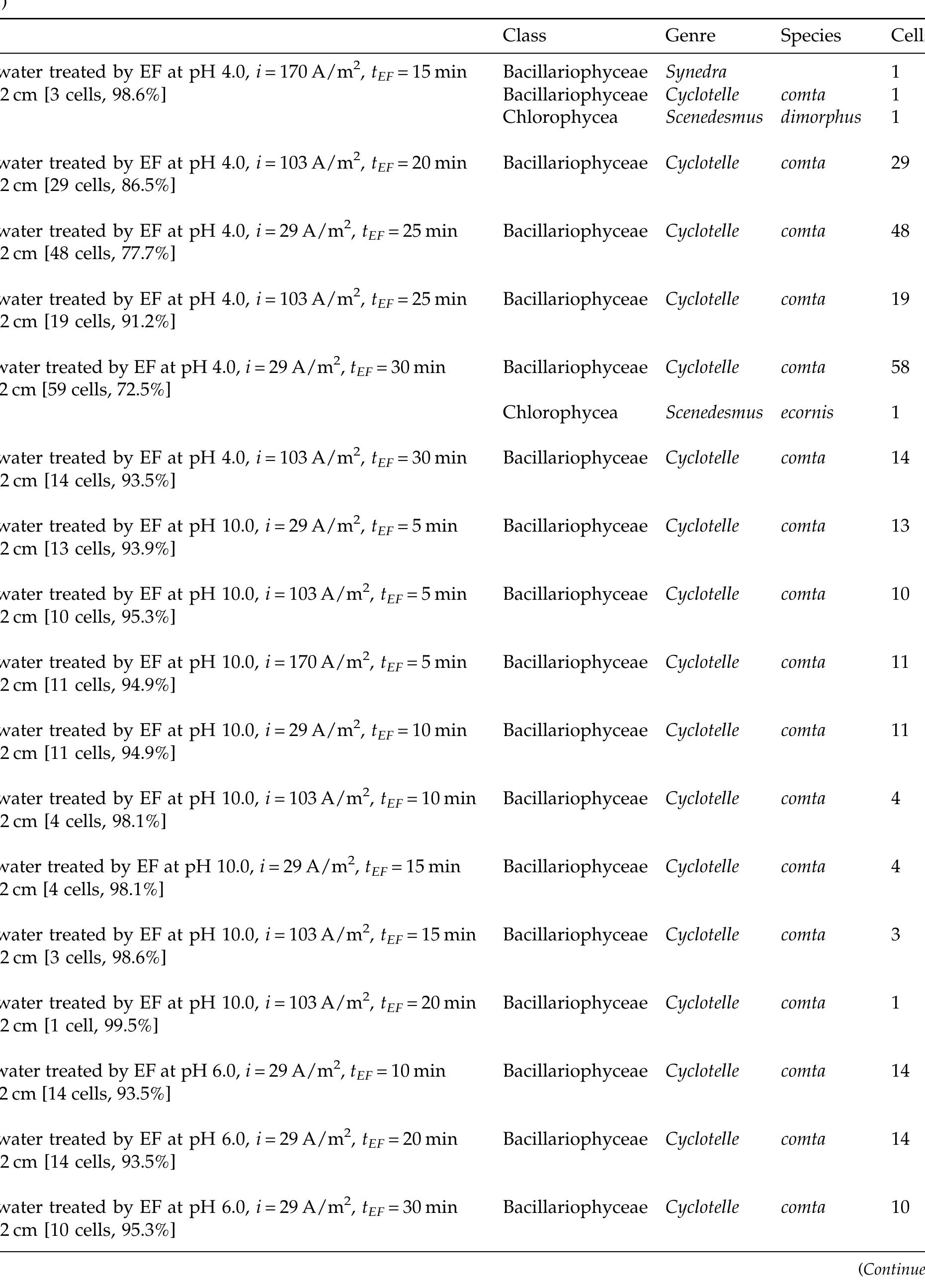
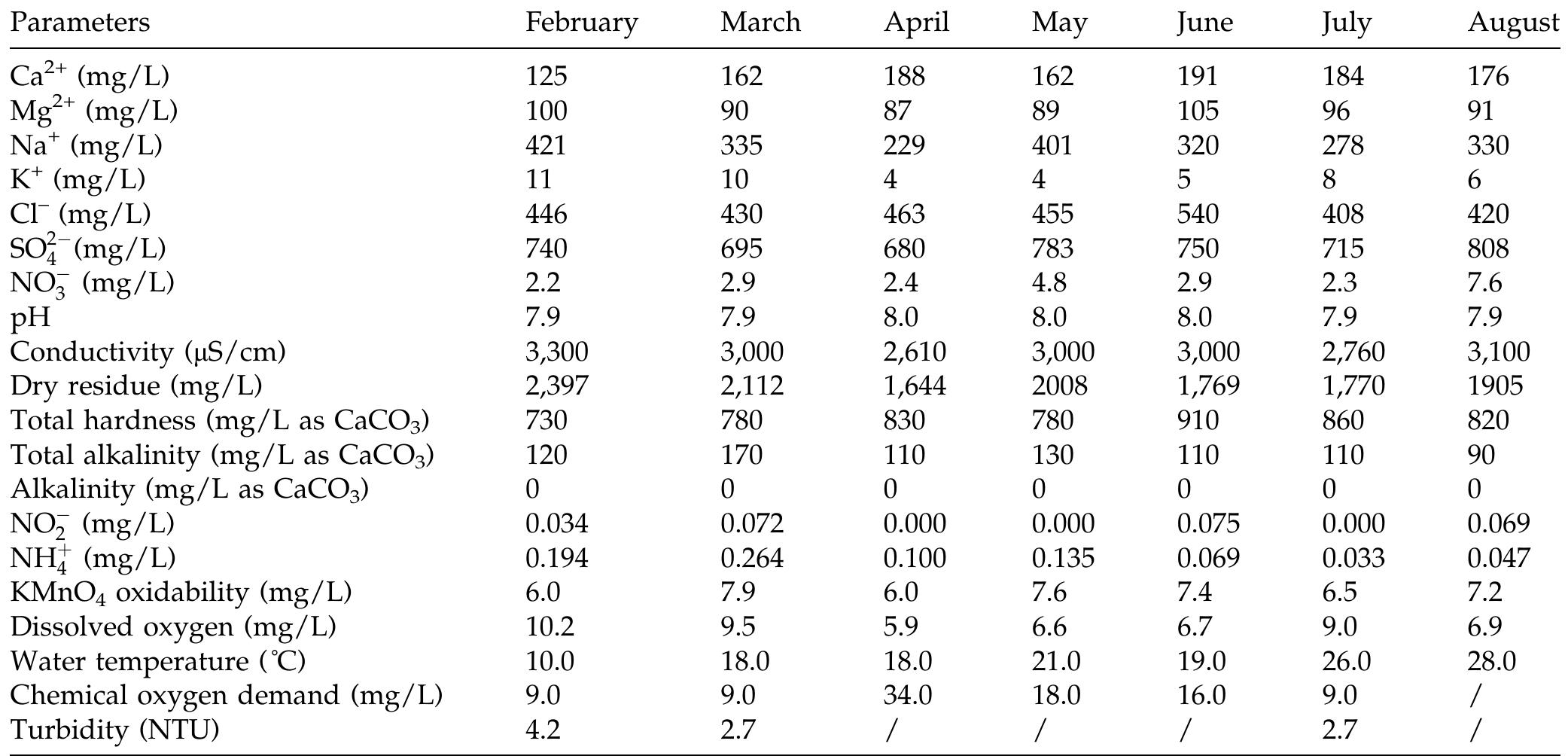
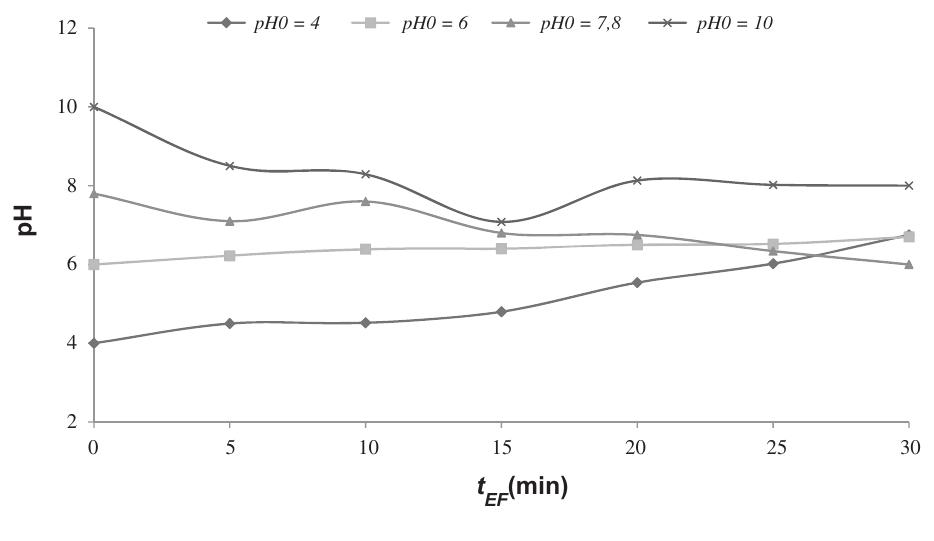
![Fig. 4. Influence of pH on EF efficiency ((=29A/m/’, d=2cm). Vandamme et al. [26] investigated the potential of flocculation induced by high pH for harvesting Chlo- rella vulgaris. They demonstrated that flocculation can be induced by increasing medium pH to 11. The same approach is used by Wu et al. [27]. Henderson et al. 28] measured the zeta potential at optimum removal by coagulation and flotation of four species of algae and observed that when the zeta potential was reduced between -8 and +2mV through a combina- ion of coagulant dose and/or pH adjustment, the removal of algae and associated organic material was optimised, irrespective of the coagulant dose or pH. Process control using zeta potential is therefore a viable tool for algae removal [29]. A similar study is performed by Rashid et al. [30] who used chitosan as a flocculant to harvest freshwater microalgae C. vulgaris. They showed that pH 6.0 is the highest harvesting efficiency (99%). Their measurement of zeta potential confirmed that the flocculation was induced](https://figures.academia-assets.com/37820075/figure_004.jpg)
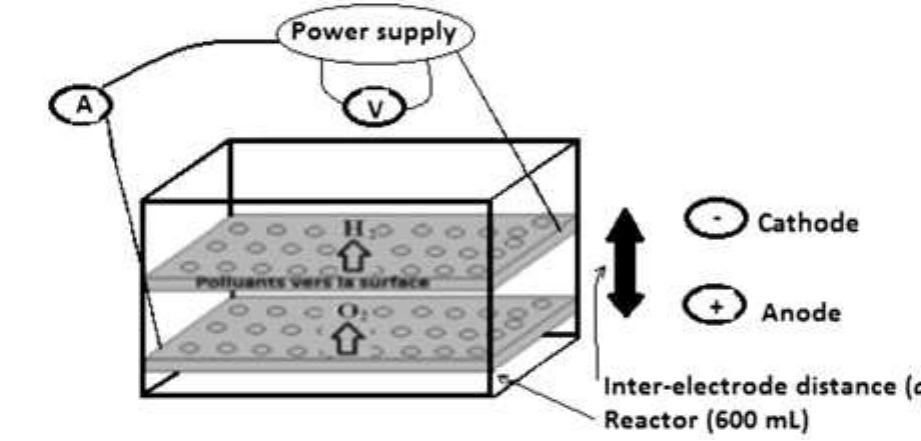
![seen in Fig. 2, it appears that EF efficiency is highly dependent on ter. during EF processing. In EF, with SSEs, the anode pro- duces oxygen and the cathode produces hydrogen gas, which results in the flotation of the flocs to the surface [23].](https://figures.academia-assets.com/37820075/table_004.jpg)
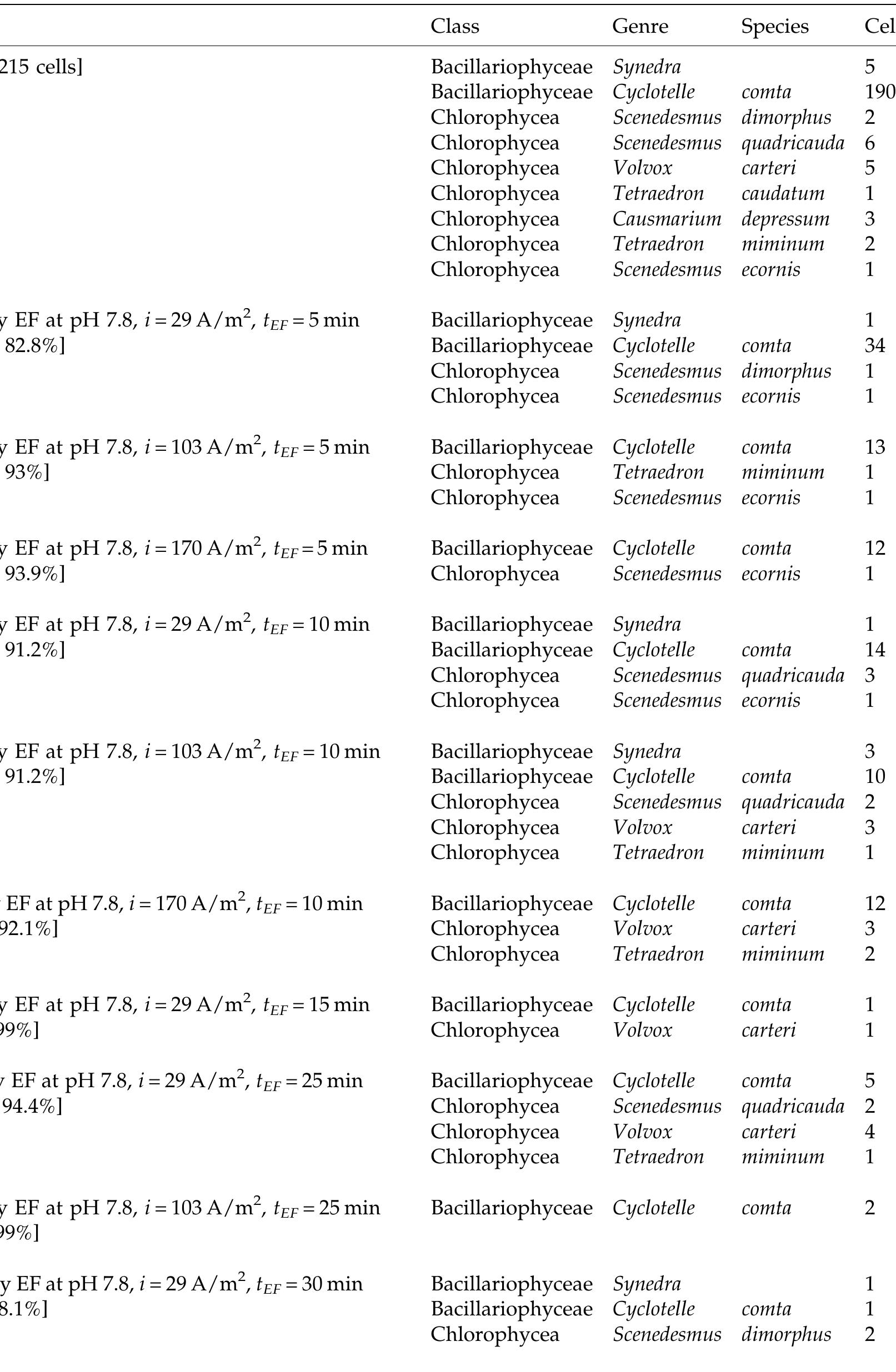
![Fig. 2. Algae removal as a function of ter (pH 7,8, i=29 A/m?, d=2cm). EF time plays a very important role. Fig. 2 shows the evolution of the removal rate of microalgae as a function of EF time, the other parameters are kept constant: pH 7.8, i=29A/m* and d=2cm. The flocs formed are trained by the gas bubbles to the solution surface to constitute a large foam at the water/air interface. The foam becomes denser with time [24]. As](https://figures.academia-assets.com/37820075/figure_002.jpg)
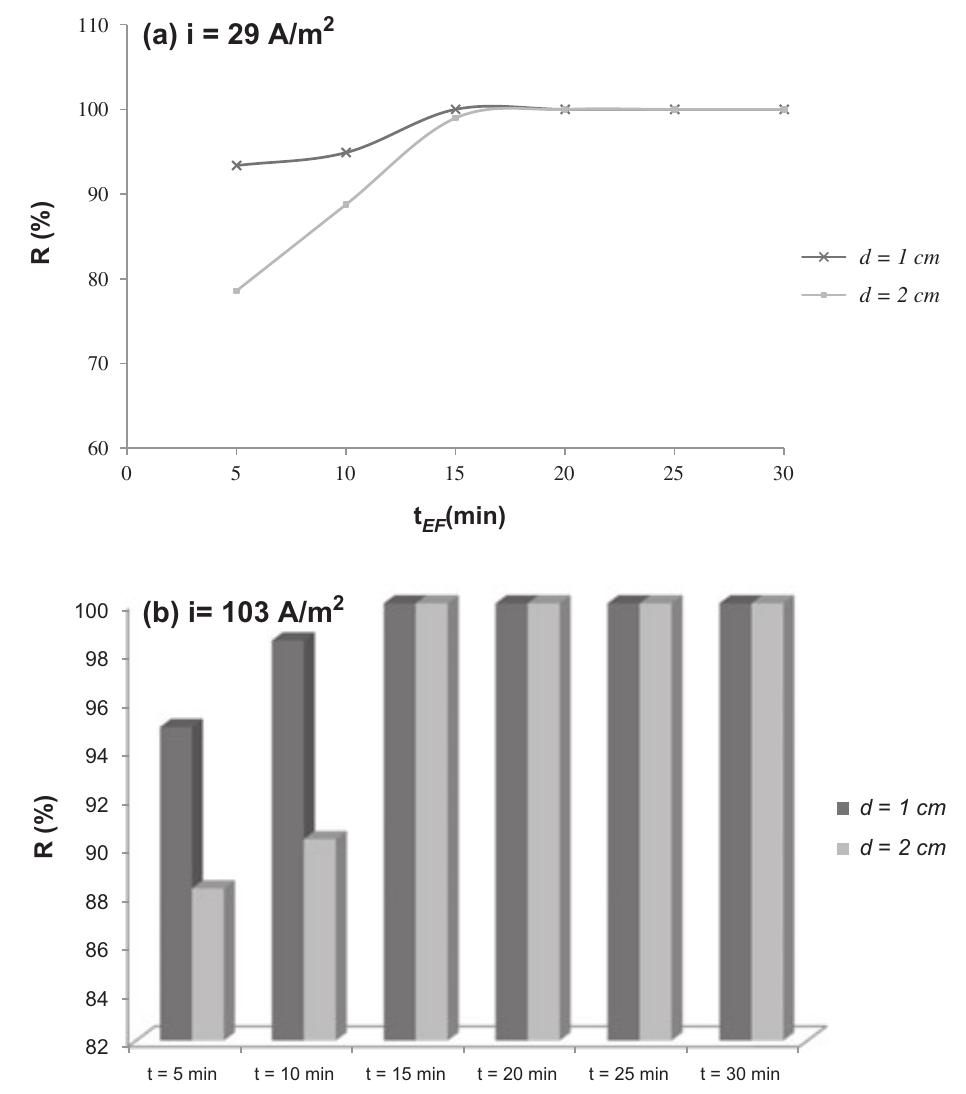
![Fig. 3. Effect of current density i on EF efficiency (pH 7.8, d=2cm). The current density, i, is a critical parameter in electrochemical processes. Current intensity I (A), and consequently i (A/m?), can be directly controlled and determine the production rate of gas bubbles. The bibliographic sources report that i is between 10 and 150A/m* and the high values are desirable for iquid/solid separation process [25]. The effect of this parameter on the microalgae elimination is indicated by the curve shown in Fig. 3. The current densities applied are: 29, 103, and 170 A/ m? corresponding to the following applied voltages U(V): 4, 8, and 12V, respectively. The release of hydrogen and oxygen bub- bles and the density of the formed foam increase with i. As seen in Fig. 3, the microalgae elimination grows with i. As i increases, the release of gas bubbles formed at the electrodes increase. It is clear that the](https://figures.academia-assets.com/37820075/figure_003.jpg)