Academia.eduAcademia.edu

Broca's area

description31 papers
group4 followers
lightbulbAbout this topic
Broca's area is a region in the frontal lobe of the brain, typically located in the left hemisphere, that is crucial for language production and processing. It is associated with speech production, language comprehension, and the coordination of motor functions involved in speaking.
lightbulbAbout this topic
Broca's area is a region in the frontal lobe of the brain, typically located in the left hemisphere, that is crucial for language production and processing. It is associated with speech production, language comprehension, and the coordination of motor functions involved in speaking.

Key research themes

1. What is Broca's area’s role in sentence processing and syntactic complexity?

This research theme investigates how Broca's area contributes to the comprehension and processing of sentence structure, particularly focusing on syntactic movement, hierarchical structure building, verbal working memory, and syntactic prediction. Understanding the selective involvement of Broca's area in these linguistic computations is critical for elucidating the neural mechanisms underlying syntax and sentence comprehension.

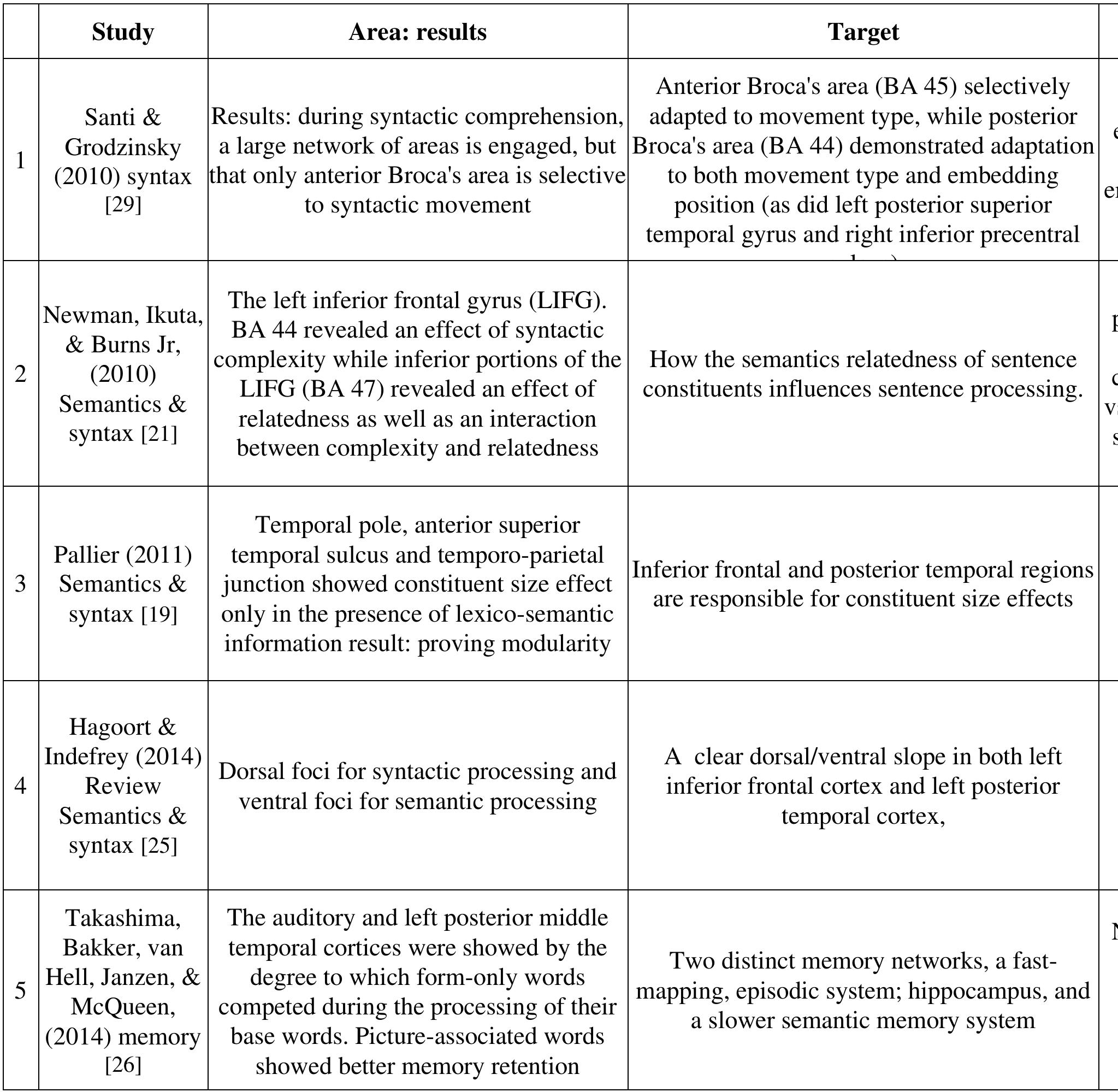
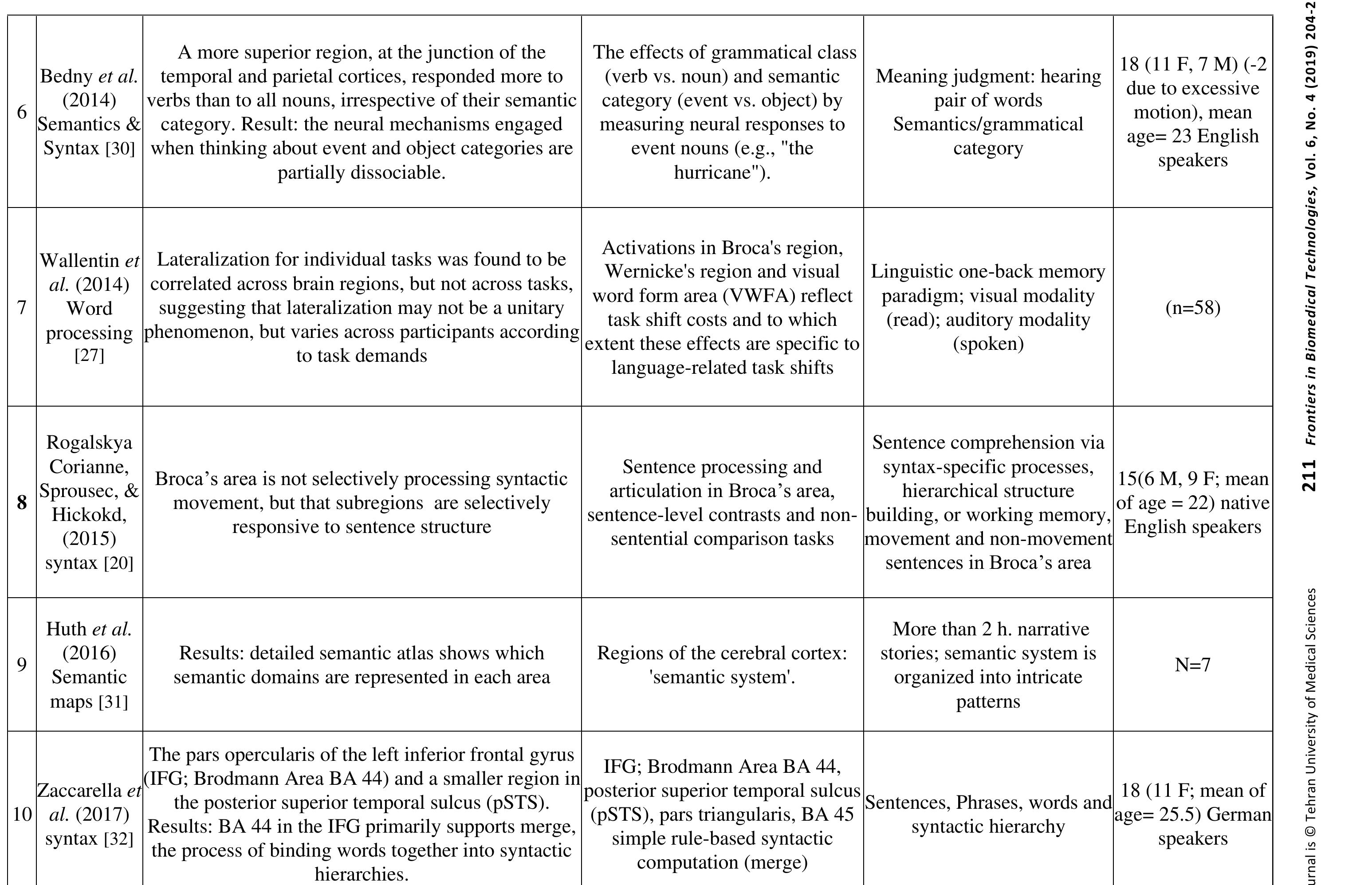
Key finding: This fMRI study found that Broca's area does not show selective activation for sentences containing syntactic movement compared to matched non-movement sentences, challenging the hypothesis that Broca's area specifically... Read more
Key finding: The study demonstrated that the pars opercularis region of Broca's area supports sentence comprehension through its role in articulatory rehearsal, a component of verbal working memory. The syntactic complexity effect in this... Read more
Key finding: This fMRI study provided evidence that left IFG (including pars triangularis and pars orbitalis) and posterior superior temporal sulcus activations reflect top-down syntactic prediction mechanisms rather than basic syntactic... Read more
Key finding: The author proposed that the pars triangularis (pTri) of Broca's area performs domain-general memory retrieval computations with specificity for syntactic representations, arising through neuronal retuning during development... Read more

2. How does Broca's area contribute to speech production and motor control of articulation?

Research in this theme explores Broca's area’s role in speech motor planning, its connection to phono-articulatory muscles, including whether it directly controls motor execution or gates motor programming, and how it contributes to pre-articulatory phonetic encoding.

Key finding: Intraoperative direct electrical stimulation of Broca's area induced an intensity-dependent speech arrest without altering electromyographic activity in phono-articulatory muscles, indicating Broca's area functions as a gate... Read more
Key finding: Continuous theta-burst stimulation (cTBS) applied over left BA44 (posterior Broca's area) before observational learning of a motor sequence increased response latencies during retention, suggesting Broca's area plays a... Read more
Key finding: Through neuropsychological testing of frontal aphasics without apraxia, the study demonstrated specific impairments in encoding human actions, implicating Broca's area in non-verbal action understanding. This supports... Read more
Key finding: This PET study found activation of Broca's area (frontal cortex area 6/44) during organized sequences of hand movements in dancers, suggesting Broca’s area's involvement in motor sequence organization, corroborating its role... Read more

3. What are the neural connectivity patterns of Broca's area during novel grammar acquisition?

This theme focuses on how Broca's area functionally interacts with other brain regions, particularly the hippocampus and posterior networks, during acquisition of novel grammatical structures and artificial grammar learning (AGL). Understanding these connectivity patterns clarifies the division of labor between memory-related and language-specific systems in grammar learning.

Key finding: This fMRI study revealed that Broca's area and the hippocampus contribute in parallel but separate ways to artificial grammar acquisition. Broca's area connectivity patterns with left frontal cortex support novel grammar... Read more
Key finding: Diffusion MRI analysis showed that phonetics experts exhibit training-related increases in fractional anisotropy in the left long segment of the arcuate fasciculus (connecting Broca’s area to temporal cortex) and auditory... Read more
Key finding: This review highlighted that Broca’s area exhibits interconnected functional and structural connectivity supporting hierarchical processing across language, action, and music domains, suggesting that its connectivity... Read more

All papers in Broca's area

Psychosis-related experiences, including hallucinations, paranoia, emotional blunting, and reduced motivation, are commonly conceptualised within biopsychosocial frameworks involving genetic vulnerability, neurodevelopmental... more
Neuromagnetic spectral distributions when silently viewing words and non-words were investigated using a 151-channel whole head MEG system. The data were analyzed with synthetic aperture magnetometry (SAM). The dominant changes of... more
To investigate the motor control related to sound production, we studied cortical rhythmic changes during continuous vocalization such as singing. Magnetoencephalographic (MEG) responses were recorded while subjects spoke in the usual way... more
The protracted postnatal development and heightened neuroplasticity of the human brain, driven by the co-evolution of social complexity, technological innovation, and cultural transmission, led to the emergence of a "mind" uniquely... more
The most compelling evidence to date for involvement of the Basal Ganglia (BG) (Basal Ganglia1 Grammar) [13, 16, 20, 27, 48] in natural language comes to us from theoretical movement operations (nested dependency, distant binding and... more
"Language makes us human. It is an intrinsic part of us. We learn it, we use it, and we seldom think about it. But once we start thinking about it, language seems like a sheer wonder. Language is an extremely complex entity with several... more
The human brain represents a pinnacle of evolutionary innovation, characterized by its remarkable size relative to body mass, complex neural connectivity, and unparalleled cognitive abilities. Understanding the evolutionary trajectory of... more
mind-control project Is a complex and controversial topic: Discussing its ethical implications, scientific research, or perhaps fictional portrayals in literature and media! Regarding my Eight digital publication: continue with the... more
Recent studies showed that multiple sclerosis (MS) patients might experience communicative deficits, specifically in pragmatics (i.e., the ability to integrate the context-dependent aspects of language). A crucial region for pragmatics is... more
One of the most human characteristics is certainly language. Language is the means through which people communicate with each other both orally and in written form. Language represents one of the most important social behaviors, and... more
The fundamental distinction of grammatical deficits in aphasia, agrammatism and paragrammatism, was made over a century ago. However, the extent to which the agrammatism/paragrammatism distinction exists independently of differences in... more
EasyChair preprints are intended for rapid dissemination of research results and are integrated with the rest of EasyChair.
The fundamental distinction of grammatical deficits in aphasia, agrammatism and paragrammatism, was made over a century ago. However, the extent to which the agrammatism/paragrammatism distinction exists independently of differences in... more
 Bara B.G., Cutica I., Tirassa M. (2001), "Neuropragmatics: Extralinguistic Communication after closed head injury" Brain and Language 77, 72-94.
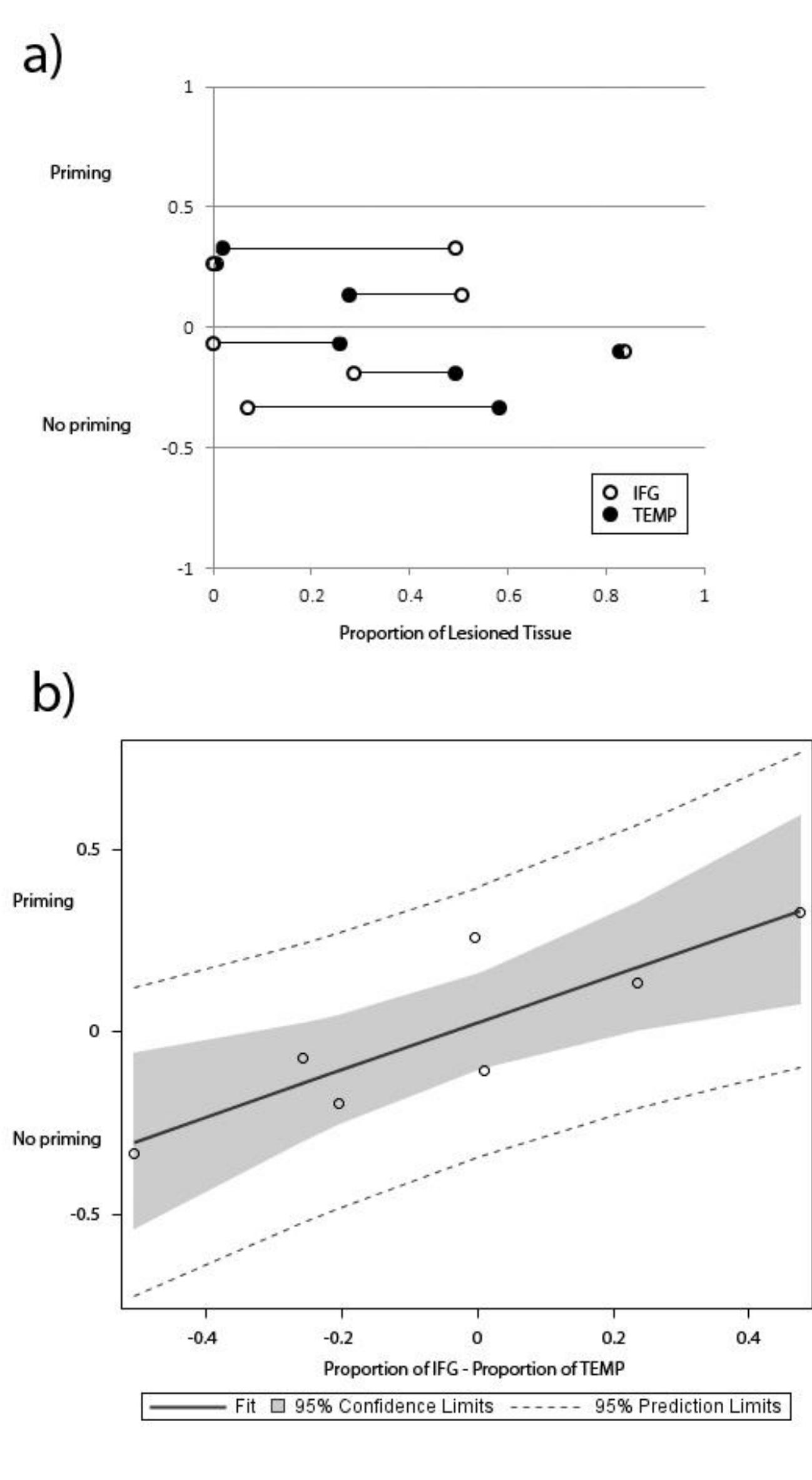
Grodzinsky examines Broca's aphasia in terms of some specific grammatical deficits. However, his grammatical models offer no way to characterize the distinctions he observes. Rather than grammatical deficits, his patients seem to have... more
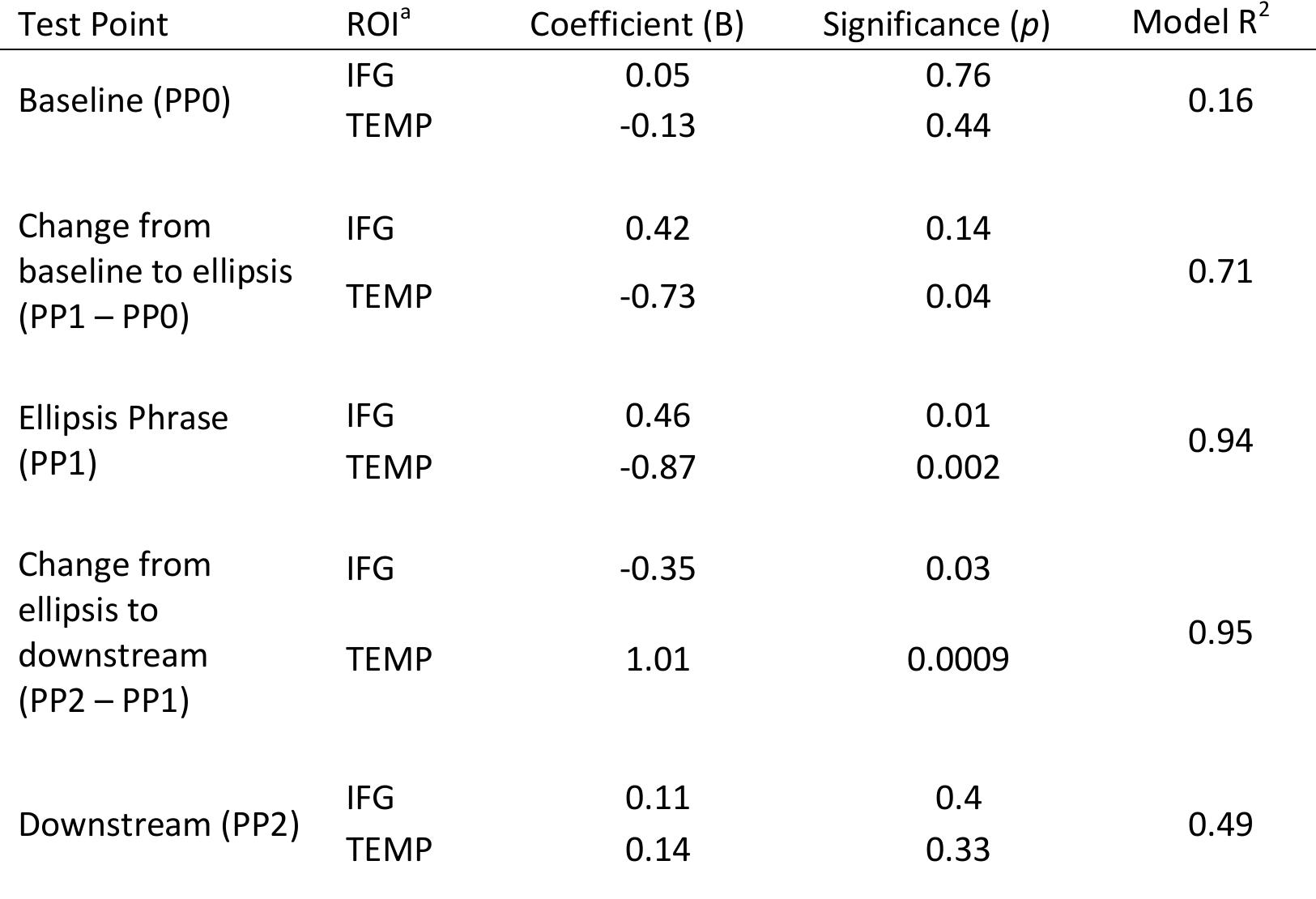
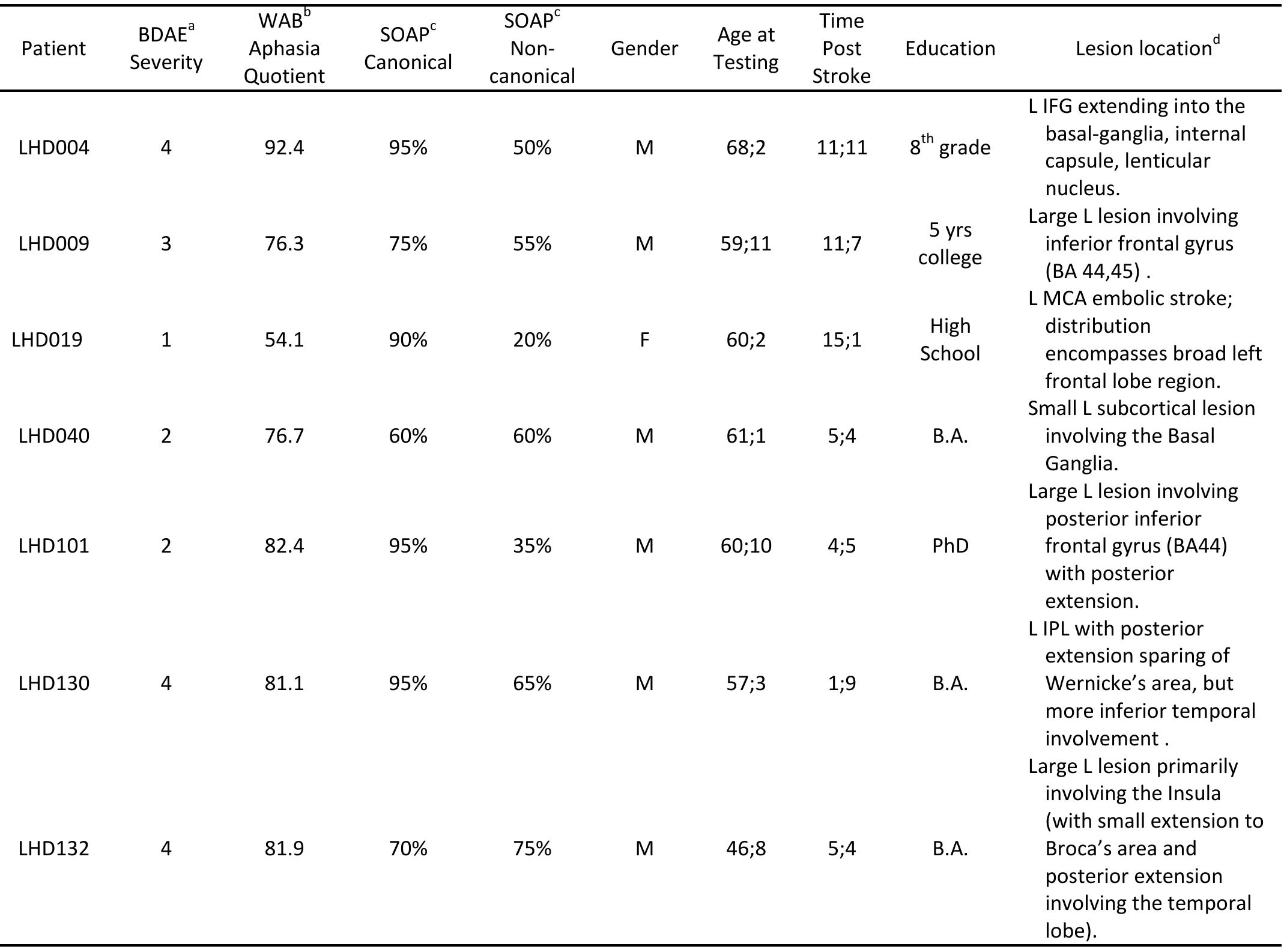
We describe an effort to map lesion to behavior by studying the comprehension of complex VP-Ellipsis constructions (e.g., The policeman defended the child, and the dedicated fireman did___ too…) in participants with Broca"s aphasia. We... more
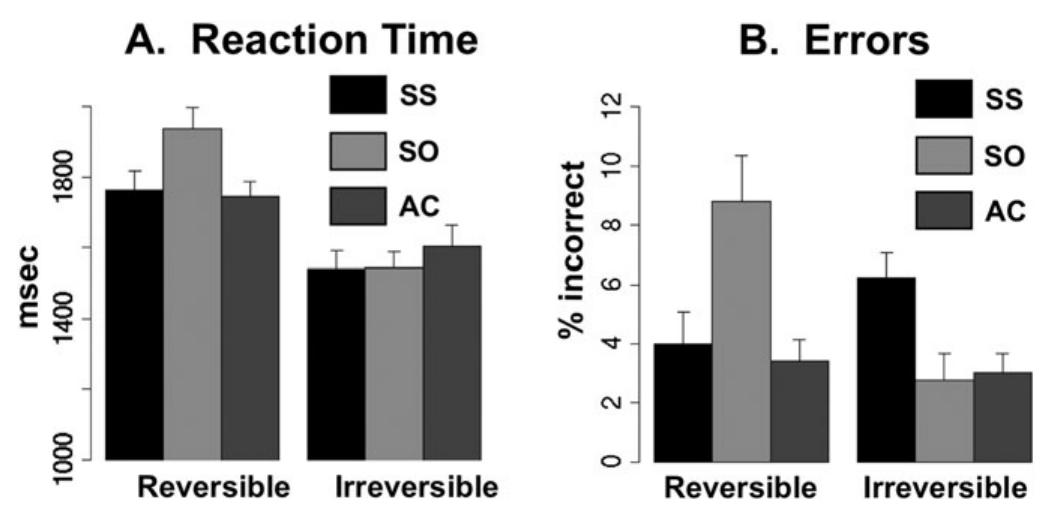
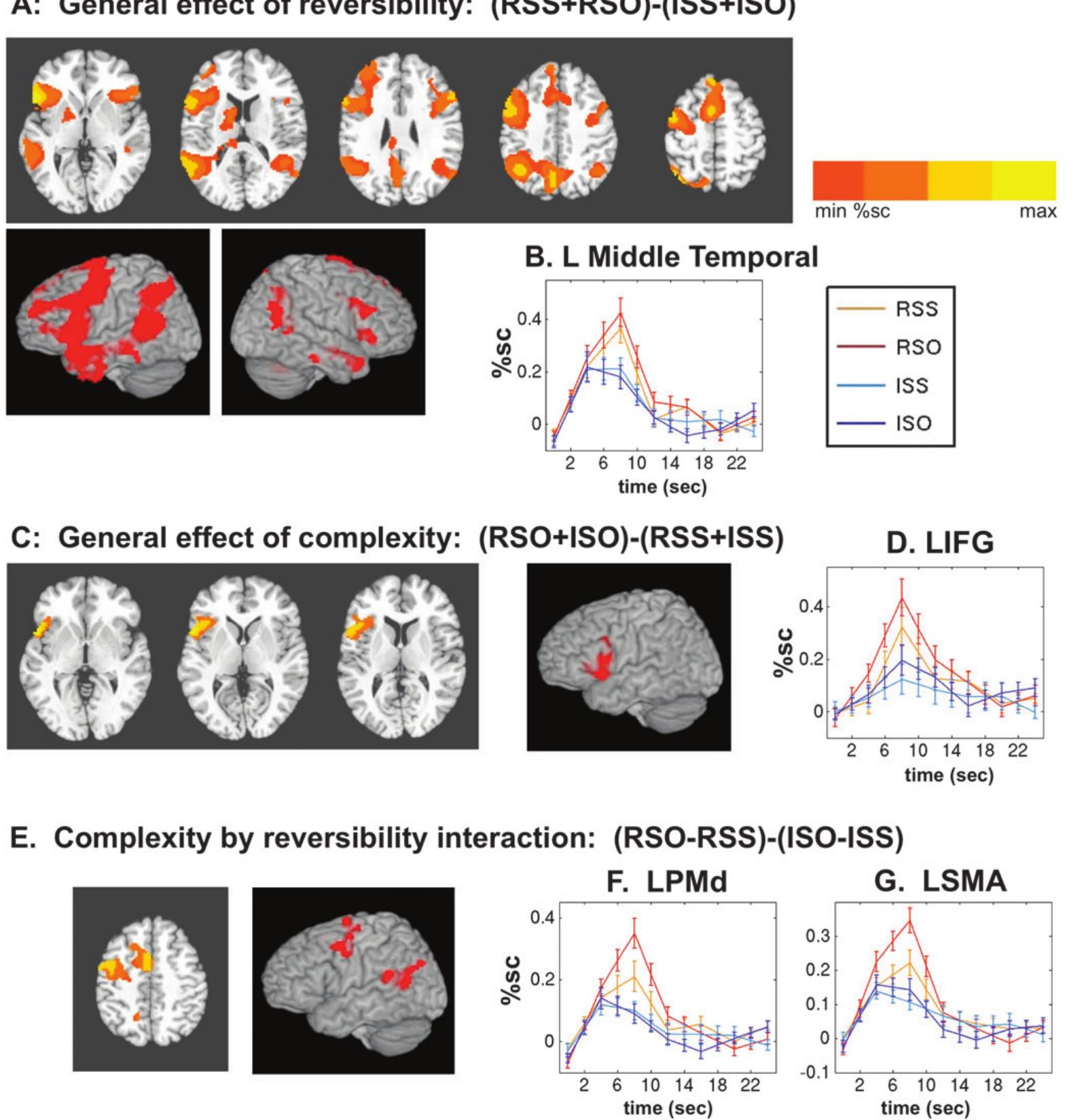
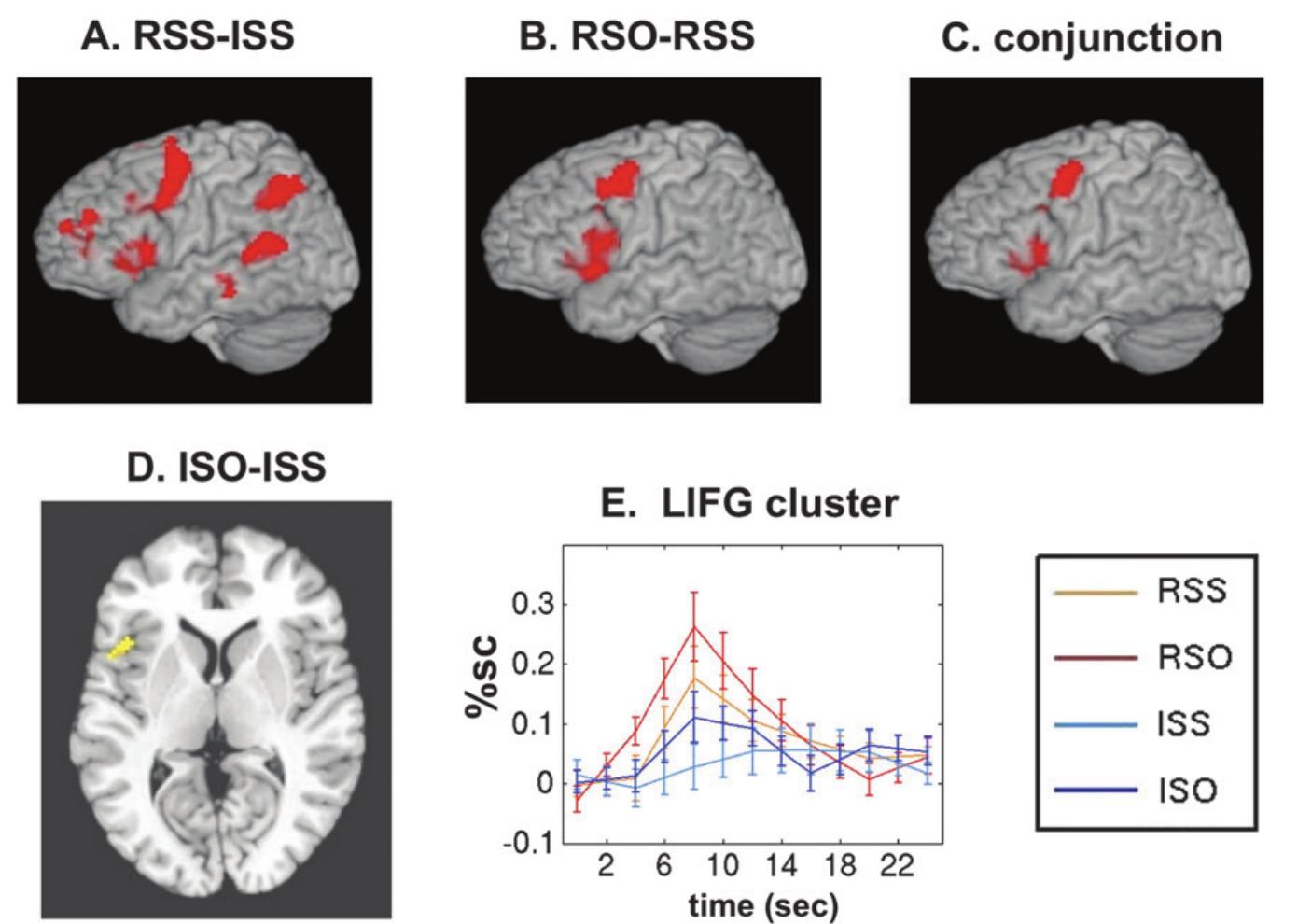
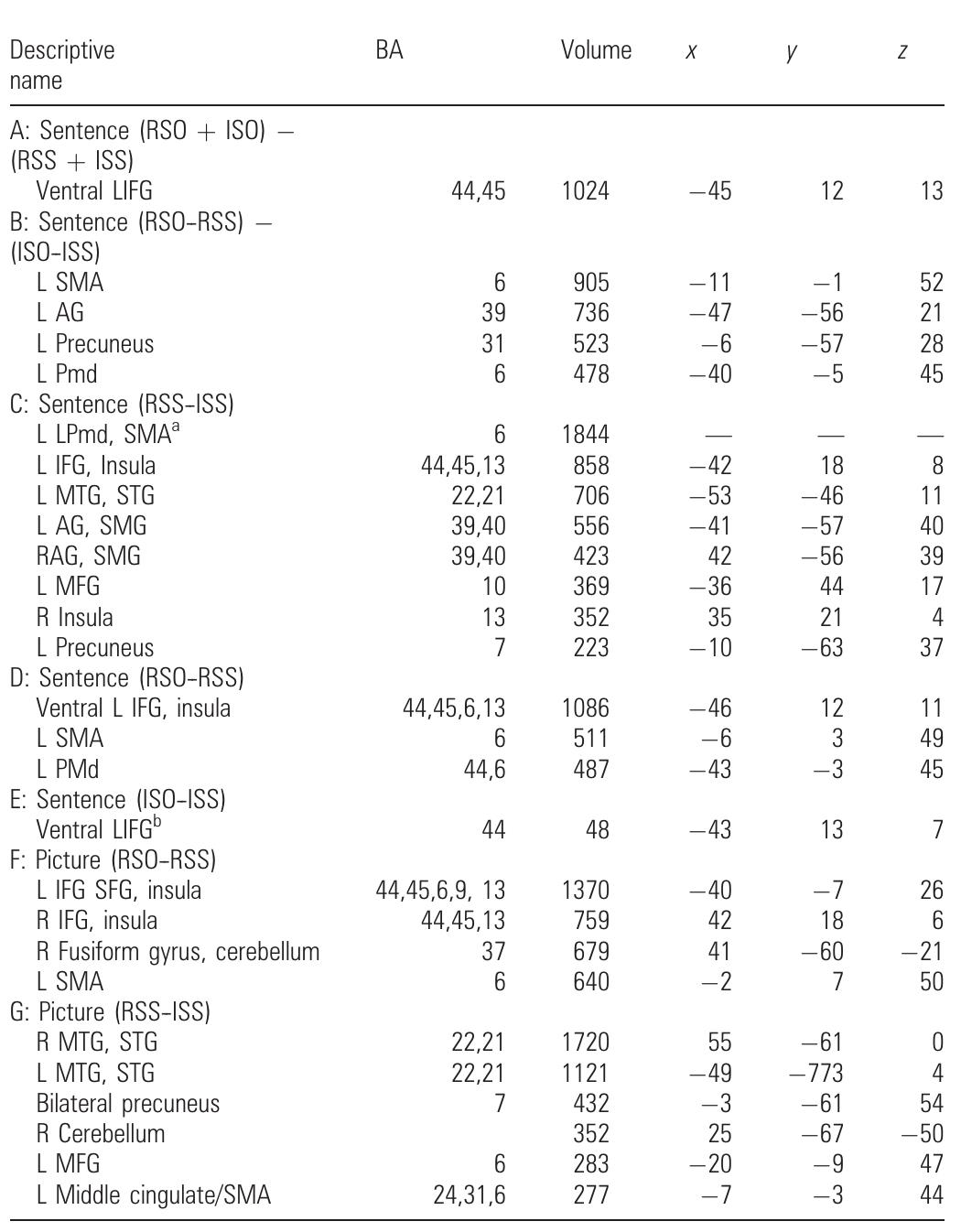
The role of Broca's area in sentence processing is hotly debated. Prominent hypotheses include that Broca's area supports sentence comprehension via syntax-specific processes ("syntactic movement" in particular), hierarchical structure... more
During sentence processing there is a preference to treat the first noun phrase found as the subject and agent, unless marked the other way. This preference would lead to a conflict in thematic role assignment when the syntactic structure... more
Pretrained language models that have been trained to predict the next word over billions of text documents have been shown to also significantly predict brain recordings of people comprehending language. Understanding the reasons behind... more
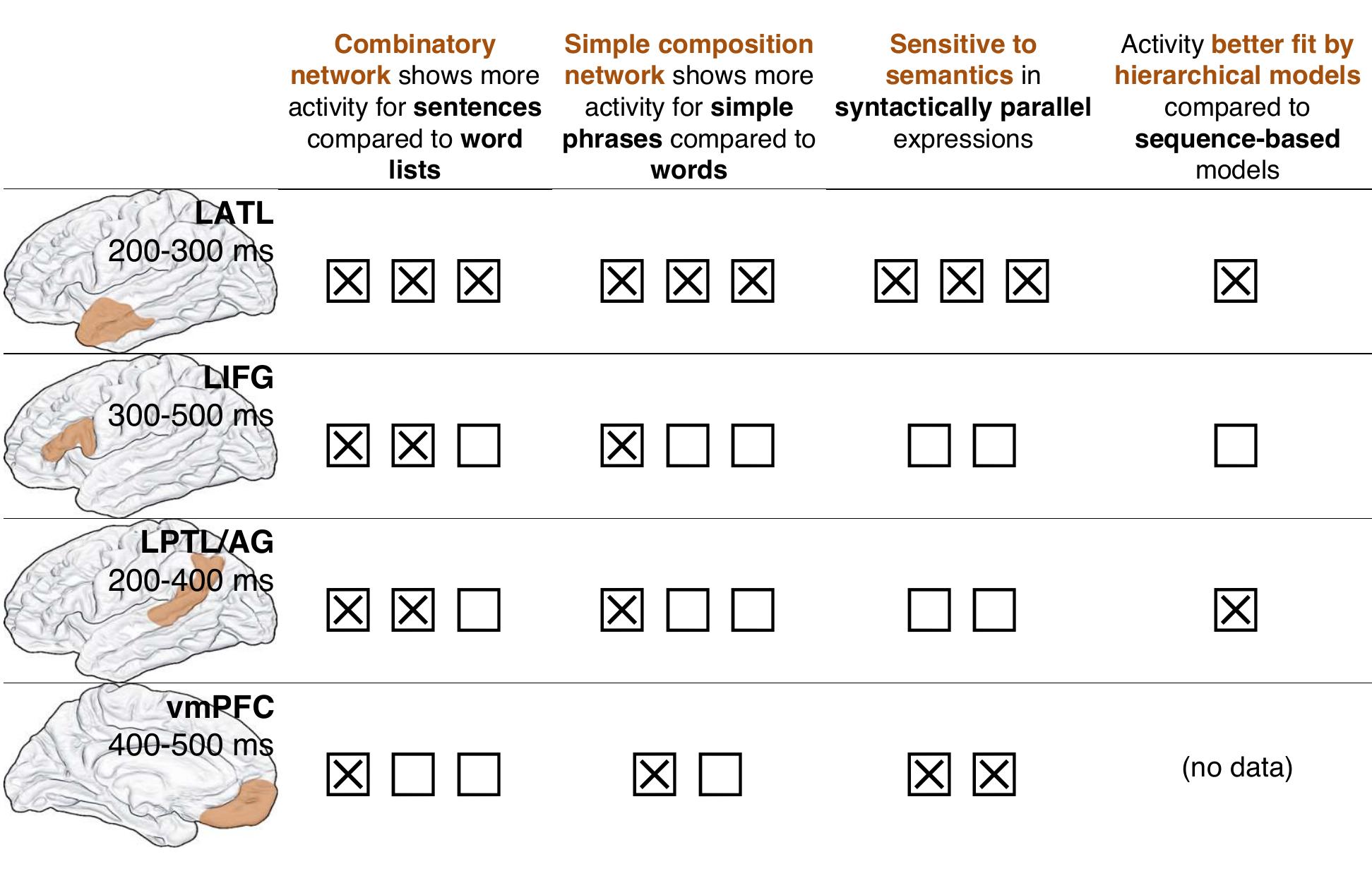
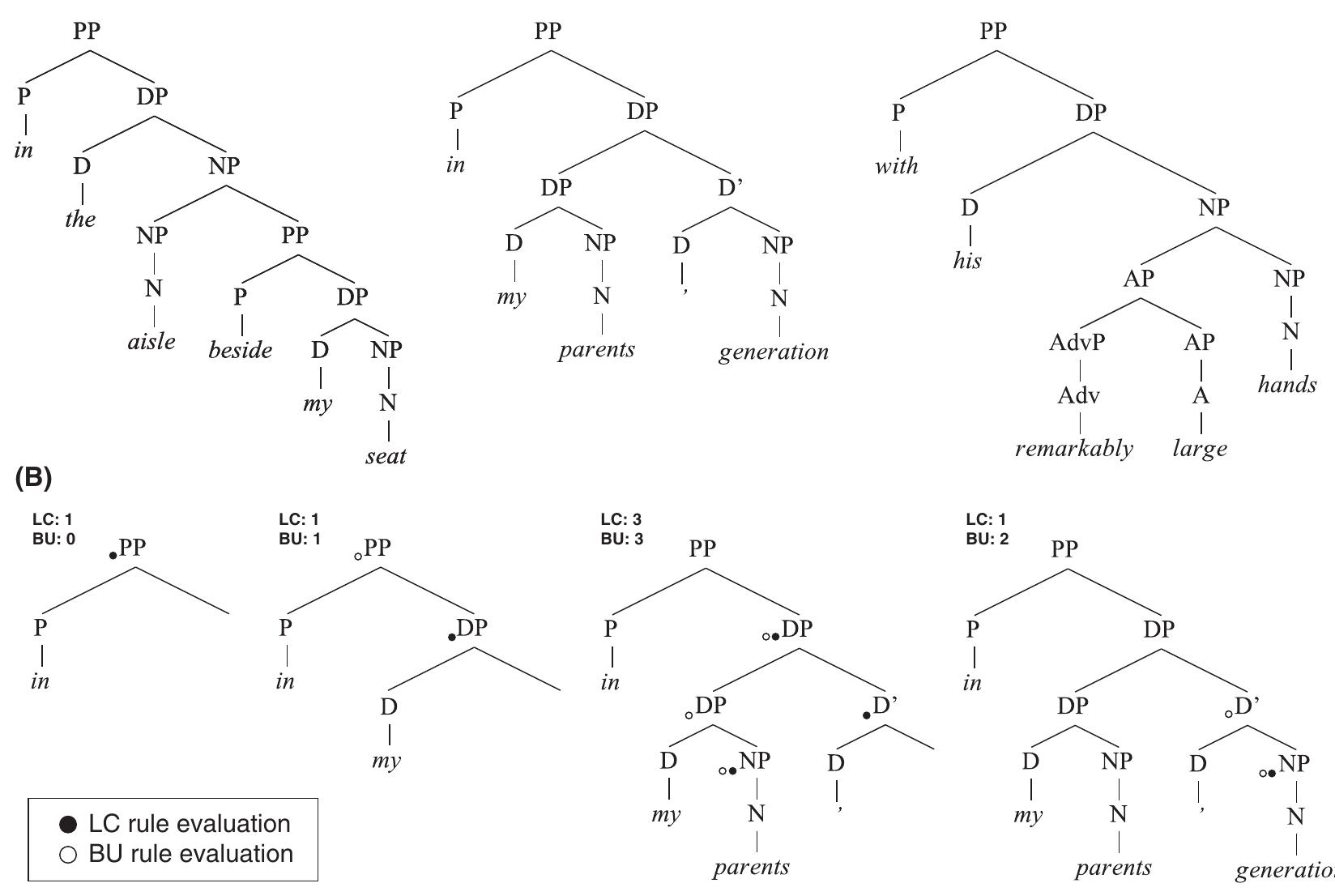
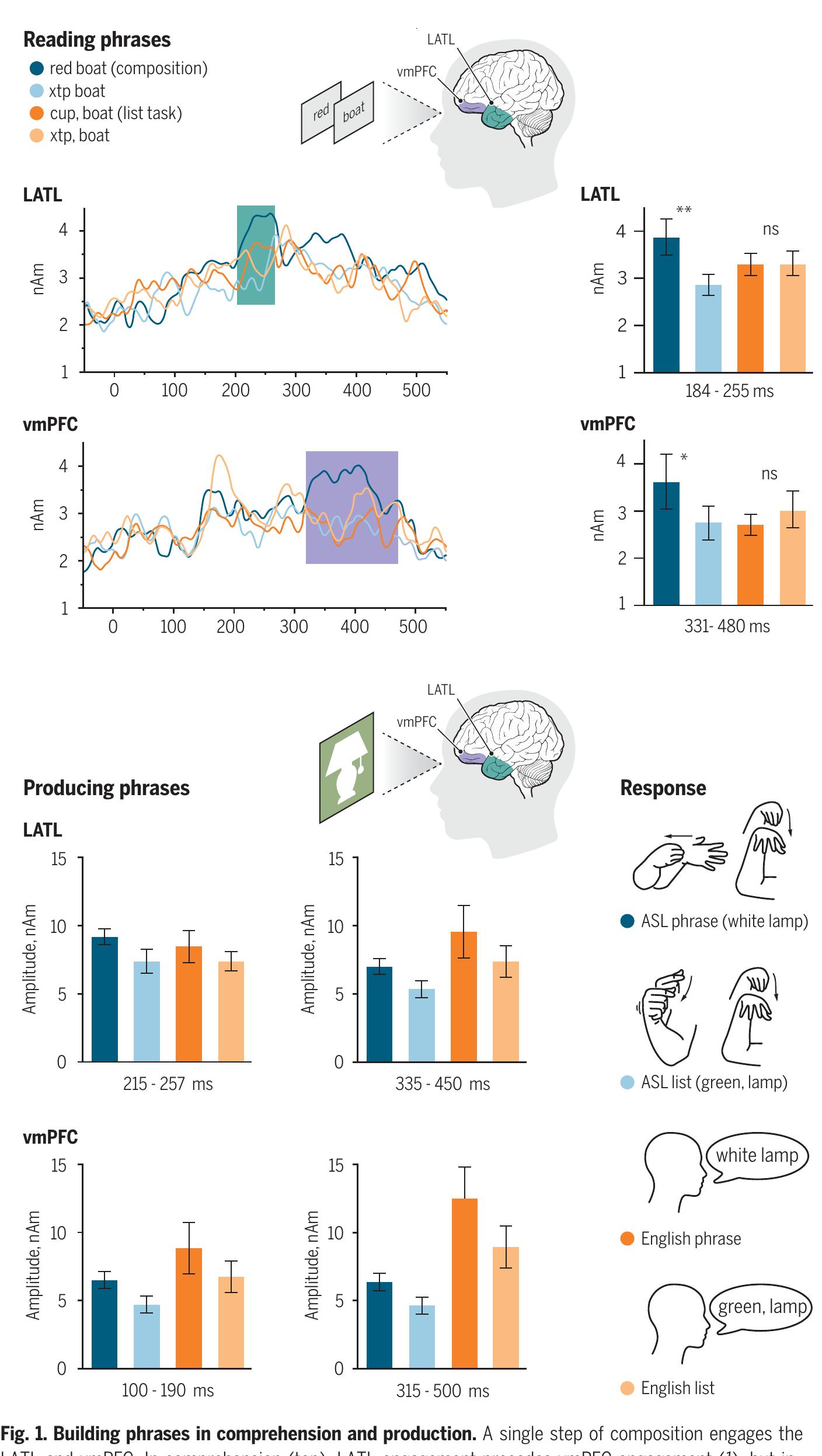
Language is a combinatory system able to create an infinite array of complex meanings frommemory representations in our mental dictionary. How is this integrative process neurally implemented? Studies on the processing of structured vs.... more
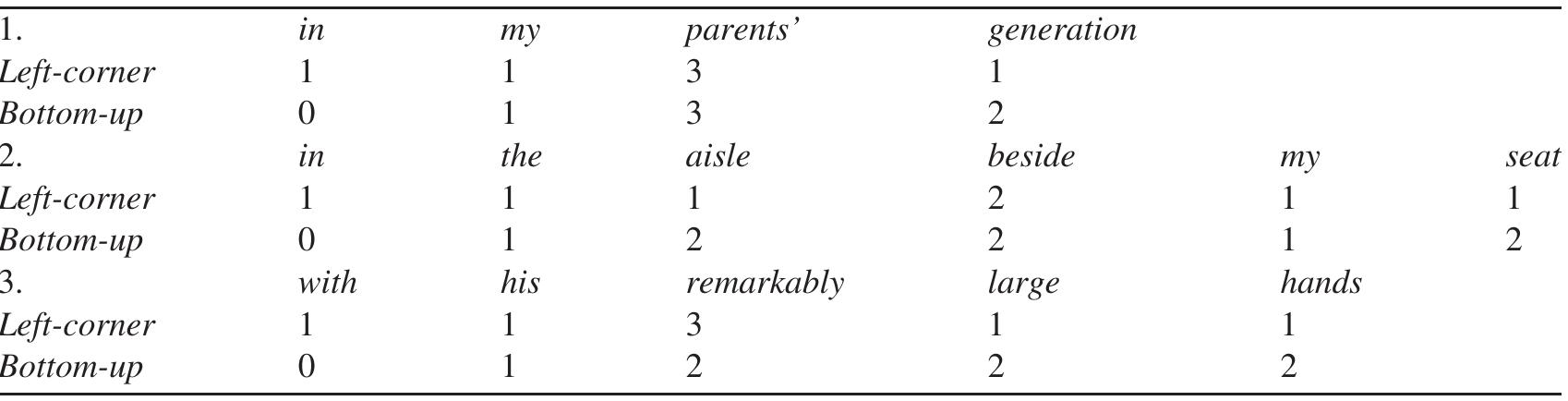
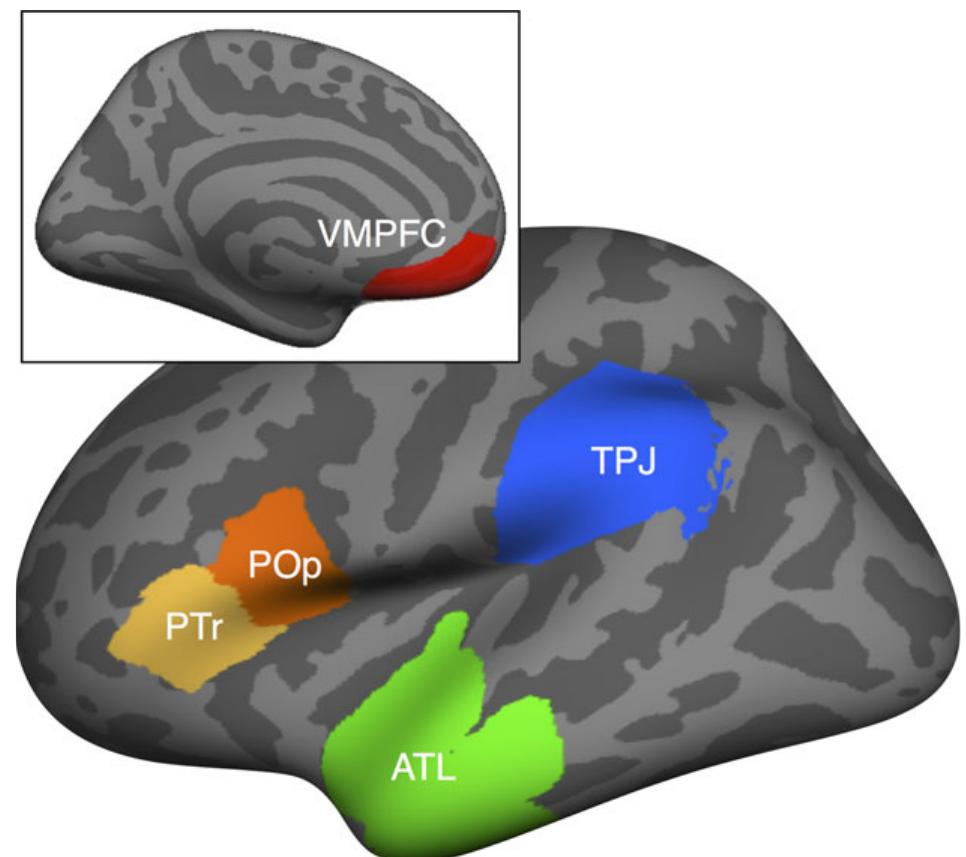
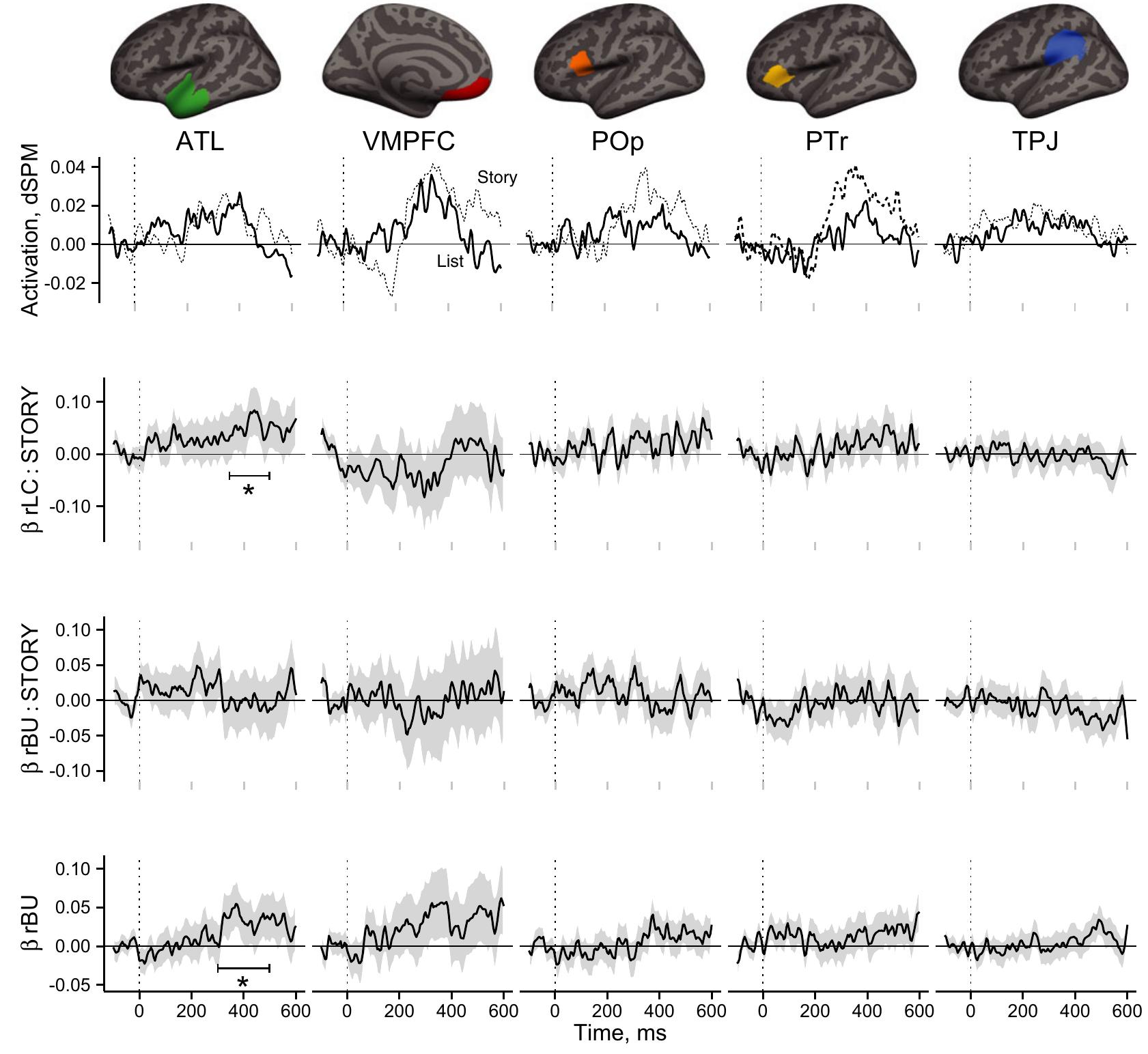
Research investigating the brain basis of language comprehension has associated the left anterior temporal lobe (ATL) with sentence-level combinatorics. Using magnetoencephalography (MEG), we test the parsing strategy implemented in this... more
Human language allows us to create an infinitude of ideas from a finite set of basic building blocks. What is the neurobiology of this combinatory system? Research has begun to dissect the neural basis of natural language syntax and... more
Recent studies showed that multiple sclerosis (MS) patients might experience communicative deficits, specifically in pragmatics (i.e., the ability to integrate the context-dependent aspects of language). A crucial region for pragmatics is... more
Reading or hearing a sentence such as 'The little old man knocked out the giant wrestler' demonstrates the crucial role of syntax in normal language understanding. Identifying who did what to whom enables humans to understand the unlikely... more
Regions within the left inferior frontal gyrus (LIFG) have simultaneously been implicated in syntactic processing and cognitive control. Accounts attempting to unify LIFG's function hypothesize that, during comprehension, cognitive... more
During sentence processing there is a preference to treat the first noun phrase found as the subject and agent, unless marked the other way. This preference would lead to a conflict in thematic role assignment when the syntactic structure... more
ABSTRACT FOR WEB VERSION OF BOOK This monograph is on the evolutionary importance of music for hominin communication and in particular the emergence of a sing-song gestural proto language(or clusters of such languages) in early... more
In the sentence “The captain who the sailor greeted is tall,” the connection between the relative pronoun and the object position of greeted represents a long-distance dependency (LDD), necessary for the interpretation of “the captain” as... more
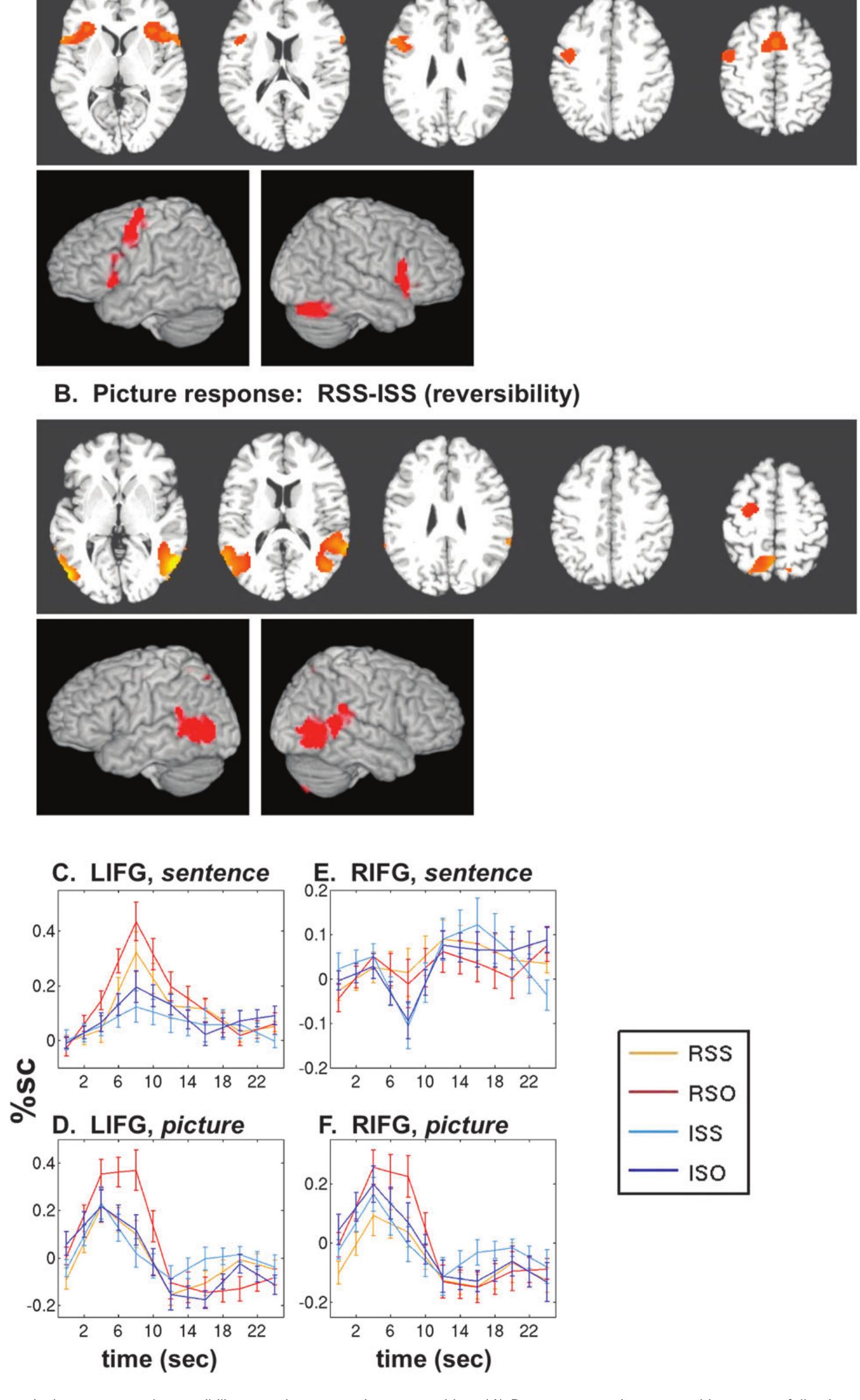
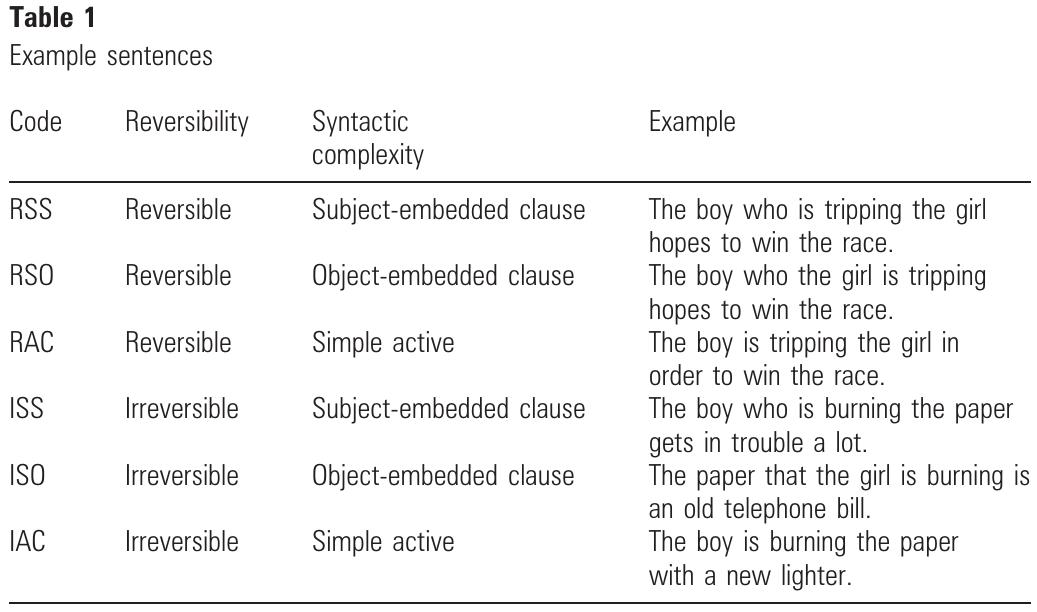
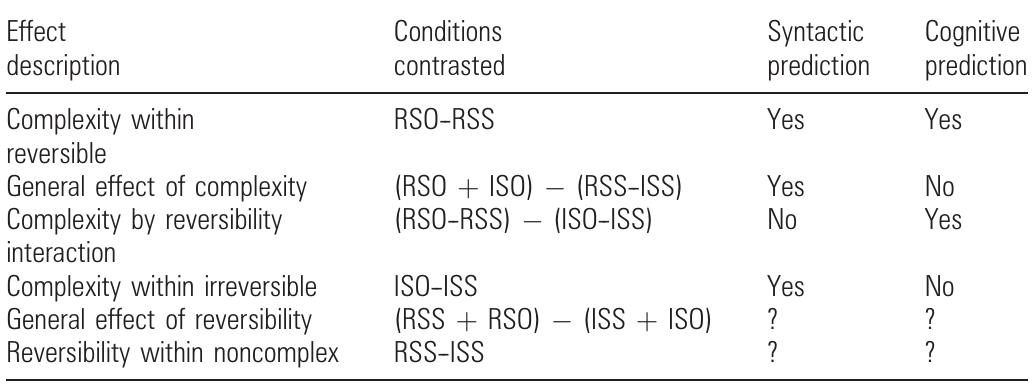
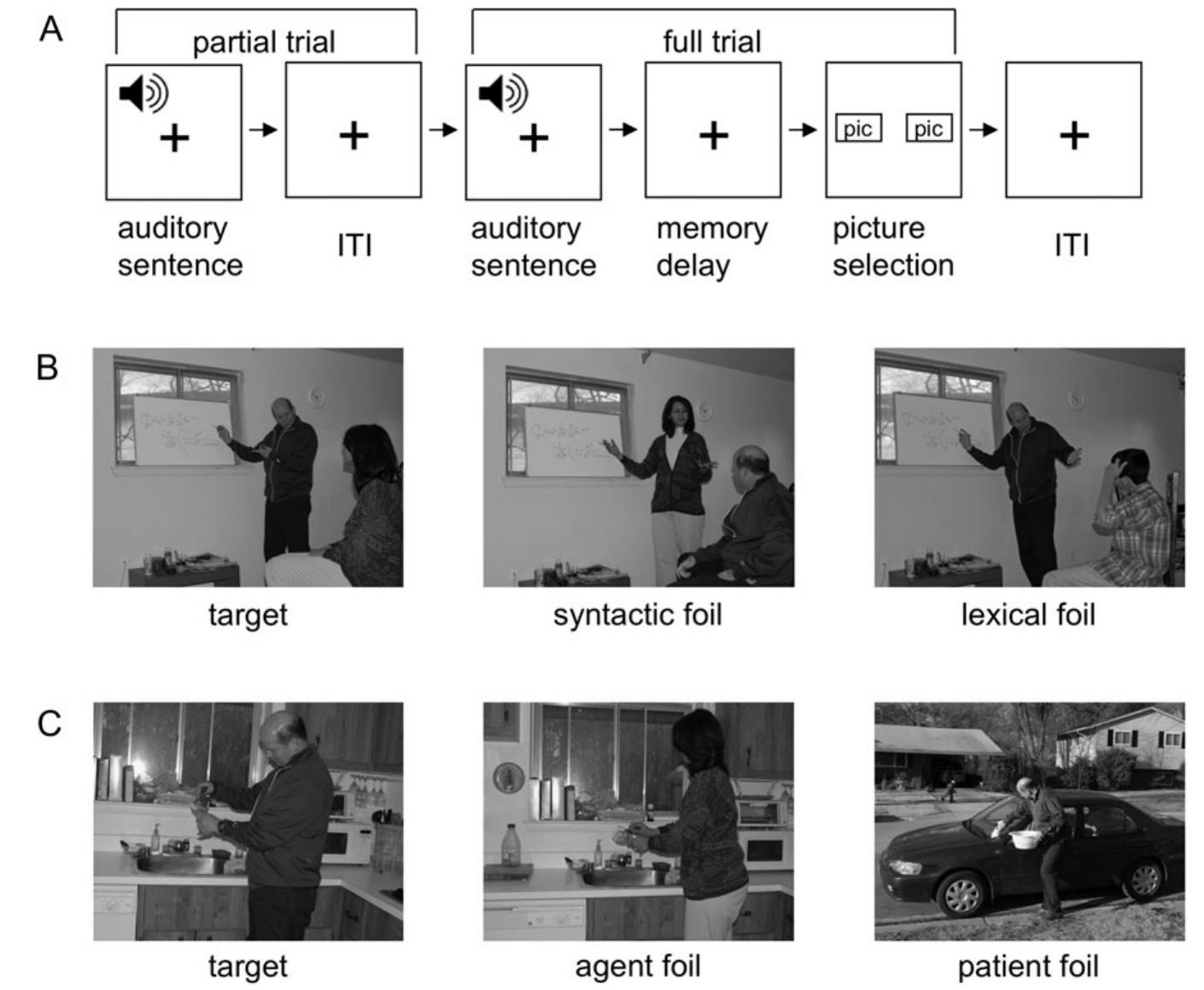
Broca's area is preferentially activated by reversible sentences with complex syntax, but various linguistic factors may be responsible for this finding, including syntactic movement, working-memory demands, and post hoc reanalysis. To... more
Theories of language organization in the brain commonly posit that different regions underlie distinct linguistic mechanisms. However, such theories have been criticized on the grounds that many neuroimaging studies of language processing... more
We are usually not aware of the process of speaking, as we are unconscious of our breathing in oxygen and breathing out carbon dioxide; as if they are automatic and effortless. We become conscious of our breathing only when we gasp for a... more
introductory overview  some material likely outdated; not current on latest discoveries; basics still useful
Purpose: This paper aims to review the recent linguistic research carried out with the help of fMRI. Materials and Methods: We performed a comprehensive search on ProQuest and Scopus search engines using keywords: "functional MRI",... more
Download research papers for free!