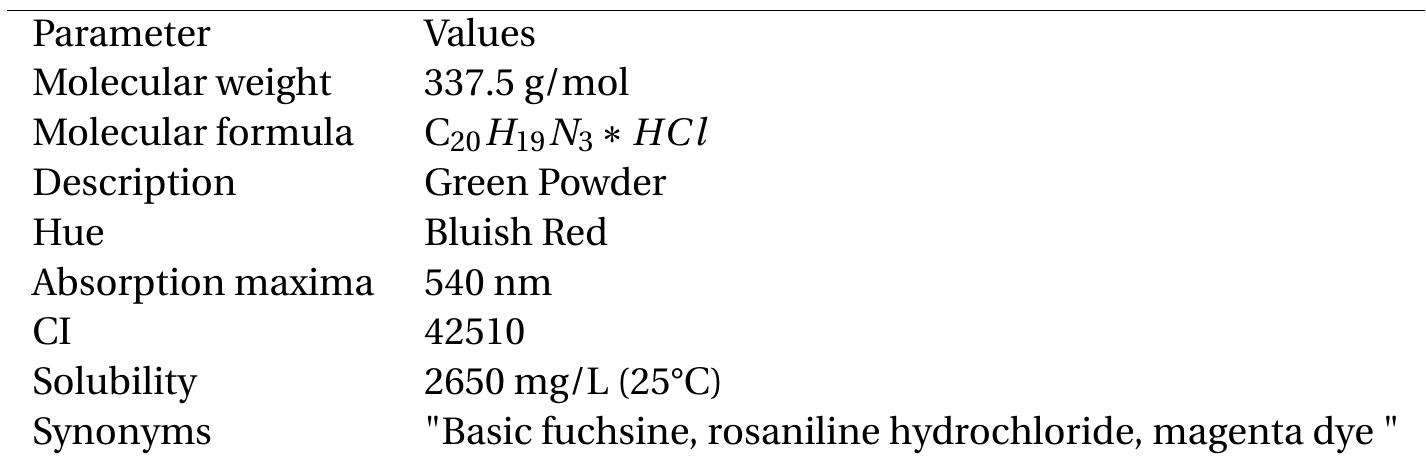
Basic dye adsorption refers to the process by which basic dyes, which are cationic in nature, adhere to solid surfaces, typically through physical or chemical interactions. This phenomenon is significant in wastewater treatment and material science, as it influences the removal of colorants from effluents and the development of adsorbent materials.
lightbulbAbout this topic
Basic dye adsorption refers to the process by which basic dyes, which are cationic in nature, adhere to solid surfaces, typically through physical or chemical interactions. This phenomenon is significant in wastewater treatment and material science, as it influences the removal of colorants from effluents and the development of adsorbent materials.
The adsorption of dyes from aqueous solutions using various adsorbents has proved to be a promising approach in wastewater treatment units. Recently a number of adsorbents have been tested for their utility for waste water treatment. This... more
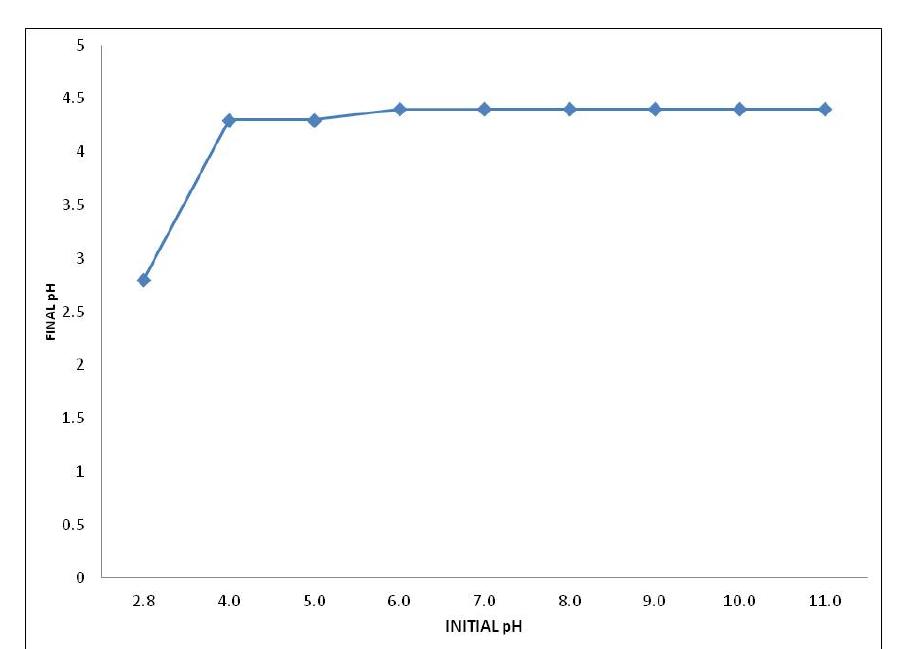
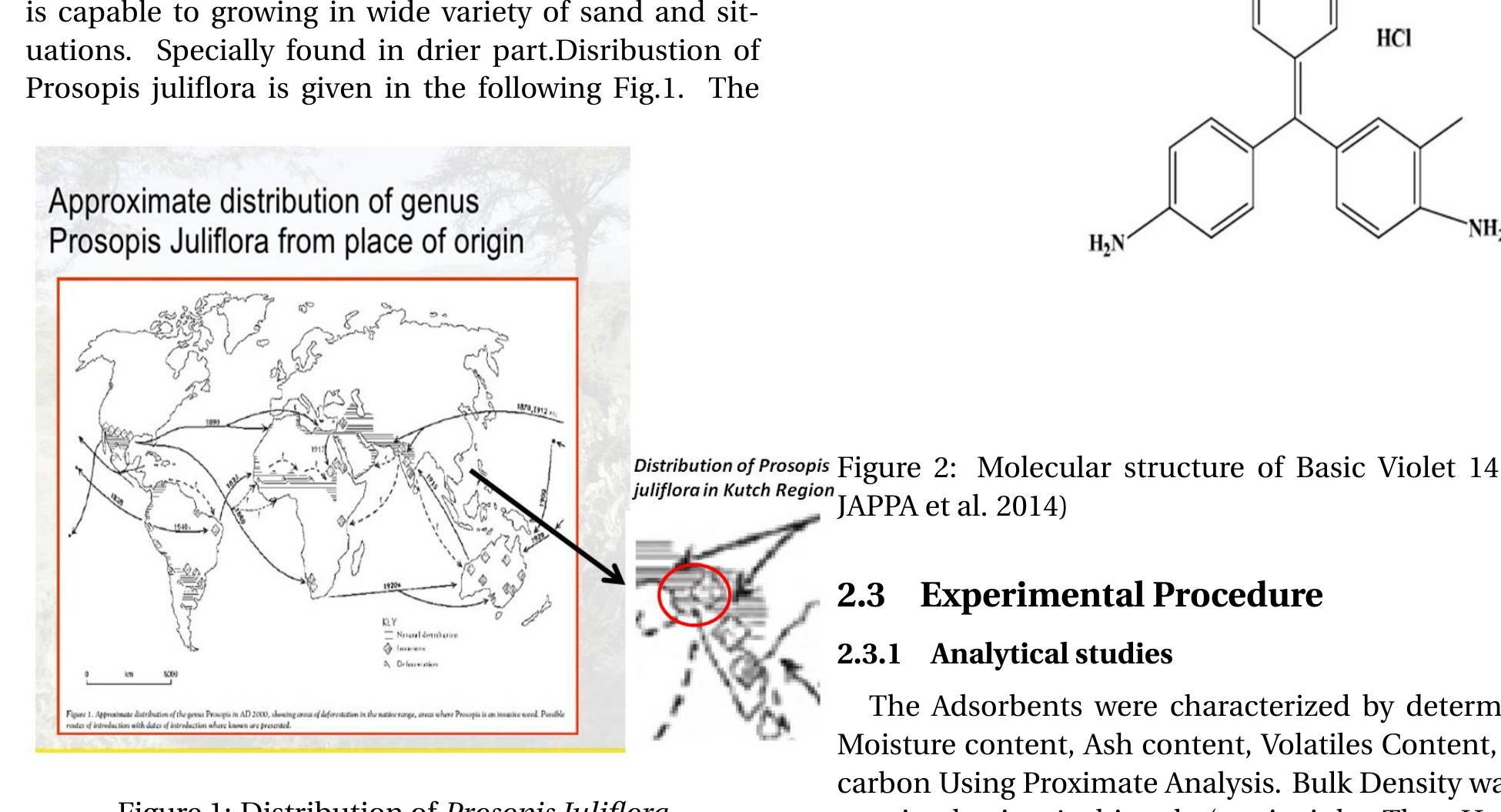
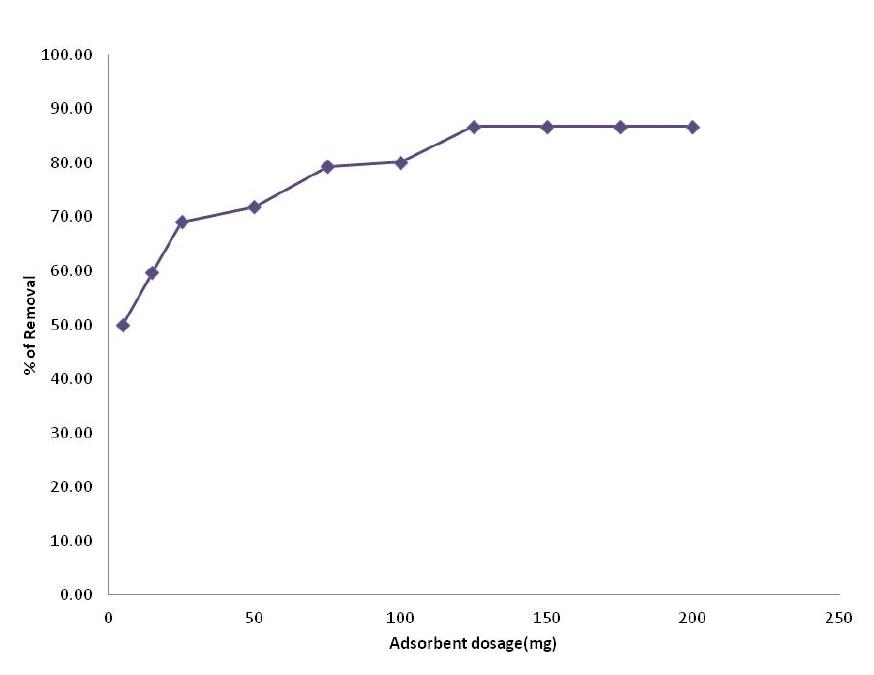
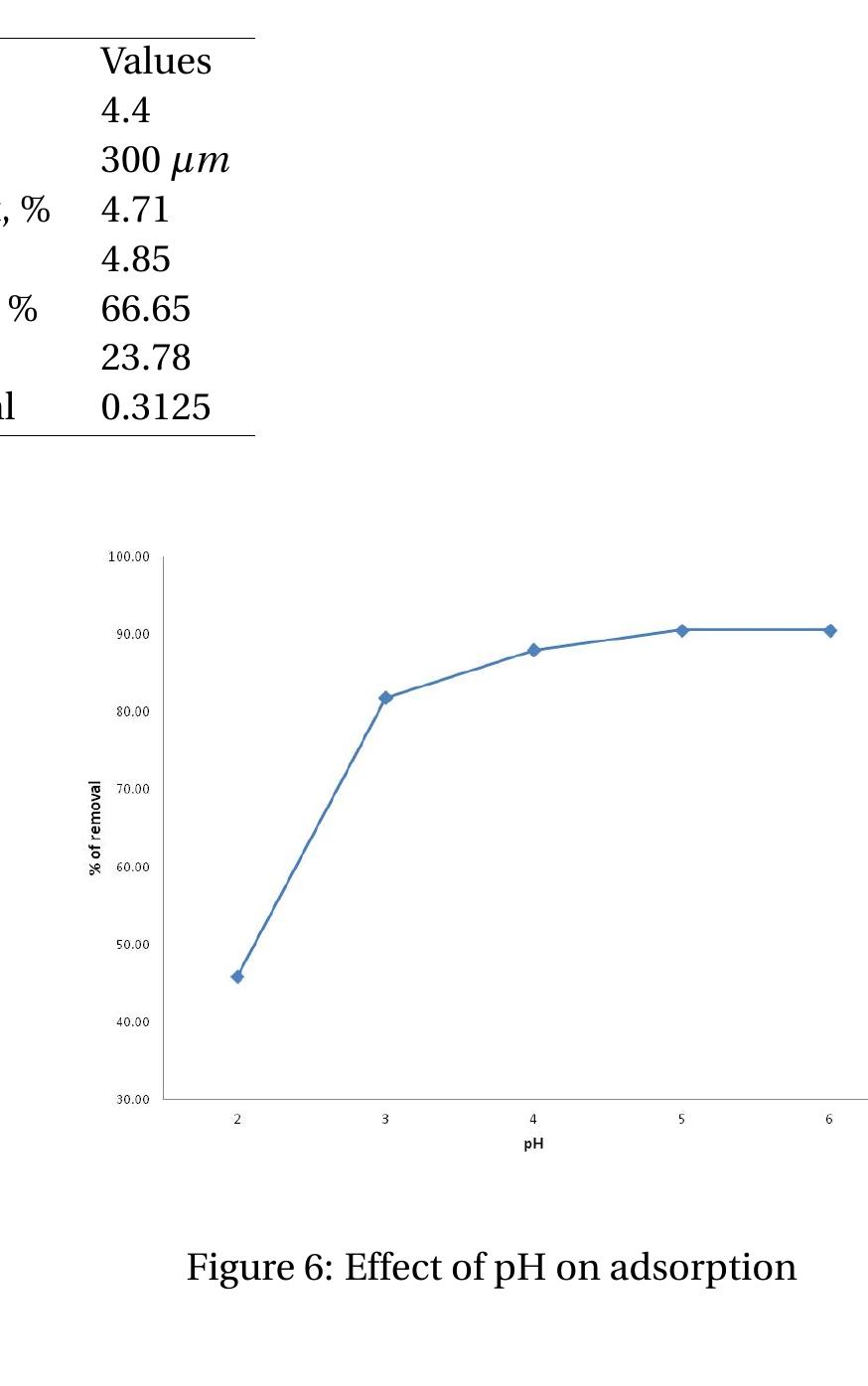
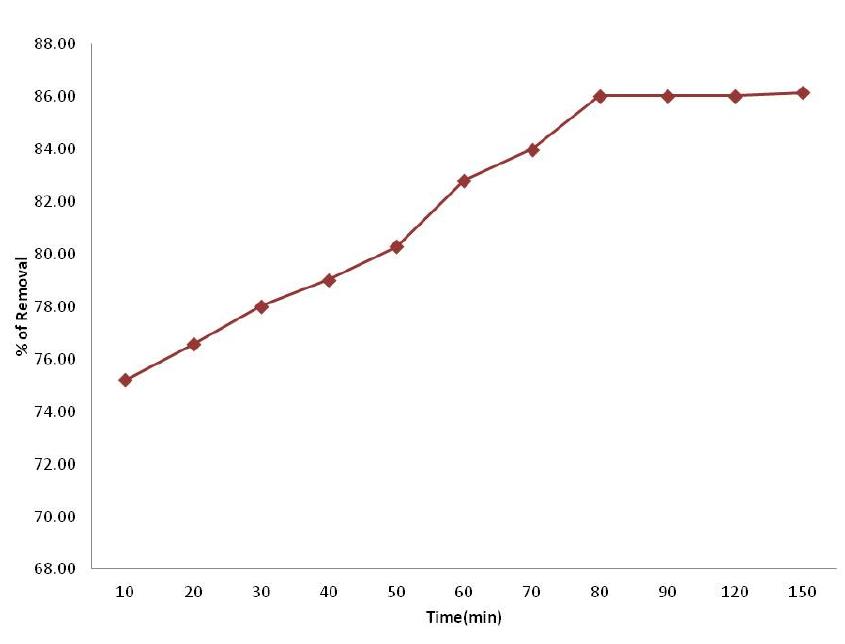
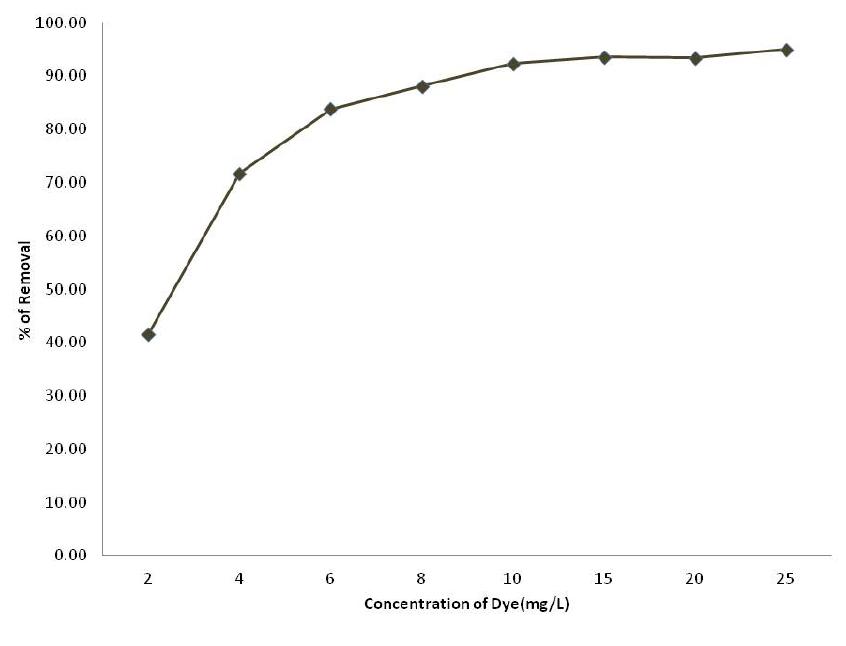
The adsorption of dyes from aqueous solutions using various adsorbents has proved to be a promising approach in wastewater treatment units. Recently a number of adsorbents have been tested for their utility for waste water treatment. This paper investigates the utility of Prosopis Juliflora Bark Powder (PJB), an agricultural waste available in large quantity in India, as low-cost adsorbent to remove basic dye (Basic violet 14, BV14). Batch mode experiments were conducted at 35C to study the effects of adsorbent dosage, initial concentration of BV14, contact time and pH on dye adsorption. Physico-chemical characters of PJB were studied. The Point zero charge of Prosopis Juliflora Bark was estimated by pH drift method and surface functional groups by Fourier transform infrared (FTIR) spec-troscopy before and after adsorption. The experimental results indicate potential of PJB as an adsorbent for removal of Basic Violet or Basic Fuchsine as an adsor-bent for the removal of dyes from aqueous solutions This method is beneficial for the waste water treatment. It was estimated that eco friendly and cost effective materials can be prepared as adsorbents for the removal of dyes.


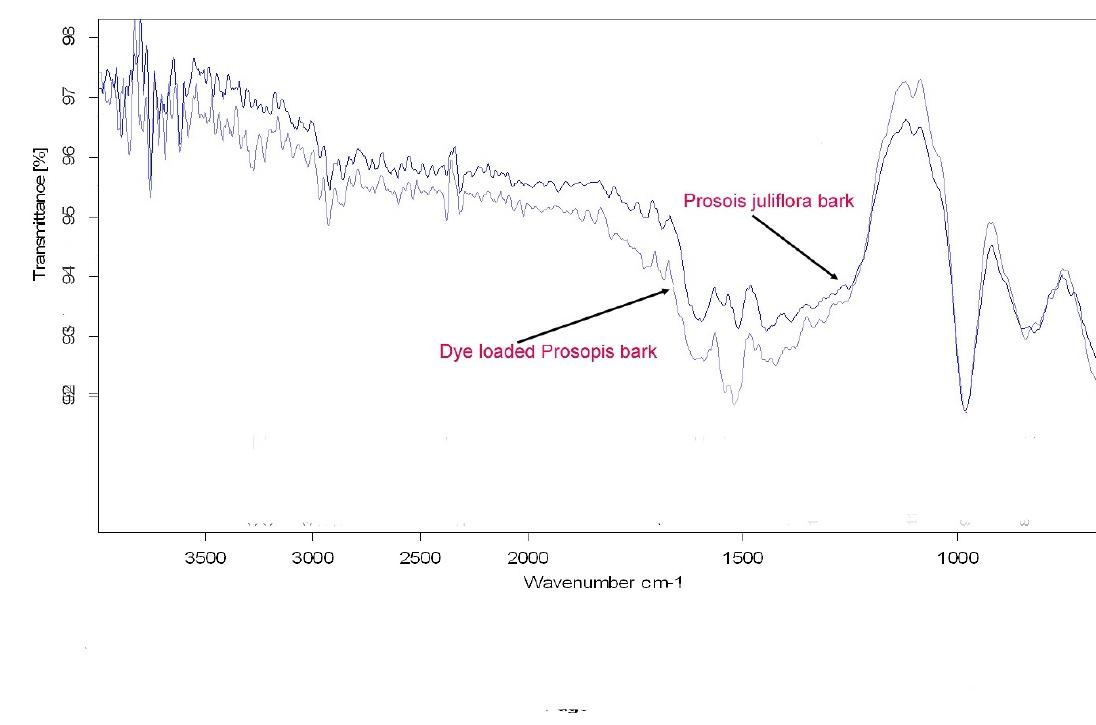
![The Adsorbents were characterized by determining Moisture content, Ash content, Volatiles Content, fixed carbon Using Proximate Analysis. Bulk Density was de- termined using Archimedes‘s principle. The pH at the point of zero charge (p the pH drift method. Hzpc) was measured by using The surface functional groups of the adsorbent studied by Fourier transform infrared (FTIR) spectroscopy in the frequency range from 4000 cm7! to 400 cm7!. spectrophotometrically at 540 nm using a UV-V] Dye concentration was estimated by monitoring the absorbance S spectrophotometer. Calibra- tion curve for BV 14 is given in Fig. 3.](https://figures.academia-assets.com/60822892/figure_002.jpg)