Academia.eduAcademia.edu

Attachment Disorganization

description9 papers
group6 followers
lightbulbAbout this topic
Attachment disorganization refers to a pattern of inconsistent and contradictory behaviors exhibited by children in response to caregivers, often resulting from trauma or neglect. This disorganization in attachment can lead to difficulties in emotional regulation and interpersonal relationships, impacting psychological development and functioning.
lightbulbAbout this topic
Attachment disorganization refers to a pattern of inconsistent and contradictory behaviors exhibited by children in response to caregivers, often resulting from trauma or neglect. This disorganization in attachment can lead to difficulties in emotional regulation and interpersonal relationships, impacting psychological development and functioning.
Significance Attachment disorganization is important to mental health, and is predicted by differences in caregiving. Still, not all children are equally influenced by such environmental factors. We examined whether differences in brain... more
There is limited research on the role of childhood trauma in personality pathology according to Kernberg's psychodynamic model of internalized object relations. Because childhood trauma reflects the disruptions of these relations, it is... more
The predictive relations between assessments in infancy and parent-and teacher-reported behavior problems at age 7 were investigated within a low-income sample. Infancy assessments indexed family adversity, parent-infant interaction at... more
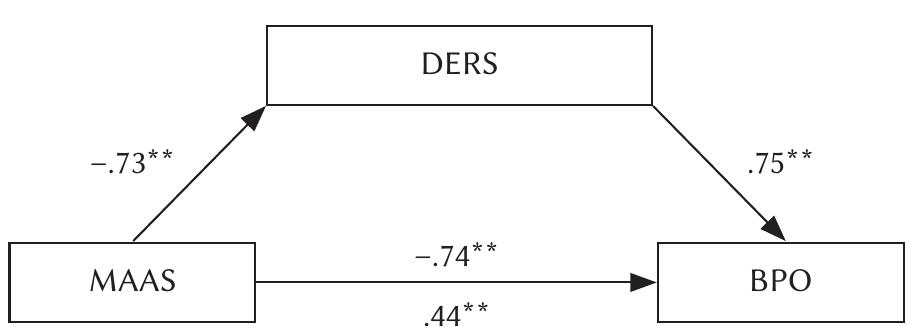
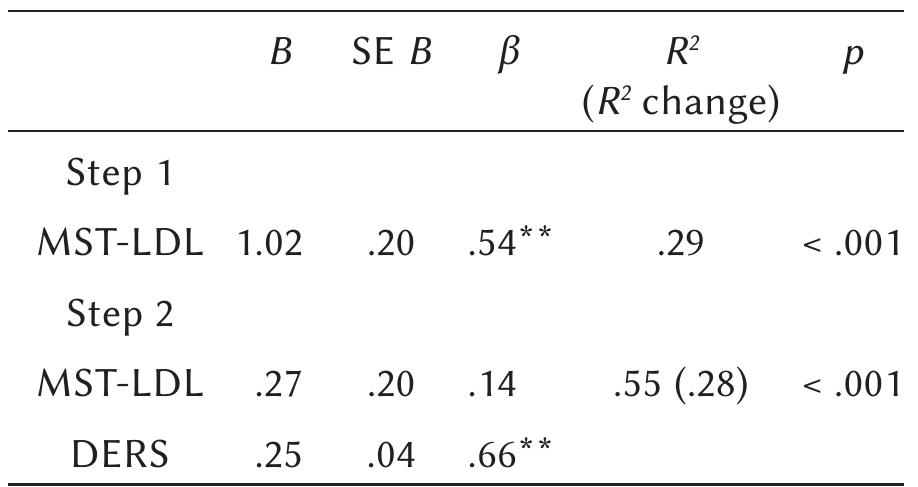
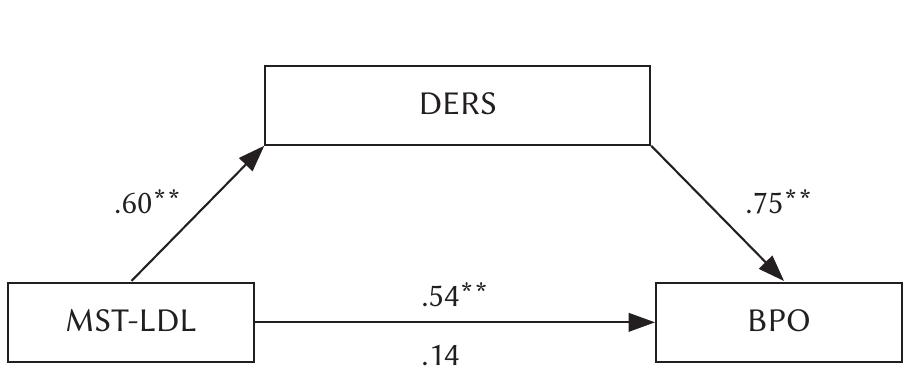
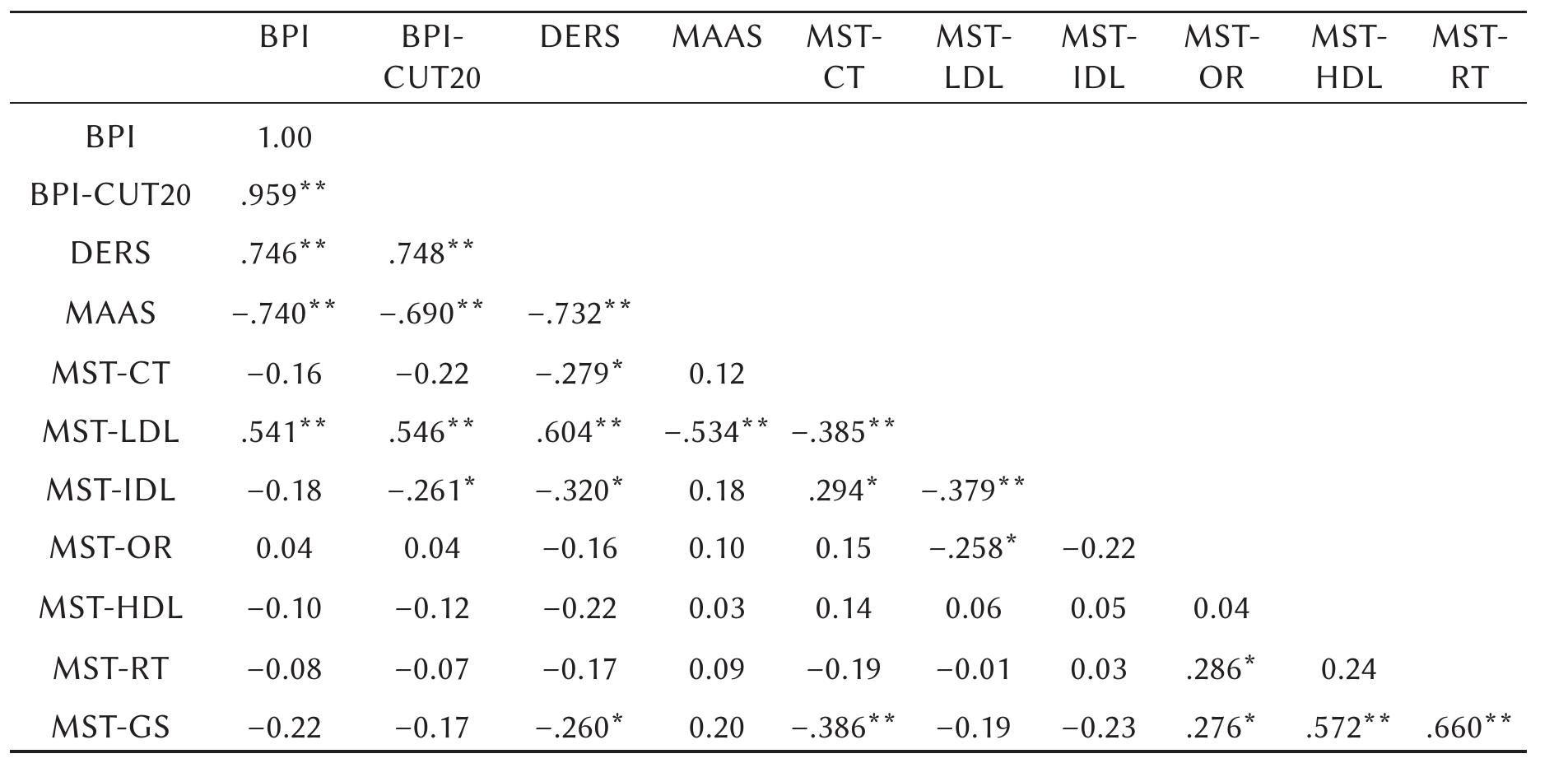
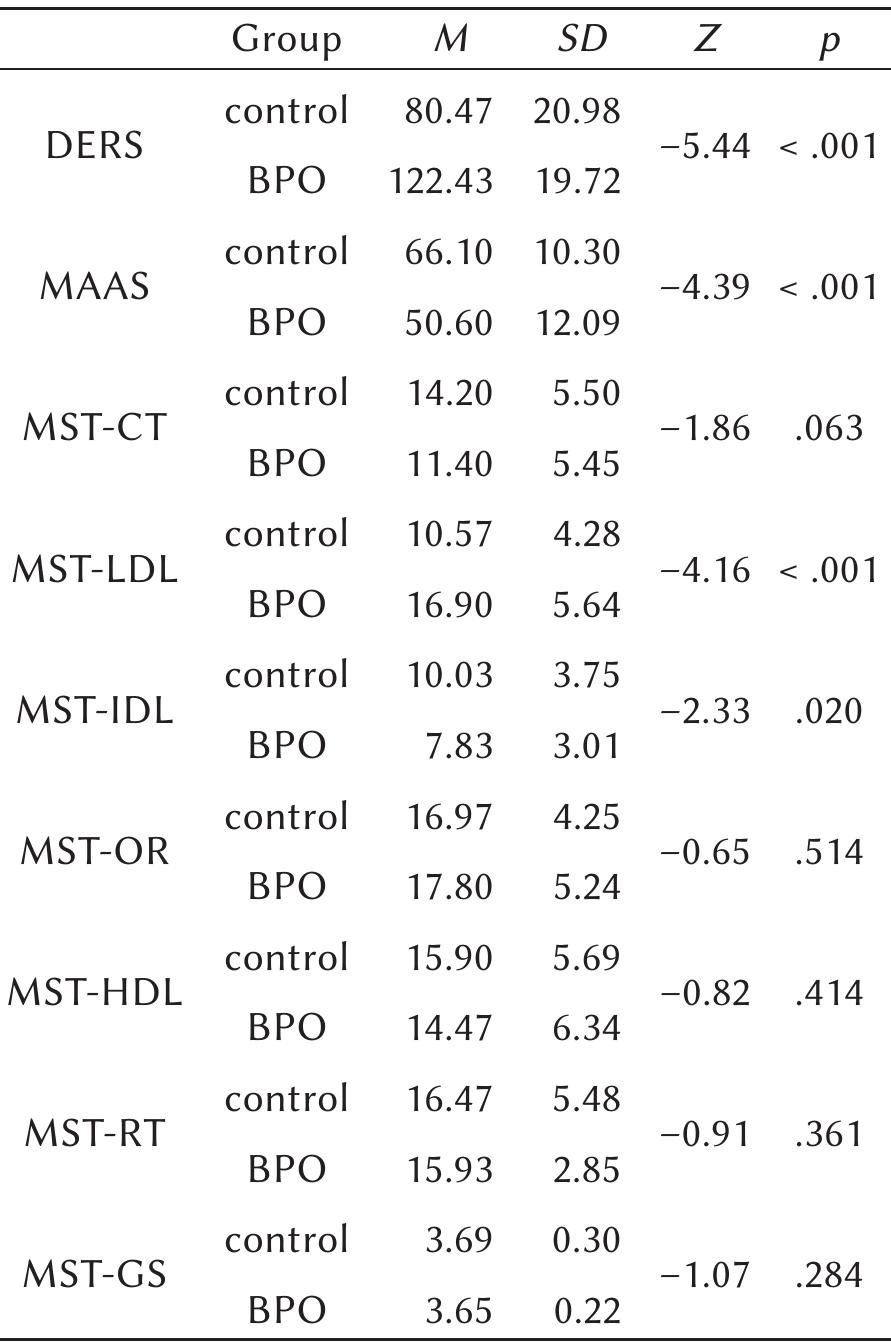
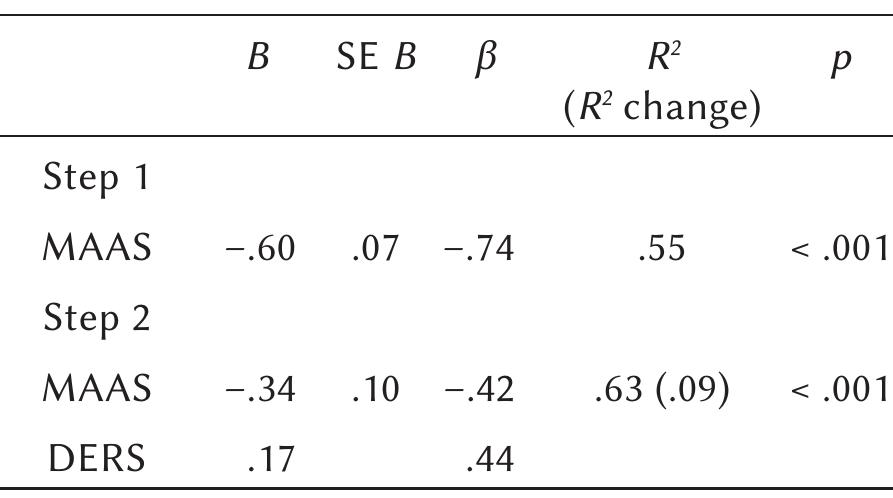
The aim of this study was to broaden the understanding of the emotional difficulties of borderline personality organization (BPO) by reference to a meta-ability named 'orientation on the internal world', here conceptualized as... more
Narrative Story-Stem Tasks (NSST) assess young children's perceptions of close relationship qualities via the spontaneous narratives they create in response to story beginnings using doll-like figures. Most NSST research to date has... more
Why is disorganized attachment associated with punitive-controlling behavior in some, but caregiving-controlling in others? Hygen et al. (2014) proposed that variation in the Catechol-O-methyl transferase(COMT) Val158Met genotype explains... more
Narrative Story-Stem Tasks (NSST) assess young children's perceptions of close relationship qualities via the spontaneous narratives they create in response to story beginnings using doll-like figures. Most NSST research to date has... more
This longitudinal study examined links between disorganization and atypical maternal behavior at 12 and 24 months in 71 adolescent mother-child dyads. Organized attachment and maternal not disrupted behavior were more stable than... more
Researchers returned to the home of Mary Ainsworth's original attachment study to explore the contributions of Ugandan children's representations of attachment interactions with their caregivers to their perceptions about gender.... more
Fifty-six middle-income children ages 5 to 10 were videotaped completing five stories thematically related to attachment experiences and classified according to representation of attachment disorganization (D, non-D). Mothers completed a... more
Introduction Reflective function is developed in the context of secure attachment and corresponds to the ability to understand one’s mental states and those of others. Thus, identity develops, which relates to the experience of self as... more
Fifty-six middle-income children ages 5 to 10 were videotaped completing five stories thematically related to attachment experiences and classified according to representation of attachment disorganization (D, non-D). Mothers completed a... more
Research has suggested adverse childhood experiences (ACEs) as a transdiagnostic risk factor for a variety of affective disorders. They are also linked with a parent's tendency toward affect dysregulation and hyperarousal, which may... more
Objective: Several developmental models of borderline personality disorder (BPD) emphasize the role of disrupted interpersonal relationships or insecure attachment. As yet, attachment quality and the mechanisms by which insecure... more
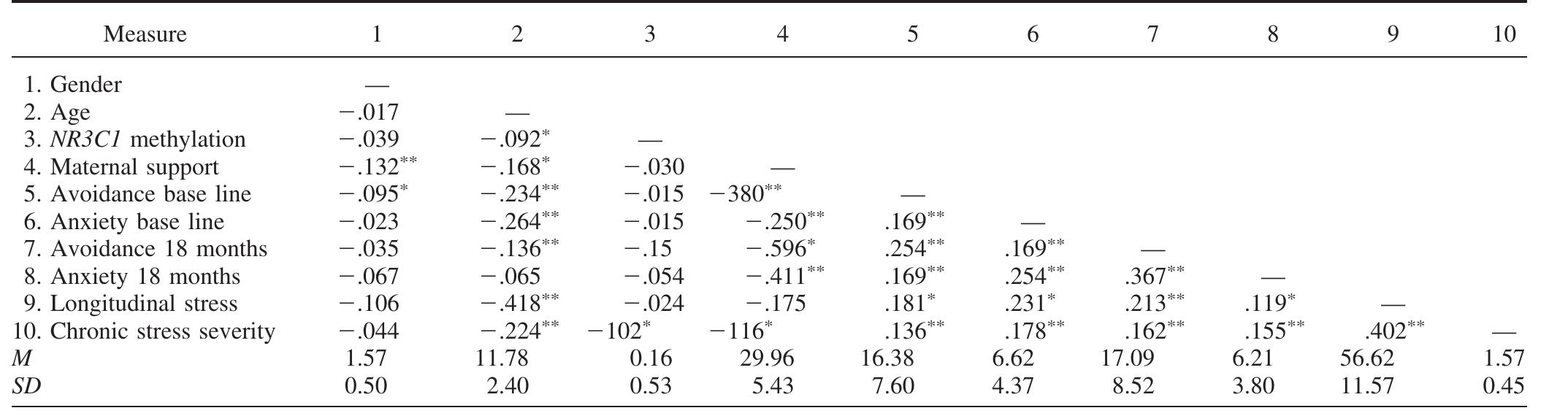
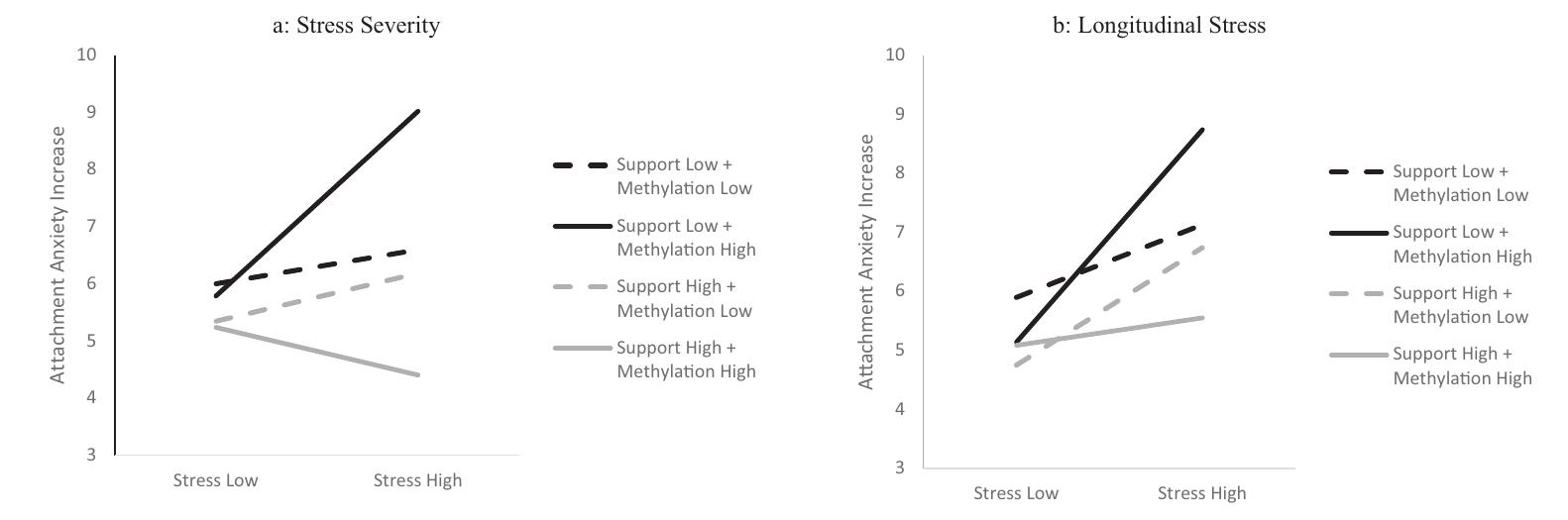
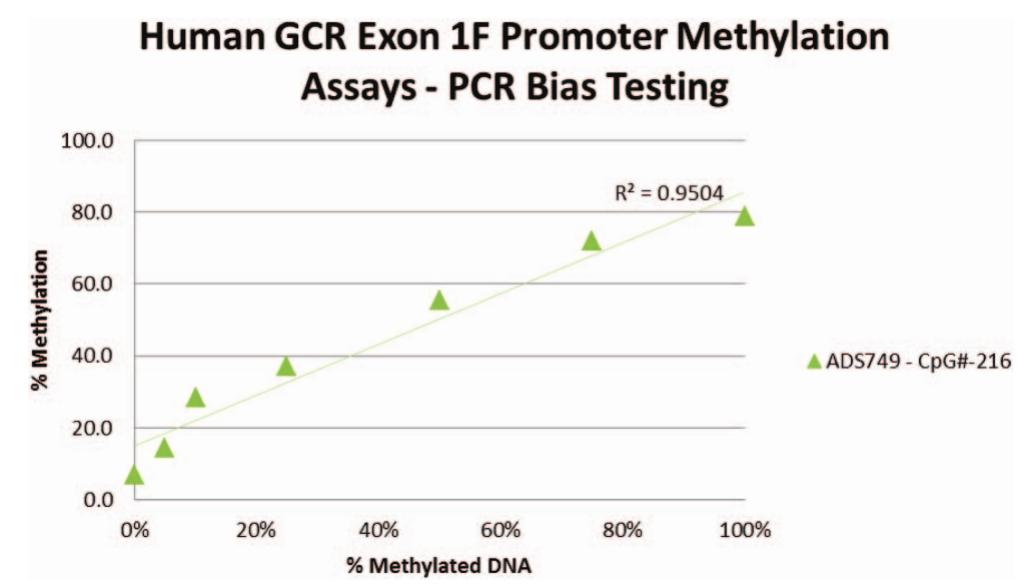
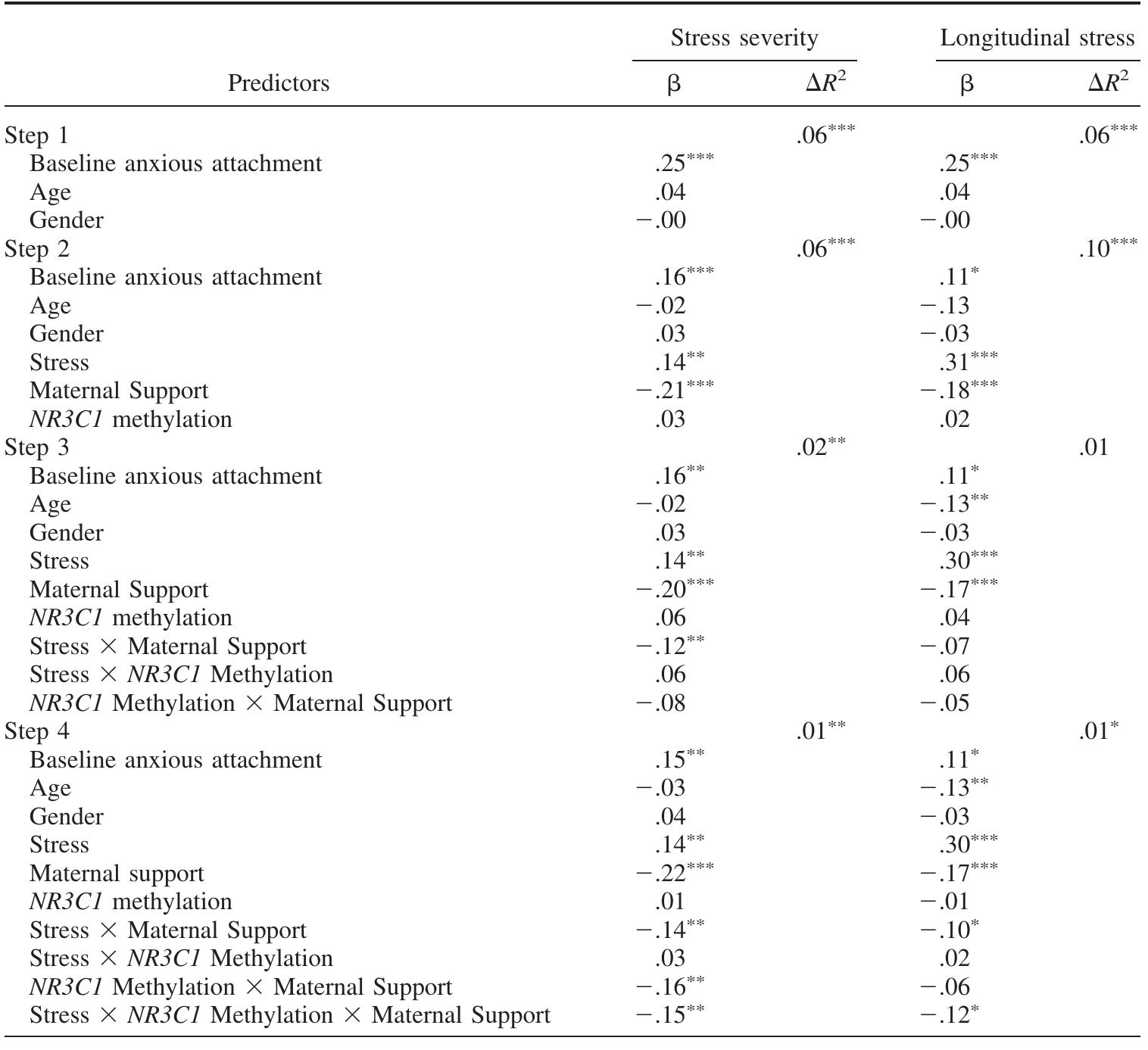
We examined the prediction that the interaction between Glucocorticoid Receptor Gene (NR3C1) methylation, stress, and experienced maternal support predicts anxious and avoidant attachment development. This was tested in a general... more
The activation relationship refers to the emotional bond a child develops with a parent that helps ensure the regulation of risk-taking during child exploration of the surrounding environment. As a complement to Bowlby’s attachment... more
This study examined the psychopathology and socioemotional functioning of school-aged children treated during infancy and a comparison group of children without symptoms or treatment history. Our goal was to identify the factors... more
Background: Developmental Language disorders (DLD) are developmental disorders that can affect both expressive and receptive language. When severe and persistent, they are often associated with psychiatric comorbidities and poor social... more
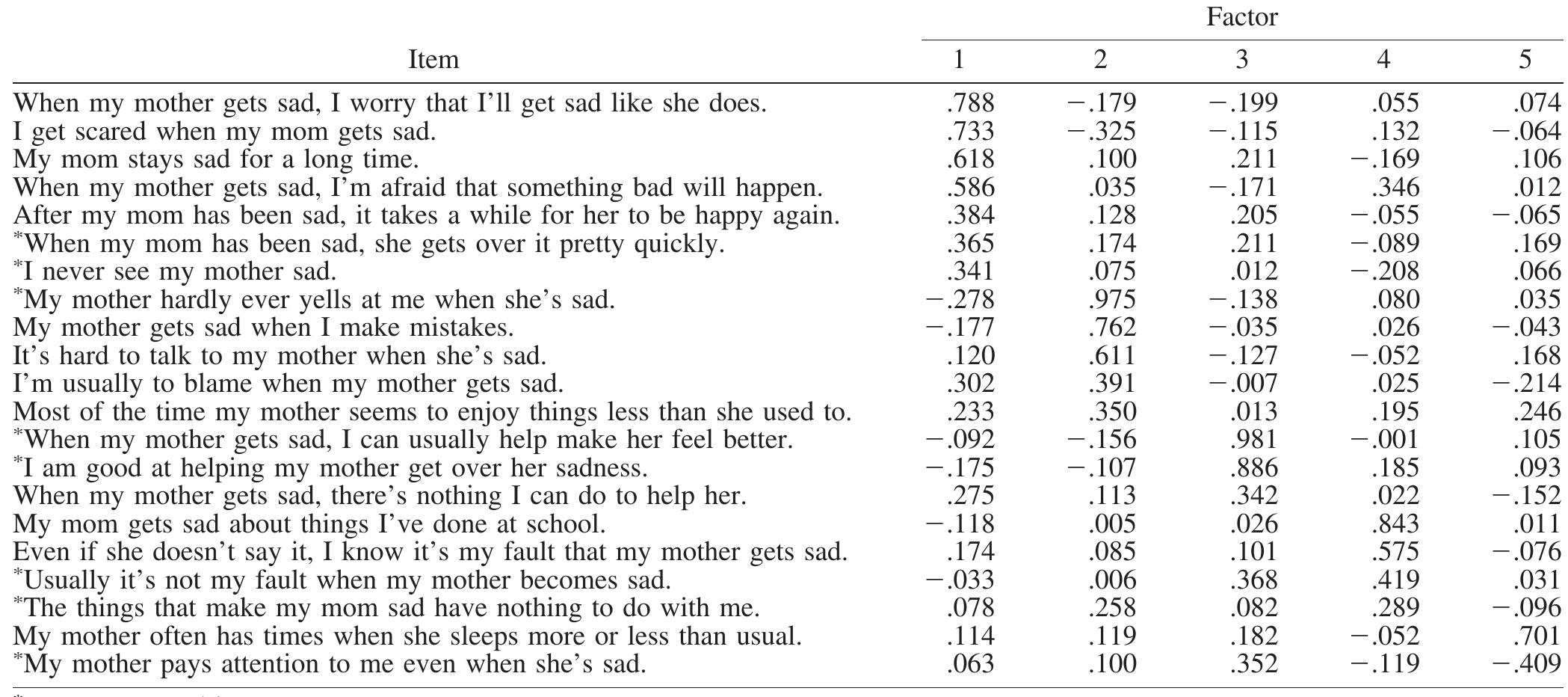
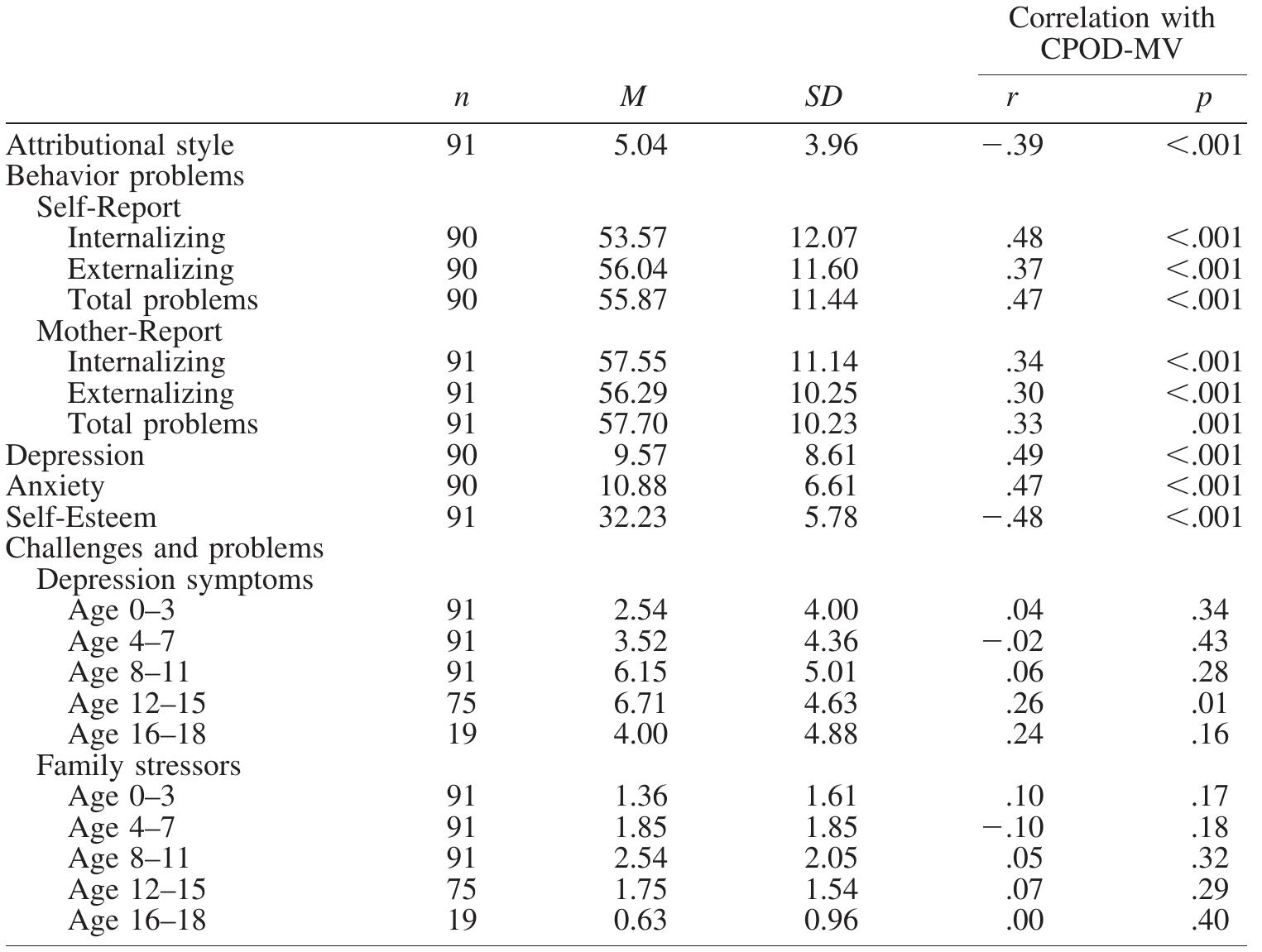
Several theoretical perspectives suggest that knowledge of children's perceptions of and beliefs about their parents' depression may be critical for understanding its impact on children. This paper describes the development and... more
US government-funded early home visiting services are expanding significantly. The most widely implemented home visiting models target at-risk new mothers and their infants. Such home visiting programs typically aim to support... more
We examined how maternal depression, anxiety, hostility, mentalization, negative intentionality (NI), and unsupportive emotion socialization (UES) predict child internalizing and externalizing problem behaviors (CIEPB). Mothers (N = 537)... more
Objectives Externalizing behavior problems are considered to be a serious impediment to a child's development, and therefore it is important to identify their predictors. In this study, we investigated the connections between school-aged... more
Objective: Several developmental models of borderline personality disorder (BPD) emphasize the role of disrupted interpersonal relationships or insecure attachment. As yet, attachment quality and the mechanisms by which insecure... more
Two psychodynamic treatments for children with externalizing behaviors are compared: Regulation-Focused Psychotherapy for Children with Externalizing Behaviors (RFP-C) and Mentalization Based Psychotherapy for Children (MBT-C). Although... more
The aim of this study was to assess the reliability and validity of the Child Behavior Checklist (CBCL) as completed by doctoral-level clinicians in the treatment of adolescents. We asked 294 randomly selected, experienced psychiatrists... more
Fifty-six middle-income children ages 5 to 10 were videotaped completing five stories thematically related to attachment experiences and classified according to representation of attachment disorganization (D, non-D). Mothers completed a... more
Download research papers for free!