The full-text may be used and/or reproduced, and given to third parties in any format or medium, without prior permission or charge, for personal research or study, educational, or not-for-prot purposes provided that: • a full... more
Here we report a systematic study on electrical conductivity and surface tension of various concentrated solutions of imidazolium based room temperature ionic liquids (RTILs), viz. 1-butyl-3-methylimidazolium hexafluorophosphate... more
A series of weakly coordinating cations/anions (TAPR/TFAB) ion pairs are, herein, being proposed as non-aqueous electrolytes for high capacity ORFBs. These were accessed via a Palladiumcatalyzed approach followed by the simple... more
The use of ionic liquids in capillary electrophoresis, either as coating material or as components of the background electrolyte needs systematic standardization to set up optimal conditions. Excellent separation of the proteins was... more
The application of ionic liquids (ILs) as nonderivatizing solvents for the pretreatment and regeneration of cellulose is a growing area of research. Here we report the development of a rapid and simple method for the determination of... more
An attempt has been made to develop a fast, efficient and eco-friendly process for extraction of drug; Rifampicin (RF) from its aqueous solutions using room temperature ionic liquids (RTILs). RTILs viz. 1-butyl-3-methylimidazolium... more
Chiral recognition in liquid chromatography (LC) generally requires relatively strong interactions between the analyte and the chiral stationary phase, often in combination with steric interactions. Hence most LC enantiomeric separations... more
Within the last decade, ionic liquids have come to the fore as environmentallyresponsible designer solvents. But what are ionic liquids and what can they offer the analytical scientist? This article addresses these questions and... more
Ionic liquids (ILs) have elicited considerable attention in the field of gas absorption and separation due to their unique properties. In addition to absorption capacity and absorption rate, absorption enthalpy is an important indicator... more
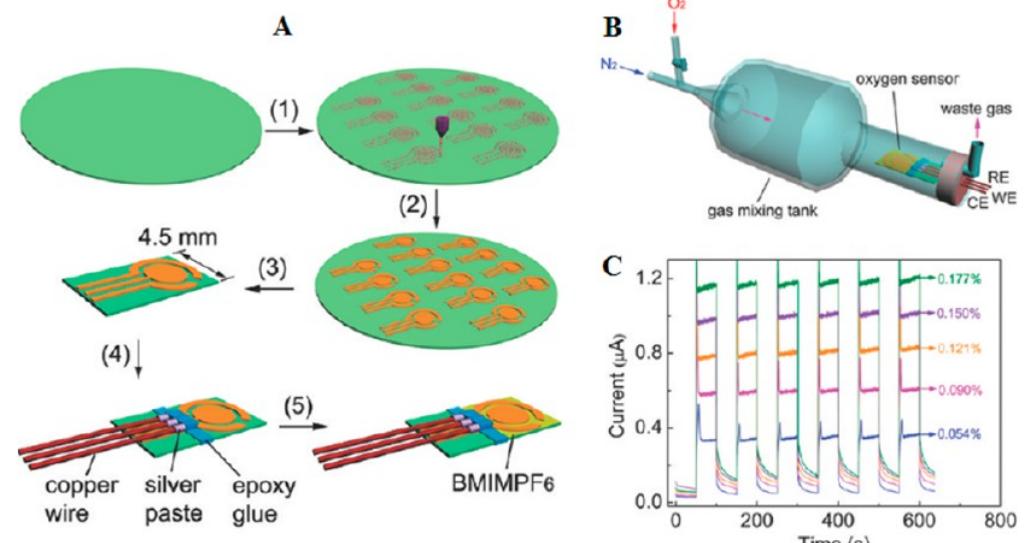
Amperometric NO2 sensors with a new type of printed solid polymer electrolyte and printed carbon working electrodes were developed. The electrolytes consisted of the ionic liquids 1-ethyl-3-methylimidazolium bis (trifluoromethylsulfonyl)... more
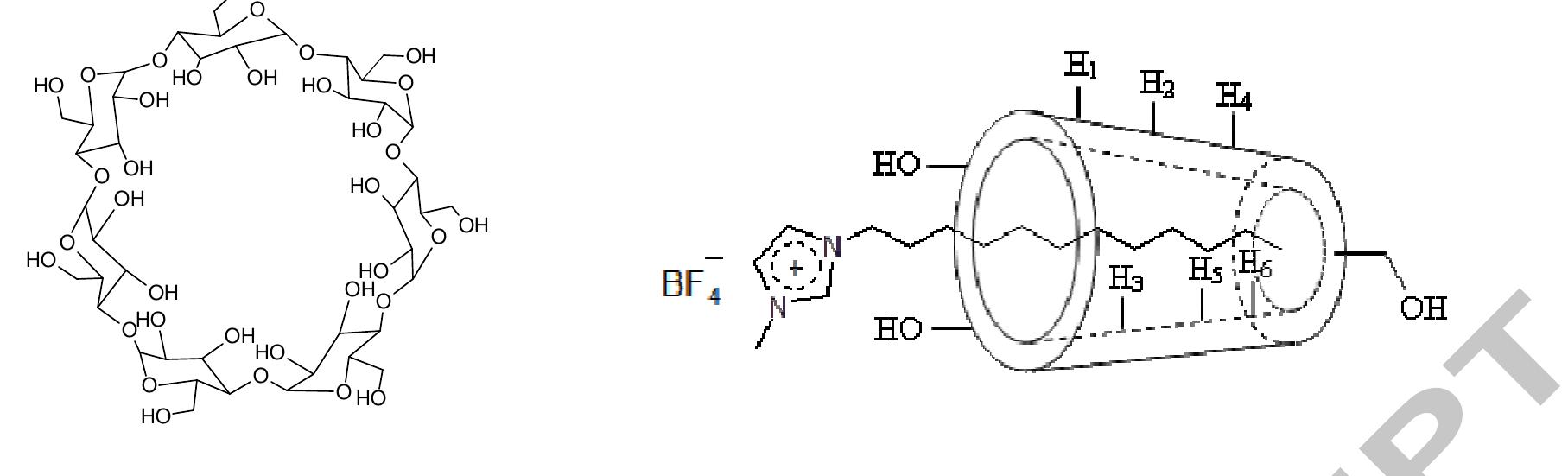
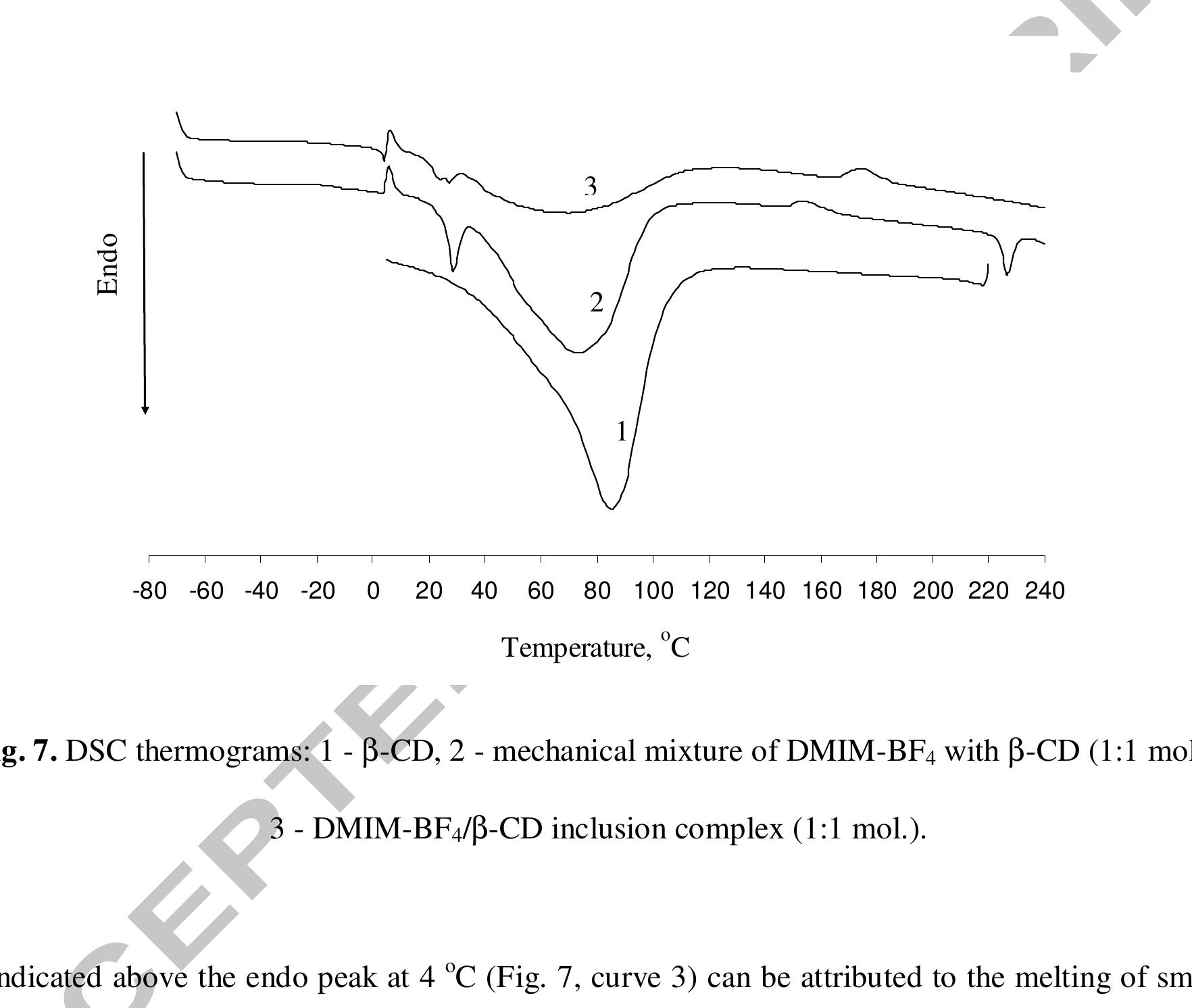
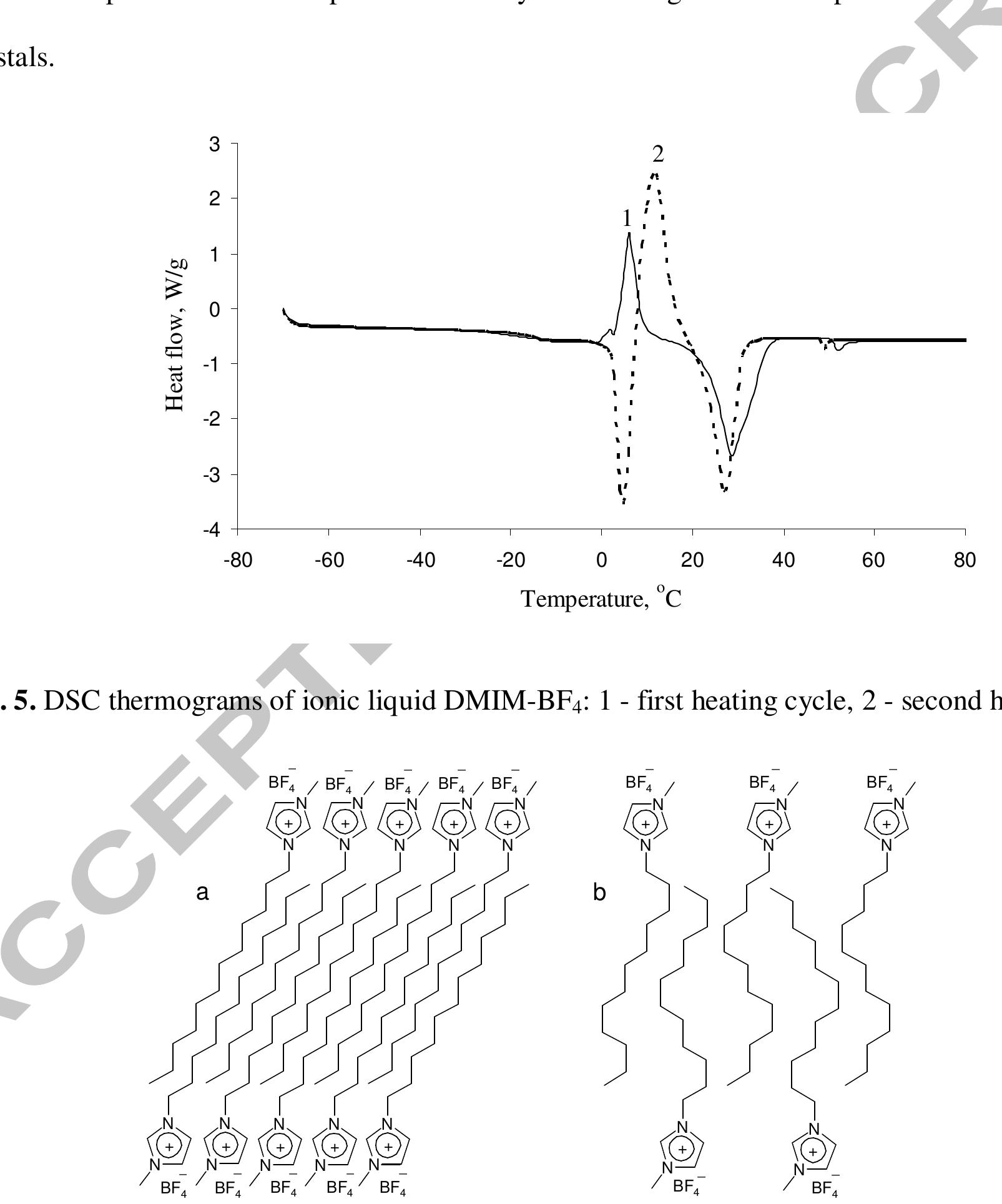
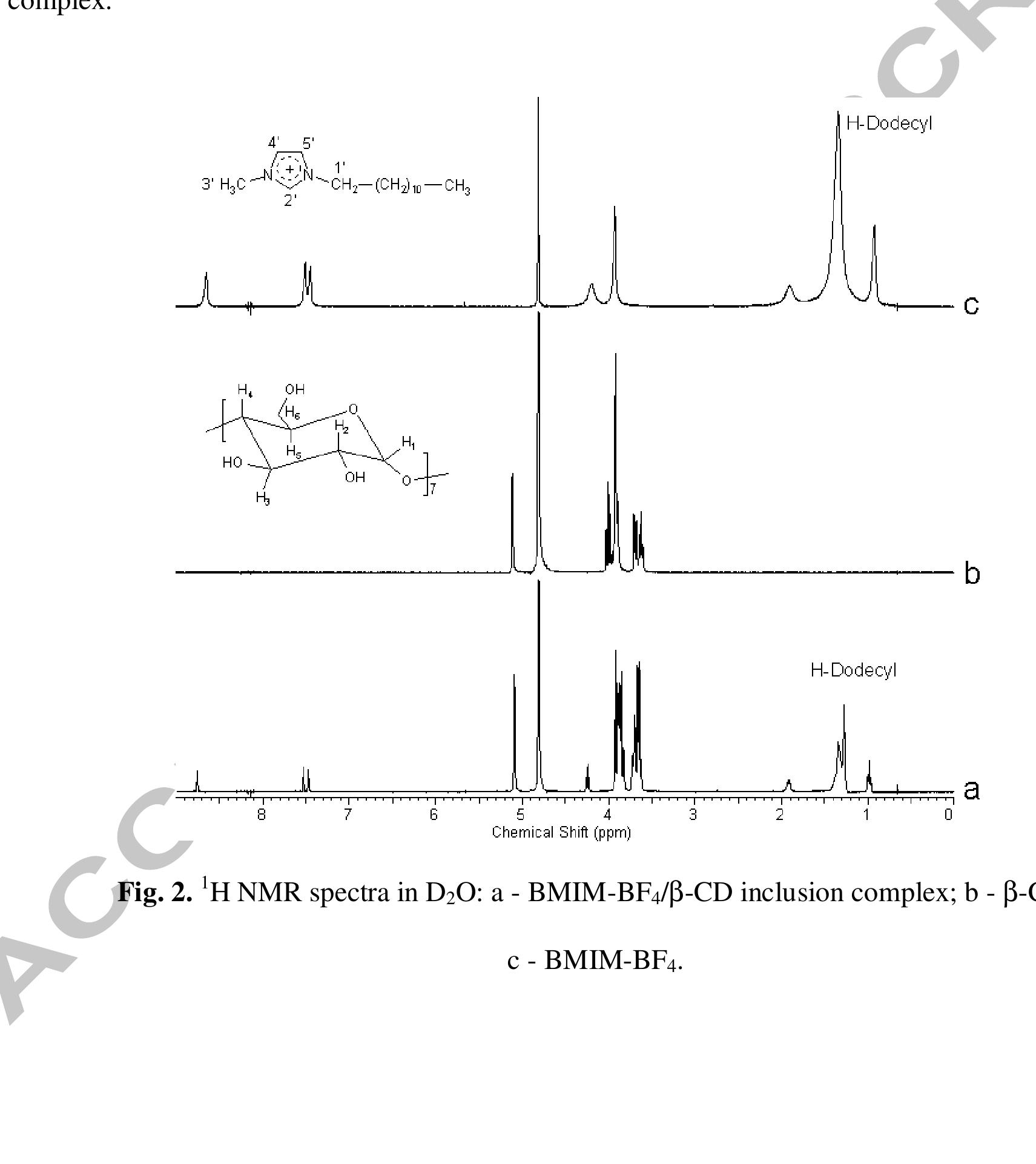
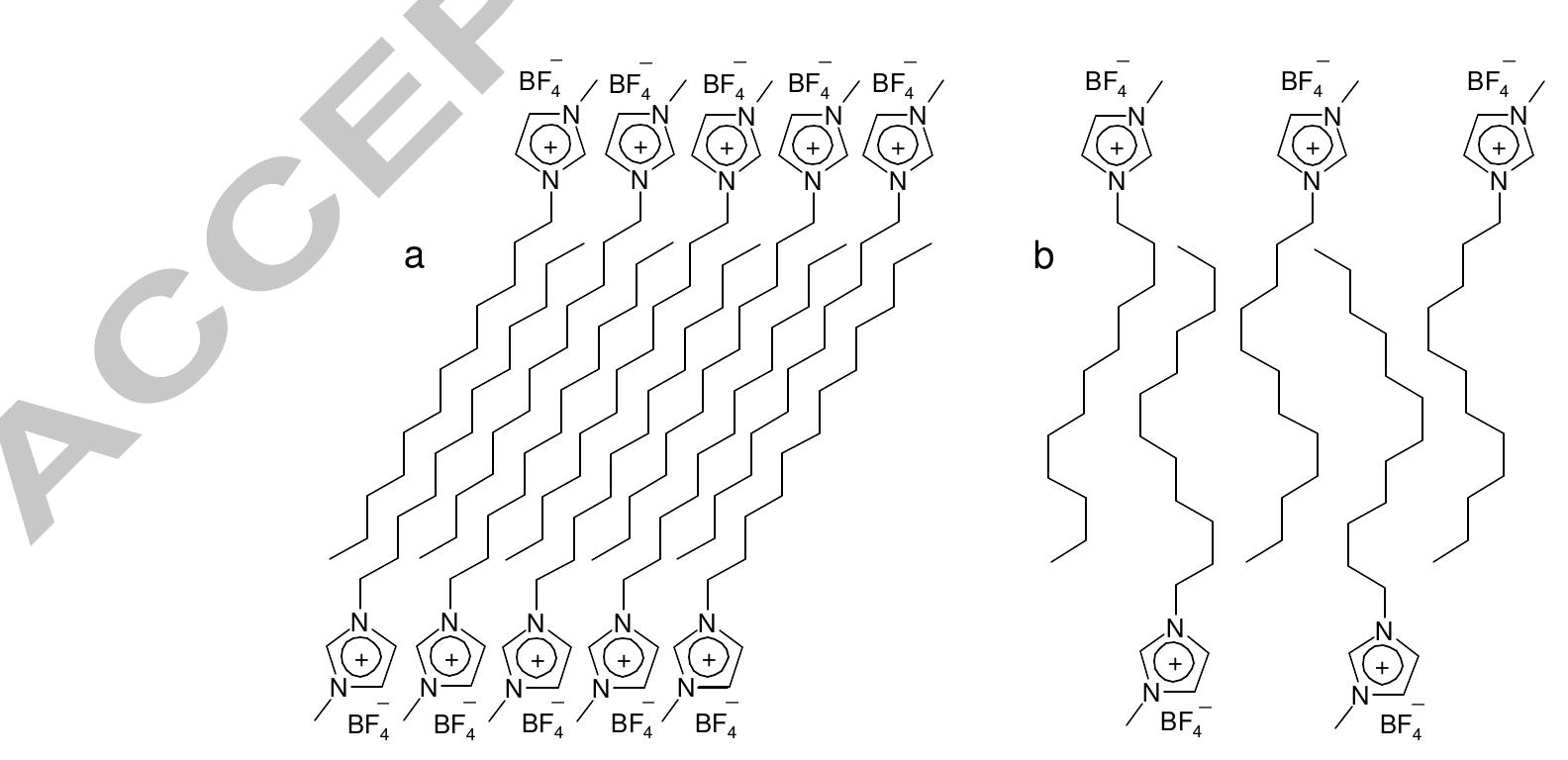
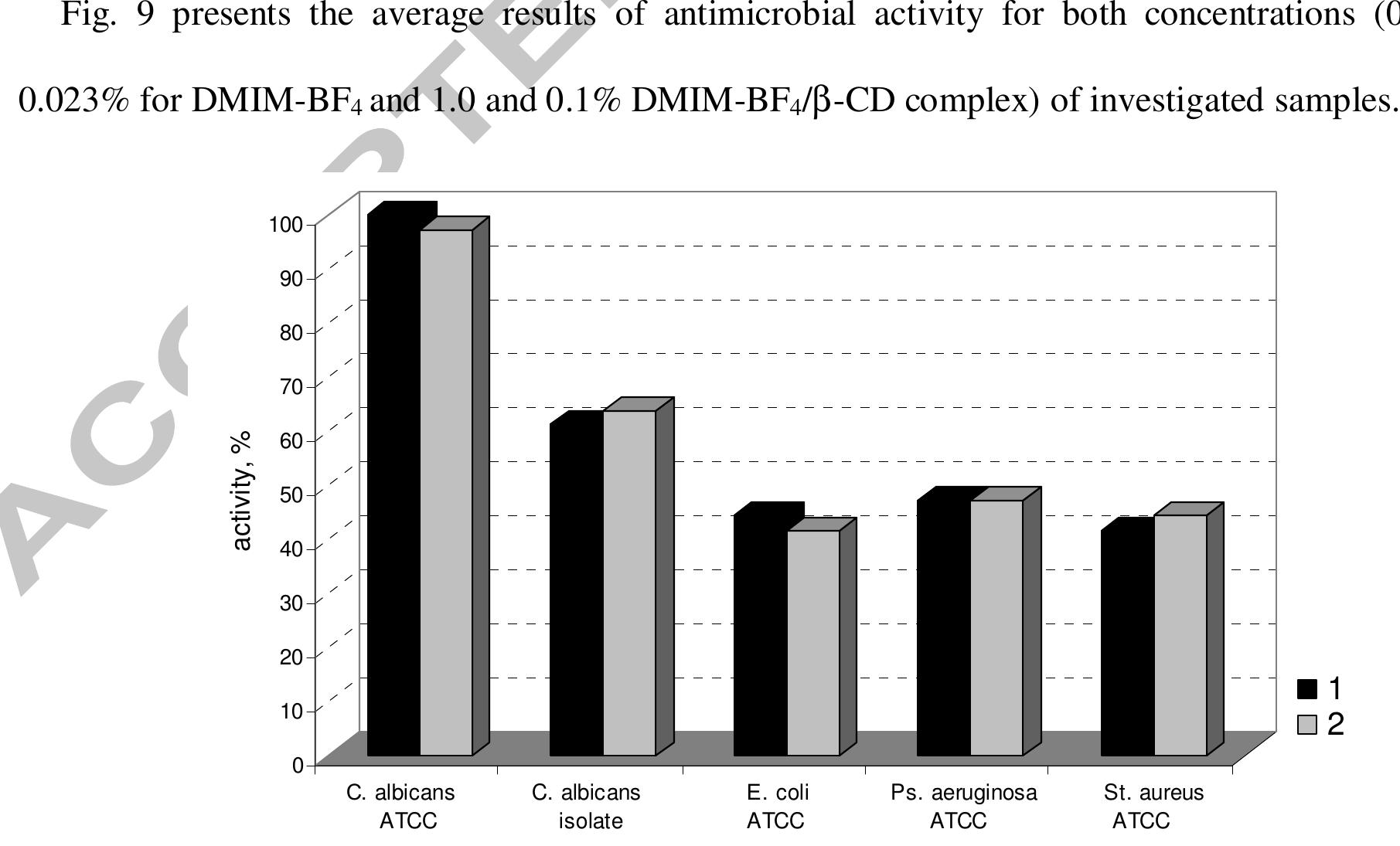
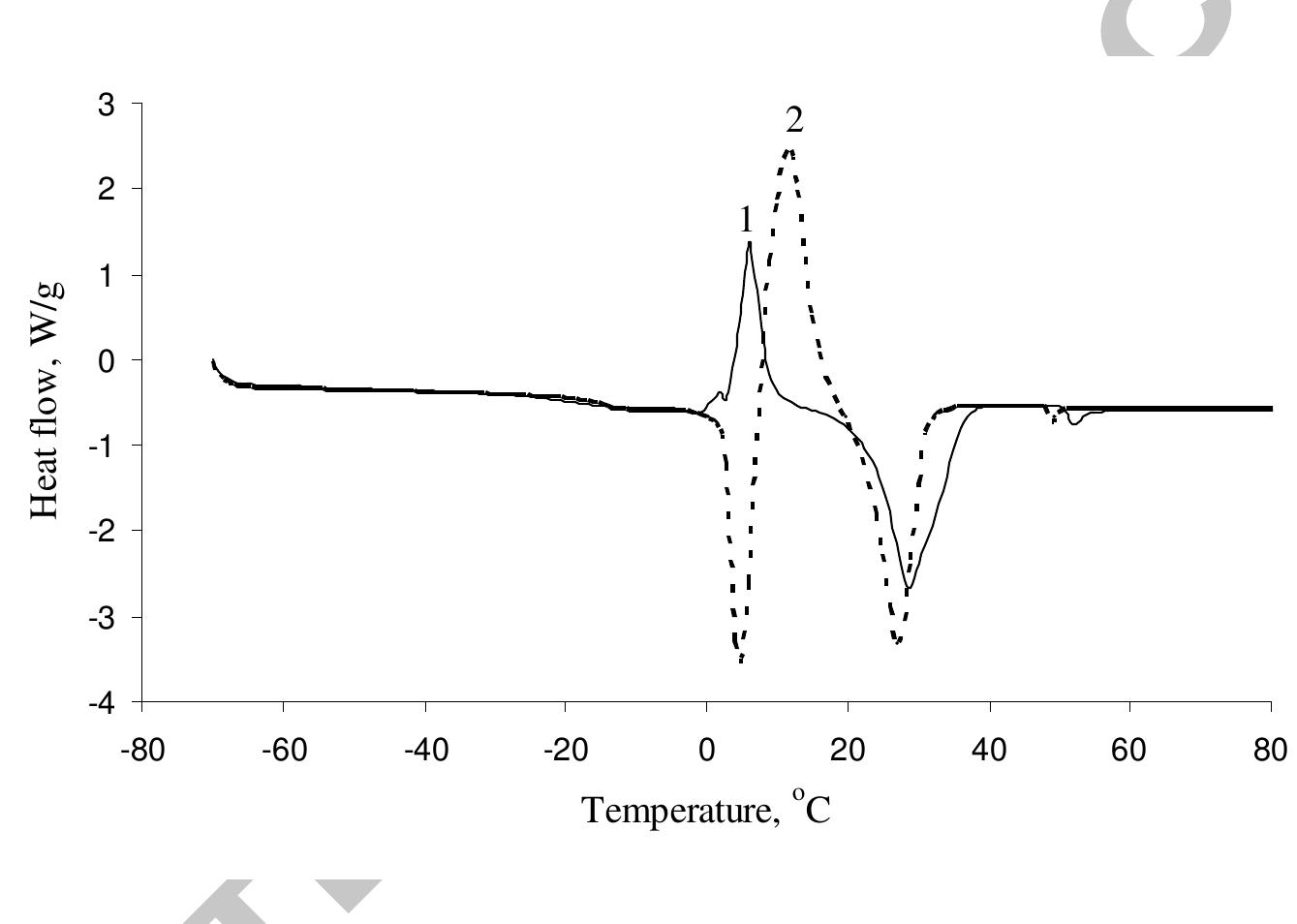
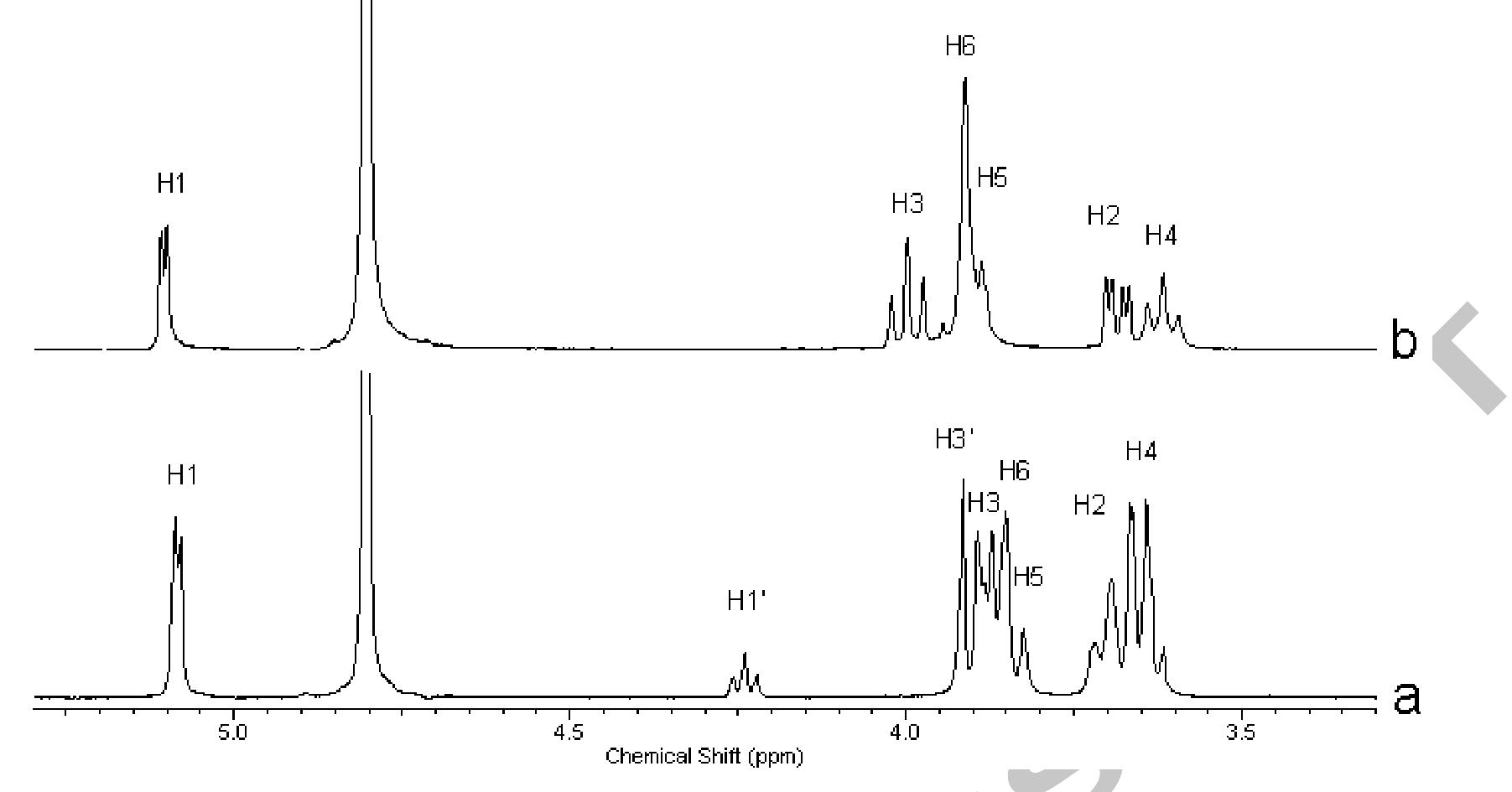
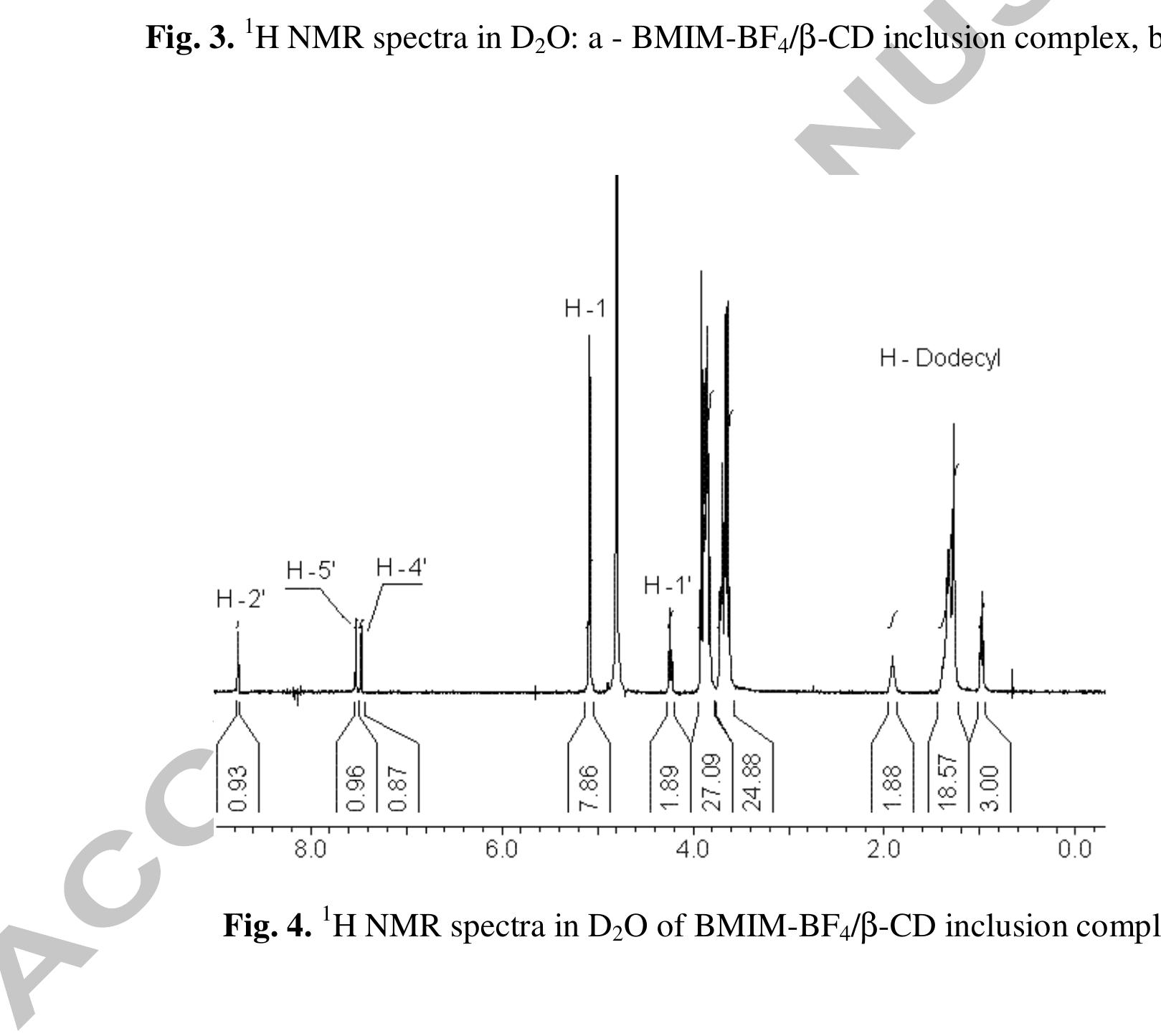
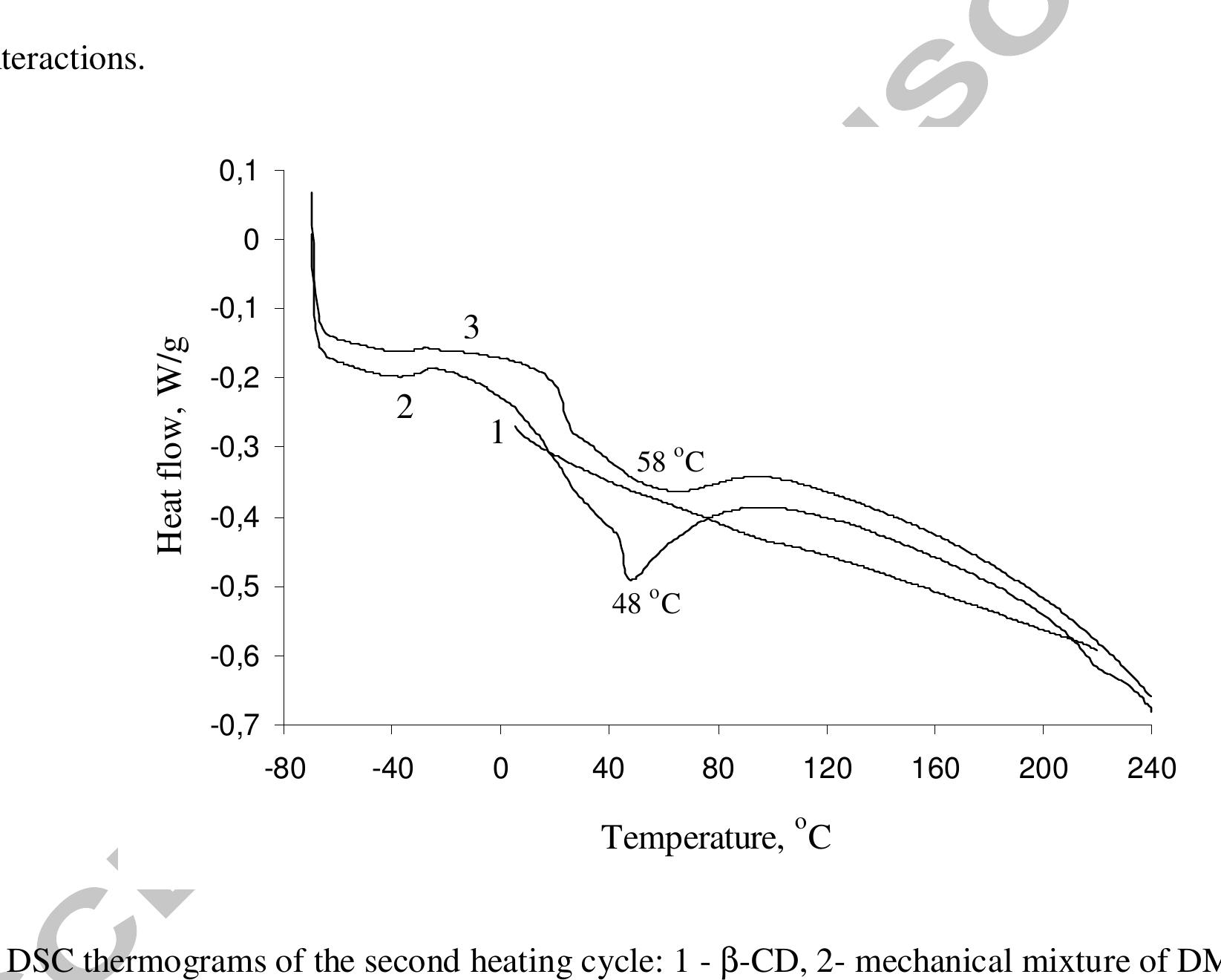
Water immiscible ionic liquid 1-dodecyl-3-methylimidazolium tetrafluoroborate (DMIM-BF 4) and its inclusion complex with β-cyclodextrin (β-CD) in molar ratio 1:1 have been synthesized. The formation of DMIM-BF 4 /β-CD complex was... more
CHEMELECTROCHEM ARTICLES CTQ2012-30853) is gratefully acknowledged. The authors are pleased to acknowledge A. Merinas, undergraduate student of the University Autònoma of Barcelona, for his help throughout the data handling process.
A rapid test of whether a laboratory sample contains any microorganisms is important and necessary for many areas of science and technology. Currently, most of the standard procedures for the detection of aerobic bacteria, anaerobic... more
This is a PDF file of an unedited manuscript that has been accepted for publication. As a service to our customers we are providing this early version of the manuscript. The manuscript will undergo copyediting, typesetting, and review of... more
Room temperature ionic liquids (RTIL) are molten salts starting to be used as nonmolecular solvents in separation methods mainly for their extremely low vapor pressure and thermal stability. RTILs are formed by an anion associated to a... more
A comparative study of peak shape, elution behavior, elution strength and resolution of seven -blockers (acebutolol, alprenolol, labetalol, metoprolol, nadolol, pindolol and propranolol) chromatographed with aqueous-organic mobile phases... more
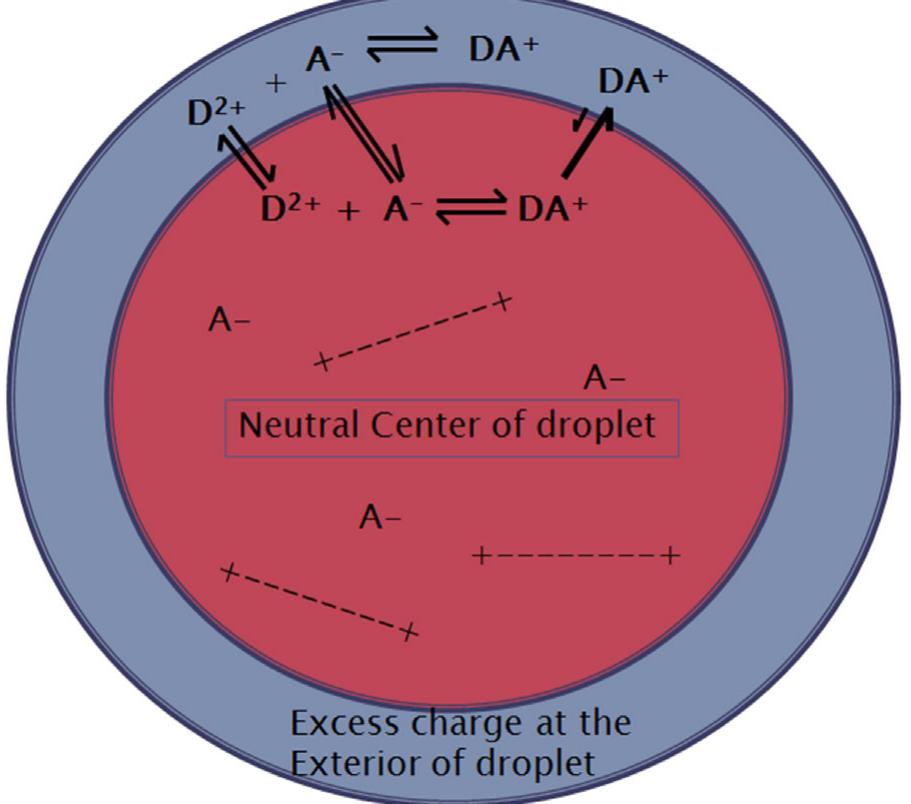
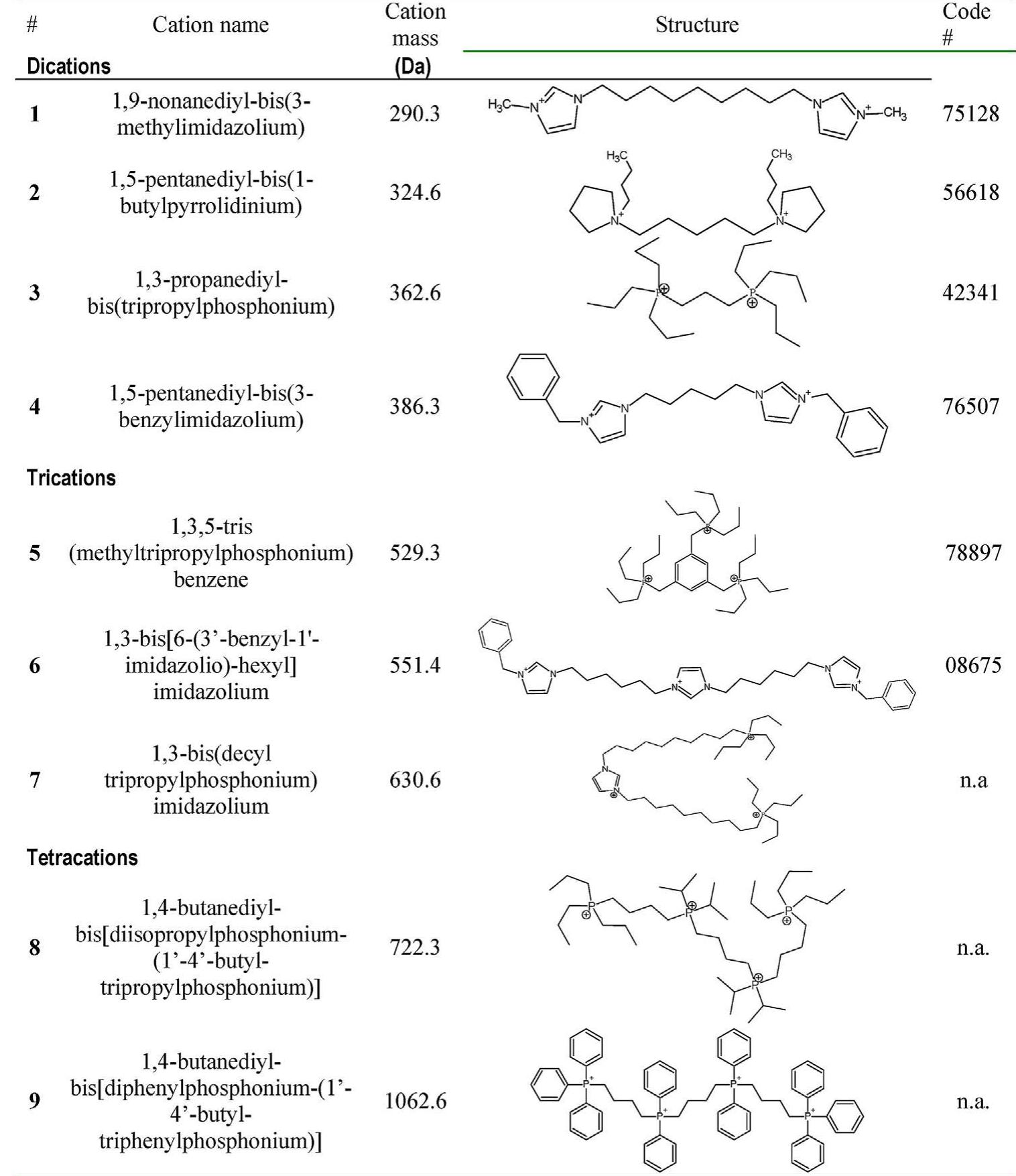
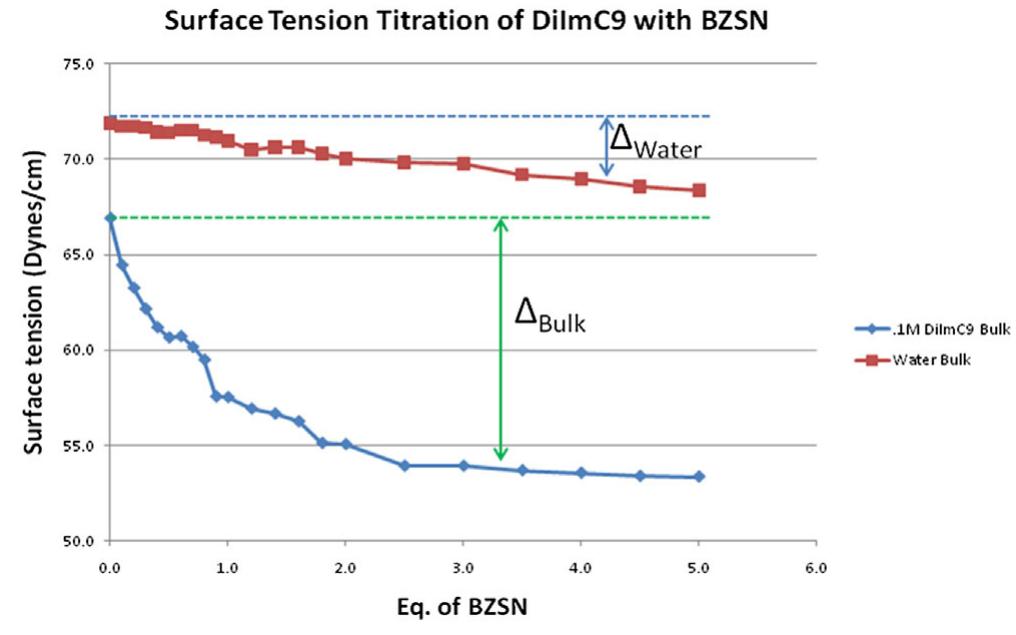
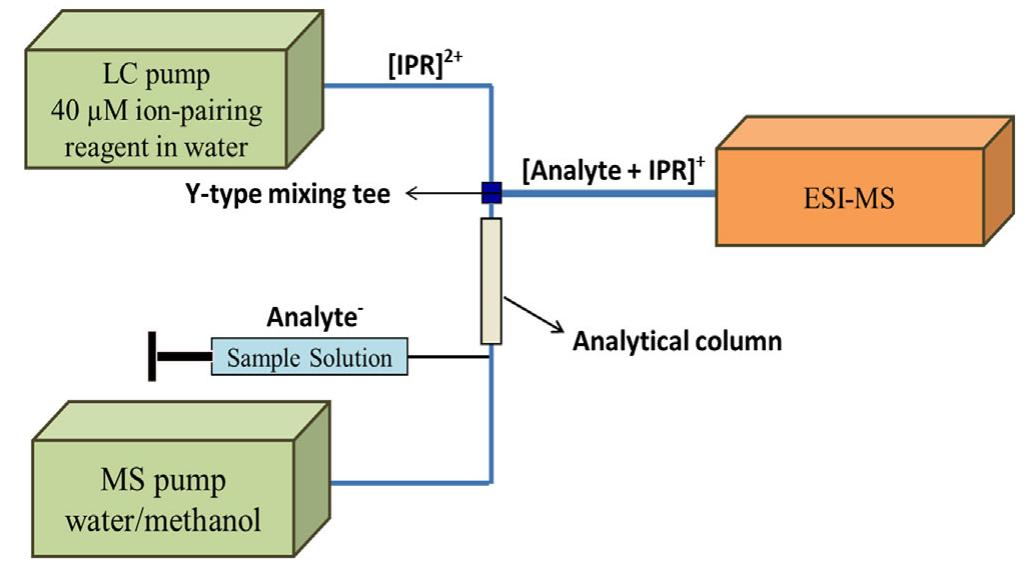
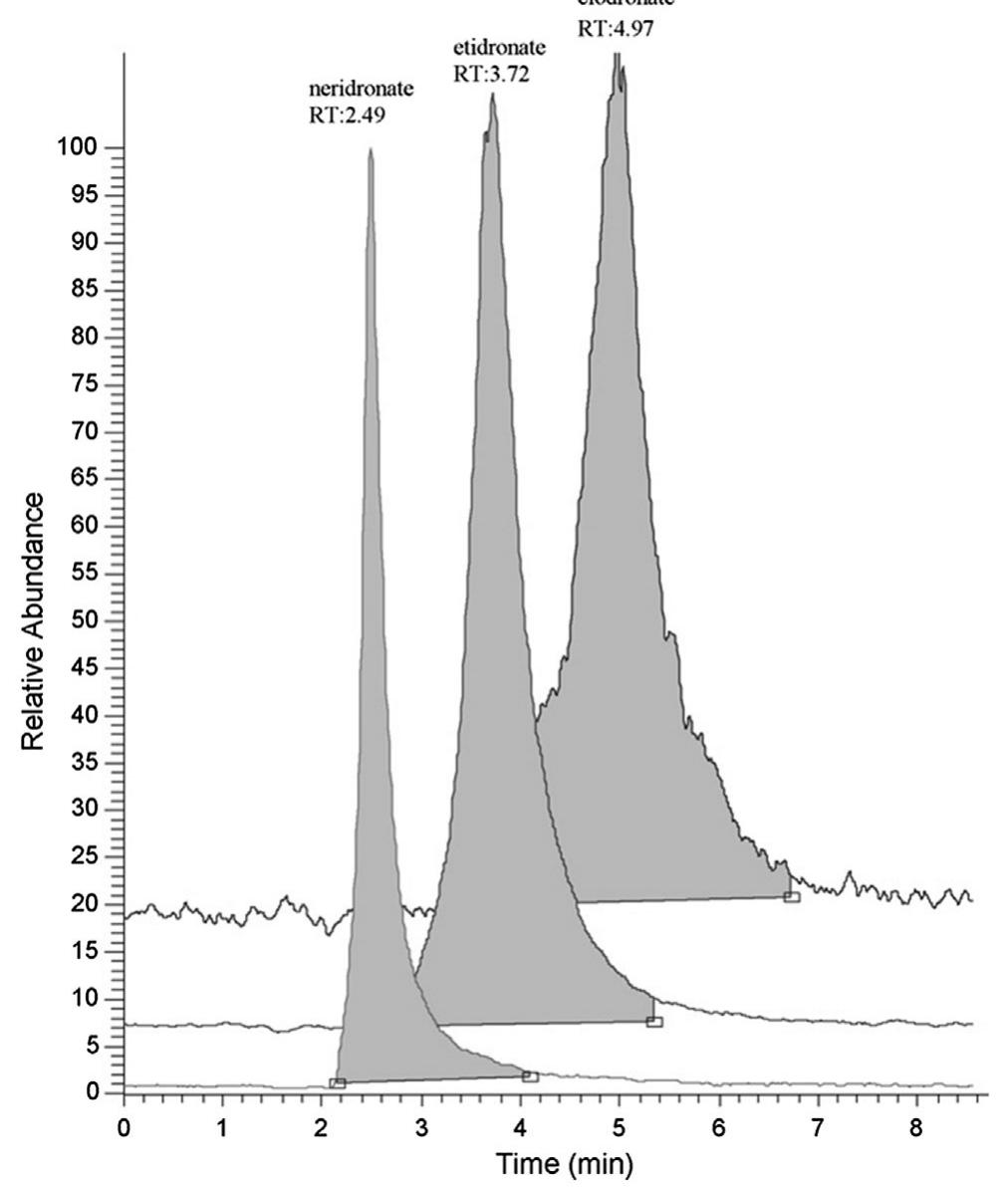
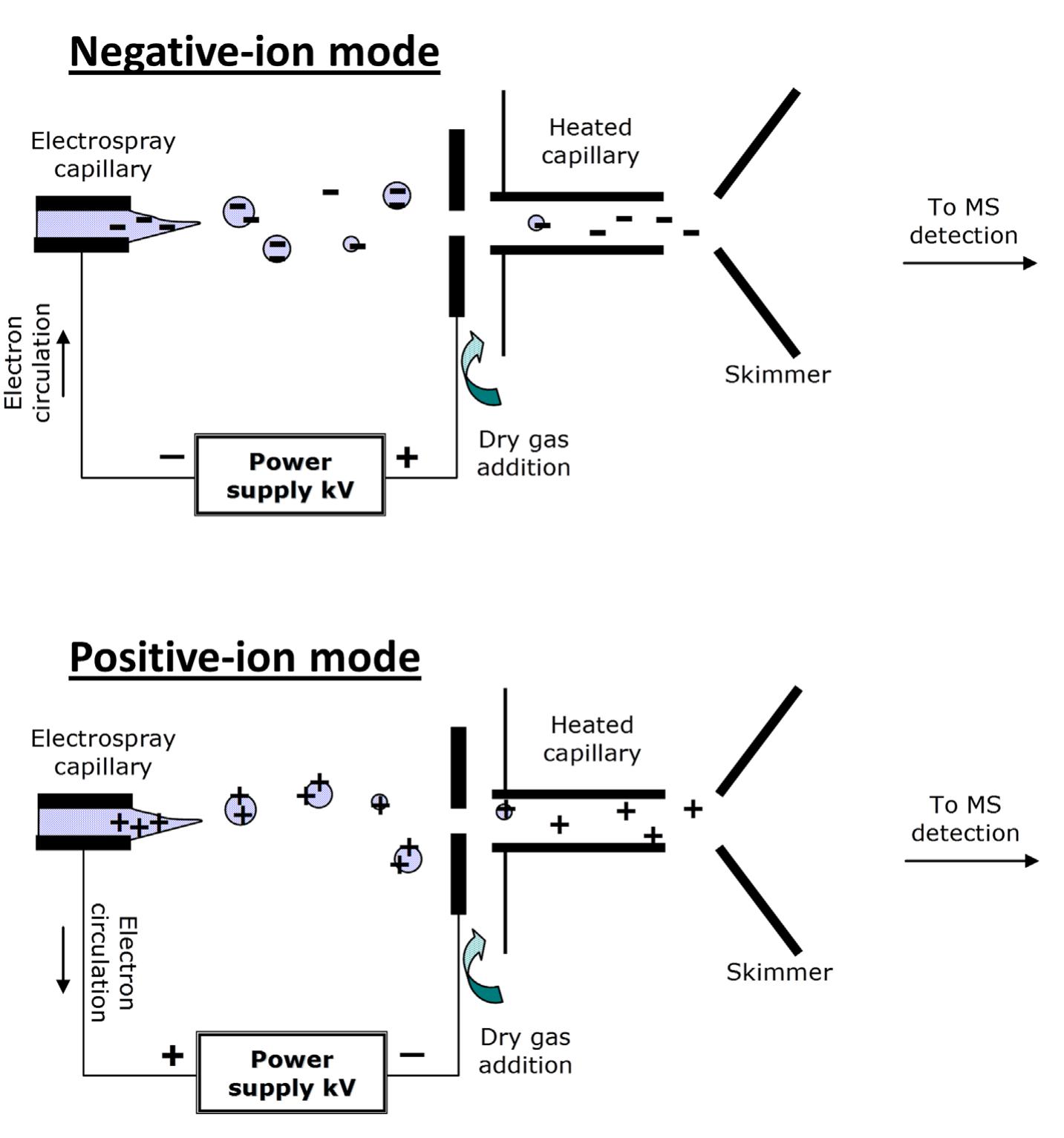
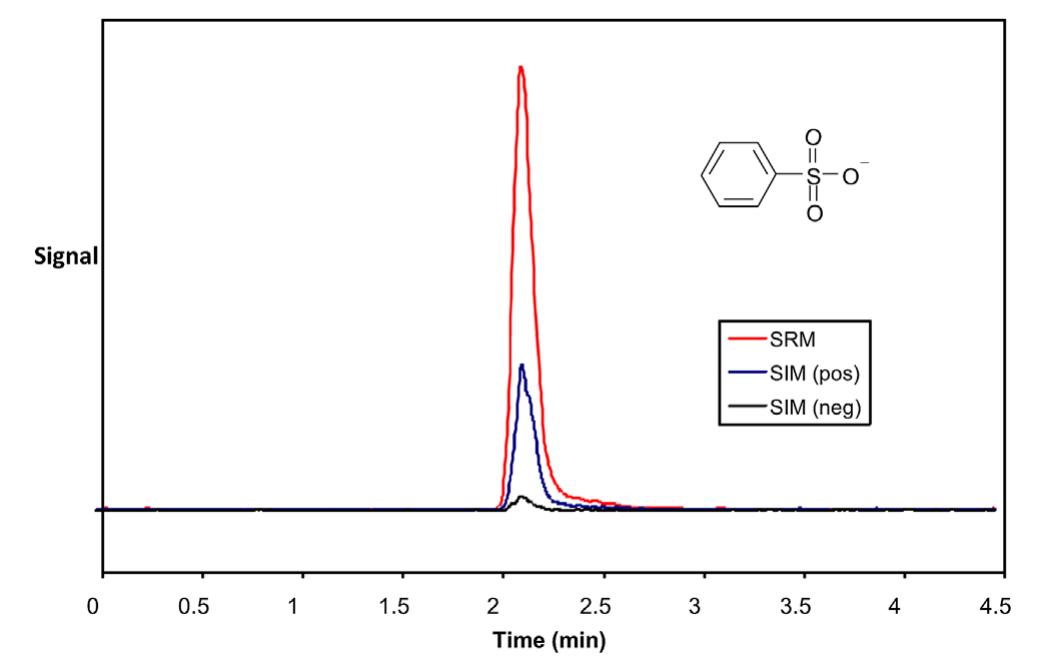
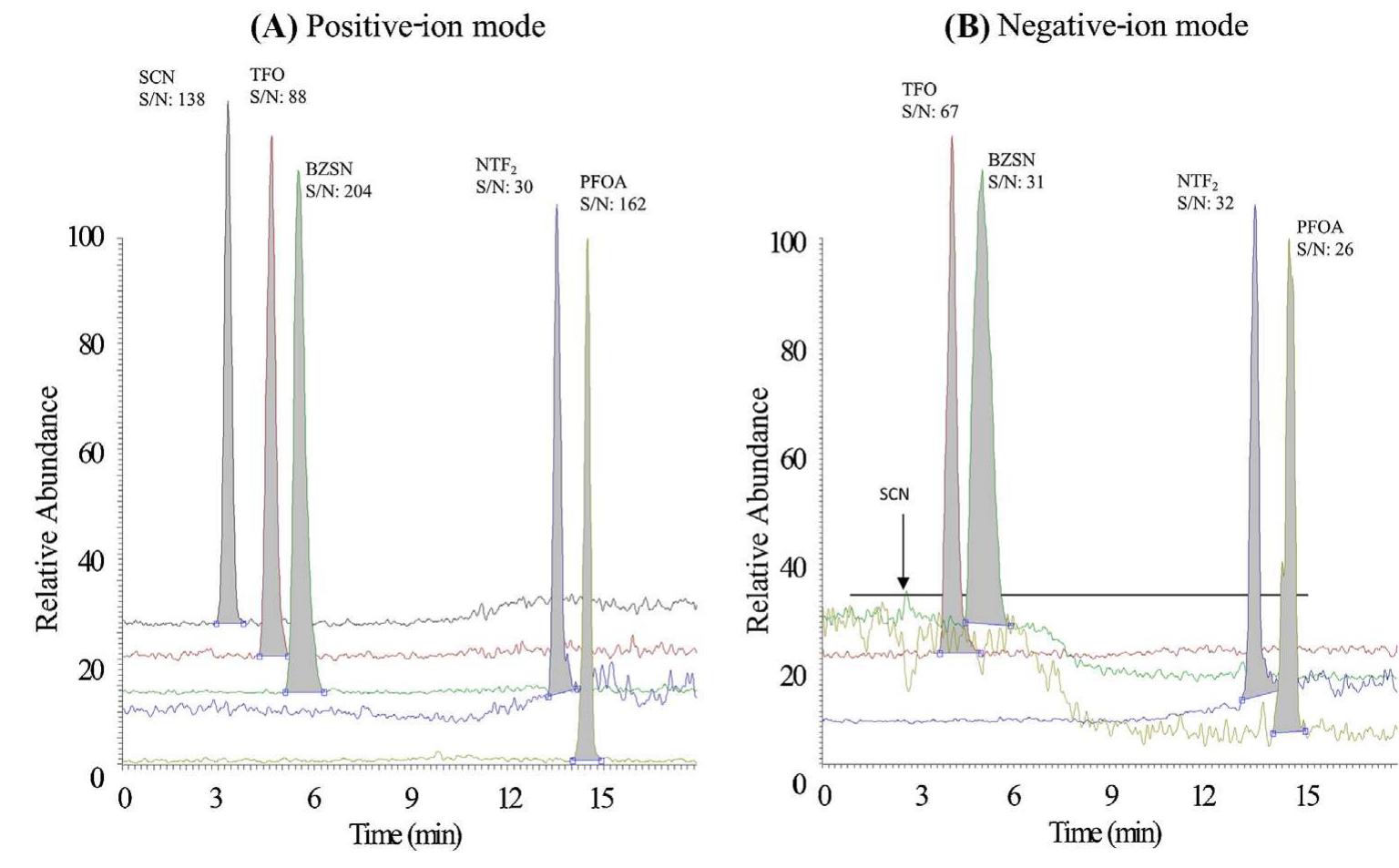
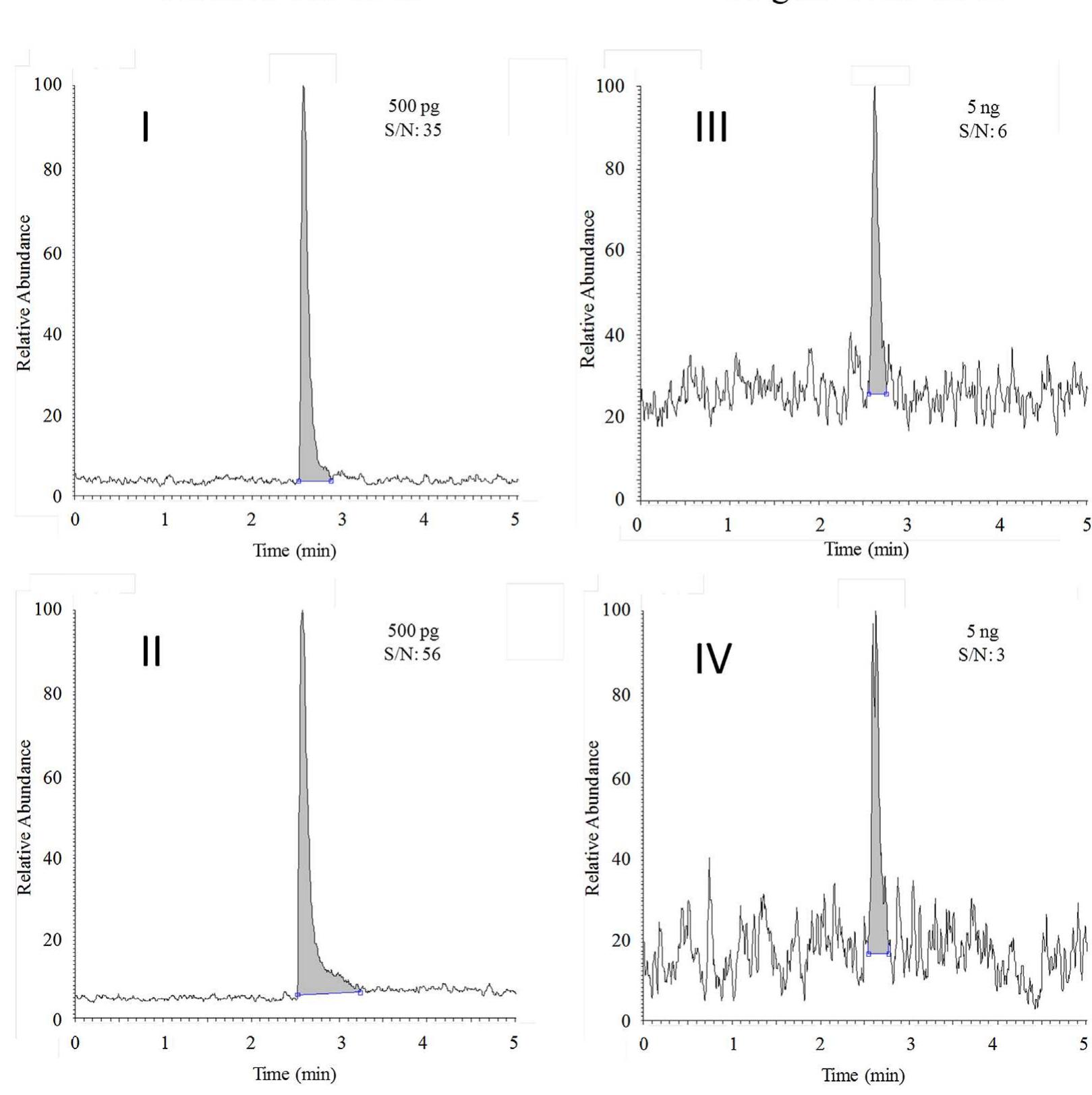
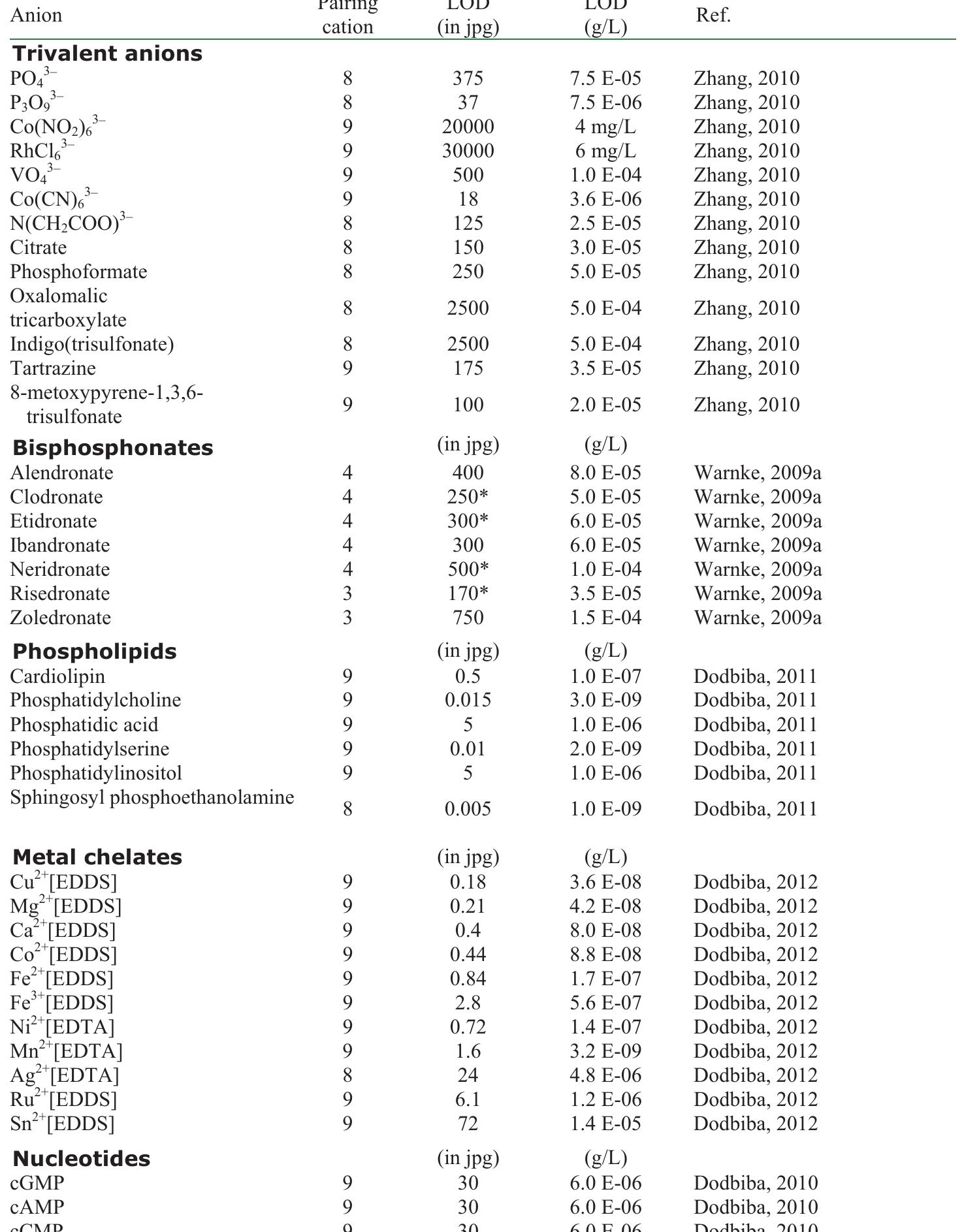
The negative-ion mode of electrospray ionization mass spectrometry (ESI-MS) is intrinsically less sensitive than the positive-ion mode. The detection and quantitation of anions can be performed in positive-ion mode by forming specific... more
h i g h l i g h t s g r a p h i c a l a b s t r a c t 14 newly synthesized dicationic ionic liquids varying by the anion. A McReynolds polarity passing 6000 or polarity number of 143. Strong selectivity differences between polar and... more
Two mixtures of four 1-alkyl-3-methylimidazolium ionic liquids (ILs) salts associated to the anions tetrafluoroborate or hexafluorophosphate were analyzed by reversed-phase liquid chromatography with three different stationary phases:... more
Eleven 1-alkyl-3-methyl imidazolium ionic liquid (IL) salts were analyzed in reversed phase mode with a Kromasil C 18 column. The mobile phases were water-rich acetonitrile solutions (water content ≥70%, v/v) without any added salts. It... more
On the use of ionic liquids as mobile phase additives in high-performance liquid chromatography.A review, Analytica Chimica Acta
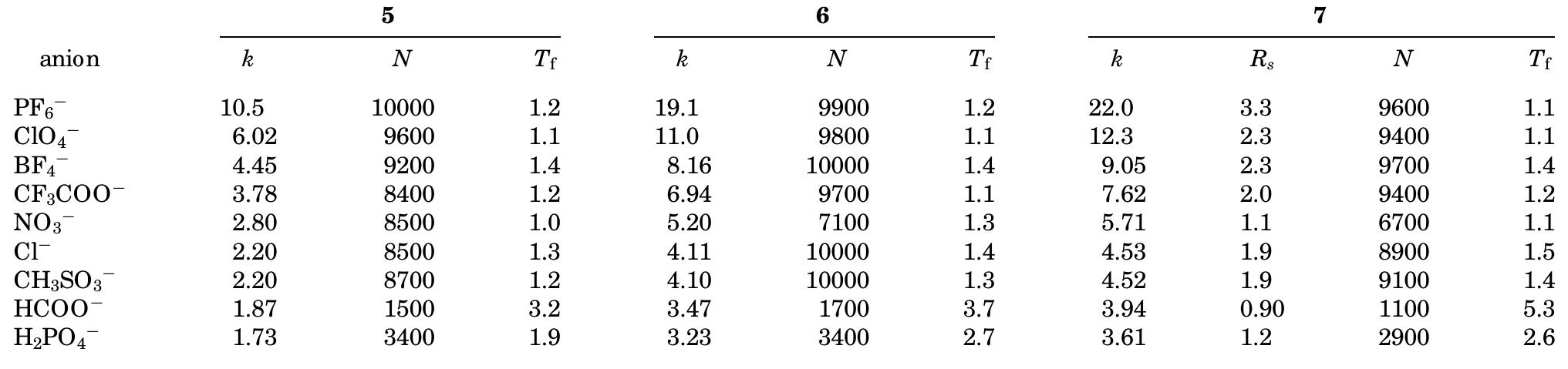
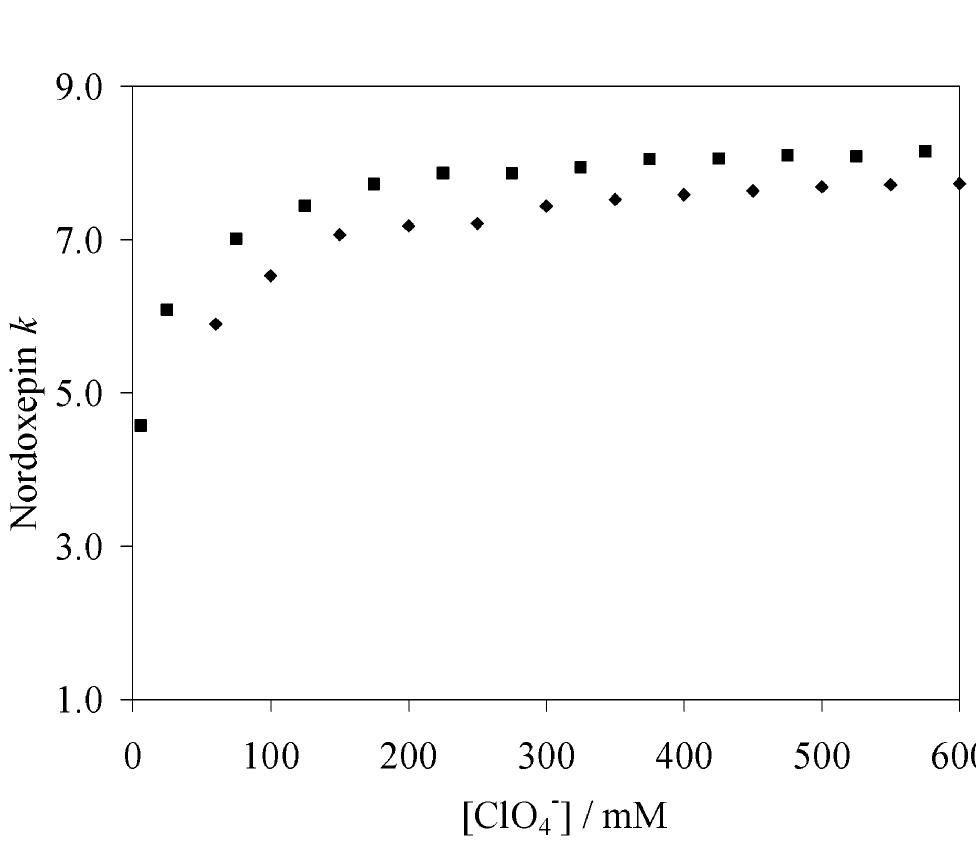
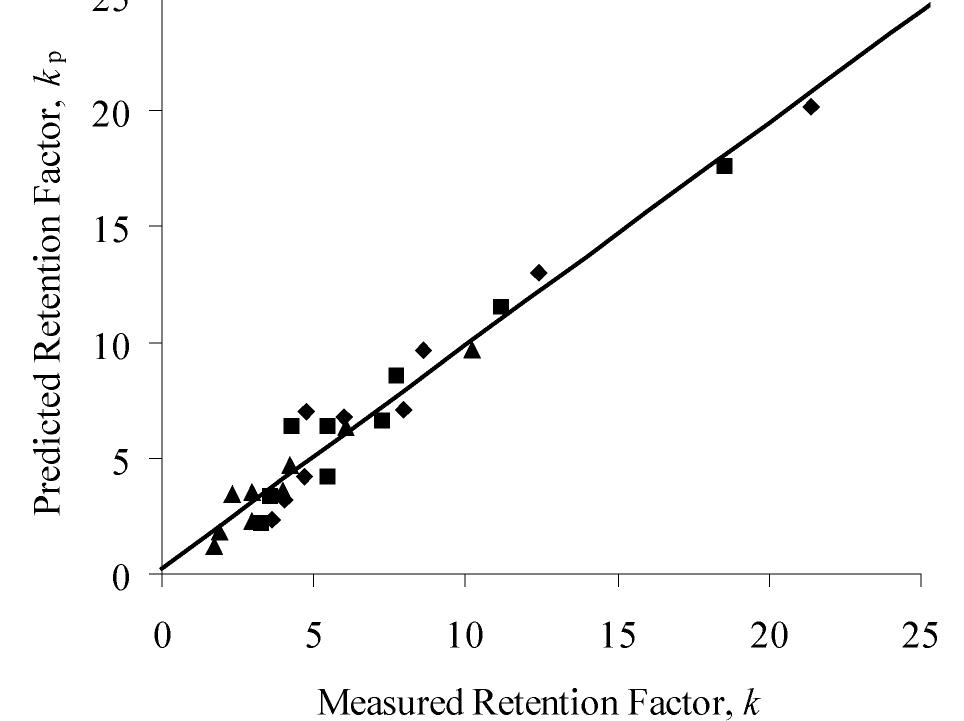
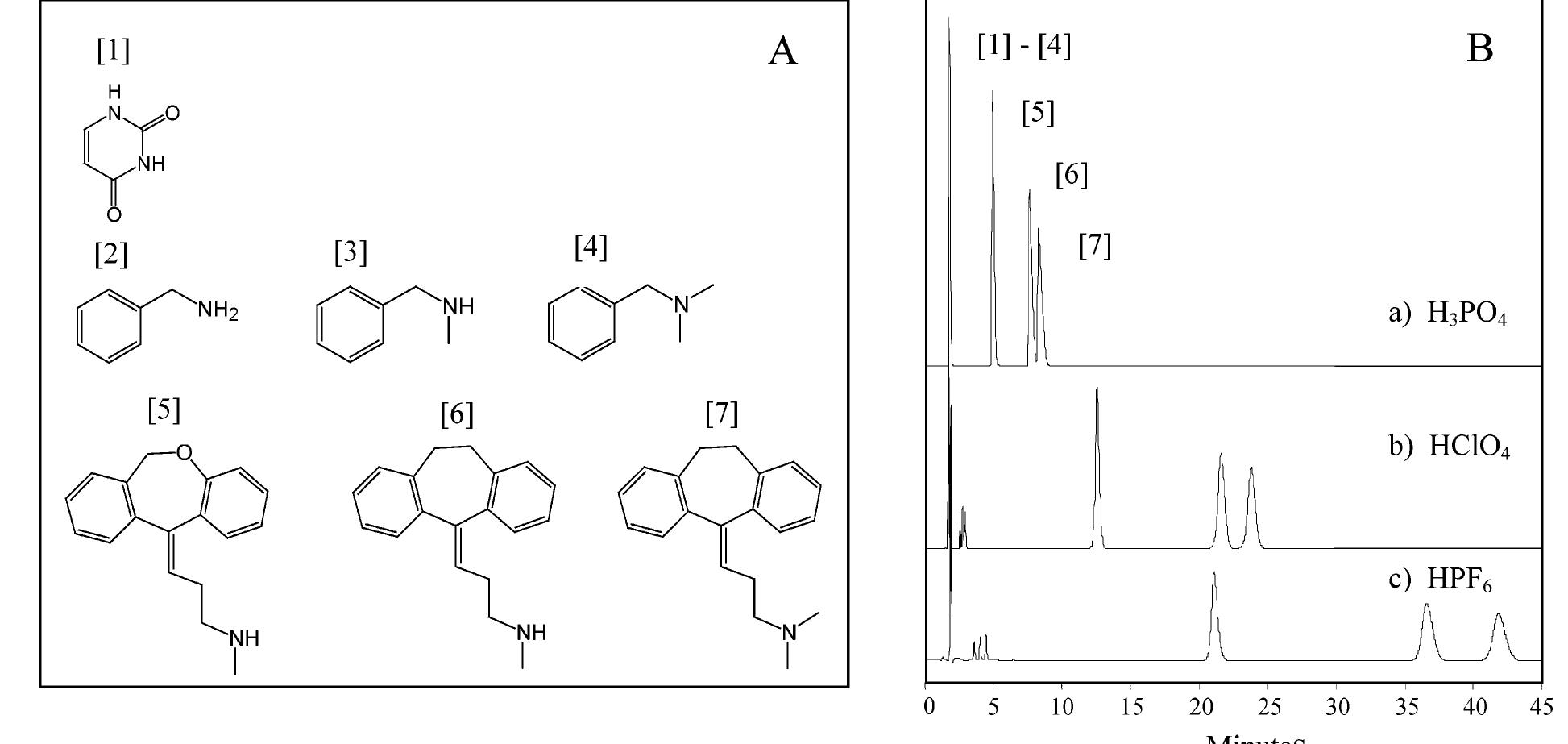
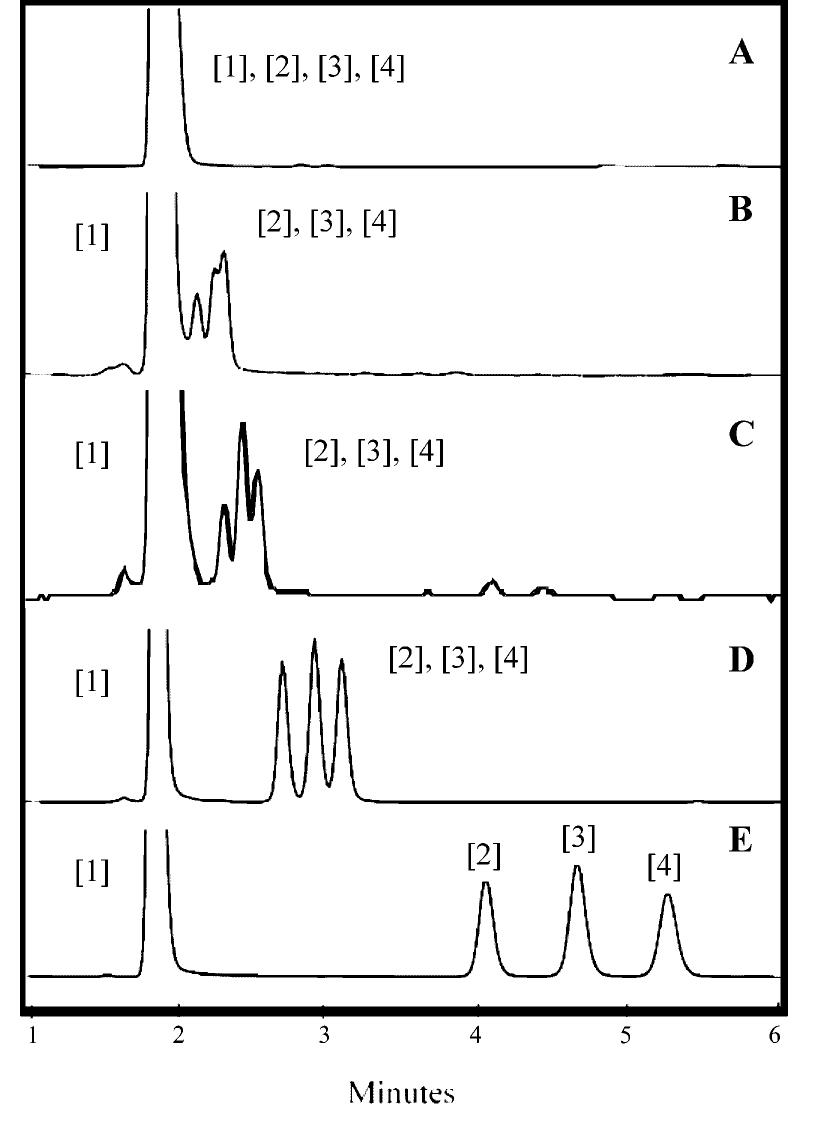
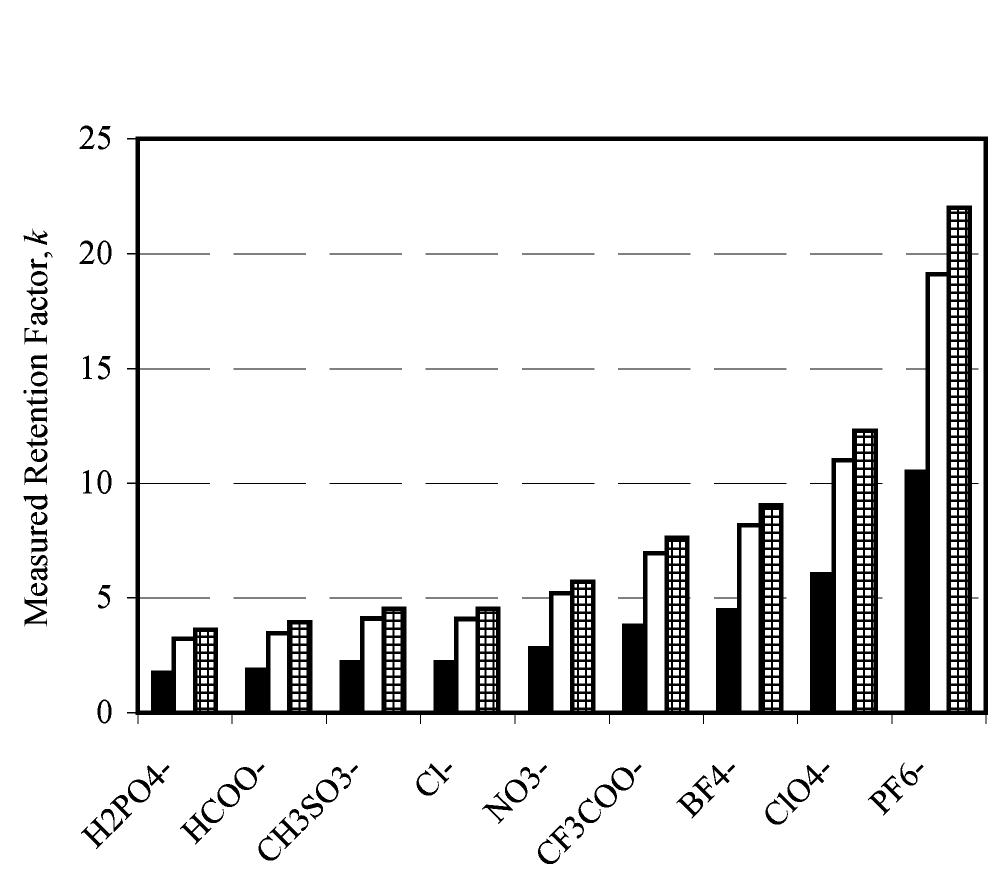
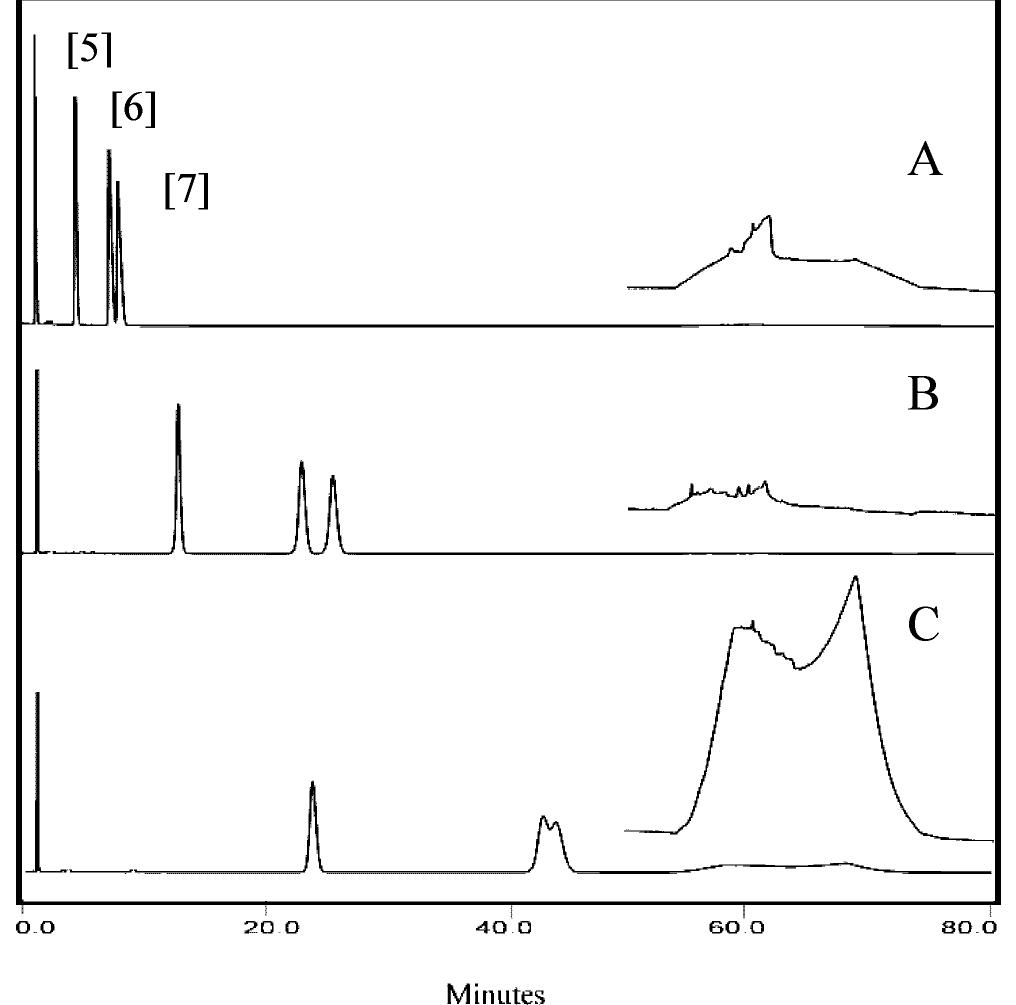
The chromatographic behavior of protonated amines in reversed-phase liquid chromatography (RPLC) is influenced markedly by the identity of the mobile-phase anion. For example, retention factor values, k, obtained from protonated... more
The development of efficient CO2 capture and utilization technologies driven by renewable energy sources is mandatory to reduce the impact of climate change. Herein, seven imidazolium-based ionic liquids (ILs) with different anions and... more
Using the reaction field continuum model the dielectric spectra of three selected ionic liquids were converted to the solvation dynamics of coumarin 153. It is shown in detail that the inclusion of the static conductivity in this model is... more
Abstract: This study focuses on the synthesis and characterization of the inclusion complex of β-Cyclodextrin (β-CD) with dicationic ionic liquid, 3,3'-(1,4-Phenylenebis [methylene]) bis(1-methyl-1H-imidazol-3-ium) di(bromide)... more
The development of efficient CO2 capture and utilization technologies driven by renewable energy sources is mandatory to reduce the impact of climate change. Herein, seven imidazolium-based ionic liquids (ILs) with different anions and... more
The Raman spectra of 1-decyl-3-methyl-imidazolium bromide ([C 10 mim][Br]) aqueous solutions have been measured while continuously increasing the water content in the system (0-100%). Principal component (PC) and 2D Raman correlation... more
Adding water lowers the RTIL structural transition potential and the CO2 reduction threshold potential. Multiply-bonded CO is likely the more efficient catalytic site.
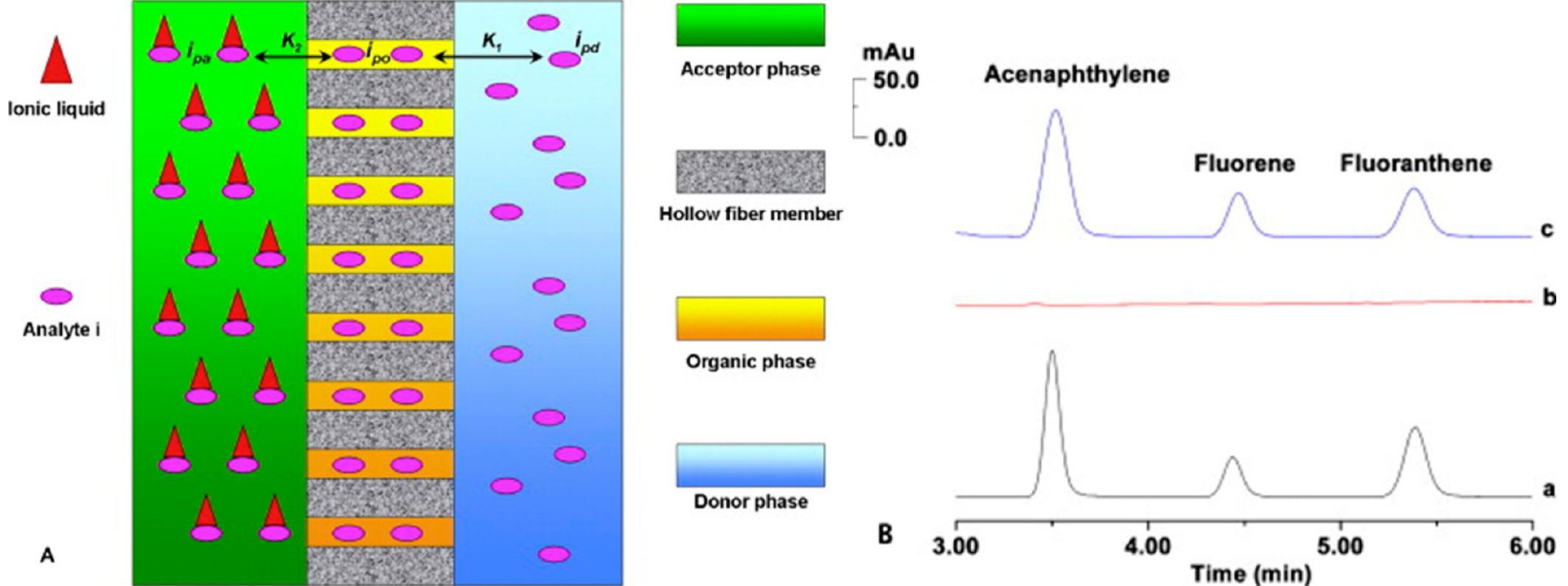
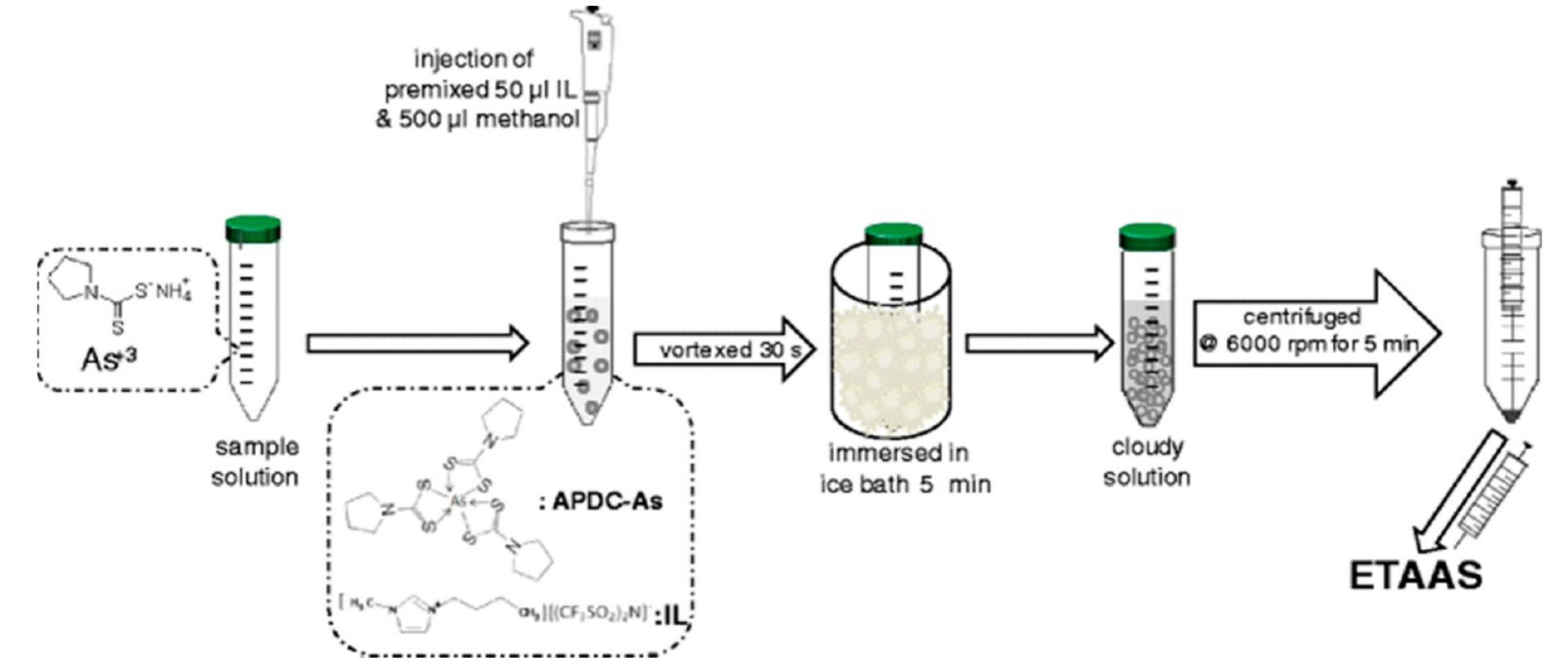
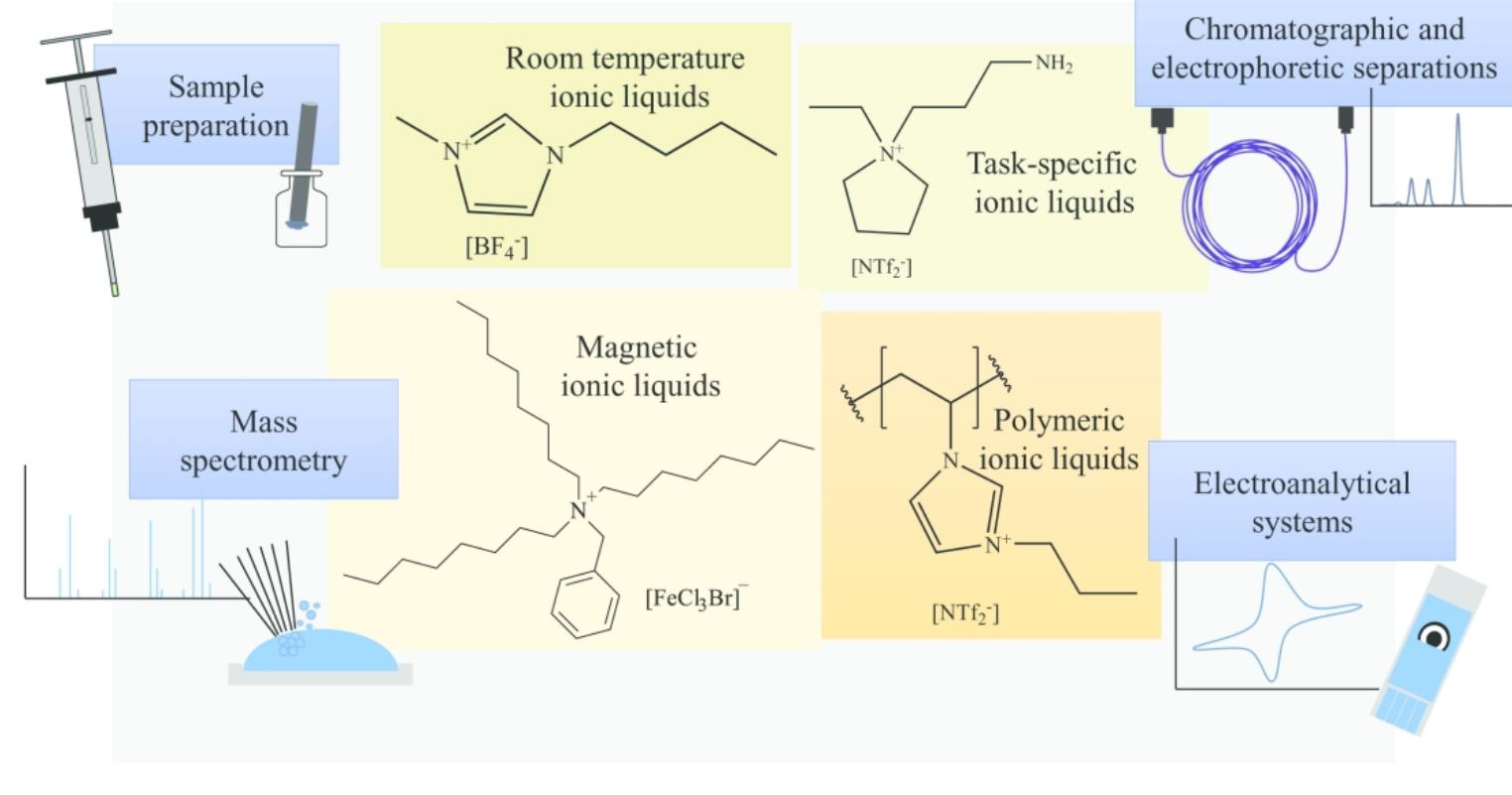
Ionic liquids and polymeric ionic liquids in solid-phase extraction 16 Ionic liquids and polymeric ionic liquids in solid-phase microextraction Liquid-phase (micro)extraction 18 Ionic liquids and magnetic ionic liquids in dispersive... more
Highlights o This paper presents the studies of triplettriplet energy transfer (TET) and electron transfer reactions (ET) reactions involving long lived triplet states and radical anions, respectively, in conventional solvents, SDS... more
The ionic liquids (ILs) are salts with melting points below 100 °C. These are called as ionic fluids, ionic melts, liquid electrolytes, fused salts, liquid salts, ionic glasses, designer solvents, green solvents and solvents of the... more
The partition coefficients, P IL/w , of several compounds, some of them of biological and pharmacological interest, between water and room-temperature ionic liquids based on the imidazolium, pyridinium, and phosphonium c a t i o n s , n a... more
Ionic liquids show great promise as excellent solvents or catalysts in energy and biological fields due to their unique chemical and physical properties. In this work, the characteristics of various ionic liquids are investigated with the... more
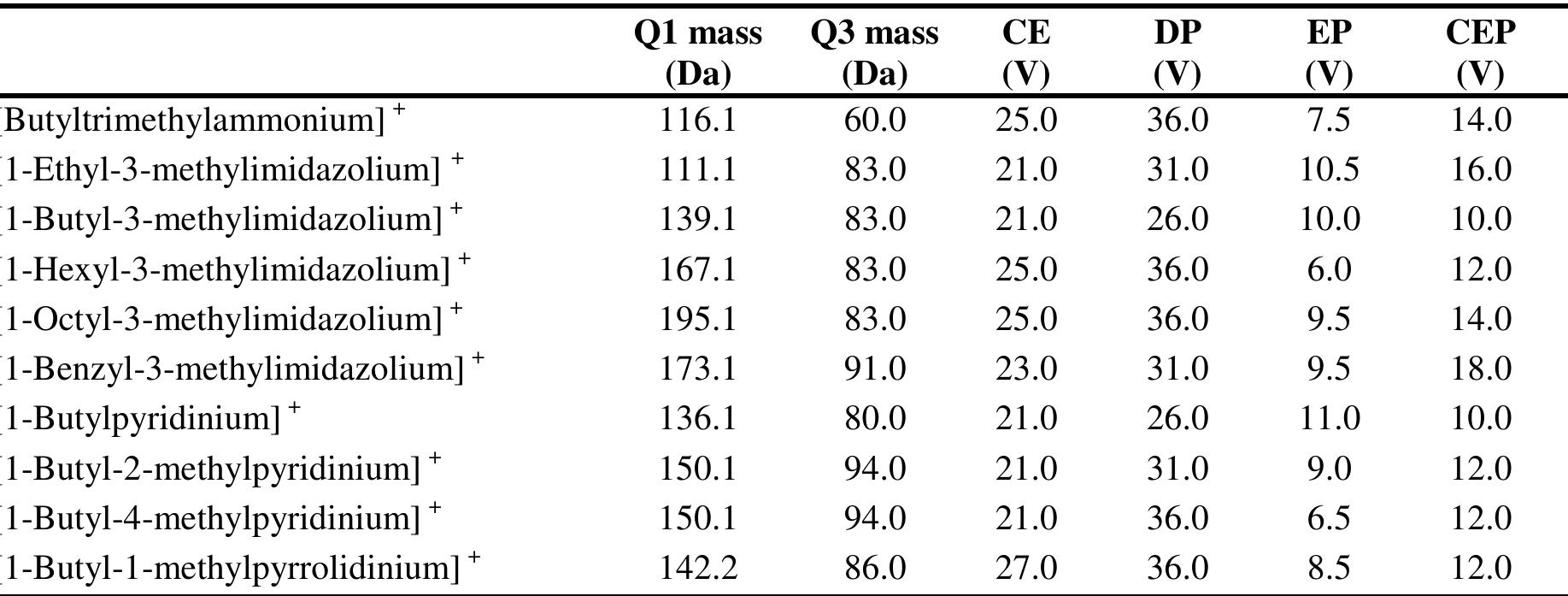
Nicotine and cotinine are very polar basic molecules, which makes it difficult to analyze them by reversed-phase liquid chromatography (RPLC), especially in biological samples. Additives with an ionic character have been traditionally... more
We present a new family of ionic liquids (ILs) with a common cation, 1-butyl-3-methyl imidazolium, the popular [BMIM] + (also written C 4 C 1 Im +) and a variety of anionic complexes (also called adducts) based in thiocyanate (SCN)-: one... more
In recent years, materials science has propelled to the research forefront. Ionic liquids with unique and fascinating properties have also left their footprints to the developments of materials science during the last years. In this... more
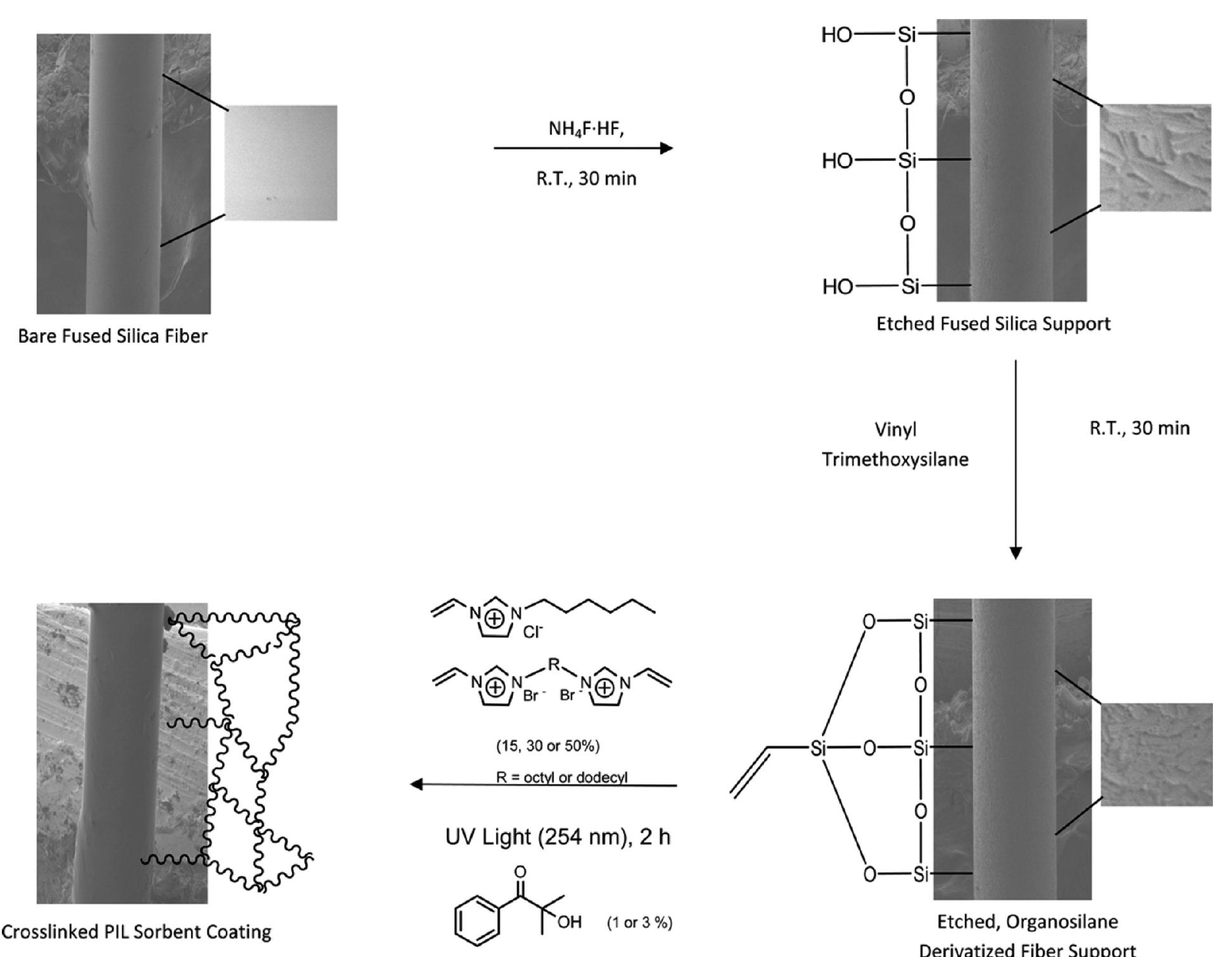
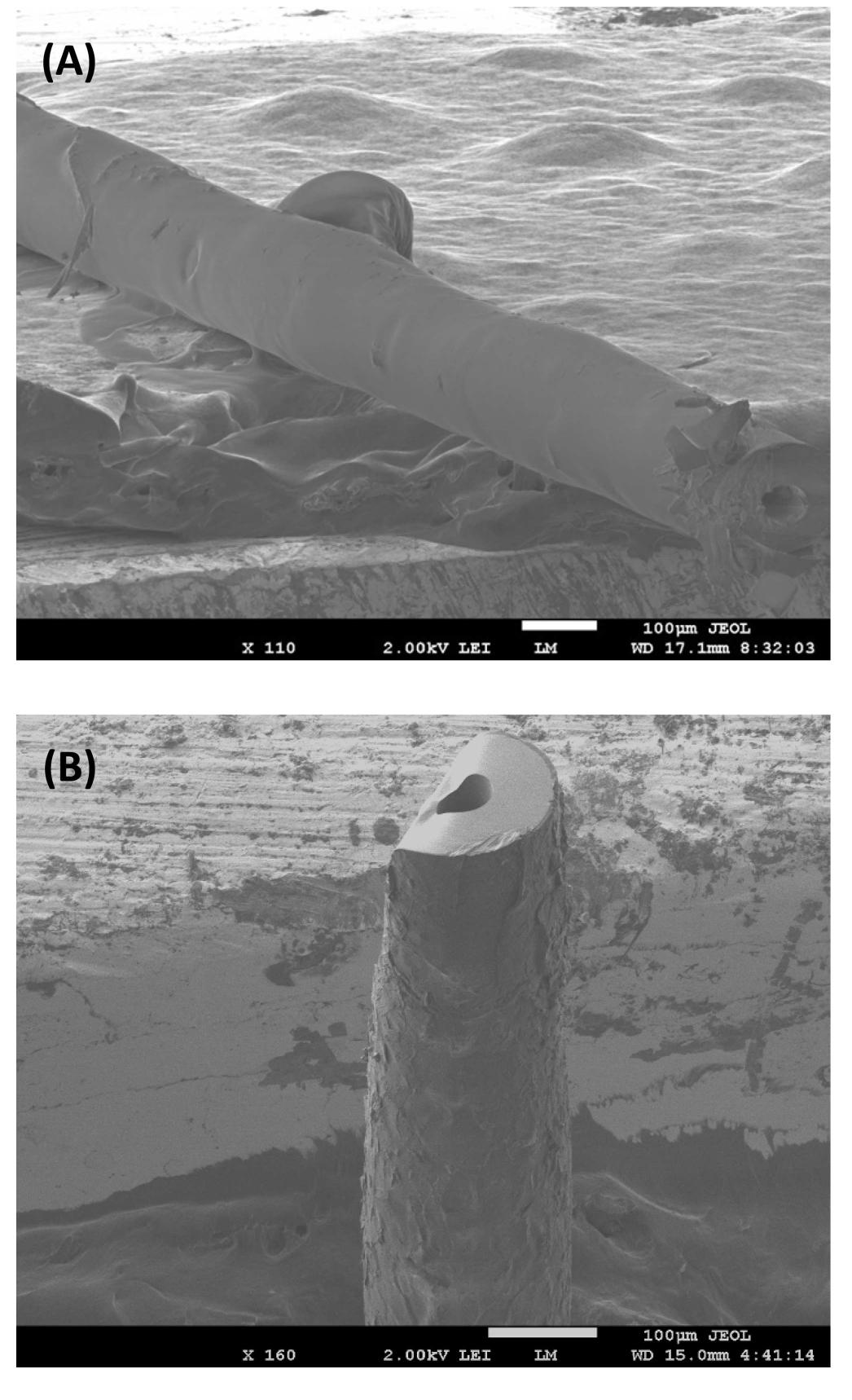
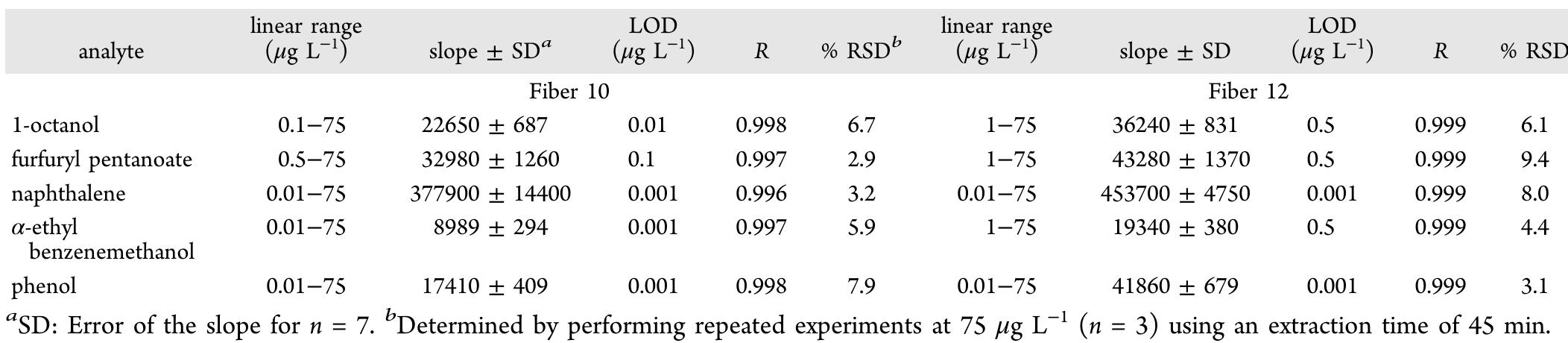
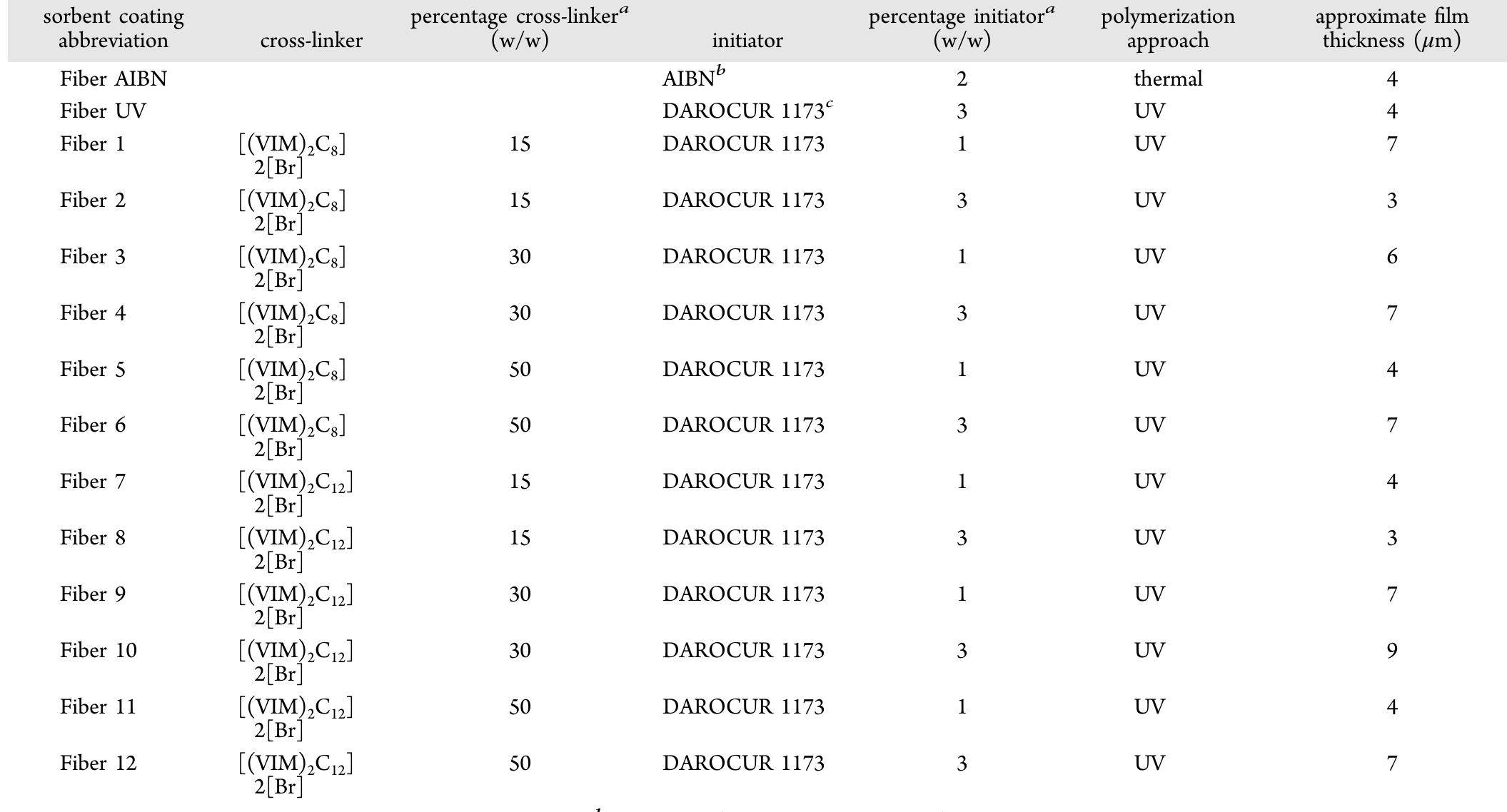
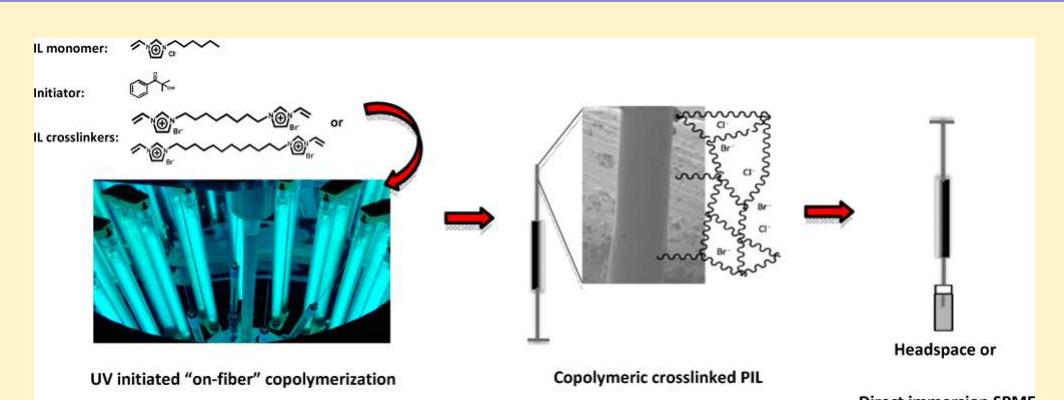
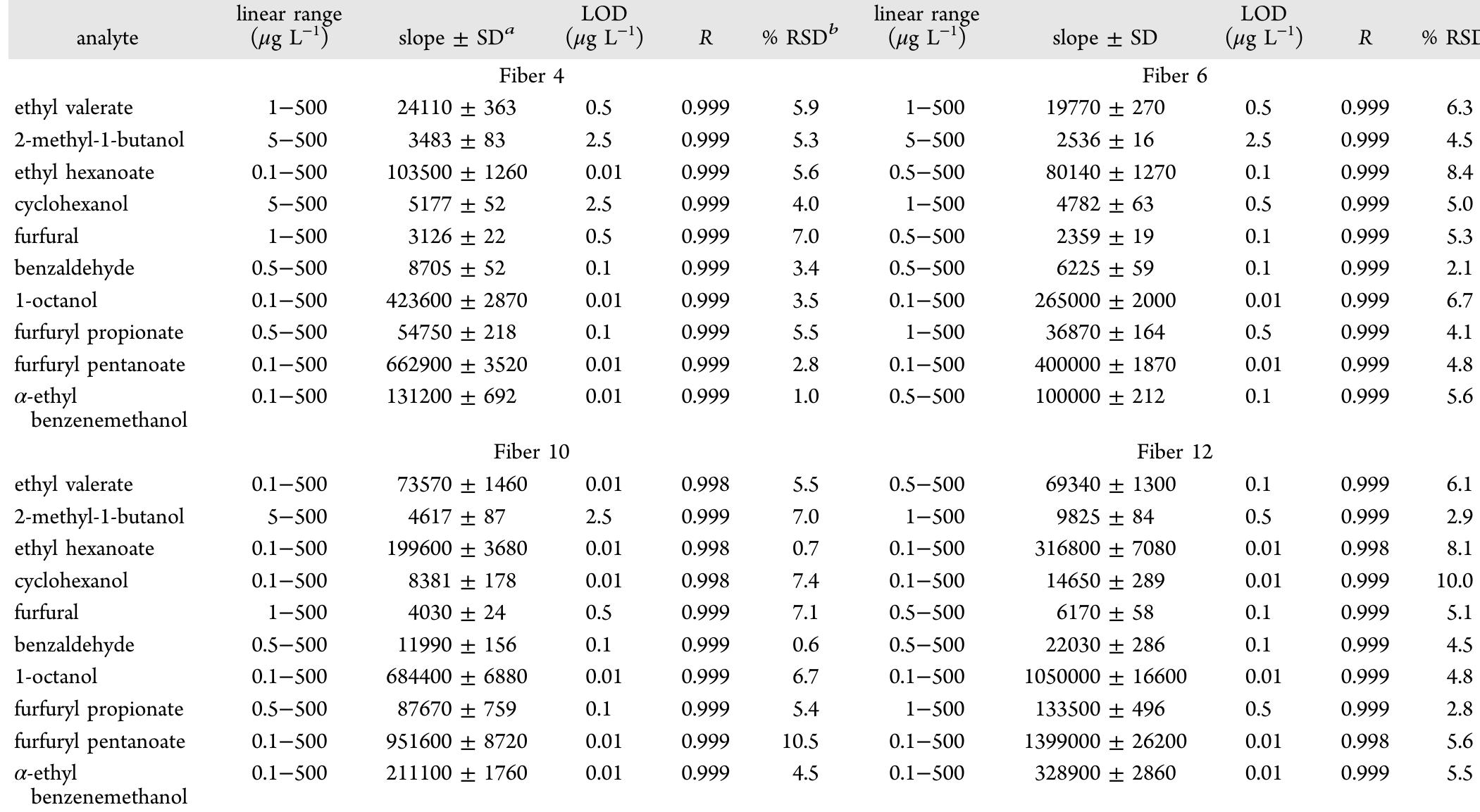
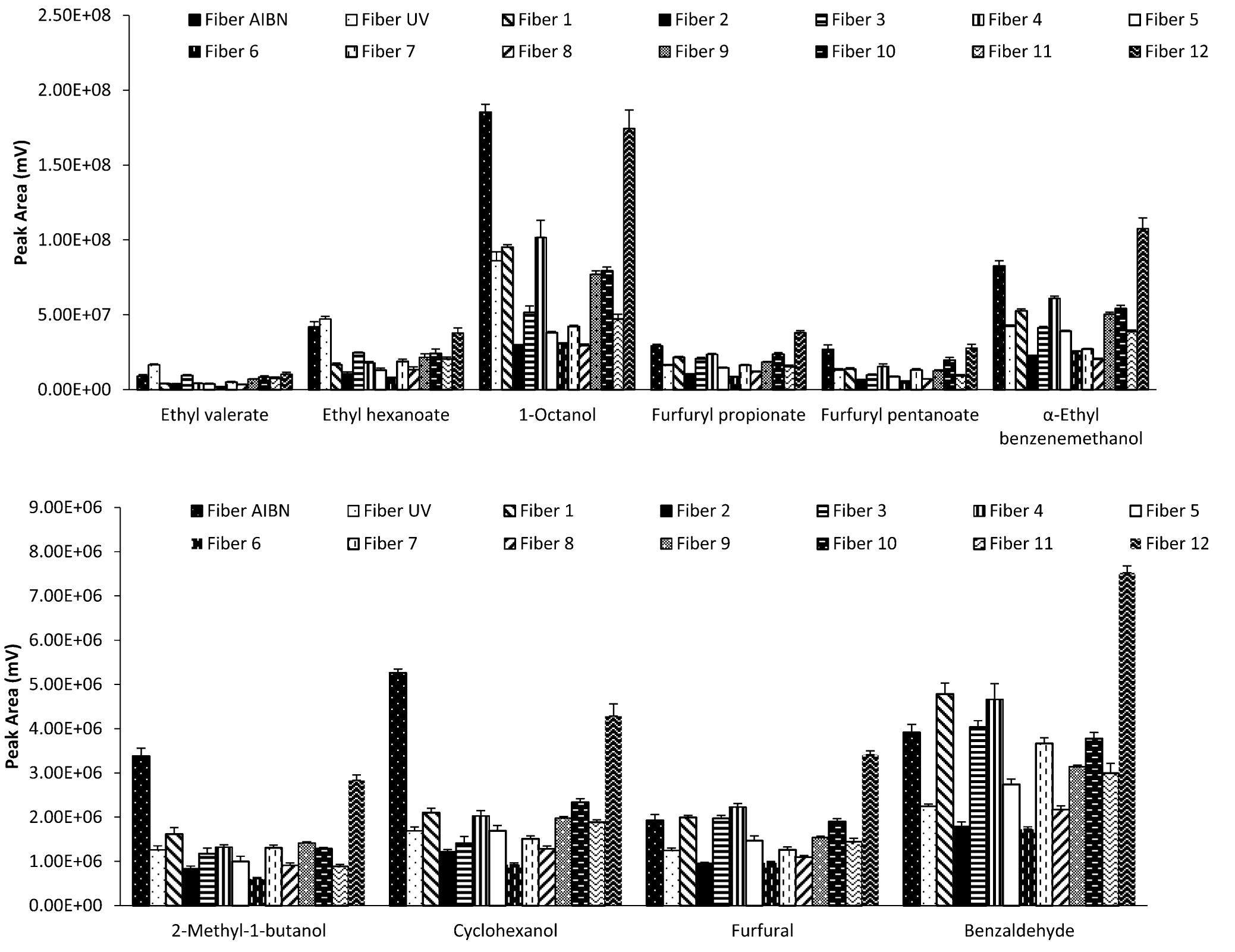
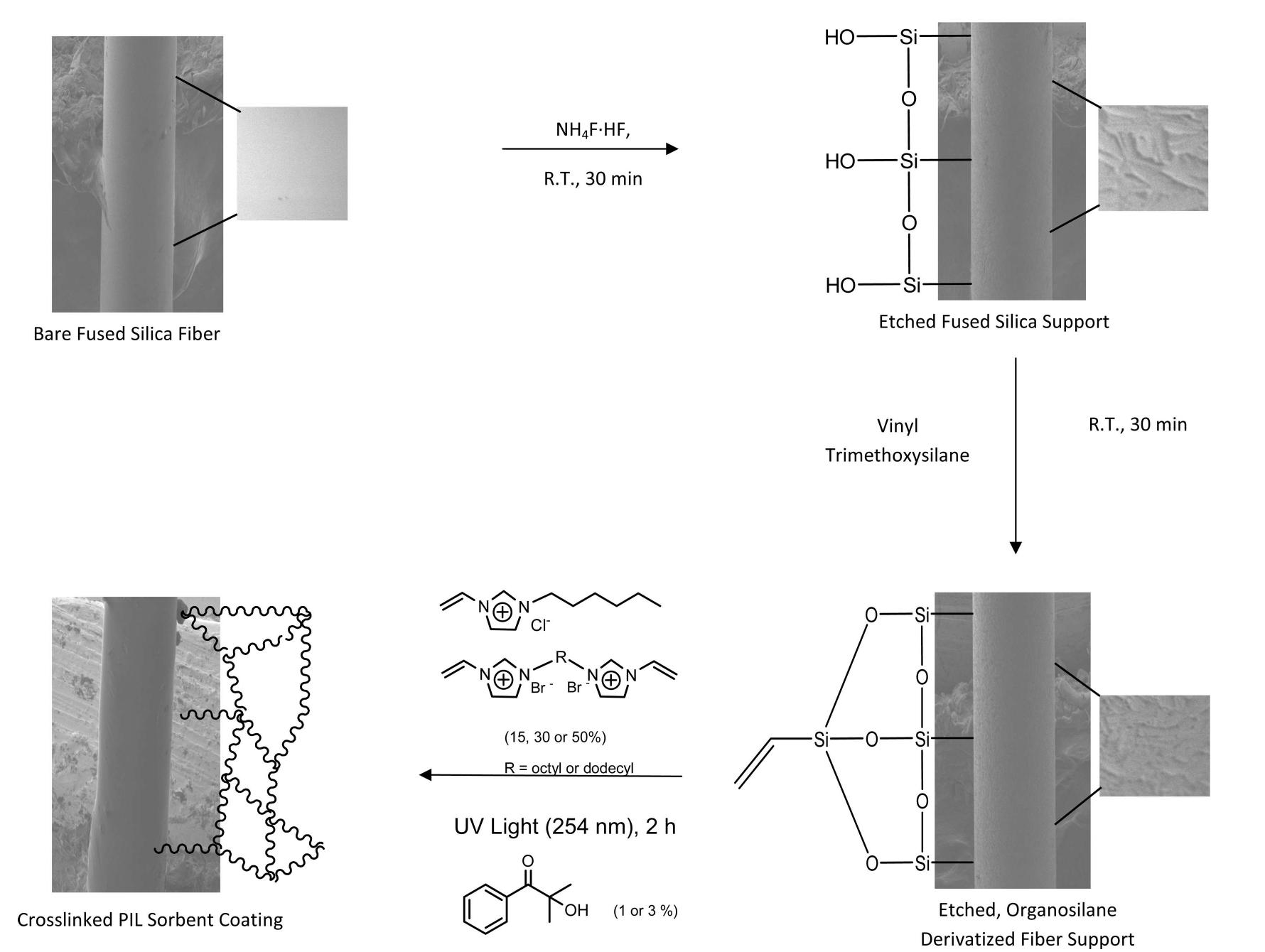
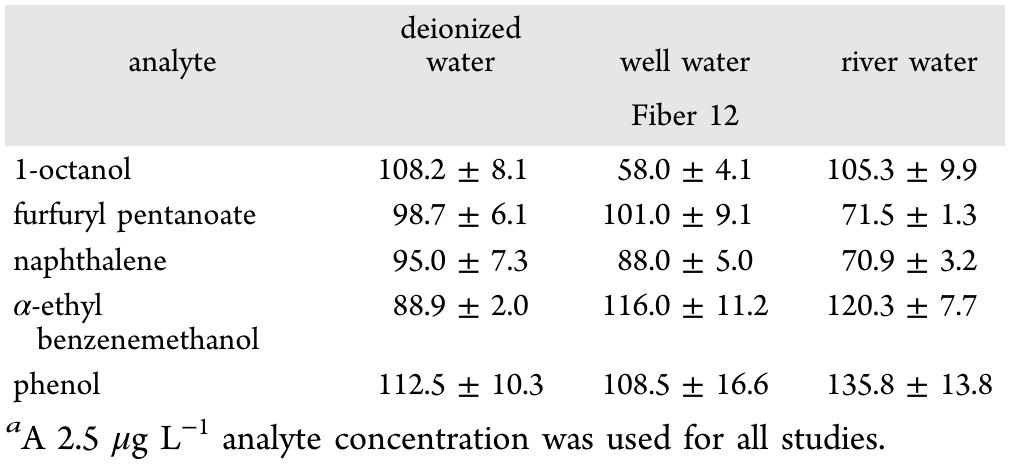
A high-throughput method for the production of solid-phase microextraction (SPME) sorbent coatings via ultraviolet (UV) photoinitiated copolymerization of ionic liquid (IL) monomers on a fused silica support is described. The... more
The solvation dynamics of coumarin 153 are compared in di and in mono-cationic-based ionic liquids for the first time.
The present work has been undertaken with an objective to understand the differences in the local structural organization of the imidazolium-based monocationic ionic liquids (MILs) and dicationic ionic liquids (DILs) through resonance... more
Egg shell (ES) is a biological macromolecule mainly containing calcite embedded in proteins and polysaccharides, while shell membrane predominantly contains proteins. Thus ES with membrane (ESM) possesses richer protein contents than ES.... more


![primary hydroxyl groups and in the range of 700-950 the deformation vibrations of the CH bonds anc 3F,/B-CD inclusion complex is synthesized. Nevertheless, the FTIR spectra of the mixture and the oups and the peak at 1002 cm’ to the symmetric v(O-C-O) vibration [47,48]. In the range of 1250- group Pp complex compound show small differences in particular in the wavenumber range of 3000-3700 cm” bands at 1159, 1080 and 1026 to stretching vibrations of the C-O bonds in the ether and hydroxy It can be noticed that both the position of the maximum of the broad bands assigned to O-H stretching asymmetric stretching vibrations (v,,CH2), the wide band at 1640 cm’! to the HOH bending mode, the nodes shifts from 3400 to 3375 cm’', and the global shape of the band was slightly modified (with a](https://figures.academia-assets.com/108104091/figure_003.jpg)


![Figure 9. (A) Schematic showing the preparation of GOD/ poly([VBIM][Br])-graphene/GC electrode and the direct electron transfer between GOD and GC electrode. (B) Cyclic voltammograms of the poly([VC,IM][Br])-graphene/GC electrode (a) and GOD/ poly([VC,IM][Br])-graphene/GC electrode (b). Reprinted from Zhang, Q.; Wu, S.; Zhang, L.; Lu, J.; Verproot, F.; Liu, Y.; Xing, Z.; Li, J. Song, X-M. Biosens. Bioelectron. 2011, 26, 2632 (ref 260). Copyright 2011, with permission from Elsevier. A novel PIL-functionalized graphene material, namely, poly([VC,IM] [Br])- “graphene, | was synthesized and applied for the detection of glucose. 2 The PIL-based nanocomposite can easily be dispersed in aqueous solution to form a homogeneous colloidal suspension. The surface of the PIL- modified material is also positively charged, which enables the immobilization of negatively charged glucose oxidase (GOD) to the electrode under mild conditions, as shown in Figure 9A.](https://figures.academia-assets.com/99389342/figure_009.jpg)
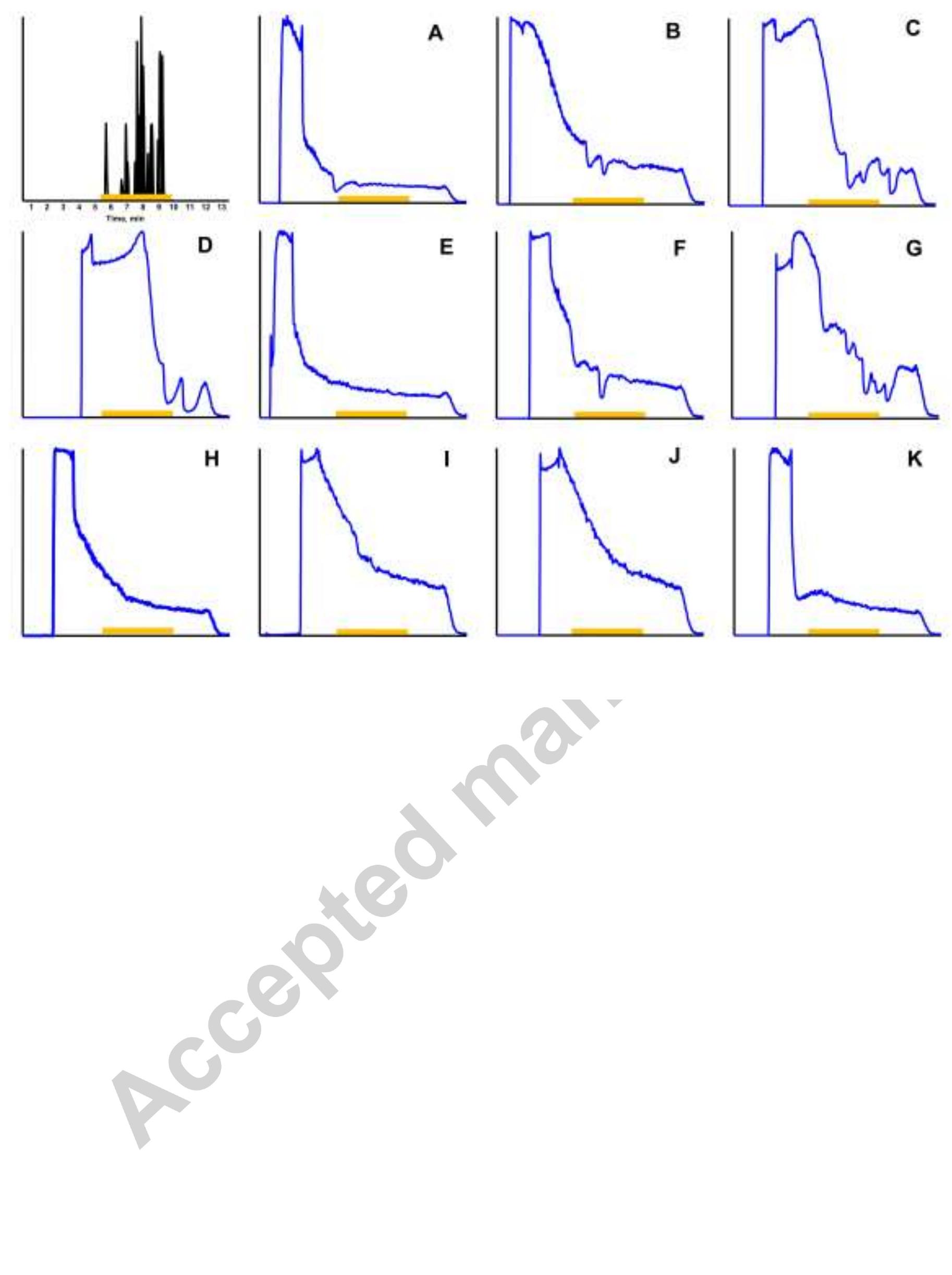
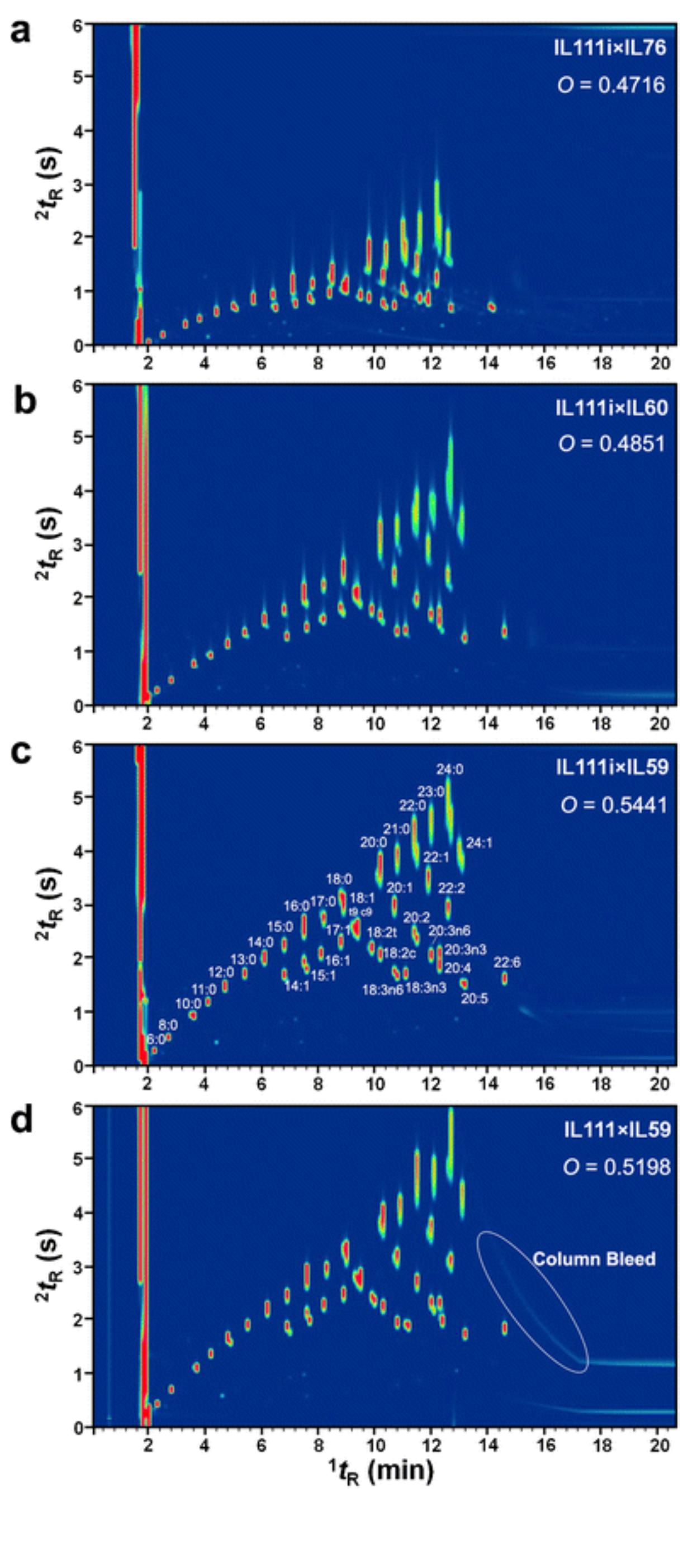
![Figure 5. Chromatograms of a fatty acid methyl esters mixture obtained on several combinations of capillary columns by GCXGC-FID. BPXS: 5% phenyl polysilphenylene-siloxane; BPX35: 35% phenyl polysilphenylene-siloxane; BPXS0: 50% phenyl polysilphenylene-siloxane; BPX70: 70% cyanopropyl polysilphenylene-siloxane; INNOWax: poly(ethylene glycol); SLB-ILS9: 1,12-di(tripropylphosphonium)dodecane [NTf,]; SLB-IL61: mixture of 1,12-di(tripropylphosphonium)dodecane paired with [NTf,] and trifluoromethylsulfonate; SLB-IL76: tri- (tripropylphosphoniumhexanamido) triethylamine [NTf,]; SLB-IL82: 1,12-di(2,3-dimethylimidazolium)dodecane [NTf,]; SLB-IL100: poly[1,9- di(3-vinylimidazolium)nonane] [NTf,]; SLB-IL111: 1,5-di(2,3-dimethylimidazolium)pentane [NTf,]. Reprinted from Nosheen, A.; Mitrevski, B.; Bano, A.; Marriott, P. J. J. Chromatogr, A 2013, 1312, 118 (ref 169). Copyright 2013, with permission from Elsevier.](https://figures.academia-assets.com/99389342/figure_005.jpg)