Academia.eduAcademia.edu

Anglo-Saxon Manuscripts

description54 papers
group1,481 followers
lightbulbAbout this topic
Anglo-Saxon Manuscripts are written texts produced in England during the Anglo-Saxon period (circa 450-1150 AD), primarily in Old English. These manuscripts encompass a variety of genres, including religious, literary, and historical works, and are crucial for understanding the language, culture, and history of early medieval England.
lightbulbAbout this topic
Anglo-Saxon Manuscripts are written texts produced in England during the Anglo-Saxon period (circa 450-1150 AD), primarily in Old English. These manuscripts encompass a variety of genres, including religious, literary, and historical works, and are crucial for understanding the language, culture, and history of early medieval England.

Key research themes

1. How do Anglo-Saxon medical manuscripts inform our understanding of medieval medicinal practices and potential for modern drug discovery?

This research area focuses on the detailed study and philological analysis of Anglo-Saxon medical manuscripts, such as Bald's Leechbooks, the Old English Herbarium, and Lacnunga. These texts contain empirical and pragmatic remedies for a range of common ailments diagnosed in Anglo-Saxon England, preserved in vernacular language and blending classical, indigenous, and possibly Mediterranean knowledge. Understanding the formulation, use, and botanical identification of these medicinal plants is vital not only for reconstructing medieval healthcare but also as a largely untapped resource for pharmacological research and potential drug discovery.

Key finding: This article provides a comprehensive overview of the Anglo-Saxon pharmacopoeia's botanical remedies and argues that many of these treatments are empirically effective and underexplored for modern drug development. It... Read more
Key finding: Building on recent modern translations, this work highlights the Anglo-Saxon medicinal texts as a valuable and previously marginalized source for identifying bioactive compounds native to British flora. It discusses the... Read more
Key finding: While focused primarily on print culture, this article contextualizes the linguistic environment preceding print, illustrating that Anglo-Saxon vernacular manuscripts, including medical texts, were part of a multilingual... Read more

2. What does manuscript evidence reveal about the liturgical and ecclesiastical roles of Anglo-Saxon religious communities, especially women, in late medieval England?

This theme investigates the roles and ministerial activities performed by Anglo-Saxon religious communities, focusing on liturgical practice such as penance and manuscript production and use. It challenges historiographical assumptions limiting these roles, especially concerning women religious and their agency in confession and spiritual leadership. The study of liturgical manuscripts and penitential texts reveals evolving ecclesiastical cultures and highlights manuscripts’ function as active records of community religious practice.

Key finding: This paper reveals through liturgical manuscript evidence that Benedictine women religious in Anglo-Saxon and later medieval England continued to perform confessional and penitential ministries well into the twelfth century.... Read more
Key finding: By analyzing surviving books and episcopal wealth and influence, this work synthesizes the relationship between monastic, cathedral, and royal ecclesiastical culture in late Anglo-Saxon England. It provides an optimistic... Read more
Key finding: This study identifies early Latin translations of John Chrysostom's sermons in a ninth-century Continental manuscript present in Anglo-Saxon England, indicating the circulation and reception of patristic Latin homilies within... Read more

3. How does codicological and textual analysis of Anglo-Saxon manuscript miscellanies enhance our understanding of medieval textual compilation and reception?

This theme explores the complex formation and organization of medieval Anglo-Saxon manuscript miscellanies, focusing on multi-text codices that compiled poetry, prose, homilies, and administrative materials. Investigating how texts were physically and conceptually assembled reveals insights into medieval reading communities, textual authority, intertextuality, and the dynamics of manuscript culture. Comparative European perspectives elucidate common and localized practices in manuscript compilation and the consequent impact on cultural identity and textual transmission.

Key finding: This collection, based on a HERA-funded project, analyzes the compilation, arrangement, and transmission of multi-text Anglo-Saxon manuscripts, illustrating how manuscript codices served as vibrant cultural artifacts... Read more
Key finding: The essay examines the recurring late presence of a short Latin poem attributed to Alcuin within Anglo-Saxon manuscripts, demonstrating its nuanced function beyond a mere colophon. The poem's consistent liminal manuscript... Read more
Key finding: Through rigorous manuscript leaf-level examination and photographic evidence, this catalogue presents revised detailed codicological descriptions of Pembroke College’s medieval manuscripts, including binding fragments and... Read more

All papers in Anglo-Saxon Manuscripts

This essay examines the ways in which writing was presented as something both to be looked at and read through in tenth- and eleventh-century England. Using the Old English glosses of the Lindisfarne and MacRegol Gospels as reference... more
This article suggests the existence of an early history of Peterborough monastery, still available after the destructive fire of 1116, which was used by the compiler of the Peterborough Chronicle in 1121 as a source for his local... more
The British Library manuscript Sloane MS 3822 comprises the occult interests of an early modern antiquarian. Described succinctly but accurately as ‘a medley of papers from the desks of Simon Forman, Elias Ashmole, and other English... more
is a famously funny painter, the only picture in the splendid exhibition of his work at the National Gallery of Art, Washington, D.C., that caused me to laugh aloud was the self-portrait of 1670 (Fig. 1).1 On first viewing it, I did not... more
BiBliologia eleMenta ad liBRoRvM studia peRtinentia volume 47 Comité de rédaction andré Binggeli, cnRs, institut de recherche et d'histoire des textes, paris paola degni, alma Mater università di Bologna Michele c. Ferrari,... more
A brief bibliographical introduction to the life and library of Sir Robert Cotton
This is a simplified set of rough notes describing a part of Badonic code, which seeks to prove that British history (including De Excidio Britanniae (DEB), Bede, and various later works) was invented in its current form after 1140/1153.
Объектом исследования в данной статье является ряд медицинских рецептов, связанных с приготовлением святого напитка и святой мази в составе древнеанглийского знахарского трактата "Лакнунга". Особое внимание уделяется связи понятий чистоты... more
The three palimpsests Verona, Biblioteca Capitolare, Veronenses (hereafter: Veron.) XV, XL, and LXII contain rewritten bifolios of late antique copies of works by Gaius, Vergil, Livy, and other classical Latin authors. Because they are... more
Resumo: O manuscrito de Beowulf, hoje em poder da British Library em Londres, conhecido também como Nowell Codex (Cotton Vitellius A.xv,) é composto pelos seguintes textos: Vida de São Cristovão, Maravilhas do Orient, Carta de Alexandre... more
Esse artigo tem como objetivo principal discutir como o poema Beowulf (S.I ca 700) apresenta a jactância germânica, isto é, a atitude de alguém que se manifesta com arrogância e tem alta opinião de si mesmo, como uma das principais formas... more
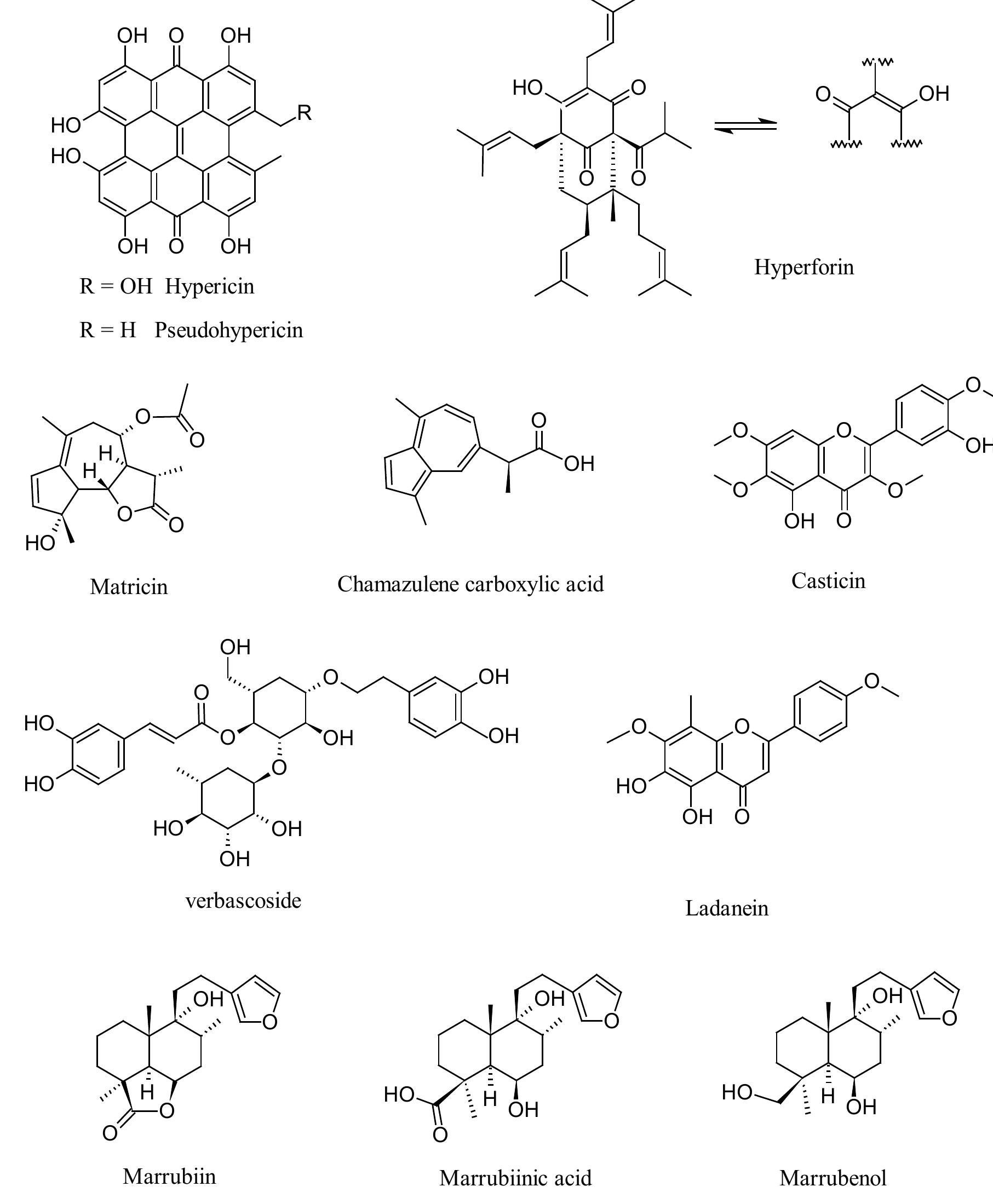
St. John’s Wort is a plant known and used by people for a very long time. It has multiple uses, as shown below. Its properties include antispasmodic action, astringent action, curative effects, vasodilating effects, hypotensive effects,... more
This paper dismisses the theory of sequential copyings in relation to the different versions of the Saxon Chronicle-an edition which supposedly extended only to 891-and argues that the shared source was a single 'Base Text', perhaps from... more
Unlike that opulent and better-known example of late Anglo-Saxon manuscript illumination, the tenth-century Benedictional of St. Aethelwold (London, British Library Additional MS 49598) 1 , the forty-eight modest sepia ink outline... more
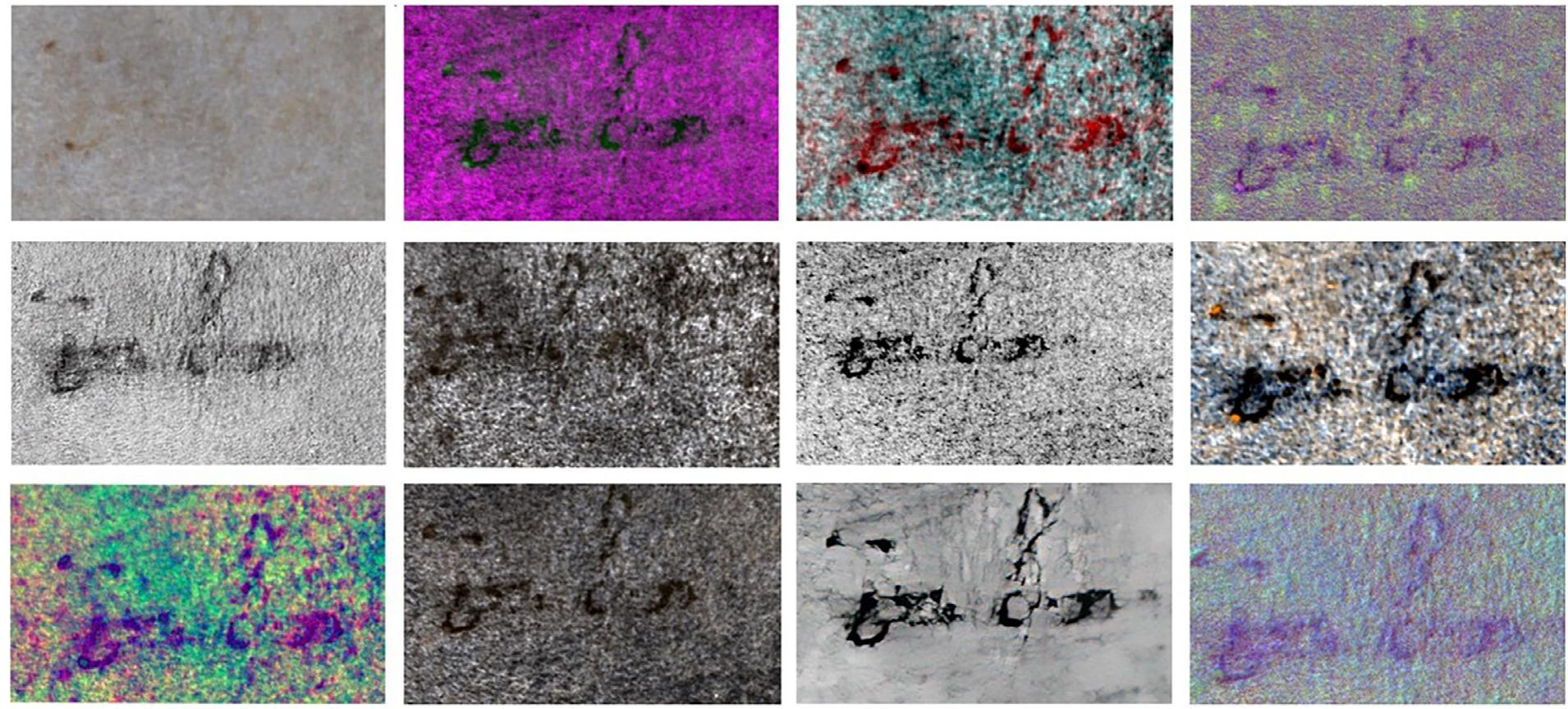
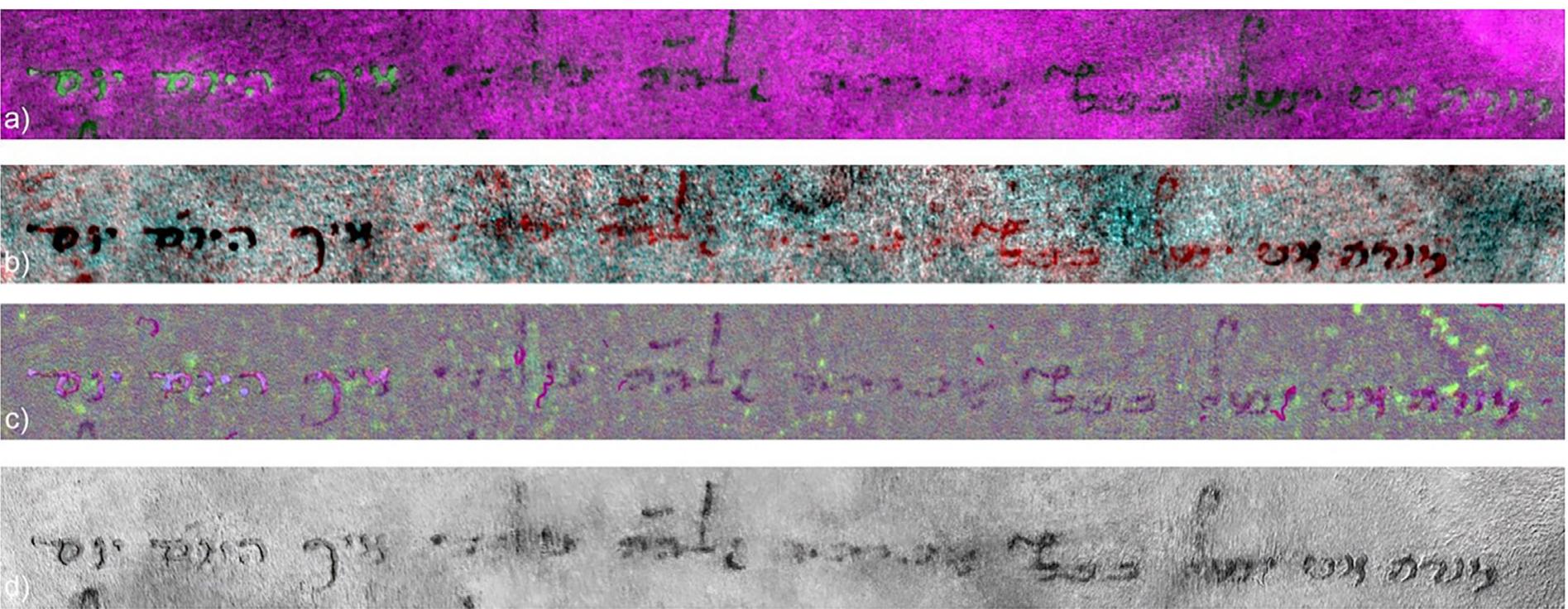
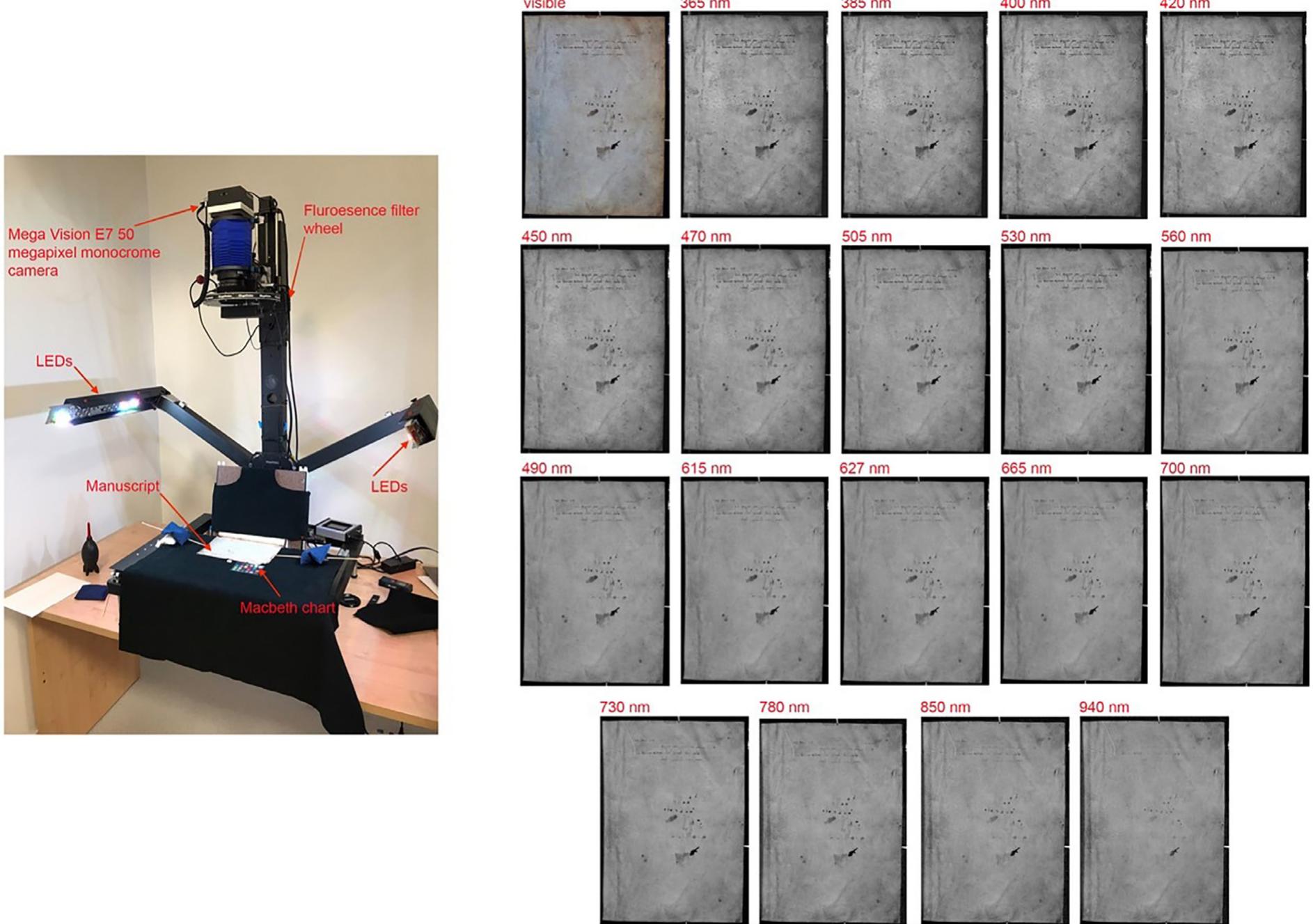
Over the last two decades, multispectral imaging (MSI) has established itself as the most important tool in recovering illegible text in erased or damaged manuscripts, and to a lesser extent as an aid to the codicological study of... more
В материалах сборника рассматриваются актуальные проблемы таких вспомогательных исторических дисциплин, как палеография, историческая хронология, историческая метрология, историческая география и картография, генеалогия, ономастика,... more
Bamberg Cathedral, the main church of the diocese founded in 1007 by King Henry II (r. 1002-1024), had one of the most impressive church treasuries of the Ottonian period. It was not only endowed with precious liturgical vessels, but also... more
The dating of the Beowulf manuscript, as distinct from Beowulf, became controversial in 1988, when David Dumville published an article he called "Beowulf Come Lately: Some Notes on the Palaeography of the Nowell Codex." Until then,... more
Aranyozott angolszász ezüsttárgyra bukkant egy fémdetektoros az angliai Norfolkban. A szász (saxon) népnév a sakai suna "szakák fiai" kifejezésből származhat s a kortársak a hunokat emlegették szkítákként, akiknek egyik neve volt a szaka.... more
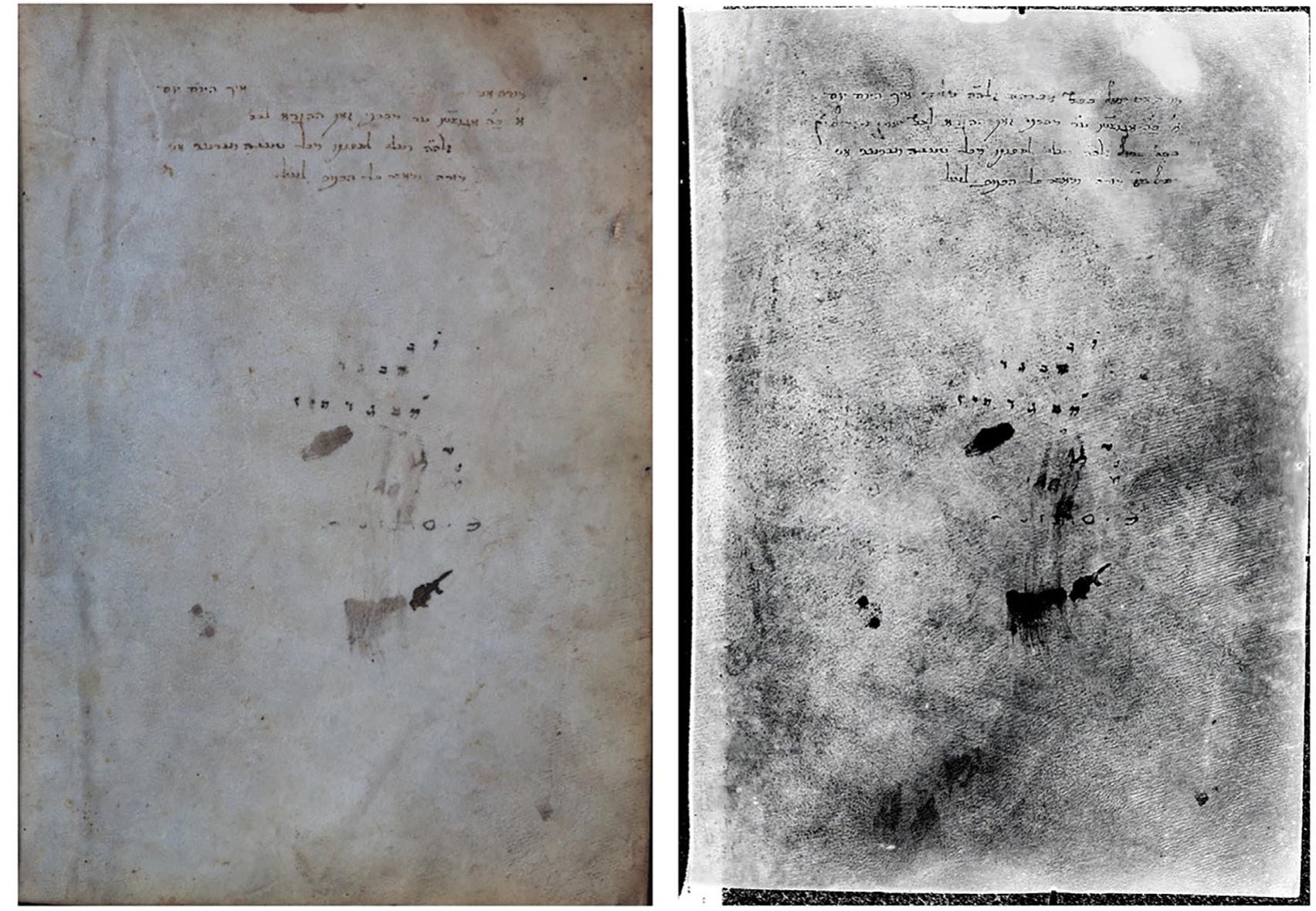
The use of chemical reagents for text enhancement was quite common in the nineteenth century. Their application resulted in permanent damage, irreversibly obscuring the writing. This paper describes an effort to find a suitable technique... more
This volume gathers fourteen new essays devoted to Old English prose saints' lives from the late Anglo-Saxon period. Moving from diverse methodological approaches and building on the most recent developments in primary and secondary... more
This paper discusses the origins and development of Palaeography and its significance in Medieval Studies, and it tackles the elitism and connoisseurship in the discipline. It offers a reappraisal of the tenth-century Parker Chronicle... more
The use of chemical reagents for text enhancement was quite common in the nineteenth century. Their application resulted in permanent damage, irreversibly obscuring the writing. This paper describes an effort to find a suitable technique... more
Este trabalho faz uma análise do poema épico anglo-saxão Beowulf, oriundo da tradição oral germânica, dando ênfase ao herói que dá o título. Em todo o caminho seguido pelo protagonista da história, ele distancia-se de formas tradicionais... more
Back cover of the Lindau Gospels. Salzburg, ca. 780-800. Detail of Fig. 14. Matthew portrait; initial page. Gospel book, Cologne, ca. 1030. Detail of Fig. 47.
Dissertação (mestrado)—Universidade de Brasília, Instituto de Letras, Departamento de Teoria Literária e Literaturas, Programa de Pós-Graduação em Literatura, 2019.O estudo da interpretação dos símbolos demanda tempo e esforço. Contudo,... more
Publishing Information Indices-Tables of Contents-Registers Edited by Bruno Reudenbach We would like to thank the German Research Foundation (DFG) for its generous support of the Cluster of Excellence EXC 2176 "Understanding Written... more
Using affordance theory, this chapter re-examines the evidence of the Uta Codex (München, Bayerische Staatsbibliothek, Clm 13601) and its Box through the lens of the question: is this a "liturgical book". It argues that book may have been... more
Duncan Probert's tragically premature death in 2016 robbed us of an excellent scholar whose work authoritatively spanned the interface between the history, the landscape, and the place-names and personal names of the Middle Ages, in... more
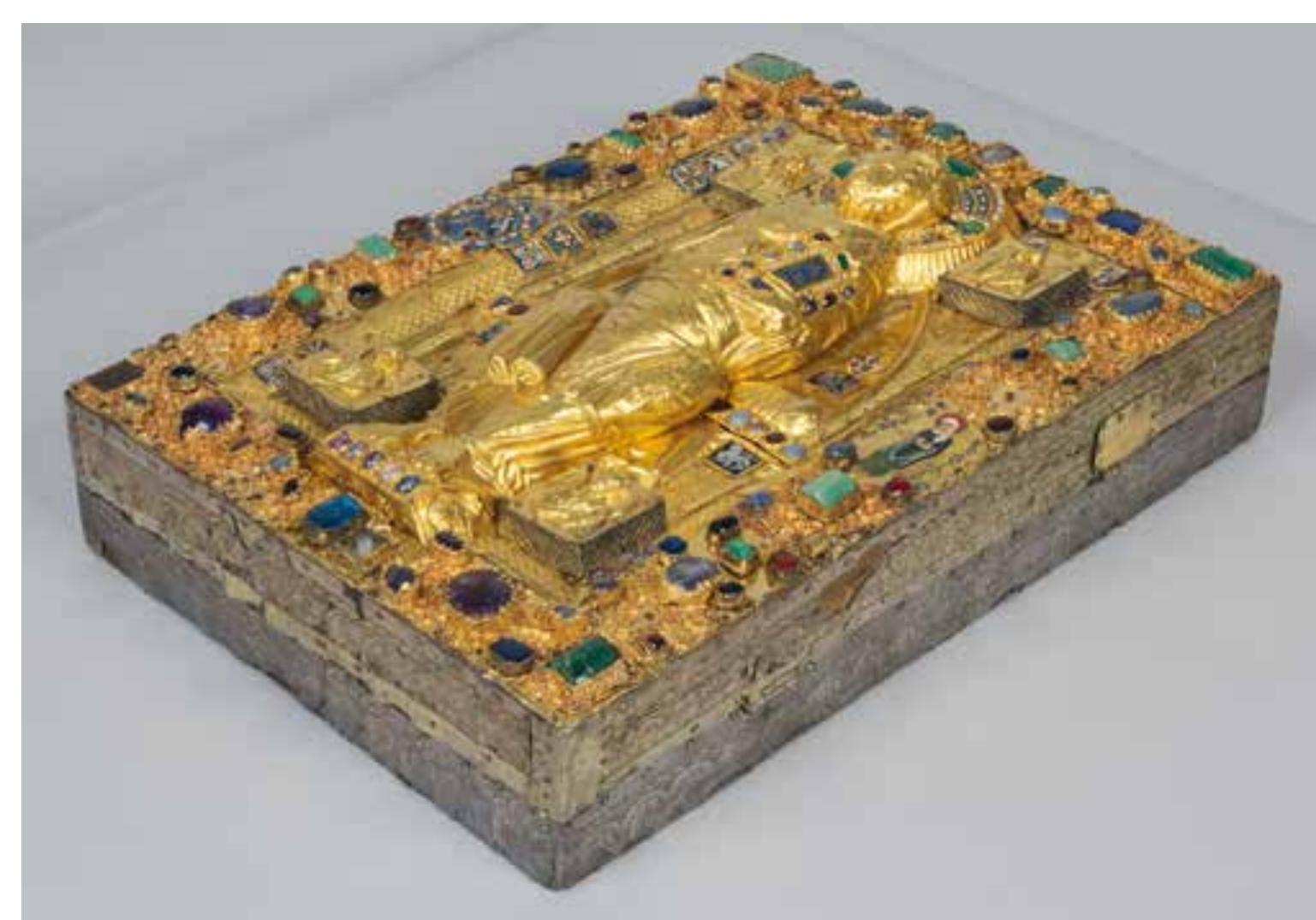
This study aims to provide a context for a unique silver-gilt shrine from the collection of Martine-Marie-Octavie Pol de Béhague, comtesse de Béarn (1870 1939). Probably a chrismal or chrismatory it was perhaps made in the monastic... more
The issue concerning the origin of the attachment of urban tenements to rural properties shown in Domesday Book and in other sources, which has generated controversy for more than a century, is examined in a new way. The spatial... more
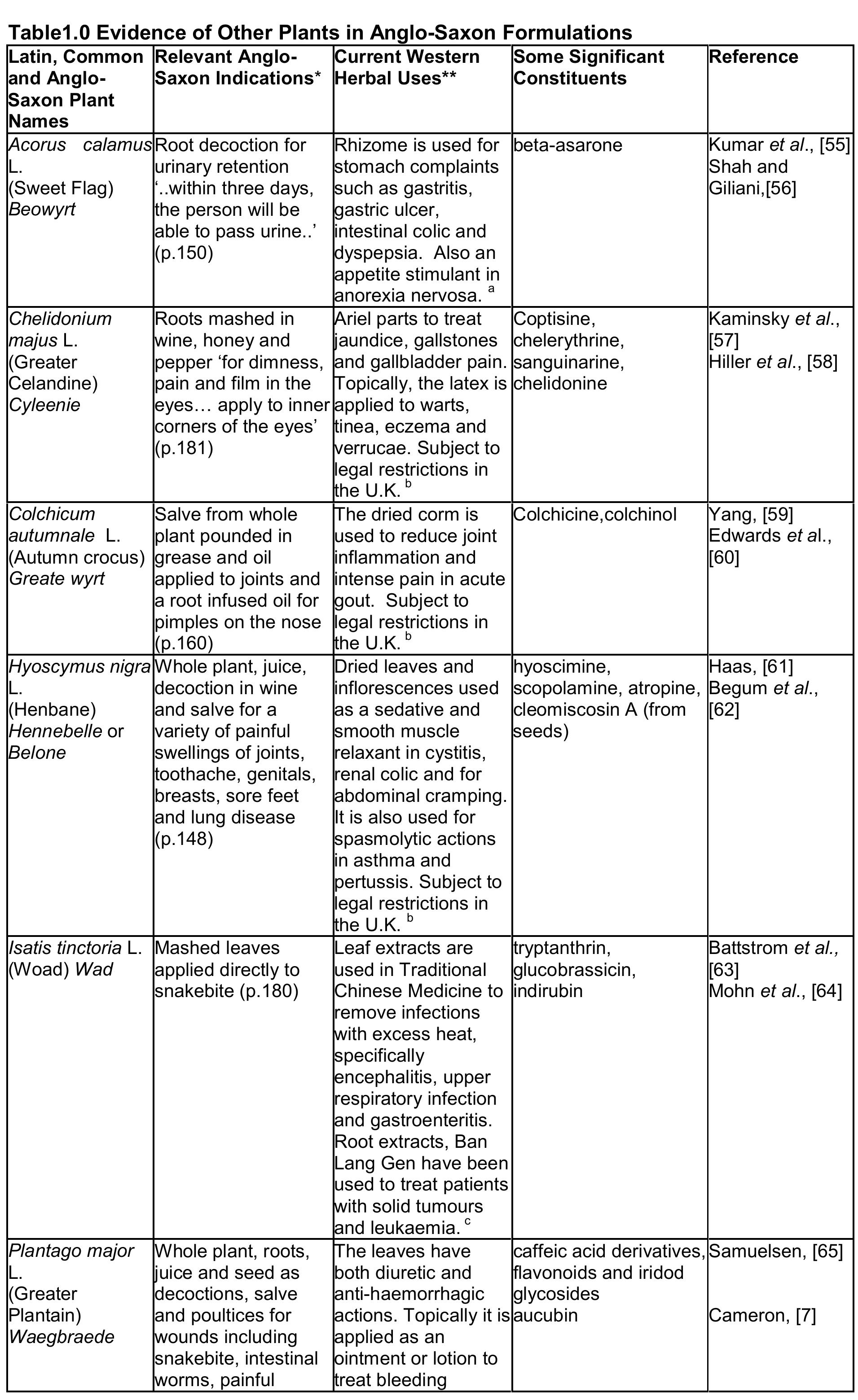
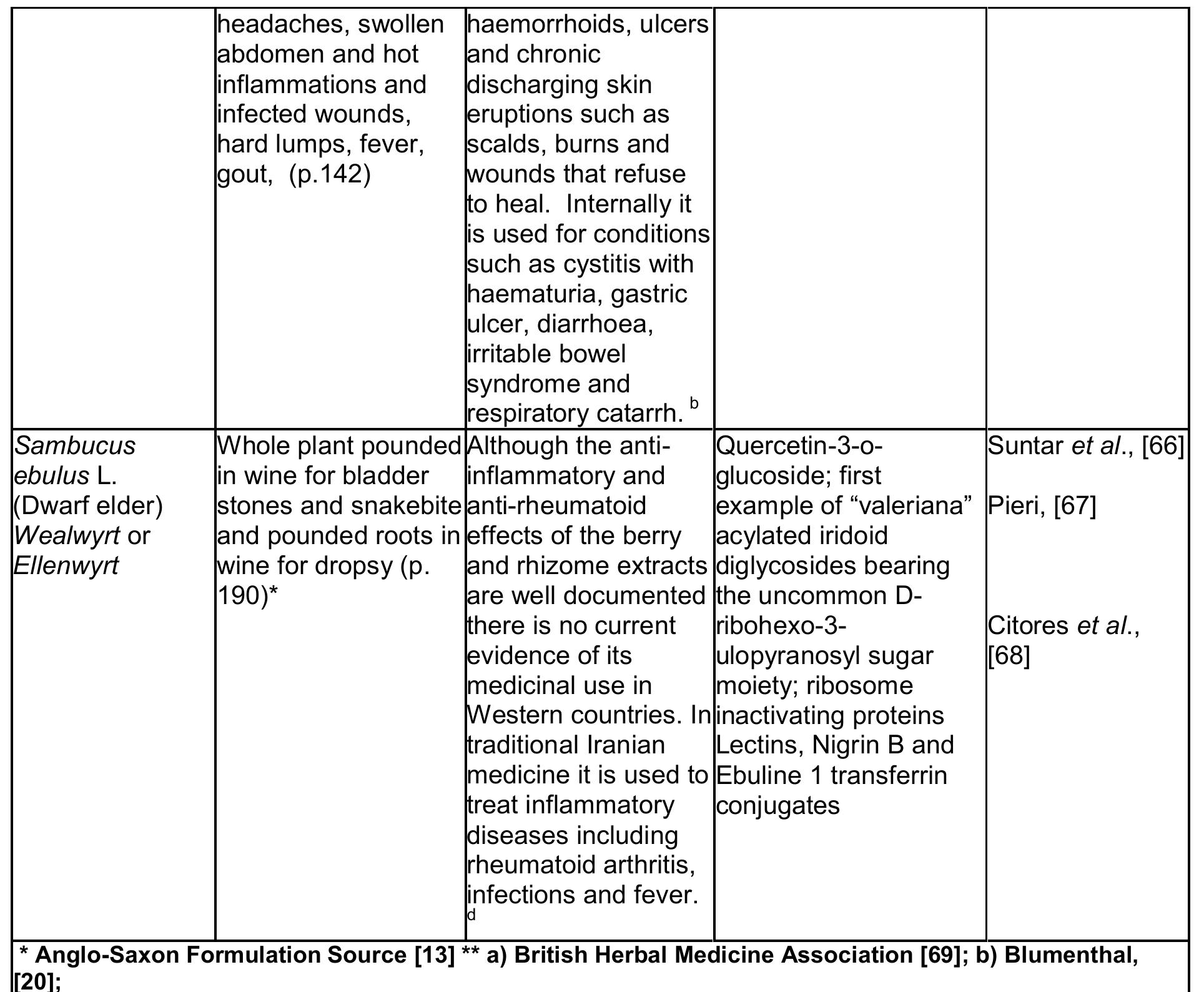
Modern translations provide a new opportunity to revisit the Anglo-Saxon medicinal texts, a valuable resource for discovering and developing novel compounds from native British flora.
Mi ig gu ue el l A Al la ar rc cã ão o U Un ni iv ve er rs si id da ad de e N No ov va a d de e L Li is sb bo oa a Gaudium Sciendi, Nº 2, Julho 2012 145 1 2 "Beowulf's life, though full of away wins, ends in a home defeat."
The Gospels of Sta. Maria ad Martyres (Trier, Stadtbibliothek, Cod. 23, 122a/b), a Carolingian manuscript of ca. 800, contains a dedication poem mentioning Albinus, the Anglo-Saxon scholar Alcuin, as its author and donor of a two-part... more
This article is made available online in accordance with publisher policies. Please scroll down to view the document itself. Please refer to the repository record for this item and our policy information available from the repository home... more
A close reading of two The Last Kingdom (2015-) fan fics hashtagged #NotMyBrexit, "One England" by BigHeartBigFart and "Under One Kingdom" by Honiejar (both 2019), shows that both authors use the (mediated character of) real-world King... more
Superior (CAPES) pelo fomento, permitindo-me tranquilidade financeira durante a pesquisa. Ao Programa de Pós-Graduação em Estudos da Tradução, por propiciar o caminho. À minha orientadora, Drª. Júnia Regina de Faria Barreto, pelo carinho,... more
In Carolingian verbal and visual representations of Christ on the cross, Chazelle has a wonderful subject: the Crucifixion is a central Christian event; the Carolingians are central to medieval and Western culture; and the authors... more
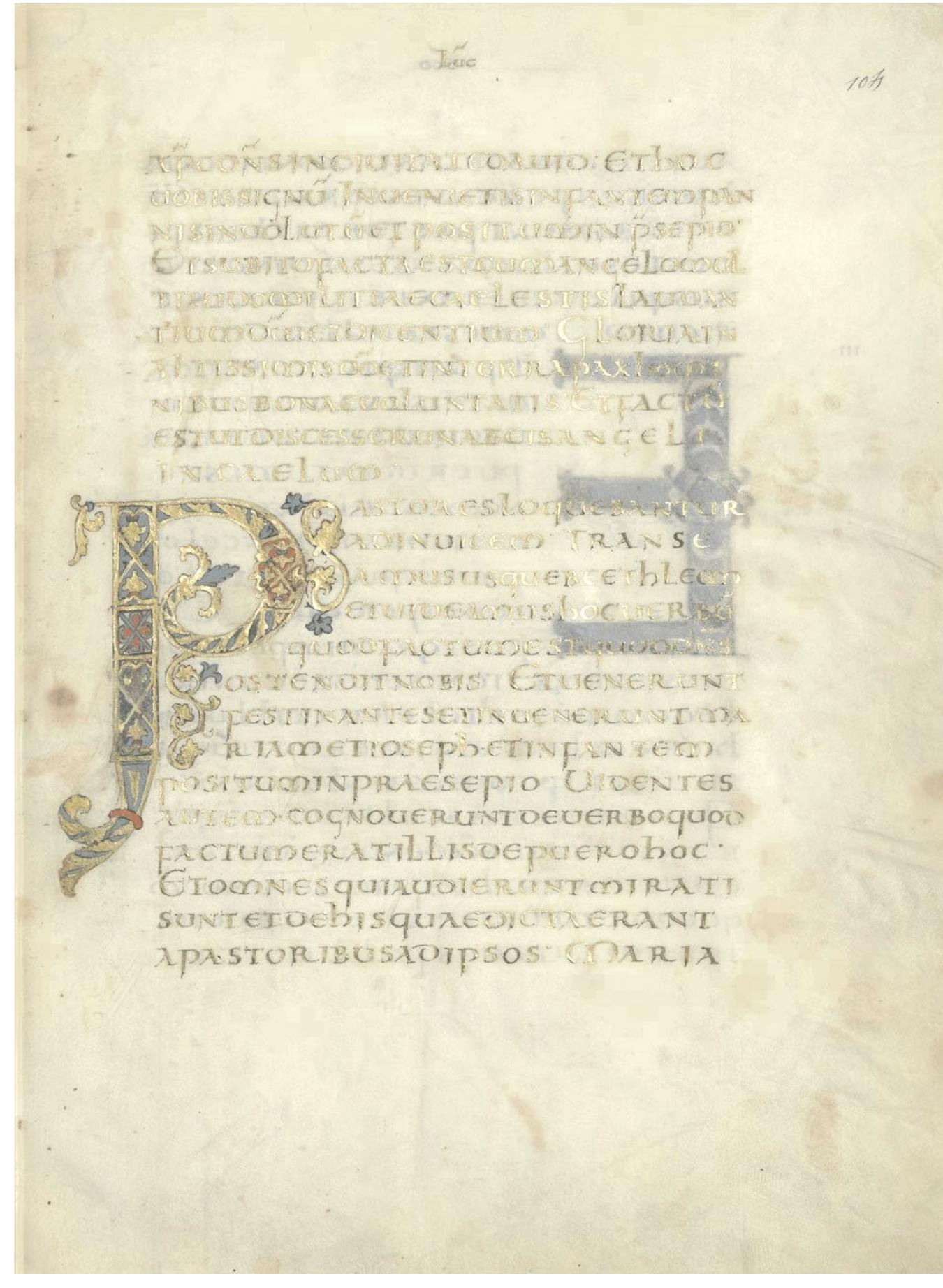
While the copying of Gospel Books may seem to be a standard task for any Christian community, the decision to make those copies in gold ink, sometimes writing on purple parchment, was a Carolingian transformation of early medieval book... more
Articles Gabriele Rippl and Ursula Lenker Book Histories in the Digital Age: Challenges, Promises, Achievements Peter A. Stokes Holistically Modelling the Medieval Book: Towards a Digital Contribution Orietta Da Rold Tradition and... more
O presente trabalho pretende analisar as características encontradas nos três monstros principais do poema anglo-saxão Beowulf, assim como investigar a construção do espaço amedrontador e atmosfera de terror encontrado nas descrições dos... more
Traditionally early medieval masculinity has been understood in relation to the militant warriors we encounter in poems such as Beowulf. In recent years we have seen a resurgence in alt-right appropriations of early medieval cultures and... more
Bodley 516, a ninth-century Continental manuscript that was in England by the eleventh century, contains excerpts from De reparatione lapsi and Ad Theodorum monachum, two Latin translations of Greek works by John Chrysostom that... more
Download research papers for free!