Academia.eduAcademia.edu

Action-Perception Coupling

description62 papers
group35 followers
lightbulbAbout this topic
Action-Perception Coupling refers to the interdependent relationship between sensory perception and motor actions, emphasizing how perceptual processes influence movement and vice versa. This concept is fundamental in understanding how organisms interact with their environment, integrating sensory information to guide actions effectively.
lightbulbAbout this topic
Action-Perception Coupling refers to the interdependent relationship between sensory perception and motor actions, emphasizing how perceptual processes influence movement and vice versa. This concept is fundamental in understanding how organisms interact with their environment, integrating sensory information to guide actions effectively.

Key research themes

1. How does sensorimotor experience and motor system activation causally influence action perception and understanding?

This research theme investigates the extent to which neural activity in the motor system is critical for perceiving and understanding others’ actions. It examines whether observation-related motor activations are causally necessary for action perception, or merely correlational, with a focus on sensorimotor learning and brain stimulation methods to establish causality. Understanding this relationship is vital for theories of social cognition and embodied simulation that argue for motor contributions in action understanding.

Key finding: Using causal brain manipulation methods such as transcranial magnetic stimulation and lesion studies, this paper provides compelling evidence that motor system activity is necessary for perceiving and understanding others’... Read more
Key finding: This study demonstrates that counter-mirror sensorimotor training, which reverses established associations between observed and executed actions, disrupts participants’ ability to judge the weight of objects lifted by others.... Read more
Key finding: By combining behavioral reaction time measures with MEG beta-band oscillation analyses, this study showed that processing of visually presented actions and action-related verbs leads to interference effects when the observed... Read more

2. How are observed actions and object events represented and coded in the brain, and what neural mechanisms underlie their perception and integration?

This theme explores the neural coding of actions and non-animate object events in the action observation network (AON), emphasizing whether the brain represents these event types via a shared neural code invariant to the animacy and modality of stimuli. Research here employs multivariate pattern analyses to dissociate representation content from general stimulus features, shedding light on fundamental neural mechanisms of event perception and action understanding beyond classic mirror neuron literature.

Key finding: Using fMRI multivariate pattern analysis and cross-decoding techniques, this study revealed that key nodes of the AON including posterior temporal and frontoparietal cortices encode both human actions and object events via... Read more
Key finding: Through a perturbation paradigm dissociating hand and cursor movements, the authors found that visual action effects interfere with motor modality during action replication, whereas proprioceptive effects had no influence on... Read more
Key finding: This study proposes an information-theoretic bounded rationality framework modeling perception and action as serial information-processing channels, jointly optimized to maximize utility under limited capacity constraints.... Read more

3. How do temporal and multisensory integration mechanisms enable the coupling of perception and action, and what are the perceptual consequences of these interactions?

This research area focuses on temporal coordination between action execution and perceptual processing and the sensory integration that supports unified conscious experience across senses relevant for coordinated behavior. Investigations include how action preparation affects perceptual timing, the conditions for multisensory integration based on temporal asynchrony, and the role of peripersonal space in coordinating perception and action. This has implications for understanding cross-modal perception, sensorimotor predictions, and sensorimotor control in social and individual contexts.
Key finding: This paper demonstrates that saccadic eye movement reaction times and perceptual reaction times for detecting temporal gaps and overlaps co-vary tightly as a function of temporal asynchrony between fixation offset and target... Read more
Key finding: Using reaction time and race model paradigms with rod- and cone-isolating visual stimuli and auditory stimuli at varying stimulus onset asynchronies, this study found that facilitative multisensory integration occurs... Read more
Key finding: Drawing from cognitive neuroscience evidence, this work identifies peripersonal space as a qualitatively distinct spatial domain processed by multisensory and sensory-motor systems. It argues that perception within this space... Read more

All papers in Action-Perception Coupling

Tennis serve has become one of the most critical strokes-if not the most importantparticularly in men's tennis. The preparatory phase constitutes a decisive factor in its execution, directly influencing effectiveness. The primary... more
Human beings are intensely social animals. Our lives intertwine with other people. Our health, economic prosperity, and well-being profoundly depend on our interactions with others. Social neuroscience seeks to understand how the brain... more
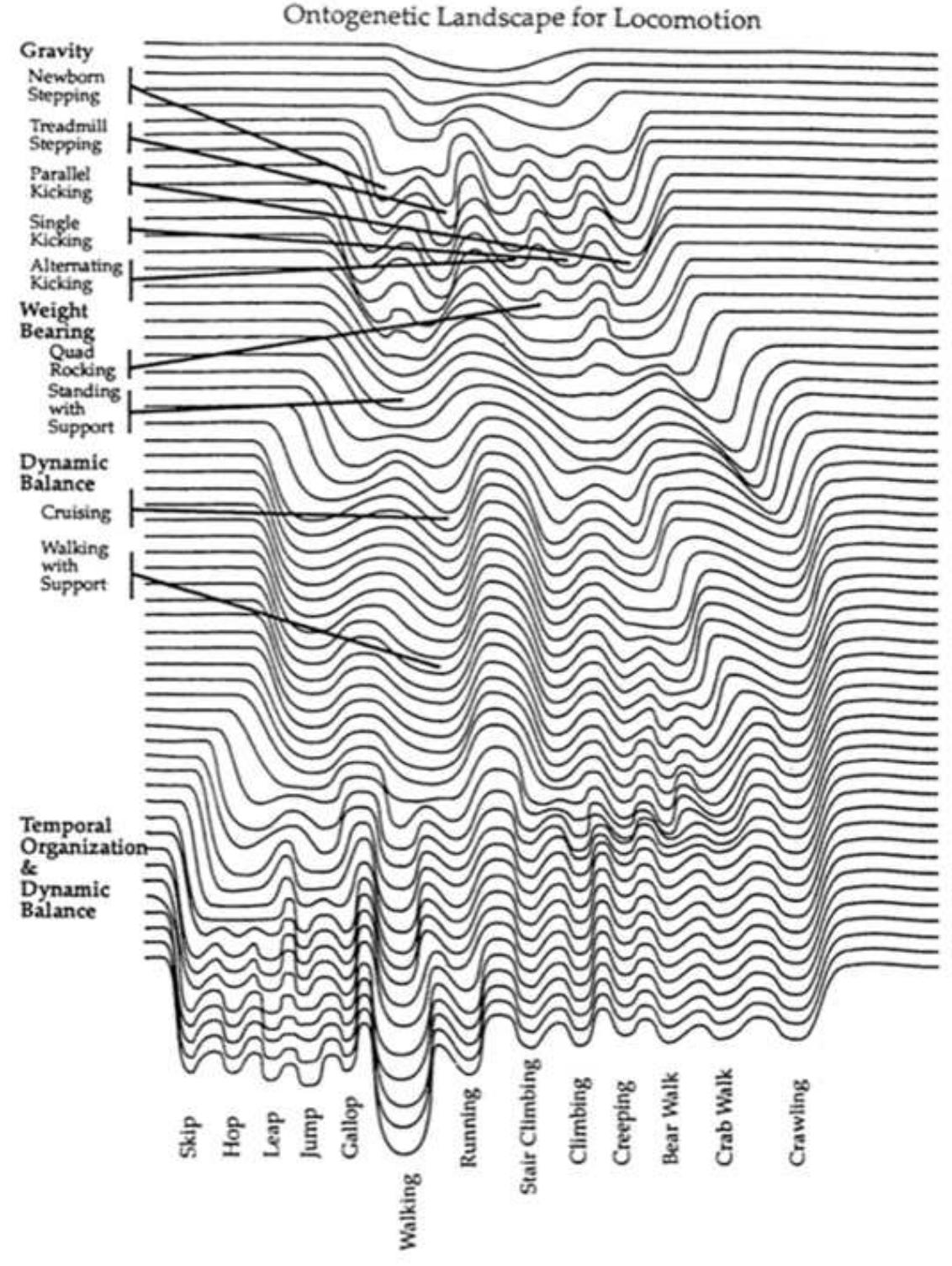
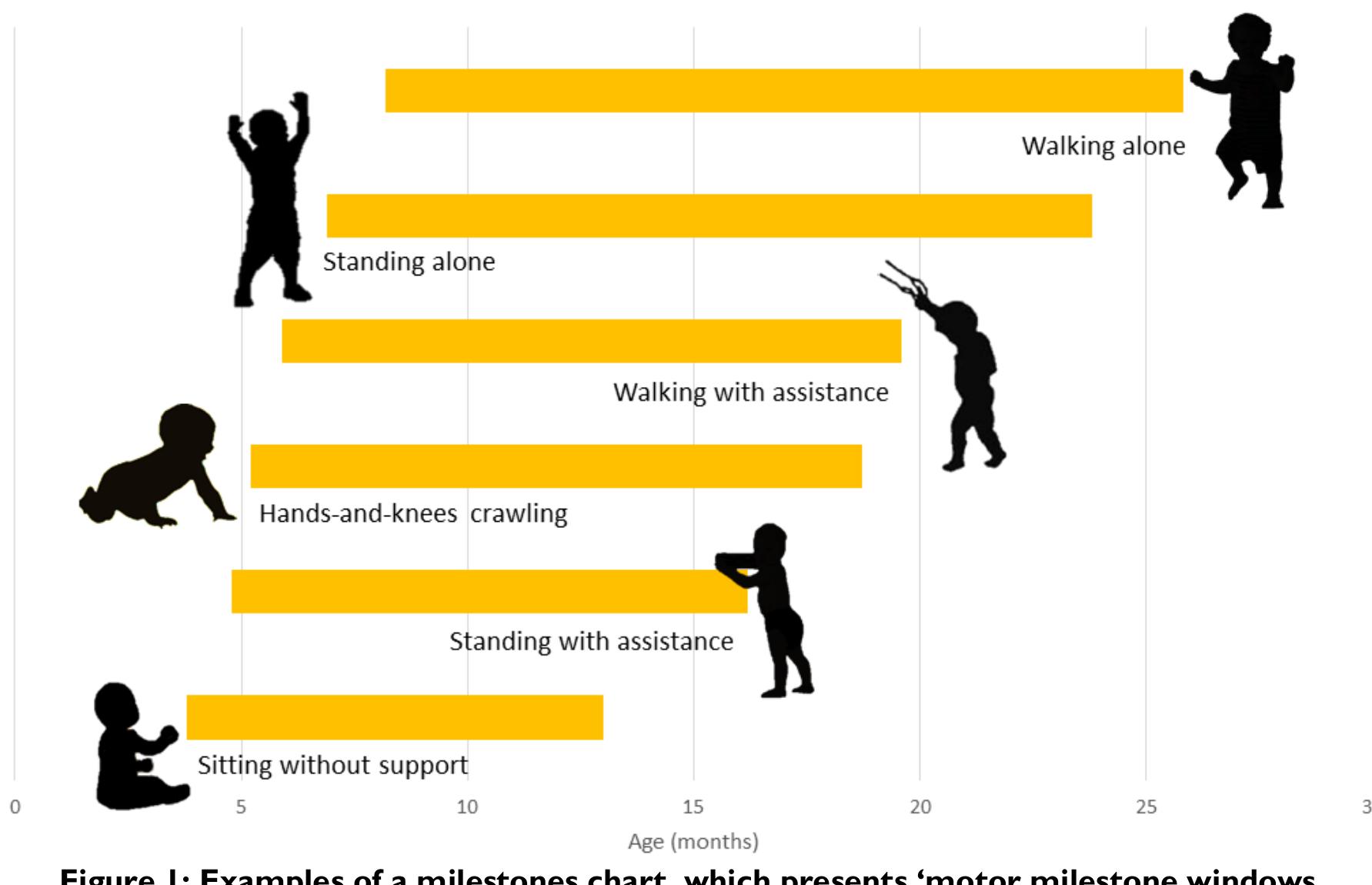
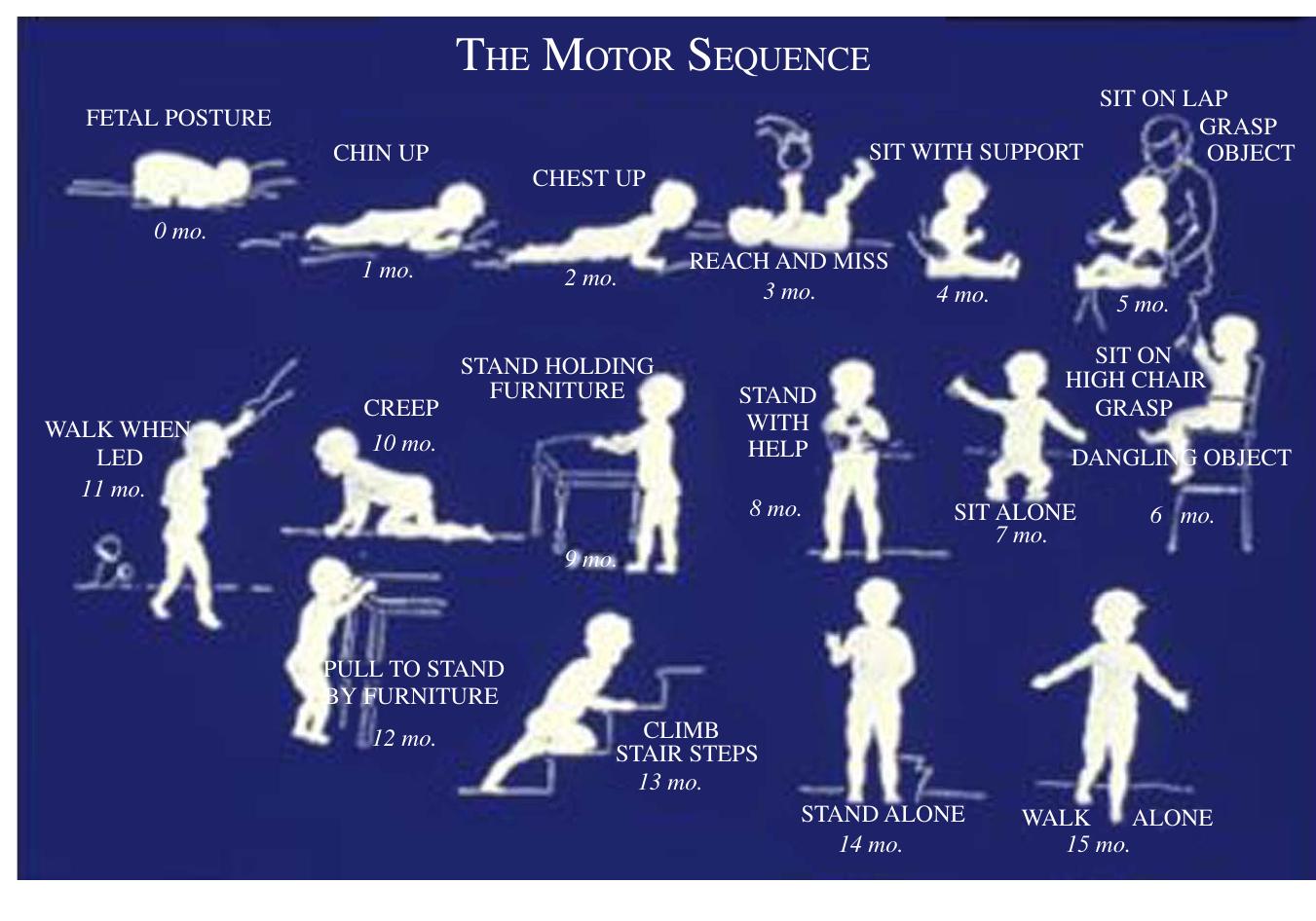
In 1989, Clark and Whitall asked the question "What is motor development". They were referring to the study of motor development as an academic research enterprise and answered their question primarily by describing four relatively... more
This article discusses the curiously geographic metaphors that shape how we understand embodied growth and change in infancy and early childhood and explores possibilities for developing new metaphors, and iconographies, which better... more
We present a model for the autonomous learning of active binocular vision using a recently developed biome-chanical model of the human oculomotor system. The model is formulated in the Active Efficient Coding (AEC) framework, a recent... more
Motor resonance is considered to be an index of the automatic under threshold motor replica of the observed action. Similar actions may be quite different in terms of long-term goals (e.g., grasp to eat vs grasp to throw) and, recently,... more
Imitation, both gestural and vocal, has been acknowledged to be at the origin of human communication (Donald, 1991). Music is often considered to be the first means of communication of emotion via both vocal and gestural synchronization... more
The paper reports an electrophysiological (EEG) study investigating how language is involved in perception–action relations in musically trained and untrained participants. Using an original backward priming paradigm, participants were... more
Background Previous work on balance control in children and adults highlights the importance of multisensory information. Work in this vein has examined two principal input sourcesthe role of visual and haptic information on balance.... more
Results The results showed that the APC related to reaching-to-grasp performance was not impacted by postexercise changes in mechanical properties of the musculoarticular system. Conclusion These findings emphasize the central dimension... more
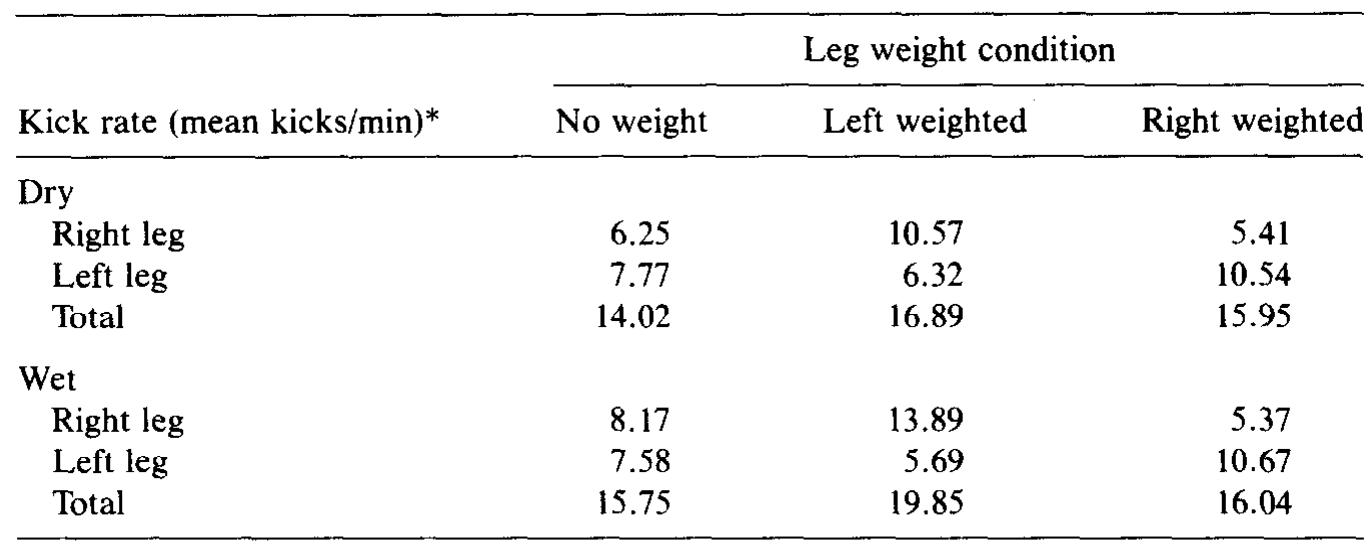
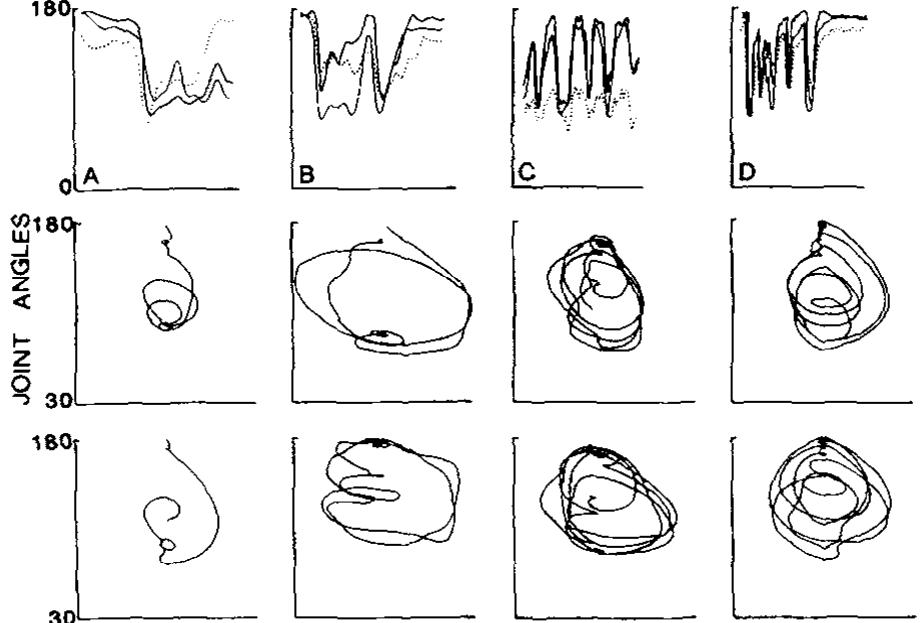
A dynamical systems approach is used to characterize early motor development. Contemporary theories of motor performance emphasize the self-organizing and autonomous properties of muscle synergies as an example of the dynamical behavior... more
This article examines what might constitute the first manifestation of consciousness in the life of an individual, focusing on the subjective starting state of newborns. It presents evidence showing that we are born with some minimal... more
A review and synthesis of the literature on the learning and development of motor skills supports the postulation that whether a motor skill can be deemed fundamental is dependent on the collective presence of three conditions:... more
Empathy with others' successes and misfortunes is a critical component of group living that promotes social cohesion. Unfortunately, empathy is a malleable phenomenon in that its elicitation is not automatic, but modulated by multiple... more
Contextual information accompanying others’ actions modulates “motor resonance”, i.e., neural activity within motor areas that is elicited by movement observation. One possibility is that we weigh and combine such information in a... more
All spatially and temporally coordinated behaviors are organized as action systems involving the coupling of perception and action. Some action systems are present at birth, but most will develop in the months and years to come; all of... more
Observational modeling effects for movement dynamics and movement outcome measures across differing task constraints: A meta-analysis.
Additional information about procedure and data analysis for the main experiment and methods for the control experiment.
Finger tapping performance, comparison between data aligned to tap onset and offset and results for the control (no-movement) experiment.
In 1989, Clark and Whitall asked the question, “What is motor development?” They were referring to the study of motor development as an academic research enterprise and answered their question primarily by describing four relatively... more
The goals of this study were to examine the visual information influence on body sway as a function of self-and object-motion perception and visual information quality. Participants that were aware (object-motion) and unaware... more
Skilled actions are the result of a perceptual-motor system being well-calibrated to the appropriate information variables. Changes to the perceptual or motor system initiates recalibration, which is the rescaling of the perceptual-motor... more
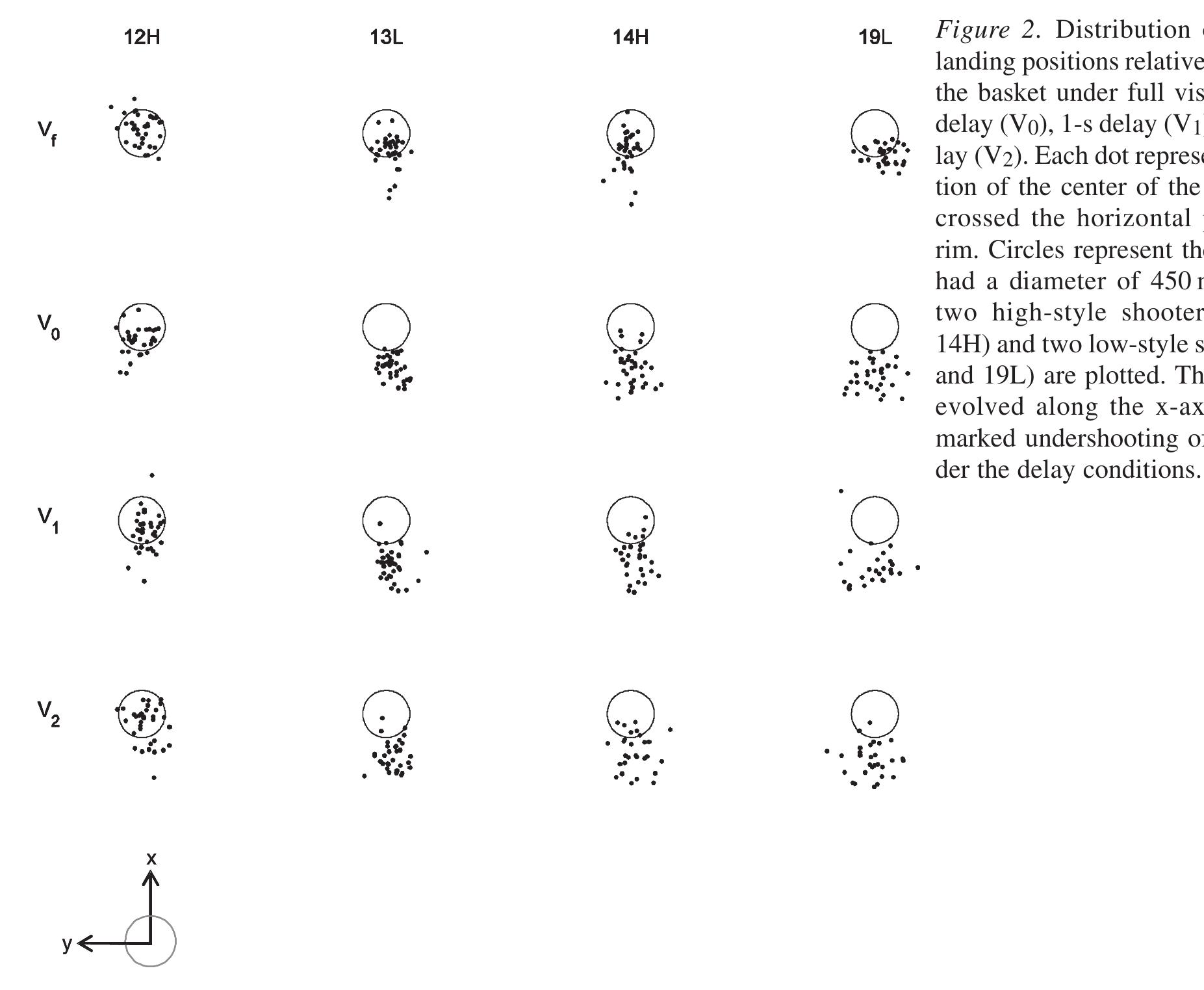
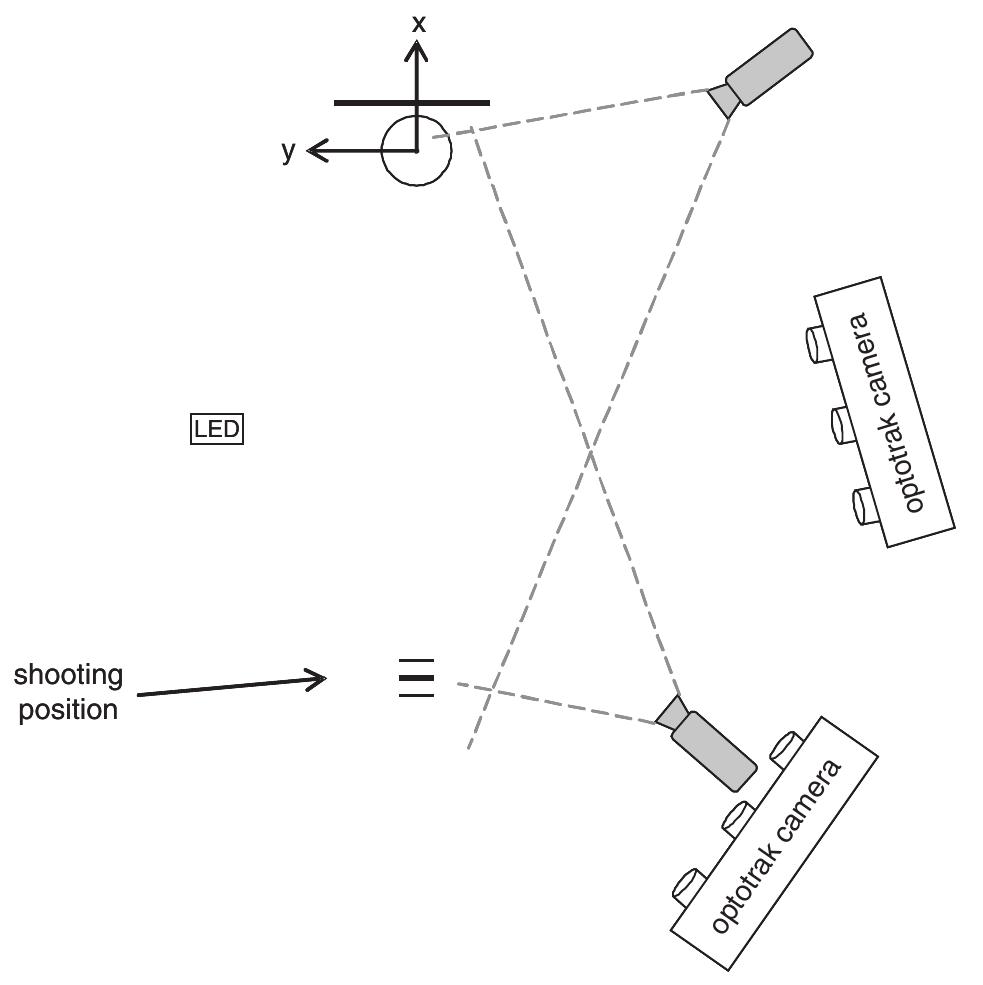
An experiment was conducted to examine whether basketball jump shooting relies on online visual (i.e., dorsal stream-mediated) control rather than motor preprogramming. Seventeen expert basketball players (eight males and nine females)... more
Empathy with others' successes and misfortunes is a critical component of group living that promotes social cohesion. Unfortunately, empathy is a malleable phenomenon in that its elicitation is not automatic, but modulated by multiple... more
This study examined twenty two 11-and 13-month-old infants' approach and grasp of two objects-one symmetric and one asymmetric-in an effort to understand infants' use of shape information to plan motor action. At first contact, all... more
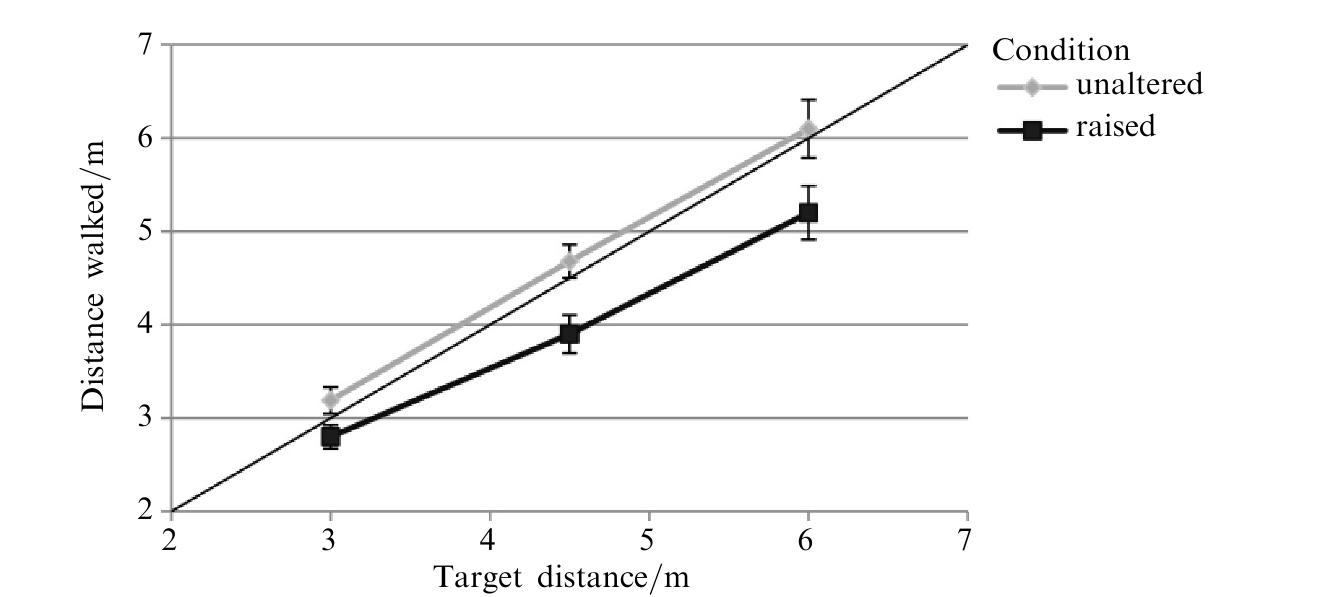
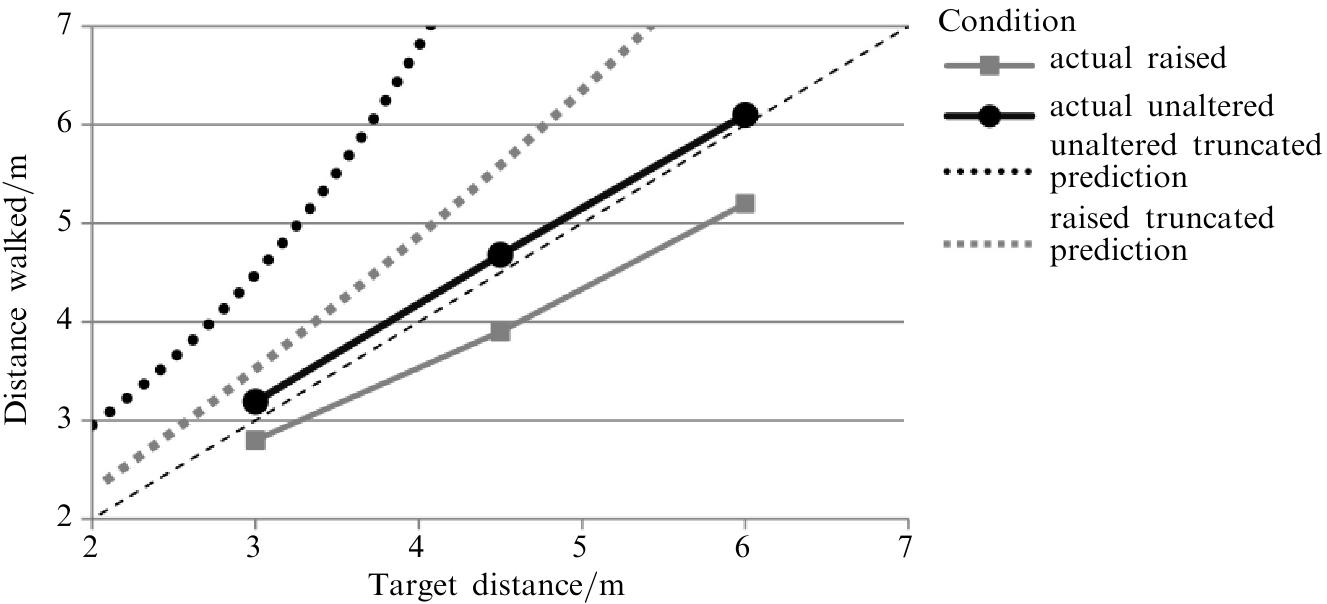
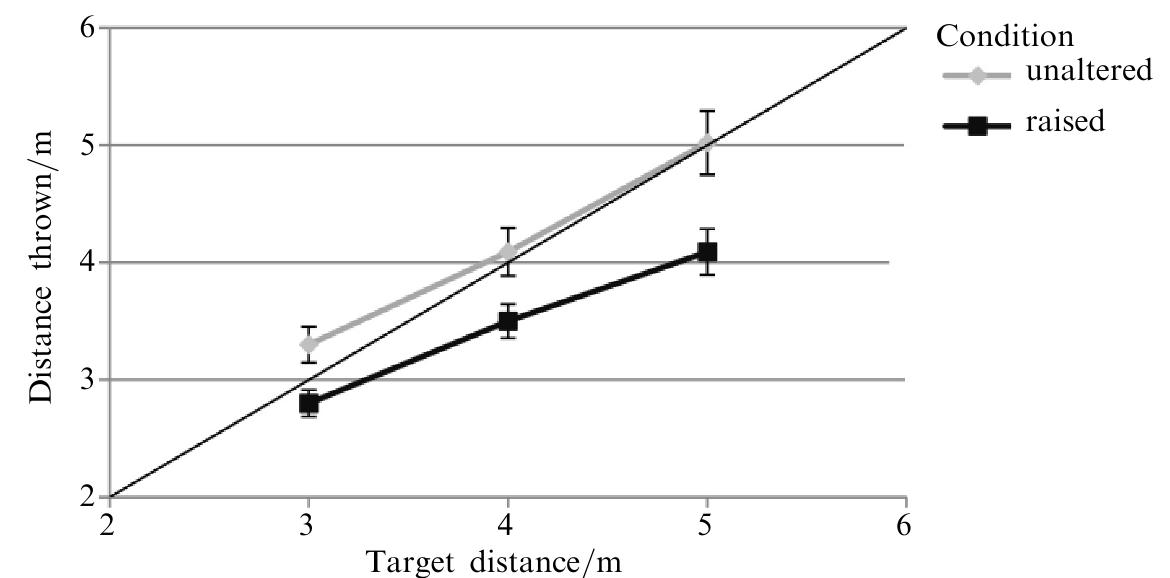
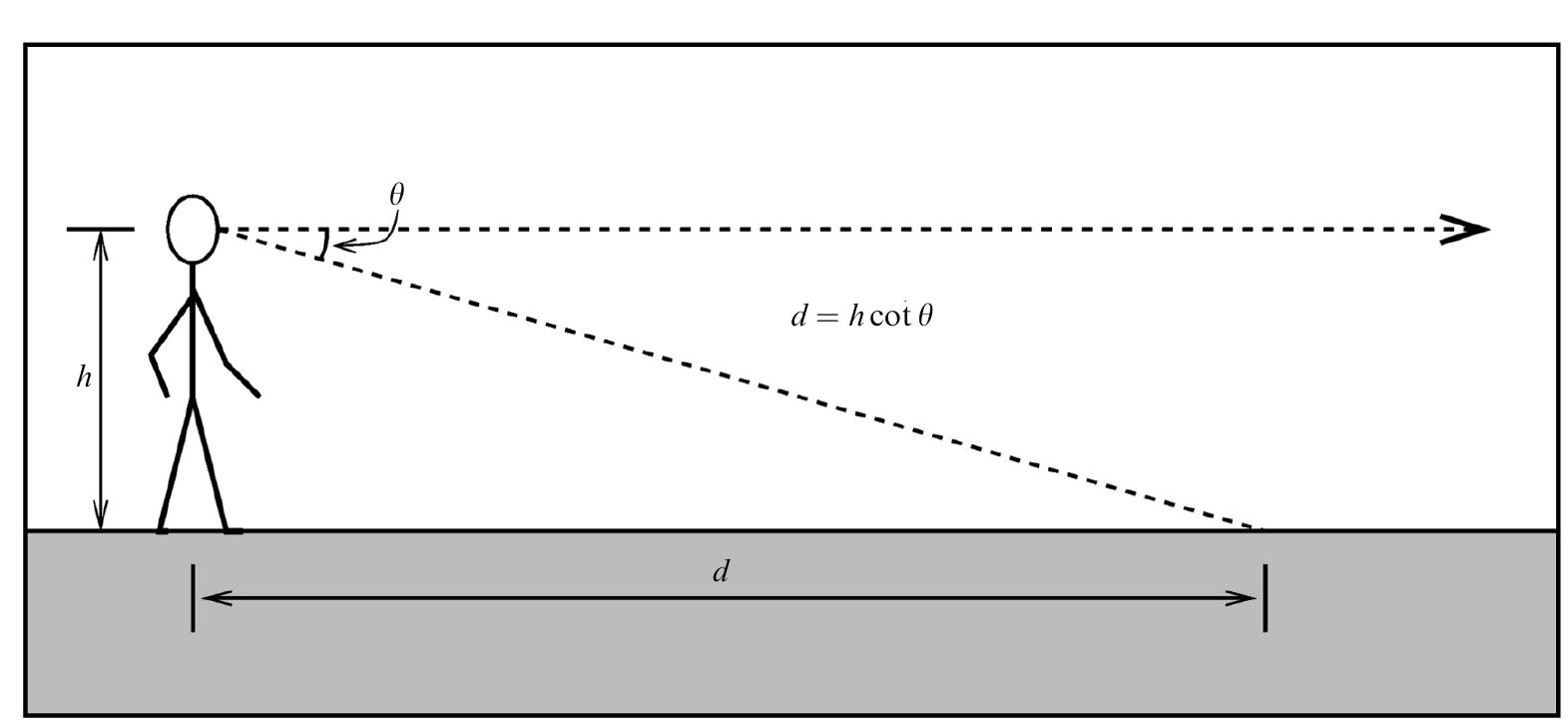
Introduction Perception of absolute distance is important for everyday navigational goals that rely on the ability to recover the scale of a space such as planning a locomotor path through an environment. Given that we perform tasks based... more
Motor control deficits outlasting self-reported symptoms are often reported following mild traumatic brain injury (mTBI). The exact duration and nature of these deficits remains unknown. The current study aimed to compare postural... more
A review and synthesis of the literature on the learning and development of motor skills supports the postulation that whether a motor skill can be deemed fundamental is dependent on the collective presence of three conditions:... more
This article appeared in a journal published by Elsevier. The attached copy is furnished to the author for internal non-commercial research and education use, including for instruction at the authors institution and sharing with... more
Several studies have emphasized the contribution of haptic input that results from the use of rigid and non-rigid tools to the postural control system. Experimental protocols such as the light touch and the anchor system are based on... more
The motor system is engaged when we perceive movement in the environment, even when we have no sensorimotor experience of that movement. It has been suggested that this ability relies on internal models that comprise specific... more
The experiment examined the role of head stabilization in reaching tasks carried out by 6-8 month old infants. The rational for this experiment is found in the findings reported by Fontaine a & Pierautle Bonn& (1988). These researchers... more
The objective of this study was to investigate the effect of additional weight load on reaching movement characteristics in 4-6-month-old infants over age. The task-load provided adaptedness on infant reaching movements, especially... more
In this tribute to Esther Thelen's legacy, it is discussed how she brought concepts of new theoretical perspectives into the domain of motor development. As a consequence of this a rejuvenalisation of motor development took place in the... more
In this paper the role of exploration in the development of action is discussed from the perspective of the natural physical approach. It is argued that by means of repeated exploration of the perceptual-motor work space, infants discover... more
The fingerings used by keyboard players are determined by a range of ergonomic (anatomic/motor), cognitive, and music-interpretive constraints. We have attempted to encapsulate the most important ergonomic constraints in a model. The... more
Motor control deficits outlasting self-reported symptoms are often reported following mild traumatic brain injury (mTBI). The exact duration and nature of these deficits remains unknown. The current study aimed to compare postural... more
This study investigated split-step timing when returning serves and whether this timing is related to neuromechanical capabilities in world-class tennis players. In Experiment 1, the split-step timing of four groups of world-class players... more
Download research papers for free!