Acrylamide presence in foods has been a health concern since the announcement of its finding in foods in 2002. The main purpose of this work was to assess the exposure of the Portuguese population to acrylamide and discuss some possible...
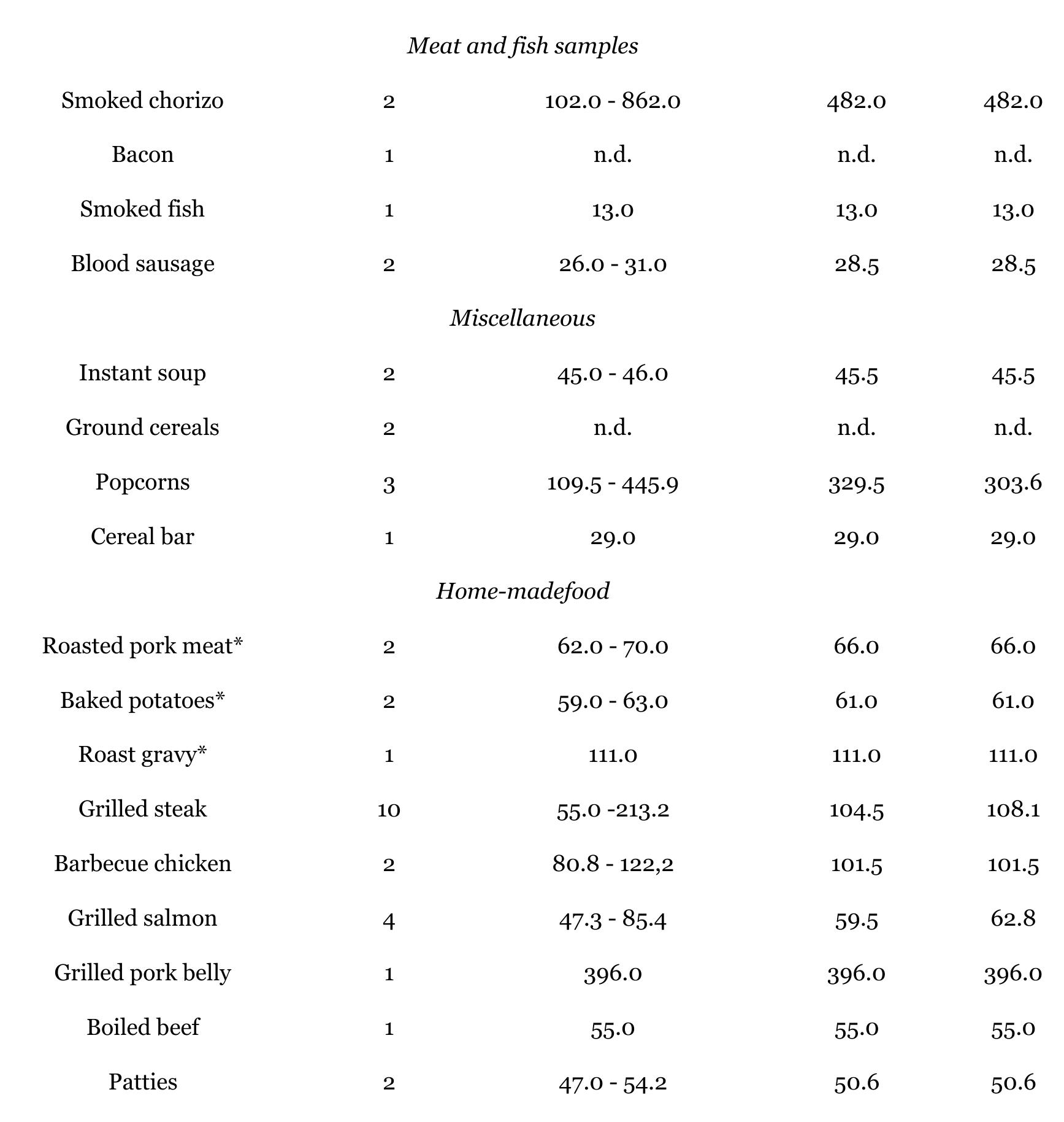
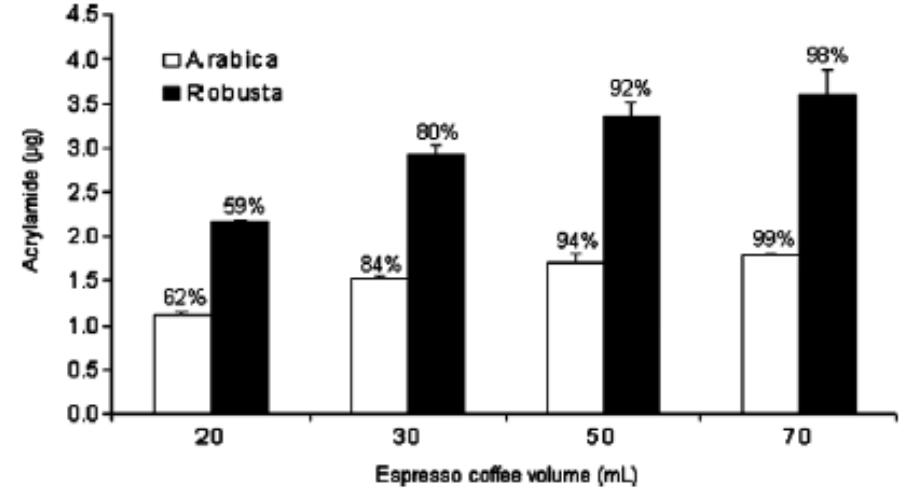
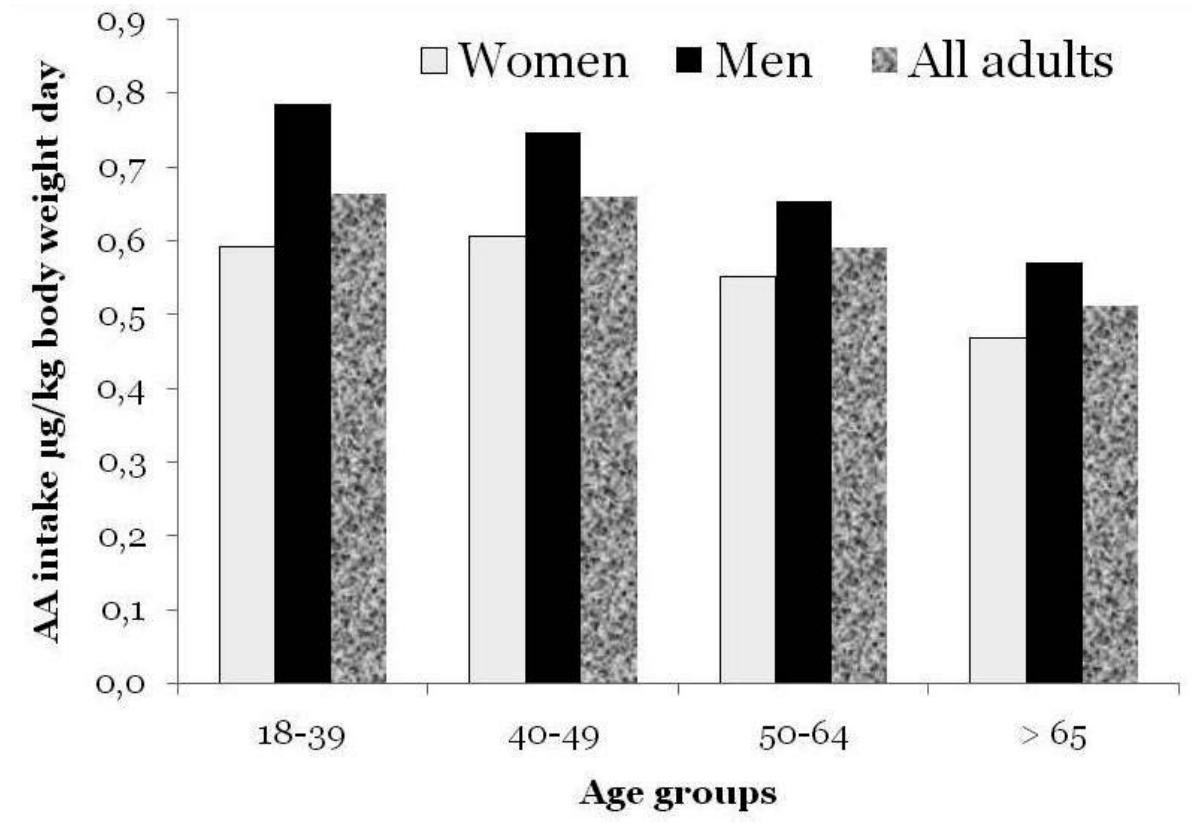
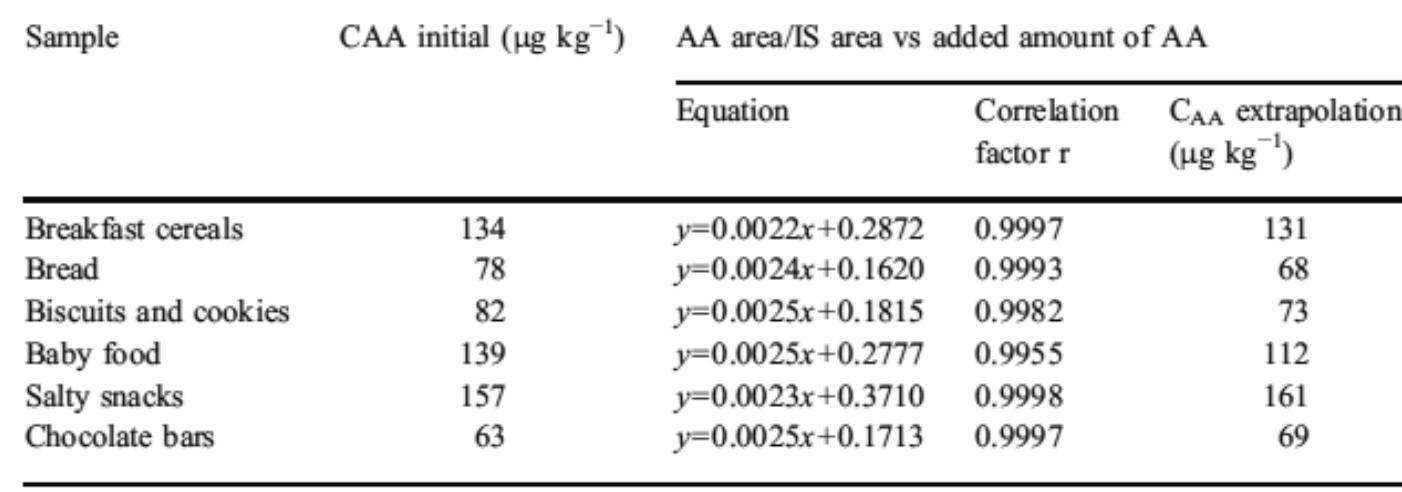
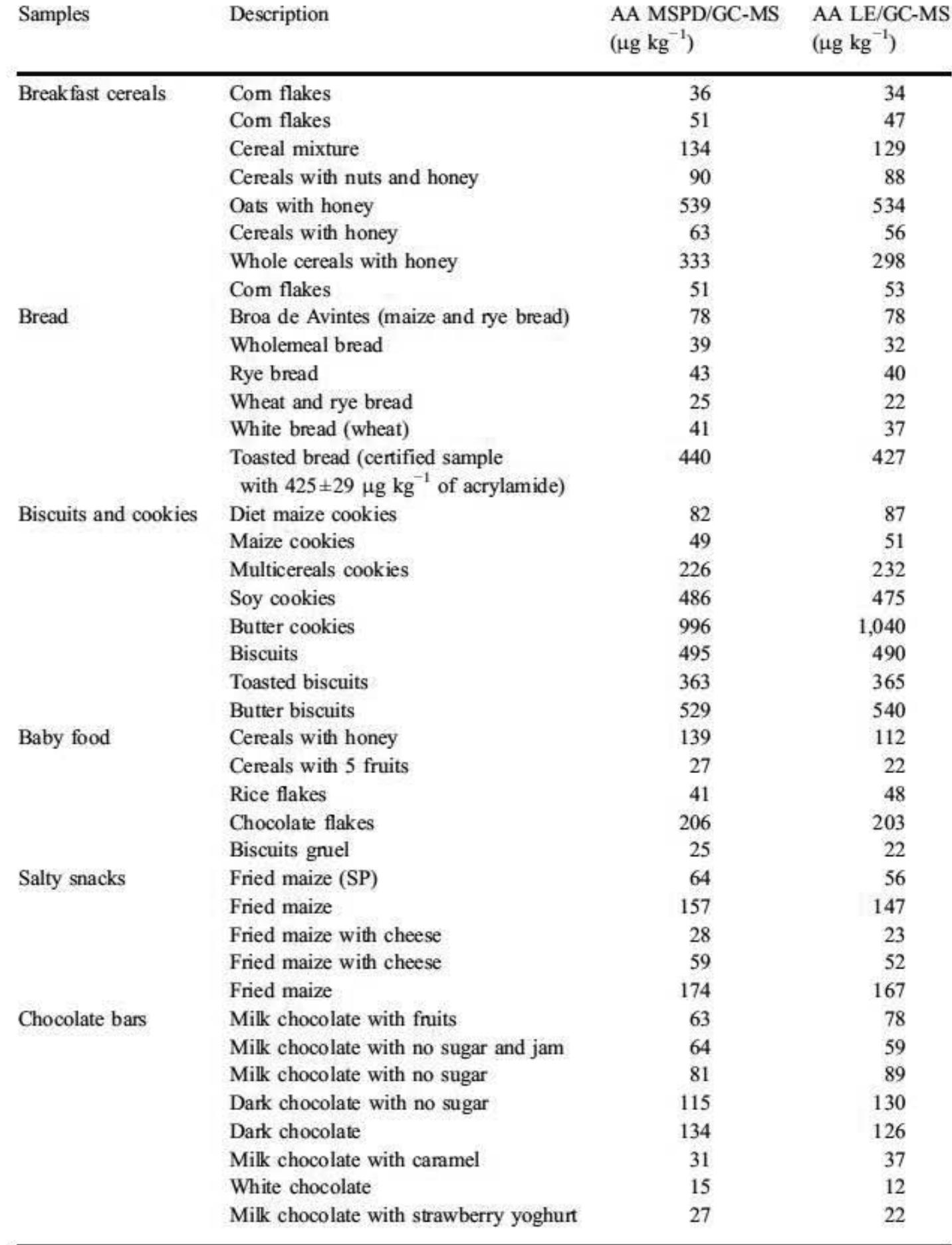
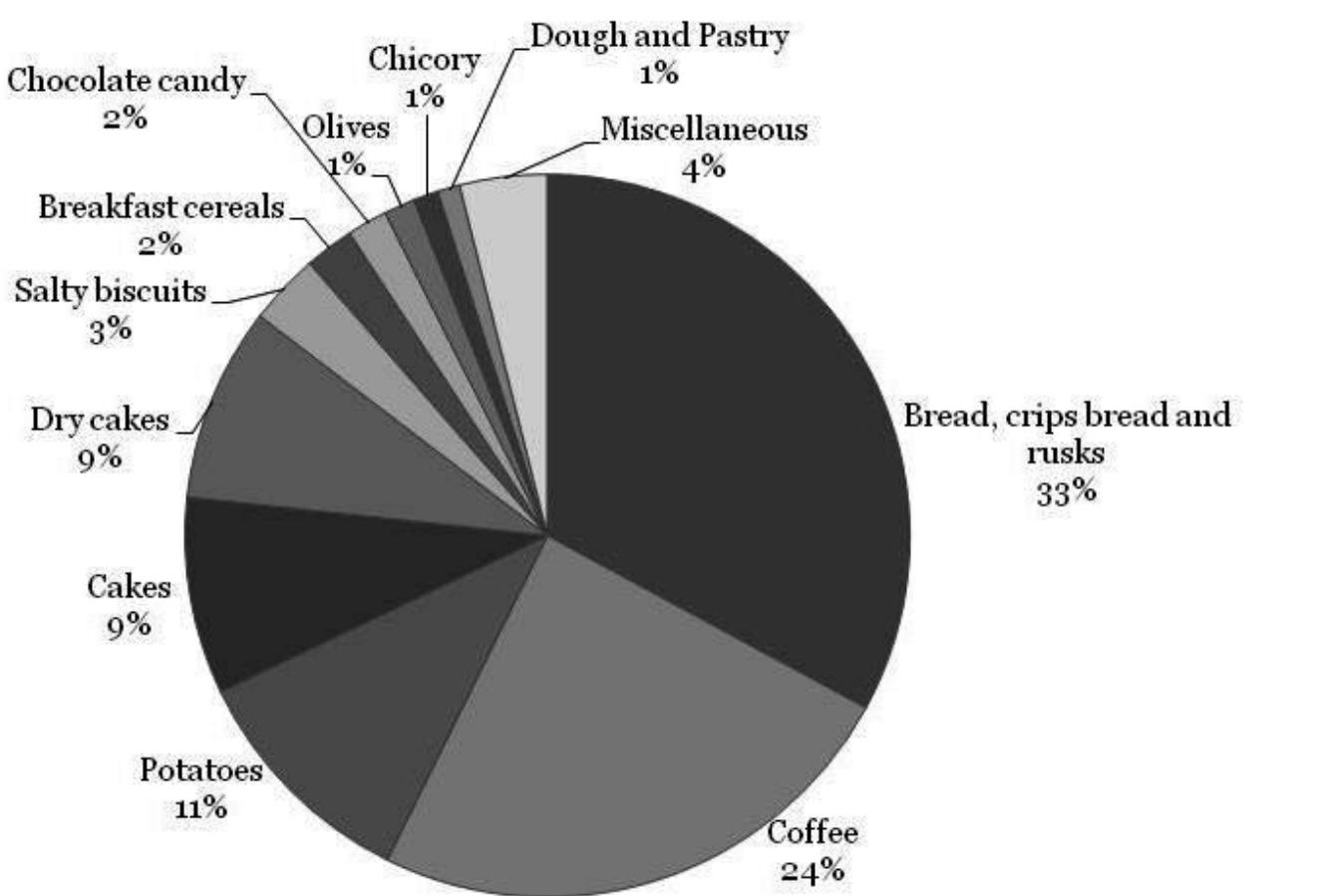
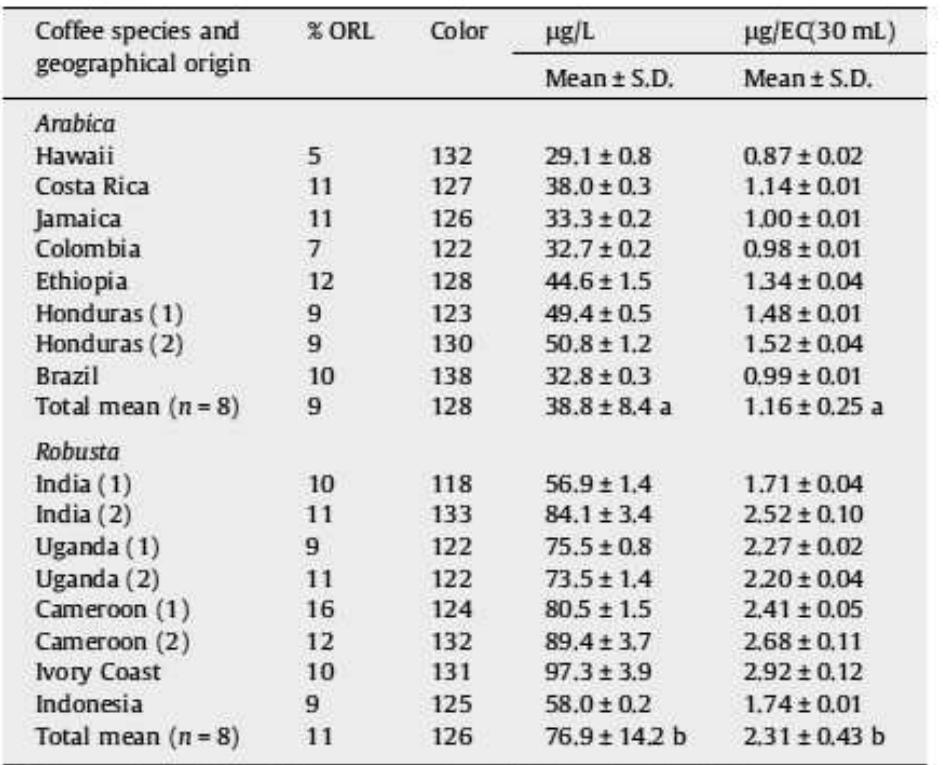
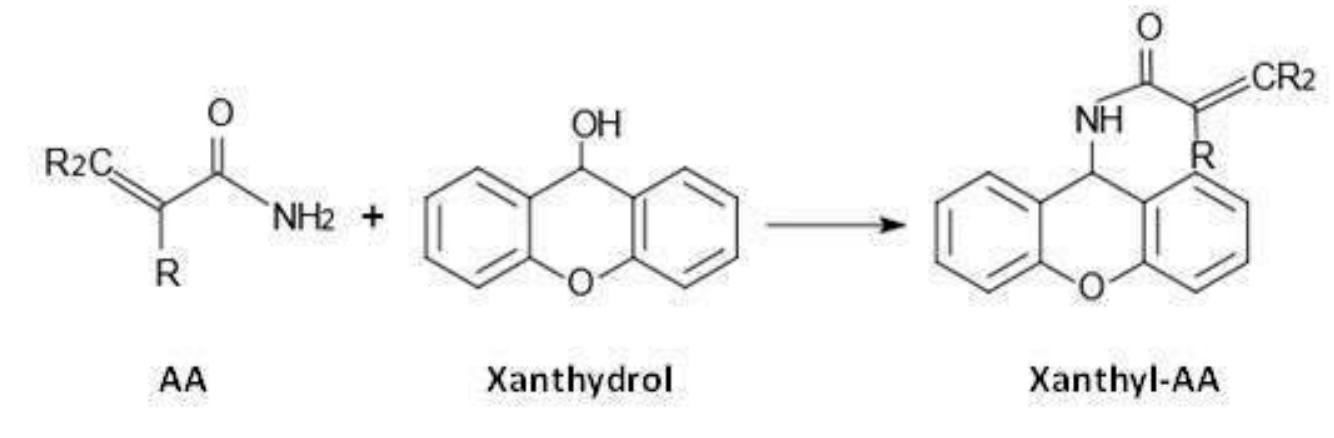
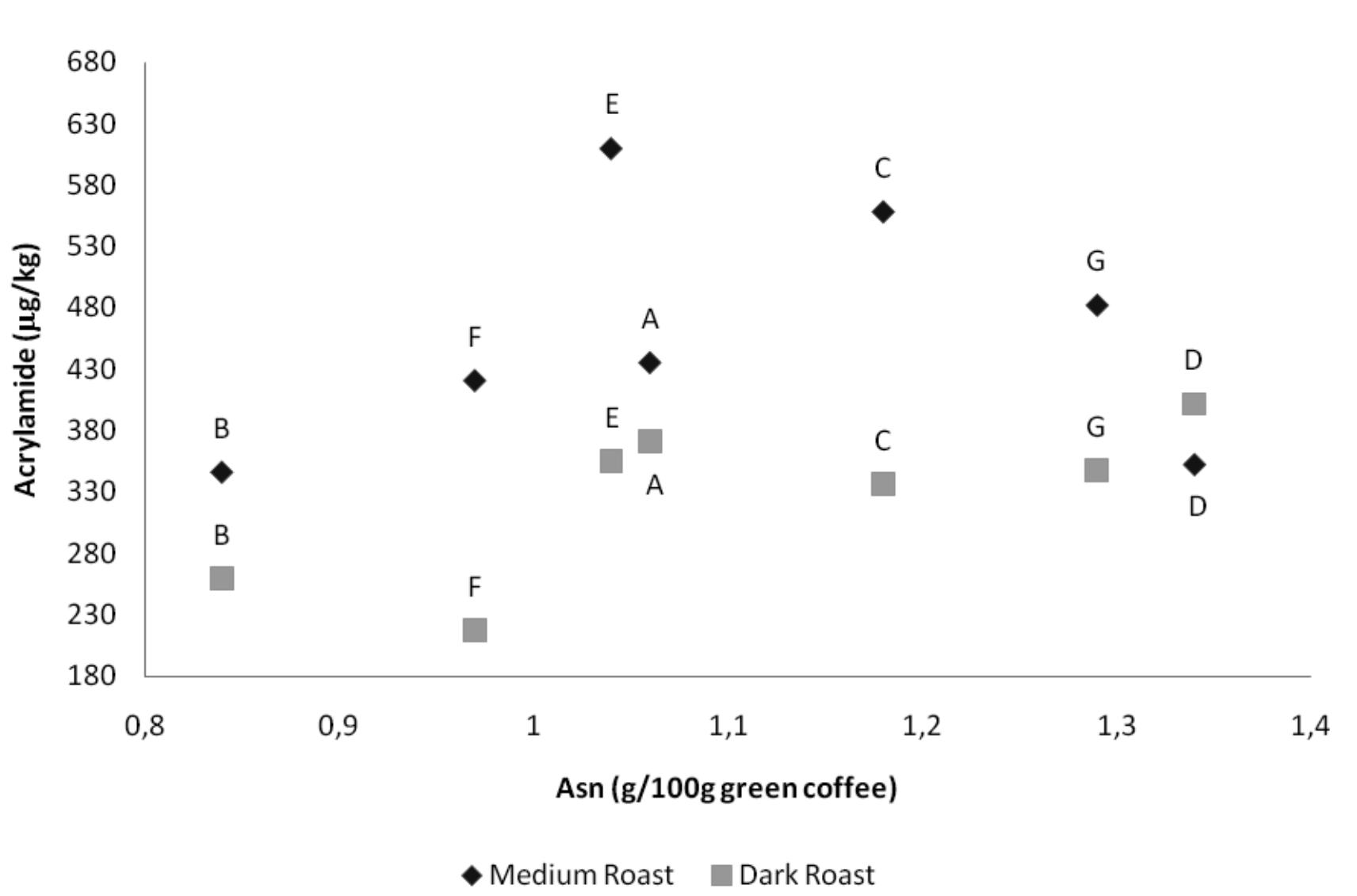
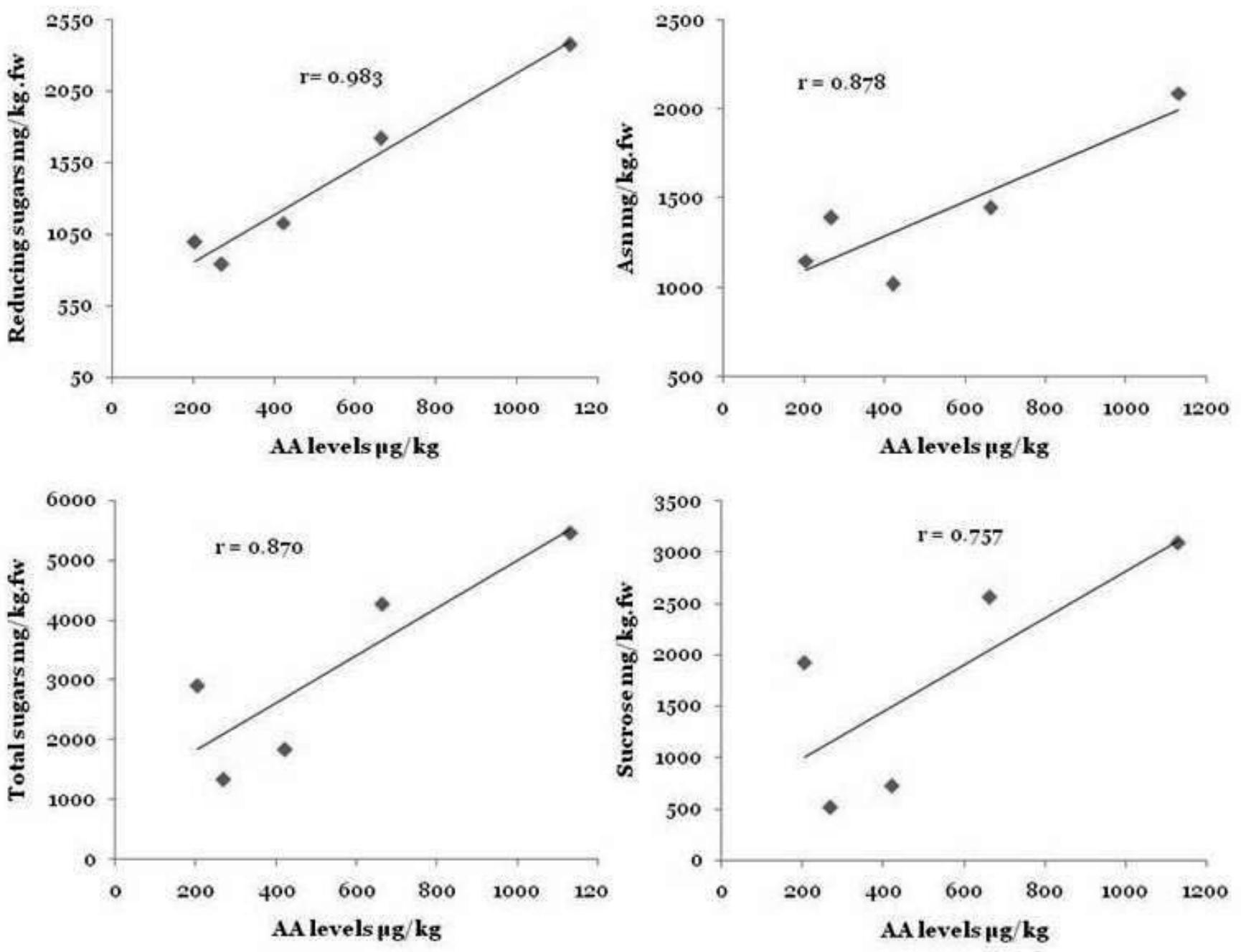
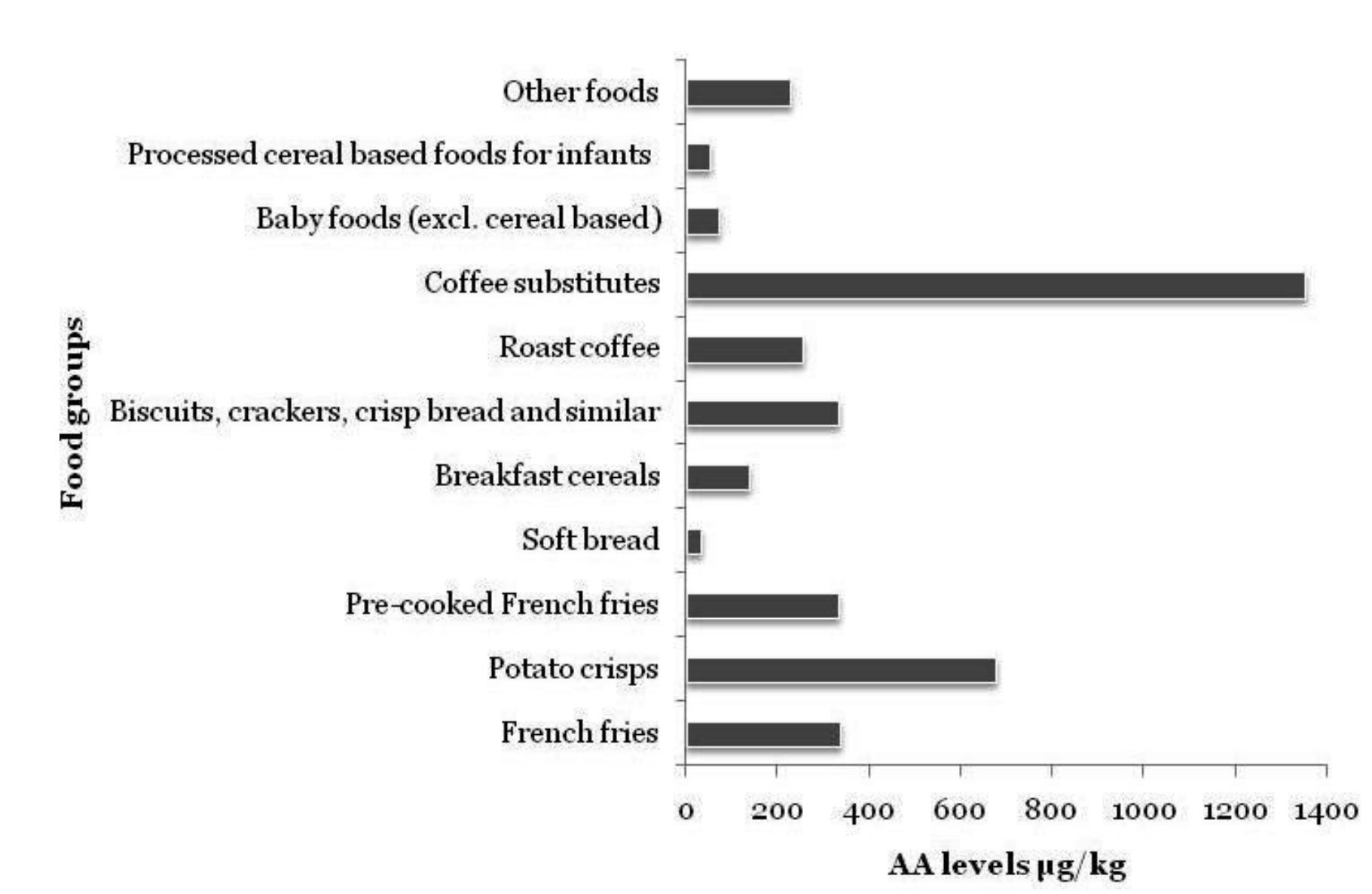
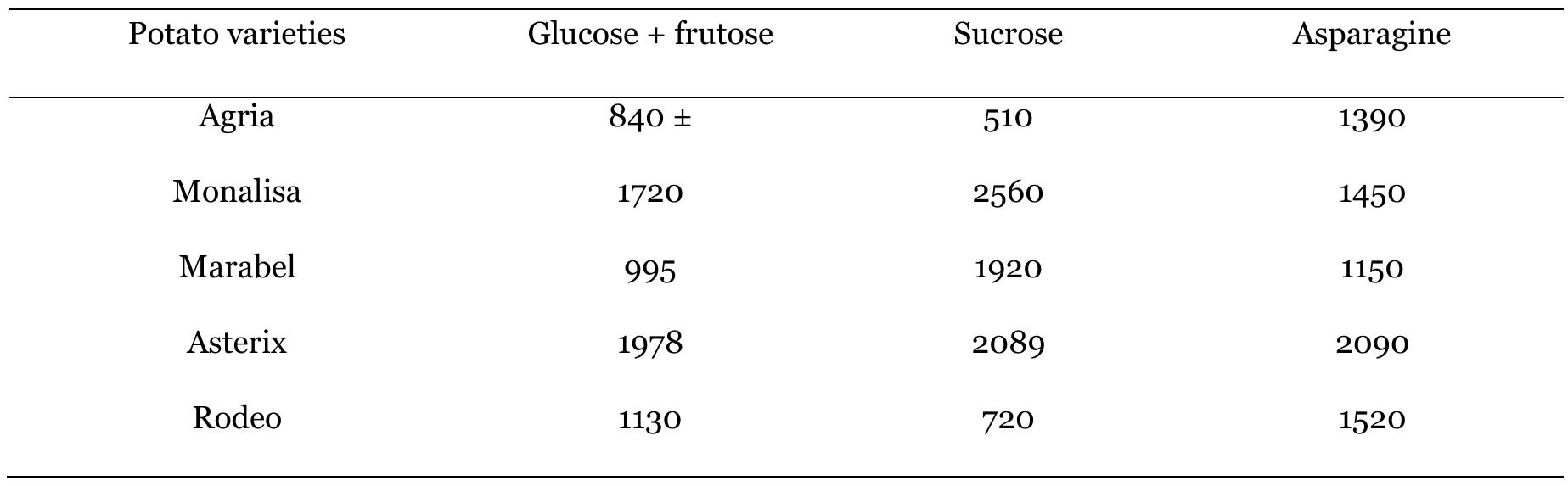
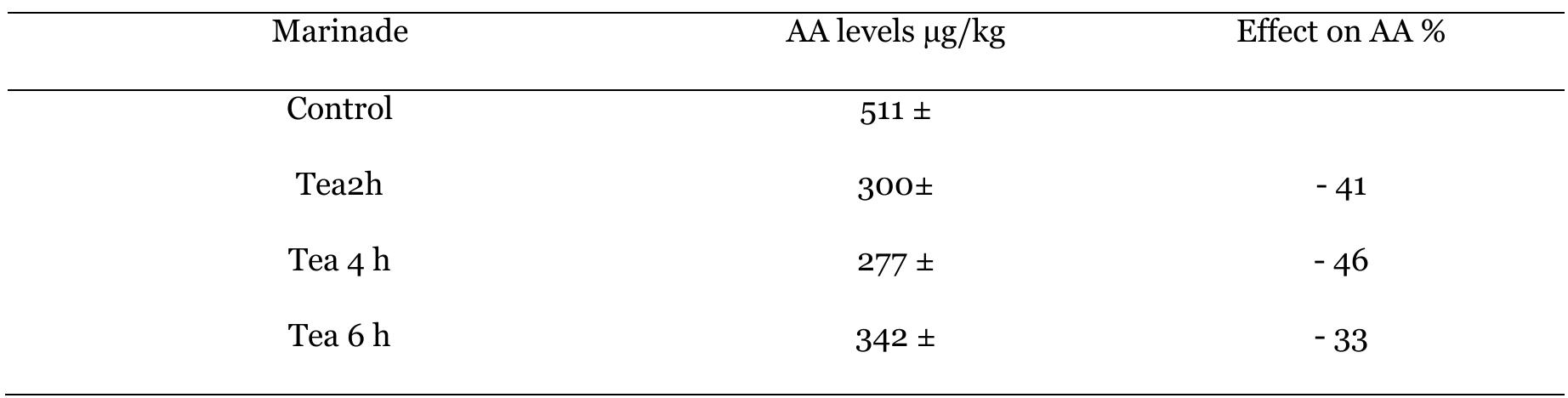
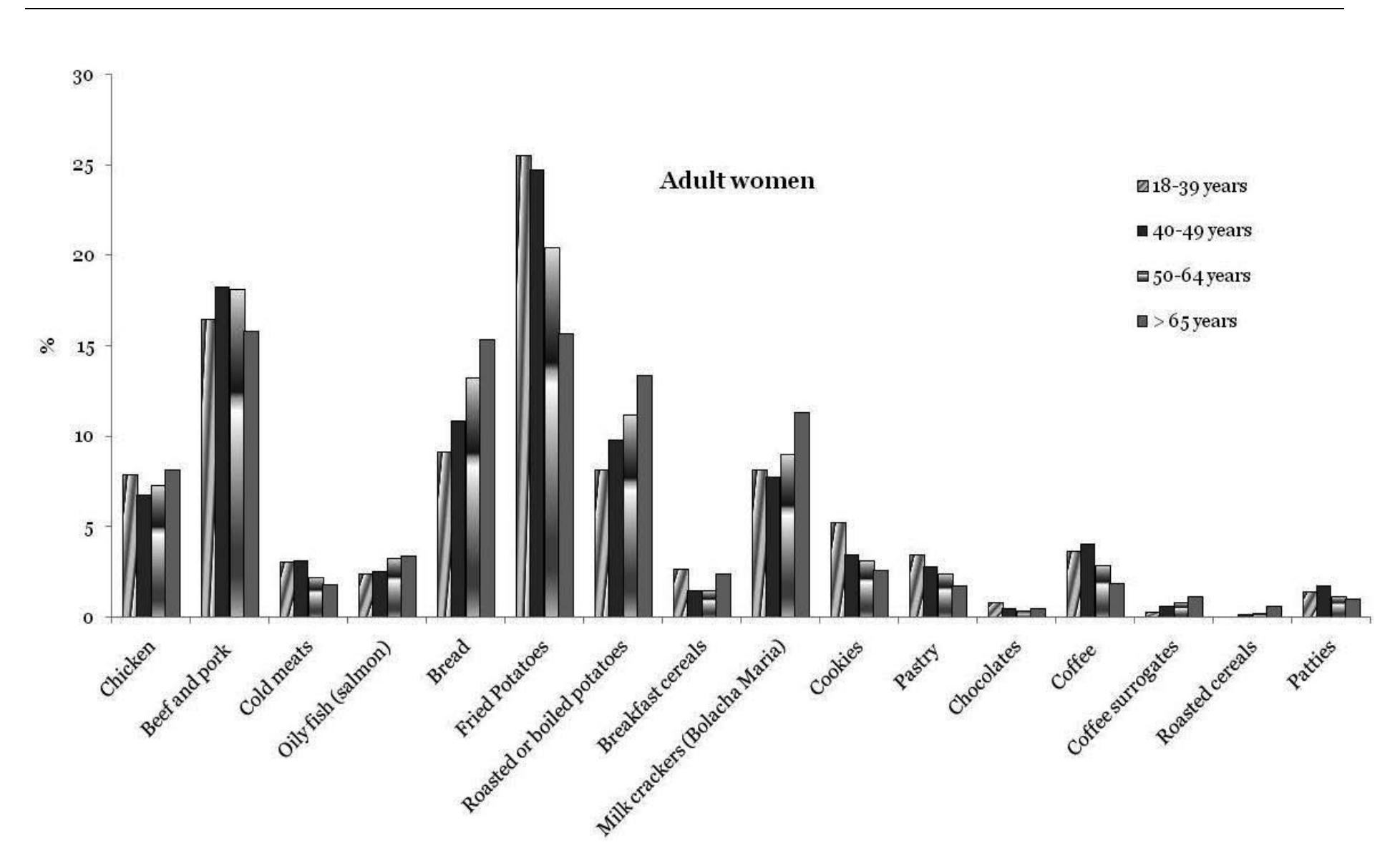
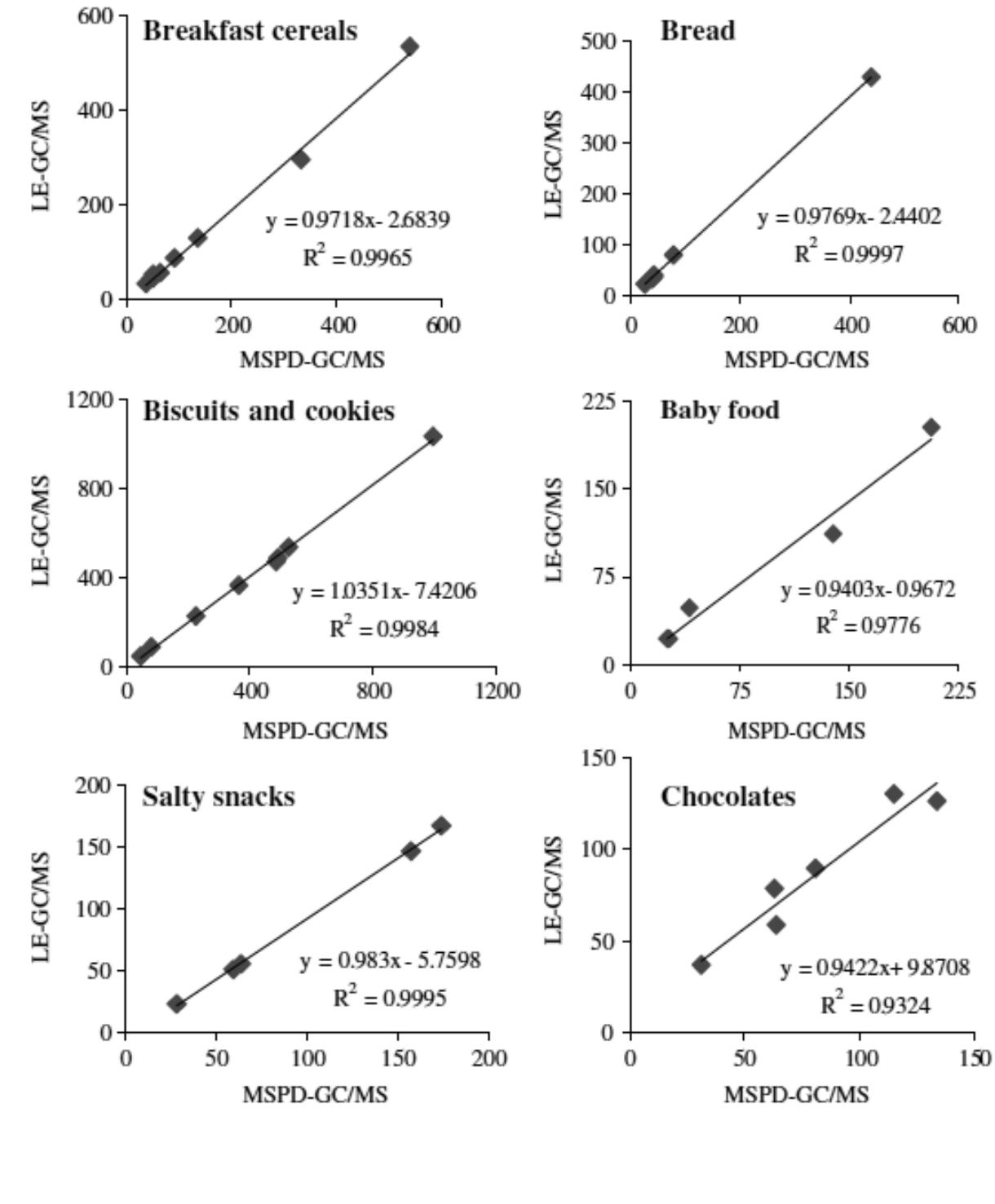
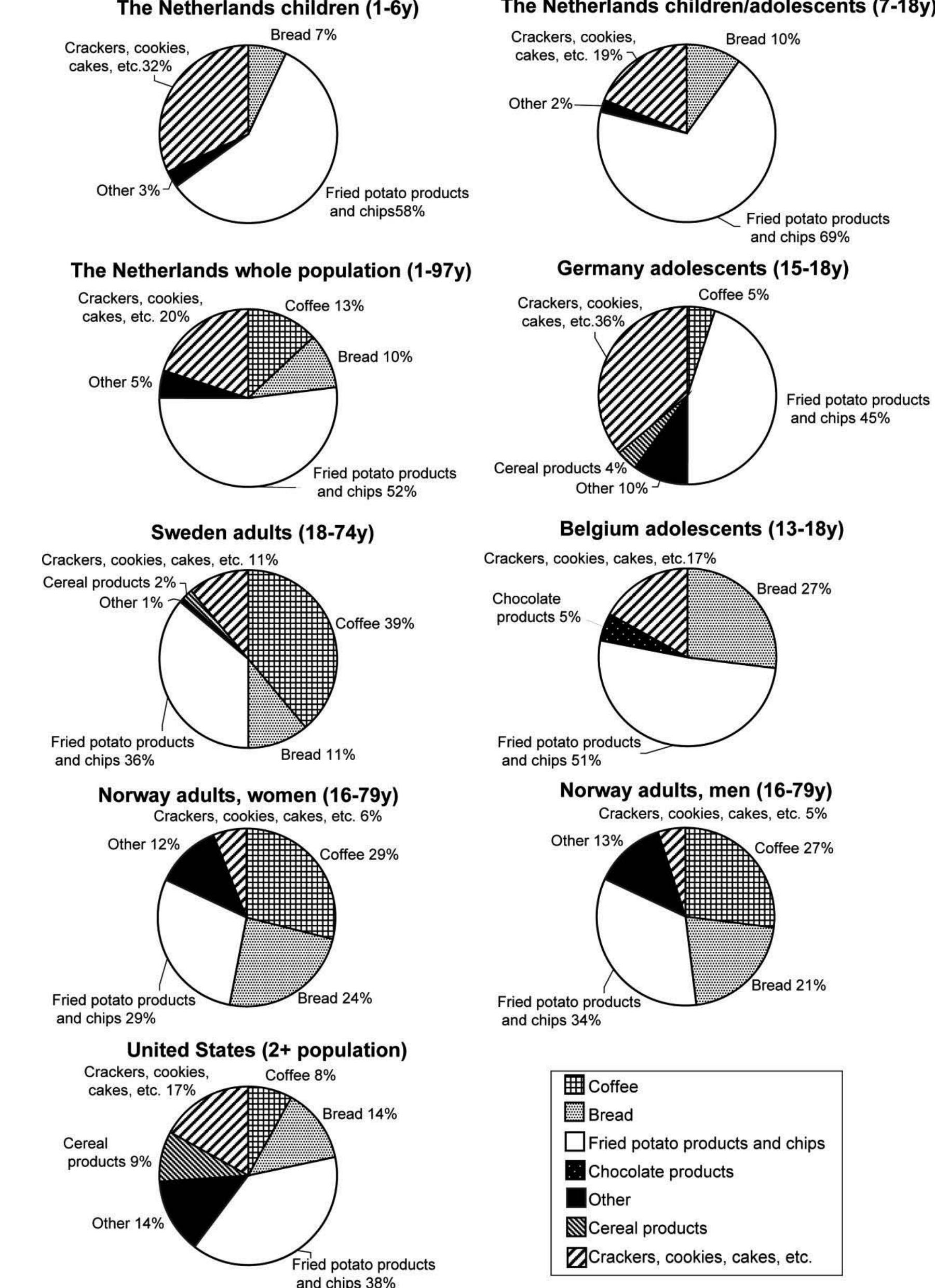
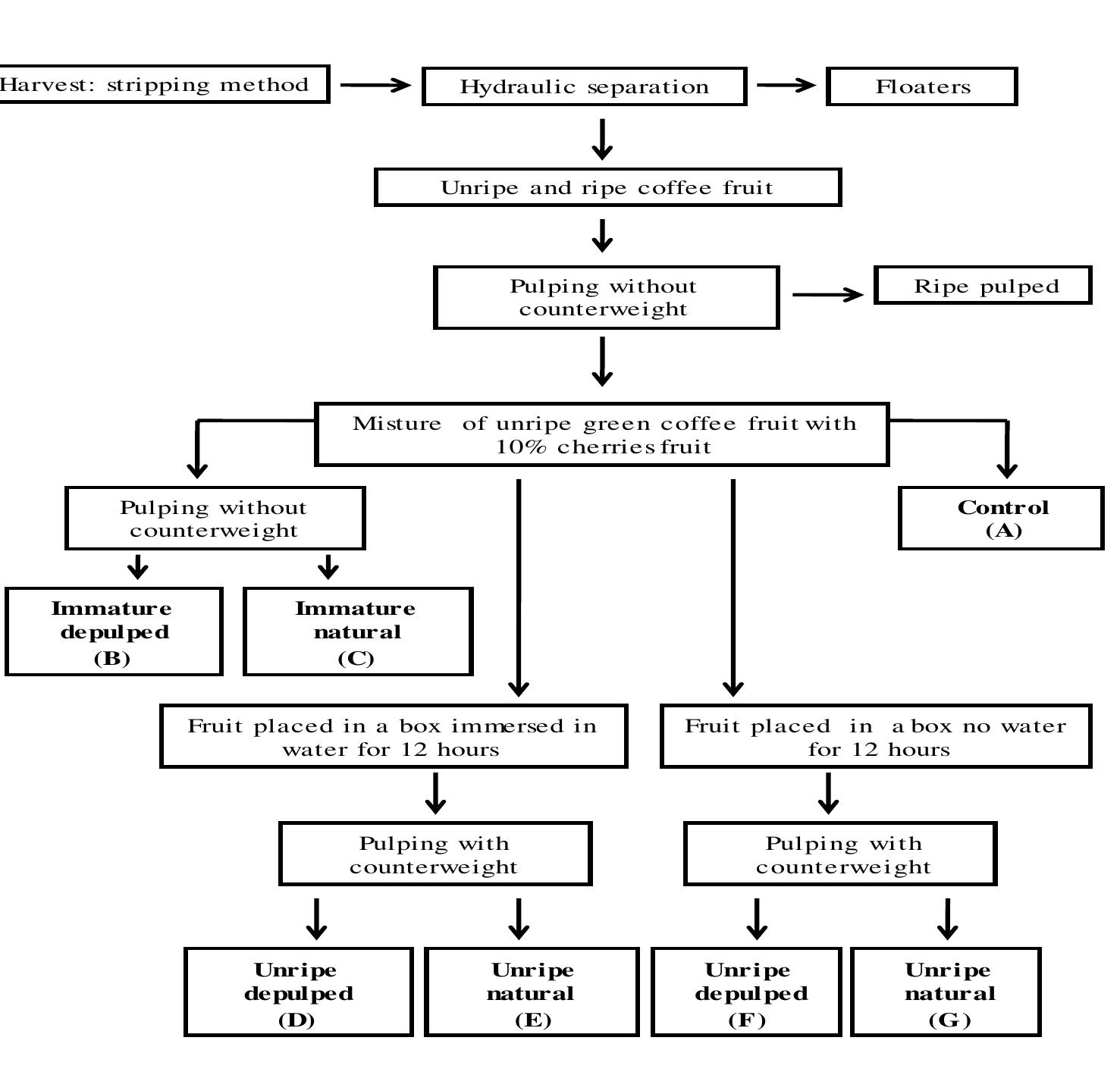
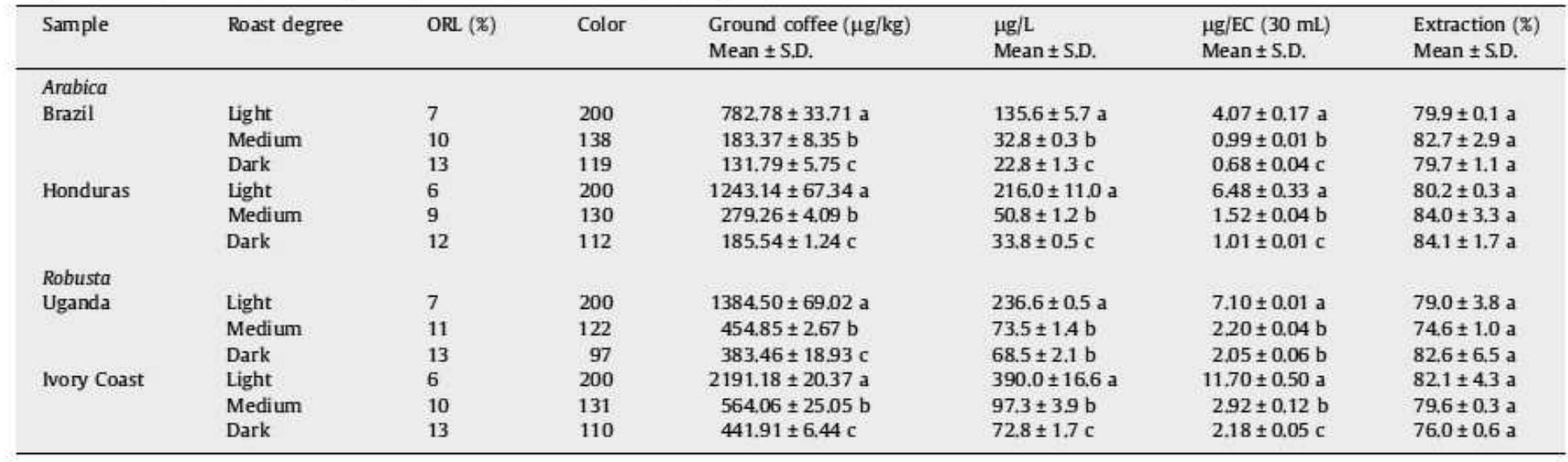
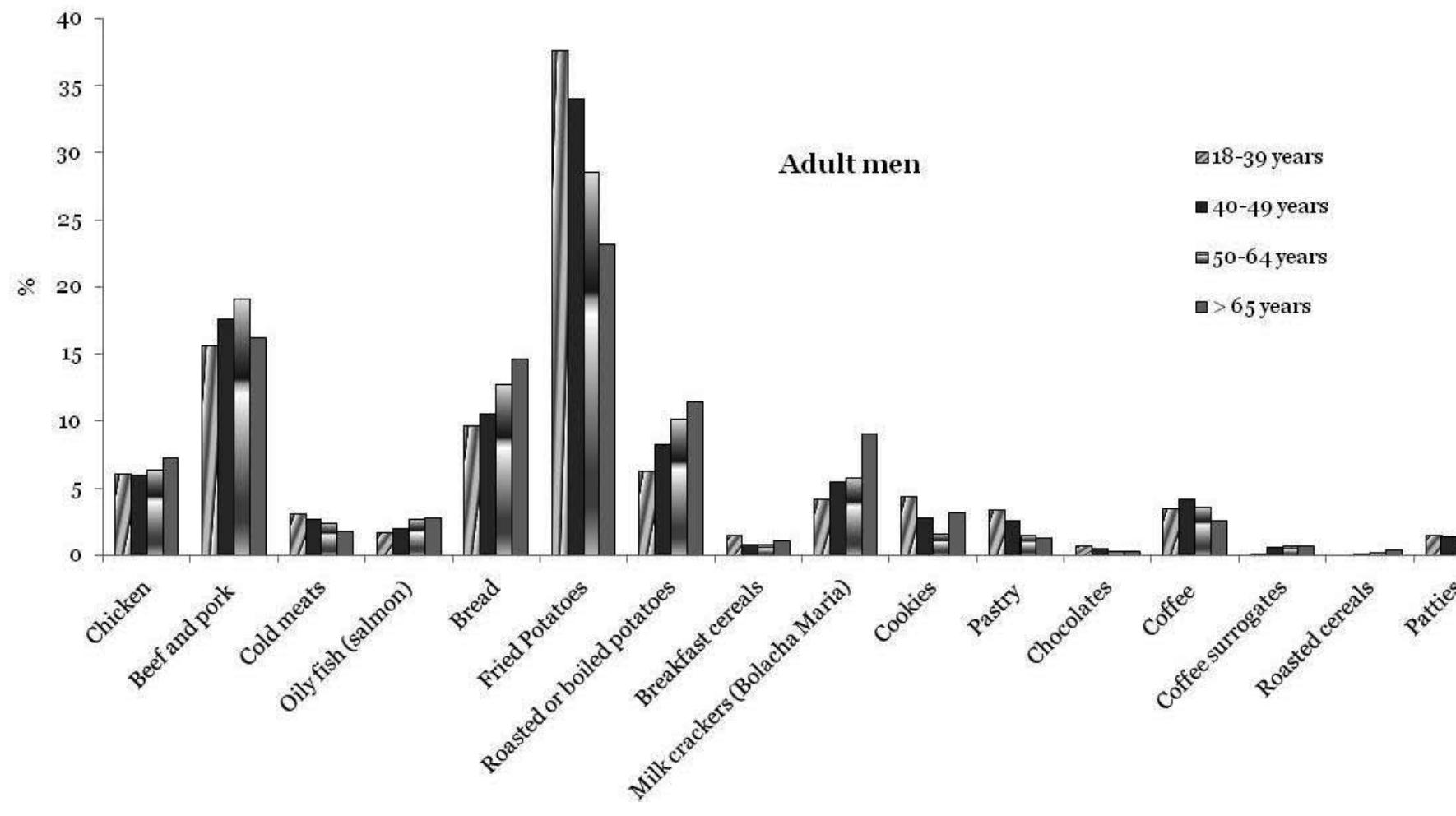
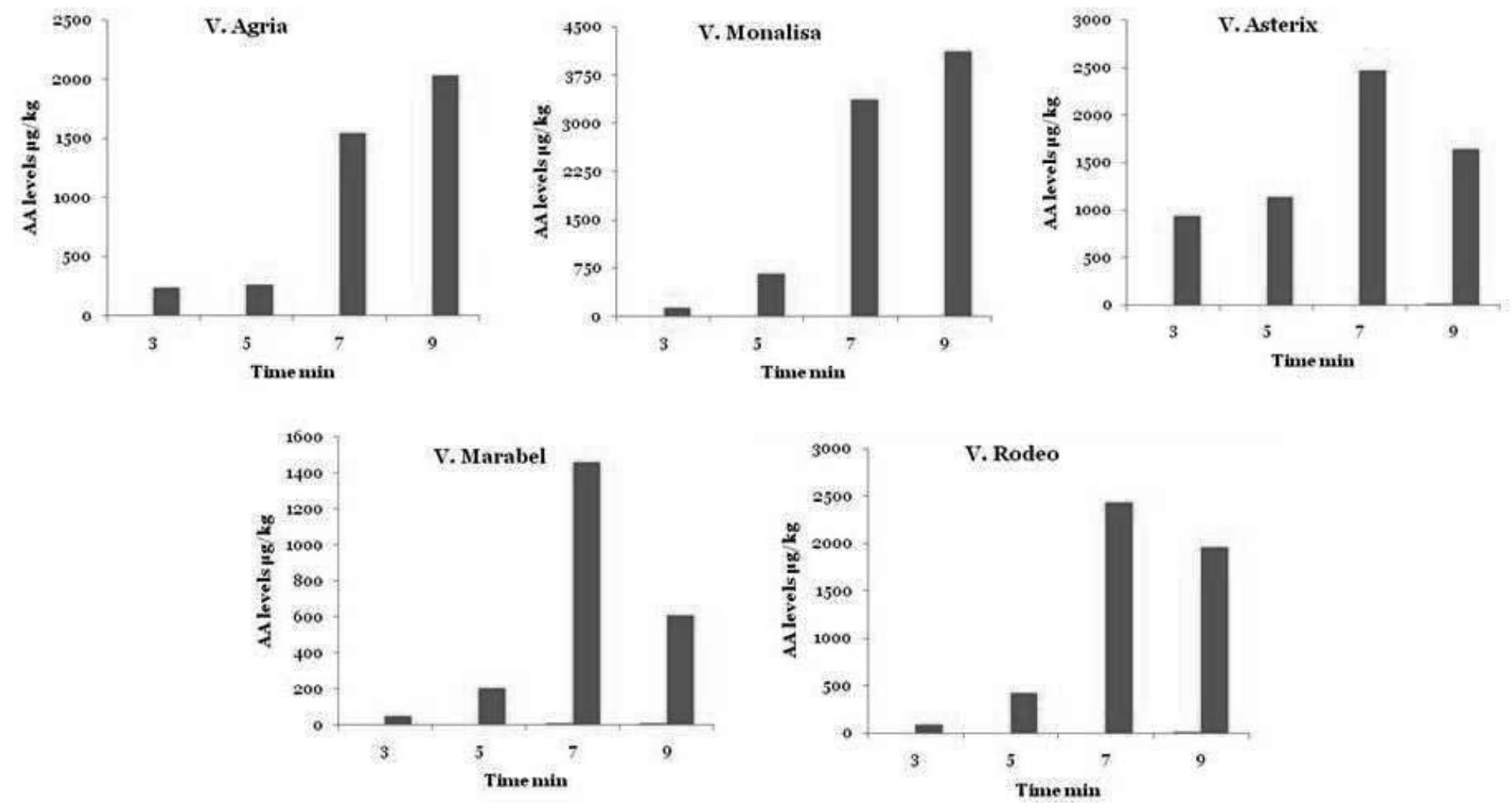
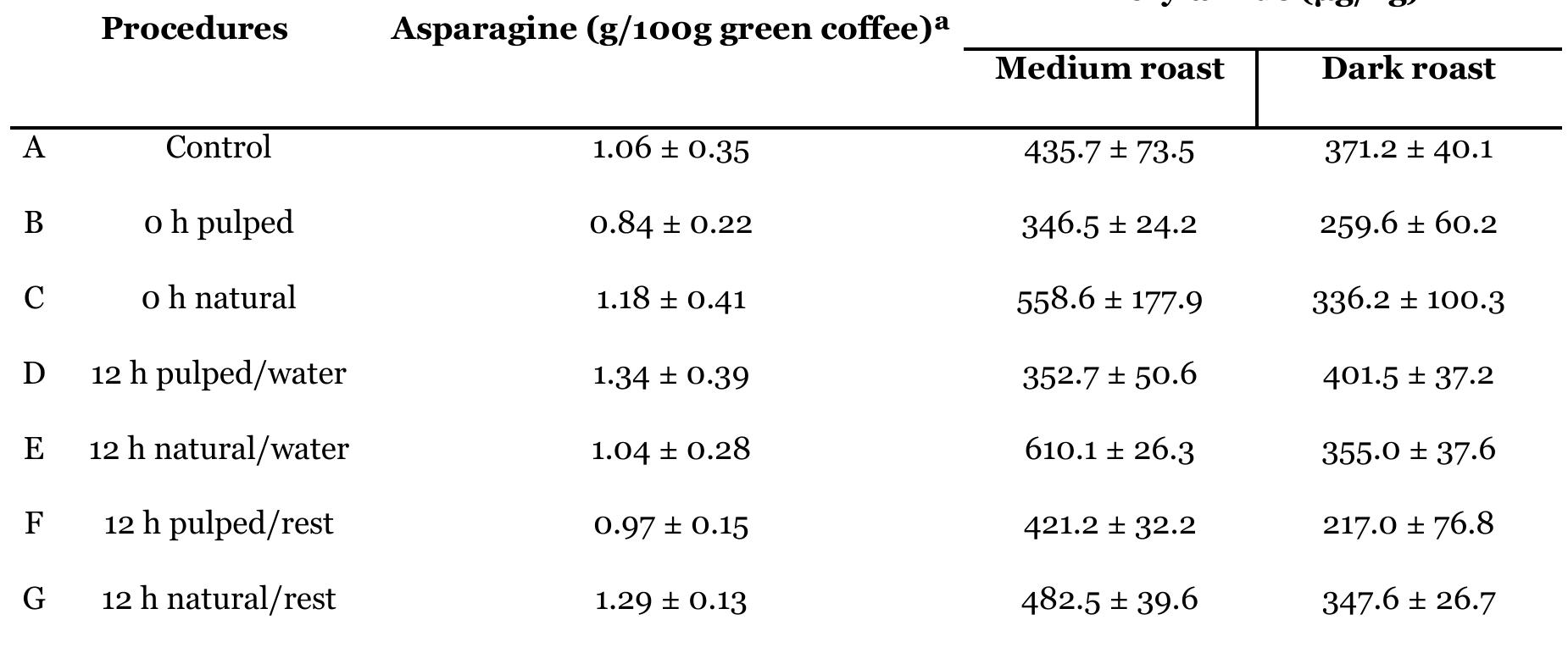
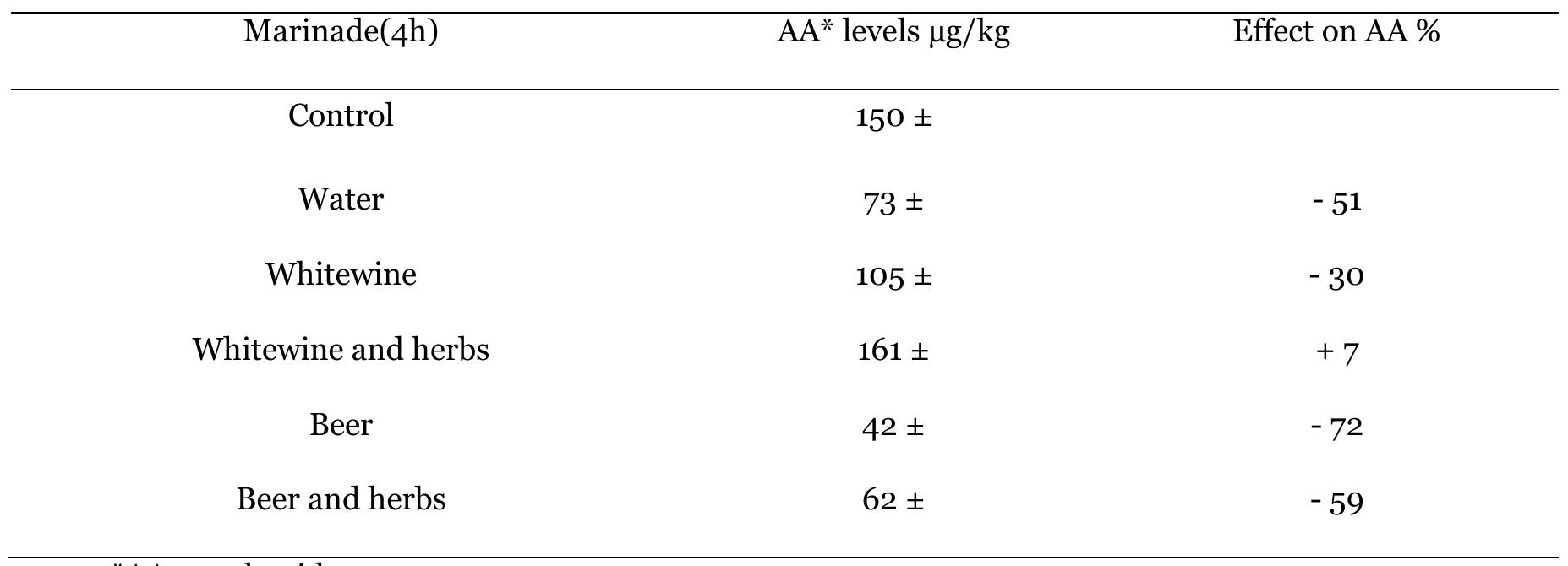
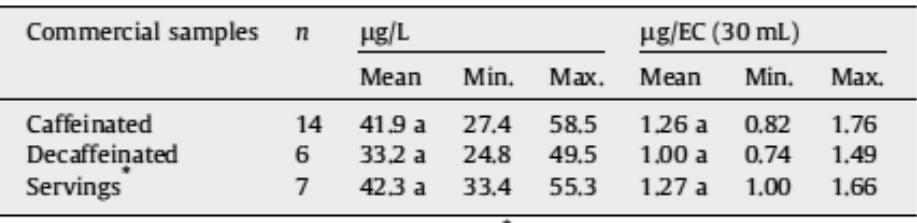
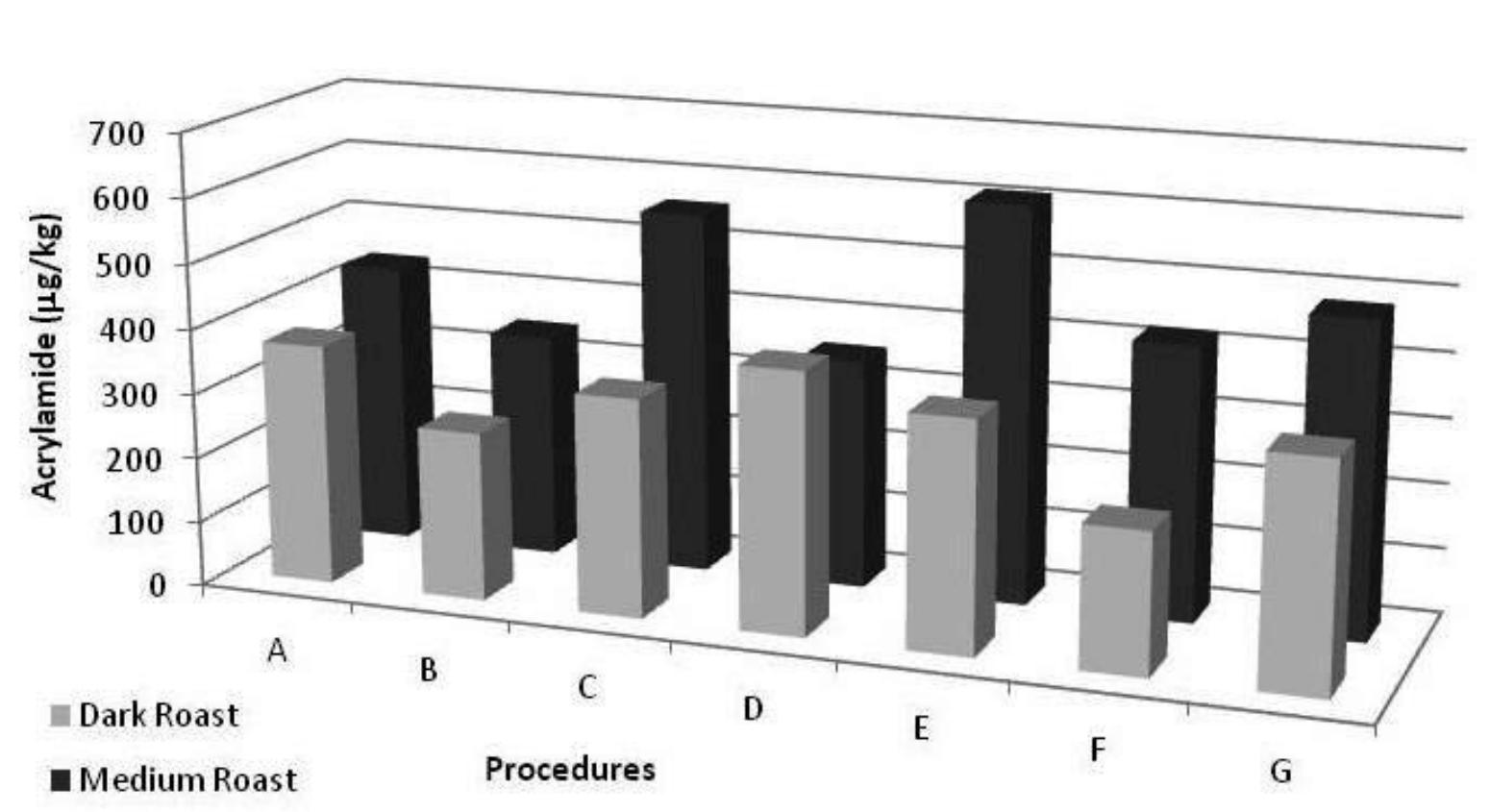
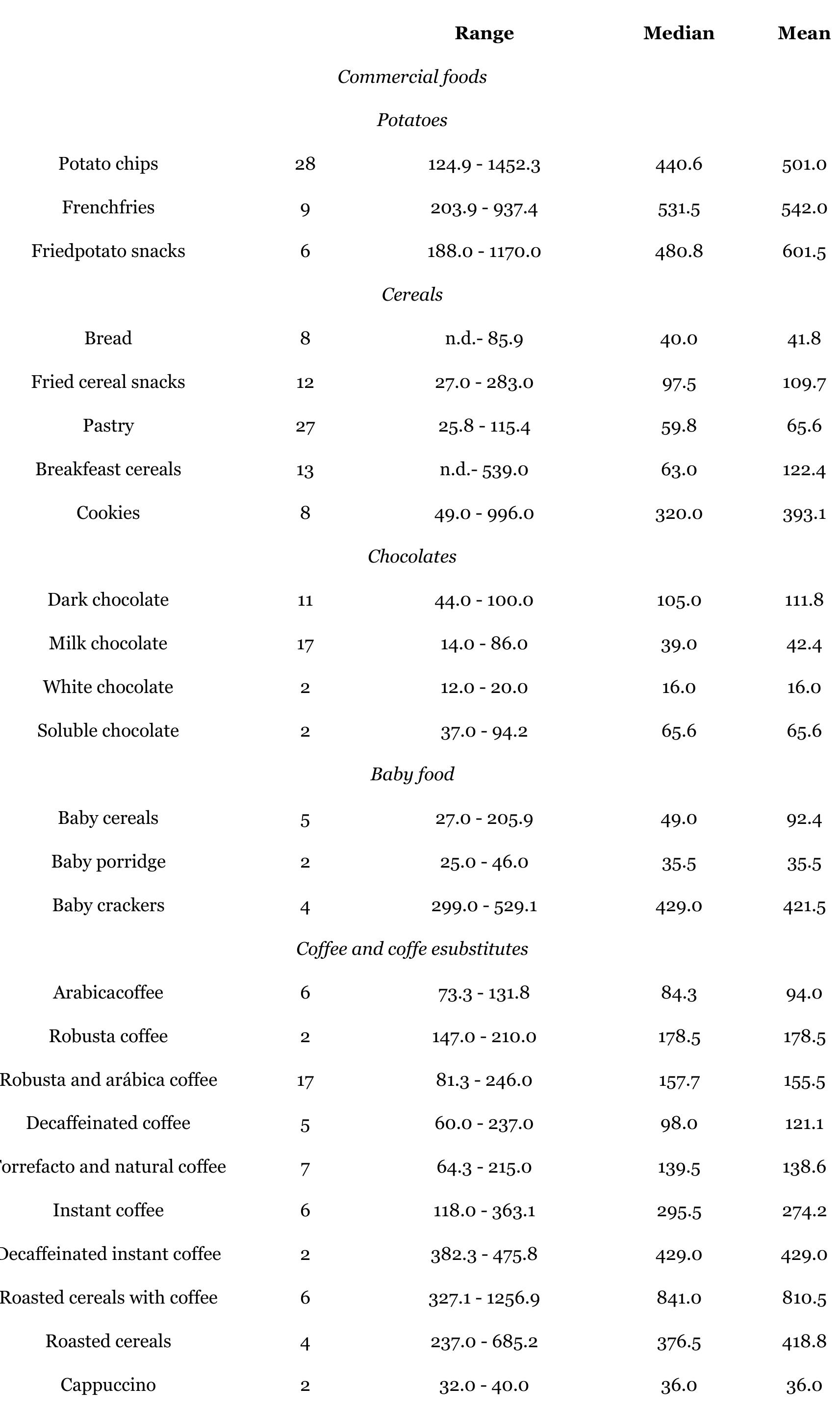
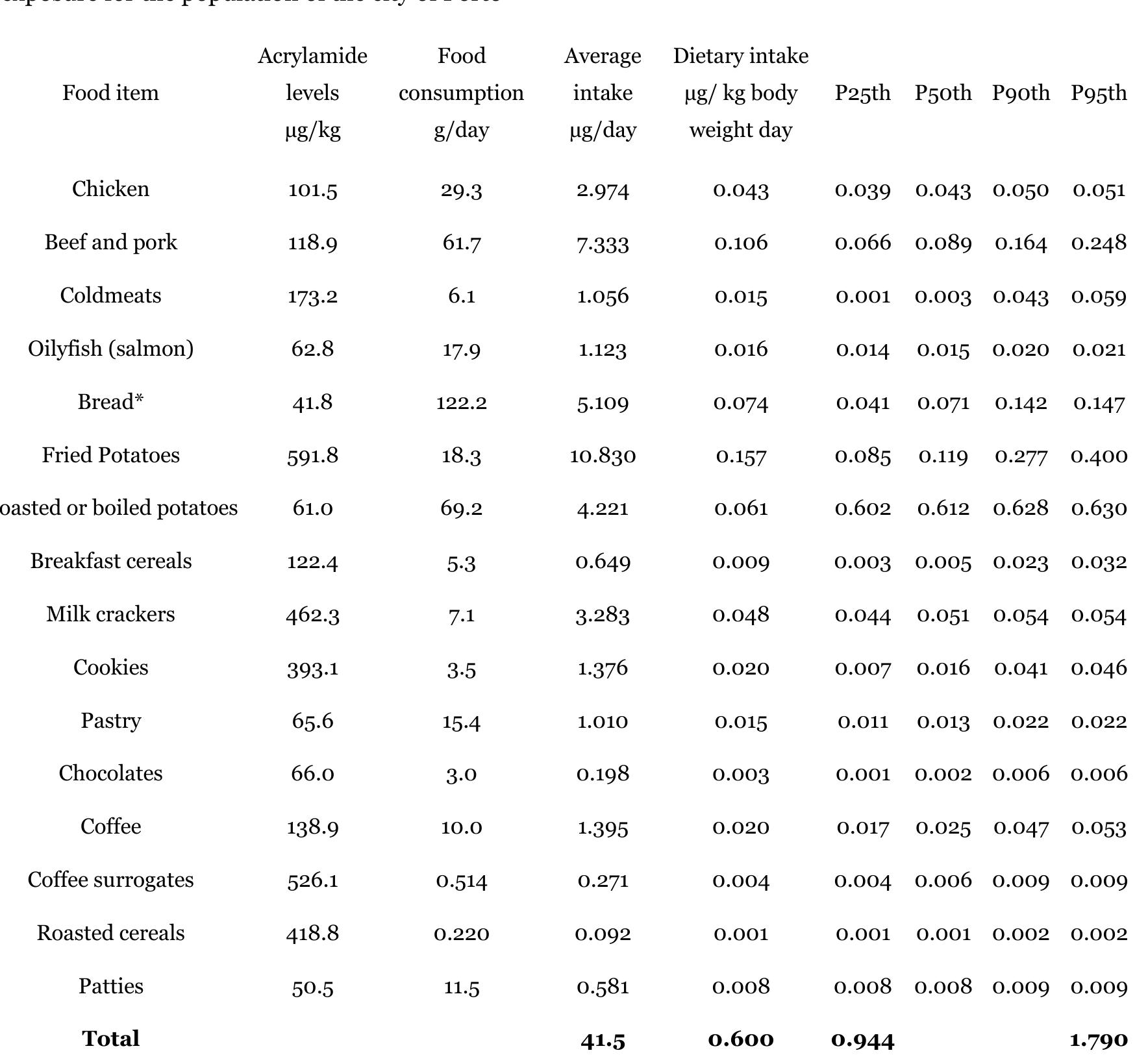
moreAcrylamide presence in foods has been a health concern since the announcement of its finding in foods in 2002. The main purpose of this work was to assess the exposure of the Portuguese population to acrylamide and discuss some possible mitigation strategies to reduce the formation of the compound in home-made food. In order to support the experimental results reported in this work, the first chapter of this thesis intends to present a review about the state of the art regarding toxicity, exposure, mechanisms of formation, mitigation strategies and analytical methodologies regarding acrylamide in foods. In order to calculate the levels of acrylamide present in commercial and home-madefoods consumed in Portugal, some analytical methods were developed and validated. Methodologies based on an optimized Matrix Solid Phase Dispersion (MSPD) extraction procedure was developed for the analysis of acrylamide in a variety of food matrices: processed cereal products (bread, toasts, breakfast cereals, snacks, cookies and biscuits), chocolates and baby-foods. Final extracts were analysed by GC-MS. The MSPD-GC/MS method presented a LOD of 5.2 µg/kg and a LOQ of 15.7 µg/kg.A similar procedure was also developed for coffee and coffee substitutes, a more challenging matrix and the MSPD-GC/MS method adapted for coffee analysis presented a LOD of 5 µg/kg and a LOQ of 10 µg/kg. Meat and fish samples were also analysed. Espresso coffees were analysed to assess the influence of coffee species, roast degree, and brew length on acrylamide formation. Mean acrylamide contents of medium roasted espressos (30 mL) were 1.16 ± 0.25 and 2.31 ± 0.43 μg for pure arabica and robusta samples, respectively. Espressos prepared from commercial blends contained an average acrylamide level of 1.26 ± 0.28 μg. A 25% decrease was observed when comparing espressos prepared with medium and dark roasted coffee. The extraction efficacy of acrylamide for standard espressos of 30 mL was near 80%, being only affected by brew volume, with long espressos (70 mL) containing practically all acrylamide of the coffee cake (99%), almost double that of short ones (20 mL). When compared with other common coffee beverages, espresso acrylamide concentration (μg/L) was higher. However, due to the small volume per cup, it may contribute less to acrylamide ingestion. The influence of processing was also evaluated in natural coffee produced in Brazil were peeling of immature fruit is viewed as a promising method of minimize the negative impact of defective grains in the quality and commercial value of coffee. Peeling of unripe coffee and General Introduction VII pulping of immature coffee grainsenables a reduction in asparagine levels, a known precursor of acrylamide, and a consequent reduction of acrylamide formation during roasting. Different roasting conditions were also assessed, keeping the temperature and roasting time constant and the flow of hot air in a fluidized bed roaster was set to three different velocities. The results obtained so far, clearly show that the content of acrylamide increases as the velocity of hot air also increases in all samples analysed. Regarding mitigation studies, two different approaches to reduce acrylamide formation during home-cooking of meat and fried potatoes were tested. For meat, the effect of marinades with white wine, beer, or green tea, alone or added with herbs and spices, were studied in panfried beef, using non-marinated beef as control. Best results were obtained with beer or beer with herbs marinade during 4 hours, with a reduction of 72 % and 59 %, respectively. For potatoes, the importance of potato cultivar for frying was evaluated. Samples of 5 different cultivars available in the Portuguese market were fried under controlled time and temperature conditions. Lowest levels of acrylamide were obtained with Agria and Marabel varieties, which could be justified by its lower amounts of reducing sugars. The results obtained here suggests that selecting adequate potato varieties for frying and marinating meat before cooking can contribute significantly to reduced acrylamide ingestion from home-made food cooking. Average intake of acrylamide was estimated in the adult population (n=2398; ages between 18 to 92 years old) of Porto, Portugal, based on a screening assay of acrylamide levels in targeted Portuguese foods, cooked at home or from industrial origin, and a published dietary survey elaborated under the framework of EpiPorto project. Average acrylamide content in foods ranged between 13 to 810 µg per kg, being the highest amounts present in fried potatoes and coffee surrogates. An estimated average daily intake for the adult sub-sample of Porto population of 41. 5 µg/day was obtained, ranging from 0.60 to 0.70 µg/kg of body weight for women and men, respectively. The main sources of acrylamide consumption were potato products (36%), meat (25%) and bread (12%), while coffee showed less importance than usually reported in similar studies, due to low levels of consumption reported.


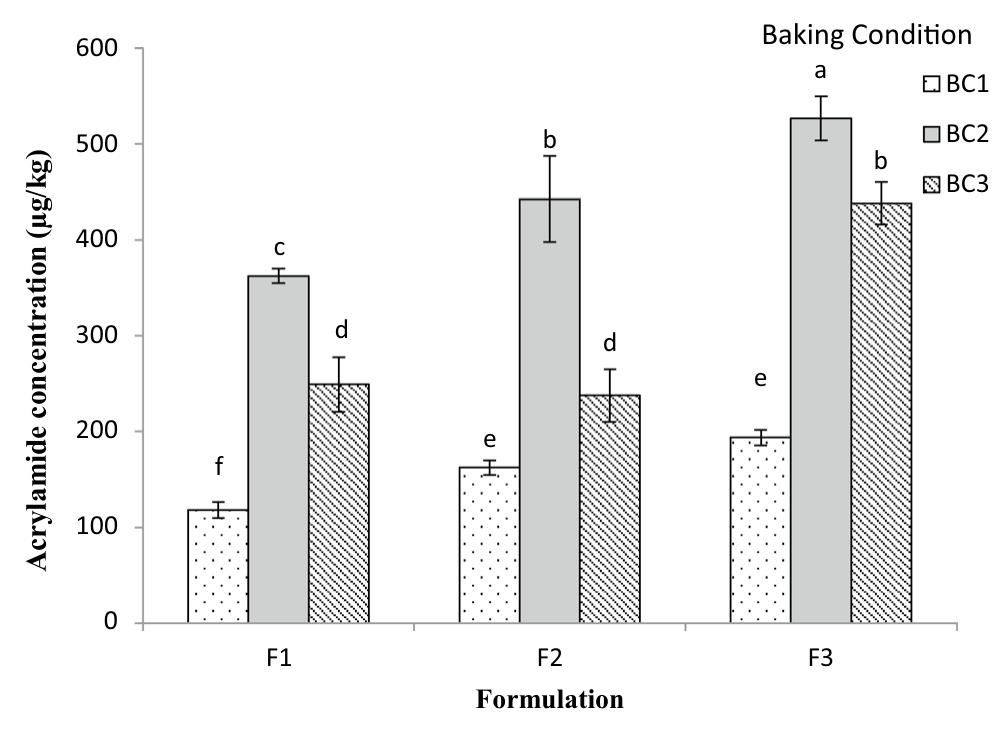
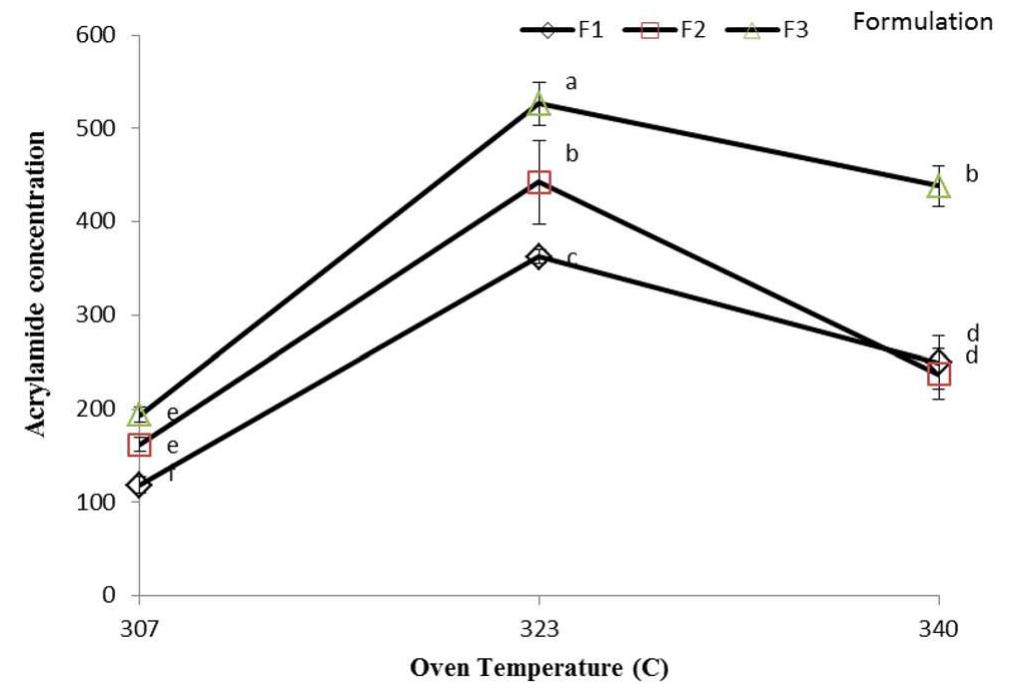
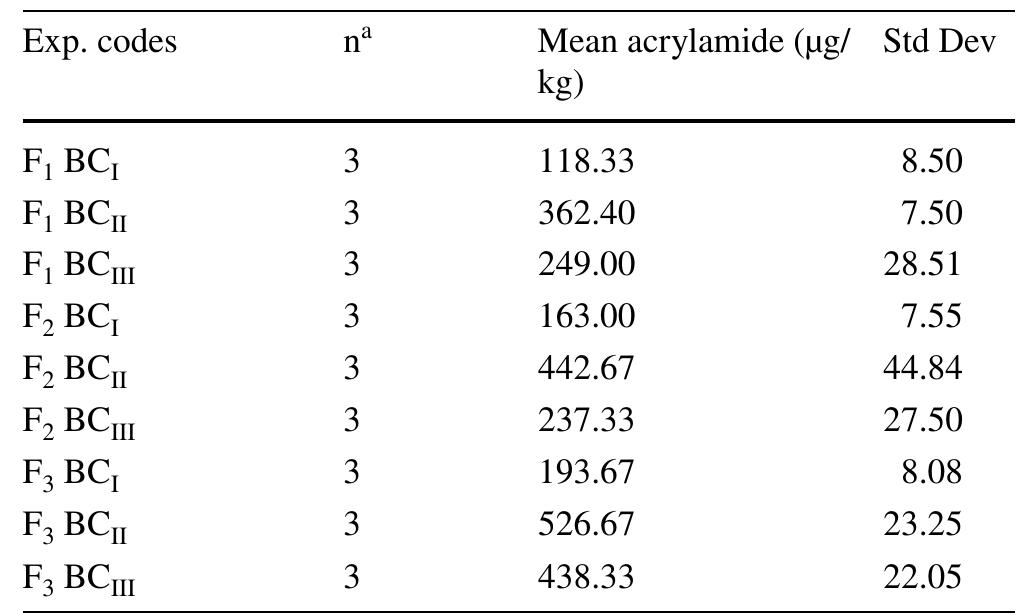
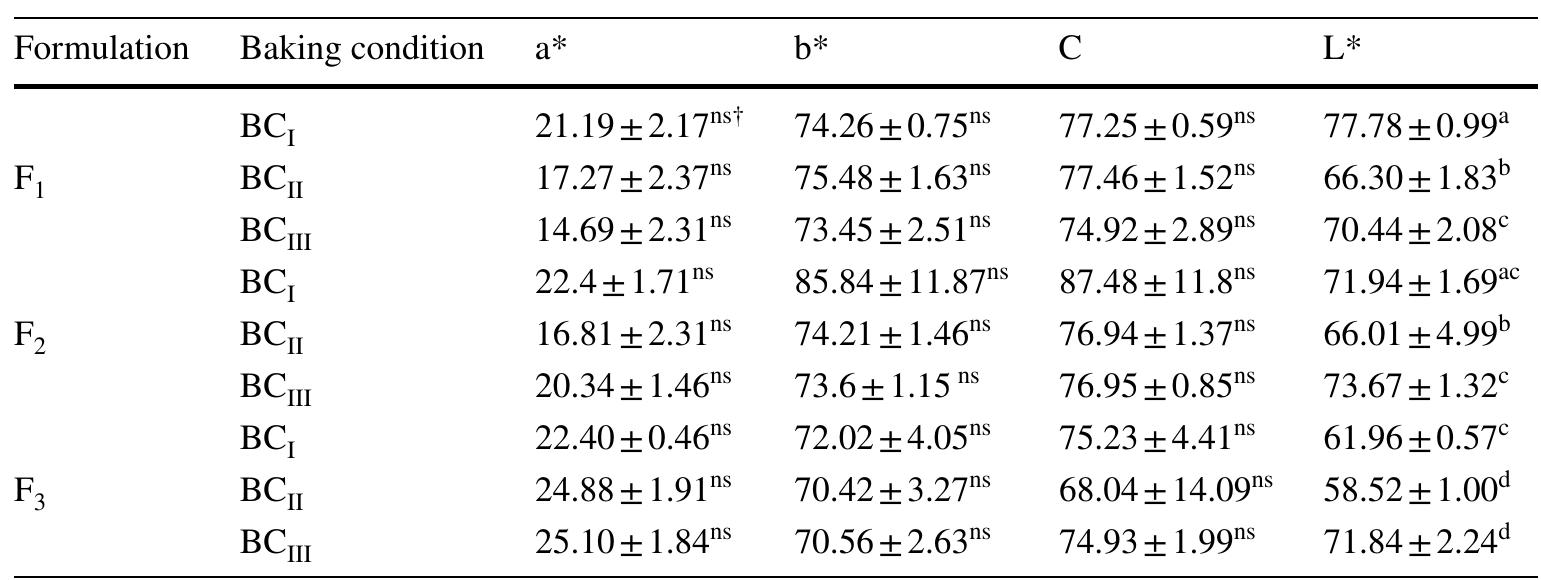
![Fig.4 The correlation between AA concentration and CIE lightness parameter L* of biscuit samples The relation between acrylamide level and intensity of brown color in types of cookies has been investigated by Gokmen et al. (2008), indicating that the intensity of brown color increases when high acrylamide concentra- tions are found in the product [15].](https://figures.academia-assets.com/112907394/figure_004.jpg)
![Figure 4.2. Influence of reconstitution temperature and frying time on acrylamide formation in lab processed French fries. [Reprinted from Taeymans et al. (2004)]. From the Figure 4.2 we can also concluded that under typical temperature frying condition (170 °C - 190 °C) a heating time of 3-4 minutes should not be exceeded in order to avoid th attainment of a final product with very high levels acrylamide. Last guidelines provided b the regulatory authorities (FDE, 2011) advise the use of frying temperatures no higher tha 175 °C, targeting higher moisture endpoints (1,3-1,5 %), while providing acceptabl sensorial properties. Frying at lower temperatures may cause higher fat uptake and affec crispness, whereas moisture endpoint levels greater than 1,5 % may affect flavour texture and shelf life. The product/oil ratio may influence a drop of initial frying temperature an therefore longer frying periods would be needed resulting in higher acrylamide contents.](https://figures.academia-assets.com/110708606/figure_017.jpg)
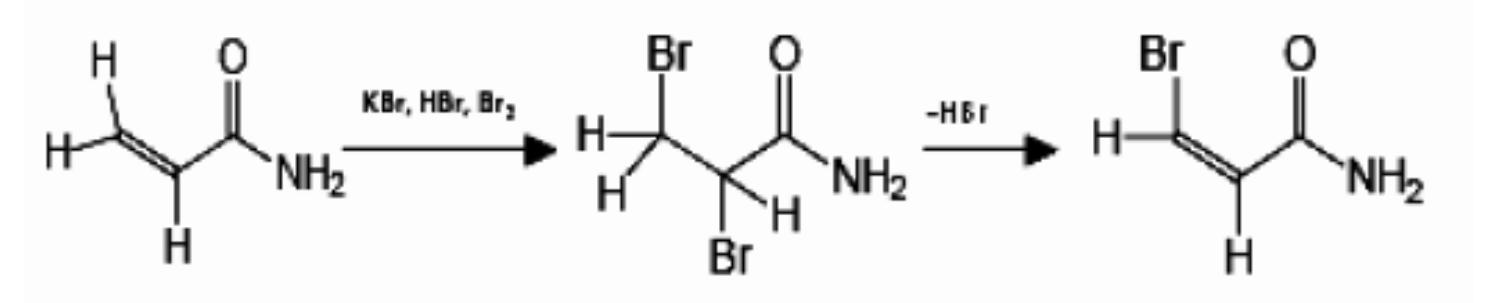
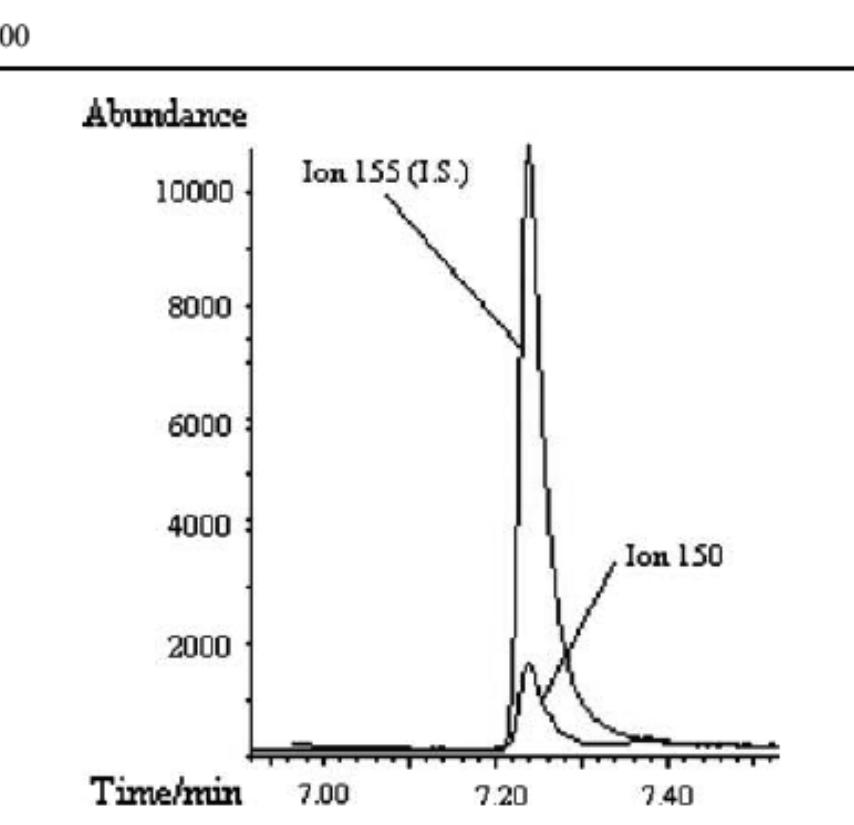
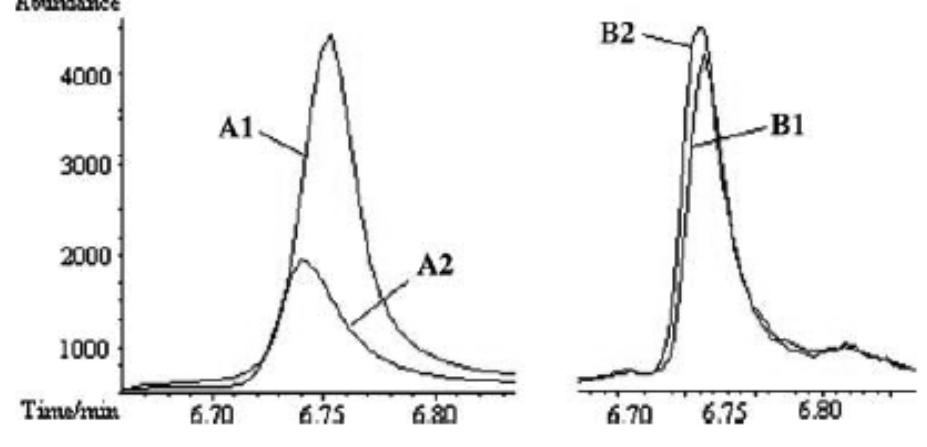
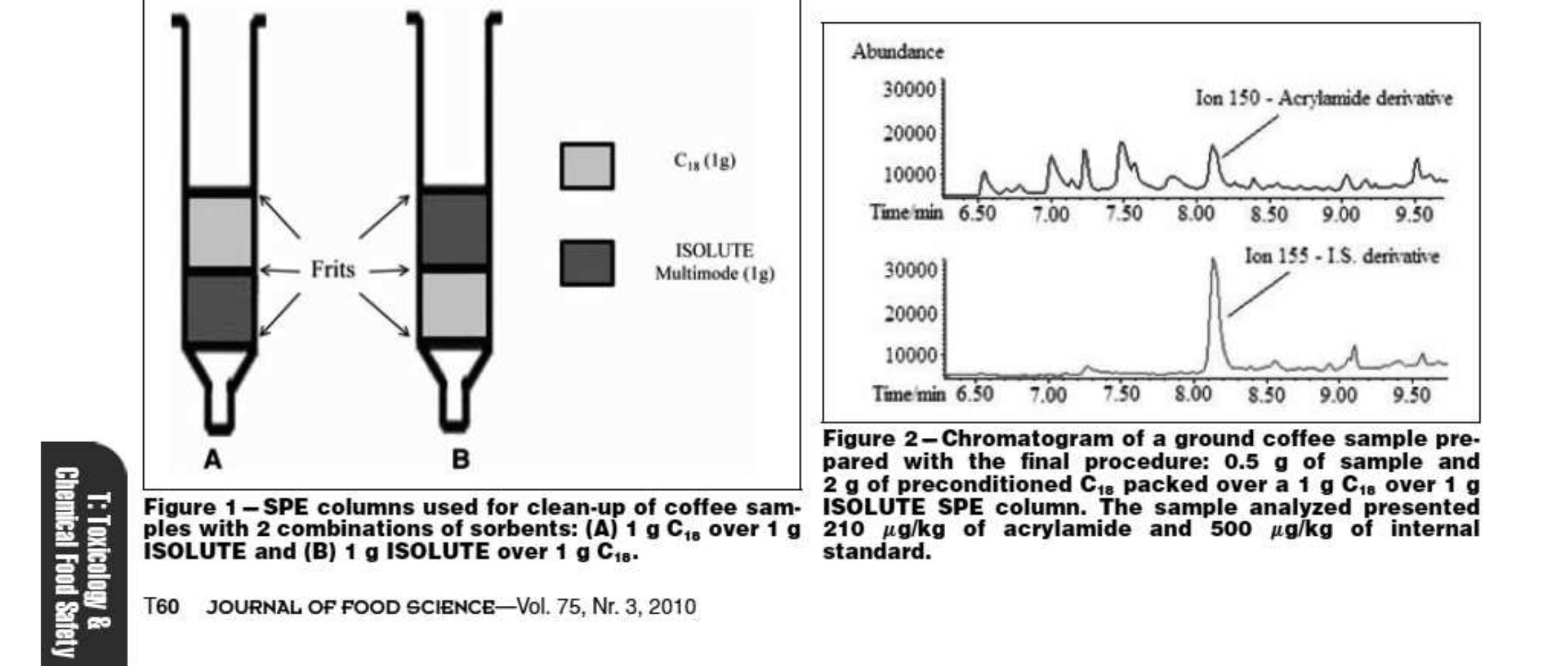
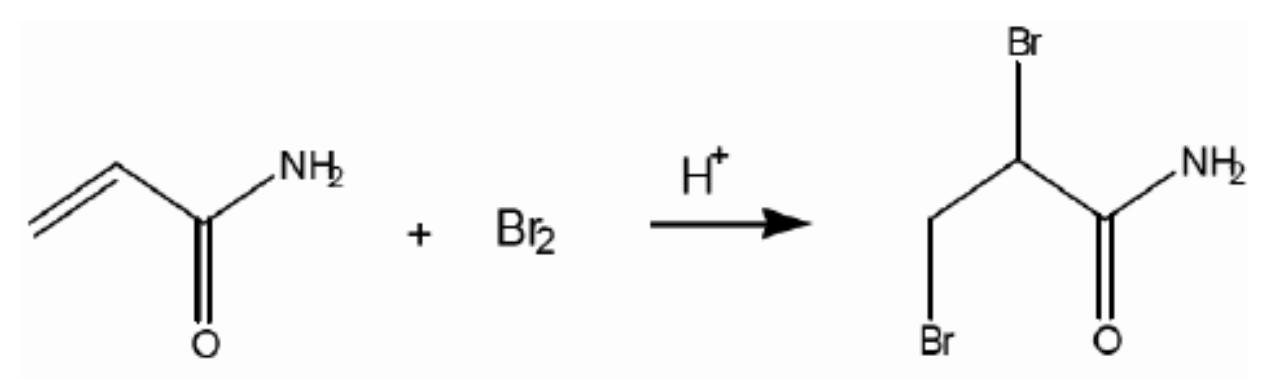
![In GC-MS analysis, the ions monitored for 2,3-dibromopropionamide are: CoH379Br]*= 106, [C2H,®'Br]*= 108, [C3;H;77BrNO]*= 150 and [C3H;®*BrNO]*= 152 being ne fragment m/z 150 used for quantification (Figure 5.3). For the internal standard 2,3- ibromo(3C3)propionamide the ions are monitored included- [°C.H,®Br]t= 110. 3C,H;77BrNO]*= 153 and 3C3H;**BrNO]*= 155 (Tareke et al., 2002). In the case of using deuterated standard ions to be monitored are [C3.H,7Br]t= 109, [C2.H,®Br]t=111 C3H22H3”BrNO]*=153 and [C3;H2.H;8*BrNO]*= 155. In both cases the fragment m/z 155 is sed for quantification (Ono et al. 2003; Ciesarova et al., 2004). In the case of conversion to 2-bromopropenamide, the ions to be monitored are [C3;H,NO]*= 70, the [C;H,77BrNO]*= 149 and [C;H,®*BrNO]*= 151, using the fragment (m/z) 149 for quantification. Ions monitored to identify the 2-bromo(3C;) propenamide internal standard are [3C.H,®Br]*= 110, and ["3C3;H,®!BrNO]*= 154, using m/z 154 for the quantification. In the internal standard methacrylamide the monitored ions are m/z 120 and 122 (Ahn et al., 2002). In the case of conversion to 2-bromopropenamide, the ions to be monitored are](https://figures.academia-assets.com/110708606/figure_020.jpg)

![Figure 4.1. Influence of storage time and temperature on acrylamide formation during frying of three varieties (Bintje, Ramos, Saturna) stored at 4 °C and 8 °C over 24 weeks, expressed in pg kg-1. (® = Bintje, 4 °C; = = Ramos, 4 °C; 4 = Saturna, 4 °C; © = Bintje, 8 °C; o = Ramos, 8 °C; A = Saturna, 8 °C.). [Reprinted from De Wilde et al. (2005)]. be achieved by avoiding storage of fresh potatoes at 4°C. used for roasting and frying should contain less than 1 g/kg of reducing sugars, which can](https://figures.academia-assets.com/110708606/figure_016.jpg)




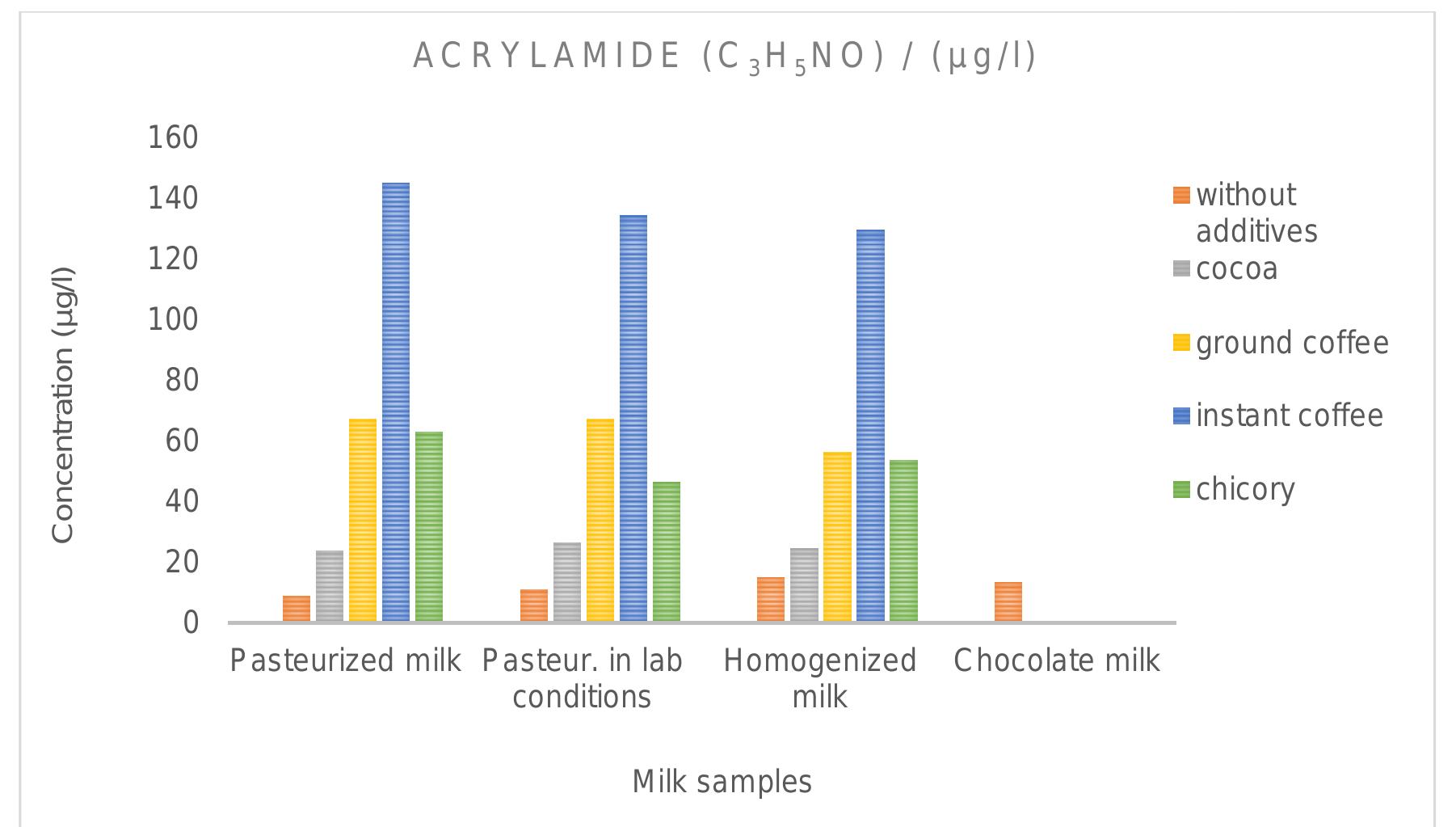
![Table 2. Linear regression parameters Acrylamide quantities in milk samples with added chicory from 46.32 ug/l up to 63.05 ug/l are much lower than previously reported examinations [25, 26] (on average 2790 yg kg’ and 2942 ug kg’, respectively), but the fact that our samples were not concentrated but diluted, needs to be taken into consideration.](https://figures.academia-assets.com/54533000/table_002.jpg)
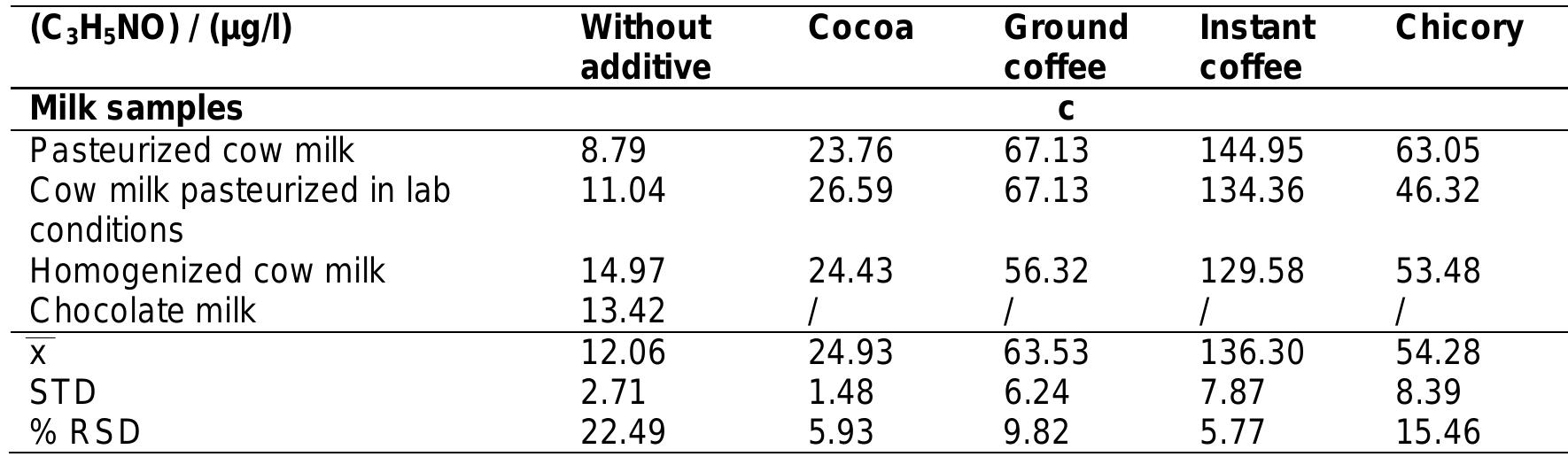
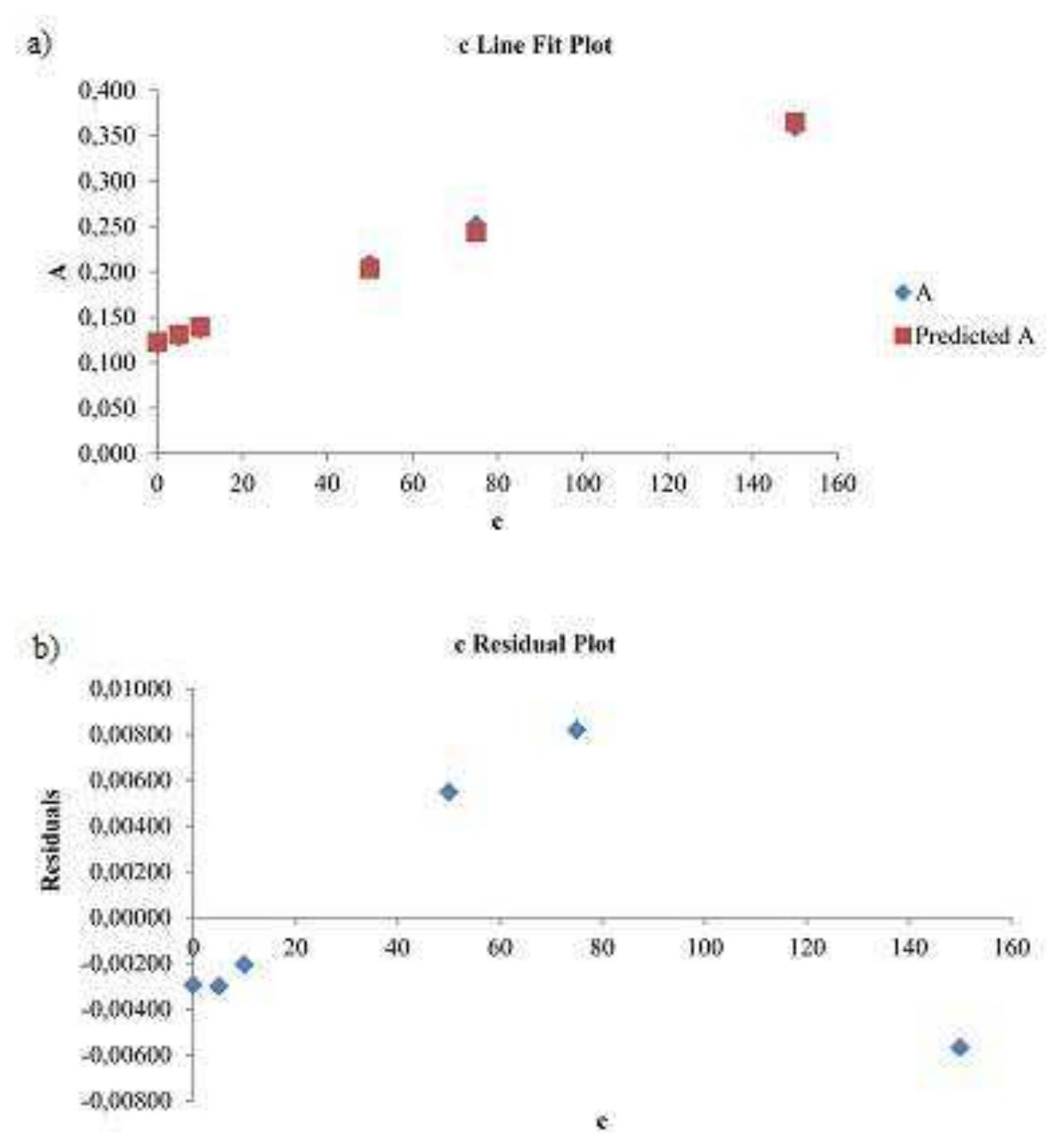
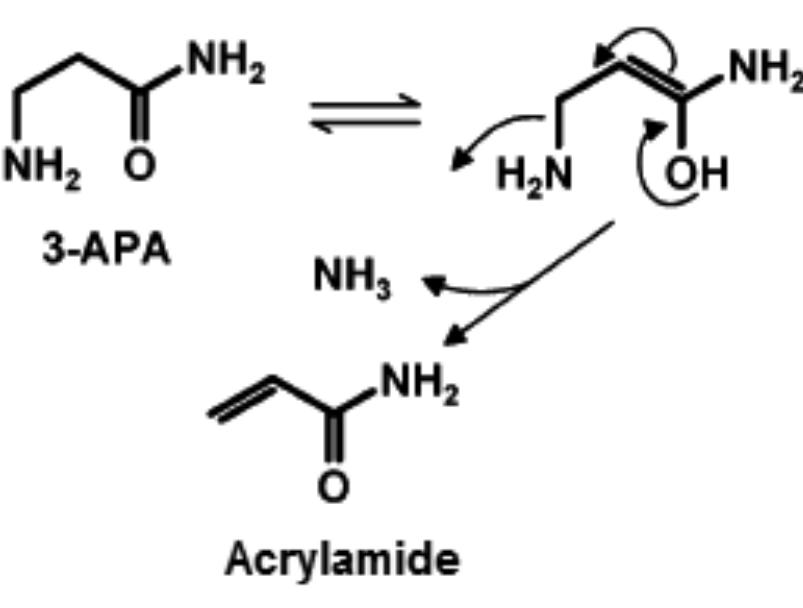
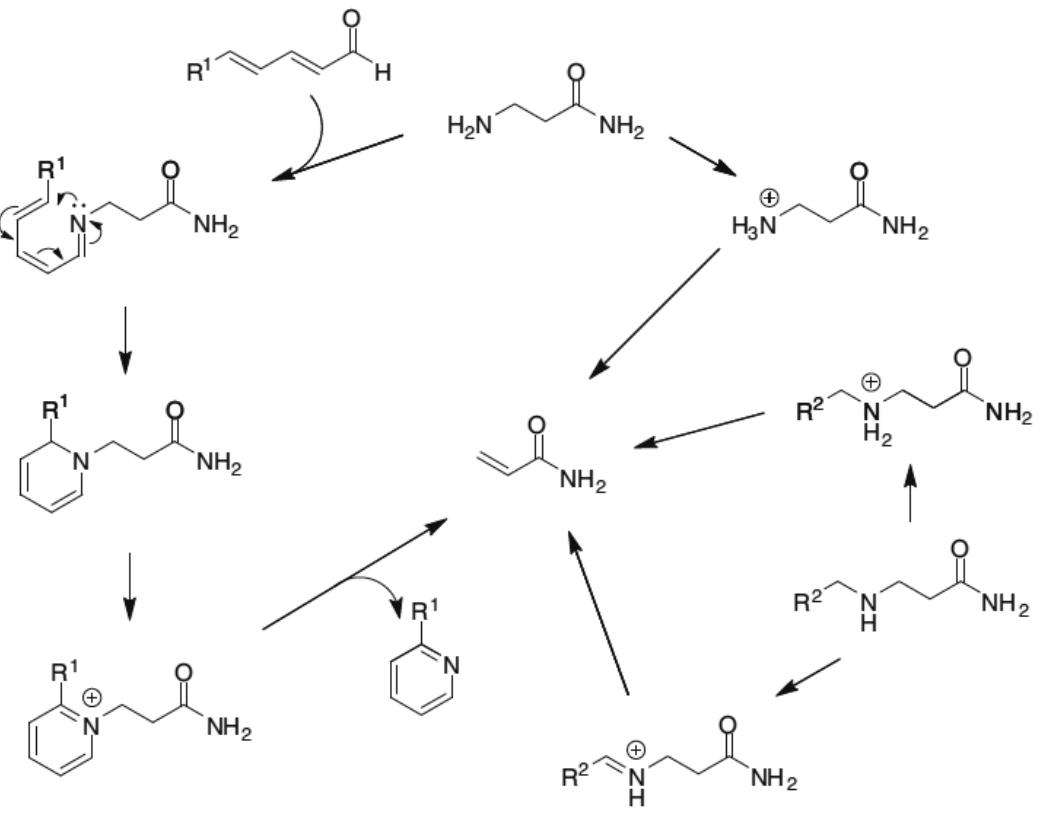
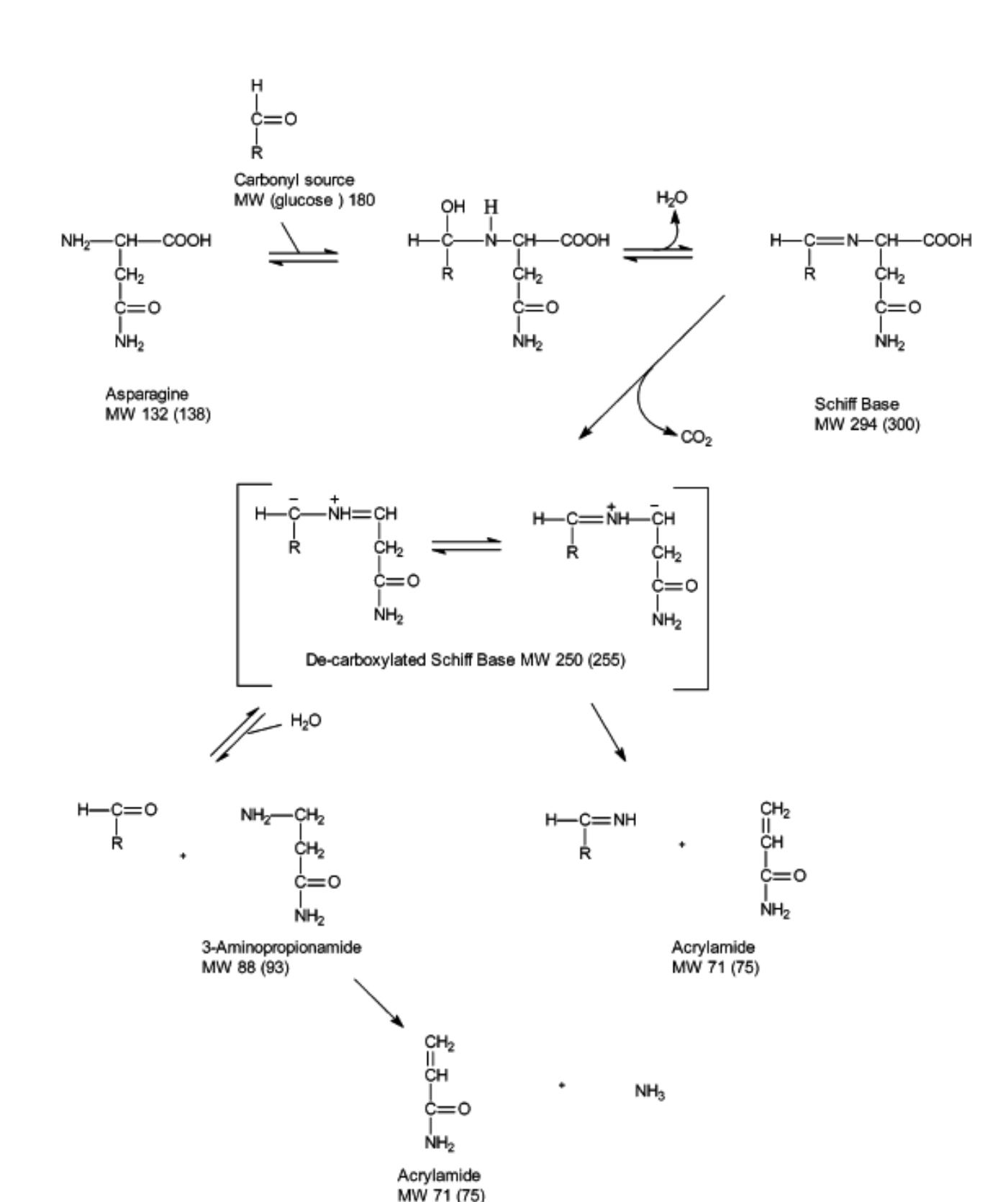
![Fig. 2. Calibration curve showing positive correlation between concentration and absorbance of analysed acrylamide standards Results in Table 1° present determined acrylamide quantities in milk samples. Starting with a range from 129.58 yug/l in a homogenized, up to 144.95 yg/l in pasteurized milk, and the lowest value of 13.42 ywg/l in chocolate milk (which already contains cocoa/chocolate) these numbers indicate on highest acrylamide values in milk samples where instant coffee is added. According to Granvogl et al. [24] besides reducing sugars and asparagine, 3-APA compound (3-aminopropionamide) that is formed in large amounts during asparagine degradation in the presence of reducing sugars, is also a transitory by-product (precursor) for acrylamide creation without further “catalyst”. Same authors published that 3-APA compound for the first time was quantified in cocoa butter, cocoa beans, coffee and cereal products.](https://figures.academia-assets.com/54533000/figure_002.jpg)