Digestibility vs structure of food grade modified starches
…
14 pages
Sign up for access to the world's latest research
Abstract
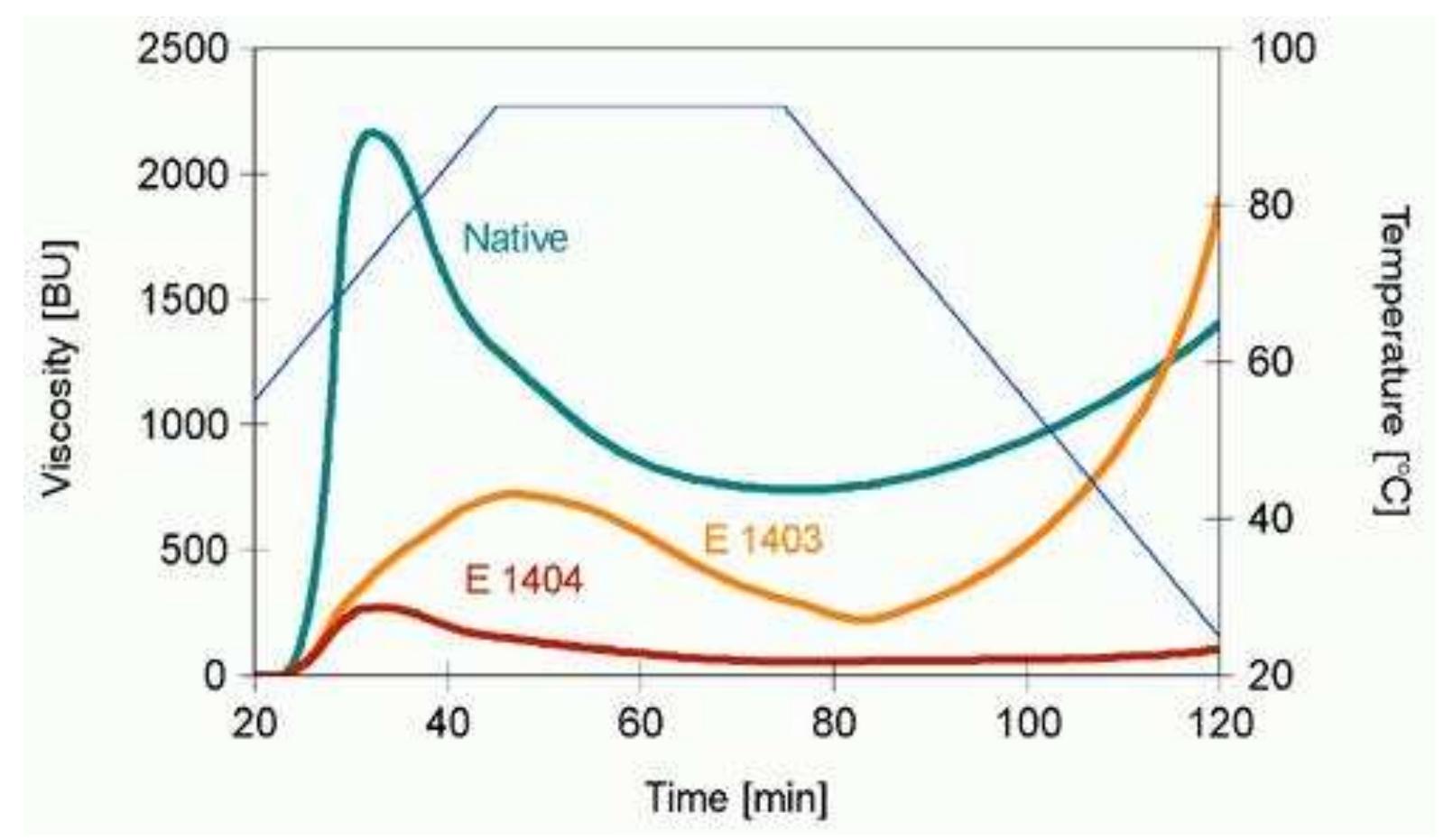
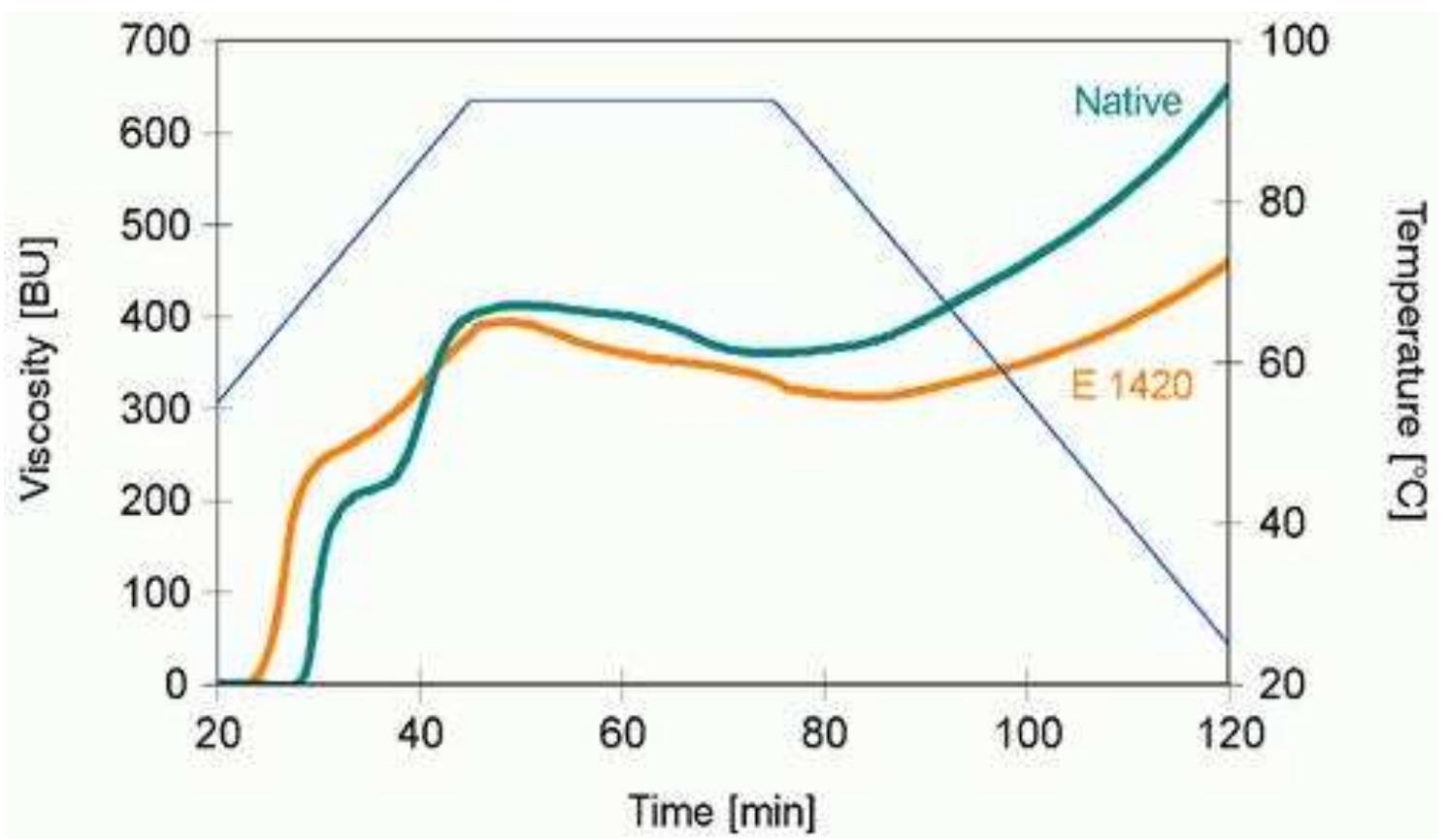
Digestibility of food grade modified starches were examined by the controlled enzymatic hydrolysis with the mixture of pancreatic alpha-amylase and glucoamylase. The structure and physicochemical properties of the experimental starch samples were examined by the Brabender rheological method, light microscopy, and X-ray diffractometry. It was found that investigated food grade modified starches revealed reduced digestibility-up to about 10%. The extent of decrease of digestibility depends on the degree of substitution of modified starches, but this correlation is not linear. Granular food grade modified starches reveal unchanged crystal structure, identical as native starch. The modification of starch changes its physicochemical properties i.e. pasting profile, gelatinisation temperature and solubility in water, however these changes do not correlate with digestibility. Changes in conformation of starch macromolecules in solution, caused by incorporation of modifying groups, hinder e...
Key takeaways
AI
AI
- Food grade modified starches can exhibit up to 10% reduced digestibility due to structural modifications.
- The degree of substitution in modified starch affects digestibility non-linearly, complicating correlations.
- Native and modified starch maintain identical crystal structures, indicating structural integrity post-modification.
- Enzymatic hydrolysis with pancreatic alpha-amylase and glucoamylase is essential for digestibility assessment.
- This work aims to elucidate the relationship between starch structure, properties, and digestibility.
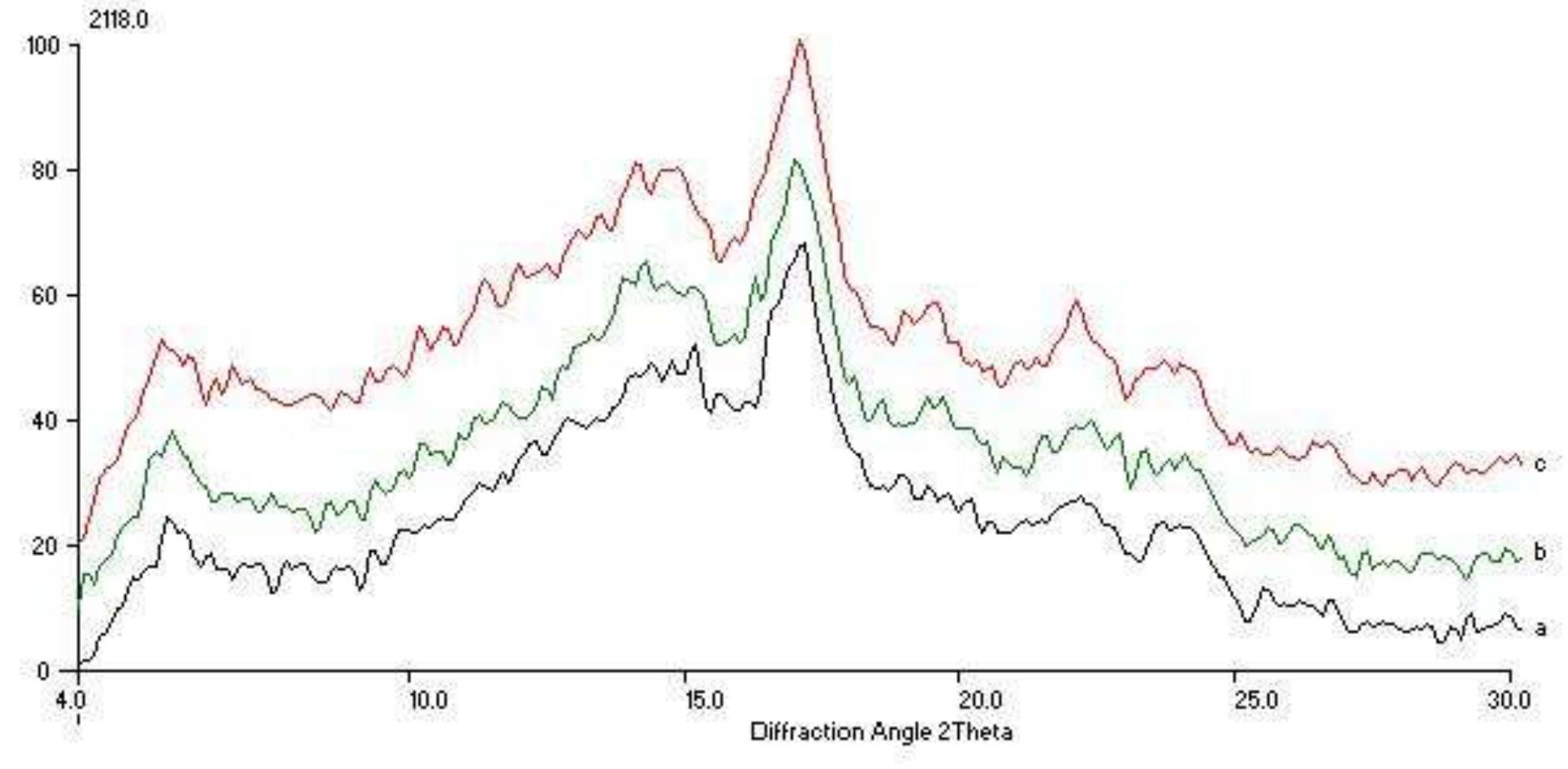
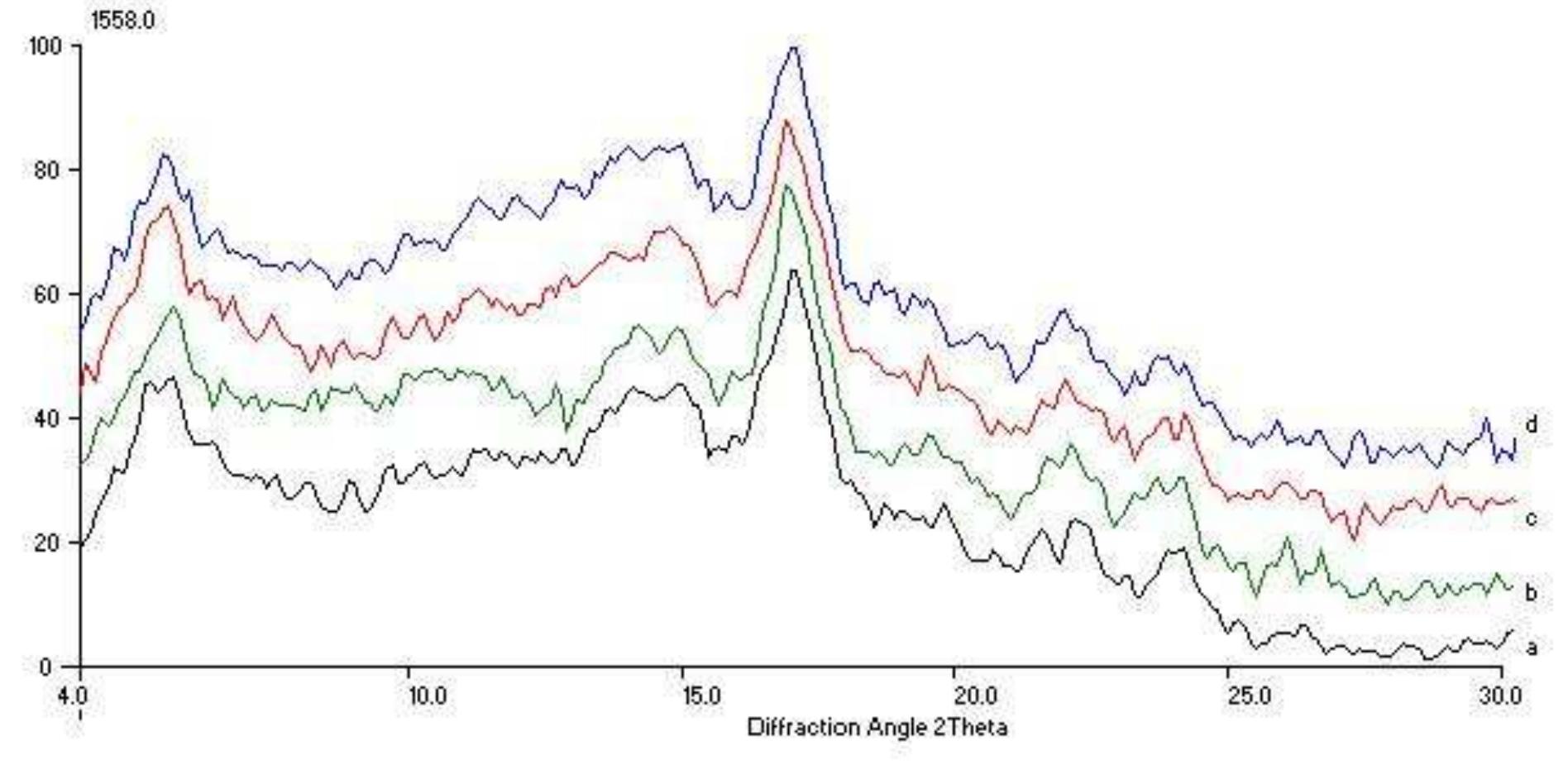
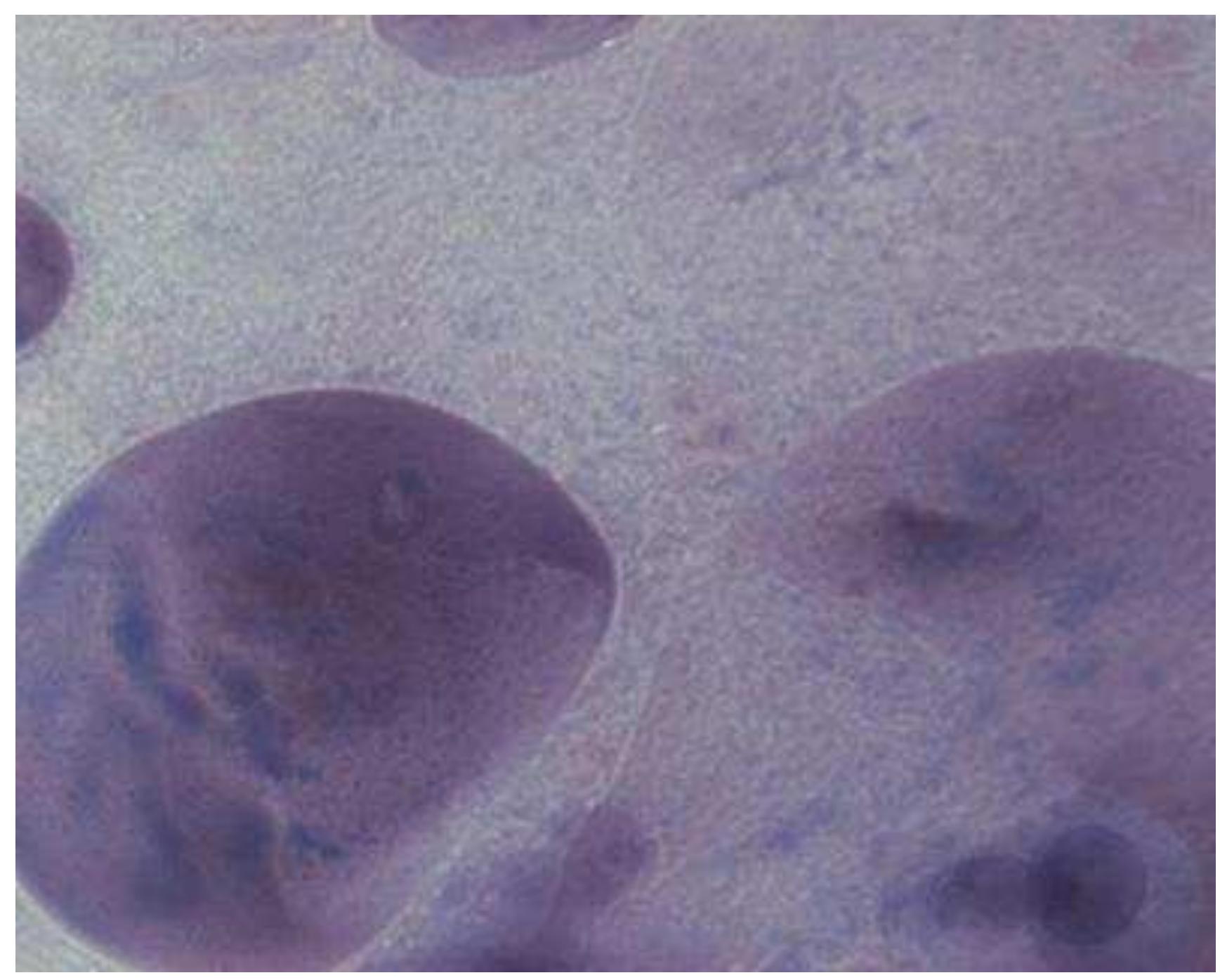
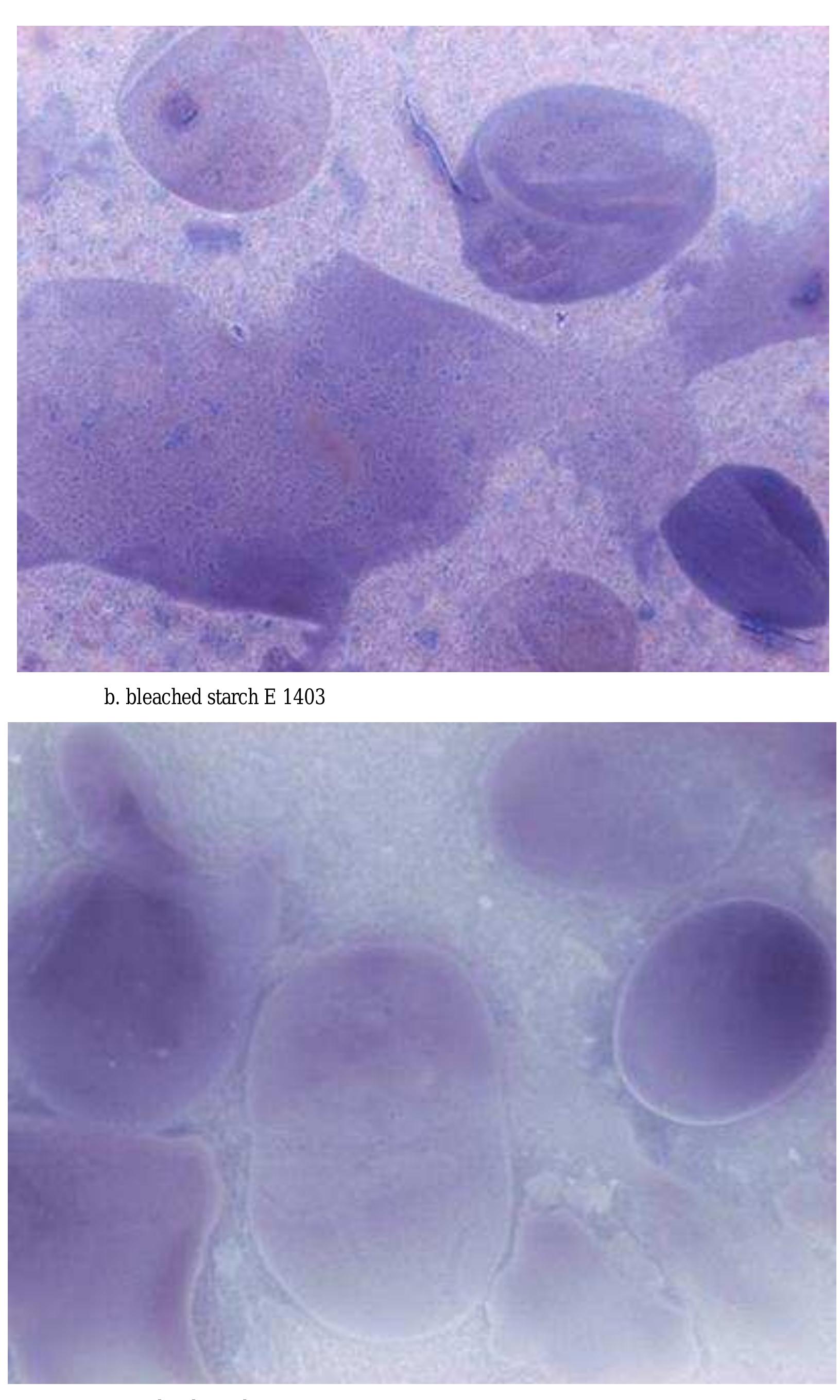
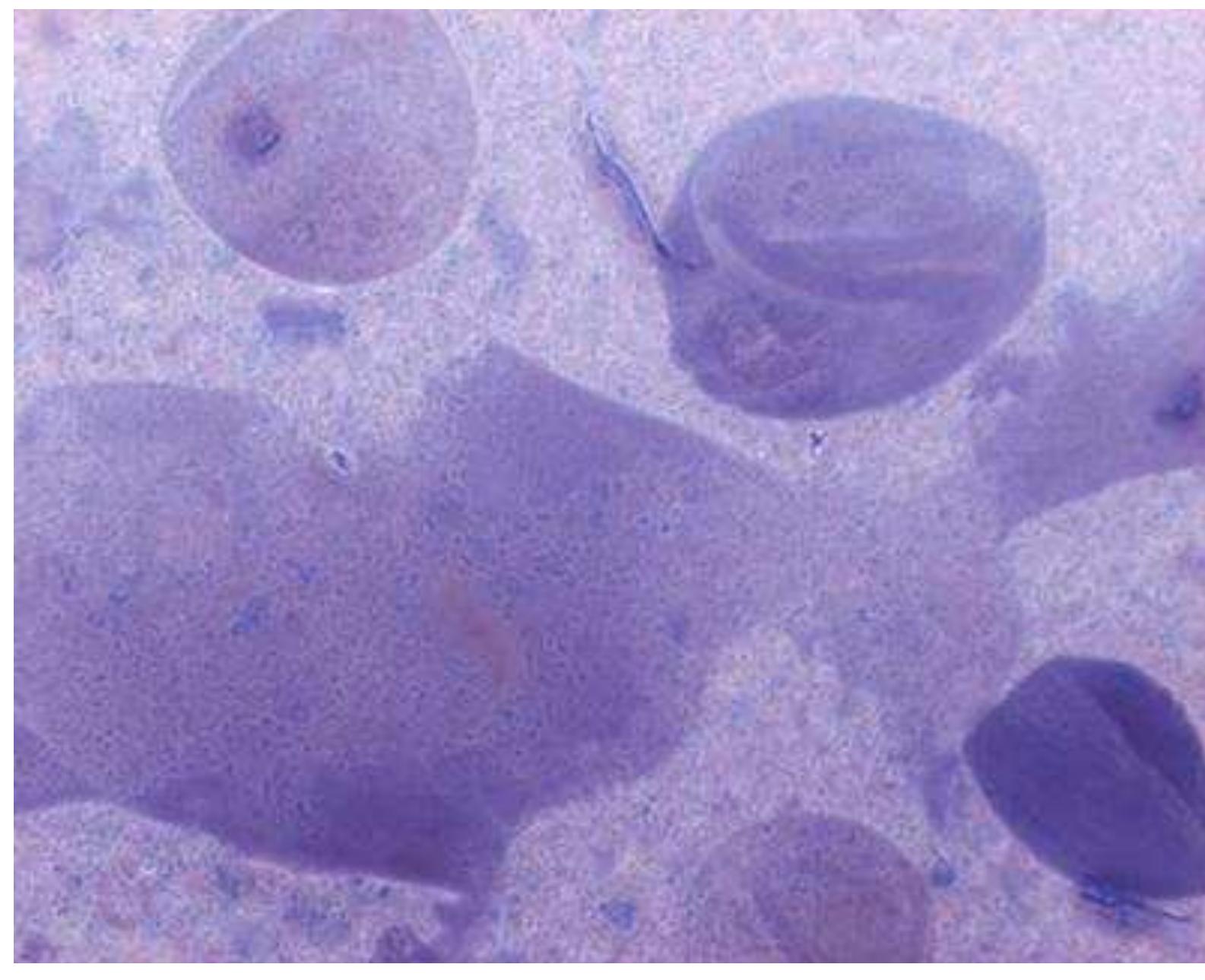
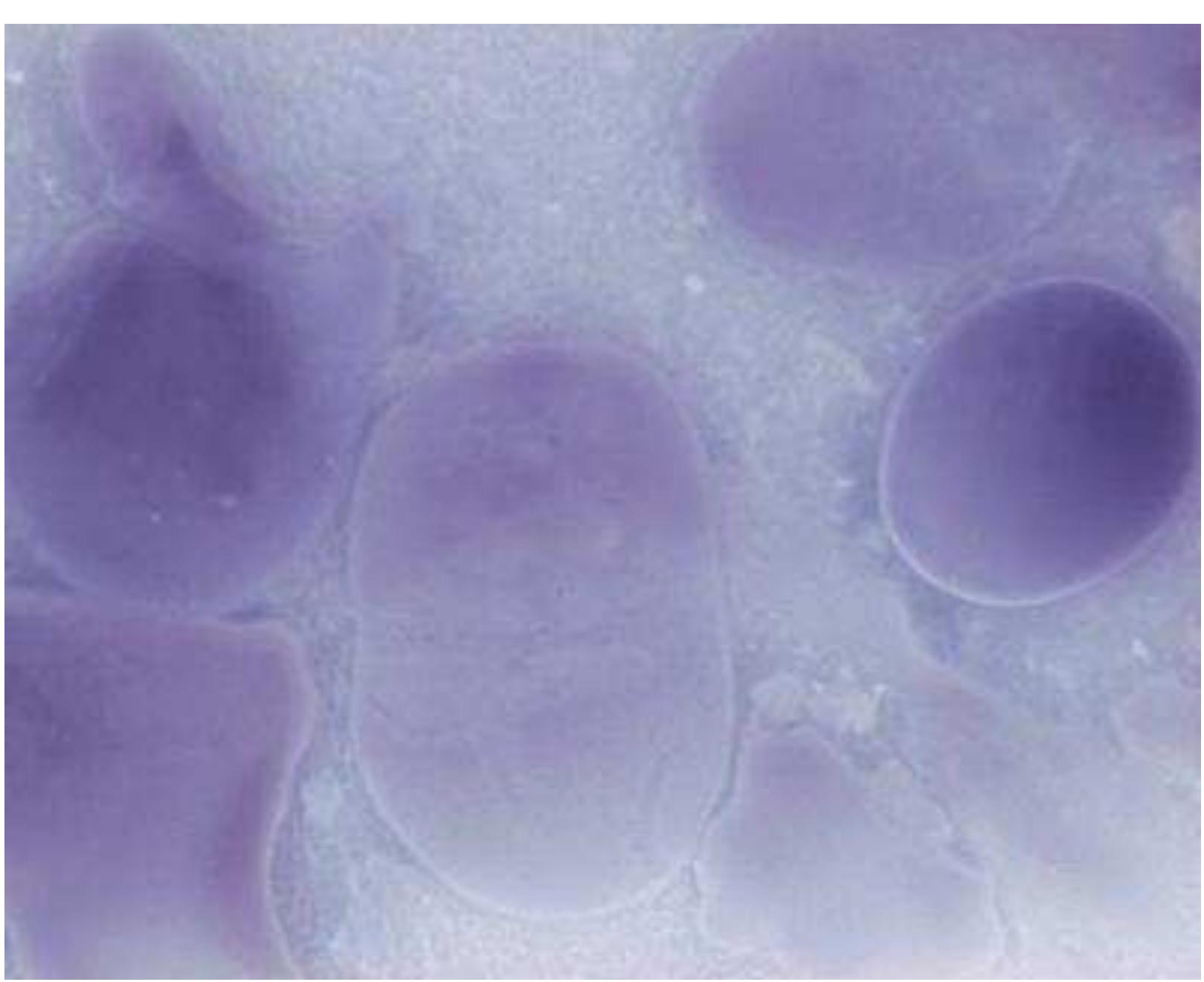
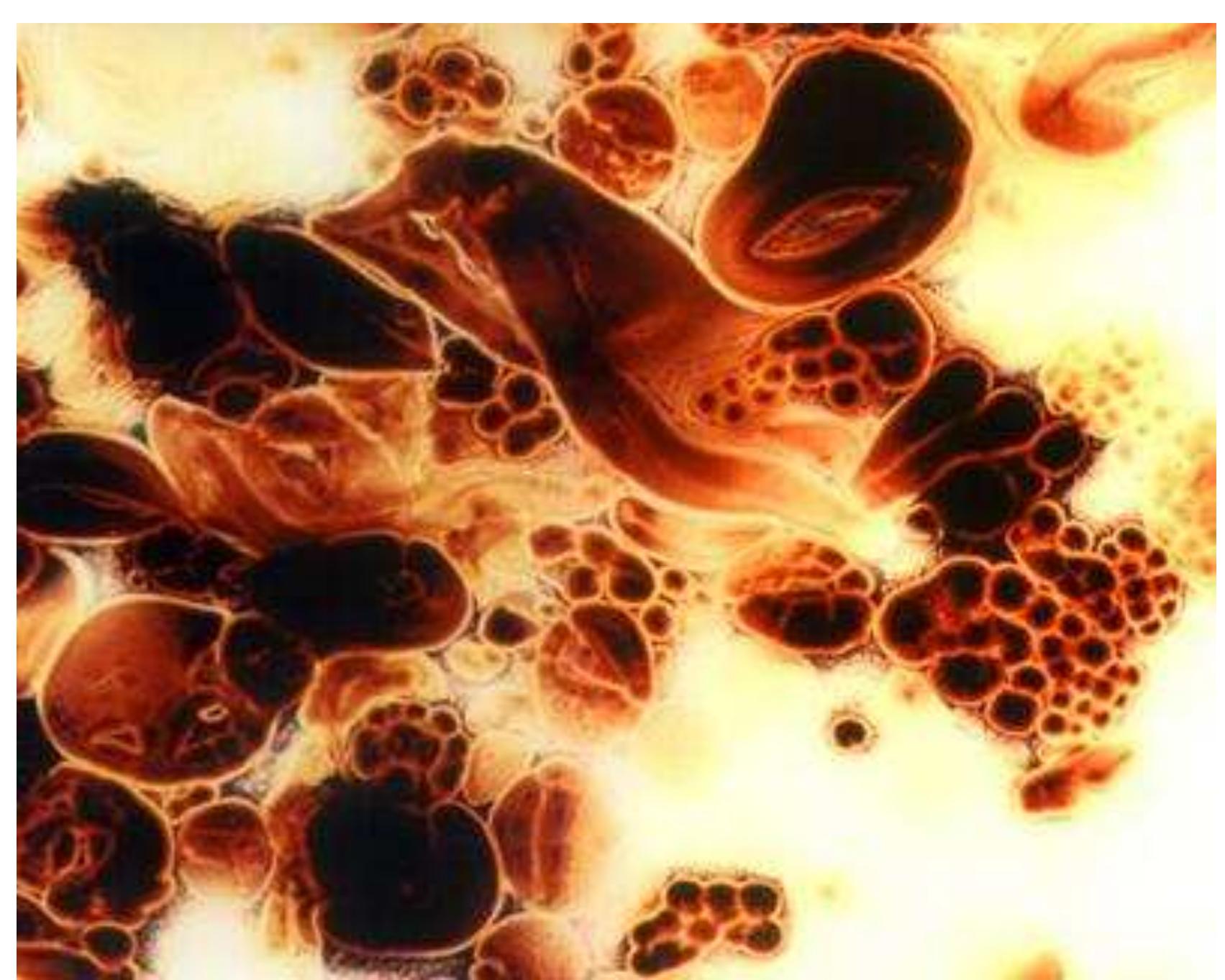
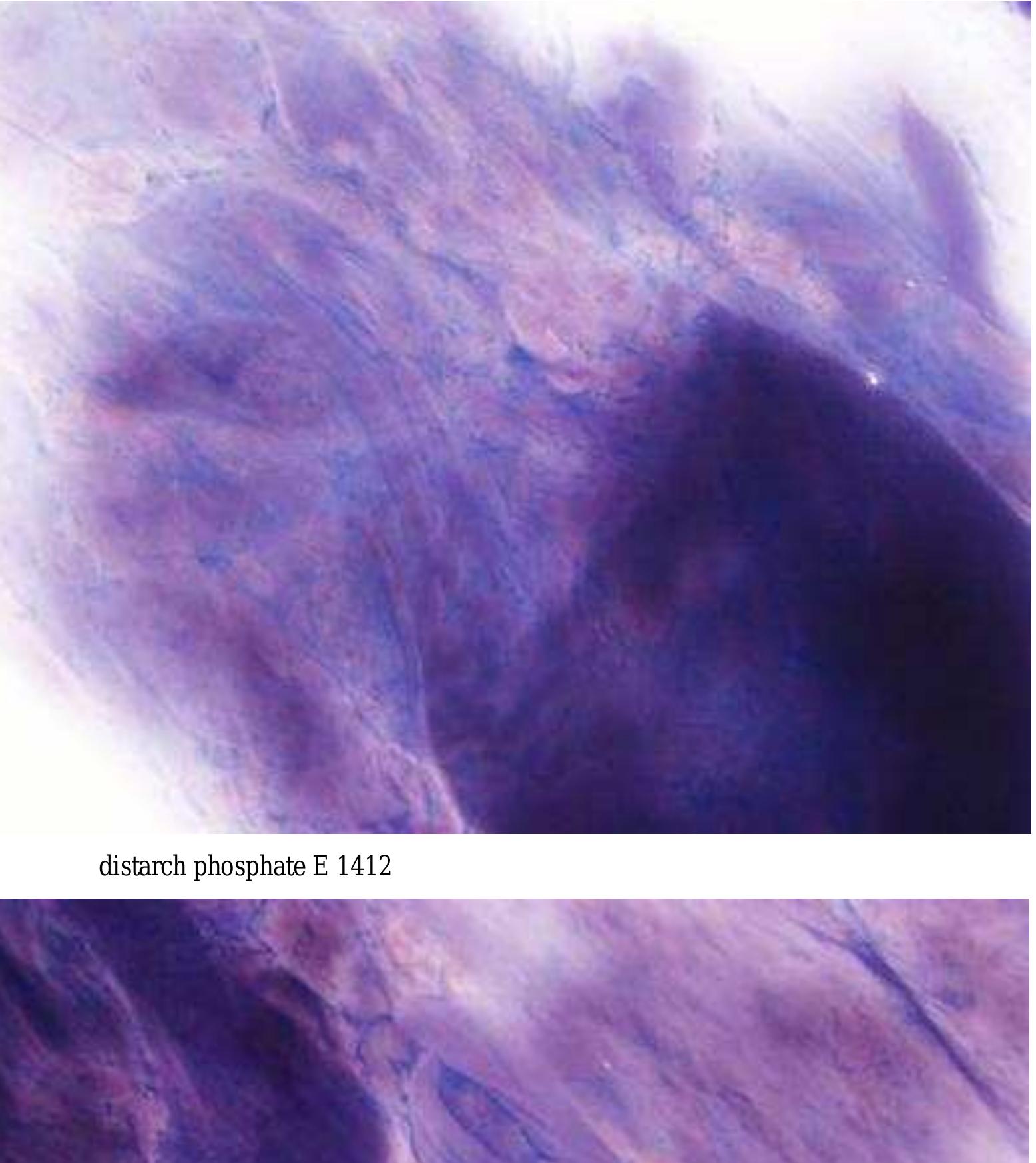
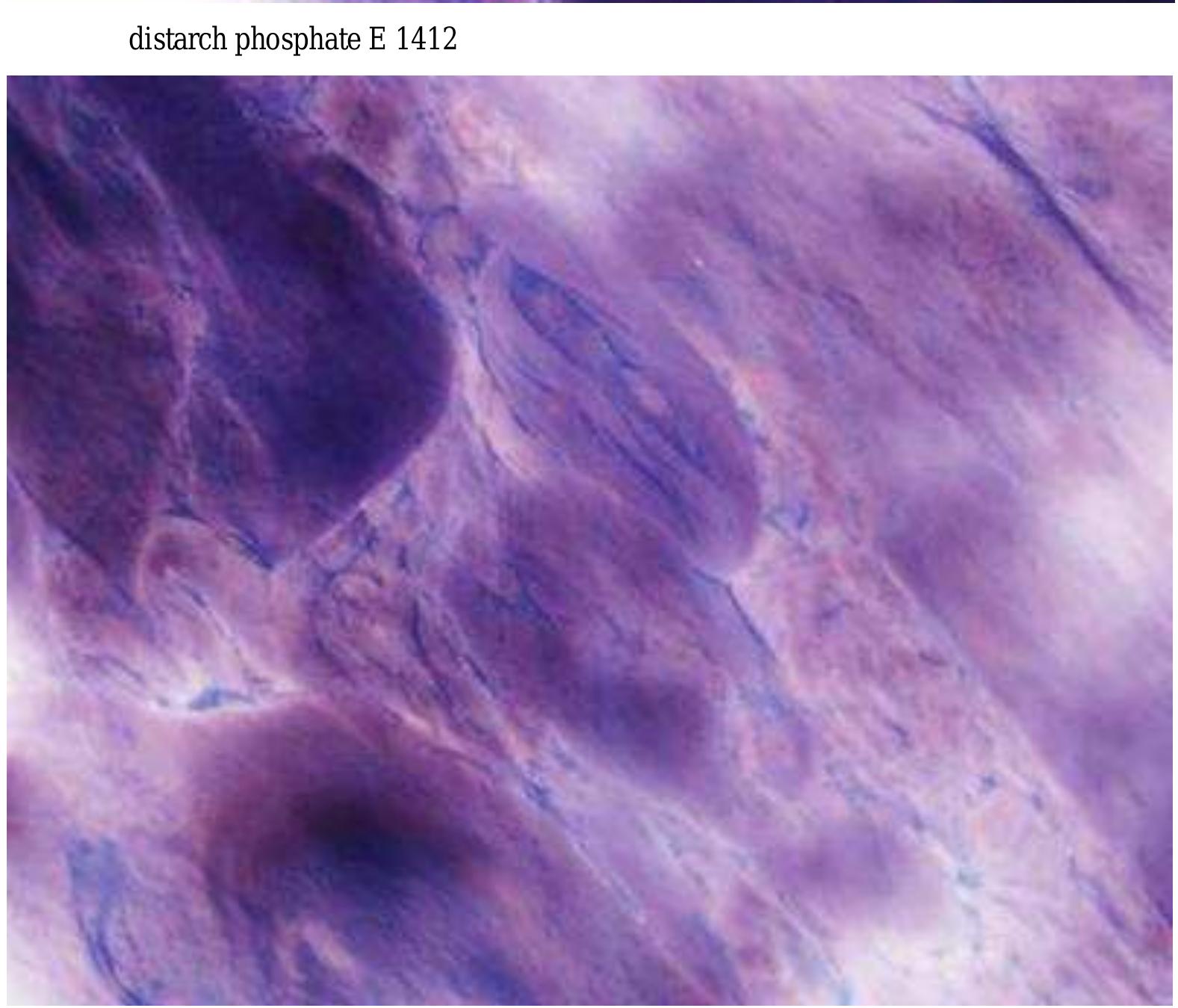
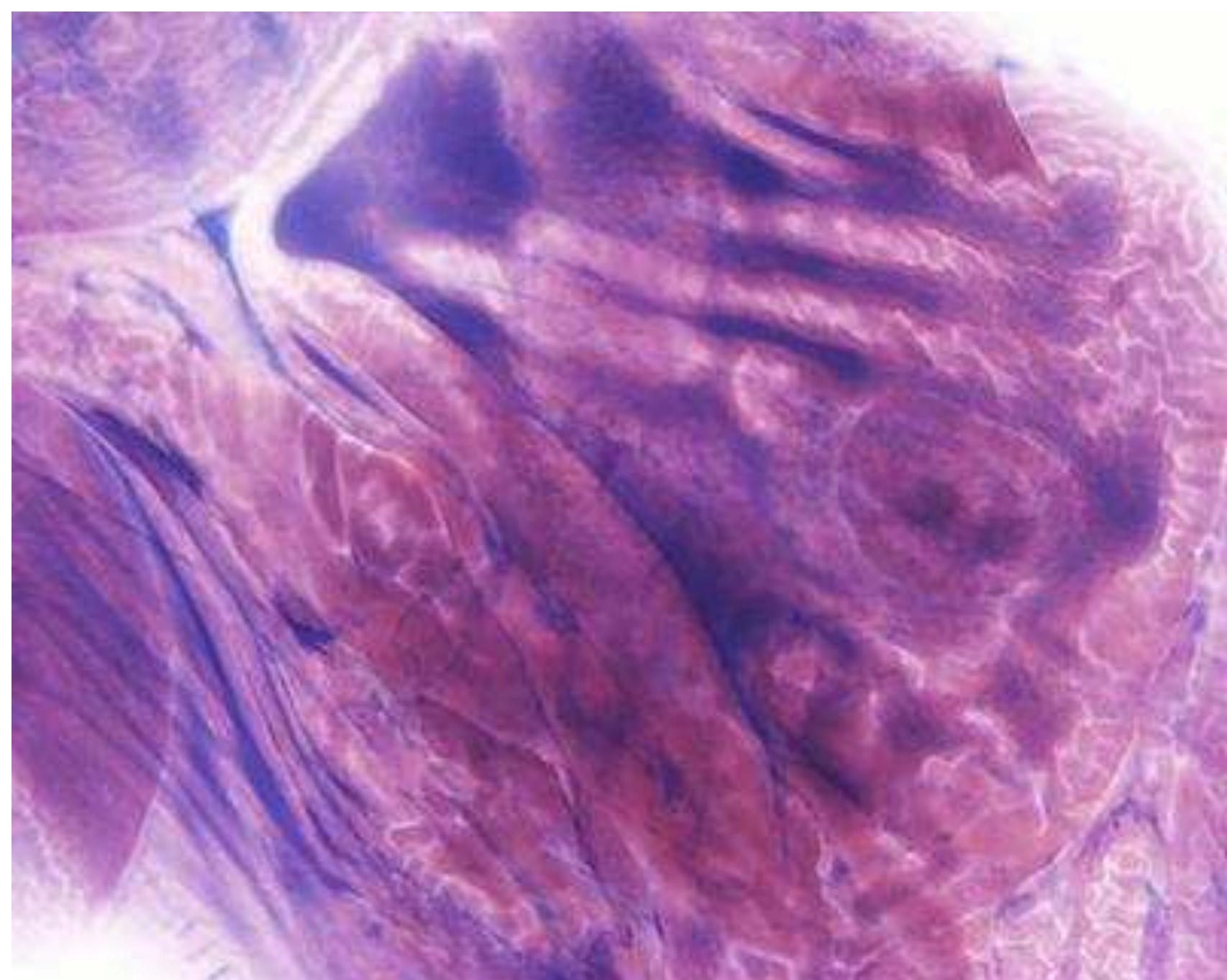
![Table 1. The rate of digestion of chemically modified starches and modifying groups content The data presented above pointed out that degree of substitution of modifying groups might not be the only reason for the decrease of digestibility, and some physicochemical or structural factors could be of important signifi ficance. Modification of starch for food application are fulfilled under very mild condition. Chemical reactions are carried out in wate suspension, then the product is separated by filtration. Next, the filter cake is dispersed in water and filtered in order to removing by-products and unreacted raw materials. The purification procedure is repeated twice and a consequence, these mild processing conditi then the product is dried in a flash drier [16]. As ons did not cause any changes in crystal structure of the starch, what could be clearly observed at the Figures 1 and 2.](https://figures.academia-assets.com/45657438/table_001.jpg)
Related papers
Chemical Properties of Starch, 2020
Starch is a naturally occurring glucose homo-polysaccharide of nutritional, pharmaceutical, and industrial importance. The complex polymeric structure and poor solubility of native starch in water limits their importance at pharmaceutical and industrial level. The structure, reactivity, and functionality of the native starch can be modified by physical, chemical, enzymatic, and biotechnological methods. Various physical modifications techniques, including the thermal, radio-thermal, freezing and thawing, annealing, high-pressure, ultrasonic, and pulsed electric field treatment, and chemical modifications, including oxidation, etherification, esterification, cationization, cross-linking, and graft polymerization, have been found to change the surface properties, polarity and linearity of the molecular chains, the degree of substitution, the polymeric, granular, and crystalline structure, amylose to amylopectin ratio, solubility, viscosity, pasting, gelatinization, swelling, water absorption, and emulsifying properties of starch. The structural changes have resulted in the improvement of thermal and freeze-thaw stability, viscosity, solubility, water binding capacity, swelling power, gelling ability, and enzymatic digestibility of starch. The exposure of reactive functional groups after physical or chemical modification modifies the reactivity of starch toward water, oil, acids, enzymes, and other chemical species. These modification techniques have led to some revolutionary changes in reactivity, functionality, and application of starch in various fields.
Foods
In vitro digestibility of starch is a common analysis in human nutrition research, and generally consists of performing the hydrolysis of starch by α-amylase in specific conditions. Similar in vitro assays are also used in other research fields, where different methods can be used. Overall, the in vitro hydrolysis of native starch is a bridge between all of these methods. In this literature review, we examine the use of amylolysis assays in recent publications investigating the complex starch structure-amylolysis relation. This review is divided in two parts: (1) a brief review of the factors influencing the hydrolysis of starch and (2) a systematic review of the experimental designs and methods used in publications for the period 2016–2020. The latter reports on starch materials, factors investigated, characterization of the starch hydrolysis kinetics and data analysis techniques. This review shows that the dominant research strategy favors the comparison between a few starch sampl...
Food and Bioprocess Technology
The broadly investigated and applied resistant starches have several health benefits: they can help, for instance, in the treatment of obesity and prevention of colon cancer; therefore, the accurate knowledge of the properties of these starches is elementary. In our study, the digestibility properties of two native starches (maize and wheat) and two resistant starches (RS2, Hi-maize™260; RS4, Fibersym™70), as well as their stoichiometric mixtures before and after cooking (at 100 °C), were investigated. Moreover, correlations were investigated between two different enzymatic methods and the rapid visco analyzer (RVA) method. Our aim was to prove strong relationship between rheological and enzymatic digestibility characteristics. To conclude the results of our measurements regarding resistant starches, it can be stated that the two resistant starches show different digestibility in raw and cooked form. After cooking, RS2 caused a linear decrease in the initially and the totally liberated glucose concentration in cooked mixtures; thus, these parameters can be predicted in the function of resistant starch addition. Additionally, we did not find any synergistic effects in the mixtures after heat treatment. Significant (p
Food Hydrocolloids, 2021
Starch performance along digestion is becoming of utmost importance owing to the extensive presence of starch in foods and its association to the foods glycaemic index. However, scarce information exists on the relationship between the digestibility of starch gels and their microstructure. The aim of the study was to identify the rate and degree of digestion of starch gels from different botanical sources and the impact of gels microstructure with the in vitro starch digestibility (IVSD) by fitting the hydrolysis kinetics. Starch gels from cereals, tubers, and pulses were structurally analyzed and subjected to a standardized oro-gastrointestinal IVSD. The gel microstructure was significantly different among starches. Cereal gels had thinner walls than tuber and pulses gels, and this discrimination was not evident in the area of the gel cavities. Starches hydrolysis was well fitted to a first-order kinetics model, except for rice starch gel. Potato and chickpea gels showed the slowest digestion, and in the case of potato gel some starch remained undigested at the end of the digestion. The amylose content of gels was correlated with starch hydrolysis rate. Moreover, starch gels with thinner walls and/or bigger cavities seems to facilitate the enzyme action, and therefore, the starch digestibility.
International Journal of Biological Macromolecules, 2020
This study evaluated the effect of amylases on the formation, and characteristics of retrograded starches using sweet potato (SPS), cassava (CAS) and high amylose maize (HAS) starches. The starches were gelatinized, hydrolyzed with fungal or maltogenic α-amylase, de-branched and retrograded. The modified starches were then analyzed for digestibility, chain size distribution, relative crystallinity and crystallite size, thermal properties and the proportion of double helices. CAS was the most susceptible and HAS the most resistant to the action of both enzymes. Amylolysis was efficient in forming resistant starch type 3 (RS3) and high levels (> 60%) were found for all starches. RS3 content was highly correlated with the proportion of chains with degrees of polymerization between 13 and 30 for all starches, especially for the root starches, while for HAS, the high amylose content and reduction in the size of amylose chains and very long amylopectin chains also deeply contributed for the RS3 formation. These sizes (DP 13-30) are best suited for the formation of a more crystalline, more perfect, and more strongly bonded structure, composed of larger crystallites, and with a higher concentration of double helices. High correlation coefficients were found between RS3, relative crystallinity, crystallites size, and enthalpy change.
Carbohydrate Polymers, 2008
The objective of this work was to determine if annealing altered the susceptibility of different starches to enzyme hydrolysis. Five commercial starches, including waxy corn, common corn, Hylon V, Hylon VII, and potato, were annealed by a multiple-step process, and their susceptibility to a-amylase and glucoamylase and the physicochemical properties of the hydrolyzed native and annealed starches were determined. During 36 h of enzyme hydrolysis, significant differences were noted between annealed starch and its native counterpart in the extent of a-amylolysis for Hylon V, Hylon VII, and potato, and in the extent of glucoamylolysis for potato. Waxy and common corn starches were hydrolyzed to a greater degree by both enzymes when compared with the other starches. The apparent amylose content of both native and annealed starches decreased during a-amylolysis for all starches, but increased for Hylon V, VII, and potato starches during glucoamylolysis. Most native and annealed starches exhibited comparable or increased peak gelatinization temperatures and comparable or decreased gelatinization enthalpy on hydrolysis with the exception of annealed potato starch, which showed a significant decrease in peak gelatinization temperature on hydrolysis. Annealed starches displayed significant higher peak gelatinization temperatures than their native counterparts. The intensity of main X-ray diffraction peaks of all starches decreased upon hydrolysis, and the changes were more evident for glucoamylase-hydrolyzed starches. The annealing process allowed for a greater accessibility of both enzymes to the amorphous as well as the crystalline regions to effect significant changes in gelatinization properties during enzyme hydrolysis.
Journal of Texture Studies, 2005
This comprehensive review on starch chemistry and technology applied to food is divided into four parts and 21 chapters. The first part of the book covers starch analysis and modification. In Chapter 1, J. Preiss reviews starch synthesis in plants. The author describes a pathway of starch synthesis suggesting specific functions for starch synthesis and branching enzymes. The paper points to the possibility of producing modified starches through molecular biology techniques. Chapter 2 deals with the analysis of starch structure. E. Bertoft reviews analyses of starch structure focusing on amylopectin as the main substrate, and using enzymic methods. The author stresses the need for improved technology for routine starch component characterization. In Chapter 3, A. Blennow reviews progress in starch bioengineering, emphasizing cross disciplinary approach for starch modification. Bleenow points to the huge potential that biotechnology offers in producing starch with customized functionalities, at low cost and in an environment-friendly way. In Chapter 4, D.P. Butler et al. deal with starch-acting enzymes. The chapter reviews starch-hydrolyzing enzymes and their use for functional changes in starch and starch-based foods. The paper also describes molecular biological strategies used to obtain enzymes with new applications in starch modification. A.M. Donald in Chapter 5 reviews starch structure and functionality, highlighting the role current technology can play in understanding and modifying the structure of starch granule. The chapter by M. Peris-Totajarda in Chapter 6 is about measuring starch in food. Perris-Totajarda reviews regulations pertaining to starch analyses and describes classical and modern methods of analyzing starch in food. The second part of the book deals with the various sources of starch. H. Cornell in Chapter 7, provides a comprehensive review on the functionality of wheat starch. Wheat starch manufacturing, structure and functionality are described. Rheological properties of wheat starch paste and gels are covered, as well as wheat starch modification for application in food industry. In Chapter 8, W. Bergthaller offers a succinct review of developments in potato starch, stressing its unique functional properties. The paper covers rheological properties of potato starch, production techniques and ways to improve potato starch for food applications. The reviews ends with a brief look at future trends, especially in breeding, genetic engineering, organic potato starch and the potential offered by small potato starch granules.
References (19)
- Akerberg A.K.E., Liljeberg H.G.M., Granfeldt Y.E., Drews A.W., Björck I. M. E. 1998. An in vitro method, based on chewing, to predict resistant starch content in foods allows parallel determination of potentially available starch and dietary fiber. J. Nutr. 128 (3), 651-660.
- Asp N.G., 1992. Resistant starch. Proceesing from the second plenary meeting of EURESTA: European FLAIR Concerted Action No. 11 on physiological implications of the consumption of resistant starch in man. Eur. J. Clin. Nutr. 46 (Suppl. 2), 1.
- Asp N.G., 1996. Dietary carbohydrates: classification by chemistry and physiology. Food Chem. 57(1), 9-14.
- Champ M., Kozlowski F., Lecannu G., 2001. In-vivo and in-vitro methods for resistant starch measurement. In: Mc Cleary V., Prosky L. Advanced dietary fibre technology. Backwell Science, London.
- Champ M., Martin L., Noah L., Gratas M., 1999. Analytical methods for resistant starch. In : Cho S.S., Prosky L., Dreher M. Complex Carbohydrates in Foods. Marcel Dekker, New York.
- Compendium of food additives., 1997. FAO Nutr. 52, Add. 5. http://www.fao.org/docrep/W6355E/w6355e0o.htm).
- Englyst H.N., Kingman S.M., Cummings J.H., 1992. Classification and measurement of nutritionally important starch fractions. Eur. J. Clin. Nutr. 46 (Suppl. 2), 33-50.
- Galiński G., Gawęcki J., Lewandowicz G., 2000. Strawnosc in vitro skrobi natywnych i modyfikowanych bez i z dodatkiem srodków słodzacych. [In vitro digestibility of native and modified starches without and with sweeteners addition]. Żywnosc 3(24), 69-77 [in Polish].
- Lee P.C., Brooks S.P., Kim O., Heitlinger L.A., Lebenthal E., 1985. Digestibility of native and modified starches: In vitro studies with human and rabbit pancreatic amylases and in vivo studies in rabbits. J. Nutr. 115, 1, 93-103.
- Lewandowicz G., Błaszczak W., Fornal J., 1998. Effect of acetylation on microstructure of potato starch. Pol. J. Food Nutr. Sci., 6/48 (2S), 78-84.
- Lewandowicz G., Fornal J., Walkowski A., 1997. Effect of microwave radiation on physico-chemical properties and structure of potato and tapioca starches. Carbohydr. Polym. 34, 213-220.
- Lewandowicz G., Jankowski T., Fornal J., 2000. Effect of microwave radiation on physico-chemical properties and structure of cereal starches. Carbohydr. Polym. 42, 193-199.
- Lewandowicz G., Walkowski A., Błaszczak W., 2004. Degree of Substitution of Crosslinked Starches vs. Functionality in Food Products. In: Eds. V.P Yuryev., P. Tomasik, H. Ruck : Starch: from starch containing sources to isolation of starches and their applications. Nova Science Publishers, Inc.,
- Lewandowicz G., Walkowski A., Gawęcki J.,1999. Fosforany skrobiowe -ich charakterystyka, funkcje technologiczne i rola żywieniowa. [Starch phosphates -description, technological functions and nutritional value] Przem. Spoż. 53(3), 34-36, 40 [in Polish].
- Liu H., Ramsden L., Corke H., 1999. Physical properties and enzymatic digestibility of hydroxypropylated ae, wx and normal maize starch. Carbohydr. Polym. 40, 175-182.
- Walkowski A., Lewandowicz G., 2004. Skrobie modyfikowane -właciwoci technologiczne i zakres stosowania. [Modified starches -technological properties and application scope]. Przem. Spoż. 58 (5), 49-51 [in Polish].
- Wolf B.W., Bauer L.L., Fahey G.C., 1999. Effects of chemical modification on in vitro rate and extent of food starch digestion: An attempt to discover a slowly digested starch. J. Agric. Food Chem. 47,178- 4183.
- Wolf B.W., Woelver T.M.S., Bolognesi C., Zinker B.A., Garleb K.A., Firkins J.F.,2001. Glycemic response to a food starch estrified by 1-octenyl succinic anhydride in humans. J. Agric. Food Chem. 49, 2674-2678.
- Wotton M., Chaudry M.A., 1979. Enzymic digestibility of modified starches. Starch Stärke 31(7), 224- 228. Accepted for print: 28.08.2007
FAQs
AI
What explains the reduced digestibility of chemically modified starches?add
The study reveals that the digestibility of modified starches decreases by up to 10%, correlating with the degree of substitution of modifying groups, as seen in acetylated starch with 1.7% acetyl groups.
How do structural modifications affect starch gelatinisation characteristics?add
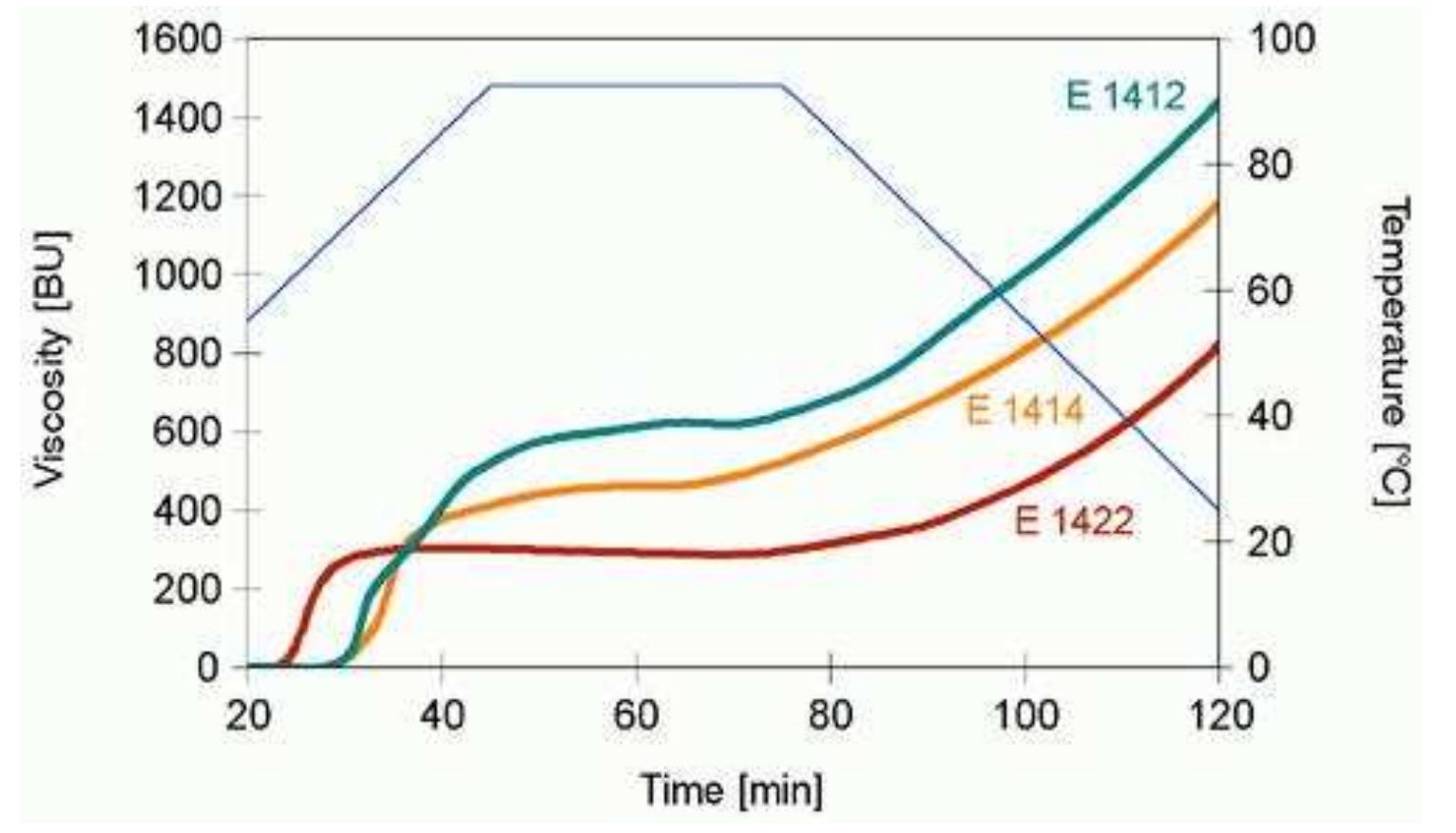
The analysis indicates that both oxidised and acetylated starches have altered pasting temperatures, with acetylated starch displaying a significantly lower gelatinisation temperature compared to native starch.
What method was standard for assessing resistant starch in this research?add
The research utilized hydrolysis with a mixture of pancreatic alpha-amylase and glucoamylase at 37°C for 16 hours to determine resistant starch, consistent with recent standards.
When did the study confirm native starch's complete digestion?add
The findings show that native potato starch achieved nearly complete digestion after 8 hours and fully after 16 hours, setting a benchmark for comparison with modified starches.
Which chemical modifications showed the most significant impact on digestion rates?add
Dextrinisation and the incorporation of acetyl or carboxyl groups notably reduced digestibility, particularly with acetylated distarch adipate E 1422 showing a decrease of up to 6%.
Joanna Le Thanh - Blicharz
Grazyna Lewandowicz