people in superhero masks and capes (© LIGHTFIELD STUDIOS - stock.adobe.com)
COLUMBUS, Ohio – Imagine Deadpool as a lesson on tissue repair and Elastigirl as a representation of hyperflexibility in an anatomy class. At least at one school, your favorite superheroes really are on the lesson plan. These creative connections are part of a unique “SuperAnatomy” course designed by instructors at The Ohio State University College of Medicine. The goal is to make the often challenging and occasionally daunting subject of human anatomy more engaging for undergraduate students.
The incorporation of iconic superheroes aimed to provide real-world relevance and captivate students’ imagination in a bid to foster deeper understanding. Surveys revealed that the use of superheroes heightened students’ motivation to learn, facilitated a more comprehensive grasp of the material, and made the subject matter more accessible and enjoyable.
The course was not solely centered around popular culture references, but also explored how characters like Wolverine and Groot could help illustrate concepts such as the impact of Wolverine’s claws on his musculoskeletal system or Groot’s relevance in discussing skin disorders.
“In these introductory courses, it’s a little tougher to talk about clinical relevance because students don’t fully understand a lot of the mechanics,” says associate anatomy professor Melissa Quinn in a university release. “But if you bring in pop culture, which everybody is inundated with in some way, shape or form, and tie it to the foundational sciences, then that becomes a way to apply it a little bit more.”
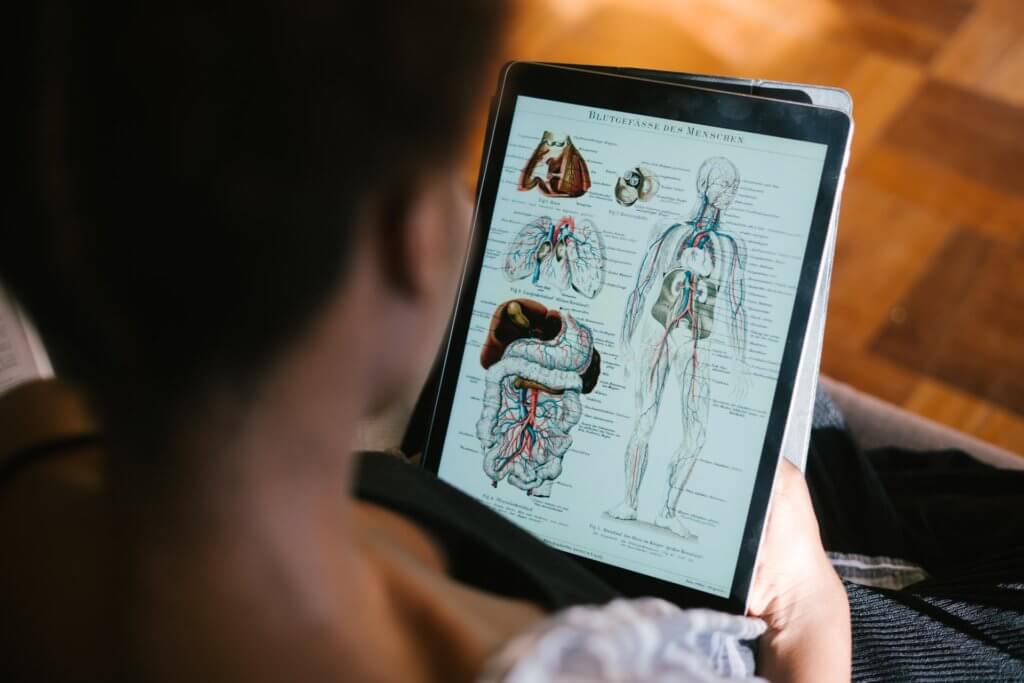
SuperAnatomy was designed as a 1000-level, three-credit-hour undergraduate course accessible to students from all disciplines. The course included three 55-minute lectures per week and lab sessions held twice during the semester. The curriculum drew inspiration from the existing four-credit-hour Human Anatomy 2300 course, which predominantly caters to pre-health profession majors.
Over three semesters in 2021 and 2022, students from both SuperAnatomy and Human Anatomy classes participated in the study. The research encompassed 36 SuperAnatomy students and 442 Human Anatomy students. Researchers collected data through 50-question quizzes administered at the start and end of the semester to assess learning and application of course content. Pre and post-course surveys were also conducted.
Results indicated that the learning and application of material were comparable in both courses. Importantly, the superhero-themed content wasn’t limited to cartoons and comic books.
“We looked at courses already running in our anatomy curriculum and took the relevant parts of those courses and added in the superheroes,” says Quinn. “So we actually elevated the curriculum.”
Feedback from SuperAnatomy participants revealed that the inclusion of superheroes enhanced their learning experience. Nearly all students reported that pop culture and superhero references expanded their comprehension of the material and boosted their motivation to excel in the class.
“Collectively, if the students are enjoying the course and motivated to learn the material it could be better not only for their academic success, but their mental health and social wellbeing too,” the authors emphasized.
The SuperAnatomy course proves that even long-standing subjects like anatomy can be refreshed and made captivating for each new generation of learners. It’s not just about having fun; it’s a way to truly make anatomy intriguing and accessible.
The study is published in the journal Anatomical Sciences Education.