(© Maridav - stock.adobe.com)
ASSEN, Netherlands — Working the night shift can have a damaging effect on your health. In a new study, Dutch researchers discovered that more than half of night-shift workers end up suffering from sleep disorders.
Sleep plays a crucial role in our overall well-being, affecting our mental, physical, and cognitive functions, but for those working night shifts, maintaining a healthy sleep routine becomes a challenge. Researchers from GGZ Drenthe’s Mental Health Institute delved into this issue, exploring how various shift patterns relate to sleep disorders and demographic factors. They uncovered significant connections between different shift schedules and disrupted sleep.
“We showed that compared to working regular shifts during daytime hours, working other shift types is associated with a higher occurrence of disordered sleep, particularly in rotating and regular night shift work,” says study senior author Dr. Marike Lancel, a researcher at GGZ Drenthe’s Mental Health Institute, in a media release. “Of note, 51 percent of people working nights scored positive for at least one sleep disorder.”
Researchers surveyed over 37,000 participants, gathering information on their demographics and shift work patterns, including regular morning, evening, and night shifts, or alternating between shifts. They also used a questionnaire to screen for six common sleep disorder categories.
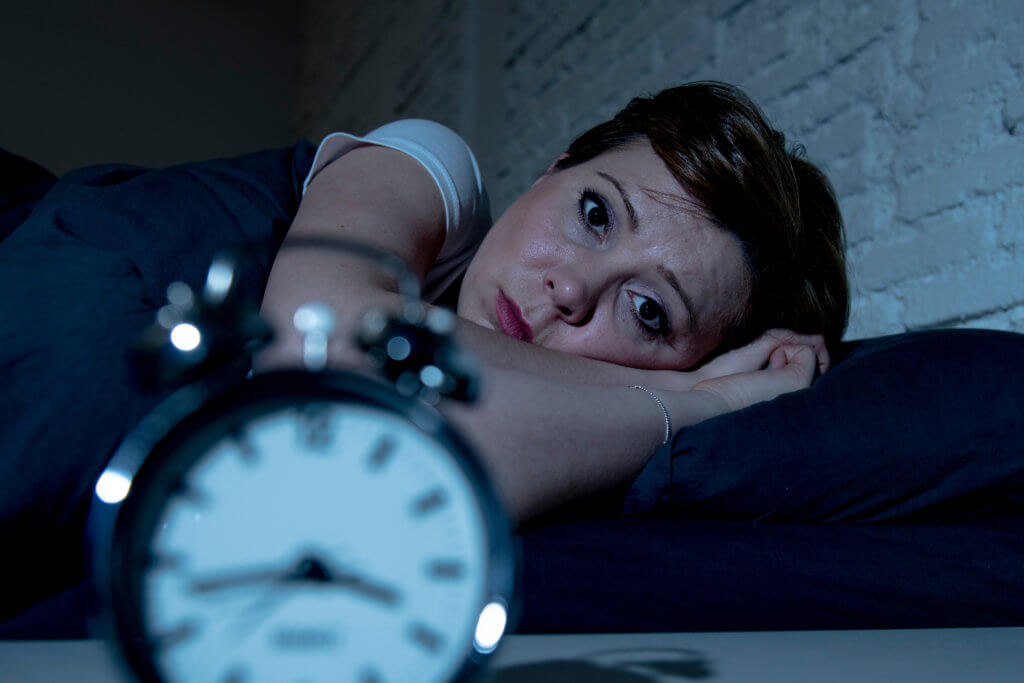
The findings highlighted that regular night shifts had the most detrimental impact on sleep. Half of night shift workers reported sleeping less than six hours within 24 hours, with 51 percent experiencing at least one sleep disorder, and 26 percent facing two or more.
The study also revealed that male participants slept fewer hours than females, while sleep disorders were more prevalent in women. Younger participants, especially those under the age of 30, were more prone to various sleep disorders despite sleeping shorter hours. Individuals with lower education levels experienced more disrupted sleep due to shift work.
“Because those working night shift will remain de-synchronized with the day-work focused environment they live in, it is unlikely to completely prevent all negative consequences of night work,” explains Dr. Lancel.
Despite some limitations in the study, such as a possible bias towards individuals with existing sleep disorders participating more readily, the findings hold importance. They offer valuable insights for employers in industries where shift work is common, aiding in the development of strategies to mitigate the negative effects of irregular work hours on sleep health.
The study is published in the journal Frontiers in Psychiatry.