

"Fahrenheit 451" by Ray Bradbury
In a world where reality often seems stranger than fiction, dystopian novels offer a chilling glimpse into potential futures that feel uncomfortably close to home. These cautionary tales, set in societies gone wrong, serve as both a mirror to our present and a warning for our future. From totalitarian regimes to environmental catastrophes, from technological nightmares to societal collapses, dystopian fiction explores the darkest “what-ifs” of human civilization. Yet, paradoxically, these bleak narratives captivate readers with their gripping storytelling, complex characters, and often, a glimmer of hope amidst the despair. The best dystopian novels do more than just entertain; they challenge our assumptions, provoke critical thinking about our current trajectory, and inspire us to fight for a better world. In this article, we’ll journey through the most compelling and influential dystopian novels ever written. From classic works that defined the genre to contemporary masterpieces that reimagine it, we’ll explore stories that continue to resonate with readers long after the last page is turned. So, steel your nerves and open your mind as we dive into fictional worlds that might just help us better understand and shape our own. Let us know your favorite books in the comments below! Happy reading!
StudyFinds is a research-driven platform that analyzes and synthesizes expert recommendations from trusted sources. Rather than writing reviews ourselves, we meticulously compile consensus findings from leading industry experts and established publications to save consumers valuable research time. Each article represents hours of analysis across multiple authoritative sources to identify the most consistently recommended choices.
5 Best Dystopian Novels, According to Readers
1. “We” by Yevgeny Zamyatin (1924)

“We” is about the loss of humanity at the hands of crushing technology. It explores the best themes of science fiction dystopia but is focused on the human experience in this nightmarish future world. Imagine a book so groundbreaking, it inspired not one, but two of the most iconic dystopian novels of all time. That’s exactly what Penguin suggests about Yevgeny Zamyatin’s “We”. This literary trailblazer might just be the great-grandaddy of both “Nineteen Eighty-Four” and “Brave New World”. Set a millennium after humanity has been conquered, the story plunges us into a world of eerie “harmony” enforced by totalitarian rule. But here’s where it gets interesting – our protagonist, D-503, is a mathematician who sees the world through numbers. His orderly existence gets turned upside down when he makes a mind-blowing discovery: he has an individual soul. Talk about an existential crisis!
Now, let’s talk about the book’s historical context. Oprah Daily gives us the lowdown on “We”‘s origins. Picture this: it’s the early days of the Soviet Union, and Zamyatin pens a novel that’s so ahead of its time, it has to be published in New York in 1923. Fast forward a thousand years in the book’s timeline, and we’re smack dab in the middle of a so-called “utopia”. But here’s the catch – this perfect world comes at a steep price. Citizens are expected to surrender every last shred of their individuality. It’s like a twisted game of “Simon Says” where the stakes are your entire identity.
For the last century, readers have been devouring dystopian tales, and Entertainment Weekly says we have Zamyatin to thank for kickstarting the trend. Our hero, D-503, isn’t just any old Joe – he’s a mathematician living in a 26th-century society where Big Brother would feel right at home. His earth-shattering realization that he has a soul sets off a chain of events that could change everything. And get this – the book has been translated from Russian multiple times, each version preserving the poetic prose and mind-bending themes about individual freedom. It’s like a literary time capsule that keeps on giving, challenging readers to ponder some pretty heavy questions about society and self. No wonder it’s been captivating audiences for nearly a hundred years!
2. “Fahrenheit 451” by Ray Bradbury (1953)
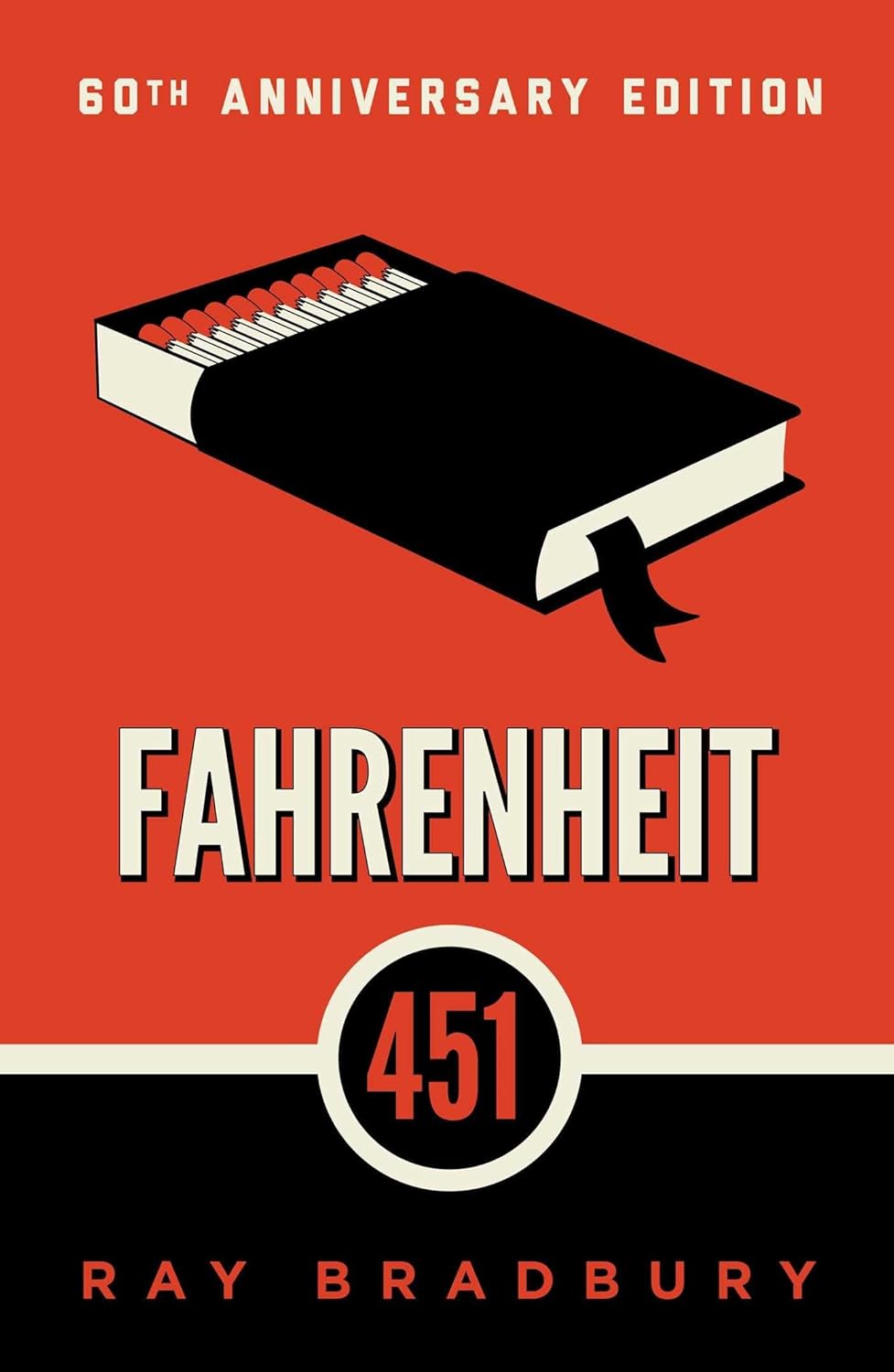
In this American classic, Guy Montag is a “Fireman” who burns books as his professional occupation. Subject to several media adaptations, the original text is the best way to experience this gripping story. Book Riot says this isn’t just a novel; it’s a chilling glimpse into a world where books are outlawed and a special group is tasked with raiding homes to remove these dangerous “contraband” items. Sound familiar? It’s like Bradbury had a crystal ball when he wrote this!
Now, Paste dives deeper into why this book packs such a punch. Sure, dystopian fiction often serves as a warning, a literary “Hey, watch out!” sign on the road to the future. But “Fahrenheit 451” goes beyond just ringing alarm bells. It’s a love letter to the power of words, reminding us that it’s okay – no, necessary – to be bothered by them sometimes. The most powerful word in our vocabulary might just be that simple, three-letter question, “Why?” It’s like Bradbury is nudging us, saying, “Don’t just accept things as they are. Question everything!”
Parade breaks down the plot, and boy, is it a doozy. Imagine a world where firefighters don’t put out fires – they start them. And their main targets? Books. It’s like a bookworm’s worst nightmare come to life. But here’s where it gets interesting. Our main guy, Guy Montag (gotta love that name), is one of these book-burning firemen. But when he meets a neighbor who sees books differently, his whole world gets turned upside down. Suddenly, he’s not just questioning his job, but the entire culture that made book-burning a thing.
3. “Nineteen Eighty-Four” by George Orwell (1949)
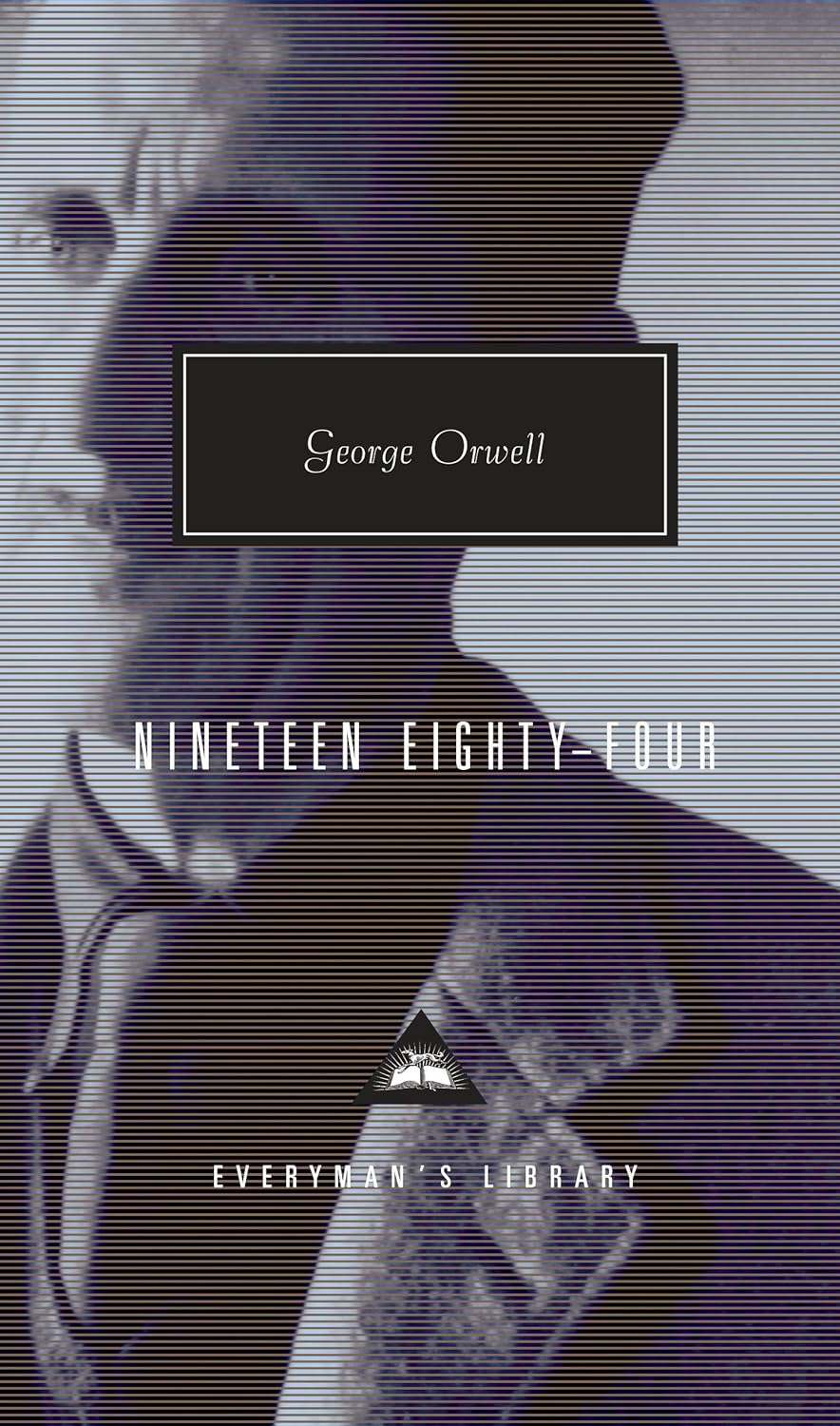
Also titled “1984” this science fiction classic introduces readers to the concept of “thought police” who ensure that those guilty of nonconformity are punished. This is another classic that has had many media adaptations but is best enjoyed as the original text. Short List is bewildered about just how spookily accurate this book has turned out to be. You know how sometimes you read old sci-fi and chuckle at how off-base it is? Well, “1984” is the opposite. It’s like Orwell had a time machine or something. Big Brother, Room 101, Newspeak – these aren’t just cool-sounding book terms anymore, they’re part of our everyday lingo! The world Orwell painted, with its constant surveillance and media manipulation, feels less like fiction and more like a news report these days. It’s enough to make you want to put on a tinfoil hat!
Now, Discovery is giving us the lowdown on what makes this book so mind-blowingly good. It’s not just the story that’ll keep you up at night (though it totally will). Orwell went all out on the worldbuilding, creating a universe so detailed and believable, you’d swear he’d actually visited the future. He cooked up concepts like “doublethink” and slogans that’d make your brain hurt (War Is Peace, anyone?) based on what he saw brewing in the early Cold War era. It’s like he took a magnifying glass to society’s darkest tendencies and then cranked them up to eleven. And let’s not forget the story itself – a rollercoaster ride that’ll have you on the edge of your seat, questioning everything you thought you knew about reality.
From the moment it hit the shelves, it was clear this wasn’t your average beach read. Orwell paints a picture of a world where The Party rules supreme, and freedom is just a distant memory. It’s like he took all our worst fears about government control and privacy invasion and wrapped them up in a terrifyingly plausible package. And get this – the book didn’t just predict the future, it helped shape it. The impact “1984” has had on the English language is mind-boggling. It’s not every day a novel gives us a whole new vocabulary to describe our fears about society (Pan Macmillan).
4. “Brave New World” by Aldous Huxley (1932)

“Brave New World” explores the deeply disturbing implications of eugenics. The elimination of basic human freedoms forms the horrific reality for the characters in this classic novel. At first glance, you might think, “Hey, this doesn’t sound so bad!” But don’t be fooled – this perfect world has a seriously dark underbelly. Huxley’s crystal ball showed him a future with designer babies, sci-fi reproduction, and mind-bending psychology. The result? A society where your IQ determines your social status, and everyone’s kept happy with a little pill called soma. Oh, and if you’re old-school enough to age naturally or gasp give birth the old-fashioned way? Sorry, you’re labeled a savage (Wired).
Penguin reviewers hit us with the million-dollar question: Where do you fit in this brave new world? Are you an Alpha brainiac or more of a Beta middle-manager type? Whatever you do, don’t be a Delta! This book is all about geniocracy – that’s a fancy way of saying “smart people rule.” It’s like high school, but forever, and with more drugs. Our main man Bernard is the only one who seems to have missed the “ignorance is bliss” memo. He’s not buying what the World Controllers are selling and dreams of breaking free. It’s like being the only sober person at a party where everyone else is tripping on happy pills.
But wait, there’s more! Oprah Daily says this book still packs a punch today. Huxley wasn’t just writing a wacky sci-fi story; he was waving a big red flag about the dangers of getting too comfy with the status quo. His futuristic world might seem pain-free on the surface, but it’s built on some seriously sketchy foundations. We’re talking genetically modified babies, brainwashing disguised as psychology, and a social hierarchy that would make your high school cliques look downright egalitarian. It’s a wake-up call wrapped in a page-turner, reminding us that sometimes, when things look too good to be true, they probably are.
5. “The Road” by Cormac McCarthy (2006)
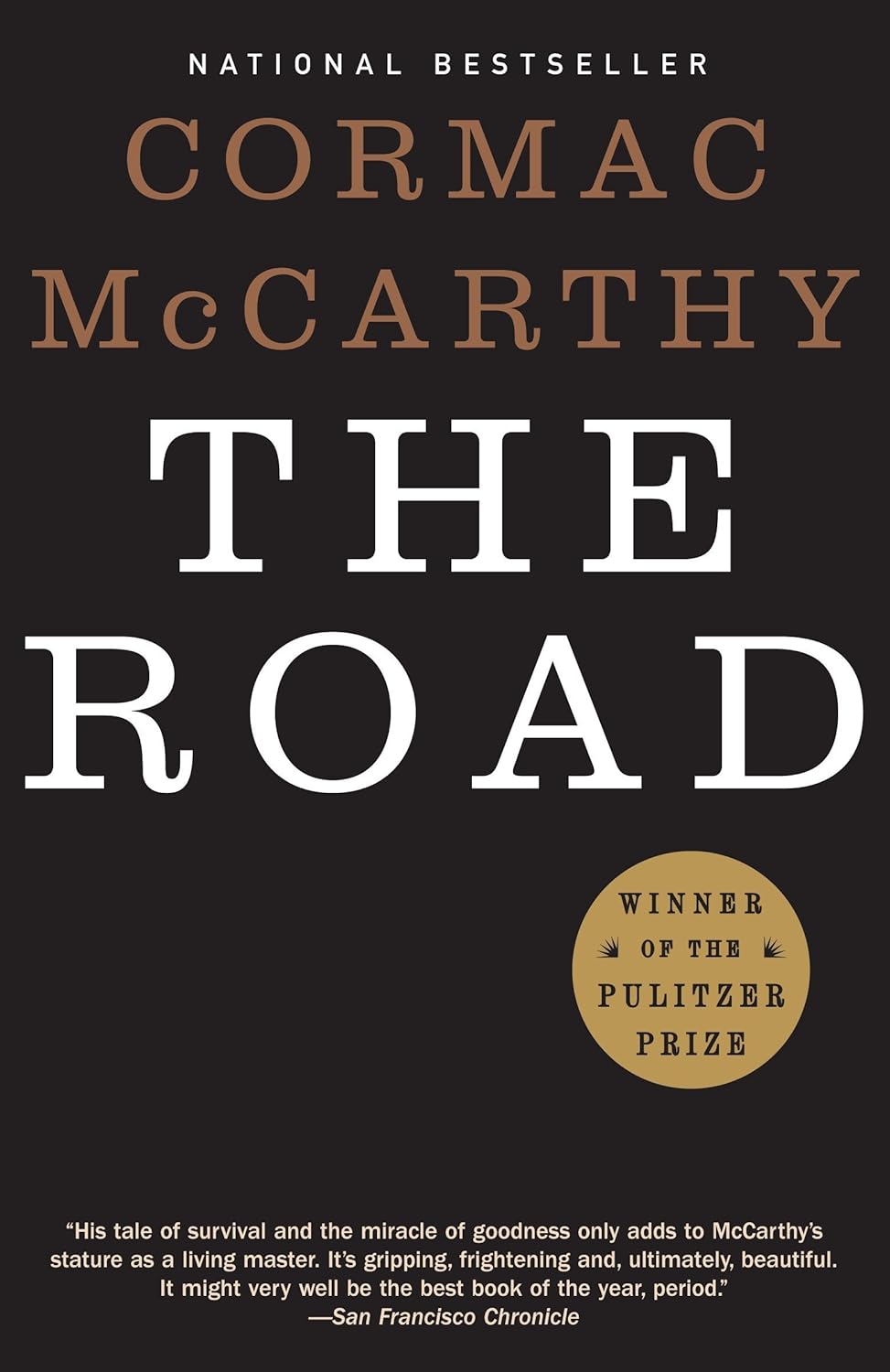
“The Road” is a modern classic that predicts a bleak future of post-apocalyptic survival. Cormac McCarthy’s nameless main characters go on a bleak journey across a ruined American landscape. Entertainment Weekly is raving about this Pulitzer Prize-winning novel that’ll tug at your heartstrings and maybe make you want to call your dad. Picture this: a father and son, nameless like ghosts, trekking through an America that’s seen better days – like, way better. We’re talking burned-out landscapes and decay as far as the eye can see. But here’s the kicker – in this world gone mad, their bond is the only thing keeping them sane. It’s like McCarthy took a magnifying glass to the human condition, showing us the good, the bad, and the downright ugly.
Now, Discovery warns this isn’t your feel-good book of the year. “The Road” is about as cheerful as a rainy Monday, but boy, does it pack a punch. McCarthy’s prose paints a world so bleak, you can almost taste the ash in the air. But it’s not just about the physical wasteland; it’s the moral decay that’ll really get you. This book isn’t asking you to ponder society’s big structures. Nope, it’s getting personal. It’s holding up a mirror and asking, “In a world where it’s every person for themselves, can you still hang onto your humanity?” Talk about some heavy bedtime reading!
Wired is singing praises for McCarthy’s stripped-down style. If you’ve read “Blood Meridian” or “No Country For Old Men,” you know the drill. It’s like McCarthy took the English language, put it on a diet, and what’s left is pure, raw storytelling. The result? A tale that grabs you by the collar from page one and doesn’t let go until you’ve turned the last page. We’re following our dynamic duo – still nameless, still trudging along – through a post-apocalyptic America where the old rules are fading faster than you can say “civilization.” It’s a simple story on the surface, but underneath? It’s asking big questions about what makes us human when everything else is gone. So, if you’re in the mood for a literary rollercoaster that’ll leave you breathless, “The Road” is your ticket to ride.
Sources:
Note: This article was not paid for nor sponsored. StudyFinds is not connected to nor partnered with any of the brands mentioned and receives no compensation for its recommendations. This article may contain affiliate links in which we receive a commission if you make a purchase.









Crime and Punishment.
Absolutely not The Road. So many great dystopian novels have been left out. This article is another useless one written to occupy space by so called “experts”.
.
There are a lot of books written by women that have been excluded by this list, namely Margaret Atwood’s ” The Handmaid’s Tale” or Octavia Butler’s “The Parable of the Sower.” Honestly, a high schooler’s book report would have more insight than this article.
Also noting “The Road” is miscategorized as dystopian.
In which way The Road is dystopian?
In every way.
The Road is not a Dystopian novel. It’s a Post-Apocalyptic one. There are many more Dystopian themed stories you could have chosen.
It is 100% a dystopian novel.
Great list. Thanks for publishing.
I would add a few, written in the 1940s by the author of the first Golden Age SF short story. “Black Destroyer”, by A E Van Vogt.
Van Vogt’s “The Weapon Shops Of Isher” and his “The World Of Null A”. “Null A” was published 4 years prior to “Nineteen Eighty – Four, in Astounding Magazine in many nations. Van Vogt’s many references to General Semantics and the time binding of history through words is a major theme of the novel. Many, myself included, think that Newspeak is a substitute for General Semantics in Ninteen Eighty – Four. This not a criticism of that, Orwell makes the issue of rewriting history through word redefinition much easier to understand.