


Addressing the critical need for long-term mental health data during the COVID-19 pandemic: Changes in mental health from April to September 2020
- PMID: 33647353
- PMCID: PMC8136863
- DOI: 10.1016/j.ypmed.2021.106465
Addressing the critical need for long-term mental health data during the COVID-19 pandemic: Changes in mental health from April to September 2020
Abstract
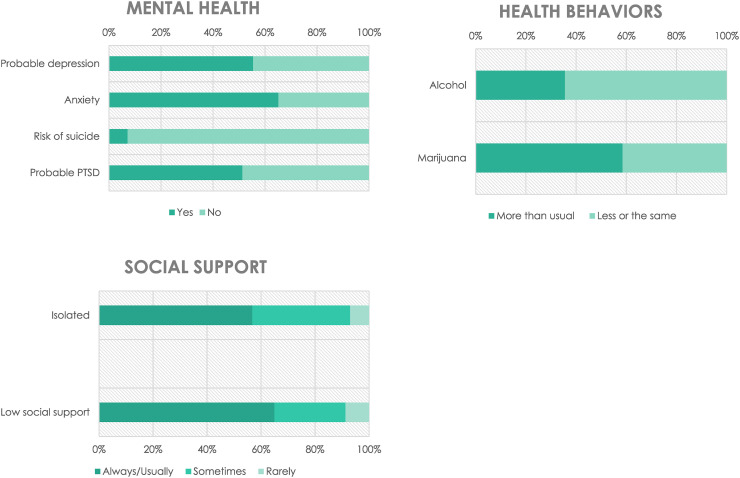
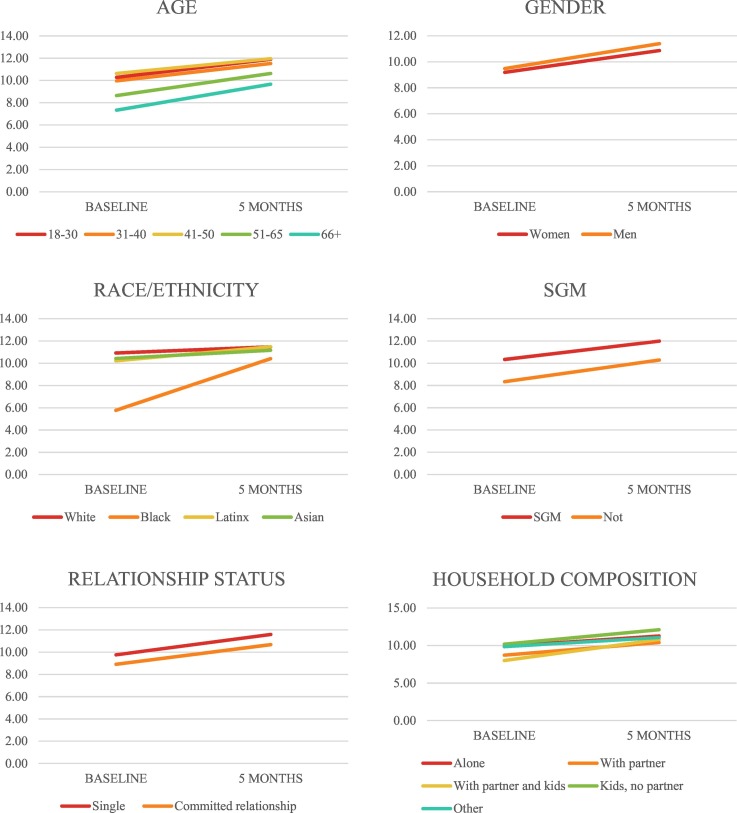
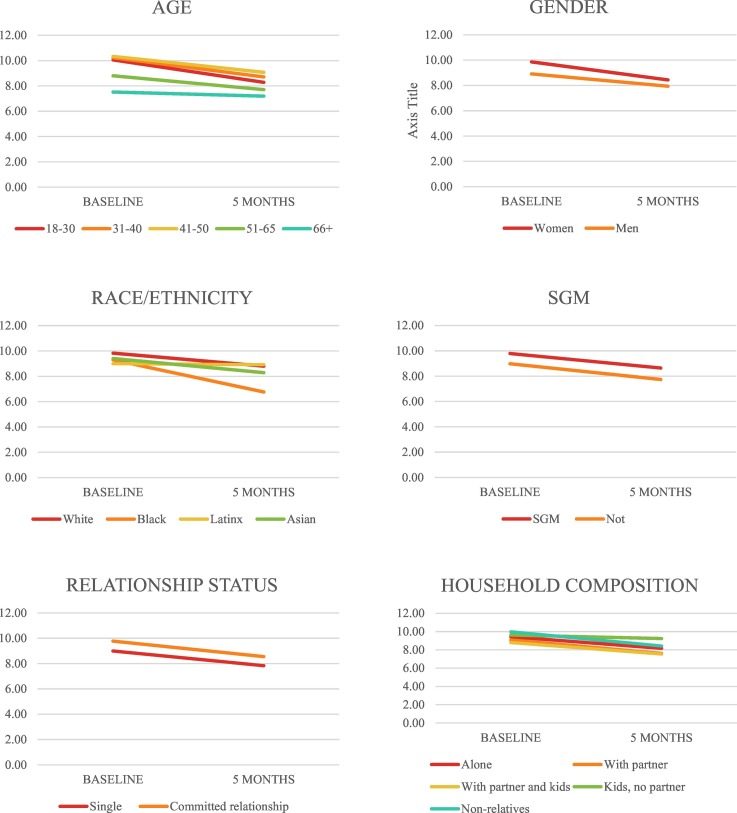
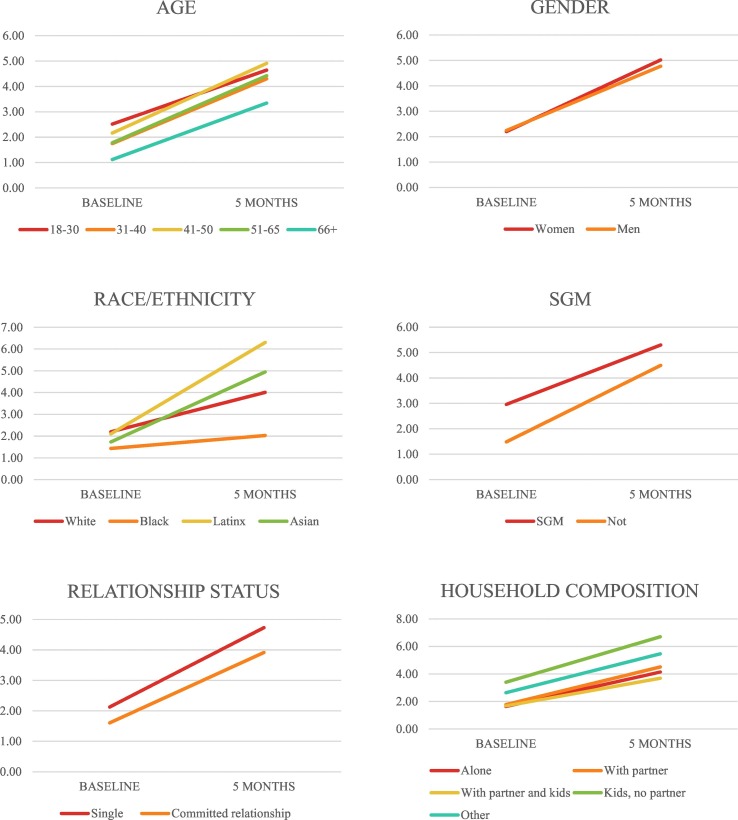
Despite the large amounts of research currently being conducted and the high number of editorials warning about the potential mental health impacts, there is a stunning lack of longitudinal mental health data on the effects of the pandemic. Yet, the pandemic may have sizable long-term impacts on psychological distress and health behaviors-these effects may be long-lasting and may disproportionately affect some demographic groups more than others. Data came from a longitudinal international study of the impacts of the COVID-19 pandemic on adults' psychological distress and wellbeing (N = 1567). We found high rates of depression (55% were diagnosable with probable depression at baseline), anxiety (65%), and risk for PTSD (51%). More than one-third of participants who reported that they drank alcohol indicated that their drinking had increased since the start of the pandemic. Over time, depressive symptoms and suicidal thoughts and behaviors increased significantly, but acute stress symptoms decreased. Specific demographic groups (people of color and sexual and gender minorities) appeared to be at high risk of distress across analyses. Our findings suggest high rates of depression, anxiety, acute stress, and other signs of distress like isolation, hopelessness, and use of substances to cope-even at five-month follow-up. Our findings suggest a need to prioritize availability of, and access to, mental health care during both the pandemic and the recovery.
Copyright © 2021 Elsevier Inc. All rights reserved.
Figures
References
-
- Chen S., Bonanno G.A. Psychological adjustment during the global outbreak of COVID-19: a resilience perspective. Psychol. Trauma Theory Res. Pract. Policy. 2020;12(S1):S51–S54. - PubMed
Publication types
MeSH terms
Grants and funding
LinkOut - more resources
Full Text Sources
Other Literature Sources
Medical
Miscellaneous
