


Image-and-text health warning labels on alcohol and food: potential effectiveness and acceptability
- PMID: 32238154
- PMCID: PMC7114781
- DOI: 10.1186/s12889-020-8403-8
Image-and-text health warning labels on alcohol and food: potential effectiveness and acceptability
Abstract
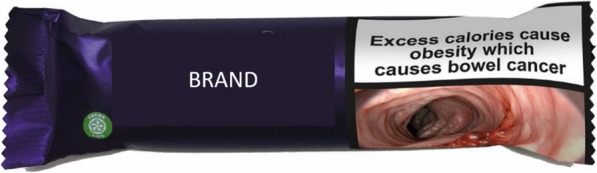
Background: Health warning labels (HWLs) using images and text to depict the negative health consequences of tobacco consumption are effective and acceptable for changing smoking-related outcomes. There is currently limited evidence concerning their potential use for reducing consumption of alcoholic drinks and energy-dense foods. The aim of this research was to describe the potential effectiveness and acceptability of image-and-text (also known as pictorial or graphic) HWLs applied to: i. alcoholic drinks and ii. energy-dense snack foods.
Methods: Two online studies were conducted using between-subjects designs with general population samples. Participants rated one of 21 image-and-text HWLs on alcoholic drinks (n = 5528), or one of 18 image-and-text HWLs on energy-dense snacks (n = 4618). HWLs comprised a graphic image with explanatory text, depicting, respectively, seven diseases linked to excess alcohol consumption, and six diseases linked to excess energy intake. Diseases included heart disease and various cancers. Outcomes were negative emotional arousal, desire to consume the labelled product, and acceptability of the label. Free-text comments relating to HWLs were content analysed.
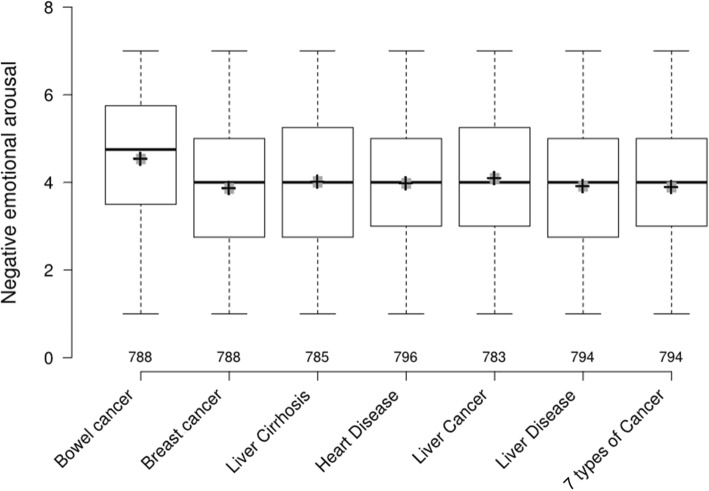
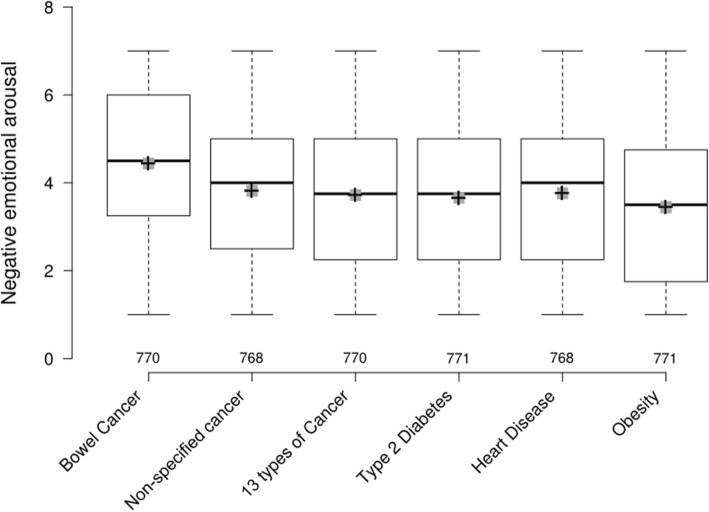
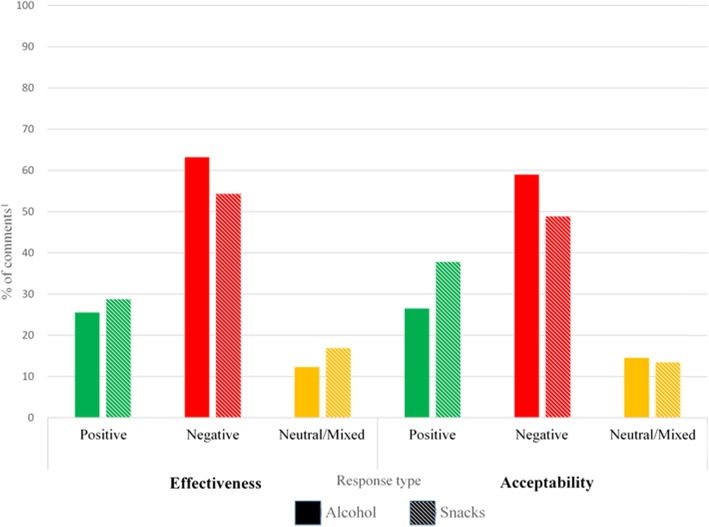
Results: For both alcoholic drinks and energy-dense snacks, HWLs depicting bowel cancer generated the highest levels of negative emotional arousal and lowest desire to consume the product, but were the least acceptable. Acceptability was generally low for HWLs applied to alcohol, with 3 of 21 rated as acceptable, and was generally high for snacks, with 13 of 18 rated as acceptable. The majority of free-text comments expressed negative reactions to HWLs on alcohol or energy-dense snacks.
Conclusions: Image-and-text health warning labels depicting bowel cancer showed greatest potential for reducing selection and consumption of alcoholic drinks and energy-dense snacks, although they were the least acceptable. Laboratory and field studies are needed to assess their impact on selection and consumption.
Keywords: Alcohol; Cancer; Food; Graphic health warning labels; Image-and-text warning labels; Pictorial health warning labels.
Conflict of interest statement
The authors declare they have no competing interests.
Figures

References
-
- WHO . Obesity and overweight. Fact sheet. 2018.
-
- Roberts C, Steer T, Maplethorpe N, Cox L, Meadows S, Nicholson S, et al. National Diet and nutrition survey: results from years 7 and 8 (combined) of the rolling Programme (2014/2015–2015/2016) 2018.
-
- Canadian Cancer Society. Cigarette package health warnings: international status report; 2018. http://www.cancer.ca/~/media/cancer.ca/CW/for%20media/Media%20releases/2.... Accessed July 2019.
MeSH terms
Substances
Grants and funding
LinkOut - more resources
Full Text Sources
Medical
