


Efficiency of Base Excision Repair of Oxidative DNA Damage and Its Impact on the Risk of Colorectal Cancer in the Polish Population
- PMID: 26649135
- PMCID: PMC4663340
- DOI: 10.1155/2016/3125989
Efficiency of Base Excision Repair of Oxidative DNA Damage and Its Impact on the Risk of Colorectal Cancer in the Polish Population
Abstract
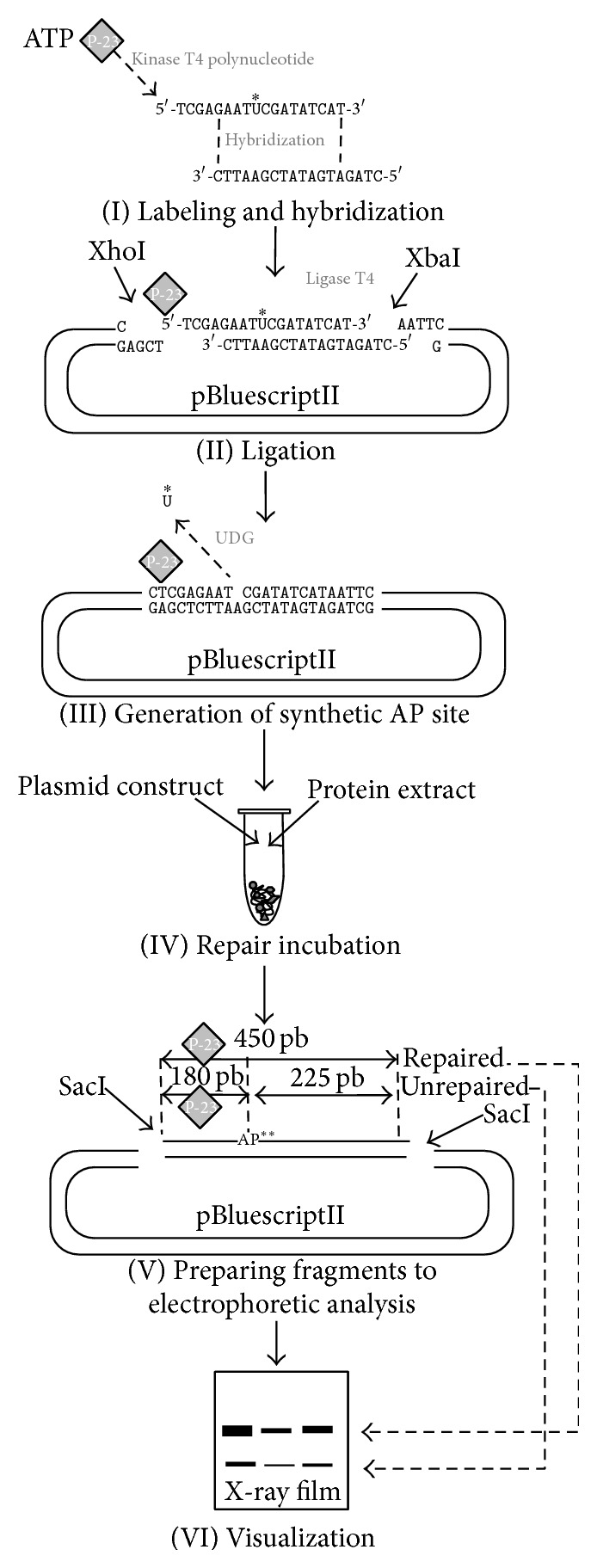
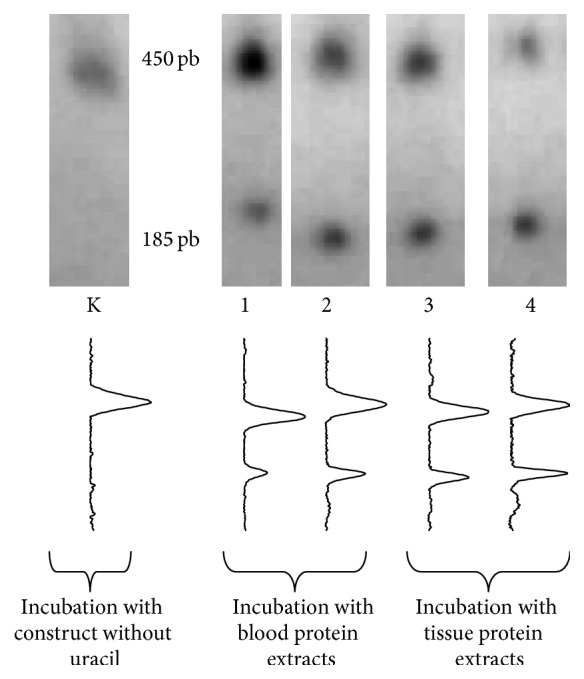
DNA oxidative lesions are widely considered as a potential risk factor for colorectal cancer development. The aim of this work was to determine the role of the efficiency of base excision repair, both in lymphocytes and in epithelial tissue, in patients with CRC and healthy subjects. SNPs were identified within genes responsible for steps following glycosylase action in BER, and patients and healthy subjects were genotyped. A radioisotopic BER assay was used for assessing repair efficiency and TaqMan for genotyping. Decreased BER activity was observed in lymphocyte extract from CRC patients and in cancer tissue extract, compared to healthy subjects. In addition, polymorphisms of EXO1, LIG3, and PolB may modulate the risk of colorectal cancer by decreasing (PolB) or increasing (LIG3 and EXO1) the chance of malignant transformation.
Figures
References
-
- Papadopoulos N., Lindblom A. Molecular basis of HNPCC: mutations of MMR genes. Human Mutation. 1997;10(2):89–99. - PubMed
Publication types
MeSH terms
Substances
LinkOut - more resources
Full Text Sources
Other Literature Sources
Medical
Research Materials
